Creating your own clothes transforms your wardrobe. It gives you freedom to design exactly what you want. Many people think sewing requires years of experience. That’s simply not true. You can create beautiful, professional-looking tops with the right guidance.
A sewing easy diy top pattern opens doors to endless possibilities. You’ll save money on expensive boutique clothing. More importantly, you’ll wear pieces that fit your body perfectly. No more settling for off-the-rack sizes that never quite work.
This guide walks you through everything you need to know. We’ll cover essential tools, fabric selection, and step-by-step construction. You’ll learn techniques that professional sewers use every day. By the end, you’ll have the confidence to tackle any top pattern you choose.
Why Choose DIY Sewing for Your Wardrobe
Ready-made clothing rarely fits everyone perfectly. Store-bought tops often miss the mark on sleeve length. They might be too tight in one area and too loose in another. When you make your own tops, you control every measurement.
The financial benefits add up quickly. A simple top at a boutique costs anywhere from forty to eighty dollars. The fabric and supplies for that same top run about twelve to twenty dollars. You’re looking at savings of seventy percent or more.
Creative Freedom
Choose your own fabrics, colors, and details. Mix patterns that express your personal style. Add custom embellishments that make each piece unique.
Perfect Fit Every Time
Adjust patterns to your exact measurements. Accommodate your body shape without compromise. Create clothes that feel comfortable all day long.
Sewing also reduces waste in your life. Fast fashion contributes massive amounts of textile waste yearly. When you sew, you choose quality fabrics. You create pieces you’ll wear for years instead of months.
Ready to Start Your Sewing Journey?
Discover 200+ beginner-friendly patterns with step-by-step video tutorials that make creating professional tops simple and enjoyable.
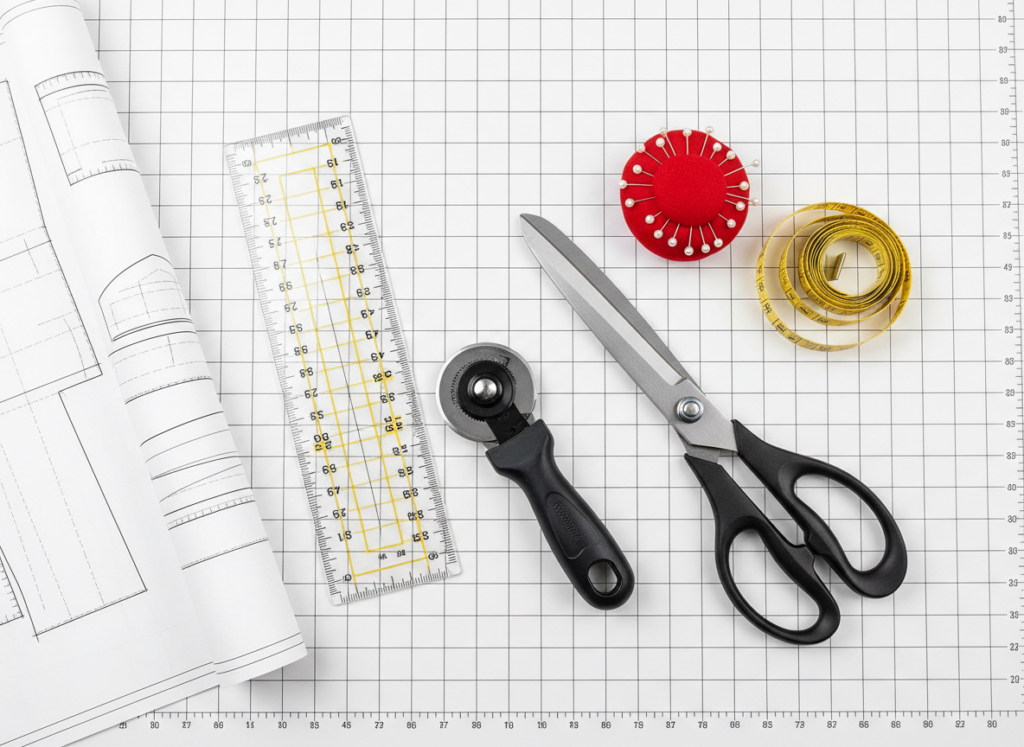
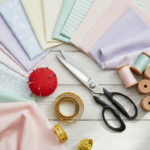
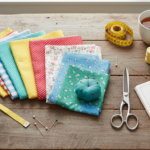
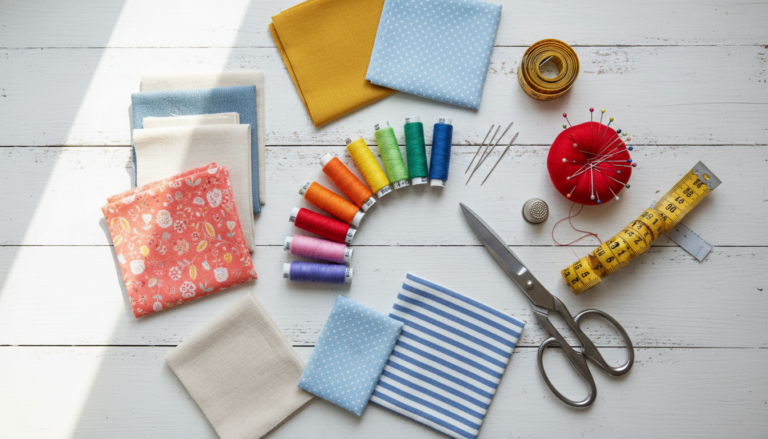
You don’t need an expensive setup to start sewing. A few quality tools make the process smoother. Invest in items that will last through many projects. Your basic toolkit should include these essentials.
Cutting Tools That Matter
Sharp fabric scissors are non-negotiable. Dull blades create jagged edges that affect your finished product. Never use your fabric scissors on paper. Keep them exclusively for cutting fabric and thread.
A rotary cutter speeds up the cutting process significantly. It works especially well with knit fabric. You’ll also need a self-healing cutting mat. Choose one at least eighteen by twenty-four inches for comfortable pattern cutting.
Measuring and Marking Essentials
A flexible measuring tape helps you take accurate body measurements. Get one that shows both inches and centimeters. You’ll reference it constantly when adjusting pattern sizes.
Fabric marking pens or chalk for transferring pattern markings
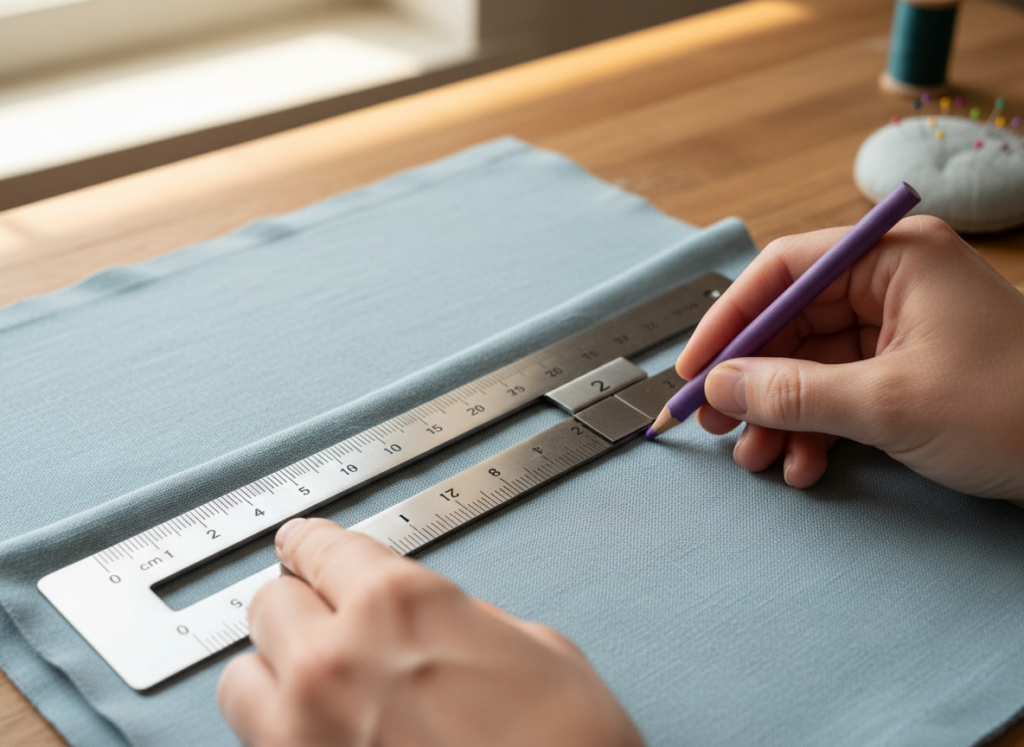
Clear ruler for measuring seam allowances and pattern adjustments
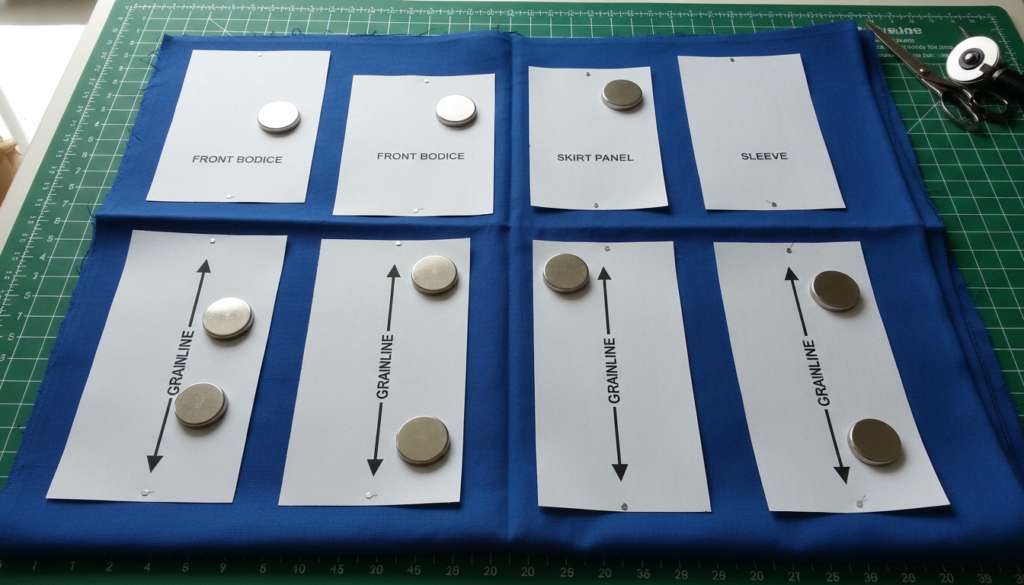
Pattern weights to hold paper patterns in place while cutting
Pins or clips to secure fabric layers during sewing
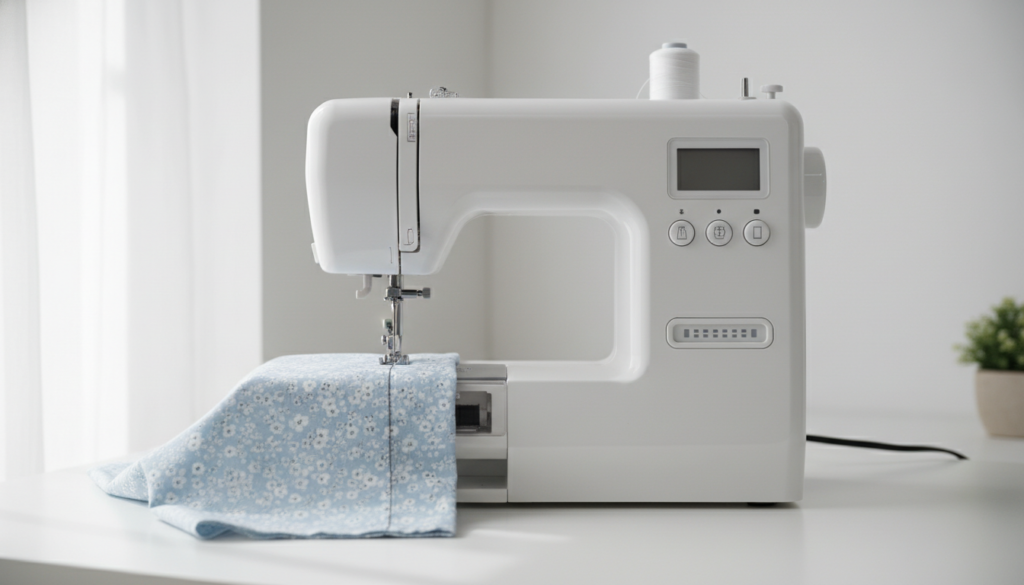
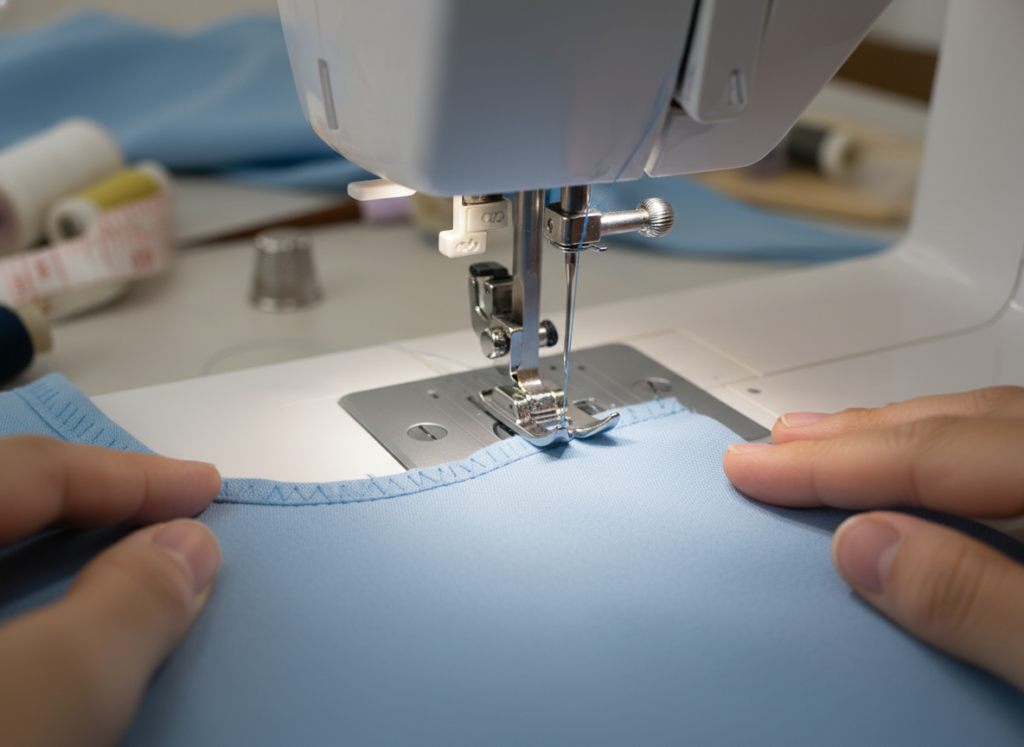
Your sewing machine doesn’t need fancy features for basic tops. A straight stitch and zigzag stitch handle most construction. If you’re working with knit fabrics, a ballpoint needle prevents snags. Get Professional Pattern Guidance to learn which tools work best for specific projects.
Choosing the Right Fabric for Easy Top Sewing Patterns
Fabric selection makes or breaks your sewing project. The wrong fabric turns even simple patterns into frustrating experiences. Understanding basic fabric types helps you choose wisely. Let’s explore which fabrics work best for beginners.
Best Fabrics for Your First Top
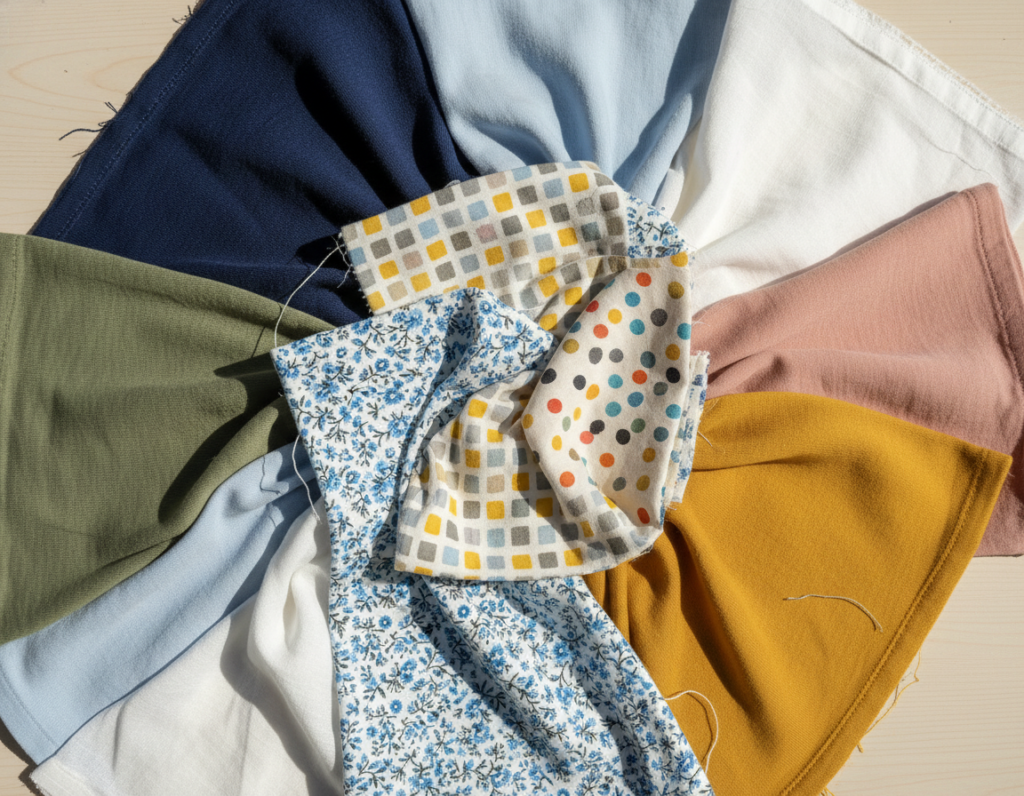
Cotton and cotton blends are your best friends when starting out. They’re easy to cut, sew, and press. Quilting cotton works beautifully for structured tops. It holds its shape and doesn’t shift while you sew.
Knit fabric offers comfort and stretch for casual tops. Jersey knit is the most beginner-friendly option. It doesn’t curl at the edges as much as other knits. Look for stable knits that don’t stretch excessively when you pull them.
Woven Fabric Characteristics
No stretch in any direction
Requires careful pattern matching at seams
Holds crisp shapes and structured designs
Works well for button-up tops and blouses
Knit Fabric Characteristics
Stretches across the width of the fabric
Drapes softly against the body
Forgiving of minor fit issues
Perfect for t-shirts and casual tops
How Much Fabric Do You Need
Most free sewing patterns tell you exactly how much fabric to buy. They base this on standard fabric widths. Typical fabric comes in forty-five inch or sixty inch widths. The pattern instructions account for these standard measurements.
For a basic sleeveless top, you’ll need about one and a quarter yards. A top with short sleeves requires roughly one and a half yards. Long sleeve tops need about two yards. Always buy an extra quarter yard for insurance. This gives you room for mistakes or pattern adjustments.
Fabric Selection Made Simple
Stop guessing which fabrics work best for your sewing pattern. Get instant access to detailed fabric guides that show you exactly what to buy for every project type.
Pre-Washing Your Fabric
Always wash your fabric before cutting your pattern. Most fabrics shrink at least a little bit. Cotton can shrink up to three percent. If you skip this step, your finished top might not fit after the first wash.
Wash fabric the same way you’ll wash the finished garment. Use the same water temperature and dryer settings. Press the fabric smooth before laying out your pattern pieces. This ensures accurate cutting and professional results.
Understanding Your Sewing Easy DIY Top Pattern
Sewing patterns might look confusing at first glance. Those lines, symbols, and numbers all serve specific purposes. Once you understand the language, patterns become easy to follow. They’re simply road maps for creating your garment.
Reading Pattern Markings
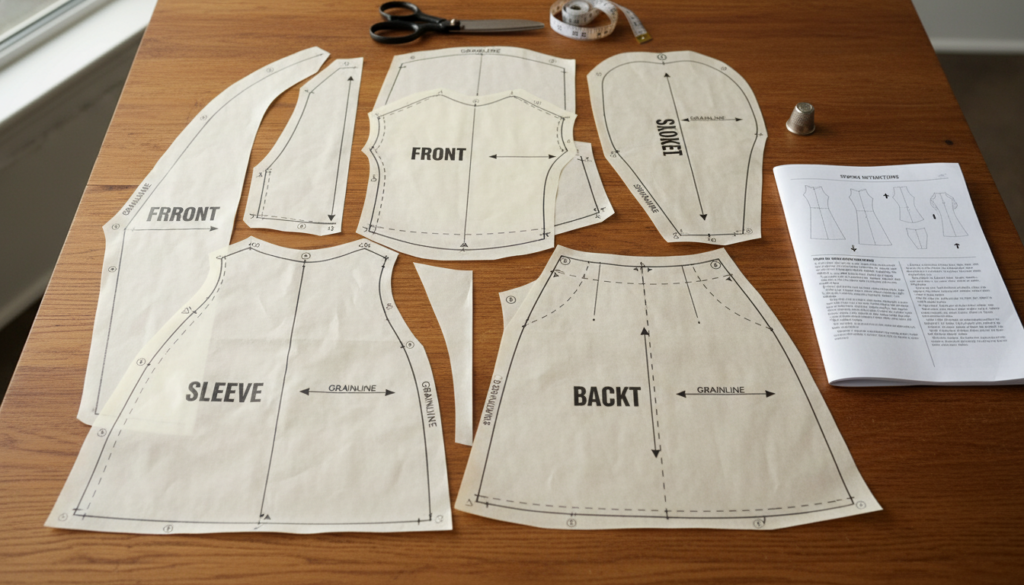
The grain line shows you how to place your pattern on the fabric. This long arrow must run parallel to the selvage edge. The selvage is the finished edge that doesn’t fray. Following the grain line ensures your top hangs correctly on your body.
Notches are small triangles along the cutting line. They help you match pieces together correctly. When you see a notch, cut outward around it. This creates a small triangle that sticks out from your fabric edge.
Dots indicate points where you should pivot or match pieces together
Dashed lines show where to fold fabric or placement lines for pockets
Numbers tell you which pattern pieces connect to each other
Letters or names identify each pattern piece clearly
Choosing Your Size
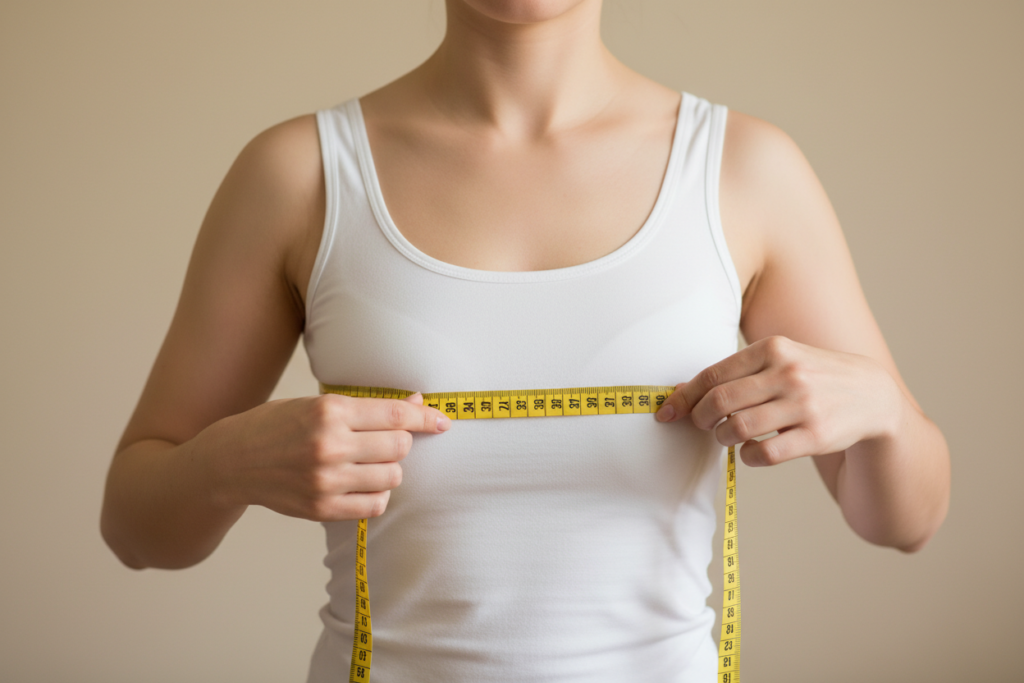
Pattern sizes don’t match ready-to-wear clothing sizes. You might wear a medium in stores but need a large in patterns. Always check the size chart included with your pattern. Take your bust, waist, and hip measurements before selecting a size.
Measure yourself while wearing the undergarments you’ll use with the finished top. Keep the measuring tape snug but not tight. Write down your measurements and compare them to the pattern size chart. Choose the size closest to your largest measurement.
Making Simple Pattern Adjustments
You can easily adjust patterns for better fit. Lengthening or shortening is the simplest modification. Most patterns have adjustment lines printed right on them. Cut along this line and spread the pattern to add length. Overlap the pieces to shorten.
To add width, draw a line from the armhole down to the hem. Cut along this line and spread the pattern pieces apart. Add the same amount to both front and back pieces. This maintains the design balance of your top.
New sewing enthusiasts often feel overwhelmed by pattern adjustments. Professional sewers use tested methods that work every time. Learn Expert Fitting Techniques that take the guesswork out of pattern modifications.
Step-by-Step: Creating Your Easy Top Sewing Pattern
The construction process follows a logical sequence. Each step builds on the previous one. Take your time with each stage. Rushing leads to mistakes that are harder to fix later. Let’s walk through creating a basic top from start to finish.
Preparing Your Pattern Pieces
Lay your fabric on a large flat surface. Fold it right sides together with selvages aligned. This means the pretty side of the fabric faces inward. Pin or weight your pattern pieces onto the fabric following the layout guide.
The layout guide shows the most efficient way to arrange pieces. It minimizes fabric waste while ensuring proper grain alignment. Some pieces are cut on the fold. This creates symmetrical pieces without a center seam.
Cutting Your Fabric
Cut carefully around each pattern piece. Stay just outside the cutting line for knit fabrics. This gives you a tiny bit of extra room if the fabric stretches. For woven fabrics, cut directly on the line. Use long, smooth strokes with your scissors.
Transfer all pattern markings to your fabric before removing the pattern. Use tailor’s chalk or a fabric marking pen. Mark dots, notches, and any placement lines. These marks guide you during construction.
Sewing the Shoulder Seams
Place front and back pieces right sides together. Match the shoulder seam edges and pin them together. The notches should align perfectly. Sew along the seam line using a straight stitch. Most top patterns use a five-eighths inch seam allowance.
Press the seam allowances toward the back of the top. This creates a smooth, professional finish. Always press as you sew. It makes the next steps easier and improves your final result.
Attaching the Neckline
The neckline finish varies by pattern. Some use bias binding for a clean edge. Others fold and stitch the raw edge under. If your pattern includes a facing, sew it to the neckline with right sides together.
Trim the seam allowance to one-quarter inch after sewing. This reduces bulk. Clip small notches into the curved areas. This allows the neckline to lie flat when turned right side out. Press the neckline carefully using appropriate heat for your fabric.
Setting In Sleeves
Sleeves intimidate many beginners. They’re actually straightforward with the right approach. First, sew the underarm seam of each sleeve. Press the seam open. Turn the sleeve right side out.
Keep the body of your top inside out. Slip the sleeve into the armhole. Match the notches and underarm seams. Pin the sleeve in place all around the armhole. Sew slowly around the curve. The machine naturally eases any slight fullness in the sleeve cap.
Start sewing at the underarm seam for easiest handling
Keep the sleeve on top as you sew for better control
Use a slightly shorter stitch length around curves
Press the seam allowance toward the sleeve after stitching
Finishing Side Seams
Pin the front and back together along the side seams. Start at the bottom of the sleeve and sew down to the hem. This creates one continuous seam line. Make sure the underarm seams match perfectly where they meet.
Press the side seams toward the back of the top. This prevents the seam from showing through on the front. Use a pressing cloth if working with delicate fabrics. The extra layer protects against heat damage.
Master Every Sewing Technique with Confidence
Follow along with detailed video tutorials that show you exactly how to sew each seam, set sleeves perfectly, and finish necklines like a professional. No more guessing or frustrating do-overs.
The hem is your final construction step. Fold the bottom edge up by one-quarter inch and press. Fold it up again by the hem allowance amount specified in your pattern. Pin the hem in place all around.
Topstitch close to the inner folded edge. This creates a neat, durable hem. For knit fabric, use a stretch stitch or narrow zigzag. This allows the hem to stretch with the fabric. Regular straight stitching can break when the fabric stretches.
Customizing Your Easy DIY Top Pattern
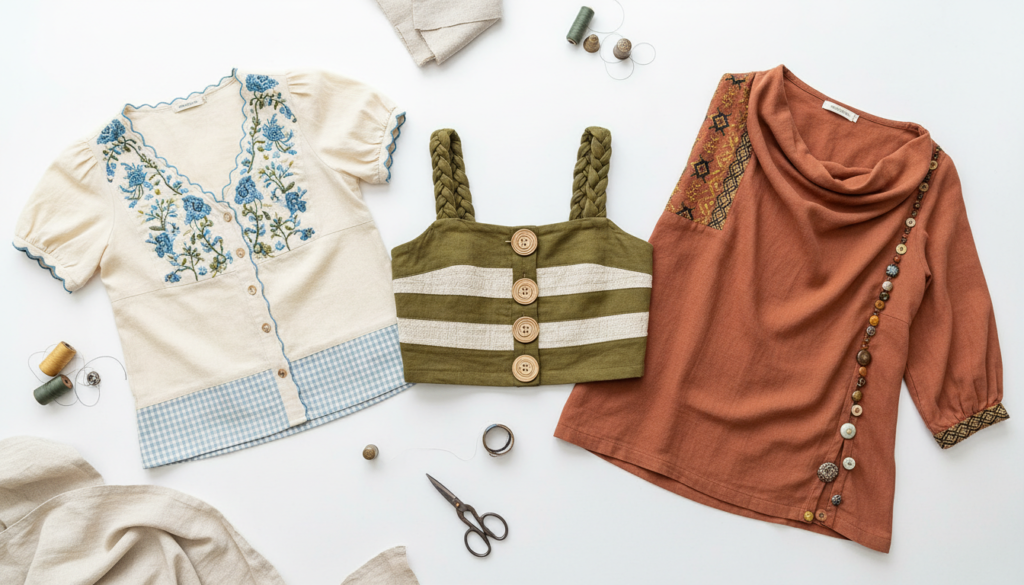
Basic patterns serve as blank canvases for your creativity. Small changes make huge impacts on the final look. You can create an entire wardrobe from one simple pattern. Each version looks completely different with minor modifications.
Playing with Neckline Variations
The neckline dramatically changes a top’s personality. A round neck creates a classic, timeless look. Scoop necks elongate the neck and show a bit more skin. V-necks offer a flattering option for most body types.
You can modify a basic neckline pattern easily. Lower the front neckline by drawing a new curve. Add seam allowance to your adjustment. Test your new neckline on scrap fabric first. This prevents disappointment with your final fabric.
Length Sleeves Options
Sleeve length completely transforms the style of your top. Cap sleeves keep you cool in summer while adding feminine detail. Three-quarter length sleeves work for transitional seasons. Long sleeves create year-round versatility.
You can shorten or lengthen sleeves without buying a new pattern. Measure your arm to your desired length. Add seam and hem allowances. Draw a line across the sleeve pattern at this measurement. Cut the pattern along this line and use the shortened version.
Add Pockets
In-seam pockets hide in the side seams. Patch pockets add visual interest to the front. Both styles add functionality without complicated construction.
Mix Fabrics
Use contrasting fabric for the sleeves or yoke. Color blocking creates modern, stylish designs. Choose fabrics with similar weight and care requirements.
Embellishment Ideas
Simple embellishments elevate basic tops to special pieces. Decorative topstitching adds visual interest without extra materials. Use contrasting thread color for maximum impact. Stitch parallel lines near hems or necklines.
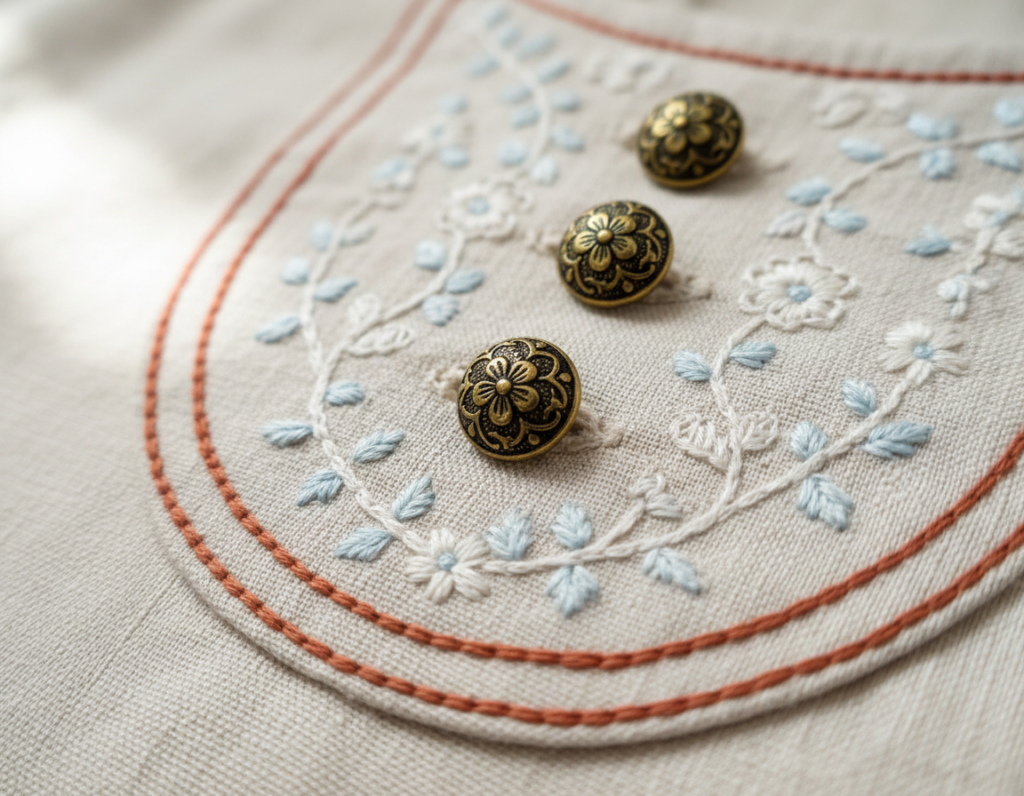
Buttons serve decorative purposes beyond closures. Add a row of small buttons down the shoulder seam. Sew decorative buttons randomly across the front for whimsy. Choose buttons that complement your fabric colors.
Ribbon or lace trim along the neckline or hem edges
Fabric flowers or appliques sewn onto the shoulder or neckline
Embroidery details that showcase your personal style
Beading or sequins for evening or special occasion tops
The key to successful customization is planning ahead. Sketch your ideas before cutting fabric. Access Hundreds of Customization Ideas to inspire your next creation and learn professional techniques for adding unique details.
Troubleshooting Common Beginner Sewing Problems
Every sewer encounters challenges when learning. These problems are normal and fixable. Understanding common issues helps you solve them quickly. You’ll spend less time frustrated and more time creating.
Fabric Puckering Along Seams
Puckering happens when tension is too tight or you’re pulling the fabric. Let the machine feed the fabric at its own pace. Don’t push or pull. Adjust your upper thread tension slightly looser if puckering continues.
Using the wrong needle size also causes puckering. Heavy fabrics need larger needles. Delicate fabrics require fine needles. Match your needle to your fabric weight. Replace dull needles immediately as they damage fabric and create poor stitches.
Uneven Hem Lines
Measuring from the bottom edge doesn’t always create even hems. Bodies and cutting aren’t always perfectly straight. Instead, measure down from the waist all around. Mark this distance with pins or chalk. This creates a hem that looks even when worn.
A hem gauge tool makes marking easier and more accurate. These inexpensive tools have an adjustable slide. Set it to your desired hem width. Use it to fold and press consistent hem allowances all around your garment.
Sleeves That Don’t Fit Properly
Sleeve fitting challenges frustrate many beginners. The sleeve cap should have slight ease built in. This ease allows the sleeve to curve over your shoulder naturally. If there’s too much fullness, gather it slightly between the notches.
If the sleeve feels too tight, check your seam allowances. You might have sewn with a larger seam allowance than intended. Let out the underarm seam slightly. This adds width where you need it most.
Pattern Pieces That Don’t Match
When pattern pieces don’t align at the seams, recheck your cutting. You might have cut one piece off-grain. The fabric could have shifted while cutting. Always double-check that notches align before you start sewing.
If pieces are slightly off, you can ease them together. Pin at the notches and the ends first. Distribute any extra fullness evenly between pins. The machine will ease the excess as you sew. Press well after sewing to smooth everything out.
Problem
Likely Cause
Quick Solution
Thread keeps breaking
Old thread or tension too tight
Replace thread, loosen upper tension
Skipped stitches
Wrong needle type for fabric
Switch to ballpoint for knits, universal for wovens
Fabric won’t feed through
Presser foot pressure too light
Increase presser foot pressure, clean feed dogs
Seams pucker after washing
Fabric not pre-washed
Always pre-wash fabric before cutting
Most sewing problems have simple fixes once you understand the cause. Keep notes about what works for different fabrics. This builds your personal reference guide. You’ll solve problems faster with each new project you complete.
Building Your Sewing Skills Beyond Basic Tops
Mastering a sewing easy diy top pattern opens doors to countless other projects. The skills you’ve learned apply to many garment types. Each new project builds on your existing knowledge. Your confidence grows with every completed piece.
Progressing to More Complex Patterns
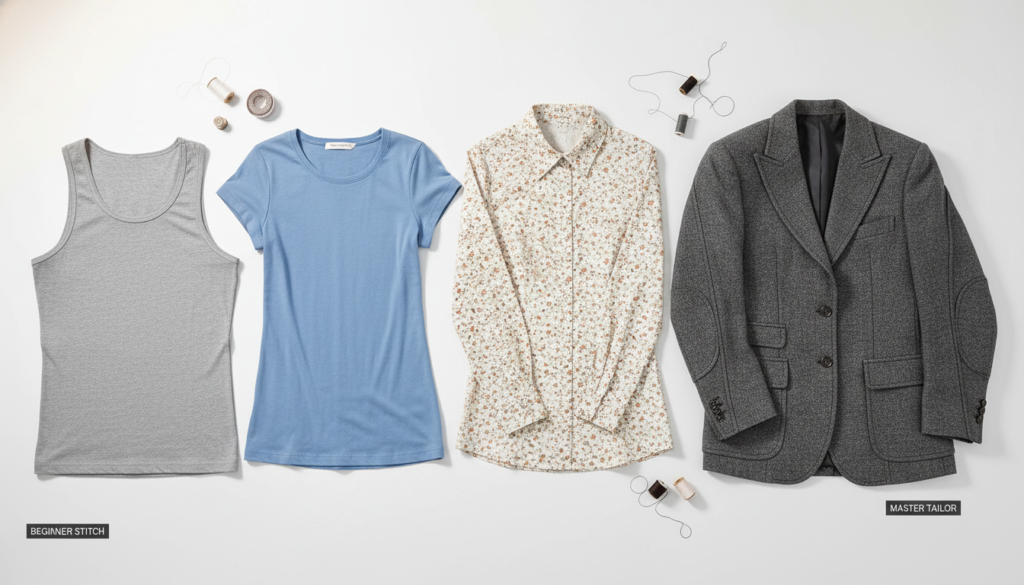
Start with patterns labeled “quick and easy” or “beginner.” These typically have fewer pattern pieces and simpler construction. As you gain confidence, try patterns marked “easy” without the quick designation. These introduce new techniques gradually.
Look for patterns with features you want to learn. Maybe you’re ready to try a button placket. Perhaps you want to learn how to insert a zipper. Choose one new skill per project. This prevents overwhelm while steadily expanding your abilities.
Exploring Different Top Styles
Once you’re comfortable with basic construction, experiment with different silhouettes. A boxy top offers a relaxed, modern fit. These styles work perfectly with beginners looking to expand their handmade wardrobe. The straight lines make them simple to sew.
Tank top patterns teach you about armhole finishing and bias binding. These sleeveless styles perfect for summer sewing projects. They use less fabric and take less time than sleeved versions. You can create an entire summer wardrobe in just a few weekends.
Peplum tops add a feminine flare at the waist. The construction is simply a basic top with a gathered or pleated section at the bottom. This introduces you to gathering techniques. You’ll use these skills in dresses and skirts later.
Tunic length tops teach you about proportion and longer hems
Wrap tops introduce you to asymmetrical construction
Off-shoulder styles show you elasticated waist techniques for necklines
High-low hems help you practice curved hem finishing
Working with Different Fabric Types
Each fabric type behaves differently under your needle. Start with quilting cotton and basic jersey knit. Once comfortable, try chambray or linen for different textures. These woven fabrics press beautifully and create structured tops.
Rayon and viscose drape elegantly for flowy tops. They require careful handling because they’re slippery. Use lots of pins and sew slowly. The beautiful drape makes the extra effort worthwhile.
Knit fabrics beyond basic jersey open new possibilities. Ponte knit creates structured tops that don’t wrinkle. French terry works for casual, comfortable styles. Each knit fabric has different stretch percentages. Understanding these differences helps you choose the right pattern.
Take Your Sewing Skills to the Next Level
Get lifetime access to an extensive library of patterns ranging from beginner basics to advanced techniques. Learn at your own pace with clear video tutorials for every skill level and style.
The internet offers countless free sewing pattern resources. Peppermint magazine provides beautiful contemporary designs. Many are perfect for beginners looking to expand their skills. Their patterns include detailed instructions and helpful tips.
YouTube channels dedicated to sewing offer video tutorials for specific techniques. Watch how experienced sewers handle tricky steps. Seeing the process in motion clarifies written instructions. Slow down videos or watch sections multiple times until you understand.
Online sewing communities provide support and inspiration. Members share their finished projects and offer advice. You’ll find answers to questions and solutions to problems. These communities celebrate your progress and encourage continued growth.
Start Creating Your Dream Wardrobe Today
Learning to sew your own tops transforms both your wardrobe and your mindset. You’ll never look at clothing the same way again. Every store-bought top becomes a potential DIY project. You’ll notice construction details you never saw before.
The skills you’ve learned through creating a sewing easy diy top pattern extend far beyond this single project. You understand fabric selection, pattern reading, and garment construction. These fundamentals apply to nearly every sewing project you’ll ever attempt. Your journey has just begun.
Start with one simple pattern and make it multiple times. Change the fabric, adjust the length, modify the neckline. Each version teaches you something new. You’ll develop muscle memory for common techniques. Soon these steps become second nature.
Remember that every expert sewer started exactly where you are now. They made mistakes, unpicked seams, and learned from each project. The difference between beginners and experts is simply practice and persistence. Give yourself permission to learn at your own pace.
Your handmade wardrobe awaits. Each top you create represents hours saved shopping for the perfect fit. More importantly, each piece carries the satisfaction of creating something beautiful with your own hands. That feeling never gets old no matter how many projects you complete.
The sewing community welcomes you with open arms. Share your creations, ask questions, and celebrate your progress. You’re joining thousands of sewers who have discovered the joy of making their own clothes. Begin your sewing journey with comprehensive patterns and support that make success inevitable.
Ready to Create Professional Tops at Home?
Stop wasting money on ill-fitting store-bought clothes. Get instant access to 200+ beginner-friendly sewing patterns with step-by-step video tutorials, fabric guides, and lifetime support. Start creating the wardrobe you’ve always wanted today.
Your first completed top will be a milestone you’ll always remember. The pride you feel when someone compliments your handmade garment is indescribable. Even better is the moment you casually mention that you made it yourself. Those reactions fuel your passion for sewing and inspire your next project.
Set aside dedicated time for your new sewing hobby. Even thirty minutes a day adds up to finished projects quickly. Make your sewing space inviting and organized. When your tools are ready and accessible, you’re more likely to start sewing. Consistency builds skills faster than occasional marathon sessions.
The investment in quality tools and patterns pays dividends for years. Your sewing machine will create countless garments over its lifetime. Good scissors stay sharp through hundreds of projects. Comprehensive pattern collections provide endless inspiration. These aren’t expenses but investments in your creative future and personal satisfaction.