This Website contains affiliate links. That means I may earn a small commission if you purchase through my links, at no extra cost to you.
Starting your sewing journey with clothing projects can feel overwhelming. You might wonder if you have the right skills or tools. The good news is that creating your own clothes is easier than you think.
This guide shares fifteen simple sewing projects for beginners clothing that will build your confidence. Each project uses basic stitches and common fabrics. You’ll learn essential techniques while making wearable pieces for your wardrobe.
Whether you want to learn sew from scratch or improve existing skills, these patterns offer the perfect starting point. Let’s explore easy clothing projects that transform fabric into fashionable pieces.
Ready to Start Your Sewing Journey?
Get instant access to beginner-friendly sewing patterns and step-by-step video tutorials that make learning easy and fun.
Creating your own clothing offers benefits beyond saving money. When you sew your own garments, you control every detail from fabric choice to fit. This skill opens doors to a sustainable wardrobe that reflects your personal style.
Many beginners discover that sewing becomes a relaxing hobby. The process of transforming flat fabric into three-dimensional clothes provides deep satisfaction. Each finished project builds your confidence and expands your capabilities.
Personal Benefits of Learning to Sew
Sewing skills give you independence from fast fashion. You can repair clothes instead of discarding them. Custom sizing means every piece fits your body perfectly.
The creative process reduces stress and improves focus. Many sewers find the repetitive motions meditative. Working with your hands provides a welcome break from screens and digital overwhelm.
Starting with beginner sewing projects builds foundational skills gradually. Simple patterns teach you to read instructions and understand construction. These basics apply to more complex projects as you advance.
Essential Supplies for Beginning Your Clothing Projects
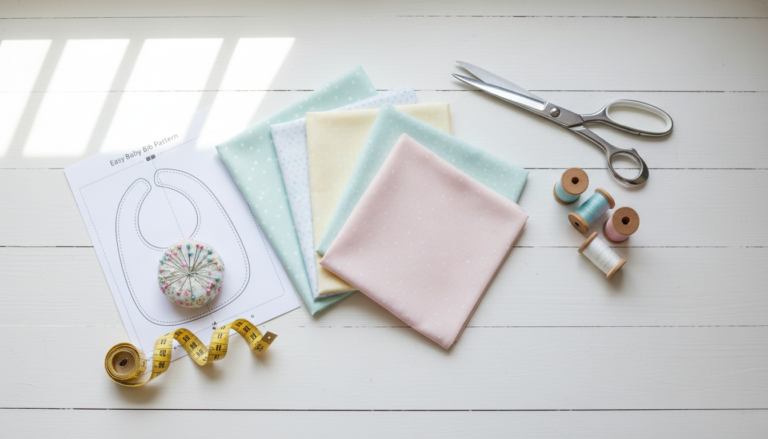
Before you start any sewing pattern, gather basic supplies. You don’t need expensive equipment to create beautiful clothes. A few quality tools make the process smoother and more enjoyable.
Basic Sewing Machine
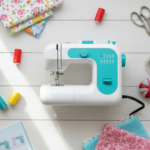
A basic sewing machine handles most beginner projects perfectly. Look for models with straight stitch and zigzag options. These two stitches cover nearly all clothing construction needs.
Cutting Tools
Sharp fabric scissors make clean cuts through all fabric types. A rotary cutter speeds up cutting straight lines. Keep these tools dedicated to fabric only to maintain their sharpness.
Measuring Essentials
A flexible measuring tape helps take body measurements accurately. A clear ruler guides straight seams. These simple tools ensure your projects fit correctly and look professional.
Additional Helpful Supplies
Thread in basic colors (white, black, navy, beige)
Straight pins and pincushion for holding fabric pieces
Seam ripper for fixing mistakes easily
Fabric marking tools (chalk or washable pens)
Iron and ironing board for pressing seams
Hand sewing needles for finishing touches
Quality supplies make learning easier and more enjoyable. Start with basics and add specialized tools as you tackle new project types. For comprehensive guidance on choosing and using these supplies, explore detailed beginner tutorials.
Easy Skirt Sewing Projects for Beginners
Skirts make excellent first clothing projects. They require minimal pattern pieces and straightforward construction. Most beginner skirt sewing pattern options use simple techniques that build your confidence quickly.
Elastic Waist Gathered Skirt
This skirt uses a simple rectangle of fabric gathered at the waist. The elastic waistband eliminates complex closures. Choose lightweight cotton fabric for easy handling.
The project teaches basic seam construction and elastic casing techniques. You’ll finish this skirt in just a few hours. This great way to learn fundamental sewing skills produces a comfortable, wearable result.
No zipper or buttons required
Perfect for practicing straight seams
Adjustable fit with elastic waist
Works with any cotton fabric
Basic A-Line Skirt Pattern
The A-line silhouette flatters most body types naturally. This skirt pattern includes front and back pattern pieces plus a waistband. Learn to sew darts for shaping.
This project introduces you to inserting zippers step by step. The simple construction methods work with medium-weight fabrics. Pressing seams properly creates a polished finish.
Teaches dart construction basics
Introduces zipper installation
Classic flattering shape
Professional looking results
Wrap Skirt Design
Wrap skirts offer forgiving fit and easy construction. Two fabric panels overlap and tie at the waist. No closures or fastenings make this incredibly beginner friendly.
This sewing tutorial teaches you to create ties and finish edges neatly. The adjustable design fits various sizes comfortably. Practice hemming techniques while creating this versatile piece.
No zipper or buttons needed
Adjustable for perfect fit
Quick to complete
Great for pattern mixing
Each skirt project builds different skills progressively. Start with the gathered skirt if you’re completely new. The techniques you learn transfer to more complex projects later. Many sewers find skirts the perfect way to want learn sew with immediate wearable results.
Simple Dress Sewing Patterns to Try First
Dresses seem intimidating but many dress sewing pattern options suit beginners perfectly. Simple styles with minimal pieces teach construction without overwhelming you. Each dress project introduces new techniques while remaining achievable.
Shift Dress Pattern
The shift dress features a loose, comfortable fit that doesn’t require complex fitting. This dress pattern uses basic rectangles and simple seams. Shoulder seams and side seams comprise the main construction.
Choose stable woven fabrics like cotton or linen for best results. The straight shape forgives minor measurement errors. Add pockets to practice those skills without pressure.
This project teaches you to set in sleeves using the easiest method. The simple neckline requires basic facing techniques. Finishing touches like hem stitching complete your first dress successfully.
Gathered Sundress with Elastic Bodice
This sundress combines a gathered skirt with an elastic bodice top. The elastic provides stretch for easy fit and comfort. No closures mean faster construction and immediate wearability.
The sewing pattern teaches gathering techniques for creating fullness. You’ll practice creating casings for elastic insertion. Adding straps or making it strapless gives you design options.
Beginner Tip: Choose fabrics with small prints for your first dress. They hide minor imperfections better than solid colors while you learn make proper seams.
T-Shirt Dress
Jersey knit fabric makes this dress comfortable and forgiving. The stretchy material doesn’t require closures or precise fitting. Basic T-shirt construction extends into a dress length.
This new sewing project introduces working with knit fabrics. You’ll learn to sew stretchy seams that won’t pop. The casual style works for everyday wear immediately.
Empire Waist Maxi Dress
The empire waist sits just below the bust, creating a flattering line. The gathered skirt flows to ankle length gracefully. This style requires joining bodice to skirt at one seam.
Practice creating a professional empire seam that sits smoothly. The maxi length gives you hemming practice on a longer project. Choose lightweight fabrics that drape beautifully for best results.
Button-Front Dress
A button-front opening makes this dress versatile and practical. The project teaches buttonhole creation and button attachment. The sleeveless design simplifies construction significantly.
This sewing tutorial covers creating a button placket properly. You’ll practice spacing buttons evenly for a professional look. The finished dress layers well for year-round wear.
Starting with simple dress patterns builds confidence rapidly. Each project introduces techniques that compound your skills. Soon you’ll tackle more complex dress designs with ease. For complete step-by-step guidance, access comprehensive video tutorials that show every step clearly.
Ready to Create Your First Dress?
Get instant access to beginner dress patterns with detailed instructions and helpful videos that guide you through each step.
Tops and shirts offer quick sewing projects with immediate wardrobe additions. These garments use less fabric than dresses and complete faster. Simple top patterns teach essential skills without requiring extensive time commitment.
Basic Tank Top
Tank tops require minimal pattern pieces and simple construction. The sleeveless design eliminates sleeve attachment challenges. Bias binding finishes armholes and neckline neatly.
This project teaches you to work with binding tape effectively. You’ll practice creating smooth curves around armholes. The quick completion time makes this perfect for building momentum.
Completes in under two hours
Minimal fabric required
Great for practicing bias binding
Perfect layering piece
Kimono-Style Top
The kimono top uses rectangular pieces for body and sleeves. No curves or complex shaping makes this ideal for beginners. The wide sleeves create an elegant, relaxed silhouette.
Learn to sew straight seams that create a beautiful garment. The simple construction method produces professional results quickly. Lightweight fabrics like rayon or cotton voile work beautifully.
All straight seams only
Elegant flowing style
No fitting required
Quick weekend project
Peasant Blouse
Peasant blouses feature gathered necklines and sleeve edges with elastic. The gathered fabric creates a romantic, feminine look. Elastic casings eliminate the need for closures.
This pattern teaches multiple gathering and elastic techniques. You’ll practice creating even gathers that look professional. The forgiving fit works for various body types comfortably.
Feminine gathered details
No zipper needed
Comfortable elastic fit
Works with most cotton fabrics
Basic T-Shirt Pattern
Creating your own T-shirts lets you customize fit and fabric choices. Basic tee patterns use knit fabric that stretches comfortably. The simple construction includes few pattern pieces and straightforward seams.
Working with knits requires slightly different techniques than woven fabrics. Use a ballpoint needle designed for knit fabric. A zigzag stitch or stretch stitch allows seams to stretch with the fabric.
T-Shirt Construction Steps
Cut front and back body pieces from jersey knit
Sew shoulder seams with stretch stitches
Attach sleeves to armholes carefully
Sew side seams in one continuous line
Finish neckline with ribbed knit binding
Hem bottom edge with twin needle (optional)
The finished T-shirt fits better than store-bought options. You control the length, sleeve style, and neckline shape. This versatile pattern becomes a wardrobe staple you’ll make repeatedly in different fabrics and colors.
Easy Pants and Shorts for Beginner Sewers
Pants and shorts seem challenging but several styles suit beginners perfectly. Elastic waists eliminate complex closures and precise fitting. Simple patterns teach trouser construction gradually without overwhelming you.
Pull-On Elastic Waist Pants
These comfortable pants feature an elastic waistband for easy wearing. The simple pattern includes front and back pieces plus a waistband casing. No zipper or button closures simplify construction significantly.
Choose medium-weight fabrics like linen or cotton twill. The straight leg design requires basic straight seams only. Practice sewing the inseam and outseam properly for durability.
Drawstring Shorts
Shorts make excellent beginner projects with less fabric and faster completion. The drawstring waist adjusts for perfect fit easily. Simple construction methods teach pants-making basics on a smaller scale.
This pattern introduces creating a drawstring channel for the tie. You’ll practice hemming shorter lengths neatly. The finished shorts work for casual summer wear or lounging comfortably.
Basic Leggings
Leggings use stretchy knit fabric that forgives fitting imperfections. The pattern includes minimal pieces and simple seams. Elastic waistband provides comfortable all-day wear.
Learn to sew knit fabric with proper stretch stitches. The fitted style teaches working with pattern pieces that rely on fabric stretch. These versatile pieces become everyday wardrobe staples.
Wide-Leg Palazzo Pants
Palazzo pants feature dramatically wide legs that flow beautifully. The loose fit doesn’t require precise measurements or complex fitting. Choose lightweight fabrics that drape and move gracefully like rayon or crepe.
The elastic waist construction matches other beginner pants projects. Wide legs mean easier sewing without tight curves or challenging areas. The dramatic silhouette creates an elegant look perfect for dressier occasions.
This project teaches working with larger fabric pieces and longer seams. You’ll practice maintaining straight stitching lines over extended distances. Pressing long seams properly creates the professional finish that makes these pants special.
Fabric Tip: Palazzo pants work best with fabrics that have good drape. Test fabric by holding it up and watching how it falls. Stiff fabrics create unflattering bulk in this wide-leg style.
Each pants project builds your trouser-making confidence progressively. Start with shorts if full-length pants feel intimidating. The skills transfer directly when you’re ready for longer projects. For detailed video guidance on pants construction, explore comprehensive tutorials that show professional techniques simply.
Master Pants and Shorts Sewing
Access step-by-step patterns for pants and shorts with video tutorials that make even challenging steps easy to understand and complete successfully.
Fabric selection significantly impacts your project success. Different fabrics behave differently during cutting and sewing. Understanding basic fabric types helps you choose appropriate materials for each project.
Best Fabrics for Beginners
Cotton fabric tops the list for beginner sewing projects. It cuts cleanly and sews easily without stretching or slipping. Medium-weight cotton quilting fabric works wonderfully for learning basic construction.
Linen offers a natural, textured look that’s forgiving for beginners. The fabric’s slight irregularity hides minor stitching imperfections. Choose linen for dresses, skirts, and pants patterns that benefit from structure.
Cotton-linen blends combine the best qualities of both fabrics. They’re easier to care for than pure linen while maintaining a natural aesthetic. These blends work beautifully for most clothing projects on this list.
Understanding Fabric Categories
Woven Fabrics
Woven fabrics don’t stretch unless they contain spandex. They hold their shape well and work for structured garments. Cotton, linen, and chambray are common woven fabrics perfect for beginners.
Knit Fabrics
Knit fabrics stretch because threads loop together rather than weaving. Jersey, interlock, and french terry are popular knit types. These fabrics work for comfortable, fitted clothing like T-shirts and leggings.
Special Fabrics
Rayon drapes beautifully for flowing garments. Chambray looks like denim but sews more easily. Cotton voile creates delicate, lightweight pieces. Try these once you’re comfortable with basic fabrics.
Fabric Preparation Before Cutting
Always prewash fabric before cutting your pattern. Washing removes sizing chemicals and allows shrinkage to happen before construction. Dry fabric completely and press it smooth before laying out pattern pieces.
Wash in the same way you’ll wash the finished garment
Dry completely to remove all moisture
Press fabric to remove wrinkles before cutting
Check grain line to ensure straight cutting
Let fabric rest flat for several hours after pressing
Proper fabric preparation prevents surprises after completing your project. Skipping this step can result in garments that shrink or twist after the first wash. A few extra minutes of preparation ensures your hard work lasts beautifully.
Shopping Tip: Buy an extra half yard of fabric for your first projects. This allows for mistakes and gives you practice scraps. The small additional cost provides valuable peace of mind while learning.
Essential Sewing Techniques Every Beginner Needs
Mastering basic techniques makes every project easier and more successful. These fundamental skills apply across all sewing projects for beginners clothing. Practice each technique on scrap fabric before using them in your projects.
Creating Strong Seams
Seams hold your garment together and must withstand wear and washing. A standard seam allowance measures 5/8 inch from the fabric edge. Backstitch at the beginning and end of every seam to prevent unraveling.
Press seams open or to one side after stitching. This step creates flat, professional-looking results. Never skip pressing as it dramatically improves your finished garment’s appearance.
Finishing Raw Edges
Raw fabric edges fray over time and through washing. Finish edges with a zigzag stitch along the raw edge. Alternatively, use pinking shears to cut a zigzag edge that resists fraying.
French seams encase raw edges completely for a clean finish inside and out. This technique works beautifully for lightweight fabrics and unlined garments. The extra step creates garments that look professionally made.
Working with Pattern Pieces Correctly
Understanding how to use sewing pattern pieces ensures accurate results. Each pattern piece includes important markings that guide construction. Learn to identify notches, dots, grain lines, and cutting lines before starting.
Cutting Accurately
Pin pattern pieces to fabric following grain line arrows precisely. Cut slowly and carefully along cutting lines. Use sharp scissors or a rotary cutter for clean edges that don’t fray excessively.
Marking Important Points
Transfer all pattern markings to your fabric pieces. Use tailor’s chalk or fabric marking pens for temporary marks. These markings guide proper construction and ensure pieces align correctly.
Matching Notches
Notches help you align pieces correctly during construction. Match notches exactly when pinning pieces together. This ensures your garment comes together symmetrically with proper fit throughout.
Installing Elastic Correctly
Many beginner projects use elastic for comfortable, adjustable fit. Creating an elastic casing and inserting elastic properly takes practice. Once mastered, this technique speeds up your sewing time significantly.
Fold fabric edge to create a casing channel slightly wider than your elastic
Stitch close to the folded edge, leaving a small opening for elastic insertion
Attach a safety pin to elastic end and thread through the casing
Overlap elastic ends and stitch them securely together
Distribute gathers evenly around the waistband or casing
Close the casing opening with a few stitches
Elastic provides forgiving fit that works for various body sizes. This versatility makes elastic waistbands perfect for beginners still learning precise fitting. The technique appears in skirts, pants, and dresses throughout this guide.
Each technique you master expands your sewing capabilities. Don’t rush through learning these basics. Solid foundational skills make advanced projects accessible later. For comprehensive technique demonstrations, watch detailed video tutorials that show each method clearly from multiple angles.
Common Beginner Mistakes and How to Fix Them
Every sewer makes mistakes while learning. Understanding common problems helps you fix them quickly and learn from the experience. Most mistakes have simple solutions that don’t require starting over completely.
Puckered Seams
Puckering happens when you pull fabric while sewing or when thread tension is too tight. Let the machine feed fabric naturally without pulling or pushing. Adjust thread tension following your machine’s manual.
Practice on scrap fabric before starting your project. Test tension settings with the actual project fabric. Different fabrics require different tension adjustments for smooth seams.
Uneven Hems
Uneven hems make otherwise beautiful garments look homemade in a bad way. Measure and mark hem allowance carefully all around the garment. Use a hem gauge or ruler for consistent measurements.
Press the hem before stitching to create a crisp fold line. Pin generously to hold the hem in place while sewing. Stitch slowly to maintain consistent distance from the fold.
Crooked Stitching Lines
Keeping stitching lines straight takes practice and patience. Watch the seam guide on your machine’s throat plate, not the needle. Align fabric edge with the appropriate marking for consistent seam allowance.
Sew slowly when learning to maintain better control. Speed comes naturally with practice. Focus on accuracy rather than speed for best results and fewer mistakes to fix.
When to Use Your Seam Ripper
The seam ripper becomes your best friend while learning. Don’t hesitate to remove stitches that don’t meet your standards. Ripping out a seam takes minutes but creates much better results than leaving obvious mistakes.
Problems Worth Fixing
Seams that pucker or pull significantly
Pieces sewn together incorrectly or backwards
Stitching lines more than 1/4 inch off target
Gathered sections distributed very unevenly
Zippers installed twisted or crooked
Imperfections You Can Accept
Slight wavering in long straight seams
Minor thread tension variations
Small differences in seam allowance width
Gathering that’s mostly even overall
Stitching lines slightly off on interior seams
Learning to distinguish between problems requiring correction and acceptable imperfections helps you progress faster. Perfectionism can paralyze beginners and prevent completing projects. Remember that even experienced sewers make mistakes and use seam rippers regularly.
Important Reminder: Every mistake teaches you something valuable. Don’t get discouraged by errors. They’re normal parts of the learning process that make you a better sewer over time.
Start Your Sewing Journey Today
You now have fifteen achievable sewing projects for beginners clothing to start your creative journey. Each project builds essential skills while creating wearable additions to your wardrobe. Start with simpler projects that match your current skill level and confidence.
Remember that learning to sew takes time and practice. Don’t expect perfection from your first projects. Each garment you complete teaches valuable lessons that improve your next creation. The skills you develop compound quickly as you progress through different project types.
Your Next Steps
Choose one project from this list that excites you most. Gather the necessary fabric and supplies before starting. Read through the entire sewing tutorial or pattern before cutting any fabric.
Set realistic expectations for your first project’s completion time. Beginners typically need more time than patterns suggest. Give yourself permission to work slowly and carefully while learning proper techniques.
Join online sewing communities for support and inspiration. Share your projects and ask questions when problems arise. Other sewers love helping beginners succeed and celebrate your accomplishments.
Building Your Sewing Skills Progressively
Start with projects using woven cotton fabric and straight seams only. Master basic construction before attempting knits or complex closures. This progressive approach builds confidence without overwhelming you with too many new techniques simultaneously.
After completing several simple projects successfully, challenge yourself with slightly more complex patterns. Add sleeves to a tank top pattern or try installing your first zipper. Each new skill expands the types of clothes you can create independently.
Complete at least three simple projects before attempting complex ones
Practice new techniques on scrap fabric first
Keep a sewing journal noting what you learned from each project
Take breaks when frustrated rather than pushing through mistakes
Celebrate every finished project regardless of imperfections
Save your first projects to see your improvement over time
The sewing community welcomes beginners with enthusiasm and support. Don’t hesitate to ask for help when stuck or confused. Experienced sewers remember their own learning curves and genuinely enjoy helping others discover this rewarding craft.
Creating your own clothes provides satisfaction that extends beyond the finished garments. You’ll develop problem-solving skills, patience, and attention to detail. These qualities benefit many areas of life beyond sewing projects.
Transform Your Sewing Skills Starting Now
Get instant access to complete beginner sewing patterns with step-by-step video tutorials, detailed instructions, and ongoing support to ensure your success with every project.
Your sewing journey begins with a single stitch and grows into a lifelong skill. The fifteen projects in this guide provide the perfect foundation for creating a handmade wardrobe. Choose your first project, gather your supplies, and discover the joy of making your own beautiful clothes.
Every expert sewer started exactly where you are now. With practice, patience, and the right guidance, you’ll amaze yourself with what you can create. Start today and enjoy the rewarding process of bringing fabric to life through your own hands and creativity.