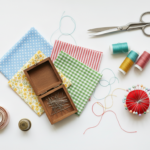
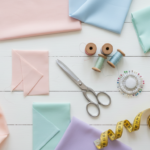
Starting your hand sewing journey feels exciting when you discover projects that match your skill level. You need simple ideas that build confidence without requiring expensive equipment or years of experience.
Hand sewing opens creative possibilities using basic stitches and fabric scraps you already have at home. These projects transform leftover materials into beautiful handmade items your family will cherish.
This guide shares practical sewing projects perfect for absolute beginners. Each idea includes clear instructions and requires minimal supplies, making it easy to start creating today.
Why Hand Sewing Works Perfectly for Beginners
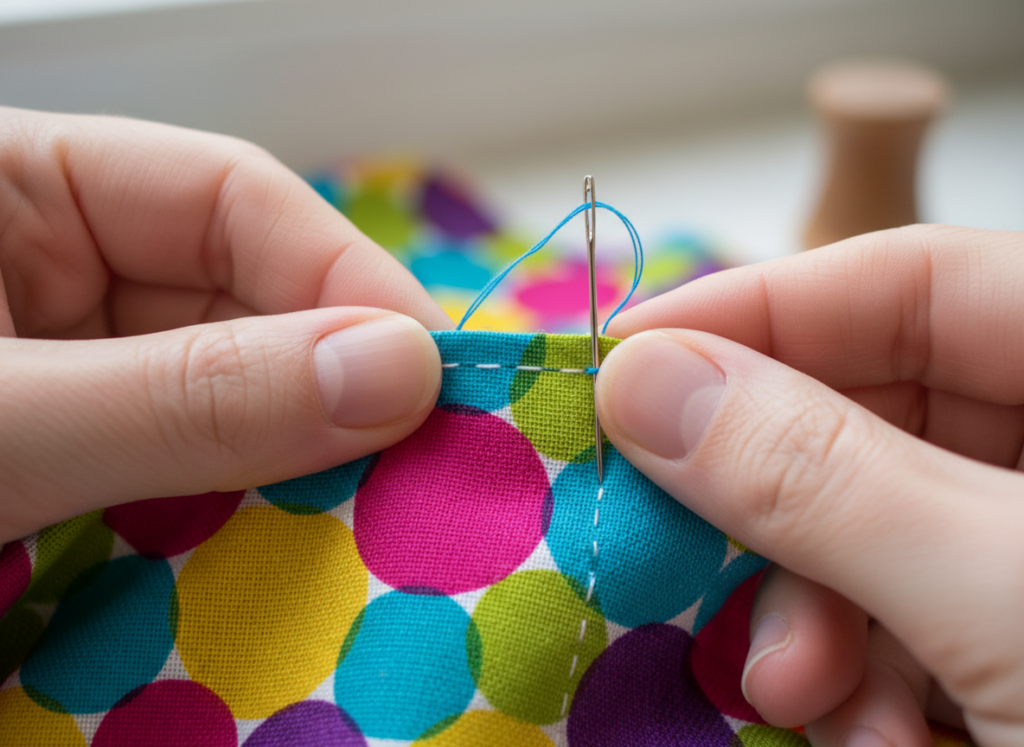
Hand sewing offers a gentle introduction to fabric crafts without the intimidation of operating a machine. You control every stitch at your own pace, building skills gradually.
Many beginners appreciate the portability of hand sewing projects. You can work anywhere—on the couch, in the garden, or during travel. The process becomes meditative and relaxing.
Starting with hand stitches teaches you fundamental techniques that transfer to machine sewing later. You develop an understanding of fabric behavior and stitch construction that serves all future projects.
Ready to Master Hand Sewing?
Discover professional techniques and step-by-step guidance that transforms beginners into confident crafters. Learn the skills you need to create beautiful projects.
Hand sewing requires minimal investment compared to machine sewing. You need only needles, thread, and fabric scraps to begin creating.
No expensive machine purchase required
Use fabric scraps from old clothes
Basic supplies cost under twenty dollars
Repurpose materials you already own
Stress Relief
The rhythmic motion of hand stitches provides therapeutic benefits. Many crafters find sewing helps reduce anxiety and improve focus.
Meditative repetitive movements calm the mind
Creative expression boosts mental health
Sense of accomplishment builds confidence
Screen-free activity reduces digital fatigue
Sustainable Practice
Hand sewing promotes environmental responsibility through upcycling and repair. You extend the life of textiles instead of discarding them.
Reduce textile waste in landfills
Repair clothes instead of replacing them
Create new items from fabric scraps
Support slow fashion movement
Portable Creativity
Hand sewing projects travel with you anywhere. This flexibility lets you maximize time and stay productive during waiting periods.
Work on projects during commutes
No electricity or power needed
Compact supplies fit in small bags
Create during children’s activities
Basic Hand Sewing Supplies You Need
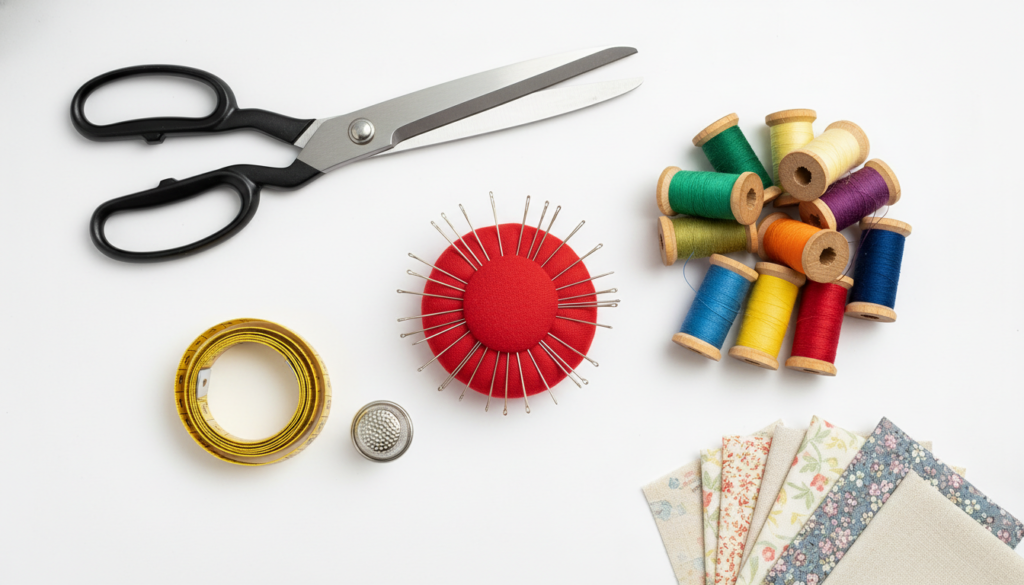
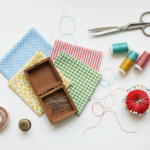
Starting hand sewing requires surprisingly few supplies. You can begin with items probably already in your home, making this an accessible craft for everyone.
Must-Have Tools
Needles
Hand sewing needles come in various sizes for different fabric weights. Beginners should start with a variety pack that includes sizes seven through ten.
Sharp needles work best for woven fabrics. Ballpoint needles suit knit fabric better. Keep your needles organized in a pincushion or magnetic holder.
Thread
All-purpose polyester thread serves most hand sewing projects. Choose thread colors that match or complement your fabric for invisible stitches.
Quality thread makes a significant difference in your work. Cheap thread breaks easily and creates frustration for beginners. Invest in trusted brands.
Scissors
Sharp fabric scissors cut cleanly through material without fraying edges. Dedicate these scissors exclusively to fabric—never use them on paper.
Small embroidery scissors help with detailed work and thread cutting. Keep both types sharp and stored safely when not in use.
Helpful Additional Items
Thimble protects your finger when pushing needles through thick fabric
Seam ripper removes mistakes quickly without damaging fabric
Fabric marking tools let you draw guidelines that wash away
Measuring tape ensures accurate dimensions for projects
Pins hold fabric layers together before sewing
Iron presses seams flat for professional results
You probably have fabric scraps available from old clothes, worn linens, or previous projects. These scraps work perfectly for beginner hand sewing projects.
Essential Hand Sewing Stitches Every Beginner Should Know
Mastering five basic stitches opens the door to countless hand sewing projects. These fundamental techniques appear in nearly every project you’ll attempt as a beginner.
Practice each stitch on scrap fabric before starting your first project. This builds muscle memory and helps you understand proper tension and spacing.
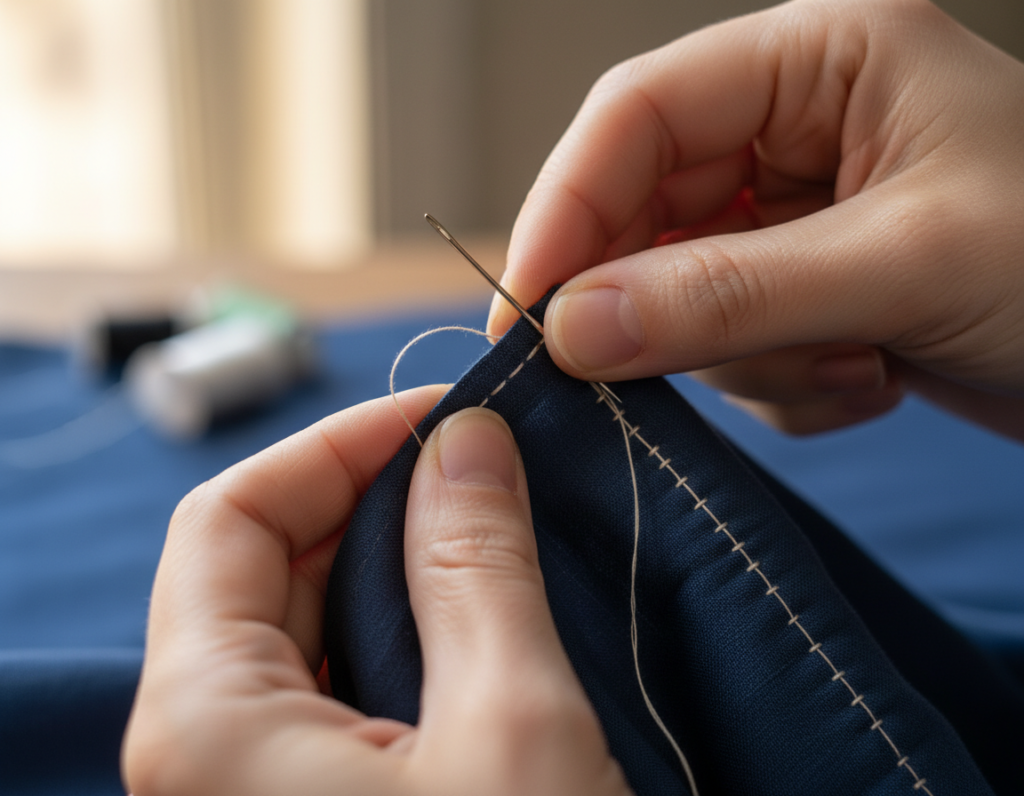
The beauty of hand stitches lies in their simplicity. Unlike machine sewing, you can see exactly what happens with each pass of the needle through fabric.
Five Foundation Stitches
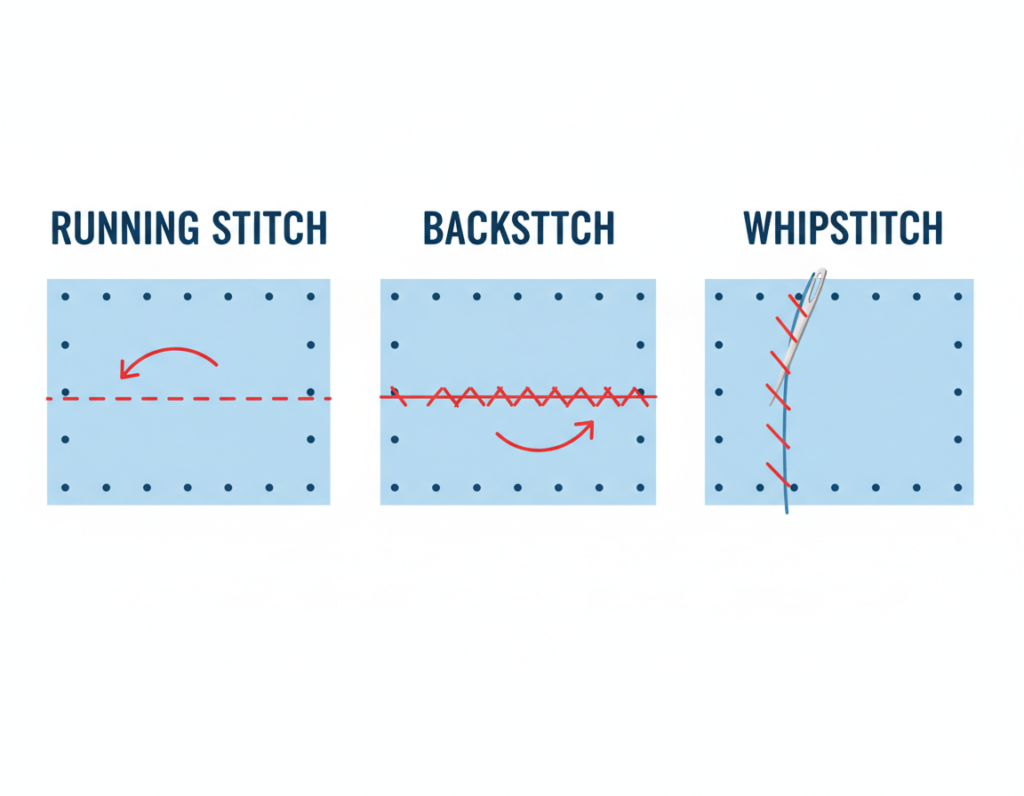
Running Stitch
Simplest and fastest stitch for beginners
Creates straight line of evenly spaced stitches
Perfect for basting and gathering fabric
Weave needle in and out of fabric
Keep stitches small and consistent
Backstitch
Strongest hand stitch for seams
Creates continuous line without gaps
Works backward to create forward progress
Ideal for permanent seam construction
Resembles machine stitching when done well
Whipstitch
Joins two fabric edges together
Spiral motion over fabric edge
Great for closing stuffed projects
Creates visible decorative element
Fast technique for beginners
Pro Tip: Thread length matters in hand sewing. Use thread no longer than your arm’s length to prevent tangling and knots. Longer thread seems efficient but causes more problems.
Beyond these three primary stitches, the blanket stitch and slip stitch round out your essential toolkit. The blanket stitch creates decorative edges on felt projects. The slip stitch creates nearly invisible seams for hems and closures.
Each stitch serves specific purposes in hand sewing projects. Understanding when to use each technique comes with practice and experimentation on different fabrics and project types.
Quick Hand Sewing Projects Using Fabric Scraps
These simple sewing projects take less than an hour to complete. They’re perfect for building confidence and using up those fabric scraps taking up space in your craft area.
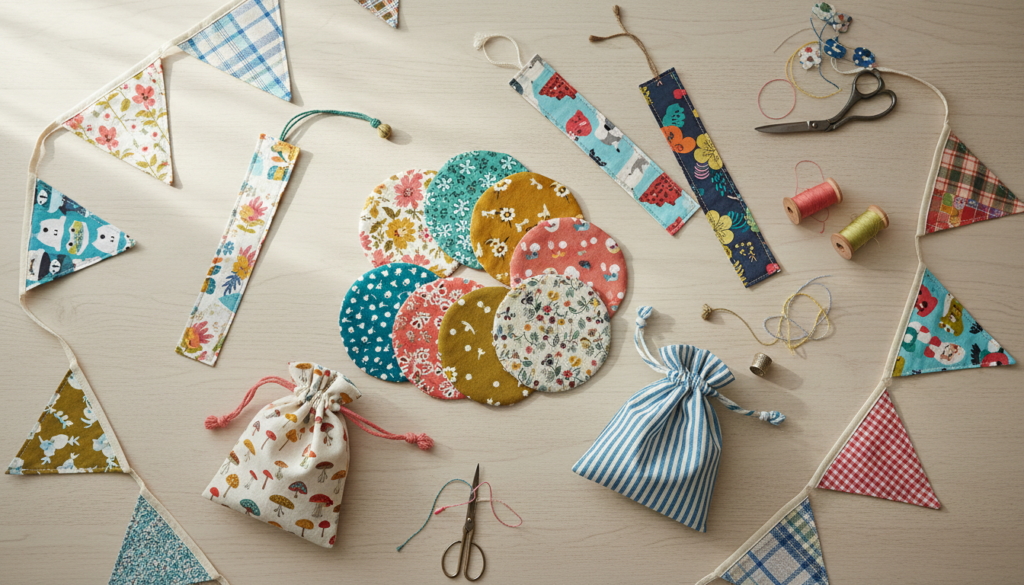
Fabric Bookmarks
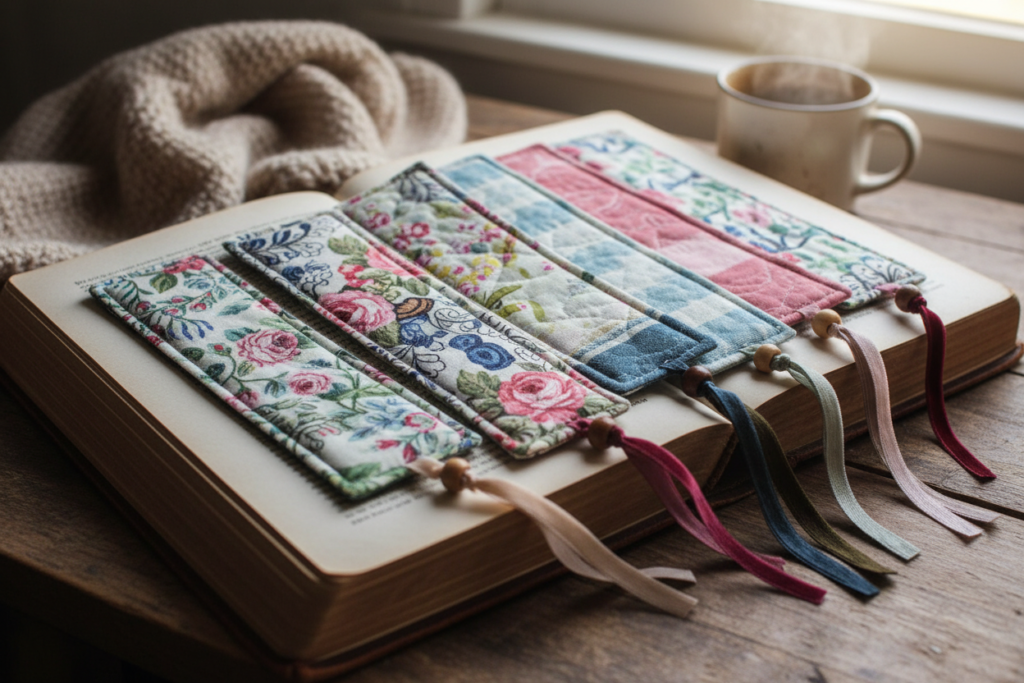
Fabric bookmarks make excellent first projects for absolute beginners. You need only a strip of fabric, some decorative ribbon, and basic hand stitches to create personalized gifts.
Cut fabric into a rectangle measuring two inches by six inches. Fold the edges inward and use a running stitch to secure them. Add a ribbon loop at one end for decoration. These bookmarks work perfectly for gift-giving occasions.
Simple Coasters
Hand-sewn coasters protect surfaces while adding color to your home. Layer two fabric squares with batting between them for absorbency and structure.
Cut fabric scraps into four-inch squares. Stack them with batting in the middle. Use a whipstitch around the edges to hold layers together. Create a set of six coasters in an afternoon using coordinating fabric patterns.
Lavender Sachets
These fragrant sachets freshen drawers and closets naturally. Small fabric scraps work perfectly for this quick project that makes wonderful homemade gifts.
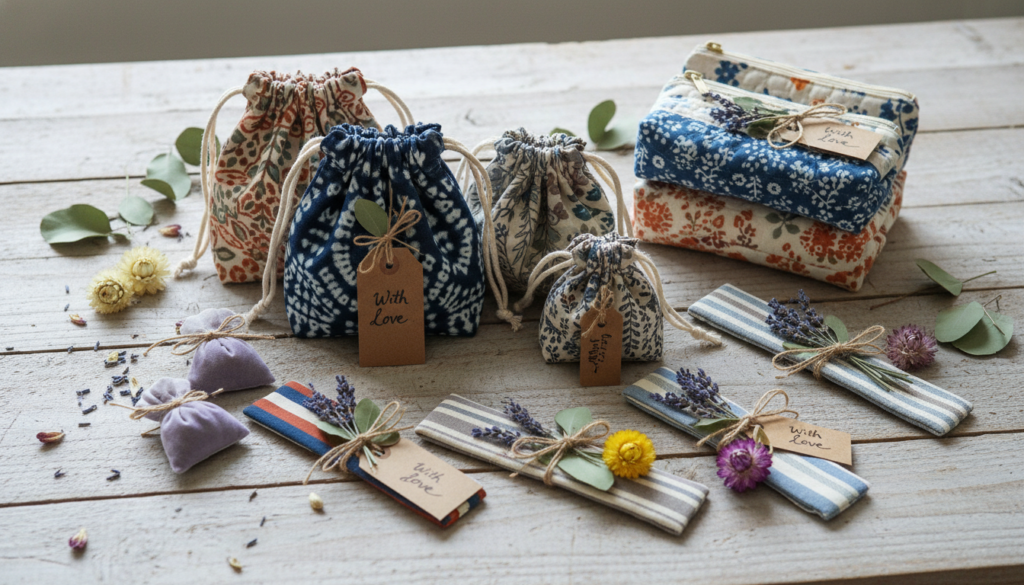
Create small pouches from fabric rectangles measuring three by four inches. Fold fabric in half and sew two sides closed. Fill with dried lavender before closing the third side. The running stitch works well for this simple construction.
Transform Your Sewing Skills
Take your hand sewing beyond basic projects with professional techniques and expert guidance. Learn the methods that create stunning results every time.
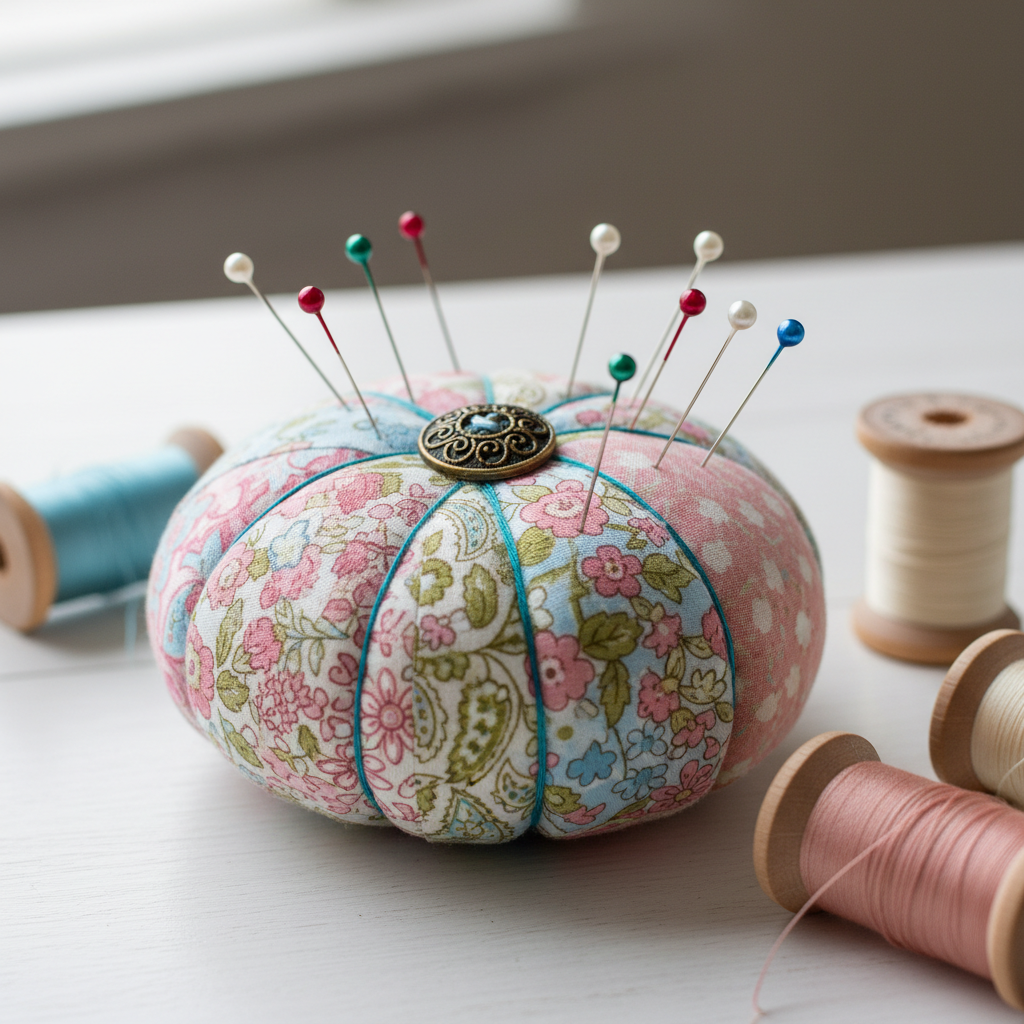
Every person who sews needs a pincushion. Making your own lets you customize size and fabric to match your sewing space aesthetic.
Cut two circles of fabric about four inches in diameter. Use a running stitch to sew around the edge, leaving a small opening. Turn right side out and stuff with polyester filling or fabric scraps. Close the opening with a slip stitch.
Embellish your pincushion with decorative buttons on top. This adds personality and creates a functional weighted base. Pincushions make great gifts for crafting friends and family members.
Practical Hand Sewing Projects for Everyday Use
Creating useful items for daily life makes hand sewing feel rewarding. These projects combine practicality with creativity, resulting in handmade items you’ll actually use regularly.
Reusable Shopping Bags
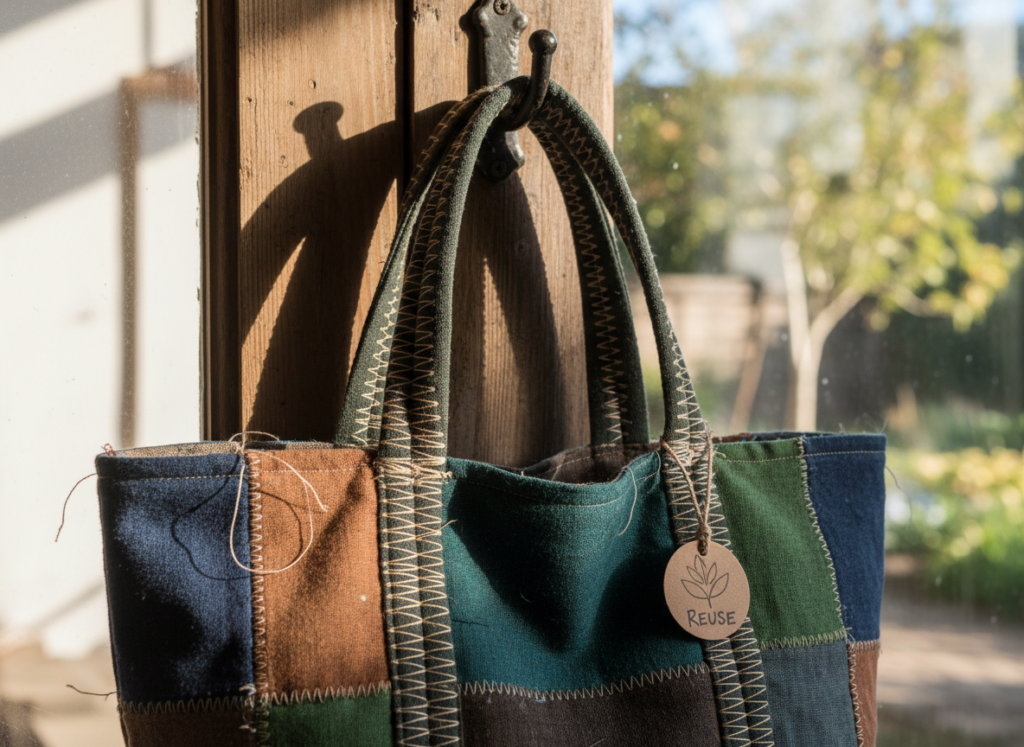
Hand-sewn shopping bags reduce plastic waste while showcasing your sewing skills. Larger fabric pieces work best, but you can piece together fabric scraps for a patchwork effect.
Cut two rectangles measuring fifteen by eighteen inches. Place them with right sides together and sew three sides using a backstitch for strength. Turn right side out and fold the top edge down twice for a clean finish. Add handles cut from sturdy fabric and attach them securely with reinforced stitches.
These bags hold groceries, library books, and craft supplies. Making several in different sizes gives you options for various shopping needs. The process helps you practice straight seams and handle attachment.
Kitchen Towels with Hanging Loops
Transform plain kitchen towels into decorative functional items by adding fabric trim and hanging loops. This project requires only basic hand stitches but creates impressive results.
Choose coordinating fabric scraps for decorative borders. Cut strips about three inches wide. Fold the edges inward and attach to the towel ends using a running stitch or blanket stitch. Create a hanging loop from matching fabric and sew it securely to one corner.
Coffee Cozies
Protect your hands from hot coffee mugs with handmade fabric cozies. These quick projects use small fabric scraps and take about thirty minutes to complete.
Measure around your favorite mug to determine size. Cut fabric pieces with batting for insulation. Sew the layers together and add a button closure. Coffee cozies make perfect small gifts for coworkers and friends.
Tea Bag Holders
Small fabric pouches organize loose tea bags in your pantry. This project teaches you to create neat corners and add simple closures.
Cut fabric rectangles measuring four by six inches. Fold and sew three sides, leaving the top open. Add a ribbon tie or button closure. These holders keep tea organized and make thoughtful handmade gifts for tea lovers.
Napkin Sets
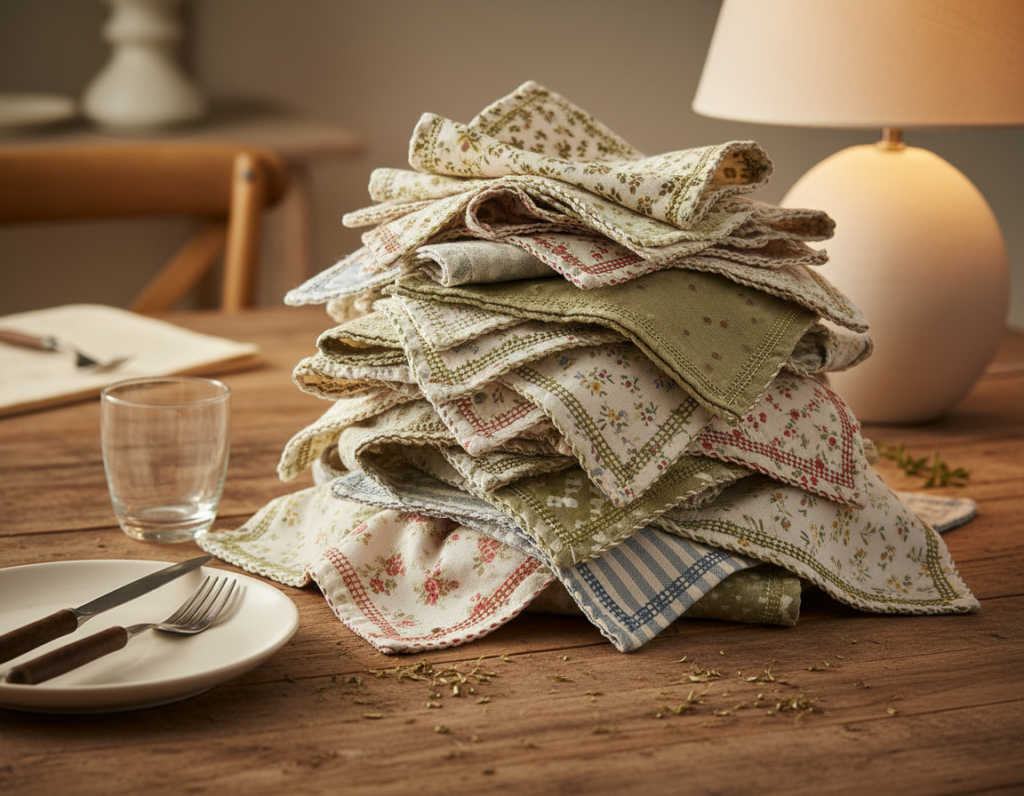
Hand-sewn napkins add a personal touch to family meals. You can create beautiful sets using fabric scraps or purchasing special fabric for occasions.
Cut fabric squares measuring sixteen by sixteen inches. Fold each edge twice to create a narrow hem. Use a slip stitch to secure the hems invisibly. This project teaches precise corner folding and creates heirloom-quality linens.
Making napkin sets gives you practice with larger pieces of fabric. The repetitive nature of creating multiple identical items builds consistency in your stitching. Start with everyday napkins before attempting special occasion sets.
Decorative Hand Sewing Projects for Your Home
Hand-sewn decorations add personality to your living space. These projects let you experiment with different fabric combinations and stitches while creating items that beautify your home.
Fabric Bunting and Garlands
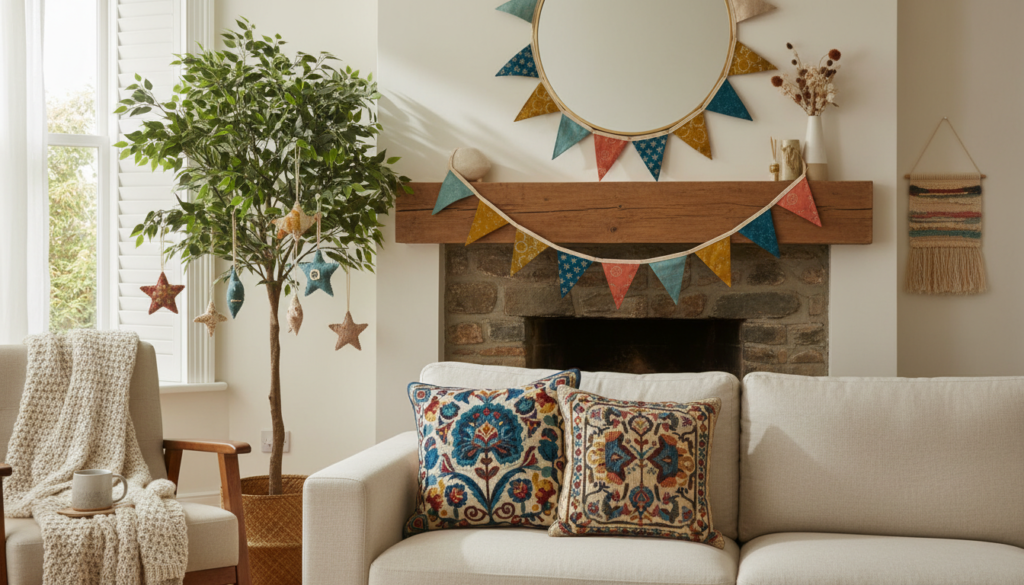
Bunting creates festive atmosphere for parties or everyday decoration. Cut fabric scraps into triangles and attach them to ribbon or twine using simple stitches.
Each triangle measures about four inches across the top and six inches tall. Fold the top edge over the ribbon and secure with a running stitch. Space triangles evenly along the ribbon. This project uses up small fabric pieces perfectly.
Change your bunting seasonally to refresh room decor. Create birthday bunting, holiday garlands, or permanent decorations in colors matching your home. The flexibility makes this an endlessly repeatable project.
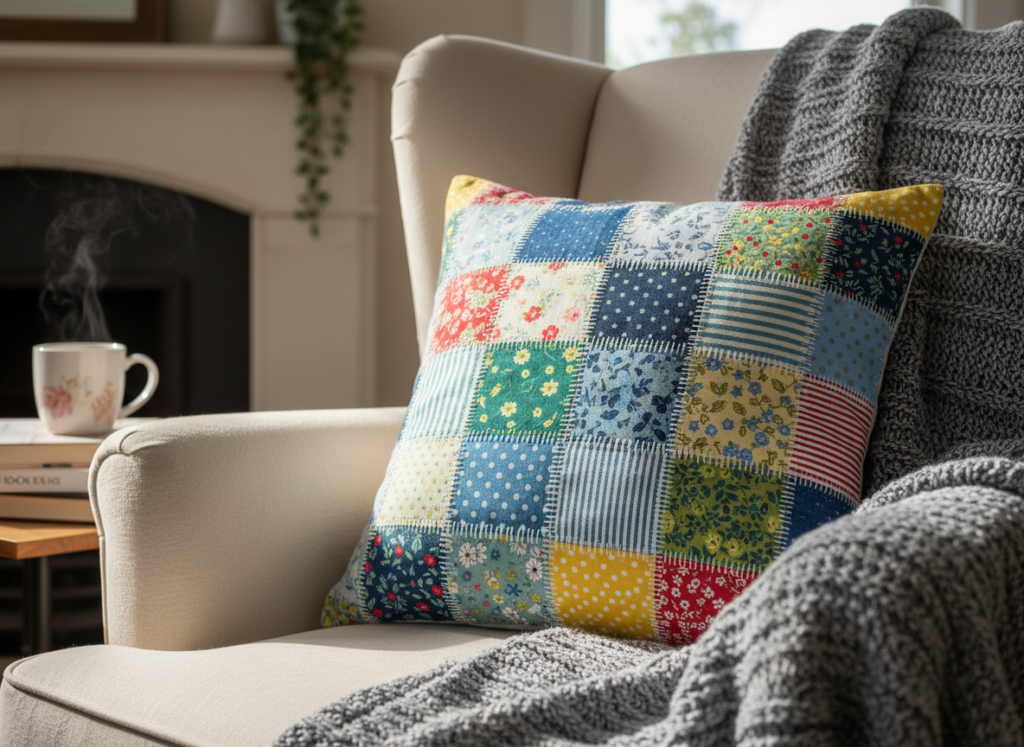
Decorative Pillow Covers
Transform plain pillows with custom hand-sewn covers. This project teaches you to work with larger fabric pieces and create envelope closures.
Measure your pillow insert to determine fabric size. Add seam allowances of half an inch on all sides. Cut two fabric pieces and place them with right sides together. Sew three sides using a backstitch, leaving one side open for insertion.
Create an envelope closure by hemming the open edge and overlapping fabric. This eliminates the need for zippers or buttons while keeping the project beginner-friendly. Cushion covers let you change room aesthetics seasonally.
Wall Hanging Art
Fabric wall hangings showcase your creativity while adding color to blank walls. Combine different fabric scraps, stitches, and embellishments to create unique pieces.
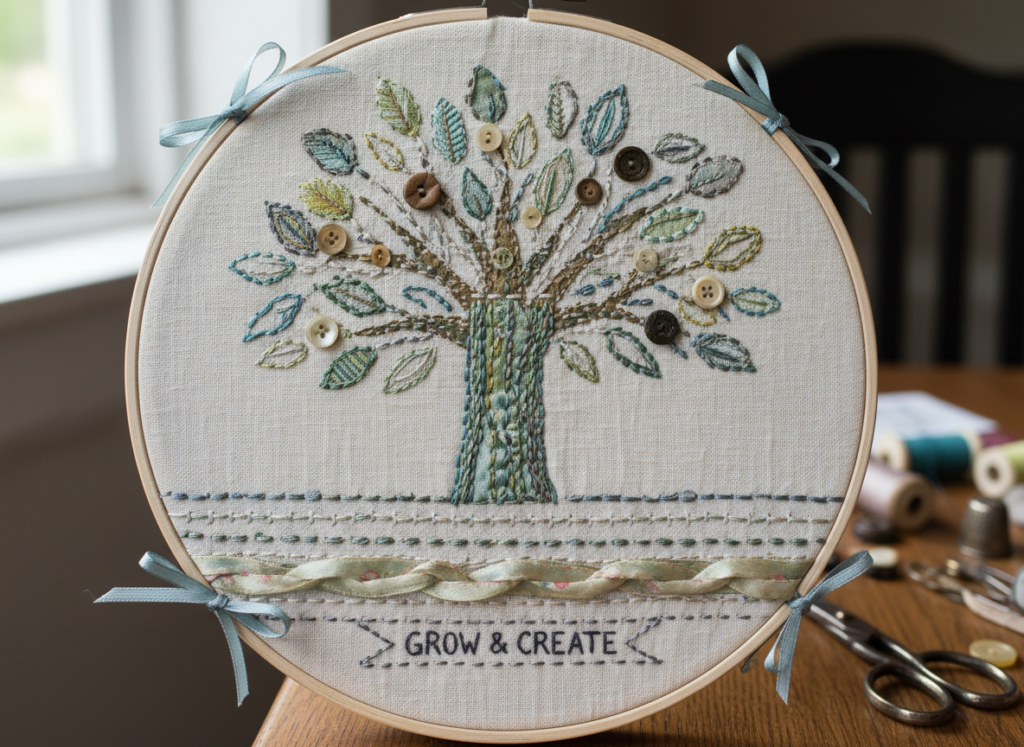
Start with a backing fabric about twelve inches square. Arrange smaller fabric pieces in pleasing patterns on top. Use decorative stitches like the blanket stitch to attach them. Add embroidery, buttons, or ribbon for extra detail.
Mount finished pieces on embroidery hoops or frame them like traditional art. These projects give you freedom to experiment with design while practicing various stitch types in a low-pressure format.
Seasonal Ornaments
Hand-sewn ornaments decorate your home for holidays and celebrations. Small fabric scraps transform into hearts, stars, and other shapes.
Cut two identical shapes from fabric. Sew around the edges leaving an opening. Stuff lightly and close. Add ribbon loops for hanging. These ornaments make wonderful gifts and holiday crafts for children and adults.
Fabric Bowls
Create decorative catch-all bowls from stiffened fabric. These hold keys, jewelry, and small items on entryway tables.
Layer fabric circles with interfacing for structure. Sew around the edge and mold into bowl shape. These functional decorations showcase your fabric choices and organizational skills simultaneously.
Picture Frame Mats
Enhance favorite photos with fabric-covered frame mats. This project combines hand sewing with other crafts for customized results.
Cut fabric to fit over cardboard mat. Fold edges to the back and secure with stitches. Insert your photo and frame. Fabric mats add texture and coordinate with room decor better than standard mats.
Handmade gifts carry personal meaning that store-bought items cannot match. These hand sewing projects create thoughtful presents for friends and family members who appreciate handcrafted items.
Drawstring Pouches
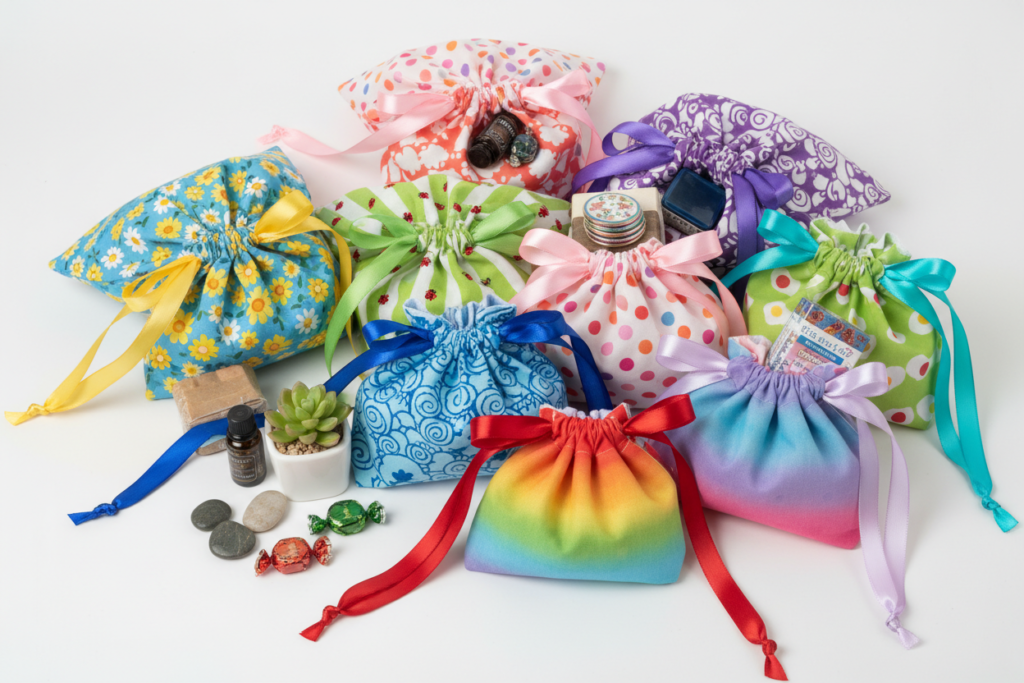
Small drawstring bags hold jewelry, craft supplies, or small gift items. The simple construction makes them perfect for beginners while looking professional when finished.
Cut fabric rectangles measuring six by eight inches. Fold in half with right sides together. Sew two sides, leaving the top open. Fold the top edge down to create a casing for the drawstring. Thread ribbon or cord through the casing and tie ends.
Make pouches in various sizes for different purposes. Small ones hold earrings. Larger versions work for gift packaging or travel organization. The versatility makes this a frequently repeated project.
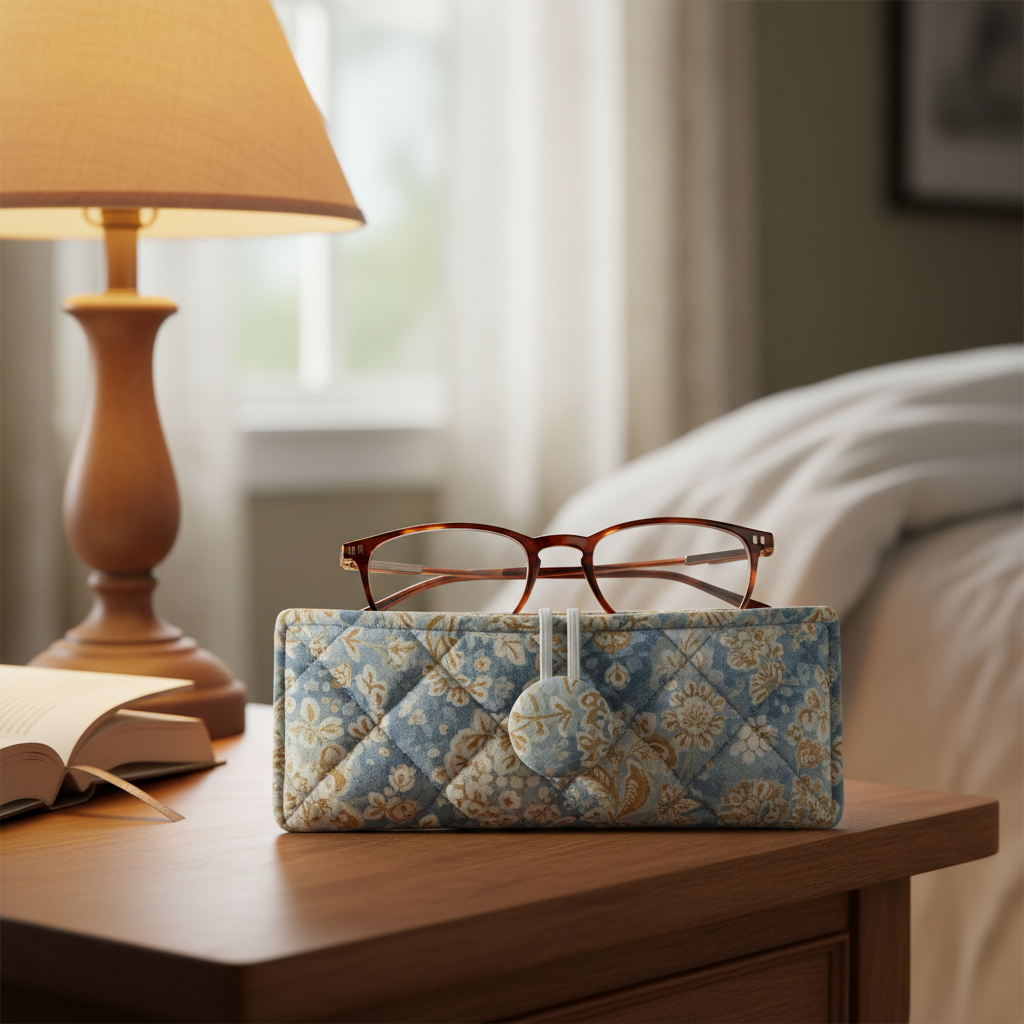
Eyeglass Cases
Protect eyeglasses with custom padded cases. This practical gift shows you care about the recipient’s belongings while showcasing your sewing skills.
Cut fabric pieces measuring four by eight inches. Add a layer of batting for padding. Fold in half and sew two sides closed. Add a button and elastic loop closure at the top. Line the inside with soft fabric to prevent scratches.
Customize cases with favorite colors or patterns. Add monograms or decorative stitching for extra personalization. These cases fit easily in purses and pockets, making them useful daily.
Baby Bibs
New parents always need bibs. Hand-sewn versions made from soft absorbent fabric and backed with waterproof material work better than store-bought options.
Create a simple bib pattern by tracing around an existing one or drawing a basic shape. Cut fabric and waterproof backing. Sew around the edges using a blanket stitch. Add snap or velcro closures at the neck.
Make coordinating sets as baby shower gifts. The small size means quick completion time. You can make several bibs in an afternoon while practicing consistent stitching and closure installation.
Special Occasion Gift Ideas
Fabric wine bottle bags add elegance to hostess gifts
Hand-stitched bookmarks personalized with recipient’s favorite colors
Small zipper pouches for cosmetics or travel essentials
Decorative jar toppers for homemade preserves and gifts from the kitchen
Personalized ornaments for weddings, new homes, or baby arrivals
Fabric-covered journals or notebooks customized to individual taste
Create Gift-Worthy Projects with Confidence
Master the professional finishing techniques that transform homemade items into cherished gifts. Learn the secrets to polished, impressive results.
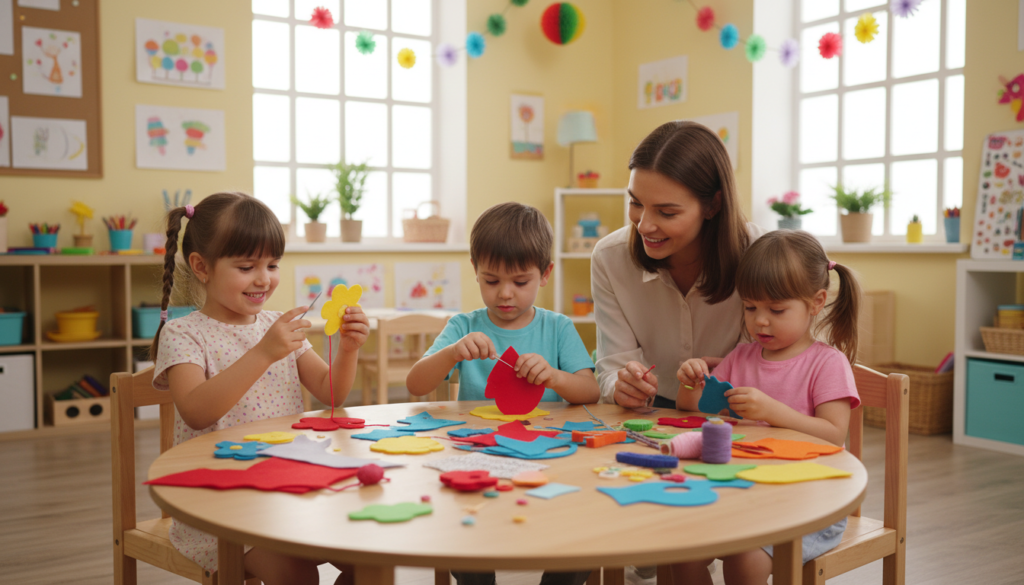
Teaching kids hand sewing builds fine motor skills and encourages creativity. These simple projects work well for children as young as five years old with proper supervision.
Felt Animal Shapes
Felt offers the perfect beginner material for children. It doesn’t fray and the thickness makes it easy for small hands to manipulate and stitch.
Cut simple animal shapes like fish, butterflies, or birds from felt. Let children practice the running stitch around the edges. Add googly eyes, buttons, or embroidery details for personality. These finished shapes become toys, decorations, or gifts.
Start with larger shapes and bigger stitches for younger children. As their skills improve, progress to smaller more detailed designs. The sense of accomplishment keeps kids engaged in the learning process.
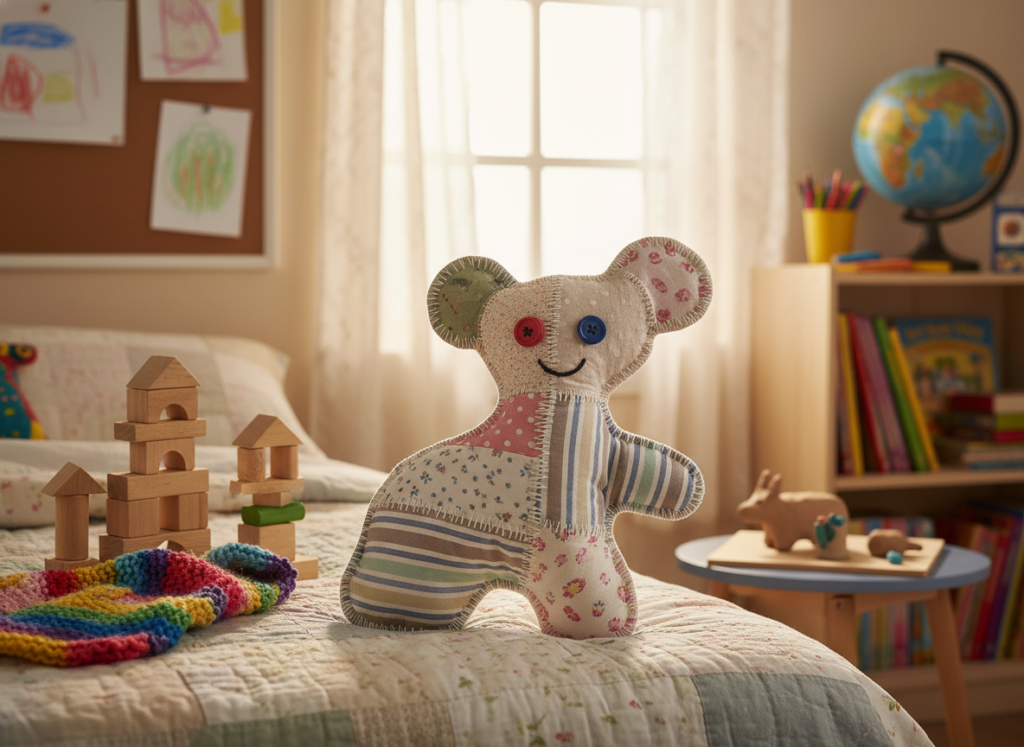
Simple Stuffed Toys
Basic Pillow Pets
Children love creating simple stuffed animals using two fabric pieces sewn together. Draw basic shapes like hearts, stars, or simple animals.
Cut two identical shapes and let kids sew around the edges with a whipstitch. Leave an opening for stuffing. Once filled with polyester batting, close the opening. Kids develop patience and pride in their handmade toys.
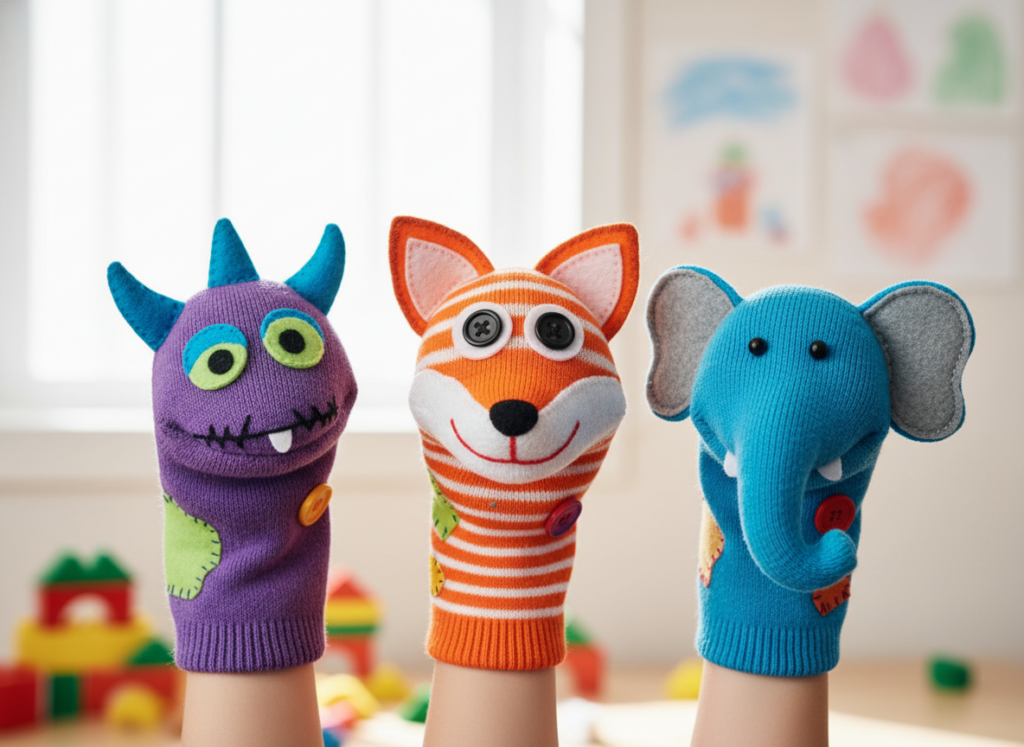
Sock Puppets with Sewn Details
Transform old socks into puppets using hand-sewn fabric scraps for features. Kids design characters and practice attaching pieces with simple stitches.
Cut felt pieces for eyes, ears, and mouths. Show children how to attach them securely to sock puppets using running stitches. This combines imaginative play with practical sewing skills.
Threading and Lacing Cards
Before children can sew fabric, they need to develop threading skills. Create practice cards from cardboard or thick felt with holes punched around the edges.
Kids practice threading yarn or thick thread through the holes using large plastic needles. This builds the hand-eye coordination necessary for actual sewing. Make cards in various shapes matching their interests like animals, vehicles, or favorite characters.
Family Sewing Time Activities
Create matching bookmark sets for each family member
Make holiday ornaments together as annual tradition
Sew simple bags for trick-or-treating or party favors
Collaborate on a family quilt using hand-stitched squares
Design and create decorations for special family events
Practice mending and repair skills on worn clothing together
Working on sewing projects as a family creates bonding time away from screens. Kids learn valuable life skills while spending quality time with parents and siblings. The process matters more than perfect results when teaching children.
Essential Tips for Hand Sewing Success
Certain techniques separate successful hand sewing from frustrating experiences. These tips help beginners avoid common mistakes and achieve professional-looking results from the start.
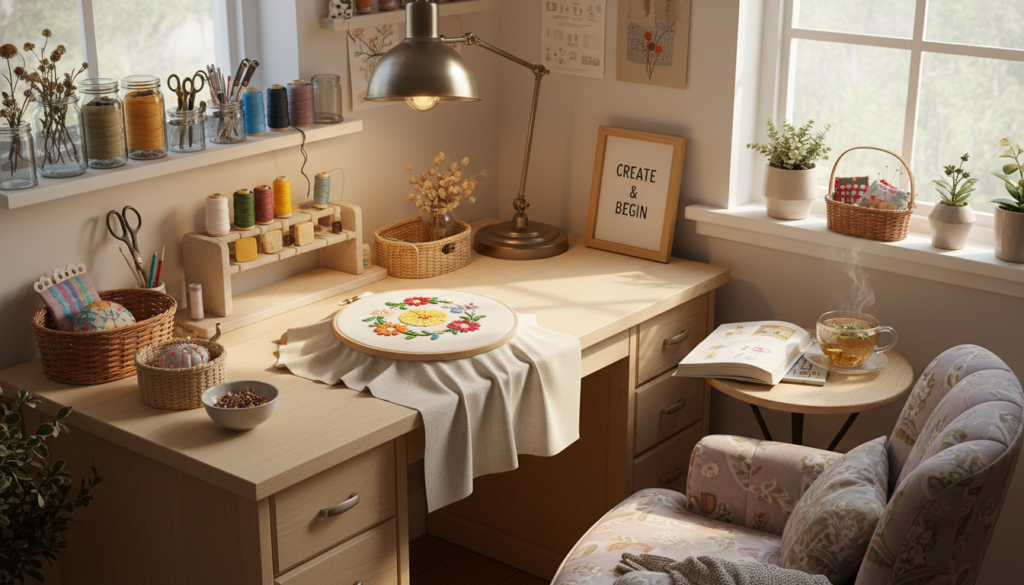
Good lighting makes an enormous difference in hand sewing quality. Position your work near natural light or use a bright craft lamp. Seeing stitches clearly prevents mistakes and reduces eye strain during longer projects.
Thread tension affects how your finished project looks and performs. Too tight causes puckering. Too loose creates weak seams. Practice on fabric scraps to develop a feel for proper tension before starting projects.
Common Beginner Mistakes to Avoid
Best Practices
Knot thread securely before starting to prevent pulling through fabric
Keep stitches small and even for professional appearance
Use thimbles to protect fingers during extended sewing sessions
Press seams with an iron for crisp clean lines
Choose appropriate needle size for fabric weight and type
Secure thread ends properly to prevent unraveling over time
Take breaks to prevent hand fatigue and maintain quality
What to Avoid
Using thread longer than arm’s length causes tangles and knots
Pulling stitches too tight creates puckered distorted fabric
Skipping marking or measuring results in uneven crooked projects
Rushing through projects leads to mistakes and poor quality
Using dull needles makes piercing fabric difficult and frustrating
Ignoring fabric grain direction causes twisted seams and poor drape
Comparing your work to experts discourages learning progress
Improving Your Technique
Regular practice builds muscle memory that makes hand sewing feel natural. Set aside time each week for sewing, even if only for twenty minutes. Consistency matters more than marathon sessions.
Challenge yourself with slightly more difficult projects as your skills grow. Moving from straight seams to curves, from simple shapes to complex patterns develops your abilities progressively. Each new technique you master opens doors to more interesting projects.
Join online communities or local groups where crafters share hand sewing projects. Seeing others’ work provides inspiration and learning opportunities. Many experienced sewers generously share tips and encouragement with beginners.
Thread tangles usually result from excessive length. Keep working thread shorter than your arm’s length. Also check that you’re pulling thread smoothly through fabric rather than yanking it. Some threads tangle more than others, so switching brands may help.
How do I fix uneven stitches?
Mark guidelines on fabric with a fabric pencil or chalk before stitching. Measure stitch length with your needle as a guide. Practice makes stitches more consistent over time. Remember that slight variations in hand stitching add character to handmade items.
What if my seams look puckered?
Puckering happens when you pull thread too tight. Loosen your tension slightly and the fabric should lie flat. Press seams with an iron after sewing to help relax the fabric. Use slightly larger stitches on lightweight fabrics that pucker easily.
Why do my needles keep breaking?
Needles break when forced through fabric too thick for their gauge or when you pull at wrong angles. Use appropriately sized needles for your fabric weight. Push needles straight through rather than at angles. Replace needles regularly as they weaken with use.
Organizing Your Hand Sewing Supplies and Fabric Scraps
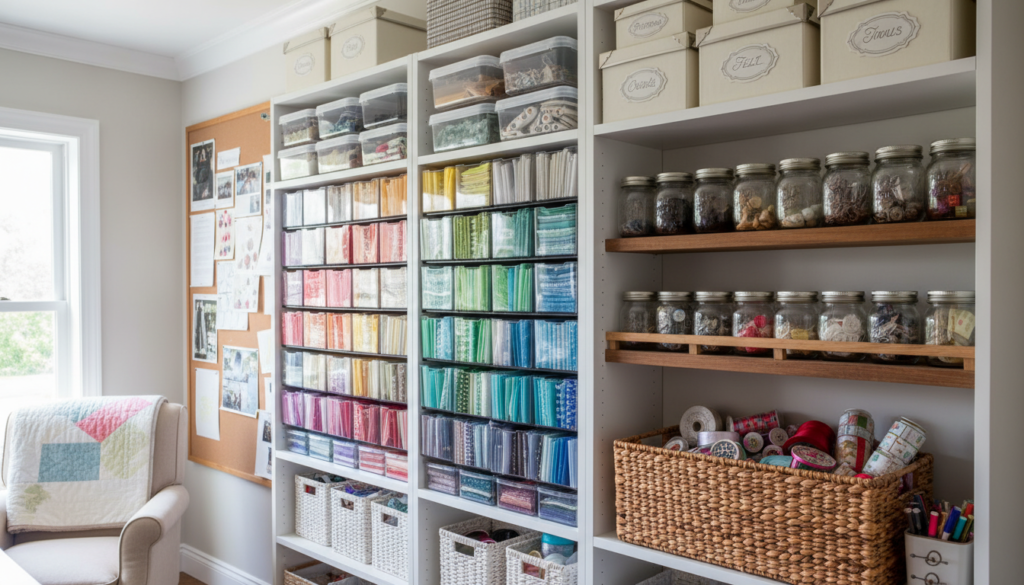
Good organization saves time and inspires creativity when you can see all your materials easily. These storage solutions keep fabric scraps and sewing supplies accessible and tidy.
Fabric Scrap Storage Systems
Sort fabric scraps by color or fabric type in clear plastic bins. This makes finding the perfect piece quick when inspiration strikes. Small pieces work for numerous hand sewing projects, so save even tiny scraps.
Consider storing scraps by size categories: large pieces for bags and cushions, medium scraps for smaller projects, and tiny pieces for stuffing or embellishments. Label containers clearly so everyone in your household knows where materials belong.
Thread Organization
Keep thread spools visible and organized by color. Clear plastic boxes with compartments work well. Some crafters use wall-mounted thread racks that double as decoration.
Wind leftover thread onto bobbins or cards labeled with color codes. This prevents waste and keeps partially used thread accessible. Store thread away from direct sunlight to prevent fading and deterioration.
Tool Storage Solutions
Dedicate a small basket or box to hand sewing tools. Keep needles, scissors, pins, and marking tools together so everything is ready when creativity strikes.
Use magnetic strips to hold needles and pins safely. Small glass jars organize buttons and other embellishments by type. A well-organized toolkit makes starting projects easier and more enjoyable.
Creating a Portable Sewing Kit
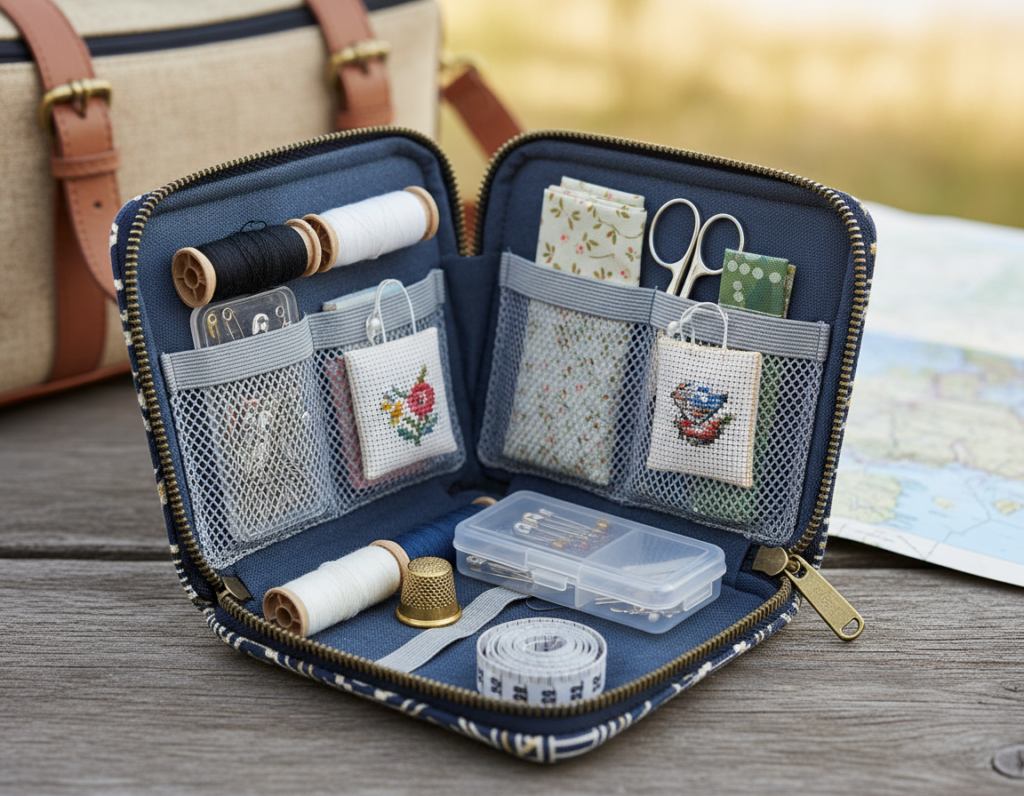
Assemble a small sewing kit for portability. Include basic needles, several thread colors, small scissors, a thimble, and a few fabric scraps in a zippered pouch.
This portable kit travels with you for work-in-progress projects or spontaneous crafting opportunities. Many sewers keep their portable kit in purses or cars for unexpected downtime moments.
Taking Your Skills to the Next Level
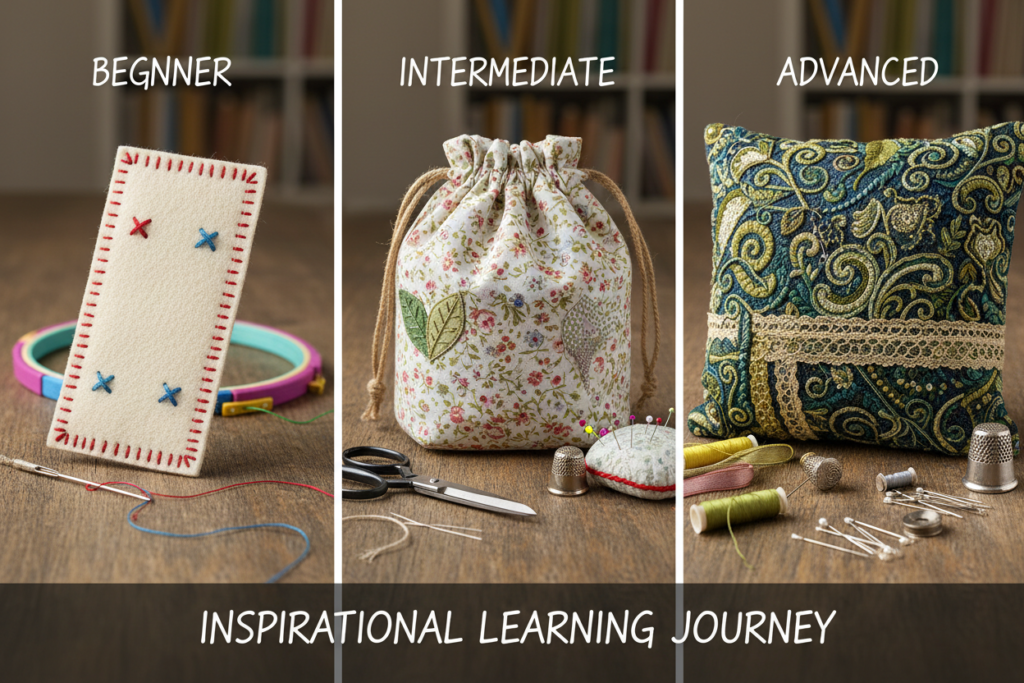
Once you master basic hand sewing stitches and complete several beginner projects, you’re ready to expand your skills. These intermediate techniques add polish and versatility to your work.
Learning decorative embroidery stitches enhances plain hand sewing projects. The chain stitch, French knots, and satin stitch add dimension and visual interest. Practice these stitches on fabric scraps before incorporating them into projects.
Combining hand sewing with other crafts opens new creative possibilities. Add hand-stitched elements to painted fabric, woodworking projects, or paper crafts. This mixed-media approach creates unique items impossible with single techniques.
Exploring Different Fabric Types
Beginners typically start with cotton fabric because it’s forgiving and easy to manipulate. Branch out to other fabrics as your confidence grows. Linen creates beautiful heirloom pieces. Felt works perfectly for children’s projects and decorations.
Each fabric behaves differently under a needle. Silk requires delicate handling and thin needles. Denim needs strong needles and thicker thread. Experimenting with various fabrics teaches you how material choice affects finished projects.
Intermediate Project Ideas
Quilted pot holders combining multiple fabric layers and stitching techniques
Zippered pouches requiring more precise sewing and closure installation
Patchwork items teaching fabric piecing and pattern matching skills
Embellished clothing adding hand-sewn details to store-bought garments
Complex stuffed toys with multiple pieces and sculptural elements
Home decor items like table runners requiring precise measurements
Master Advanced Hand Sewing Techniques
Ready to elevate your skills beyond basics? Discover professional methods and insider techniques that create truly impressive handmade items. Transform from beginner to confident crafter.
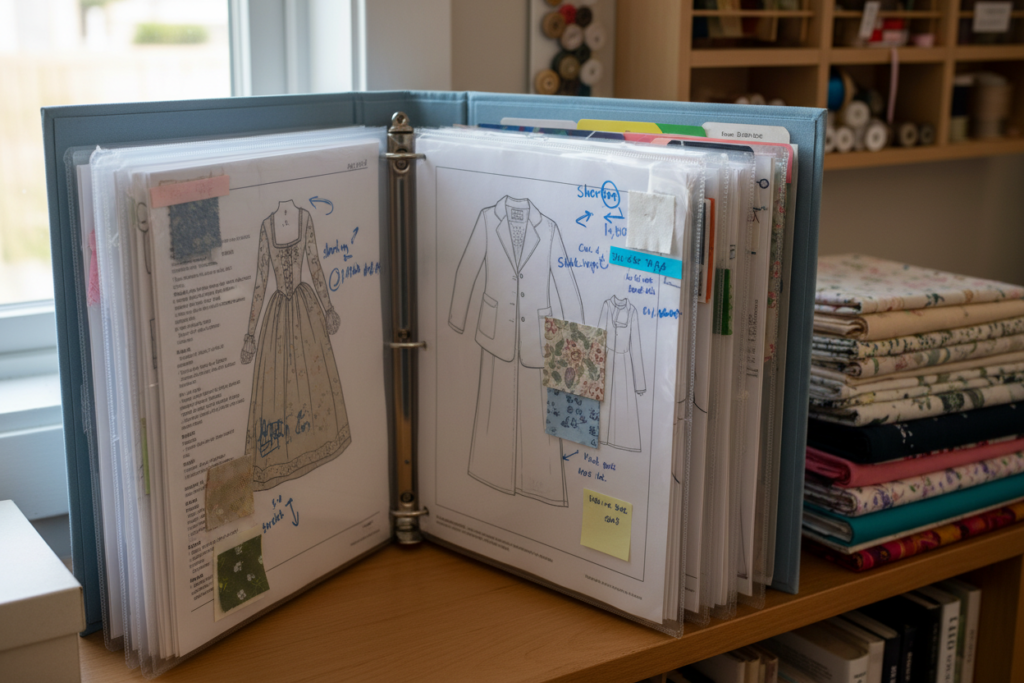
Simple patterns help you create consistent results across multiple projects. Start by tracing favorite items to create templates. Store patterns in labeled envelopes or folders for easy reference.
Many free patterns exist online for hand sewing projects. Download and print patterns that interest you. Modify existing patterns as your skills improve to customize projects to your preferences.
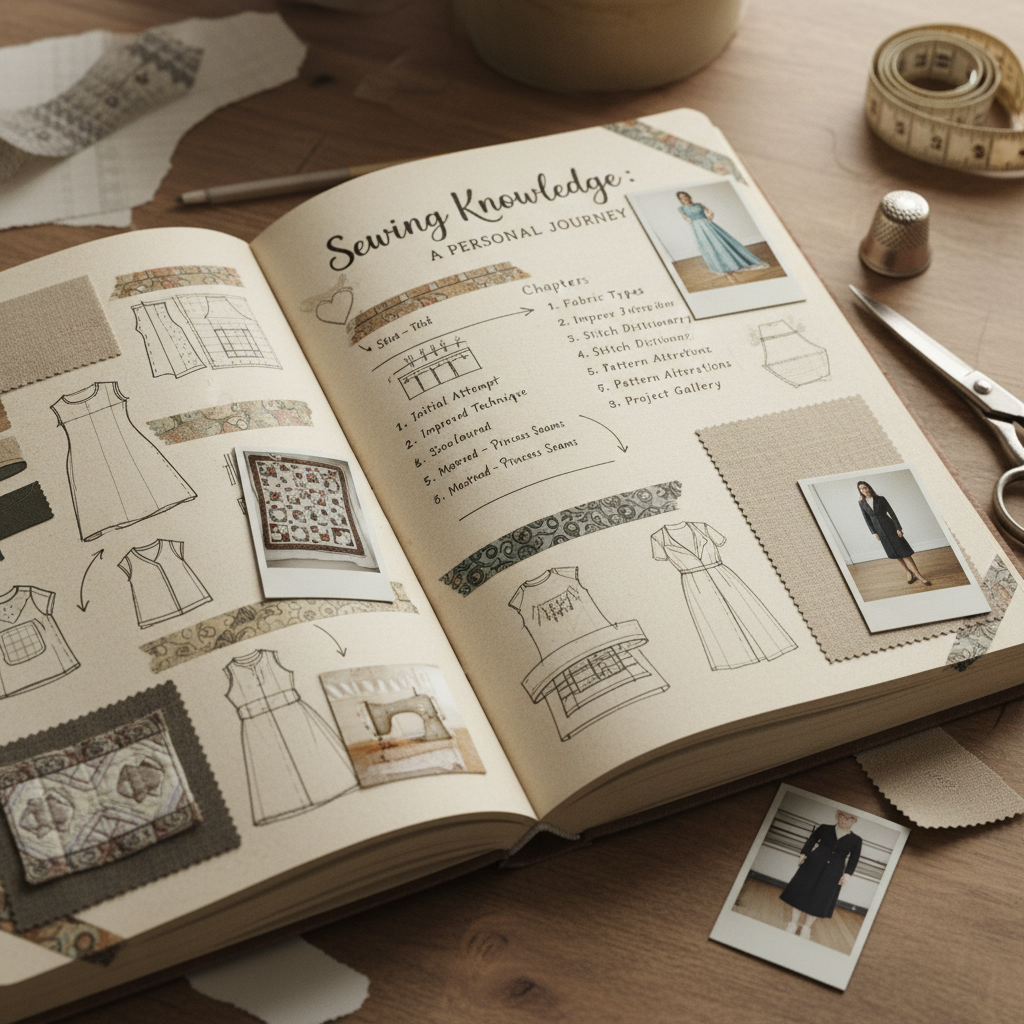
Creating a reference notebook with stitch samples, technique notes, and inspiration photos helps you remember methods you’ve learned. This becomes a valuable resource as you tackle more complex projects requiring multiple techniques.
Sustainable Sewing: Making the Most of Fabric Scraps
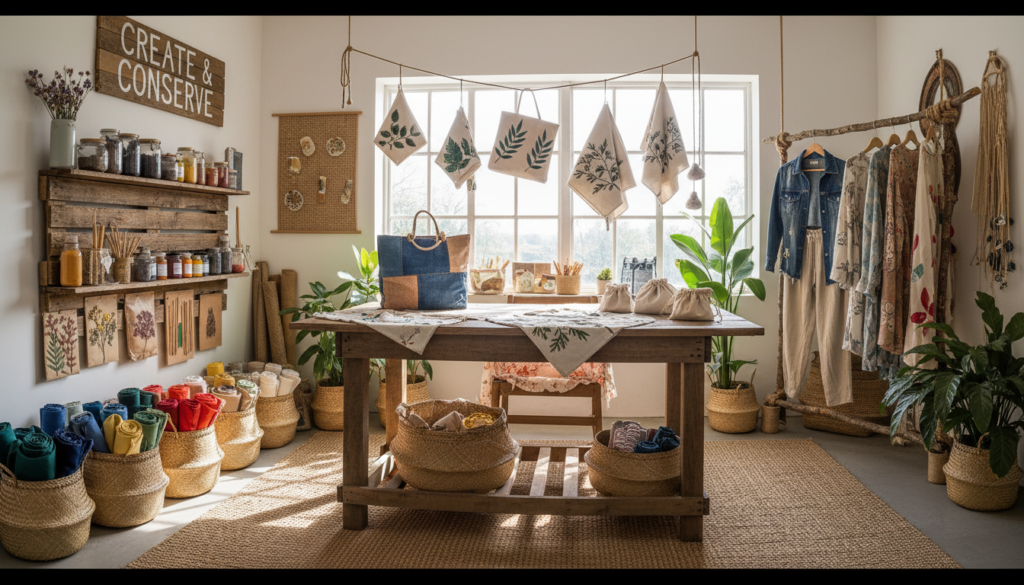
Hand sewing promotes sustainability by reducing textile waste. Every fabric scrap becomes potential material for creative projects rather than landfill contributions.
Creative Ways to Use Small Fabric Scraps
Even tiny fabric pieces serve purposes in hand sewing. Stuff projects with small scraps instead of buying polyester filling. Create confetti-style art by sewing random small pieces onto backing fabric. Use strips as gift ribbon or tie closures.
Sort very small scraps by color. These work beautifully for crazy quilt projects where random pieces create intentional designs. Thread tiny scraps through visible mending repairs adding decorative elements while extending clothing life.
Upcycling Old Clothing
Transform worn clothing into fabric for new projects. Old jeans become sturdy bags. Outgrown children’s clothes turn into memory quilts. Stained shirts donate clean sections for countless small projects.
This practice saves money while reducing waste. You’ll develop skills in working with different fabric weights and types. Each upcycled item carries memories and history into new creations.
Scrap-Busting Project Ideas
Specifically design projects to use accumulated fabric scraps. Strip-pieced coasters use narrow fabric strips. Patchwork bags showcase many different fabrics together. Scrappy bunting celebrates color variety.
Challenge yourself to create projects using only scraps from your stash. This limitation often sparks the most creative solutions and unique finished items.
Reducing Waste in Your Sewing Practice
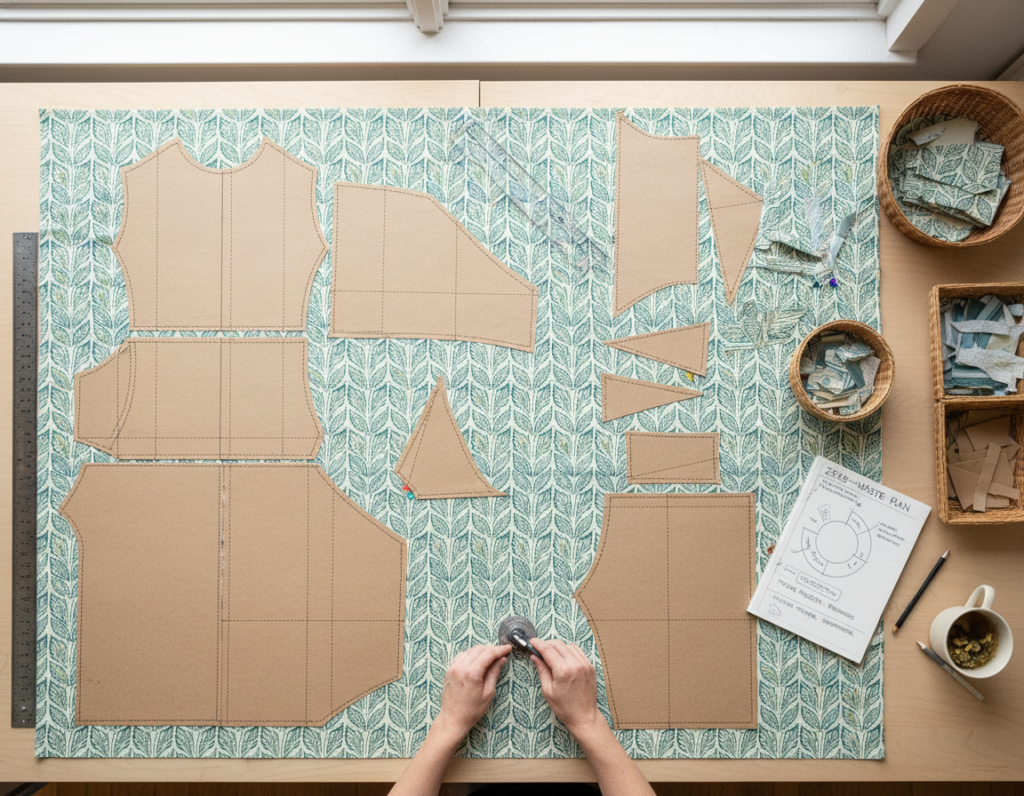
Plan projects carefully to maximize fabric use. Cut multiple pieces from single fabric sections. Arrange pattern pieces efficiently before cutting to minimize waste. Save even small remnants for future stuffing or tiny embellishments.
Share fabric scraps with crafting friends or community groups. Many quilters, schools, and community centers welcome donations of fabric scraps for their programs. What you can’t use might perfectly serve someone else’s project.
Natural fabrics like cotton and linen eventually biodegrade, making them environmentally friendly choices. Synthetic fabrics last longer in projects but contribute to microplastic pollution. Balance durability needs with environmental impact when selecting materials.
Advanced Troubleshooting and Problem Solving
Every sewer encounters challenges. Learning to troubleshoot problems builds confidence and resilience in your crafting practice.
When projects don’t turn out as planned, analyze what went wrong rather than getting discouraged. Most mistakes teach valuable lessons that improve future work. The process of problem-solving develops your understanding of how fabric and stitches interact.
Keep a crafting journal noting what worked well and what didn’t in each project. This reference helps you remember solutions to common problems and avoid repeating mistakes.
Fixing Common Hand Sewing Mistakes
Problem
Cause
Solution
Thread keeps knotting
Thread too long or poor quality
Shorten thread to arm’s length and use better thread
Fabric puckering
Stitches pulled too tight
Loosen tension and press with iron
Uneven stitch length
Lack of practice or rushing
Mark guidelines and slow down pace
Needle won’t penetrate fabric
Dull needle or wrong size
Replace with new appropriately sized needle
Seams coming apart
Weak stitch or inadequate backstitching
Use backstitch for seams and secure ends properly
Fabric shifting while sewing
Insufficient pinning or basting
Pin layers together or use basting stitches first
When to Use a Seam Ripper
Don’t fear the seam ripper. This small tool removes stitches without damaging fabric when you need to correct mistakes. Careful use of a seam ripper saves projects rather than ruining them.
Insert the pointed end under individual stitches and cut the thread. Work slowly to avoid tearing fabric. Remove several stitches, then pull thread free. Pick out remaining thread bits with tweezers or a pin.
Sometimes redoing a seam improves the final project significantly. Accepting that mistakes happen and knowing how to fix them reduces frustration and helps you create better finished items.
Finding Inspiration and Community Support
Connecting with other people who enjoy hand sewing enriches your crafting experience. Online and local communities provide inspiration, encouragement, and practical help when needed.
Online Resources for Hand Sewers
Pinterest offers endless hand sewing project ideas and tutorials. Create boards organizing projects by type, difficulty level, or season. Follow crafters whose aesthetic matches your interests.
Video tutorials on various platforms demonstrate techniques more clearly than written instructions for visual learners. Watch several different sewers explain the same technique to find explanations that click with your learning style.
Online forums and social media groups connect you with sewers worldwide. Ask questions, share finished projects, and participate in challenges that push your skills forward. The supportive nature of crafting communities helps beginners feel welcome.
Local Opportunities
Library craft programs often include hand sewing workshops and meetups
Fabric stores host classes teaching specific techniques and projects
Community centers organize crafting groups for social sewing time
Schools may need volunteers to teach children basic sewing skills
Teaching others what you’ve learned reinforces your own understanding. Volunteer to share hand sewing skills with children, seniors, or community groups. This giving back strengthens communities while building your confidence.
Join Thousands Learning Hand Sewing
Connect with a supportive community while accessing professional instruction designed for beginners. Get the structured guidance that accelerates your progress and builds lasting skills.
As you complete more projects, your preferences become clear. You’ll gravitate toward certain colors, patterns, and project types that reflect your personality.
Embrace your unique style rather than copying others exactly. Your handmade items should bring you joy and express your creativity. The beauty of hand sewing lies in creating one-of-a-kind pieces no one else owns.
Experiment freely with different techniques and materials. Some projects will become favorites you repeat frequently. Others teach you what doesn’t suit your taste. Both outcomes provide valuable information guiding your creative journey.
Start Your Hand Sewing Journey Today
Hand sewing projects for beginners open doors to creative expression and practical skills that last a lifetime. You’ve discovered numerous project ideas requiring only basic stitches and minimal supplies.
The journey from complete beginner to confident crafter happens one stitch at a time. Each project you complete builds skills and confidence for more challenging work. Remember that every expert started exactly where you are now.
Start with simple projects using fabric scraps you already have at home. Practice basic hand sewing stitches until they feel comfortable. Gradually challenge yourself with slightly more complex ideas as your abilities grow.
The satisfaction of creating useful beautiful items with your own hands cannot be matched by purchased goods. Your handmade projects carry personal meaning and reflect the time you invested in developing this valuable skill.
Join the community of hand sewers who find joy in transforming simple fabric into treasured items. Whether you create gifts for others, decorations for your home, or simply enjoy the meditative process, hand sewing enriches your life in countless ways.
Begin Your Creative Transformation
Take the next step in your hand sewing journey with comprehensive instruction designed specifically for beginners. Access the techniques, patterns, and support that turn aspiration into accomplishment.
Pick up a needle and thread today. Choose your first project from the ideas shared in this guide. The skills you develop through hand sewing will serve you throughout your life, creating both practical items and cherished memories.
Your hand sewing adventure begins with a single stitch. Make that stitch today.