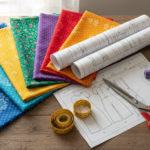
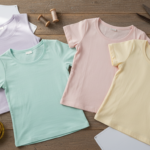
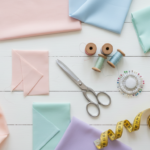
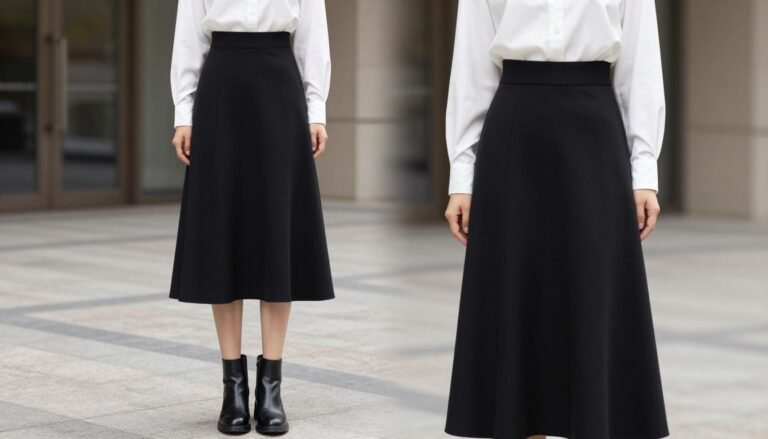
Sewing your own clothing opens a world of creative possibilities. Whether you dream of crafting unique garments or simply want to refresh your closet, easy sewing projects provide the perfect starting point. The satisfaction of wearing something you created with your own hands is truly incomparable.
This comprehensive guide walks you through dozens of beginner-friendly top patterns. Each project is carefully selected to build your sewing skills progressively. You’ll find everything from simple tank tops to slightly more challenging button-up shirts.
Getting started with sewing doesn’t require expensive equipment or years of training. With basic supplies and the right guidance, you can complete your first garment in just a few hours. Explore beginner-friendly patterns and essential sewing supplies to kickstart your creative journey today.
Why Sew Your Own Tops
Creating your own clothing offers benefits that extend far beyond the finished garment. Custom-fit tops eliminate the frustration of ill-fitting store-bought options. You control every detail, from fabric choice to styling elements.
The financial savings become apparent quickly. Quality fabrics cost less than finished garments, especially when you consider the superior construction. Your handmade pieces often outlast mass-produced alternatives by years.
Benefits of DIY Sewing
Perfect fit customized to your measurements
Unique designs not available in stores
Sustainable fashion choices reduce waste
Therapeutic and stress-relieving activity
Cost-effective compared to retail prices
Skill development and creative expression
Common Challenges
Initial learning curve for techniques
Time investment for each project
Need for basic equipment and tools
Pattern reading skills required
Sustainable fashion becomes achievable when you sew at home. You choose eco-friendly fabrics and avoid supporting fast fashion practices. Each completed project represents a conscious choice toward responsible consumption.
Essential Sewing Supplies for Getting Started
Every sewing project begins with proper tools and materials. Your basic toolkit doesn’t need to break the bank. Focus on quality essentials rather than accumulating unnecessary gadgets.
Must-Have Sewing Tools
A reliable sewing machine forms the foundation of your workspace. Modern machines offer user-friendly features that simplify learning. Look for models with adjustable stitch length and basic utility stitches.
Sewing machine with straight and zigzag stitches
Sharp fabric scissors dedicated to cutting fabric only
Measuring tape and clear ruler for accurate measurements
Straight pins and pincushion for holding fabric pieces
Seam ripper for correcting mistakes easily
Iron and ironing board for pressing seams
Hand sewing needles for finishing touches
Thread in various colors matching your fabrics
Choosing the Right Fabrics
Fabric selection dramatically impacts your project success. Beginners should stick with woven cotton or lightweight linen for first projects. These materials forgive minor mistakes and handle easily.
Cotton fabric offers excellent versatility for countless top styles. It holds its shape well, presses beautifully, and comes in endless prints. Quilting cotton works perfectly for casual shirts and blouses.
Ready to Build Your Fabric Collection?
Find curated fabric bundles, premium sewing patterns, and professional-quality supplies perfect for beginners and experienced sewers alike.
Jersey knit fabrics create comfortable, stretchy tops that drape beautifully. These require slightly more skill than wovens. A serger machine helps with knit construction, though not absolutely necessary.
Avoid slippery fabrics like satin or silk for early projects. Save delicate materials until you develop consistent stitching control. Thick fabrics like denim also present unnecessary challenges for beginners.
Basic Sewing Techniques Every Beginner Should Master
Mastering fundamental techniques builds confidence for tackling any project. Start with these essential skills before moving to complex patterns. Practice each technique on fabric scraps before beginning actual garments.
Straight Seams and Seam Finishing
Sewing straight seams requires practice and patience. Guide fabric gently without pulling or pushing too forcefully. Let the sewing machine feed the fabric at its own pace.
Seam allowances maintain consistency throughout your project. Most patterns use a standard five-eighths inch seam allowance. Mark this distance on your machine bed with washi tape for easy reference.
Finishing seams prevents fraying and extends garment life. Zigzag stitching along raw edges provides simple, effective finishing. Pinking shears create decorative zigzag edges that resist unraveling.
Pressing for Professional Results
Pressing transforms amateur-looking projects into polished pieces. Press seams after every major step, not just at the end. This crucial habit improves accuracy and appearance dramatically.
Press seams open to reduce bulk
Use appropriate heat settings for fabric type
Press from the wrong side to avoid shine
Lift and lower iron rather than sliding
Use a pressing cloth for delicate fabrics
Steam helps set stitches and removes wrinkles effectively. A quality iron with steam capability becomes your best friend. Take time with pressing even when you’re excited to finish.
Simple Tank Top Projects for Absolute Beginners
Tank tops offer the perfect introduction to garment sewing. These projects require minimal pattern pieces and simple construction methods. You’ll complete your first wearable top in just a few hours.
Basic Racerback Tank
The racerback style flatters most body types beautifully. This design uses stretchy jersey knit fabric that forgives fit imperfections. The athletic-inspired shape works for exercise or casual wear.
Start by taking accurate measurements of your bust, waist, and shoulder width. Transfer these measurements to your chosen pattern, adjusting for desired fit. Cut your fabric pieces carefully, following the grainline markings.
Construction involves just four main steps. First, sew shoulder seams and press them open. Next, attach the neckline binding using a stretch stitch. Then close the side seams in one continuous line.
Finish the armholes and bottom hem with a narrow twin-needle hem. This creates a professional stretchy finish. Your completed tank demonstrates essential skills applicable to countless future projects.
Quick Tank Top Tips
Use ballpoint needles designed for knit fabrics. These needles slide between fibers rather than piercing them. Regular needles can create holes or skipped stitches in stretchy materials.
Test your stitch settings on fabric scraps first. Adjust tension and stitch length until you achieve smooth, stretchy seams. This preliminary testing saves frustration during actual construction.
Flowy Summer Tank with Gathered Details
Adding gathered details elevates a basic tank into something special. This project introduces gathering techniques using lightweight woven cotton. The resulting top offers feminine style perfect for warm weather.
Create gathering by machine basting two parallel lines along the designated edge. Gently pull bobbin threads while distributing fullness evenly. Pin gathered section to the corresponding flat piece before sewing permanently.
The elastic waistband creates comfortable definition without requiring buttonholes or zippers. Simply thread elastic through a casing sewn at the waistline. This technique appears in many easy sewing projects going forward.
T-shirts form the foundation of any casual wardrobe. Sewing your own allows endless customization of fit and style. These projects build upon tank top skills while introducing new techniques.
Classic Crew Neck T-Shirt
The crew neck represents the quintessential t-shirt style. This timeless design works for any gender and pairs with everything. Master this pattern and you’ll sew countless variations.
Knit fabric selection matters significantly for t-shirt success. Choose jersey knit with good recovery that bounces back after stretching. Cotton-spandex blends offer comfort and durability for everyday wear.
Cut pattern pieces following the stretch direction indicated by arrows. Knit fabrics have maximum stretch going across the fabric width. Align pattern pieces accordingly for proper drape and fit.
Ribbing at the neckline creates the signature t-shirt finish. Cut ribbing fabric strips slightly smaller than the neckline opening. Stretch gently while sewing to achieve a flat, professional appearance.
Basic Crew Neck
Perfect everyday staple with classic styling. Features set-in sleeves and ribbed neckline. Ideal for learning fundamental t-shirt construction techniques.
Raglan Sleeve Tee
Sporty style with diagonal sleeve seams. Easier construction than set-in sleeves. Great for color blocking and creating visual interest with fabric combinations.
V-Neck Version
Flattering neckline variation using same basic pattern. Ribbing application creates clean V-shape. Slightly more advanced but highly rewarding project for building confidence.
Relaxed Fit Oversized Tee
Oversized t-shirts offer forgiving fit and contemporary style. This silhouette works beautifully for beginners still mastering fitting techniques. The extra room means less precision required during construction.
Modify standard t-shirt patterns by adding width at side seams. Extend hem length by several inches for the signature oversized look. These simple adjustments create an entirely different aesthetic.
Drop shoulder construction simplifies sleeve attachment considerably. The sleeve cap sits lower on the arm rather than at the natural shoulder point. This technique eliminates complex ease distribution while maintaining comfort.
Beginner-Friendly Blouse Patterns
Blouses add polish to any wardrobe while teaching valuable sewing skills. These projects introduce buttons, collars, and other refinements. Start with simplified versions before attempting complex details.
Peasant-Style Blouse with Elastic Neckline
Peasant blouses combine bohemian charm with practical construction. The elastic neckline eliminates complicated closures while creating flattering gathers. This style works beautifully in lightweight cotton or rayon.
Create the signature off-shoulder neckline using elastic thread in your bobbin. Set your machine to a long straight stitch. The elastic automatically gathers fabric as you sew, creating flexible ruching.
Sleeve variations change the entire look dramatically. Short puffed sleeves create a feminine silhouette perfect for summer. Three-quarter bell sleeves offer coverage while maintaining the breezy aesthetic.
Hem finishing options include narrow rolled hems or simple folded edges. For lightweight fabrics, consider adding lace trim or decorative ribbon. These embellishments require minimal additional skill but create impressive results.
Unlock Your Full Sewing Potential
Access an extensive library of blouse patterns ranging from simple peasant styles to tailored button-ups. Each pattern includes detailed instructions, sizing options, and helpful video demonstrations.
Button-front shirts represent a significant skill milestone. This project introduces buttonholes, button placement, and placket construction. Take your time and celebrate each successfully completed element.
Modern sewing machines include automatic buttonhole settings that simplify this traditionally challenging task. Practice on fabric scraps until you achieve consistent results. Mark buttonhole placement carefully before stitching.
Collar construction seems intimidating but follows logical steps. Interface one collar piece for structure and stability. Sew collar pieces together, clip curves, turn right side out, and press thoroughly.
The collar attachment process requires patience and precision. Pin collar carefully to neckline, matching center backs and shoulder seams. Sew slowly, checking alignment frequently to maintain symmetry.
Choose lightweight to medium-weight woven fabrics
Interface collar, cuffs, and button placket for stability
Press every seam before moving to the next step
Test buttonhole settings on scrap fabric first
Mark button placement with precision before sewing
Flattering Wrap Top Designs
Wrap tops flatter virtually every body type beautifully. The adjustable closure accommodates size fluctuations while creating an elegant silhouette. These designs work equally well for casual or dressy occasions.
Basic Wrap Top with Tie Closure
The fundamental wrap design uses just two main pattern pieces. This simplicity makes it perfect for practicing new fabric types. Jersey knit creates comfortable drape, while woven fabrics offer structured elegance.
Wrap depth determines how much skin shows at the neckline. Modest versions overlap significantly, while daring styles create deeper V-necks. Adjust pattern pieces to match your comfort level and styling preferences.
Tie lengths vary based on desired styling options. Longer ties wrap completely around the waist and tie in front. Shorter versions create side ties that sit at the natural waistline.
Finish raw edges before assembling the garment. This step prevents fraying on the visible wrap edges. Use narrow hem techniques or bias binding for clean, professional results.
Construction Steps
Cut all pattern pieces following grainline directions
Finish all visible raw edges with preferred method
Sew shoulder seams and press open
Attach sleeves if pattern includes them
Sew side seams in continuous lines
Hem sleeves and bottom edge
Attach tie pieces securely at designated points
Press completed garment thoroughly
Reinforce tie attachment points with extra stitching. These areas experience stress during wear and tying. Backstitch several times or use a small reinforcement square for durability.
Faux Wrap Top Variation
Faux wrap tops create the appearance of wrapping without actual closure ties. This style simplifies dressing while maintaining the flattering diagonal lines. The permanent construction eliminates gaping concerns.
Pattern pieces include built-in overlap rather than separate wrapping panels. Sew side seams at angles to create the wrap illusion. This technique produces consistent fit every time you wear the garment.
Adding a small snap or hook closure at the waist prevents the faux wrap from shifting. Place closures on the inside for invisible security. This small detail significantly improves wearability and confidence.
Shell tops provide versatile layering pieces that work through multiple seasons. These sleeveless designs pair beautifully under cardigans, blazers, or worn alone during warmer months. The streamlined construction makes them ideal intermediate projects.
Boat Neck Shell Top
The boat neckline creates elegant shoulder emphasis while remaining modest. This classic style flatters broad shoulders and balances pear-shaped figures. Medium-weight woven fabrics hold the shape best.
Princess seams add subtle shaping without requiring darts. These vertical seams run from shoulder or armhole to hem, creating gentle waist definition. The technique introduces curved seam sewing in a forgiving application.
Sewing curved seams successfully requires careful pinning and slow stitching. Match notches precisely before adding pins between. Sew with the concave (inward curving) piece on top for better control.
Armhole finishing options include facings, bias binding, or turned-and-stitched edges. Facings create the cleanest look but require additional pattern pieces. Bias binding adds decorative contrast while simplifying construction.
Shell Top Styling Ideas
Layer under blazers for professional office wear
Pair with high-waisted pants for elongated silhouette
Tuck into skirts for polished feminine looks
Wear alone with statement jewelry for evening events
Create capsule wardrobe by making multiple colors
Versatile shell tops transition effortlessly between seasons and occasions. Invest time in perfecting the fit, then reproduce the pattern in various fabrics for maximum wardrobe impact.
Peplum Shell Top
Adding a peplum transforms a basic shell into a statement piece. This flared ruffle at the waistline creates feminine shaping and visual interest. The construction technique applies to countless other garment styles.
Peplum pieces attach at the natural waistline or slightly below. Cut these ruffle pieces on the bias for maximum drape and movement. The diagonal grain creates beautiful fluid motion as you walk.
Gathering versus pleating creates different aesthetic effects. Gathered peplums offer soft, romantic fullness. Pleated versions provide structured, tailored appearance. Choose based on your style preferences and occasion needs.
Easy Kimono-Style Tops
Kimono-inspired tops offer relaxed elegance with surprisingly simple construction. These designs eliminate set-in sleeves entirely, making them perfect confidence-building projects. The flowing silhouette flatters while forgiving minor fitting issues.
Basic Kimono Cardigan Top
The kimono cardigan functions as both a top and light jacket. This versatile piece works over tank tops, t-shirts, or dresses. Lightweight fabrics like rayon or cotton voile create the signature fluid drape.
Pattern pieces typically include just a back, two fronts, and optional tie or belt. The sleeves form as extensions of the body pieces rather than separate components. This integrated construction simplifies assembly dramatically.
Sewing sequence starts with shoulder seams connecting front and back pieces. Next, sew the underarm and side seams in one continuous line from sleeve edge to hem. This creates the characteristic T-shape silhouette.
Hem all raw edges using your preferred finishing method. Narrow rolled hems work beautifully on lightweight fabrics. Slightly wider hems add weight and drape to the bottom edge.
Choose drapey fabrics for best movement and flow
Consider adding pockets in side seams for functionality
Vary sleeve length from short to extra-long
Experiment with contrast binding on edges
Add decorative stitching or embroidery for personalization
Master the Art of Easy Sewing
From simple kimonos to complex blouses, find comprehensive patterns with step-by-step photo tutorials, fitting guides, and troubleshooting tips that guarantee success.
Cropped versions create contemporary style perfect for high-waisted bottoms. This length hits at the natural waist or slightly above. The proportions work beautifully for petite frames and modern aesthetics.
Shortening a standard kimono pattern requires careful consideration of proportions. Maintain the width while reducing length to avoid awkward appearance. The sleeve-to-body ratio should remain balanced.
Adding a facing to the front opening creates structure and prevents curling. Cut facing pieces from matching or contrasting fabric. Interface for additional body if using very lightweight materials.
Creative Patchwork and Scrap Fabric Tops
Patchwork projects transform fabric scraps into wearable art. These creative tops eliminate waste while producing unique pieces impossible to find in stores. The technique offers endless design possibilities limited only by imagination.
Simple Patchwork Panel Top
Begin with basic geometric patchwork before attempting complex designs. Square or rectangular pieces sew together easily while creating visual impact. This approach allows you to use fabric scraps efficiently.
Plan your color scheme before cutting pieces. Lay out fabric combinations and photograph different arrangements. This preview helps you achieve balanced distribution and pleasing color flow.
Sew patchwork pieces into rows first, then join rows together. Press seams in alternating directions between rows. This reduces bulk at intersections and helps seams nest together perfectly.
Once patchwork fabric is complete, treat it like regular yardage. Cut your favorite top pattern from the pieced material. The combination of unique fabric and familiar pattern creates custom designer looks.
Patchwork Tips
Use fabrics of similar weight for consistent results
Prewash all scraps to prevent future shrinkage issues
Maintain consistent seam allowances throughout
Press after every seam for professional appearance
Create extra patchwork fabric for future projects
Color Block Design Top
Color blocking uses larger fabric sections in contrasting colors. This modern technique creates bold graphic looks with minimal piecing. The simplified construction suits beginners while delivering impressive results.
Plan color divisions using your pattern pieces as guides. Mark new seamlines where colors will change. Add seam allowances to all newly created edges before cutting fabric.
Topstitching along color block seams emphasizes the geometric design. Use contrasting thread for maximum impact or matching thread for subtle definition. This finishing detail elevates the overall design significantly.
Experiment with asymmetrical divisions for contemporary style. Place color changes off-center or at diagonal angles. These unexpected placements create dynamic visual interest and modern aesthetic.
No-Sew and Minimal-Sew Top Options
Not everyone owns a sewing machine or wants to invest in one immediately. These creative alternatives produce wearable tops using hand-sewing or fabric manipulation techniques. Perfect for testing your interest before committing to equipment.
Draped and Knotted Tops
Large fabric squares transform into tops through strategic folding and knotting. This ancient technique requires zero sewing while creating versatile summer pieces. Lightweight cotton or silk works best for draping.
Start with a square measuring approximately 45 inches per side. Fold diagonally to create a triangle, then wrap around your body. Experiment with different knot placements to change the silhouette.
Secure knots with small safety pins hidden inside folds. This prevents shifting during wear without requiring permanent stitching. The removable fastening allows you to reconfigure the same fabric into different styles.
Fabric Glue Construction
Fabric glue offers a no-sew alternative for simple top construction. This method works best for lightweight materials and basic designs. While not as durable as sewn seams, glued garments serve for occasional wear.
Choose fabric glue specifically formulated for textiles. Regular craft glue won’t withstand washing or wear stress. Apply glue sparingly to prevent stiffness and allow flexibility in finished seams.
Important Note: Fabric glue projects should be considered temporary or special-occasion garments. They cannot withstand regular laundering like sewn items. Hand wash gently in cold water and air dry to maximize longevity.
Create simple sleeveless shells using fabric glue along side seams and shoulder seams. Fold and glue hems at neckline, armholes, and bottom edge. Allow 24 hours of drying time before wearing.
While exploring these creative alternatives, you might discover a passion for garment construction. When you’re ready to advance your skills, comprehensive sewing patterns and tutorials await to guide your journey into machine sewing.
Upcycling Existing Clothes into New Tops
Upcycling breathes new life into unworn clothing while practicing sewing skills. Thrift stores and your own closet provide inexpensive fabric sources. This sustainable approach reduces waste while creating unique wardrobe pieces.
Men’s Shirt to Women’s Fitted Top
Oversized men’s shirts contain plenty of fabric for refashioning. The existing buttonholes, collar, and pockets provide ready-made details. Simply reshape the silhouette to create feminine fitted tops.
Start by trying on the shirt and pinning excess fabric at side seams. Mark new seamlines with chalk or fabric marker. Remove the shirt and sew new seams following your markings.
Shorten sleeves to three-quarter or cap length for modern styling. Cut desired length, fold up hem allowance, and sew. Add a small cuff using fabric from the shirt tail for polished details.
The shirt tail becomes useful fabric for adding design elements. Create pockets, decorative panels, or contrast details. This maximizes material use while adding custom touches.
Choose shirts with interesting patterns or colors
Preserve existing details like pockets and buttons
Cut away excess fabric rather than trying to fit it all
Use removed fabric pieces for practice or embellishments
Press thoroughly before and after alterations
T-Shirt Reconstruction Projects
Old t-shirts offer endless possibilities for creative reconstruction. Cut, knot, braid, or weave fabric strips into entirely new designs. These projects require minimal sewing skills while producing trendy results.
Create cut-out designs by marking patterns with chalk, then carefully cutting. Leave seam allowances intact to maintain structure. Strategic cuts add ventilation and visual interest to basic tees.
Braiding strips of fabric creates dimension and texture. Cut three parallel slits, then braid the resulting strips. Secure ends with hand stitching or small knots. This technique works beautifully along shoulders or down the back.
Transform Your Wardrobe Sustainably
Discover advanced upcycling techniques, refashioning patterns, and creative alteration methods that turn forgotten clothes into fashion-forward pieces you’ll love wearing.
Even experienced sewers encounter challenges during projects. Understanding common problems and their solutions prevents frustration. Most issues have simple fixes that don’t require starting over completely.
Tension Problems and Skipped Stitches
Thread tension affects stitch quality dramatically. Balanced tension creates smooth, even stitches on both fabric sides. Improper tension causes loops, puckering, or thread breakage.
Test tension on fabric scraps before sewing your actual project. Examine both sides of the test seam carefully. Top thread should not show on the bottom, and bobbin thread should not show on top.
Tension Adjustment Steps
Rethread machine completely starting from scratch
Check bobbin is inserted correctly and spins freely
Verify you’re using correct needle size for fabric
Clean lint from bobbin case and feed dogs
Adjust upper tension dial in small increments
Test on scrap fabric after each adjustment
Consult machine manual for specific guidance
Skipped stitches often indicate dull or incorrect needles. Replace needles after every 6-8 hours of sewing time. Use ballpoint needles for knits and sharp needles for wovens.
Puckered Seams and Wavy Hems
Puckering occurs when fabric feeds unevenly through the machine. This common issue has multiple potential causes. Systematically check each possibility to identify your specific problem.
Using appropriate presser foot pressure prevents puckering on lightweight fabrics. Reduce pressure for thin materials and increase for heavy fabrics. Most modern machines feature adjustable pressure settings.
Stitch length affects seam appearance significantly. Longer stitches work better for thick fabrics, while shorter stitches suit fine materials. Standard setting of 2.5mm works for most medium-weight fabrics.
Pro Tip: Place tissue paper or tear-away stabilizer under lightweight fabrics while sewing. This prevents puckering and provides smooth feeding. Simply tear away the paper after stitching is complete.
Fitting Issues and Adjustments
Garments that don’t fit properly rarely get worn regardless of construction quality. Learning basic fitting adjustments maximizes wearability of your handmade pieces. Make test versions in inexpensive fabric before cutting premium materials.
Common fitting adjustments include lengthening or shortening at designated adjustment lines. Most patterns include these marked on pattern pieces. Simply spread or overlap pattern along these lines to modify measurements.
Take accurate body measurements before starting
Compare measurements to pattern sizing charts carefully
Make a wearable muslin for complex patterns
Adjust patterns before cutting fabric when possible
Keep detailed notes about successful modifications
Build a personal fitting reference file over time
Shoulder width problems create uncomfortable garments. Narrow shoulders by taking in shoulder seams slightly. Widen by adding fabric at shoulder seams or switching to raglan sleeve styles.
Building Your Sewing Skills Progressively
Skill development happens gradually through consistent practice. Don’t rush to attempt complex projects before mastering fundamentals. Each completed project builds confidence and competence for the next challenge.
Recommended Project Sequence
Following a logical skill progression prevents frustration and abandonment. Start with projects using minimal pattern pieces and simple construction. Gradually introduce new techniques one at a time.
Beginner Level
Basic tank tops with minimal shaping
Simple t-shirts in knit fabric
Elastic-waist peasant blouses
Kimono-style cardigans
Straight-seam projects only
Intermediate Level
Fitted shells with darts or princess seams
Button-front shirts with collar
Wrap tops with tie closures
Peplum or gathered details
Simple patchwork designs
Advanced Level
Tailored blazers with lining
Complex patchwork or color blocking
Garments with multiple closures
Fitted clothing with boning or structure
Advanced fabric manipulation
Document your progress through photos of completed projects. This visual record demonstrates improvement over time. Celebrate each milestone regardless of perceived imperfections.
Learning Resources and Community Support
No one learns to sew in isolation. Taking advantage of available resources accelerates skill development significantly. Modern sewers enjoy unprecedented access to tutorials, patterns, and community support.
Online video tutorials demonstrate techniques more clearly than written instructions alone. Watch videos multiple times, pausing to practice alongside the instructor. This hands-on learning style suits many visual learners.
Joining sewing communities provides motivation and troubleshooting support. Share your projects, ask questions, and learn from others’ experiences. The collective knowledge of sewing groups proves invaluable.
Join a Thriving Sewing Community
Access exclusive video tutorials, downloadable patterns for every skill level, live Q&A sessions with expert sewers, and a supportive community of fellow crafters on the same journey.
Local sewing classes offer hands-on instruction and immediate feedback. Many fabric stores host beginner workshops covering essential techniques. In-person learning complements online resources beautifully.
Building a reference library supports long-term development. Collect books, magazines, and printed tutorials covering various techniques. Physical references remain accessible even without internet connectivity.
Organizing Your Sewing Space Efficiently
An organized workspace dramatically improves sewing enjoyment and productivity. Dedicated space allows you to leave projects in progress without setup and cleanup every session. Even small areas can function efficiently with smart organization.
Essential Storage Solutions
Fabric storage prevents wrinkles while keeping materials visible and accessible. Clear plastic bins allow you to see contents without opening. Organize by color, fabric type, or project for easy selection.
Thread deserves dedicated storage that prevents tangling and dust accumulation. Wall-mounted thread racks keep spools organized and create colorful wall art. Store threads away from direct sunlight to prevent fading.
Storage Priorities
Keep frequently used tools within arm’s reach
Store fabric flat or rolled to prevent permanent creases
Group similar items together logically
Label containers clearly for quick identification
Utilize vertical space with shelving and pegboards
Maintain a designated scrap fabric bin
Efficient Workspace Layout
Position your sewing machine near an electrical outlet with good lighting. Natural light works best for color matching and detail work. Supplement with task lighting directed at your sewing surface.
A dedicated cutting surface separate from your sewing area improves workflow. Cutting mats protect tables while providing measurement grids. Ideally, position cutting space near fabric storage for convenience.
Pressing stations should be near your sewing machine for constant accessibility. A small tabletop ironing board works in compact spaces. Never underestimate the importance of easy access to your iron.
Caring for Your Handmade Garments
Proper care extends the life of handmade clothing significantly. The time invested in creating garments deserves protection through appropriate cleaning and storage. Many handmade pieces require more gentle treatment than ready-to-wear items.
Washing and Drying Guidelines
Always prewash fabric before sewing to prevent shrinkage in finished garments. This essential step also removes manufacturing chemicals and excess dye. Treat fabric as you plan to treat the finished item.
Hand-washing provides the gentlest cleaning for delicate handmade tops. Use cool water and mild detergent designed for delicates. Gently squeeze soapy water through fabric rather than wringing or twisting.
Turn garments inside out before washing
Use mesh laundry bags for machine-washable items
Select delicate or gentle machine cycles
Avoid harsh detergents and bleach
Air dry whenever possible to prevent shrinkage
Store garments properly between wearings
Air drying preserves fabric integrity and prevents shrinkage better than machine drying. Lay flat to dry for knit fabrics that might stretch when hung. Hang woven fabric garments on padded hangers to maintain shape.
Storage and Maintenance
Proper storage prevents damage between wearings. Hang structured tops on shaped hangers that support shoulders properly. Fold soft knits to prevent hanger marks and stretching.
Protect garments from moths using cedar blocks or lavender sachets. Natural deterrents work effectively without chemical smells. Replace or refresh these products seasonally for continued protection.
Mend small issues immediately before they become major problems. A loose button or small seam split takes minutes to fix. Ignoring minor repairs leads to unwearable garments and wasted effort.
Taking pride in garment care honors the time and creativity invested in making them. Learn professional garment care techniques that keep your handmade wardrobe looking beautiful for years to come.
Start Your Sewing Journey with Confidence
Creating your own tops transforms both your wardrobe and your relationship with clothing. Each completed project builds skills that last a lifetime. The journey from beginner to confident sewer happens one stitch at a time.
Start with simple projects that build your confidence gradually. Don’t compare your beginning work to others’ advanced creations. Everyone starts somewhere, and consistent practice yields impressive improvement.
The sewing community welcomes newcomers with enthusiasm and support. Share your projects, ask questions, and celebrate small victories. Your unique creative voice deserves expression through handmade clothing.
Remember that mistakes teach valuable lessons. Every sewist has unpicked countless seams and started over. Those experiences contribute to developing expertise and problem-solving skills.
Begin Creating Your Dream Wardrobe Today
Access hundreds of beginner-friendly patterns, comprehensive video tutorials, and expert guidance that transforms sewing dreams into wearable reality. Join thousands of crafters who’ve discovered the joy of creating their own clothing.
Your handmade wardrobe awaits. The perfect combination of fabrics, patterns, and personal style exists within your creative reach. Take that first step today and discover the incredible satisfaction of wearing clothes you made yourself.
Sewing connects you to generations of makers while creating something entirely your own. The skills you develop open doors to endless creative possibilities. Your journey into easy DIY top sewing projects starts right now.