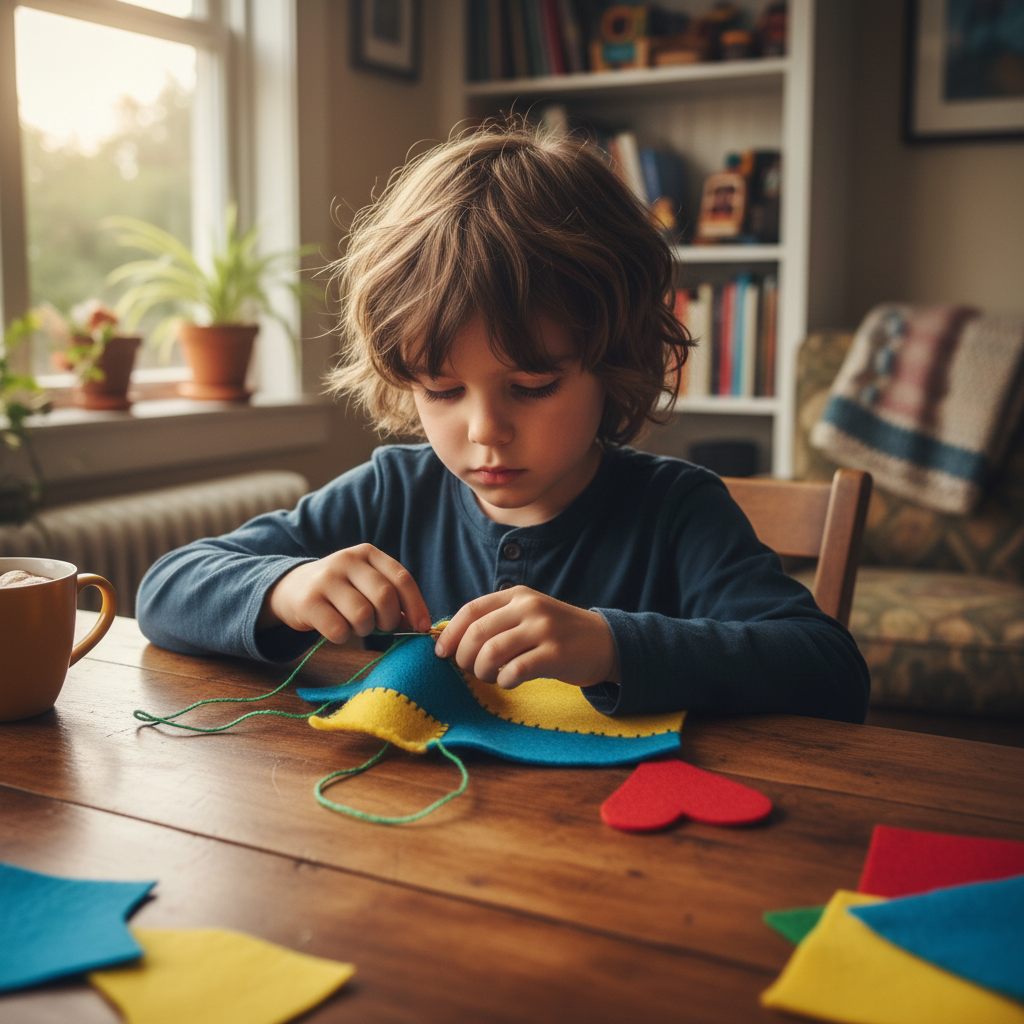
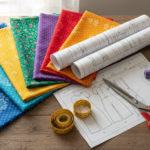
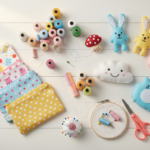
Teaching kids to sew opens a world of creativity and builds important skills. Hand sewing is perfect for beginners because it requires minimal supplies and lets children work at their own pace. These projects help young learners develop fine motor skills while creating something they can be proud of.
Parents often wonder where to start when introducing sewing to children. The good news is that hand sewing projects for kids don’t require expensive machines or complicated patterns. Simple needles, colorful fabric, and thread are all you need to begin this rewarding journey.
Ready to Start Your Sewing Journey?
Discover complete step-by-step guides and patterns that make teaching kids to sew easy and fun.
Hand sewing offers unique advantages for children just starting their crafting journey. Unlike machine sewing, it lets kids control every stitch. This slow, deliberate practice builds concentration and patience.
The skill develops hand-eye coordination in ways that benefit other areas of learning. Children practice threading needles, measuring fabric, and following patterns. These activities strengthen fine motor control that helps with writing and other tasks.
Benefits of Hand Sewing for Kids
Improves focus and attention span
Builds confidence through completed projects
Teaches practical life skills
Encourages creative expression
Develops problem-solving abilities
Starting with hand sewing also keeps costs low. You won’t need to invest in expensive equipment before knowing if your child enjoys the craft. A few basic supplies from any craft store are enough to begin.
Essential Supplies for Kid-Friendly Sewing Projects
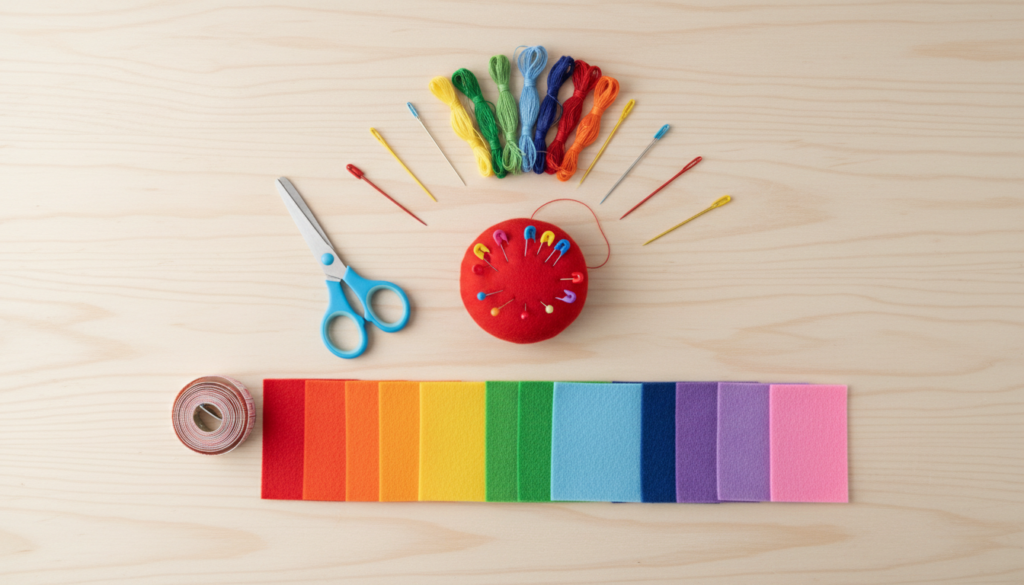
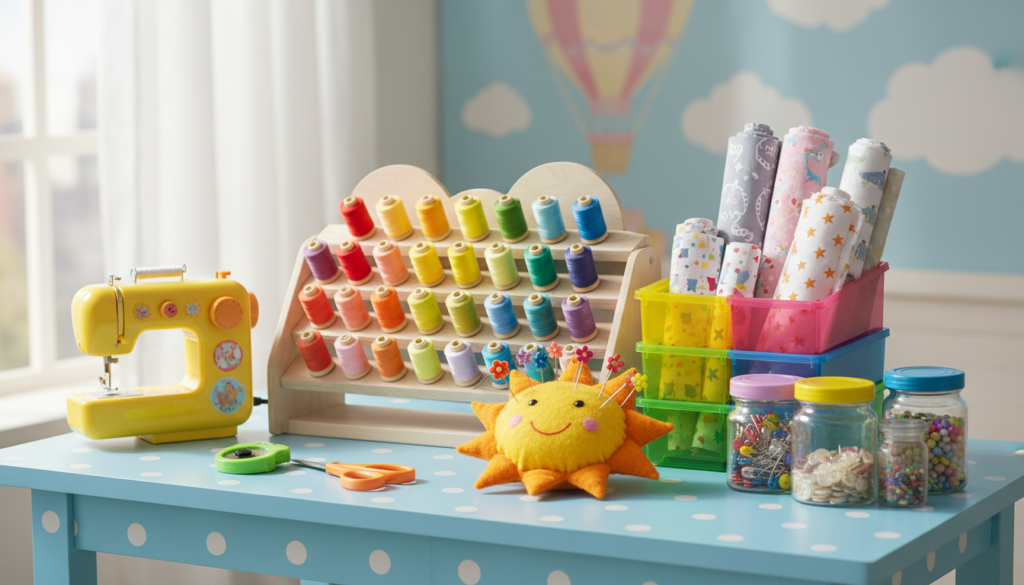
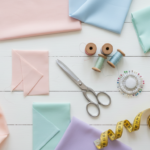
Gathering the right materials makes beginner hand sewing projects for kids safer and more enjoyable. Choose supplies designed with young learners in mind.
Needles and Thread
Plastic needles work best for very young children. These blunt-tipped options prevent accidents while kids practice their first stitches. Embroidery needles with larger eyes make threading easier for small fingers.
Choose thicker thread or embroidery floss in bright colors. Kids can see their stitches better with colorful thread. This visibility helps them learn proper technique and stay motivated.
Fabric Choices
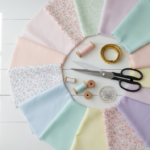
Felt is the ideal starter fabric for hand sewing projects. It doesn’t fray at the edges, comes in many colors, and holds stitches well. Cotton fabric also works great for slightly more advanced beginners.
Start with pre-cut fabric squares or felt sheets from craft stores. This eliminates the need for cutting and lets kids jump straight into sewing. Store-bought fabric in fun patterns can inspire creative project ideas.
Get Everything You Need in One Place
Access complete supply lists, pattern templates, and beginner tutorials designed specifically for teaching kids.
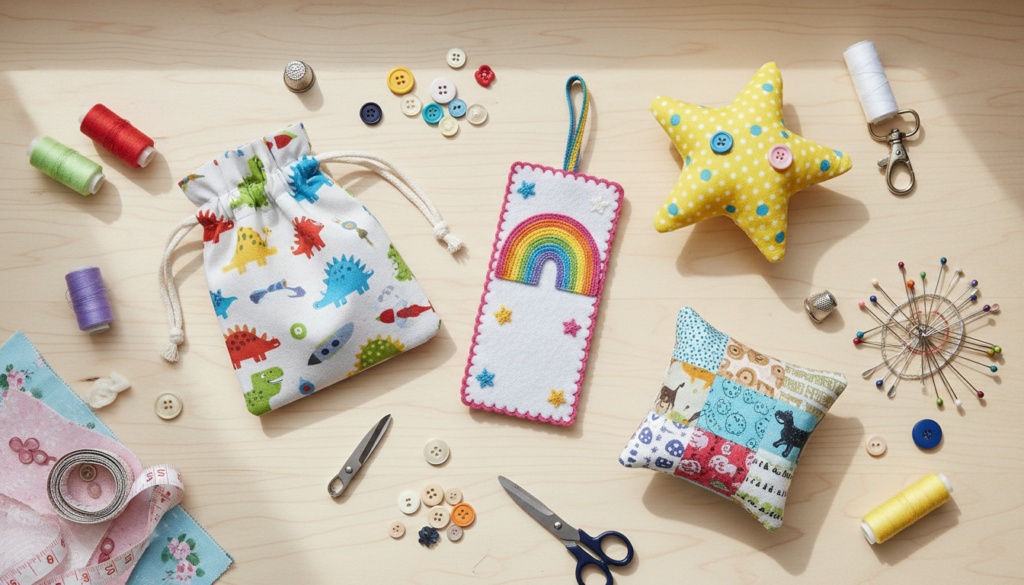
Small, child-safe scissors designed for fabric make cutting easier. A pin cushion keeps needles organized and safe when not in use. Simple measuring tools help kids learn to plan their projects.
Consider getting a small sewing basket or bag to store supplies. Having their own special sewing kit makes children feel more invested in learning the craft. Organization also teaches responsibility.
Simple Stitches Every Beginner Should Learn
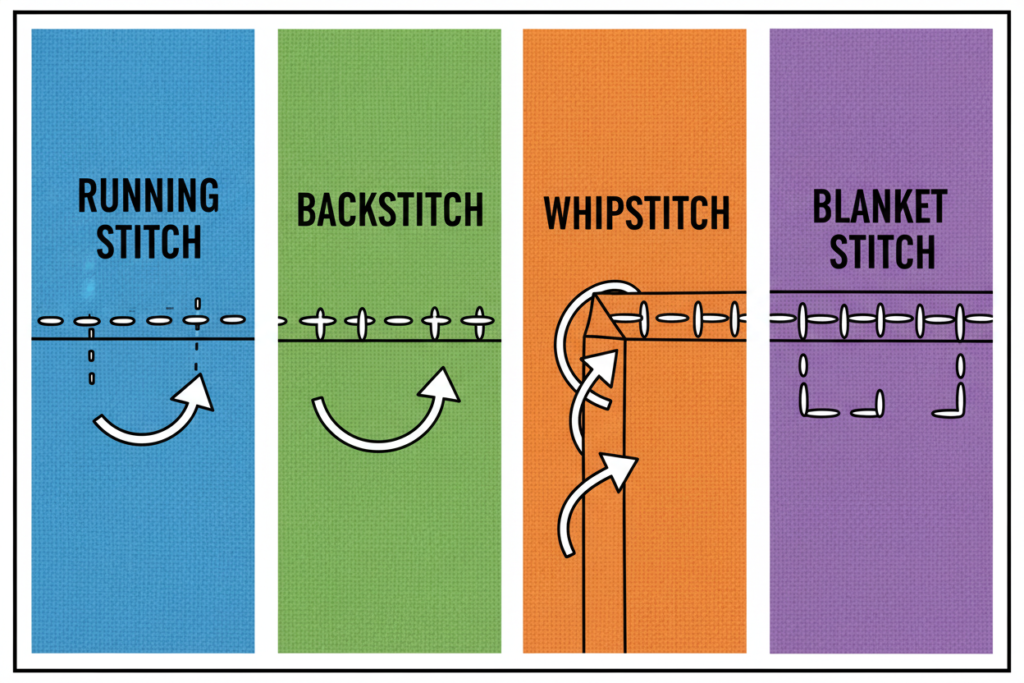
Mastering a few basic stitches opens up countless project possibilities. These fundamental techniques form the foundation of all hand sewing.
Running Stitch
The running stitch is the easiest stitch for kids to learn. It involves weaving the needle up and down through fabric in a straight line. This simple technique works perfectly for beginner projects like bookmarks or simple bags.
Practice the running stitch on scrap fabric first. Draw lines with a fabric marker for kids to follow. This guidance helps them keep stitches straight and even.
Backstitch
Once kids master the running stitch, the backstitch comes next. This stitch creates a stronger seam because each stitch overlaps the previous one. It’s great for projects that need more durability.
The backstitch takes more time and concentration. Young sewers develop patience as they work backward to create each new stitch. This skill proves valuable for many sewing crafts.
Whipstitch
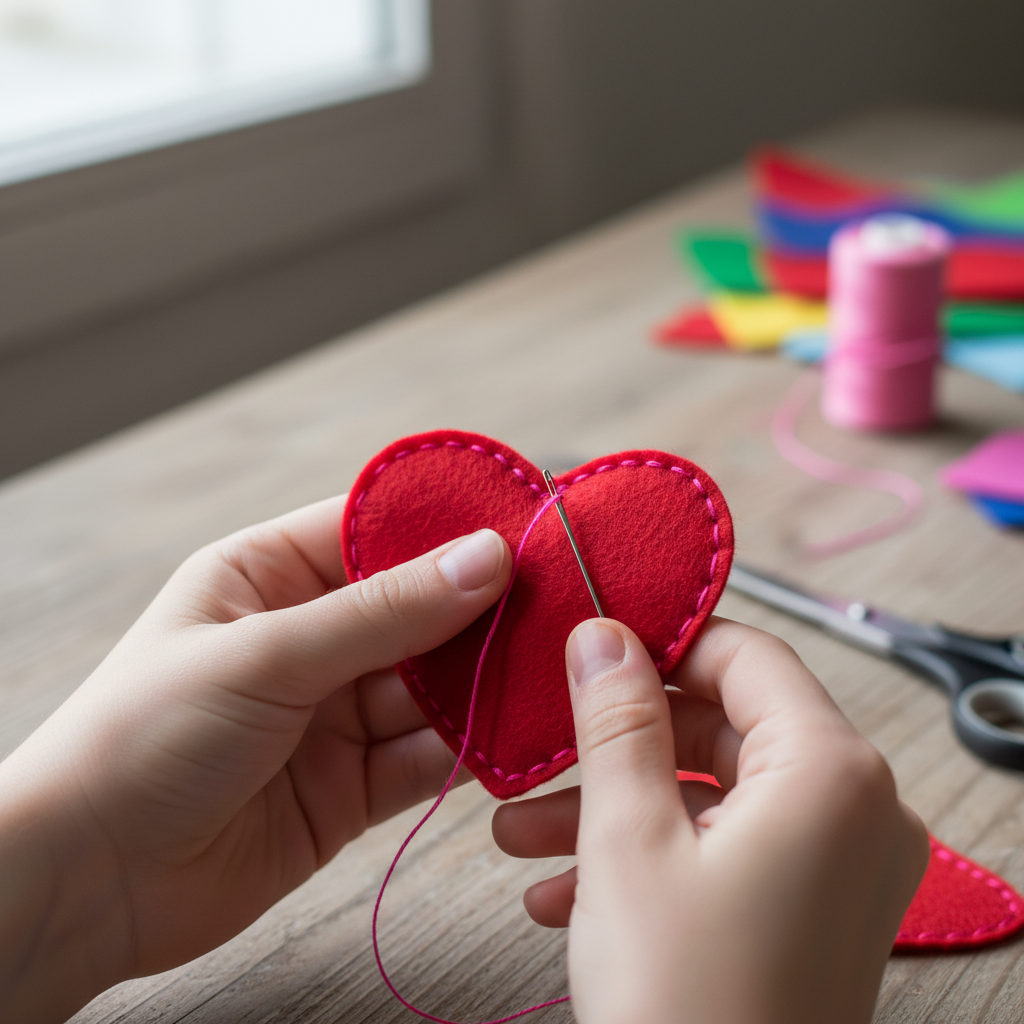
The whipstitch works perfectly for joining two pieces of fabric. Kids wrap the thread over the edge of the fabric, creating a decorative and functional seam. Many beginner hand sewing projects for kids use this technique.
Felt projects especially benefit from whipstitching. The visible stitches become part of the design. Children enjoy seeing their colorful thread become a decorative element.
Blanket Stitch
This decorative stitch creates a beautiful edge finish. It looks complicated but uses simple, repeated motions.
Creates neat fabric edges
Adds decorative element
Prevents fraying
Works great on felt
Practice Makes Perfect
Regular practice helps kids improve their stitching skills. Short sessions work better than long ones.
Start with 15-minute sessions
Use practice squares
Praise effort over perfection
Make it fun, not frustrating
Fun Beginner Hand Sewing Projects for Kids to Try
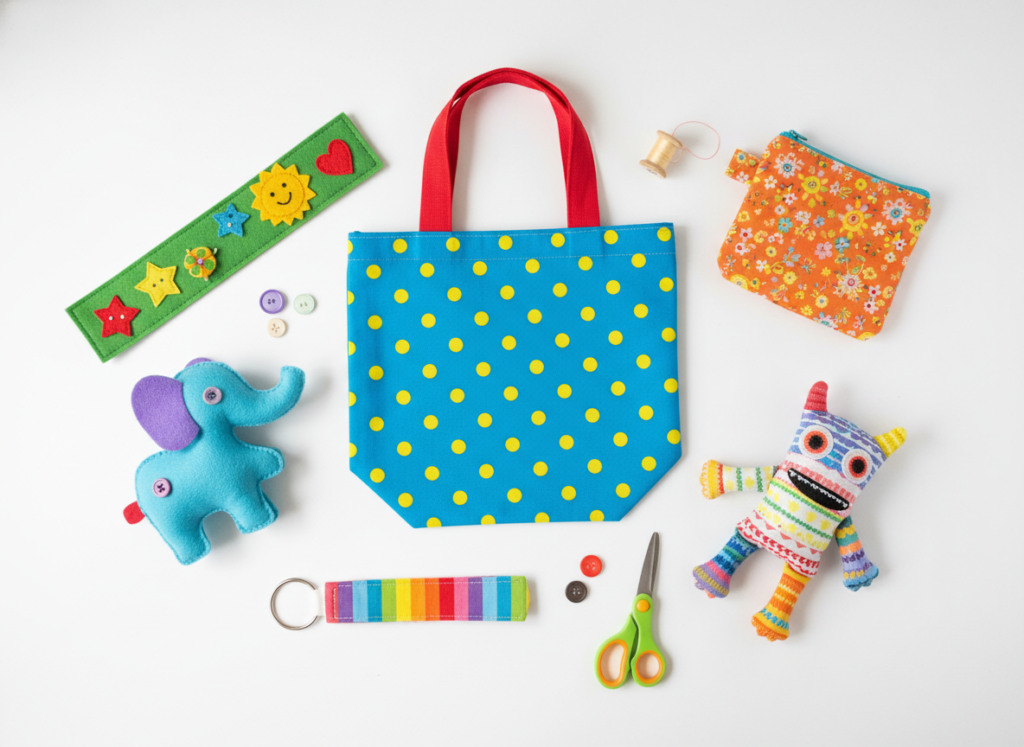
These project ideas progress from very simple to slightly more challenging. Each one teaches new skills while creating something useful or fun.
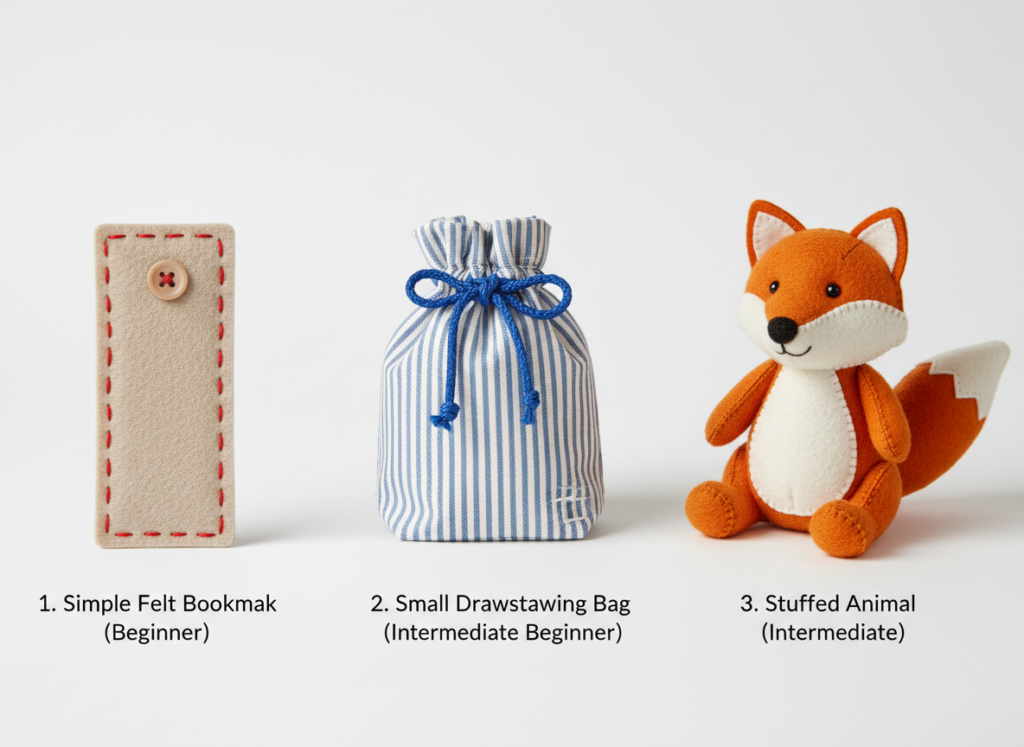
Felt Bookmark
A bookmark makes the perfect first project. Cut a rectangle of felt and let kids decorate it with simple running stitches. They can add embroidery designs or their name.
This project builds confidence quickly. Kids finish in one sitting and have something practical to use. The flat design keeps things simple while they practice basic stitches.
Simple Drawstring Bag
Small bags teach kids to sew pieces together. Use two rectangles of fabric sewn around three sides. Add a ribbon or cord through the top for a drawstring closure.
These bags can hold small toys, art supplies, or treasures. Kids love having something they made themselves to store their favorite items. The project introduces the concept of functional sewing.
Want More Project Ideas?
Unlock dozens of beginner-friendly patterns with detailed instructions perfect for kids of all ages.
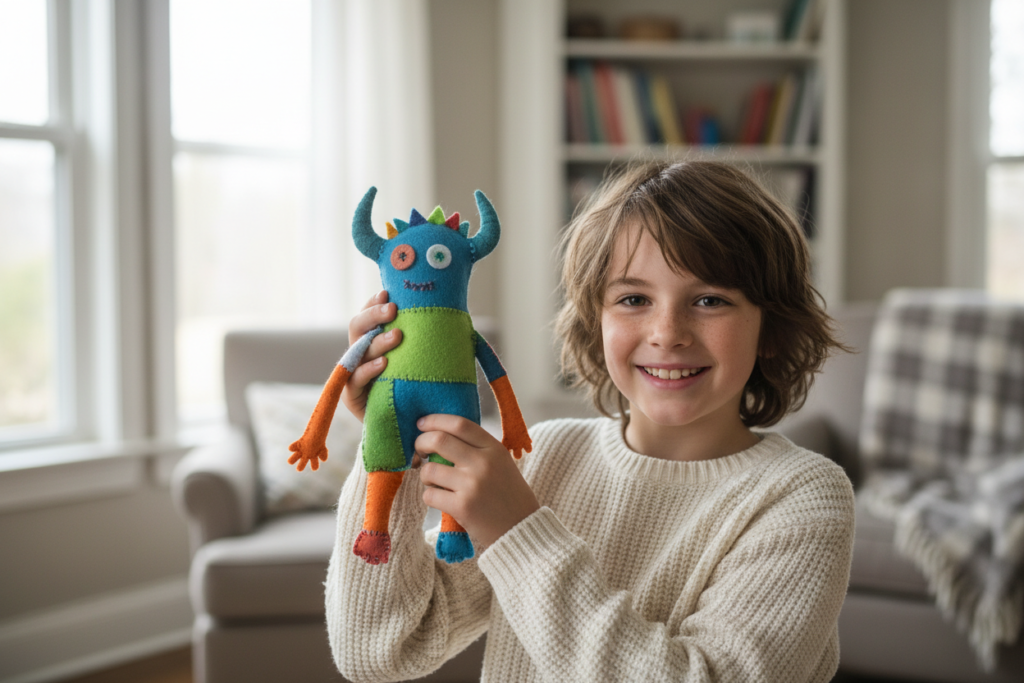
Simple stuffed animals or shapes make wonderful hand sewing projects. Cut two identical shapes and sew them together with whipstitch. Leave an opening to add stuffing before closing.
Hearts, stars, and basic animal shapes work well. Kids develop spatial reasoning as they match edges and sew around curves. Adding stuffing brings their creation to life.
Fabric Keychain
Keychains combine sewing with practical use. Create small fabric rectangles with decorative stitches, fold them in half, and sew the edges. Attach a keyring through one corner.
This project works great as gifts. Kids can make personalized keychains for family members. The small size makes it a quick afternoon activity.
Button Practice Board
Sewing buttons teaches valuable life skills. Create a felt board with several buttons attached. Kids practice buttoning and unbuttoning while learning to sew buttons securely.
This practical project helps younger children develop independence. The skill transfers directly to dressing themselves. Parents appreciate teaching functional abilities through creative activities.
Simple Pillow Cover
Small pillow covers introduce larger projects. Use two squares of fabric sewn together on three sides. Turn inside out and stuff with a small pillow form.
Kids can decorate the fabric before sewing. Add fabric paint, embroidery, or appliqué designs. This project combines multiple craft techniques into one creation.
Embroidery Hoop Art
Simple embroidery lets kids create wall art. Stretch fabric in a small hoop and practice decorative stitches. They can follow printed patterns or create freehand designs.
This project develops artistic skills alongside sewing technique. The finished piece can hang on their bedroom wall. Embroidery teaches color theory and design principles.
Fabric Scrap Bookmark
Use leftover fabric pieces to create patchwork bookmarks. Sew small fabric scraps together in strips, then add ribbon to one end. This project teaches resourcefulness and reduces waste.
Kids learn that sewing doesn’t always require new materials. Saving fabric scraps from other projects creates opportunities for new creations. This mindset encourages sustainable crafting habits.
Master Every Technique Step-by-Step
Get access to video tutorials, printable patterns, and expert guidance for teaching kids essential sewing skills.
Important Safety Guidelines for Teaching Kids to Sew
Safety comes first when teaching children any new skill. Hand sewing involves sharp needles and small objects that require careful supervision.
Needle Safety Rules
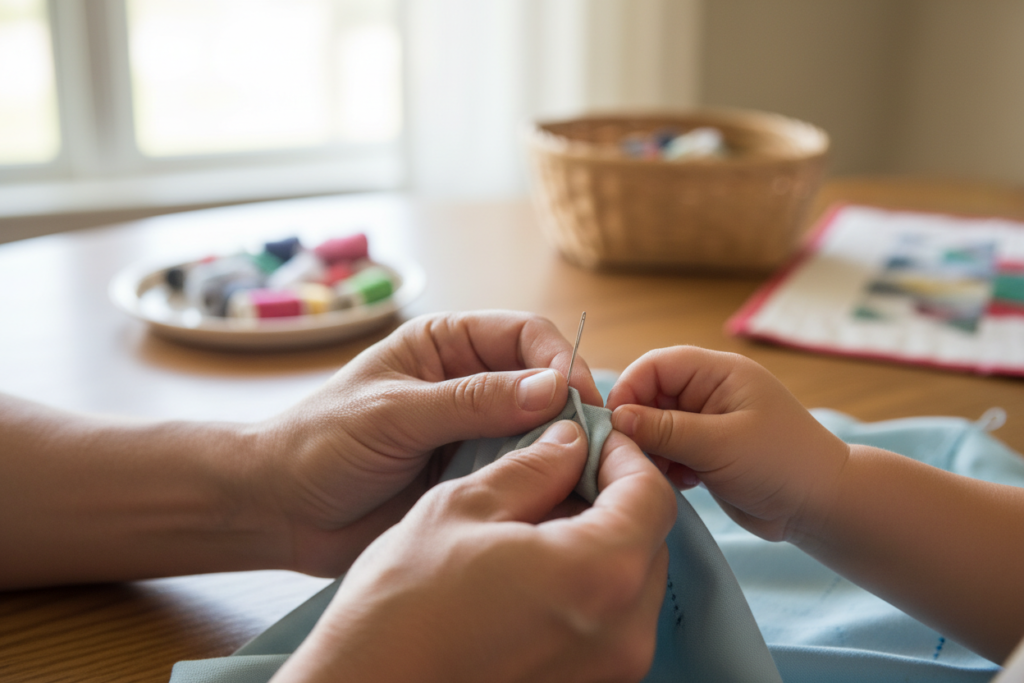
Always supervise young children when they’re using needles. Teach them to keep needles pointed away from their body and others. Store needles in a secure container when not in use.
Count needles before and after each sewing session. This simple habit ensures no needles get lost in carpet or furniture. Make it part of the routine to put away supplies properly.
Age-Appropriate Guidelines
Children under 5: Use plastic needles only
Ages 5-7: Blunt metal needles with close supervision
Ages 8+: Sharp needles with periodic check-ins
Always assess your individual child’s readiness and maturity level
Creating a Safe Sewing Space
Set up a dedicated area for sewing projects. Good lighting prevents eye strain and helps kids see their work clearly. A comfortable chair at the right height prevents poor posture.
Keep the workspace organized and free from distractions. Pets and younger siblings should stay clear of the sewing area. A calm environment helps children focus on their task.
Teaching Proper Technique
Show kids how to push the needle away from themselves. This basic rule prevents most accidents. Practice the motion without thread first until it becomes automatic.
Demonstrate how to use a thimble if working with thicker fabric. This small tool protects fingers from needle pricks. Some kids resist thimbles at first, but they learn to appreciate the protection.
Building Sewing Skills Through Progressive Practice
Children develop sewing abilities gradually over time. Start with simple projects and slowly increase difficulty as their confidence grows.
Notice when kids master current projects before moving to new challenges. Rushing ahead causes frustration and discouragement. Success at each level builds the foundation for the next step.
Measuring Progress
Keep completed projects to show improvement over time. Children love seeing how much better their recent work looks compared to early attempts. This visual proof motivates continued practice.
Celebrate small victories along the way. Threading a needle independently, completing straight stitches, or finishing a project deserves recognition. Positive reinforcement encourages kids to keep learning.
Introducing Pattern Reading
Simple patterns help kids plan their projects. Start with basic shapes and clear instructions. Pattern reading develops math skills and spatial reasoning.
Let children modify patterns to make projects their own. This creative freedom keeps sewing fun rather than frustrating. Following exact patterns can come later as skills improve.
Build Skills With Structured Lessons
Follow a proven curriculum designed to take kids from complete beginner to confident young sewer.
Sewing with friends or siblings makes the activity more social. Kids learn from watching each other and sharing techniques. Group projects teach collaboration and patience.
Consider organizing small sewing circles or joining community craft groups. Many libraries and community centers offer free sewing programs for children. These experiences build social skills alongside crafting abilities.
Common Challenges and How to Overcome Them
Every beginner faces obstacles when learning to sew. Understanding common problems helps parents guide kids through difficulties without frustration.
Thread Tangling Issues
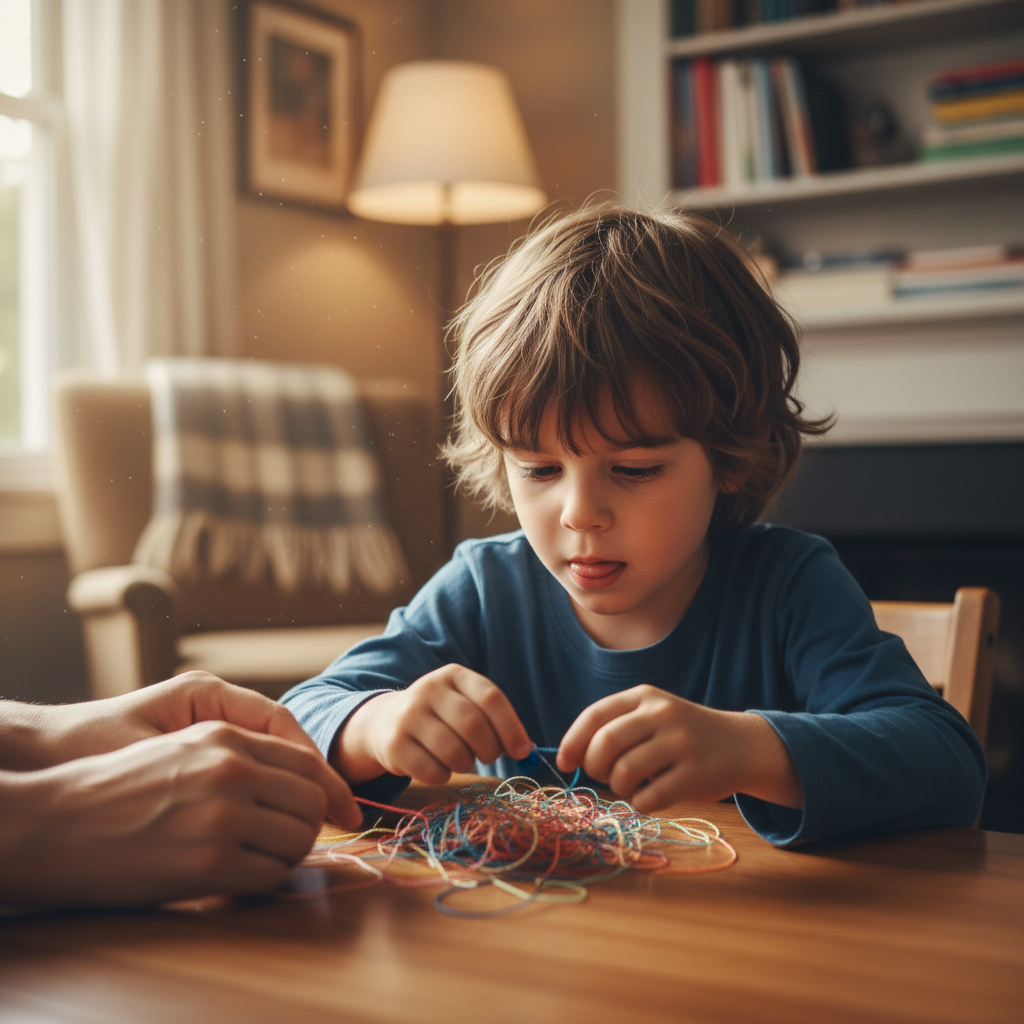
Tangled thread frustrates many beginning sewers. Keep thread lengths shorter to reduce tangling. About 18 inches works well for most projects.
Teach kids to let the needle hang and spin occasionally. This untwists the thread before knots form. Waxing thread with beeswax also helps prevent tangles.
Uneven Stitches
Perfect stitches come with practice and time. Draw guidelines on fabric with washable marker to help kids maintain even spacing. Focus on steady improvement rather than perfection.
Remember that handmade charm includes slight imperfections. Kids shouldn’t feel pressured to create machine-perfect work. The goal is learning and enjoyment, not flawless execution.
Keeping Kids Motivated
Some children lose interest if projects take too long. Choose quick activities that finish in one session for younger kids. Older children can handle multi-day projects.
Let kids choose their own fabric colors and project types. Personal investment increases motivation. When children feel ownership over their creations, they work harder to complete them.
When to Take a Break
If your child shows signs of frustration, stop the activity. Forcing practice creates negative associations with sewing. Come back to the project another day with fresh perspective.
Creative Ways to Make Sewing Enjoyable for Kids
Sewing should feel like play, not work. Incorporate elements that make the activity engaging and entertaining for young learners.
Theme-Based Projects
Connect sewing to your child’s interests. Kids who love animals can make felt creatures. Those interested in space might enjoy creating planet ornaments. Personal relevance increases engagement.
Seasonal projects keep things fresh throughout the year. Halloween decorations, holiday ornaments, and summer crafts provide natural variety. Kids look forward to what comes next.
Sewing Challenges and Games
Turn skill practice into friendly competition. See who can make the straightest line of stitches or create the most creative design. Games make repetitive practice feel less tedious.
Set achievable goals with small rewards. Completing five projects might earn a trip to the fabric store to choose new materials. These milestones provide motivation.
Sharing Finished Work
Display completed projects prominently. Kids feel proud when their creations receive attention. Share photos with relatives or on social media (with permission).
Encourage kids to give handmade items as gifts. Creating something for others adds purpose to the activity. Recipients appreciate the thoughtfulness of handmade presents.
Transform Sewing Into Your Child’s Favorite Activity
Access creative project ideas, teaching strategies, and engagement techniques that make learning to sew exciting.
Beginner hand sewing projects for kids offer wonderful opportunities for learning and bonding. These simple activities teach practical skills while encouraging creativity and self-expression.
Remember that every expert sewer started exactly where your child is now. Patience, practice, and encouragement help young learners develop confidence in their abilities. The skills they build through hand sewing extend far beyond the craft itself.
Start small, celebrate progress, and keep the focus on fun. Whether your child becomes a lifelong sewing enthusiast or simply learns a useful skill, the time spent together creates lasting memories. Hand sewing projects provide quality time away from screens and a chance to create something meaningful.
Gather your supplies, choose a simple project, and begin this rewarding journey with your child today. The satisfaction of completing that first project will inspire many more creative adventures ahead.
Start Your Family Sewing Journey Right Now
Get instant access to everything you need: patterns, tutorials, supply guides, and expert teaching strategies for successful sewing with kids.