This Website contains affiliate links. That means I may earn a small commission if you purchase through my links, at no extra cost to you.
Starting your sewing adventure can feel overwhelming. You see beautiful handmade items online and wonder where to begin. The good news is that learning to sew has never been more accessible.
Free sewing patterns for beginners open doors to creativity without financial pressure. You can explore different project types and discover what excites you most. No need to invest in expensive patterns before you even know if you enjoy the craft.
This guide walks you through everything you need to know about finding and using free sewing patterns. You will learn which projects work best for beginners and how to choose patterns that match your skill level. We will explore various resources and help you build confidence with every stitch.
Why Free Sewing Patterns Are Perfect for Beginning Sewers
Free sewing patterns give you freedom to experiment. You can try new techniques without worrying about wasted money on patterns that might not work out. This takes pressure off your learning process.
Many beginners quit sewing because they invest too much too soon. They buy expensive patterns and premium fabrics, then feel discouraged if projects do not turn out perfectly. Free patterns let you practice until you feel confident.
The sewing community generously shares patterns across blogs, websites, and social platforms. Designers often provide free sewing patterns to showcase their work and help newcomers. You gain access to tested designs from experienced creators.
Benefits of Free Patterns
Try multiple project styles without cost
Learn basic techniques through simple designs
Build your skills gradually with varied projects
Discover which sewing niches interest you most
Access professional pattern designs for free
What You Will Learn
Reading and understanding pattern instructions
Cutting fabric accurately with pattern pieces
Following step-by-step sewing directions
Identifying your favorite project types
Recognizing quality pattern designs
Free resources help you understand what makes a good sewing pattern. You learn to recognize clear instructions, accurate measurements, and helpful illustrations. These skills matter when you eventually want to purchase premium patterns for special projects.
Understanding Sewing Pattern Basics Before You Start
A sewing pattern is your roadmap for creating finished items. It includes pattern pieces, cutting layouts, and step-by-step instructions. Understanding these components helps you work efficiently and avoid frustration.
Pattern pieces show shapes you cut from fabric. Each piece typically has markings for seam allowances, grain lines, and notches. These marks guide proper fabric placement and accurate assembly.
Key Pattern Components
Every sewing pattern contains essential elements. The instruction sheet explains construction steps in order. It often includes fabric requirements, notions needed, and sizing information.
Pattern Tip: Always read through entire instructions before cutting fabric. This helps you understand the construction process and identify any confusing steps before you start.
Pattern pieces with cutting lines and seam allowances
Grain line arrows showing fabric direction
Notches marking where pieces connect
Dots or circles indicating pivot points
Written instructions with illustrations
Suggested fabric types and yardage
Notions list including thread, zippers, buttons
Pattern Sizing and Measurements
Free sewing patterns come in different sizing formats. Some offer multiple sizes on one pattern sheet. Others provide separate files for each size range.
Take accurate body measurements before choosing your size. Sewing pattern sizes often differ from ready-to-wear clothing sizes. Most patterns include measurement charts to help you select the right size.
Many beginners find success with patterns that include seam allowances already marked. This eliminates confusion about where to sew. As you gain experience, you will become comfortable with patterns requiring you to add your own seam allowances.
Ready to Take Your Skills Further?
Thousands of beginners have transformed their sewing journey with structured guidance and professionally designed patterns. This comprehensive collection includes video tutorials, size-adjustable patterns, and step-by-step support.
Essential Tools Every Beginner Needs for Free Sewing Patterns
Having the right tools makes pattern sewing easier and more enjoyable. You do not need expensive equipment when starting out. A few quality basics will serve you well for many projects.
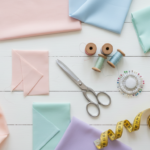
Good fabric scissors make clean cuts through pattern pieces. Dull scissors create frayed edges and inaccurate cuts. Invest in sharp shears designated only for fabric to maintain their cutting edge.
Basic Sewing Tools
Cutting Tools
Fabric shears with 8-inch blades
Paper scissors for pattern cutting
Small thread snips for trimming
Rotary cutter for straight edges
Self-healing cutting mat
Marking and Measuring
Measuring tape for body measurements
Clear ruler for seam allowances
Fabric marking pens or chalk
Tracing paper for pattern transfers
Pattern weights to hold pieces flat
Sewing Machine Essentials
Your sewing machine does not need fancy features for beginner projects. A reliable machine with straight stitch and zigzag capabilities handles most free sewing patterns. Focus on learning your machine’s basic functions well.
Keep extra machine needles in various sizes. Different fabrics require different needle types. Universal needles work for most cotton and cotton-blend projects that beginners typically start with.
Universal needles in sizes 80/12 and 90/14
Bobbins compatible with your machine
Quality all-purpose polyester thread
Seam ripper for fixing mistakes
Machine oil for maintenance
Pattern Preparation Tools
Pattern preparation becomes easier with the right supplies. Many free sewing patterns come as PDF files you print at home. Having pattern paper and tape helps assemble multi-page patterns accurately.
Money-Saving Tip: Use medical examination table paper as pattern paper. It comes in wide rolls and costs less than specialty pattern paper while working just as well.
Where to Find Quality Free Sewing Patterns for Beginners
The internet offers thousands of free sewing patterns from generous designers and sewing enthusiasts. Knowing where to look saves time and helps you find quality options that match your skill level.
Sewing blogs represent one of the best sources for beginner-friendly free patterns. Many bloggers create detailed tutorials with photos showing each construction step. These visual guides help when written instructions feel confusing.
Trusted Free Pattern Resources
Designer websites often feature free sewing patterns as introductions to their paid collections. These patterns typically include professional instructions and accurate sizing. Designers want to showcase their pattern-writing quality through these freebies.
Sewing blogger tutorial sites with step-by-step photos
Independent pattern designer freebie sections
Fabric manufacturer websites promoting their products
Online sewing communities and forums
Pinterest boards curated by experienced sewers
YouTube channels with downloadable companion patterns
Craft supply store websites and newsletters
Evaluating Pattern Quality
Not all free sewing patterns offer the same quality level. Learning to assess pattern quality before downloading saves frustration. Look for patterns with clear photos of finished projects and detailed supply lists.
Quality Pattern Indicators
Clear finished project photos
Complete materials list included
Detailed written instructions
Step-by-step construction photos
Accurate seam allowance information
Multiple sizes or size range
Pattern piece labeling system
Positive user reviews or comments
Warning Signs to Avoid
No finished project images shown
Missing fabric requirement information
Unclear or incomplete instructions
Pattern pieces without labels
No seam allowance specifications
Excessive complaints in comments
Suspicious download links or requirements
Patterns requiring special software
Organizing Your Pattern Collection
As you download free sewing patterns, organization becomes important. Create a simple filing system on your computer. Sort patterns by project type or difficulty level for easy access later.
Many sewers print patterns immediately and store them in labeled folders or envelopes. This prevents re-printing and makes it easy to see what patterns you already have. Include a photo of the finished project with each stored pattern.
Best First Sewing Projects for Complete Beginners
Choosing the right first project sets you up for success. Simple projects build confidence and teach fundamental techniques. You want projects that finish quickly and look good even with imperfect stitching.
Beginner sewing projects typically involve straight seams and minimal pattern pieces. These designs let you focus on basic skills like sewing straight lines and understanding seam allowances. Success with early projects motivates you to tackle more complex designs.
Simple Bag Projects
Bag sewing projects are perfect for beginners. A tote bag requires basic straight seams and teaches you how fabric pieces connect. You can make fabric bags in an afternoon and use them immediately.
The tote bag pattern ranks among the most popular beginner projects. You cut two rectangles of fabric and sew them together. Adding handles completes a useful item you will actually use.
Basic Tote Bag
Perfect first bag sewing project. Learn straight seams and handle attachment. Finish in one afternoon. Great gift idea or grocery shopping bag.
Two fabric rectangles
Simple strap construction
Straight seam practice
Useful finished item
Zipper Pouch
Learn zipper installation with this easy project. Makes great gifts. Perfect for organizing small items. Builds essential sewing skills.
Zipper installation practice
Small fabric requirements
Quick completion time
Practical everyday use
Drawstring Bag
Simple construction teaches casing creation. No zipper needed. Perfect for gift bags or storage. Easy make project for beginners.
Casing technique practice
No hardware required
Versatile sizing options
Great for scraps fabric
Home Decor Beginner Projects
Home decor items make excellent beginner sewing projects. Pillows, napkins, and table runners use simple construction techniques. These projects let you practice while creating items that brighten your living space.
A simple pillow cover teaches envelope closure or zipper insertion depending on the design you choose. You can make pillow covers in any size to fit existing pillow forms. Changing pillow covers updates room decor inexpensively.
Envelope Pillow Cover
No zipper needed for this beginner home decor project. Overlapping back panels create easy closure. Changes room style instantly. Simple straight seams only.
No zipper installation
Straight seam construction
Any size option
Washable and practical
Cloth Napkins
Practice hem techniques with this useful project. Make entire sets quickly. Perfect beginner sewing gift idea. Uses fabric scraps effectively.
Hem practice project
Quick completion
Eco-friendly alternative
Corner technique learning
Table Runner
Long straight seams build accuracy. Simple rectangular construction. Seasonal decor option. Great way to use special fabrics.
Straight seam practice
Simple measurements
Customizable length
Seasonal styling option
Adorable Baby and Kids Free Sewing Patterns
Baby items rank among the most rewarding beginner projects. Small size means less fabric and faster completion. These projects make great gifts for expecting friends or your own little ones.
Baby burp cloths require minimal sewing skills and small amounts of fabric. You can make baby items using fabric scraps left from other projects. New parents always appreciate handmade baby accessories.
Quick Baby Projects
A baby burp cloth pattern uses just two fabric pieces sewn together. You can complete a set of burp cloths in one evening. These essential baby items protect clothing during feeding time.
Baby Burp Cloth
Perfect beginner baby project. Two fabrics sewn together create useful item. Make baby shower gift sets. Practice turning corners and topstitching.
Small fabric pieces needed
Simple construction steps
Practical baby essential
Quick gift option
Simple Baby Bib
Learn curve sewing and snap installation. Small project perfect for practice. Makes thoughtful handmade gift. Use waterproof fabric backing.
Curved seam practice
Snap closure learning
Layered fabric technique
Personalization options
Receiving Blanket
Large straight seams make this easy. Binding practice around edges. Soft flannel creates cozy blanket. Perfect size for swaddling baby.
Binding technique practice
Large straight seams
Soft flannel fabric
Generous gift size
Fun Kids Sewing Projects
Kids projects let you experiment with fun prints and bright colors. Simple garments teach basic clothing construction without complex fitting. Children appreciate handmade items made just for them.
A simple elastic waist skirt teaches gathering and elastic casing. Kids love picking their favorite fabrics for these easy make projects. You can adjust skirt length for different ages easily.
Simple Circle Skirt
Learn gathering and elastic casing techniques. Fast beginner sewing project for kids. Let children choose fabric prints. Adjustable for different sizes.
Gathering practice
Elastic waist construction
Customizable length
Fun fabric choices
Reversible Headband
Quick scrap fabric project. Two looks in one accessory. Easy sewing for beginners. Perfect for gift giving to kids.
Scrap fabric use
Reversible design
Quick completion
Elastic insertion practice
Kids Drawstring Backpack
Practical bag for school or activities. Teaches casing and strap construction. Durable cotton fabric works best. Size perfect for children.
Drawstring practice
Strap attachment learning
Practical everyday use
Personalization friendly
Baby and kids projects provide immediate satisfaction. Small projects finish quickly and make wonderful gifts. You build skills while creating items that get regular use.
Master Baby and Kids Patterns with Expert Guidance
Creating adorable items for little ones becomes easier with professional patterns and video tutorials. Access hundreds of tested baby and kids patterns with adjustable sizing and helpful community support.
Starting Garment Sewing: Easy Clothing Projects for Beginners
Sewing your own clothes feels incredibly rewarding. Beginner-friendly garment patterns exist that teach basic clothing construction without overwhelming complexity. Start with loose-fitting items that do not require precise fitting.
An easy sewing pattern for a simple top or skirt builds confidence in garment making. These projects introduce you to following size charts and making basic adjustments. You learn how fabric choice affects the finished garment.
Easy Garment Starting Points
A simple wrap skirt makes an excellent first garment. The wrap style forgives small fitting errors and requires no zipper. You can complete this beginner sewing project in a few hours.
Easy Summer Top
Loose fit eliminates fitting stress. Minimal pattern pieces to manage. Learn armhole and neckline finishing. Choose breathable cotton fabrics for comfortable wear.
Loose comfortable fit
Simple construction
Neckline finishing practice
Seasonal wardrobe addition
Elastic Waist Skirt with Pockets
No zipper needed for this practical skirt. Add pockets for functionality. Elastic waist ensures comfortable fit. Perfect introduction to garment sewing techniques.
Zipper-free construction
Pocket insertion learning
Elastic waist technique
Versatile styling options
Simple Kimono Jacket
Straight seams create stylish jacket. No buttonholes or closures needed. Tie belt adds finishing touch. Layer over basic outfits for instant style.
Straight seam construction
No closures required
Versatile layering piece
Wide sleeve practice
Understanding Garment Fit
Free dress patterns and other garment designs include sizing information. Take accurate measurements and compare them to the pattern size chart. Sewing pattern sizes differ from store-bought clothing sizes.
Most beginners should sew one size larger than their measurement suggests for first attempts. You can always take in a garment that fits loosely. Adding fabric to a too-small garment proves much more difficult.
Fitting Tip: Make a muslin test garment from inexpensive fabric before cutting into your good fabric. This practice version lets you check fit and make adjustments without wasting nice material.
Start with patterns labeled “easy” or “beginner-friendly.” These designs typically include fewer pattern pieces and simpler construction methods. As your skills grow, you can tackle more complex free sewing patterns with detailed techniques.
Quick Accessory Sewing Projects Perfect for Beginners
Accessories offer instant gratification for beginning sewers. Small projects use minimal fabric and finish quickly. You can experiment with techniques without major time investment.
A simple pencil case sewing pattern teaches zipper installation in a low-pressure project. Mistakes matter less on accessories than on clothing. You gain valuable experience while creating useful items.
Practical Everyday Accessories
Accessories make excellent practice projects and thoughtful gifts. A zipper pouch pattern comes in many variations from small coin purses to large cosmetic bags. Master basic zipper installation and expand to more complex designs.
Zippered Cosmetic Bag
Essential zipper pouch for daily use. Waterproof fabric keeps contents safe. Perfect beginner sewing gift idea. Multiple sizes for different needs.
Zipper installation practice
Waterproof fabric option
Practical daily use
Gift-worthy finish
Eyeglass Case
Protect glasses in padded case. Learn interfacing and snap installation. Quick one-hour project time. Personalize with fabric choices.
Interfacing practice
Snap closure learning
Quilted fabric option
Fast completion
Fabric Bookmark
Tiny scrap fabric project perfect for beginners. Add ribbon or elastic detail. Makes thoughtful reader gift. Practice precise small-scale sewing.
Scrap fabric use
Precision practice
Quick gift option
Minimal supplies needed
Seasonal and Gift Accessories
Seasonal accessories let you practice while creating items you actually use. A simple fabric headband changes with seasons using different fabrics. Holiday-themed projects make wonderful handmade gifts throughout the year.
Cozy Winter Headband
Warm fleece keeps ears comfortable. Quick project using fabric scraps. Elastic ensures proper fit. Change fabrics for different seasons.
Fleece fabric practice
Elastic insertion
Seasonal styling
Scrap-friendly project
Fabric Key Fob
Tiny project perfect for scraps fabric. Add interfacing for structure. Attach hardware for functionality. Quick beginner sewing practice.
Small scrap use
Hardware attachment
Interfacing practice
Personalization options
Reusable Gift Bag
Eco-friendly alternative to paper wrap. Simple drawstring construction. Recipients can reuse bags. Various sizes for different gifts.
Casing construction
Sustainable option
Multiple size options
Quick gift packaging
Accessory projects build skills without pressure. You can complete most accessory patterns in one sitting. This immediate success motivates continued sewing practice and skill development.
Choosing the Right Fabric for Your Free Sewing Patterns
Fabric selection significantly impacts project success. The right fabric makes sewing easier and creates better-looking finished items. Beginners should start with easy-to-handle fabrics that forgive mistakes.
Cotton and cotton-blend fabrics work best for most beginner sewing projects. These materials cut cleanly, hold their shape, and press well. You can find cotton fabric in countless prints and colors at affordable prices.
Best Fabric Types for Beginners
Different projects require different fabric weights and types. Your pattern typically suggests appropriate fabric choices. Understanding basic fabric categories helps you make good selections.
Quilting Cotton
Medium-weight woven cotton perfect for beginners. Holds shape well and handles easily. Ideal for bags, home decor, and simple garments. Available in endless print options.
Easy to cut and sew
Minimal fraying problems
Presses flat for crisp seams
Widely available and affordable
Machine washable and durable
Lightweight Canvas
Slightly heavier than quilting cotton with more structure. Excellent for bag sewing projects and sturdy items. Holds shape without being difficult to sew.
Good structure for bags
Durable finished projects
Easy machine sewing
Minimal stretching issues
Professional-looking results
Fabrics to Avoid as a Beginner
Some fabrics present challenges for new sewers. Avoid these materials until you gain more experience and confidence with basic techniques.
Skip These Fabrics Initially: Slippery satins and silks shift during cutting and sewing. Stretchy knits require special techniques and needles. Very thick upholstery fabrics challenge basic machines. Delicate sheers show every mistake clearly.
Reading Fabric Requirements
Free sewing patterns list required fabric amounts. These yardage requirements account for pattern layout and cutting. Always buy slightly more than specified to allow for mistakes.
Fabric width affects how much you need. Most quilting cotton comes in 44-45 inch widths. Some patterns specify requirements for different fabric widths. Make sure you understand which width the pattern assumes.
Fabric Shopping Tips
Bring pattern yardage requirements to store
Check fabric width before calculating amount
Buy extra quarter-yard for insurance
Feel fabric for quality and weight
Consider whether fabric needs pre-washing
Check if pattern works with directional prints
Pre-Washing Considerations
Cotton fabrics often shrink when first washed
Pre-wash fabric before cutting pattern
Dry and press fabric after washing
Trim loose threads before sewing
Test colorfastness on dark fabrics
Consider final care requirements
Essential Sewing Techniques Every Beginner Should Master
Mastering basic techniques creates a solid foundation for all future sewing projects. These fundamental skills appear in nearly every free sewing pattern you will encounter. Practice makes each technique easier and more natural.
Taking time to learn proper technique saves frustration later. Your finished projects look more professional when you understand why certain methods work better than others. Start with these core skills.
Fundamental Sewing Skills
Straight seam sewing forms the basis of most projects. Guiding fabric steadily through the machine while maintaining consistent seam allowance takes practice. Use the markings on your machine’s throat plate as guides.
Accurate Seam Allowances
Consistent seam allowances ensure proper fit. Most patterns use quarter-inch or half-inch allowances. Mark your machine or use presser foot edge as guide.
Use throat plate markings
Practice on scrap fabric first
Maintain steady fabric speed
Check measurement frequently
Proper Pressing Techniques
Pressing each seam as you sew creates professional results. Heat sets stitches and flattens seam allowances. Press rather than iron to avoid stretching fabric.
Press seams after sewing
Lift and lower iron rather than sliding
Use appropriate heat for fabric type
Press from wrong side first
Backstitching for Security
Backstitch at seam beginnings and ends prevents unraveling. Reverse direction for few stitches to lock threads. Essential for durable seams.
Stitch three-four stitches forward
Reverse over initial stitches
Continue sewing forward
Repeat at seam end
Working with Corners and Curves
Sewing corners requires stopping with needle down, lifting presser foot, and pivoting fabric. This technique creates crisp corner turns. Practice on scrap fabric until the motion feels natural.
Curved seams need different handling than straight seams. Sewing slowly around curves maintains smooth lines. Clip or notch seam allowances after sewing to help curves lie flat.
Curve Sewing Tip: For inward curves, clip small notches into seam allowance perpendicular to stitching. For outward curves, cut small V-shaped notches to remove excess fabric. This allows seams to spread or compress appropriately when turned.
Finishing Techniques
Raw fabric edges fray over time and through washing. Finishing seam allowances extends garment life and creates neater insides. Several simple methods work well for beginners.
Pinking shears cut zigzag edge that resists fraying on woven fabrics
Zigzag stitch along raw edge provides secure finish on most fabrics
French seams enclose raw edges completely for delicate fabrics
Serger machines create professional edge finishes quickly
Topstitching adds decorative detail while strengthening seams. Sewing a visible line of stitching near seam edges keeps layers flat and prevents shifting. Many free sewing patterns include topstitching in their designs.
Master Every Technique with Video Tutorials
Learning complex sewing techniques becomes simple with step-by-step video instruction. Watch experienced teachers demonstrate each skill clearly. Access a complete library of technique videos alongside your patterns.
Every sewer encounters challenges when learning. Understanding common problems and their solutions prevents frustration. Most issues have simple fixes once you know what to look for.
Thread tension problems rank among the most common beginner issues. Loops of thread on fabric top or bottom indicate tension imbalance. Your machine manual provides tension adjustment guidance.
Common Sewing Machine Issues
Many sewing problems stem from improper threading or dull needles. Always start troubleshooting with these basics before assuming major machine problems.
Thread Breaking Problems
Check thread path through all guides
Ensure bobbin inserted correctly
Replace old or low-quality thread
Install fresh needle appropriate for fabric
Reduce sewing speed on difficult fabrics
Clean lint from bobbin area
Skipped Stitches Solutions
Replace dull or bent needle immediately
Use correct needle type for fabric weight
Verify presser foot pressure adequate
Check that needle fully inserted
Ensure fabric feeding smoothly
Clean feed dogs beneath presser foot
Fabric Handling Challenges
Fabric puckering along seams usually indicates tension too tight or fabric stretched during sewing. Let fabric feed naturally without pulling or pushing. Adjust presser foot pressure for different fabric weights.
Uneven seam allowances result from inaccurate cutting or inconsistent sewing. Use longer pins to hold layers together securely. Place pins perpendicular to seam line for easier removal while sewing.
Pin Placement Rule: Insert pins perpendicular to your seam line with heads toward fabric edge. This allows you to sew over pins safely if needed, though removing them just before the needle reaches works better for machine health.
Pattern Reading Difficulties
Pattern instructions sometimes feel confusing to beginners. Reading through all steps before starting helps you understand the construction sequence. Most patterns follow similar assembly logic once you recognize the pattern.
Read entire instruction sheet before cutting fabric
Highlight or number steps for easy reference
Study construction diagrams carefully
Look up unfamiliar terms in sewing glossaries
Join online sewing communities for help
Watch video tutorials for complex techniques
Make notes on pattern for future reference
Do not hesitate to rip out seams that do not look right. Fixing mistakes early prevents bigger problems later. Use a seam ripper carefully to remove stitches without damaging fabric.
Creating an Efficient Beginner Sewing Space
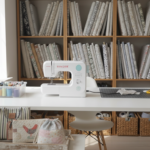
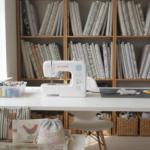
An organized sewing area makes projects more enjoyable. You do not need a dedicated room to create functional workspace. Smart organization helps even small spaces work efficiently.
Position your sewing machine near good lighting. Natural light helps you see fabric colors accurately and reduces eye strain. Add a task lamp for evening sewing sessions.
Essential Sewing Space Components
A sturdy table at comfortable height prevents back and shoulder pain. Your sewing machine should sit at elbow height when you sit with arms relaxed. Test different seating positions before committing to a setup.
Workspace Furniture
Stable table or desk for machine
Comfortable adjustable chair
Cutting surface at standing height
Ironing board within easy reach
Storage for tools and notions
Adequate lighting options
Storage Solutions
Clear containers for notions visibility
Drawer organizers for small tools
Fabric storage bins or shelves
Pattern filing system
Thread rack or storage box
Waste basket for thread clippings
Fabric Storage Ideas
Proper fabric storage prevents wrinkles and makes finding materials easy. Sort fabrics by color, type, or project. Clear storage allows you to see fabric options without unpacking everything.
Store fabric flat or rolled rather than stuffed. This prevents permanent creases. Keep fabrics away from direct sunlight which fades colors over time. Climate-controlled spaces protect fabrics best.
Fabric Organization Tip: Wrap cardboard around fabric bolts for neat storage. Label each with yardage and fiber content. Stack upright like books for easy browsing and space efficiency.
Tool Organization Systems
Keep frequently used tools within arm’s reach. A magnetic strip holds scissors and metal tools accessibly. Small containers corral pins, needles, and other tiny notions.
Portable tool caddies let you move supplies between workspace and storage. This flexibility helps when you do not have permanent sewing space. Everything stays organized and ready to use.
Top Free Sewing Pattern Resources and Communities
The sewing community generously shares knowledge and resources. Connecting with other sewers accelerates your learning. Online communities provide pattern recommendations, troubleshooting help, and inspiration.
Joining sewing groups introduces you to free sewing patterns you might not discover alone. Members share their favorite finds and review pattern quality. Learning from others’ experiences saves time and frustration.
Online Pattern Libraries
Several websites curate collections of free sewing patterns. These libraries organize patterns by project type, skill level, or designer. Bookmark your favorite sources for easy access.
Sewing blog directories categorizing free tutorials
Pattern designer websites with free pattern sections
Fabric manufacturer sites promoting their products
YouTube channels with downloadable pattern files
Social media groups sharing member patterns
Online sewing magazines with free monthly patterns
Independent designer newsletters with exclusive freebies
Social Media Sewing Communities
Instagram and Pinterest showcase millions of sewing projects. Following sewing hashtags exposes you to current trends and creative ideas. Save posts featuring projects you want to try.
Facebook groups dedicated to beginner sewing provide supportive environments for questions. Experienced sewers happily help newcomers troubleshoot problems. Many groups focus on specific pattern types or techniques.
Finding Sewing Inspiration
Follow beginner-focused sewing accounts
Search hashtags for specific projects
Save favorites to organized boards
Join challenges for motivation
Share your projects for feedback
Connect with local sewers
Getting Help When Stuck
Post questions in beginner groups
Include photos of your problem
Search previous discussions first
Describe your issue clearly
Thank helpers for their time
Share solutions you discover
Pattern Testing Opportunities
Pattern designers often seek testers for new designs. Testers receive free patterns in exchange for constructive feedback. This opportunity expands your skills while contributing to pattern development.
Pattern testing introduces you to designs before public release. You gain experience with different pattern writing styles. Many testers build relationships with designers and get early access to new releases.
Pattern Testing Benefits: Receive free patterns regularly. Learn from detailed designer feedback. Connect with other testers. Build your sewing portfolio. Influence final pattern improvements.
Many sewers combine free patterns with occasional paid patterns that offer specific features. Building a mix of free and purchased patterns creates a versatile project collection. Free patterns let you experiment while saving budget for special designs.
Join Thousands in a Supportive Sewing Community
Access an exclusive community of beginner and experienced sewers. Get personalized help with your projects. Share your progress and celebrate successes with people who understand your journey.
Developing sewing skills takes time and practice. Following a logical progression prevents overwhelm and builds confidence. Master basic techniques before moving to complex projects.
Most successful sewers recommend completing at least five simple projects before attempting garments. This builds muscle memory for basic techniques. Your hands learn to guide fabric smoothly and maintain even stitching.
Suggested Learning Path
Starting with home decor items builds skills without fitting pressure. Progress to bags and accessories. Simple garments come next once you feel comfortable with basic construction.
Begin with straight-seam projects like napkins or simple bags
Add zipper installation through pouch projects
Practice gathering and elastic with home items
Attempt simple baby or kids projects with small pieces
Try loose-fitting garments without closures
Add buttonholes or other closures to skills
Progress to fitted items requiring adjustments
Expand into specialty techniques that interest you
Challenging Yourself Appropriately
Each project should stretch your abilities slightly without overwhelming you. Adding one new technique per project maintains forward momentum. Too many new skills at once leads to frustration.
Signs You Are Ready to Progress
Current projects feel easy and routine
You complete projects without confusion
Finished items look neat and professional
You understand why techniques work
Mistakes happen less frequently
You feel excited about new challenges
When to Practice More First
Projects still feel difficult or confusing
You frequently rip out and redo seams
Following instructions requires intense focus
Finished projects disappoint you
You feel frustrated more than excited
Basic techniques need more practice
Documenting Your Progress
Photographing finished projects creates a visual record of your improvement. Looking back at early projects shows how far you have come. This encourages continued learning when new challenges feel difficult.
Keep a sewing journal noting what you learned from each project. Record successful techniques and problems you solved. This reference helps when you encounter similar situations later.
Celebrate small victories throughout your sewing journey. Successfully installing your first zipper deserves recognition. Each new technique mastered builds toward more complex skills.
Progress Tracking Ideas: Create an Instagram account for your sewing journey. Start a blog documenting projects and lessons learned. Join monthly sewing challenges. Share finished items with supportive communities.
Seasonal Sewing Projects Throughout the Year
Seasonal projects keep sewing fresh and relevant. Different times of year call for different items. Planning projects around seasons provides natural motivation and variety.
Summer sewing focuses on lightweight fabrics and outdoor items. Beach bags, picnic supplies, and breezy garments suit warm weather. These projects often use cheerful prints and bright colors.
Spring and Summer Projects
Warm weather brings outdoor activities requiring specialized items. Sew practical projects you will use immediately. Summer fabrics work well for beginner sewing since lightweight cottons handle easily.
Picnic Blanket
Large project teaches managing big fabric pieces. Waterproof backing adds functionality. Perfect summer gift idea. Simple straight seams complete project quickly.
Large-scale sewing practice
Waterproof fabric experience
Useful outdoor item
Gift-worthy finished project
Easy Summer Dress
Loose fit eliminates complex fitting. Lightweight cotton keeps wearer cool. Simple construction suitable for beginners. Customize with fabric choices and length.
Forgiving fit
Minimal pattern pieces
Seasonal wardrobe addition
Comfortable daily wear
Insulated Lunch Bag
Learn working with insulated batting. Zipper installation practice. Practical for work or school. Easy make project in afternoon.
Specialty fabric experience
Functional daily item
Eco-friendly alternative
Quick completion time
Fall and Winter Projects
Cooler weather calls for cozy projects and gift making. Holiday sewing keeps you busy during winter months. Heavier fabrics and warm colors suit autumn projects.
Fleece Scarf
Quick gift project using soft fleece. No hemming required with fleece edges. Fringe or tassel details add interest. Make multiple scarves in one session.
No-hem edge finish
Soft warm fabric
Fast gift making
Decorative options
Holiday Stockings
Seasonal decor project for practice. Simple construction with decorative options. Make family sets in coordinating fabrics. Add personalization details easily.
Holiday tradition item
Personalization practice
Decorative techniques
Gift or keepsake option
Quilted Potholders
Practice quilting techniques on small scale. Insulated batting provides heat protection. Makes great housewarming gift. Quick project for skill building.
Quilting introduction
Batting experience
Practical kitchen item
Gift set potential
Seasonal sewing provides natural project variety throughout the year. You build skills while creating items for current needs. This practical approach keeps motivation high and skills developing.
Handmade gifts carry special meaning. Recipients appreciate time and thought sewn into each item. Beginner-friendly projects create impressive gifts without advanced skills.
Gift sewing motivates completing projects on schedule. Deadlines help you finish rather than abandoning partial projects. The recipient’s excitement validates your effort and encourages continued sewing.
Quick Gift Project Ideas
Some projects work perfectly as gifts while building your skills. Consider recipient interests when selecting patterns. Personalized fabric choices show extra thoughtfulness.
Personalized Tote Bag
Useful gift everyone appreciates. Add embroidered initials for personalization. Choose fabrics matching recipient style. Sturdy construction ensures long use.
Universal appeal gift
Personalization options
Practical everyday use
Skill-building project
Fabric Journal Cover
Thoughtful gift for writers and planners. Simple construction with elegant results. Removable cover fits standard journals. Practice precise measuring and fitting.
Elegant finished look
Reusable design
Precise construction practice
Personalized fabric choice
Reusable Produce Bags
Eco-conscious gift set. Make multiple bags in different sizes. Mesh fabric allows produce visibility. Drawstring closures keep contents secure.
Sustainable gift option
Set creation practice
Specialty fabric use
Practical environmental choice
Baby Shower Gift Ideas
Baby gifts rank among the most appreciated handmade items. New parents treasure thoughtful handmade pieces. Baby projects require small fabric amounts and finish quickly.
A baby burp cloth set makes an excellent shower gift. Make several burp cloths in coordinating fabrics. Package together as useful gift set. These practical items get regular use.
Popular Baby Gift Projects
Burp cloth sets in soft cotton
Bibs with waterproof backing
Receiving blankets in flannel
Soft baby toys with secure stitching
Nursing covers for privacy
Diaper clutches for organization
Housewarming Gift Options
Kitchen towel sets in durable cotton
Potholders with heat-resistant batting
Table runners for dining spaces
Throw pillow covers for decor
Wine bottle gift bags
Coasters in quilted fabric
Holiday Gift Sewing
Holiday seasons provide motivation for gift sewing. Start early to avoid last-minute stress. Make similar items assembly-line style for efficiency.
Simple projects work best for multiple gift making. Choose one pattern and vary fabrics for different recipients. This approach builds speed and consistency.
Gift Sewing Timeline: Start holiday gift planning in September. Select patterns and purchase fabrics by October. Complete one gift per week through November. December remains available for wrapping and any rush additions.
Expanding Your Sewing Knowledge Beyond Basics
Once basic skills feel comfortable, many directions exist for growth. Sewing offers endless learning opportunities. Choosing areas that excite you personally keeps motivation strong.
Some sewers love garment construction and pursue advanced fitting techniques. Others prefer quilting, bag making, or home decor specialization. Explore different areas to discover your passion.
Specialized Sewing Techniques
After mastering basics, specialty techniques add new dimensions to projects. Each skill opens creative possibilities. Learn techniques as they interest you rather than forcing unexciting lessons.
Garment fitting and alterations for perfect custom fit
Quilting techniques from piecing to free-motion designs
Bag making with interfacing and specialty hardware
Embroidery both hand and machine for embellishment
Working with knit fabrics and specialty stretch stitches
Tailoring techniques for professional garment finishing
Upholstery methods for furniture and home projects
Leather and vinyl sewing with appropriate needles and feet
Taking Your Skills Further
Online courses offer structured learning for specific techniques. Video instruction clarifies complex processes. Many courses include community support for questions and encouragement.
Pattern collections designed for skill building provide progressive challenges. Each pattern introduces new techniques while reinforcing previous learning. This structured approach efficiently develops abilities.
Advance Your Skills with Professional Training
Transform from beginner to confident sewer with comprehensive video courses. Learn advanced techniques from experienced instructors. Access lifetime support and regular new content additions.
Many hobbyist sewers eventually consider selling handmade items. Understanding business basics helps if you choose this path. Start small with craft shows or online sales.
Pricing handmade items requires calculating material costs, time investment, and overhead expenses. Many beginners undervalue their work initially. Research similar items to establish appropriate pricing.
Building sewing skills takes time and consistent practice. Each project teaches valuable lessons. Celebrate progress while enjoying the creative journey. Your growing abilities open doors to endless creative possibilities.
Starting Your Free Sewing Pattern Journey with Confidence
Free sewing patterns for beginners provide the perfect starting point for your creative journey. You have discovered where to find quality patterns and which projects build skills effectively. The sewing community welcomes you with generous resources and supportive guidance.
Starting simple allows you to develop fundamental techniques without pressure. Each completed project builds confidence and teaches valuable lessons. Your skills grow naturally through consistent practice and experimentation.
Remember that every experienced sewer started exactly where you are now. Mistakes provide learning opportunities rather than failures. The sewing journey offers lifelong creative fulfillment and practical skills.
Your first project awaits. Choose a simple beginner sewing pattern that excites you. Gather your supplies and dedicate time to this new skill. The satisfaction of completing your first handmade item will motivate your continued growth.
Free patterns introduce you to wonderful possibilities in fabric and thread. As skills develop, you will create items perfectly suited to your style and needs. The investment of time learning to sew pays dividends throughout your life.
Take that first step today. Download a free sewing pattern for beginners. Set up your workspace. Thread your machine. Begin creating something beautiful with your own hands. Welcome to the rewarding world of sewing.
Accelerate Your Sewing Success
While free patterns provide excellent learning opportunities, comprehensive guidance speeds your progress significantly. Join thousands of beginners who transformed their skills with structured lessons, professional patterns, and supportive community. Start your journey with confidence today.