| |

Sewing Easy DIY Neck Cowl: Your Complete Beginner’s Guide

Winter is coming, and nothing beats the cozy warmth of a handmade neck cowl. If you’ve been wanting to try sewing easy diy neck Cowl projects, you’re in the perfect place.

This Website contains affiliate links. That means I may earn a small commission if you purchase through my links, at no extra cost to you.

This tutorial will walk you through creating a beautiful, functional cowl scarf. No advanced skills needed.

The best part? You can complete this project in under two hours. Let’s get started on your first winter accessory!

Ready to Master Sewing Projects?

Get access to hundreds of professional patterns and step-by-step video tutorials that make sewing easy and fun for beginners.

Why Neck Cowls Are Perfect for Beginner Sewers

Neck cowls offer the ideal starting point for your sewing journey. They require minimal fabric and basic techniques.

Unlike complicated garments, cowls forgive small mistakes. The simple design helps you practice essential skills without stress.

You’ll learn crucial techniques like working with fleece, sewing straight seams, and creating professional finishes. These skills transfer to more advanced projects later.

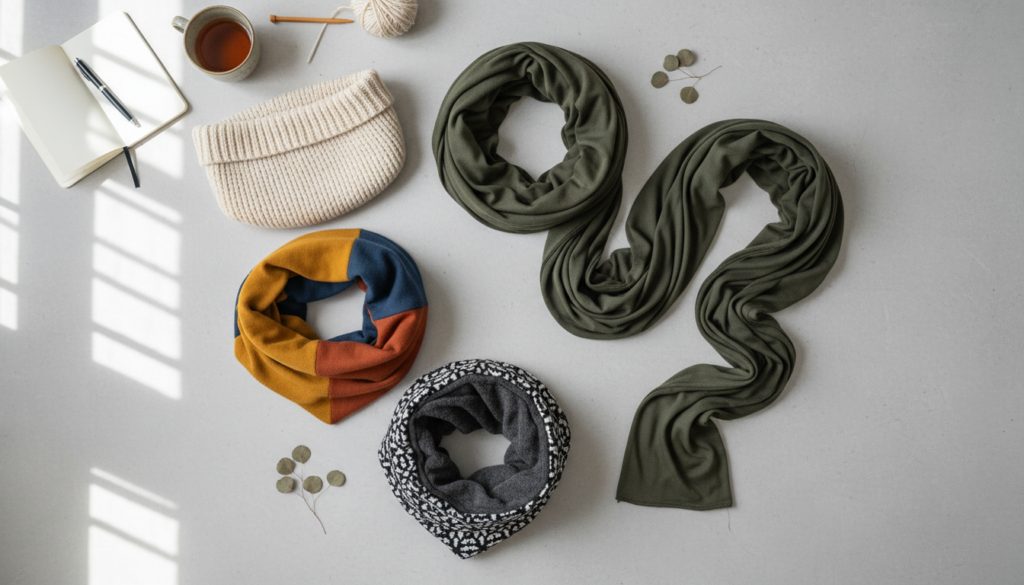
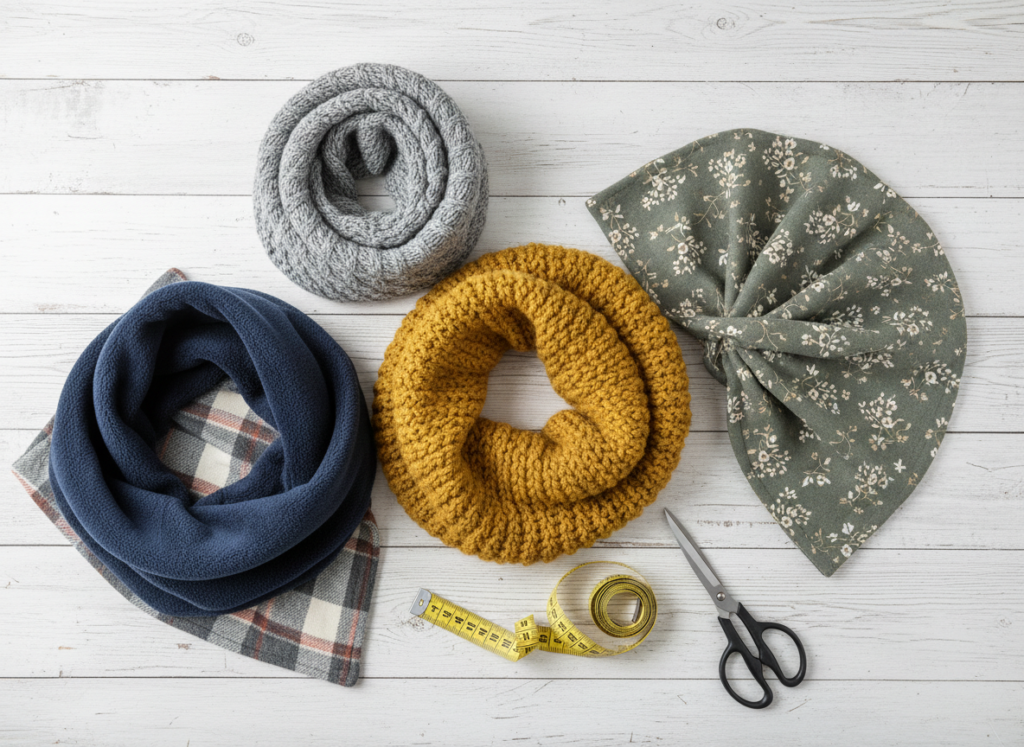
Collection of different neck cowl styles in various fabrics and colors

Benefits of DIY Neck Cowls

  • Quick project completion in one afternoon
  • Minimal fabric waste saves money
  • Perfect for using fabric scraps
  • Makes excellent handmade gifts
  • Customizable to any style preference
  • No complicated pattern pieces required
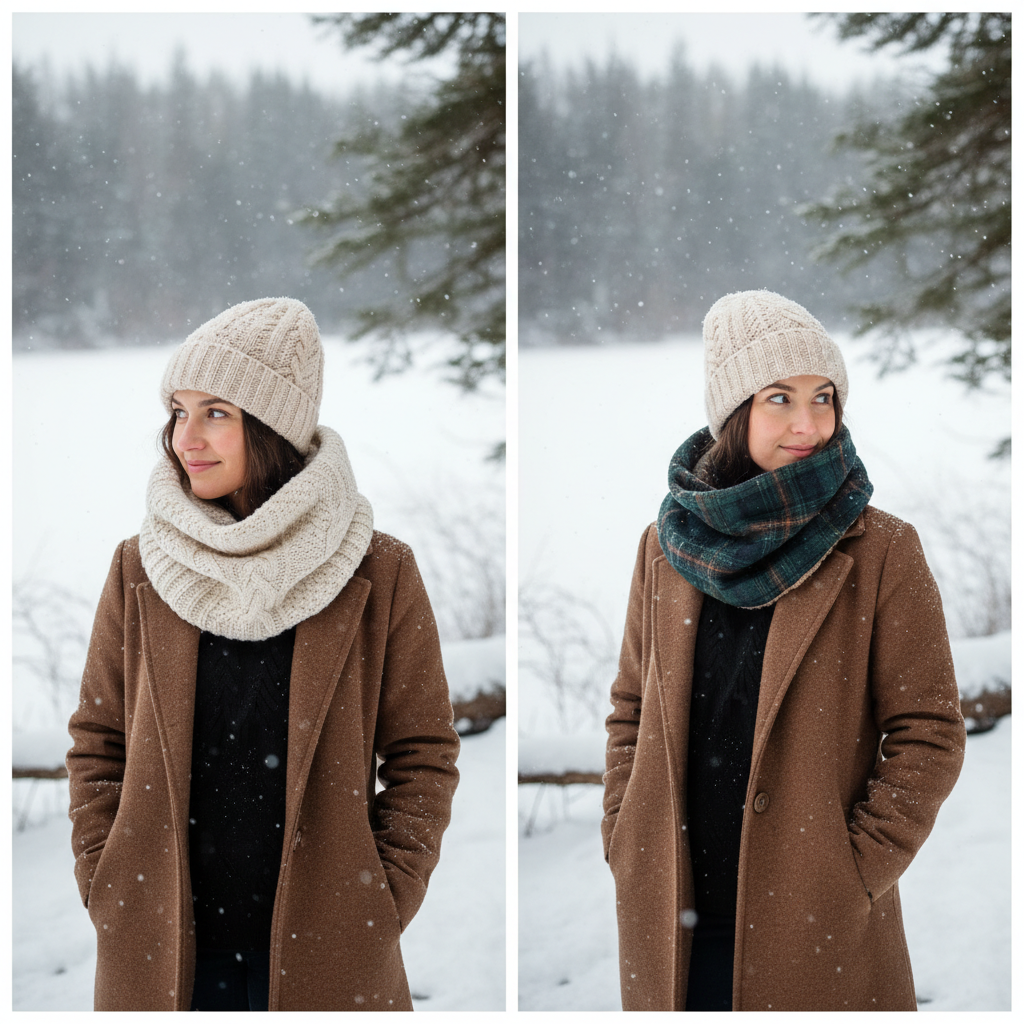
Woman wearing handmade fleece neck cowl outdoors in winter

Essential Materials for Your Sewing Easy DIY Neck Cowl

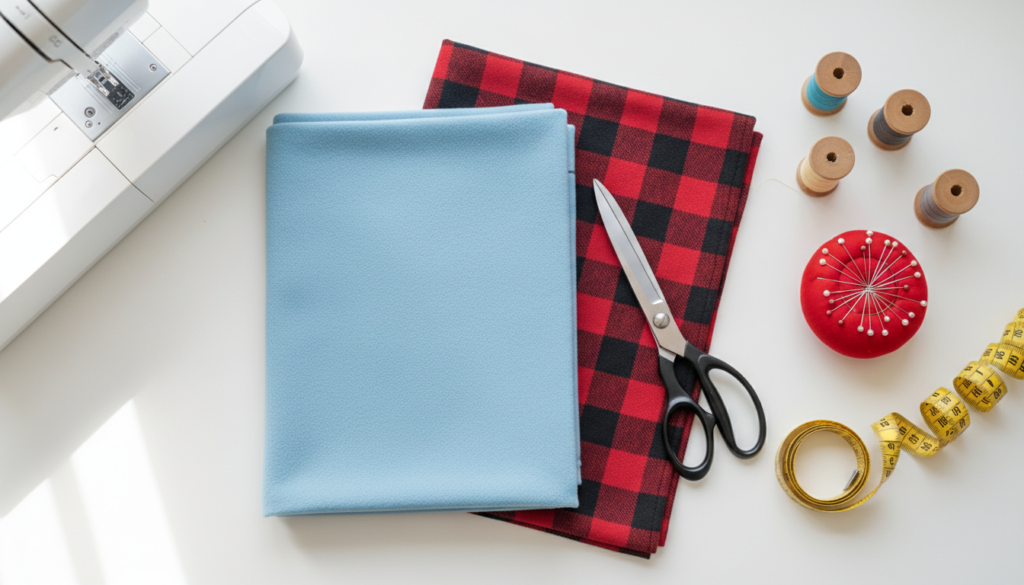
Gathering the right materials sets you up for success. You don’t need expensive supplies to create a beautiful cowl scarf.

Most items are available at any fabric store. If you already sew, you probably have everything on hand.

Flat lay of all materials needed for sewing a neck cowl

Fabric Requirements

Fleece makes the perfect choice for winter cowls. The fabric provides warmth without bulk around your neck.

You’ll need about half a yard of fleece for the outer layer. Choose anti-pill fleece for longer-lasting quality.

Flannel works beautifully as a lining fabric. The soft texture feels comfortable against skin while adding visual interest.

    Fabric Options

  • Anti-pill fleece (main choice)
  • Flannel for cozy lining
  • Cotton jersey for lightweight versions
  • Minky for ultra-soft texture

    Notions and Tools

  • Coordinating thread in matching colors
  • Fabric scissors or rotary cutter
  • Straight pins or fabric clips
  • Hand sewing needle for finishing

    Optional Embellishments

  • Decorative buttons for closure
  • Snap fasteners for easy wearing
  • Contrasting topstitching thread
  • Fabric labels for professional touch

Professional patterns provide exact measurements and eliminate guesswork. Access complete pattern collections that include multiple size options and style variations.

Selecting the Best Fabrics for Your Project

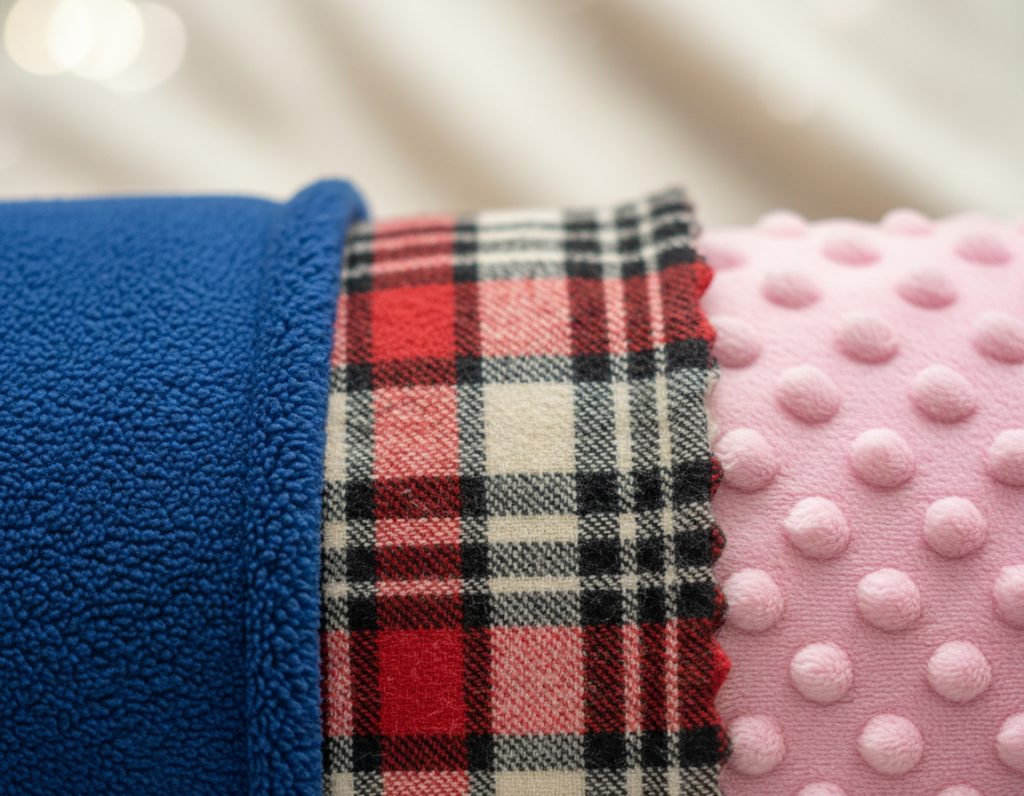
Fabric choice dramatically impacts your finished cowl. Different fabrics create completely different looks and warmth levels.

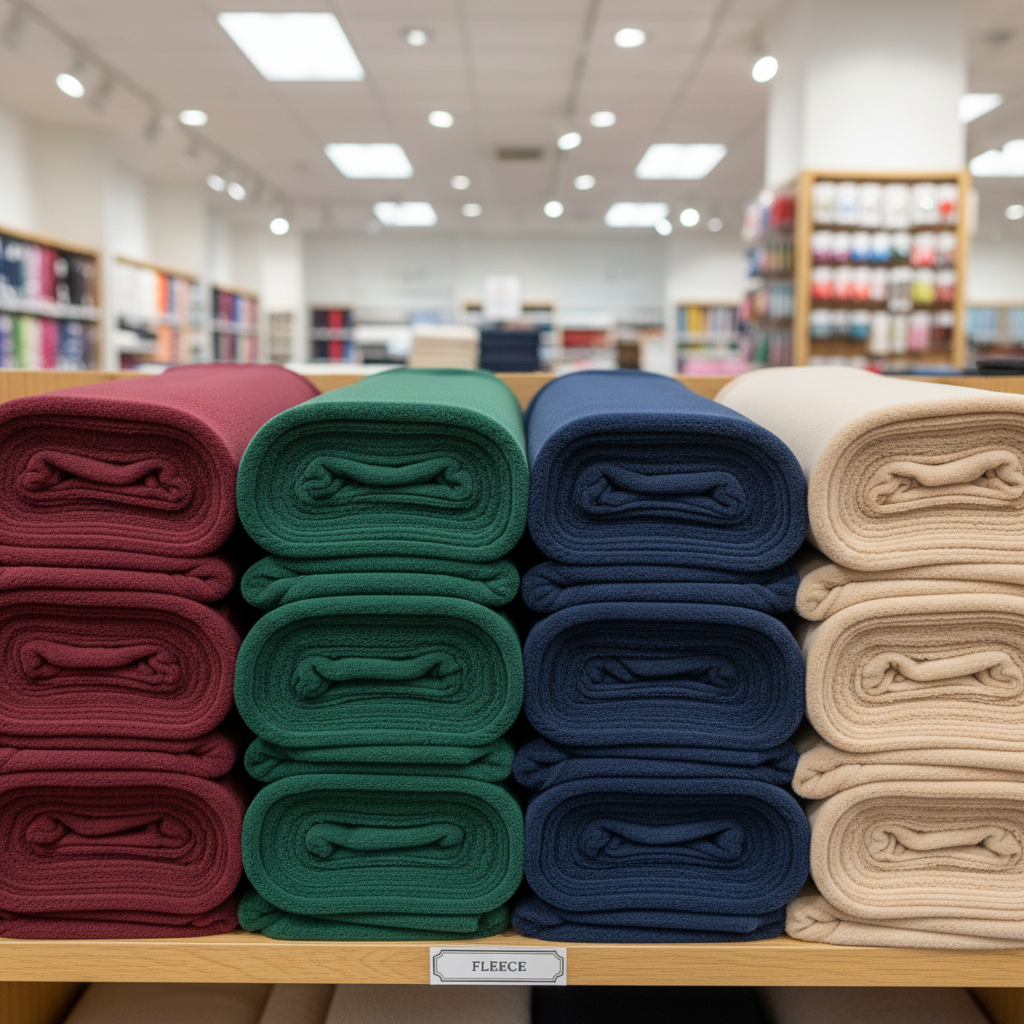
Fleece remains the top choice for winter projects. The material holds heat while remaining breathable and comfortable.

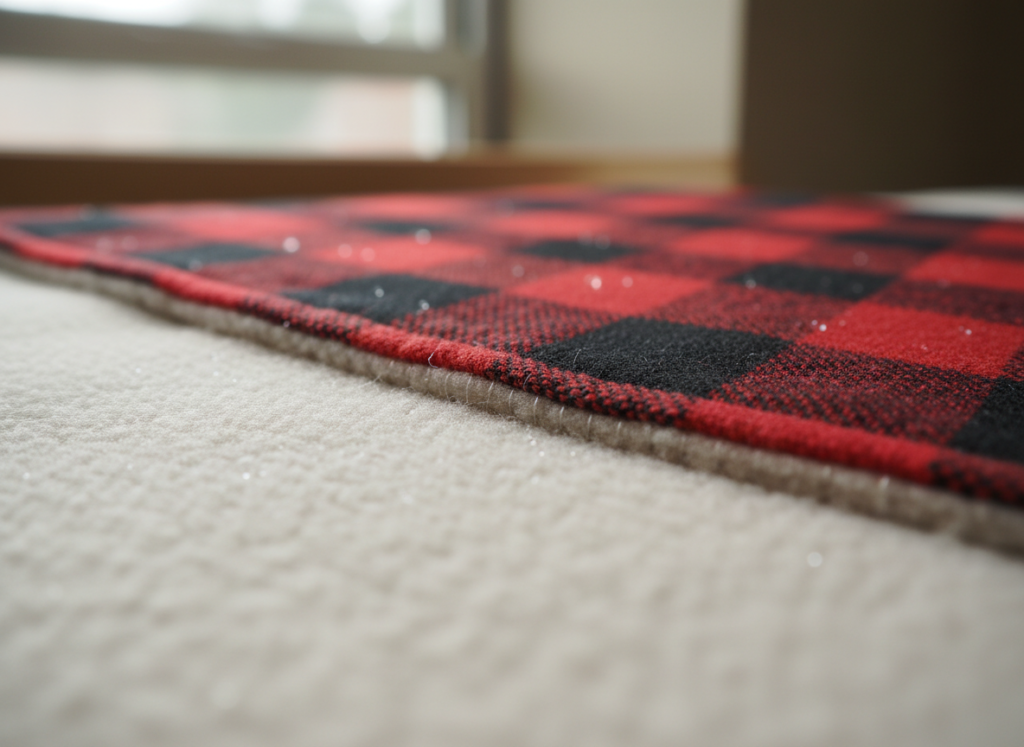
Close-up comparison of different fabric textures suitable for neck cowls

Understanding Fabric Properties

Fleece has natural stretch in one direction. This quality makes it forgiving for beginners still mastering seam allowances.

The fabric doesn’t fray when cut. You can skip edge finishing steps that other fabrics require.

Flannel adds a classic touch to your cowl. The woven fabric provides structure while the brushed surface feels soft.

Stack of folded fleece fabrics in various winter colors

Fabric Selection Tips

Choose fabrics with similar weight for best results. Combining heavy fleece with thin flannel creates puckering issues.

Pre-wash all fabrics before cutting. This step prevents size changes after your first wash of the finished cowl.

Select colors that complement your winter wardrobe. Neutral tones work with everything, while bold colors make statement pieces.

Consider the direction of fabric prints carefully. Plaid flannel looks best when the pattern lines up at seams.

Pattern Layout and Fabric Cutting Techniques

Accurate cutting ensures professional-looking results. Take your time with this step to avoid costly mistakes.

Most cowl patterns use simple rectangles. The basic design requires two fabric pieces cut to specific dimensions.

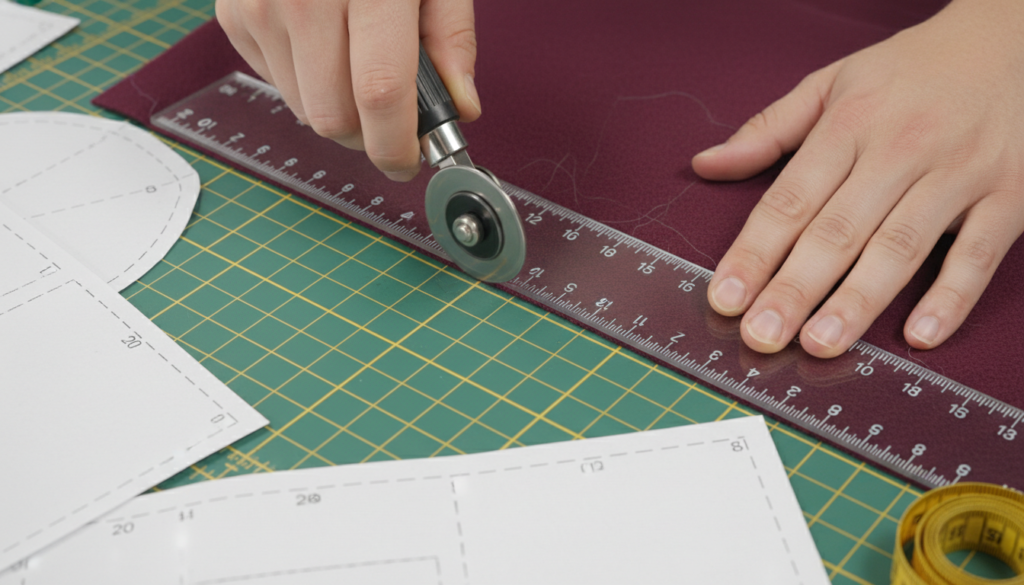
Hands using rotary cutter to cut fleece fabric on cutting mat

Standard Cowl Dimensions

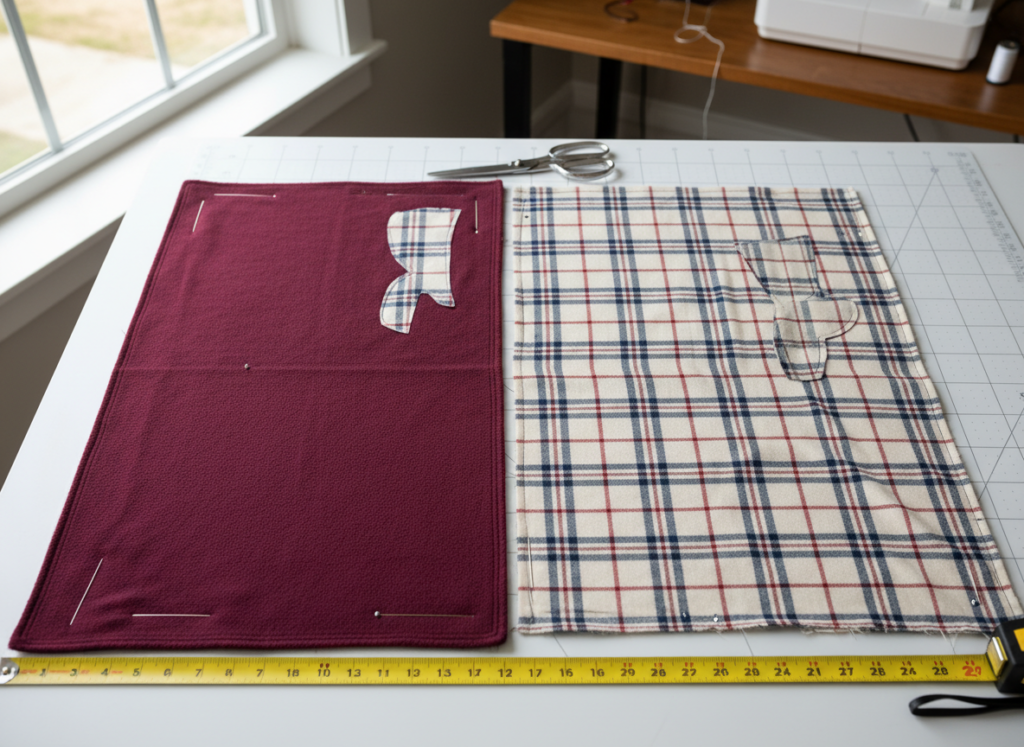
A typical adult cowl measures approximately 24 inches wide by 12 inches tall. These dimensions create a comfortable fit around the neck.

Cut one piece of fleece and one piece of flannel to these measurements. Add half an inch on all sides for seam allowances.

  1. Fold your fleece fabric in half lengthwise to ensure straight cuts
  2. Measure and mark 24.5 inches along the folded edge using a ruler
  3. Mark 12.5 inches from the fold line to create your rectangle
  4. Use a rotary cutter for clean edges that won’t stretch the fleece
  5. Repeat the same process with your flannel lining fabric
  6. Double-check measurements before cutting to avoid fabric waste

Cut fabric pieces laid out showing fleece and flannel layers

The line you cut along determines the final size. Make sure your cutting tool stays sharp for accuracy.

Preparing Fabric Layers for Sewing

Proper pinning prevents fabric shifting during sewing. This step makes all the difference in achieving straight seams.

Place your fleece and flannel pieces with right sides together. The pretty sides should face each other, touching.

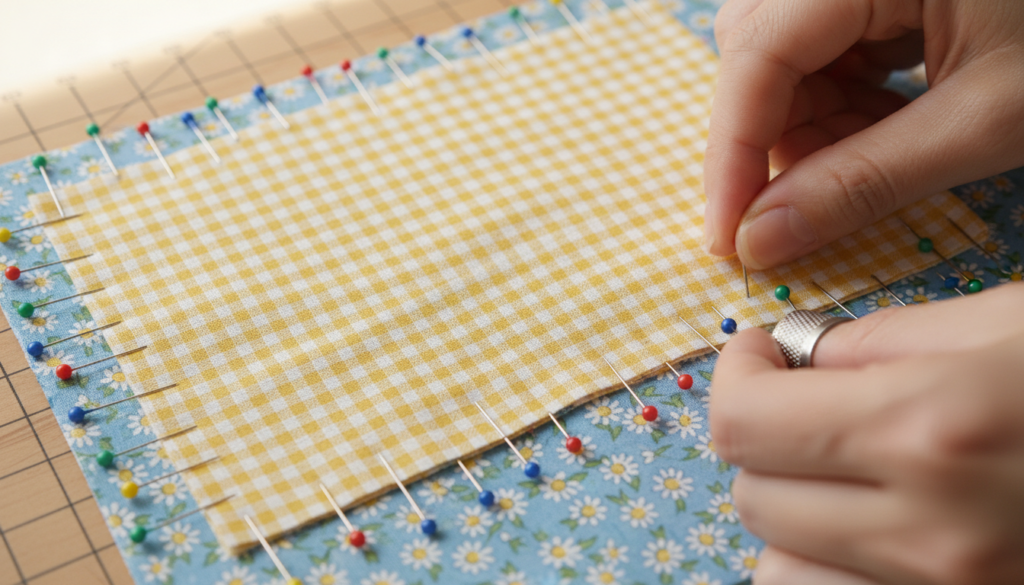
Fabric pieces pinned together showing proper pinning technique

Pinning Strategy

Start pinning at the corners first. This technique keeps fabric edges aligned as you work.

Place pins perpendicular to the edge every 3-4 inches. The pin direction allows your sewing machine needle to pass over safely.

Leave a 4-inch opening along one side unpinned. This opening becomes your turning point after sewing.

Pro Tip: Mark your opening with two pins placed horizontally. This visual reminder prevents accidentally sewing the opening closed.

Smooth out any wrinkles before pinning. Fleece tends to cling to flannel, creating bumps if you’re not careful.

Want to Avoid Common Sewing Mistakes?

Learn professional techniques through detailed video tutorials and comprehensive guides designed specifically for beginners.

Sewing the Main Seams with Your Machine

Now comes the exciting part – watching your cowl take shape! Set up your sewing machine with thread matching your fleece color.

Use a standard straight stitch for this project. Set your stitch length to 2.5 or 3 for flexibility in the seam.

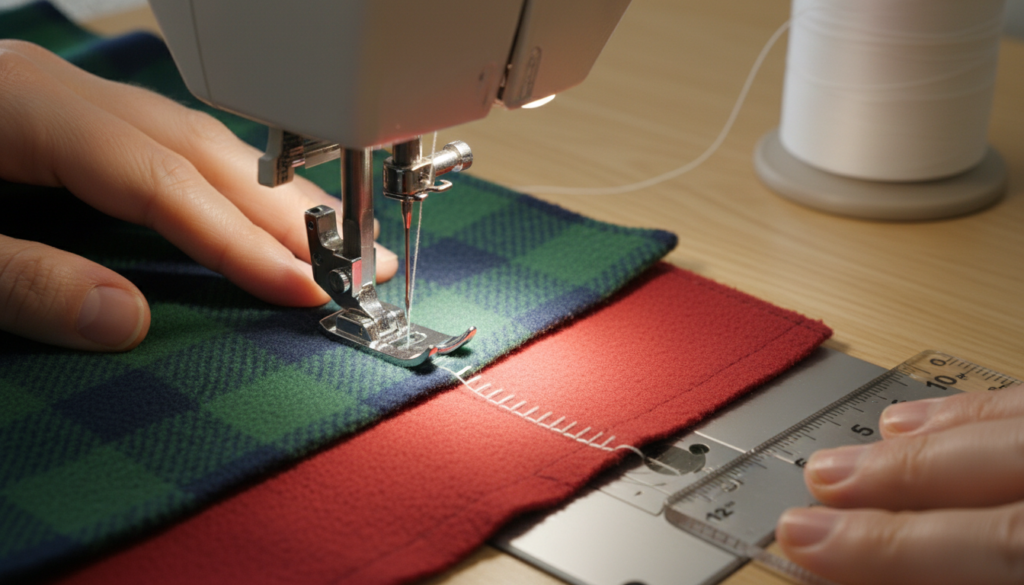
Sewing machine stitching fabric layers together

Step-by-Step Sewing Process

Position your fabric under the machine needle with the fleece side facing up. The top layer helps you see where you’re sewing.

Begin sewing at one side of your marked opening. Backstitch three stitches to secure the seam start.

  1. Sew along the first edge maintaining a half-inch seam allowance
  2. Pivot at the corner with the needle down in the fabric
  3. Continue sewing along the second edge at the same allowance
  4. Pivot again and sew the third edge completely
  5. Sew the fourth edge, stopping at your marked opening
  6. Backstitch to secure the end point of your seam line

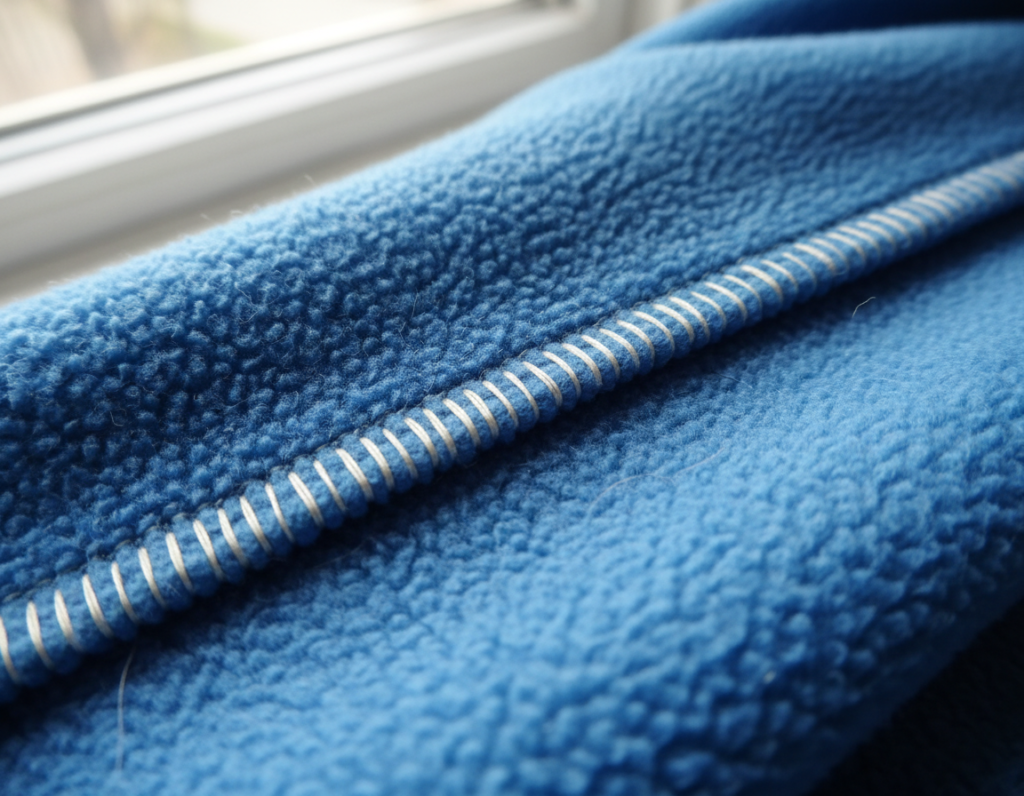
Close-up of sewn seam showing proper seam allowance

The seam allowances provide strength without adding bulk. Consistent allowance width creates professional-looking results.

Remove pins as you sew, staying about an inch ahead of the needle. Never sew over pins – this risks breaking your machine needle.

Trimming Corners and Reducing Bulk

Sharp corners require special attention for crisp finished points. A simple trimming technique makes all the difference.

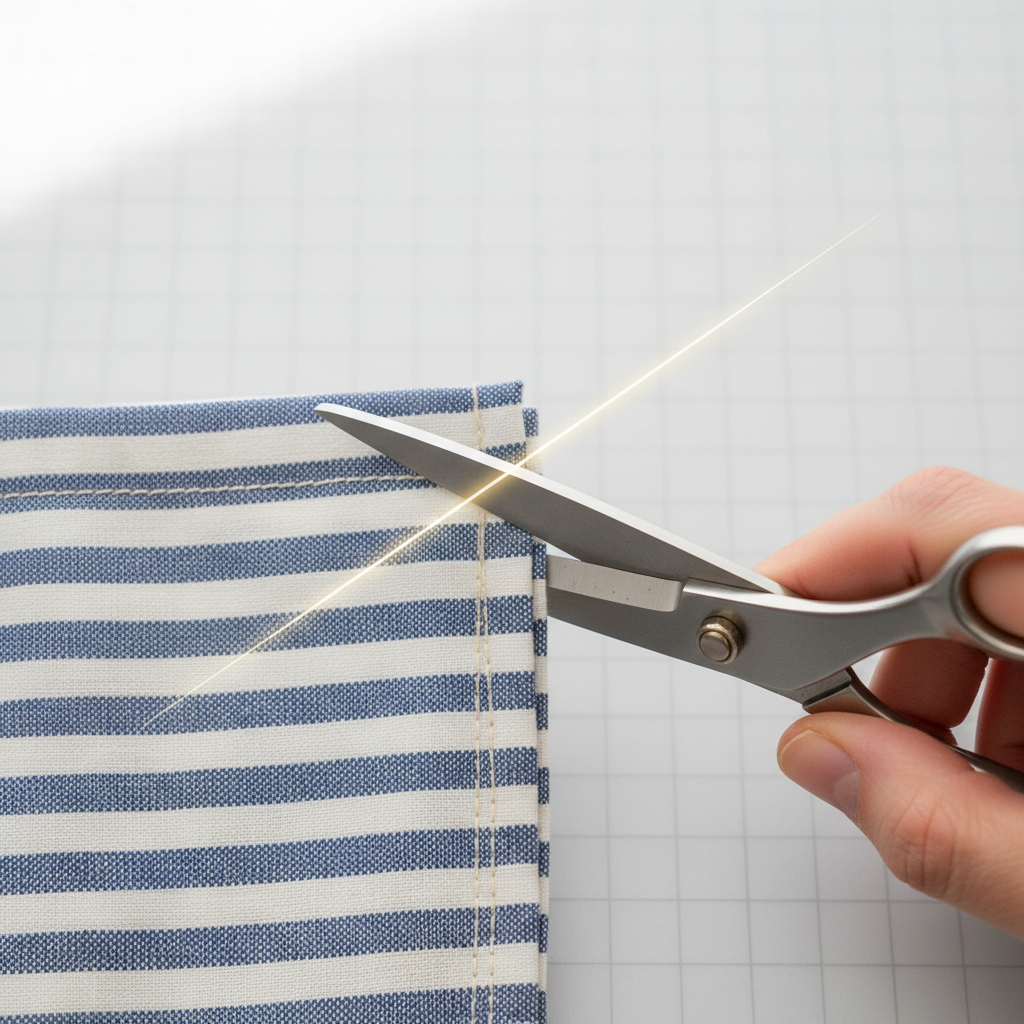
Cut across each corner at a 45-degree angle. Stay about one-eighth inch from the stitching line to avoid cutting through seams.

Scissors trimming fabric corner at diagonal angle

Managing Seam Allowances

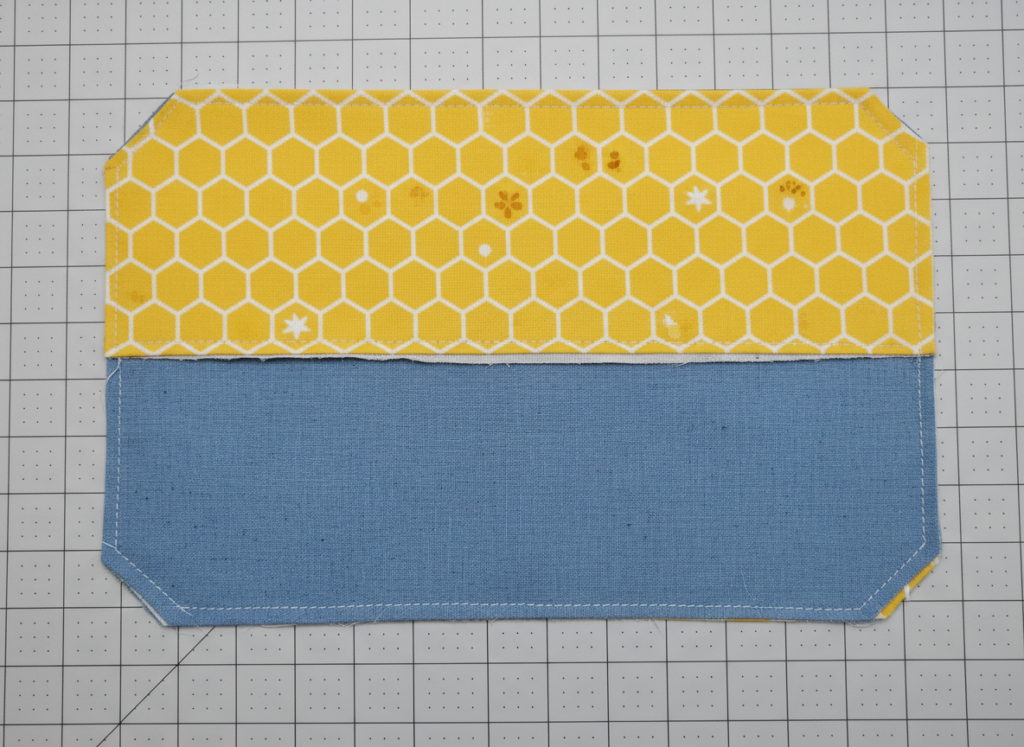
Fleece creates extra thickness at seams. Trimming reduces this bulk for smoother edges when you turn the piece right side out.

Cut the seam allowances in half along the long edges. Leave the full allowance near the opening for hand stitching later.

This step seems small but dramatically improves your finished appearance. The edges lay flat instead of puckering outward.

Trimmed corners and seam allowances on sewn fabric

Turning Your Cowl Right Side Out

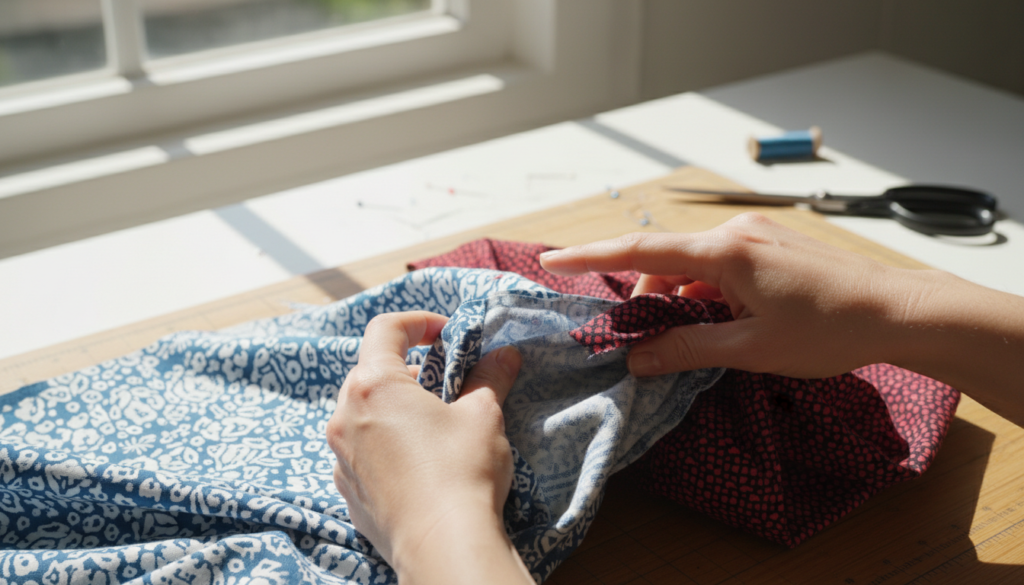
Gently pull the fabric layers through the opening you left. Work slowly to avoid stressing the seams.

Push a point turner or chopstick into each corner from inside. This tool helps achieve sharp, professional-looking corners.

Hands turning fabric right side out through opening

Pressing for Professional Results

Press the seam edges flat using your fingers first. The warmth from your hand helps fleece hold its shape.

Use a cool iron if needed, testing on a fabric scrap first. High heat can melt fleece, ruining your project instantly.

Press from the flannel side whenever possible. The fabric tolerates heat better than fleece and protects the outer layer.

Pressed neck cowl showing flat seams and sharp corners

Master Advanced Sewing Techniques

Take your skills to the next level with professional patterns that teach you techniques used by expert sewers.

Hand-Stitching the Opening Closed

The final step requires basic hand sewing skills. Don’t worry – this stitch is easier than it looks!

Thread a hand needle with coordinating thread. Knot one end securely so stitches won’t pull through.

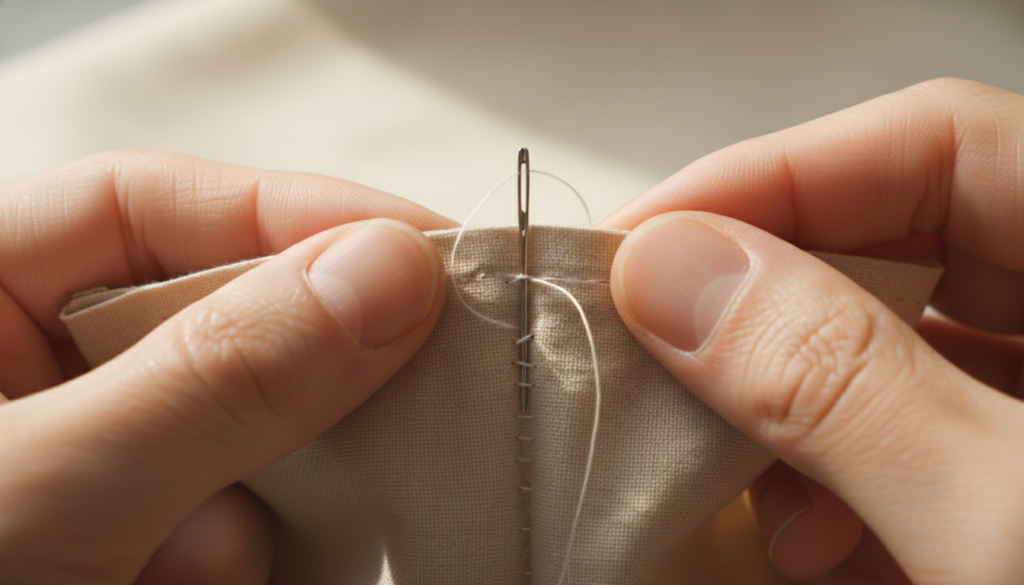
Hands performing ladder stitch to close opening

The Ladder Stitch Technique

Fold the raw edges of the opening inward to match the rest of the seam. Pin if needed to hold edges aligned.

Insert your needle into the fold of one side. Pull thread through, then insert the needle directly across into the opposite fold.

Continue this back-and-forth pattern every quarter inch. The stitches create an invisible closure when pulled tight.

  1. Start stitching just inside the machine stitching for security
  2. Take small stitches inside each folded edge alternately
  3. Pull the thread tight every few stitches to close the opening
  4. End by taking several tiny stitches in one direction to secure
  5. Knot the thread and bury the tail inside the fabric layers

Completed hand-stitched opening showing invisible seam

Adding a Button Closure to Your Cowl

Transform your tube cowl into a stylish button-up version. This modification adds functionality and visual interest.

Mark the center point along one short edge. Position your button at this point for balanced appearance.

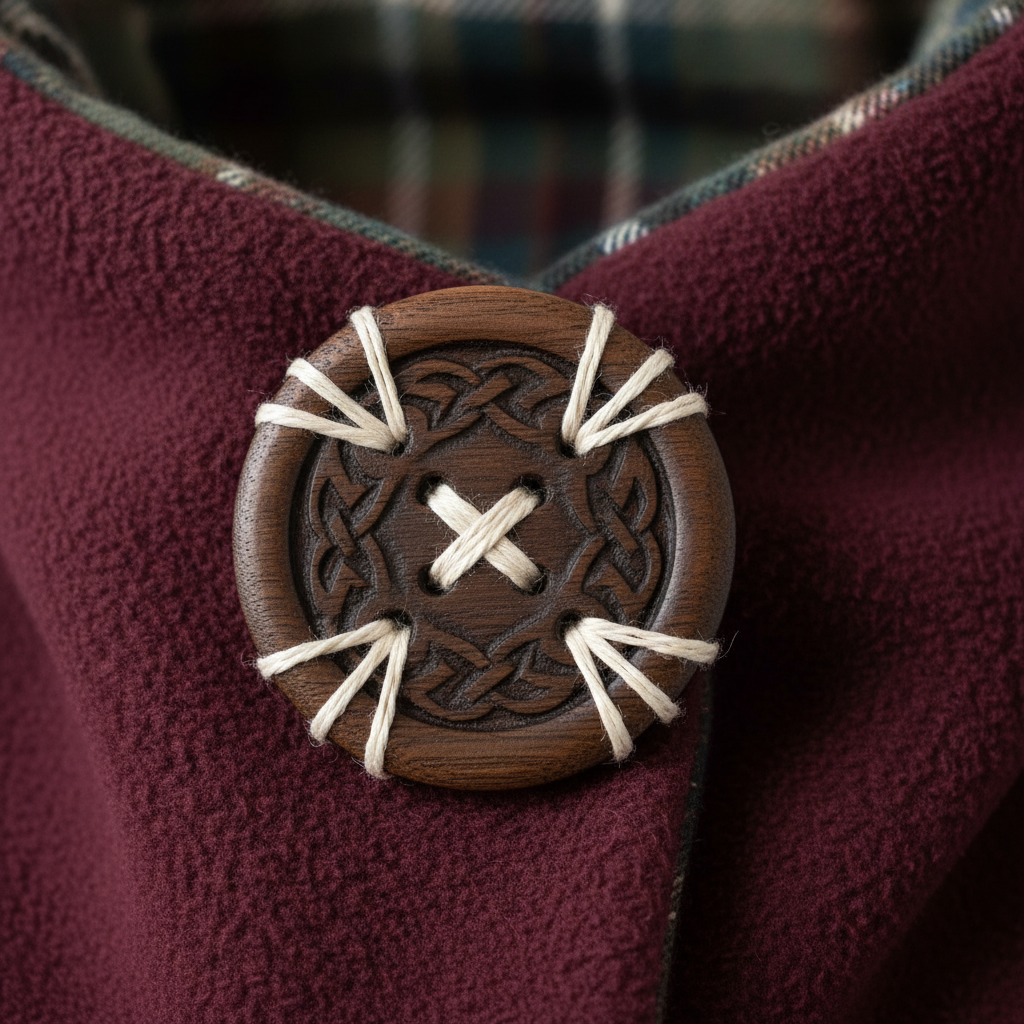
Decorative button sewn onto fleece neck cowl

Creating the Button Loop

Cut a 6-inch strip of fleece about 1 inch wide. Fold it lengthwise and stitch close to the edge.

Turn this strip right side out to create a narrow tube. This becomes your button loop closure.

Fold the tube in half to make a loop. Test that your button fits through comfortably before sewing.

Position the loop ends at the center of the opposite edge from your button. Stitch securely with several passes.

Completed button and loop closure on neck cowl

Creative Styling and Pattern Variations

Once you master the basic technique, endless variations await. Change dimensions, fabrics, or embellishments to create unique pieces.

Try making a longer cowl that wraps twice around the neck. Simply cut your fabric 36 inches wide instead of 24.

Multiple neck cowl variations in different styles and fabrics

Color Blocking

Color-blocked neck cowl with three fabric colors

Combine three different fleece colors in horizontal bands. This technique creates a modern, geometric look that stands out.

Sew the bands together before following the standard construction steps. Press seam allowances open for flat seams.

Reversible Design

Reversible neck cowl showing both fabric sides

Choose two coordinating fabrics that both work as outer layers. Skip the lining concept entirely.

This approach gives you two accessories in one. Flip it based on your outfit or mood each day.

Infinity Style

Infinity-style neck cowl arranged in loop shape

Create an infinity scarf by joining the short ends before turning. The continuous loop offers multiple styling options.

This variation works beautifully with lightweight fabrics that drape elegantly around the neck.

Experiment with different fabrics for seasonal variations. Try cotton jersey for spring or cozy minky for extra warmth.

Common Problems and Easy Solutions

Even experienced sewers encounter challenges. Knowing how to fix issues saves time and prevents frustration.

Side-by-side comparison of common sewing mistakes and corrections

Fixing Puckered Seams

Puckering happens when you stretch fabric while sewing. The machine feeds fabric through – you just guide the direction.

If seams pucker, carefully remove stitches with a seam ripper. Sew again without pulling the fabric.

Why won’t my fabric feed through the machine smoothly?
Fleece thickness can challenge some machines. Reduce presser foot pressure slightly and sew slowly. Make sure you’re using a fresh, sharp needle designed for knit fabrics.

How do I prevent the lining from twisting inside?
Press thoroughly after turning and before closing the opening. The heat helps fabrics settle in their proper position. You can also add a few hand tack stitches at the seam lines to anchor layers.

What if my corners aren’t sharp after turning?
Trim closer to the stitching line, leaving just one-eighth inch. Use a point turner to push corners out gently from inside. Never use scissors or sharp objects that might poke through.

Can I use different fabric weights together?
Stick with similar weights for best results. Heavy fleece with lightweight cotton creates pulling and distortion. If you want contrasting textures, choose medium-weight options for both layers.

The wrong side of fabric sometimes shows at edges after turning. Press edges carefully, rolling the seam slightly toward the lining side.

Never Get Stuck on a Project Again

Get instant access to troubleshooting guides, video demonstrations, and expert tips that solve common sewing problems.

Caring for Your Handmade Neck Cowl

Proper care extends the life of your creation. Fleece and flannel both tolerate regular washing when done correctly.

Machine wash your cowl in cold water on a gentle cycle. Hot water can cause fleece to pill and lose its soft texture.

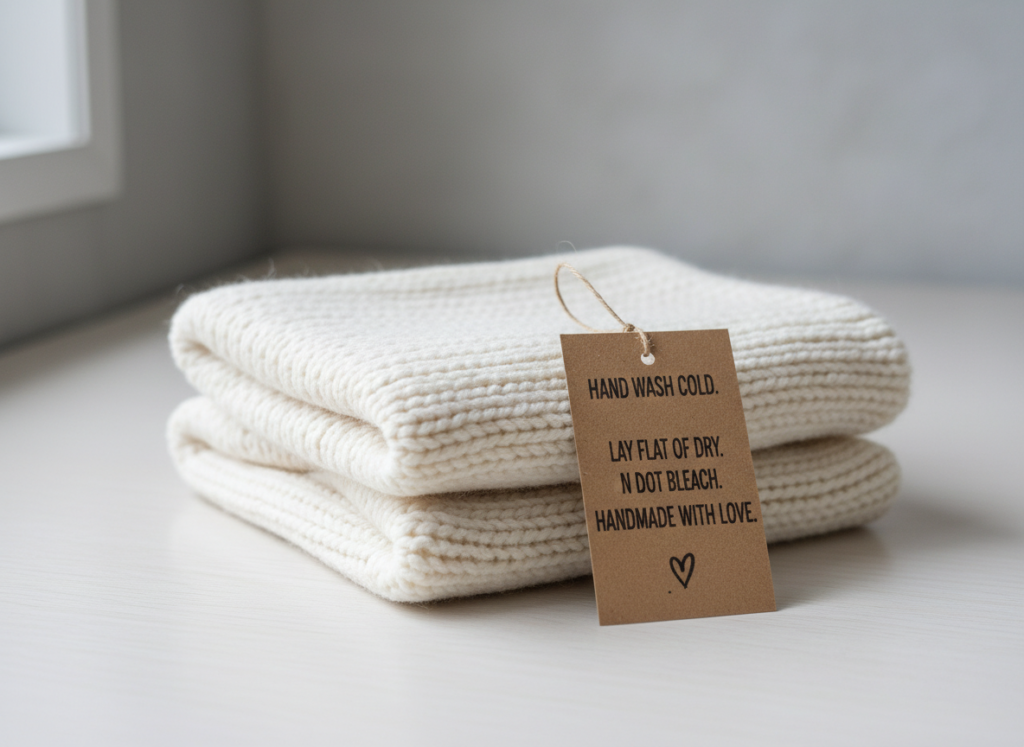
Folded neck cowl with care instruction tag

Washing and Drying Tips

Tumble dry on low heat or lay flat to air dry. High heat damages fleece fibers and causes shrinkage.

Avoid fabric softener with fleece. The chemicals coat fibers and reduce the natural softness and warmth retention.

  • Wash dark colors separately for the first few washes
  • Turn the cowl inside out to protect the outer fabric
  • Remove from the dryer promptly to minimize wrinkles
  • Store flat or loosely folded to maintain shape
  • Never iron directly on fleece – use a press cloth if needed

With proper care, your handmade cowl will provide warmth and style for many winter seasons ahead.

Making Cowls as Thoughtful Handmade Gifts

Handmade gifts carry special meaning. A cozy neck cowl shows recipients you invested time creating something just for them.

Choose fabric colors based on the recipient’s wardrobe. Neutral tones suit anyone, while bold prints reflect personal style.

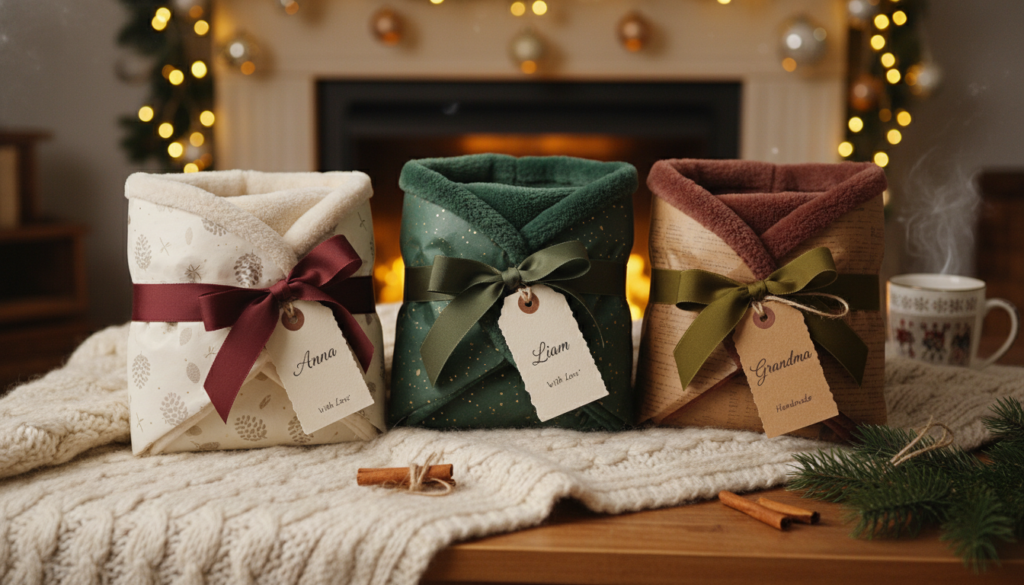
Gift-wrapped handmade neck cowls with ribbons and tags

Personalization Ideas

Add embroidered initials or names to make gifts extra special. Most sewing shops offer this service affordably.

Include care instructions on a handmade tag. This thoughtful touch helps recipients maintain their gift properly.

Gift Presentation Tips

Fold the cowl neatly and tie with coordinating ribbon. A simple presentation highlights the handmade quality.

Create a matching set with mittens or a hat for an impressive gift package. Coordinate fabrics across all pieces.

Package in a clear cellophane bag so recipients can see the beautiful fabric. Add tissue paper in complementary colors.

Make multiples during one sewing session for efficiency. Once you establish your process, additional cowls take minimal time.

Person receiving wrapped handmade neck cowl gift

The beauty of this project lies in its simplicity. You can create multiple gifts without overwhelming your schedule or budget.

Building on Your New Sewing Skills

Completing your first cowl opens doors to countless other sewing projects. The techniques you learned transfer to many items.

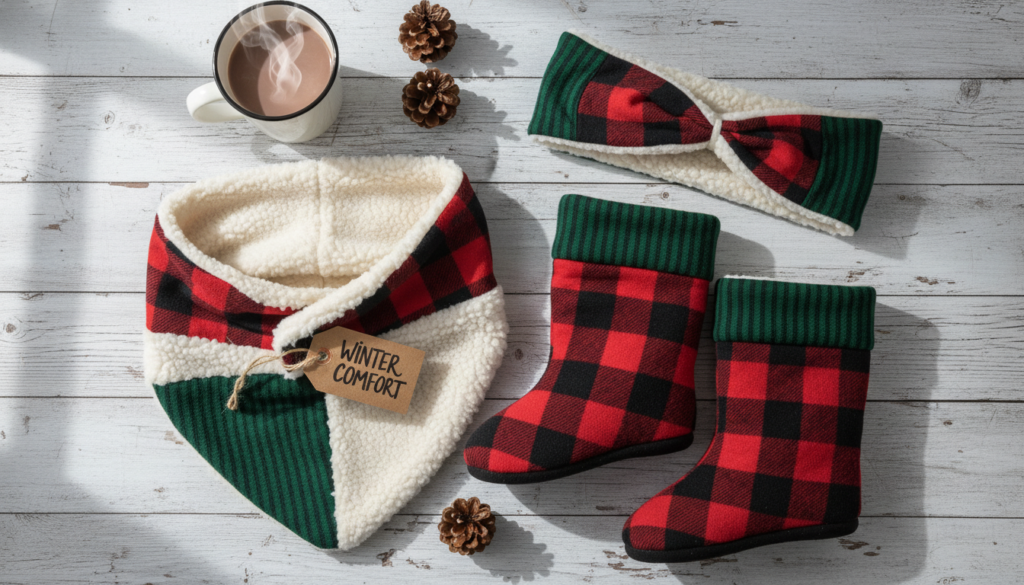
Try making matching accessories using the same construction method. Headbands, arm warmers, and boot cuffs all use similar techniques.

Collection of coordinating handmade winter accessories

Next-Level Project Ideas

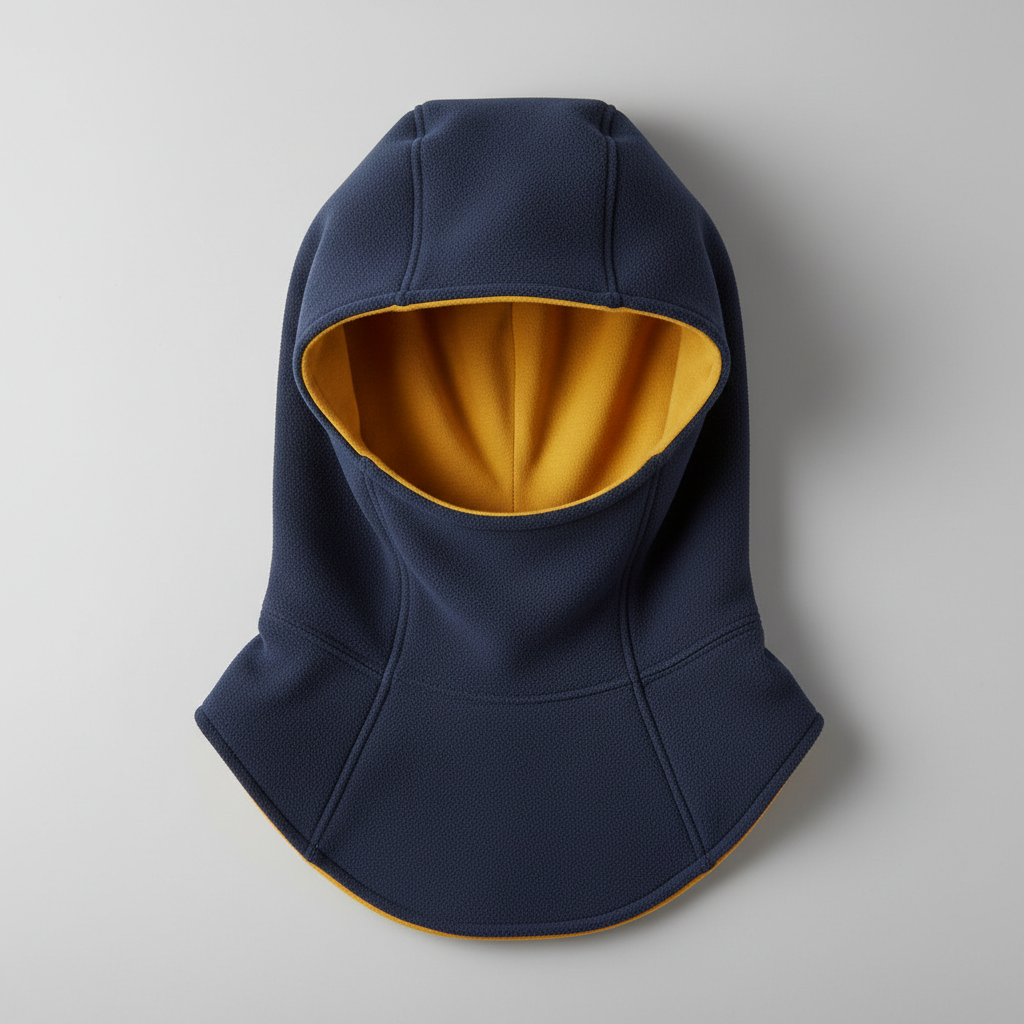
Graduate to more complex cowl designs with added features. Hooded cowls combine scarf warmth with head coverage.

Pocket cowls include hidden zippered compartments for keys or phones. These functional additions challenge your growing skills.

Hooded Cowl

Hooded neck cowl showing integrated hood

Add a hood pattern to your basic cowl rectangle. The hood provides extra warmth during extremely cold weather.

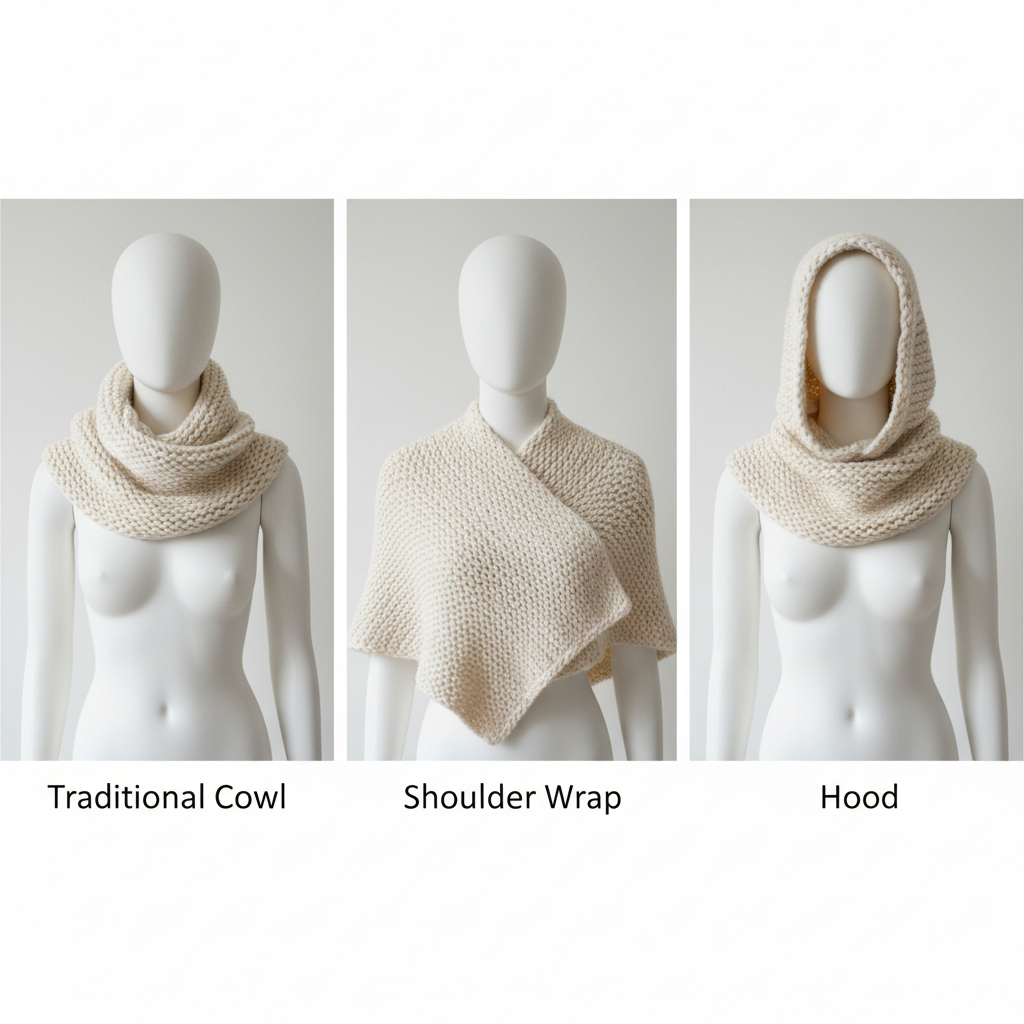
Convertible Design

Convertible cowl styled in multiple ways

Create a larger piece that functions multiple ways. Wear it as a cowl, shoulder wrap, or even a small blanket scarf.

Lined Jacket

Fleece jacket showing similar construction techniques

The same right-sides-together technique works for jacket construction. Apply your cowl-making skills to larger garments.

Each new project builds confidence and expands your capabilities. Start simple and gradually tackle more challenging patterns.

Ready to Expand Your Pattern Collection?

Discover hundreds of beginner-friendly to advanced patterns that help you grow your sewing skills step by step.

Your Journey in Sewing Easy DIY Neck Cowl Projects

You’ve now mastered the complete process of creating a beautiful, functional neck cowl. This foundational project teaches skills you’ll use throughout your sewing journey.

The techniques you practiced – measuring accurately, sewing straight seams, turning corners, and hand stitching – form the basis of countless other projects. Every expert sewer started exactly where you are now.

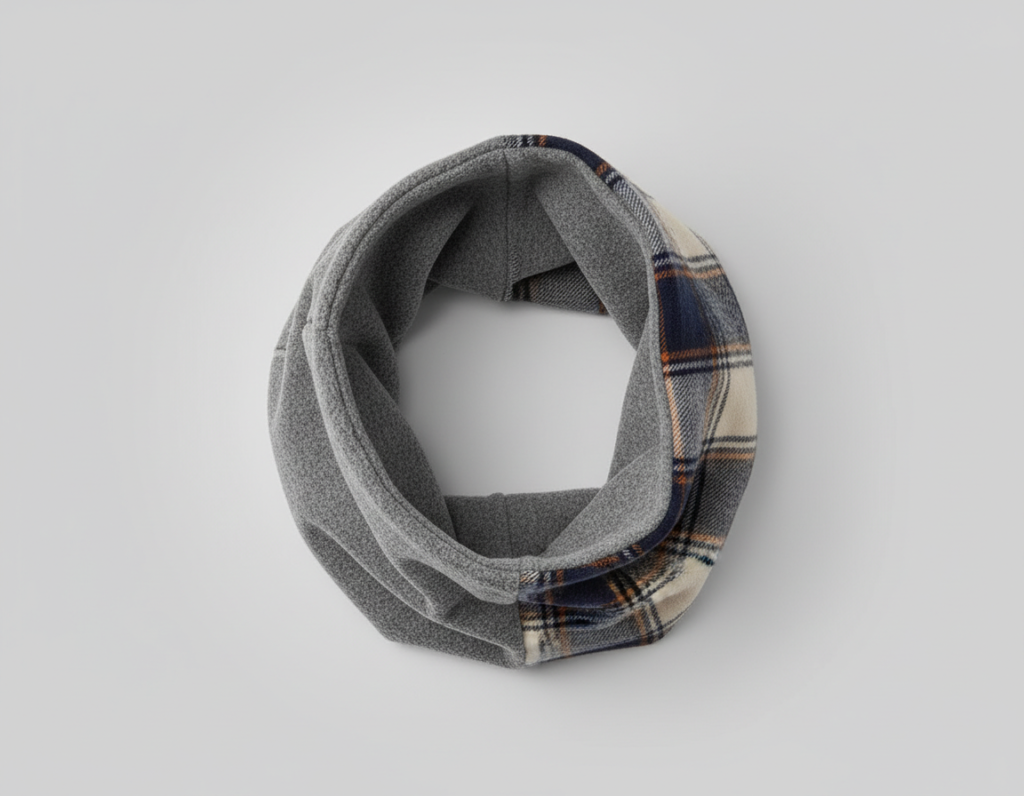
Completed neck cowl being worn in winter setting

Remember that practice improves every stitch. Your next cowl will go faster and look even better than this first one.

Don’t hesitate to experiment with different fabrics, sizes, and embellishments. Each variation teaches something new while creating wearable art.

The winter season provides the perfect excuse to make multiple cowls. Create them for yourself, give them as gifts, or even sell them at craft fairs.

Most importantly, enjoy the creative process. Sewing offers relaxation, accomplishment, and practical results all in one satisfying hobby.

Start Your Next Sewing Project with Confidence

Join thousands of sewers who have transformed their skills with professional patterns, video tutorials, and expert guidance. Get instant access to our complete sewing library today.

Your sewing machine awaits your next creative adventure. Pick your fabrics and start creating!
Similar Posts