You’ve heard countless times about the importance of skin care. Yet, creating a routine that actually works feels overwhelming. Between morning habits, night regimens, and weekly treatments, where do you even start?
Your skin is the largest organ in your body. It deserves attention beyond occasional face washing. A proper routine protects against sun damage, prevents fine lines, and addresses specific skin concerns you face every day.
The good news? Building an effective weekly skin care routine doesn’t require expensive products or hours of time. Simple, consistent steps transform your skin’s health and appearance.
Ready to Transform Your Skin?
Discover the proven system that simplifies your skincare journey and delivers real results. Stop feeling overwhelmed and start seeing the glowing skin you deserve.
This guide walks you through everything your skin needs. From daily essentials to weekly treatments, you’ll learn exactly what to do and when. No more confusion about product order or wondering if you’re missing crucial steps.
Understanding Your Skin’s Natural Needs

Your skin works hard every day. It protects your body from environmental damage while regulating temperature and sensing touch. Understanding how skin functions helps you care for it properly.
Skin renews itself constantly. Dead cells on the surface shed naturally, making room for fresh skin beneath. This process slows with age, which is why exfoliation becomes important.
Your skin produces natural oils that create a protective barrier. These oils prevent moisture loss and keep dirt out. Harsh products strip these natural oils away, forcing your skin to overproduce oil to compensate.
How Skin Protects You
The outer layer acts as your first defense against bacteria, chemicals, and UV radiation. It prevents water loss while allowing sweat to escape. This barrier function is crucial for overall health.
- Blocks harmful microorganisms from entering your body
- Shields internal organs from physical damage
- Regulates body temperature through sweat
- Produces vitamin D when exposed to sunlight
What Damages Your Skin
Environmental factors constantly challenge your skin’s health. Sun exposure causes the most damage, leading to premature aging and increasing skin cancer risk. Other factors accelerate visible signs of aging.
- UV rays break down collagen and cause wrinkles
- Pollution clogs pores and creates dull complexion
- Lack of sleep prevents proper skin repair
- Poor diet deprives skin of essential nutrients
Different skin types require different approaches. Oily skin benefits from lightweight products, while dry skin needs richer moisturizers. Combination skin demands balance between these extremes.
Your skin type can change with seasons, age, and hormones. What worked in your twenties may not suit your skin now. Pay attention to how your skin feels and adjust your routine accordingly.
Your Morning Skin Care Routine

Morning skin care prepares your face for the day ahead. This routine protects against environmental damage while creating a fresh canvas for makeup if you wear it.
Start every morning by splashing your face with lukewarm water. Hot water strips skin natural oils, while cold water doesn’t effectively remove overnight buildup. Lukewarm water hits the sweet spot.
Step One: Gentle Cleansing
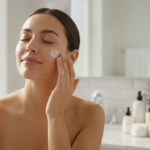
A gentle cleanser removes overnight oil production and dead skin cells without harsh stripping. Your skin should feel clean but not tight after washing. Tightness signals that your cleanser is too strong.

Massage cleanser onto damp skin using circular motions for 30 seconds. This activates the product and improves circulation. Rinse thoroughly with water, ensuring no product residue remains.
People with oily skin may prefer a foaming cleanser. Those with dry or sensitive skin benefit from cream or oil-based formulas. The right cleanser leaves your face feeling comfortable, never stripped or irritated.
Discover the Perfect Gentle Cleanser for Your Skin Type
Stop using harsh products that strip your skin natural oils. Learn which gentle cleansing method works best for your unique skin needs and see improvement within days.
Step Two: Moisturizing Your Skin
Moisturizer locks in hydration and strengthens your skin’s protective barrier. Apply while your face is still slightly damp to seal in moisture. This simple timing trick significantly improves hydration.

Use a dime-sized amount for your entire face and neck. Dot moisturizer on your forehead, cheeks, nose, and chin. Gently press and pat the product into your skin rather than rubbing aggressively.
Lightweight gel moisturizers work well for oily skin types. Richer cream formulas benefit dry skin. Your moisturizer should absorb within a few minutes without leaving greasiness behind.
Step Three: Sunscreen Protection Every Day
Sunscreen is the most important step in preventing premature aging and skin cancer. UV rays penetrate windows and clouds, causing damage even on overcast days. This makes daily SPF non-negotiable.

Apply at least a quarter teaspoon of sunscreen to your face and neck. Most people use far less than needed, reducing effectiveness significantly. Don’t skimp on this crucial protective step.
Choose a broad-spectrum SPF of at least 30. Broad-spectrum protects against both UVA rays that cause aging and UVB rays that cause burning. Reapply every two hours when spending time outdoors.
Modern sunscreens come in various formulas. Mineral sunscreens sit on the skin’s surface, while chemical sunscreens absorb into skin. Both types work effectively when applied correctly and consistently.
Protect Your Skin from Sun Damage Today
Prevent wrinkles, dark spots, and serious skin cancer with the right sun protection strategy. Learn which SPF products work best for daily wear and how to apply them correctly for maximum protection.
Remember that makeup with SPF rarely provides adequate protection. The amount you’d need to apply would look cakey and unnatural. Always use dedicated sunscreen underneath any makeup products.
Weekly Skin Care Routine: Beyond Daily Basics

Your weekly routine adds deeper treatments that daily care doesn’t provide. These targeted steps address specific skin concerns and enhance your overall complexion. Think of them as maintenance that keeps your skin performing its best.
Consistency matters more than perfection. Pick specific days for weekly treatments and stick to them. This creates habits that become second nature over time.
Exfoliation: Revealing Fresh Skin
Exfoliation removes dead cells that make skin look dull. This process reveals brighter, smoother skin underneath while allowing other products to penetrate better. Your skin absorbs serums and moisturizers more effectively after gentle exfoliation.

Choose between physical and chemical exfoliants. Physical scrubs use small particles to manually buff away dead skin. Chemical exfoliants like AHAs and BHAs dissolve the bonds holding dead cells to your skin’s surface.
Exfoliate two to three times per week maximum. Over-exfoliating strips skin and causes irritation, redness, and increased sensitivity. Your skin should feel smoother after exfoliating, never raw or painful.
Apply exfoliants to clean, dry skin. Work in gentle circular motions for physical scrubs, or leave chemical exfoliants on for the recommended time. Always follow with moisturizer to replenish hydration.
Master the Art of Perfect Exfoliation
Stop damaging your skin with harsh scrubbing. Discover the gentle exfoliation techniques that remove dead cells, minimize pores, and reveal naturally radiant skin without irritation or redness.
Face Masks for Targeted Treatment
Face masks deliver concentrated ingredients for specific concerns. Clay masks draw out impurities from oily skin. Hydrating masks plump dry skin with moisture. Sheet masks provide a quick boost of active ingredients.

Apply masks once or twice weekly depending on your skin needs. Evening is ideal because you can leave masks on longer without rushing. Many people enjoy the ritual of masking while watching TV or reading.
Clay and mud masks work best on oily or combination skin. These formulas absorb excess oil and minimize the appearance of pores. Remove them before they completely dry to avoid over-drying your skin.

Hydrating masks suit dry and sensitive skin types. Look for ingredients like hyaluronic acid and glycerin. These masks can even be used more frequently when your skin feels particularly parched.
Sheet masks provide convenience and mess-free application. The sheet itself helps ingredients penetrate better by preventing evaporation. Use the extra serum in the package on your neck and hands.
Experience Spa-Quality Face Masks at Home
Transform your skin with professional-grade face masks that target your specific concerns. Get the glowing, refreshed complexion you’ve always wanted without expensive spa visits.
Eye Masks and Targeted Treatments
The skin around your eyes is thinner and more delicate than the rest of your face. This area shows signs of aging first, including fine lines and dark circles. Special attention prevents and addresses these concerns.

Eye masks reduce puffiness and brighten dark circles. Cooling gel masks feel especially refreshing in the morning. Keep them in the refrigerator for an extra soothing effect.
Apply eye treatments gently by patting rather than rubbing. The delicate eye area bruises easily with aggressive application. A light touch delivers the same benefits without causing damage.
Your Night Skin Care Routine for Deep Repair

Your skin repairs itself while you sleep. Night routines support this natural renewal process with richer, more active ingredients. Morning routines protect, while night routines restore and rejuvenate.
Night is when you can use products that make skin sensitive to sunlight. Retinoids, certain acids, and other powerful ingredients work their magic while you rest.
Removing Makeup and Daily Buildup
Never skip makeup removal before bed. Sleeping in makeup clogs pores, prevents skin repair, and accelerates aging. This single habit causes more skin problems than almost any other mistake.

Start with micellar water or cleansing oil to dissolve makeup. These products break down stubborn products like waterproof mascara without harsh rubbing. Soak a cotton pad and gently press it against closed eyes for a few seconds.
Follow with your regular cleanser to remove remaining residue. This double cleansing method ensures completely clean skin. Your face should feel fresh, not greasy or filmy.
Oil-based cleansers work surprisingly well for oily skin. Oil dissolves oil, removing excess sebum without triggering more oil production. The key is choosing a cleansing oil that rinses clean without leaving residue.
Night Treatment Products
Night serums and treatments contain higher concentrations of active ingredients. Your skin tolerates these powerful formulas better at night because they won’t be exposed to sun or makeup immediately after application.

Retinoids remain the gold standard for anti-aging. These vitamin A derivatives reduce fine lines, improve skin texture, and fade dark spots. Start with a low concentration and gradually increase to avoid irritation.
Apply treatments to clean, dry skin before moisturizer. Wait a few minutes for the product to absorb fully. This layering order maximizes effectiveness while minimizing potential irritation.
Unlock Your Skin’s Overnight Transformation
Discover the night treatment routine that works while you sleep, erasing fine lines, evening skin tone, and revealing younger-looking skin by morning. Wake up to the complexion you’ve been dreaming of.
Night Moisturizer and Overnight Masks
Night moisturizers are richer than day products. Your skin doesn’t need to wear makeup over them, so they can be more emollient and intensive. This extra richness supports the repair process.

Overnight masks provide intensive hydration. These leave-on treatments work for hours, delivering continuous moisture. Wake up with plump, refreshed skin that looks well-rested.
Apply night moisturizer as the final step. Use slightly more product than you would in the morning. The extra moisture won’t cause problems because you’re not applying makeup or going out in the sun.
Extending Your Skin Care Routine to Your Body

Your face isn’t the only skin that needs care. Body skin faces similar challenges from sun, weather, and aging. A complete weekly skin care routine includes attention to your entire body.
Body skin is thicker and less sensitive than facial skin. This means you can use stronger products and more vigorous techniques without causing irritation.
Cleansing Without Stripping
Hot showers strip skin natural oils and cause dryness. Lukewarm water cleans effectively while preserving your skin’s protective barrier. Save hot baths for occasional treats, not daily habits.

Choose gentle body washes over bar soaps. Many bar soaps are highly alkaline, disrupting your skin’s natural pH balance. Gentle washes clean thoroughly without causing tightness or irritation.
Focus cleansing on areas that actually get dirty. Your arms and legs don’t need soap every single day unless you’ve been sweating heavily. Over-washing creates unnecessary dryness.
Body Exfoliation for Smooth Skin
Body scrubs remove dead cells and prevent ingrown hairs. Use them once or twice weekly on arms, legs, and rough areas like elbows and knees. Your skin will feel noticeably smoother immediately.

Dry brushing stimulates circulation while exfoliating. Brush toward your heart using long, sweeping strokes. This technique also helps with lymphatic drainage and leaves skin glowing.
Pay extra attention to rough patches. Heels, elbows, and knees accumulate more dead skin cells. Regular exfoliation keeps these areas soft instead of rough and scaly.
Body Moisturizing for All-Over Softness
Apply body lotion while your skin is still damp from the shower. This locks in moisture the same way facial moisturizer does. Damp skin absorbs products better than completely dry skin.

Use richer creams on dry areas like legs and arms. Lighter lotions work for areas that naturally produce more oil, like your back and chest. Adjust thickness based on your body skin’s needs.
Don’t forget often-neglected areas. Hands, feet, neck, and chest show age just like your face. Extend your care routine to these areas for consistent, all-over results.
Complete Your Body Skin Care Transformation
Your face deserves great care, but so does the rest of your body. Learn the complete system for smooth, healthy, glowing skin from head to toe. Feel confident in your skin everywhere.
Choosing the Right Products for Your Skin Type

Product selection overwhelms many people starting a skin care routine. The sheer number of options makes choosing difficult. Understanding your skin type simplifies this process significantly.
Your skin type determines which products work best. Using the wrong formulas causes problems regardless of how expensive or popular the product might be.
Identifying Your True Skin Type
Wash your face and wait an hour without applying any products. Check how your skin feels and looks. This simple test reveals your natural skin type without interference from products.

Oily Skin Characteristics
Oily skin produces excess sebum throughout the day. Your face develops shine within a few hours, especially on the forehead, nose, and chin. Pores appear larger and may clog easily.
- Shiny appearance by midday
- Enlarged pores, especially in T-zone
- Prone to breakouts and blackheads
- Makeup slides off more easily
Dry Skin Characteristics
Dry skin feels tight and uncomfortable, especially after washing. You may notice flaking or rough patches. Fine lines appear more prominent on dehydrated skin.
- Tight, uncomfortable feeling
- Visible flaking or rough texture
- Fine lines more noticeable
- May feel itchy or irritated
Reading Ingredient Labels
Ingredients are listed by concentration, with the highest amounts first. The first five ingredients make up the majority of any product. Focus on these key ingredients when evaluating products.

Look for beneficial ingredients that address your concerns. Hyaluronic acid hydrates, niacinamide brightens, and retinol reduces wrinkles. Understanding key ingredients helps you make informed choices.
Avoid known irritants if you have sensitive skin. Fragrance, alcohol, and certain preservatives commonly trigger reactions. Patch test new products before applying them to your entire face.
When to Upgrade Your Products
Start with affordable basics and upgrade gradually. Expensive doesn’t always mean better, especially for simple products like cleansers. Save investment spending for treatment products like serums.

Replace products that cause irritation immediately. Red, itchy, or burning skin signals a problem. Your skin should never hurt from a properly formulated product used correctly.
Upgrade when your skin concerns change. The products that worked in your twenties may not address aging concerns in your thirties and beyond. Adjust your routine as your skin evolves.
Common Skin Care Routine Mistakes to Avoid

Even people with good intentions make mistakes that sabotage their skin care efforts. Recognizing these common errors helps you avoid setbacks and see better results faster.
Small changes in application technique or product selection create significant improvements. You don’t need to overhaul your entire routine to fix most problems.
Over-Cleansing and Stripping
Washing your face too often or with harsh products strips protective oils. Your skin responds by producing more oil, creating a frustrating cycle. This is especially common for people trying to control oily skin.

Stick to cleansing twice daily maximum. More frequent washing is unnecessary and counterproductive. Your skin needs its natural oils to maintain proper barrier function.
If your skin feels tight after washing, your cleanser is too harsh. Switch to a gentler formula that cleans without stripping. Comfortable, slightly soft skin indicates proper cleansing.
Using Too Many Products at Once
More products don’t equal better results. Layering too many actives causes irritation and makes it impossible to identify which products actually help. Start simple and add products gradually.

Introduce new products one at a time. Wait at least a week before adding another new item. This approach identifies which products cause problems and which deliver benefits.
A basic routine needs only cleanser, moisturizer, and sunscreen. Everything else is optional enhancement. Master these basics before expanding into additional treatments.
Skipping Sunscreen on Cloudy Days
UV rays penetrate clouds, causing damage even when the sun isn’t visible. Up to 80 percent of UV radiation reaches your skin on overcast days. Consistent daily sunscreen prevents cumulative damage.

Make sunscreen as automatic as brushing your teeth. Apply it every single morning regardless of weather or plans to go outside. Windows don’t block UVA rays, so you need protection even indoors.
Reapplication matters for extended outdoor exposure. Set phone reminders if needed. Most sun damage accumulates from daily incidental exposure, not just beach days.
Expecting Overnight Results
Skin cells renew approximately every 28 days. Visible improvements take time because your skin must cycle through this renewal process. Most products require six to twelve weeks to show full effects.

Take progress photos in consistent lighting. Your eye adjusts to gradual changes, making progress hard to notice day to day. Weekly photos reveal improvements that feel invisible.
Stick with products for at least a month before judging effectiveness. The exception is irritation, which signals an immediate need to stop using a product. Discomfort means something is wrong.
Adjusting Your Weekly Skin Care Routine by Season

Your skin’s needs change with weather and temperature. Winter cold causes dryness, while summer heat increases oil production. Smart seasonal adjustments keep your skin balanced year-round.
Pay attention to how your skin feels as seasons change. Tightness signals a need for more moisture. Increased shine means lighter products might work better temporarily.
Winter Skin Care Strategies
Cold air outside and heated air inside create a moisture-stealing environment. Your skin loses water faster in winter, leading to dryness, flaking, and irritation. Richer products combat these harsh conditions.

Switch to cream cleansers instead of gels during winter months. Cream formulas clean without stripping, which becomes more important when air already dries your skin. Your cleanser should feel comfortable, not drying.
Layer hydrating products for maximum moisture. Apply a hydrating serum under your moisturizer. This layering approach delivers more hydration than a single thick product.
Use a humidifier while you sleep. Indoor heating dramatically reduces humidity, accelerating moisture loss from your skin. A bedroom humidifier helps maintain hydration overnight.
Summer Skin Care Adjustments
Heat and humidity increase oil production and sweating. Your winter routine may feel too heavy during summer. Lighter textures prevent clogged pores while still providing necessary hydration.

Switch to gel or lotion moisturizers if cream formulas feel too heavy. Your skin still needs moisture in summer, just in lighter formulations. Hydration remains important regardless of season.
Increase sunscreen application frequency. Summer sun is stronger and you spend more time outdoors. Apply generously and reapply every two hours during extended outdoor activities.
Blotting papers control excess oil without disrupting your routine. Keep them in your bag for midday touch-ups. This prevents the temptation to over-wash, which worsens oiliness.
Spring and Fall Transition Tips
Transition seasons require flexibility. Your skin may need different products from week to week as weather fluctuates. Keep both winter and summer products available during these months.

Listen to your skin daily. Some days may feel drier, requiring richer products. Other days your skin produces more oil, benefiting from lighter formulas. Flexibility prevents problems.
Spring often brings increased pollen and allergens. These irritants can trigger sensitivity even in normally resilient skin. Gentle products minimize reactions during high-allergen seasons.
Lifestyle Factors That Impact Your Skin

Your skin care routine only tells part of the story. Daily habits and lifestyle choices significantly impact skin health. Even the best products can’t overcome consistently poor lifestyle factors.
Small changes in sleep, diet, and stress management often produce more dramatic improvements than adding expensive products. Your skin reflects your overall health and wellbeing.
Sleep and Skin Regeneration
Your skin repairs itself during deep sleep. This is when cell regeneration peaks and damage from the day gets fixed. Chronic sleep deprivation shows clearly on your face.

Aim for seven to nine hours nightly. Consistent sleep schedules support better quality rest than irregular patterns. Your skin will look noticeably more refreshed with adequate sleep.
Sleep on your back when possible. Side and stomach sleeping create wrinkles and puffiness from pressing your face into the pillow. A silk pillowcase reduces friction compared to cotton.
Hydration and Skin Moisture
Drinking water supports your skin’s moisture from within. While topical products are essential, internal hydration matters too. Dehydrated bodies show dehydrated skin.

Aim for eight glasses daily as a baseline. Increase intake during exercise, heat, or illness. Your urine color indicates hydration status – pale yellow signals adequate hydration.
Water-rich foods contribute to hydration too. Fruits and vegetables provide water plus vitamins that support skin health. Cucumbers, watermelon, and citrus fruits offer excellent hydration.
Diet and Nutritional Impact
Your skin reflects your diet. Excessive sugar and processed foods trigger inflammation that manifests as breakouts and dullness. Nutrient-dense whole foods support clear, healthy skin.

Omega-3 fatty acids reduce inflammation. Find them in fatty fish, walnuts, and flaxseeds. These healthy fats support your skin’s protective barrier and reduce sensitivity.
Antioxidants from colorful vegetables combat free radical damage. Vitamin C supports collagen production. Vitamin E protects against oxidative stress. Eating a rainbow of produce benefits your skin.
Stress Management for Clear Skin
Stress hormones trigger oil production and inflammation. This is why breakouts often appear before important events. Managing stress improves skin as much as any product.

Regular exercise reduces stress while improving circulation. This increased blood flow delivers oxygen and nutrients to skin cells. Even short daily walks make a difference.
Mindfulness practices calm your nervous system. Meditation, deep breathing, or yoga all lower stress hormones. Your skin responds to your mental state more than you might realize.
Tracking Your Skin Care Progress and Results

Monitoring your skin’s response to your routine helps identify what works and what doesn’t. Without tracking, it’s easy to forget which products created improvements or caused problems.
Documentation provides motivation when progress feels slow. Looking back at where you started reveals improvements that gradual change makes invisible day to day.
Taking Effective Progress Photos
Photograph your bare face in the same location with identical lighting weekly. Natural window light works best. Stand the same distance from the camera each time for accurate comparison.

Capture multiple angles including front view and both sides. Close-up shots reveal texture changes that full-face photos miss. Include bare skin photos before makeup application.
Date and label each photo with current products and any changes made. This creates a visual timeline that connects specific products with visible results. Organization makes comparison easy.
Keeping a Skin Care Journal
Record new products, changes in routine, and skin observations daily. Note breakouts, dry patches, or improvements. This journal identifies patterns you’d otherwise miss.

Track environmental factors too. Weather changes, stress levels, diet shifts, and hormonal fluctuations all impact your skin. Understanding these connections helps you respond appropriately.
Review your journal monthly to identify successful strategies. You’ll notice which products consistently deliver results and which situations trigger problems. This information guides future decisions.
When to Seek Professional Help
Persistent problems despite consistent routine warrant dermatologist consultation. Severe acne, suspicious moles, or conditions that don’t improve need professional evaluation.

Sudden changes in your skin require attention. New persistent redness, unusual growths, or dramatic texture changes could signal underlying issues. Early intervention prevents complications.
Professional treatments complement your home routine. Chemical peels, laser treatments, and prescription products address concerns that over-the-counter products can’t fix. Your dermatologist creates personalized plans.
Building Your Perfect Weekly Skin Care Routine

Creating an effective weekly skin care routine doesn’t require perfection. Consistency with simple steps produces better results than sporadic use of expensive products. Start where you are and build gradually.
Your routine should work for your lifestyle, not against it. If a ten-step regimen feels overwhelming, stick with the basics. Cleanser, moisturizer, and sunscreen every day beat an elaborate routine you abandon after a week.
Remember that skin care is personal. What works for your friend may not suit your skin type or concerns. Pay attention to how your skin responds and adjust accordingly. Your skin provides constant feedback.
Be patient with the process. Real improvements take weeks to become visible. Stick with your routine long enough to see results before making changes. Consistency is more important than any single product.

Your weekly skin care routine evolves with you. As seasons change, as you age, as your lifestyle shifts, adjust your products and steps to match. Flexibility ensures your routine continues serving your needs.
The investment you make in your skin today pays dividends for years. Consistent care prevents damage, maintains health, and keeps your skin looking its best. Start your journey today and commit to the process.
Every day you care for your skin is a day you’re protecting your body’s largest organ. This isn’t vanity – it’s health maintenance. You deserve to feel confident and comfortable in your skin.