This Website contains affiliate links. That means I may earn a small commission if you purchase through my links, at no extra cost to you.
Imagine opening your closet to find clothes that fit perfectly, reflect your unique style, and cost a fraction of store prices. That dream becomes reality when you discover the world of free sewing patterns for women. Whether you’re just picking up a needle for the first time or you’ve been stitching for years, these patterns unlock endless possibilities.
Sewing your own clothes transforms how you think about fashion. You choose the fabric, customize the fit, and create pieces no one else owns. The best part is you don’t need to spend money on expensive patterns. Hundreds of designers share their work freely, welcoming sewers of all skill levels into this creative community.
This comprehensive guide brings together the finest free sewing patterns available today. From flowing summer dresses to versatile wrap tops, from comfortable skirts to statement pieces, you’ll find projects that match your vision. Each pattern includes clear instructions, and many cater specifically to beginners who want to build confidence with manageable projects.
Ready to Start Your Sewing Adventure?
Access hundreds of premium patterns, video tutorials, and step-by-step guides designed for women who want to create beautiful, professional-looking garments. Join thousands of sewers who’ve transformed their wardrobes!
Beautiful Dress Patterns That Flatter Every Figure
Dress patterns offer the perfect starting point for expanding your handmade wardrobe. The right dress pattern combines style with comfort, creating garments you’ll reach for again and again. From casual sundresses to elegant evening wear, free patterns provide options for every occasion and skill level.
The beauty of making your own dresses lies in complete control over length, neckline, and fit. Many sewers find that one great dress pattern becomes a favorite they sew multiple times in different fabrics. This approach builds both your sewing skills and your closet simultaneously.
Classic A-Line Dress Patterns
The A-line silhouette flatters virtually every body type. This timeless shape fits at the shoulders and gradually widens toward the hem, creating elegant movement with every step. Beginners appreciate A-line patterns because they require fewer advanced techniques while still producing professional results.
Most free A-line dress patterns feature simple construction with minimal pattern pieces. You typically work with a front bodice, back bodice, and skirt sections. The straightforward design means you can complete a dress in a single afternoon once you’ve practiced the basic steps.
Fabric choice dramatically changes the character of your A-line dress. Cotton prints create cheerful casual dresses perfect for summer. Linen brings sophisticated texture ideal for warm weather. Ponte knit adds stretch and comfort for year-round wear. Each fabric type opens new styling possibilities from the same pattern.
Wrap dresses revolutionized women’s fashion because they adapt to different body shapes effortlessly. The adjustable tie waist lets you customize fit each time you wear the garment. This flexibility makes wrap dress patterns particularly valuable for sewers who want one pattern that works across size fluctuations.
The wrap style creates a universally flattering V-neckline that elongates the neck and draws the eye upward. The crossed front panels shape the bodice without requiring complicated darts or complex fitting techniques. Even beginners can achieve a polished, tailored look with their first wrap dress.
Sewing a wrap dress teaches valuable skills you’ll use in future projects. You learn to work with curved hems, create professional-looking ties, and finish necklines neatly. The construction process builds confidence while producing a wardrobe staple you’ll wear for years.
Modern wrap dress patterns offer variations beyond the classic style. Some feature false wrap fronts that maintain the look without ties. Others include faux wrap bodices with conventional skirts. These adaptations give you the beloved silhouette with construction methods that suit your skill level and style preferences.
Summer Sundress Patterns for Warm Weather
Summer calls for lightweight dresses that keep you cool while looking effortlessly stylish. Sundress patterns typically feature simple construction with minimal seams, making them ideal for quick sewing projects. Many designs incorporate elastic, drawstrings, or other simple closures that eliminate the need for zippers or buttons.
The beauty of sundress patterns lies in their versatility. A single pattern can yield completely different results depending on your fabric choice. Bright tropical prints create vacation-ready looks. Soft pastels bring romantic garden party vibes. Classic stripes deliver nautical charm. Your fabric selection transforms the same pattern into multiple wardrobe options.
Most sundress patterns emphasize comfort through relaxed fits and breathable fabrics. Look for designs with empire waists, which sit just below the bust and skim over the midsection. This flattering style works beautifully in lightweight cotton, linen, or rayon fabrics that move with you and resist wrinkling during summer activities.
Build Your Complete Dress Collection
Why settle for one or two patterns when you can access an entire library? Get instant access to hundreds of dress patterns, from casual sundresses to elegant evening wear, plus expert fitting guides and video demonstrations.
Maxi dresses bring drama and elegance to any wardrobe. The floor-skimming length creates a striking silhouette that works equally well for casual beach days and formal evening events. The key difference lies in your fabric selection and finishing details like necklines and embellishments.
Sewing a maxi dress requires slightly more fabric than shorter styles, but the construction often proves simpler. Many designs feature gathered or flowing skirts that forgive minor fitting issues. The extra length actually conceals hem irregularities better than shorter dresses, making maxi patterns forgiving for developing seamstresses.
Consider the practical aspects of maxi length when selecting patterns. Look for designs with slits for easier walking. High-low hems offer the drama of length while preventing tripping. Tiered or gathered styles add visual interest and disguise any length adjustments needed for your height.
Stylish Top Patterns for Every Season
Tops form the foundation of mix-and-match wardrobes. A well-fitting handmade top pairs perfectly with jeans, skirts, or dress pants, creating countless outfit combinations. Free sewing patterns for tops range from basic tees perfect for beginners to sophisticated blouses that challenge advanced sewers.
The advantage of sewing your own tops becomes clear when you consider fit. Store-bought tops rarely account for individual proportions, but when you sew, you control shoulder width, sleeve length, and overall fit. This customization ensures every top flatters your unique shape.
Wrap Top Patterns for Flattering Fit
Wrap tops share the same figure-flattering benefits as wrap dresses in a more versatile format. The crossover front creates that coveted V-neckline while the tie closure lets you adjust fit precisely. This adaptability makes wrap top patterns valuable for creating garments that work throughout seasonal weight fluctuations.
Most wrap top patterns require knit fabrics with good recovery. Jersey, modal, and bamboo blends work beautifully. The stretch ensures comfortable movement while maintaining the wrapped shape throughout the day. Some patterns adapt for woven fabrics, though these typically require more advanced fitting skills.
Sewing a wrap top teaches important skills for working with knit fabrics. You learn to handle stretchy material without distorting seams. You practice creating neat hems on curved edges. You master the technique of sewing knits without a serger, using your regular sewing machine effectively.
Crop tops have evolved from trend pieces to wardrobe staples. These shortened tops pair beautifully with high-waisted bottoms, creating balanced proportions while staying current with fashion. Free crop top patterns let you experiment with this style without investing in expensive ready-to-wear pieces.
The beauty of sewing your own crop top lies in length control. You decide exactly where the hem hits your waist. Some sewers prefer barely cropped styles that show just a hint of midriff. Others choose dramatically shortened versions for bold statements. The pattern adapts to your comfort level and personal style.
Crop top patterns often feature simple construction that makes them perfect for practicing new techniques. Try different necklines on the same basic pattern. Experiment with sleeve variations. Add decorative details like ruffles or ties. Each version builds your skills while expanding your handmade wardrobe.
Classic T-Shirt Patterns for Everyday Wear
Every sewer needs a reliable t-shirt pattern in their collection. This wardrobe workhorse gets more wear than almost any other garment. Once you perfect the fit, you can sew multiple versions in different colors and fabrics, creating a coordinated basics collection that costs far less than store-bought alternatives.
T-shirt patterns teach fundamental knit sewing skills. You learn to sew shoulder seams, set in sleeves, and create professional neckline finishes. These techniques apply to countless other projects, making the time invested in perfecting a t-shirt pattern valuable beyond the immediate garment.
Modern t-shirt patterns offer numerous variations on the basic theme. Try longer tunic lengths for leggings. Experiment with dolman sleeves for relaxed style. Add pockets for functionality. Create striped versions using color-blocking techniques. One good pattern becomes the foundation for an entire casual wardrobe.
Time-Saving Tip: Once you’ve perfected your t-shirt pattern fit, trace it onto Swedish tracing paper. This durable pattern copy lets you cut multiple shirts without returning to the original pattern, streamlining your sewing process. Learn professional pattern-making techniques that save hours of preparation time.
Blouse Patterns with Professional Details
Blouse patterns elevate your handmade wardrobe from casual to professional. These more structured tops typically use woven fabrics like cotton shirting, silk, or linen. The construction involves techniques like collar making, button plackets, and cuff finishing that build advanced sewing skills.
Don’t let the sophisticated look intimidate you. Many free blouse patterns include detailed instructions that break down complex steps into manageable stages. Start with simpler styles featuring minimal details, then gradually work toward patterns with more elaborate elements as your confidence grows.
The investment in sewing blouses pays dividends in your professional wardrobe. Custom-fitted blouses eliminate gaping buttons and pulling across the shoulders that plague store-bought versions. You choose fabrics that feel comfortable during long workdays. You select colors and prints that coordinate perfectly with your existing bottoms.
Comfortable Skirt Patterns for Effortless Style
Skirts offer incredible versatility in handmade wardrobes. They transition easily between seasons with simple wardrobe adjustments. Pair them with tights and boots for cold weather, or sandals for summer. The right skirt pattern becomes a year-round favorite you’ll sew in multiple fabrications.
Beginner sewers often start with skirt patterns because they involve fewer fitting challenges than tops or dresses. The waist measurement matters most, and simple elastic waistbands eliminate complex closures. This approachable construction builds confidence while producing wearable results quickly.
Easy Elastic Waist Skirt Patterns
Elastic waist skirts rank among the most beginner-friendly sewing projects available. The construction typically involves sewing side seams, creating a casing for elastic, and hemming. You can complete a basic elastic waist skirt in under two hours, making it perfect for quick wardrobe additions.
Despite their simplicity, elastic waist skirts don’t have to look homemade or unsophisticated. Choose quality fabrics like linen, rayon, or cotton lawn. Add thoughtful details like pockets or decorative stitching. The key lies in fabric selection and finishing techniques rather than complex construction.
Elastic waist patterns adapt easily to different style preferences. Gather the fabric heavily for full, romantic skirts. Use minimal gathering for sleeker silhouettes. Vary the length from mini to maxi. Add tiers for bohemian flair. Each variation teaches slightly different techniques while maintaining approachable construction.
The A-line skirt silhouette flatters virtually every figure by gently skimming from the waist over hips. This classic shape never goes out of style, making it a worthwhile pattern to perfect. Once you’ve mastered the basic A-line, you can modify it endlessly with different lengths, fabrics, and details.
Most A-line skirt patterns include a side zipper and waistband facing. These elements introduce important construction techniques you’ll use in many future projects. Take time to practice neat zipper insertion and crisp waistband finishing. These skills elevate all your handmade garments.
Fabric weight dramatically affects A-line skirt drape and movement. Lightweight fabrics like cotton lawn create flowing, feminine skirts perfect for summer. Medium-weight denim or twill produces structured skirts suitable for professional environments. Experiment with different weights to discover which you prefer for various occasions.
Pencil Skirt Patterns for Polished Looks
Pencil skirts define professional dressing with their sleek, fitted silhouette. The narrow shape that follows body contours requires more precise fitting than gathered or A-line styles, but the polished result justifies the extra effort. A well-fitted pencil skirt becomes a wardrobe cornerstone you’ll wear for years.
Free pencil skirt patterns often include helpful fitting adjustments for common figure variations. Look for patterns that explain how to modify for fuller hips, longer waists, or different proportions. These adjustments ensure your finished skirt fits smoothly without pulling or gaping.
Choose fabrics with some mechanical stretch for pencil skirts. Ponte knit, stretch cotton twill, or wool blends with a small percentage of spandex provide comfortable movement while maintaining the sleek silhouette. Avoid woven fabrics without stretch unless the pattern specifically designs for them with adequate ease.
Master Every Skirt Style
From casual elastic waist designs to sophisticated pencil skirts, access patterns for every occasion and skill level. Includes detailed fitting guides, fabric recommendations, and professional finishing techniques that make your handmade skirts look store-bought.
Circle skirts create magical twirling movement that brings joy to wearing handmade clothes. The pattern pieces form complete or partial circles, producing skirts that swing beautifully with every step. This dramatic drape works wonderfully in lightweight fabrics that emphasize the flowing quality.
Despite their impressive appearance, circle skirts involve straightforward construction. You typically sew just one or two seams, attach a waistband, and hem the curved edge. The main challenge lies in cutting the large circular pieces, which require substantial workspace and careful fabric layout.
Circle skirt fullness varies based on the pattern type. Quarter circles create subtle movement. Half circles add moderate fullness. Full circles produce dramatic twirling skirts. Three-quarter circles offer a middle ground. Choose the fullness level that matches your style and the fabric weight you’re using.
Tiered Skirt Patterns for Bohemian Flair
Tiered skirts stack multiple gathered layers to create volume and visual interest. Each tier attaches to the previous one, building fullness toward the hem. This construction technique produces romantic, feminine skirts perfect for casual occasions and warm-weather dressing.
The gathered tiers forgive fitting imperfections, making these patterns accessible for beginners. You can adjust tier widths and numbers to customize the fullness. Most patterns work beautifully in lightweight cottons, rayons, or gauze fabrics that gather easily and create soft drape.
Consider tier proportions when selecting patterns. Equal-width tiers create a balanced, traditional look. Progressively wider tiers add drama toward the hem. Experiment with different arrangements to discover what flatters your figure and matches your aesthetic preferences.
Beginner-Friendly Sewing Patterns to Build Confidence
Starting your sewing journey with appropriate projects sets you up for success. Beginner-friendly patterns focus on simple construction techniques while producing wearable, attractive results. These projects build fundamental skills without overwhelming new sewers with complex instructions or advanced techniques.
The best beginner patterns include detailed instructions with diagrams or photos illustrating each step. Look for designs that minimize pattern pieces, avoid complicated closures like zippers or buttonholes, and use straightforward fabrics that don’t require special handling. These considerations ensure your first projects feel achievable rather than frustrating.
Simple Shift Dress for First-Time Dress Makers
Shift dresses offer the perfect introduction to dress making. The loose, straight silhouette requires minimal fitting, eliminating one of the biggest challenges beginners face. Most shift dress patterns include just four main pieces: front, back, and two facings. This simplicity lets you focus on construction basics without juggling numerous pattern pieces.
Choose solid-color cotton or linen for your first shift dress. These stable woven fabrics behave predictably under the sewing machine, unlike slippery or stretchy materials that frustrate beginners. The straightforward fabric makes it easier to sew straight seams and achieve professional-looking results.
As you gain confidence, the basic shift dress pattern transforms through simple modifications. Add pockets for functionality. Experiment with different necklines. Try various sleeve options. Each variation teaches new skills while maintaining the approachable construction that made the original pattern beginner-friendly.
Gathered skirts teach essential sewing skills through an incredibly simple construction process. You typically work with just two pattern pieces: a rectangular skirt panel and a waistband. The project introduces gathering techniques, waistband attachment, and hem finishing without requiring zippers or other complex closures.
This project builds confidence because you see results quickly. Most beginners complete a gathered skirt in a few hours, creating a wearable garment in a single sewing session. The immediate success motivates continued practice and more ambitious projects.
Gathered skirts accommodate fabric experimentation safely. Try different prints and colors without worrying about pattern matching or directional fabrics. The gathered fullness disguises minor cutting or sewing imperfections, making this an forgiving project for developing skills.
Basic Tank Top Pattern
Tank tops introduce knit fabric sewing in an manageable format. The simple design includes minimal seams and no complicated closures. You learn to handle stretch fabrics, finish necklines and armholes, and create hems on knits. These foundational skills open up an entire category of comfortable, casual garments.
Start with stable knits like cotton jersey for your first tank top. These fabrics stretch but recover well, making them easier to sew than very stretchy or slippery knits. The stable quality helps you achieve neat seams without the fabric stretching out of shape.
Once you’ve mastered the basic tank top pattern, experiment with variations. Try racerback styles for athletic wear. Add longer lengths for layering. Modify necklines from crew to V-neck. Each adjustment teaches pattern modification skills while expanding your handmade basics collection.
Essential Beginner Projects
Elastic waist skirt for basic construction
Simple tote bag for straight seams practice
Tank top for knit fabric introduction
Shift dress for simple garment assembly
Drawstring pants for comfortable bottoms
Skills These Projects Teach
Straight seam sewing with even seam allowances
Gathering fabric evenly and attractively
Working with both woven and knit fabrics
Creating professional hems and finishes
Reading and following pattern instructions
Drawstring Shorts Pattern
Drawstring shorts combine comfort with straightforward construction. The elastic or drawstring waist eliminates zipper installation, while the loose fit forgives minor fitting issues. Many patterns include optional pockets, giving beginners a chance to practice this useful technique without pressure.
Choose lightweight woven fabrics like cotton, linen, or rayon for breathable summer shorts. These fabrics drape nicely while remaining easy to handle. The crisp quality helps beginners sew straight seams and achieve clean, pressed finishes that look professional.
The skills learned making drawstring shorts transfer directly to pants construction. You practice crotch seams, inseams, and creating comfortable waistbands. These fundamentals prepare you for more fitted bottoms once you’re ready to tackle zippers and more precise fitting.
Seasonal Sewing Projects for Year-Round Wardrobe
Strategic seasonal sewing builds a functional wardrobe that serves you throughout the year. Summer patterns emphasize lightweight fabrics and breezy construction. Fall projects introduce layering pieces and transitional weights. Winter sewing focuses on warmth and comfort. Spring patterns celebrate renewal with fresh colors and lighter layers.
Planning seasonal projects helps you develop sewing skills progressively while creating clothes you’ll actually wear. Sew summer dresses during spring when you’re excited about warm weather. Tackle fall cardigans in late summer. This timing ensures finished garments arrive just when you need them most.
Summer Sewing Projects for Hot Weather
Summer sewing celebrates lightweight fabrics and minimal construction. The season calls for loose, flowing garments that promote air circulation and comfort in heat. Free sewing patterns for summer emphasize simple designs that you can complete quickly, building your warm-weather wardrobe efficiently.
Cotton lawn, linen, rayon challis, and lightweight chambray top the list of ideal summer fabrics. These natural and natural-blend fibers breathe well and feel comfortable against skin. Their soft drape creates flattering silhouettes without clinging, perfect for maintaining style while staying cool.
Quick summer projects include simple sundresses, elastic-waist skirts, and basic tank tops. These garments typically feature minimal seams and uncomplicated construction, making them perfect for sewing during warm weather when you’d rather spend time outdoors than at the sewing machine.
Summer Sewing Success: Pre-wash all summer fabrics before cutting. Natural fibers like cotton and linen shrink significantly, and you want that shrinkage to happen before you sew, not after. Learn professional fabric preparation techniques that ensure your handmade garments maintain their fit and appearance wash after wash.
Fall Transition Pieces
Fall sewing focuses on versatile layering pieces that extend your summer wardrobe into cooler weather. Cardigans, lightweight jackets, long-sleeve tops, and midi-length skirts form the foundation of transitional dressing. These pieces work alone during mild fall days and layer beautifully when temperatures drop.
Medium-weight fabrics like cotton twill, ponte knit, and sweater knits suit fall projects perfectly. These materials provide warmth without heaviness, offering comfort across varying autumn temperatures. The substantial quality also makes them easier to sew than delicate summer fabrics, with seams that look crisp and professional.
Fall color palettes inspire creative fabric selection. Rich burgundies, warm oranges, deep olive greens, and classic mustards capture the season’s essence. These colors coordinate easily, letting you build a cohesive handmade wardrobe where pieces mix and match effortlessly.
Winter sewing turns toward warmth and comfort. Fleece jackets, sweatshirts, knit dresses, and thermal leggings keep you cozy through cold months. These projects often use thicker fabrics that require slight technique adjustments but reward you with garments that provide genuine warmth.
Fleece, sweatshirt fleece, thermal knits, and wool blends dominate winter fabric selections. These materials insulate effectively while remaining comfortable for all-day wear. Many work beautifully for casual weekend wear and loungewear, creating relaxed pieces you’ll reach for constantly during winter months.
Don’t overlook the practical benefits of sewing winter accessories. Scarves, hats, and mittens make quick projects that use minimal fabric. These small items let you practice new techniques without committing to large garment projects, while creating useful pieces that complete your winter wardrobe.
Spring Renewal Patterns
Spring patterns celebrate lighter layers and fresh colors after winter’s heavy garments. Lightweight jackets, cotton dresses, and cheerful tops in pastels and florals refresh your wardrobe. The moderate temperatures of spring suit a wide range of fabrics and styles, offering excellent variety for sewing projects.
Spring fabric shopping brings joy with new seasonal collections arriving in stores. Light cotton prints, soft chambray, fresh linen, and cheerful gingham capture spring’s optimistic spirit. These fabrics inspire creative projects that shake off winter’s darkness with bright, uplifting colors and patterns.
Use spring sewing time to prepare summer wardrobes. The weather remains comfortable for spending time at the sewing machine, while summer garments nearing completion motivate you with thoughts of warm days ahead. This forward planning ensures your handmade summer wardrobe is ready when temperatures rise.
Essential Sewing Techniques for Pattern Success
Mastering fundamental sewing techniques transforms pattern results from homemade to handmade quality. These skills apply across all projects, making time invested in learning them worthwhile. Strong technique foundation lets you tackle increasingly complex patterns with confidence.
Focus on perfecting one technique at a time rather than rushing through projects. Quality matters more than quantity when building skills. Each properly executed seam or perfectly inserted zipper reinforces good habits that become automatic with practice.
Achieving Accurate Pattern Cutting
Accurate cutting forms the foundation of well-fitting garments. Even the best sewing can’t compensate for poorly cut pieces. Invest time in precise pattern layout and cutting. Use sharp tools, secure patterns properly, and cut carefully along marked lines.
Pattern weights hold patterns in place more effectively than pins for cutting. They prevent fabric shifting and eliminate pin holes in your fabric. Position weights at pattern corners and along straight edges, ensuring the pattern lies completely flat before cutting.
Rotary cutters excel for cutting straight edges and long seams. The rolling blade cuts cleanly through multiple fabric layers without lifting or shifting the material. Use a clear ruler as a guide for perfectly straight cuts. This combination produces more accurate cutting than scissors for many pattern pieces.
Sewing Straight Seams Consistently
Straight seams with consistent seam allowances create professional-looking garments. Practice sewing straight by watching your seam guide rather than the needle. Most machines include marked guidelines on the throat plate showing common seam allowance measurements.
Maintain even speed while sewing. Rushing causes wobbly seams, while sewing too slowly gives you excessive time to overcorrect, also creating waves. Find a comfortable medium pace that lets you guide fabric smoothly while maintaining control.
Press seams as you sew rather than waiting until the garment is complete. Pressing sets stitches and creates crisp seam lines that make subsequent construction steps easier. This habit dramatically improves finished garment appearance with minimal extra effort.
Perfect Your Sewing Techniques
Stop struggling with inconsistent results. Get access to detailed video demonstrations showing professional techniques for every construction step. Watch expert sewers demonstrate seam finishing, zipper insertion, hem techniques, and more. Learn the methods that ensure your handmade garments look store-bought.
Hems provide the final finish that defines garment quality. Neat, even hems look professional, while sloppy ones announce homemade construction. Take time to measure, press, and sew hems carefully. The extra attention creates polished results that justify your time investment.
Double-fold hems work well for most medium-weight fabrics. Fold the raw edge under by the hem allowance, press, then fold again and press before stitching. This method encloses raw edges neatly while creating substantial hem weight that hangs nicely.
Curved hems require special attention to lie flat. For very full skirt hems, consider narrow rolled hems that add minimal bulk. For moderate curves, ease the fullness by sewing a long basting stitch along the raw edge, then gently pulling to gather excess fabric before folding and pressing the hem.
Installing Zippers Correctly
Zipper installation intimidates many sewers, but the process becomes routine with practice. Start with centered zippers in skirts or dresses. This application proves more forgiving than invisible or lapped zippers, building confidence before advancing to other types.
Use a zipper foot to sew close to zipper teeth without hitting them. Work slowly, adjusting fabric position as needed. Baste the zipper in place before final stitching to ensure proper alignment. These preparatory steps prevent frustration and ensure neat results.
Press carefully around zippers to avoid melting plastic teeth. Use a pressing cloth between iron and zipper. Press from the fabric side when possible. These precautions protect your zipper while still achieving the crisp finish that makes installation look professional.
Fabric Selection Guide for Pattern Success
Fabric choice determines garment success as much as pattern selection. The right fabric enhances pattern design, drapes beautifully, and wears comfortably. Understanding basic fabric types and their characteristics helps you make informed selections that ensure project success.
Always check pattern recommendations before buying fabric. Patterns specify suitable fabric types, weights, and characteristics for good reason. These recommendations come from testing and ensure the finished garment behaves as designed. Substituting drastically different fabrics often produces disappointing results.
Understanding Woven Versus Knit Fabrics
Woven fabrics consist of threads interlaced at right angles. They offer minimal stretch and hold shapes well, making them ideal for structured garments like button-down shirts, tailored dresses, and fitted pants. Common wovens include cotton quilting fabric, linen, denim, and shirting.
Knit fabrics form from interlocking loops that create inherent stretch. This flexibility makes knits comfortable and forgiving, perfect for t-shirts, leggings, and casual dresses. Jersey, interlock, and French terry represent popular knit varieties. Knits require different handling than wovens during sewing.
Test fabric stretch by pulling gently across the width. Wovens barely give, while knits extend significantly. This simple test confirms whether fabric suits patterns requiring stretch. Using woven fabric for a knit pattern creates tight, uncomfortable garments, while knits in woven patterns lose intended structure.
Selecting Fabric Weight Appropriately
Fabric weight profoundly affects garment drape and appearance. Lightweight fabrics like lawn or voile create flowing, delicate garments. Medium-weight fabrics such as quilting cotton or linen offer versatility for various projects. Heavyweight fabrics like denim or canvas produce sturdy, structured pieces.
Pattern recommendations specify appropriate fabric weights for a reason. Lightweight fabrics in patterns designed for medium-weight materials produce limp, unflattering results. Heavy fabrics in lightweight patterns create stiff garments that don’t drape as intended. Match fabric weight to pattern specifications for best results.
Perform a drape test before purchasing fabric. Hold a yard of fabric vertically and observe how it falls. Does it flow softly or stand stiffly? This simple test helps visualize how the fabric will behave in your finished garment, preventing unsuitable choices.
Natural fiber fabrics breathe beautifully and feel comfortable against skin. Cotton, linen, silk, and wool each offer distinct characteristics. Cotton provides versatility and easy care. Linen breathes exceptionally well while adding texture. Silk drapes luxuriously. Wool insulates effectively.
Natural fibers typically require pre-washing before cutting. They shrink when laundered, and you want that shrinkage to happen before sewing, not after. Wash and dry fabric using the same method you’ll use for finished garments, then press before cutting your pattern pieces.
Consider natural fiber characteristics when selecting patterns. Linen wrinkles beautifully but requires acceptance of casual creasing. Silk demands careful handling and dry cleaning or hand washing. Wool may require special pressing techniques. Choose fibers whose characteristics align with your lifestyle and garment care preferences.
Understanding Synthetic and Blend Fabrics
Synthetic fabrics like polyester and nylon offer durability and easy care. Rayon and modal provide natural-fiber feel from manufactured materials. Blends combine natural and synthetic fibers, balancing performance characteristics like breathability with practical benefits like wrinkle resistance.
Many modern fabrics blend natural fibers with small amounts of spandex or elastane for stretch. Cotton with five percent spandex maintains cotton’s breathability while adding comfortable give. These blends work beautifully for fitted garments that need to move with your body.
Synthetic fabrics often require lower iron temperatures than natural fibers. Test heat settings on fabric scraps before pressing finished garments. Many synthetics melt or shine under high heat, so cautious pressing prevents damage while still achieving crisp seams and hems.
Pattern Fitting Adjustments for Perfect Results
Perfect pattern fit rarely happens without adjustments. Bodies vary in proportions, and standard pattern sizing doesn’t account for individual differences. Learning basic fitting adjustments transforms mediocre results into garments that flatter your unique shape.
Start with accurate measurements. Measure over undergarments you’ll wear with finished garments. Compare your measurements to pattern size charts carefully, selecting size based on largest measurement. You can always take in smaller areas, but adding fabric proves much more difficult.
Making a Muslin Test Garment
Muslin test garments let you perfect fit before cutting expensive fabric. Sew the pattern in inexpensive muslin or similar plain fabric first. Try on the test garment, mark needed adjustments, then transfer those changes to your pattern before cutting final fabric.
Focus muslin efforts on fitted garments where proper fit matters most. Loose, flowing designs often don’t require test garments. Save time and resources by making muslins only for patterns with fitted bodices, tailored pants, or other close-fitting elements.
Mark all adjustments clearly on your muslin. Note how much to take in or let out at each location. Measure these adjustments precisely before transferring to your pattern. These careful records let you reuse the same pattern multiple times with confidence that fit will work.
Adjusting for Height Differences
Patterns include lengthen-and-shorten lines for height adjustments. These marked lines show where to add or remove length without distorting garment proportions. Cut along these lines to add length, spreading pieces and inserting paper. To shorten, fold pattern pieces along marked lines.
Common adjustment areas include above and below bust, from waist to hip, and torso length for bodices. For skirts and pants, adjust above knee and above ankle. Making small adjustments in multiple locations maintains better proportions than large single-location changes.
Measure your body carefully to determine needed adjustments. Compare your measurements between key points like shoulder to bust, bust to waist, and waist to hip against pattern measurements. The difference indicates how much to adjust the pattern in each area.
Master Pattern Fitting for Your Body
Stop settling for almost-right fit. Access comprehensive fitting courses that teach you to adjust any pattern for your unique proportions. Learn professional techniques for common adjustments including full bust adjustment, sway back, broad shoulders, and more. Create perfectly fitted garments every time.
Full bust adjustments accommodate larger busts without increasing overall garment size. This crucial alteration prevents gaping necklines and pulling across the bust while maintaining proper fit through shoulders and waist. Learning this adjustment opens up pattern options previously unsuitable for your figure.
The slash-and-spread method adds volume at the bust while maintaining pattern proportions elsewhere. You cut specific pattern lines, spread the pieces to add needed room, then blend new cutting lines smoothly. Online tutorials demonstrate this process step-by-step for various pattern styles.
Calculate the amount of adjustment needed by comparing your bust measurement to the pattern’s finished bust measurement. The difference between your full bust and your high bust measurements indicates how much additional room you need at the fullest part.
Adjusting Waist and Hip Proportions
Many sewers need different sizes at waist and hip. Grade between sizes by drawing smooth transition lines connecting the waist size at top to hip size at the fullest part. This blending creates custom proportions that fit your body’s unique shape.
For substantial waist-to-hip differences, consider adding or removing at side seams. This method distributes the change evenly around the garment rather than distorting single pattern areas. Make identical adjustments to front and back pattern pieces for balanced results.
Always taper adjustments gradually over several inches. Sudden changes create awkward bumps or divots in finished garments. Smooth, gradual curves maintain attractive shaping while accommodating your measurements accurately.
Creative Pattern Modifications for Unique Style
Pattern modifications let you create unique garments from basic designs. Simple changes like altering necklines, adjusting sleeve lengths, or adding design details transform one pattern into an entire wardrobe of different looks. These creative adjustments develop pattern-making skills while expressing your personal style.
Start with small modifications to build confidence. Change a crew neck to a V-neck. Shorten sleeves from long to three-quarter length. Add pockets to a simple dress. Each successful modification teaches techniques you’ll use for more ambitious customizations.
Changing Neckline Styles
Neckline changes dramatically affect garment appearance. Transform a basic crew neck to a flattering V-neck by lowering the front neckline to desired depth. Scoop necklines create softer, more feminine looks. Square necklines add vintage charm. Each variation requires adjusting facing patterns to match new neckline shapes.
Practice neckline modifications on paper patterns before cutting fabric. Draw your desired neckline shape on the pattern, then trace a new facing piece that follows your modified edge. This planning prevents fabric waste and ensures smooth results.
Consider how neckline changes affect garment construction. Lowering necklines may require stabilizing with interfacing to prevent stretching. Very deep V-necks might need modesty panels. Think through construction implications before committing to modifications.
Modifying Sleeve Lengths and Styles
Sleeve modifications create instant pattern variety. Shorten long sleeves to three-quarter or short length. Remove sleeves entirely for tank or sleeveless styles. Add sleeves to sleeveless patterns. Each change creates a different seasonal option from the same basic pattern.
When shortening sleeves, maintain the original sleeve cap shape. Simply mark your desired length and cut straight across. Hem the new sleeve edge using the same method as the original pattern. This straightforward modification works for most sleeve styles.
Adding or removing sleeves requires more advanced skills. You’ll need to redraft armhole curves and create or eliminate sleeve cap ease. Start with simple set-in sleeve additions before attempting more complex modifications like raglan or dolman conversions.
Pockets add functionality and interest to almost any garment. In-seam pockets hide within side seams of skirts and dresses. Patch pockets provide visible design elements on tops and bottoms. Kangaroo pockets create casual sportswear vibes. Each style offers different benefits and skill-building opportunities.
In-seam pockets prove easiest for beginners. Draft simple pocket shapes that extend from side seams, or trace pocket patterns from similar garments you own. The construction integrates naturally with side seam sewing, making this modification approachable for developing sewers.
Consider garment fabric weight when adding pockets. Lightweight fabrics need pocket bags in lightweight lining material to avoid bulk. Medium-weight fabrics can use self-fabric for pocket bags. Plan pocket additions before cutting main pattern pieces to ensure adequate fabric for all components.
Adjusting Garment Length
Length adjustments create dramatically different looks from single patterns. Transform a midi skirt to mini or maxi length. Make a knee-length dress floor-length for evening wear. Shorten maxi dresses to midi for practical everyday wear. These simple modifications multiply your pattern’s versatility.
Measure desired finished length on your body before adjusting patterns. Note where you want hems to fall, measuring from waist down for skirts and dresses. Transfer these measurements to your pattern, adding hem allowance to determine final cutting length.
Consider how length changes affect garment proportions and fabric requirements. Longer lengths require more yardage. Very short lengths may need width adjustments to maintain intended silhouette. Think through these factors before committing to significant length modifications.
Sustainable Sewing Practices and Fabric Choices
Sewing inherently supports sustainability by creating clothes that last longer than fast fashion alternatives. Choosing quality fabrics, using resources wisely, and caring for handmade garments properly extends their life and reduces environmental impact. These conscious choices align your sewing practice with environmental values.
The slow fashion movement celebrates handmade clothing as an antidote to disposable fashion culture. When you sew, you invest time and care into each garment. This investment naturally encourages better fabric choices, thoughtful design selections, and proper garment care that keeps clothes wearable for years.
Choosing Eco-Friendly Fabrics
Organic cotton, linen, hemp, and bamboo offer sustainable natural fiber options. These materials grow with minimal environmental impact when produced responsibly. Look for certifications like GOTS (Global Organic Textile Standard) or OEKO-TEX that verify sustainable production practices.
Deadstock and recycled fabrics reduce waste by using materials that would otherwise be discarded. Many online retailers specialize in designer deadstock at reduced prices. These remnants provide access to high-quality fabrics while preventing textile waste.
Consider fabric longevity when making sustainable choices. Durable fabrics that withstand years of wear and washing prove more sustainable than delicate materials that deteriorate quickly. Quality natural fibers generally outlast cheap synthetics, making them better long-term investments.
Zero-Waste Pattern Cutting Techniques
Minimize fabric waste through careful pattern layout. Arrange pieces efficiently to use maximum fabric. Save even small scraps for future projects like patchwork, appliqué, or stuffing. This mindful approach honors the resources you purchase while reducing landfill contributions.
Plan multiple projects using the same fabric to minimize waste. Coordinate smaller items like pouches or headbands with larger garments. This strategic planning uses fabric efficiently while creating coordinated accessories.
Some designers create zero-waste patterns specifically engineered to use entire fabric lengths without scraps. These innovative designs challenge conventional pattern making while demonstrating ultimate resource efficiency. Explore zero-waste pattern options to push your sustainable sewing further.
Sustainable Sewing Impact: Making just five garments yearly instead of buying fast fashion prevents approximately 40 pounds of textile waste from entering landfills. Your handmade wardrobe makes a genuine environmental difference. Join the sustainable sewing movement with patterns designed for longevity and conscious consumption.
Caring for Handmade Garments
Proper care extends handmade garment life significantly. Follow fabric care instructions carefully. Wash items inside out to protect exterior surfaces. Use gentle detergents that preserve fabric integrity. Air dry when possible to prevent heat damage and shrinkage.
Store garments appropriately for their construction. Hang structured pieces like dresses and jackets to maintain shape. Fold knits to prevent stretching on hangers. Use padded hangers for delicate fabrics. These simple practices keep your handmade wardrobe looking beautiful longer.
Repair handmade garments promptly when issues arise. Fix loose seams immediately before they worsen. Replace buttons before they fall off completely. Mend small holes before they grow. This maintenance mindset keeps garments wearable for years rather than months.
Sewing Community and Learning Resources
The sewing community offers tremendous support for developing skills and maintaining motivation. Online forums, social media groups, and local sewing circles connect you with sewers at all skill levels. These communities answer questions, provide encouragement, and celebrate your successes.
Sharing your sewing journey inspires others while building accountability for your own practice. Post project photos on social media. Write about challenges you’ve overcome. Ask for advice when you encounter difficulties. This participation enriches your experience while contributing to the wider sewing community.
Online Learning Platforms and Tutorials
YouTube hosts thousands of free sewing tutorials covering every conceivable technique. Search for specific skills like zipper insertion or general topics like dress making. Watch multiple teachers explaining the same concept to find instruction styles that resonate with your learning preferences.
Dedicated sewing websites offer structured courses that build skills progressively. These platforms organize content logically, taking you from absolute beginner through advanced techniques. The systematic approach helps identify skill gaps and ensures thorough foundation building.
Pattern company blogs frequently publish tutorials specific to their patterns. These resources explain techniques used in particular designs while building general sewing knowledge. Bookmark favorite pattern companies’ blogs for reliable, brand-specific guidance.
Instagram sewing communities showcase inspiring projects through hashtags like #memade, #sewcialists, and #sewinglove. Following other sewers exposes you to new techniques, patterns, and styling ideas. The visual format provides endless inspiration for your own projects.
Facebook groups offer more interactive community experiences. Members post questions, share advice, and troubleshoot problems collectively. The conversational format builds relationships with fellow sewers who understand your creative passion and challenges.
Participate actively in chosen communities rather than just observing. Share your projects, ask questions, and offer help to others when possible. This engagement creates meaningful connections while accelerating your skill development through shared knowledge.
Local Sewing Classes and Groups
Many fabric stores offer sewing classes for various skill levels. These structured lessons provide hands-on instruction with immediate feedback. The in-person format lets you ask questions and receive personalized guidance unavailable through online tutorials.
Local sewing guilds welcome members interested in garment construction, quilting, and all fiber arts. Monthly meetings feature demonstrations, guest speakers, and social time with fellow enthusiasts. Guild membership connects you with experienced sewers who become invaluable resources.
Community centers and libraries sometimes host sewing circles or skill-sharing sessions. These casual gatherings provide low-pressure environments for practicing skills while making friends with similar interests. Check local listings for free or low-cost sewing meetups in your area.
Essential Sewing Tools and Equipment
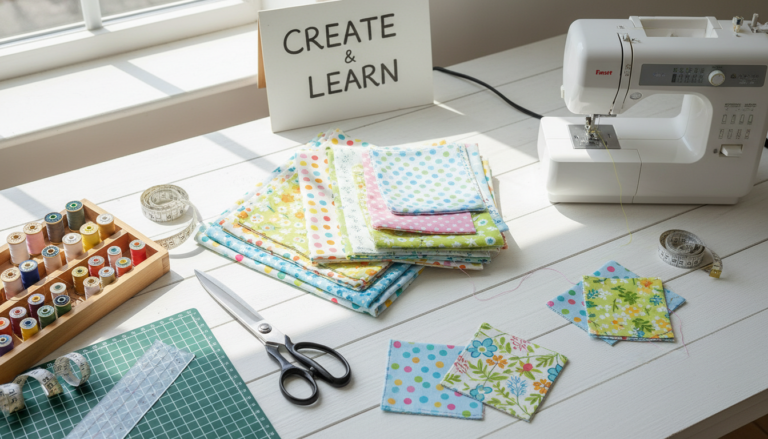
Quality tools make sewing easier and more enjoyable. While you don’t need every specialty gadget, investing in good basic equipment pays off in better results and less frustration. Start with essentials, then add specialty tools as you discover specific needs through regular sewing practice.
Take care of your sewing tools properly. Store sharp items safely. Clean your machine regularly. Replace worn items like rotary blades and needles promptly. This maintenance keeps tools functioning optimally while extending their useful life.
Must-Have Cutting Tools
Fabric scissors rank as the most important cutting tool investment. Buy the best quality you can afford, then use them exclusively for fabric. Cutting paper dulls blades rapidly, so keep separate scissors for patterns. Sharp fabric scissors cut cleanly through multiple layers without dragging or snagging.
Rotary cutters excel for cutting straight edges and long seams. The rolling blade cuts cleanly without lifting fabric, producing more accurate results than scissors for many applications. Use rotary cutters with self-healing mats and clear rulers for safest, most precise cutting.
Small detail scissors handle intricate cutting tasks like clipping curves and trimming threads. Choose sharp, pointed scissors that cut precisely to the very tip. This precision proves essential for professional-looking detail work.
Marking and Measuring Equipment
Accurate measuring tools ensure proper fit and construction. Invest in quality measuring tapes that don’t stretch over time. Keep multiple tapes accessible since they disappear mysteriously when you need them most. Rigid rulers help draw straight lines and measure flat pattern pieces accurately.
Fabric marking tools come in numerous varieties. Tailor’s chalk brushes away cleanly. Water-soluble markers disappear with misting. Friction pens vanish with heat. Test markers on fabric scraps before using on projects to ensure they remove completely without leaving marks.
Pattern weights hold patterns in place during cutting without creating pin holes in fabric. Purchase commercial weights or make your own from large washers, hex nuts, or smooth stones. Position weights at pattern corners and along edges for secure, flat pattern placement.
Build Your Complete Sewing Tool Kit
Stop guessing which tools you actually need. Get detailed recommendations for building a functional sewing workspace on any budget. Learn which tools provide the best value, which specialty items worth investing in, and how to organize everything for maximum efficiency. Includes shopping guides and tool maintenance tips.
Pressing equipment rivals sewing machines in importance for professional results. A quality steam iron with adjustable temperature settings handles all fabric types safely. Steam penetrates fibers, setting seams and creating crisp pleats and creases that define quality construction.
Pressing hams and sleeve boards help press curved seams and hard-to-reach areas. These shaped tools support fabric during pressing, preventing unwanted creases while achieving smooth, professional finishes on complex garment areas.
Pressing cloths protect delicate fabrics from direct iron contact. Use lightweight cotton for most applications, or invest in Teflon pressing sheets for synthetic fabrics. These protective layers prevent shine and scorch marks while allowing heat transfer for effective pressing.
Sewing Machine Features and Accessories
Modern sewing machines offer features that simplify construction. Automatic needle threaders save time and eyestrain. Adjustable presser foot pressure accommodates different fabric weights. Multiple stitch options expand creative possibilities beyond basic straight and zigzag stitches.
Specialty presser feet tackle specific tasks more effectively than all-purpose feet. Zipper feet sew close to zipper teeth. Walking feet feed multiple layers evenly. Buttonhole feet create consistent buttonholes. Build your foot collection gradually as you encounter projects requiring specialty equipment.
Regular machine maintenance keeps your sewing machine running smoothly. Clean lint from bobbin areas after every few projects. Oil machines according to manufacturer instructions. Replace needles frequently since dull needles create skipped stitches and snagged fabric.
Troubleshooting Common Sewing Problems
Every sewer encounters frustrating problems occasionally. Understanding common issues and their solutions prevents small problems from derailing entire projects. Most sewing difficulties stem from simple causes with straightforward fixes once you learn to recognize symptoms and identify root causes.
Approach problems systematically rather than panicking. Check the most common causes first before assuming major machine malfunctions. Thread tension, needle condition, and fabric handling account for the vast majority of sewing difficulties beginners face.
Solving Thread Tension Issues
Thread tension problems manifest as loose loops on fabric surfaces or overly tight stitches that pucker fabric. Balanced tension creates smooth, even stitches that lock in the middle of fabric layers. When tension goes wrong, stitches pull to one side or create visible loops.
Check your threading path first when encountering tension issues. A single missed thread guide throws off entire tension systems. Rethread your machine completely, following the threading diagram carefully. This simple step resolves most tension complaints.
Upper tension adjustments handle most remaining issues. Tighten upper tension if bottom thread shows on fabric top. Loosen upper tension if top thread shows on fabric bottom. Make small adjustments, testing on scrap fabric between changes until achieving balanced stitches.
Fixing Skipped Stitches
Skipped stitches create gaps in seam lines where the needle failed to catch bobbin thread. This frustrating problem usually results from dull or damaged needles, incorrect needle types, or needle insertion issues. Replacing your needle resolves most skipped stitch problems instantly.
Use appropriate needle types for your fabric. Ballpoint needles for knits prevent skipped stitches by sliding between fibers rather than piercing them. Sharp needles for wovens create clean penetration without skipping. Universal needles work for many fabrics but specialized needles perform better for specific materials.
Check needle installation if replacing needles doesn’t solve skipping. Needles must insert completely into the machine with flat sides facing correct directions. Partially inserted or incorrectly oriented needles cause skipped stitches regardless of needle condition.
Puckered seams create gathered, rippled fabric along stitch lines instead of lying flat and smooth. This common problem stems from excessive thread tension, using the wrong needle size, or feeding fabric unevenly through the machine. Identifying the specific cause guides you to appropriate solutions.
Lightweight fabrics pucker easily under normal tension settings. Reduce upper thread tension when sewing delicate materials. Use fine needles that create smaller holes, causing less fabric disturbance. Support fabric gently while sewing without pulling or stretching.
Let feed dogs move fabric at their own pace rather than pushing or pulling. Your job involves guiding fabric direction, not controlling speed. The machine feeds fabric through automatically when you allow it. Forced feeding causes uneven fabric movement that creates puckering.
Dealing with Thread Breaking
Thread breaking during sewing interrupts work flow and frays nerves. Common causes include poor quality thread, rough spots on machine parts that catch thread, excessive tension, or incorrect threading paths. Systematic checking identifies and resolves the specific cause.
Inspect thread quality first. Old thread becomes brittle and weak, breaking under normal sewing stress. Bargain thread often includes weak spots and rough areas that break easily. Invest in quality thread from reputable brands for more reliable sewing experiences.
Check your needle for burrs or rough spots that catch and break thread. Run your finger carefully along the needle shaft and through the eye. Any rough spots require needle replacement. Damaged needles shred thread during sewing, causing frequent breaks.
Start Your Sewing Journey with Confidence Today
Your sewing adventure begins with a single stitch. The vast world of free sewing patterns for women offers endless possibilities for creating clothes that fit perfectly, express your style, and cost far less than store-bought alternatives. Every expert sewer started exactly where you are now, unsure but excited to learn.
Remember that skill develops through practice, not perfection. Each project teaches valuable lessons, even when results don’t match expectations. Embrace the learning process, celebrate small victories, and don’t let mistakes discourage you. The sewing community welcomes beginners enthusiastically, offering support and encouragement as you develop your skills.
Start with simple projects that build confidence. Master basic techniques thoroughly before advancing to complex patterns. This solid foundation makes challenging projects more approachable when you’re ready. The time invested in fundamentals pays dividends throughout your entire sewing journey.
Choose patterns that excite you personally. Your enthusiasm for a project motivates you through challenging steps and maintains interest until completion. When you love what you’re making, the work feels less like obligation and more like creative play.
The handmade wardrobe you create reflects your unique style and values. Each garment carries the satisfaction of personal creation. You’ll know exactly how every piece was made, what fabrics were chosen, and the care invested in construction. This connection transforms how you relate to your clothing.
Sewing connects you with generations of makers who’ve found joy and purpose in creating functional beauty. This timeless craft offers creative outlet, practical skills, and mindful alternative to consumer culture. Your decision to learn sewing opens doors to a fulfilling, lifelong practice.
Transform Your Wardrobe Starting Today
Stop dreaming about the perfect handmade wardrobe and start creating it now. Get instant access to hundreds of professionally designed patterns, detailed video tutorials, expert fitting guidance, and supportive community resources. Everything you need to succeed, all in one place. Join thousands of women who’ve discovered the joy of sewing their own beautiful clothes.
The skills you learn today serve you for life. Sewing empowers you to create exactly what you envision, repair treasured garments, customize thrift store finds, and express creativity through fashion. These capabilities become more valuable over time as your skills deepen and your vision expands.
Take that first step today. Download a simple pattern. Choose fabric that makes you smile. Set up your sewing space. Thread your machine. Make that first uncertain stitch. Every beautiful garment in your future wardrobe begins with this moment of decision to try something new.
Welcome to the worldwide community of makers who’ve discovered that creating your own clothes changes everything. Your sewing journey starts now, filled with possibility, creativity, and the unique satisfaction of making beautiful things with your own hands. The patterns await, the fabric calls, and your handmade wardrobe dreams are closer than you think.