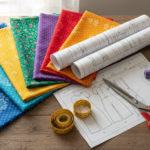
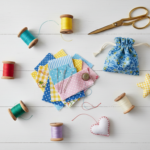
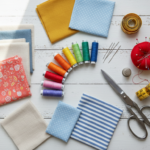
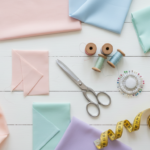
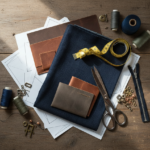
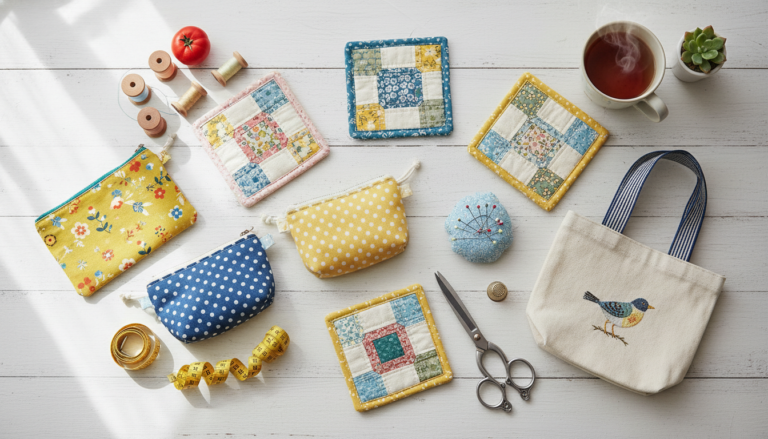
Creating beautiful handmade items transforms simple fabric into treasured keepsakes. Small sewing projects offer the perfect starting point for crafters who want to develop their skills while making aesthetic pieces.
These beginner-friendly ideas require minimal materials and time. You can complete most projects in under an hour using basic techniques.
Whether you own a sewing machine or prefer hand sewing, these DIY projects suit every skill level. The satisfaction of creating something beautiful with your own hands makes every stitch worthwhile.
Ready to Start Your Sewing Journey?
Access hundreds of premium patterns and step-by-step tutorials designed for beginners.
Why Small Sewing Projects Are Perfect for Beginners
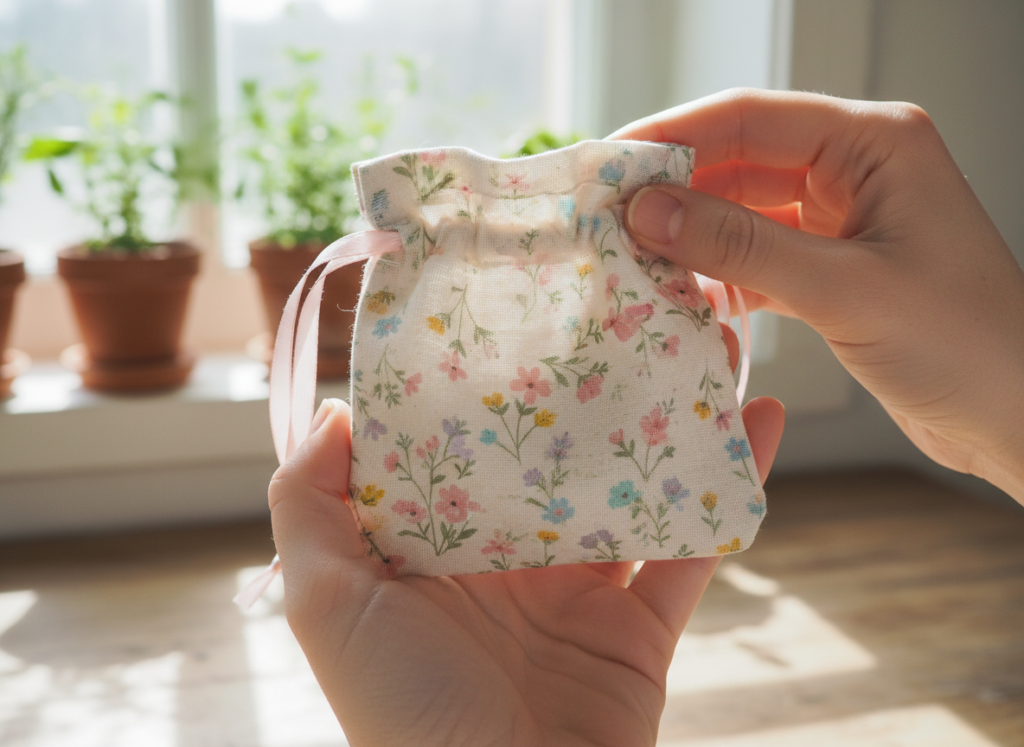
Starting with small projects builds confidence without overwhelming you. These bite-sized creations let you practice fundamental sewing skills in manageable steps.
Quick completion times keep motivation high. When you finish a project in one sitting, you experience immediate satisfaction that fuels your desire to create more.
Benefits of Small Sewing Projects
- Minimal fabric investment reduces costs
- Perfect for using leftover fabric scraps
- Quick learning curve for new techniques
- Less intimidating than large projects
- Portable and easy to work on anywhere
- Great for gift-giving occasions
Skills You’ll Develop
- Straight line sewing accuracy
- Fabric selection and preparation
- Basic seam finishing methods
- Pattern following abilities
- Hand sewing techniques
- Embellishment and decoration skills
These beginner sewing projects teach essential skills that translate to more complex creations. Each completed item represents progress in your sewing journey.
Adorable Pincushion Projects
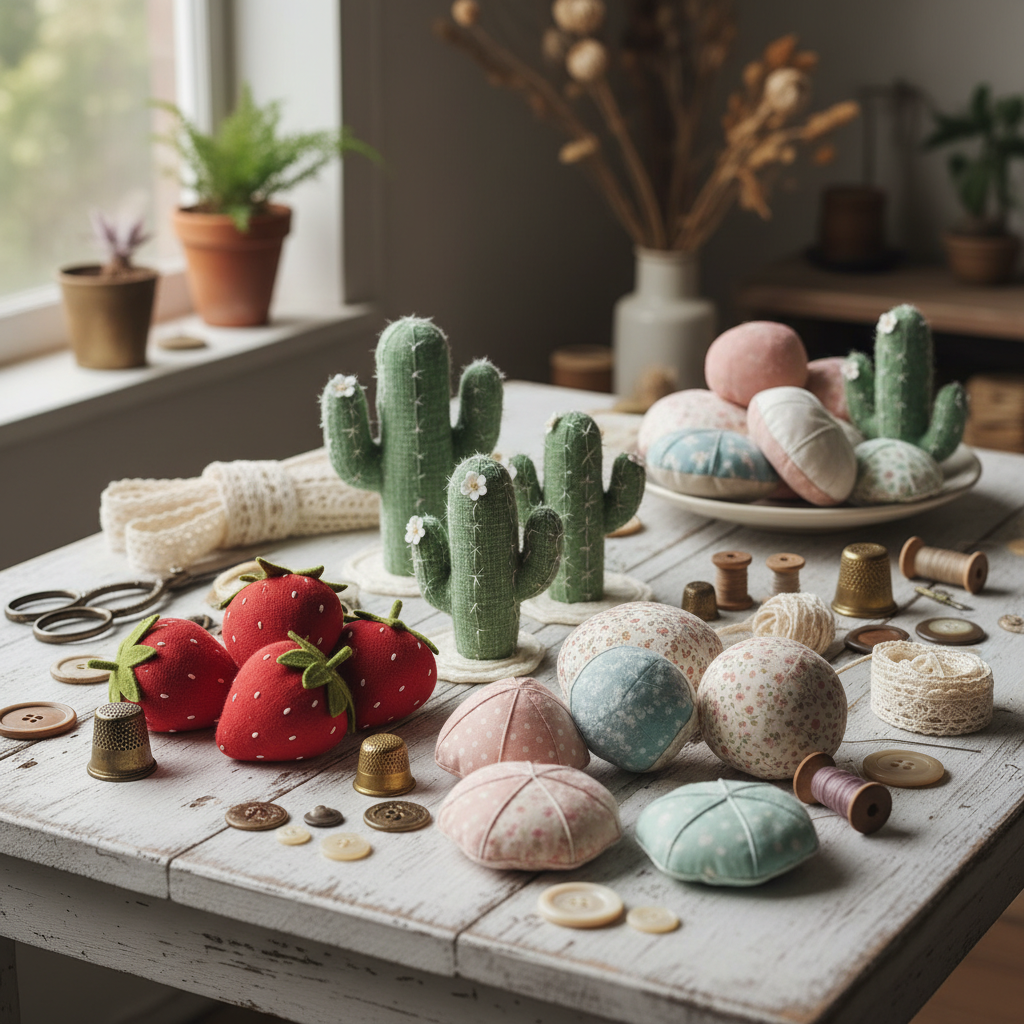
Pincushions make excellent first sewing projects. These practical items use minimal fabric while teaching basic construction techniques.
Simple Square Pincushion
Cut two fabric squares measuring four inches. Place them with right sides together and sew around the edges using a quarter-inch seam allowance.
Leave a two-inch opening for turning. Clip corners, turn right side out, and stuff firmly with polyester filling or wool roving.
Hand stitch the opening closed using a ladder stitch. This super simple project takes about twenty minutes from start to finish.
Wrist Pincushion Design
Create a wearable pincushion using flannel fabric and elastic. This practical design keeps pins nearby while you work on other sewing projects.
Cut a rectangle of fabric measuring three by five inches. Add decorative stitching or embroidery before assembly for an aesthetic touch.
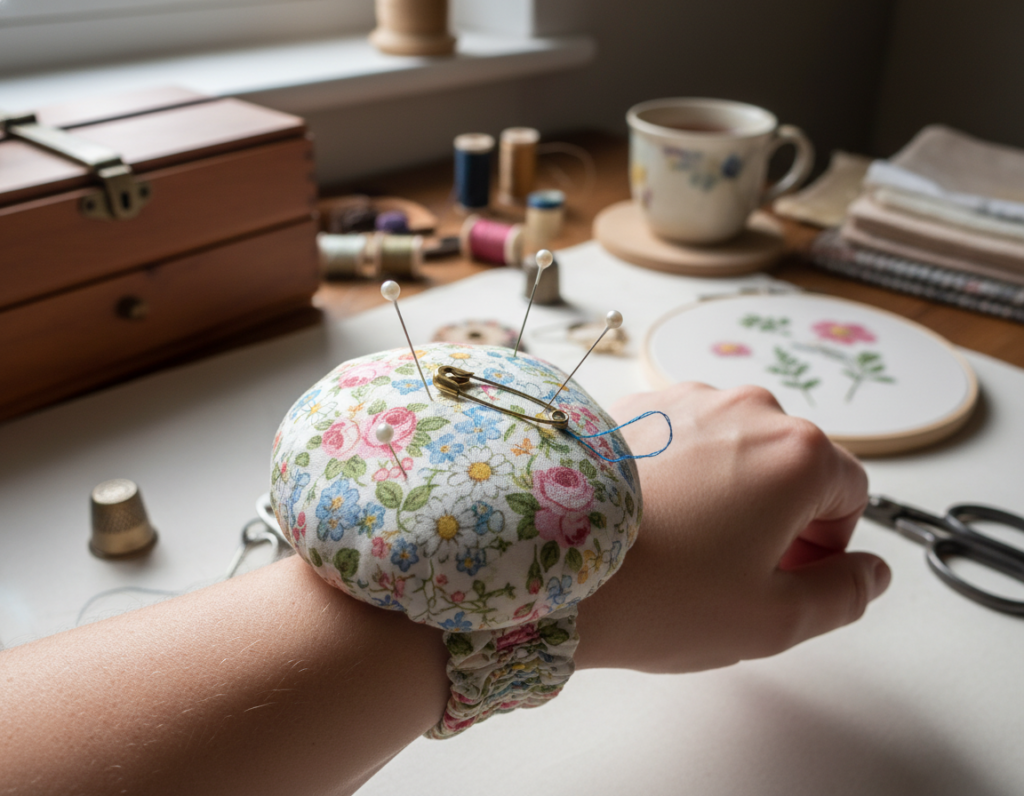
Tomato Pincushion with Strawberry
This classic pincushion combines two shapes in one charming project. Use red fabric for the tomato and green felt for the strawberry top.
Stuff each section separately before joining them. Add embroidered details or beads to enhance the aesthetic appeal.
Easy Small Bag and Pouch Ideas
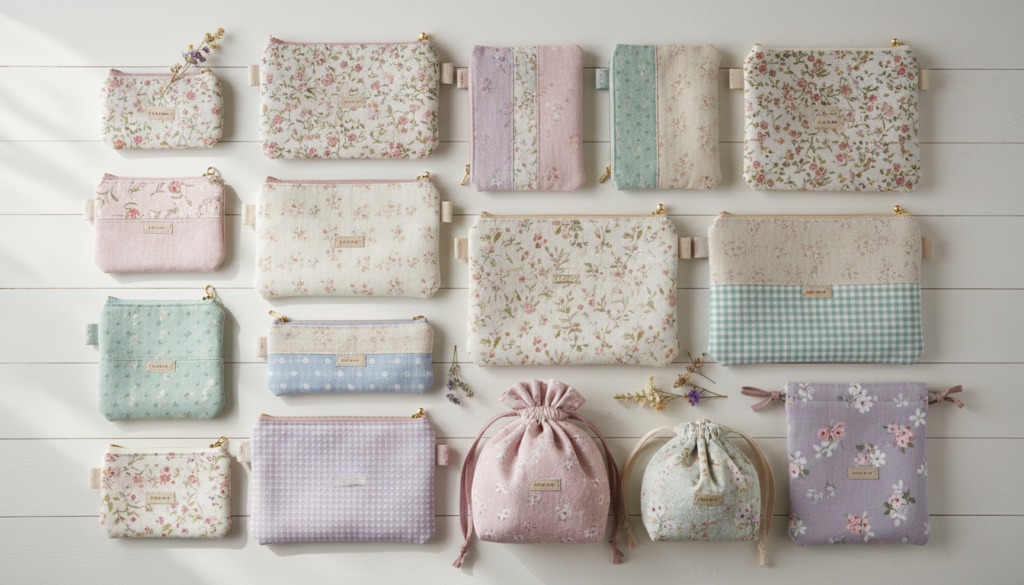
Small bags serve countless purposes while teaching essential sewing skills. These projects introduce zippers, drawstrings, and different closure methods.
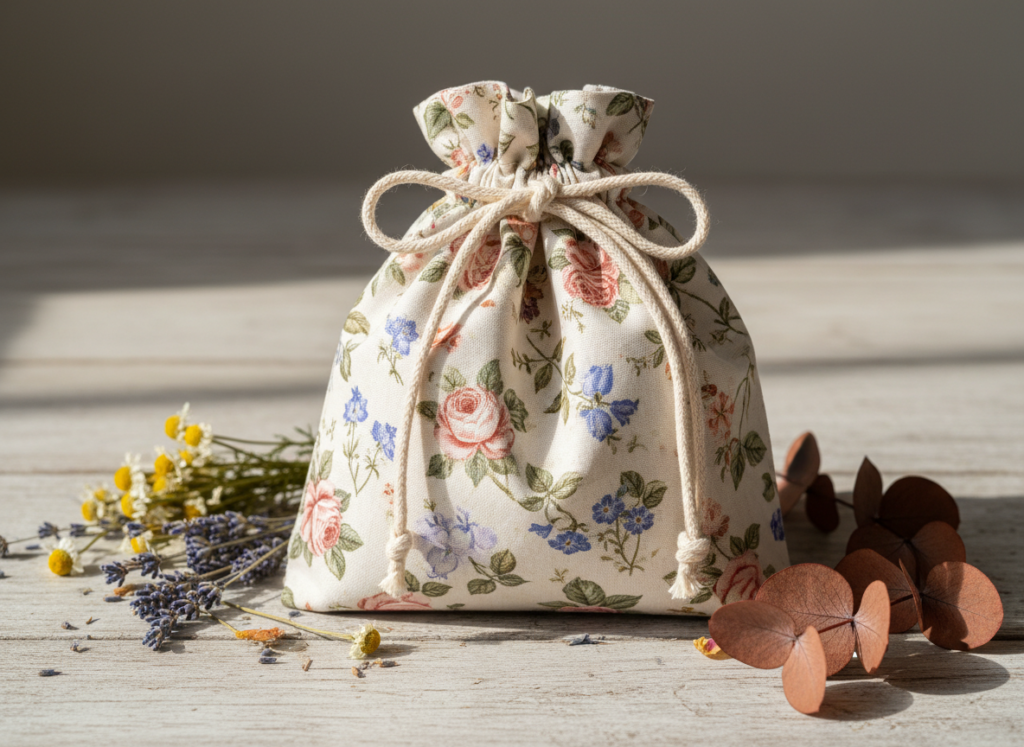
Drawstring Bag Tutorial
Drawstring bags work perfectly for storing small items or giving as gifts. Cut two rectangles of fabric measuring eight by ten inches.
Sew the sides and bottom, leaving the top open. Create a casing by folding down the top edge twice and stitching close to the fold.
Thread cord or ribbon through the casing using a safety pin. This easy sewing project takes about thirty minutes to complete.
Zippered Pouch Construction
Adding a zipper might seem challenging, but this project breaks it down into easy steps. Start with a seven-inch zipper and matching fabric pieces.
Baste the zipper to fabric edges before sewing. This technique ensures accurate placement and professional-looking results.
Line your pouch with contrasting fabric for an extra aesthetic detail. These pouches work wonderfully for cosmetics, coins, or craft supplies.
Gathered Coin Purse
This charming design uses gathering stitches to create a rounded shape. Choose lightweight cotton or linen fabric for best results.
Cut a circle measuring six inches in diameter. Sew a running stitch around the perimeter, leaving long thread tails for gathering.
Pull the threads to gather the fabric, creating a little pouch. Add a button closure for functionality and visual interest.
Want More Bag Patterns?
Access our complete collection of small bag tutorials with detailed instructions and printable patterns.
Charming Fabric Accessories
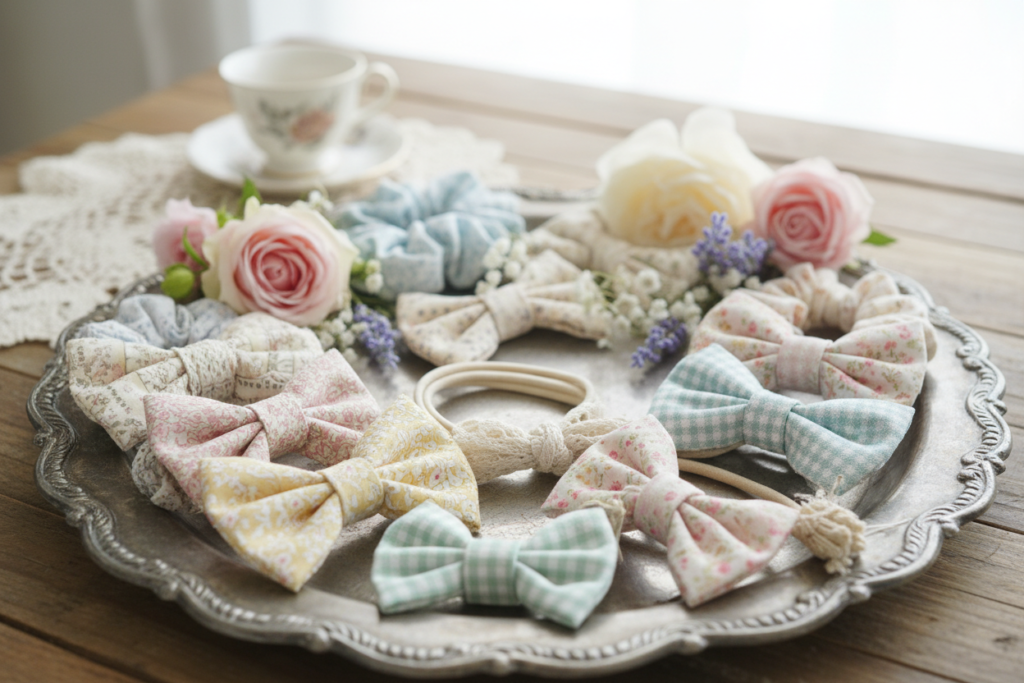
Fabric accessories make wonderful beginner sewing projects. These items require small amounts of fabric and create beautiful, wearable art.
Fabric Scrunchies
Scrunchies returned to fashion with enthusiasm. These easy sew accessories use fabric scraps and elastic for quick creation.
Cut fabric strips measuring three by twenty inches. Fold lengthwise with right sides together and sew along the long edge.
Turn right side out, insert elastic, and sew ends together. This project takes less than fifteen minutes per scrunchie.
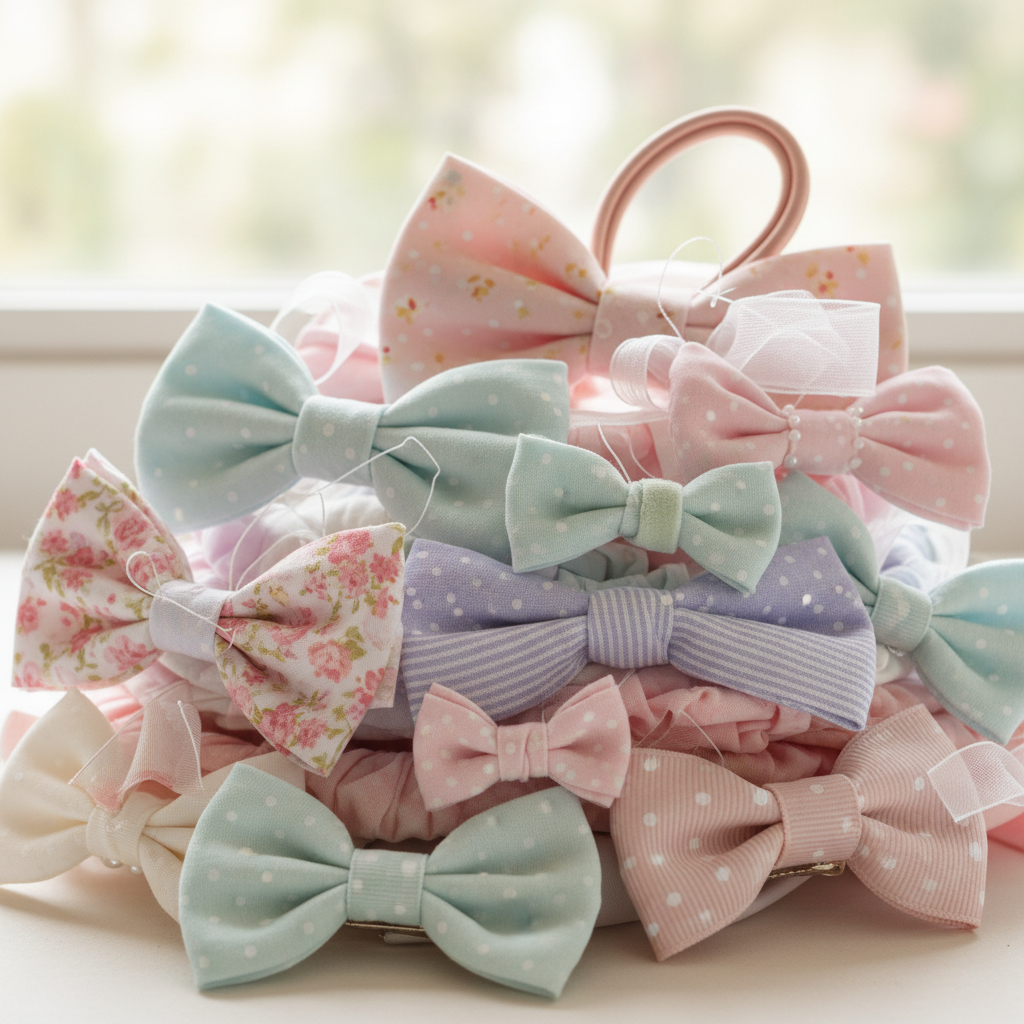
Hair Bow Collection
Create an entire collection of bows using different fabric patterns. These accessories work for all ages and styling preferences.
Layer fabrics for dimension and interest. Add clips or elastics to make them functional for daily wear.
Fabric Headbands
Wire-reinforced fabric headbands offer style and comfort. Use cotton fabric with interfacing for structure and durability.
These beginner-friendly projects let you practice curved seams. Add wire to create adjustable, bendable headbands that hold their shape.
Aesthetic Home Decor Sewing Projects
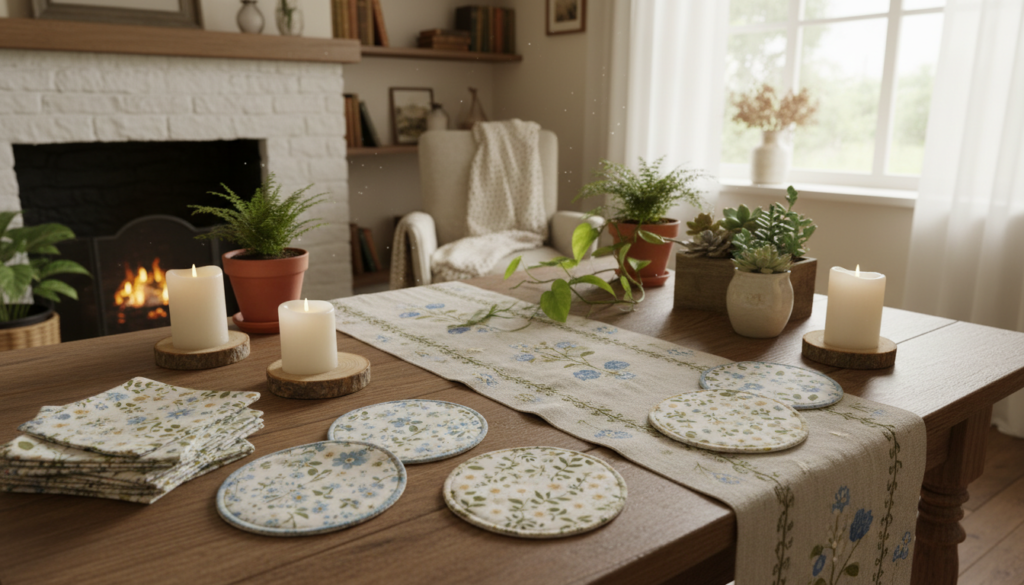
Small home decor items add handmade charm to any space. These sewing projects combine functionality with aesthetic appeal.
Fabric Coaster Set
Quilted coasters protect surfaces while adding color to your home. Cut squares of fabric and batting measuring five inches.
Layer fabrics with batting in between. Quilt simple straight lines or geometric patterns across the surface.
Bind edges with coordinating fabric strips. Make sets of four or six for gift giving or personal use.
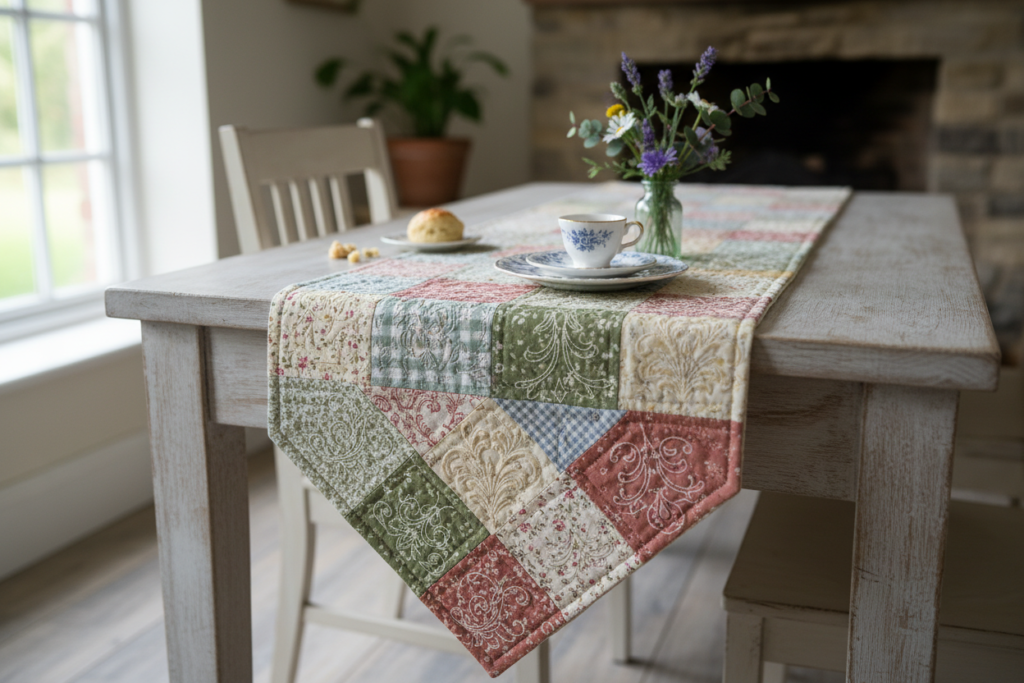
Mini Table Runner
Table runners showcase fabric beautifully. Start with a narrow runner measuring twelve by thirty-six inches.
Add decorative stitching, patchwork, or applique elements. Hem edges for a clean finish that looks professional.
Pillow Covers with Envelope Closure
Small pillow covers transform throw pillows instantly. The envelope closure eliminates the need for zippers or buttons.
Cut fabric pieces with overlapping backs. Sew around the perimeter, leaving the overlapped section open for inserting pillow forms.
Choose fabrics that complement your decor. Change covers seasonally for fresh looks throughout the year.
Sweet Baby Sewing Projects
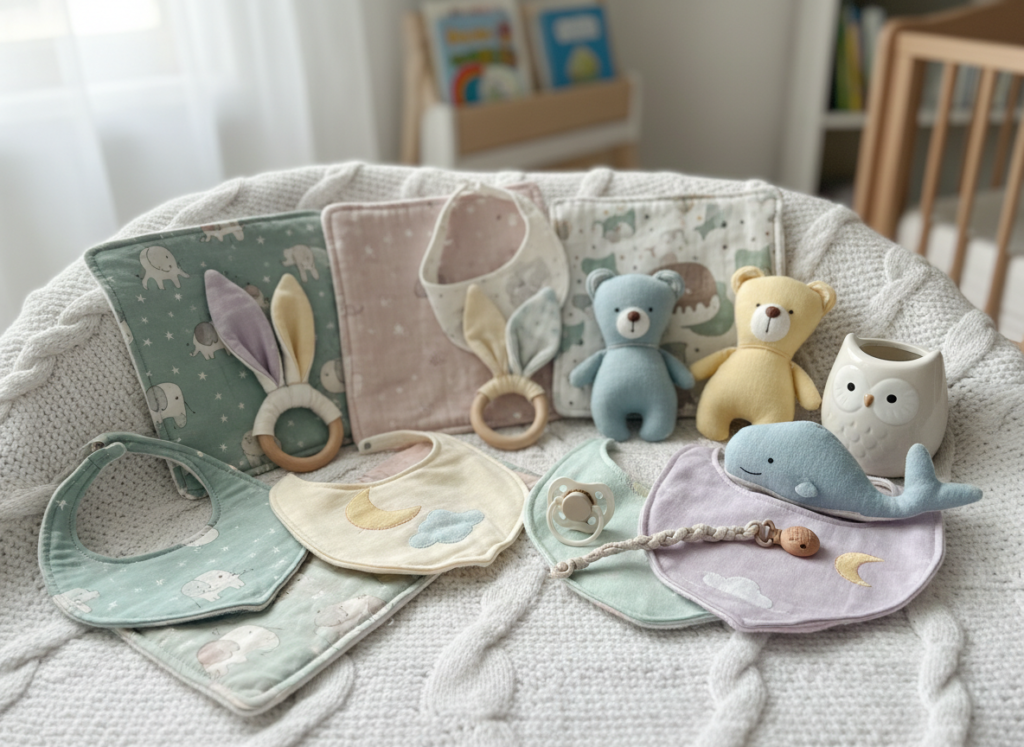
Baby items make thoughtful handmade gifts. These small projects use soft fabrics and simple construction methods.
Burp Cloths
Burp cloths combine functionality with adorable designs. Layer cotton fabric with absorbent terry cloth or flannel for practical use.
Cut rectangles measuring ten by twenty inches. Sew layers together with right sides facing, leaving an opening for turning.
Turn right side out and topstitch around the edges. These projects use straight lines exclusively, making them perfect for beginners.
Baby Bandana Bibs
Bandana-style bibs offer a trendy alternative to traditional designs. Cut triangle shapes from double-sided fabric for reversible options.
Add snap closures or Velcro for easy fastening. These quick projects make excellent baby shower gifts when made in sets.
Soft Fabric Blocks
Sensory blocks entertain babies while remaining completely safe. Stuff fabric cubes with poly-fill and add crinkle material inside for sound.
Use various fabric textures and patterns. Sew ribbons on corners for additional tactile interest that babies love exploring.
Projects Featuring Embroidery and Embellishments
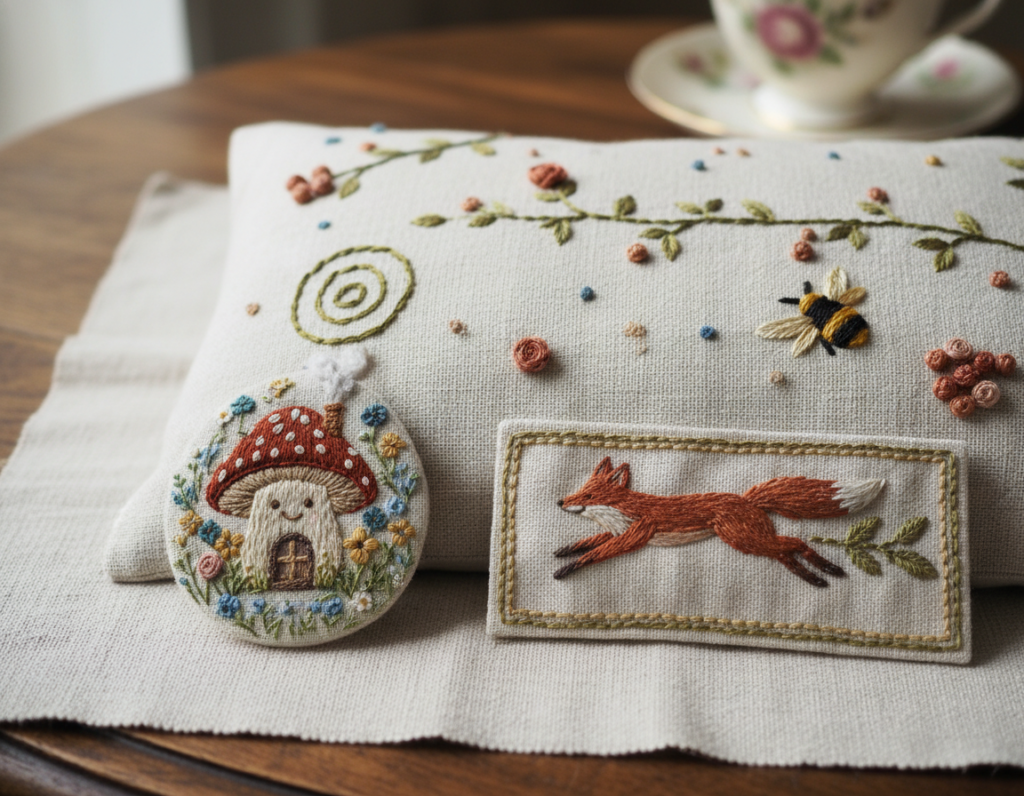
Adding embroidery elevates simple projects into artistic creations. Hand stitching brings personal touches that make items truly special.
Embroidered Patches
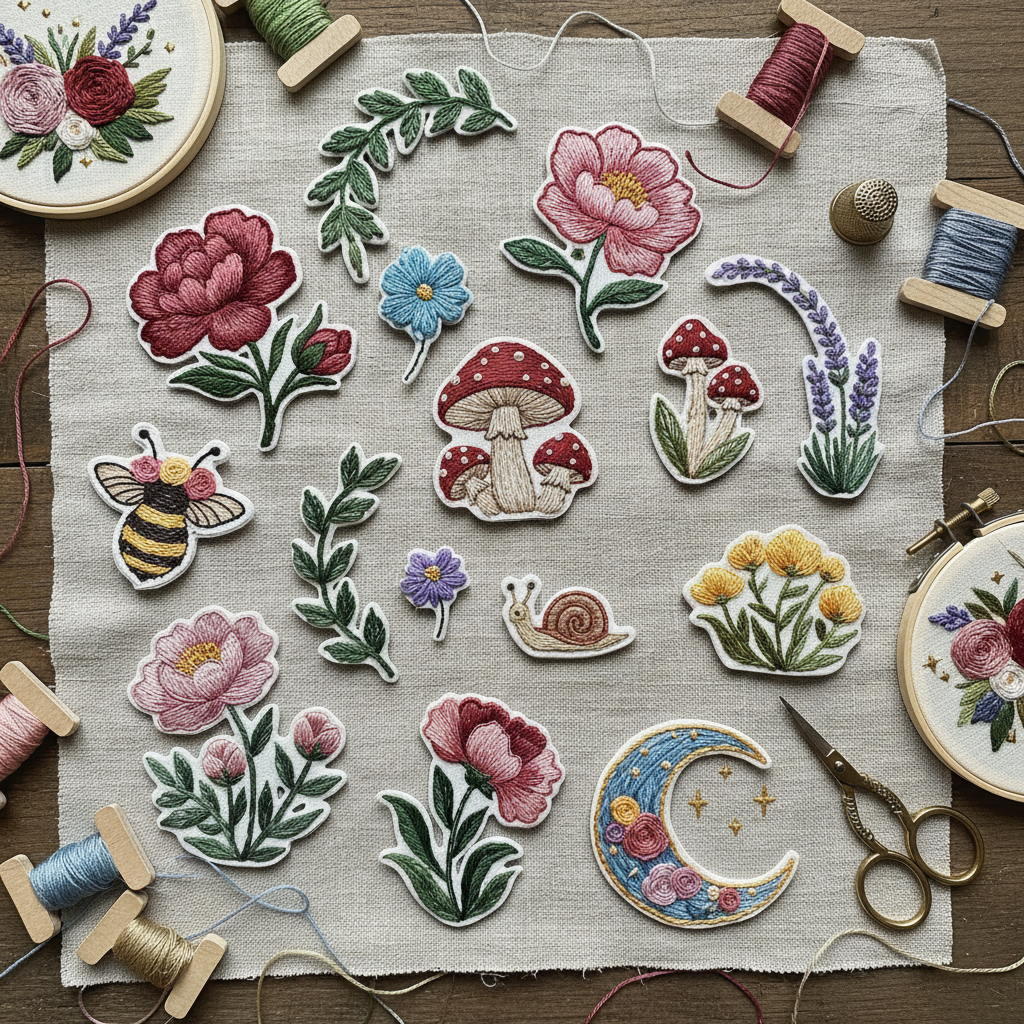
Create custom patches for jackets, bags, or jeans. Draw or transfer designs onto fabric backing and stitch using embroidery floss.
Back finished embroidery with felt or interfacing. Cut around designs and attach with hand sewing or fabric glue.
Monogrammed Handkerchiefs
Personalized handkerchiefs combine vintage charm with modern aesthetics. Use lightweight cotton or linen fabric for traditional appeal.
Hem edges with a narrow rolled hem. Add monograms or decorative corner motifs using simple embroidery stitches.
Fabric Flowers and Brooches
Dimensional fabric flowers add elegance to any outfit or project. Layer circles of fabric and gather centers to create realistic blooms.
Attach pin backs to transform flowers into wearable brooches. These embellishments work beautifully on bags, hats, or clothing.
Master Embroidery Techniques
Learn professional embroidery methods with our comprehensive video tutorials and stitch guides.
Ten-Minute Gift Ideas
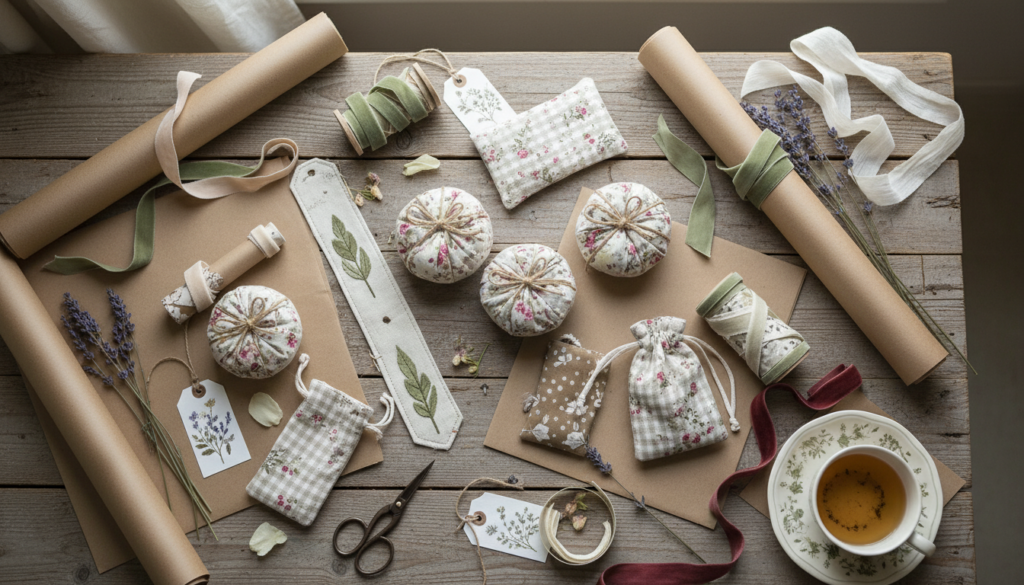
Last-minute gifts become stress-free with these super simple projects. Each item takes ten minutes or less to complete.
Lavender Sachets
Fill small fabric pouches with dried lavender for aromatic gifts. Cut rectangles measuring three by five inches and sew three sides.
Fill with lavender and hand stitch the opening closed. Add ribbons or lace trim for extra beauty.
Fabric Bookmarks
Bookmarks use tiny fabric scraps productively. Cut strips measuring two by seven inches and add interfacing for stability.
Fold edges inward and topstitch. Add ribbons, buttons, or charms to personalize each bookmark uniquely.
Hand Warmers
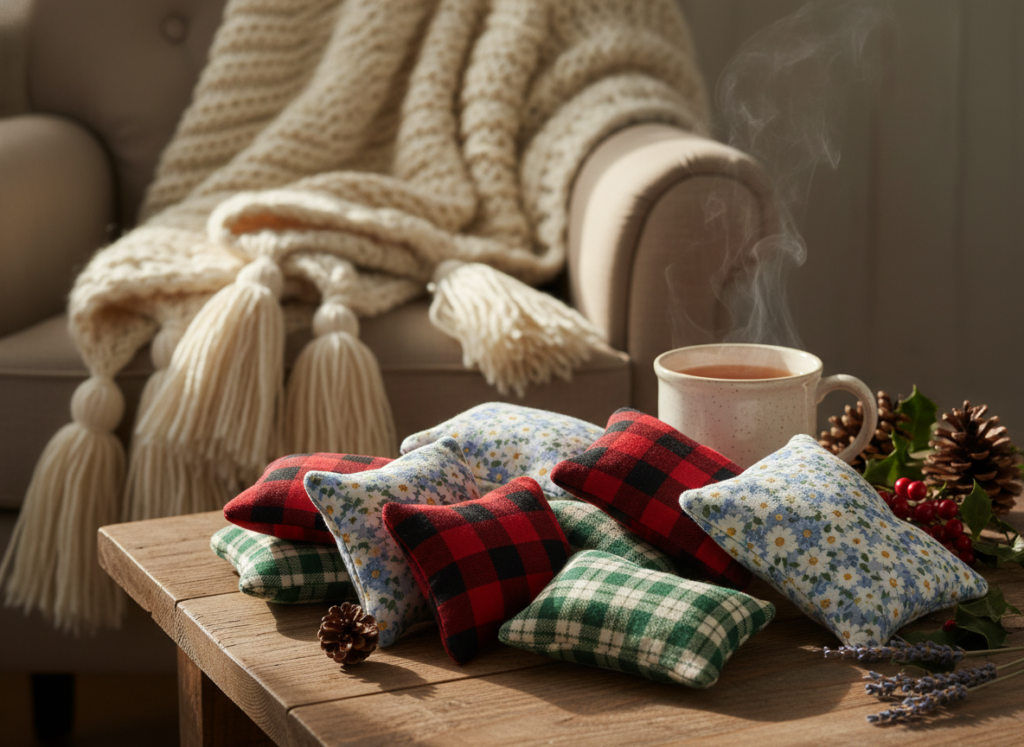
Rice-filled hand warmers provide cozy comfort during cold months. Sew small pouches from flannel fabric and fill with uncooked rice.
These reusable warmers heat in the microwave. Make matching sets for thoughtful, practical gifts that friends truly appreciate.
Upcycling Old Clothes into New Treasures
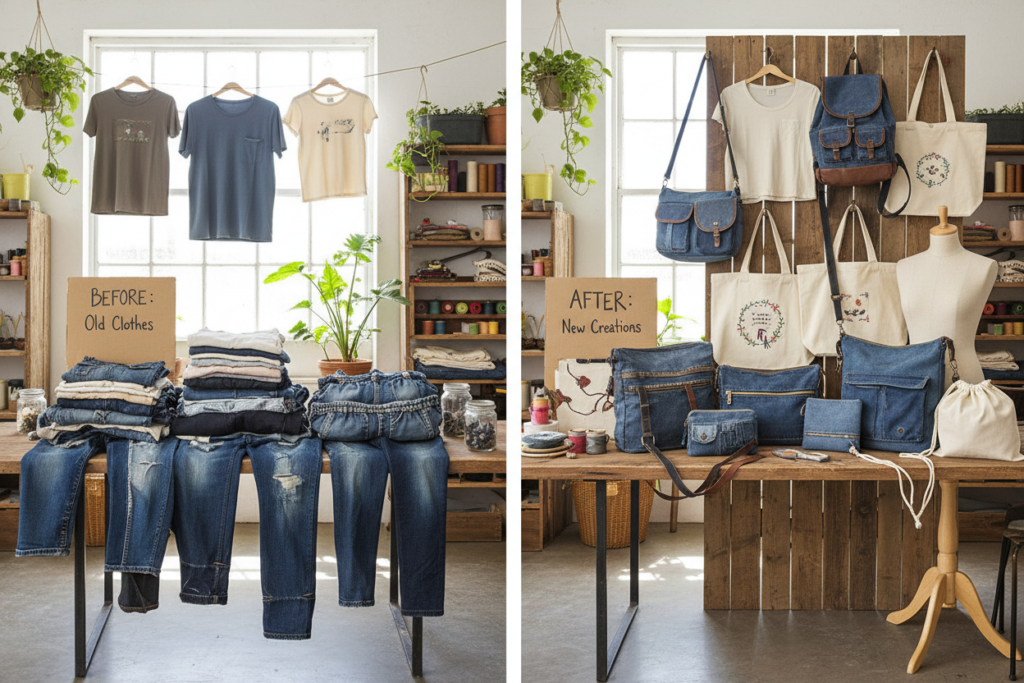
Transform worn clothes into fresh creations. Upcycling reduces waste while providing free fabric for your sewing projects.
T-Shirt Tote Bags
Old t-shirts become sturdy shopping bags without sewing machines. Cut off sleeves and neckline to create handles and opening.
Sew or tie the bottom closed. These bags work perfectly for groceries, books, or beach trips.
Denim Pocket Organizers
Salvage pockets from old jeans for wall-mounted organizers. Attach pockets to canvas or heavy fabric backing.
Hang these organizers for storing scissors, pens, or craft supplies. The denim provides durability and industrial aesthetic appeal.
Sweater Mittens
Wool sweaters felt beautifully into cozy mittens. Wash sweaters in hot water to shrink and thicken the fabric.
Trace hand shapes and cut mitten pieces. Sew edges together using a zigzag stitch for stretch and durability.
Seasonal Decoration Projects
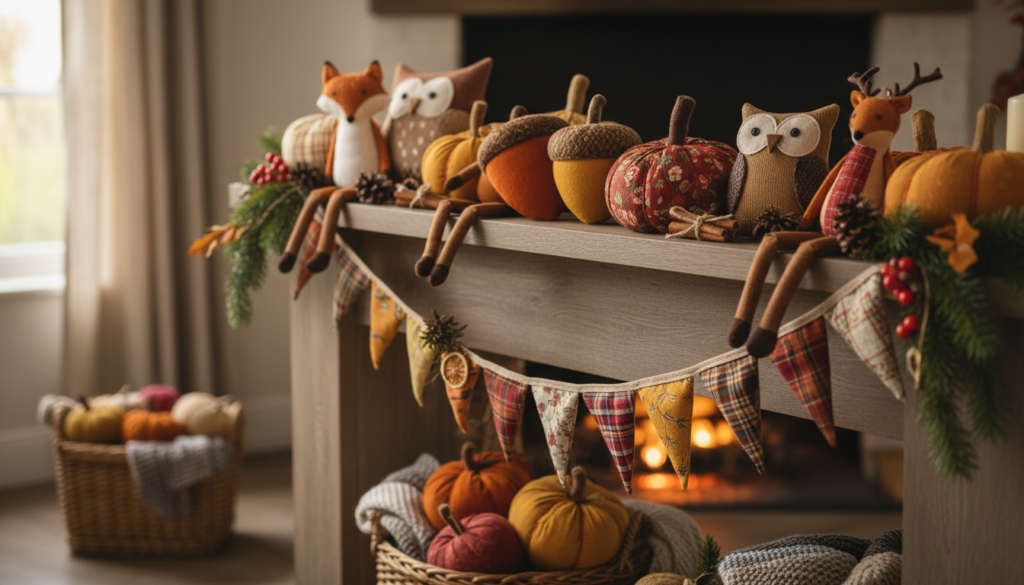
Create seasonal decorations that bring joy year after year. These small projects store easily and become cherished traditions.
Fabric Ornaments
Quilted ornaments add handmade charm to holiday trees. Cut shapes from festive fabrics and layer with batting.
Quilt simple patterns across surfaces. Add loops for hanging and embellish with buttons, beads, or embroidery.
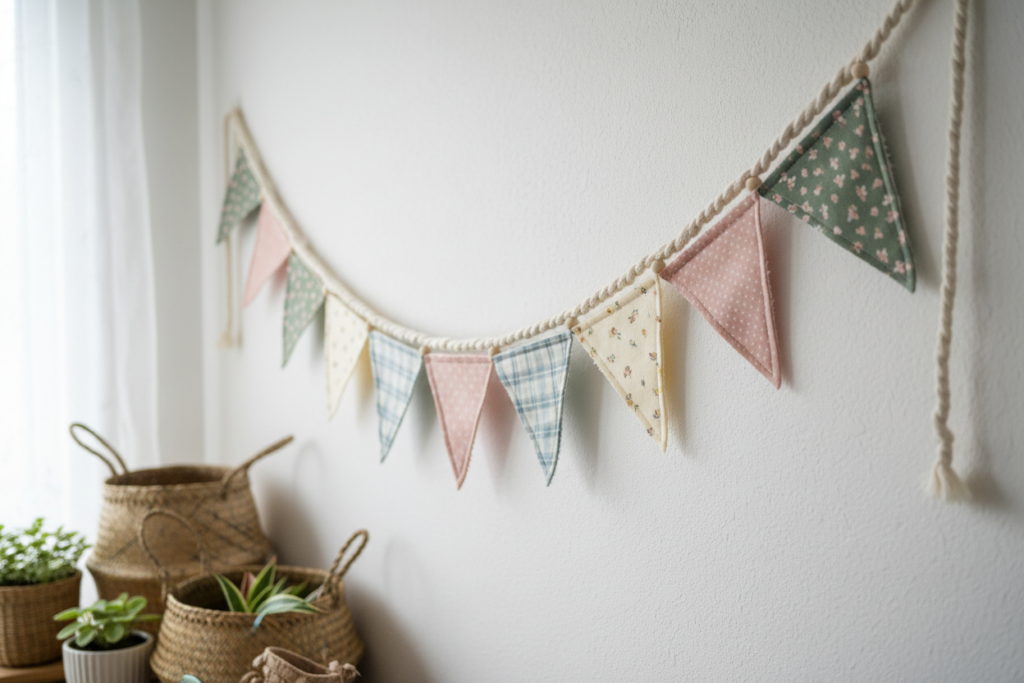
Mini Bunting Banners
Bunting banners celebrate any season or occasion. Cut triangle shapes from coordinating fabrics and attach to bias tape or ribbon.
Space triangles evenly for professional appearance. These decorations hang beautifully across mantels, windows, or party spaces.
Stuffed Seasonal Figures
Small stuffed decorations mark changing seasons. Create pumpkins, hearts, eggs, or snowflakes using appropriate fabrics and colors.
Stuff firmly and add dimensional details. Group these figures on shelves or mantels for charming seasonal displays.
Essential Materials for Small Sewing Projects
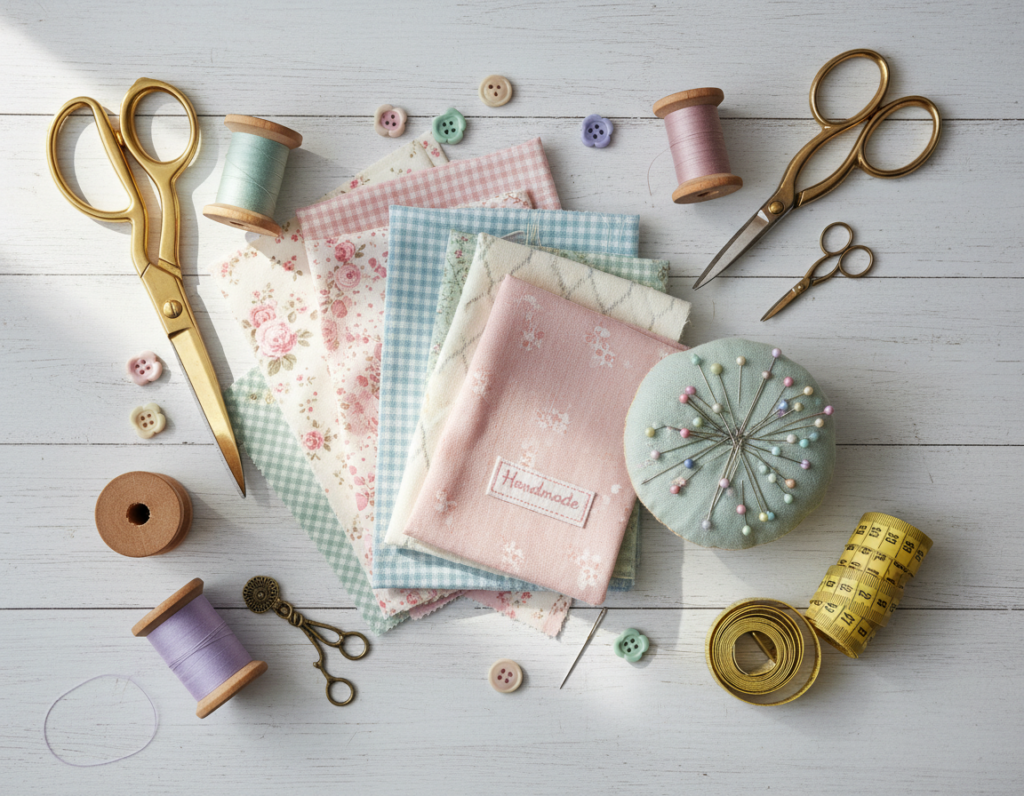
Gathering the right supplies ensures project success. Most small sewing projects require only basic materials and tools.
Fabric Selection Guide
Cotton fabric works best for beginner sewing. This natural material handles easily and forgives mistakes during learning.
Flannel provides softness for cozy projects. Linen offers texture and sophistication for home decor items.
Save leftover fabric scraps from larger projects. These pieces work perfectly for small creations without additional purchases.
Basic Sewing Supplies
- Fabric scissors for cutting
- Thread in coordinating colors
- Hand sewing needles assortment
- Straight pins and pincushion
- Measuring tape for accuracy
- Seam ripper for corrections
- Fabric marking tools
- Iron and ironing board
Optional Tools That Help
- Rotary cutter and mat
- Quilting ruler for precision
- Point turner for corners
- Bias tape maker
- Wonder clips for thick layers
- Fabric weights instead of pins
- Loop turner for straps
- Hera marker for pressing
Choosing the Right Thread
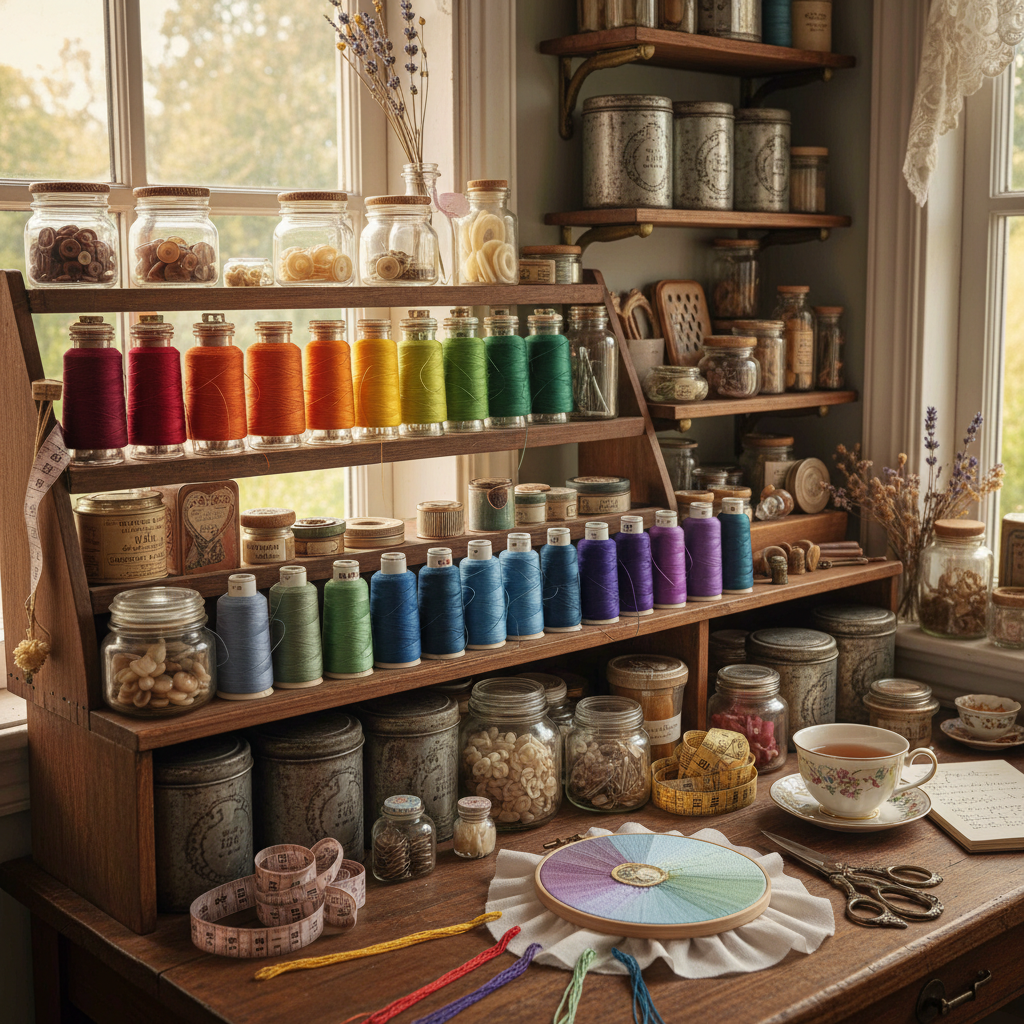
All-purpose polyester thread works for most projects. Match thread color to your fabric or choose one shade darker.
Keep basic colors stocked – white, black, navy, and tan cover most needs. Add specialty threads as your skills develop.
Stuffing and Filling Options
Polyester fiberfill works for most stuffed projects. This synthetic material stays fluffy and washes easily.
Wool roving creates firmer pincushions that grip pins better. Rice or dried beans fill hand warmers and weighted items.
Essential Beginner Sewing Techniques
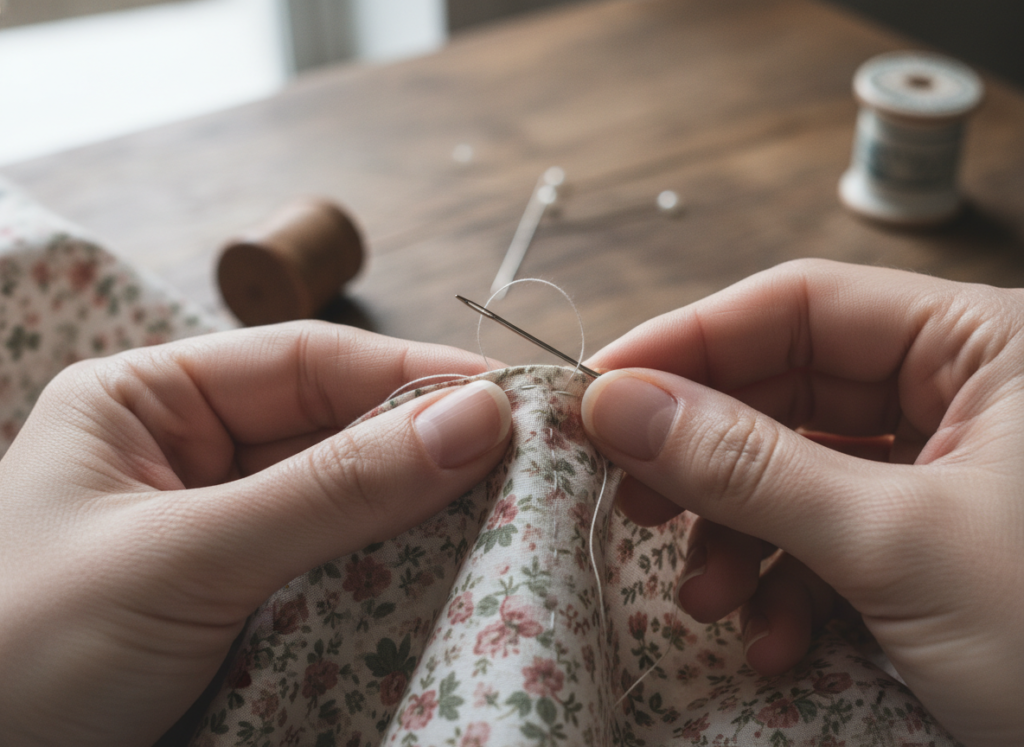
Mastering fundamental techniques builds your sewing skills foundation. These methods appear repeatedly across different project types.
Perfect Straight Lines
Straight stitching forms the backbone of most sewing projects. Guide fabric steadily without pulling or pushing.
Mark stitching lines with removable fabric pens. Follow these guides carefully until muscle memory develops naturally.
Practice on scrap fabric before starting actual projects. This preparation prevents mistakes on final pieces.
Pressing Makes Perfect
Pressing seams dramatically improves finished appearance. Iron seams flat after each stitching step for professional results.
Press seams open for flat finishes. Press seams to one side for extra strength in stress areas.
Hand Sewing Fundamentals
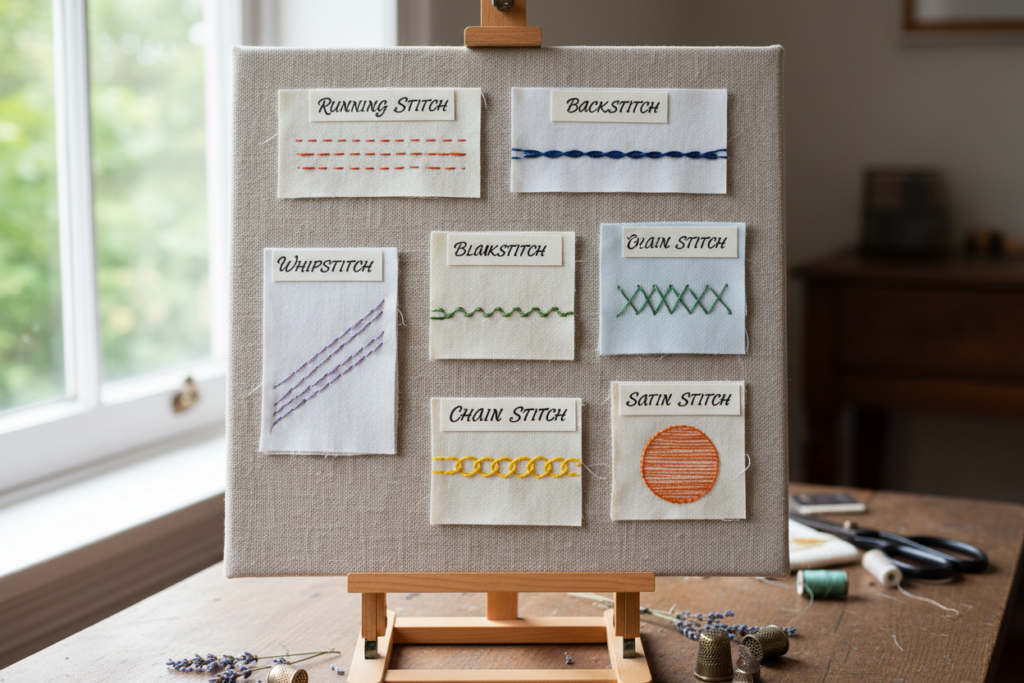
Learn basic hand stitches for finishing and repairs. Running stitch, backstitch, and whipstitch solve most hand sewing needs.
Keep stitches small and even. Thread needles with arm-length pieces to prevent tangling during work.
Seam Finishing Methods
Finished seams prevent fraying and extend project life. Zigzag stitching along raw edges provides simple protection.
Pinking shears create decorative edges that resist fraying. French seams enclose raw edges completely for delicate fabrics.
Learn Advanced Techniques
Master professional sewing methods with detailed video tutorials and technique breakdowns.
Finding Free Sewing Patterns and Inspiration
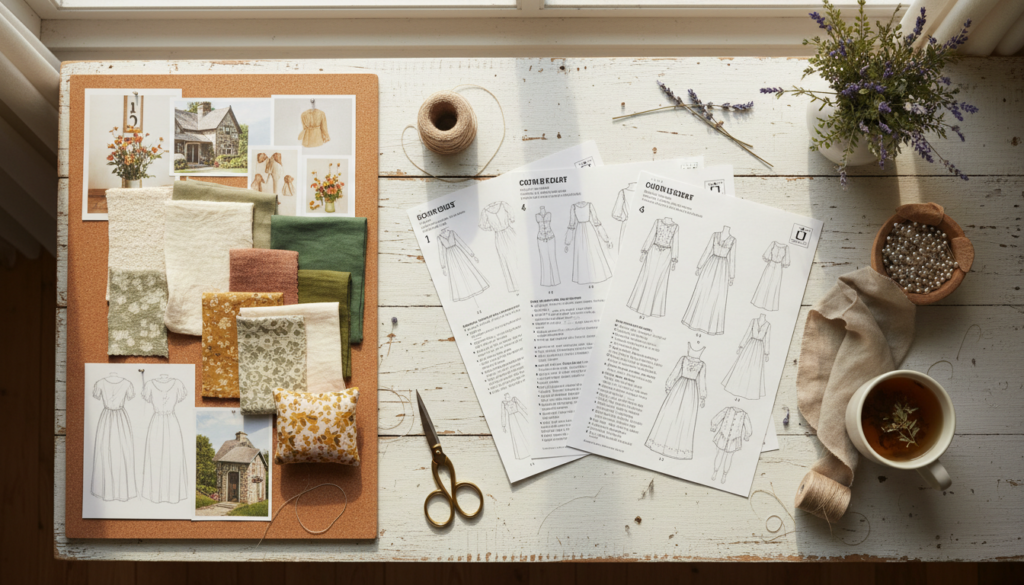
Free sewing patterns provide endless project possibilities. Numerous online resources offer patterns for every skill level and style preference.
Online Pattern Libraries
Many blogs share free patterns with detailed instructions. Search for specific project types to find exactly what you need.
Pinterest serves as an excellent pattern discovery tool. Save favorites to boards organized by project category or difficulty level.
Creating Your Own Patterns
Trace favorite items to create custom patterns. This method works especially well for simple shapes like bags and accessories.
Draft basic geometric patterns using measurements and graph paper. Circles, squares, and rectangles form countless project possibilities.
Modifying Existing Patterns
Customize patterns to match your aesthetic vision. Change dimensions, add pockets, or combine elements from multiple patterns.
Test modifications on scrap fabric first. This practice prevents wasting good fabric on experimental changes.
Tips for Achieving Aesthetic Results
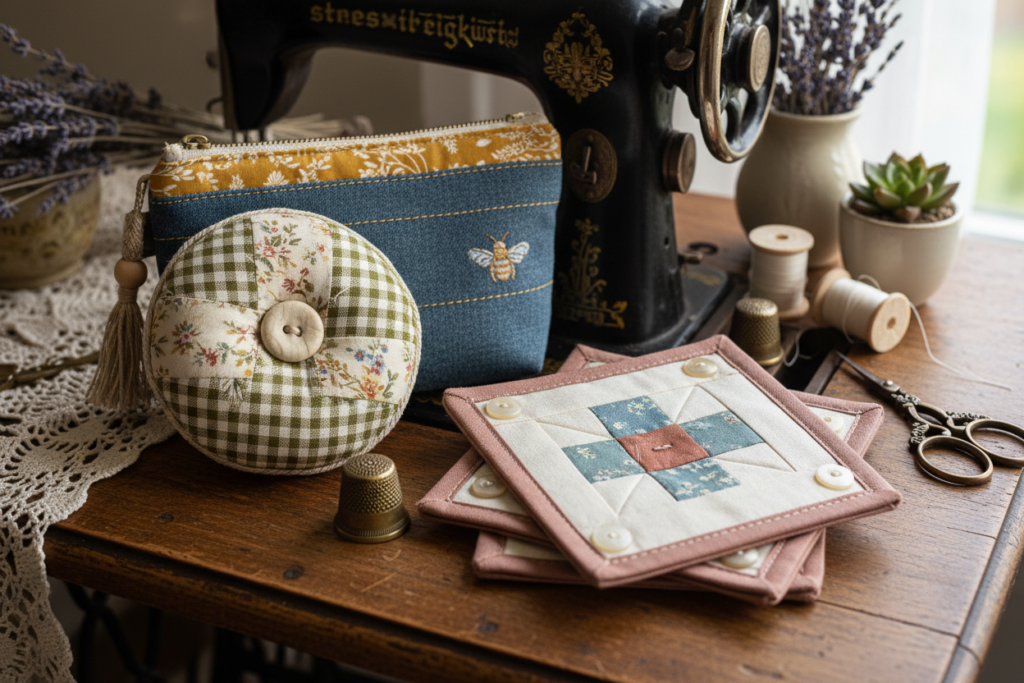
Small details transform basic projects into aesthetic treasures. Attention to finishing touches elevates handmade items significantly.
Color Coordination Strategies
Choose fabrics within cohesive color families. Monochromatic schemes create sophisticated looks while limiting choices simplifies decisions.
Pair patterned fabrics with coordinating solids. This balance prevents visual overwhelm while maintaining interest.
Consider color psychology when selecting fabrics. Pastels evoke softness while jewel tones suggest richness and depth.
Adding Special Details
Topstitching adds professional polish to finished edges. Sew parallel lines using contrasting or matching thread for subtle enhancement.
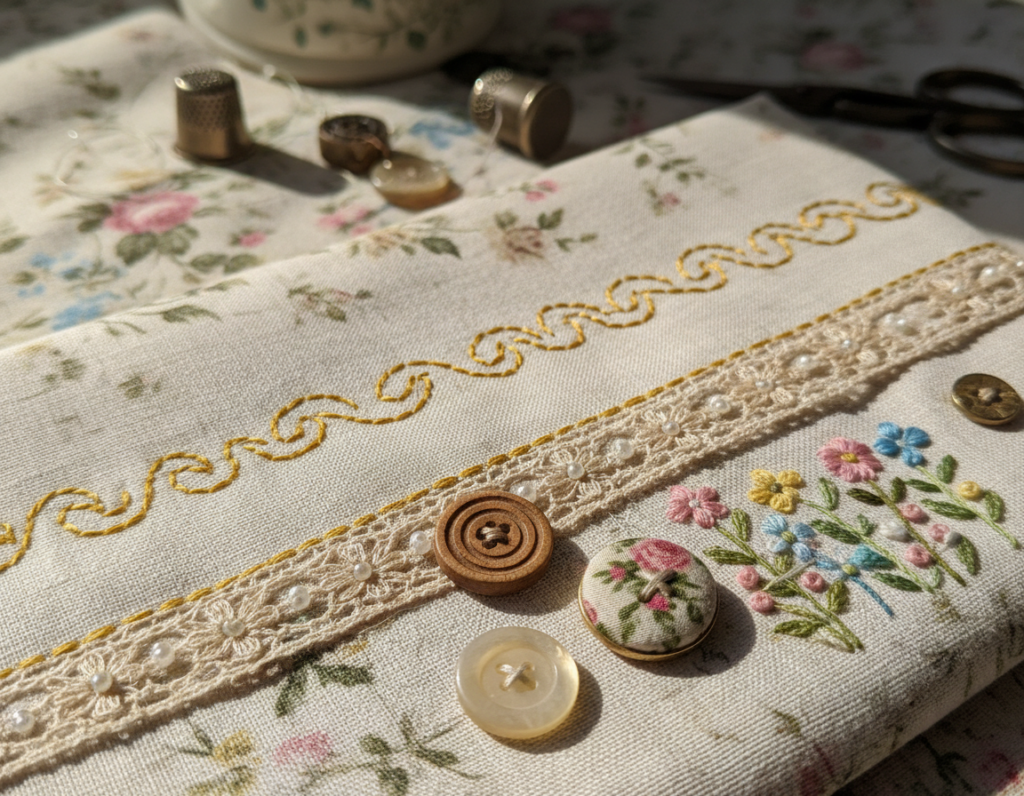
Decorative trim elevates simple projects instantly. Add lace, rickrack, or pom-pom trim to edges for charming accents.
Hand embroidery personalizes items beautifully. Simple stitches like French knots or lazy daisy flowers add handmade character.
Clean Finishing Techniques
Clip corners before turning projects right side out. This simple step creates crisp points on finished items.
Press thoroughly before final stitching. Well-pressed seams contribute to professional-looking results dramatically.
Hide thread ends securely inside seams. Loose threads detract from otherwise beautiful work.
Photography and Presentation
Style finished projects for beautiful photos. Natural lighting shows fabric colors accurately and creates appealing shadows.
Arrange items with complementary props. Books, flowers, or vintage items enhance aesthetic appeal in photographs.
Share your creations online for inspiration and feedback. Crafting communities offer support, encouragement, and helpful suggestions.
Perfect Your Finishing Skills
Discover professional finishing techniques that make your projects look store-bought with our expert tutorials.
Organizing Your Sewing Space
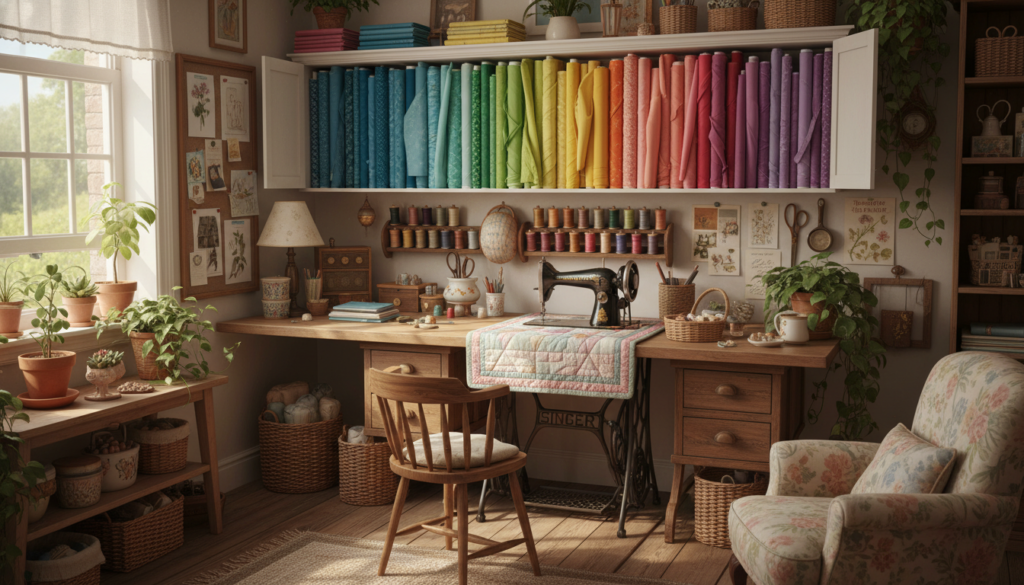
An organized workspace makes sewing more enjoyable. Proper storage protects supplies while keeping everything accessible.
Fabric Storage Solutions
Fold fabrics uniformly for neat storage. File them vertically in drawers or baskets for easy selection and visibility.
Sort fabric scraps by color or size. Clear containers let you see options quickly when starting new projects.
Keep special fabrics separate from everyday materials. This organization preserves them for projects deserving their beauty.
Tool Organization Ideas
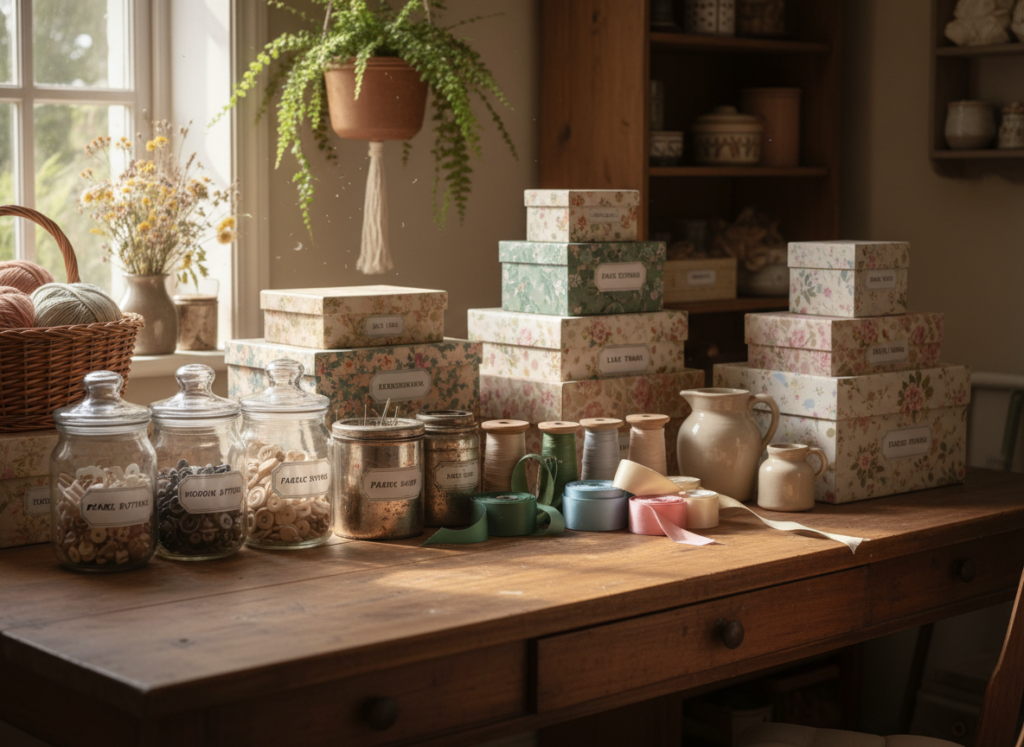
Store frequently used tools within arm’s reach. Mason jars, vintage tins, or drawer organizers contain scissors, rulers, and markers.
Magnetic strips hold pins and small scissors securely. Mount these strips above work surfaces for convenient access.
Dedicate specific containers to project types. Keep embroidery supplies separate from quilting or garment-making tools.
Creating Inspiration Boards
Pin fabric swatches, pattern ideas, and color combinations to inspiration boards. Visual references spark creativity when starting new projects.
Update boards seasonally to reflect current interests. This practice keeps your creative energy fresh and motivated.
Common Beginner Mistakes to Avoid
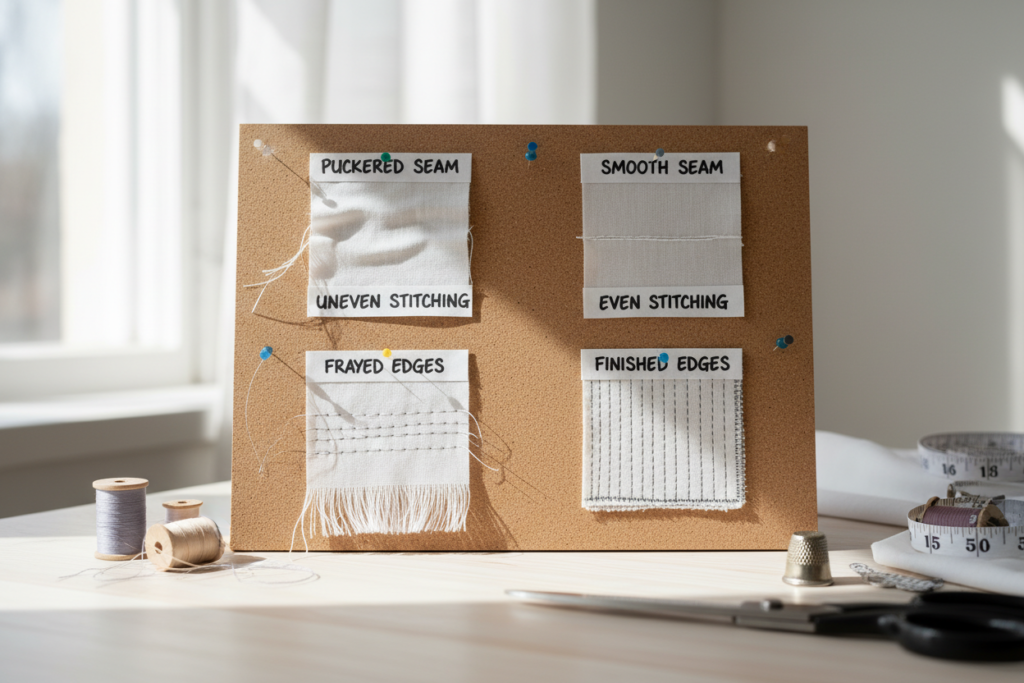
Learning from common errors accelerates skill development. Recognizing these pitfalls helps you avoid frustration and wasted materials.
Skipping the Preshrinking Step
Always prewash fabrics before cutting. Skipping this step causes finished projects to shrink after their first washing.
Press fabrics smooth after washing. Wrinkled fabric produces inaccurate cutting and uneven finished dimensions.
Not Testing Tension Settings
Test sewing machine tension on scrap fabric first. Incorrect tension creates puckered seams or loose, loopy stitches.
Adjust tension gradually in small increments. Dramatic changes rarely solve problems and may create new ones.
Rushing Through Projects
Take time with each step for better results. Rushing leads to mistakes requiring time-consuming corrections later.
Read instructions completely before starting. Understanding the entire process prevents confusion mid-project.
Ignoring Grain Lines
Cut fabric following grain direction indicated on patterns. Ignoring grain creates items that hang incorrectly or stretch inappropriately.
Learn to identify fabric grain easily. This knowledge becomes second nature with practice and observation.
Building Your Sewing Skills Progressively

Develop sewing abilities through gradual progression. Each completed project teaches skills applicable to more complex creations.
Start with Hand Sewing
Hand sewing builds understanding of how stitches work. Master basic stitches before advancing to machine sewing.
Many small projects complete entirely by hand. This approach requires minimal investment while teaching fundamental skills.
Progress to Machine Basics
Learn basic sewing machine operations thoroughly. Understanding your machine prevents frustration during actual projects.
Practice straight stitching on paper first. This exercise builds control without wasting fabric while developing accuracy.
Challenge Yourself Gradually
Add one new technique per project. This measured approach prevents overwhelm while steadily expanding your abilities.
Revisit earlier project types using advanced techniques. Familiar patterns with new methods build confidence effectively.
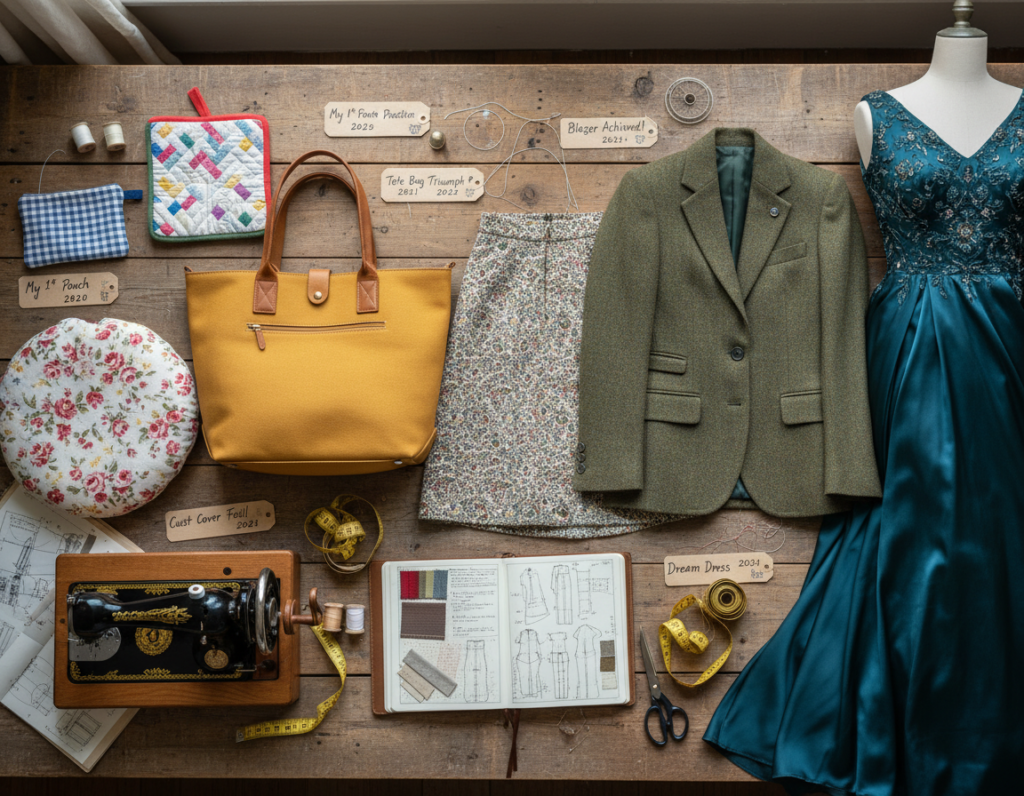
Join Sewing Communities
Connect with other sewers online or locally. Communities provide support, answer questions, and offer endless inspiration.
Share your projects and learn from others. This exchange accelerates learning through collective knowledge and experience.
Accelerate Your Learning
Join our comprehensive sewing course designed to take you from beginner to confident creator in weeks.
Your Creative Sewing Journey Begins Now
Starting with aesthetic small sewing projects DIY ideas opens doors to limitless creativity. Each stitch builds confidence and skills for future endeavors.
These beginner-friendly projects prove that beautiful handmade items don’t require years of experience. Simple techniques combined with careful attention create stunning results.
Gather your fabrics and supplies today. Your first project awaits, ready to transform simple materials into something uniquely yours.
The sewing community welcomes newcomers enthusiastically. Share your creations, ask questions, and enjoy this rewarding creative journey.
Begin Creating Beautiful Projects
Access our complete library of patterns, tutorials, and step-by-step guides designed specifically for beginners.
Related Posts: