Creating your own dresses opens a world of possibilities. You’ll discover the joy of wearing clothes that fit perfectly and match your unique style. Many people think sewing is too difficult to learn. That’s simply not true when you start with the right guidance.
The beauty of modern dress sewing lies in accessible patterns and clear instructions. Beginners can now create professional-looking garments without years of training. Simple dress patterns teach fundamental skills while producing wearable results you’ll love.
This guide walks you through everything you need to know. You’ll learn which patterns work best for beginners, what fabric to choose, and how to tackle each step with confidence. Discover proven pattern collections that make learning effortless and enjoyable.
Why Sew Your Own Dresses
Sewing your own dresses transforms how you approach your wardrobe. The benefits extend far beyond simple cost savings. You gain complete control over every aspect of your clothing.
Financial Benefits
Making your own dresses saves considerable money over time. Quality fabric costs less than finished garments. You can create designer-style pieces for a fraction of retail prices.
A simple summer dress at a store might cost sixty to one hundred dollars. The same dress made at home uses fabric that costs fifteen to thirty dollars. Your savings multiply with each project you complete.
Perfect Fit Advantage
Store-bought clothes rarely fit perfectly. Every body has unique proportions that standard sizing can’t accommodate. When you sew, you control the measurements completely.
You’ll learn to adjust pattern pieces to match your shape. This skill becomes invaluable as you progress. Your dresses will fit better than anything you can buy ready-made.
Start Creating Beautiful Dresses Today
Access comprehensive pattern collections designed specifically for beginners. Learn professional techniques through easy-to-follow tutorials that guarantee success with every project.
Sewing lets you express your personal style completely. Choose fabrics that reflect your taste. Add details that make each piece uniquely yours. You’re no longer limited to what stores offer.
Mix vintage patterns with modern fabrics. Create seasonal dresses in your favorite colors. Design special occasion pieces that nobody else will wear. Your creativity becomes the only limitation.
Sustainable Fashion Choice
Making your own clothes reduces environmental impact significantly. You avoid fast fashion waste and create garments that last years. Quality construction means dresses you’ll treasure and repair instead of discard.
You’ll also reduce packaging waste and shipping emissions. Buying fabric locally supports small businesses in your community. Each dress you make represents a conscious choice for sustainability.
Essential Supplies for Dress Sewing
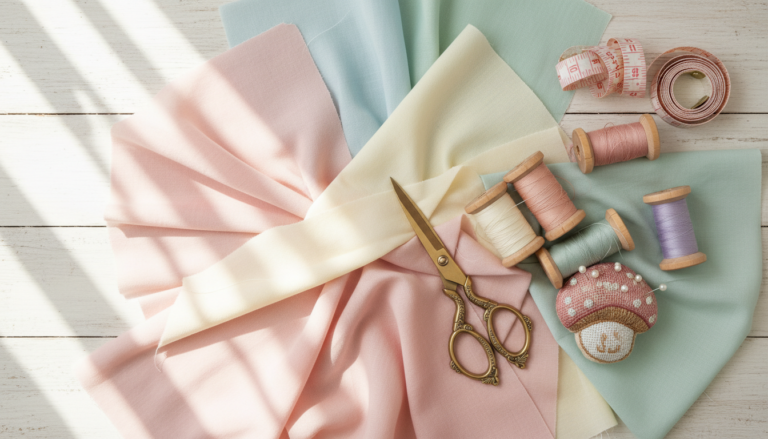
Starting your dress sewing journey requires some basic tools and materials. You don’t need expensive equipment to create beautiful results. Focus on quality essentials that will serve you well for years.
Basic Tools
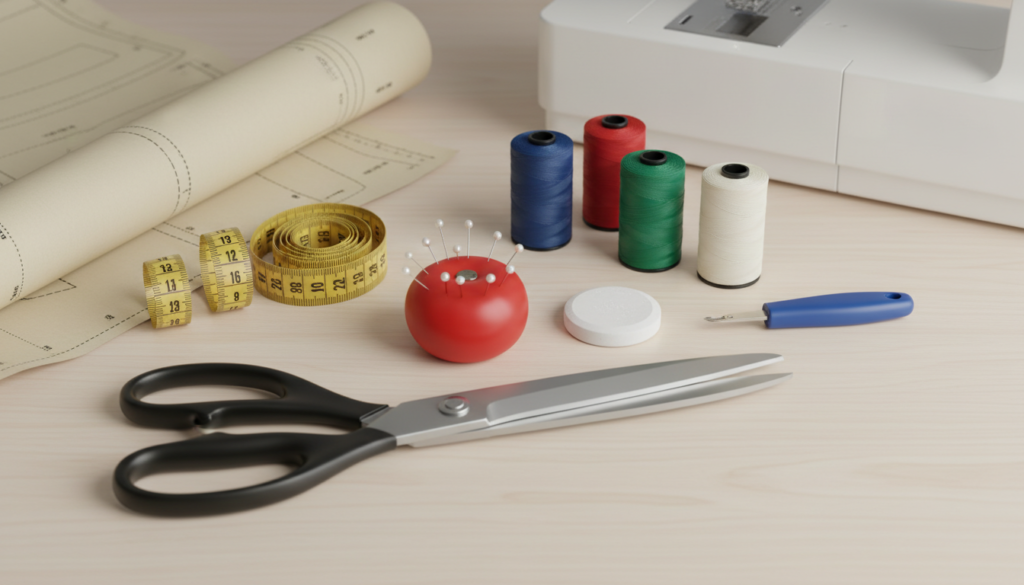
Fabric scissors (dedicated to fabric only)
Paper scissors for pattern cutting
Measuring tape for body and fabric measurements
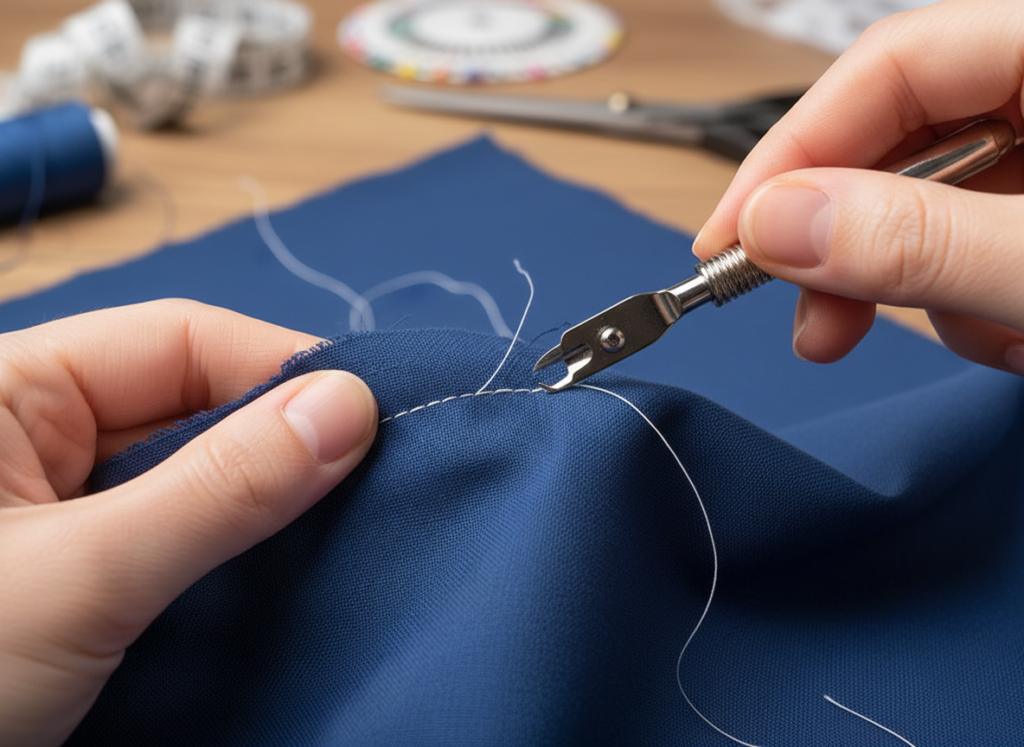
Seam ripper for fixing mistakes
Pins and pin cushion
Hand sewing needles in various sizes
Marking tools (chalk or fabric pens)
Sewing Machine Basics
Basic sewing machine with straight stitch
Zigzag stitch capability
Multiple needle options
Bobbins and bobbin case
Machine needles for different fabrics
Basic presser feet
Machine manual and threading guide
Pattern Supplies
Pattern paper or tracing paper
Clear ruler for pattern work
Pattern weights to hold pieces flat
Rotary cutter and mat (optional)
French curve for pattern adjustments
Calculator for measurements
Notebook for tracking modifications
Choosing Your First Fabrics
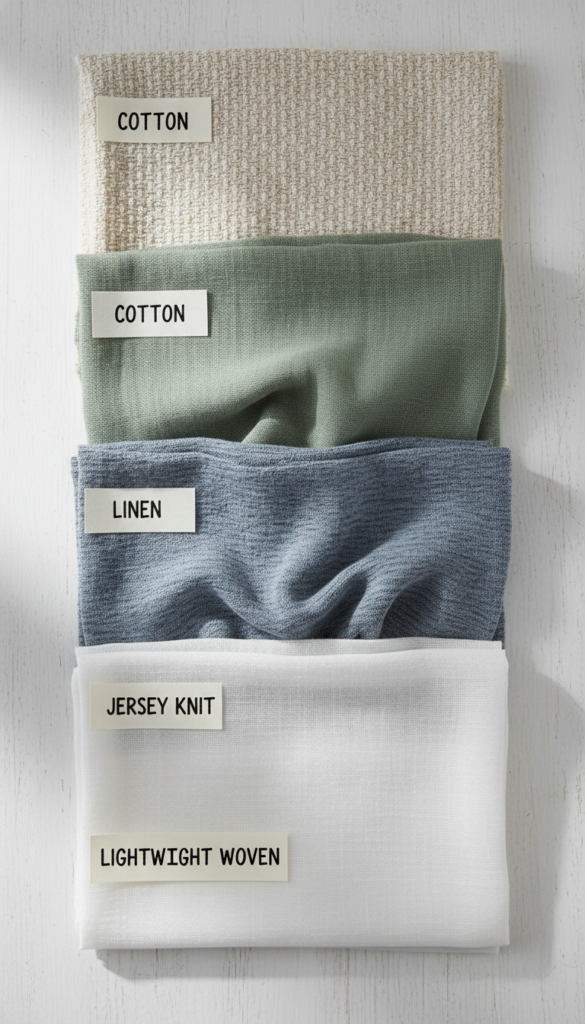
Fabric selection makes a huge difference in your sewing success. Beginners should start with forgiving materials that handle easily. Cotton and cotton blends work wonderfully for first projects.
Visit a fabric store to feel different materials. Look for medium-weight fabrics that don’t slip or stretch excessively. Avoid silky or very stretchy fabrics until you gain more experience. Quilting cotton offers excellent practice material at reasonable prices.
Consider the dress pattern requirements carefully. Each pattern lists recommended fabric types and yardage needed. Buy slightly more fabric than specified to allow for mistakes. Pre-wash all fabric before cutting to prevent later shrinkage.
Understanding Dress Patterns
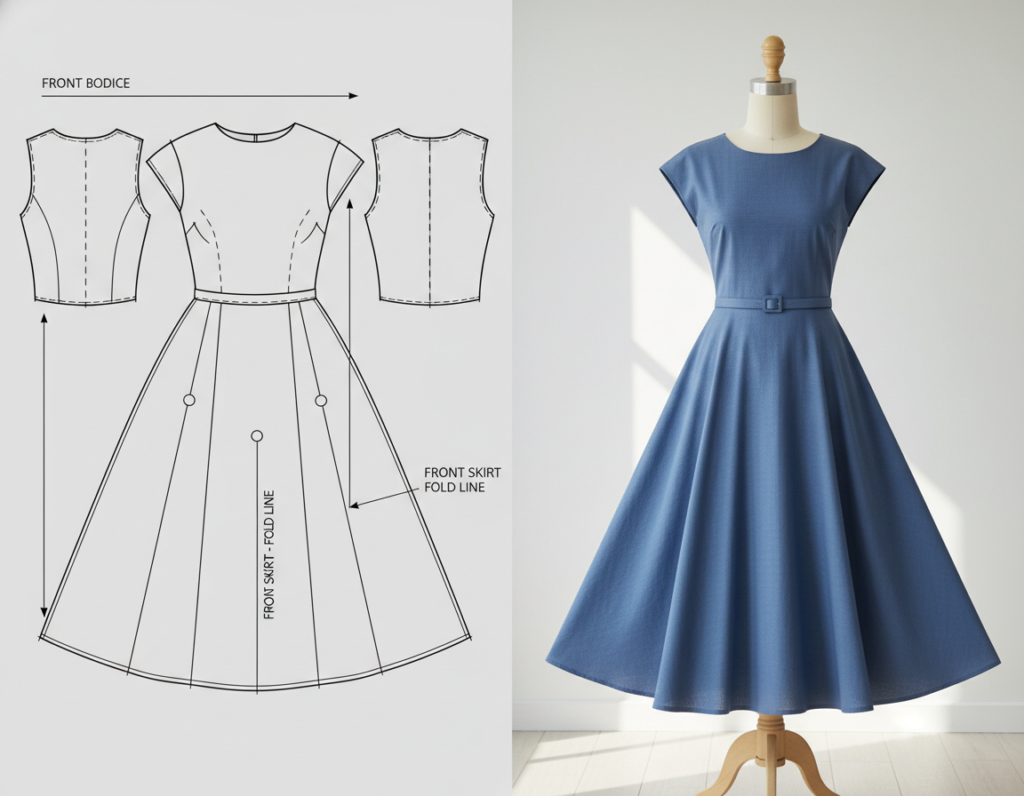
Dress patterns serve as blueprints for your sewing projects. They contain all the information needed to create a specific design. Learning to read patterns is easier than most people think.
Pattern Components
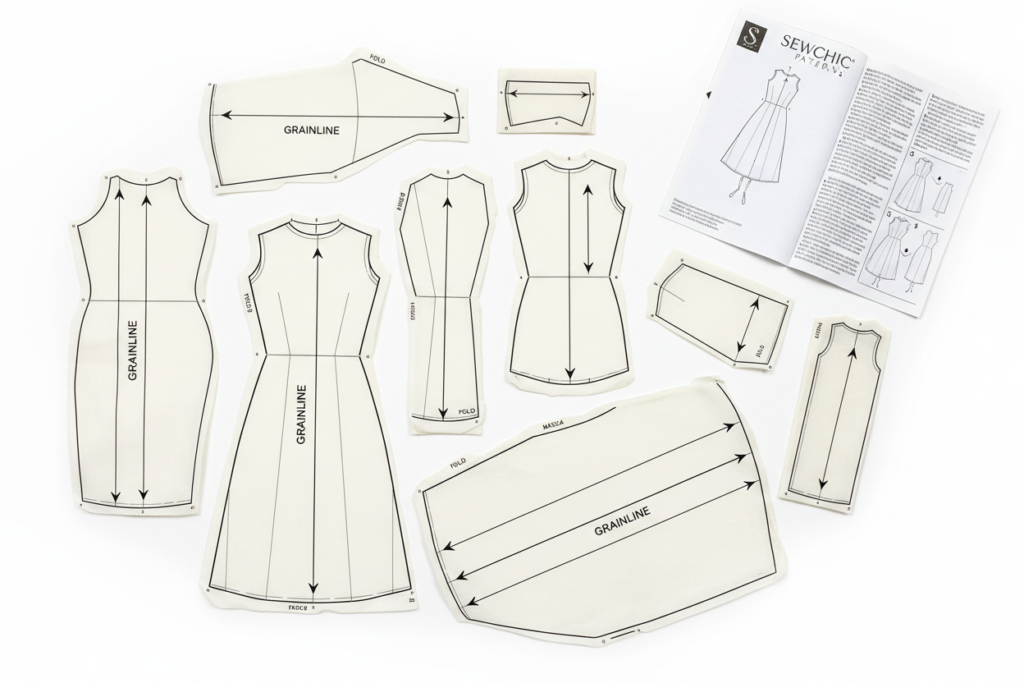
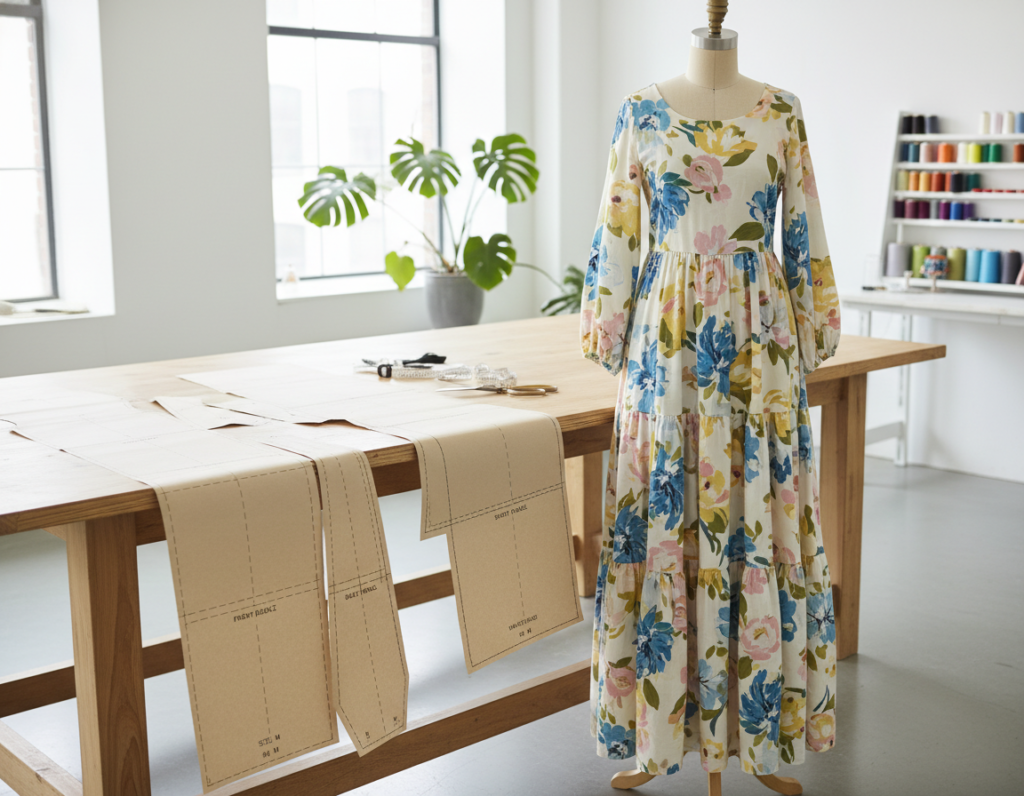
Every dress pattern includes several key elements. The pattern envelope shows the finished dress and lists required materials. Inside, you’ll find tissue paper pattern pieces and detailed instructions.
Pattern pieces include markings that guide construction. Notches indicate where pieces connect. Grainline arrows show how to align fabric. Dots mark important placement points for details like pockets or buttons.
Reading Pattern Instructions
Instruction sheets explain the sewing process step by step. They typically include a cutting layout showing how to arrange pattern pieces on fabric. Follow these layouts to use fabric efficiently.
Each pattern piece has a number corresponding to instruction steps. Read through all instructions before starting. This preview helps you understand the construction sequence and avoid surprises.
Sizing Guidelines
Pattern sizing differs from ready-to-wear clothing sizes. Take accurate body measurements before choosing a size. Measure your bust, waist, and hips carefully.
Compare your measurements to the pattern size chart. Choose the size matching your largest measurement. You can easily adjust smaller areas during construction. Most patterns include multiple sizes on one set of pattern pieces.
Free Sewing Patterns vs. Commercial Options
Both free sewing patterns and commercial patterns have advantages. Free patterns downloaded online offer budget-friendly practice. They work well for simple dress styles and learning basic techniques.
Commercial patterns from companies like Simplicity or McCall’s provide more detailed instructions. They include multiple sizes and variations. The quality and testing behind commercial patterns reduce beginner frustration. Explore comprehensive pattern collections designed specifically for new sewers.
Beginner-Friendly Dress Styles
Some dress patterns suit beginners better than others. Start with simple designs that teach fundamental skills. You’ll build confidence while creating wearable results.
Simple Shift Dress
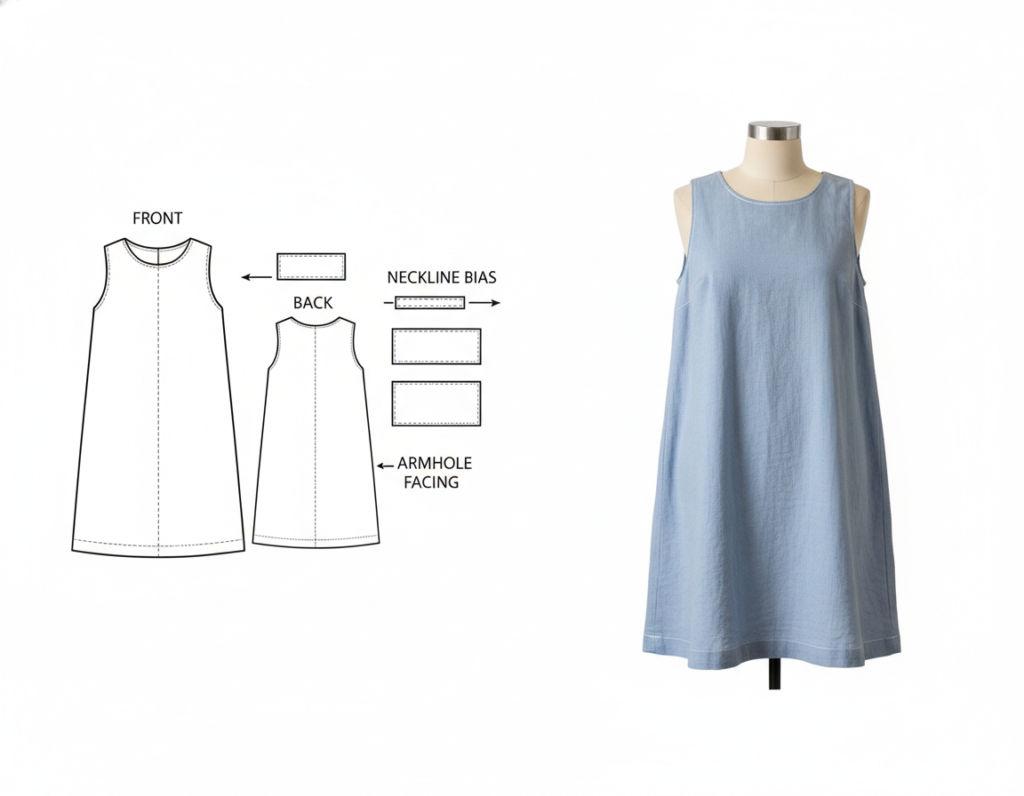
The shift dress offers the perfect starting point. This style features straight lines and minimal shaping. You’ll learn to sew straight seams and finish a neckline.
Requires basic rectangular pattern pieces
No complicated closures or zippers needed
Works beautifully in cotton or linen
Finishes quickly for immediate satisfaction
Easy A-Line Dress
A-line dresses introduce gentle shaping without complex fitting. The skirt flares from waist to hem in a flattering shape. This pattern teaches you about darts and basic fitting.
Flattering on many body types
Teaches basic dart construction
Options for sleeveless or short sleeves
Versatile for casual or dressy occasions
Summer Maxi Dress
Maxi dress patterns work wonderfully for beginners. The long, flowing style forgives minor fitting issues. You’ll practice gathering fabric and creating elastic waistbands.
Minimal pattern pieces required
Elastic waist eliminates fitting stress
Perfect for lightweight summer fabrics
Comfortable and easy to wear
Avoiding Complex Elements Initially
Some dress features challenge even experienced sewers. Skip patterns with set-in sleeves for your first few projects. Avoid designs requiring zippers, buttons, or intricate closures.
Choose patterns with elastic, ties, or simple pull-on construction. Look for minimal pattern pieces and straightforward instructions. You’ll develop skills gradually through successful projects rather than frustrating struggles.
Save complex dress sewing projects for after you master basics. Build your skill foundation with simple patterns first. Each completed project increases your confidence and abilities.
Step-by-Step Sewing Process
Following a systematic approach ensures sewing success. These steps apply to most simple dress patterns. Take your time with each phase for best results.
Prepare Your Pattern: Press pattern pieces flat with a cool iron. Identify all pieces needed for your chosen style variation. Verify you have every piece before cutting fabric.
Pre-Wash and Press Fabric: Wash fabric according to care instructions. Dry and press thoroughly. This step prevents shrinkage in your finished dress.
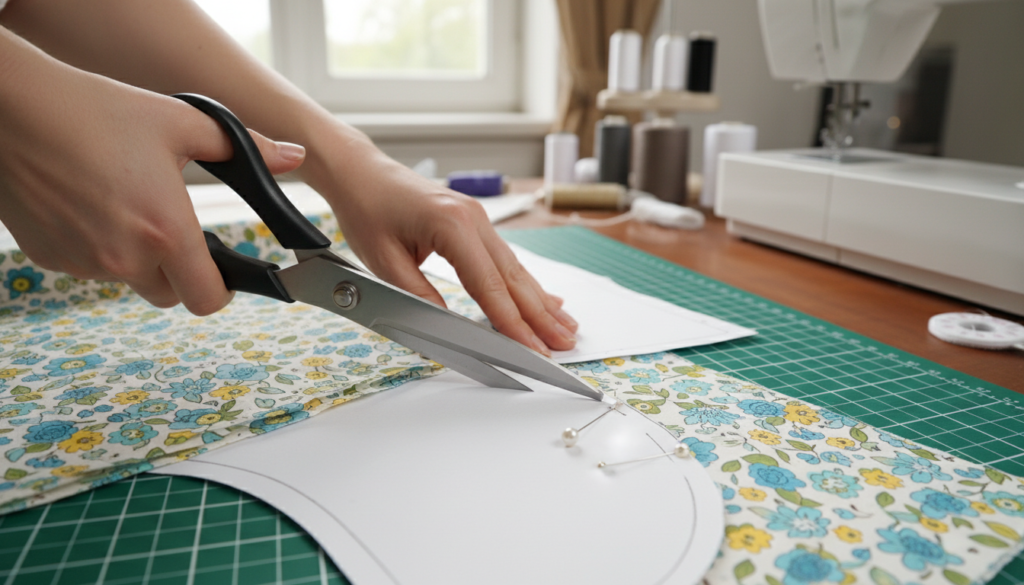
Cut Pattern Pieces: Fold fabric according to cutting layout instructions. Pin pattern pieces carefully. Cut accurately along pattern edges using sharp fabric scissors.
Mark Important Points: Transfer all pattern markings to fabric. Use tailor’s chalk or fabric pens. Mark darts, notches, and placement dots clearly.
Sew Darts and Details First: Complete any darts before assembling main pieces. Press darts flat. Finish any pockets or decorative elements at this stage.
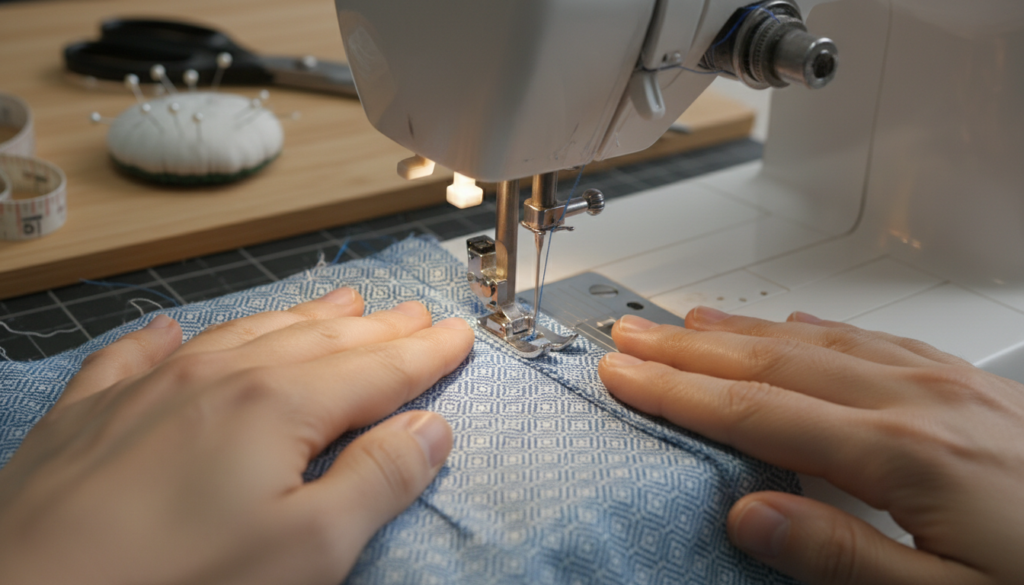
Assemble Main Seams: Pin fabric pieces right sides together. Sew seams according to pattern instructions. Press seams open or to one side as directed.
Finish Neckline and Armholes: Attach facings or bias tape to finish raw edges. Take care around curves. Press finished edges flat for professional appearance.
Hem the Dress: Try on your dress to determine perfect hem length. Pin hem evenly. Press fold line. Sew hem using preferred method.
Final Pressing: Give your completed dress a thorough pressing. Use appropriate temperature for your fabric. Press from wrong side to avoid shine on right side.
Try On and Adjust: Wear your finished dress. Note any fitting adjustments needed. Make minor alterations if necessary for perfect fit.
Common Beginner Mistakes to Avoid
New sewers often rush through preparation steps. Don’t skip pattern preparation or fabric pre-washing. These steps prevent major problems later in construction.
Avoid stretching fabric as you sew. Let the machine feed fabric naturally. Pulling distorts seams and creates puckers. Keep consistent seam allowances throughout your project.
Don’t forget to press as you sew. Pressing after each step creates professional results. It also makes subsequent steps easier and more accurate. Set up your ironing board near your sewing machine for convenience.
Working with Different Fabrics
Each fabric type behaves differently during sewing. Understanding fabric characteristics helps you choose appropriate materials. You’ll also learn which techniques work best for each fabric type.
Woven Fabrics
Woven fabrics like cotton, linen, and chambray work best for beginner dress projects. They don’t stretch significantly, making them easier to control. The stable nature of woven fabrics forgives minor sewing mistakes.
Cotton quilting fabrics offer excellent practice material. They handle beautifully and come in endless patterns. Medium-weight cotton provides good structure for simple dress patterns.
Linen creates elegant summer dresses with natural texture. It wrinkles easily, which many people find charming. Press linen thoroughly before cutting and sewing for best results.
Knit Fabrics for Beginners
Knit fabric stretches, which creates comfortable, fitted garments. However, knits require different handling than woven materials. Save knit dress projects until you master basic woven fabric techniques.
When you’re ready for knit fabrics, start with stable knits. Cotton jersey works well for simple dress patterns. Use a ballpoint needle designed for knits. Stretch stitches or narrow zigzag stitches prevent popped seams.
Knit fabrics don’t fray like woven materials. This characteristic simplifies edge finishing. You’ll learn to work with the natural stretch rather than fighting it.
Choosing Fabric for Dress Style
Match fabric weight to your dress pattern recommendations. Lightweight fabrics like voile suit flowing maxi dress designs. Medium-weight cotton works for structured shift or A-line dresses.
Consider the season and intended use. Summer dress patterns call for breathable, lightweight fabrics. Cool-weather dresses need heavier materials like corduroy or ponte knit.
Read pattern fabric suggestions carefully. They guide you toward appropriate materials. Following recommendations increases your success rate significantly, especially when you’re learning.
Mastering Essential Techniques
Certain sewing skills appear in almost every dress project. Focus on mastering these techniques early. Your confidence and results will improve dramatically.
Essential Skills to Learn First
Sewing straight seams with consistent seam allowances
Pressing seams open and to the side correctly
Finishing seams to prevent fraying
Creating and sewing basic darts for shaping
Attaching facings for clean neckline finishes
Hemming techniques for professional edges
Advanced Skills to Save for Later
Inserting invisible zippers smoothly
Setting in sleeves with proper ease
Creating bound buttonholes
Sewing bias-cut garments accurately
Working with delicate fabrics like silk
Complex pattern alterations and grading
Seam Finishing Methods
Raw fabric edges fray over time without proper finishing. Several methods prevent this problem. Choose based on your fabric type and desired durability.
Pinking shears create a zigzag edge that resists fraying. This quick method works for fabrics that don’t fray heavily. Zigzag stitching along raw edges provides more durable protection.
French seams enclose raw edges completely inside the seam. They look beautiful and work perfectly for sheer or lightweight fabrics. The technique requires practice but produces professional results.
Creating Professional Hems
The hem makes or breaks a dress’s finished appearance. Take time to create an even, straight hem. Try on your dress to determine the ideal length before hemming.
Pin the hem at a consistent measurement from the floor. Press the fold line carefully. For most casual dresses, a one-inch double-fold hem works beautifully.
Stitch close to the inner fold edge. Use matching thread for invisible results. Press the completed hem thoroughly for a crisp finish. Learn professional finishing techniques that make your dresses look store-bought.
Free Dress Patterns Resources
Many websites offer free dress patterns for beginners. These resources provide excellent practice opportunities. You can test different styles before investing in commercial patterns.
Where to Find Quality Free Patterns
Sewing blogs often share free pattern tutorials. Look for established sites with positive reviews. Check that patterns include clear instructions and size charts.
Pattern companies sometimes offer free patterns as promotional items. Sign up for newsletters to receive these offers. Free patterns from established companies usually include excellent instructions.
Remember that free patterns vary in quality. Some require more sewing experience to execute successfully. Read reviews and comments before starting a free pattern project.
Skip the Trial and Error
While free patterns offer value, tested professional pattern collections save time and frustration. Get immediate access to beginner-friendly dress patterns with detailed step-by-step instructions and video tutorials that guarantee beautiful results.
Good free sewing patterns include several key elements. Look for clear diagrams showing pattern pieces layout. Detailed instruction steps should explain each phase thoroughly.
Size charts must provide actual measurements, not just generic sizing. The pattern should list required fabric yardage accurately. Photos of the finished dress help you visualize the final result.
Test patterns on inexpensive fabric first. This practice reveals any pattern issues before you cut expensive material. Keep notes about modifications needed for your body shape.
Troubleshooting Common Problems
Every sewer encounters challenges during projects. Learning to solve common problems builds your skills. Most issues have simple solutions once you understand the cause.
Why Are My Seams Puckering?
Puckered seams usually result from thread tension issues or pulling fabric while sewing. Check your machine’s tension settings first. The upper and bobbin tension should balance correctly.
Let your machine feed fabric naturally without pulling or pushing. Use the correct needle size for your fabric weight. A needle that’s too large creates holes that cause puckering.
How Do I Fix Uneven Hem Length?
Measure and mark your hem carefully from the floor up, not down from the waist. Wear the shoes you’ll wear with the dress during fitting. Use a hem gauge or ruler for consistent measurements.
Pin the hem all around before pressing or stitching. Try on the dress one final time after pinning. Make adjustments as needed before committing to the final hem.
What If Pattern Pieces Don’t Match at Seams?
Check that you cut the correct size for all pieces. Verify that you’re matching the right pattern pieces together. Look for notches and alignment marks on pattern pieces.
Some patterns include ease, making one piece slightly larger than its mate. This deliberate difference helps pieces fit together properly during construction. Follow pattern instructions carefully.
How Can I Improve Fit Issues?
Make a muslin test garment from inexpensive fabric first. This practice garment reveals fit problems before you cut expensive fabric. Mark adjustments directly on the muslin.
Transfer muslin modifications to your paper pattern. Common adjustments include lengthening or shortening the bodice, adding width at hips, or adjusting shoulder slope. Keep records of successful modifications for future projects.
When to Start Over
Sometimes the best solution is beginning again. If you’ve made multiple mistakes or the dress doesn’t fit properly, starting fresh often saves time. Don’t view this as failure but as valuable learning.
Save your first attempt as a learning tool. Compare it to your second version. You’ll see dramatic improvement. Every project teaches lessons that improve your next creation.
Consider problem projects as practice pieces. Use them to test new techniques or modifications. Transform mistakes into learning opportunities rather than frustrations.
Building Your Sewing Skills
Continuous improvement comes from regular practice and learning. Set realistic goals for skill development. Each dress project should challenge you slightly without overwhelming your abilities.
Progressive Learning Path
Start with the simplest dress pattern you can find. Complete it successfully before moving to more complex designs. Add one new skill or technique with each project.
Your second project might introduce darts or simple sleeves. The third could include a zipper or buttons. This gradual approach builds confidence and competence steadily.
Keep a sewing journal documenting each project. Note what worked well and what challenged you. Record modifications and measurements for future reference. This journal becomes an invaluable personal resource.
Skills Progression Timeline
Follow this suggested learning sequence for steady improvement and building foundation skills systematically.
Month 1-2: Simple shift or maxi dress with minimal shaping
Month 3-4: A-line dress introducing darts and gentle fitting
Month 5-6: Dress with basic sleeves or simple neckline details
Month 7-8: First zipper installation or button closure
Practice Projects
Between dress projects, practice specific techniques on scrap fabric to build confidence.
Sew sample seams with different seam finishes
Practice hemming techniques on fabric scraps
Make darts in various fabric weights
Test buttonholes on practice fabric first
Learning Resources
Online tutorials supplement pattern instructions beautifully. Video demonstrations clarify confusing steps. Watch experienced sewers tackle the same techniques you’re learning.
Join online sewing communities for support and advice. Other sewers share tips and troubleshooting help. You’ll find encouragement during challenging projects and celebration of your successes.
Invest in comprehensive learning resources when you’re serious about developing skills. Quality pattern collections with detailed tutorials accelerate your learning significantly compared to piecing together free information.
Creating Your First Dress
Your first dress sewing project deserves careful planning. Choose a pattern that excites you but doesn’t overwhelm your current skills. Select fabric you love working with for maximum enjoyment.
Project Planning Checklist
Organization ensures smooth project flow. Gather all supplies before starting. Having everything ready prevents frustrating interruptions during construction.
Select your pattern and verify you have all instruction sheets
Purchase fabric, thread, and notions according to pattern requirements
Pre-wash and press all fabric thoroughly
Read through entire pattern instructions before cutting
Prepare your workspace with good lighting and clear surfaces
Set aside uninterrupted time for each sewing session
Test stitch tension and settings on fabric scraps first
Setting Realistic Expectations
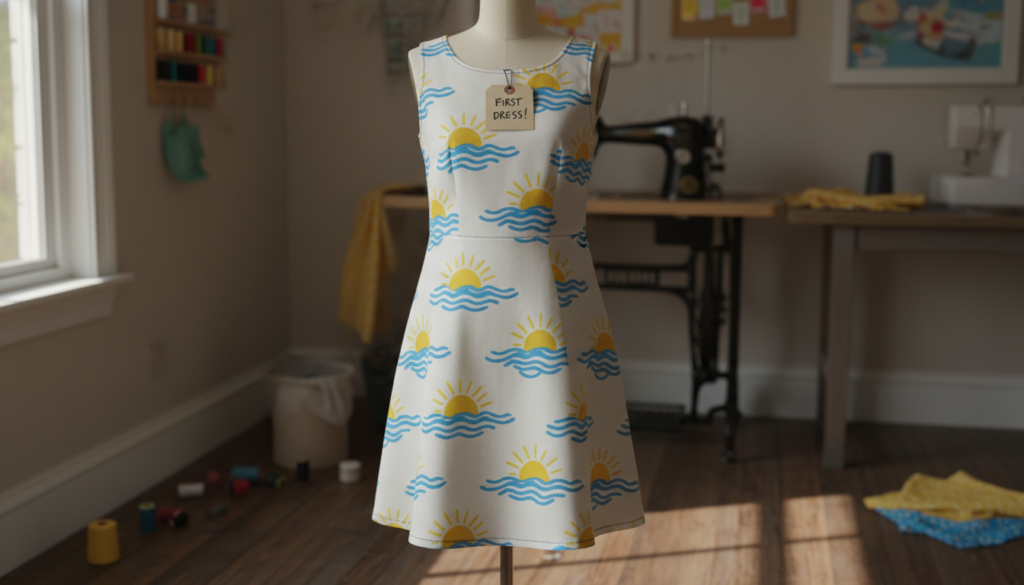
Your first dress won’t be perfect, and that’s completely fine. Focus on completing the project and learning throughout the process. Every completed garment builds your skills regardless of minor imperfections.
Allow more time than you think necessary. Rushing creates mistakes and frustration. Enjoy each step of the creation process. The journey teaches as much as the finished product.
Celebrate your completed dress regardless of small flaws. You created something wearable from fabric and thread. That’s a remarkable achievement worthy of pride.
Learning to sew dresses opens creative possibilities you’ll enjoy for years. The skills you develop apply to countless future projects. Each dress you make improves your technique and confidence.
Start with simple patterns and quality materials. Take your time mastering basic techniques before advancing to complex designs. Remember that every expert sewer once completed their first beginner project.
The most important step is beginning. Choose your first pattern today. Gather your supplies and start creating. You’ll discover the joy and satisfaction of wearing clothes you made yourself.
Your handmade wardrobe awaits. With the right guidance and practice, you’ll create beautiful dresses that fit perfectly and express your unique style. The journey from beginner to confident dress maker is rewarding beyond measure.
Transform Your Wardrobe With Confidence
Stop struggling with confusing patterns and incomplete instructions. Get instant access to professionally designed dress patterns with step-by-step video tutorials, fitting guides, and expert support. Join thousands of beginners who’ve successfully created beautiful dresses they’re proud to wear.