What to Eat for Healthy Skin: Foods That Transform Your Glow
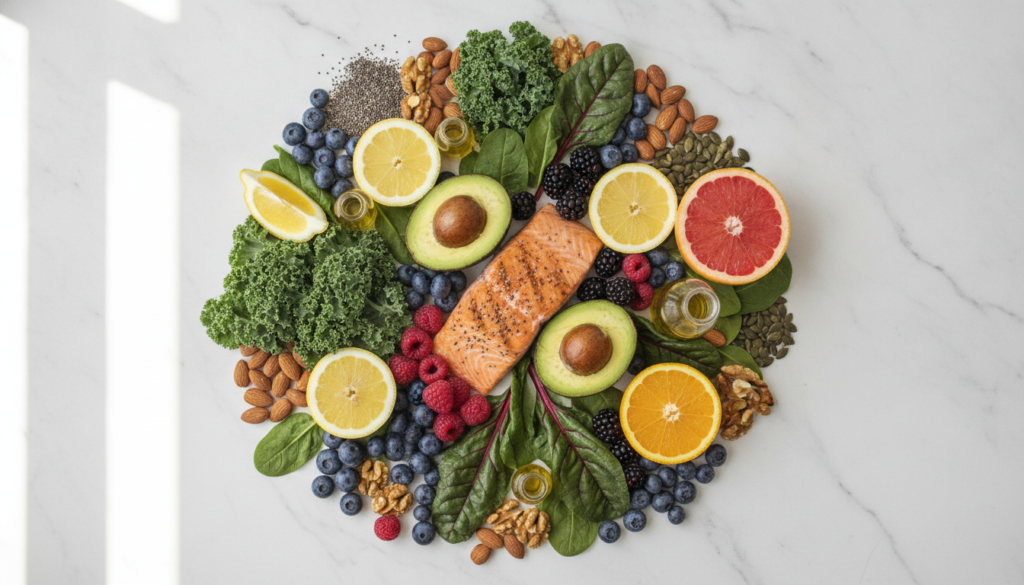
Your skin reflects what you eat every single day. The foods you choose can either nourish your skin cells or contribute to damage and inflammation. Understanding what to eat for healthy skin empowers you to make choices that transform your complexion from the inside out.
This comprehensive guide reveals the most powerful foods for skin health. You’ll discover which nutrients protect skin from damage and which dietary habits keep skin glowing naturally.
Science shows that your diet impacts everything from acne to aging. The right foods provide vitamins, minerals, and healthy fats that support collagen production and reduce inflammation throughout your body.
Ready to Transform Your Skin from Within?
Get access to the complete skin nutrition system that thousands have used to achieve radiant, healthy skin naturally.
Omega-3 Fatty Acids: Essential Protection for Your Skin
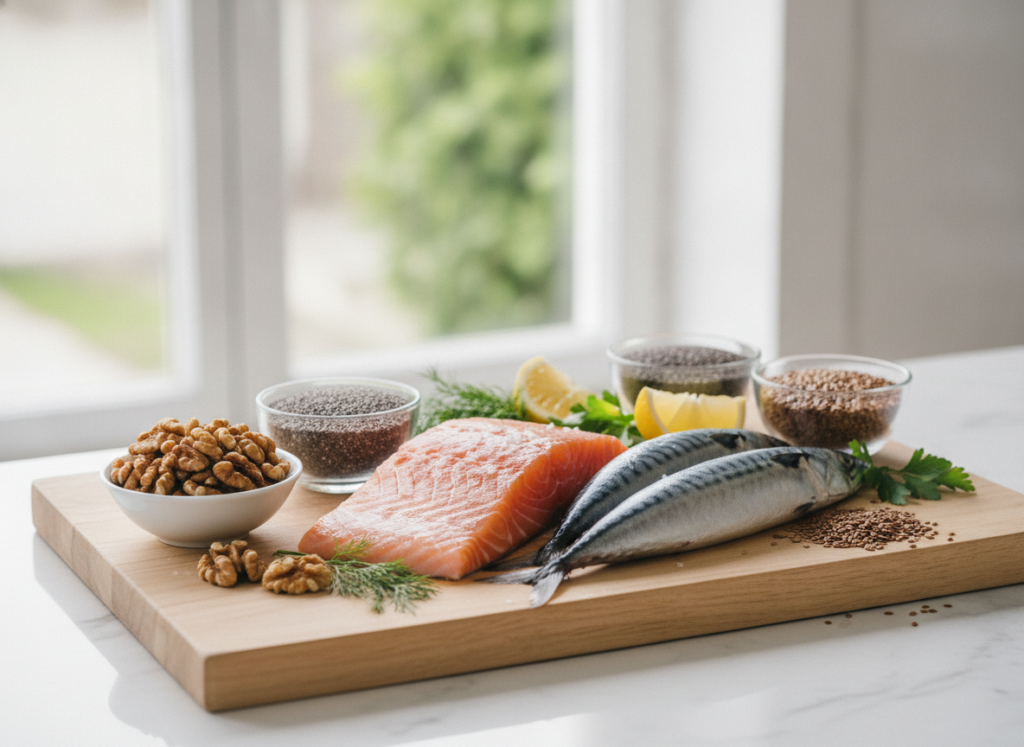
Omega-3 fatty acids are among the most powerful nutrients for skin health. These healthy fats help protect skin from inflammation and sun damage while keeping skin cells hydrated and flexible.
How Omega-3 Fatty Acids Protect Skin
Your skin needs omega-3 fatty acids to maintain its protective barrier. These essential fats may help protect against UV radiation and reduce inflammation that leads to premature aging.
Research shows that omega-3 fatty acids can help keep skin supple and moisturized. They support the skin’s natural oil production and may help reduce acne severity by controlling inflammation.
Best Food Sources of Omega-3s
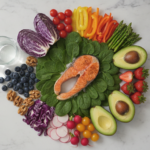
Fatty fish like salmon, mackerel, and sardines
Walnuts and walnut oil
Flaxseeds and flaxseed oil
Chia seeds
Hemp seeds
Eating fish twice per week provides substantial omega-3 benefits for your skin. If you don’t eat fish, plant-based sources like walnuts and seeds can help protect skin health when consumed daily.
Want a Personalized Omega-3 Protocol?
Learn exactly how much omega-3 you need for your skin type and get a customized meal plan designed by nutrition experts.
Antioxidants are your skin’s defense system against free radicals. These powerful compounds help protect skin cells from damage caused by sun exposure, pollution, and normal aging processes.
Why Antioxidants Matter for Skin Health
Free radicals attack your skin cells every single day. Antioxidants neutralize these harmful molecules before they can cause damage to collagen and skin cells.
Foods high in antioxidants may help reduce inflammation and protect skin from sun damage. They support your body’s natural repair processes and may help keep skin looking younger longer.
Top Antioxidant Foods for Your Diet
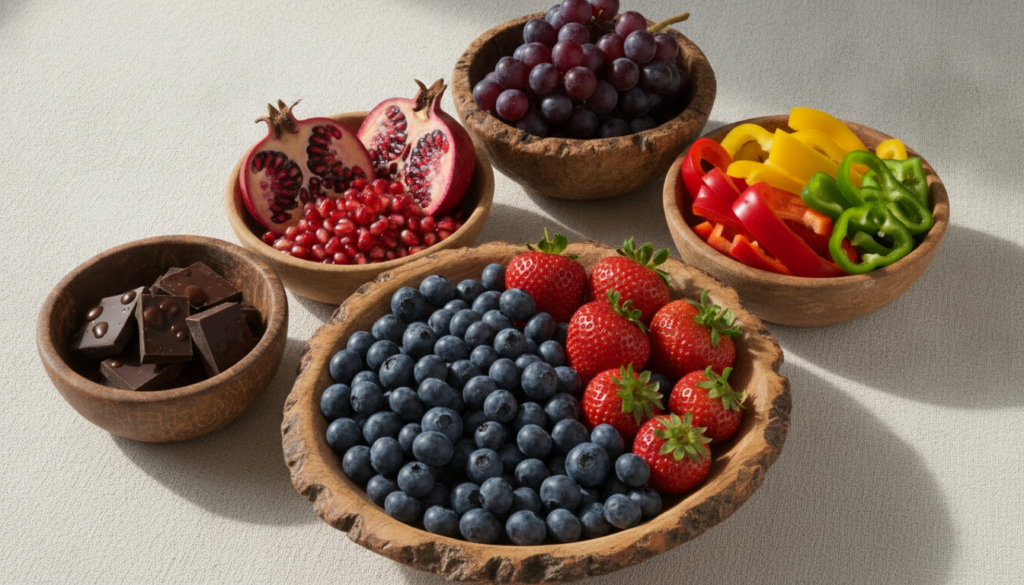
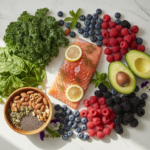
Berries including blueberries, strawberries, and raspberries
Dark leafy greens like spinach and kale
Dark chocolate with at least seventy percent cocoa
Green tea and matcha
Colorful vegetables like bell peppers and tomatoes
Nuts including pecans and hazelnuts
Eating a variety of colorful fruits and vegetables ensures you get different types of antioxidants. Each color provides unique protective benefits for your skin and overall health.
Combat Aging with Targeted Antioxidant Strategies
Access the complete anti-aging nutrition system that shows you exactly which antioxidants to eat and when for maximum skin benefits.
Vitamins and minerals play crucial roles in maintaining skin health. Your skin needs specific nutrients to repair damage, produce new cells, and maintain its protective barrier.
Vitamin C: Collagen Production Powerhouse
Vitamin C is essential for collagen synthesis. Your body cannot produce collagen without adequate vitamin C intake. This vitamin also helps protect skin from sun damage and may reduce the appearance of wrinkles.
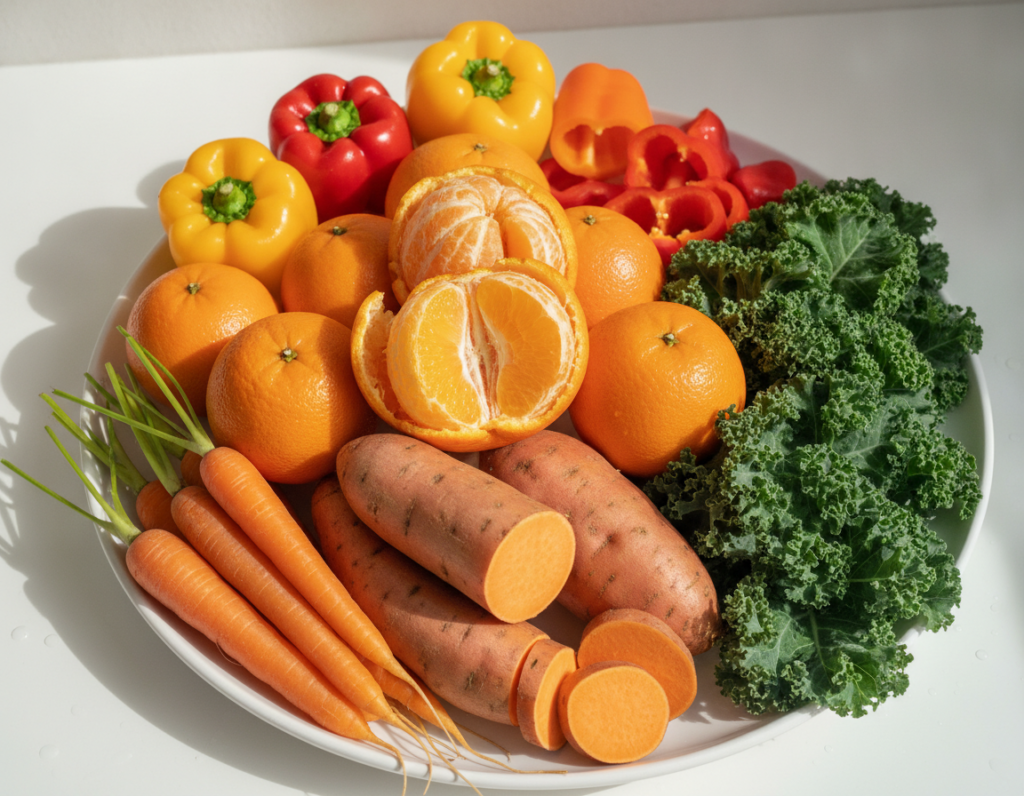
The best food sources of vitamin C include citrus fruits, strawberries, bell peppers, and broccoli. Eating these foods daily helps your skin maintain its structure and firmness.
Vitamin E: Skin Protection and Repair
Vitamin E works alongside vitamin C to protect skin cells from oxidative damage. This fat-soluble vitamin helps keep skin moisturized and may help reduce inflammation.
Find vitamin E in sunflower seeds, almonds, avocados, and spinach. These foods provide healthy fats that help your body absorb this crucial vitamin.
Vitamin A: Cell Turnover and Renewal
Vitamin A supports healthy skin cell production and turnover. This vitamin helps keep skin smooth and may help reduce acne by preventing pores from clogging.
Sweet potatoes, carrots, and dark leafy greens provide beta-carotene. Your body converts this compound into vitamin A to support skin health and repair.
Master Your Vitamin Intake for Perfect Skin
Stop guessing about vitamins and minerals. Get the exact daily protocols that optimize your nutrient intake for radiant, healthy skin.
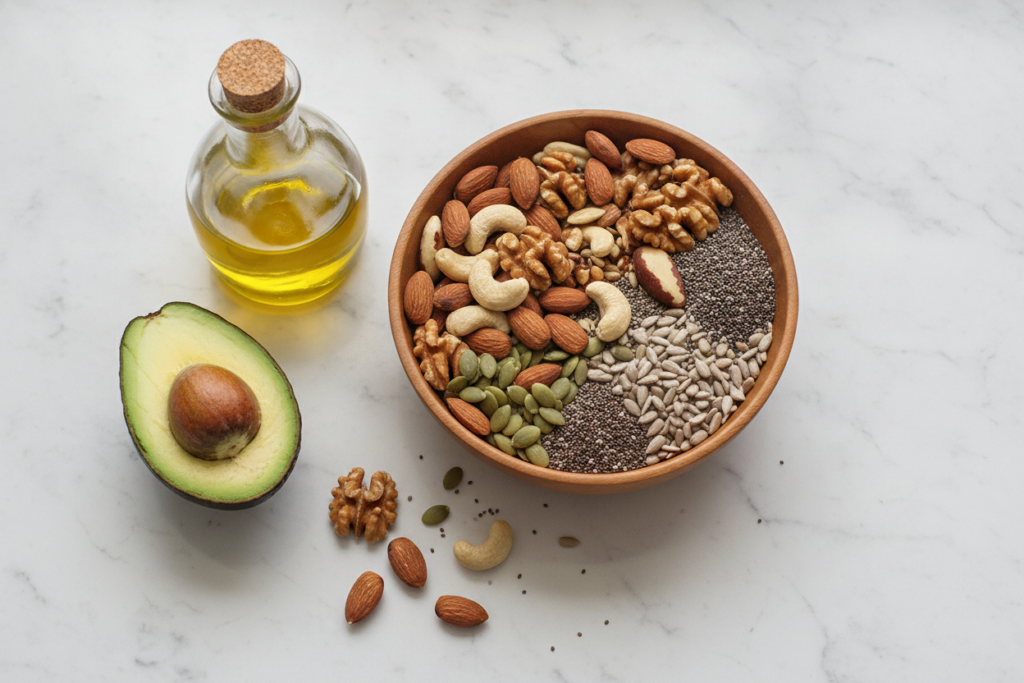
Your skin needs dietary fat to maintain its barrier function. Healthy fats help keep skin supple, reduce inflammation, and support the absorption of fat-soluble vitamins.
Monounsaturated Fats for Skin Elasticity
Monounsaturated fats from avocados, olive oil, and nuts help protect skin from damage. These healthy fats may also help keep skin flexible and moisturized from within.
Research suggests that diets high in monounsaturated fats may help protect skin from sun damage. These fats also support overall health and reduce inflammation throughout your body.
Why Your Skin Needs Dietary Fat
Fat-soluble vitamins require dietary fat for proper absorption. Without enough healthy fats in your diet, your body cannot effectively use vitamins A, D, E, and K for skin health.
Healthy fats also provide building blocks for cell membranes. Every skin cell needs these fats to maintain its structure and function properly.
Avocados provide both healthy fats and vitamin E
Extra virgin olive oil offers antioxidants and monounsaturated fats
Nuts and seeds deliver healthy fats, protein, and minerals
Fatty fish combine omega-3s with high-quality protein
Protein and Collagen for Skin Structure
Protein provides the amino acids your body needs to build collagen and repair skin tissue. Adequate protein intake is essential for maintaining healthy skin structure and elasticity.
How Protein Supports Skin Health
Collagen makes up about seventy-five percent of your skin’s dry weight. Your body needs protein to synthesize new collagen and repair damaged skin cells.
Every meal should include a quality protein source. This ensures your body has a steady supply of amino acids for ongoing skin repair and maintenance.
Best Protein Sources for Skin
Wild-caught fish provides protein and omega-3 fatty acids
Eggs deliver complete protein and important vitamins
Legumes offer plant-based protein with fiber and minerals
Grass-fed meat supplies protein with healthy fat ratios
Greek yogurt combines protein with probiotics for gut health
Aim for at least twenty to thirty grams of protein per meal. This amount supports collagen production and provides sustained benefits for skin health throughout the day.
Hydration: The Foundation of Healthy Skin
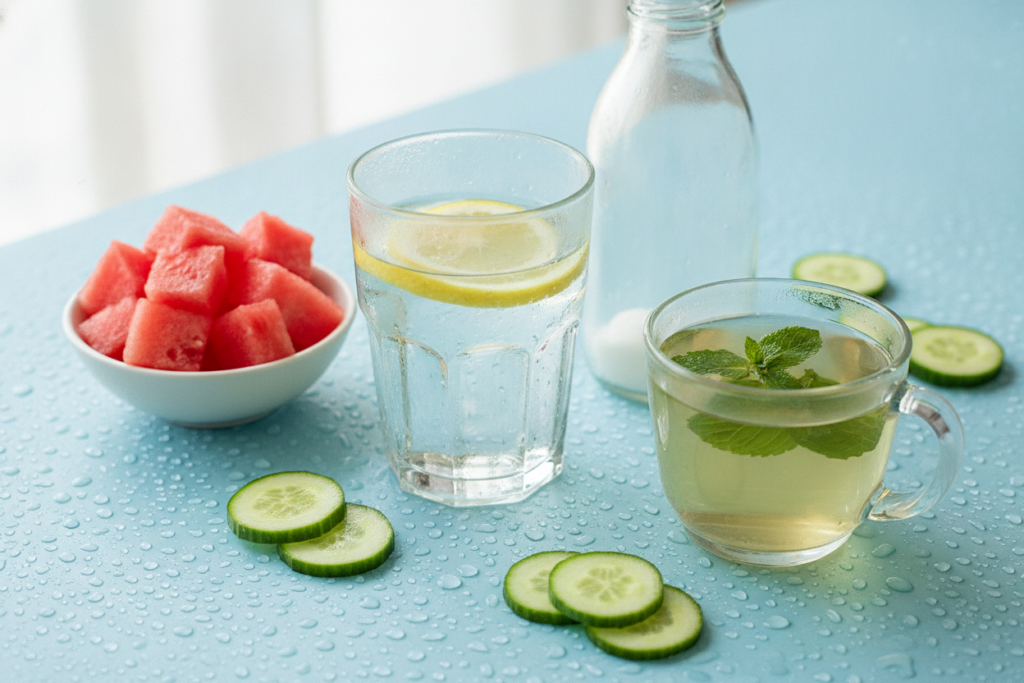
Water is essential for every function in your body, including maintaining healthy skin. Proper hydration helps keep skin plump, supports nutrient delivery, and aids in toxin removal.
How Hydration Affects Your Skin
Dehydrated skin looks dull and feels tight. When your body lacks water, your skin cannot function optimally or maintain its protective barrier.
Drinking adequate water throughout the day helps keep skin cells hydrated from within. This supports skin elasticity and may help reduce the appearance of fine lines.
Hydrating Foods to Support Skin Health
Cucumbers contain ninety-six percent water plus silica for skin
Watermelon provides hydration and lycopene for sun protection
Celery delivers water and minerals for cellular hydration
Oranges combine water with vitamin C for collagen support
Strawberries offer hydration with antioxidants
Most adults need eight to ten glasses of water each day. Your individual needs may vary based on activity levels, climate, and overall health status.
Create Your Complete Hydration Strategy
Learn the optimal hydration protocols for your skin type, including timing, amounts, and powerful hydrating foods that maximize results.
Some foods can trigger inflammation and worsen skin conditions. Understanding which foods may harm your skin helps you make better choices for clear, healthy skin.
Sugar and Refined Carbohydrates
High sugar intake and refined carbs can damage collagen through a process called glycation. This process makes collagen stiff and may accelerate skin aging.
Foods with a high glycemic index may also worsen acne. They cause rapid blood sugar spikes that trigger inflammation and increase oil production in skin.
Processed Foods and Trans Fats
Trans fats found in processed foods may increase inflammation throughout your body. This inflammation can manifest as skin problems including acne and premature aging.
Processed foods often lack the nutrients your skin needs. They may also contain additives that some people find trigger skin reactions or inflammation.
Foods to Limit for Better Skin
White bread, pasta, and refined grains
Sugary beverages and excessive sweets
Fried foods and trans fats
Processed meats with high sodium
Excessive alcohol consumption
Reducing these foods in your diet may help improve skin health. Focus instead on whole, unprocessed foods that provide the vitamins, minerals, and healthy fats your skin needs.
Eliminate Skin-Damaging Foods the Right Way
Get the step-by-step elimination protocol that helps you identify and remove problem foods without feeling deprived or overwhelmed.
Your gut health directly impacts your skin health. The bacteria in your digestive system influence inflammation levels throughout your body, including your skin.
How Gut Health Affects Skin
An imbalanced gut microbiome can trigger inflammation that manifests as skin problems. Issues like acne, rosacea, and eczema may be linked to gut health.
Supporting your gut with probiotic and prebiotic foods may help improve skin conditions. A healthy gut helps reduce inflammation and supports nutrient absorption for skin health.
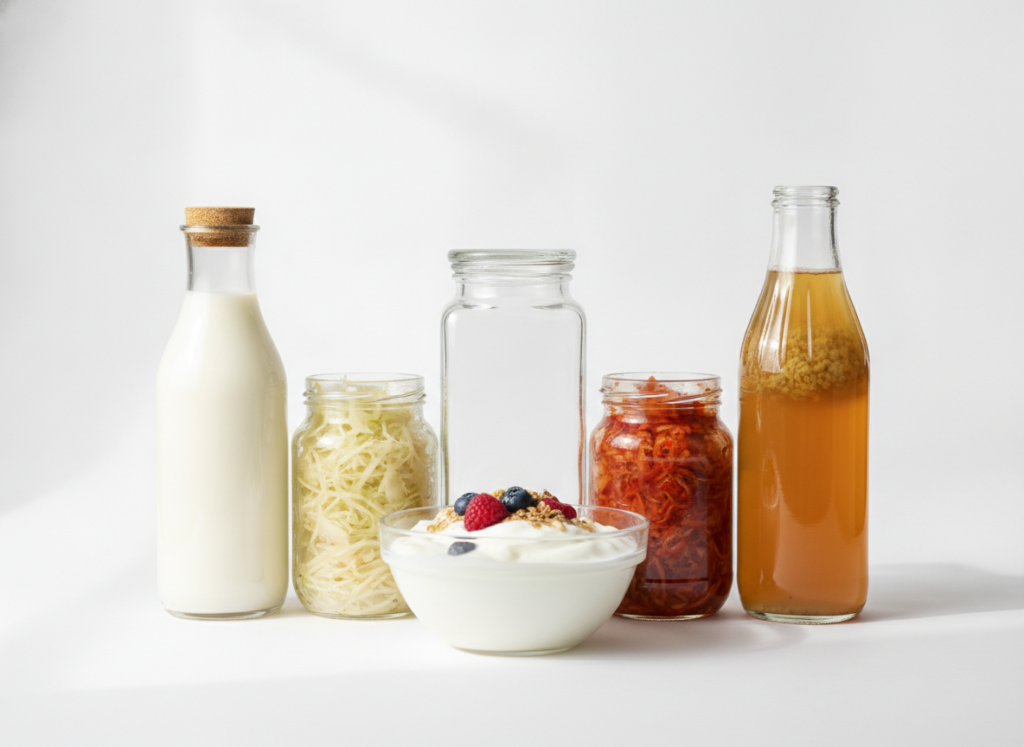
Foods That Support Gut and Skin Health
Yogurt with live cultures provides beneficial bacteria
Kefir offers diverse probiotic strains
Fermented vegetables like sauerkraut and kimchi
Prebiotic fiber from garlic, onions, and asparagus
Bone broth supports gut lining health
Including fermented foods in your diet several times per week supports gut diversity. This may translate to clearer, healthier skin over time.
Essential Minerals for Radiant Skin
Minerals play vital roles in skin health that often get overlooked. Zinc, selenium, and copper all contribute to healthy skin function and appearance.
Zinc for Skin Healing and Protection
Zinc supports wound healing and may help reduce inflammation and acne. This mineral helps protect skin from sun damage and supports immune function.
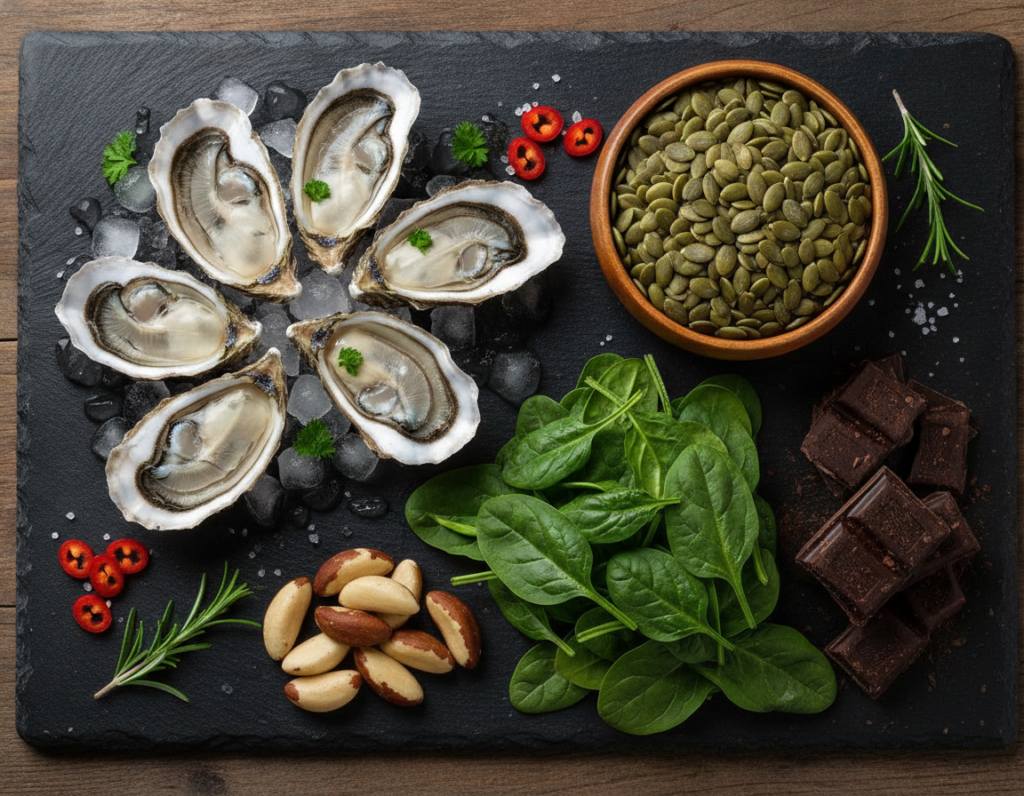
The best food sources of zinc include oysters, pumpkin seeds, beef, and lentils. Getting adequate zinc through food supports overall skin health and repair processes.
Selenium for Antioxidant Protection
Selenium works with vitamin E to protect skin cells from damage. This trace mineral supports antioxidant enzymes that defend against free radicals.
Brazil nuts are exceptionally high in selenium. Just two nuts per day provide more than the recommended daily amount of this important mineral.
Key Minerals and Their Food Sources
Zinc: Oysters, pumpkin seeds, chickpeas, cashews
Selenium: Brazil nuts, sunflower seeds, fish, eggs
Copper: Shellfish, nuts, seeds, dark chocolate
Iron: Red meat, spinach, lentils, fortified cereals
Creating Your Skin-Healthy Meal Plan
Building a diet that supports skin health doesn’t require extreme measures. Simple strategies help you consistently eat foods that nourish your skin.
Sample Daily Eating Pattern
A skin-healthy day might include eggs with avocado and berries for breakfast. Lunch could feature a large salad with salmon and olive oil dressing. Dinner might include chicken with sweet potatoes and steamed broccoli.
Snacks throughout the day can include nuts, seeds, or fresh fruit. These small additions provide steady nutrients that support skin health all day long.
Practical Shopping Tips
Shop the perimeter of the store for whole foods
Buy a variety of colorful fruits and vegetables
Choose wild-caught fish when possible
Select organic produce for the dirty dozen
Stock up on nuts, seeds, and healthy oils
Meal Prep Strategies
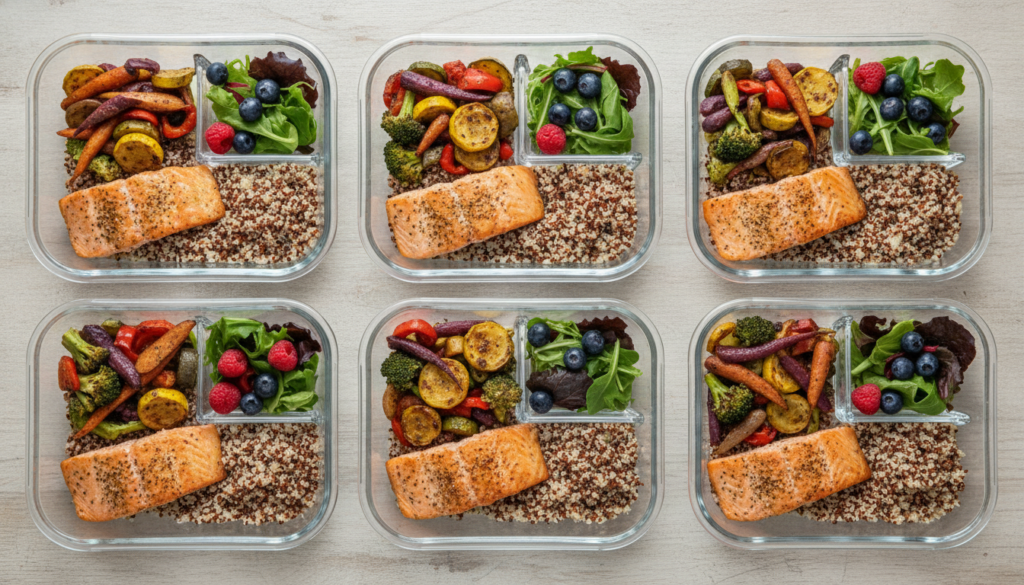
Preparing foods in advance makes healthy eating easier. Cook proteins in batches, wash and chop vegetables, and portion snacks for the week ahead.
Having healthy options ready to eat reduces the temptation to choose processed foods. This consistency benefits your skin over time.
When to Consider Supplements for Skin Health
While food should be your primary source of nutrients, supplements can help fill gaps in your diet. Some nutrients are difficult to obtain in adequate amounts from food alone.
Supplements That May Support Skin Health
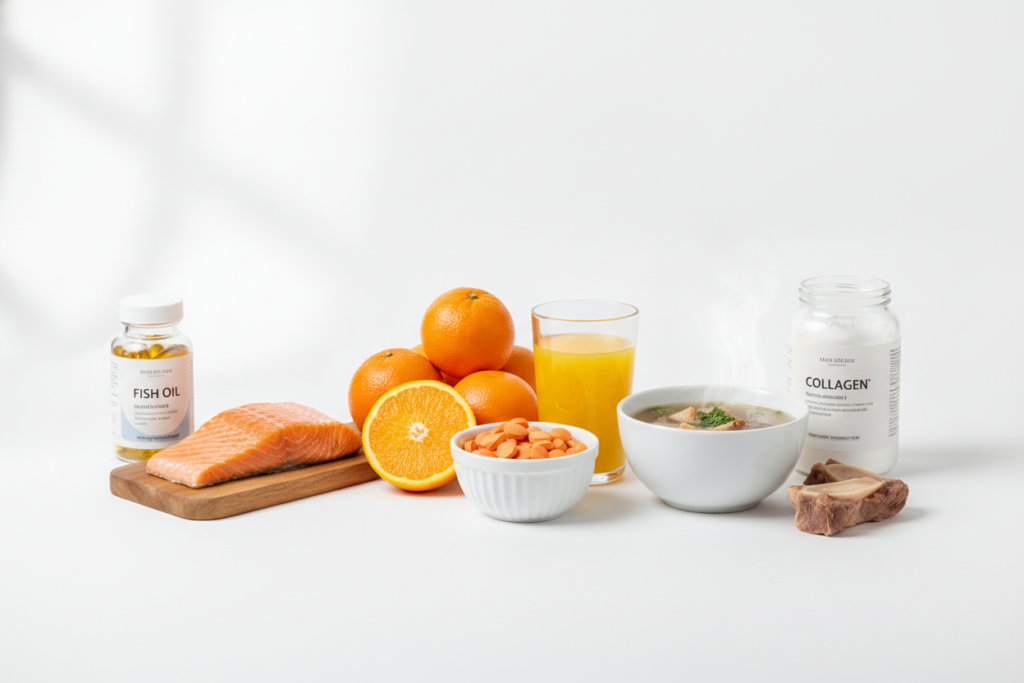
Omega-3 supplements can help if you don’t eat fish regularly. Quality fish oil or algae-based supplements provide EPA and DHA that support skin health.
Vitamin D is challenging to obtain from food alone. Many people benefit from supplementation, especially during winter months or in northern climates.
Collagen supplements have gained popularity for skin benefits. While research is ongoing, some studies suggest they may help improve skin hydration and elasticity.
Working with Healthcare Providers
Before starting any supplement regimen, consult with a healthcare provider. Blood tests can identify specific deficiencies that may be affecting your skin health.
Supplements work best alongside a healthy diet. They should complement, not replace, whole food sources of nutrients for optimal skin health.
Beyond Diet: Lifestyle Factors for Healthy Skin
What you eat matters tremendously for skin health, but other lifestyle factors also play important roles. Sleep, stress management, and sun protection all impact your skin’s appearance and health.
Sleep and Skin Repair
Your skin repairs itself during sleep. Getting seven to nine hours of quality sleep each night supports this natural regeneration process.
Poor sleep increases inflammation and accelerates skin aging. Prioritizing consistent sleep schedules benefits both your skin and overall health.
Stress Management
Chronic stress triggers inflammation that can worsen skin conditions. Managing stress through exercise, meditation, or other practices supports skin health.
Stress also affects eating habits. High stress often leads to choosing processed foods that may harm skin health.
Sun Protection Strategies
While diet helps protect skin from sun damage, topical sun protection remains essential. Wearing sunscreen daily prevents premature aging and skin damage.
Protective clothing and seeking shade during peak hours complement dietary approaches. These strategies work together to keep skin healthy long-term.
Your Path to Naturally Healthy Skin
Understanding what to eat for healthy skin empowers you to make daily choices that transform your complexion. The foods you choose provide the raw materials your skin needs to stay healthy, repair damage, and maintain its youthful appearance.
Focus on eating a variety of whole foods rich in omega-3 fatty acids, antioxidants, vitamins, and minerals. These nutrients work together to help protect skin from damage, reduce inflammation, and support healthy skin cells.
Remember that consistency matters more than perfection. Making gradual improvements to your diet creates lasting benefits for your skin health. Each meal is an opportunity to nourish your skin from the inside out.
Your skin reflects your overall health. By choosing foods that support skin health, you’re also supporting your entire body’s wellbeing. This holistic approach delivers benefits that extend far beyond your complexion.
Start today by adding one or two skin-healthy foods to your diet. Over time, these small changes compound to create visible improvements in your skin’s appearance, texture, and overall health.
Transform Your Skin with a Complete System
Stop piecing together random advice. Get the complete, step-by-step system that takes you from confusion to clear, radiant skin with personalized meal plans, shopping lists, and expert guidance.