Foods for Clear Skin: Natural Diet Guide for Healthy Glow
Your skin reflects what you eat. Every bite you take either supports radiant health or contributes to common skin concerns like acne, wrinkles, and inflammation. The connection between diet and skin health isn’t just theory anymore. Scientific research now confirms that certain foods dramatically improve skin appearance while others trigger breakouts and accelerate aging.
Imagine waking up to clearer, more radiant skin simply by adjusting your daily food choices. No expensive treatments. No complicated routines. Just natural, nutrient-rich foods that work from within to transform your complexion.
This comprehensive guide reveals the best foods for clear skin based on scientific evidence and dermatological research. You’ll discover which nutrients your skin craves, which foods deliver them most effectively, and practical ways to incorporate these skin-loving ingredients into your daily meals.
Ready to Transform Your Skin Naturally?
Get instant access to our complete Clear Skin Nutrition System with meal plans, shopping lists, and proven protocols that deliver visible results in just 30 days.
Your skin is your body’s largest organ. It requires constant nourishment to maintain its protective barrier, repair damage, and regenerate cells. Every day, your skin cells turn over, creating opportunities for improvement when you provide the right nutritional building blocks.
The foods you consume directly influence skin health through multiple mechanisms. Nutrients support collagen production, reduce inflammation, protect against sun damage, and regulate oil production. These processes determine whether you experience clear, glowing skin or struggle with persistent skin conditions.
How Diet Impacts Your Skin
Research consistently demonstrates that diet plays an important role in managing various skin conditions. Studies show that people who consume diets rich in omega-3 fatty acids, antioxidants, and vitamins experience fewer breakouts and slower signs of aging.
Inflammation sits at the root of most skin problems. Acne, rosacea, eczema, and premature aging all involve inflammatory processes. Anti-inflammatory foods calm these reactions while pro-inflammatory foods trigger them. Understanding this connection empowers you to make choices that support skin health.
The Role of Gut Health
Your gut and skin communicate constantly through what scientists call the gut-skin axis. The bacteria living in your digestive system influence inflammation throughout your body, including your skin. A healthy gut microbiome supports clear skin while an imbalanced one contributes to acne and other skin conditions.
Foods rich in probiotics and prebiotics nourish beneficial gut bacteria. These microorganisms help reduce systemic inflammation, strengthen your immune system, and improve nutrient absorption. All these factors contribute to healthier, clearer skin.
Omega-3 Fatty Acids: Essential Fats for Radiant Skin
Omega-3 fatty acids rank among the most powerful nutrients for skin health. These essential fats reduce inflammation, maintain skin moisture, and may help protect skin from sun damage. Your body cannot produce omega-3s, making dietary sources critical.
Research shows that omega-3 fatty acids help protect skin cells from damage caused by UV radiation and environmental pollutants. They also support the skin’s natural oil barrier, preventing moisture loss and maintaining suppleness.
Best Sources of Omega-3 Fatty Acids
Fatty Fish
Salmon, mackerel, sardines, and herring provide the most bioavailable forms of omega-3s. These fish contain EPA and DHA, the active forms your skin uses immediately. Aim for at least two servings weekly to support skin health.
Wild-caught fish typically contain higher omega-3 levels than farmed varieties. The omega-3 fatty acids in fish also come packaged with vitamin D and selenium, both important for skin protection.
Nuts and Seeds
Walnuts, flaxseeds, chia seeds, and hemp seeds offer plant-based omega-3s in the form of ALA. While your body must convert ALA to active forms, these nuts seeds still provide valuable anti-inflammatory benefits for skin.
Ground flaxseeds and chia seeds work particularly well in smoothies, yogurt, or oatmeal. Walnuts make an excellent snack that delivers omega-3s along with vitamin E and other skin-supporting nutrients.
How Omega-3s Support Clear Skin
The omega-3 fatty acids in your diet directly influence skin cell membranes. These fats make cell walls more flexible and permeable, allowing better nutrient absorption and waste removal. This process keeps skin cells functioning optimally.
Studies demonstrate that omega-3 supplementation reduces acne severity in many people. These essential fatty acids help regulate sebum production and decrease inflammatory responses that lead to breakouts. They may also reduce the appearance of age spots and support overall skin tone.
Omega-3 and Sun Protection
While omega-3s don’t replace sunscreen, they provide internal sun protection. Research shows these fatty acids help protect skin cells from UV damage and may reduce skin cancer risk. They work by dampening inflammatory responses triggered by sun exposure.
Regular consumption of foods rich in omega-3 fatty acids strengthens your skin’s natural defenses. This doesn’t mean you can skip external sun protection, but it adds an extra layer of defense from within.
Maximize Your Omega-3 Benefits
Discover the exact omega-3 dosages, timing, and food combinations that optimize skin results. Our science-backed supplement guide takes the guesswork out of nutrition for clear skin.
Antioxidants defend your skin against free radical damage caused by pollution, UV radiation, and stress. These protective compounds neutralize harmful molecules before they damage skin cells, helping prevent premature aging and supporting skin repair.
Different antioxidants offer unique benefits. Vitamin C brightens skin and supports collagen production. Vitamin E protects cell membranes. Polyphenols reduce inflammation. Together, they create a comprehensive defense system for healthy skin.
Vitamin C-Rich Foods for Bright Skin
Vitamin C stands as one of the most important nutrients for skin health. It acts as a powerful antioxidant while also serving as an essential cofactor for collagen synthesis. Without adequate vitamin C, your body cannot produce the collagen that keeps skin firm and youthful.
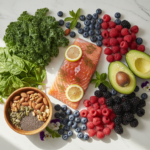
The best sources include citrus fruits, bell peppers, strawberries, kiwi, and broccoli. These foods are rich in vitamin C and provide it in forms your body readily absorbs. Consuming vitamin C-rich foods daily ensures consistent support for skin health.
Vitamin E for Skin Protection
Vitamin E protects skin cell membranes from oxidative damage. This fat-soluble antioxidant works particularly well alongside omega-3 fatty acids, creating synergistic protective effects. Vitamin E also helps protect skin from sun damage when consumed regularly.
Find vitamin E in almonds, sunflower seeds, avocados, and spinach. These foods deliver this protective nutrient along with healthy fats that enhance absorption. Including vitamin E-rich foods daily supports your skin’s antioxidant defense system.
Polyphenols and Flavonoids
Green Tea
Green tea contains catechins, powerful polyphenols that reduce inflammation and may help protect against skin cancer. Studies show that both drinking green tea and applying it topically can improve skin health and reduce acne.
The antioxidants in green tea also help protect skin from UV damage. Drinking 2-3 cups daily provides consistent antioxidant support while keeping you hydrated, another key factor in skin health.
Dark Chocolate
Dark chocolate with at least 70% cacao content provides flavonoids that improve skin hydration, thickness, and blood flow. These compounds act as a powerful antioxidant, protecting against sun damage and improving overall skin appearance.
Choose minimally processed dark chocolate to maximize benefits. The flavonoids in cacao can help reduce the appearance of wrinkles and support skin elasticity when consumed as part of a balanced diet.
Colorful Fruits and Vegetables
The pigments that give fruits and vegetables their vibrant colors often function as antioxidants. Beta-carotene in orange vegetables, lycopene in tomatoes, and anthocyanins in berries all protect skin from damage while supporting repair processes.
Eating a variety of colorful produce ensures you get a full spectrum of protective compounds. Aim for at least five different colors daily to provide comprehensive antioxidant support for your skin.
How Antioxidants Combat Skin Aging
Free radicals attack collagen and elastin, the proteins that keep skin firm and elastic. Antioxidants neutralize these destructive molecules before they cause damage. This protection helps prevent wrinkles, sagging, and other visible signs of aging.
Antioxidants also support your skin’s natural repair mechanisms. They help reduce inflammation that accelerates aging and create an environment where skin cells can regenerate effectively. The cumulative effect is healthier, younger-looking skin.
Unlock the Anti-Aging Power of Nutrition
Learn the exact antioxidant combinations and daily intake levels that reverse visible aging. Our comprehensive anti-aging nutrition protocol shows you how to turn back the clock naturally.
Water forms the foundation of every skin health strategy. Your skin cells require adequate hydration to function properly, maintain their protective barrier, and eliminate toxins. Even mild dehydration affects skin appearance, causing dullness and emphasizing fine lines.
Proper hydration supports all the processes that keep skin healthy. It helps transport nutrients to skin cells, flush out waste products, and maintain the plumpness that gives skin its youthful appearance. Water also plays an important role in regulating oil production.
How Much Water Does Your Skin Need?
Individual water needs vary based on activity level, climate, and overall health. Most people benefit from consuming at least eight glasses of water daily, though active individuals may need more. Your skin provides clues about your hydration status through its texture and appearance.
Well-hydrated skin appears plump, smooth, and radiant. Dehydrated skin looks dull, feels tight, and shows more pronounced fine lines. Increasing water intake often produces visible improvements within days as skin cells rehydrate and function better.
Hydrating Foods That Support Skin
Water-Rich Fruits
Watermelon, strawberries, cantaloupe, and peaches contain over 90% water. These fruits provide hydration along with vitamins and antioxidants that support skin health. They make excellent snacks that contribute to your daily fluid intake.
The water in fruits comes packaged with electrolytes and natural sugars that help your body absorb and retain hydration more effectively than plain water alone. Including these fruits daily enhances overall hydration status.
Hydrating Vegetables
Cucumbers, celery, lettuce, and zucchini deliver significant amounts of water along with minerals that support skin function. These vegetables also provide fiber that supports gut health, indirectly benefiting your skin through the gut-skin connection.
Adding these vegetables to meals and snacks increases your water intake while providing valuable nutrients. Their high water content makes them low in calories but high in skin-supporting benefits.
The Relationship Between Hydration and Skin Elasticity
Skin elasticity depends partly on adequate hydration. Well-hydrated skin bounces back quickly when pressed, while dehydrated skin shows delayed recovery. This elasticity affects both how your skin looks and how it ages over time.
Chronic dehydration accelerates the formation of fine lines and makes wrinkles more apparent. Maintaining consistent hydration helps preserve elasticity and keeps skin looking firmer and more youthful. The effects compound over time, making daily hydration essential.
Electrolytes and Skin Hydration
Electrolytes like sodium, potassium, and magnesium help your body retain and utilize water effectively. These minerals support proper fluid balance, ensuring that the water you drink actually reaches your skin cells rather than passing straight through.
Coconut water, mineral-rich spring water, and broths provide natural electrolytes. Including these beverages along with plain water optimizes hydration for skin health. Fruits and vegetables also contribute electrolytes that support fluid balance.
Master Hydration for Radiant Skin
Get our complete hydration protocol with timing strategies, electrolyte balance guides, and the exact foods that maximize skin moisture from within. See visible results in just one week.
Foods That Boost Collagen Production for Firm, Youthful Skin
Collagen provides structural support that keeps skin firm, smooth, and elastic. After age 25, your body produces less collagen each year, contributing to wrinkles and sagging. While you cannot stop this decline completely, certain foods support collagen production and help preserve what you have.
Your body needs specific nutrients to manufacture collagen. Vitamin C, amino acids, and certain minerals serve as essential building blocks. Providing these nutrients through diet supports your skin’s natural collagen production processes.
Protein Sources for Collagen Building
Your body builds collagen from amino acids derived from protein. Consuming adequate high-quality protein ensures your body has the raw materials needed for collagen synthesis. Fish, chicken, eggs, and legumes all provide amino acid profiles that support skin health.
Bone broth deserves special mention as it contains collagen and gelatin that your body can use directly. While research on whether consuming collagen increases skin collagen continues, bone broth provides additional nutrients like glycine and proline that support skin structure.
Vitamin C: The Collagen Catalyst
Vitamin C plays an important role in collagen synthesis. Without it, your body cannot form stable collagen molecules regardless of how much protein you consume. This makes vitamin C-rich foods absolutely essential for maintaining skin firmness.
Bell peppers actually contain more vitamin C than oranges, making them an excellent choice for collagen support. Strawberries, kiwi, broccoli, and Brussels sprouts also rank high in this crucial nutrient. Including these foods daily ensures consistent collagen support.
Copper and Zinc for Collagen Cross-Linking
Copper Sources
Copper helps activate enzymes that cross-link collagen fibers, making them stronger and more stable. Shellfish, nuts, seeds, and organ meats provide copper along with other skin-supporting nutrients. Even small amounts make a significant difference.
Cashews and sunflower seeds make convenient copper sources you can easily incorporate into daily snacks. The combination of copper with healthy fats in these nuts seeds enhances absorption and provides comprehensive skin benefits.
Zinc Sources
Zinc supports collagen synthesis and helps protect existing collagen from damage. Pumpkin seeds, beef, chickpeas, and oysters deliver significant amounts. Zinc also helps reduce acne by regulating oil production and reducing inflammation.
Vegetarian sources like legumes and seeds contain zinc, though in less bioavailable forms than animal sources. Soaking or sprouting these foods increases zinc absorption, making them more effective for supporting skin health.
Protecting Collagen from Breakdown
Supporting new collagen production matters, but protecting existing collagen proves equally important. Antioxidants shield collagen fibers from damage caused by UV radiation, pollution, and inflammation. This protection helps maintain skin firmness longer.
Berries rank among the best collagen protectors due to their high anthocyanin content. These powerful antioxidants help protect skin from environmental damage while supporting the repair of existing collagen damage. Eating berries daily provides consistent protection.
Collagen and Skin Elasticity
Collagen works together with elastin to maintain skin elasticity. While elastin provides stretch, collagen provides structure and support. Together, they determine how well your skin bounces back and maintains its shape over time.
Foods that support collagen also generally support elastin production. The same nutrients work together to maintain both proteins, creating comprehensive support for skin firmness and elasticity. This synergy makes a varied, nutrient-rich diet particularly effective.
Rebuild Your Skin’s Collagen Foundation
Discover the proven collagen-boosting protocol that firms skin and reduces wrinkles naturally. Our step-by-step guide includes meal plans, supplement recommendations, and lifestyle strategies for maximum results.
Understanding which foods support skin health matters, but knowing which ones harm it proves equally important. Certain foods trigger inflammation, spike insulin, and create conditions that promote acne and accelerate aging. Reducing or eliminating these foods often produces dramatic skin improvements.
The relationship between diet and acne becomes particularly clear when examining inflammatory foods. Many people notice significant skin improvements within weeks of reducing sugar, dairy, and processed foods, even without adding beneficial foods.
Refined Sugar and High-Glycemic Foods
Sugar accelerates skin aging through a process called glycation. When blood sugar spikes, excess glucose molecules attach to collagen and elastin fibers, making them stiff and brittle. This process creates advanced glycation end products that contribute to wrinkles and sagging.
High-glycemic foods also spike insulin, which triggers increased oil production and inflammation. This combination creates perfect conditions for acne breakouts. Reducing sugar and refined carbohydrates often produces the fastest visible improvements in skin clarity.
Dairy Products and Skin Inflammation
Research links dairy consumption to increased acne in many individuals. Milk contains hormones and growth factors that may stimulate oil glands and promote inflammation. The relationship appears strongest with skim milk, though full-fat dairy also affects some people.
Not everyone reacts to dairy, but if you struggle with persistent acne, try eliminating it for 30 days to assess its impact on your skin. Many people notice significant improvements in both acne and overall skin clarity after removing dairy from their diet.
Processed Foods and Trans Fats
Ultra-Processed Foods
Processed foods contain additives, preservatives, and artificial ingredients that promote inflammation throughout your body, including your skin. They also lack the nutrients your skin needs to repair and regenerate, creating a double negative impact.
These foods often combine problematic ingredients like refined flour, sugar, and unhealthy fats. This combination triggers insulin spikes, increases inflammation, and provides almost no nutritional support for skin health.
Trans Fats and Damaged Oils
Trans fats increase inflammation and may contribute to clogged pores. Found in many fried foods, packaged baked goods, and margarine, these fats harm skin health while providing no benefits. Even small amounts can negatively impact skin conditions.
Refined vegetable oils, when heated to high temperatures, become oxidized and inflammatory. These damaged fats contribute to skin inflammation and may accelerate aging. Choosing stable fats like olive oil or coconut oil supports better skin health.
Alcohol and Skin Dehydration
Alcohol dehydrates skin and depletes nutrients essential for skin health. It also triggers inflammation and dilates blood vessels, potentially worsening conditions like rosacea. Regular alcohol consumption accelerates visible aging and can contribute to dull, tired-looking skin.
If you drink alcohol, staying well-hydrated and limiting consumption helps minimize damage. However, reducing or eliminating alcohol often produces noticeable improvements in skin clarity, tone, and overall radiance within weeks.
Excessive Salt and Sodium
While some sodium is necessary, excessive salt intake causes fluid retention and puffiness, particularly around the eyes. It can also dehydrate skin cells, leaving skin looking dull and emphasizing fine lines. Most excess sodium comes from processed foods rather than table salt.
Reducing processed food consumption automatically decreases sodium intake. This often results in less facial puffiness and improved skin texture as fluid balance normalizes and cells maintain better hydration.
Clear Your Skin by Clearing Your Diet
Get our complete acne-free nutrition plan that identifies your personal trigger foods and provides delicious alternatives. Stop guessing and start seeing clear skin results in just 21 days.
Essential Vitamins and Minerals for Optimal Skin Health
Beyond the major food groups, specific vitamins and minerals target different skin concerns. Understanding which nutrients address your particular needs allows you to customize your diet for optimal results. Each nutrient plays a unique role in supporting healthy skin function.
Vitamin A and Retinoids for Cell Turnover
Vitamin A supports skin cell turnover and oil regulation. It helps prevent clogged pores and promotes the shedding of dead skin cells that can lead to dullness and breakouts. Beta-carotene, found in orange and red vegetables, converts to vitamin A in your body.
Sweet potatoes, carrots, spinach, and cantaloupe provide abundant beta-carotene. These foods are rich in vitamin A precursors that your body converts as needed. Unlike supplements, you cannot consume toxic levels of vitamin A from food sources.
B Vitamins for Skin Repair
B Complex Sources
B vitamins support cellular metabolism and energy production in skin cells. Biotin (B7) particularly influences skin health, while niacin (B3) reduces inflammation and supports the skin barrier. Deficiencies in B vitamins often manifest as skin problems.
Whole grains, legumes, eggs, and leafy greens provide B vitamins. These nutrients work together synergistically, making whole food sources more effective than isolated supplements for most people.
Biotin for Skin Health
Biotin deficiency can cause dry, scaly skin and dermatitis. While true deficiency is rare, ensuring adequate intake supports healthy skin. Eggs, nuts, sweet potatoes, and avocados provide biotin along with other skin-supporting nutrients.
The combination of biotin with healthy fats in eggs and avocados enhances absorption. These whole food sources provide biotin in the context of other nutrients that work together to support skin health.
Selenium and Skin Cancer Protection
Selenium acts as a powerful antioxidant that may help protect against skin cancer. It supports antioxidant enzymes that defend skin cells from UV damage. Research suggests adequate selenium intake reduces skin cancer risk and supports overall skin health.
Brazil nuts contain exceptionally high selenium levels. Just two Brazil nuts daily provide adequate selenium for most people. Fish, whole grains, and eggs also contribute selenium along with other beneficial nutrients.
Iron and Skin Oxygenation
Iron carries oxygen to skin cells, supporting their metabolism and energy production. Iron deficiency causes pale, dull skin and can slow wound healing. Women particularly need to ensure adequate iron intake to support skin health and overall vitality.
Red meat provides highly bioavailable heme iron, while spinach, lentils, and fortified grains offer non-heme iron. Consuming vitamin C alongside plant-based iron sources significantly enhances absorption, making combinations like spinach salad with strawberries particularly effective.
Magnesium and Skin Inflammation
Magnesium helps reduce inflammation and supports proper cellular function throughout your body, including your skin. Many people consume insufficient magnesium, potentially contributing to inflammatory skin conditions. Increasing magnesium intake often reduces skin inflammation.
Dark leafy greens, nuts, seeds, and dark chocolate provide magnesium. The mineral works particularly well when combined with omega-3 fatty acids, creating synergistic anti-inflammatory effects that benefit skin health.
Probiotics and the Gut-Skin Axis
The connection between gut health and skin appearance grows clearer as research advances. Your gut microbiome influences inflammation, nutrient absorption, and immune function, all of which directly impact skin health. Supporting beneficial gut bacteria often produces unexpected skin improvements.
Probiotics reduce systemic inflammation that contributes to acne, eczema, and other skin conditions. They also enhance your body’s ability to absorb skin-supporting nutrients from food. A healthy gut creates the foundation for healthy skin.
Fermented Foods for Skin Health
Cultured Dairy
Yogurt and kefir contain live beneficial bacteria that support gut health. These probiotics help reduce inflammation and may improve various skin conditions. Choose unsweetened varieties to avoid the skin-damaging effects of added sugar.
Full-fat versions provide additional benefits through healthy fats that support nutrient absorption. The combination of probiotics, protein, and healthy fats makes these foods particularly valuable for skin health, assuming you tolerate dairy well.
Fermented Vegetables
Sauerkraut, kimchi, and other fermented vegetables provide probiotics without dairy. These foods offer additional benefits through their vegetable nutrients and fiber content. They support both gut health and skin health through multiple mechanisms.
The fermentation process increases nutrient bioavailability, making vitamins and minerals more accessible to your body. This enhanced absorption supports better overall nutrition, directly benefiting your skin.
Prebiotic Foods That Feed Good Bacteria
Prebiotics are types of fiber that nourish beneficial gut bacteria. Without adequate prebiotics, probiotics cannot thrive. Foods like garlic, onions, asparagus, bananas, and oats contain prebiotic fibers that support a healthy microbiome.
These foods work synergistically with probiotic-rich foods. Including both in your diet creates optimal conditions for beneficial bacteria to flourish, supporting skin health through improved gut function and reduced inflammation.
How Gut Health Affects Acne
Research increasingly links gut dysbiosis (bacterial imbalance) to acne. An unhealthy gut microbiome allows inflammatory compounds to enter the bloodstream, triggering skin inflammation. Healing the gut often produces significant acne improvements even without topical treatment.
Many acne treatments focus solely on the skin surface, but addressing gut health treats a root cause. Combining probiotic foods with other skin-healthy dietary changes produces more comprehensive and lasting results than either approach alone.
Probiotics and Skin Conditions
Studies show probiotics may help manage various skin conditions beyond acne, including rosacea, eczema, and psoriasis. These conditions all involve inflammatory processes that gut health influences. Supporting the microbiome addresses underlying inflammation.
While probiotics aren’t a cure-all, many people notice significant improvements in chronic skin conditions after prioritizing gut health. The approach proves particularly effective when combined with identifying and eliminating inflammatory trigger foods.
Practical Meal Planning for Clear Skin
Understanding which foods support skin health means little without practical implementation strategies. Creating sustainable eating patterns ensures you consistently provide your skin with the nutrients it needs. Simple meal planning makes skin-healthy eating effortless.
Building a Skin-Healthy Plate
Every meal should include protein for collagen building, colorful vegetables for antioxidants, healthy fats for omega-3s and absorption, and complex carbohydrates for sustained energy. This balance ensures comprehensive nutritional support for skin health.
Aim to fill half your plate with vegetables, one quarter with protein, and one quarter with complex carbohydrates. Add healthy fats through cooking oils, nuts seeds, or avocado. This simple formula creates meals that naturally support clear skin.
Weekly Meal Prep for Skin Success
Batch Cooking Basics
Prepare proteins, vegetables, and whole grains in bulk at the beginning of each week. Cook multiple servings of fish, chicken, and legumes. Roast several trays of vegetables. Cook large batches of quinoa or brown rice. These components become building blocks for quick meals.
Having prepared ingredients ready makes assembling skin-healthy meals effortless. You can quickly combine these elements in different ways throughout the week, preventing boredom while ensuring consistent nutrition for your skin.
Smart Snack Preparation
Portion nuts seeds, cut vegetables, and prepare hummus or guacamole in advance. Having healthy snacks readily available prevents reaching for processed options that harm skin. Keep these prepared snacks visible and accessible.
Prepare smoothie bags with pre-portioned fruits, vegetables, and protein powder. Store them in the freezer for instant skin-healthy smoothies. This preparation removes barriers to consistent healthy eating.
Sample Daily Meal Plan
A typical skin-supporting day might include: Greek yogurt with berries and walnuts for breakfast, providing probiotics, antioxidants, and omega-3s. Lunch could feature a salmon salad with mixed greens, bell peppers, and olive oil dressing, delivering omega-3 fatty acids, vitamin C, and healthy fats.
Dinner might include grilled chicken with roasted sweet potatoes and broccoli, offering protein, beta-carotene, and vitamin C. Snacks could include apple slices with almond butter and carrot sticks with hummus, maintaining steady energy while providing skin-supporting nutrients throughout the day.
Hydration Throughout the Day
Create a hydration schedule to ensure consistent water intake. Start your day with a glass of water. Drink water before each meal. Keep a water bottle visible throughout the day. These simple habits maintain the hydration your skin needs.
Infuse water with cucumber, lemon, or berries to make it more appealing. Herbal teas count toward hydration while providing additional antioxidants. Green tea offers particular skin benefits through its polyphenol content.
Eating Out While Protecting Your Skin
Maintaining skin-healthy eating habits while dining out requires simple strategies. Choose grilled or baked proteins over fried options. Request extra vegetables instead of fries. Ask for dressings and sauces on the side to control added sugars and unhealthy fats.
Most restaurants accommodate requests for substitutions. Don’t hesitate to ask for modifications that support your skin health goals. Prioritize fish and vegetable-based dishes when available.
Lifestyle Factors That Enhance Nutrition for Skin
While diet forms the foundation of skin health, other lifestyle factors determine how effectively your body uses the nutrients you provide. Sleep, stress management, and exercise all influence how food affects your skin. Optimizing these factors amplifies your nutritional efforts.
Sleep and Skin Regeneration
Your skin repairs and regenerates primarily during sleep. Insufficient sleep disrupts these processes, reducing the benefits of even the healthiest diet. Growth hormone release during deep sleep supports collagen production and cell turnover.
Aim for seven to nine hours of quality sleep nightly. Poor sleep increases cortisol, which triggers inflammation and breaks down collagen. Prioritizing sleep enhances how effectively your body uses the nutrients you consume for skin health.
Stress Management for Clear Skin
Chronic stress elevates cortisol, which increases inflammation and oil production. Many people notice acne flares during stressful periods. Managing stress helps your body better utilize nutrients and reduces inflammatory skin responses.
Meditation, yoga, deep breathing, and regular exercise all reduce stress hormones. Even brief daily stress management practices produce measurable benefits for skin health by creating an internal environment where healthy foods can work optimally.
Exercise and Skin Circulation
Exercise increases blood flow, delivering oxygen and nutrients to skin cells while removing waste products. This enhanced circulation supports the cellular processes that keep skin healthy and clear. Regular physical activity also reduces stress and improves sleep.
You don’t need intense workouts to benefit skin. Even moderate daily activity improves circulation and supports overall health. The combination of healthy eating and regular movement creates optimal conditions for clear, radiant skin.
Sun Protection and Diet
While foods rich in antioxidants and omega-3 fatty acids provide internal sun protection, they don’t replace sunscreen. UV damage accelerates aging and increases skin cancer risk. Combining nutritional sun protection with proper sunscreen use creates comprehensive defense.
Eating foods that help protect skin from sun damage works synergistically with topical sun protection. This layered approach provides better protection than either strategy alone, preserving youthful skin appearance and reducing skin cancer risk.
Transform Your Skin in Just 30 Days
Stop struggling with confusing advice and conflicting information. Our comprehensive Clear Skin Blueprint gives you everything you need: proven meal plans, shopping lists, recipes, supplement guides, and daily action steps. Join thousands who’ve already transformed their skin naturally.
Foods for clear skin work from the inside out, addressing root causes rather than just surface symptoms. By consistently choosing nutrient-dense whole foods, you provide your skin with everything it needs to heal, repair, and glow naturally.
The journey to clearer skin through nutrition doesn’t require perfection. Small, consistent improvements compound over time. Start by adding one or two skin-supporting foods daily. Gradually reduce inflammatory foods. Stay hydrated. These simple steps create momentum toward lasting change.
Remember that visible results take time. Your skin cells turn over approximately every 28 days, meaning you need consistent nutrition for at least a month before seeing dramatic changes. Trust the process. The science supporting the diet-skin connection is solid.
Your skin reflects your overall health. When you nourish your body with the best foods for healthy skin, you improve not just your appearance but your entire wellbeing. Clear skin becomes a visible marker of the health you’re building from within.
Start today. Choose one meal to optimize for skin health. Tomorrow, add another. Within weeks, you’ll notice improvements. Within months, you’ll see transformation. Your clearest, most radiant skin awaits on the other side of consistent, nutrient-rich eating choices.