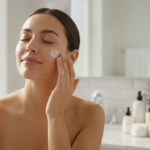
Your skin deserves the best care possible. Creating an effective skin care routine at home doesn’t require expensive spa visits or complicated procedures. With the right knowledge and quality products, you can achieve glowing, healthy skin from the comfort of your own bathroom.
This comprehensive guide walks you through everything you need to know. From understanding your unique skin type to building morning and evening routines that actually work, we’ll help you transform your skin care approach.
Whether you’re dealing with acne, fine lines, dry skin, or simply want to maintain your skin’s natural beauty, the right routine makes all the difference. Let’s discover how to create a personalized skin care routine at home that delivers real results.
Understanding Your Skin Type: The Foundation of Every Routine
Before you build your skin care routine at home, you need to identify your skin type. This crucial first step determines which products will work best for your unique needs.
The Four Primary Skin Types
Normal skin maintains balanced moisture levels. It shows few imperfections and doesn’t feel tight or oily. This skin type responds well to most products and requires gentle maintenance.
Oily skin produces excess sebum throughout the day. You’ll notice enlarged pores, shine on your face, and may experience frequent breakouts. This skin type needs products that control oil without stripping moisture.
Dry skin feels tight and may show flaking or rough patches. Fine lines appear more pronounced, and your skin craves moisture. A proper routine focuses on hydration and protecting your skin’s natural barrier.
Combination skin shows characteristics of multiple types. Your T-zone (forehead, nose, chin) may be oily while cheeks remain dry. This skin type requires a balanced approach with targeted treatments for different areas.
How to Determine Your Skin Type at Home
Wash your face with a gentle cleanser and pat dry. Wait one hour without applying any products. Examine your skin in a mirror under good lighting.
Check for shine or oil on your forehead, nose, and chin
Notice any tight or uncomfortable sensations on your cheeks
Look for visible pores and their size
Assess overall texture and smoothness
Consider how your skin typically behaves throughout the day
Understanding your skin type helps you select appropriate products. It prevents common mistakes like using heavy creams on oily skin or harsh treatments on dry skin.
Discover Your Personalized Skin Care Solution
Take the guesswork out of skin care with a customized routine designed specifically for your skin type. Get expert recommendations that actually work for your unique needs.
Essential Products for Your Skin Care Routine at Home
Every effective skin care routine at home requires key products. These essential items form the foundation of both morning and nighttime care. Quality matters more than quantity when building your collection.
Cleanser: Your First Line of Defense
A gentle cleanser removes dirt, makeup, and excess oil without stripping your skin. This product keeps your pores clear and prepares your skin for other treatments.
For oily skin, look for gel-based or foaming cleansers that control excess sebum. Those with dry skin benefit from cream or oil-based formulas that maintain moisture. Combination skin types work well with micellar water or gentle gel cleansers.
Always cleanse your face twice daily. Morning cleansing removes overnight oil buildup. Evening cleansing eliminates the day’s accumulation of dirt, pollution, and makeup.
Moisturizer: Hydration for Every Skin Type
Moisturizer maintains your skin’s moisture barrier. This protective layer keeps skin healthy and prevents damage from environmental stressors. Even oily skin needs moisturizer to stay balanced.
Choose lightweight, oil-free formulas for oily skin. Dry skin requires richer creams with ingredients like hyaluronic acid and ceramides. Gel-based moisturizers work perfectly for combination skin types.
Apply moisturizer to damp skin. This technique helps lock in moisture and maximizes product effectiveness. Your skin should feel soft and supple, never greasy or tight.
Sunscreen: Daily Protection You Cannot Skip
Sunscreen is the most important step in any skin care routine at home. It prevents premature aging, sun damage, and protects your skin from harmful UV rays. Make sunscreen a non-negotiable part of your morning routine.
Use broad-spectrum sunscreen with at least SPF 30 every single day. Apply it as the final step of your morning skin care routine. Reapply every two hours when spending time outdoors.
Physical sunscreens containing zinc oxide work well for sensitive skin. Chemical sunscreens offer lightweight formulas that blend seamlessly under makeup. Choose based on your skin type and personal preference.
Serums and Treatments: Targeted Solutions
Serums deliver concentrated active ingredients deep into your skin. These powerful products address specific concerns like fine lines, dark spots, or acne. Add serums to your routine once you’ve established basic care.
Vitamin C serums brighten skin and provide antioxidant protection. Retinol treatments reduce fine lines and improve skin texture. Hyaluronic acid serums boost hydration levels for plump, healthy skin.
Apply serums after cleansing but before moisturizer. Use a small amount and pat gently into skin. Wait a moment for absorption before applying your next product.
Morning Skin Care Routine at Home: Start Your Day Right
Your morning skin care routine at home prepares and protects your skin for the day ahead. This routine focuses on cleansing, hydrating, and shielding your face from environmental damage. Consistency delivers the best results.
Step 1: Gentle Morning Cleanse
Begin with a gentle cleanser to remove overnight oil and prepare your skin. Morning cleansing refreshes your face without stripping essential moisture. Use lukewarm water for best results.
Massage the cleanser in circular motions for 30 seconds. Pay special attention to your T-zone where oil accumulates. Rinse thoroughly and pat your face dry with a clean towel.
If you have very dry skin, you might skip morning cleansing occasionally. A splash of water or micellar water on a cotton pad suffices. Listen to what your skin needs.
Find Your Perfect Morning Cleanser
Transform your morning routine with a cleanser specifically formulated for your skin type. Experience the difference quality ingredients make in your daily skin care.
After cleansing, apply any treatment serums while your skin is still slightly damp. Morning serums typically focus on protection and brightening. Choose products with antioxidant ingredients.
Vitamin C serum works beautifully in the morning. It protects your skin from free radicals and environmental stressors. Use just a few drops and gently pat into your skin until absorbed.
Wait about one minute before moving to the next step. This allows the serum to penetrate properly. Your skin should feel smooth and ready for moisturizer.
Step 3: Moisturize to Lock in Hydration
Moisturizer seals in the benefits of your serum and provides lasting hydration. Choose a formula appropriate for your skin type. This step maintains your skin’s moisture balance throughout the day.
Warm a pea-sized amount between your palms. Press gently into your skin rather than rubbing. Focus on areas that tend toward dryness like cheeks and around your eyes.
Give your moisturizer time to absorb fully. Wait about three minutes before applying sunscreen. This ensures each product works effectively without pilling or mixing.
Step 4: Protect with Sunscreen
Sunscreen is the final and most crucial step in your morning routine. Apply it generously to all exposed skin. This simple habit prevents 90% of visible aging and protects against skin cancer.
Use about a quarter teaspoon for your face and neck. Apply sunscreen 15 minutes before sun exposure. Don’t forget often-missed areas like your ears, hairline, and the back of your neck.
Physical sunscreens with zinc oxide or titanium dioxide sit on top of skin. Chemical sunscreens absorb into skin for invisible protection. Both types work effectively when applied correctly.
Protect Your Skin Every Day
Make sun protection effortless with advanced formulations that feel lightweight and work under makeup. Discover sunscreens you’ll actually want to wear daily.
Complete your morning skin care routine at home before applying makeup. Allow each product to absorb fully. This prevents pilling and ensures your makeup applies smoothly.
Keep your routine simple and consistent. Your skin responds better to regular care than occasional intensive treatments. Morning routines should take 5-10 minutes total.
Evening Skin Care Routine at Home: Repair and Restore
Your nighttime skin care routine at home focuses on repair and renewal. While you sleep, your skin works hard to heal itself. Evening care supports this natural process with targeted treatments and deep hydration.
Step 1: Remove Makeup Thoroughly
Always remove makeup before cleansing. This extra step ensures your cleanser can work effectively. Makeup residue clogs pores and prevents other products from absorbing properly.
Micellar water works beautifully for makeup removal. Soak a cotton pad and gently wipe over your entire face. For stubborn eye makeup, hold the pad over closed eyes for a few seconds before wiping.
Oil-based cleansers also effectively dissolve makeup. Massage the oil onto dry skin, then add water to emulsify. This method removes even waterproof makeup without harsh rubbing.
Step 2: Deep Evening Cleanse
Your evening cleanse removes the day’s accumulation of dirt, oil, and pollution. This thorough cleaning prevents breakouts and prepares skin for nighttime treatments. Take your time with this important step.
Consider double cleansing in the evening. First, use an oil-based cleanser to remove makeup and sunscreen. Follow with your regular gentle cleanser to clean skin completely. This method ensures nothing remains on your face.
Spend at least 60 seconds massaging your evening cleanser. Use gentle, circular motions. Rinse with lukewarm water and pat dry completely before moving to the next step.
Step 3: Apply Active Treatments
Evening is the best time for active ingredients like retinol. Your skin repairs itself during sleep, making nighttime ideal for powerful treatments. These products work without sun exposure concerns.
Retinol improves skin texture and reduces fine lines over time. Start slowly if you’re new to retinol. Use a pea-sized amount every other night initially. Gradually increase frequency as your skin adjusts.
Other effective nighttime treatments include niacinamide for pore refinement and alpha hydroxy acids for gentle exfoliation. Choose one active ingredient per night to avoid irritation.
Unlock Advanced Treatment Solutions
Target your specific skin concerns with professional-grade treatments that work overnight. Experience visible improvements in texture, tone, and overall skin health.
Night creams typically contain richer formulas than day moisturizers. Your skin loses more moisture during sleep. Evening moisturizer helps prevent this moisture loss and supports skin repair.
Look for night creams with ingredients like peptides, ceramides, and hyaluronic acid. These components support your skin’s natural overnight renewal process. Apply generously to face and neck.
Don’t forget your eye area. Use a specialized eye cream to address fine lines and prevent moisture loss in this delicate zone. Pat gently with your ring finger to avoid stretching thin skin.
Step 5: Weekly Intensive Treatments
Add special treatments to your nighttime routine once or twice per week. Face masks provide concentrated benefits. Exfoliating treatments remove dead skin cells for a fresh, glowing complexion.
Overnight masks work while you sleep to deeply hydrate or treat specific concerns. Sheet masks deliver intense moisture in 15-20 minutes. Choose treatments based on your skin’s current needs.
Transform Your Skin While You Sleep
Maximize your beauty sleep with intensive overnight treatments that deliver dramatic results. Wake up to visibly healthier, more radiant skin every morning.
Your skin care routine at home can target specific concerns effectively. Understanding common problems and their solutions helps you customize your approach. Address issues systematically with appropriate products and consistent care.
Fighting Acne and Breakouts
Acne requires a gentle but consistent approach. Harsh treatments often worsen breakouts by causing irritation and excess oil production. Focus on keeping skin clean and balanced.
Salicylic acid helps unclog pores and prevent new breakouts. Benzoyl peroxide kills acne-causing bacteria. Start with lower concentrations to assess your skin’s tolerance. These ingredients work best when used consistently.
Avoid touching your face throughout the day. Change pillowcases regularly to prevent bacteria transfer. Never pick at breakouts, as this leads to scarring and prolonged healing time.
Reducing Fine Lines and Signs of Aging
Fine lines respond well to targeted ingredients in your skin care routine at home. Retinol remains the gold standard for anti-aging care. This powerful ingredient stimulates collagen production and speeds cell turnover.
Peptides support skin structure and firmness. Antioxidant serums protect against free radical damage. Hyaluronic acid plumps skin and reduces the appearance of lines through intense hydration.
Sun protection prevents future damage. Consistent sunscreen use stops 90% of premature aging. This simple step proves more effective than any anti-aging cream alone.
Managing Dry Skin and Dehydration
Dry skin needs moisture both inside and out. Drink plenty of water throughout the day. Your skin care routine at home should focus on hydration and barrier repair.
Layer hydrating products for maximum benefit. Start with a hydrating toner or essence. Follow with a serum containing hyaluronic acid. Seal everything with a rich moisturizer.
Avoid hot water and harsh cleansers that strip your skin. Use lukewarm water only. Choose cream-based cleansers that maintain your skin’s natural oils while removing dirt.
Controlling Oily Skin and Large Pores
Oily skin needs balance, not harsh stripping. Over-cleansing triggers more oil production. Your routine should regulate sebum without removing all moisture.
Clay masks help absorb excess oil once or twice weekly. Niacinamide regulates sebum production and minimizes pore appearance. BHA exfoliants keep pores clear and refined.
Always use moisturizer, even on oily skin. Choose oil-free, gel-based formulas. Skipping moisturizer actually makes your skin produce more oil to compensate.
Fading Dark Spots and Hyperpigmentation
Dark spots require patience and consistent treatment. Brightening ingredients work gradually to even skin tone. Sun protection remains essential, as UV exposure worsens discoloration.
Vitamin C serums brighten skin and fade spots over time. Niacinamide reduces hyperpigmentation and evens tone. Alpha arbutin specifically targets dark spots without irritating sensitive skin.
Chemical exfoliants help remove discolored surface cells. Use these treatments at night and always follow with sunscreen the next morning. Results typically appear after 6-8 weeks of consistent use.
Weekly Treatments to Enhance Your Skin Care Routine at Home
Weekly treatments boost your regular skin care routine at home with intensive care. These special sessions address specific needs and provide extra benefits. Schedule dedicated time each week for these powerful treatments.
Exfoliation: Revealing Fresh Skin
Regular exfoliation removes dead skin cells that make your complexion look dull. This process reveals the fresh, healthy skin underneath. Choose between physical and chemical exfoliation based on your skin type.
Physical exfoliants use small particles to manually slough off dead cells. Use gentle, circular motions without applying pressure. Exfoliate 1-2 times per week for most skin types. Sensitive skin may need less frequent exfoliation.
Chemical exfoliants like AHAs and BHAs dissolve the bonds between dead cells. These treatments penetrate deeper than physical scrubs. Start with once weekly and observe how your skin responds.
Face Masks: Targeted Treatment Power
Face masks deliver concentrated ingredients for specific concerns. Clay masks draw out impurities and control oil. Hydrating masks infuse moisture deep into skin. Choose masks that address your current skin needs.
Apply masks to clean, dry skin. Leave on for the recommended time, usually 10-20 minutes. Remove thoroughly and follow with your regular moisturizer. Most people benefit from masking once or twice weekly.
Sheet masks provide convenient, mess-free treatment. These pre-soaked cloths deliver serums directly to your skin. Use them before special events for an instant glow or as regular weekly care.
Facial Massage: Boosting Circulation
Facial massage improves circulation and promotes lymphatic drainage. This technique reduces puffiness and gives skin a healthy glow. Incorporate massage into your weekly skin care routine at home.
Use your fingertips or tools like jade rollers or gua sha. Apply light pressure and move in upward, outward motions. Spend 5-10 minutes massaging your entire face. Always use a facial oil or serum for smooth gliding.
Focus on areas prone to tension like your jaw and forehead. Gentle massage around your eyes reduces puffiness. This relaxing practice also provides stress relief beyond skin benefits.
Deep Conditioning Treatments
Intensive moisture treatments repair and strengthen your skin’s barrier. These weekly sessions provide extra hydration that daily products cannot match. Deep conditioning proves especially beneficial for dry or stressed skin.
Overnight masks work while you sleep for maximum absorption. Sleeping packs create an occlusive layer that seals in moisture and active ingredients. Wake up to noticeably softer, more radiant skin.
Elevate Your Weekly Skin Care Ritual
Take your routine to the next level with professional-quality weekly treatments. Transform your skin with powerful masks, serums, and specialized care you can do at home.
Lifestyle Factors That Impact Your Skin Care Routine at Home
Your skin care routine at home works best when supported by healthy lifestyle choices. External products alone cannot overcome poor habits. A holistic approach delivers the most dramatic results.
The Power of Beauty Sleep
Sleep is when your skin repairs itself most actively. During deep sleep, your body increases blood flow to skin and rebuilds collagen. Seven to nine hours of quality sleep each night shows on your face.
Poor sleep leads to dark circles, dull skin, and premature aging. Stress hormones from sleep deprivation break down collagen. Make sure you get adequate rest for your skin care routine at home to work effectively.
Establish a consistent sleep schedule. Keep your bedroom cool and dark. Consider a silk pillowcase to reduce friction on your skin during sleep.
Hydration: Water for Healthy Skin
Drinking enough water supports skin health from within. Proper hydration helps your skin maintain moisture and flush toxins. Your body needs water to transport nutrients to skin cells.
Aim for eight glasses of water daily. More if you exercise or live in a dry climate. Herbal teas and water-rich foods like cucumbers and watermelon also contribute to hydration.
Keep skin moisturized from inside and out. Water helps your topical products work more effectively. Dehydrated skin cannot absorb moisturizer properly.
Diet and Nutrition for Radiant Skin
What you eat directly affects your skin’s appearance. Antioxidant-rich foods protect against damage. Healthy fats support your skin’s natural oil barrier. Vitamins and minerals provide building blocks for healthy cells.
Eat plenty of fruits and vegetables for vitamins and antioxidants. Include omega-3 fatty acids from fish or flaxseed. Limit sugar and processed foods that trigger inflammation and breakouts.
Certain nutrients specifically benefit skin. Vitamin C supports collagen production. Vitamin E protects against sun damage. Zinc helps control oil and reduce inflammation.
Stress Management and Skin Health
Chronic stress shows on your skin. Stress hormones trigger inflammation, breakouts, and premature aging. Managing stress is an essential part of your skin care routine at home.
Find stress-relief practices that work for you. Meditation, yoga, or simple deep breathing help. Regular exercise reduces stress while improving circulation to your skin.
Take time for self-care activities. Your skin care routine at home can become a relaxing ritual. This dedicated time benefits both your mental health and your complexion.
Exercise and Skin Circulation
Physical activity increases blood flow, delivering oxygen and nutrients to skin cells. Exercise also promotes collagen production and helps manage stress. Your skin glows after a good workout.
Always cleanse your face after exercising. Sweat mixed with dirt and oil can clog pores. Keep your skin clean during workouts by using a clean towel and avoiding touching your face.
Common Mistakes to Avoid in Your Skin Care Routine at Home
Even with good intentions, many people make mistakes that undermine their skin care routine at home. Recognizing these common errors helps you avoid them. Small changes often make a significant difference in results.
Over-Cleansing and Stripping Your Skin
Washing your face too often or with harsh cleansers damages your skin’s protective barrier. This leads to dryness, irritation, and paradoxically more oil production. Your skin needs some natural oils to stay healthy.
Cleanse only twice daily unless you need to remove makeup or workout sweat. Use gentle, pH-balanced cleansers. Avoid products with sulfates or alcohol that strip your skin.
If your skin feels tight or looks red after cleansing, your cleanser is too harsh. Switch to a gentler formula. Your face should feel clean but not squeaky or uncomfortable.
Skipping Sunscreen Daily
Many people apply sunscreen only on sunny days or at the beach. UV rays damage your skin every single day, even when it’s cloudy. This mistake causes premature aging and increases skin cancer risk.
Make sunscreen non-negotiable in your morning skin care routine at home. Apply it every day regardless of weather or plans. Reapply if you’ll be outside for extended periods.
Choose a sunscreen you genuinely like. If you hate the texture or smell, you won’t use it consistently. Modern formulas feel lightweight and work beautifully under makeup.
Using Too Many Products at Once
More products don’t equal better results. Layering too many items can irritate skin and prevent proper absorption. Your skin can only handle so many ingredients at once.
Keep your routine simple with 3-5 products per session. Focus on quality over quantity. Each product should serve a clear purpose in your skin care routine at home.
Introduce new products one at a time. Wait two weeks before adding another. This helps you identify what works and what causes problems.
Neglecting Your Neck and Body
Your face isn’t the only part that needs care. Many people stop their skin care routine at their jawline. Your neck, chest, and hands show aging just as prominently as your face.
Extend all your facial products down to your chest. The skin on your neck is thin and shows aging quickly. Apply sunscreen to any exposed body areas, especially your hands.
Use body lotion daily to keep skin all over hydrated and healthy. Your body deserves the same care and attention as your face.
Not Removing Makeup Before Sleep
Sleeping in makeup clogs pores, causes breakouts, and prevents skin repair. Makeup mixed with the day’s dirt and oil creates the perfect environment for irritation. This lazy habit dramatically impacts skin health.
No matter how tired you feel, always remove makeup. Keep makeup wipes by your bed for emergencies. Better yet, develop a consistent nighttime routine that becomes automatic.
Make sure you remove all traces of makeup, especially around your eyes. Leftover mascara can irritate eyes and break delicate eyelashes. Clean skin is essential for overnight repair.
Picking at Your Skin
Squeezing pimples or picking at your skin causes scarring and spreads bacteria. This habit extends healing time and often makes breakouts worse. Keep your hands off your face.
If you must extract a blemish, do it correctly. Use clean tools and apply gentle pressure. Better yet, see a dermatologist for professional extractions.
Adjusting Your Skin Care Routine at Home for Seasons
Your skin’s needs change with the seasons. Temperature, humidity, and sun exposure vary throughout the year. Adjusting your skin care routine at home ensures optimal results in every season.
Winter: Fighting Dryness and Cold
Winter weather strips moisture from your skin. Indoor heating further dries the air. Your skin needs extra protection and hydration during cold months.
Switch to richer, cream-based cleansers in winter. Use heavier moisturizers that create a protective barrier. Add a facial oil over your moisturizer for extra protection against harsh elements.
Don’t forget sunscreen just because it’s cold. Snow reflects UV rays, increasing exposure. Continue daily sun protection throughout winter months.
Spring: Refreshing and Renewing
Spring brings increased humidity and warmer temperatures. Your skin may need lighter products as the weather changes. This is a great time to introduce new treatments.
Exfoliate more regularly to remove winter buildup. Transition to lighter moisturizers as needed. Focus on brightening products to address any winter dullness.
Spring cleaning applies to your skin care routine too. Check expiration dates and replace old products. Start fresh with the new season.
Summer: Protection and Oil Control
Summer heat increases oil production and sun exposure. Your skin care routine at home needs adjustments to handle these challenges. Focus on protection and keeping skin balanced.
Use gel-based or oil-free moisturizers in hot weather. Apply sunscreen every two hours when outdoors. Keep blotting papers handy to manage excess oil without disrupting your routine.
Hydrating mists refresh skin throughout hot days. Store skincare products in cool places to prevent breakdown. Refrigerate sheet masks for extra cooling relief.
Fall: Repair and Prepare
Fall is perfect for repairing summer sun damage. Cooler weather lets you introduce stronger treatments. Prepare your skin for the harsh winter ahead.
Start using richer moisturizers as temperatures drop. Incorporate retinol or other anti-aging treatments. Focus on repairing any damage from summer sun exposure.
This season is ideal for chemical peels or stronger exfoliants. The reduced sun exposure makes these treatments safer and more effective.
Selecting the Right Products for Your Skin Care Routine at Home
Choosing appropriate products makes or breaks your skin care routine at home. The beauty industry offers overwhelming options. Learn to identify quality products that match your needs and budget.
Understanding Ingredient Lists
Ingredients are listed by concentration, with highest amounts first. Active ingredients drive results. Learn to recognize beneficial components and avoid potential irritants.
Look for proven ingredients like hyaluronic acid, niacinamide, and ceramides. Avoid products with alcohol high in the ingredient list. Fragrance can irritate sensitive skin.
Don’t be fooled by marketing claims. Natural doesn’t always mean better. Focus on evidence-based ingredients with scientific backing.
Matching Products to Your Skin Type
Every skin type needs different formulations. Products that work for oily skin may worsen dryness. Understanding your skin type guides smart product choices.
Oily Skin Products
Look for lightweight, oil-free formulations that won’t clog pores.
Gel or foam cleansers
Oil-free moisturizers
Matte-finish sunscreens
Salicylic acid treatments
Dry Skin Products
Choose rich, nourishing formulas that restore moisture.
Cream-based cleansers
Rich moisturizing creams
Facial oils and serums
Hydrating toners
Combination Skin Products
Balance different areas with versatile, gentle formulas.
Gel cleansers
Lightweight moisturizers
Targeted treatments
Balancing toners
Sensitive Skin Products
Opt for fragrance-free, minimal-ingredient products.
Gentle, non-foaming cleansers
Hypoallergenic moisturizers
Physical sunscreens
Soothing ingredients
Price vs. Quality Considerations
Expensive doesn’t always mean better. Many affordable products contain the same active ingredients as luxury brands. Focus on ingredient quality rather than packaging or price.
Invest in products with active ingredients like retinol or vitamin C. You can save on basic items like cleansers and moisturizers. Research brands known for effective formulations at various price points.
Patch Testing New Products
Always test new products before applying to your entire face. This simple step prevents widespread reactions. Patch testing is essential for maintaining a safe skin care routine at home.
Apply a small amount to your inner forearm or behind your ear. Wait 24-48 hours and check for any reaction. If your skin remains clear, the product is likely safe for your face.
When to Consult a Dermatologist About Your Skin Care Routine
While a solid skin care routine at home addresses many concerns, some situations require professional help. Dermatologists provide expert diagnosis and treatment. Know when to seek medical advice for your skin health.
Signs You Need Professional Help
Persistent acne that doesn’t improve with over-the-counter products needs dermatological intervention. Severe breakouts can scar permanently without proper treatment. A dermatologist can prescribe stronger medications.
Sudden changes in moles or new skin growths require immediate evaluation. Early detection of skin cancer saves lives. Schedule annual skin checks with a dermatologist.
Chronic conditions like eczema or rosacea benefit from professional management. These inflammatory issues need specific treatments beyond standard skin care routines.
Professional Treatments to Consider
Chemical peels performed by professionals provide deeper exfoliation than at-home treatments. These procedures improve texture, reduce pigmentation, and boost collagen production. Your dermatologist can recommend appropriate peel strength.
Prescription retinoids work more powerfully than over-the-counter versions. These medications effectively treat acne and aging signs. A dermatologist monitors your progress and adjusts treatment as needed.
Laser treatments target specific concerns like brown spots, broken capillaries, or acne scars. These advanced procedures complement your at-home routine with dramatic improvements.
Building a Partnership with Your Dermatologist
Share your complete skin care routine at home with your dermatologist. This information helps them make informed recommendations. Bring products you currently use to appointments.
Follow professional advice carefully. Your dermatologist’s recommendations work best when combined with proper at-home care. Ask questions about any concerns or confusion regarding your routine.
Building Consistency in Your Skin Care Routine at Home
Consistency matters more than perfection in skin care. Regular care delivers better results than occasional intensive treatments. Building habits that stick transforms your skin over time.
Creating a Sustainable Routine
Start simple with just cleansing, moisturizing, and sunscreen. Master these basics before adding other products. A simple routine is easier to maintain than a complicated ten-step process.
Keep products visible and accessible. Store your morning routine items in one area, evening products in another. Easy access removes barriers to consistency.
Set reminders on your phone if needed. Schedule your skin care routine at the same time daily. Consistency builds automatic habits that require less willpower.
Tracking Your Progress
Take photos every few weeks to document changes. Your mirror view doesn’t show gradual improvements. Photos provide concrete evidence of your progress.
Keep a simple skin journal noting what products you use and how your skin responds. This information helps identify what works and what causes problems.
Celebrate small improvements. Notice when breakouts reduce or skin feels smoother. These victories motivate continued consistency in your skin care routine at home.
Adjusting Without Giving Up
Some days you’ll forget or feel too tired. Don’t let one missed day derail your entire routine. Simply resume the next day without guilt or dramatic changes.
Have a simplified emergency routine for exhausted nights. At minimum, remove makeup and apply moisturizer. Something is always better than nothing.
Adjust your routine as needed but avoid constantly switching products. Give each product at least four weeks before judging effectiveness. Patience is essential for real results.
Budget-Friendly Skin Care Routine at Home
Effective skin care doesn’t require spending hundreds of dollars. Many budget-friendly products contain the same active ingredients as expensive brands. Smart shopping helps you build a great skin care routine at home without breaking your bank.
Essential vs. Optional Products
Focus your budget on three essentials: cleanser, moisturizer, and sunscreen. These products form the foundation of effective care. Everything else is supplementary and can wait.
Must-Have Products
Gentle daily cleanser
Basic moisturizer for your skin type
Broad-spectrum SPF 30+ sunscreen
Makeup remover (if you wear makeup)
Optional Add-Ons
Serums with active ingredients
Eye cream
Face masks
Toners and essences
Specialty treatments
Maximizing Product Value
Use the correct amount of each product. More doesn’t mean better results. A pea-sized amount suffices for most creams and serums. This makes products last longer.
Store products properly to maintain effectiveness. Keep items away from direct sunlight and extreme temperatures. Close lids tightly after each use to prevent oxidation and contamination.
Multi-use products save money and simplify your routine. Some moisturizers work for both face and body. Micellar water removes makeup and cleanses in one step.
DIY Treatments That Actually Work
Some effective treatments come from your kitchen. Honey makes an excellent gentle mask with antibacterial properties. Oatmeal soothes irritated skin naturally.
Coconut oil works as a makeup remover and moisturizer for dry skin. Aloe vera gel soothes sunburn and provides lightweight hydration. These natural options cost a fraction of commercial products.
However, not all DIY treatments are safe. Avoid lemon juice, which can burn skin. Skip baking soda, which disrupts your skin’s pH balance. Stick to proven gentle ingredients.
Transform Your Skin Starting Today
You now have all the knowledge needed for an effective skin care routine at home. Understanding your skin type, using the right products, and maintaining consistency create real change. Your journey to healthier, more radiant skin begins with your next step.
Remember that skin care is a marathon, not a sprint. Give products time to work. Stay patient with your skin’s natural renewal process. Most people see noticeable improvements within 6-8 weeks of consistent care.
Don’t get overwhelmed by trying to perfect everything immediately. Start with basic cleansing, moisturizing, and sun protection. Add other products gradually as you build your routine and understand your skin’s needs.
Your skin is unique and deserves personalized attention. What works for others might not work for you. Pay attention to how your skin responds and adjust accordingly. Trust the process and stay committed to your routine.
Start Your Complete Skin Transformation Today
Stop guessing about what your skin needs. Get access to proven, professional-grade skin care solutions designed to work together for maximum results. Transform your skin with a complete system tailored to your unique needs.
Building an effective skin care routine at home requires knowledge, quality products, and consistency. You’ve learned how to identify your skin type, select appropriate products, and create morning and evening routines that deliver results.
The most expensive products don’t guarantee the best results. Understanding your skin’s needs and using products correctly matters more than price tags. Start with basics, stay consistent, and adjust based on your skin’s response.
Remember that healthy skin comes from both external care and internal health. Support your skin care routine at home with adequate sleep, proper hydration, nutritious food, and stress management. This holistic approach creates lasting results.
Don’t hesitate to seek professional guidance when needed. Dermatologists provide valuable insights for stubborn concerns. Combine professional advice with dedicated at-home care for optimal skin health.
Your skin is worth the investment of time and attention. Every day you care for your skin is a day closer to the healthy, radiant complexion you deserve. Stay patient, stay consistent, and watch your skin transform.