Your skin reflects what you eat. While topical treatments help, the foundation of clear, radiant skin begins on your plate. The connection between diet and skin health is powerful and scientifically proven.
When you nourish your body with the right foods, you address skin issues from the inside out. This approach tackles inflammation, provides essential nutrients, and supports your skin’s natural healing processes.
This comprehensive guide reveals which healthy foods for clear skin deliver real results. You’ll discover specific nutrients that combat acne, reduce inflammation, and promote that coveted natural glow.
Ready to Transform Your Skin in 30 Days?
Get instant access to our complete Clear Skin Nutrition System. Discover the exact meal plans, recipes, and supplement protocols that have helped over 50,000 people achieve radiant, healthy skin naturally.
Research confirms that what you consume directly impacts your skin’s appearance and health. Your diet plays an important role in controlling inflammation, which is a major factor in acne and other skin conditions.
The foods you choose affect skin elasticity, hydration levels, and your body’s ability to repair damage. Poor nutrition can accelerate aging, increase breakouts, and compromise your skin’s protective barrier.
Studies show that certain nutrients help protect skin from environmental damage. Antioxidants fight free radicals, while specific vitamins support collagen production and cell regeneration.
Key Fact: Your skin health reflects your internal health. When you feed your body properly, your skin responds with improved clarity, tone, and resilience against damage.
Omega-3 Fatty Acids: Your Skin’s Best Friend
Why Omega-3 Fatty Acids Matter
Omega-3 fatty acids are essential fats that your body cannot produce. These powerful nutrients play important roles in maintaining healthy skin by reducing inflammation throughout your body.
When you consume adequate omega-3 fatty acids, you help protect skin from damage and support its natural moisture barrier. These fatty acids also contribute to skin elasticity and may help reduce the appearance of wrinkles.
Best Sources of Omega-3
Fatty fish like salmon, mackerel, and sardines
Walnuts and walnut oil
Chia seeds and ground flaxseeds
Hemp seeds
Algae-based supplements for vegetarians
How Omega-3 Helps Clear Skin
Omega-3 fatty acids may help reduce acne by controlling inflammation at the cellular level. They support skin health by regulating oil production and preventing clogged pores that lead to breakouts.
Research indicates that regular consumption of omega-3 fatty acids can help protect skin from sun damage. These nutrients strengthen skin’s defense against harmful UV rays while supporting repair processes.
Maximize Your Omega-3 Intake
To get the best results, aim for at least two servings of fatty fish per week. If you don’t eat fish, consider high-quality supplements or plant-based alternatives like walnuts and chia seeds daily.
Omega-3 fatty acids work synergistically with other nutrients. Combine them with antioxidant-rich foods for maximum skin protection and repair benefits.
Antioxidant-Rich Foods That Protect Skin
Antioxidants help protect your skin from oxidative stress caused by environmental factors. Free radicals damage skin cells, leading to premature aging, wrinkles, and a dull complexion.
When you eat foods rich in antioxidants, you provide your skin with powerful defenders. These compounds neutralize harmful free radicals before they can cause significant skin damage.
Vitamin C: The Brightening Powerhouse
Vitamin C is a powerful antioxidant essential for collagen production. This nutrient helps maintain skin elasticity and firmness while brightening your complexion.
Rich vitamin C foods include citrus fruits, strawberries, bell peppers, and broccoli. These foods may help reduce the appearance of age spots and uneven skin tone.
Your body cannot store vitamin C, so you need daily intake. Consuming vitamin C-rich foods regularly ensures consistent support for skin health and protection against damage.
Vitamin E and Selenium Partnership
Vitamin E works as a powerful antioxidant that helps protect skin cell membranes. This nutrient supports skin hydration and provides protection against sun damage when combined with vitamin C.
Nuts and seeds are excellent sources of vitamin E. Almonds, sunflower seeds, and hazelnuts provide substantial amounts. Avocados and leafy greens also contribute to your daily vitamin E intake.
Selenium works alongside vitamin E to support skin health. This mineral is found in Brazil nuts, fish, and whole grains. Together, these nutrients enhance your skin’s defense system.
Berries
Blueberries, strawberries, and raspberries contain high levels of antioxidants. These fruits help protect skin from environmental damage while supporting collagen production.
Dark Chocolate
High-quality dark chocolate contains flavonoids that improve skin hydration and protect against sun damage. Choose chocolate with at least seventy percent cocoa content.
Green Tea
Green tea provides powerful antioxidants called catechins. Regular consumption may help reduce inflammation and protect skin from damage caused by UV exposure.
Transform Your Skin With Our Complete Nutrition Protocol
4.8
Based on 12,847 Reviews
Results
4.8
Easy to Follow
4.7
Value
4.9
Join over fifty thousand people who’ve achieved clear, radiant skin through our science-backed nutrition system. Get meal plans, recipes, supplement guides, and ongoing support.
Personalized meal plans for your skin type
Over 200 skin-healing recipes
Supplement recommendations from dermatologists
Weekly coaching and community support
Thirty-day money-back guarantee
Hydration and Water-Rich Foods
Proper hydration is fundamental for healthy skin. Water helps maintain skin elasticity, flushes toxins, and keeps your complexion looking plump and youthful.
When you drink enough water daily, you support your skin’s natural detoxification processes. Adequate hydration helps deliver nutrients to skin cells and removes waste products effectively.
The Role of Water in Skin Health
Your skin is your body’s largest organ and requires consistent water intake to function optimally. Dehydration shows quickly in your complexion through dullness, fine lines, and increased sensitivity.
Water supports the production of collagen and elastin. These proteins keep your skin firm and smooth. Without sufficient hydration, your skin loses its ability to repair and regenerate efficiently.
Drinking water may help reduce the appearance of age spots and wrinkles. Proper hydration plumps skin cells, making fine lines less noticeable and giving you a more youthful appearance.
Best Water-Rich Foods
While drinking water is essential, you can also boost hydration through food. Many fruits and vegetables have high water content and provide additional nutrients that support skin health.
Cucumbers
Cucumbers contain ninety-six percent water. They provide silica, which supports collagen production, and vitamin C for additional antioxidant protection.
Watermelon
This summer fruit offers excellent hydration plus lycopene. This powerful antioxidant helps protect skin from sun damage and may improve skin texture.
Celery
Celery provides hydration and contains vitamins A, C, and K. These nutrients work together to support skin health and may help reduce inflammation.
Hydration Tip: Aim for at least eight glasses of water daily. Increase intake during exercise or hot weather. Combine water consumption with water-rich foods for optimal skin hydration.
Protein-Rich Foods for Collagen and Repair
Protein is essential for building and repairing skin tissue. Your body uses amino acids from protein to produce collagen, the structural protein that keeps skin firm and youthful.
When you consume adequate protein, you support your skin’s ability to heal from damage. Protein also helps maintain skin elasticity and can reduce the appearance of wrinkles and fine lines.
Complete Protein Sources
Complete proteins contain all essential amino acids your body needs. Animal sources like fish, poultry, eggs, and dairy provide complete protein packages.
Fatty fish offers the dual benefit of omega-3 fatty acids and high-quality protein. This combination makes fish one of the best foods for skin health and appearance.
Top Protein Sources for Skin
Wild-caught salmon and other fatty fish
Organic eggs with omega-3 enrichment
Grass-fed lean meats
Greek yogurt and cottage cheese
Legumes combined with whole grains
Quinoa and hemp seeds
Collagen-Boosting Nutrients
Certain nutrients work synergistically with protein to boost collagen production. Vitamin C is crucial for collagen synthesis, while zinc and copper support the process.
Foods rich in proline and glycine, amino acids essential for collagen formation, include bone broth, gelatin, and animal skin. These foods may help improve skin elasticity and reduce wrinkles.
Enhance Your Collagen Production
While getting protein from whole foods is ideal, targeted supplementation can provide concentrated support for collagen production and skin repair.
Quality protein supplements combined with collagen peptides offer maximum benefit. Look for products that include vitamin C and hyaluronic acid for comprehensive skin support.
Healthy Fats That Support Skin Barrier
Your skin’s barrier function depends on adequate fat intake. Healthy fats help maintain moisture, reduce inflammation, and keep your skin soft and supple.
Essential fatty acids cannot be produced by your body. You must obtain them through diet. These fats play important roles in maintaining skin health and preventing moisture loss.
Monounsaturated Fats for Hydration
Avocados are rich in monounsaturated fats and vitamin E. This combination helps protect skin from oxidative damage while maintaining moisture levels.
Olive oil provides oleic acid, which supports skin hydration and may help reduce inflammation. Extra virgin olive oil also contains powerful antioxidants that protect skin cells.
These healthy fats help your body absorb fat-soluble vitamins A, D, E, and K. These vitamins are crucial for maintaining healthy skin and supporting repair processes.
Nuts and Seeds for Skin Nourishment
Nuts and seeds provide healthy fats along with vitamins and minerals. Almonds are rich vitamin E sources, while walnuts offer omega-3 fatty acids.
Sunflower seeds contain both vitamin E and selenium. This powerful combination helps protect skin from environmental damage and supports skin health.
Flaxseeds and chia seeds provide omega-3 fatty acids in plant form. Grinding these seeds improves absorption. Add them to smoothies, yogurt, or oatmeal for an easy nutritional boost.
Almonds
Almonds provide vitamin E, magnesium, and healthy fats. Regular consumption may help protect skin from oxidative stress and improve skin appearance.
Walnuts
Walnuts contain omega-3 fatty acids, vitamin E, and minerals. They help support skin elasticity and may reduce inflammation associated with acne.
Pumpkin Seeds
These seeds provide zinc, which plays an important role in wound healing and acne treatment. They also offer healthy fats and vitamin E.
Balance is Key: While healthy fats are essential, moderation matters. Include a variety of fat sources in appropriate portions. Aim for a palm-sized serving of nuts or half an avocado per serving.
Probiotic Foods for Gut-Skin Connection
The gut-skin axis is a powerful connection. Your digestive health directly influences your skin’s appearance. An imbalanced gut microbiome can trigger inflammation that manifests as skin conditions.
Probiotics are beneficial bacteria that support digestive health. When you consume probiotic-rich foods, you promote a healthy gut environment that may help reduce acne and inflammation.
Fermented Foods for Skin Health
Fermented foods contain live cultures that benefit your gut microbiome. These foods support digestion, enhance nutrient absorption, and may help reduce skin inflammation.
Yogurt with live cultures provides beneficial bacteria along with protein and calcium. Choose plain, unsweetened varieties to avoid added sugars that can trigger acne.
Kefir offers a broader range of probiotic strains than yogurt. This tangy drink supports gut health and may help improve skin conditions linked to digestive issues.
Cultured Vegetables and Their Benefits
Sauerkraut and kimchi provide probiotics plus vitamin C and fiber. These fermented vegetables support both gut health and immune function, which impacts skin health.
Kombucha is a fermented tea that contains probiotics and antioxidants. This fizzy beverage supports gut health while providing hydration. Choose low-sugar varieties for best results.
Miso paste made from fermented soybeans offers probiotics and important nutrients. Use it in soups and dressings to add flavor while supporting your gut microbiome.
Supercharge Your Gut Health
While fermented foods help, therapeutic-strength probiotics can provide concentrated support. Clinical formulations target specific skin conditions through gut healing.
Our recommended probiotic protocol combines multiple beneficial strains specifically chosen for their impact on skin health and inflammation reduction.
Foods That Can Worsen Skin Conditions
Certain foods can trigger inflammation and worsen acne and other skin conditions. Understanding which foods to limit helps you make better choices for clearer skin.
High-glycemic foods cause blood sugar spikes that trigger insulin release. This hormonal cascade can increase oil production and inflammation, leading to breakouts.
Sugar and Refined Carbohydrates
Refined sugars and white flour products spike blood sugar rapidly. These foods promote inflammation throughout your body, which shows up in your skin.
Studies link high-glycemic diets to increased acne severity. When you reduce sugar intake, many people notice improvements in their skin within weeks.
Replace refined carbohydrates with whole grains. Choose brown rice, quinoa, and whole wheat products. These foods provide steady energy without triggering inflammation.
Dairy and Skin Reactions
Dairy products may worsen acne for some people. Milk contains hormones that can trigger oil production. If you suspect dairy affects your skin, try eliminating it for thirty days.
Some people tolerate fermented dairy like yogurt better than milk. The probiotics in yogurt may offset potential negative effects. Experiment to find what works for your skin.
Foods That Support Clear Skin
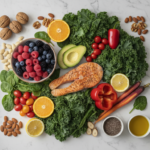
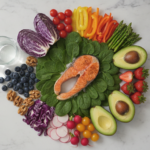
Fatty fish rich in omega-3 fatty acids
Colorful fruits and vegetables with antioxidants
Nuts and seeds for healthy fats
Whole grains with low glycemic impact
Fermented foods for gut health
Green tea and plenty of water
Foods That May Trigger Breakouts
Refined sugars and candy
White bread and pasta
Dairy products (for sensitive individuals)
Fried and greasy foods
Processed snacks and fast food
Excessive alcohol consumption
Essential Vitamins and Minerals for Skin Health
Specific vitamins and minerals play important roles in maintaining healthy skin. Deficiencies in these nutrients can show up as dull complexion, slow healing, and increased skin problems.
When you ensure adequate intake of these essential nutrients, you support your skin’s natural processes. Each vitamin and mineral contributes uniquely to skin health and appearance.
Vitamin A for Cell Turnover
Vitamin A supports skin cell production and turnover. This nutrient helps keep pores clear and promotes healing. Deficiency can lead to dry, dull skin.
Beta-carotene, found in orange and red produce, converts to vitamin A in your body. Sweet potatoes, carrots, and red peppers are excellent sources.
Retinoids, the active form of vitamin A, are powerful for skin health. While topical retinoids are common in skin care, dietary vitamin A provides internal support.
B Vitamins for Skin Metabolism
B vitamins support cellular energy production and skin metabolism. Biotin, in particular, is essential for maintaining healthy skin, hair, and nails.
Niacin (B3) supports skin barrier function and may help reduce redness and inflammation. Foods rich in niacin include chicken, fish, mushrooms, and peanuts.
Folate (B9) supports cell division and tissue growth. Leafy greens, legumes, and fortified grains provide this important nutrient for skin health.
Zinc for Healing and Protection
Zinc plays an important role in wound healing and acne treatment. This mineral has anti-inflammatory properties and supports immune function related to skin health.
Oysters are the richest zinc source, but beef, pumpkin seeds, and lentils also provide good amounts. Adequate zinc intake may help reduce acne severity and speed healing.
Nutrient
Skin Benefit
Best Food Sources
Daily Target
Vitamin A
Cell turnover, pore clarity
Sweet potatoes, carrots, spinach
700-900 mcg
Vitamin C
Collagen production, brightening
Citrus fruits, peppers, berries
75-90 mg
Vitamin E
Antioxidant protection, moisture
Almonds, sunflower seeds, avocado
15 mg
Zinc
Healing, acne treatment
Oysters, beef, pumpkin seeds
8-11 mg
Selenium
Antioxidant, skin cancer protection
Brazil nuts, fish, eggs
55 mcg
Omega-3
Anti-inflammatory, moisture barrier
Fatty fish, walnuts, flaxseeds
250-500 mg EPA+DHA
Foods That Help Protect Skin From Sun Damage
While sunscreen is essential, certain foods provide internal sun protection. These foods contain compounds that may help protect skin from UV damage and reduce your risk of skin cancer.
Dietary antioxidants work from within to neutralize free radicals caused by sun exposure. This internal protection complements external sunscreen for comprehensive defense.
Lycopene-Rich Tomatoes
Tomatoes contain lycopene, a powerful antioxidant that may help protect skin from sun damage. Cooked tomatoes provide more absorbable lycopene than raw ones.
Studies suggest that regular tomato consumption can reduce sunburn severity. Tomato paste offers concentrated lycopene. Include it in sauces, soups, and stews.
Combining tomatoes with healthy fats like olive oil improves lycopene absorption. This makes Mediterranean-style tomato dishes particularly beneficial for skin health.
Green Tea Polyphenols
Green tea contains catechins, antioxidants that may help protect skin from UV damage. Regular green tea consumption supports skin health and may reduce signs of aging.
The polyphenols in green tea have anti-inflammatory properties. They may help reduce redness and inflammation caused by sun exposure while supporting overall skin health.
Drink two to three cups of green tea daily for optimal benefits. Choose high-quality loose leaf tea for maximum antioxidant content. Avoid adding sugar to maintain skin benefits.
Colorful Produce for UV Protection
Brightly colored fruits and vegetables contain various antioxidants that help protect skin. The pigments that give produce their colors often provide sun protection benefits.
Beta-carotene in orange and yellow produce converts to vitamin A and offers sun protection. Anthocyanins in blue and purple foods provide additional antioxidant defense.
Carrots
High in beta-carotene, carrots may help protect skin from UV damage. Regular consumption supports skin’s natural defense against sun exposure.
Berries
Rich in anthocyanins and vitamin C, berries offer powerful antioxidant protection. They may help reduce damage from UV exposure and support skin repair.
Dark Chocolate
Flavonoids in dark chocolate may improve skin’s sun protection. Choose chocolate with at least seventy percent cocoa for maximum benefits.
Important Note: While these foods provide internal sun protection, they do not replace sunscreen. Use them as complementary protection alongside daily SPF application for comprehensive defense against skin cancer and premature aging.
Creating Your Clear Skin Meal Plan
Planning your meals ensures you consistently consume the best foods for skin health. A strategic approach makes it easier to include all the nutrients your skin needs.
Start by building meals around protein sources rich in omega-3 fatty acids. Add colorful vegetables for antioxidants, include healthy fats, and choose whole grains over refined options.
Daily Skin-Healthy Eating Pattern
Morning
Greek yogurt with berries and walnuts
Green smoothie with spinach and flaxseeds
Oatmeal topped with almonds and cinnamon
Eggs with avocado and tomatoes
Afternoon
Salmon salad with mixed greens
Quinoa bowl with vegetables and tahini
Chicken breast with sweet potato and broccoli
Lentil soup with whole grain bread
Evening
Grilled fish with roasted vegetables
Stir-fry with tofu and colorful peppers
Turkey with quinoa and green beans
Vegetable curry with brown rice
Snacks
Raw nuts and seeds
Fresh fruit with nut butter
Vegetable sticks with hummus
Green tea and dark chocolate
Weekly Shopping List
Keep your kitchen stocked with skin-supporting foods. Having the right ingredients available makes healthy choices easier and helps you stay consistent.
Proteins
Wild-caught salmon or sardines
Organic chicken breast
Omega-3 enriched eggs
Greek yogurt with live cultures
Legumes and tofu
Produce
Dark leafy greens
Colorful bell peppers
Tomatoes and carrots
Berries and citrus fruits
Sweet potatoes
Healthy Fats & Others
Avocados and olive oil
Raw nuts and seeds
Whole grains like quinoa
Green tea
Dark chocolate (70%+ cocoa)
Get Your Personalized Clear Skin Meal Plan
Stop guessing what to eat. Our customized meal planning system creates weekly plans based on your skin type, dietary preferences, and lifestyle.
Includes over two hundred delicious recipes, automated shopping lists, and prep guides. Everything you need to feed your skin perfectly every single day.
When to Consider Supplements
While whole foods should be your primary nutrition source, supplements can fill gaps. Certain situations make supplementation beneficial for achieving optimal skin health.
If you have dietary restrictions, digestive issues, or specific skin concerns, targeted supplements may help. Always choose high-quality products from reputable manufacturers.
Key Supplements for Skin Health
Omega-3 supplements provide concentrated EPA and DHA. These forms are most beneficial for skin health. Choose molecularly distilled fish oil to ensure purity.
Collagen peptides may help improve skin elasticity and hydration. Studies show that collagen supplements can reduce wrinkles and support skin health from within.
Probiotic supplements support gut health, which impacts skin. Choose products with multiple strains and at least ten billion CFUs for therapeutic effects.
Quality Matters in Supplementation
Not all supplements are created equal. Look for third-party testing, proper dosing, and bioavailable forms of nutrients. Poor-quality supplements waste money and may not deliver results.
Some nutrients require specific forms for optimal absorption. For example, vitamin E should be in mixed tocopherol form, and vitamin D should be D3 rather than D2.
Consult Healthcare Providers: Before starting any supplement regimen, especially if you take medications or have health conditions, consult with a healthcare provider. Some supplements can interact with medications or may not be appropriate for everyone.
Science-Backed Supplement Protocol
Our dermatologist-formulated supplement protocol takes the guesswork out of supplementation. Get the exact products, dosages, and timing for maximum skin benefits.
Each recommendation is backed by clinical research and formulated for optimal absorption and effectiveness. See visible improvements in thirty to sixty days.
Lifestyle Factors That Enhance Dietary Benefits
Diet alone does not determine skin health. Other lifestyle factors work synergistically with nutrition to improve skin appearance and address skin conditions.
Sleep, stress management, exercise, and hydration all impact how your body uses the nutrients you consume. A holistic approach delivers the best results for clear skin.
Sleep and Skin Regeneration
During sleep, your body repairs skin damage and produces collagen. Inadequate sleep disrupts these processes and can worsen acne and accelerate aging.
Aim for seven to nine hours of quality sleep nightly. Poor sleep increases cortisol, which triggers inflammation and can lead to breakouts and dull skin.
Create a consistent sleep schedule. Your circadian rhythm influences skin cell regeneration. Regular sleep patterns support optimal skin health and appearance.
Stress Management
Chronic stress increases inflammation throughout your body, which shows up in your skin. Stress can trigger acne flares, worsen existing skin conditions, and accelerate aging.
Practice stress-reduction techniques daily. Meditation, deep breathing, yoga, or any activity you enjoy helps manage stress. Even fifteen minutes daily makes a difference.
Exercise for Circulation
Regular exercise increases blood flow, delivering oxygen and nutrients to skin cells. This enhanced circulation supports skin health and gives you a natural glow.
Exercise also helps reduce stress and improve sleep quality. Aim for at least thirty minutes of moderate activity most days. Find activities you enjoy to maintain consistency.
Hydration
Drink at least eight glasses of water daily. Proper hydration supports nutrient delivery and toxin removal, enhancing the benefits of your healthy diet.
Sleep Schedule
Maintain consistent sleep and wake times. This regularity supports your body’s natural repair processes and optimizes how your skin uses nutrients.
Sun Protection
Apply broad-spectrum SPF daily. Even the best diet cannot reverse sun damage. Combine internal antioxidants with external protection for comprehensive defense.
Monitoring Your Skin Transformation
Tracking your progress helps you identify which dietary changes work best for your skin. Take photos and notes to document improvements as you implement these nutrition strategies.
Changes take time. Your skin cells regenerate approximately every twenty-eight days. Give dietary changes at least six to eight weeks before expecting significant visible improvements.
What to Monitor
Acne frequency and severity
Skin texture and smoothness
Overall skin tone and brightness
Hydration levels and plumpness
Fine lines and wrinkles appearance
Healing speed of blemishes
Sensitivity and inflammation
Keeping a Food and Skin Journal
Document what you eat and how your skin responds. This helps you identify foods that trigger breakouts or improvements. Note energy levels and digestive symptoms too.
Track water intake, sleep quality, and stress levels alongside your diet. These factors influence how your body uses nutrients and impacts your skin appearance.
Review your journal weekly. Look for patterns between specific foods and skin reactions. This personalized data helps you optimize your diet for your unique skin needs.
Be Patient: Skin transformation through nutrition takes time. Most people see initial improvements within four to six weeks, with continued enhancement over three to six months. Consistency is more important than perfection.
Frequently Asked Questions About Diet and Skin Health
How long does it take to see skin improvements from dietary changes?
Most people notice initial improvements within four to six weeks of consistent dietary changes. Your skin cells regenerate approximately every twenty-eight days, so you need at least one full cycle to see results.
Significant transformation typically takes three to six months. The timeline varies based on your starting point, the severity of skin issues, and how consistently you follow healthy eating patterns.
Can diet alone clear acne, or do I need medication?
Diet can significantly improve acne for many people, especially when combined with proper skin care. Some cases of mild to moderate acne respond well to dietary intervention alone.
Severe acne or acne that does not respond to lifestyle changes may require medical treatment. Work with a dermatologist to determine the best approach. Diet should complement, not replace, necessary medical care.
Are expensive superfoods necessary for clear skin?
No, you do not need expensive superfoods for healthy skin. Common, affordable foods like sweet potatoes, carrots, canned salmon, eggs, and frozen berries provide excellent nutrition for skin health.
Focus on variety and consistency rather than exotic ingredients. A diet rich in vegetables, fruits, lean proteins, and healthy fats from accessible sources delivers the nutrients your skin needs.
Should I eliminate dairy completely for better skin?
Dairy affects people differently. Some individuals notice significant acne improvement when eliminating dairy, while others see no change. The connection is not universal.
Try eliminating dairy for thirty days to assess your response. If you see improvement, you may be sensitive. Fermented dairy like yogurt with probiotics may be better tolerated than milk.
How much water should I drink daily for optimal skin health?
Aim for at least eight glasses or sixty-four ounces of water daily as a baseline. Individual needs vary based on activity level, climate, and body size.
A good indicator is urine color. Pale yellow suggests adequate hydration. You can also boost hydration through water-rich foods like cucumbers, watermelon, and leafy greens.
Can supplements replace a healthy diet for skin health?
No, supplements cannot replace whole foods. Food provides a complex matrix of nutrients, fiber, and beneficial compounds that work synergistically. This combination cannot be replicated in pill form.
Supplements can fill specific gaps or provide therapeutic doses for certain conditions. Use them to enhance, not replace, a nutrient-dense diet focused on skin health.
Do omega-3 fatty acids really help with acne?
Yes, research supports omega-3 fatty acids for acne management. These fats have anti-inflammatory properties that may help reduce acne severity and inflammation.
Studies show that increasing omega-3 intake while reducing omega-6 fatty acids can improve acne. Include fatty fish two to three times weekly or take a quality fish oil supplement.
Will eating chocolate cause breakouts?
The relationship is more complex than previously thought. Milk chocolate with high sugar content may trigger breakouts in sensitive individuals due to the sugar and dairy content.
Dark chocolate with seventy percent or higher cocoa contains beneficial flavonoids and minimal sugar. Quality dark chocolate in moderation may actually support skin health through its antioxidant content.
How do I know if my skin issues are diet-related?
Keep a detailed food and skin journal for at least four weeks. Document what you eat and note skin changes. Look for patterns between specific foods and skin reactions.
Consider an elimination diet, removing common triggers like dairy, sugar, and processed foods for thirty days, then reintroducing them one at a time while monitoring your skin’s response.
Can diet help reduce age spots and wrinkles?
Yes, diet can help reduce the appearance of age spots and wrinkles over time. Antioxidant-rich foods help protect against further damage, while nutrients that support collagen production may improve skin elasticity.
Foods high in vitamin C, vitamin E, and omega-3 fatty acids are particularly beneficial. However, preventing new damage through sun protection and antioxidant intake is more effective than reversing existing damage.
Your Path to Clear, Radiant Skin Starts Now
Achieving clear, healthy skin through nutrition is a journey, not a destination. The foods you choose daily create the foundation for lasting skin health and natural beauty.
Remember that consistency matters more than perfection. Small, sustainable changes compound over time. Focus on adding more healthy foods rather than obsessing over occasional indulgences.
Every meal is an opportunity to nourish your skin from within. Choose colorful vegetables, quality proteins, healthy fats, and adequate hydration. Your skin will respond with improved clarity, tone, and resilience.
The science is clear. What you eat profoundly impacts your skin health. Omega-3 fatty acids reduce inflammation. Antioxidants protect against damage. Protein supports collagen production. Water maintains hydration.
Start today with one positive change. Add salmon to your weekly menu. Swap sugary snacks for berries and nuts. Increase your water intake. Each choice moves you closer to the clear skin you desire.
“Your skin is a reflection of your overall health. When you nourish your body with whole, nutrient-dense foods, your skin responds with clarity, vibrancy, and resilience. The transformation happens from the inside out.”
— Nutrition and Dermatology Research
Your clear skin journey deserves expert support. While the information in this guide provides a strong foundation, personalized guidance accelerates your results and helps you avoid common pitfalls.
Take action now. Your future skin thanks you for every healthy choice you make today. The path to radiant, clear skin begins with the very next meal you eat.
Transform Your Skin in the Next 60 Days
Stop struggling with confusing advice and conflicting information. Get the complete, step-by-step system that has helped over 50,000 people achieve clear, glowing skin naturally.
4.9
Verified Customer Reviews
Personalized meal plans for your specific skin concerns
200+ delicious skin-healing recipes with photos
Exact supplement protocols from board-certified dermatologists
Weekly coaching calls and private community support
Progress tracking tools and skin health assessments
Limited Time Offer: Join now and receive our exclusive Clear Skin Supplement Guide ($47 value) absolutely free. Plus, get immediate access to our private community where you’ll connect with others on the same journey.