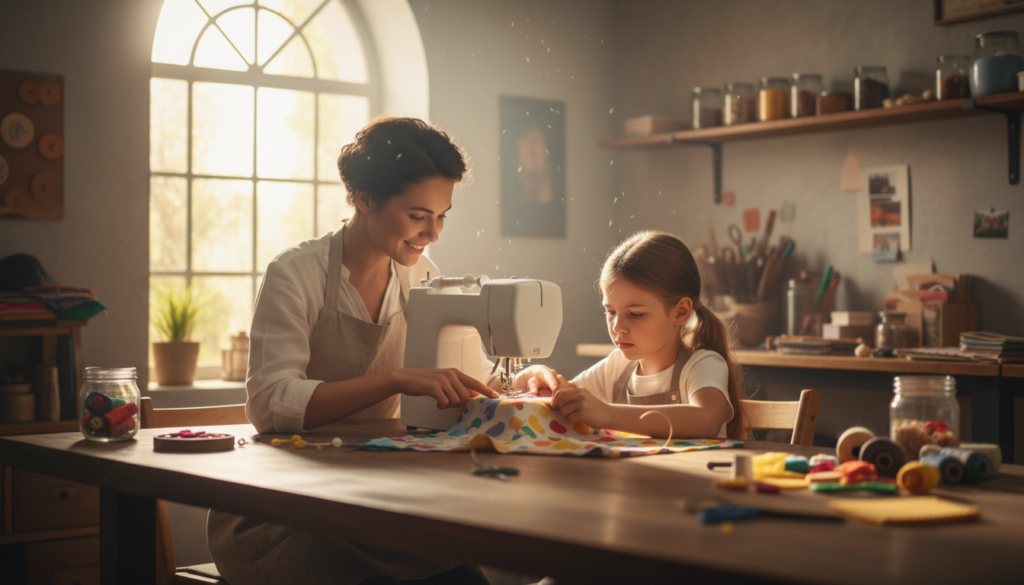
Teaching kids to sew opens a world of creativity and builds practical skills they’ll use forever. Young learners develop patience and problem-solving abilities through hands-on fabric projects. Starting with simple ideas helps children gain confidence before moving to complex techniques.
Parents and educators often wonder where to begin when introducing sewing to children. The key is selecting age-appropriate projects that feel fun rather than frustrating. Simple straight lines and basic stitches provide the foundation for more advanced work later.
This guide shares proven beginner sewing projects designed specifically for kids. Each idea focuses on achievable goals that keep young sewers engaged and excited. Discover complete patterns and step-by-step guides to make teaching sewing easier and more enjoyable.
Getting Started with Kids Sewing Basics
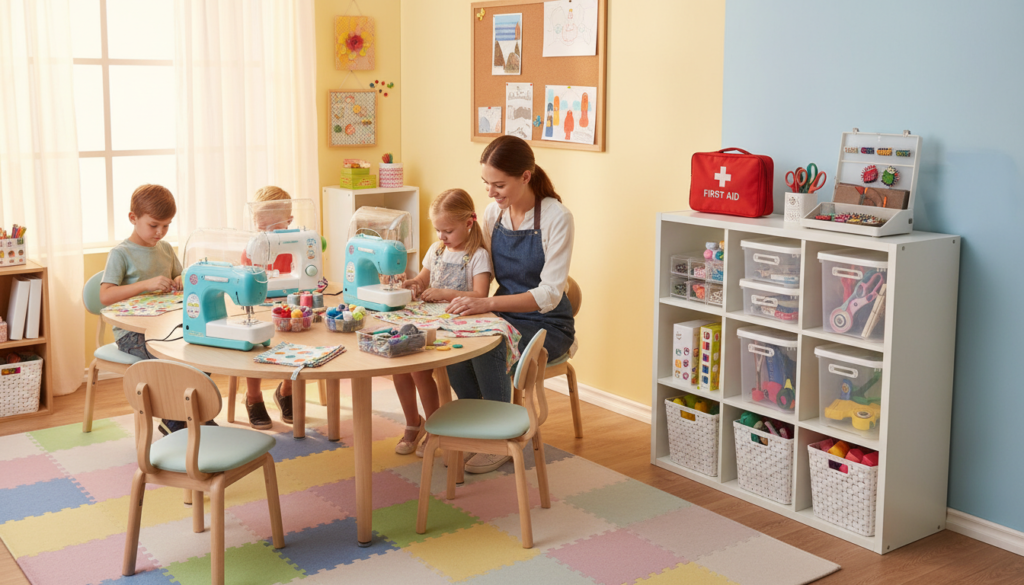
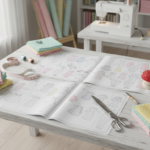
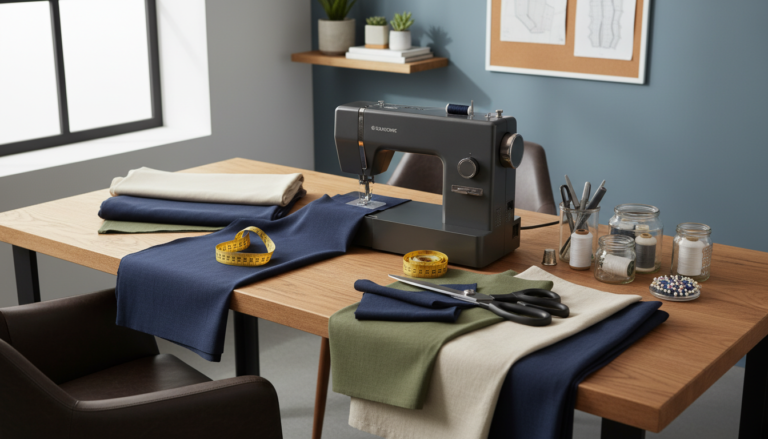
Setting up a safe sewing space for kids requires thoughtful preparation. Choose a well-lit area with a sturdy table where children can work comfortably. Good lighting prevents eye strain and helps young sewers see their stitches clearly.
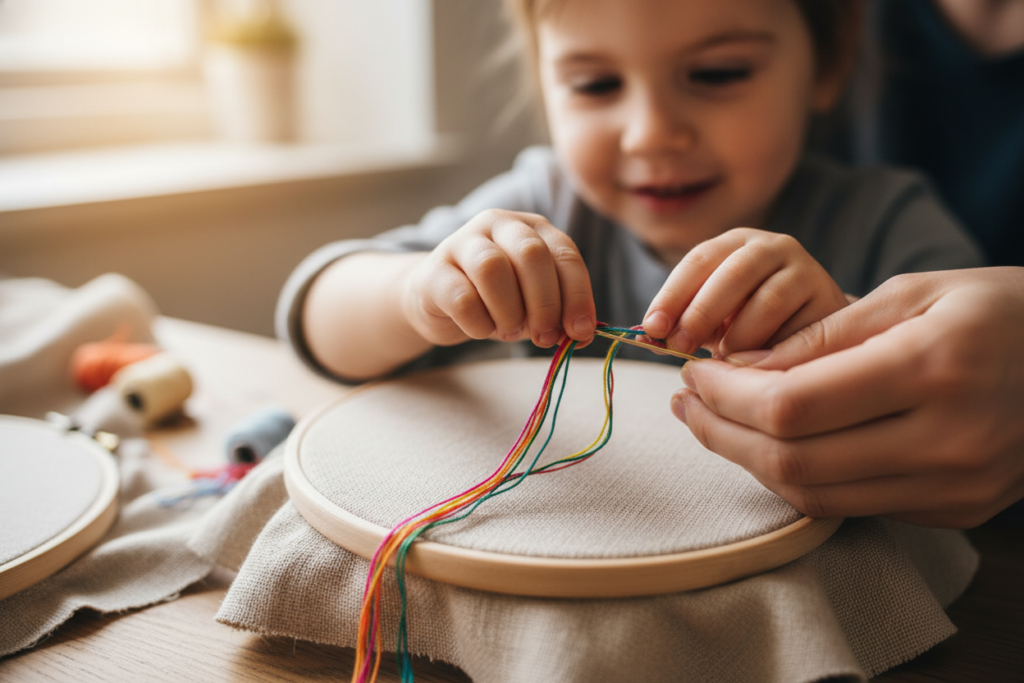
Start with hand sewing before introducing a machine. This approach lets kids understand how fabric and thread work together. Hand stitching also develops fine motor skills that benefit all future sewing work.
Essential Supplies for Young Beginners
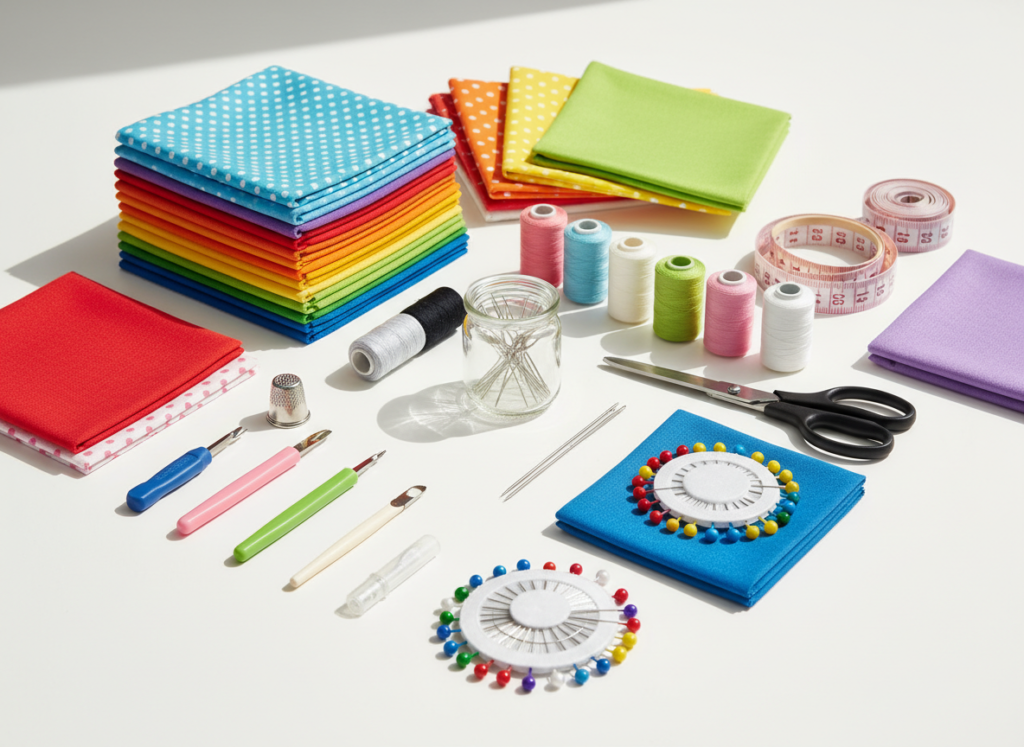
Basic Hand Sewing Kit
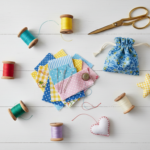
Large-eye needles that are easy to thread
Embroidery thread in bright colors kids love
Cotton fabric pieces that don’t fray easily
Child-safe scissors with rounded tips
Fabric marking pens that wash out completely
Machine Sewing Essentials
Beginner-friendly sewing machine with simple controls
Presser foot guide for straight line practice
Bobbins pre-wound with matching thread
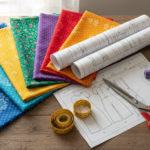
Quilting cotton in fun prints kids choose
Seam ripper for gentle mistake correction
Quality materials make learning sew much easier for children. Invest time in teaching kids how to care for their tools properly. This practice builds responsibility alongside creative skills.
Simple Hand Sewing Projects to Start
Hand sewing projects build confidence without requiring expensive equipment. These beginner sewing projects teach fundamental techniques through fun, achievable goals. Kids feel proud when they complete something useful with their own hands.
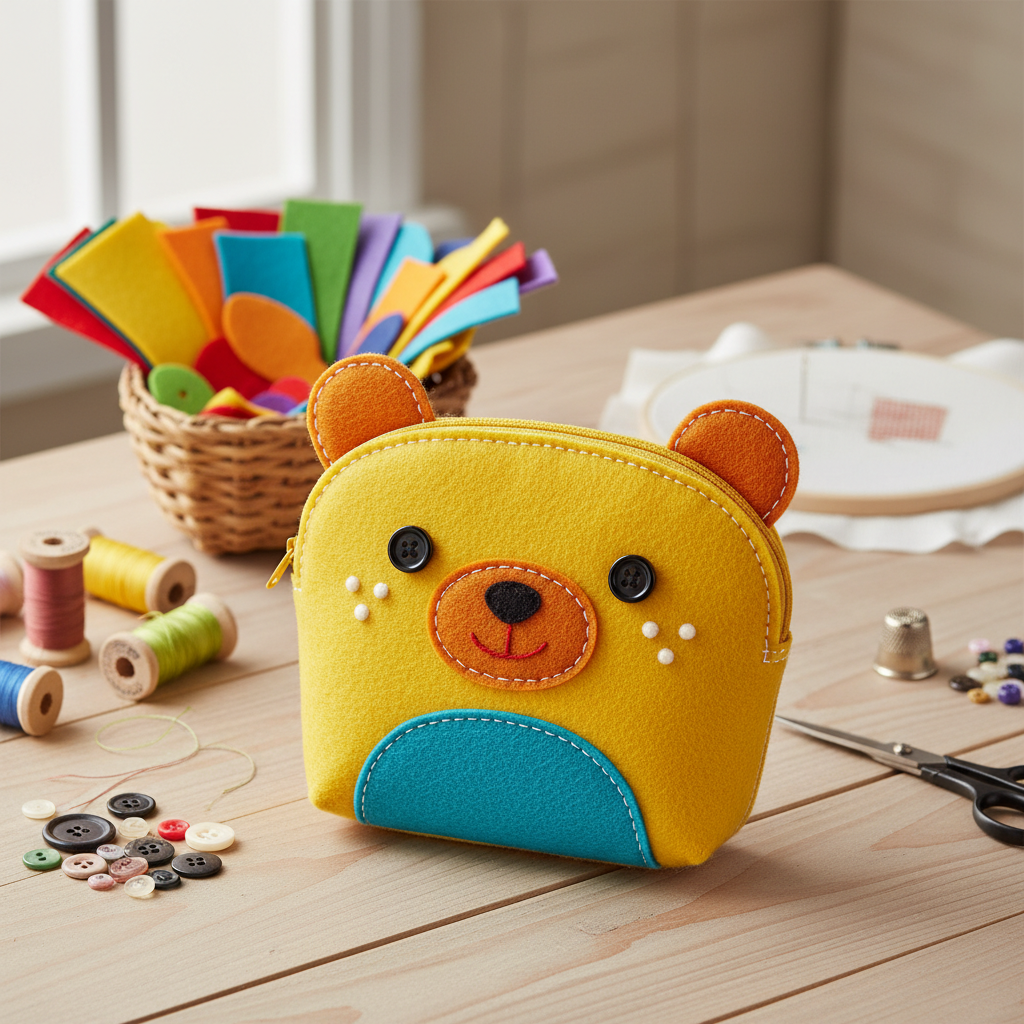
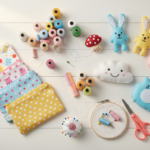
Felt Animal Pouches
Felt makes an ideal first fabric for young sewers. It doesn’t fray at the edges and comes in every color imaginable. Kids can cut shapes and stitch them together without complicated finishing.
Create simple animal faces using basic shapes like circles and triangles. Running stitch around the edges holds pieces together while adding decorative detail. This pouch project teaches kids about construction while making something they’ll actually use.
Cut two matching felt shapes for front and back
Add felt details like ears, eyes, and nose
Use running stitch to join edges, leaving top open
Decorate with buttons or embroidery thread
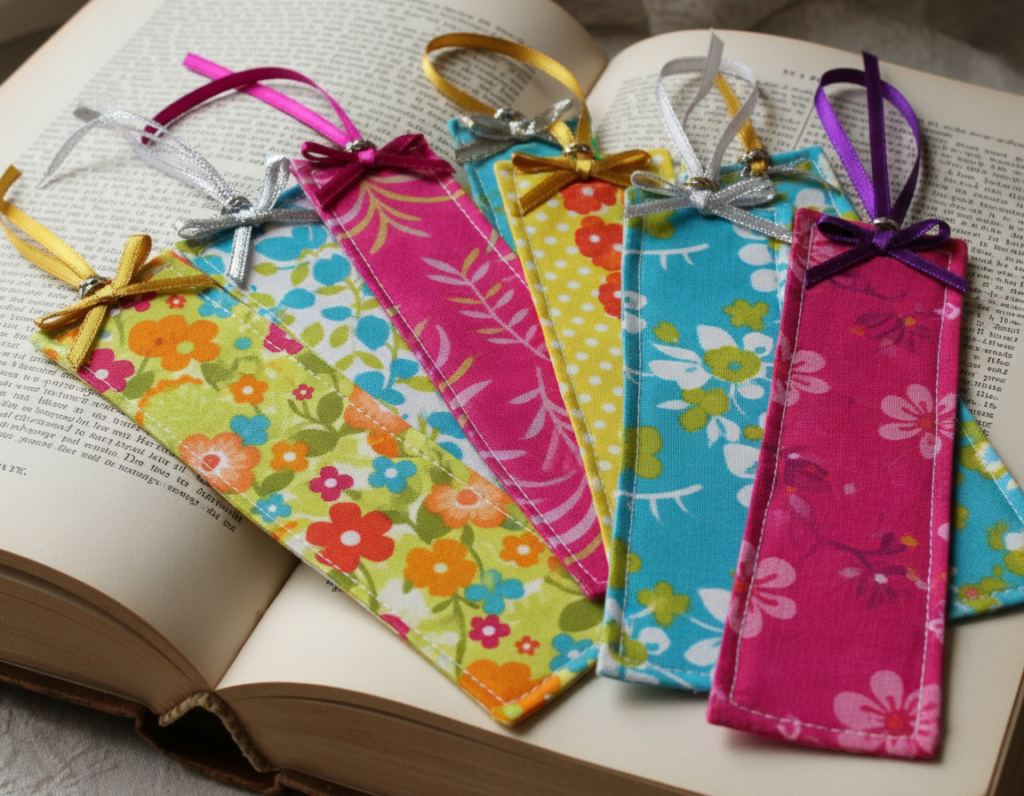
Fabric Bookmarks with Ribbon
Bookmarks provide quick wins for beginner sewing. These projects require only straight lines and basic hemming. Children finish them in one sitting, which keeps motivation high.
Choose fabric with patterns kids find exciting. Comic book prints, animals, or geometric designs all work well. Adding ribbon creates a professional touch that makes kids proud of their work.
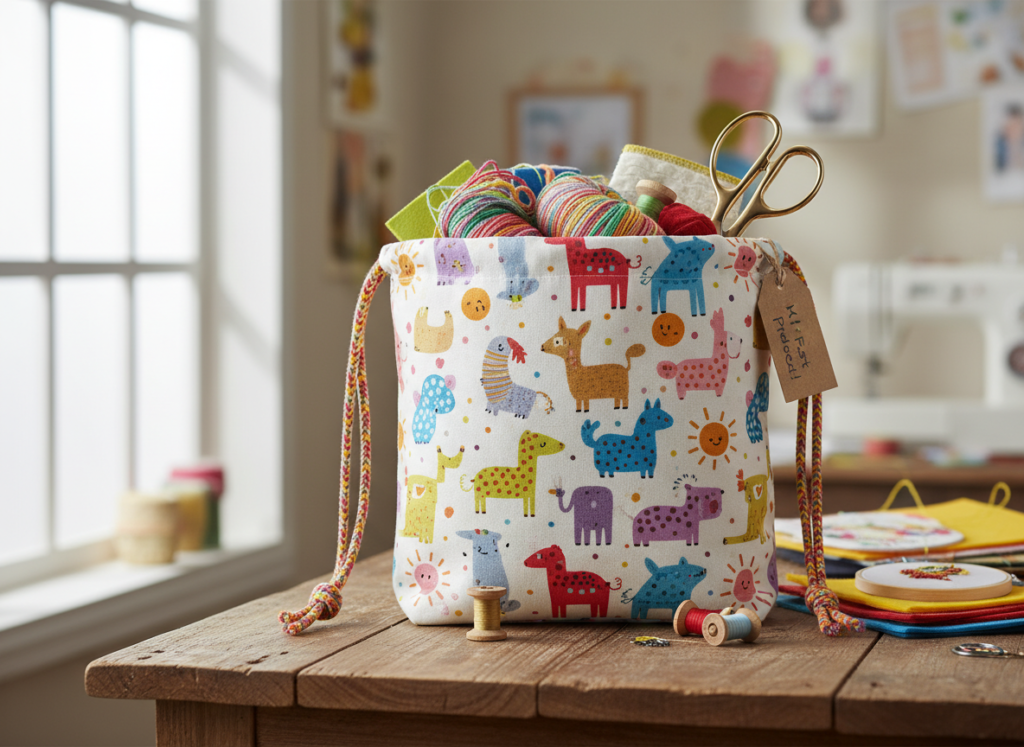
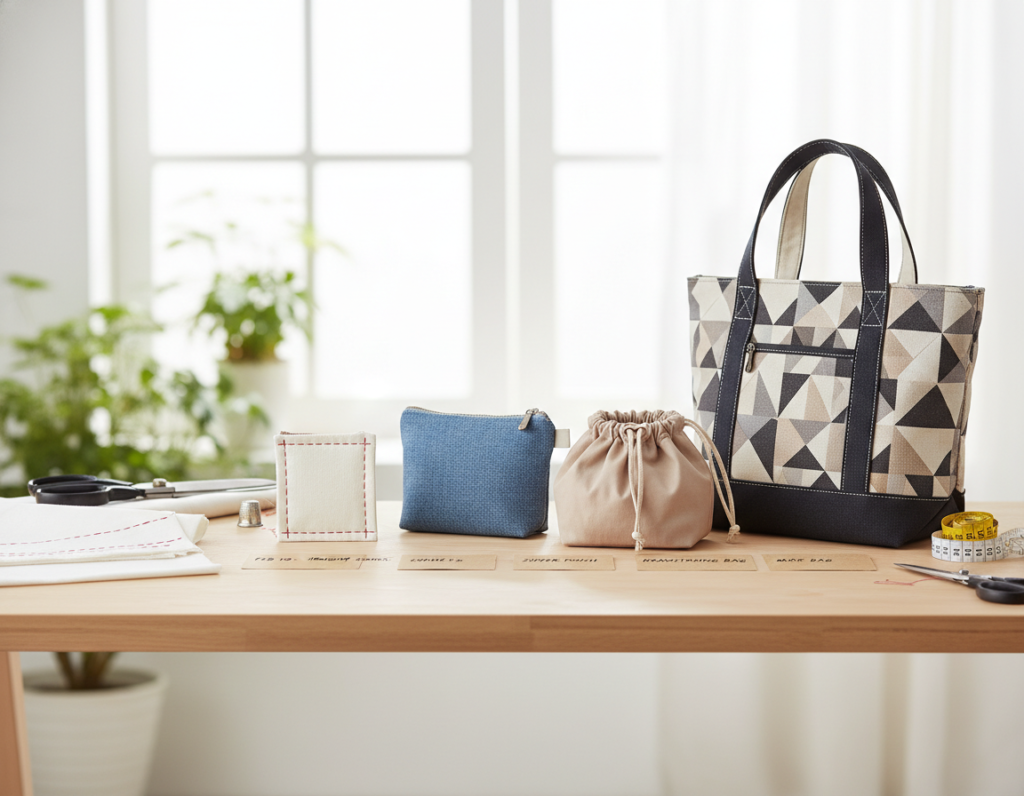
A drawstring bag combines multiple skills in one project. Kids practice sewing straight lines, creating channels, and problem-solving. The finished bag holds treasures, making it both practical and personal.
Start with rectangular fabric pieces that eliminate complex cutting. Teaching kids to pin fabric right sides together introduces proper construction methods. Threading the drawstring through the channel feels like magic to young sewers.
Cut two rectangles of fabric the same size
Pin right sides together, leaving top edge open
Sew three sides with straight line stitching
Fold top edge twice to create drawstring channel
Stitch channel and thread cord through opening
Easy Sewing Machine Projects for Kids
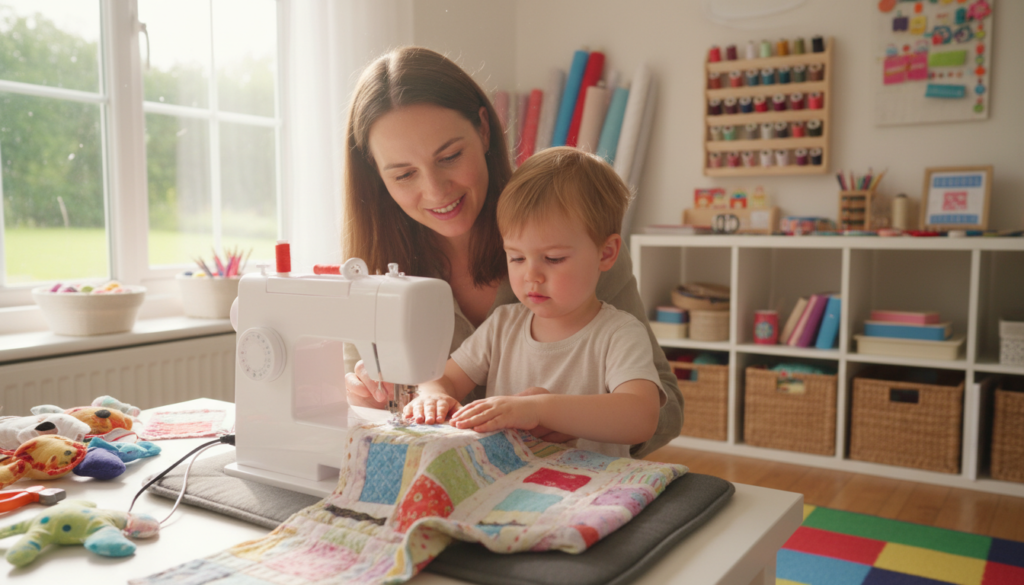
Transitioning to machine sewing expands possibilities for young creators. Start with projects that use mostly straight stitching to build machine confidence. Gradual progression prevents overwhelm and builds solid foundation skills.
Practice Pillow Covers
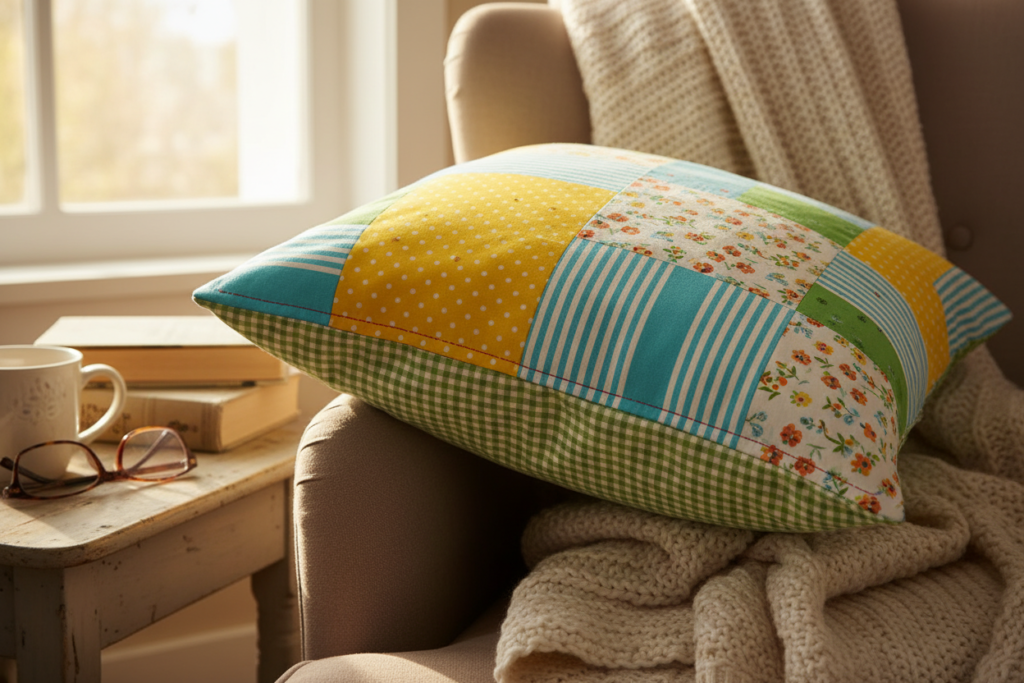
Pillow covers teach envelope construction without zippers or complicated closures. Kids sew three sides and create an overlapping back opening. This technique appears in many future projects, making it valuable practice.
Choose fabric patterns that match kids’ bedroom decor or interests. Personalizing projects increases emotional investment in learning. Success with a pillow cover motivates young sewers to tackle more challenging work.
Measure and cut fabric pieces for front and back panels
Hem the back opening edges for clean finish
Layer pieces and pin all edges carefully
Sew around perimeter with straight stitch
Turn right side out and insert pillow form
Reusable Snack Bags
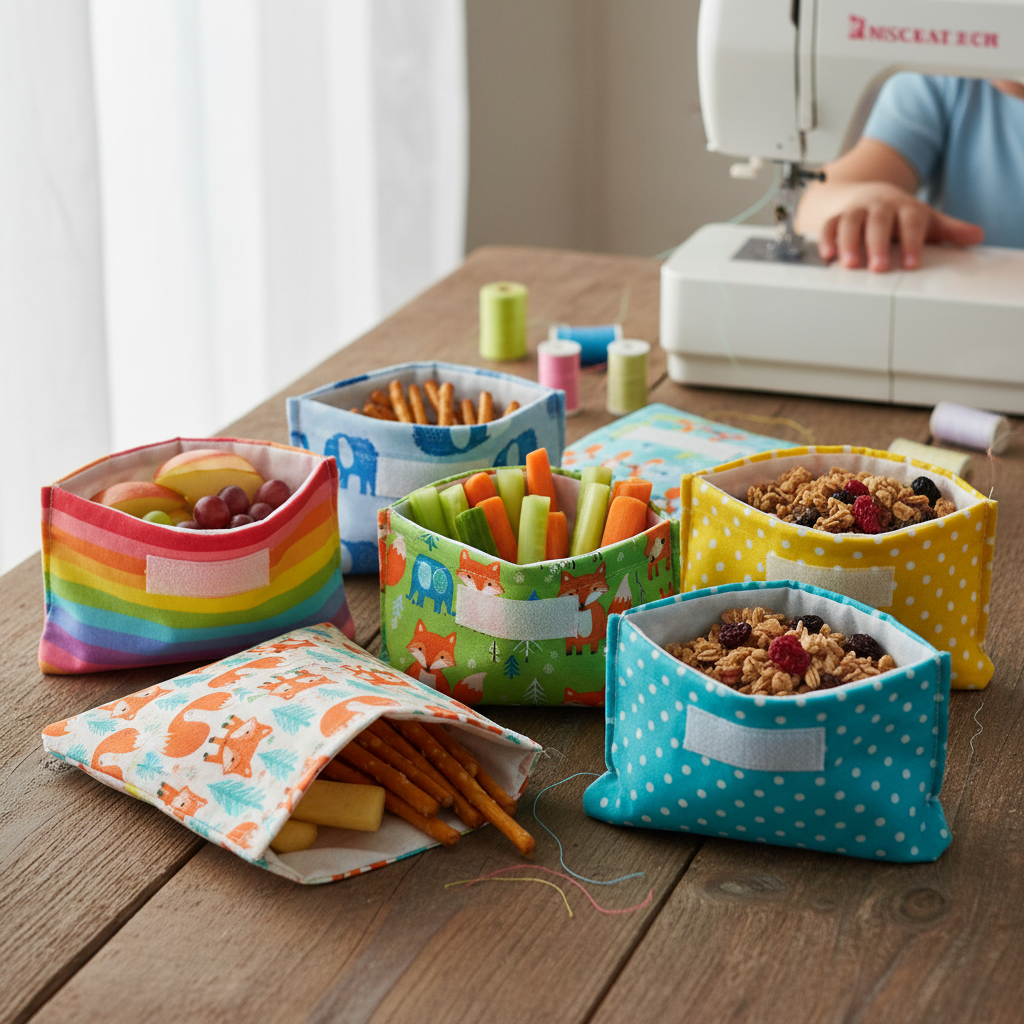
Eco-friendly snack bags combine purpose with skill building. Kids learn about sustainability while practicing precise sewing. Adding velcro closures introduces new techniques without overwhelming beginners.
Use food-safe fabric or line bags with appropriate materials. This teaches children about fabric selection for specific purposes. The finished bags replace plastic bags, giving kids pride in helping the environment.
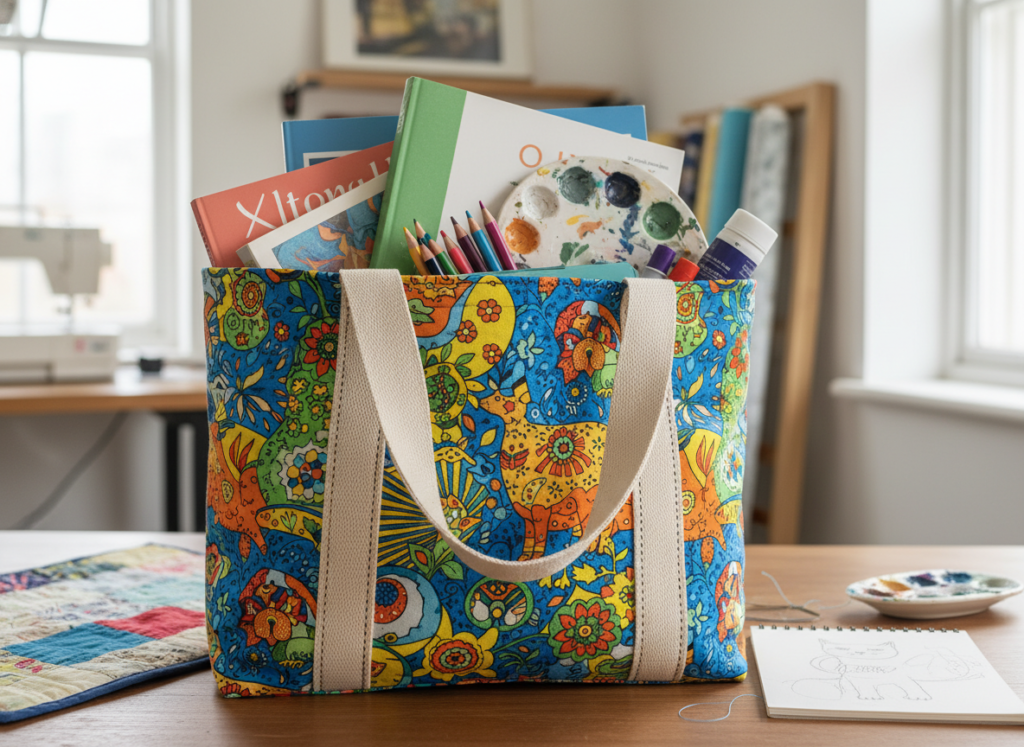
A tote bag represents a milestone achievement for young sewers. This project combines everything learned so far into one functional item. Kids use their bags daily, reinforcing pride in their accomplishment.
Keep the design simple with basic rectangular construction. Straight line stitching creates strong seams that withstand regular use. Adding handles teaches measurement and reinforcement techniques.
Cut main bag body and handle strips from fabric
Fold and press handle strips, then topstitch edges
Pin handles to bag top at measured intervals
Fold bag right sides together and sew side seams
Create boxed corners for bag depth
Hem top edge, securing handles firmly
Ready to Unlock Expert Sewing Guidance?
Access comprehensive patterns, video tutorials, and step-by-step instructions designed specifically for teaching kids to sew. Transform learning time into creative bonding experiences with proven beginner-friendly projects.
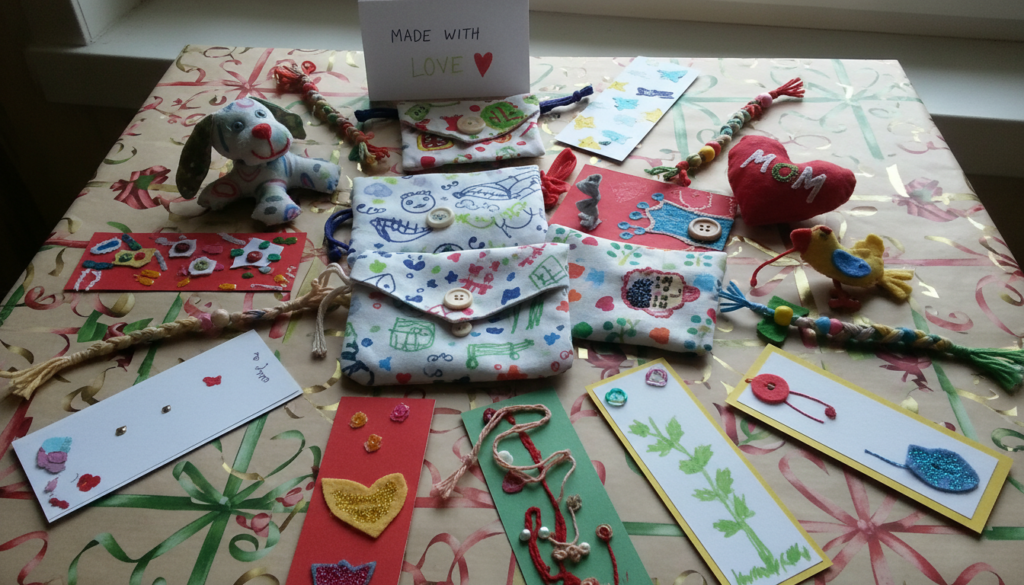
Creating gifts by hand teaches generosity and builds self-esteem. Kids love giving presents they made themselves. These projects work perfectly for holidays, birthdays, or showing appreciation to special people.
Fabric Chapstick Holder
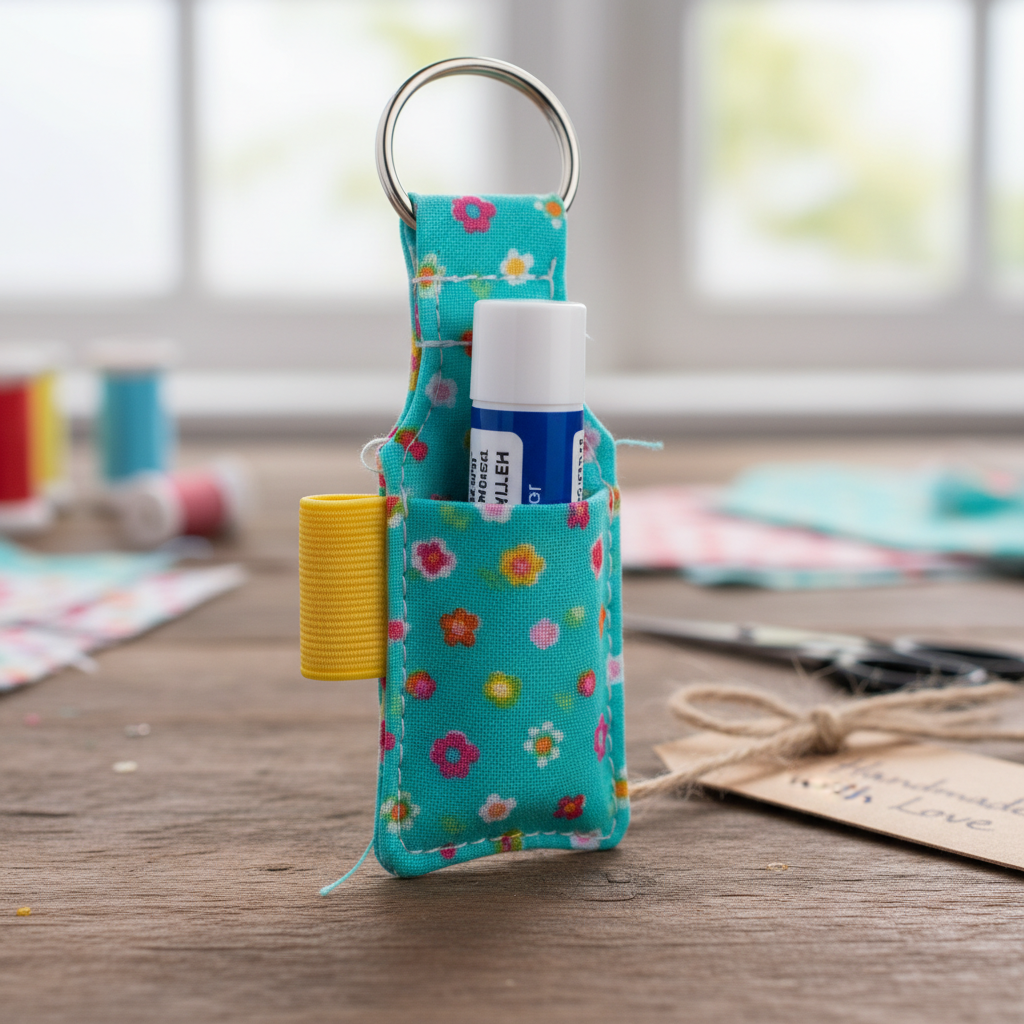
A chapstick holder teaches precision in small-scale sewing. This quick project makes an excellent gift for friends or family members. Kids practice measuring, cutting, and sewing accurately in miniature.
Add a keychain ring or clip for extra functionality. Personalizing with recipient’s favorite colors shows thoughtfulness. This gift idea teaches kids that handmade presents carry special meaning.
Burp Cloths for Baby Gift
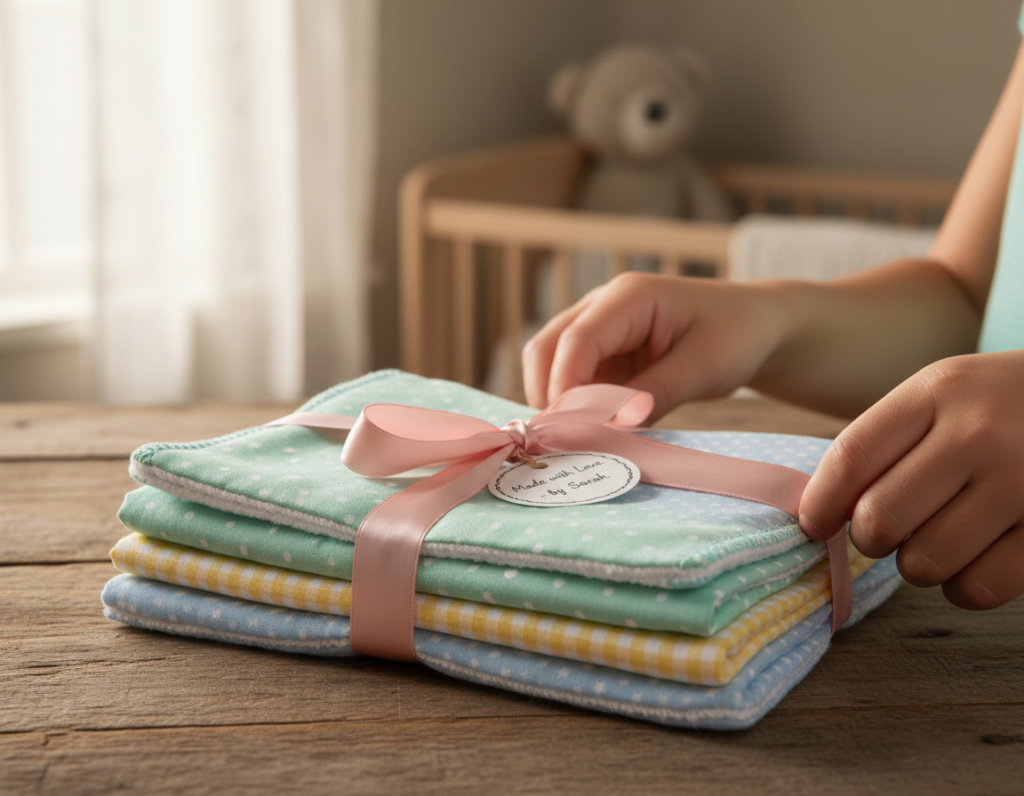
Burp cloths introduce kids to sewing for babies. These practical items require simple rectangular construction with finished edges. Young sewers feel grown-up creating gifts for new babies in their lives.
Layer absorbent fabric like flannel with decorative cotton prints. This teaches fabric pairing and construction planning. Topstitching around edges adds professional detail while securing layers.
Cut fabric rectangles from absorbent and decorative materials
Layer fabrics wrong sides together and pin securely
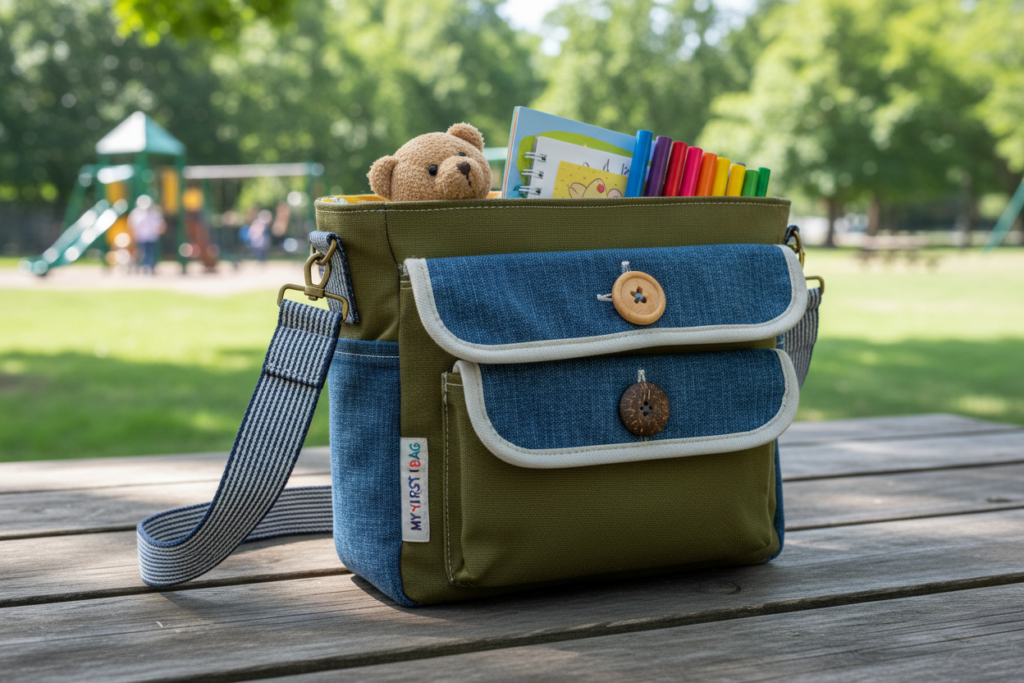
A messenger bag challenges kids ready for multi-step projects. This gift idea works great for siblings or friends. The bag teaches strap construction and closure methods.
Use sturdy cotton or canvas that withstands daily use. Adding pockets inside or outside introduces new construction elements. Kids beam with pride when recipients use bags they created.
Fun Seasonal Sewing Ideas for Kids
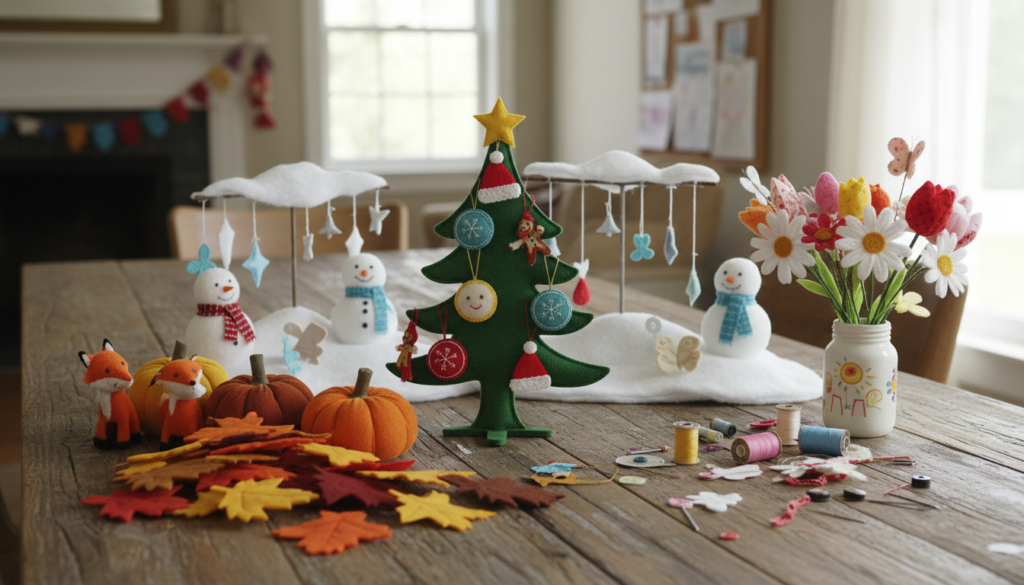
Seasonal projects keep sewing fresh and exciting throughout the year. Kids connect creativity with celebrations and changing seasons. These time-specific ideas build anticipation and mark special occasions.
Holiday Ornaments and Decorations
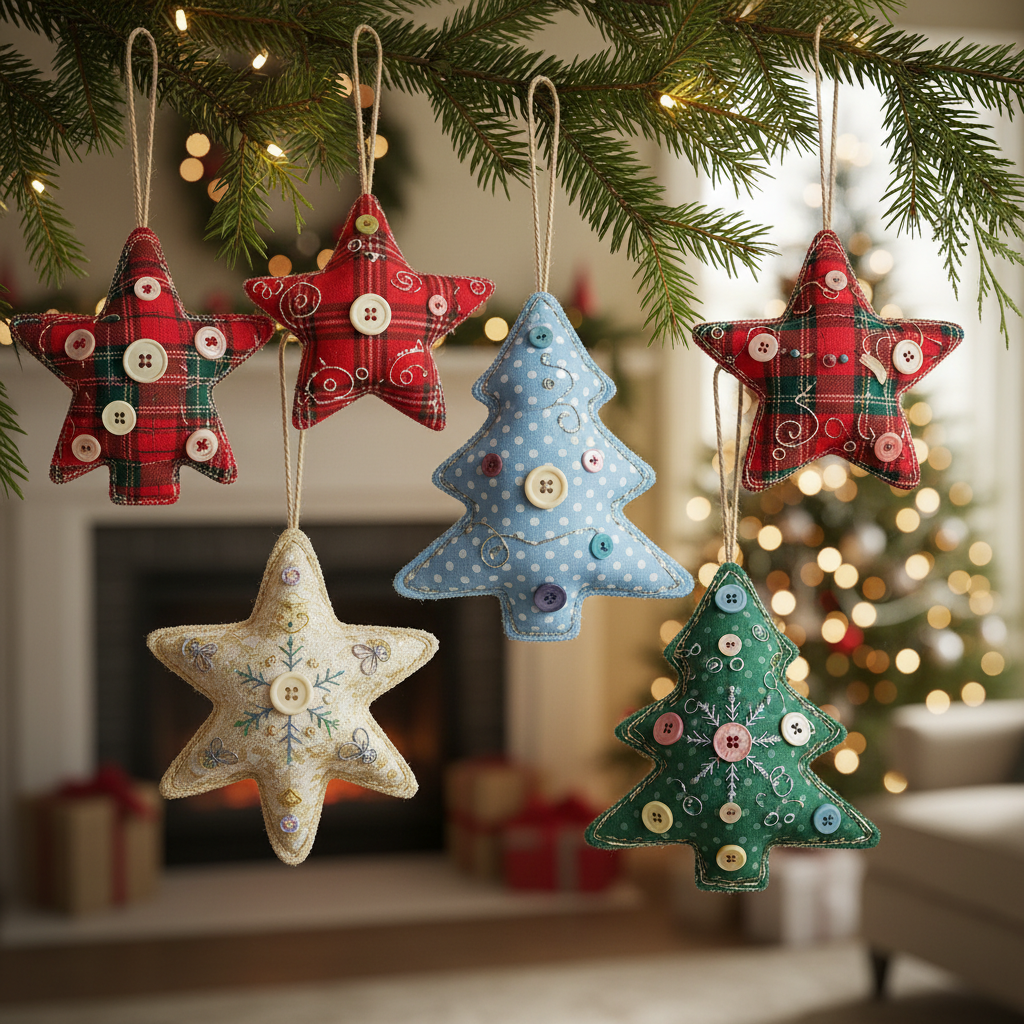
Felt ornaments become family treasures passed down through generations. Simple shapes stuffed lightly and decorated personally mark each year. Kids develop traditions around creating new decorations annually.
Use holiday-themed fabric or classic seasonal colors. Adding names and dates turns ornaments into keepsakes. This practice teaches that handmade items carry emotional value beyond their function.
Costume Accessories and Dress-Up Clothes
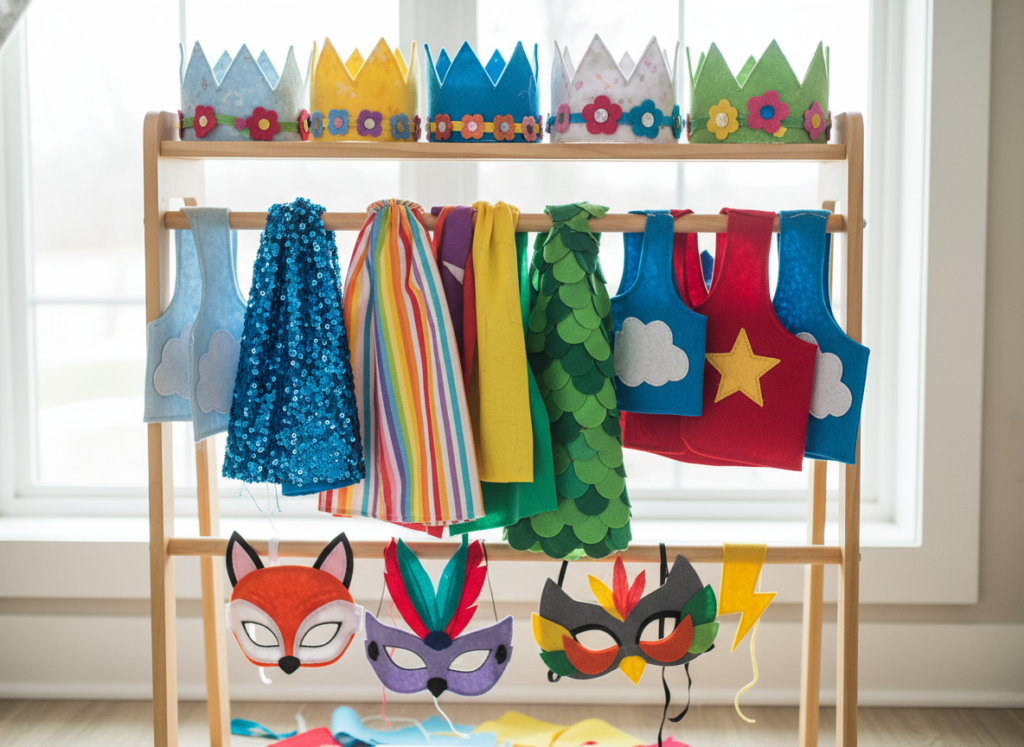
Costume pieces combine sewing with imaginative play. Kids design clothes for characters they create or favorite stories. Simple capes, crowns, and accessories require minimal complex construction.
Encourage creative fabric choices that spark storytelling. Superhero capes need different materials than princess crowns. This teaches kids about matching materials to project purposes.
Plan costume piece design together before cutting
Choose fabrics that drape or stand based on needs
Keep construction simple with straight seams
Add decorative elements after main assembly
Incorporate elastic or velcro for easy wearing
Sewing Tips for Teaching Kids Successfully
Teaching kids to sew requires patience and the right approach. Breaking skills into manageable steps prevents frustration. Celebrate small victories to build confidence and maintain enthusiasm.
Starting with Straight Lines
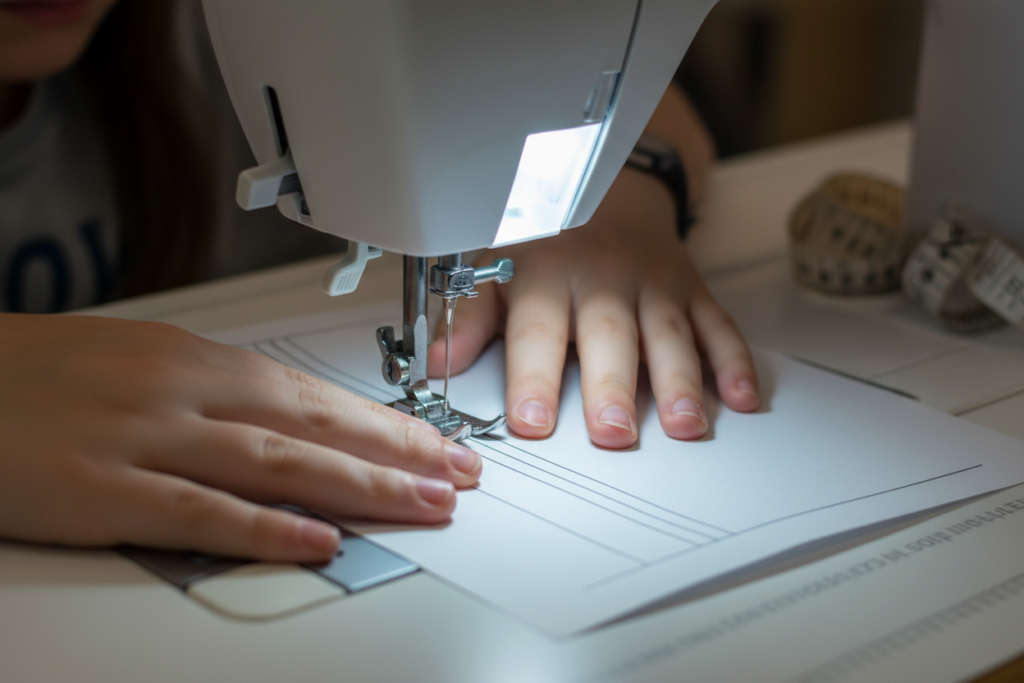
Every sewing journey begins with mastering straight stitching. Practice on paper first using an unthreaded machine. This builds muscle memory without wasting fabric or thread.
Draw lines on paper for kids to follow with the presser foot. Gradually increase difficulty with curves and corners. This low-pressure practice builds skills transferable to fabric projects.
Understanding Fabric and Material Selection
Best Beginner Fabrics
Quilting cotton for stable, easy handling
Felt for no-fray simplified construction
Canvas for sturdy, forgiving projects
Fleece for soft, stretchy practice
Fabrics to Avoid Initially
Silk and slippery materials that shift
Stretch knits requiring special techniques
Very thin fabrics that pucker easily
Heavily textured materials hiding stitches
Let kids choose fabric from appropriate options. This builds decision-making skills and investment in projects. Visit fabric stores together to teach about fiber content and quality.
Building Skills Progressively
Map out a skills progression from simple to complex. Each project should introduce one new technique while reinforcing previous learning. This scaffolded approach builds competence without overwhelming young learners.
Master threading needles and tying knots securely
Practice basic hand stitches on scrap fabric
Learn sewing machine basics with straight stitching
Progress to turning corners and gentle curves
Introduce specialty stitches and techniques gradually
Build toward independent project completion
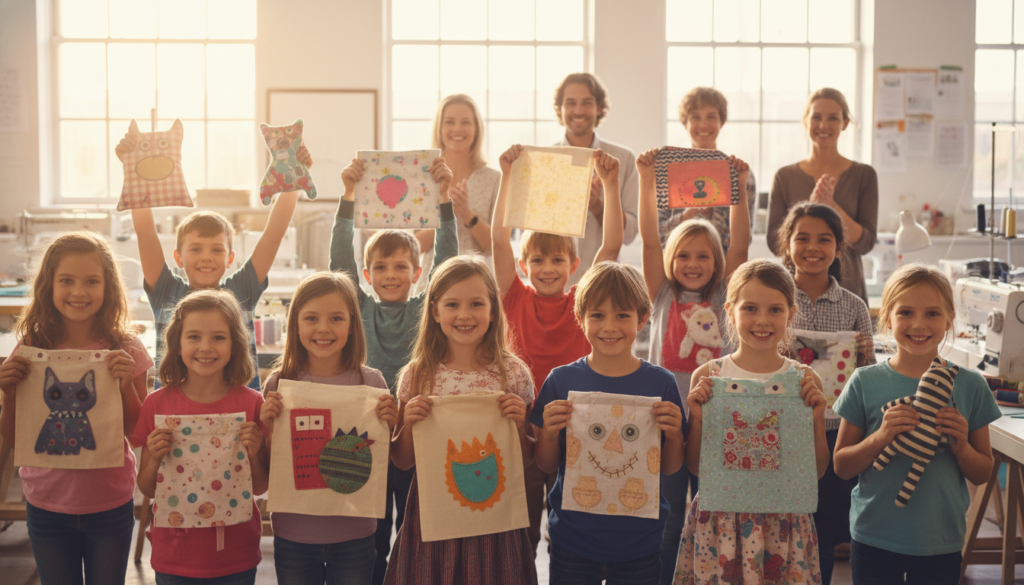
Document progress with photos of completed projects. Create a portfolio showing growth over time. This visual record motivates continued learning and shows measurable achievement.
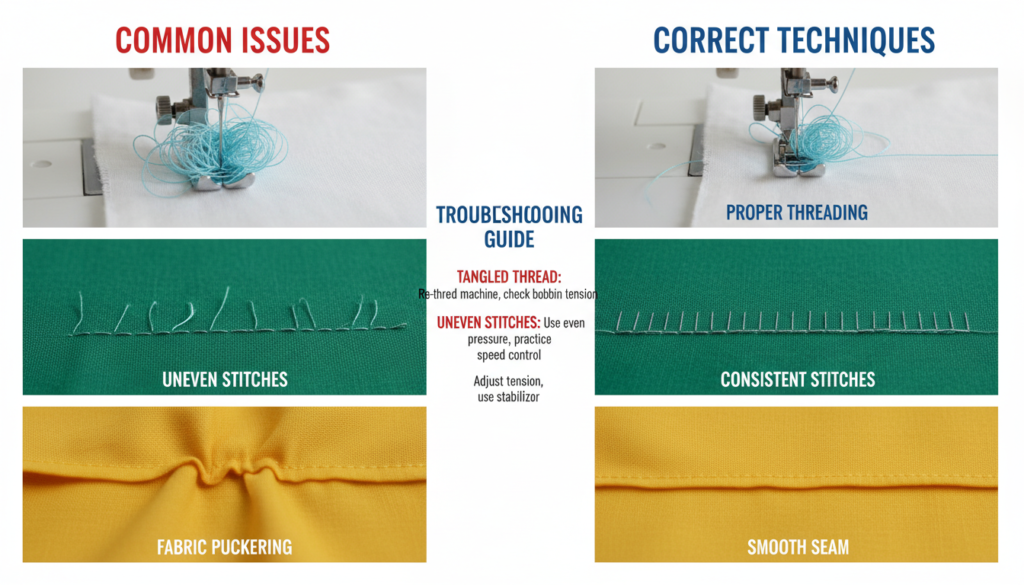
Every new sewer encounters challenges while learning. Understanding common problems and solutions builds resilience. Teaching kids to troubleshoot develops critical thinking alongside technical skills.
Thread Tension and Tangling Issues
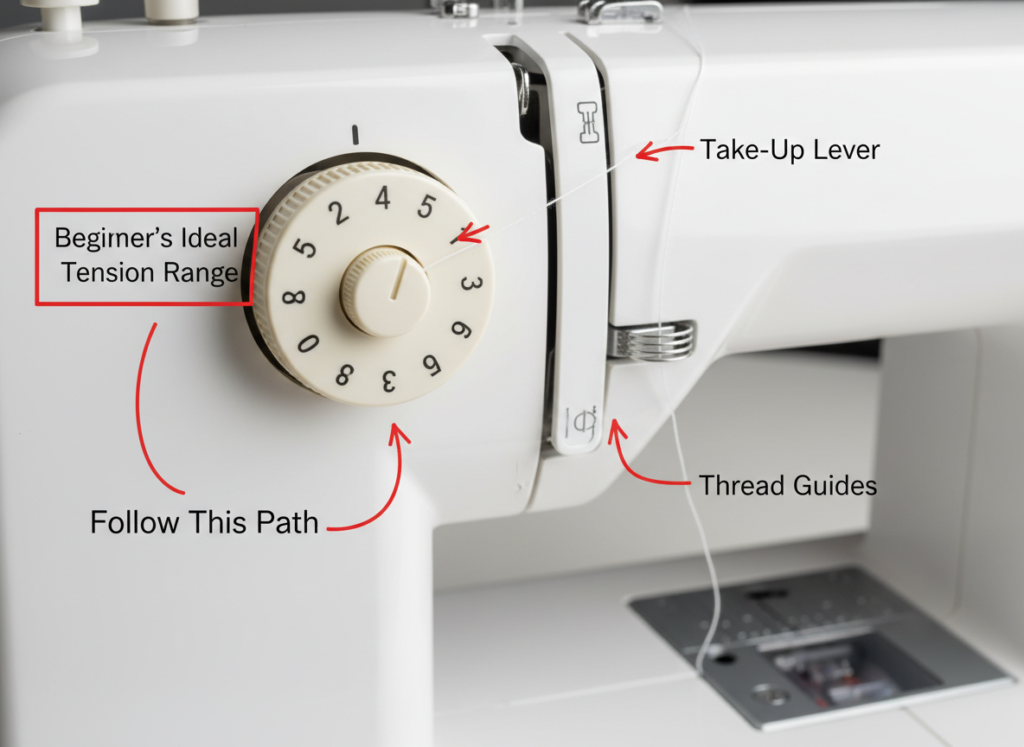
Thread problems frustrate beginners more than any other issue. Tangled bobbin thread or loops on fabric surface discourage young sewers quickly. Teaching systematic troubleshooting prevents giving up in frustration.
Check that thread feeds smoothly from spool to needle
Verify bobbin is wound evenly and inserted correctly
Adjust tension settings one number at a time
Clean lint from bobbin case and feed dogs regularly
Use quality thread appropriate for fabric weight
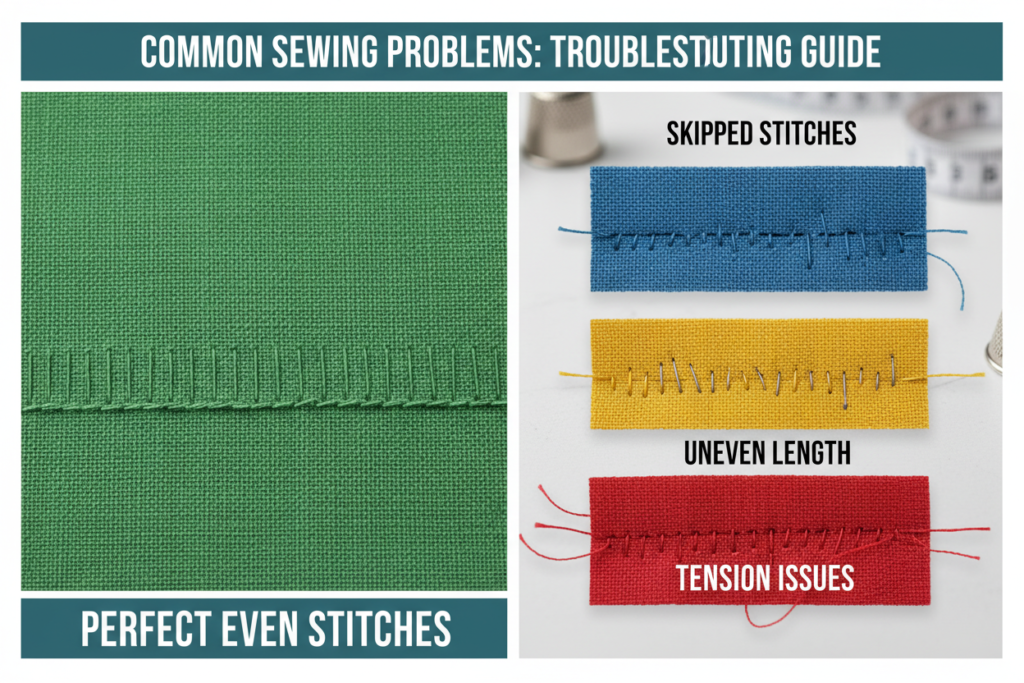
Uneven Stitches and Skipped Stitches
Inconsistent stitch quality indicates several possible issues. Teaching kids to check each element systematically builds problem-solving skills. Most stitch problems have simple solutions once identified correctly.
Check needle condition first when stitches look wrong. Dull or bent needles cause most stitch quality problems. Replace needles regularly and after hitting pins accidentally.
Important Safety Tips for Kids Learning to Sew
Safety comes first when teaching children to sew. Establish clear rules before beginning any project. Consistent safety practices become second nature with repetition and reinforcement.
Tool Safety and Proper Handling
Always cut away from the body with sharp scissors
Store pins and needles in designated containers immediately
Keep fingers away from presser foot when machine runs
Turn off and unplug machine when not actively sewing
Use seam ripper carefully, pointing away from hands
Keep iron on stable surface, never leaving it unattended
Practice safety procedures until they become automatic habits. Role-play scenarios to reinforce proper responses. Making safety fun rather than scary keeps kids engaged and protected.
Age-Appropriate Project Selection
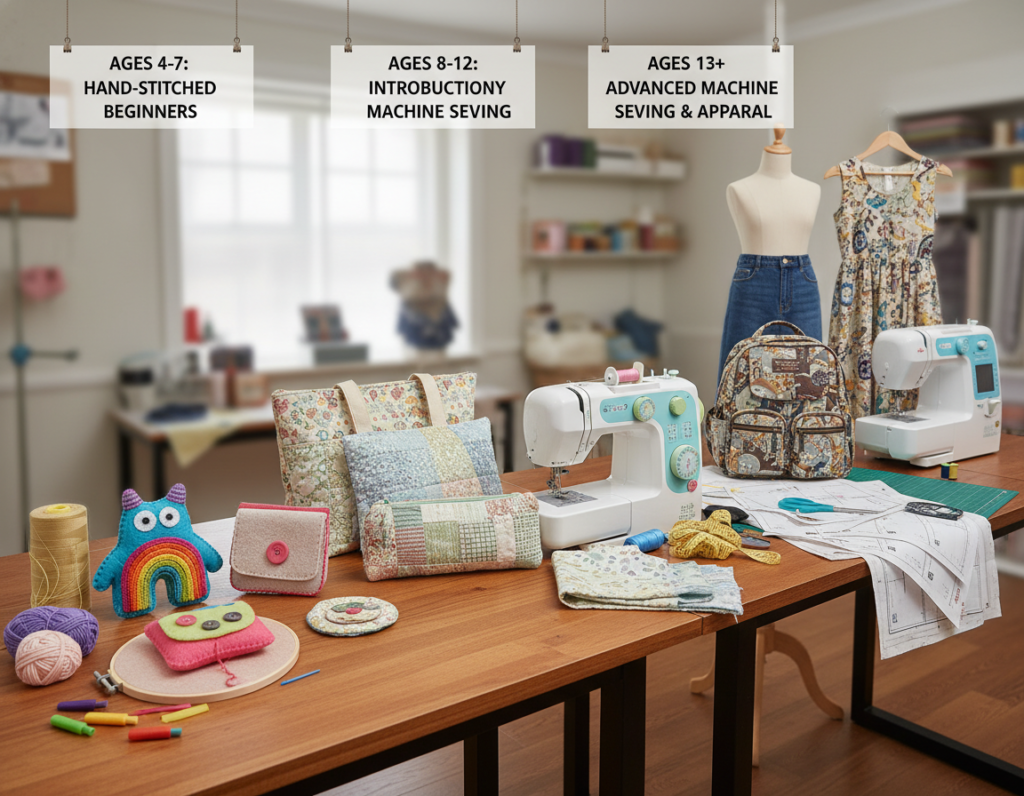
Match project complexity to child’s developmental stage. Younger children succeed with large pieces and simple construction. Older kids handle smaller details and multi-step processes better.
Consider attention span when planning project time. Breaking larger projects into multiple sessions prevents fatigue. Ending on a success note maintains enthusiasm for the next session.
Organizing Sewing Supplies for Kids
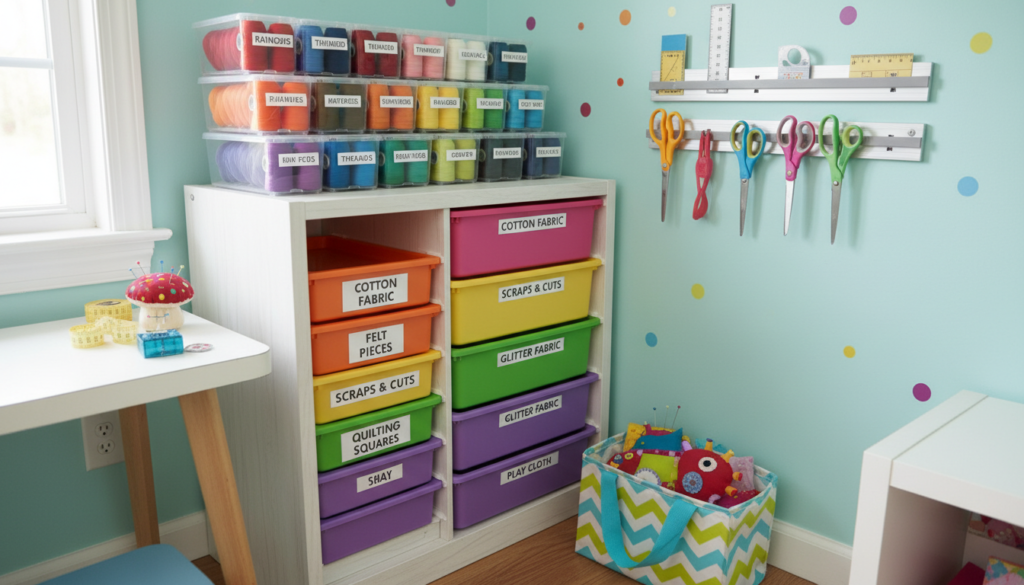
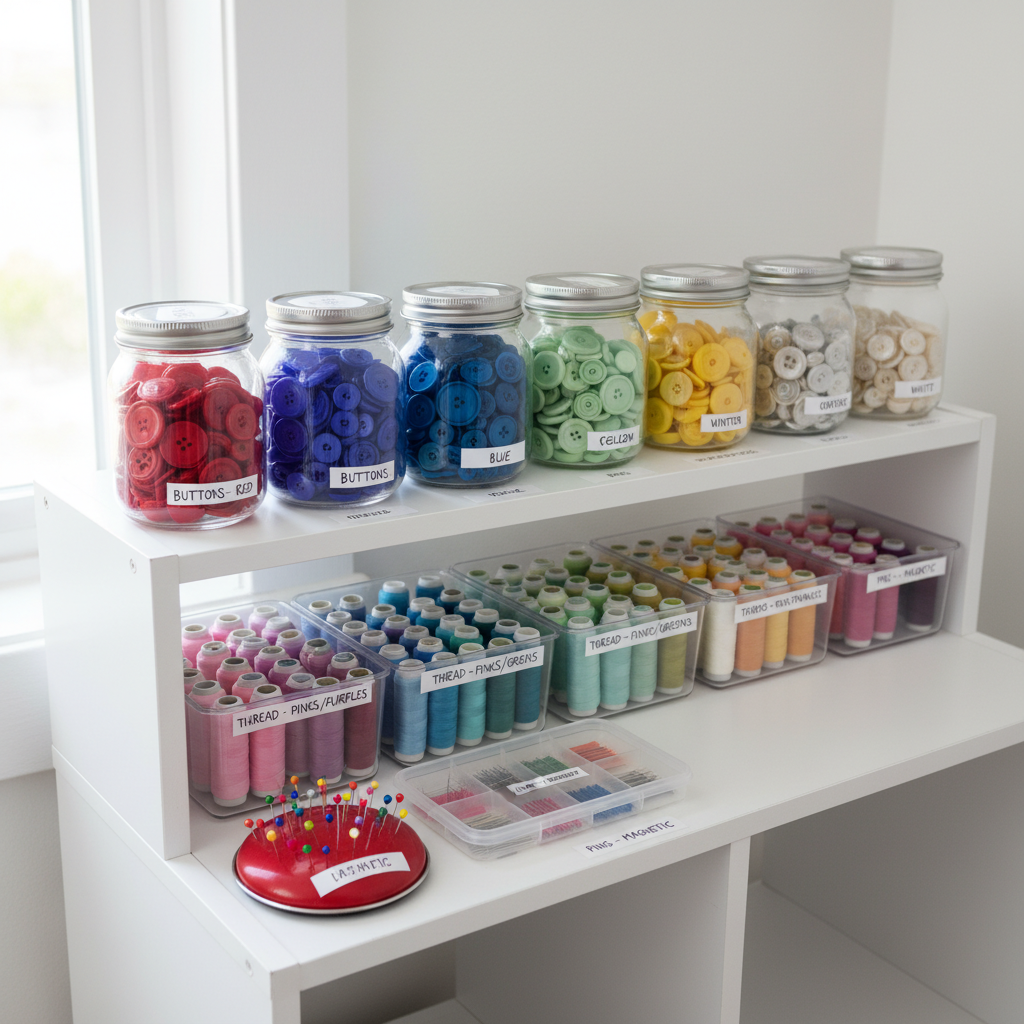
Good organization makes sewing more enjoyable and teaches life skills. Kids learn responsibility by maintaining their supplies properly. Creating accessible storage encourages independent creativity.
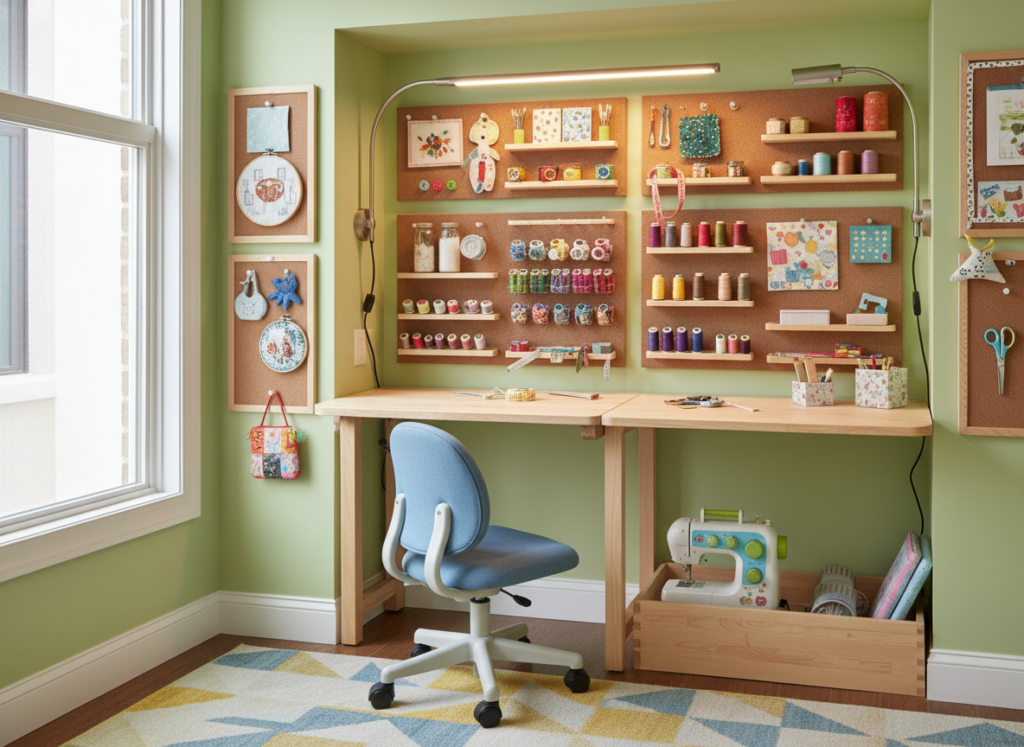
Creating a Dedicated Sewing Space
Designate a specific area for sewing activities even in small homes. Consistency helps kids focus and signals creative time. A dedicated space also keeps supplies organized and protected.
Position table near natural light source when possible
Add task lighting for detailed work and safety
Store machine securely when not in use
Keep frequently used supplies within easy reach
Display finished projects for motivation and pride
Supply Organization Systems
Use clear containers so kids can see supplies at a glance. Label everything with pictures for pre-readers and words for older children. This system promotes independence and keeps workspace tidy.
Create a portable supply caddy for taking projects to different locations. This flexibility accommodates family schedules while maintaining organization. Kids feel grown-up carrying their own professional-looking supplies.
Teaching kids to sew creates memories while building valuable life skills. Every stitch represents patience, creativity, and problem-solving in action. The projects completed matter less than the confidence and competence gained through making them.
Start simple and progress gradually based on each child’s unique pace. Celebrate every finished project regardless of perfection. These early sewing experiences shape attitudes toward creating and learning that last a lifetime.
Remember that mistakes provide the best learning opportunities. Encourage kids to see errors as chances to practice problem-solving rather than failures. This growth mindset serves children far beyond the sewing room.
Gather your supplies, choose a beginner project, and start creating together today. The joy on a child’s face when finishing something made by hand makes every tangled thread worthwhile. Get started with comprehensive patterns and guidance designed specifically for teaching kids essential sewing skills.
Transform Learning into Creative Adventures
Access expert-designed sewing patterns, video tutorials, and teaching resources that make introducing kids to sewing easy and fun. Join families already building confidence and creativity through hands-on projects.