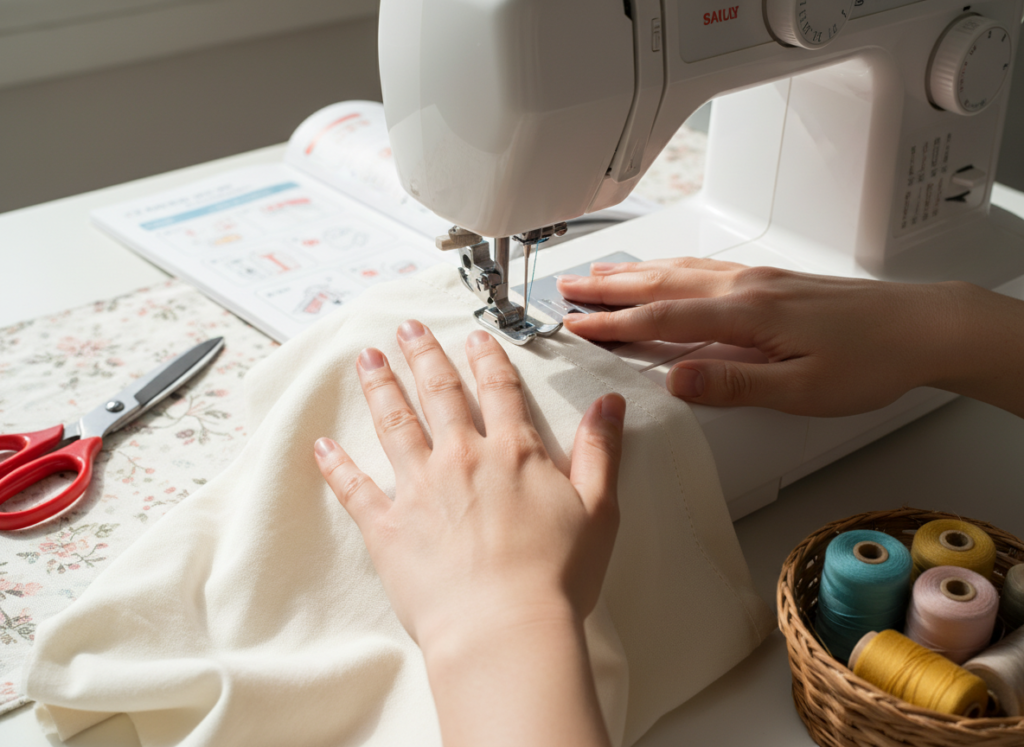
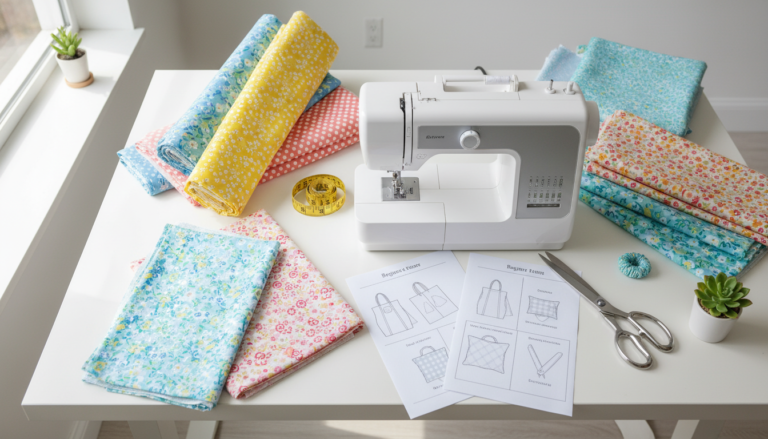
Starting your sewing adventure feels exciting and maybe a little scary at the same time. You might wonder which project to pick first or worry about making mistakes. The good news is that basic sewing projects for beginners exist specifically to help you build confidence without stress.
Learning to sew opens up a world of creativity. You can make gifts for loved ones, customize your home, and even save money. Best of all, sewing offers a relaxing hobby that produces something useful at the end.
This guide walks you through simple sewing projects perfect for anyone just starting out. Each project teaches you new skills while creating items you will actually use and enjoy.
Ready to Master Sewing Faster?
Jump-start your creative journey with a complete step-by-step sewing system designed specifically for beginners. Learn professional techniques simplified just for you.
Why Starting with Simple Sewing Projects Makes Sense
Beginner sewing projects give you the perfect foundation. They help you learn basic skills without feeling overwhelmed. When you finish your first project, you gain confidence to try more challenging things.
Easy sewing projects teach you essential techniques. You practice sewing straight lines, turning corners, and finishing edges. These skills become the building blocks for everything you make later.
Simple projects also cost less. You can use fabric scraps or inexpensive materials. This way, you practice without worrying about wasting expensive fabrics.
Benefits of Beginner Projects
Build fundamental sewing skills quickly
Gain confidence with each completed item
Learn to use your sewing machine properly
Practice without expensive materials
Create useful items right away
What You Will Learn
Threading your machine correctly
Sewing straight seams and lines
Backstitching to secure stitches
Pressing fabric for neat results
Reading simple sewing patterns
Many beginners worry about making mistakes. The truth is that mistakes help you learn. Starting with forgiving fabrics and simple shapes makes the learning process enjoyable rather than stressful.
Essential Supplies for Basic Sewing Projects for Beginners
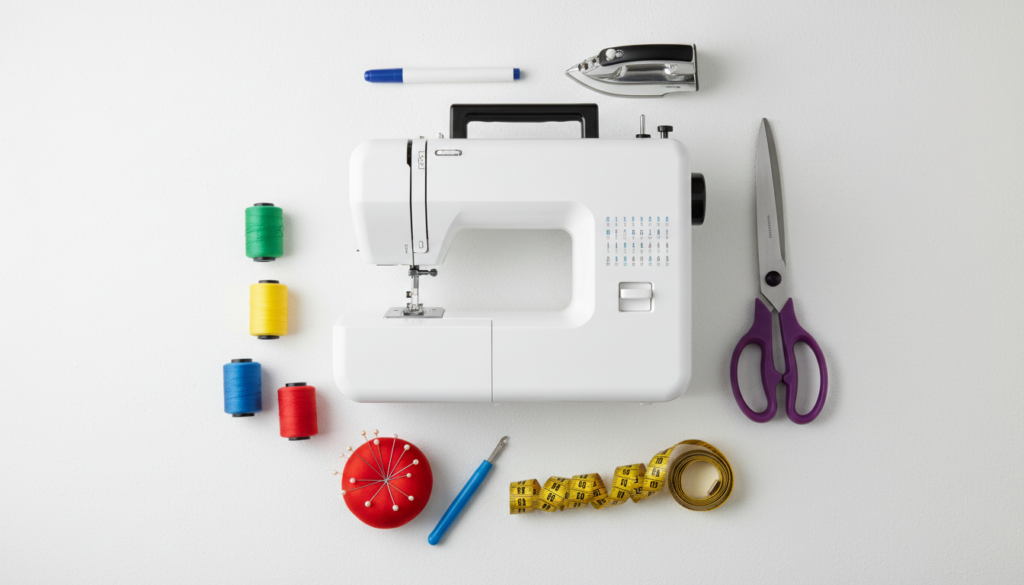
You do not need expensive equipment to start sewing. A few basic tools help you complete most beginner sewing projects successfully. Investing in quality basics saves money in the long run.
Must-Have Tools
Your sewing machine does not need fancy features. A basic model that sews straight stitches and zigzag stitches works perfectly. Make sure it runs smoothly and you understand how to thread it.
Good scissors matter more than you might think. Fabric scissors cut cleanly and make your work easier. Keep one pair just for fabric and another for paper and patterns.
Machine Essentials
Basic sewing machine with straight stitch capability
Extra needles in different sizes
Bobbins and bobbin case
Cutting Tools
Sharp fabric scissors or rotary cutter
Cutting mat if using rotary cutter
Paper scissors for patterns
Measuring & Marking
Measuring tape for fabric
Ruler or clear quilting ruler
Fabric marking pen or chalk
Nice-to-Have Additions
Some tools make sewing easier but are not essential at first. A seam ripper helps fix mistakes without damaging fabric. Pins and a pincushion keep fabric layers together while you sew.
Seam ripper for correcting mistakes
Straight pins and safety pins
Iron and ironing board for pressing
Thread in basic colors
Pincushion to keep pins handy
An iron becomes your best friend in sewing. Pressing seams makes projects look professional. Even simple projects benefit from good pressing techniques.
Drawstring Bags and Simple Pouches
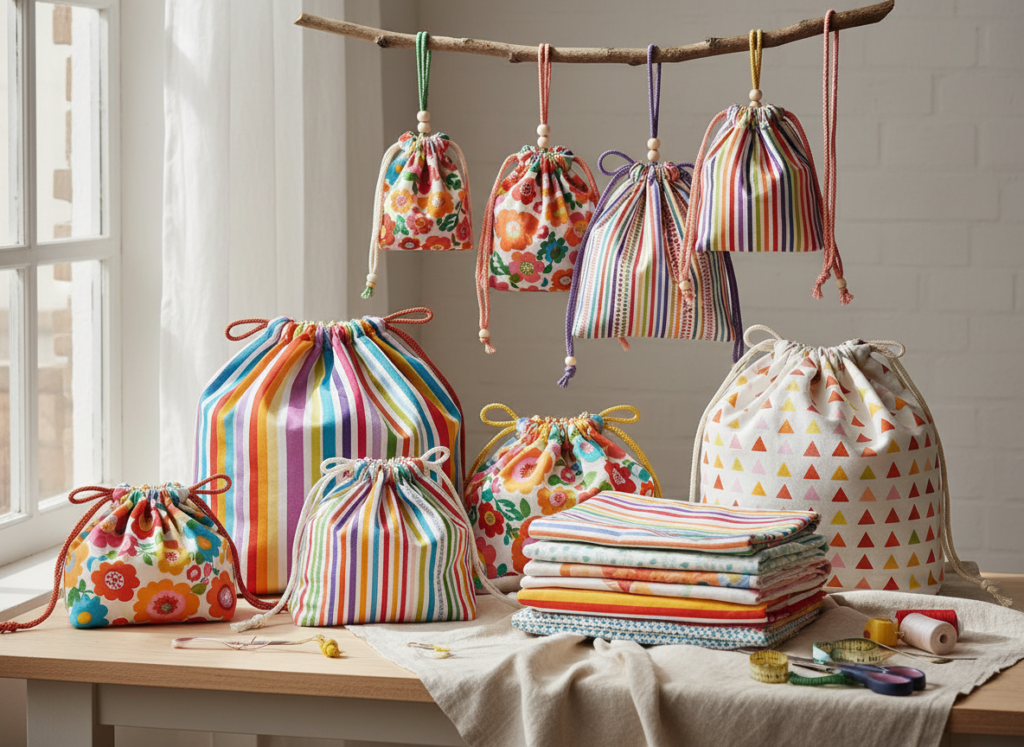
The drawstring bag stands out as one of the best sewing projects for absolute beginners. This project teaches you to sew straight lines, create a casing, and add a simple closure. You can finish a drawstring bag in under an hour.
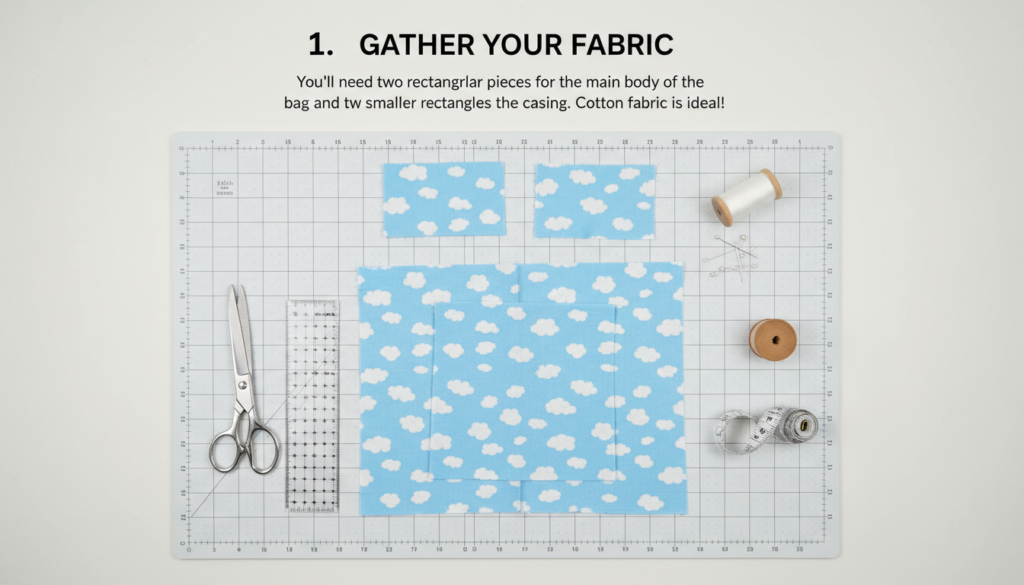
These bags work great for storing toys, carrying snacks, or organizing small items. You only need two rectangles of fabric and some cord or ribbon. The straightforward construction makes this a great project to practice your skills.
What Makes This Project Beginner-Friendly
Drawstring bags require mostly straight seams. You sew around three sides, create a simple casing at the top, and thread your cord through. The forgiving design hides small mistakes easily.
This sewing project lets you experiment with different fabrics. Cotton works wonderfully for beginners because it does not slip or stretch. You can make drawstring bags in any size depending on your needs.
Simple Zipper Pouches
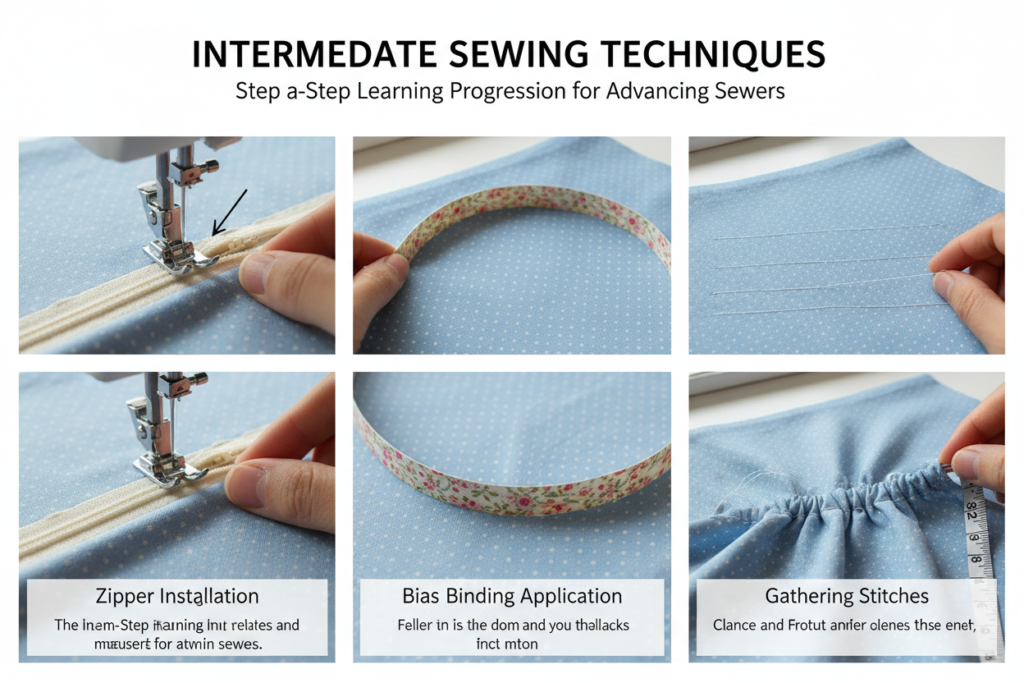
Once you master the drawstring bag, try a basic zipper pouch. This project introduces you to installing zippers, which sounds scary but becomes easy with practice. Start with a larger zipper to make the process simpler.
Choose a zipper longer than your pouch opening
Use a zipper foot on your sewing machine
Practice on scrap fabric first
Press seams open for a neat finish
Trim zipper ends after sewing
These pouches make wonderful gifts. Fill them with treats, use them for cosmetics, or keep craft supplies organized. The more you make, the faster and neater your work becomes.
Want to Perfect Your Bag-Making Skills?
Discover professional techniques for creating flawless bags and pouches every time. Get detailed video tutorials that show you exactly what to do.
Baby Blankets and Burp Cloths as Great First Projects
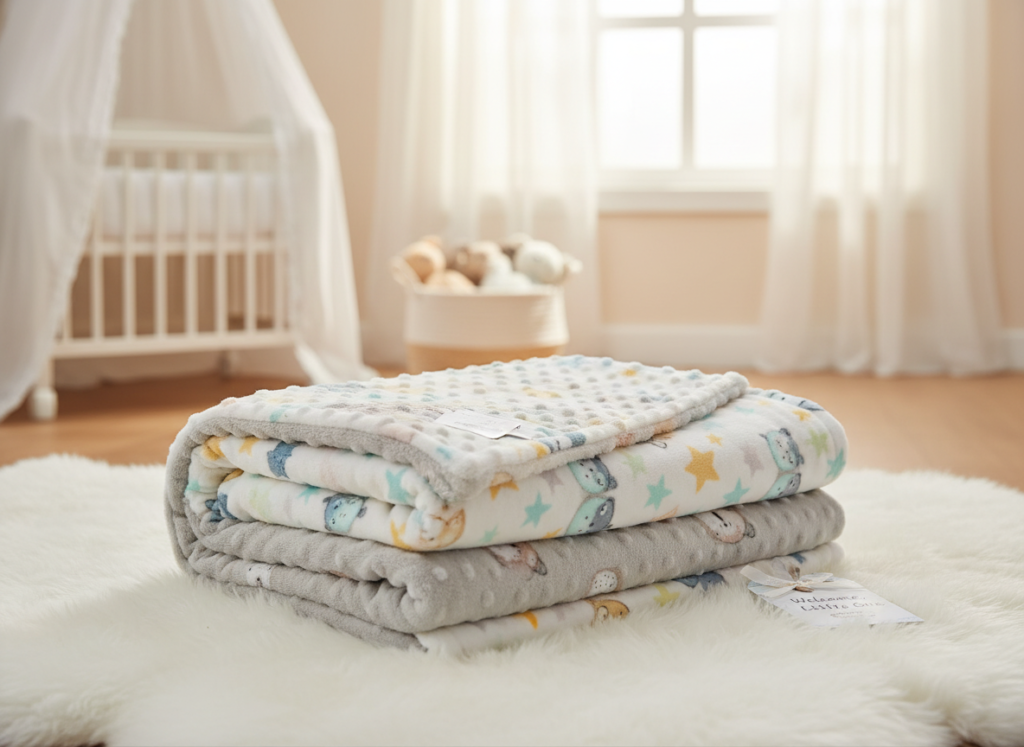
Baby items make perfect beginner sewing projects because they are small and practical. A baby blanket requires just two layers of fabric sewn together. This simple construction teaches you important skills while creating a useful gift.
You can finish a baby blanket in one afternoon. Choose soft flannel or minky fabric that feels gentle against baby skin. The straight stitching around the edges gives you excellent practice with your sewing machine.
Making Your First Baby Blanket
Cut two squares of fabric the same size. Place them with right sides facing each other. Sew around all four edges, leaving a small opening. Turn the blanket right side out through the opening, then stitch it closed.
Adding topstitching around the edges makes your blanket look professional. This extra step also keeps the layers from shifting. Many beginners find this practice incredibly helpful for future projects.
Burp Cloths for Quick Wins
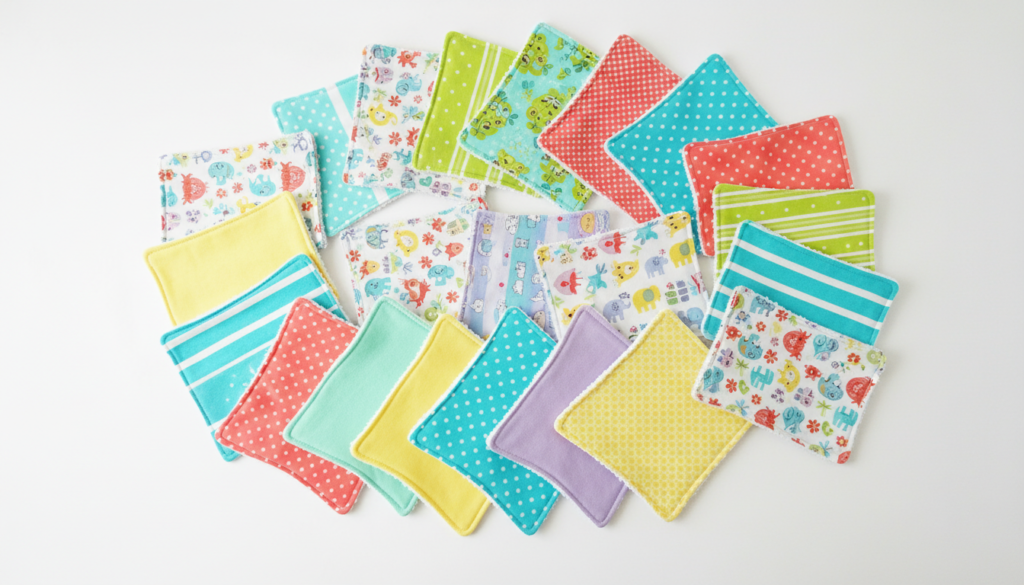
Burp cloths give you another great way to practice straight lines. These small rectangles combine absorbent fabric with cute cotton prints. New parents always appreciate receiving handmade burp cloths.
Fabric Choices
Terry cloth for absorbency
Cotton flannel for softness
Quilting cotton for decoration
Minky for luxury feel
Construction Tips
Cut rectangles about 10×20 inches
Layer decorative and absorbent fabric
Sew around edges with seam allowance
Clip corners before turning
You can make a whole set of burp cloths from fabric scraps. This makes the project economical and eco-friendly. Each cloth takes less than thirty minutes from start to finish.
Baby items also give you a chance to try different stitches. Experiment with zigzag edges or decorative topstitching. These small projects let you learn new techniques without committing to a large project.
Practical Items for Your Home
Home sewing projects help you practice skills while beautifying your space. These items let you work with different fabrics and learn new construction methods. Starting with simple home goods builds your confidence quickly.
Pillow Covers and Cushions
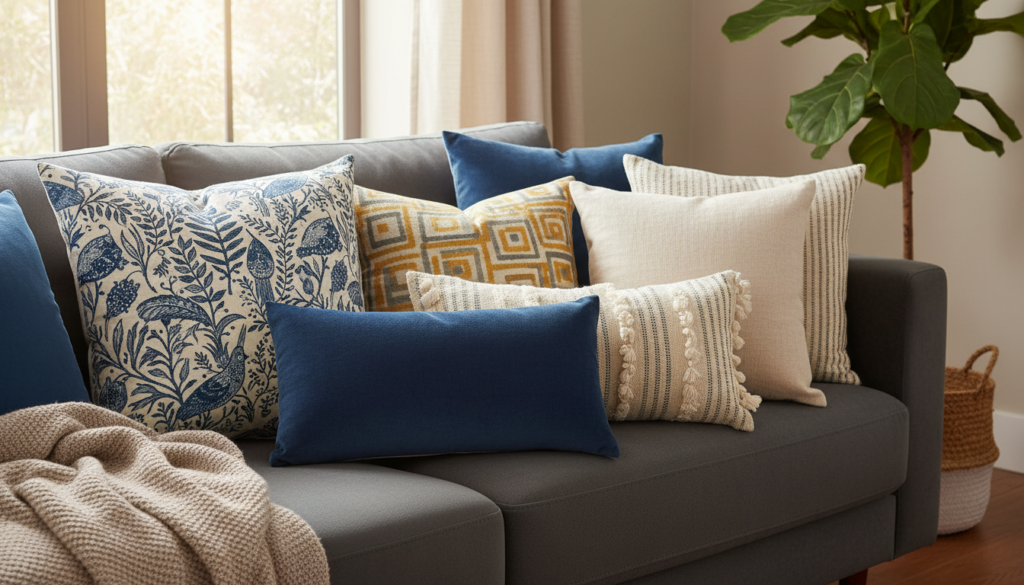
Pillow covers rank among the easiest home projects. You sew two fabric squares together, leaving one side open. This opening lets you insert a pillow form. The simple construction makes pillow covers perfect for practicing corners and seams.
Envelope-style pillow covers need no zippers or buttons. The overlapping back panels keep the pillow inside while allowing easy removal for washing. This design works brilliantly for beginners who want to avoid complicated closures.
Measure your pillow form before cutting fabric
Add seam allowance to all sides
Press seams for crisp edges
Topstitch for a professional finish
Mix and match fabrics for visual interest
Simple Table Runners and Placemats
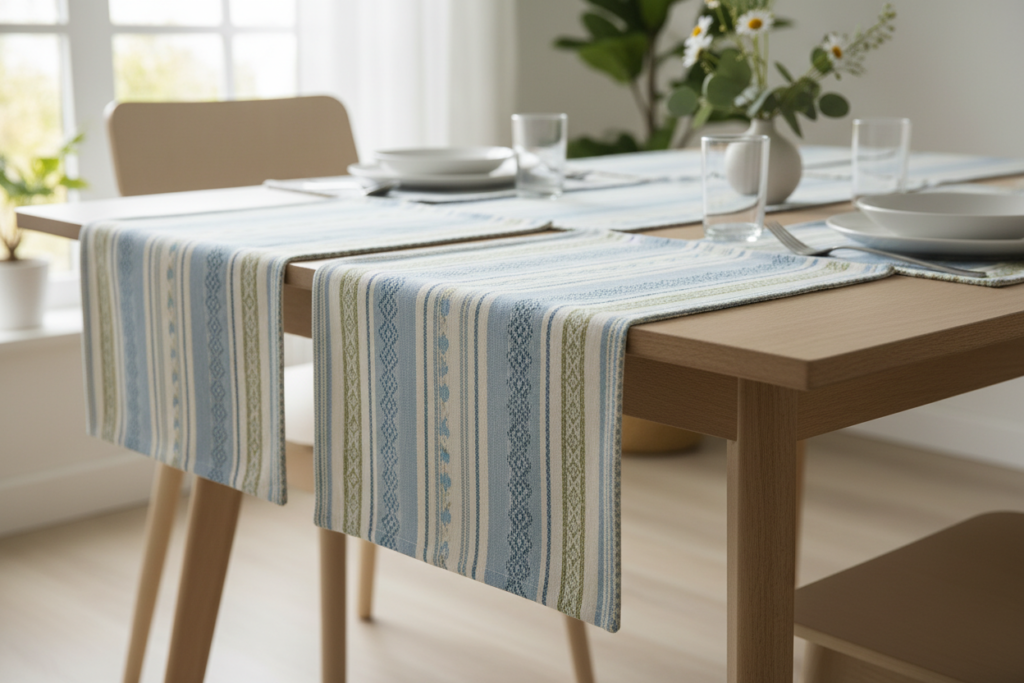
Table runners give you practice sewing longer straight lines. The rectangular shape keeps things simple while you focus on maintaining even seams. You can finish a table runner in one evening.
Placemats work great for using fabric scraps. You can make each one different or create a matching set. Adding batting between fabric layers makes your placemats more substantial and protective.
Kitchen Essentials
Kitchen towels and potholders offer endless practice opportunities. These projects use cotton fabric that handles high temperatures. The small size means you finish quickly and move on to the next item.
Dish Towels
Simple hemmed rectangles of absorbent fabric
Practice turning corners neatly
Add hanging loops for function
Pot Holders
Layer cotton with heat-resistant batting
Quilt layers together for safety
Bind edges with bias tape
Oven Mitts
Slightly more advanced with shaped pattern
Must use proper insulating materials
Great project after mastering basics
These practical sewing projects make wonderful housewarming gifts. People love receiving handmade items they can use daily. Plus, making things for your home keeps you motivated to sew more.
Easy Accessories and Wearable Items
Creating your own accessories feels incredibly rewarding. These beginner sewing projects let you make items you will actually wear and show off. Starting with simple shapes helps you understand garment construction basics.
Infinity Scarves and Simple Wraps
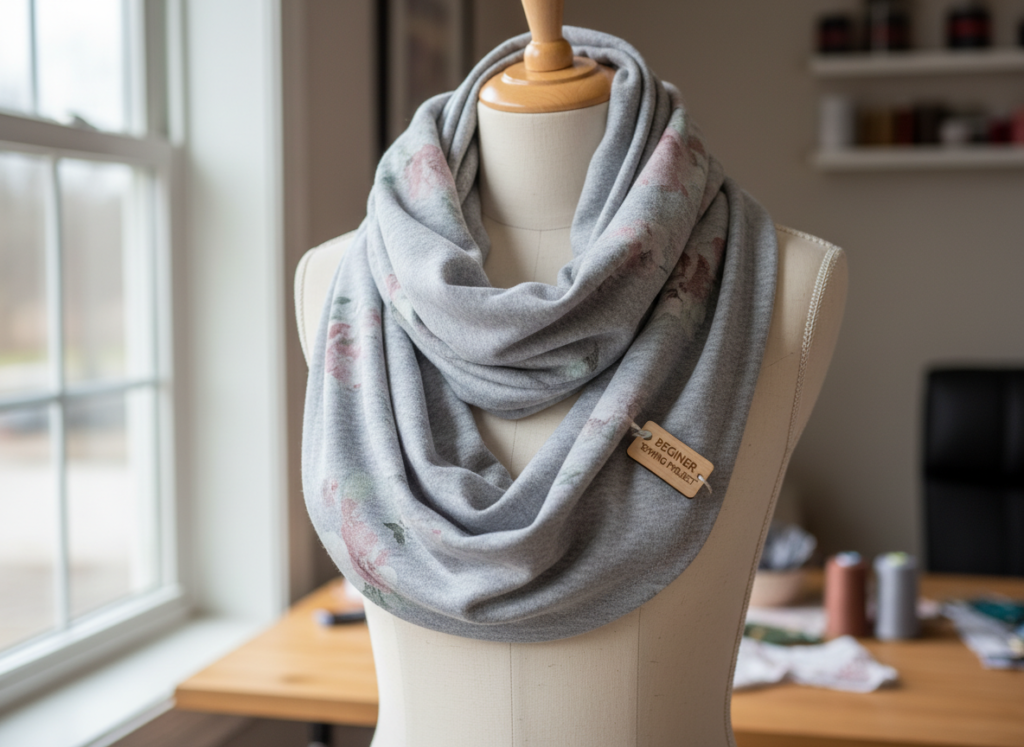
An infinity scarf requires just one long rectangle of stretchy fabric. You sew the short ends together to create a loop. This project introduces you to working with knit fabrics, which behave differently from cotton.
Choose jersey or fleece fabric for your first scarf. These materials forgive small mistakes and feel wonderful to wear. You can make a cozy scarf in less than twenty minutes.
Headbands and Hair Accessories
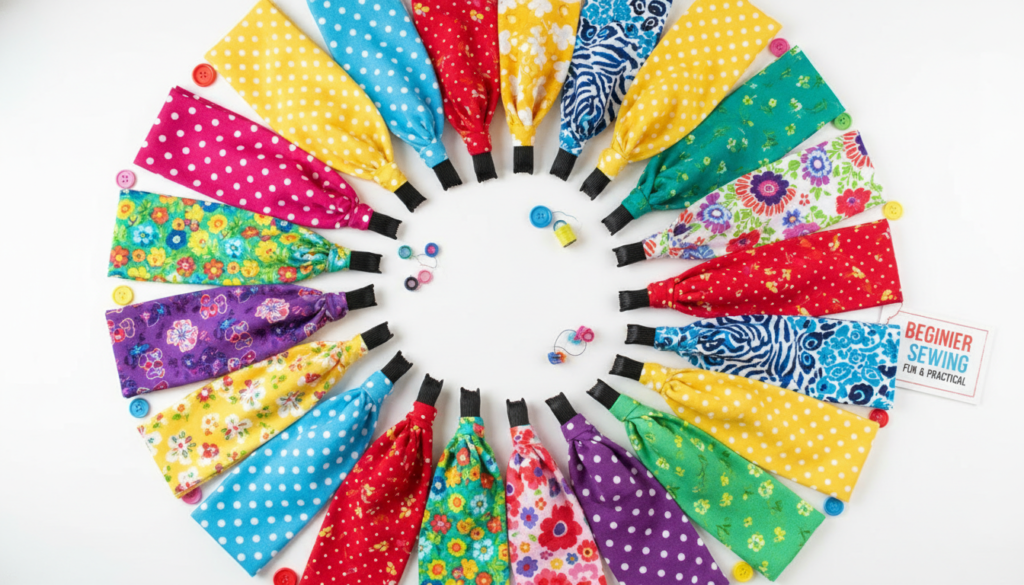
Fabric headbands make excellent quick projects. You sew a long strip of fabric, turn it right side out, and add elastic. Kids especially love choosing their own fabrics for custom headbands.
Use cotton quilting fabric for structure
Add interfacing for extra body
Measure head circumference before cutting
Finish ends neatly for comfort
Experiment with different widths
Simple Tote Bags
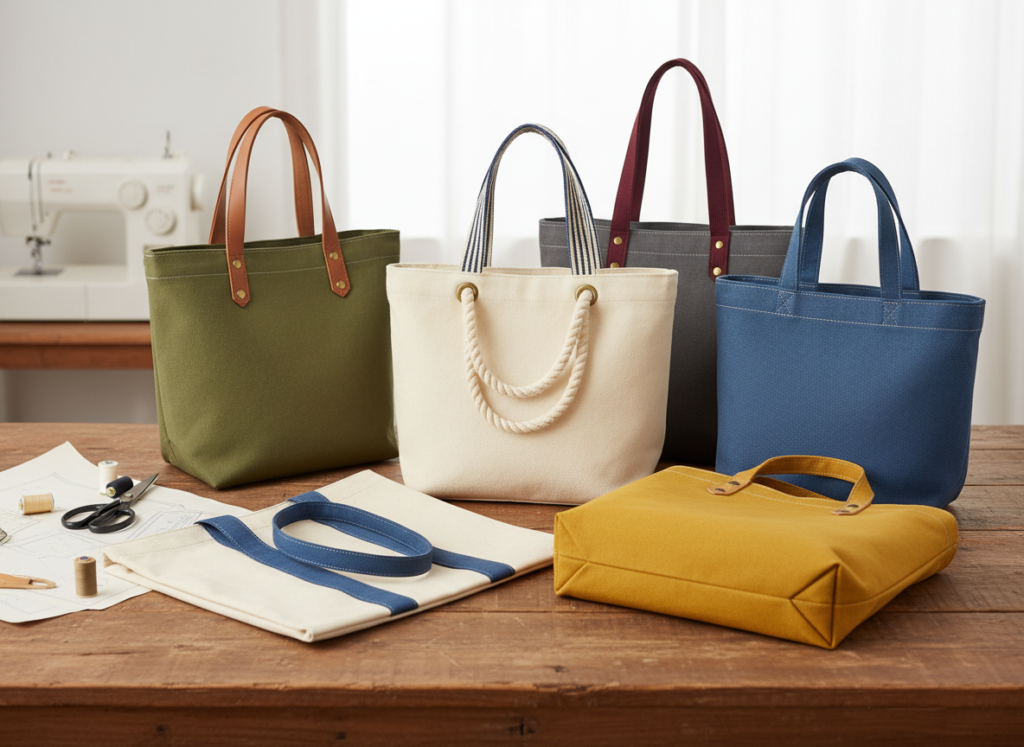
A basic tote bag teaches you to sew multiple straight seams and attach handles. This project builds on skills you learned making drawstring bags. The result is a sturdy bag you can use for shopping or carrying books.
Canvas or denim works wonderfully for tote bags. These sturdy fabrics hold their shape and last for years. You can add pockets inside or outside for extra functionality.
Many new sewers find that making bags becomes addictive. Each one gives you a chance to try new techniques or fabrics. You will always find someone who wants a handmade tote bag.
Transform Your Skills from Basic to Beautiful
Stop guessing and start creating with confidence. Join thousands of beginners who learned to sew professional-quality items with structured, easy-to-follow lessons.
Holiday projects motivate you to sew with specific deadlines. These seasonal items make thoughtful gifts and beautiful decorations. The temporary nature means you can experiment without worrying about perfection.
Fabric Ornaments
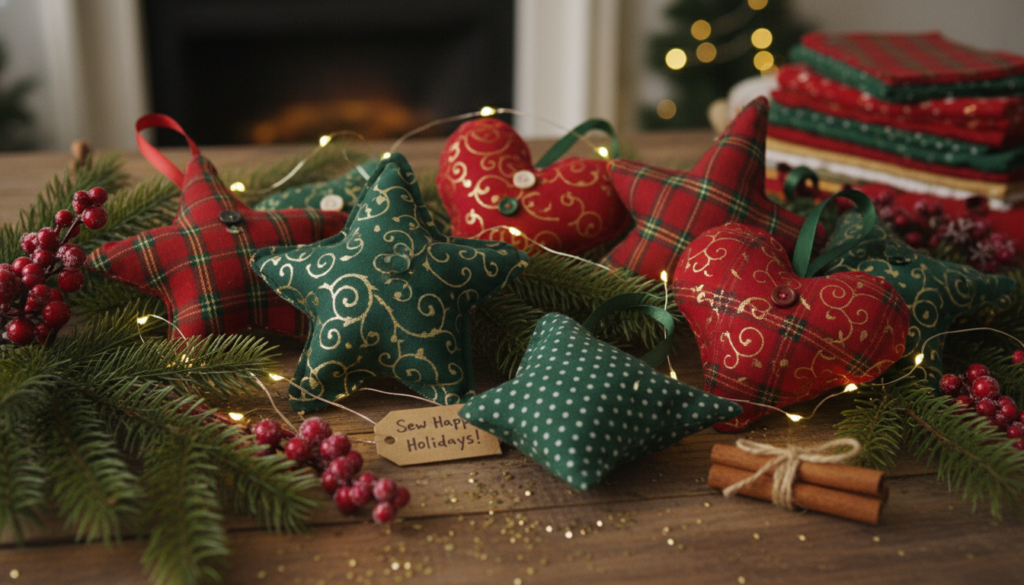
Small stuffed ornaments use tiny fabric scraps. You cut two matching shapes, sew around the edges, and stuff lightly. These ornaments work for any holiday or season throughout the year.
Stars, hearts, and simple shapes work best for beginners. The small size means you finish quickly. Making a bunch of ornaments gives you repetitive practice that improves your skills rapidly.
Seasonal Table Decor
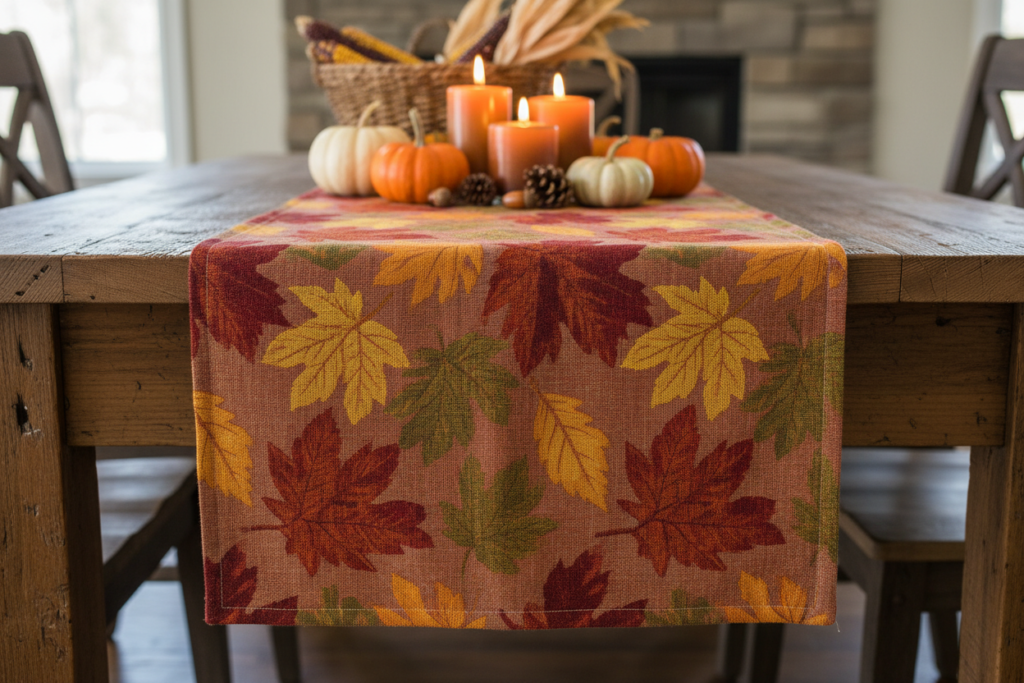
Table runners and placemats in seasonal fabrics change your home’s look instantly. You can make spring versions with florals, fall versions with leaves, and winter versions with snowflakes.
Choose fabrics that reflect the season
Keep construction simple for quick completion
Make reversible items for double duty
Store carefully for next year
Gift handmade holiday items early
Gift Bags and Wrapping
Reusable fabric gift bags replace disposable wrapping paper. These bags use the same skills as drawstring bags. Recipients love getting gifts in beautiful handmade bags they can use again.
Make gift bags in various sizes for different occasions. Small bags hold jewelry, medium bags fit books, and large bags work for blankets or clothing. The versatility makes this project incredibly practical.
Fun Sewing Projects Kids Will Love
Making things for kids keeps sewing fun and playful. Children appreciate handmade items and love choosing fabrics. These projects also make wonderful gifts for baby showers or birthdays.
Simple Stuffed Toys
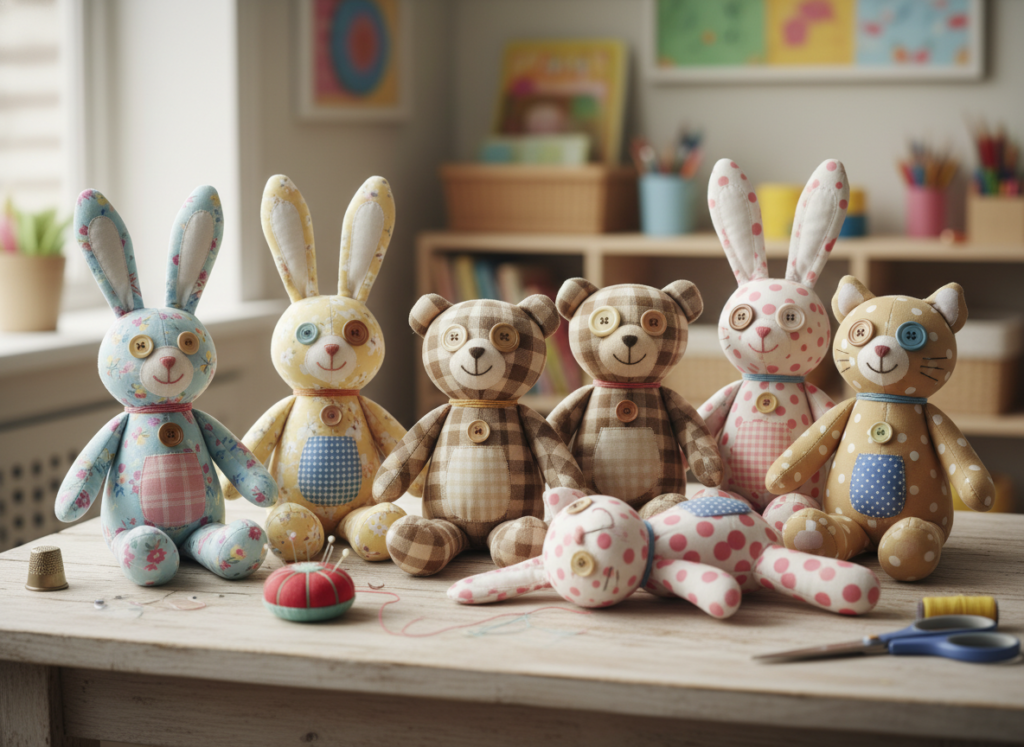
Basic stuffed animals teach you to sew curves and stuff projects properly. Start with simple shapes like balls or cubes before attempting more complex animals. Kids love these toys regardless of small imperfections.
Use felt for your first stuffed toys. Felt does not fray, so you do not need to worry about finishing edges. This forgiving fabric lets you focus on learning to sew curves and turns.
Dress-Up Items and Costumes
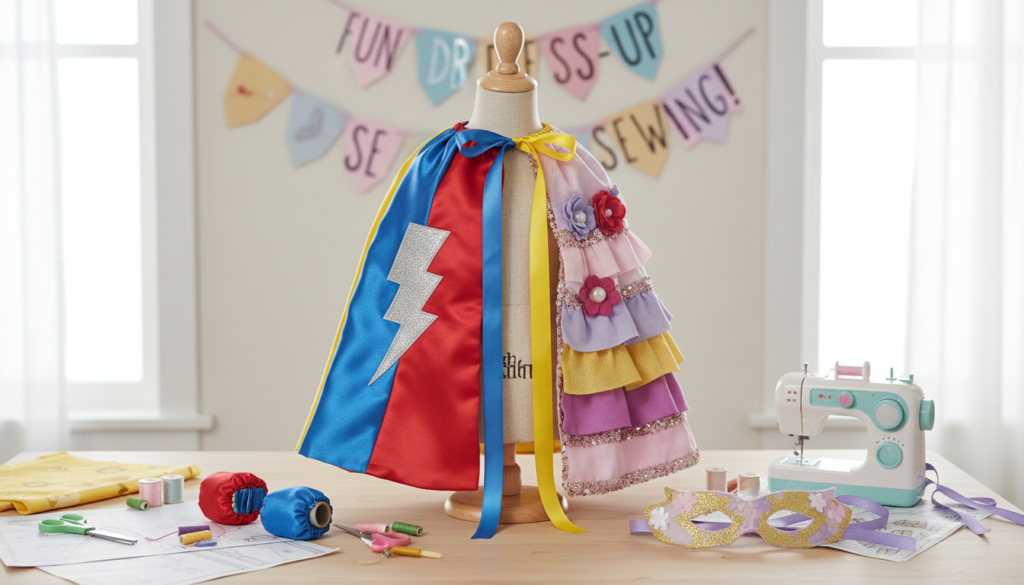
Simple capes, tutus, and dress-up accessories require minimal sewing. A basic cape uses just two rectangles of fabric and ribbon ties. Kids wear these items constantly, making the effort worthwhile.
Quick Cape Construction
Cut fabric rectangle to desired length
Hem all edges for neat finish
Add ribbon ties at neck edge
Decorate with appliques if desired
Other Dress-Up Ideas
Simple elastic waist skirts
Fabric crowns and tiaras
Superhero wrist cuffs
Animal ear headbands
Activity Books and Quiet Toys
Fabric quiet books keep little hands busy. Each page features a different activity like buttons, zippers, or snaps. This project challenges you to try various techniques in one item.
Start with a single activity page before making a full book. This approach lets you practice each skill individually. Kids benefit from the sensory experience while you develop new sewing abilities.
Organization and Storage Solutions
Fabric storage solutions help organize your home while giving you sewing practice. These practical projects use basic techniques you have already learned. The results make your space tidier and more functional.
Fabric Storage Baskets
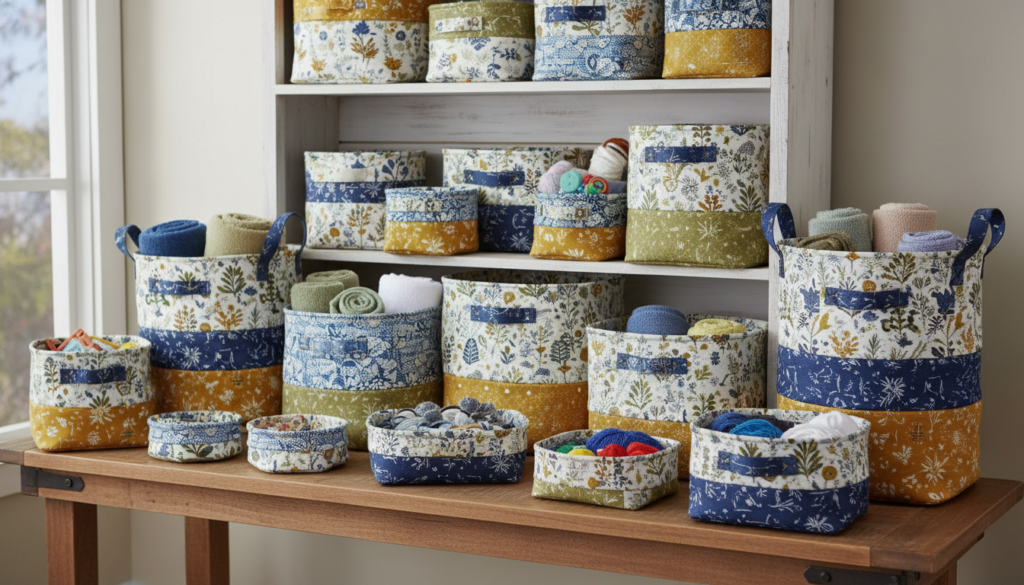
Storage baskets use stiff interfacing to hold their shape. You sew fabric around the interfacing to create sturdy containers. These baskets work perfectly for organizing bathroom supplies, craft materials, or toys.
Make baskets in different sizes for versatile storage. Small baskets hold office supplies. Large baskets corral blankets or stuffed animals. The same basic pattern scales up or down easily.
Use heavy interfacing or buckram for structure
Choose home decor weight fabric for durability
Finish top edge with bias tape or folded hem
Add handles for easy carrying
Make collapsible versions for flexible storage
Wall Organizers and Pockets
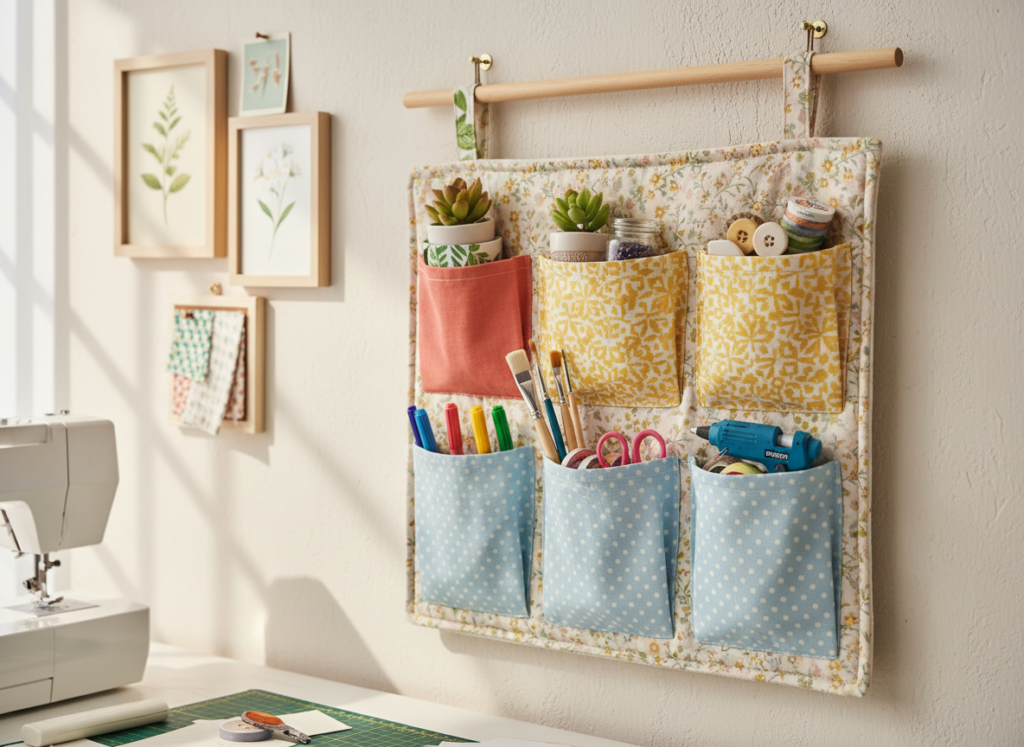
Hanging wall organizers feature multiple pockets sewn to a backing fabric. These organizers keep small items accessible and visible. You can customize pocket sizes for specific storage needs.
Door organizers, closet organizers, and car organizers all use similar construction. You sew pockets to a base, add hanging mechanisms, and fill with necessities. Each pocket gives you practice sewing straight lines and corners.
Laundry and Utility Bags
Large drawstring bags hold laundry, toys, or seasonal items. These bags use the same skills as small drawstring pouches but on a bigger scale. The increased size helps you practice maintaining straight seams over longer distances.
Mesh laundry bags let you see contents while protecting delicate items. Using mesh fabric introduces you to working with see-through materials. These bags wash and dry with the laundry inside.
Create Professional-Looking Projects Every Time
Stop struggling with unclear instructions. Get access to detailed video tutorials that show you exactly how to make beautiful, functional items from start to finish.
Every sewing project teaches you something new. As you complete more items, you notice your skills improving naturally. Understanding which skills each project develops helps you choose what to make next.
Mastering Straight Lines
Sewing straight lines forms the foundation of most projects. Start with simple rectangles like dish towels or table runners. These projects let you focus solely on keeping your seams straight and even.
Your straight lines will improve with practice. Each seam you sew builds muscle memory. Soon you will sew straight without thinking about it consciously.
Learning to Turn Corners
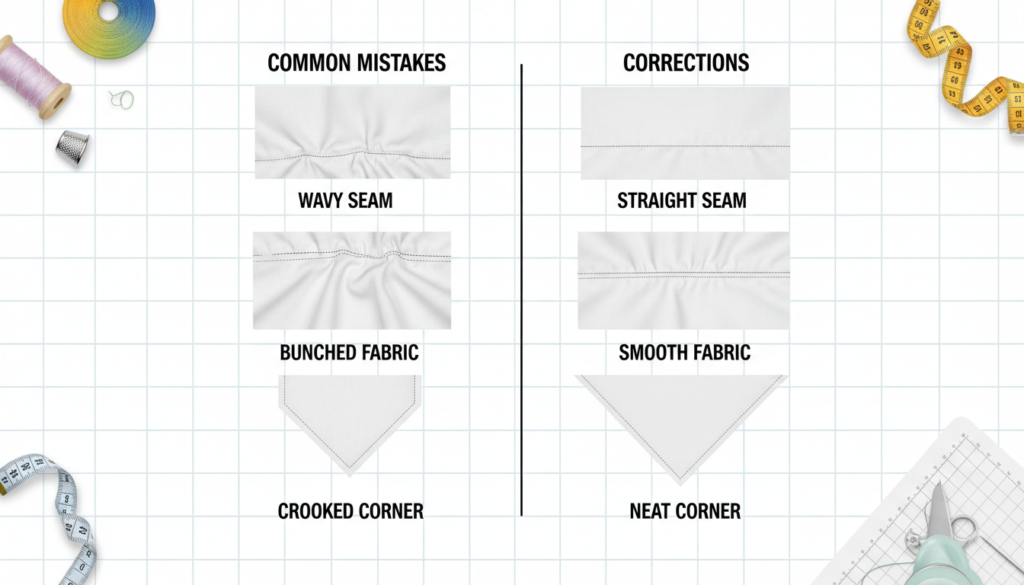
Turning corners neatly separates beginners from more advanced sewers. Practice this skill on pillow covers and bags. The trick involves stopping with the needle down, lifting the presser foot, and pivoting the fabric.
Stop sewing when you reach the corner
Leave needle down in the fabric
Lift presser foot and pivot fabric
Lower presser foot and continue sewing
Practice makes corners sharper and neater
Working with Different Fabrics
Each fabric type behaves differently under your sewing machine. Cotton quilting fabric works easily for beginners. Knits stretch and require different handling. Slippery fabrics like satin need extra care.
Start with cotton and gradually try other fabrics. This progression builds your confidence and adaptability. Understanding fabric behavior helps you choose the right material for each project.
Pressing for Professional Results
Pressing seams makes the biggest difference in how professional your projects look. Many beginners skip this step and wonder why their items look homemade. Taking time to press transforms your work completely.
When to Press
After sewing each seam
Before crossing seams with another
After turning items right side out
Before adding topstitching
Pressing Techniques
Press seams open or to one side
Use appropriate heat for fabric
Lift and press rather than sliding
Use steam for stubborn wrinkles
Many sewers say that good pressing equals good sewing. This wisdom proves true as you advance. Even simple projects look amazing when pressed properly throughout construction.
If you want to accelerate your learning and master these techniques faster, consider investing in structured lessons that break down each skill step by step.
Choosing the Right Fabric for Your Project
Selecting appropriate fabric makes sewing easier and more enjoyable. Different projects require different fabric characteristics. Learning to match fabric to project saves frustration and produces better results.
Best Fabrics for Beginners
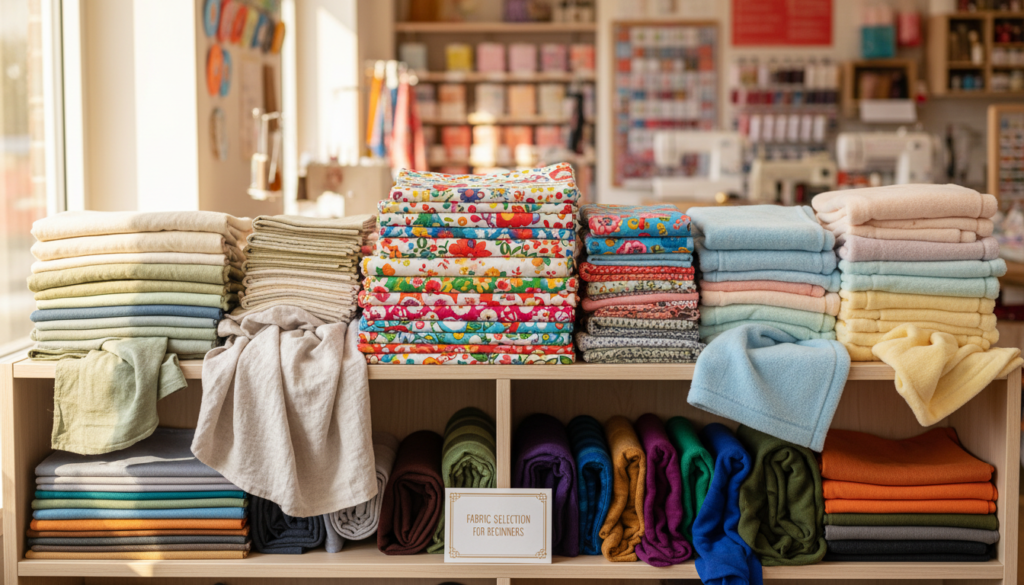
Cotton quilting fabric works wonderfully for most beginner projects. This fabric cuts cleanly, sews easily, and comes in endless patterns. The stable weave does not stretch or slip while you sew.
Medium-weight cotton provides enough structure without being difficult to handle. Avoid very lightweight cotton at first. Also skip thick fabrics like upholstery weight until you gain experience.
Cotton quilting fabric for most projects
Flannel for soft baby items and blankets
Canvas for sturdy bags and totes
Fleece for no-sew edges and warmth
Jersey knit once comfortable with basics
Understanding Fabric Properties
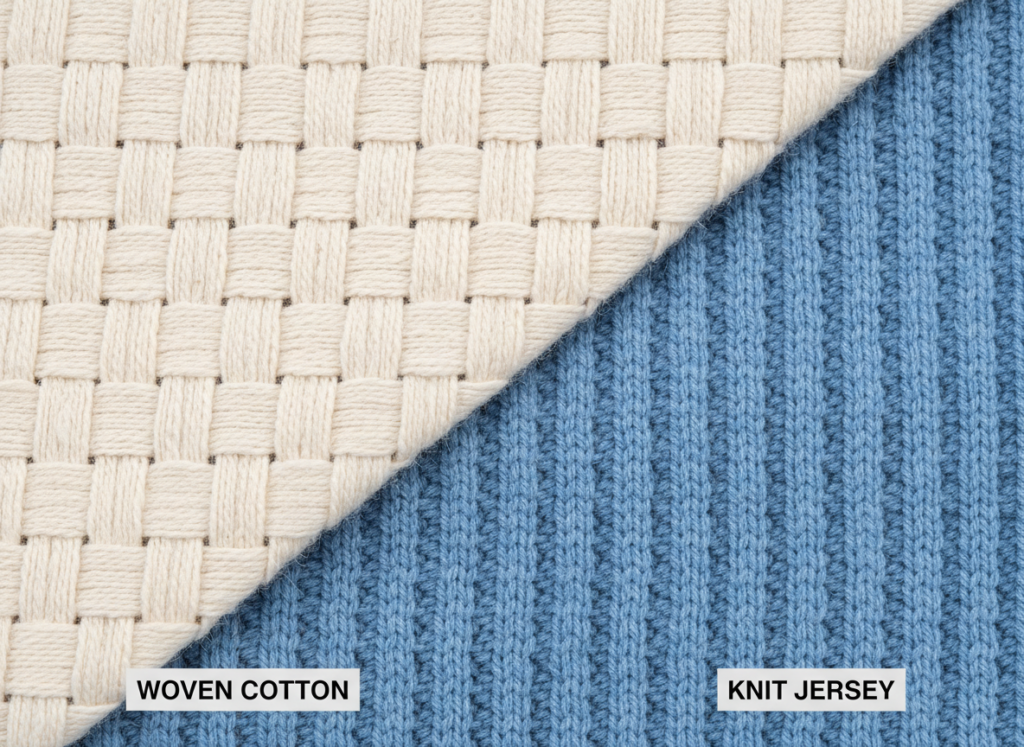
Woven fabrics have perpendicular threads and do not stretch. Knit fabrics contain loops and stretch in at least one direction. This fundamental difference affects how you cut and sew each fabric type.
Fabric weight matters too. Lightweight fabrics suit flowing items like scarves. Medium-weight fabrics work for most projects. Heavyweight fabrics make durable bags and home decor items.
Using Fabric Scraps Wisely
Save fabric scraps from larger projects. These pieces work perfectly for small beginner projects. Making items from scraps costs nothing and reduces waste beautifully.
Small Scraps
Ornaments, pincushions, and fabric flowers
Appliques for other projects
Practice pieces for new techniques
Medium Scraps
Burp cloths and small pouches
Patchwork for larger items
Doll clothes and accessories
Large Scraps
Pillows and small bags
Baby items and blankets
Placemats and napkins
Organizing scraps by color or size makes them easier to use. Some sewers keep scrap bins sorted by project type. Others bundle scraps by color family for coordinated projects.
Avoiding Common Beginner Mistakes
Every new sewing enthusiast makes mistakes. Understanding common errors helps you avoid them or fix them quickly. Remember that mistakes teach you valuable lessons about sewing.
Not Testing Your Machine
Always test stitch on scrap fabric before starting your project. This simple step saves time and prevents ruined projects. Testing reveals tension problems, wrong needle size, or other issues.
Adjust your machine settings on the scrap until everything looks perfect. Then move to your actual project fabric with confidence. This habit becomes automatic as you gain experience.
Skipping the Pressing Step
Beginners often skip pressing because it seems like extra work. However, pressing makes the biggest difference in final appearance. Unpressed seams look bulky and amateur.
Press seams after sewing them
Use appropriate heat for your fabric
Press rather than iron back and forth
Let fabric cool before handling
Invest in a good iron early
Rushing Through Projects
Taking your time produces better results than rushing. Sewing slowly and carefully creates neater seams and fewer mistakes. Speed comes naturally with practice.
Many beginners feel pressure to finish quickly. Resist this urge and enjoy the process. The joy of sewing comes from creating something beautiful, not from racing to completion.
Ignoring Pattern Instructions
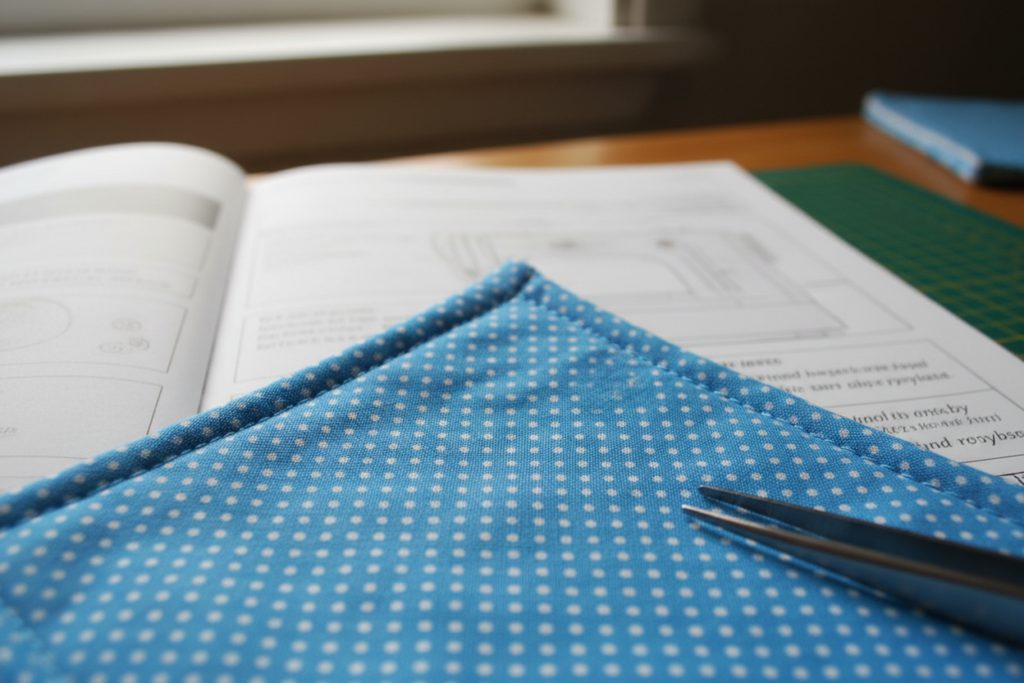
Pattern instructions contain important information. Reading them completely before starting prevents mistakes. Even experienced sewers read instructions for new patterns.
Highlight or mark important steps as you read. Keep instructions visible while working. Following directions carefully leads to successful projects and builds your understanding of construction methods.
Learn to Avoid Mistakes Before Making Them
Get insider tips and tricks that professional sewers use to create flawless projects. Discover the shortcuts and techniques that make sewing easier and more enjoyable.
Confidence grows with each completed project. Starting small and building gradually helps you avoid frustration. Celebrating each success, no matter how small, keeps you motivated to continue learning.
Setting Realistic Goals
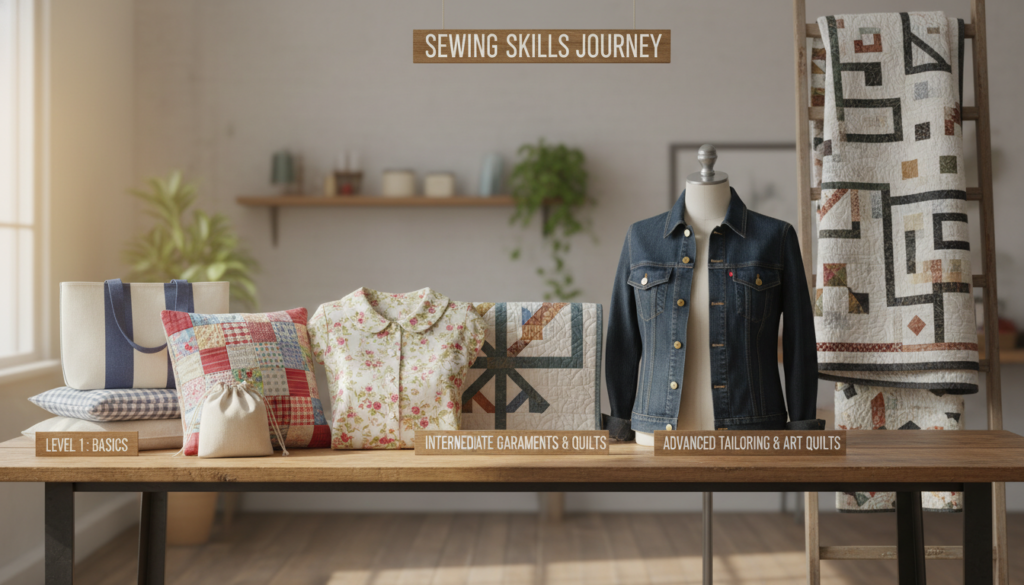
Choose projects that match your current skill level. Attempting advanced projects too soon leads to disappointment. Following a natural progression builds skills systematically.
Set specific goals for your sewing journey. Maybe you want to make all your holiday gifts this year. Perhaps you aim to sew one new item each week. Goals provide direction and motivation.
Learning from Each Project
Every project teaches something valuable. Even mistakes offer lessons about what to do differently next time. Approaching sewing as continuous learning removes pressure to be perfect.
What to Track
Projects completed and time spent
New techniques you learned
Challenges you overcame
Ideas for future projects
How to Improve
Practice the same project multiple times
Try slight variations on familiar patterns
Challenge yourself with one new skill per project
Join sewing communities for support
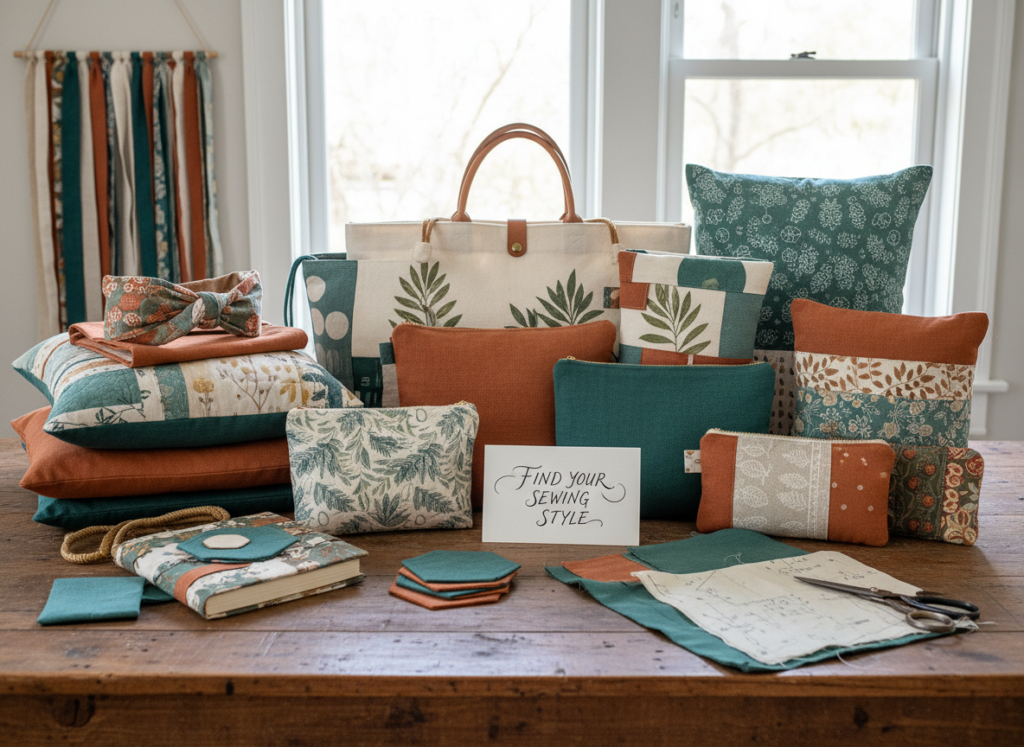
Finding Your Sewing Style
You will naturally gravitate toward certain types of projects. Some people love making bags and accessories. Others prefer home decor items. Following your interests keeps sewing fun.
Experiment with different project types early on. This exploration helps you discover what you enjoy most. Once you identify your preferences, you can focus your learning in that direction.
Many sewers find that having a structured learning path accelerates their progress and helps them discover their unique sewing style faster.
Your Next Steps in the Sewing Journey
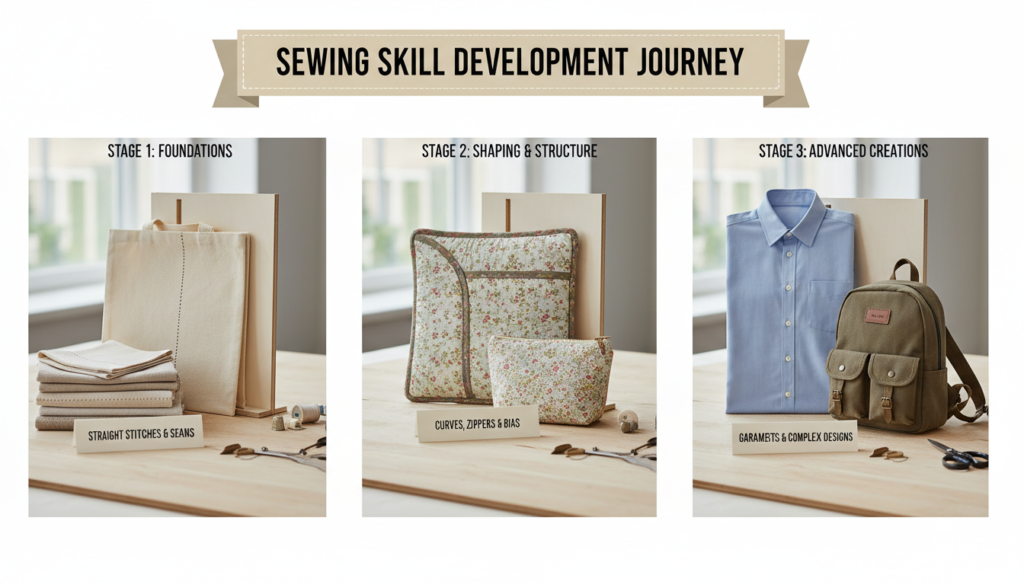
After mastering basic sewing projects for beginners, you will feel ready for new challenges. The foundation you built prepares you for intermediate projects. Understanding where to go next keeps your momentum strong.
Expanding Your Project Repertoire
Once comfortable with straight seams and simple shapes, try projects with curves. Circular placemats, rounded bags, and curved pillows introduce new cutting and sewing techniques.
Adding embellishments takes basic projects to the next level. Try applique, decorative stitching, or simple embroidery. These details personalize your work and teach new skills simultaneously.
Projects with curved seams and shapes
Items requiring zippers and buttons
Simple garments like pajama pants
Quilted items and patchwork
Projects using multiple fabric types
Learning New Techniques
Each new technique opens possibilities for different projects. Installing zippers seemed impossible at first but becomes routine with practice. The same applies to buttonholes, bias binding, and gathering.
Take one new technique at a time. Master it through repetition before adding another skill. This methodical approach builds competence without overwhelm.
Joining the Sewing Community
Connecting with other sewers provides support and inspiration. Online communities share tips, answer questions, and celebrate successes together. Local sewing groups offer in-person connection and learning opportunities.
Online Resources
Sewing blogs and YouTube channels
Social media sewing groups
Online pattern shops and tutorials
Local Connections
Fabric store classes and events
Community sewing groups
Library maker spaces
Continued Learning
Online sewing courses
Pattern testing opportunities
Sewing challenges and swaps
Sharing your work encourages continued growth. Post photos of finished projects on social media. Enter items in local fairs or craft shows. Recognition motivates you to keep improving and trying new things.
Basic sewing projects for beginners open the door to a rewarding creative hobby. Each item you complete builds skills and confidence. The journey from nervous beginner to comfortable sewer happens one project at a time.
Remember that every expert sewer started exactly where you are now. They made mistakes, learned from them, and kept practicing. Your willingness to start puts you on the path to creating beautiful handmade items.
The projects you learned about today provide months of creative exploration. Start with what excites you most. Enjoy the process of learning and making. Most importantly, have fun discovering your new sewing skills.
Your sewing adventure begins with a single stitch. Pick a project, gather your supplies, and start creating. The satisfaction of finishing your first handmade item will inspire you to make many more.
Begin Your Sewing Success Story Today
Transform from uncertain beginner to confident creator with a proven system used by thousands. Get lifetime access to comprehensive video lessons, patterns, and support that guide you every step of the way.