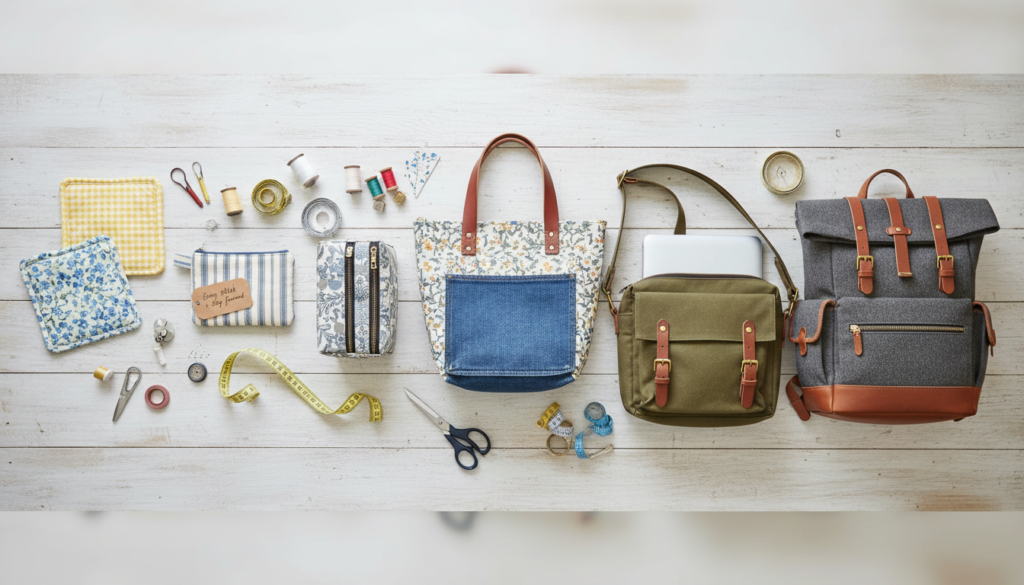
Starting your sewing journey can feel overwhelming. You have a machine sitting there, fabric choices seem endless, and you’re not quite sure where to begin. The good news is that beginner sewing projects don’t have to be complicated or time-consuming.
This guide walks you through fifteen simple sewing projects perfect for anyone just learning to use their machine. Each project builds your skills while creating something useful and beautiful. You’ll master straight lines, basic seams, and essential techniques that form the foundation of all sewing.
Whether you want to make gifts, organize your home, or simply enjoy a creative hobby, these projects give you the confidence to start creating today.
Why These Sewing Projects Work Perfect for Beginners
Learning to sew becomes easier when you choose the right projects. Beginner sewing projects should have simple shapes and minimal complicated steps. These projects focus on basic skills like sewing straight lines and making simple seams.
Most beginners struggle with complex patterns and multiple pieces. The projects in this guide use rectangular or square fabric pieces. This makes measuring and cutting much simpler. You’ll spend less time confused and more time actually sewing.
Each project teaches you something new. You’ll learn how to thread your machine properly, control your speed, and create neat seams. These fundamentals matter more than making something perfect right away.
Ready to Master Your Sewing Machine?
Stop struggling with unclear instructions and start creating beautiful projects with confidence. Learn professional techniques from expert instructors who guide you step-by-step through every skill you need.
Getting started with sewing doesn’t require a huge investment. A basic sewing machine handles all these beginner sewing projects easily. You don’t need fancy features or expensive equipment.
Your fabric choices matter for success. Cotton fabric works best for beginners because it’s easy to handle and doesn’t slip around. Start with quilting cotton or medium-weight cotton fabrics. They feed through your machine smoothly and hold their shape well.
Basic Tools Every Beginner Needs
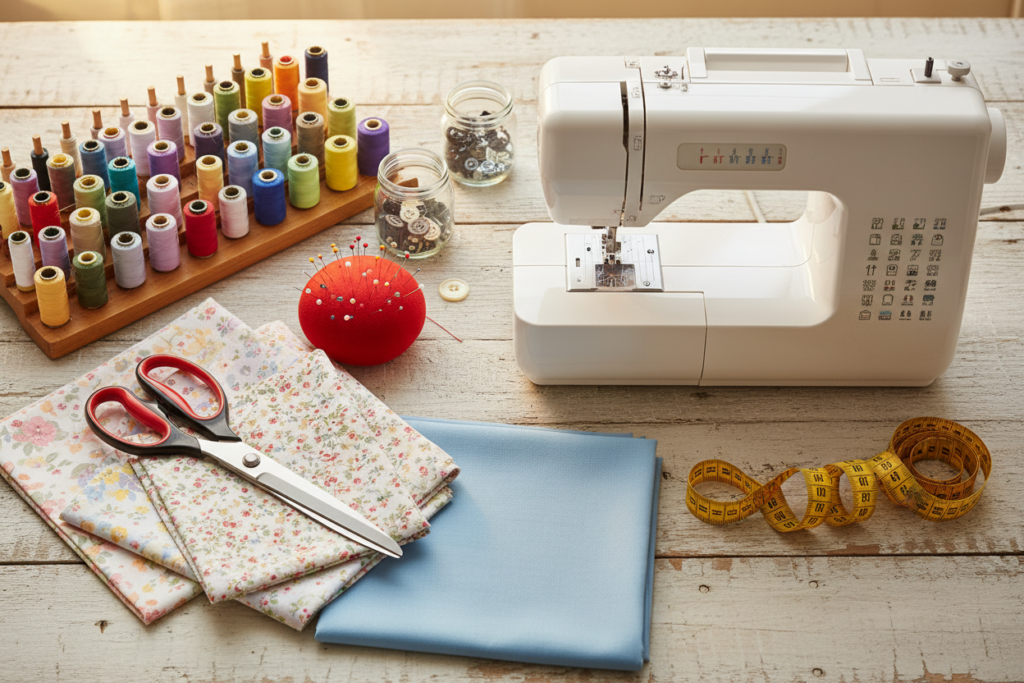
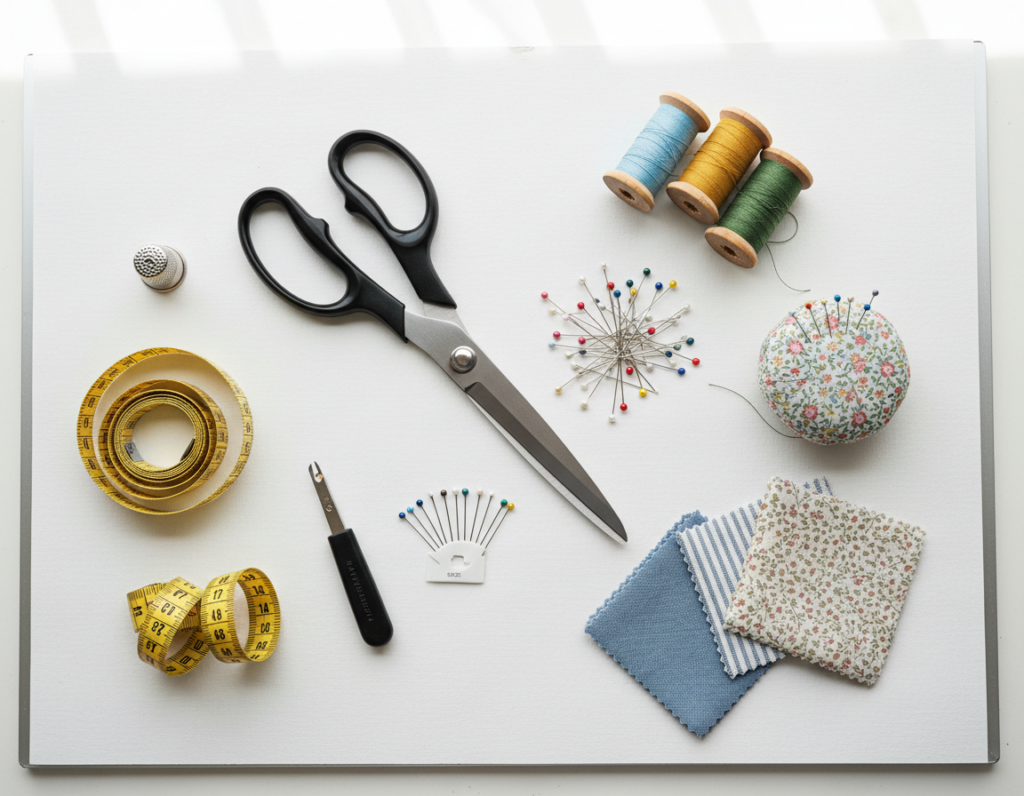
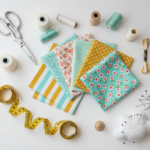
Sharp fabric scissors (never use these on paper)
Measuring tape for accurate dimensions
Straight pins to hold fabric pieces together
Seam ripper for fixing mistakes without stress
Thread in basic colors like white, black, and gray
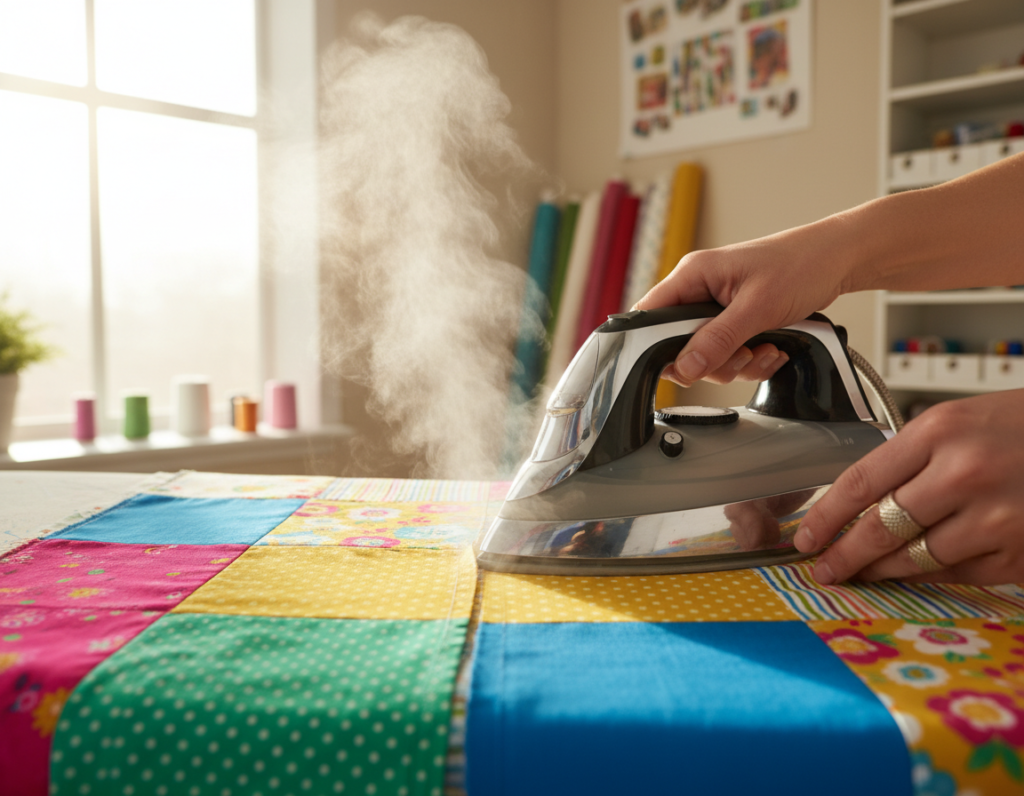
Iron and ironing board for pressing seams
Quality scissors make cutting easier and more accurate. Keep one pair just for fabric. Using them on paper dulls the blades quickly. A seam ripper becomes your best friend when learning. Everyone makes mistakes, and this little tool helps you fix them easily.
Quick Beginner Sewing Projects You Can Finish in an Hour
Starting with quick wins builds your confidence fast. These simple sewing projects take less than an hour to complete. They’re perfect for busy schedules and give you immediate satisfaction.
Fabric Headband
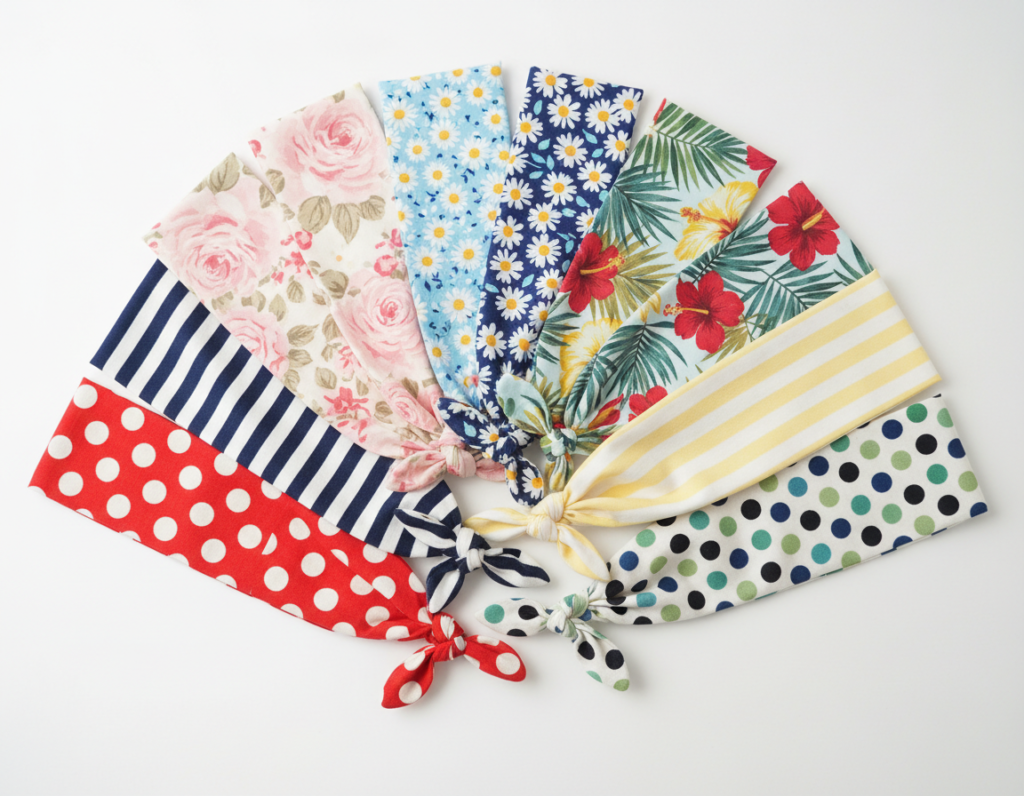
A fabric headband makes a great first project. You only need two strips of fabric and some elastic. The straight lines are easy to sew, and you’ll learn how to create a tube shape by sewing and turning fabric inside out.
Cut your fabric into a rectangle about 20 inches long and 5 inches wide. Fold it lengthwise with right sides together. Sew along the long edge, leaving the ends open. Turn it right side out, insert elastic through the tube, and sew the ends together. This simple project teaches you basic seam construction.
Pot Holders
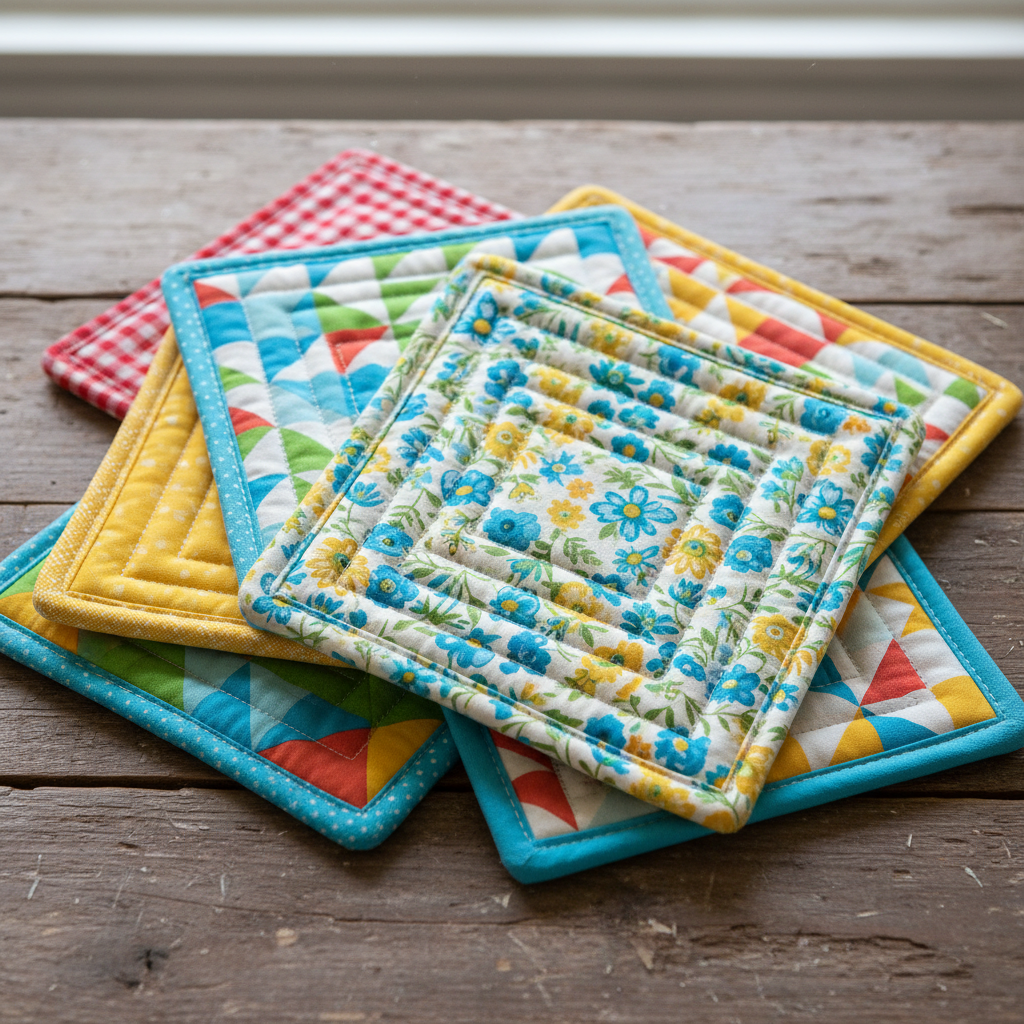
Pot holders protect your hands and look cute in your kitchen. This beginner sewing project uses two squares of fabric with batting in between. You’ll practice sewing straight lines and corners.
Cut two 9-inch squares from cotton fabric and one from heat-resistant batting. Layer them together and sew around all four edges. Add binding tape around the edges for a finished look. This project introduces you to working with multiple fabric layers.
Simple Drawstring Bag
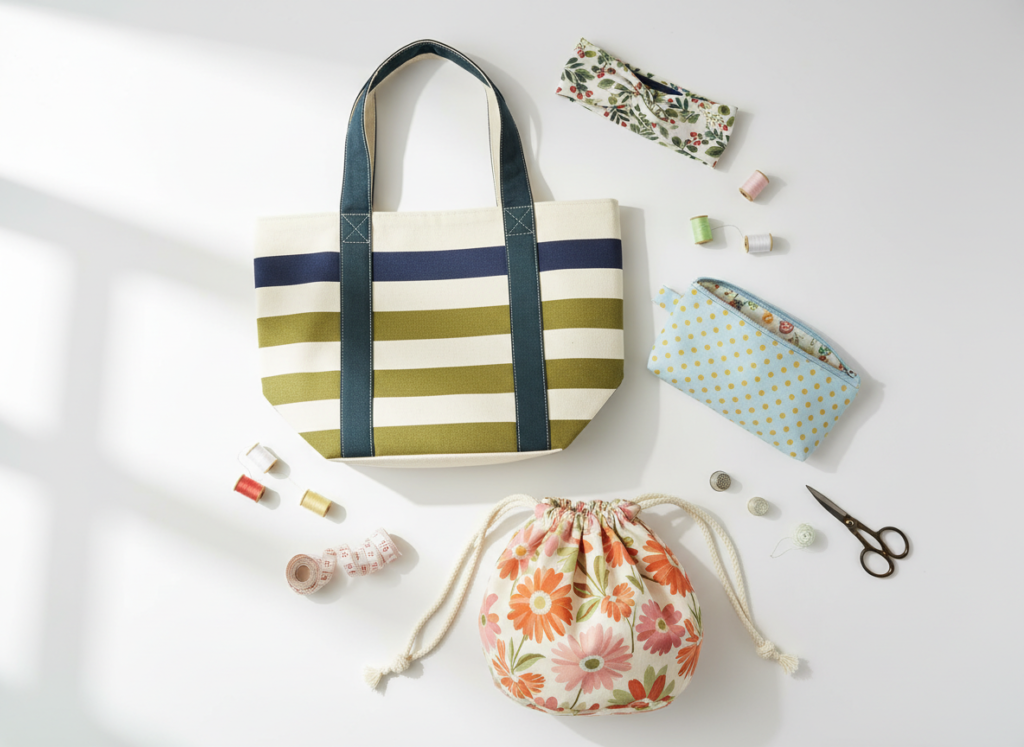
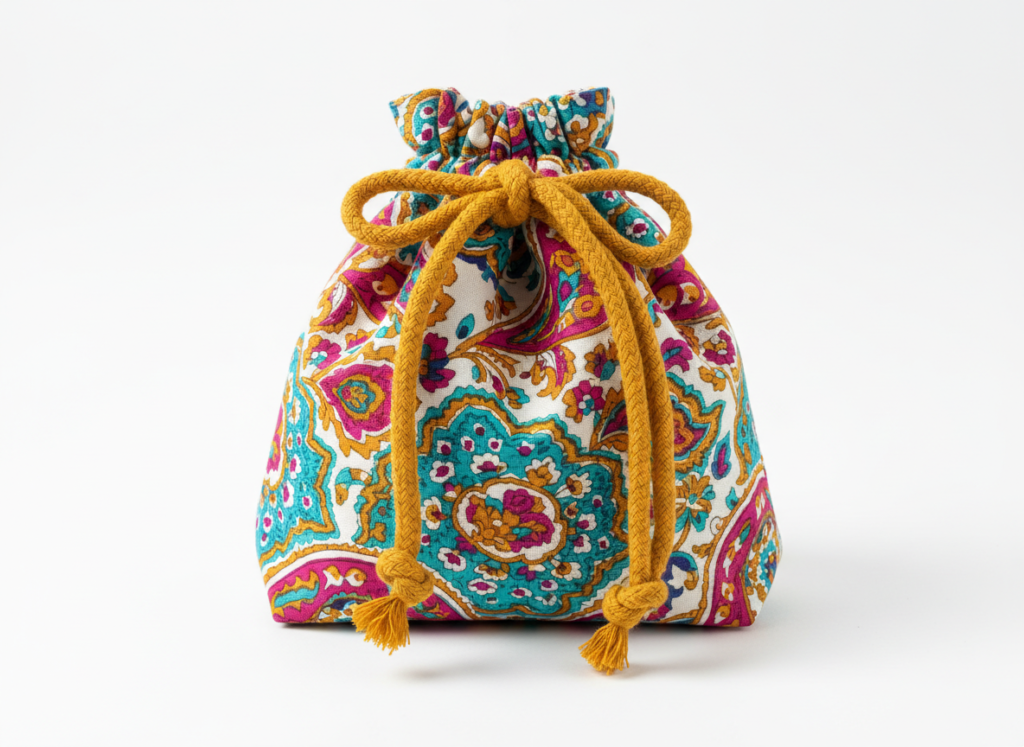
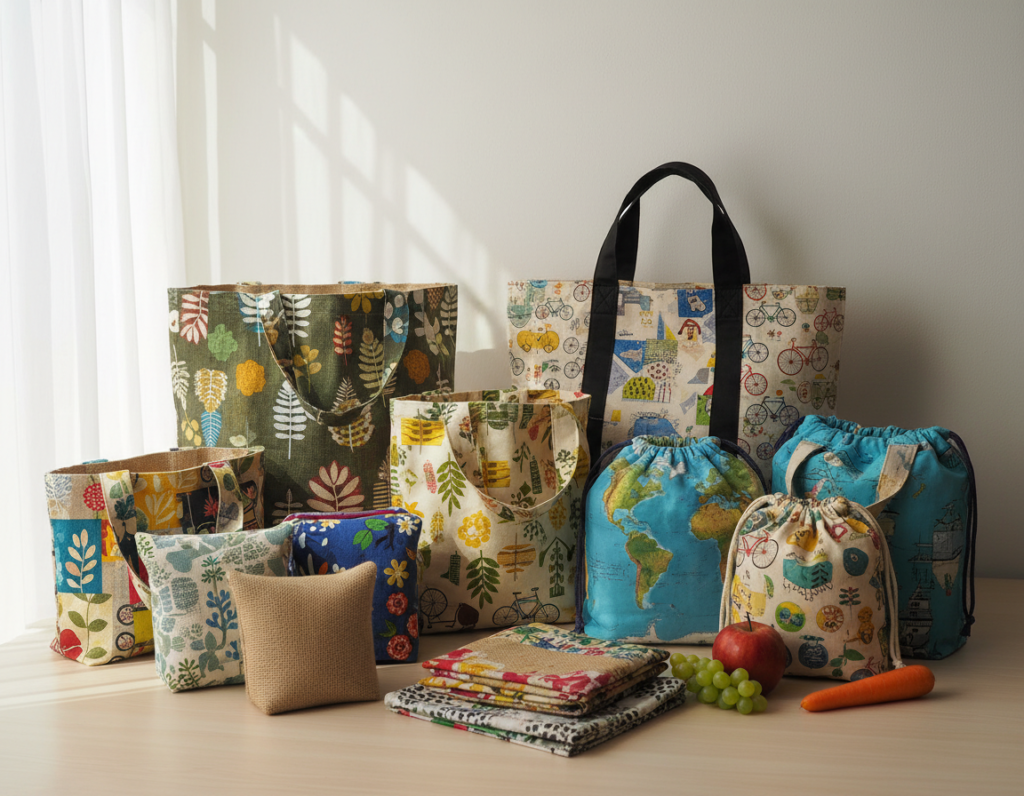
A drawstring bag serves many purposes. Use it for storing toys, organizing craft supplies, or carrying gym clothes. The rectangular shape and simple construction make this an ideal beginner project.
Cut a rectangle of fabric twice as long as your desired bag height plus a few inches for the casing. Fold it in half with right sides together and sew the side seams. Create a casing at the top by folding over the fabric and sewing a channel. Thread cord or ribbon through the casing. You’ve just made a functional drawstring bag while learning basic bag construction.
Start with Simple Fabrics
Cotton fabrics work best for beginners. They don’t stretch or slip, making them easy to control under your machine. Choose medium-weight cotton in fun patterns that inspire you.
Master Straight Lines First
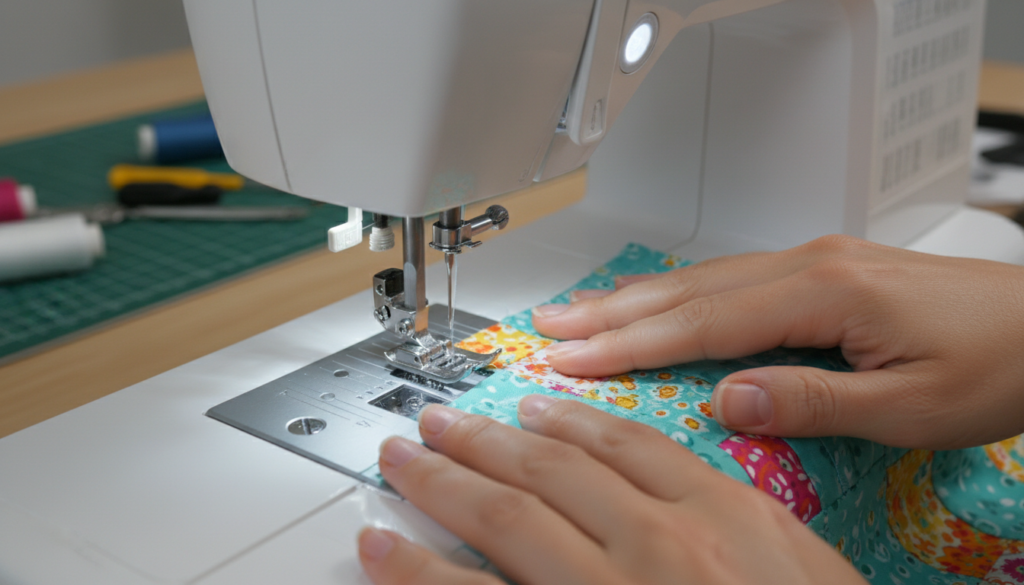
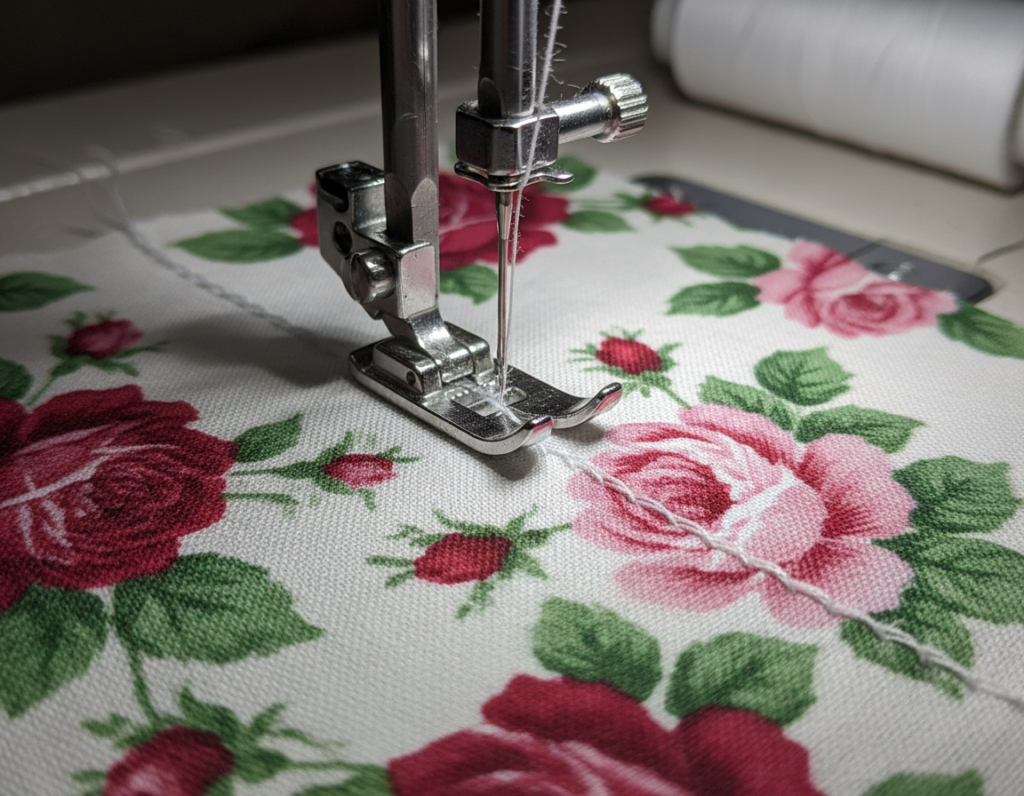
Perfect straight lines form the foundation of good sewing. Practice on scrap fabric before starting your project. Use the edge of your presser foot as a guide for consistent seam allowances.
Press Every Seam
Pressing makes your projects look professional. Iron each seam after sewing it and before crossing it with another seam. This simple step dramatically improves your finished results.
Practical Beginner Sewing Projects for Everyday Use
Creating items you actually use makes sewing more rewarding. These beginner sewing projects combine simple construction with practical function. You’ll build skills while making things that improve your daily life.
Classic Tote Bag
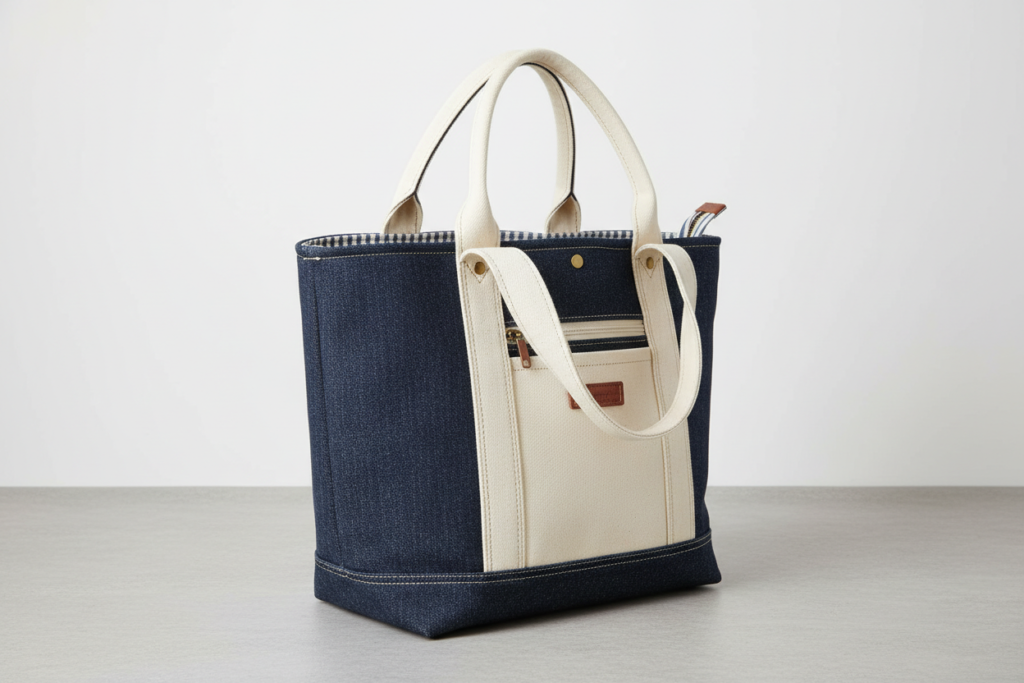
A tote bag might be the most popular beginner sewing project. It’s useful, customizable, and teaches you important construction techniques. The basic design uses rectangles and straight lines, making it perfect for new sewers.
Cut two rectangles for the main bag body and two strips for handles. Sew the body pieces together along three sides, leaving the top open. Attach handles to the inside of the bag opening. Fold over the top edge and sew for a clean finish. This project teaches you how to attach handles and finish edges properly.
Once you master the basic tote bag, you can add pockets, use different fabrics, or change the dimensions. Many beginners make several tote bags as gifts because they’re so practical and well-received.
Zippered Pouch
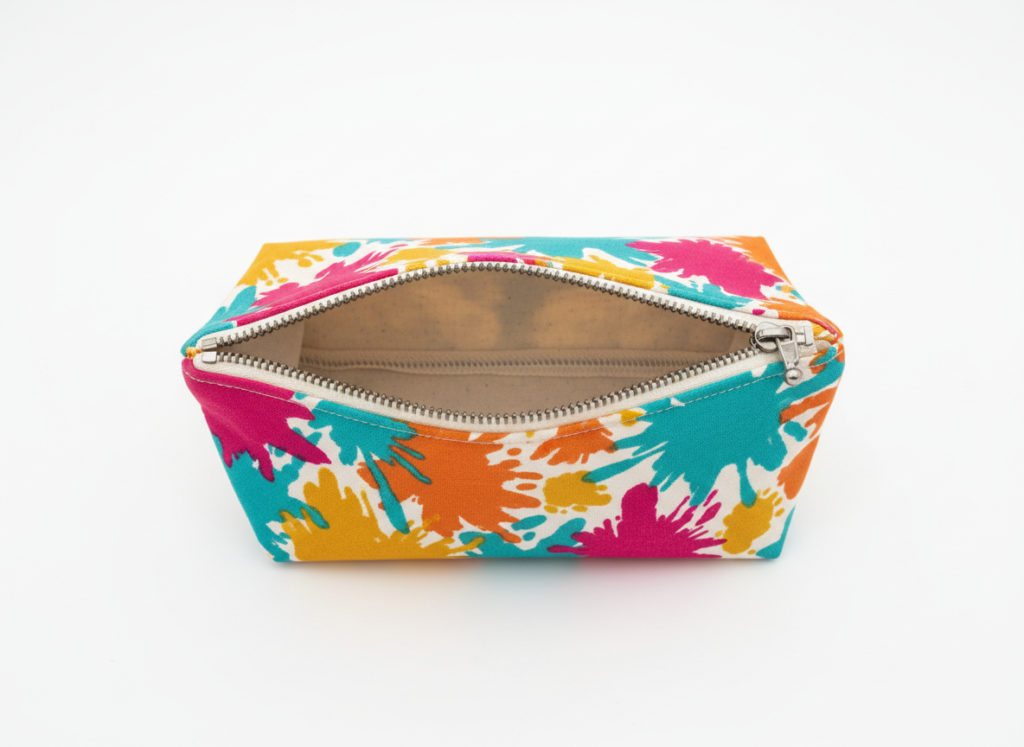
Learning to install a zipper opens up many project possibilities. A simple zippered pouch makes this skill less intimidating. Use it for makeup, pens, or small items you need to organize.
Cut two rectangles of fabric for the outside and two for the lining. Pin your zipper between the outer fabric and lining pieces, then sew carefully along the edge. Repeat for the other side of the zipper. Sew around the remaining edges, turn right side out through an opening, and close the gap. You’ve conquered zipper installation on a simple project.
Reusable Shopping Bags
Making reusable shopping bags reduces waste and gives you sewing practice. These bags use the same basic construction as a tote bag but with sturdier fabric. Choose canvas or heavy cotton for durability.
The construction follows the same pattern as the tote bag project. Reinforce the handles with extra stitching since shopping bags carry more weight. Consider adding a boxed bottom for extra capacity by folding and sewing the bottom corners into triangles.
Avoid Common Beginner Mistakes
Learn the proper techniques that prevent frustration and wasted fabric. Professional instructors show you exactly how to avoid the pitfalls that trip up most beginners, saving you time and money.
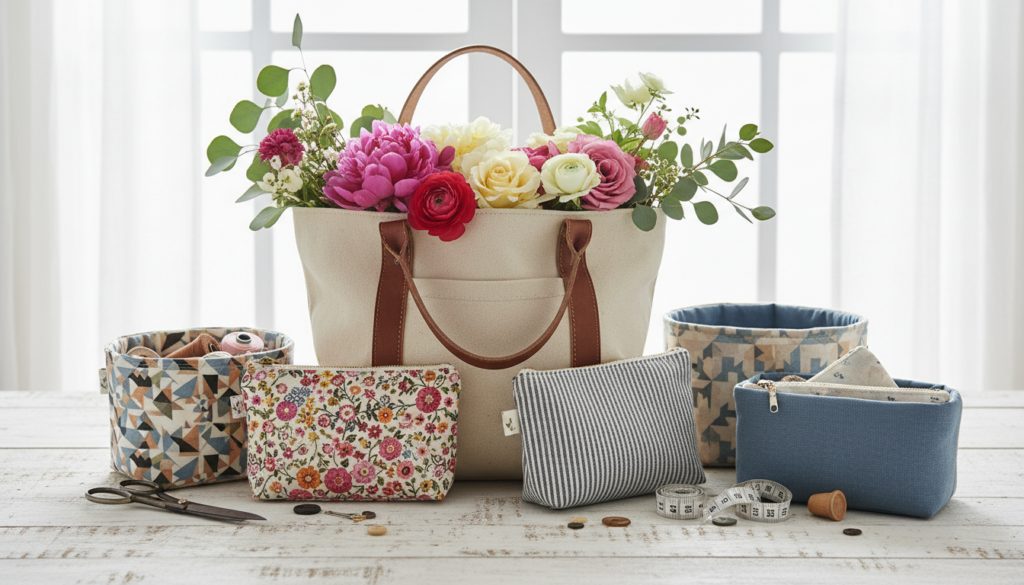
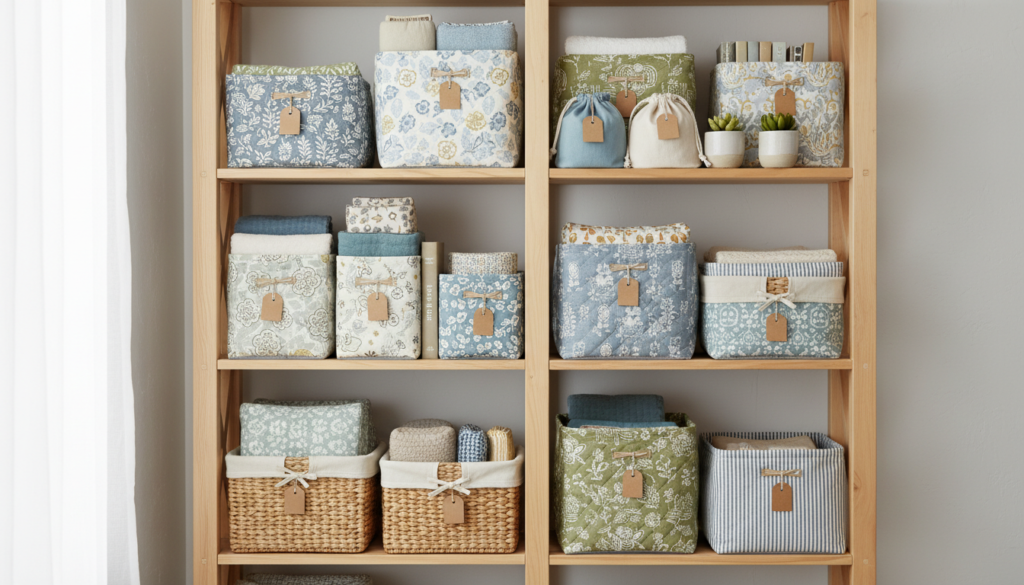
Fabric storage solutions add color and function to any room. These beginner sewing projects help organize your space while teaching useful techniques. They make great gifts too since everyone needs storage.
Fabric Storage Bins
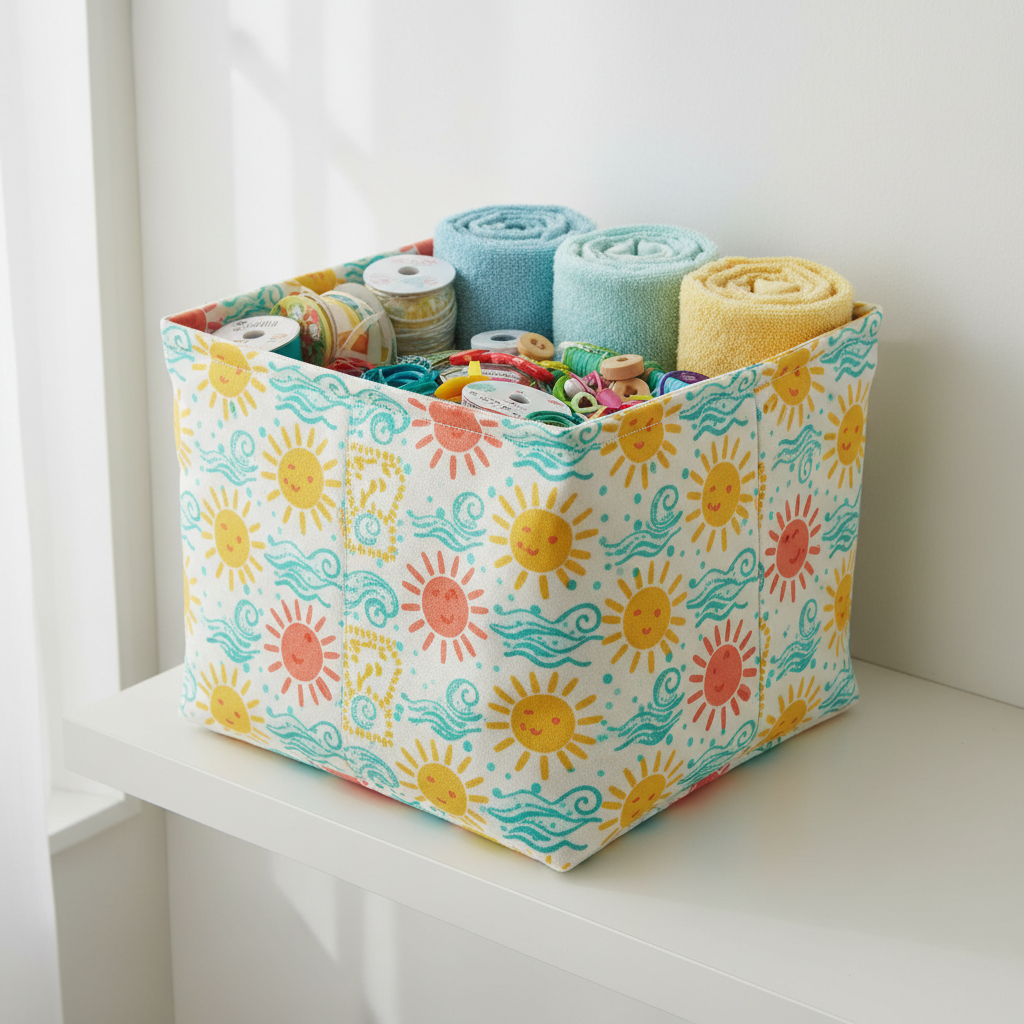
Fabric bins organize everything from toys to office supplies. This project teaches you how to create structure in fabric and finish edges neatly. Use interfacing or heavy stabilizer to help the bins hold their shape.
Cut squares for the bottom and sides of your bin. Sew the pieces together to form a box shape. Fold over the top edge and sew for a clean finish. Add interfacing between layers if you want stiffer sides. This simple project creates custom storage that fits your exact space.
Hanging Storage Organizer
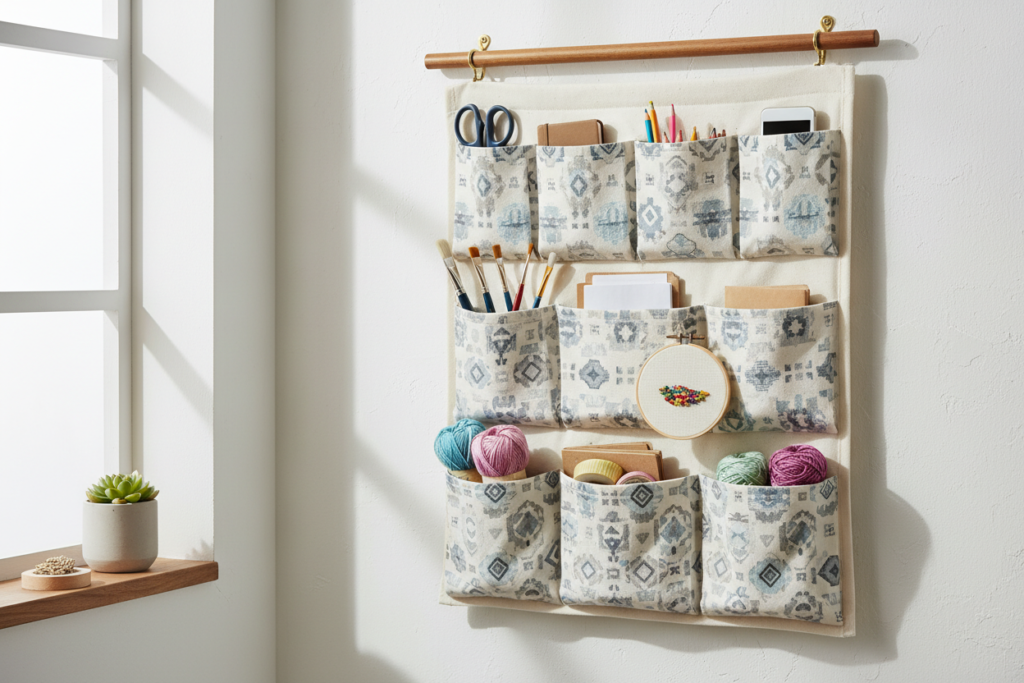
A hanging organizer adds storage without taking up floor space. This project uses pockets sewn onto a backing piece. You’ll practice accurate measuring and creating neat pockets.
Cut a large rectangle for the backing and several smaller rectangles for pockets. Fold and press the top edge of each pocket. Pin pockets to the backing fabric in your desired arrangement. Sew around three sides of each pocket, leaving the top open. Add loops at the top for hanging. This project teaches pocket construction and spatial planning.
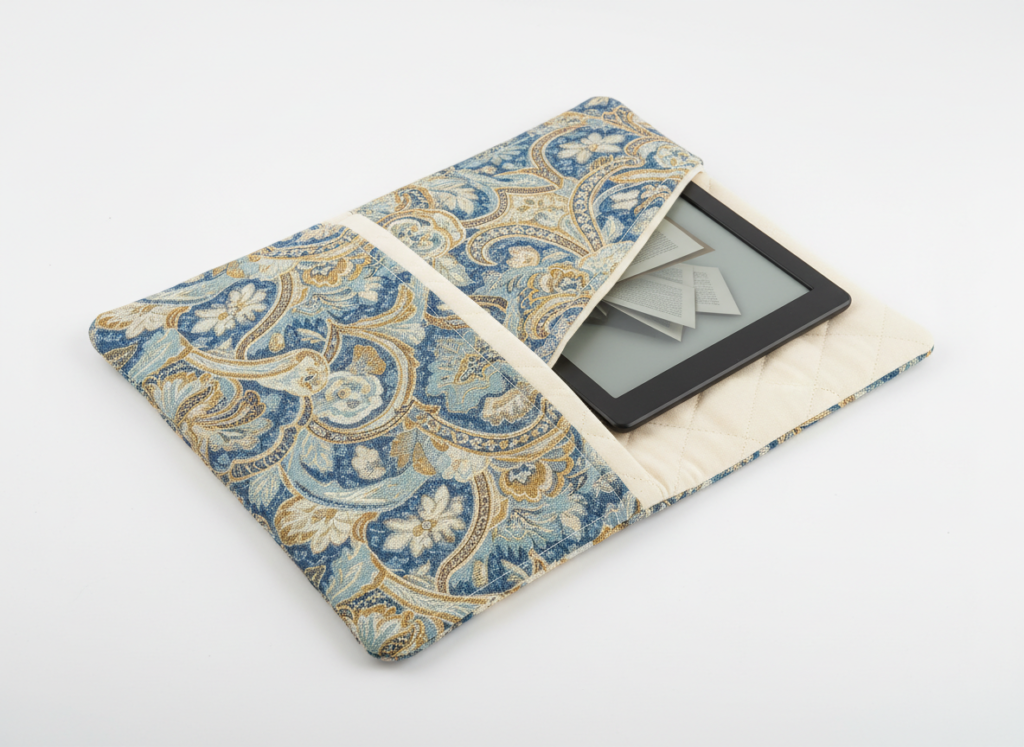
Book or Tablet Cover
Protect your books or tablet with a custom fabric cover. This simple sewing project creates something personal and useful. Add padding for extra protection or keep it simple with just fabric.
Measure your book or device and cut fabric accordingly, adding seam allowances. Create pockets on each end by folding fabric over and sewing. Insert batting between layers if desired. Sew around the edges and turn right side out. This project teaches you precise measuring and creating fitted items.
Beginner Sewing Projects That Make Great Gifts
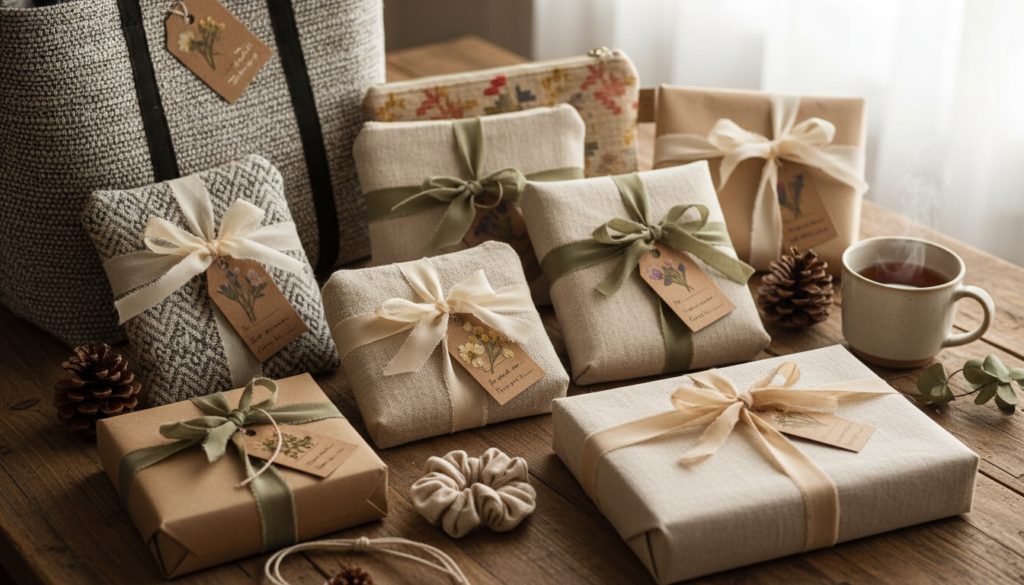
Handmade gifts carry special meaning. These beginner sewing projects create thoughtful presents without requiring advanced skills. Recipients appreciate the time and care you put into making something unique.
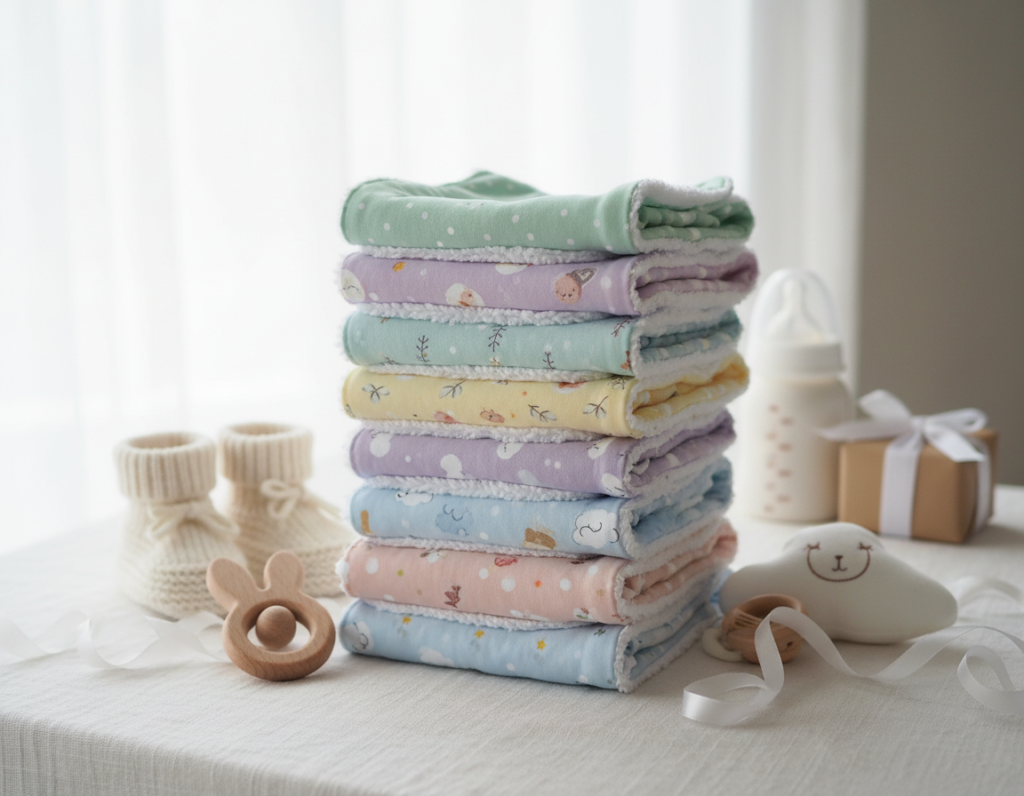
Baby Burp Cloths
New parents always need burp cloths. This easy beginner sewing project uses soft fabric and simple construction. Make several at once for a complete baby gift set.
Cut rectangles from soft cotton flannel or terry cloth. Layer two pieces with right sides together and sew around the edges, leaving a gap for turning. Turn right side out, press, and topstitch around the perimeter. These practical baby items make wonderful shower gifts.
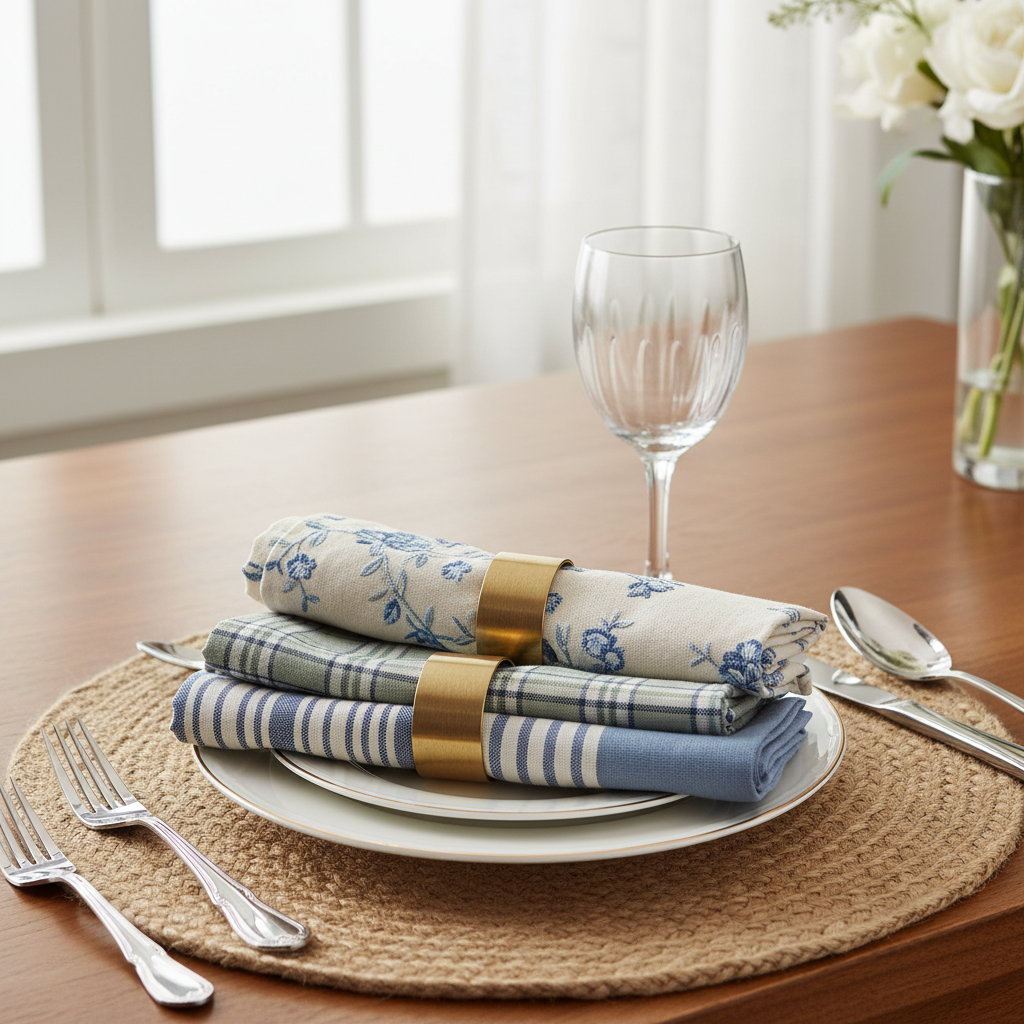
Cloth Napkins
Cloth napkins reduce waste and add elegance to any table. This simple sewing project teaches you how to create neat corners and professional-looking edges. Make sets in seasonal colors for year-round use.
Cut squares of cotton fabric in your desired size. Fold edges over twice to create a narrow hem. Miter the corners by folding them at an angle before hemming. Sew around all edges. Practice makes perfect with corner techniques on this forgiving project.
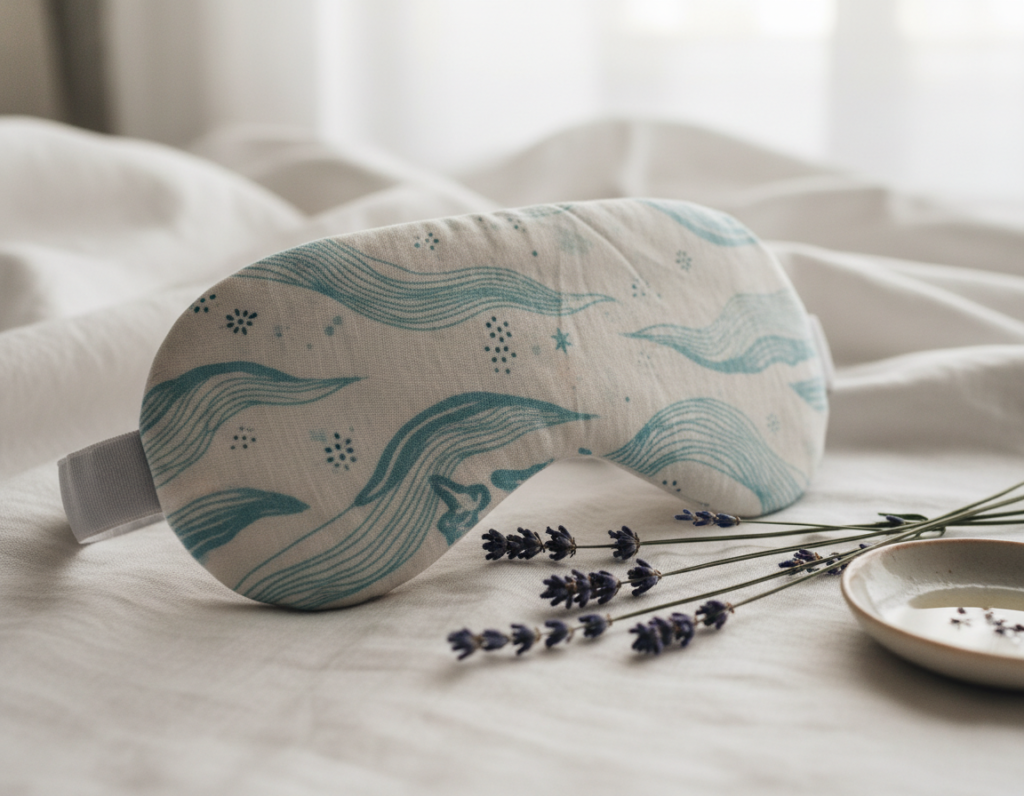
Eye Mask for Sleep
A sleep mask makes a thoughtful gift for travelers or anyone who values good rest. This small project uses minimal fabric and introduces you to working with curves and elastic.
Use a simple eye mask pattern or template. Cut your fabric and add batting for light-blocking. Sew around the edges, leaving space to attach elastic. Add elastic to fit around the head comfortably. This project teaches you to work with small pieces and curves.
Create Projects That Look Store-Bought
Discover the professional finishing techniques that transform homemade items into beautiful, polished pieces. Learn secrets that experienced sewers use to achieve flawless results every time.
Each sewing project teaches new techniques. As you complete more projects, your confidence and skill level increase naturally. These beginner sewing projects introduce important concepts gradually.
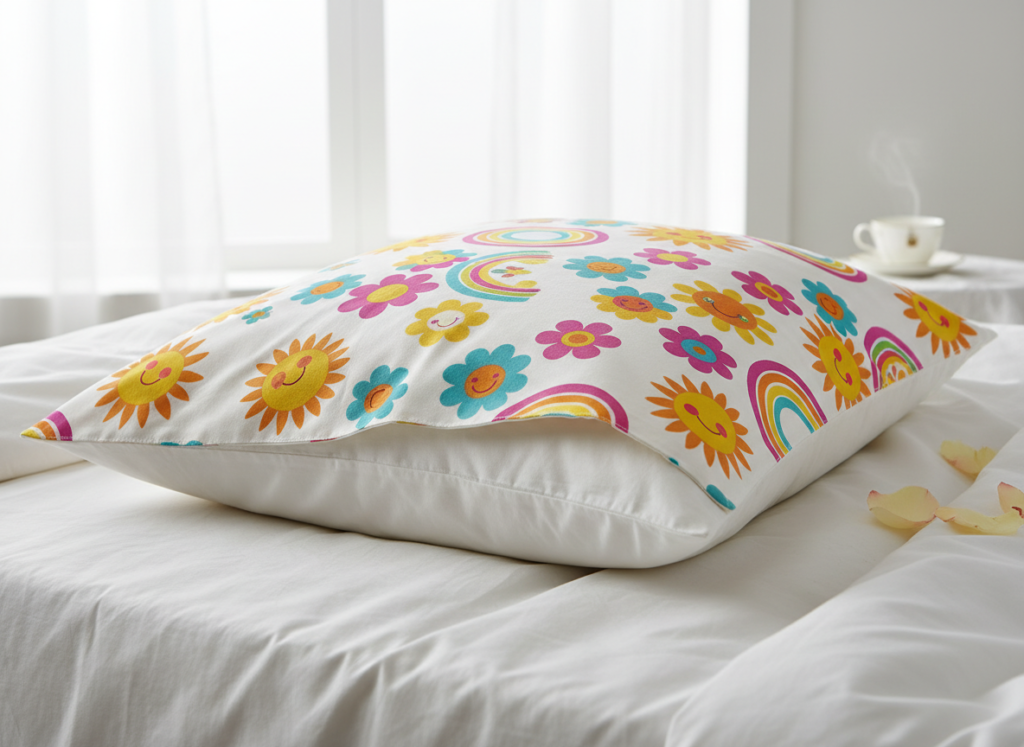
Pillowcase with French Seams
A pillowcase project teaches you French seams. This technique hides raw edges inside the seam, creating a professional finish. Standard pillowcases use simple rectangular construction with this elevated seam technique.
Cut your fabric to standard pillowcase dimensions. Sew wrong sides together first with a narrow seam. Trim the seam allowance, then fold right sides together and sew again, enclosing the raw edges. This creates a clean finish inside and out. French seams look professional and wear well over time.
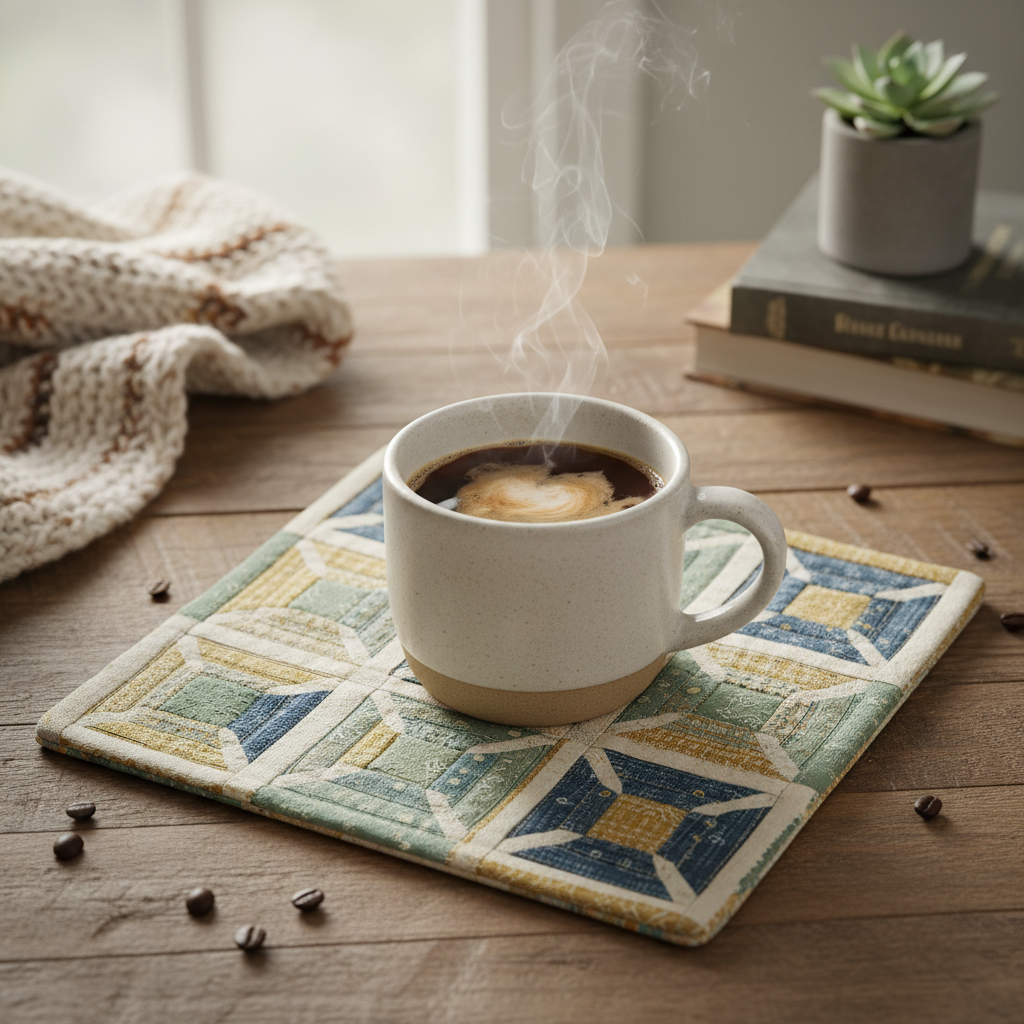
Patchwork Mug Rug
Mug rugs protect surfaces and add cheer to coffee time. This small project introduces basic patchwork techniques without overwhelming you with a large quilt. You’ll learn to match seams and create a quilted sandwich.
Cut small squares of fabric in coordinating colors. Sew them together in rows, then join the rows. Add batting and backing fabric. Quilt through all layers with simple straight lines. Bind the edges for a finished look. This project gives you fundamental quilting skills on a manageable scale.
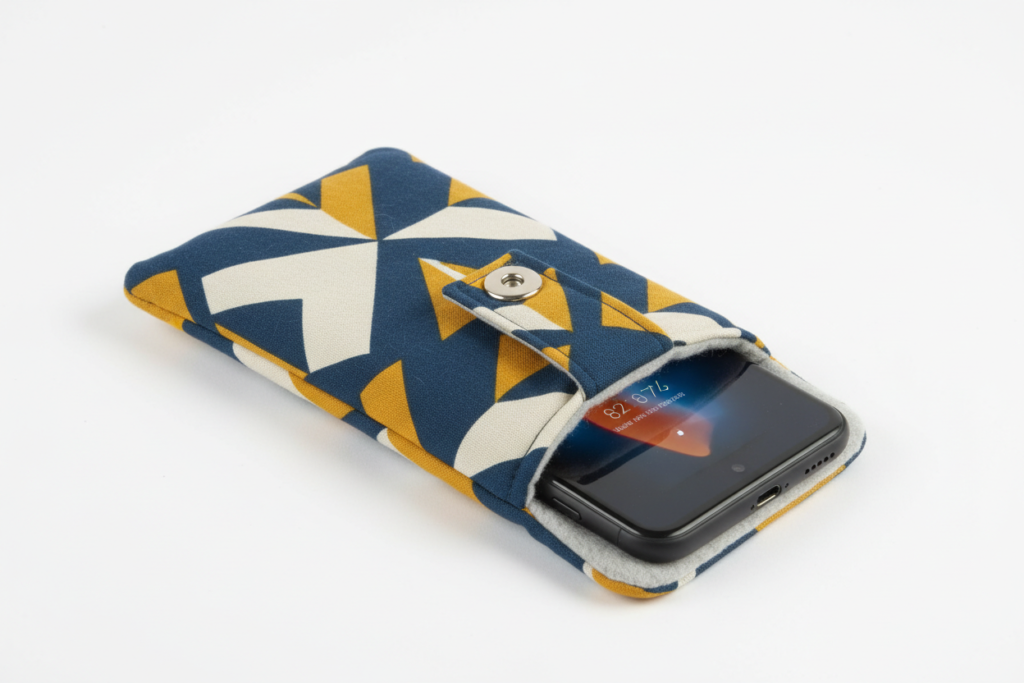
Phone Case or Pouch
A padded phone case protects your device while teaching you to work with batting and create precise dimensions. This project requires accurate measuring since it needs to fit your specific phone.
Measure your phone carefully and add seam allowances. Cut fabric and batting. Layer the pieces and sew together, adding a closure like velcro or a snap. This project teaches precision and working with multiple layers. The padding adds structure and protection.
Where to Find Free Sewing Patterns and Tutorials
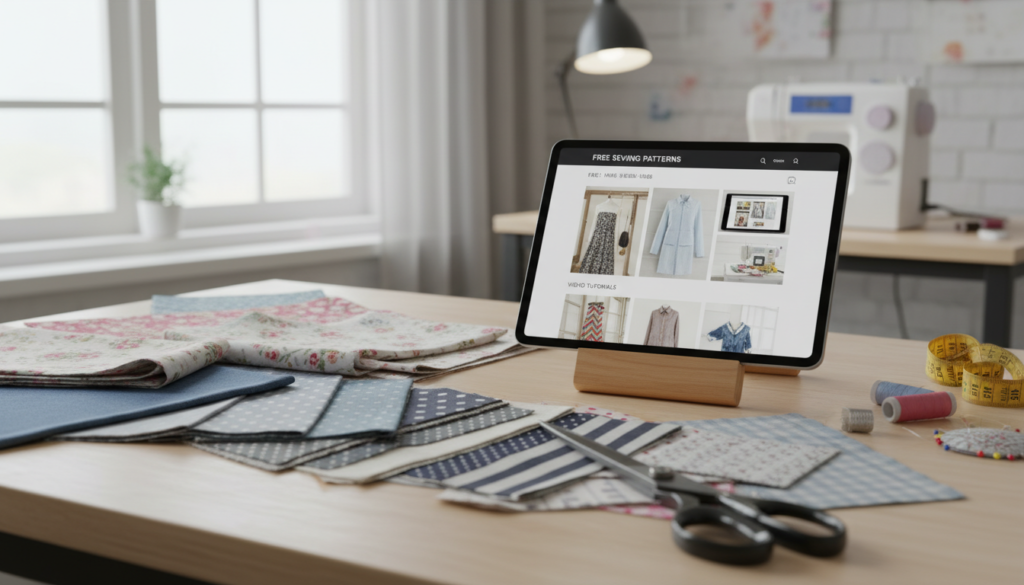
Free sewing patterns make starting even easier. Many designers share beginner-friendly patterns online. These resources provide step-by-step instructions and diagrams.
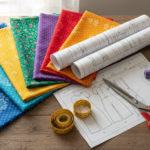
Look for patterns specifically marked as beginner level. They include more detailed instructions and avoid complicated techniques. Free sewing tutorials on video platforms show you exactly how to complete each step. Watching someone else sew helps you understand the process better.
Tips for Using Free Patterns
Read through the entire pattern before starting
Gather all materials and tools first
Check the seam allowance specified in the pattern
Print digital patterns at 100% scale, not “fit to page”
Test on scrap fabric if unsure about a technique
Don’t be afraid to modify dimensions for your needs
Many sewing blogs offer free beginner patterns for simple projects. These patterns often include photos of each step, making them easier to follow than traditional printed patterns. Video tutorials complement written patterns perfectly by showing techniques in action.
Common Beginner Mistakes and How to Avoid Them
Every beginner makes mistakes. Knowing what to watch for helps you avoid frustration and wasted time. These common issues trip up most new sewers at some point.
Skipping the Test Seam
Always test your machine settings on scrap fabric first. This simple step prevents ruined projects. Check your tension, stitch length, and thread choices on the same fabric you plan to use. Adjust settings until you get the results you want.
Not Reading Pattern Instructions Completely
Read through all instructions before cutting fabric. Understanding the complete process helps you prepare properly. You might realize you need a technique you haven’t learned yet or a tool you don’t have. This saves you from getting stuck halfway through a project.
Forgetting to Backstitch
Backstitching at the beginning and end of seams prevents unraveling. Most machines have a reverse button. Sew forward a few stitches, backstitch over them, then continue sewing. Repeat at the end of each seam. This small step makes your projects more durable.
Choosing Difficult Fabrics
Stick with cotton fabrics when learning. Slippery fabrics like satin or stretchy fabrics like jersey require more skill to handle. Cotton feeds smoothly through your machine and holds its shape as you sew. Save specialty fabrics for after you’ve built confidence.
Benefits of Starting Simple
Build confidence quickly with completed projects
Learn essential techniques on forgiving fabrics
Create useful items while practicing skills
Understand your machine without complications
Develop good sewing habits from the start
Challenges to Expect
First projects may not look perfect
Learning tension settings takes patience
Measuring and cutting requires practice
Some techniques need multiple attempts
Building speed comes with time
Transform Your Skills from Beginner to Confident Creator
Stop guessing and start sewing with certainty. Comprehensive video lessons take you from your very first stitch to completing impressive projects you’ll be proud to show off. Join thousands of successful students today.
Completing these beginner sewing projects builds a strong foundation. You’ve learned basic techniques like sewing straight lines, installing zippers, and creating clean finishes. These skills transfer to more complex projects as you continue learning.
Practice makes improvement in sewing. Each project teaches you something new about your machine, fabric behavior, and construction methods. Don’t worry about perfection right now. Focus on understanding why techniques work and how they connect.
Building Your Skills Progressively
Once you’re comfortable with these projects, try adding small challenges. Install a zipper in a different type of bag. Try quilting techniques on a larger project. Experiment with different fabrics to see how they behave.
Join online sewing communities where beginners share projects and ask questions. Seeing what others create inspires new ideas. Many experienced sewers remember being beginners and gladly help newcomers learn.
Keep a sewing notebook to track what you learn. Write down machine settings that work well, fabric types you enjoy, and techniques you want to master. This becomes a valuable reference as you take on new projects.
Most importantly, enjoy the creative process. Sewing offers endless possibilities for making useful, beautiful things. These beginner projects are just the starting point for a rewarding hobby that lasts a lifetime.
Start Creating Today
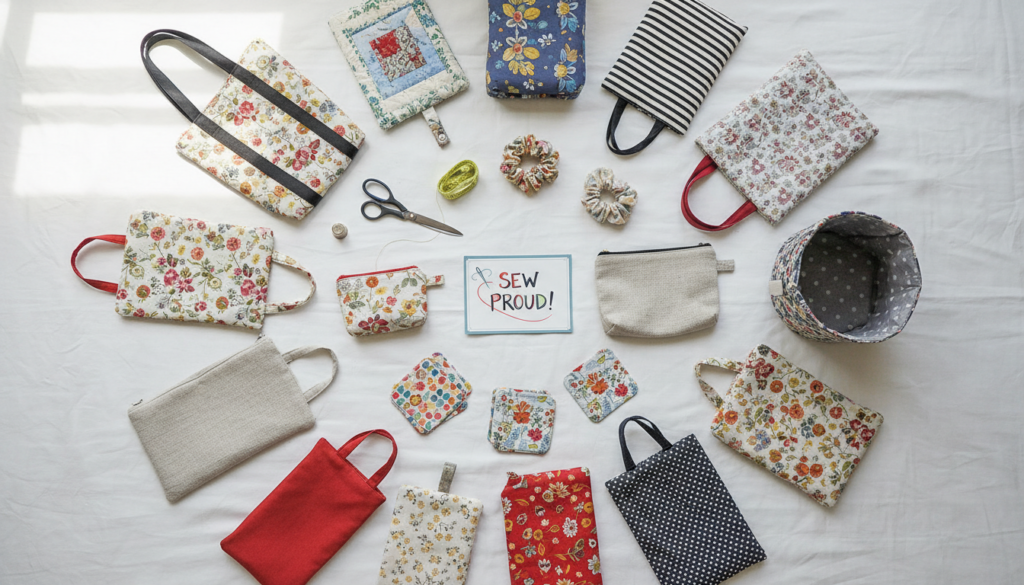
These fifteen sewing projects for beginners machine users give you everything needed to start creating. From simple drawstring bags to useful tote bags, each project teaches valuable skills. You’ll master straight lines, basic seams, and finishing techniques that form the foundation of all sewing.
Remember that every experienced sewer started exactly where you are now. Those first projects might not be perfect, and that’s completely normal. What matters is starting, practicing, and learning from each project you complete.
Choose one project from this guide that excites you. Gather your materials, set up your machine, and begin. That first stitch starts your sewing journey. Before long, you’ll be creating beautiful handmade items with confidence and joy.
Your sewing machine holds amazing creative potential. These beginner sewing projects unlock that potential one simple project at a time. Start today and discover the satisfaction of making something beautiful with your own hands.