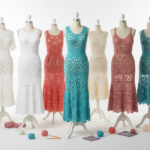
Creating your own maxi dress has never been easier. This comprehensive tutorial walks you through every step of sewing an easy DIY dress pattern maxi that looks professionally made. Whether you’re new to sewing or looking for a quick weekend project, this guide delivers results you’ll love wearing.
Maxi dresses offer endless versatility for your wardrobe. They work for casual outings, beach vacations, or dressed-up events. The best part? You control the fabric, fit, and style to match your personal taste perfectly.
This tutorial focuses on simplicity without sacrificing style. You’ll learn techniques that make the process smooth and enjoyable, even if this is your first dress project.
Ready to Start Your Sewing Journey?
Access hundreds of professional maxi dress patterns designed specifically for beginners. Get instant downloads with detailed instructions and video tutorials that guide you every step of the way.
Maxi dresses represent one of the most rewarding sewing projects for multiple reasons. The flowing design forgives minor fitting issues that might show on fitted garments. The simple construction requires fewer advanced techniques compared to structured dresses.
The generous fabric of a maxi naturally creates an elegant drape. This means your finished dress will look polished and expensive, even with basic sewing skills. The length provides coverage while remaining comfortable in warm weather.
You’ll save significantly compared to purchasing similar dresses in stores. Quality maxi dresses often cost between seventy and two hundred dollars retail. Your fabric investment will typically range from fifteen to thirty-five dollars depending on your choices.
This project builds confidence for future sewing adventures. Once you master this pattern, you can apply the same techniques to create multiple dresses in different fabrics and styles.
Essential Materials for Your Maxi Dress
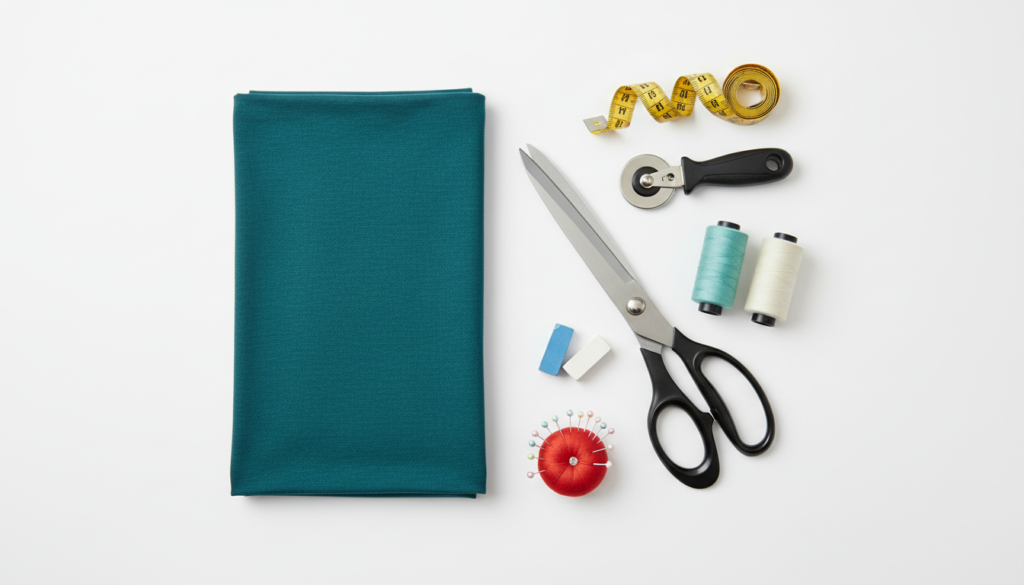
Gathering the right supplies ensures smooth progress throughout your project. Quality materials make sewing easier and produce better results. Here’s everything you’ll need to create your maxi dress.
Fabric Selection
Choose knit fabric for the easiest construction and most comfortable wear. Jersey knit offers excellent drape and stretch. Cotton spandex blends provide breathability with shape retention. Rayon knits create beautiful flow with a luxurious feel.
You’ll need approximately three yards of fabric for most sizes. Taller individuals may require three and one-half yards. Wider fabric widths (sixty inches) may reduce yardage requirements slightly.
Consider the fabric weight carefully. Lightweight to medium-weight knits work best for maxi dresses. Heavy fabrics become uncomfortable and lose the graceful drape you want.
Necessary Tools and Notions
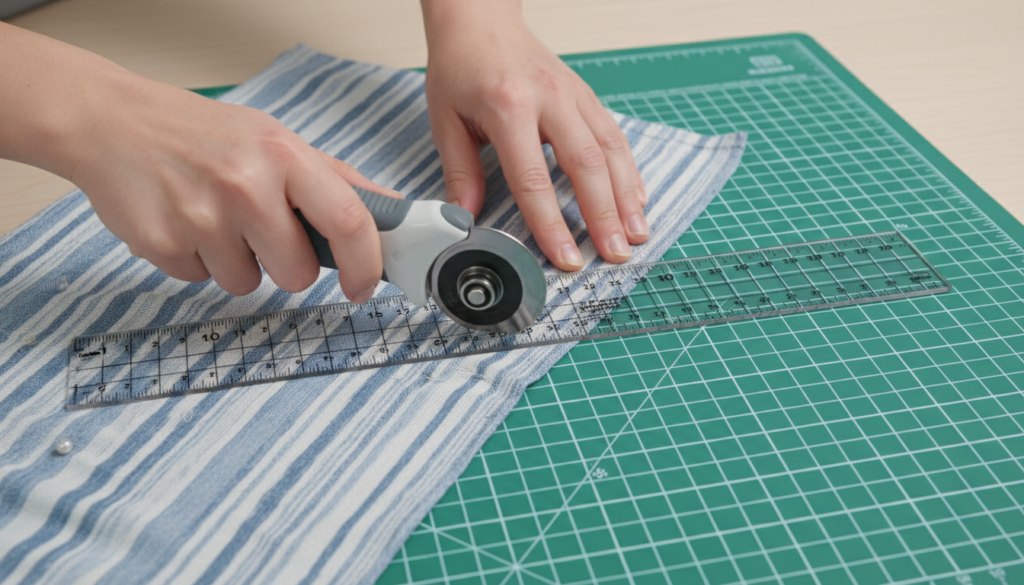
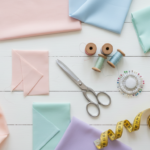
Sharp fabric scissors or rotary cutter for clean edges
Measuring tape for accurate measurements
Straight pins to hold fabric layers together
Fabric marking tool (chalk or disappearing ink pen)
Matching thread in coordinating color
Elastic for waistline (one inch wide, measuring your waist plus two inches)
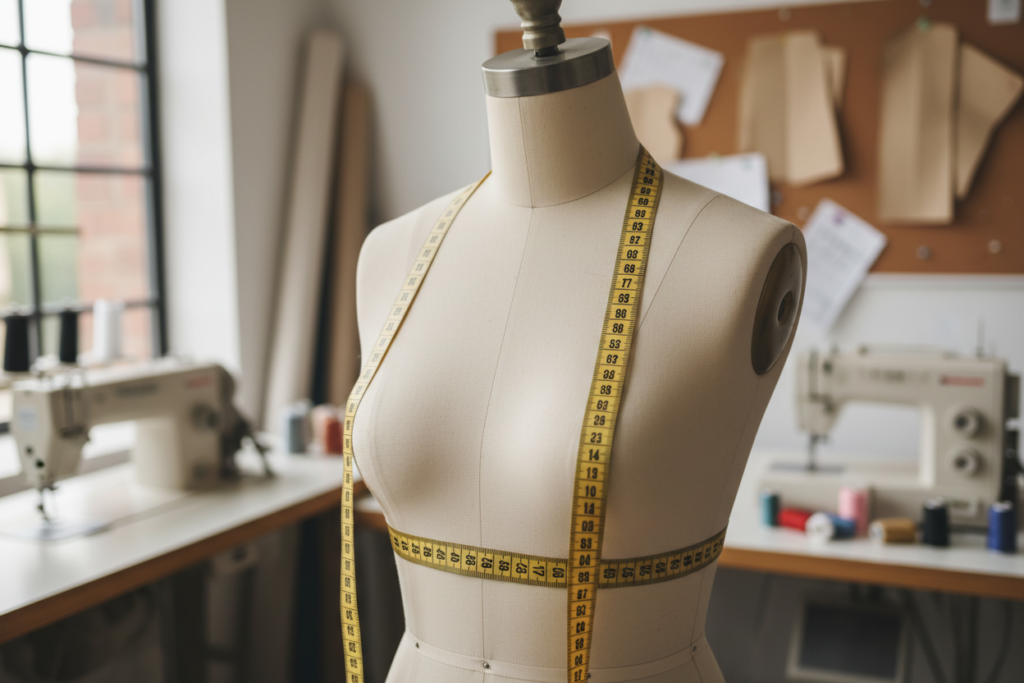
Precise measurements ensure your dress fits beautifully. Take measurements over the undergarments you plan to wear with the finished dress. Having a friend help provides more accurate results than measuring yourself.
Key Measurements You Need
Measure around the fullest part of your bust. Keep the tape level and comfortably snug without pulling tight. Record this measurement for the bodice width calculation.
Measure your natural waist where you want the elastic waistline to sit. This typically falls at the narrowest part of your torso. Add one-half inch to this measurement for seam allowance.
Determine your desired dress length by measuring from your waist to where you want the hem. Most maxi dresses fall at ankle length. Add two inches to this measurement for hem allowance.
Measure the width you want for the skirt. A fuller skirt uses one and one-half times your hip measurement. A more fitted skirt uses one and one-quarter times your hip measurement.
Cutting Your Maxi Dress Pattern Pieces
Proper cutting sets the foundation for successful construction. Take your time during this step to ensure accuracy. Rushed cutting leads to fitting problems that are difficult to fix later.
Preparing Your Fabric
Pre-wash your knit fabric before cutting. This prevents shrinkage after you complete the dress. Tumble dry on the heat setting you’ll use for the finished garment. Press the fabric smooth to remove wrinkles.
Fold your fabric in half lengthwise with right sides together. This creates a center fold that eliminates one seam. Pin the layers together to prevent shifting during cutting.
Cutting the Bodice
Measure and mark a rectangle for the front bodice. The width should equal one-half your bust measurement plus one inch for seam allowance. The length should measure approximately eighteen inches from shoulder to waist.
Cut another rectangle for the back bodice using the same measurements. These simple rectangles create the comfortable, relaxed fit perfect for a casual maxi dress.
Shape the front neckline by measuring down four inches from the top edge at the center fold. Measure across four inches from the center fold along the top edge. Draw a gentle curve connecting these points. Cut along this curve through both fabric layers.
The back neckline sits higher for comfort. Measure down only two inches from the top edge at the center fold. Cut a shallow curve for the back neck opening.
Cutting the Skirt
Measure and cut a large rectangle for the skirt portion. The width should equal your chosen fullness measurement. The length should equal your waist-to-hem measurement plus two inches for hem allowance and one inch for the waist seam.
You may need to piece two fabric widths together if your fabric isn’t wide enough. This is completely normal and the side seams will hide the join.
Simplify Your Pattern Cutting
Stop guessing measurements and calculations. Access pre-sized pattern templates that take the mystery out of cutting. Perfect for every body type with clear marking guides and seam allowances already included.
The bodice construction uses straightforward techniques that build your sewing confidence. Work methodically through each step. Taking breaks helps maintain focus and precision.
Joining Shoulder Seams
Place the front and back bodice pieces right sides together. Align the shoulder edges carefully. Pin along both shoulder lines to hold the layers securely.
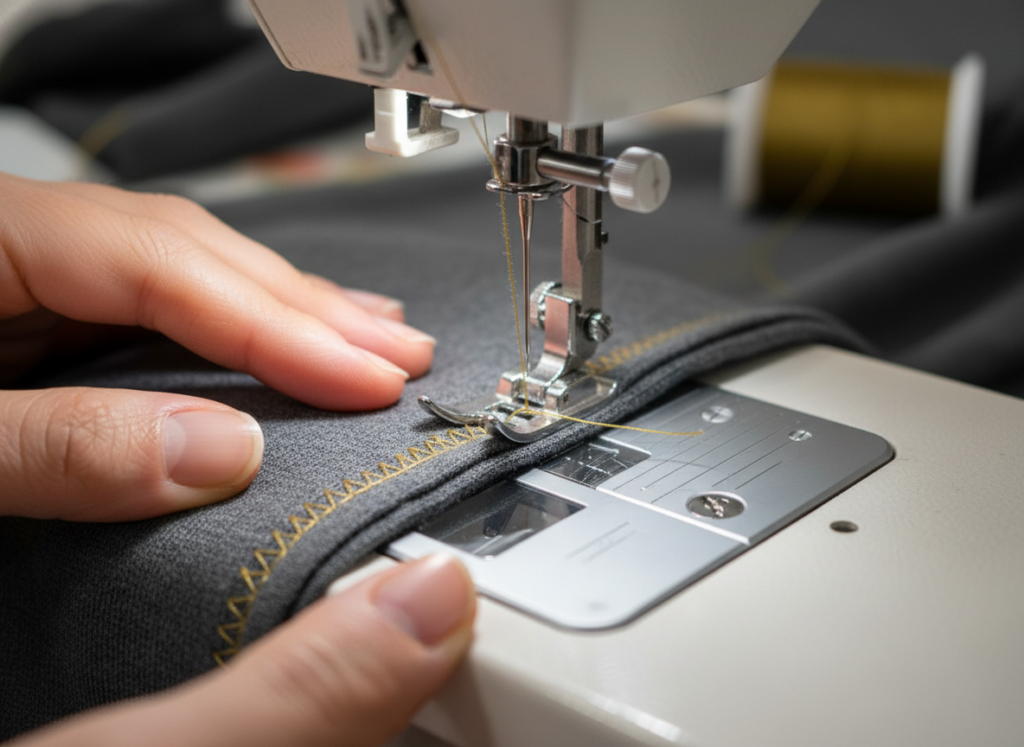
Sew each shoulder seam using a half-inch seam allowance. A straight stitch works fine for knit fabrics. However, a small zigzag stitch provides stretch that prevents popping seams when you pull the dress over your head.
Press the shoulder seams open using a warm iron. This creates a flat, professional finish. Be careful not to stretch the knit fabric while pressing.
Finishing Neckline and Armholes
The neckline and armholes need finished edges for a polished look. The easiest method uses a simple folded hem. Fold the raw edge under one-quarter inch toward the wrong side of the fabric.
Fold again another one-quarter inch to enclose the raw edge completely. Pin this double-fold hem in place around the entire neckline. Sew close to the inner folded edge using a straight or narrow zigzag stitch.
Repeat this process for both armhole openings. Take your time around curves to maintain smooth, even stitching. The result looks clean and professional.
Creating Side Seams
Fold the bodice so the front and back align along the side edges. Pin down each side from the armhole to the bottom edge of the bodice. Sew using a half-inch seam allowance.
Press the side seams toward the back of the dress. This creates a smoother appearance from the front. Your bodice is now complete and ready to attach to the skirt.
Constructing the Flowing Maxi Skirt
The skirt provides the signature maxi length and beautiful drape. This section comes together quickly using basic straight seams. The gathered waistline creates flattering shape and movement.
Preparing Skirt Panels
If you cut your skirt from two fabric widths, join them first. Place the two pieces right sides together along one short edge. Sew using a half-inch seam allowance. Press this seam open for a flat finish.
Fold the skirt piece in half with right sides together, aligning the short edges. This creates the center back seam. Pin along this edge and sew with a half-inch seam allowance. Press the seam open.
Creating the Waist Casing
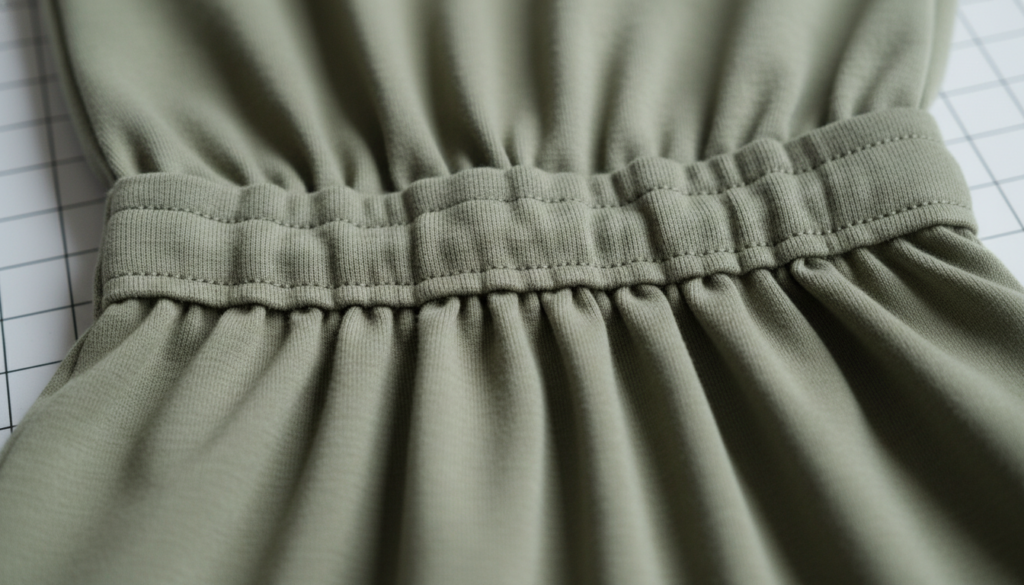
The waist casing holds the elastic that cinches your dress at the waistline. Fold the top raw edge of the skirt down one and one-half inches toward the wrong side. Press this fold to create a crisp edge.
Pin the folded edge in place, leaving a two-inch gap unsewn. This gap allows you to thread the elastic through later. Sew close to the raw edge, creating a tunnel or casing.
Hemming the Skirt
Try on your skirt to verify the length before hemming. Adjust if needed by trimming excess fabric. Fold the bottom raw edge up one inch toward the wrong side. Press this fold.
Fold again another one inch to create a double-fold hem. This encases the raw edge and adds weight to the hem for better drape. Pin and sew close to the inner folded edge.
Joining the top and bottom creates the complete maxi dress silhouette. This step requires careful pinning to distribute the skirt fullness evenly. The gathered effect at the waistline flatters every body type.
Gathering the Skirt
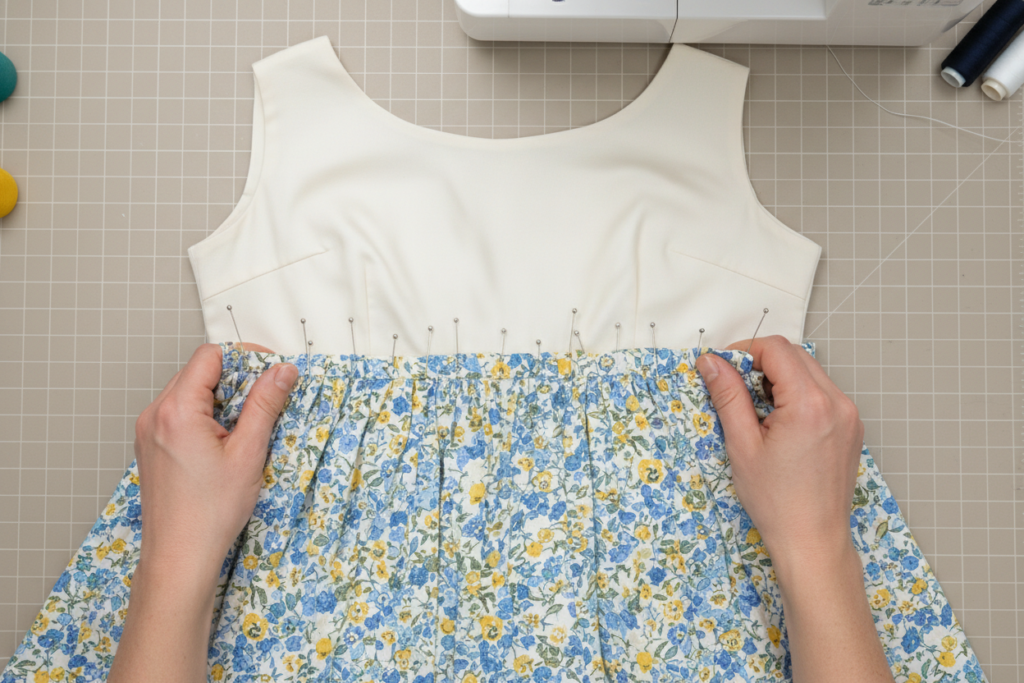
The skirt width exceeds the bodice width to create gentle gathers. Pin the skirt to the bodice bottom edge, matching the side seams first. Then match the center front and center back points.
Distribute the remaining fullness evenly between these anchor points. Create small pleats or gathers as you pin. Space them uniformly for a professional appearance.
Sewing the Waist Seam
Once everything is pinned securely, sew around the entire waistline. Use a half-inch seam allowance. Sew slowly over the gathered areas to maintain control and even stitching.
Press the waist seam allowance upward toward the bodice. This creates a smooth waistline without bulk. Topstitching this seam from the right side keeps it flat during wear.
Threading Elastic Through Waist Casing
The elastic waistband provides comfortable fit and allows easy on-and-off without zippers or buttons. This construction method works beautifully for knit fabric dresses.
Measuring and Cutting Elastic
Measure elastic around your natural waist where the dress will sit. Pull it snug but comfortable. Add two inches to this measurement for overlap. Cut the elastic to this length.
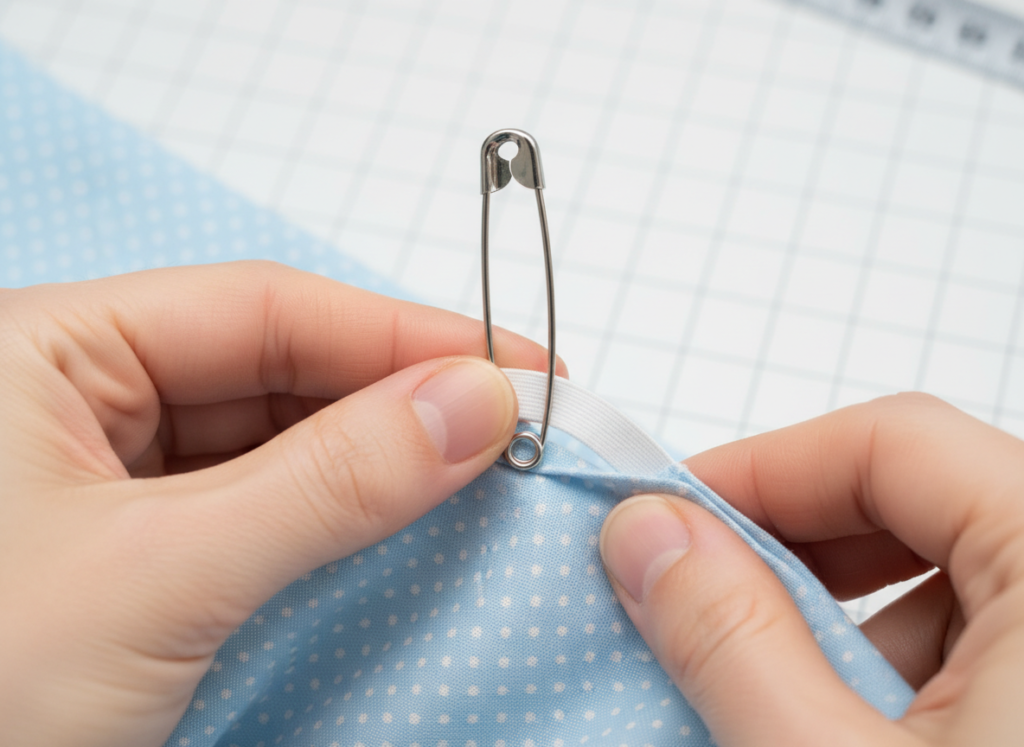
Attach a safety pin to one end of the elastic. This makes threading through the casing much easier. The safety pin won’t slip back through the fabric tunnel.
Threading Process
Insert the safety pin into the gap you left in the casing seam. Work the pin through the entire casing tunnel. Be careful not to twist the elastic as you thread it through.
When both elastic ends emerge from the casing gap, overlap them by two inches. Sew the ends together securely using a zigzag stitch. Tuck the joined elastic back into the casing.
Close the gap in the casing by sewing across it. Your waistline now has comfortable stretch that accommodates movement while maintaining shape.
Master Every Detail With Professional Guidance
Why struggle with confusing instructions? Get access to clear, detailed patterns with troubleshooting guides and expert tips. Join thousands of successful sewers who’ve created beautiful maxi dresses using these proven resources.
Small finishing details transform a homemade dress into a professional-looking garment. These final steps ensure durability and polished appearance.
Securing All Seams
Examine all seam lines for any loose stitching. Reinforce areas that will experience stress during wear. The underarm seams and waistline seam particularly benefit from reinforcement.
Trim any loose threads hanging from seams. Check the hem for even stitching. These small details contribute significantly to the overall quality of your finished dress.
Final Pressing
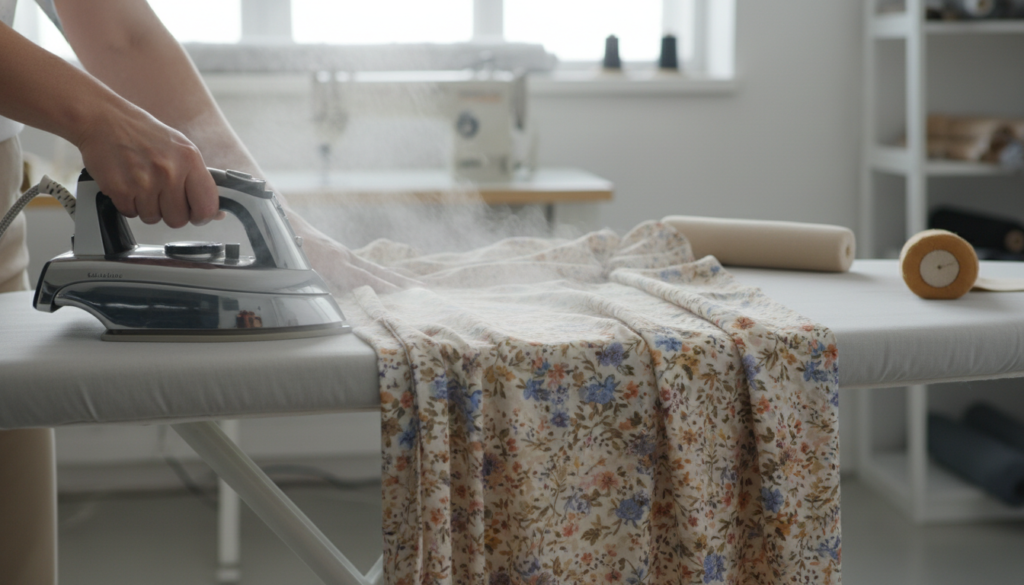
Give your entire dress a final press using appropriate heat for your fabric. Press seams flat and smooth. Pay special attention to the neckline, armholes, and hem.
Hang your dress on a padded hanger to maintain its shape. Knit fabrics can stretch on wire hangers. Let the dress hang for a day before wearing to allow the fabric to relax into its final drape.
Optional Embellishments
Consider adding personal touches to make your dress unique. A contrasting fabric belt at the waist creates definition. Decorative stitching around the neckline adds interest. Pockets inserted into the side seams provide functionality.
These customizations showcase your creativity and make the dress truly your own creation. Start simple and add embellishments as your skills grow.
Styling Your Maxi Dress and Care Instructions
Your new maxi dress offers incredible versatility for various occasions. Understanding how to style and care for it extends its life and maximizes your wardrobe investment.
Styling Options
Dress up your maxi with heeled sandals and statement jewelry for evening events. The flowing silhouette pairs beautifully with delicate accessories. Add a fitted blazer for a polished look suitable for dinner or events.
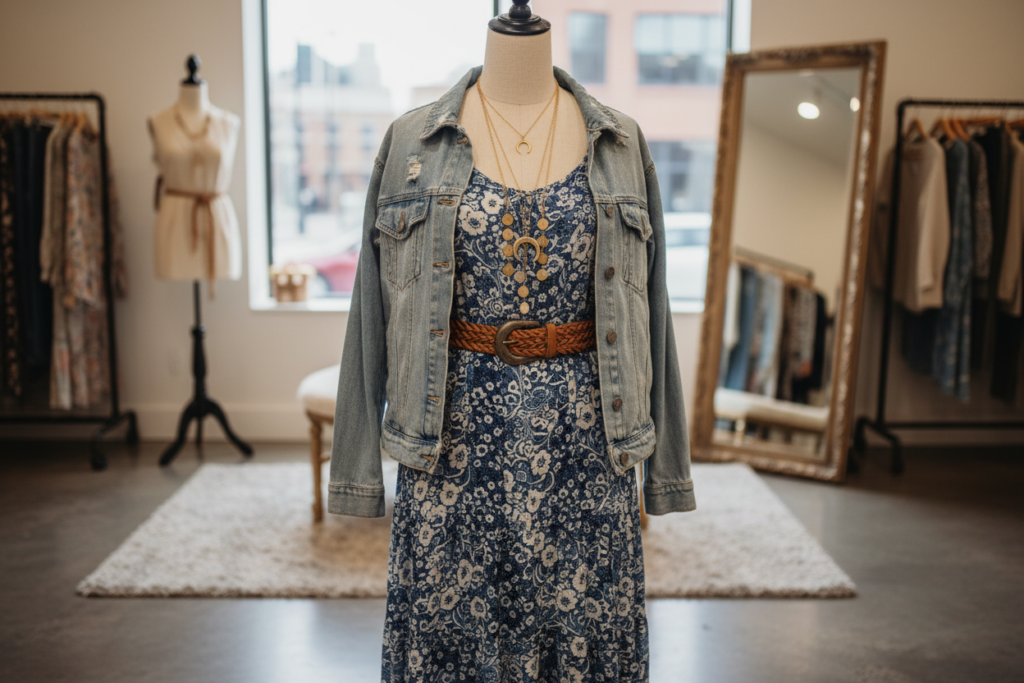
For casual wear, pair with flat sandals or sneakers. A denim jacket adds a relaxed vibe perfect for daytime outings. Belt the waist for added definition and a different silhouette.
Layer a fitted shirt under sleeveless maxi dresses for cooler weather. This extends the wearing season and creates an entirely different aesthetic. Experiment with different combinations to maximize versatility.
Washing and Maintenance
Wash your maxi dress in cold water on a gentle cycle. Hot water can cause shrinkage in knit fabrics. Turn the dress inside out to protect the outer surface from abrasion.
Air drying preserves fabric quality better than machine drying. Lay the dress flat on a clean towel or hang on a padded hanger. Avoid direct sunlight which can fade colors over time.
If machine drying is necessary, use low heat and remove the dress while still slightly damp. Finish drying on a hanger to prevent wrinkles. This gentle approach maintains the fabric’s texture and stretch.
Common Issues and Simple Solutions
Even experienced sewers encounter challenges. Understanding common problems and their solutions helps you work through difficulties without frustration.
Uneven Hem Length
Knit fabrics sometimes stretch unevenly, creating an irregular hemline. Try on your dress and have someone mark the desired length while you stand still. Re-cut the hem to this marked line before finishing.
Alternatively, allow the dress to hang for twenty-four hours before hemming. Gravity will stretch the fabric to its natural length. Mark and cut the hem after this settling period.
Gapping Neckline
If the neckline sits too wide or gapes, you can adjust it. Cut a piece of clear elastic the length of the neckline seam. Sew this elastic along the neckline edge while slightly stretching it. This draws in excess width.
Another solution involves taking in the shoulder seams slightly. Remove the existing stitching, pin the seams one-quarter inch deeper, and resew. This brings the neckline opening closer to your neck.
Twisted Elastic in Waist Casing
Prevention is easier than fixing this issue. Mark the elastic with a line before threading to track any twisting. If the elastic does twist, you’ll need to open the casing seam, remove the elastic, flatten it, and rethread carefully.
Mark both edges of the elastic with different colored pens to easily spot twisting as you thread. Take your time during this step to avoid frustration later.
Taking Your Skills to the Next Level
Completing your first maxi dress opens doors to countless sewing possibilities. Build on these foundational skills to create an entire handmade wardrobe. Each project increases your confidence and capabilities.
Variation Ideas
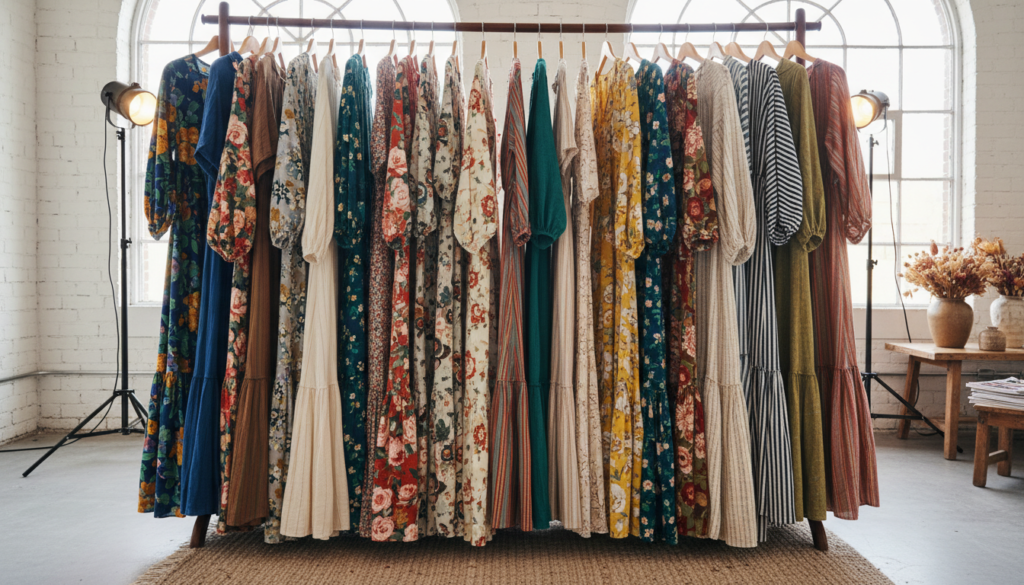
Create the same pattern in different fabrics for varied looks. A lightweight cotton creates a perfect summer dress. Jersey knit in darker colors works for fall and winter styling with layers.
Experiment with sleeve additions. Short cap sleeves or three-quarter length sleeves change the dress entirely. These modifications use the same basic construction techniques you’ve already learned.
Try different neckline shapes for variety. A square neckline offers a vintage vibe. A boat neck creates elegant sophistication. V-necks elongate the upper body beautifully.
Building Your Pattern Library
As you grow more comfortable with basic construction, explore additional pattern options. Professional patterns provide templates for more complex designs. They include detailed instructions that continue building your knowledge.
Investing in quality patterns saves time and frustration. Well-drafted patterns fit better and include helpful tips from experienced designers. The investment pays dividends across multiple projects.
Expand Your Sewing Repertoire
Ready to create more stunning pieces? Access an extensive collection of professional dress patterns for every skill level. From beginner-friendly designs to advanced techniques, find everything you need to build a complete handmade wardrobe. Instant digital downloads mean you can start your next project today.
Congratulations on completing your maxi dress project! You’ve mastered essential sewing techniques that apply to countless future creations. The skills you’ve gained extend far beyond this single garment.
Each dress you make builds confidence and refines your technique. What seemed challenging initially becomes second nature with practice. Your handmade wardrobe grows while you develop a valuable creative skill.
The satisfaction of wearing something you created yourself is incomparable. You’ve joined a community of makers who value craftsmanship, creativity, and self-expression through sewing. This maxi dress represents just the beginning of your sewing journey.
Remember that every expert sewer started exactly where you are now. Embrace the learning process, celebrate your progress, and enjoy the creative outlet that sewing provides. Your next project awaits, and you’re now equipped with the knowledge and confidence to tackle it successfully.