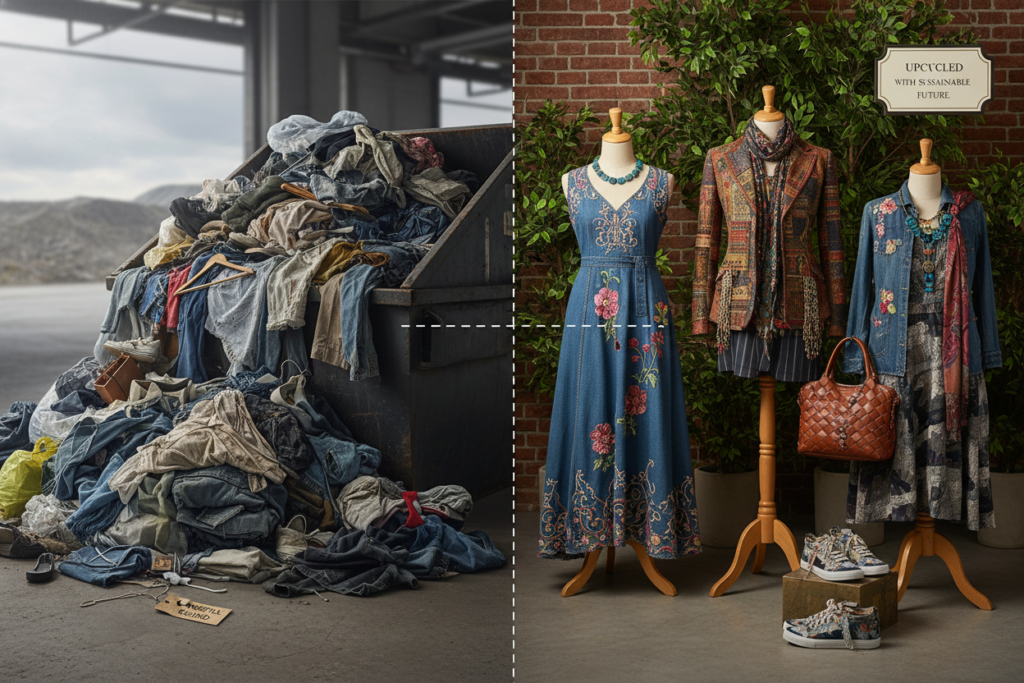
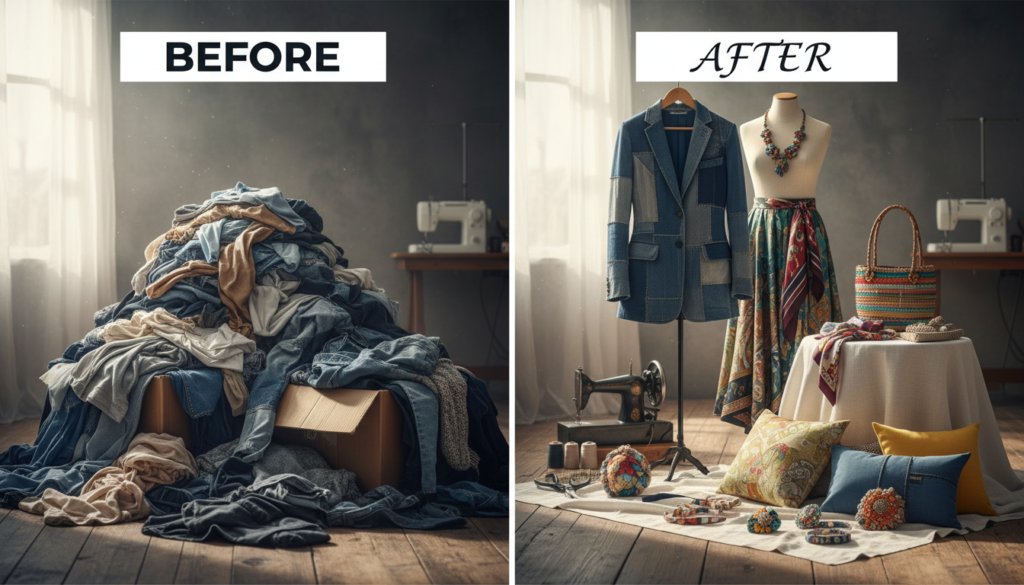
Your closet holds hidden potential. Those old clothes gathering dust can become your next favorite pieces. Upcycling transforms worn clothing into fresh, stylish items while reducing waste.
This guide shares practical sewing easy DIY clothes upcycle ideas. You will discover simple projects that breathe new life into fabric. Each idea works for beginners and requires basic sewing skills.
These upcycling clothes projects save money and help the environment. You can create unique fashion pieces that reflect your personal style. Let’s explore how to turn old shirts, jeans, and other garments into something wonderful.
Ready to Master Upcycling?
Discover hundreds of creative upcycling projects with step-by-step video tutorials. Learn professional techniques that transform any old clothing into beautiful, wearable art.
Upcycling means taking old clothing and creating something new with greater value. This process differs from recycling because you directly transform items yourself. The practice combines creativity with sustainability.
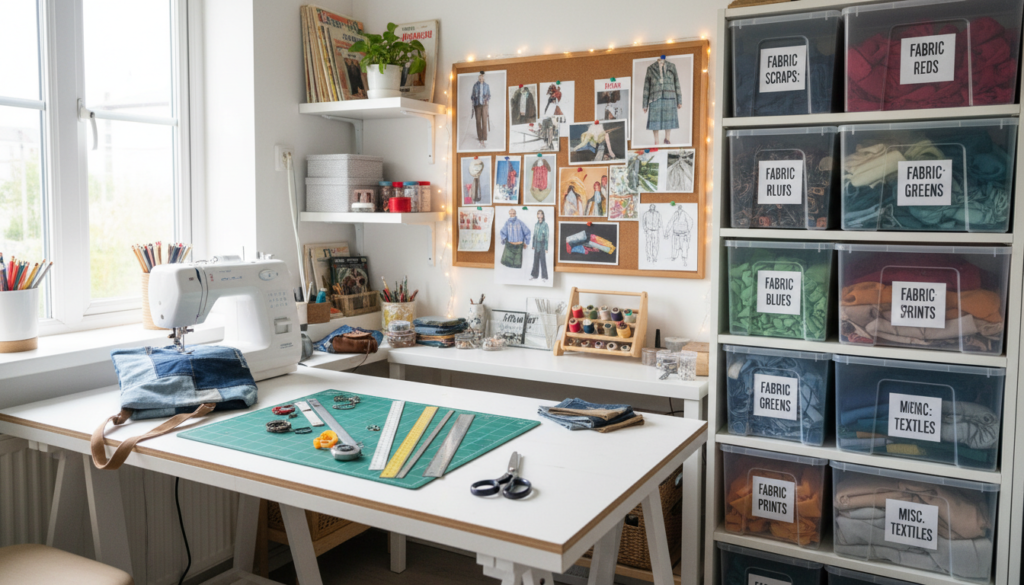
Basic tools make upcycling accessible to everyone. You need a sewing machine or needle and thread. Sharp fabric scissors cut cleanly through material. Pins hold pieces in place during sewing.
Measuring tools help ensure proper fit. A measuring tape and ruler create accurate cuts. Chalk or fabric markers let you draw guidelines directly on clothing. These simple supplies get you started on your upcycling journey.
Choosing the Right Old Clothes
Not all old clothing works equally well for upcycling. Select pieces made from quality fabric. Cotton, denim, and linen upcycle beautifully. Avoid heavily damaged items with large holes or stains.
Look for garments with interesting details. Buttons, pockets, and collars add character to new projects. Old shirts provide excellent fabric for multiple creations. Men shirts often have more material to work with than smaller pieces.
Consider the original size when selecting items. Larger clothing gives you more fabric to repurpose. A single large shirt can become several smaller projects. This approach maximizes your material and reduces waste.
Simple Shirt Transformation Projects
Old shirts offer endless possibilities for upcycling. The fabric quality and existing seams make shirts ideal for beginners. These projects require minimal sewing skills and deliver impressive results.
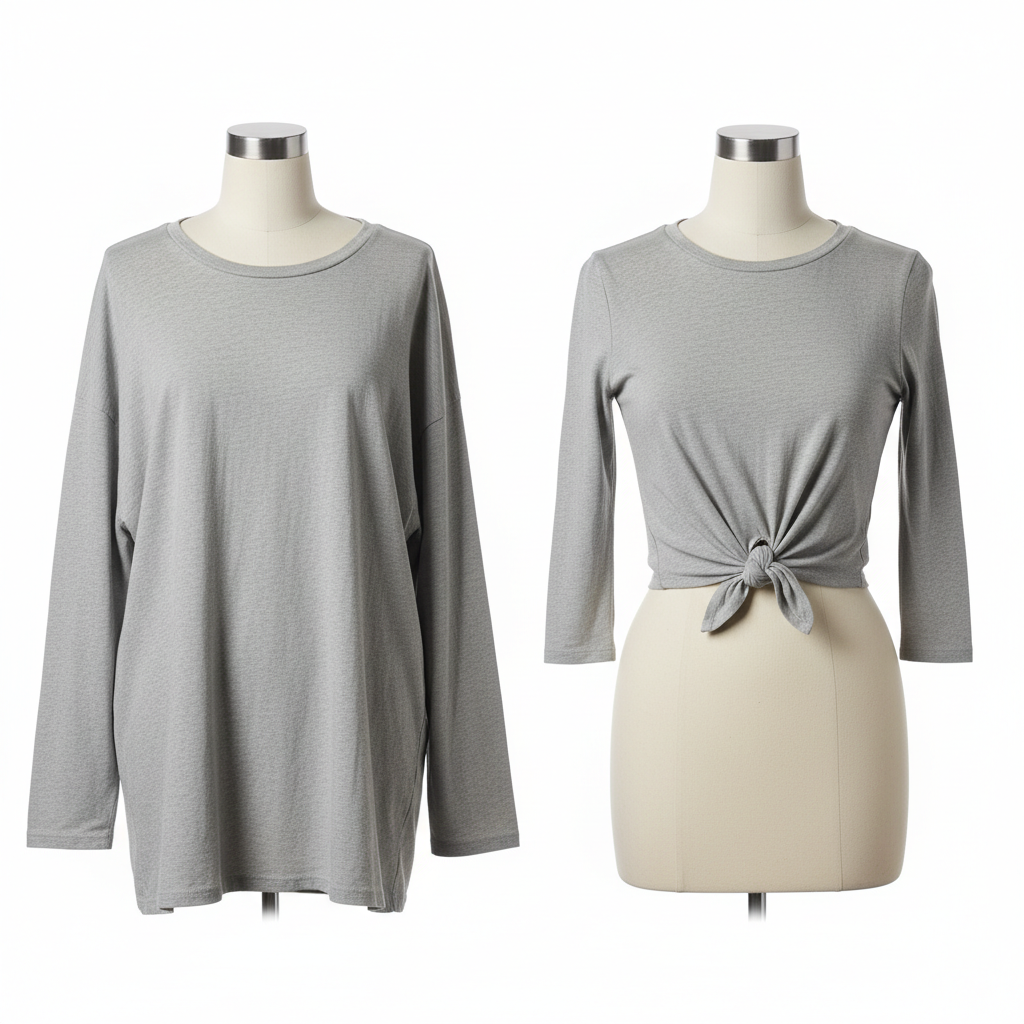
Crop Top from Old T-Shirt
Creating a crop top takes just minutes. Measure from the shoulder down to where you want the new hem. Cut straight across the shirt at this point. You can sew a straight line along the raw edge to prevent fraying.
Add personal touches to make your crop top unique. Tie the bottom corners together for a knotted look. Cut small slits along the neckline for a distressed effect. This project works with any old t-shirt in your closet.
The leftover fabric scraps have value too. Save these pieces for future projects. Small fabric bits work perfectly for patches or decorative details on other upcycling ideas.
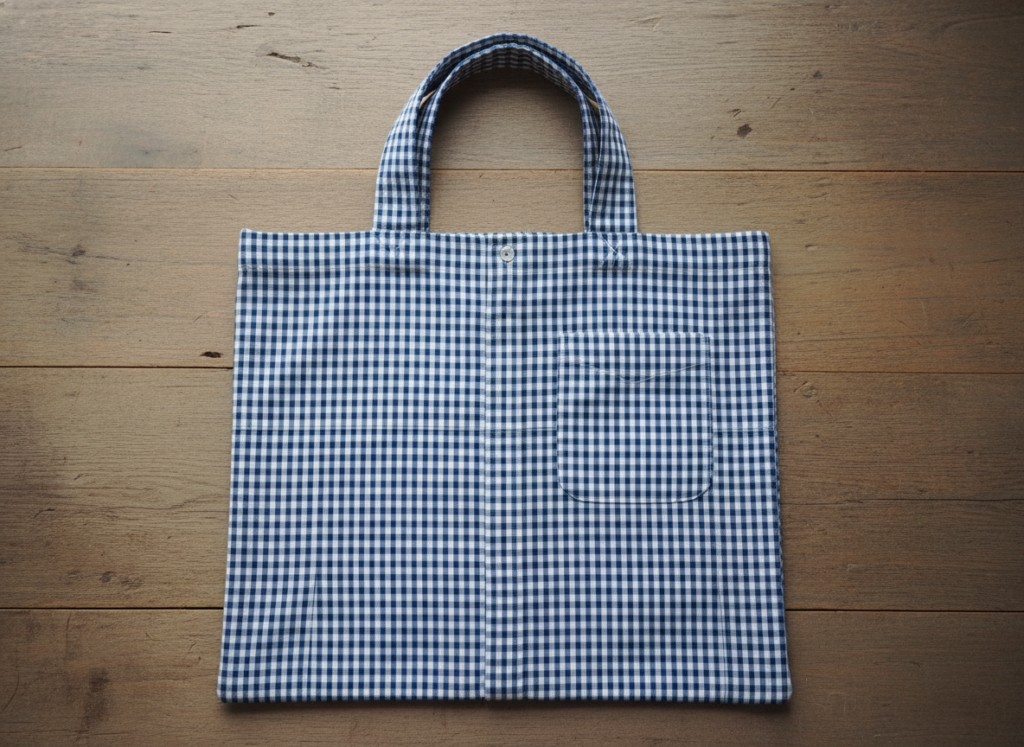
Button-Up Shirt to Tote Bag
A button-up shirt becomes a practical tote bag with simple steps. Cut off the sleeves at the shoulder seam. Turn the shirt inside out and sew the bottom shut. Sew straight line stitches for strength.
The original buttons create a functional closure. Keep the button placket intact to secure your bag. This design gives you a ready-made bag in less than an hour.
Reinforce the shoulder seams to create sturdy handles. These areas bear the most weight when carrying items. Double stitching adds durability without requiring advanced sewing techniques.
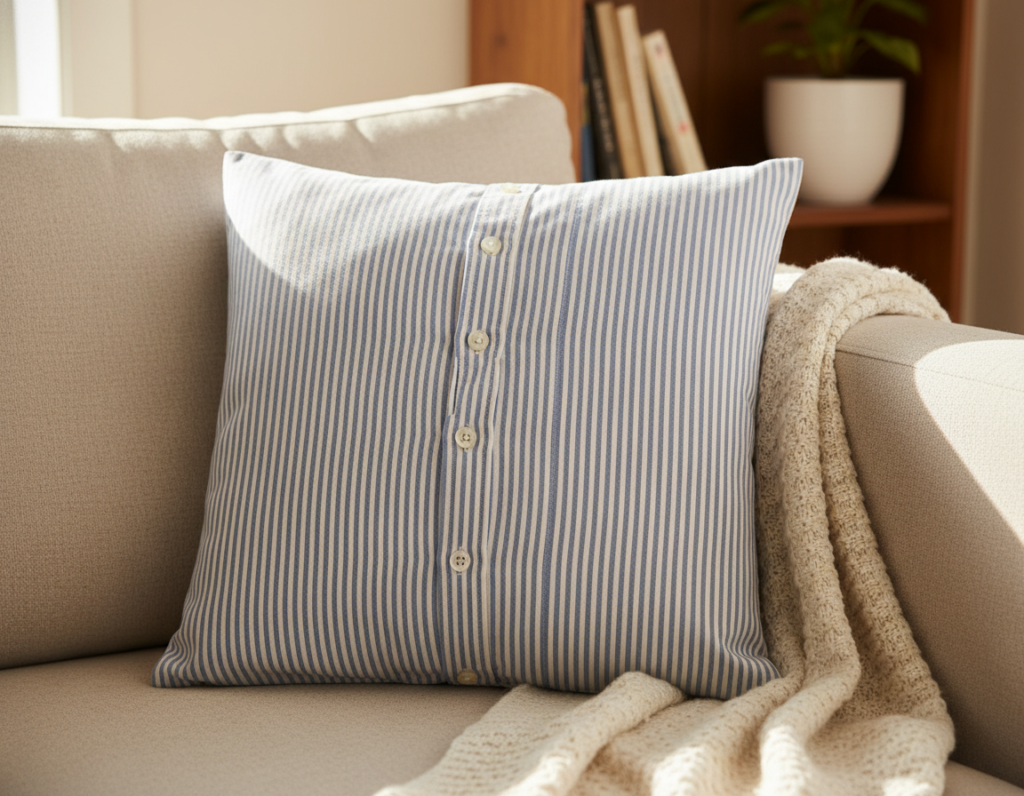
Transform old shirts into decorative pillowcases. Cut the shirt along the side seams to create flat fabric panels. Measure your pillow and add seam allowance on all sides.
Sew three sides together with the right sides facing. Turn the pillowcase right side out. Insert your pillow form and hand-stitch the final side closed. The perfect size depends on your pillow dimensions.
Different shirts create varied looks. Plaid patterns add rustic charm. Solid colors work in modern spaces. Mix patterns by using different shirts for each side of the pillowcase.
Creative Denim Upcycling Ideas
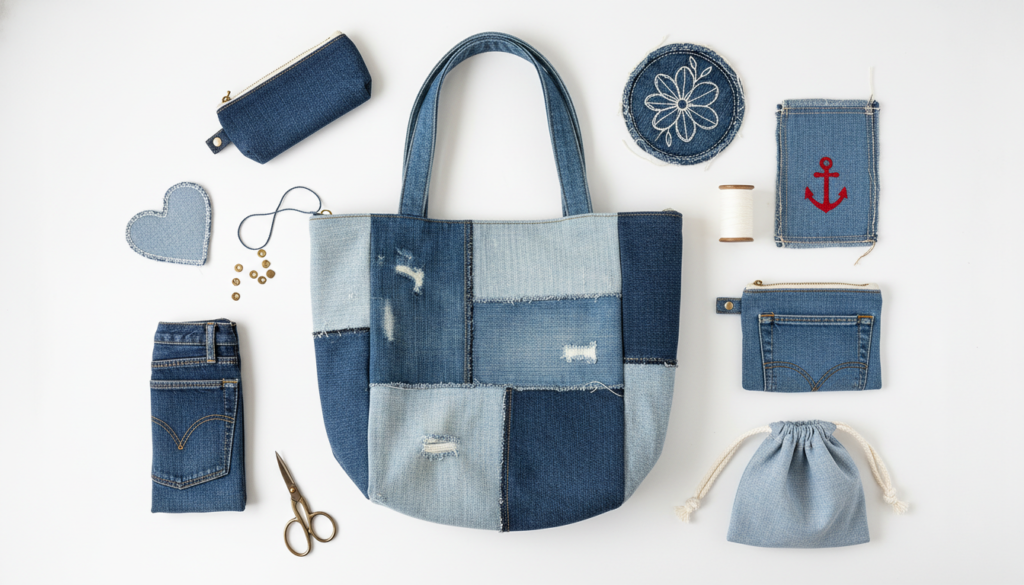
Denim fabric stands up to repeated use and washing. Old jeans provide thick, durable material for many projects. The sturdy nature of denim makes it forgiving for beginning sewers.
Denim Apron from Old Jeans
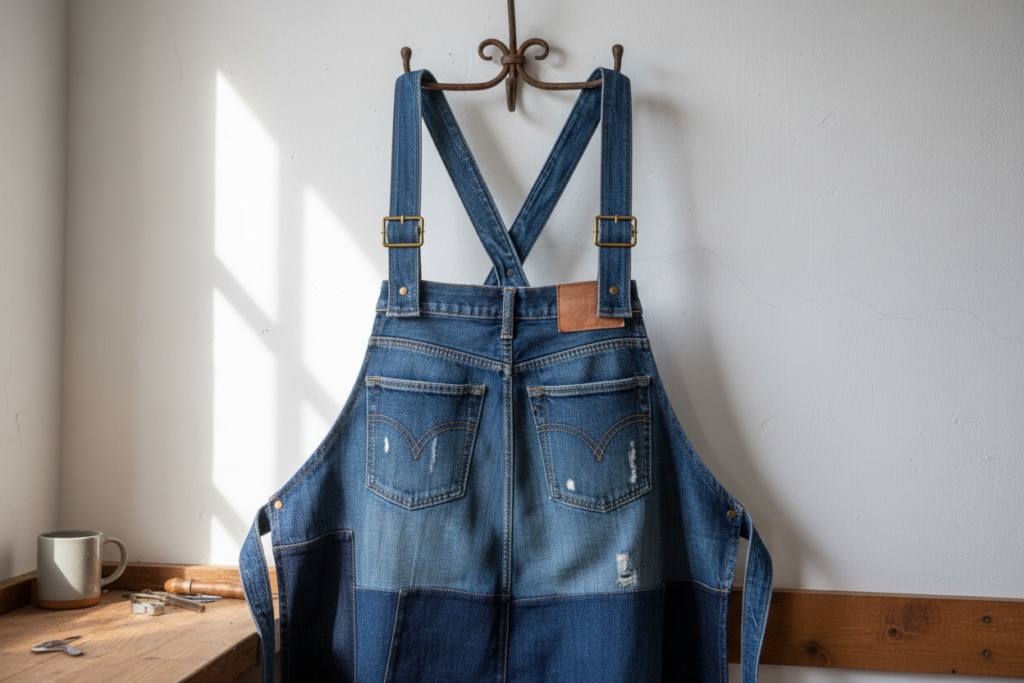
An apron protects your clothing while adding farmhouse style. Cut the legs off a pair of old jeans. Use one leg to create the apron bib. The other leg becomes ties and straps.
Keep the back pockets intact for tool storage. These original details add both function and character. Sew the pieces together to form a classic apron shape.
Adjust the length to suit your needs. Longer aprons offer more coverage. Shorter versions work well for craft projects. This project requires only the ability to sew straight line stitches.
Quilted Denim Throw
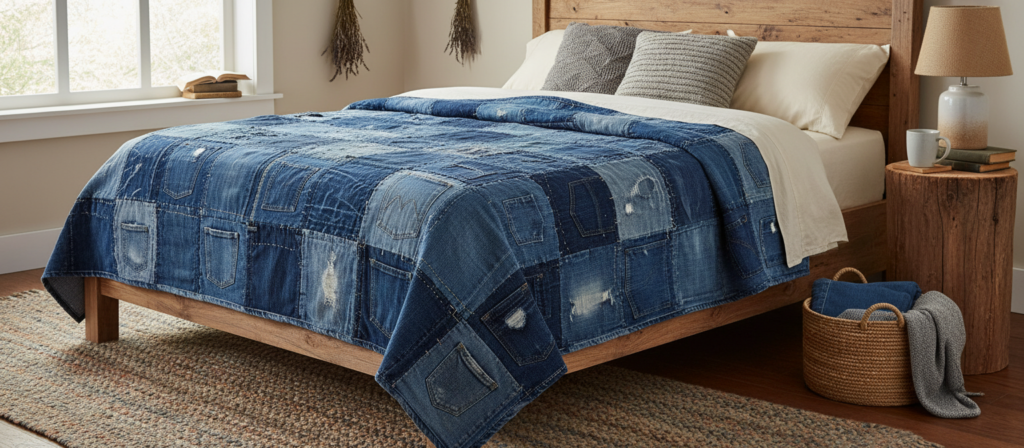
Collect denim pieces from multiple pairs of old jeans. Cut squares of identical size from each piece. Arrange the squares in a pleasing pattern before sewing.
Sew the squares together in rows. Connect the rows to form a quilt top. Add batting and backing fabric. Stitch through all layers to complete your quilt.
This project uses fabric scraps you might otherwise discard. Different denim shades create visual interest. The weight of denim makes a warm, substantial throw perfect for cold evenings.
Start small if quilting feels intimidating. Create a cushion cover using the same technique. This smaller project builds confidence before tackling a full-size quilt.
Transform Every Piece in Your Closet
Get access to professional upcycling courses with detailed patterns and expert guidance. Turn your old clothing into a complete wardrobe of unique, stylish pieces.
Not everyone owns a sewing machine. Some projects require minimal or no sewing. These ideas work perfectly for absolute beginners or quick transformations.
T-Shirt Headband
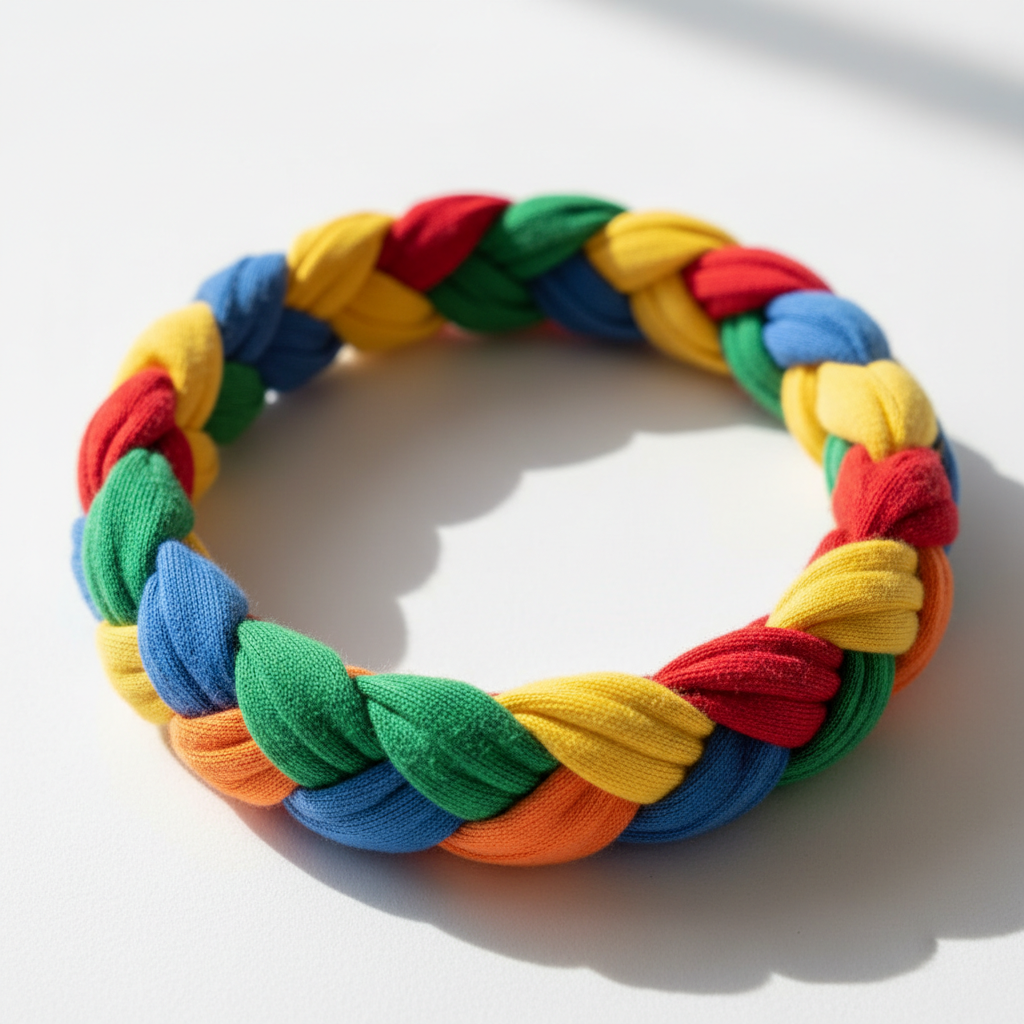
Cut a t-shirt into long strips about one inch wide. Braid three strips together to create a headband. Tie the ends together or sew them for a secure finish.
This project takes under five minutes. The stretchy fabric sits comfortably on your head. Make several in different colors to match various outfits. Old clothing becomes a practical accessory.
Fabric Scrap Coasters
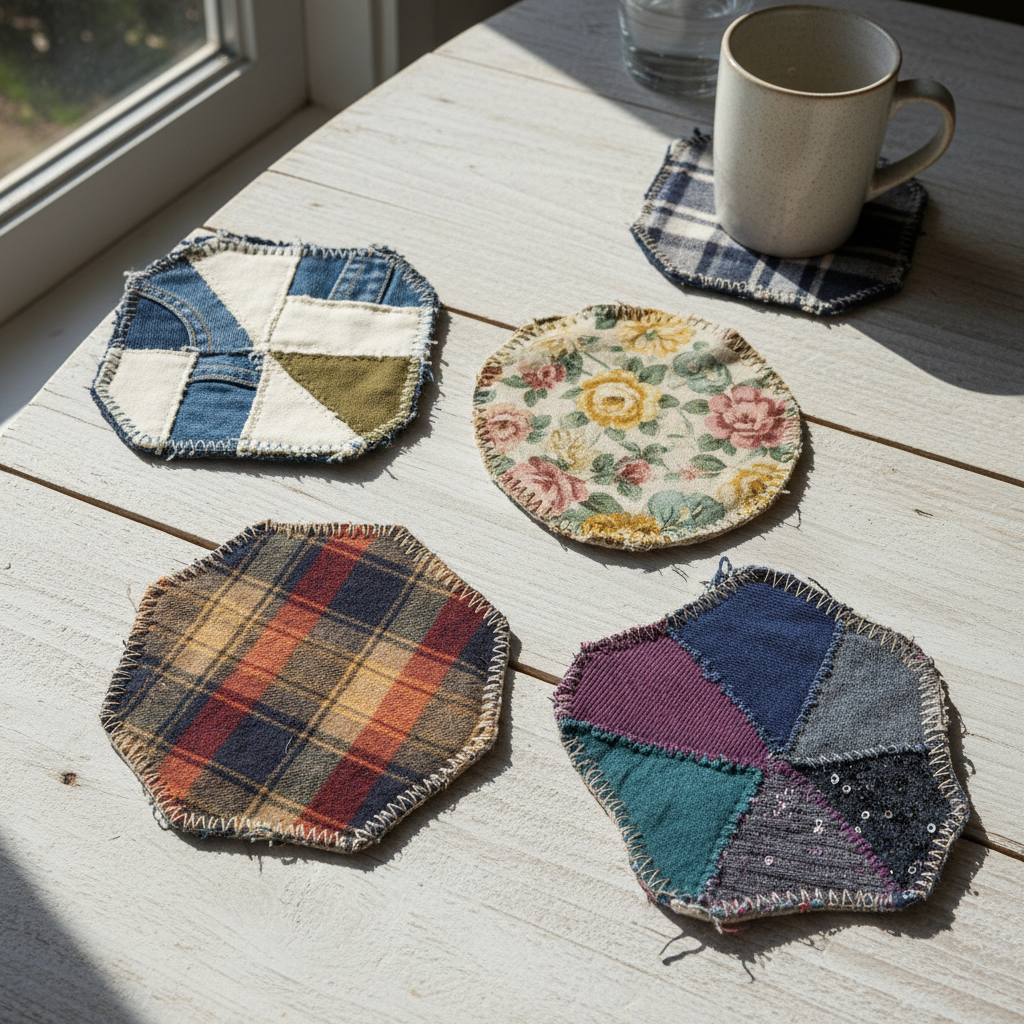
Small fabric pieces work perfectly for coasters. Cut fabric into circles or squares slightly larger than your desired final size. Stack several layers for thickness and absorbency.
Sew around the edges to hold layers together. Use a zigzag stitch to prevent fraying. These coasters protect surfaces while showcasing your favorite scrap fabric patterns.
Make coasters as gifts or keep them for yourself. They wash easily in the machine. This project uses tiny pieces too small for other upcycling ideas.
Knotted Fleece Blanket
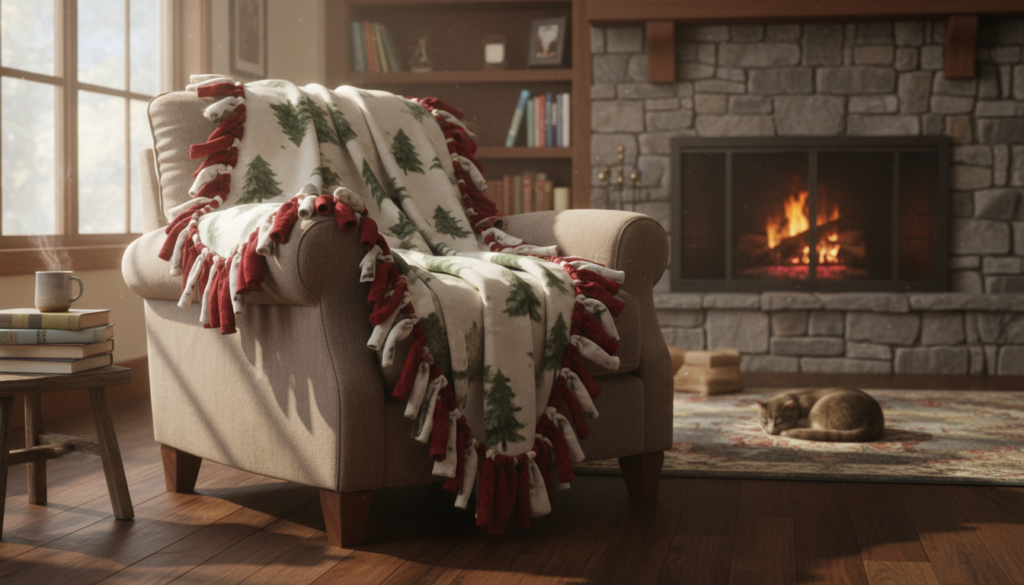
Two layers of fleece fabric create a warm blanket without sewing. Cut both pieces to the same size. Layer them together and cut fringe around all edges.
Tie the top and bottom fringe pieces together in square knots. Continue around the entire blanket. This method requires zero sewing while creating a finished edge.
Old fleece sweaters provide material for smaller versions. Cut off sleeves and body panels. This quick project produces a functional blanket in under an hour.
Advanced Beginner Upcycling Projects
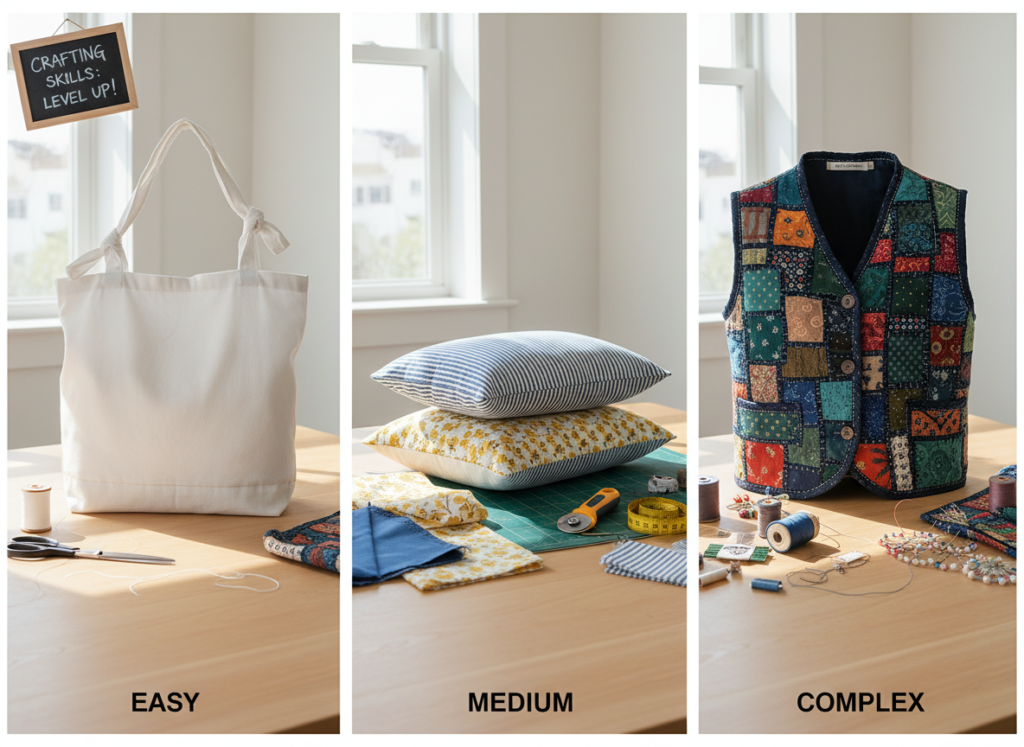
Ready to try slightly more complex projects? These ideas build on basic skills. They require more time but produce impressive results that look professionally made.
Maxi Dress from Mixed Pieces
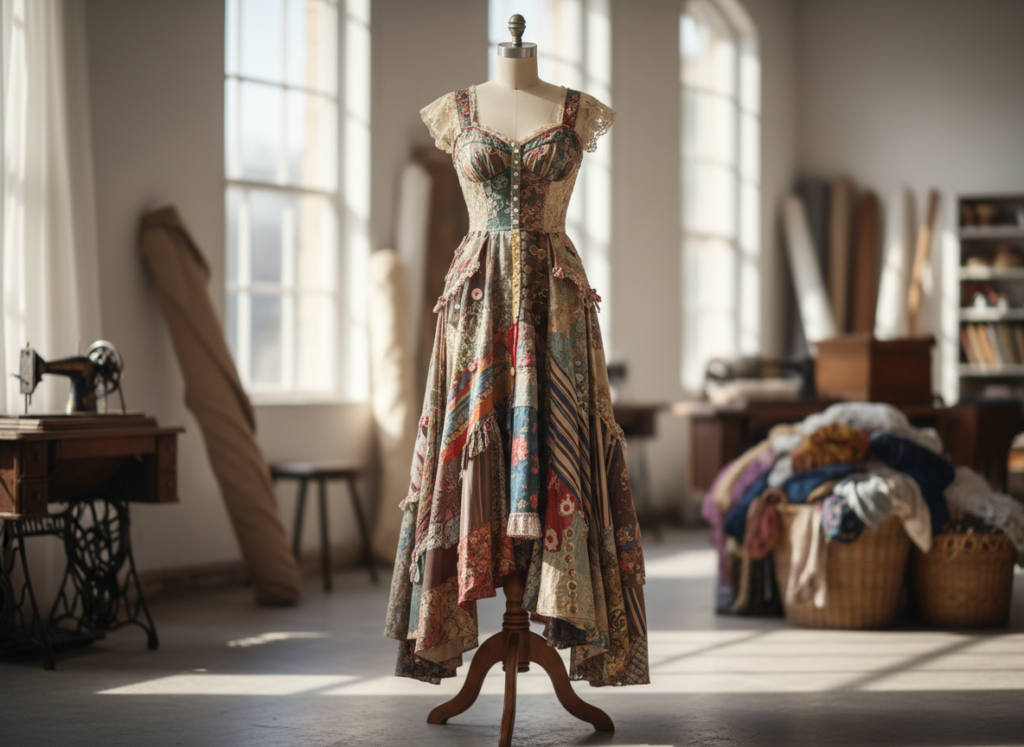
Combine different clothing items to create a maxi dress. Use an old shirt for the top portion. Attach a long skirt or dress skirt to the bottom of the shirt. This mix creates an entirely new garment.
Match fabrics by color or create deliberate contrast. Measure carefully to ensure the waistline falls at the right spot. Sew the pieces together at the waist seam.
Add a belt to define your waistline. This accessory hides the seam where pieces connect. The finished dress looks intentional rather than pieced together. Each creation becomes truly one of a kind.
Patchwork Jacket
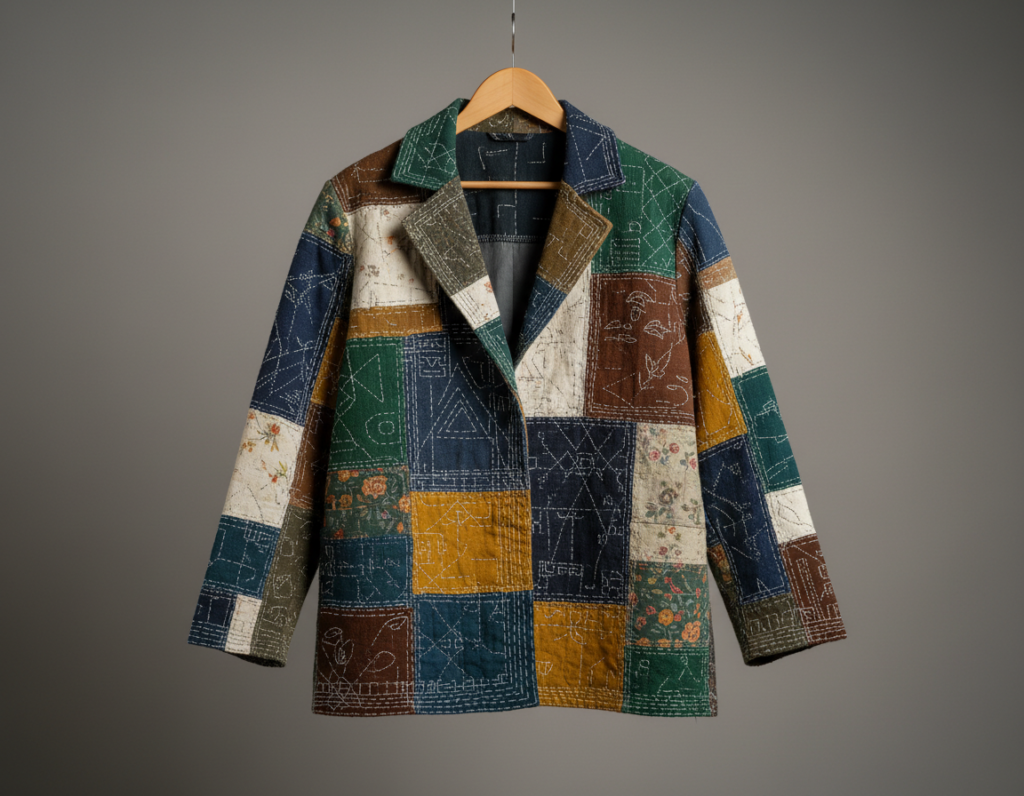
Gather fabric scraps in complementary colors. Cut them into uniform squares or rectangles. Arrange the pieces in a pleasing design before sewing them together.
Use an existing jacket as a pattern template. Create the patchwork fabric first. Then cut pattern pieces from this fabric. Assemble the jacket following standard garment construction.
This project requires patience and planning. The result showcases your creativity and sewing skills. Visible mending techniques add character to any imperfections.
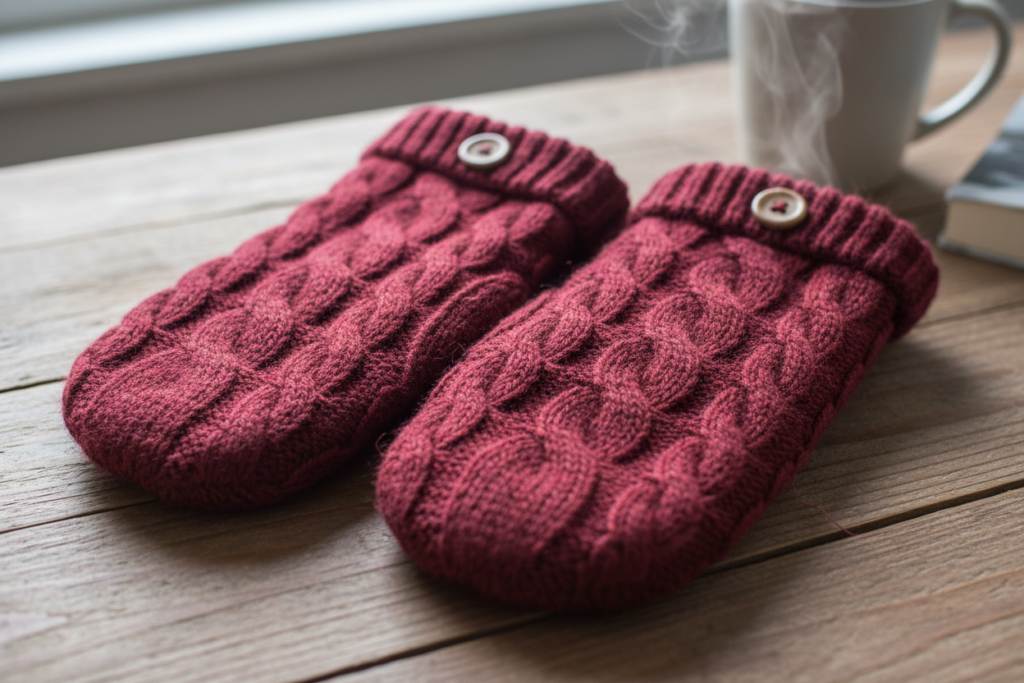
Old sweaters become cozy mittens with careful cutting. Trace your hand on paper to create a pattern. Place the pattern on the sweater and cut two mirrored pieces.
Sew around the edges, leaving the wrist open. Turn the mittens right side out. The existing sweater cuff creates a ready-made wrist band. This project works especially well with wool sweaters.
Make matching sets for gifts. Use sweaters in different colors for variety. Each pair of mittens takes less than thirty minutes to complete once you have your pattern ready.
Visible Mending and Decorative Repairs
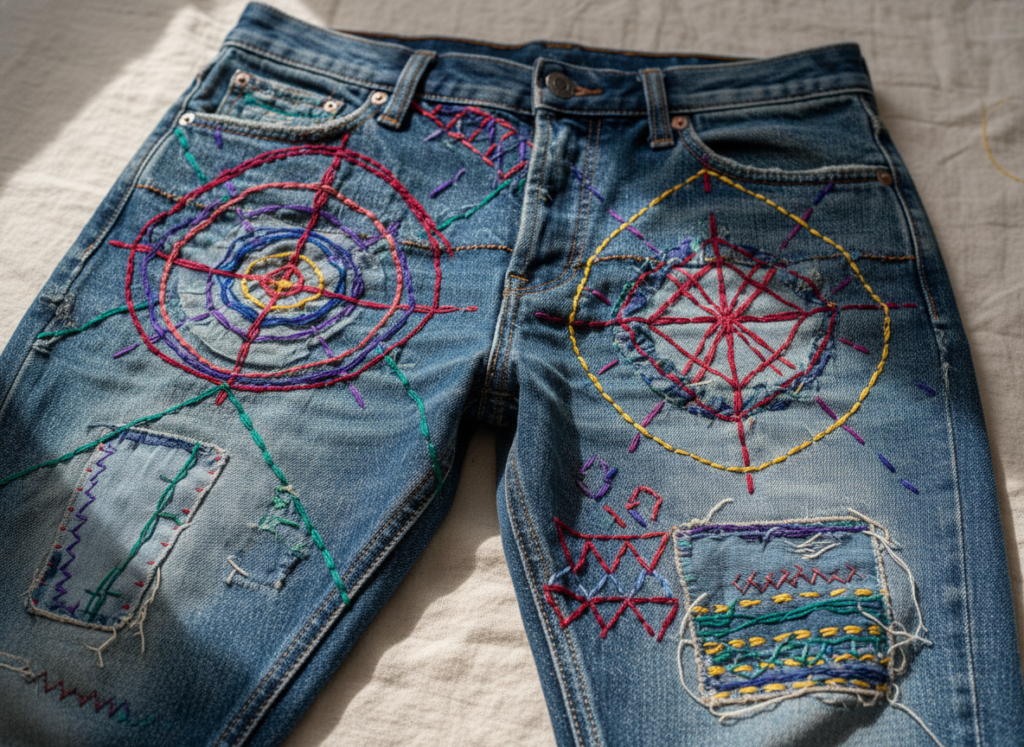
Visible mending celebrates repairs rather than hiding them. This technique extends clothing life while adding artistic elements. The approach aligns perfectly with upcycling philosophy.
Sashiko Stitching
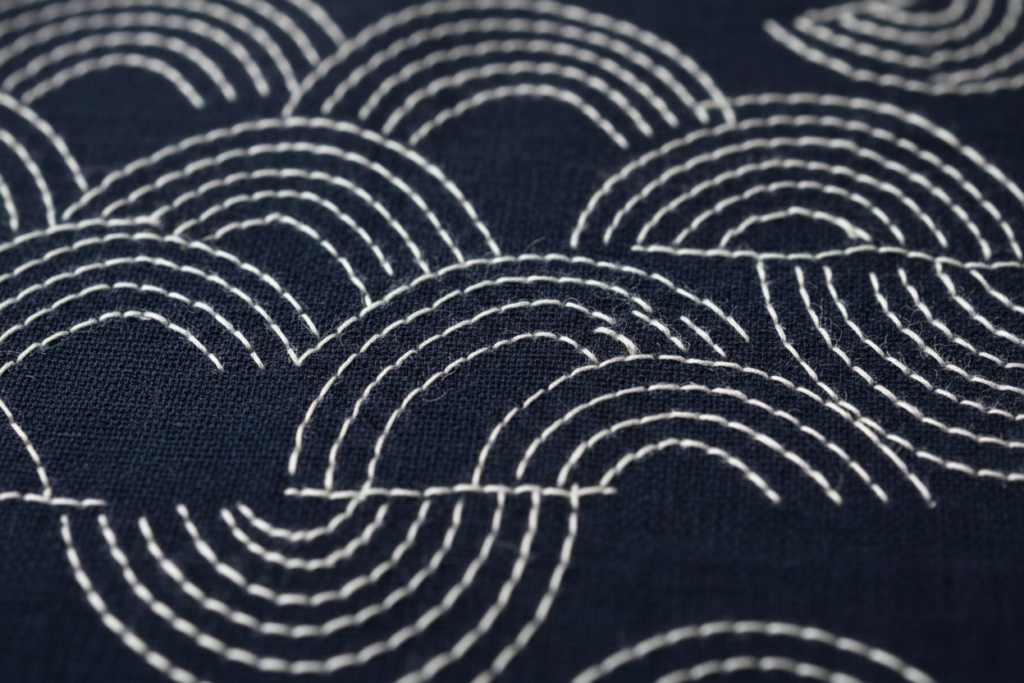
Sashiko uses simple running stitches in geometric patterns. This Japanese technique strengthens fabric while creating beautiful designs. Practice on scrap fabric before working on actual clothing.
Mark your pattern with chalk or a washable marker. Sew along the lines with contrasting thread. The repetitive motion becomes meditative. Your visible mending transforms holes or thin spots into decorative features.
Choose thread colors that stand out against your fabric. White thread on denim creates classic contrast. Bright colors add playful energy. This technique works on any fabric weight.
Decorative Patches
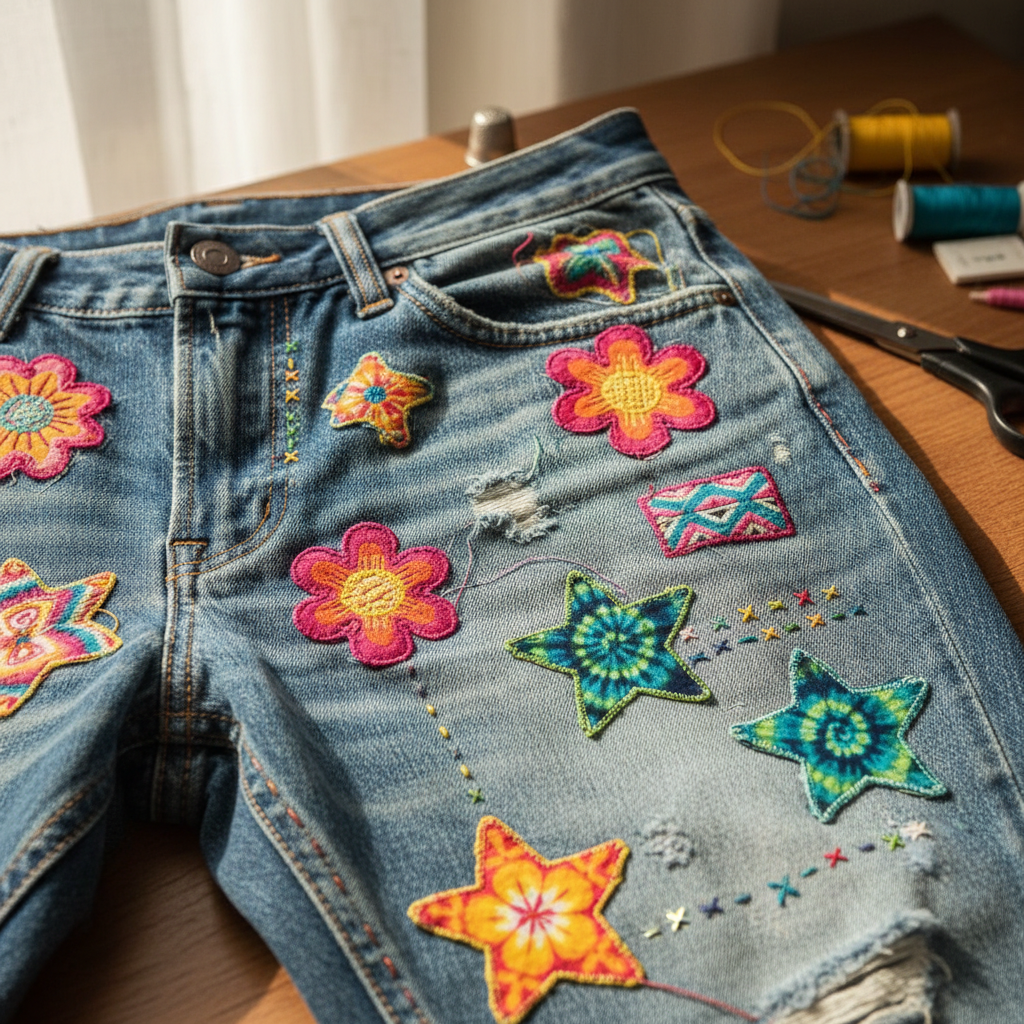
Create custom patches from scrap fabric. Cut shapes like hearts, stars, or geometric forms. Place patches over holes or worn areas. Sew around the edges with a zigzag stitch or straight stitch.
Layer multiple patches for added interest. Mix patterns and textures. This approach turns damage into a design opportunity. Kids especially love helping choose patch placements and colors.
Save your smallest fabric scraps for patch projects. Even tiny pieces work for creating interesting designs. This upcycling method ensures absolutely nothing goes to waste.
Never Run Out of Creative Ideas
Access a complete library of upcycling patterns and projects. Get new ideas every week plus expert support to help you succeed with every creation.
Different seasons inspire specific upcycling projects. Adapt old clothing to meet seasonal needs. These transformations keep your wardrobe current year-round.
Summer Tank Tops
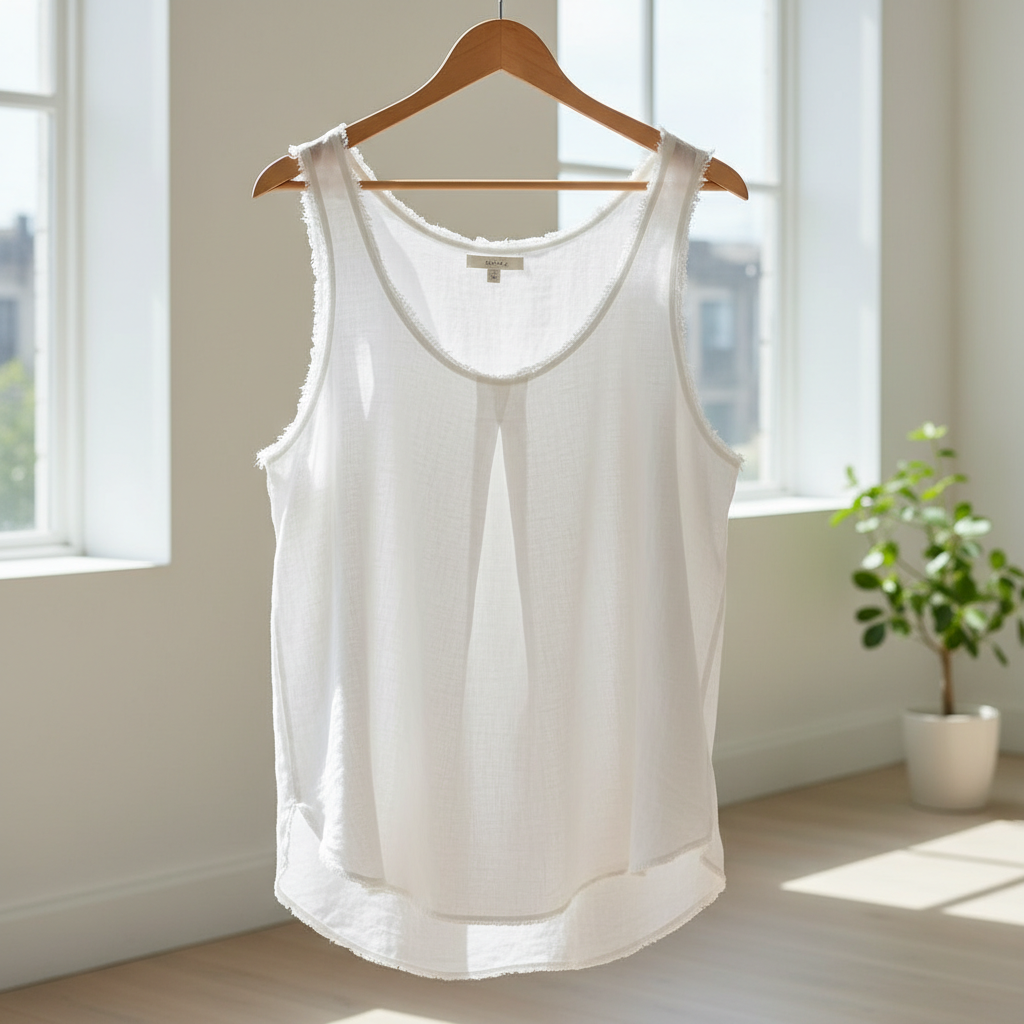
Convert long-sleeve shirts into tank tops for warm weather. Remove sleeves completely. Widen the neck opening for comfort. Hem the new edges to prevent fraying.
This quick project takes about fifteen minutes. The transformation dramatically changes the shirt’s functionality. One old shirt provides multiple warm-weather tops with different neckline styles.
Winter Scarf from Sweater Sleeves
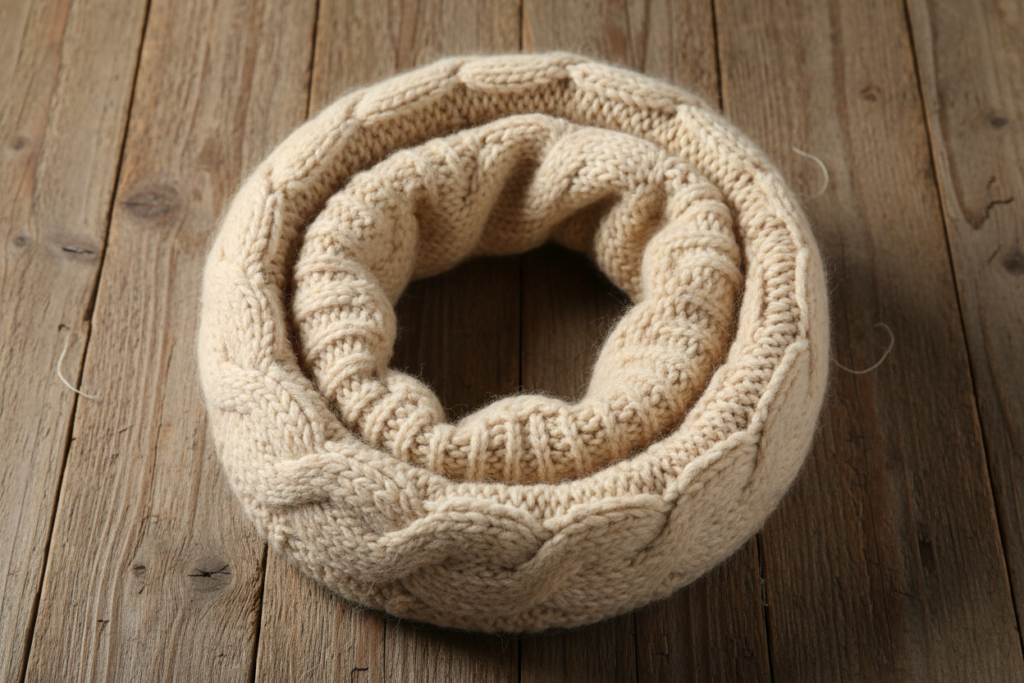
Sweater sleeves become instant scarves with minimal work. Cut sleeves off at the shoulder seam. Sew one end shut to create an infinity scarf. Leave both ends open for a traditional scarf style.
The existing sleeve hem provides a finished edge. Choose sweaters with interesting textures or patterns. Cable knit creates particularly attractive scarves. This project works with any sweater weight.
Fall Wrap from Large Shirt
Transform an oversized men shirt into a cozy wrap. Cut the shirt open along the side seams. Remove the collar if desired. The remaining piece drapes beautifully as a wrap or light jacket.
Add ties at the front for closure options. Use fabric from the removed sleeves. This layering piece works over dresses or with jeans. Each wrap takes on the character of its original shirt.
Upcycling Clothes for Home Decor
Old clothing creates beautiful home accessories. Fabric from clothes works as well as purchased material. These projects add personal touches throughout your living space.
T-Shirt Rag Rug
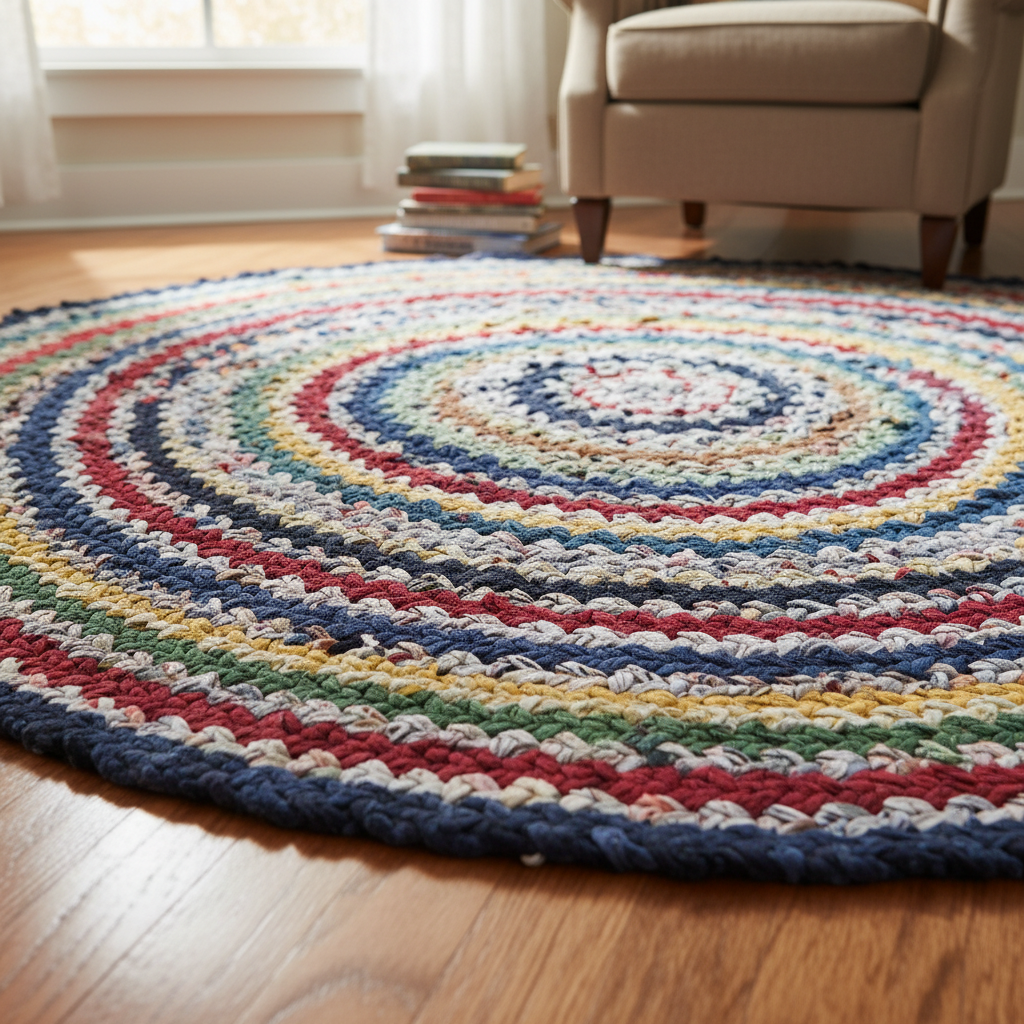
Cut old t-shirts into strips about two inches wide. Braid three strips together. Coil the braid into a spiral shape, sewing it together as you work. Continue until the rug reaches your desired size.
This project uses entire shirts efficiently. Different colored shirts create striped patterns in the finished rug. The soft fabric feels comfortable underfoot. Machine wash your finished rug when needed.
Fabric Basket from Jeans
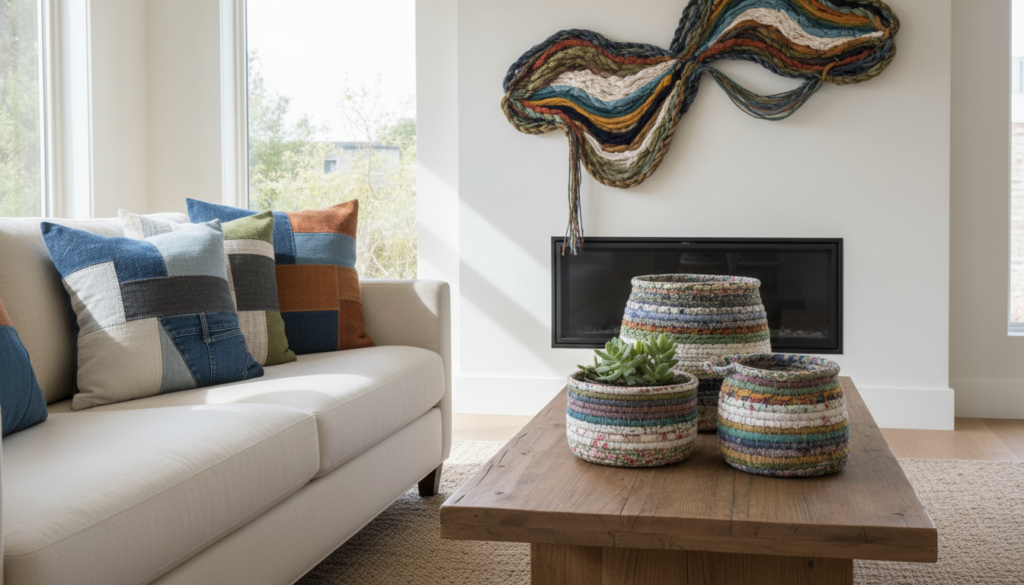
Sturdy denim creates functional storage baskets. Cut a large rectangle from old jeans. Fold up the bottom portion and sew the sides together. Turn right side out for a simple basket.
Add interfacing between fabric layers for extra stiffness. This helps the basket hold its shape when empty. Use the basket for toys, craft supplies, or bathroom items.
Decorate baskets with fabric scraps or buttons. Original jean pockets add character when placed on the outside. These containers solve storage problems while using materials you already own.
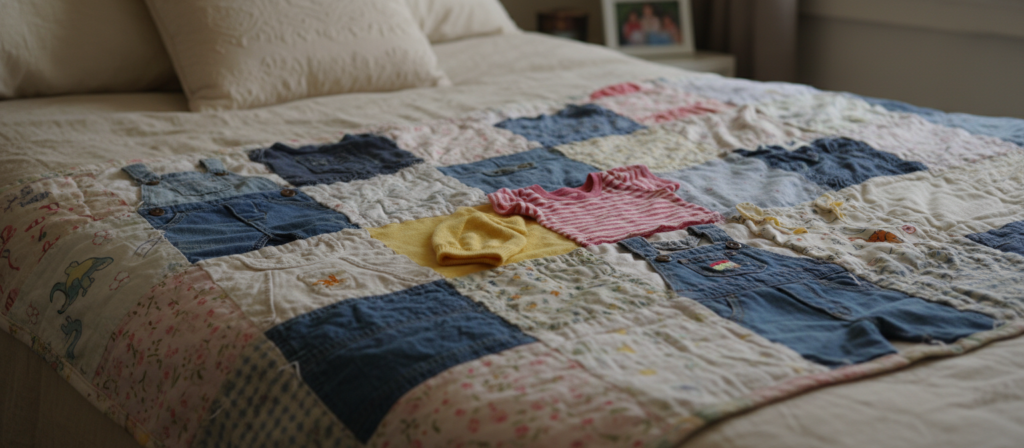
Preserve meaningful clothing in a memory quilt. Cut squares from baby clothes, sports uniforms, or concert shirts. Arrange them to tell a story or create visual balance.
This quilt becomes a treasured keepsake. Each square holds memories and stories. The project takes considerable time but delivers emotional value beyond typical crafts. Family members often contribute pieces to create collaborative quilts.
Essential Tips for Upcycling Success
Certain practices make upcycling easier and more enjoyable. These tips help beginners avoid common mistakes. Following this advice leads to better finished projects.
Wash Before Starting
Always wash old clothing before upcycling. This removes dirt and reveals the true fabric condition. Pre-washing prevents shrinkage in your finished project. Clothes that survive washing will hold up in the final piece.
Check for hidden damage during washing. Small holes may enlarge. Colors might fade differently than expected. Better to discover these issues before investing time in a project.
Start with Simple Projects
Build confidence with easy wins. Simple projects teach basic techniques without overwhelming complexity. Master one skill before moving to harder challenges.
Every expert started as a beginner. Give yourself permission to make mistakes. Each project teaches something valuable. Your skills improve with every piece you complete.
Save Every Scrap
Even tiny fabric pieces have uses. Collect scraps in clear containers sorted by color. Small bits work for patches, stuffing, or decorative elements. This habit reduces waste to nearly zero.
Organize your scrap fabric for easy access. Label containers by fabric type or color. This system helps you find the perfect piece when inspiration strikes. Good organization makes creating easier and more enjoyable.
Take Your Skills to the Next Level
Learn professional finishing techniques, pattern drafting, and advanced upcycling methods. Get personalized help with your projects from experienced instructors.
Take photos at each stage of your projects. These images help you remember techniques that worked well. Documentation shows your progress over time. Share your creations to inspire others in the upcycling community.
The Environmental Benefits of Upcycling
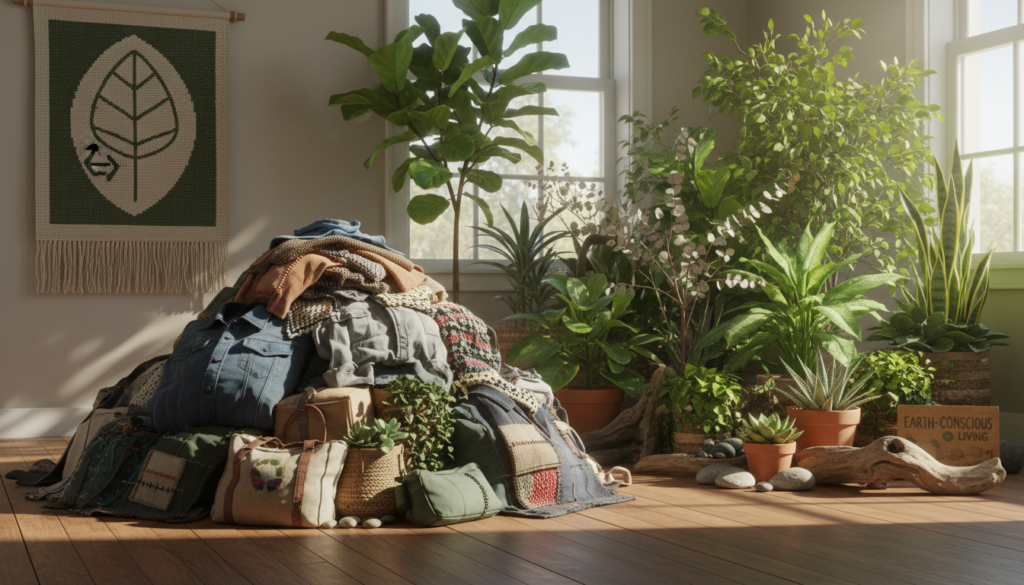
Upcycling reduces waste significantly. The fashion industry creates massive environmental problems. Every garment you upcycle instead of discarding makes a difference.
Textile production uses enormous amounts of water and energy. Manufacturing new clothes releases harmful chemicals. Upcycling circumvents this entire process. You give existing materials new life without additional environmental cost.
Reducing Landfill Waste
Millions of tons of clothing end up in landfills yearly. These textiles take decades to decompose. Synthetic fabrics never fully break down. Upcycling keeps clothes out of waste streams.
Each piece you transform prevents landfill contribution. The cumulative effect of many people upcycling creates meaningful change. Your individual actions join a larger movement toward sustainability.
Supporting Slow Fashion
Upcycling opposes fast fashion culture. Creating your own pieces requires time and thought. This mindful approach values quality over quantity. You develop appreciation for handmade items and craftsmanship.
Slow fashion prioritizes sustainability and ethics. Your upcycling projects embody these values. Each creation tells a story and holds personal meaning that mass-produced items cannot match.
Troubleshooting Common Upcycling Challenges
Every creator encounters obstacles. Knowing how to solve common problems saves time and frustration. These solutions address issues beginners frequently face.
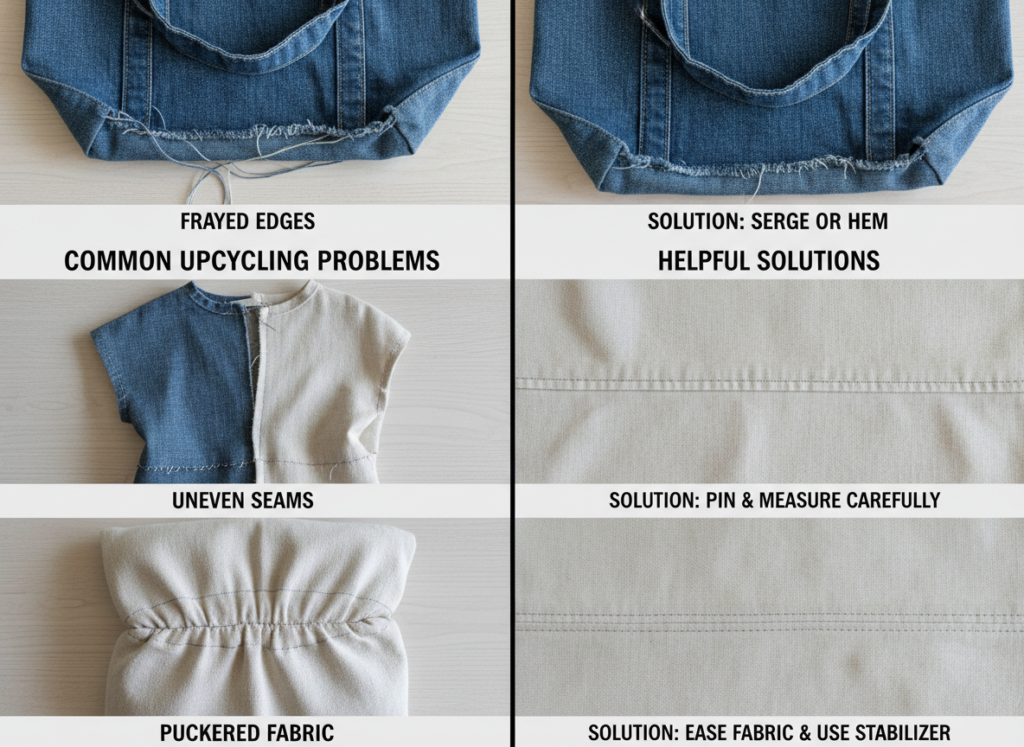
Dealing with Frayed Edges
Some fabrics fray easily when cut. Prevent fraying by using pinking shears for cutting. These create zigzag edges that resist unraveling. Apply fray check liquid to raw edges before sewing.
Turn edges under twice before hemming. This encloses raw fabric completely. The double-fold hem prevents fraying while creating a clean finish. Practice this technique on scrap fabric first.
Fixing Sizing Issues
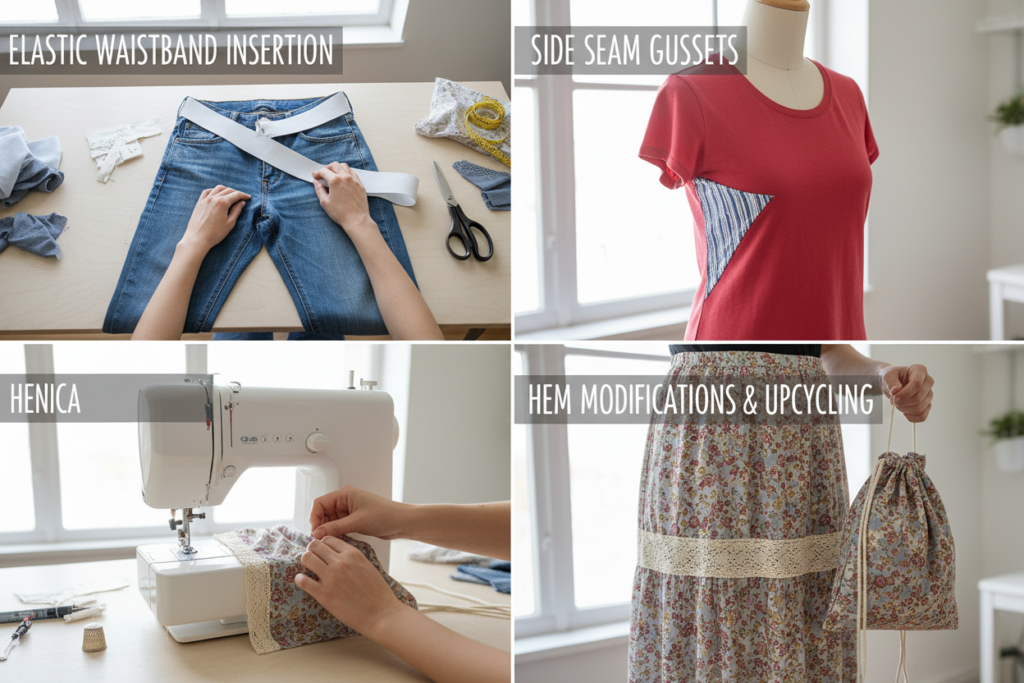
Sometimes finished projects fit differently than expected. Add elastic to waistbands for adjustable fit. Insert gussets under arms or along sides for additional room. These modifications salvage projects that otherwise might fail.
Keep seam rippers handy for corrections. Mistakes happen to everyone. The ability to undo seams and try again separates successful projects from abandoned ones. Patience during this process yields better results.
Slippery fabrics challenge beginners. Pin carefully and use a walking foot on your machine. Sew slowly to maintain control. Consider hand-basting pieces together before machine sewing.
Thick fabrics like denim require heavy-duty needles. Change needles regularly to prevent skipped stitches. Adjust thread tension as needed for different fabric weights. These small adjustments make significant differences in results.
More Inspiring Upcycling Ideas to Try
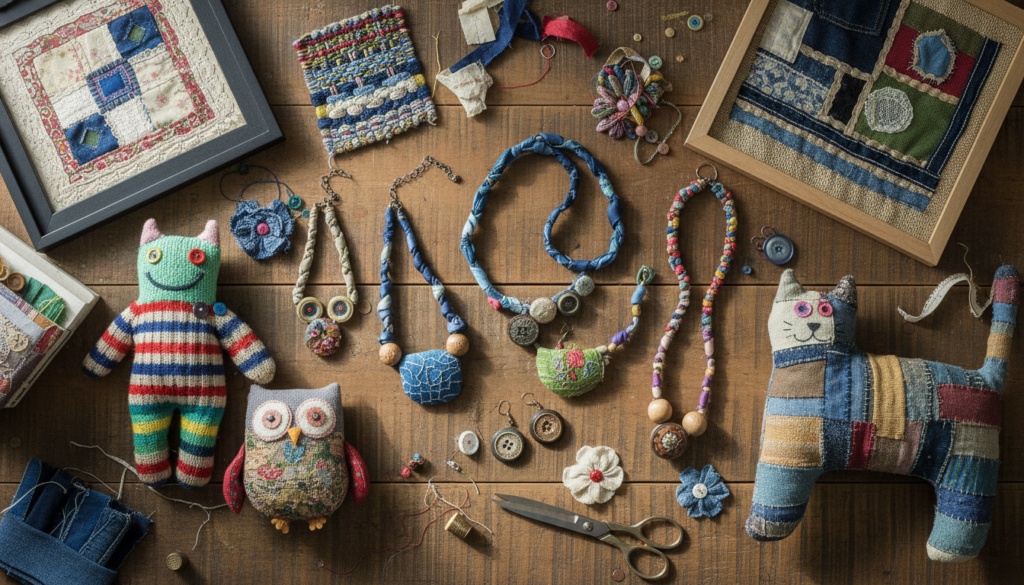
Expand your upcycling repertoire with these additional projects. Each idea offers new techniques to master. These suggestions spark creativity and keep you motivated.
Pet Accessories from Old Clothes
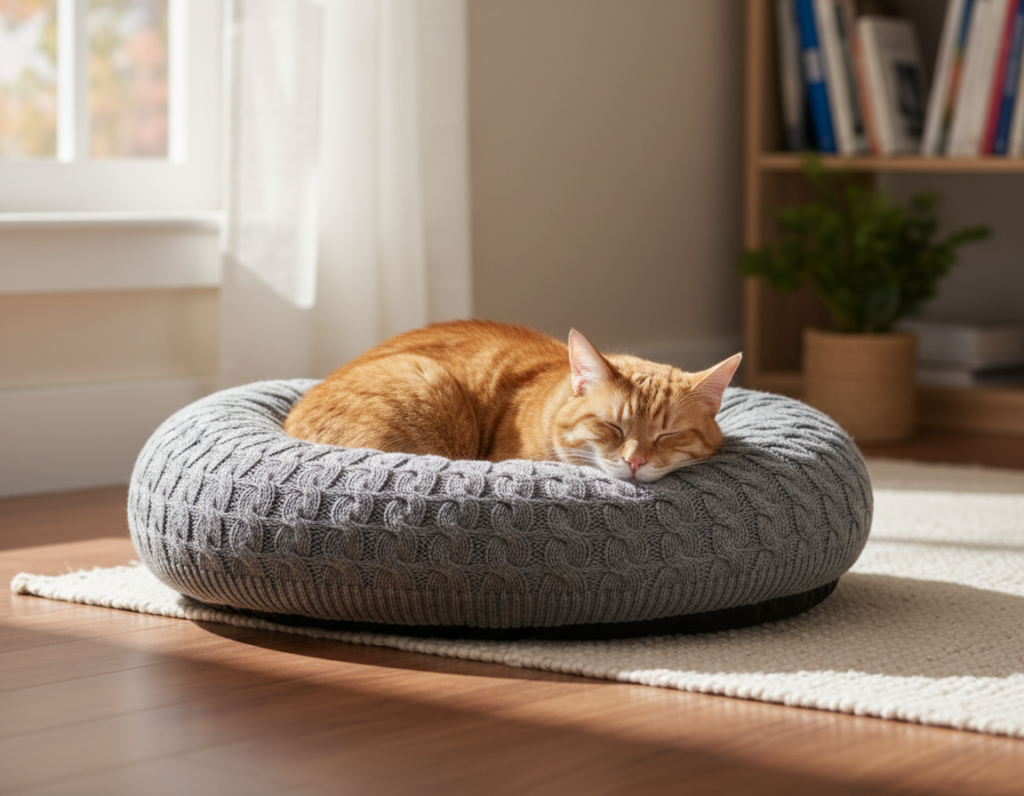
Create pet beds from old sweaters. Stuff sweaters with fiberfill or fabric scraps. Sew the openings closed. The result is a cozy bed pets love. This project repurposes clothing that no longer fits you.
Make pet toys from denim scraps. Braid fabric strips into rope toys. Dogs enjoy the texture for chewing and playing. These homemade toys cost nothing and use materials otherwise wasted.
Book Covers from Shirts
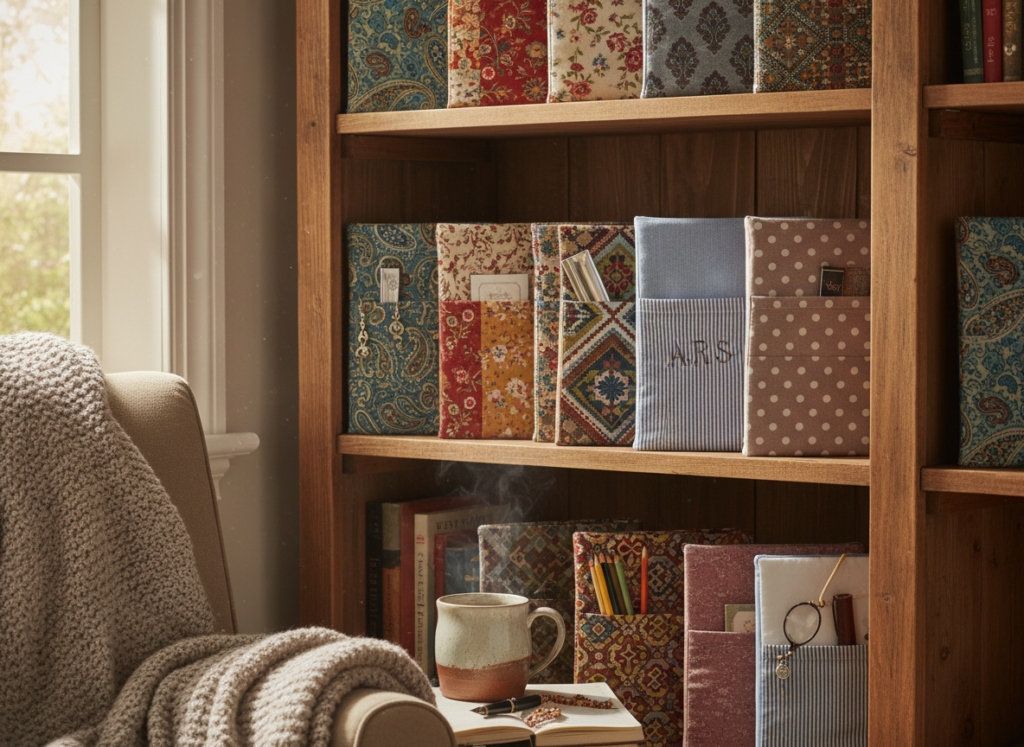
Protect books with custom fabric covers. Measure your book and cut fabric to size. Fold edges to create pockets for front and back covers. Sew or glue the pockets in place.
Use different fabrics for various books. Vintage patterns work beautifully for classic literature. Bright colors suit children’s books. Each cover becomes a personalized accessory for reading.
Plant Hangers from T-Shirts
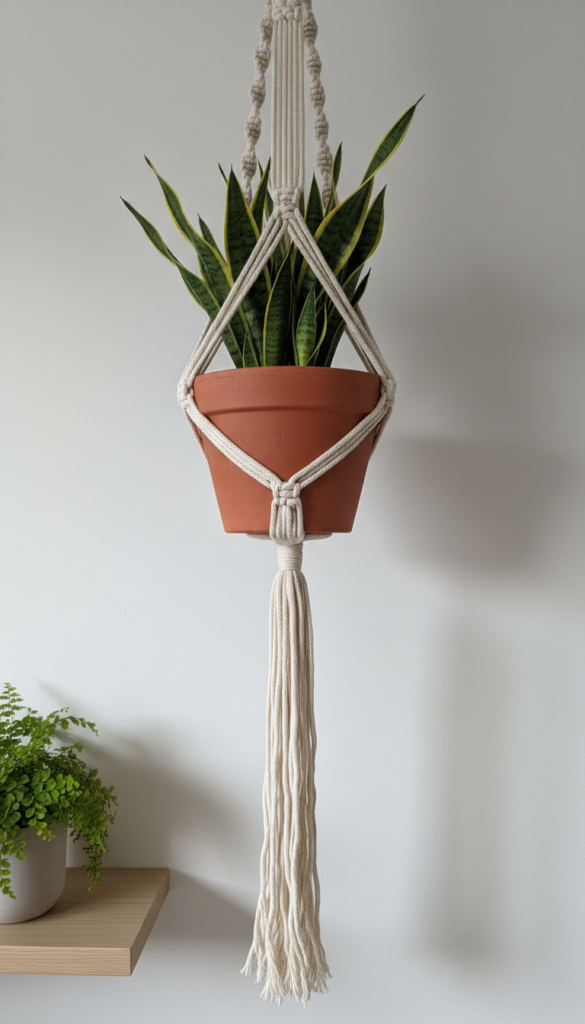
Cut t-shirts into long strips for macrame-style plant hangers. Knot the strips together in traditional macrame patterns. No advanced knotting skills are required for simple designs.
The stretchy jersey fabric creates unique texture. Plant hangers work indoors or on porches. This project combines upcycling with bringing nature into your living space.
Joining the Upcycling Community
Connect with others who share your passion. Online communities offer support and inspiration. Sharing your projects motivates continued creativity.
Social media platforms host active upcycling groups. Members share tutorials and encourage each other. You discover new techniques and see different approaches to similar projects. This exchange of ideas elevates everyone’s work.
Learning from Others
Study projects others create for inspiration. Notice how different sewers solve problems. Adapt techniques to fit your style and available materials. Learning never stops in creative pursuits.
Ask questions when you encounter difficulties. Experienced upcyclers remember being beginners. Most gladly share knowledge and offer suggestions. The community thrives on mutual support and shared passion.
Teaching Your Skills
Share your knowledge as you gain experience. Teaching reinforces your own understanding. Beginners benefit from seeing projects at their level. Your journey inspires others to start upcycling.
Document your process clearly. Take detailed photos of each step. Write instructions beginners can follow. Contributing to the community creates positive cycles of learning and growth.
Become Part of a Thriving Creative Community
Connect with thousands of upcyclers worldwide. Share your projects, get feedback, and access exclusive patterns and tutorials. Learn from experts and inspire others with your creativity.
These sewing easy DIY clothes upcycle ideas transform how you view old clothing. Every piece holds potential for reinvention. Your creativity turns fabric into functional art.
Start small and build your skills gradually. Each completed project brings satisfaction and confidence. You develop a valuable skill set while helping the environment.
Upcycling saves money and reduces waste. More importantly, it fosters creativity and mindful consumption. The clothes you create carry personal meaning that store-bought items cannot match.
Gather your old clothes and basic supplies. Choose a simple project that excites you. Take your time and enjoy the process. Your upcycling adventure begins now.
Ready to Transform Your Entire Wardrobe?
Get instant access to comprehensive upcycling courses, hundreds of patterns, and expert guidance. Join thousands of creative individuals who have transformed their closets and their lives through upcycling. Start creating unique, sustainable fashion today.