Starting your sewing journey feels exciting and overwhelming at the same time. You want to create beautiful things but don’t know where to begin.
The good news is that beginner tutorials for small sewing projects exist specifically for people just like you. These projects require minimal supplies and simple techniques.
Small sewing projects offer the perfect practice ground. You’ll learn essential skills without committing weeks to a single item.
This guide walks you through easy sewing projects that teach fundamental techniques. Each project builds on the last, creating a natural progression of skills.
You don’t need expensive equipment or years of experience. Just a basic sewing machine, some fabric, and the willingness to learn through doing.
Ready to Start Your Sewing Journey?
Get access to comprehensive beginner tutorials that guide you through every stitch. Join thousands who’ve transformed from nervous beginners to confident creators.
Quick Projects to Practice Straight Stitching
Straight lines form the foundation of beginner sewing. These simple projects teach you machine control without complicated patterns.
Mastering straight stitches opens the door to countless sewing projects. You’ll gain confidence with each completed item.
Simple Cloth Napkins
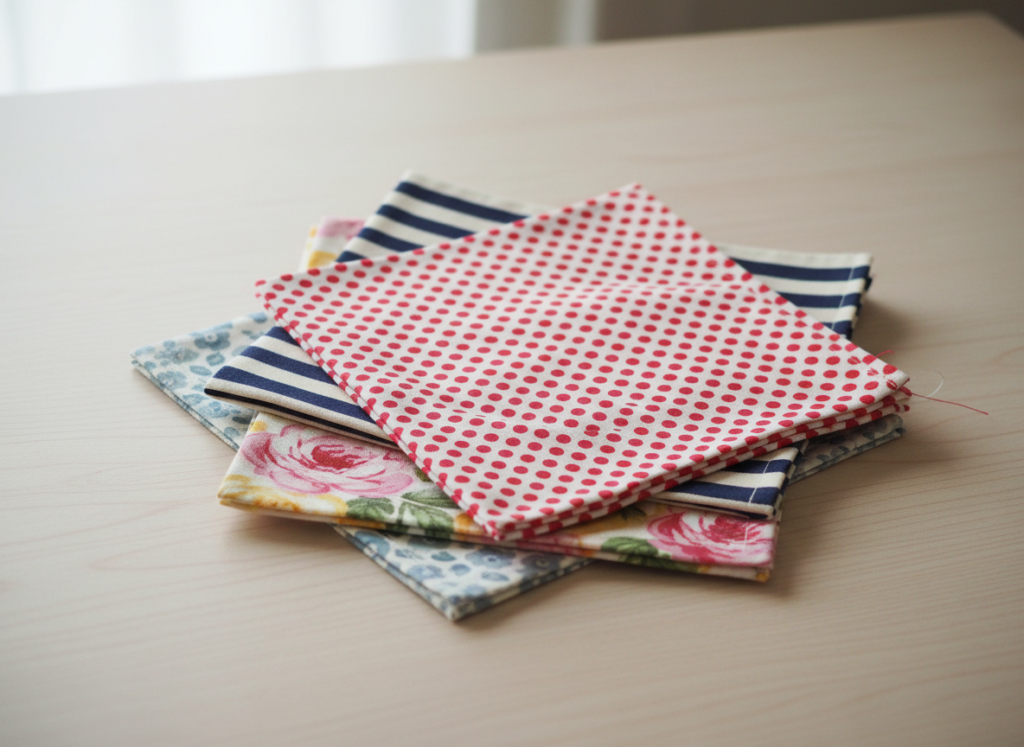
Cloth napkins make a great way to start sewing. Cut fabric into squares and hem the edges with straight lines.
This beginner sewing project teaches basic machine operation. You’ll practice feeding fabric evenly and maintaining consistent seam allowances.
Choose cotton fabric that’s easy to work with. Pre-washing your fabric prevents shrinkage after your first use.
The finished napkins serve as practical reminders of your progress. Every meal becomes a celebration of your new skills.
Baby Burp Cloths
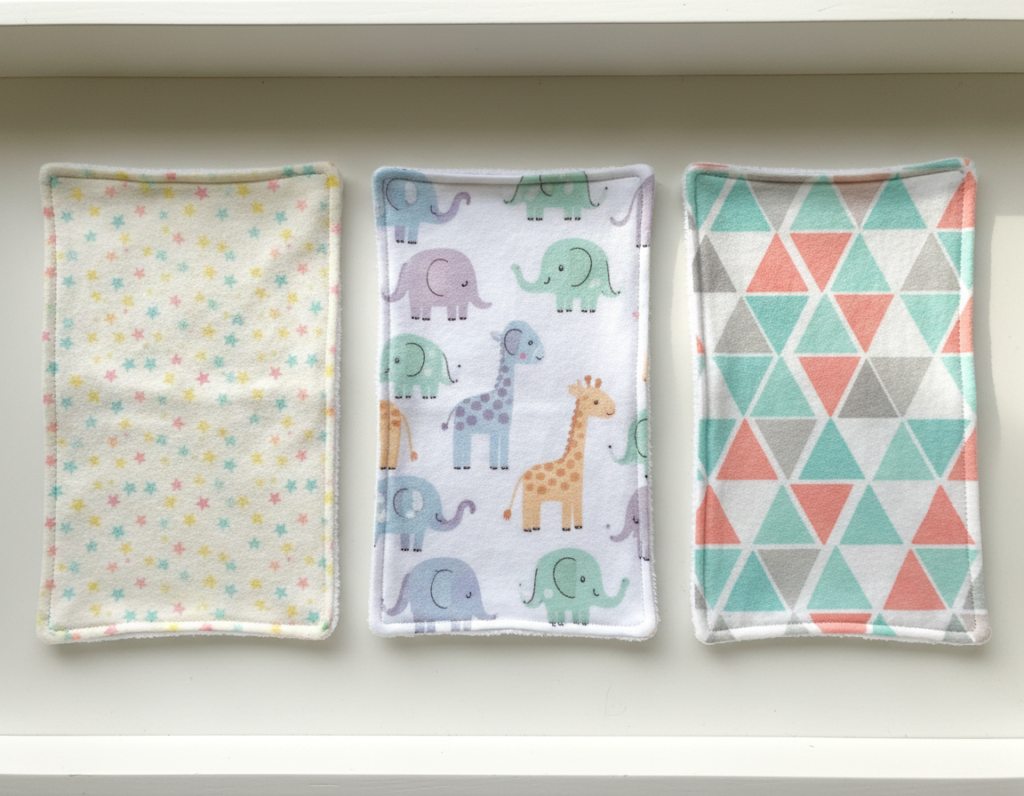
Baby burp cloths require minimal fabric and time. The rectangular shape keeps things simple for new sewing enthusiasts.
Layer cotton fabric with absorbent flannel. Sew around the edges leaving a small opening for turning.
This project introduces the concept of right sides together. You’ll also learn how to turn and topstitch finished edges.
These items make wonderful gifts for new parents. Friends and family will appreciate your handmade thoughtfulness.
Basic Table Runner
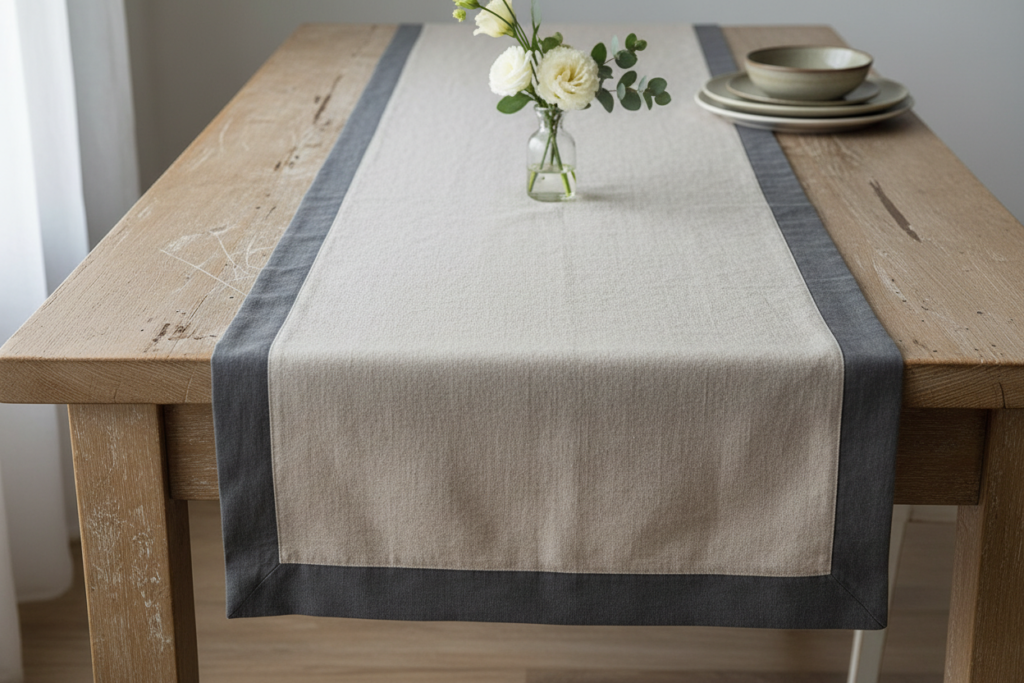
A table runner lets you practice sewing longer straight lines. The rectangular format removes pattern complexity.
Select fabric that complements your home decor. Measuring and cutting accurately becomes second nature through this sewing project.
Add decorative trim along the edges for extra flair. This simple addition teaches you how different materials behave under the presser foot.
Your finished runner transforms your dining space. Functional home decor items prove that beginner projects can be beautiful.
Master Every Technique with Expert Guidance
Stop guessing and start creating with confidence. Our step-by-step tutorials show you exactly how to handle every sewing challenge.
Beginner-Friendly Bag Projects
Bags represent some of the most satisfying sewing projects for beginners. They combine practicality with creative expression.
These projects teach construction techniques you’ll use repeatedly. The skills transfer to clothing and home decor items.
Simple Drawstring Bag
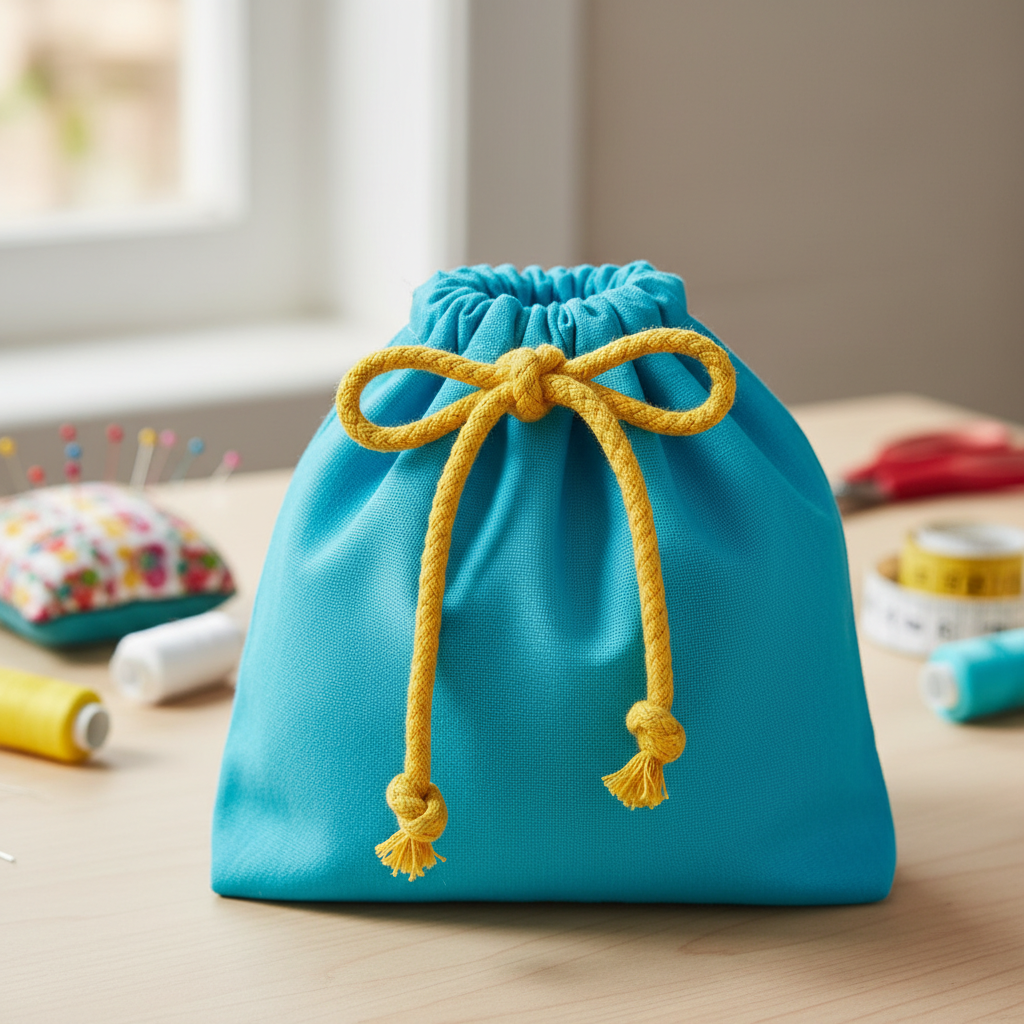
A drawstring bag teaches gathering and channel creation. This versatile project works for any skill level.
The basic construction involves sewing a tube and creating a casing. Threading the drawstring gives you instant gratification.
Make drawstring bags in various sizes for different uses. Small versions hold jewelry while larger ones work as gym bags.
This great project introduces the concept of functional design. You’ll think about how construction affects usability.
Experiment with different fabrics to see how weight impacts drape. Learn professional techniques that make your bags look store-bought.
Tote Bag with Handles
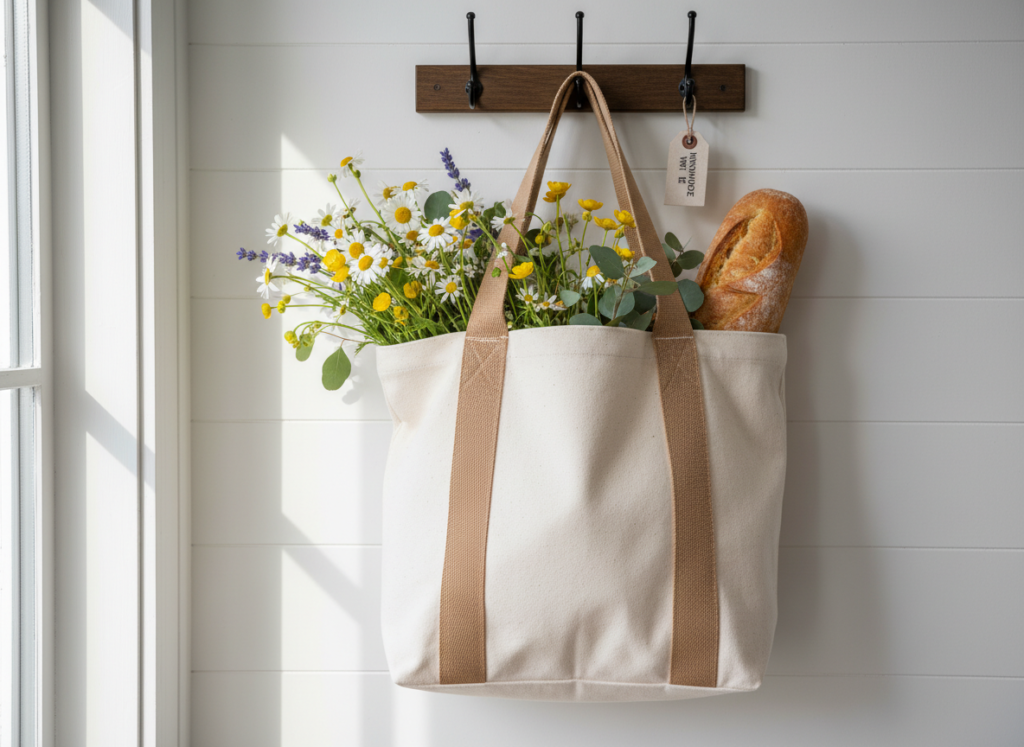
Tote bags combine straight lines with handle attachment. The structure remains simple while looking professional.
Cut two rectangles for the body and two strips for handles. Sewing these pieces together creates a functional bag.
Reinforcing stress points teaches important durability concepts. Your bag will withstand daily use when properly constructed.
Choose sturdy canvas or denim for your first attempt. These fabrics forgive minor mistakes and hold their shape beautifully.
Zippered Pouch
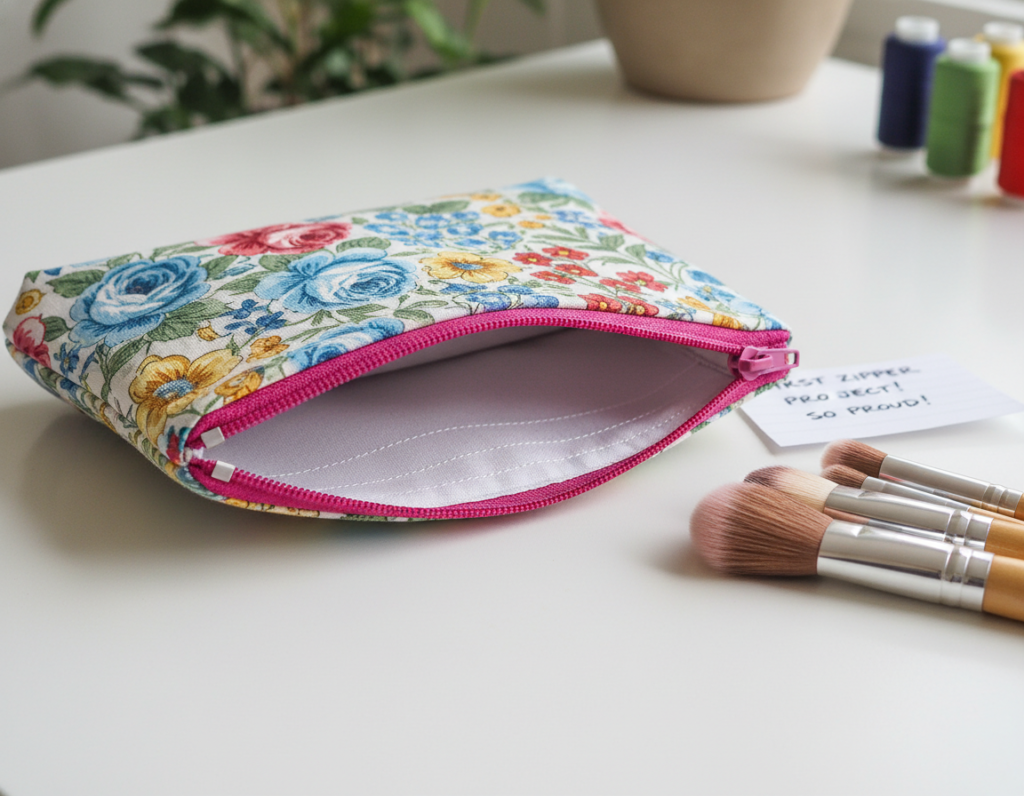
Installing a zipper intimidates many beginners. A small pouch breaks this fear into manageable steps.
Start with a zipper slightly longer than needed. The extra length gives you room to work without stress.
This sewing project teaches precision and patience. Taking your time yields professional results.
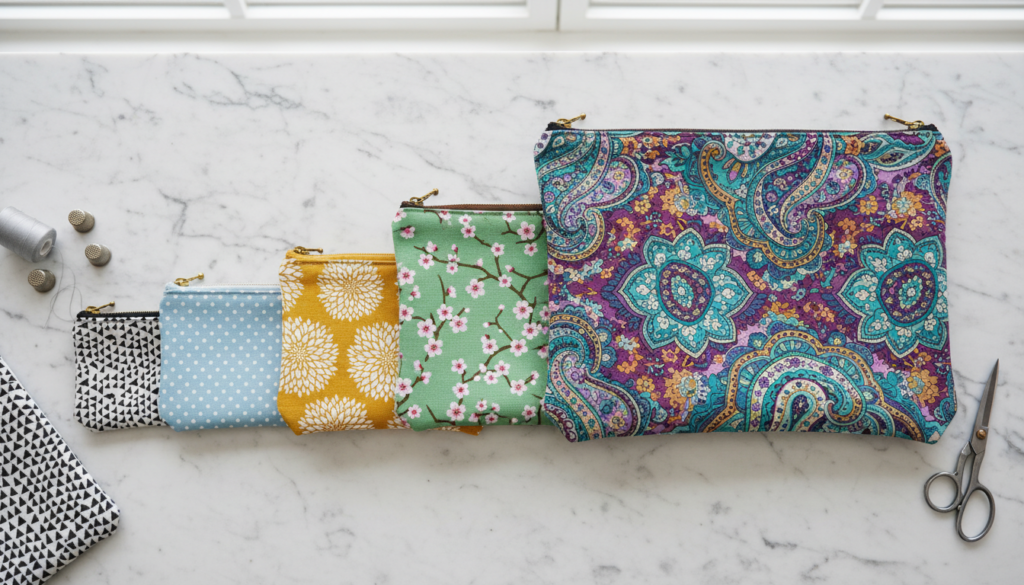
Pouches make excellent gifts and practical organizers. Create a bunch in different sizes for various storage needs.
Easy Sewing Projects for Home
Home decor projects let you practice skills while beautifying your space. These items showcase your growing abilities.
Each project teaches different techniques applicable to future creations. Your home becomes a gallery of progress.
Envelope Pillow Covers
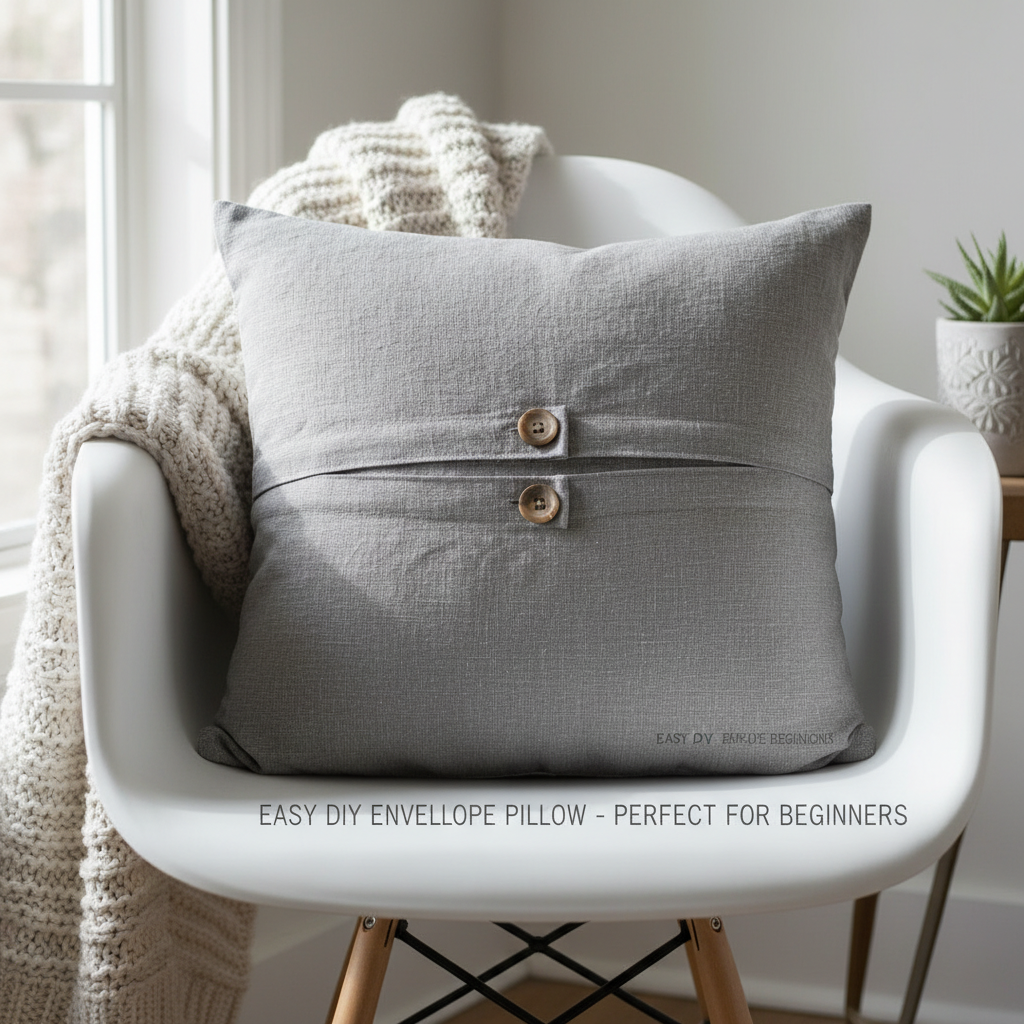
Pillow covers require no zippers or complicated closures. The envelope back makes insertion and removal simple.
Measure your pillow insert and add seam allowances. Cutting three pieces creates the overlapping back design.
This great project teaches how overlapping fabric creates functional openings. The technique applies to many future projects.
Make multiple covers to change with seasons. Your sewing machine makes home refreshing affordable and fun.
Simple Baby Blanket
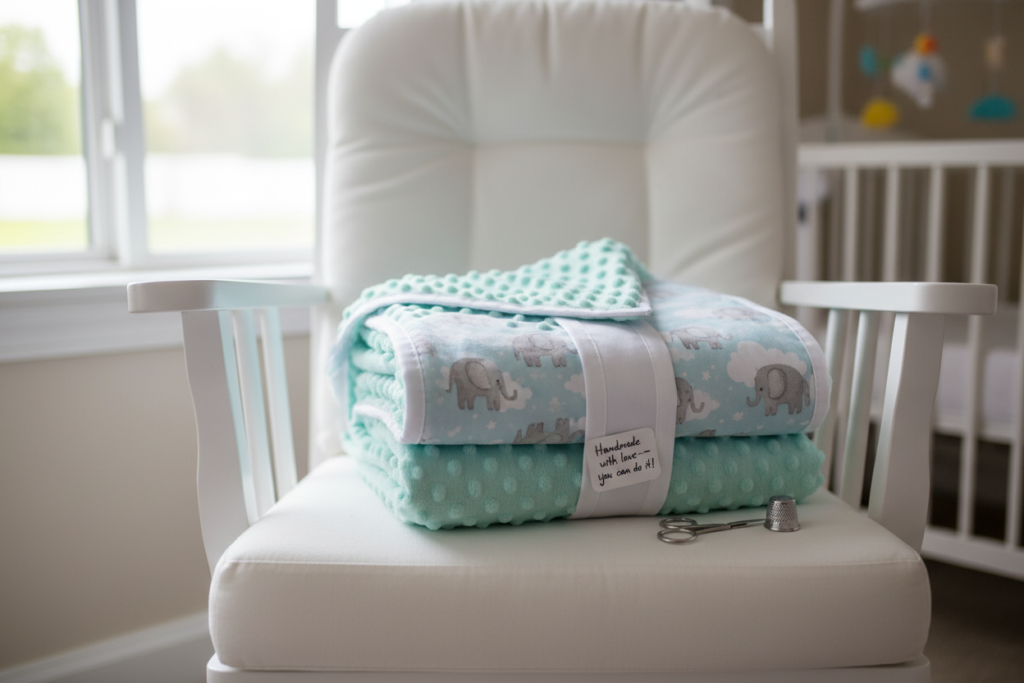
Baby blankets combine two fabric layers with binding around edges. The large, flat format builds confidence with bigger projects.
Choose soft flannel or minky fabric for comfort. Pairing textures creates visual and tactile interest.
Binding the edges introduces a technique you’ll use repeatedly. Practice makes this skill second nature.
These blankets work perfectly as gifts or donations. Your time creates comfort for little ones.
Kitchen Hand Towels
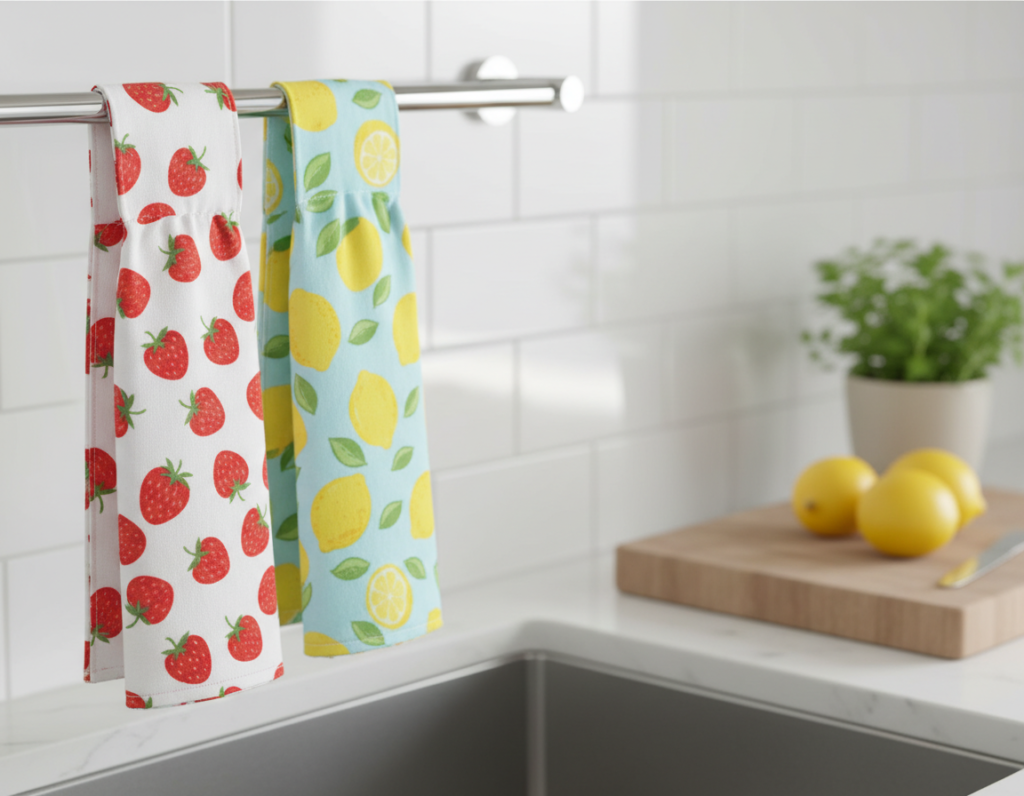
Hand towels let you practice hemming absorbent fabrics. The skills transfer to clothing construction.
Add a hanging loop for extra functionality. This small detail teaches you to think about practical design elements.
Choose flour sack towels or tea towel fabric. These materials wash well and improve with use.
Personalize with decorative stitching or trim. Small embellishments make basic projects feel special.
Transform Your Space with Handmade Decor
Discover how to create beautiful home items that look professionally made. Our tutorials show you the insider techniques that make all the difference.
Fun Projects for Kids
Creating items for children makes sewing meaningful. Kids appreciate handmade gifts with genuine enthusiasm.
These projects teach you to sew for different body sizes. The skills build toward garment construction.
Simple Scrunchies
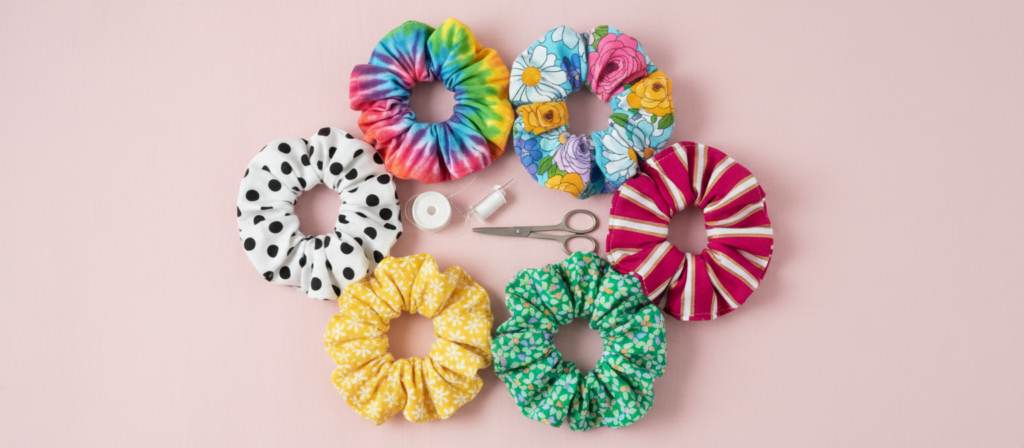
Scrunchies require minimal fabric and take minutes to complete. The small size makes them perfect for using fabric scraps.
Sewing a tube and inserting elastic teaches fundamental gathering. This technique appears in countless other projects.
Kids love choosing their own fabrics. Involving them creates excitement about your new hobby.
Make a bunch at once for gifts or selling. These small items build speed and consistency in your sewing.
Book or Tablet Cover
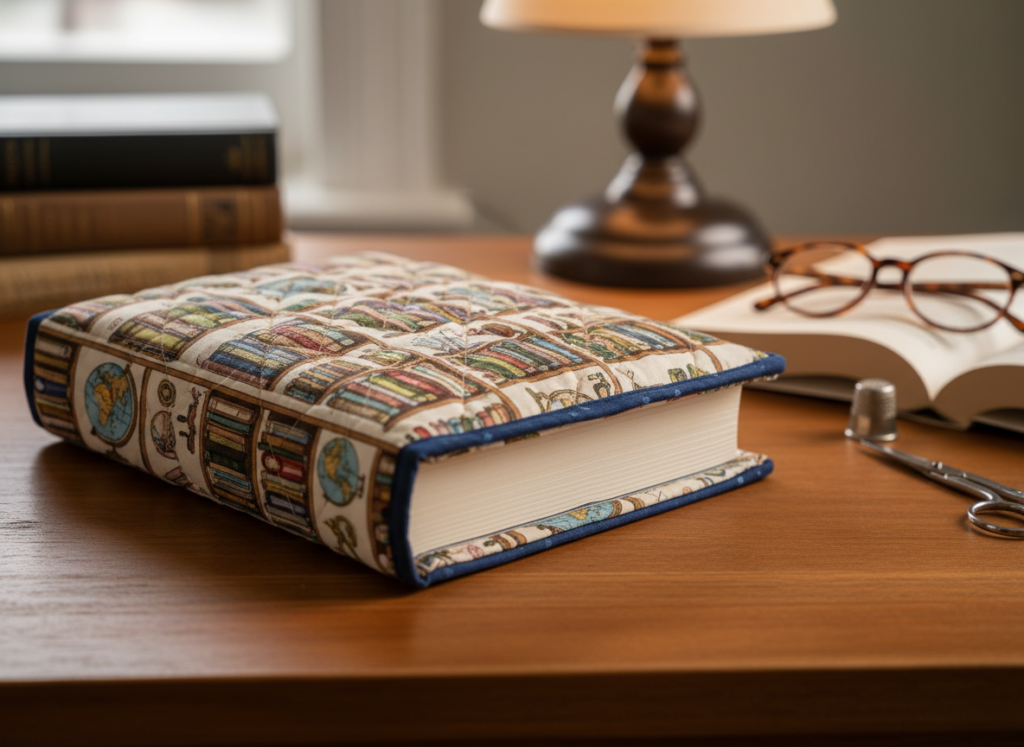
Padded covers protect devices while teaching you to work with interfacing. The structure remains straightforward for beginners.
Measure the item you’re covering and add appropriate allowances. Precision in measurement prevents fitting issues.
Adding pockets on the inside creates functional storage. This sewing project introduces interior construction concepts.
Customize covers for different family members. Personalization makes practical items feel thoughtful.
Fabric Headbands
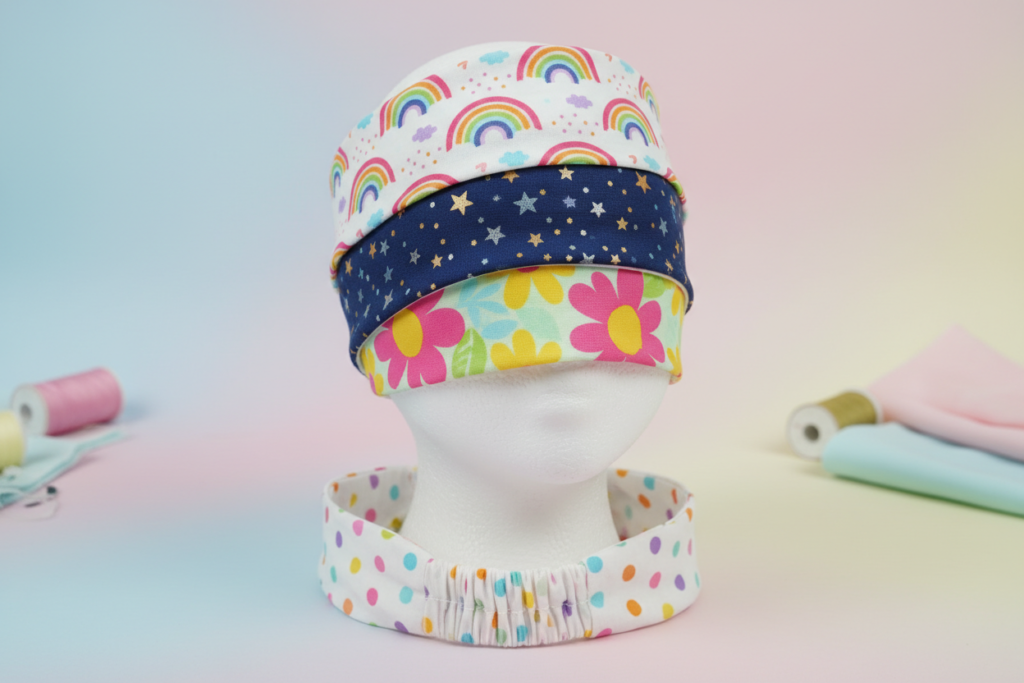
Headbands combine fabric with elastic for comfortable wear. The small scale makes them quick confidence builders.
Experiment with different widths and fabrics. Each variation teaches you how materials affect finished products.
These items work as great gifts for kids of all ages. Making them in batches improves your efficiency.
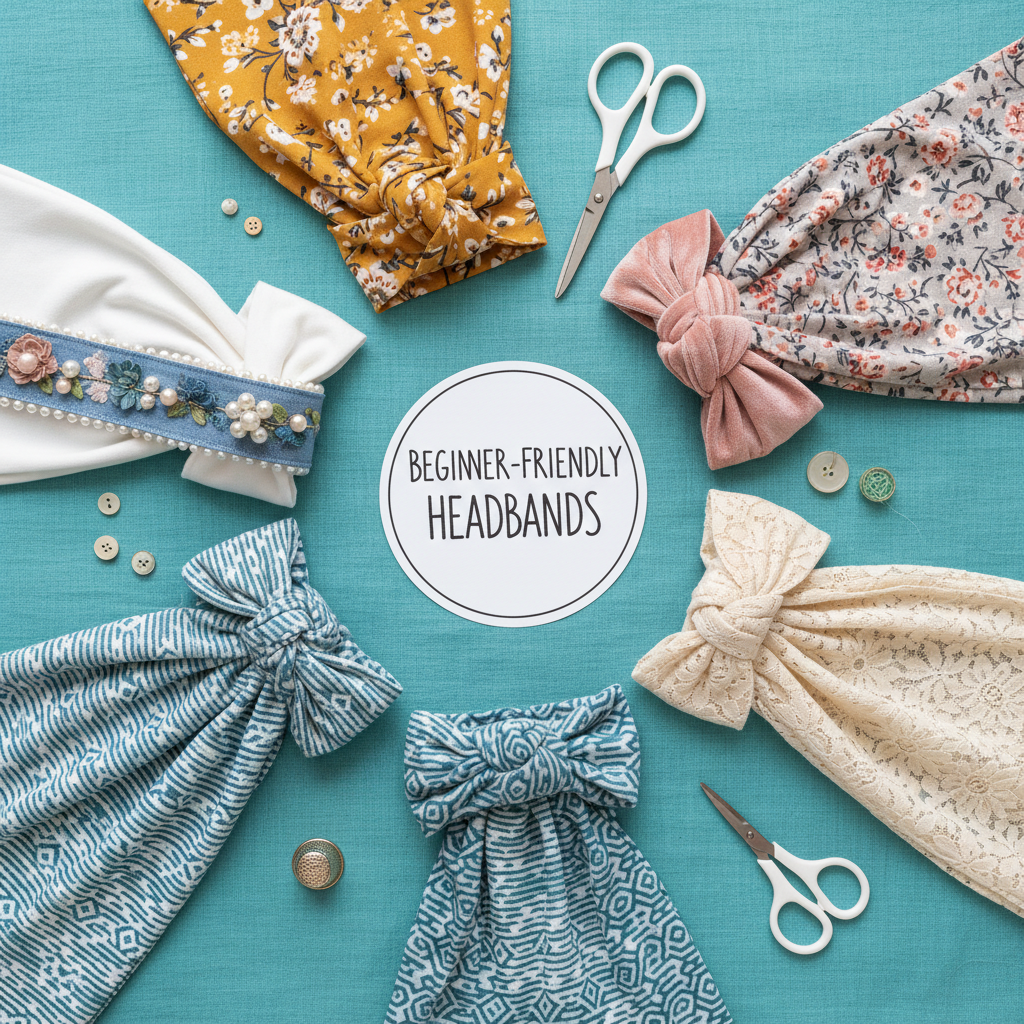
Adding embellishments like buttons or bows introduces decorative techniques. Start simple and add complexity as you gain skills.
Essential Techniques for Beginner Success
Mastering fundamental techniques separates frustrating experiences from enjoyable ones. These skills appear across all sewing projects.
Taking time to practice basics pays dividends in every future project. Build your foundation properly.
Getting Comfortable with Your Sewing Machine
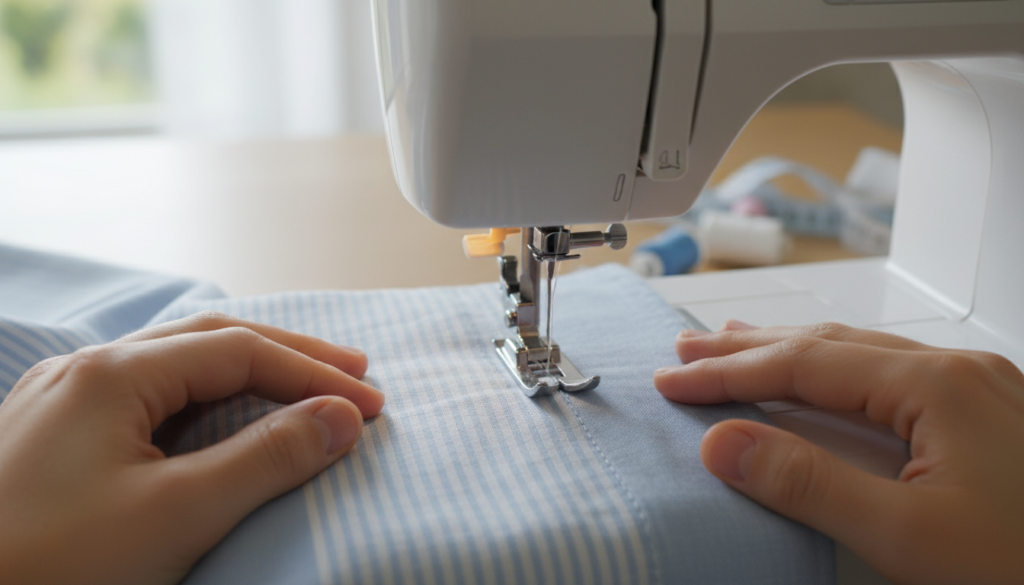
Understanding your machine reduces anxiety about sewing. Read the manual and practice threading multiple times.
Spend time sewing on scrap fabric before starting projects. This practice helps you learn tension and speed control.
Most problems come from threading errors or incorrect tension. Checking these first saves frustration.
Your sewing machine becomes a trusted tool with familiarity. Regular practice builds muscle memory for smooth operation.
Cutting Fabric Accurately
Precise cutting sets up project success from the start. Invest in good fabric scissors and use them only on fabric.
Mark your fabric with appropriate tools before cutting. Chalk, fabric pens, or tailor’s pencils each serve different purposes.
Cutting on a flat surface prevents distortion. Take your time measuring twice and cutting once.
Accuracy in cutting means pieces fit together properly. This attention to detail shows in finished projects.
Understanding Seam Allowances
Seam allowances determine how pieces fit together. Most patterns use either 1/4 inch or 5/8 inch standards.
Consistent seam allowances create professional results. Use your machine’s guide marks or add tape for reference.
Practice sewing straight lines at different allowances. This skill becomes automatic with repetition.
Understanding why allowances matter helps you troubleshoot fitting issues. Knowledge builds problem-solving abilities.
Master these fundamental techniques with structured guidance that prevents common beginner mistakes.
Pressing as You Sew
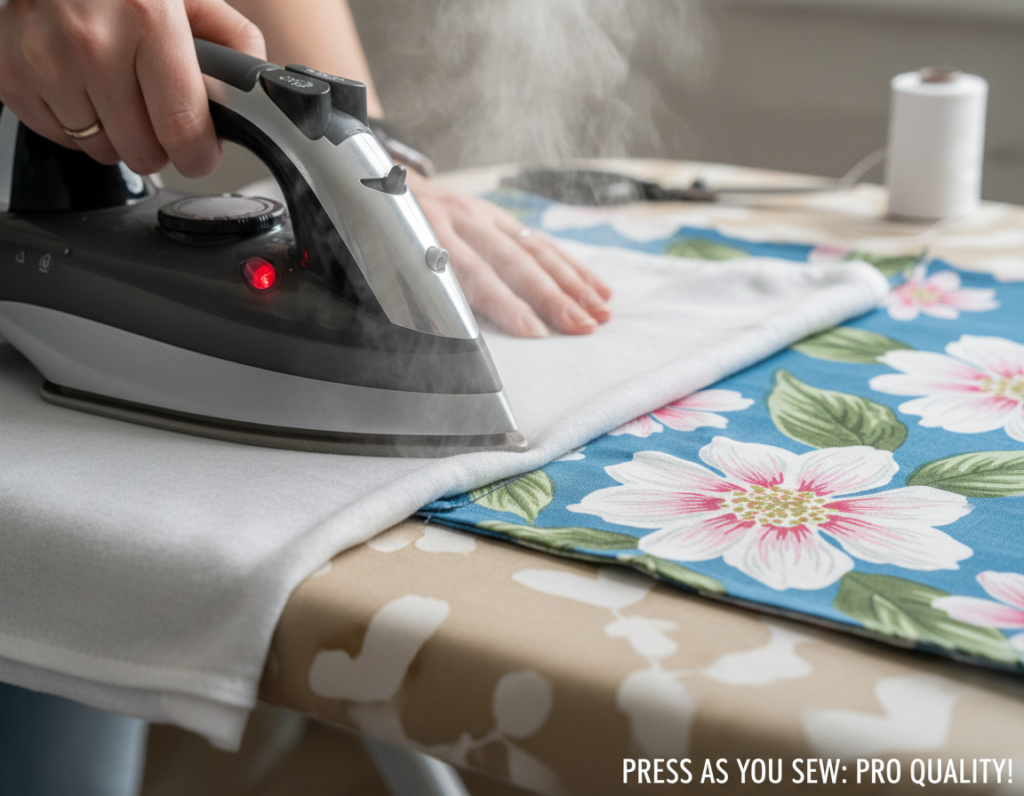
Pressing differs from ironing and transforms project quality. Press seams open or to one side as patterns direct.
Heat sets stitches and creates crisp edges. This step separates homemade looking from handmade quality.
Keep your iron nearby when sewing. Pressing between steps makes subsequent sewing easier and more accurate.
Learning proper pressing techniques elevates all your sewing projects. This habit marks you as a serious sewist.
Skip the Frustration and Learn the Right Way
Avoid the common mistakes that discourage new sewers. Get expert instruction that builds your skills systematically from day one.
Choosing Fabrics and Materials
Fabric selection impacts project success significantly. Understanding basic fabric types helps you choose appropriately.
Starting with beginner-friendly materials builds confidence. Save challenging fabrics for when you’ve gained experience.
Best Fabrics for Beginners
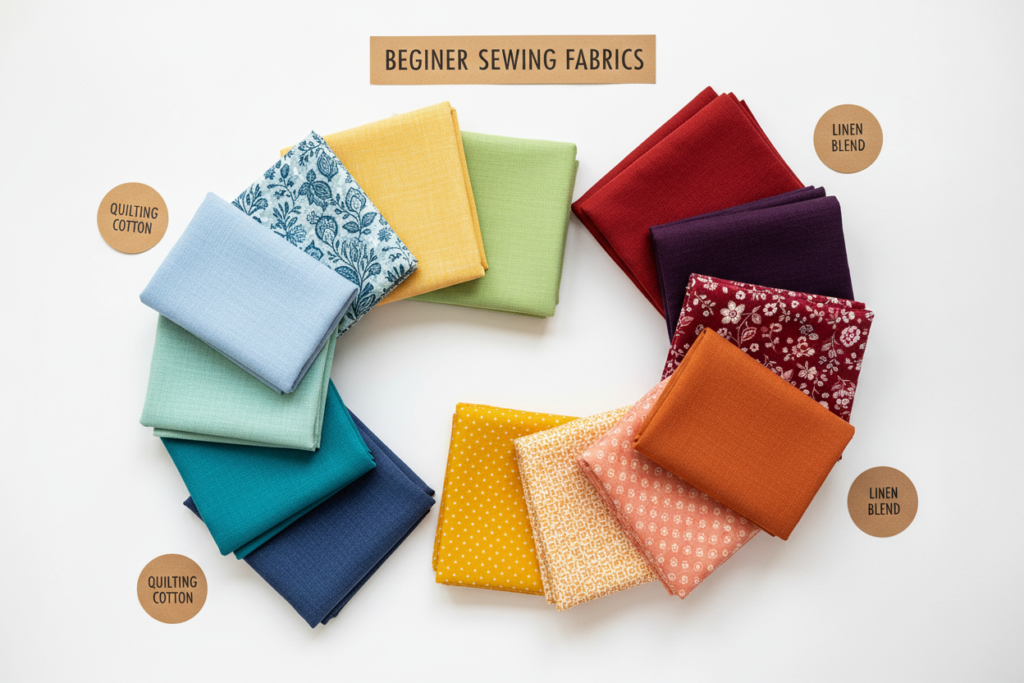
Cotton quilting fabric offers the easiest starting point. It doesn’t slip, holds creases well, and comes in endless patterns.
Linen blends provide practice with natural fibers. They wrinkle more but create beautiful finished items.
Avoid slippery satins and stretchy knits initially. These materials challenge experienced sewers and frustrate beginners.
Medium-weight fabrics work best for learning. Too thick or too thin creates unnecessary difficulty.
Building Your Notions Collection
Essential notions include quality thread, sharp needles, and good scissors. These basics support all your sewing projects.
Add pins, a seam ripper, and measuring tape. These tools solve problems and increase accuracy.
Buy supplies gradually as projects require them. You don’t need everything at once.
Quality tools last longer and perform better. Invest in good scissors and you’ll use them for years.
Working with Fabric Scraps
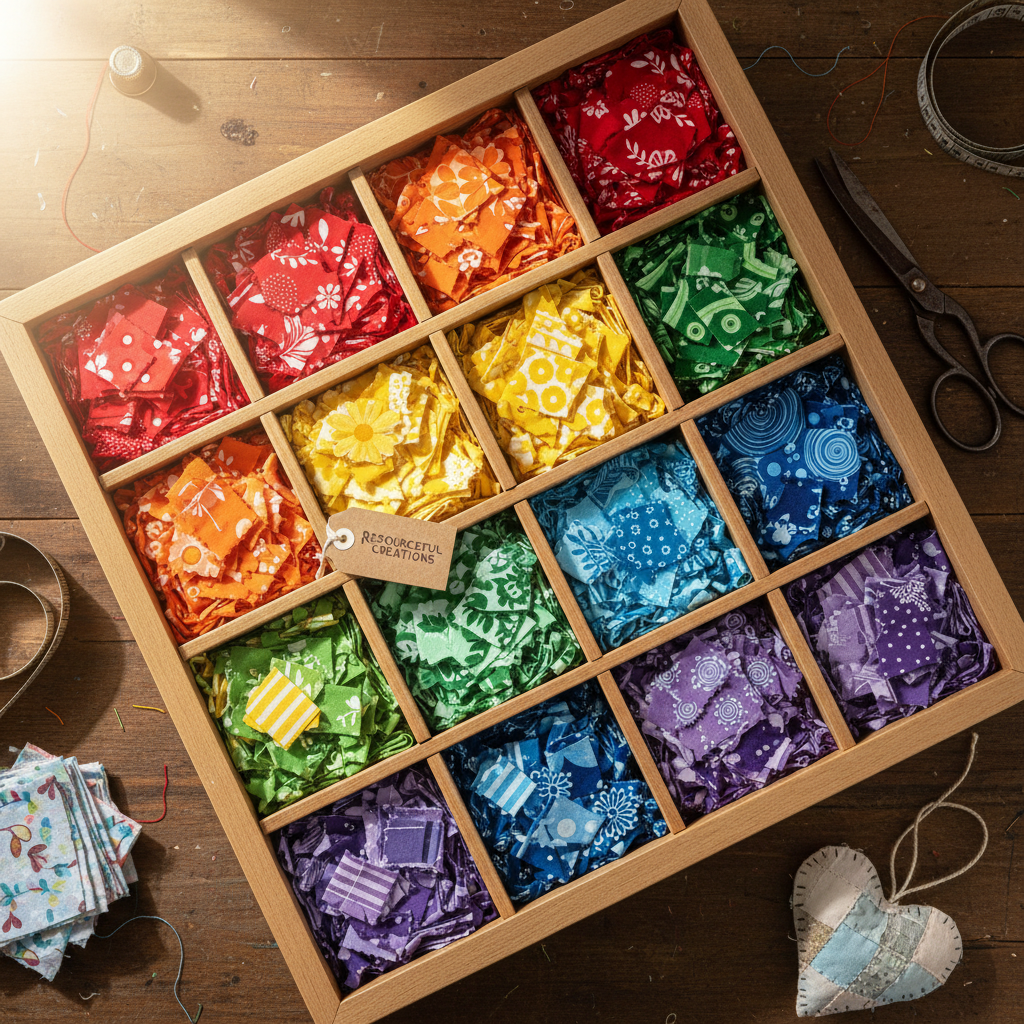
Fabric scraps deserve organization and use. Small pieces work perfectly for practice and small projects.
Sort scraps by color or size for easy access. Clear storage bins let you see your options at a glance.
Many beginner projects specifically use scraps. Scrunchies, pouches, and patchwork items make use of smaller pieces.
Using scraps reduces waste and saves money. This sustainable approach to sewing benefits everyone.
Pre-Washing Your Fabric
Pre-washing prevents shrinkage after project completion. Wash and dry fabric the same way you’ll care for finished items.
This step also removes chemicals and excess dye. Your fabric becomes softer and easier to work with.
Press fabric before cutting to remove wrinkles. Smooth fabric yields accurate measurements and cuts.
Some sewers skip this step on quilting cottons. Develop your own preferences through experience.
Troubleshooting Common Beginner Issues
Every beginner faces similar challenges when learning to sew. Understanding common problems helps you solve them quickly.
Patience with yourself makes the learning process enjoyable. Mistakes teach valuable lessons.
Thread Tension Problems
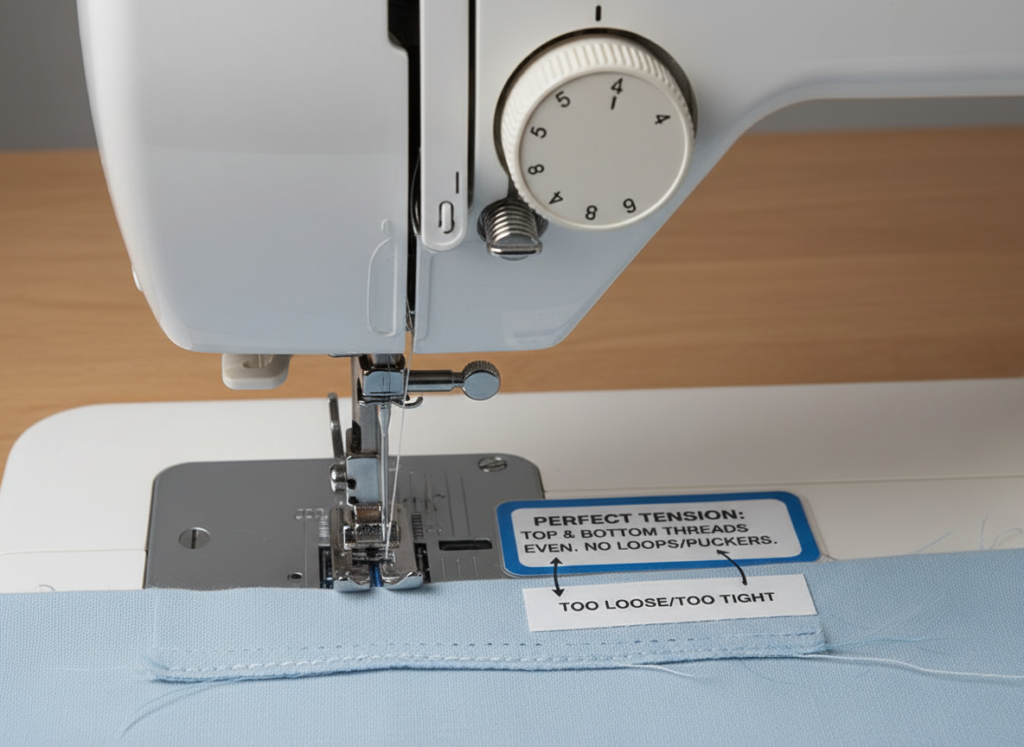
Incorrect tension creates loops, puckering, or broken thread. Check upper threading first as this causes most issues.
Rethread your machine completely when problems arise. This simple step fixes many tension concerns.
Adjust tension gradually making small changes. Test on scrap fabric before continuing your project.
Clean lint from the bobbin area regularly. Built-up lint affects tension and stitch quality.
Fabric Not Feeding Properly
Feed dogs move fabric through the machine. Check that you’ve lowered the presser foot before sewing.
Adjust presser foot pressure for different fabric weights. Lighter pressure works for delicate fabrics.
Clean feed dogs and the throat plate area. Lint buildup prevents smooth fabric movement.
Guide fabric gently without pulling or pushing. Let the machine do the work of feeding fabric through.
Skipped Stitches
Skipped stitches often indicate a dull or damaged needle. Replace needles regularly for best results.
Use the correct needle type for your fabric. Universal needles work for most beginner projects.
Check that your needle is fully inserted and facing correctly. The flat side typically faces the back.
Slowing down sometimes helps with skipped stitches. Rushing can cause timing issues in some machines.
When problems persist, access detailed troubleshooting guides that walk you through every solution step-by-step.
Crooked Seams
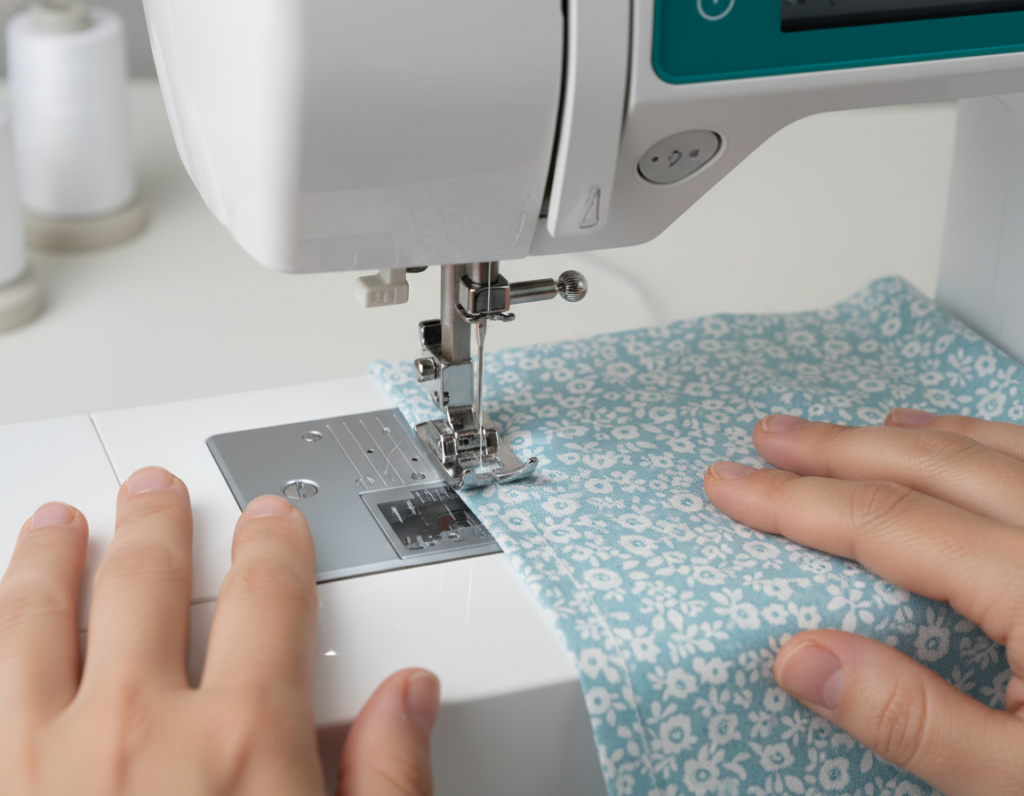
Maintaining straight seams requires practice and focus. Use your machine’s marked guidelines for consistent seam allowances.
Watch the fabric edge rather than the needle. This prevents neck strain and improves accuracy.
Sew slowly when learning straight line control. Speed comes naturally with practice and muscle memory.
Add washi tape to your machine bed for additional guides. Custom guides help with unusual seam allowances.
Building Your Sewing Skills Progressively
Skill development follows a natural progression in sewing. Each project should stretch your abilities slightly.
Celebrating small wins keeps motivation high. Track your progress through completed projects.
Start with the Basics
Begin with projects using only straight stitches. Napkins and simple bags teach machine control without complexity.
Master one technique before adding another. This approach prevents overwhelming yourself.
Repeat similar projects to build consistency. Your second pillowcase will look better than your first.
Foundation skills support every future project. Time spent on basics never gets wasted.
Add Complexity Gradually
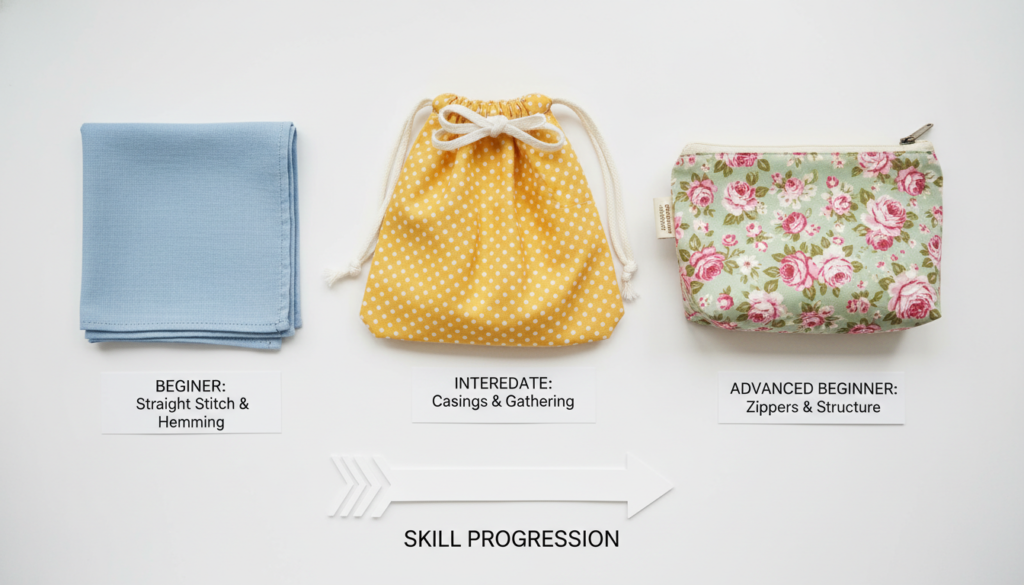
Introduce new techniques one at a time. Add zippers after mastering basic construction.
Try different fabric types as your comfort grows. Each material teaches unique handling skills.
Challenge yourself with slightly harder patterns. Growth happens at the edge of your comfort zone.
Document your progress with photos. Looking back shows how far you’ve come.
Learn from Every Project
Mistakes provide the best learning opportunities. Analyze what went wrong and how to prevent it next time.
Keep a sewing journal noting techniques and lessons. Writing reinforces learning and creates a reference.
Don’t compare your beginning to someone else’s middle. Everyone starts as a beginner.
Finished projects prove your capabilities. Display your work proudly as motivation continues.
Join Sewing Communities
Online sewing groups offer support and inspiration. Seeing others’ projects sparks new ideas.
Ask questions when you’re stuck. Experienced sewers remember being beginners and gladly help.
Share your own progress and projects. Contributing to communities creates accountability and connection.
Local sewing groups provide in-person support. The combination of online and offline resources accelerates learning.
Join a Community of Growing Sewers
You don’t have to learn alone. Connect with fellow beginners and experienced mentors who support your sewing journey every step of the way.
Your Sewing Journey Starts Now
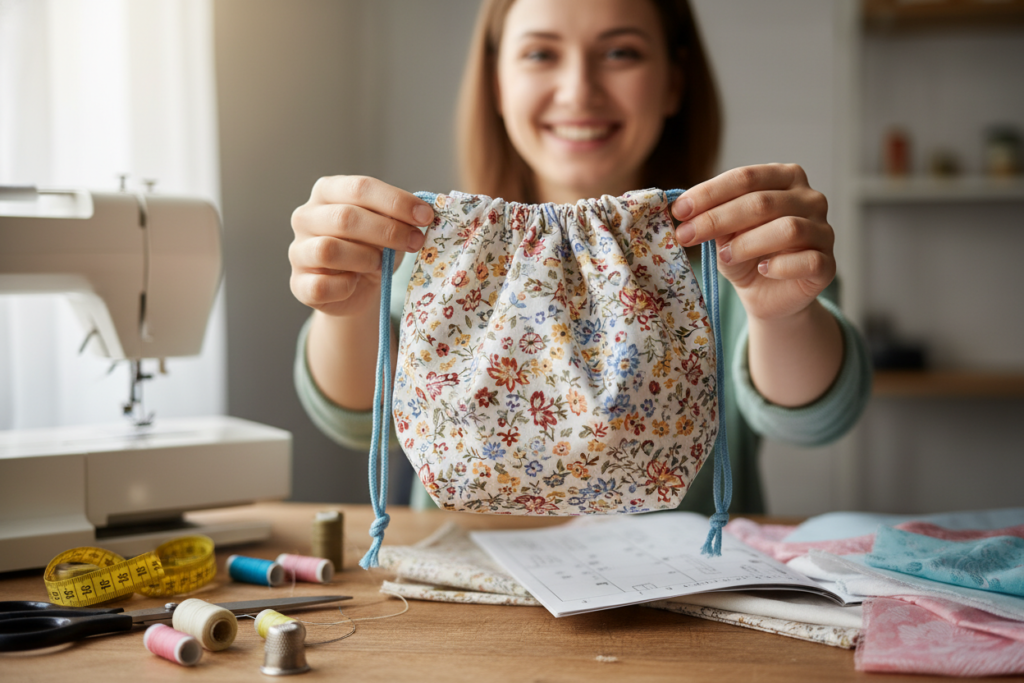
Learning to sew transforms fabric into functional beauty. Every project you complete builds confidence and skills.
These beginner tutorials for small sewing projects give you the foundation for a lifetime hobby. The techniques you practice here appear in advanced projects.
Your journey doesn’t require perfection, just persistence. Each stitch teaches you something new about materials and construction.
Start with one simple project today. Choose something that excites you and serves a purpose in your life.
Gather your fabric and thread your machine. The best way to learn sewing is by actually sewing.
Remember that every expert started exactly where you are now. Your future sewing self will thank you for beginning today.
The projects in this guide provide months of learning opportunities. Work through them at your own pace, enjoying each accomplishment.
Transform From Beginner to Confident Creator
Take the guesswork out of learning to sew. Get comprehensive tutorials, supportive community, and expert guidance that makes your sewing journey successful and enjoyable from the very first stitch.
Related Posts: