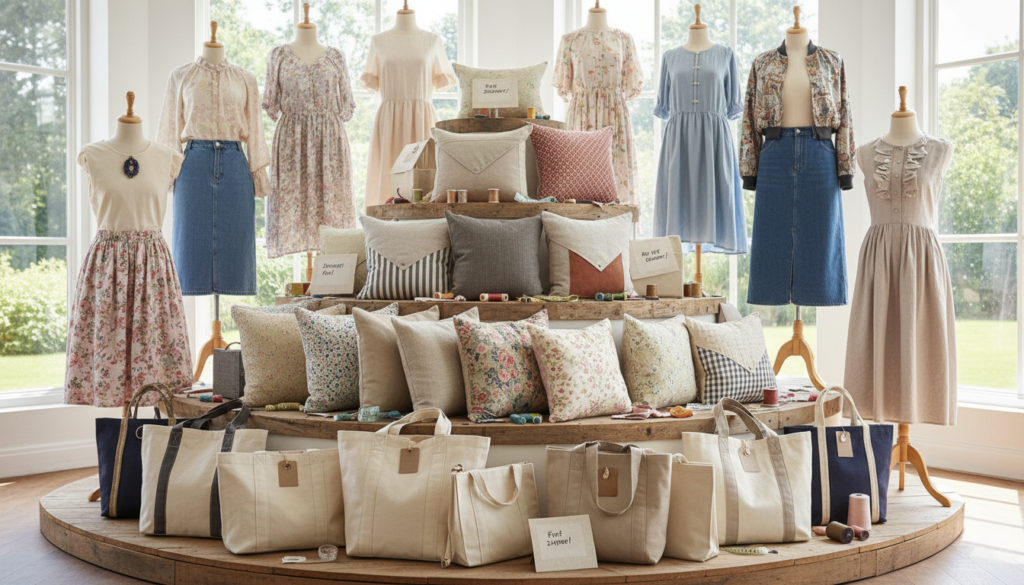
Creating beautiful clothing from fabric doesn’t require years of experience. Simple sewing projects open doors to custom garments that reflect your personal style. Whether you want to refresh old shirts or craft new pieces from scratch, beginner-friendly techniques make it possible.
This guide showcases practical projects that build your skills step by step. Each idea focuses on achievable results using basic supplies and straightforward methods.
Ready to Start Your Sewing Journey?
Access hundreds of professional patterns and step-by-step tutorials designed specifically for beginners. Get instant access to comprehensive sewing resources that make every project easier.
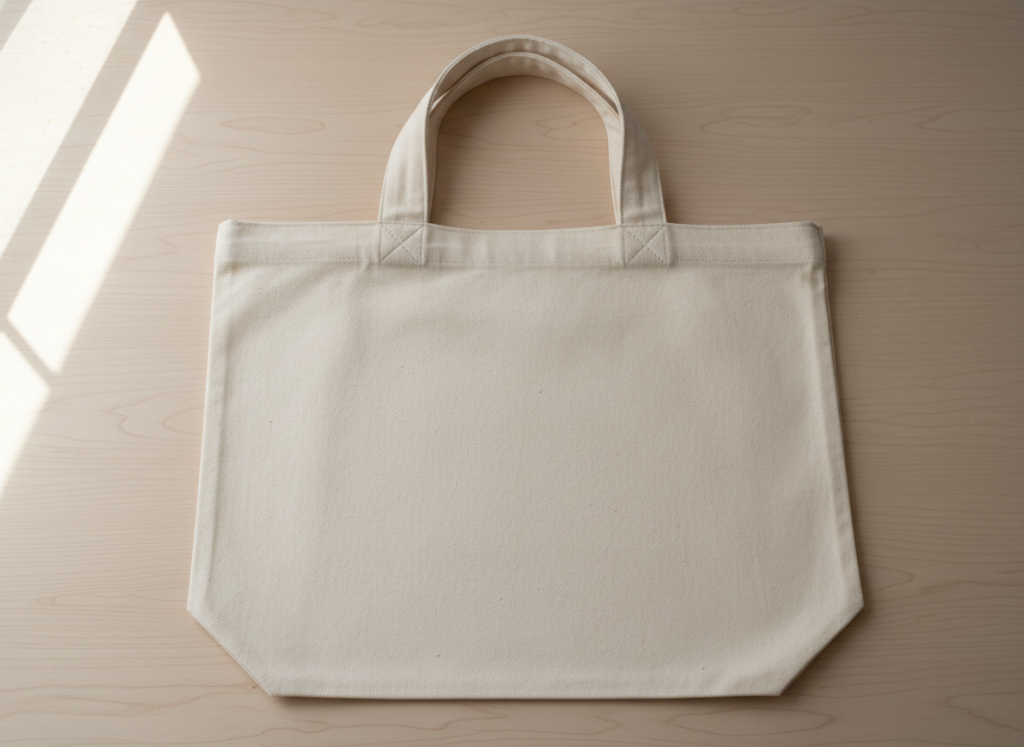
Tote bags offer the perfect starting point for new sewers. These versatile accessories require minimal fabric and basic stitching skills. A simple tote bag pattern teaches you how to work with seams while creating something immediately useful.
Start with cotton fabric that forgives small mistakes. Cut two rectangles for the bag body and two strips for handles. Pin the pieces together before sewing to keep everything aligned. Straight seams connect the sides and bottom, creating your basic bag shape.
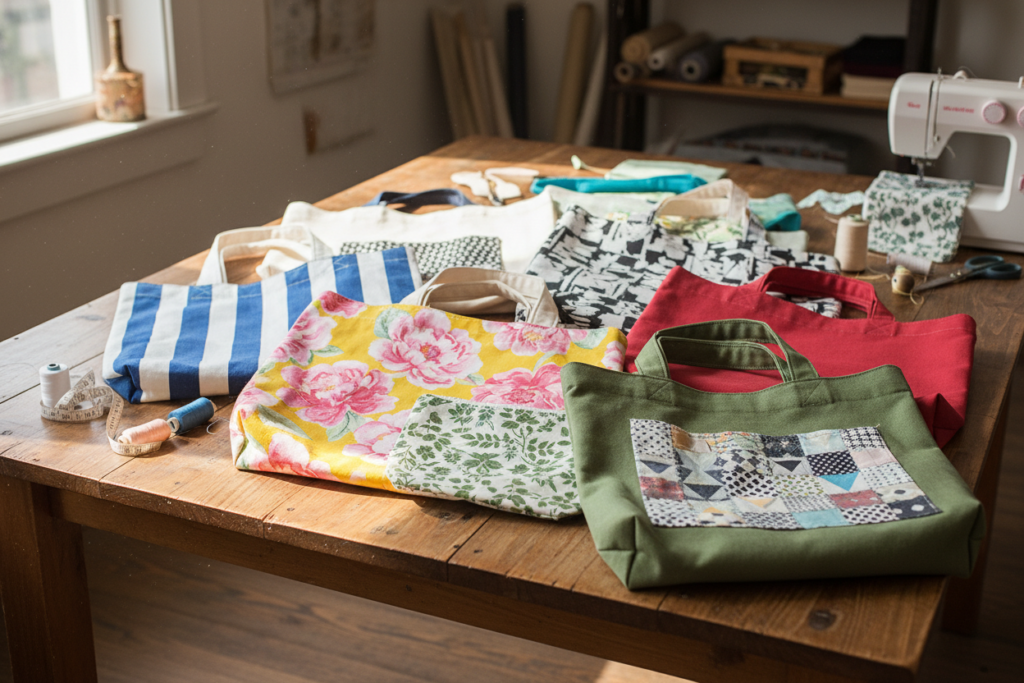
The basic tote bag pattern adapts to countless variations. Add pockets to the interior for organization. Experiment with different fabric combinations for unique looks. Each bag you create strengthens your fundamental sewing skills while building confidence for more complex projects.
Essential Tote Bag Supplies
One yard of cotton fabric for the bag body
Matching thread in complementary color
Basic sewing machine or needle for hand stitching
Scissors for cutting clean fabric edges
Pins to hold pieces in place
Iron for pressing seams flat
Tote Bag Customization Ideas
Add interior pockets using scrap fabric pieces
Reinforce handles with double stitching for strength
Create reversible bags with contrasting fabrics
Attach buttons or decorative trim as accents
Experiment with different bag sizes and shapes
Use denim for durable everyday totes
Easy Skirt Designs That Flatter Every Style
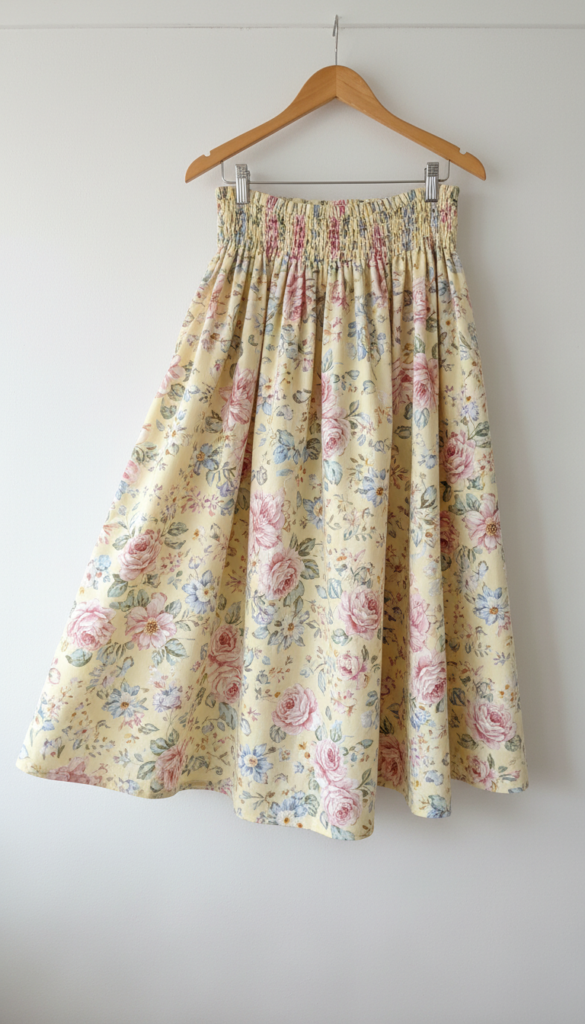
Skirts represent one of the most rewarding clothing projects for beginners. A simple gathered skirt requires only basic measurements and straight seams. You’ll wear your creation with pride, knowing you made it yourself.
Measure your waist and desired skirt length to determine fabric needs. Most skirts use a rectangle of fabric gathered at the waist with elastic. This simple construction method creates flattering shapes that suit various body types.
Cotton works beautifully for summer skirts that breathe and move comfortably. The elastic waistband eliminates complex zipper installation, making the project accessible to those just learning to sew clothing. Hem the bottom edge for a clean finish that looks professionally made.
Circle Skirt Variations for Special Occasions
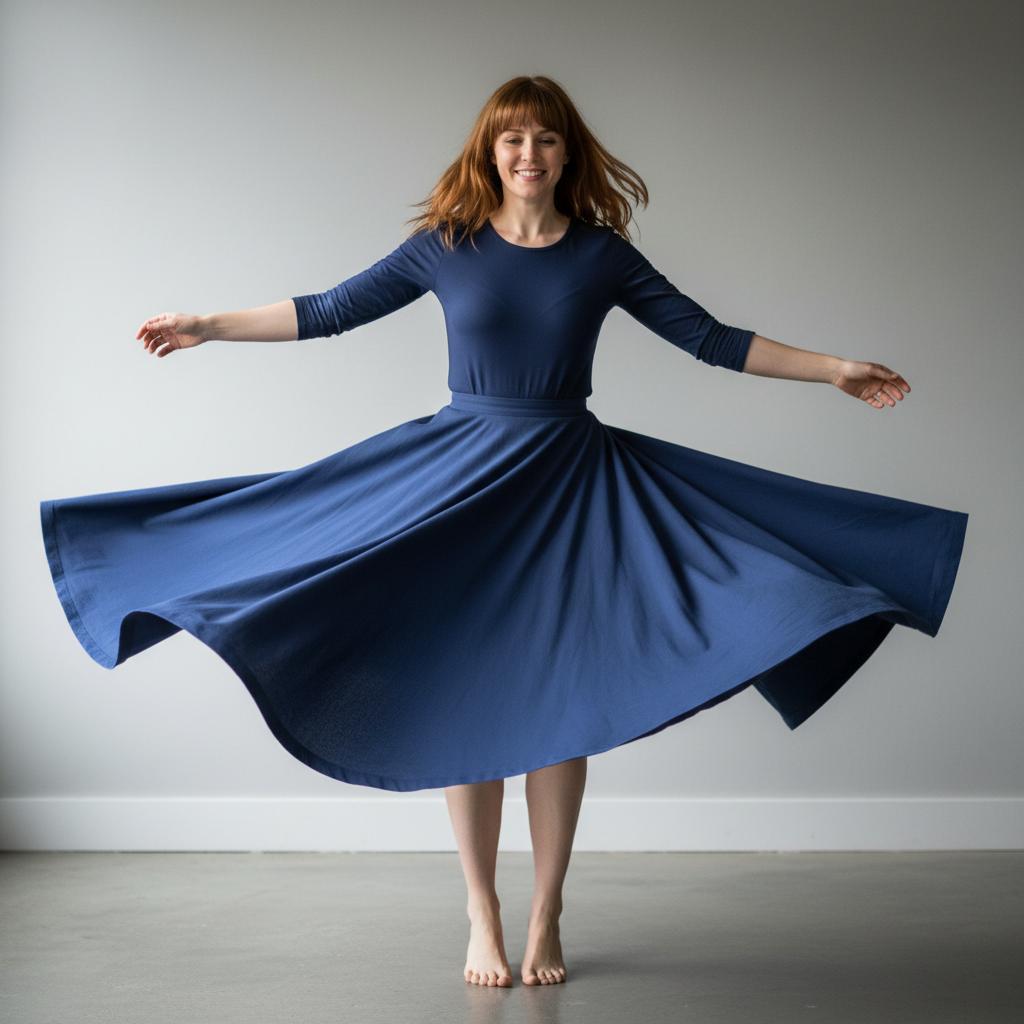
Circle skirts offer another beginner-friendly option with stunning results. The pattern creates beautiful movement and requires no complex shaping. You cut the fabric in a circle with a hole for your waist, creating an instantly flattering silhouette.
These skirts work for dressy occasions or casual wear depending on fabric choice. Use lightweight cotton for everyday comfort or choose special fabrics for events. The same basic pattern adapts to different lengths and styles with minimal adjustments.
Transform Old Shirts Into Fresh Fashion Pieces
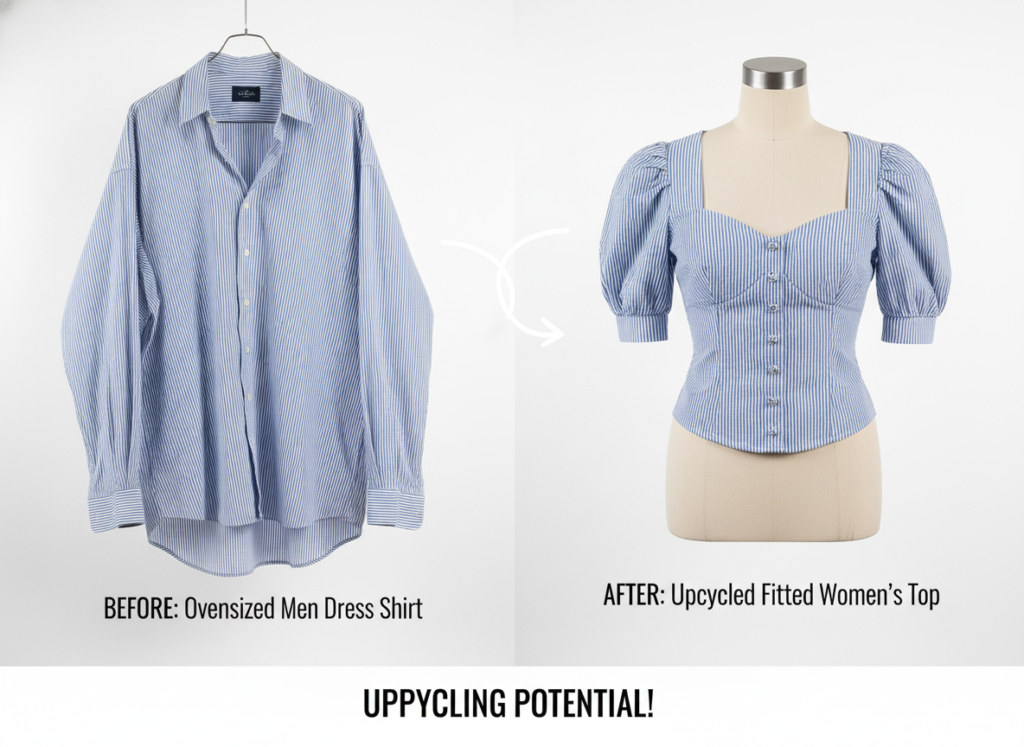
Existing shirts provide excellent material for practice and creativity. Men’s button-down shirts offer substantial fabric that converts into completely new garments. This approach combines sustainability with skill-building.
Remove sleeves from oversized shirts to create comfortable summer tops. The existing seams guide your cutting and sewing, reducing the complexity. Add elastic to sleeve openings for a gathered look that flatters arms.
Sleeve Modification Techniques
Long sleeves convert easily to short or three-quarter length. Measure the desired length and cut straight across. Fold the raw edge under twice and stitch a clean hem. This simple modification updates old shirts without requiring a complete reconstruction.
Button-down shirts also transform into stylish aprons for kitchen or craft use. The existing structure provides pockets and a professional appearance. Cut the shirt to your preferred apron length and add ties using fabric strips or ribbon.
Master Clothing Alterations and Transformations
Discover professional techniques for transforming existing garments into custom pieces. Access detailed video tutorials and patterns that show you exactly how to modify, alter, and redesign clothing like a pro.
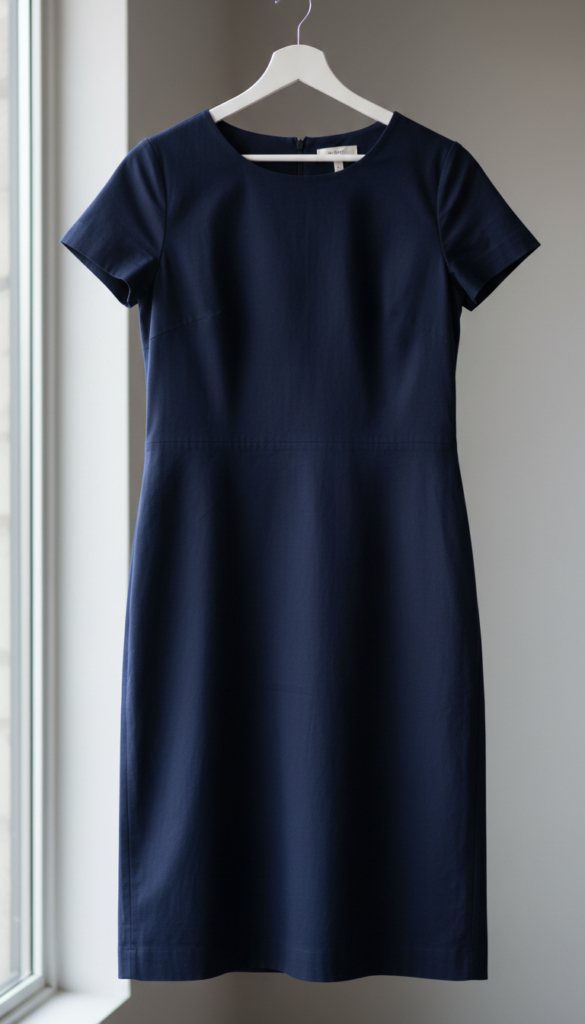
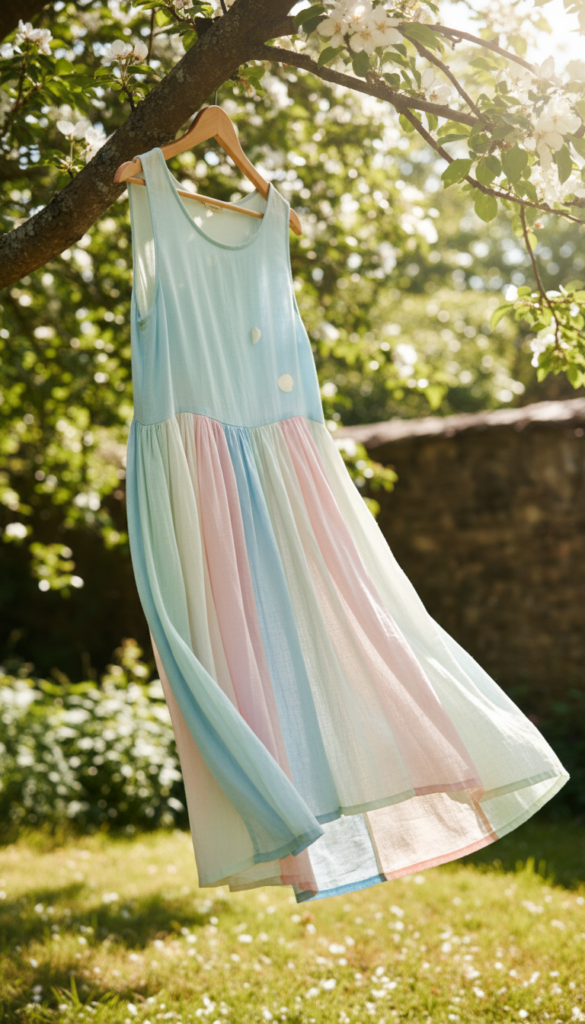
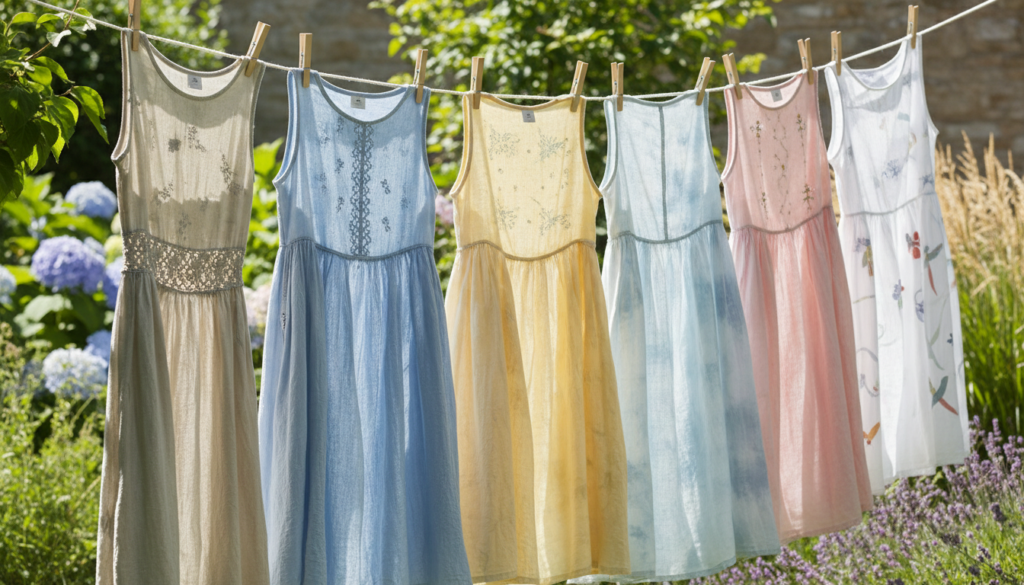
Simple dress patterns build on skills learned from smaller projects. A basic shift dress uses rectangular fabric pieces with minimal shaping. This straightforward construction creates wearable results that encourage further experimentation.
Choose cotton fabric with some stretch for forgiving fit. The dress requires front and back panels plus sleeves if desired. Sleeveless versions simplify the project while remaining stylish and practical for warm weather.
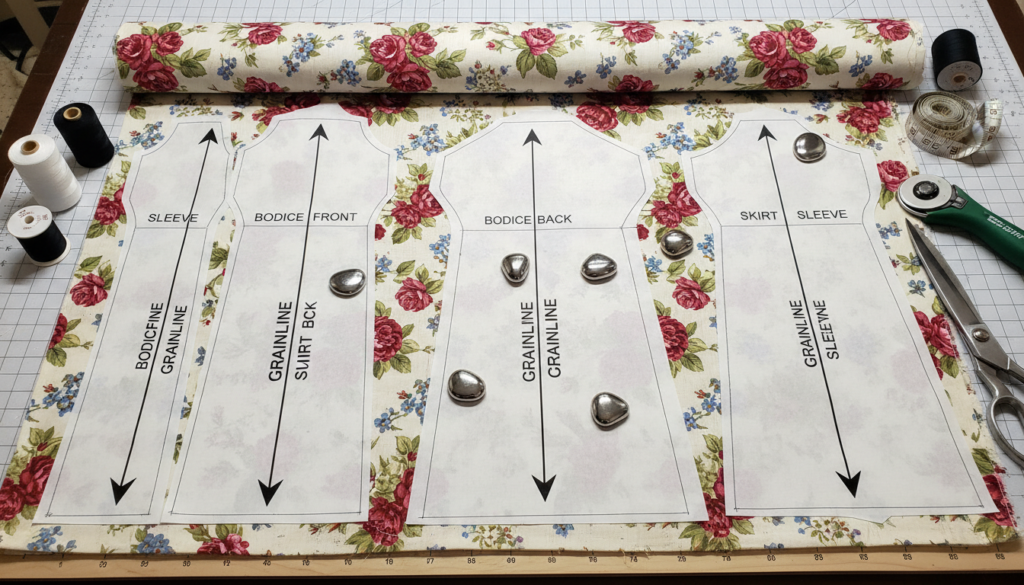
Measure from shoulder to desired hem length to calculate fabric needs. Add seam allowances to all measurements before cutting. Pin pattern pieces to fabric following grain lines for proper drape and fit.
Finishing Touches That Elevate Your Dress
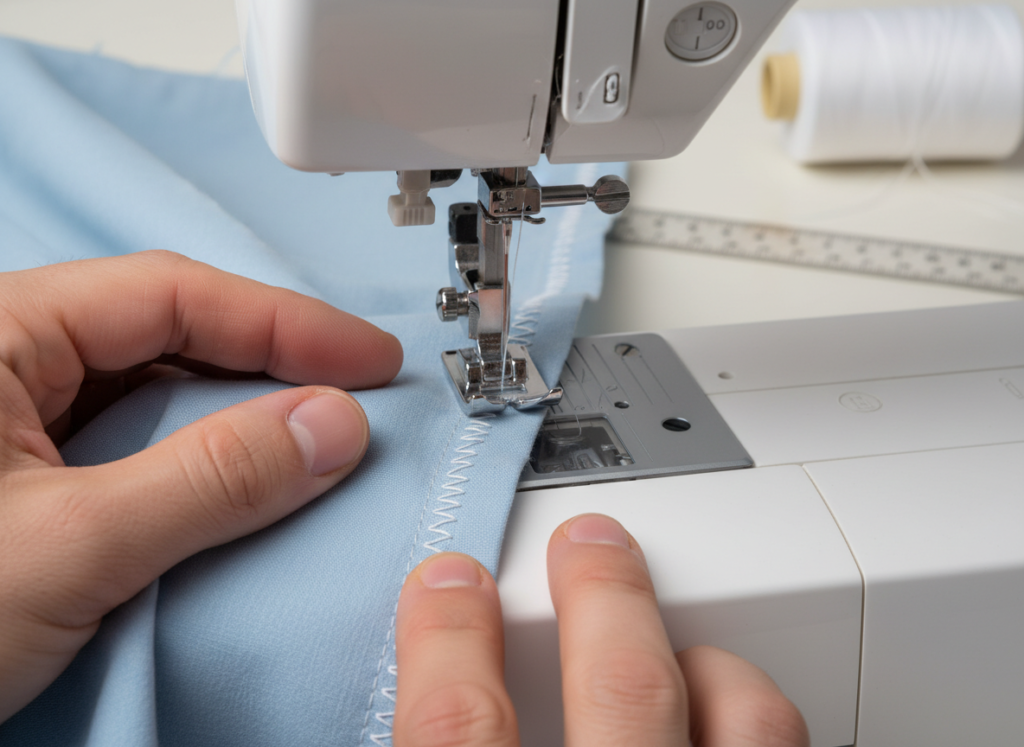
Clean seam finishing prevents fraying and adds durability. Use a zigzag stitch along raw edges or fold seams under and topstitch. These professional touches make handmade dresses look store-bought.
Hemming the dress bottom creates the final polished appearance. Fold fabric under to desired length and press with an iron. Stitch close to the folded edge for an invisible hem that maintains the garment’s clean lines. Your finished dress showcases all the essential sewing skills you’ve developed.
Pillow Covers as Perfect Practice Projects
Decorative pillow covers teach precise sewing without the pressure of creating wearable items. These home decor pieces allow experimentation with different fabrics and techniques. Each pillow cover you complete builds confidence for larger projects.
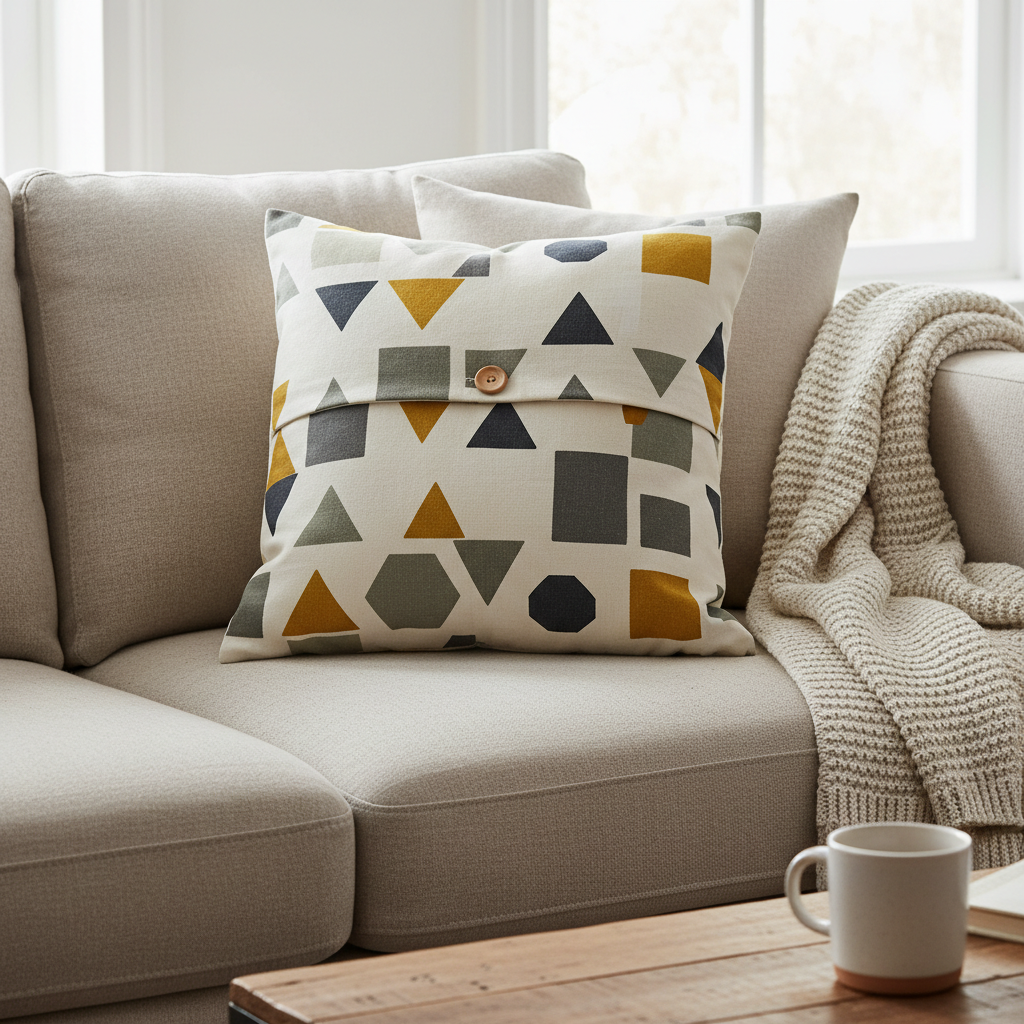
Envelope-style pillow covers require no zippers or buttons, perfect for beginners. Cut two fabric rectangles that overlap at the back, creating an opening for the pillow insert. Simple straight seams complete the entire project.
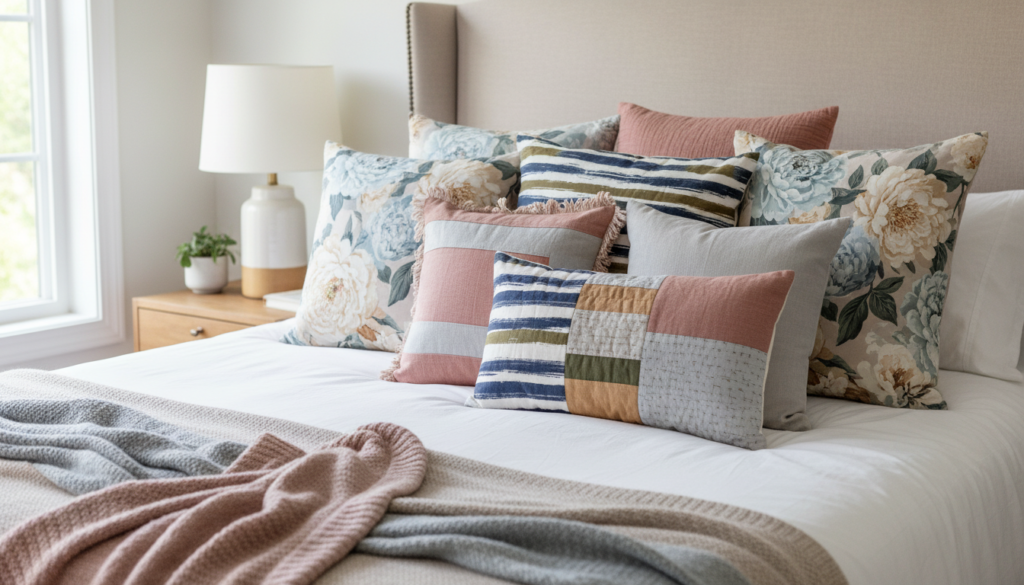
Mix patterns and solids to create coordinated pillow sets. Use fabric scraps from other sewing projects to minimize waste. Each pillow adds personality to your living space while demonstrating your growing sewing abilities.
Creative Denim Projects Using Old Jeans
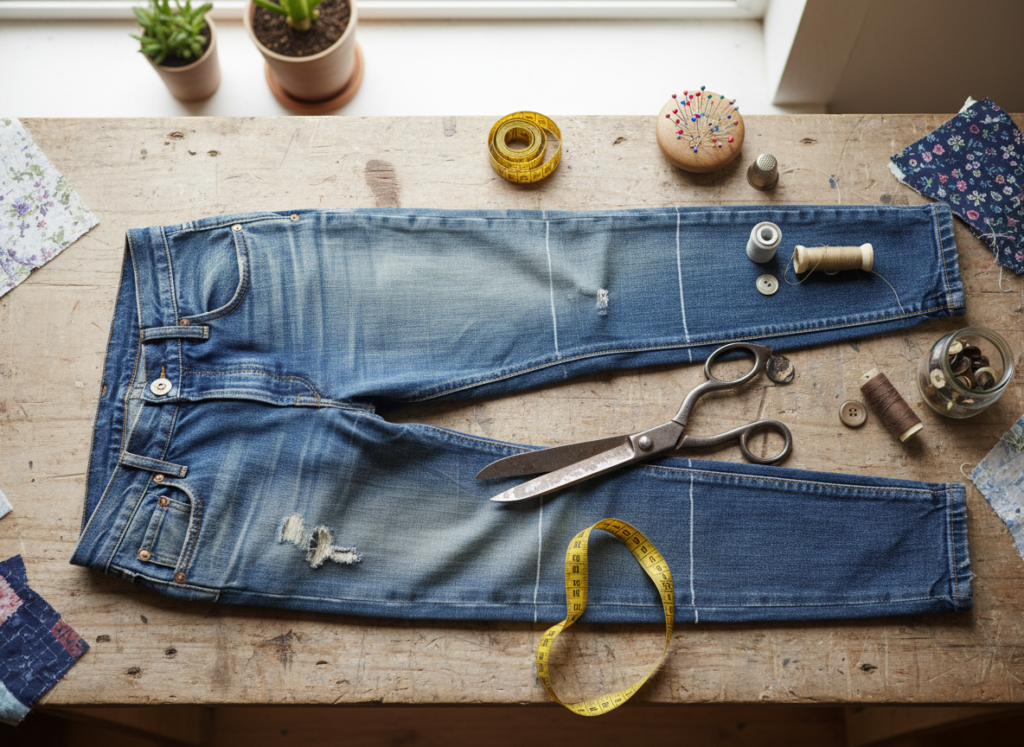
Old jeans provide durable denim fabric perfect for countless projects. This sustainable approach gives new life to worn clothing while offering sturdy material for bags and accessories. Denim’s strength makes it ideal for items that receive heavy use.
Denim Tote Bag Construction
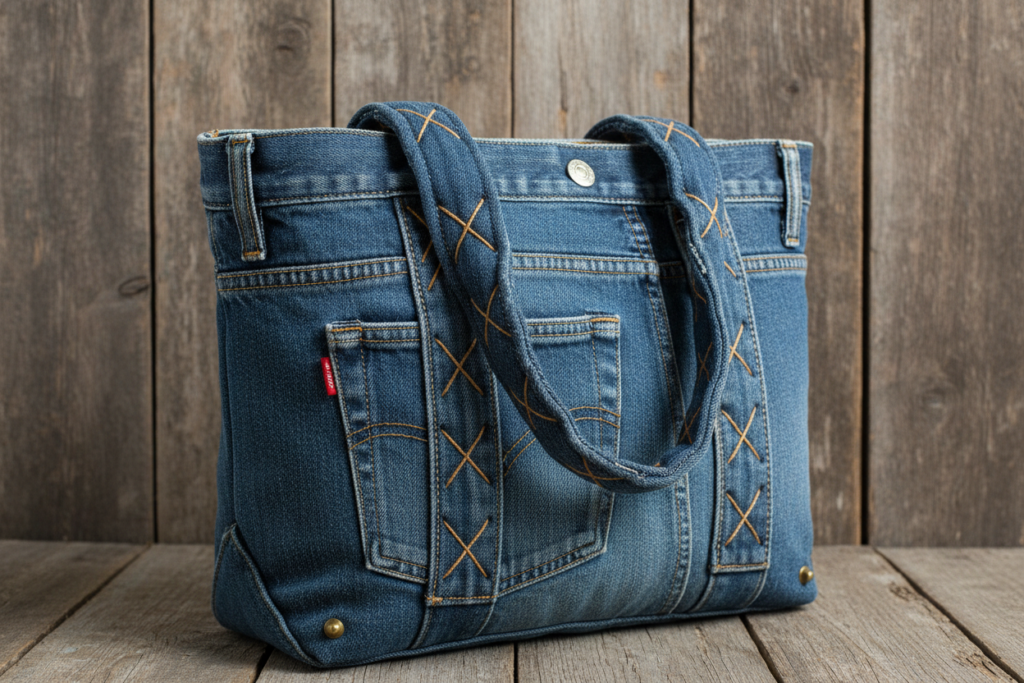
Jean legs convert perfectly into sturdy tote bags that handle substantial weight. Cut the legs to equal lengths and sew the bottom closed. The existing side seams become your bag structure, reducing the work required.
Add handles using the waistband or create new straps from additional denim. Pockets from the original jeans function as organizational features inside or outside your bag. These practical details showcase creative thinking in sewing project design.
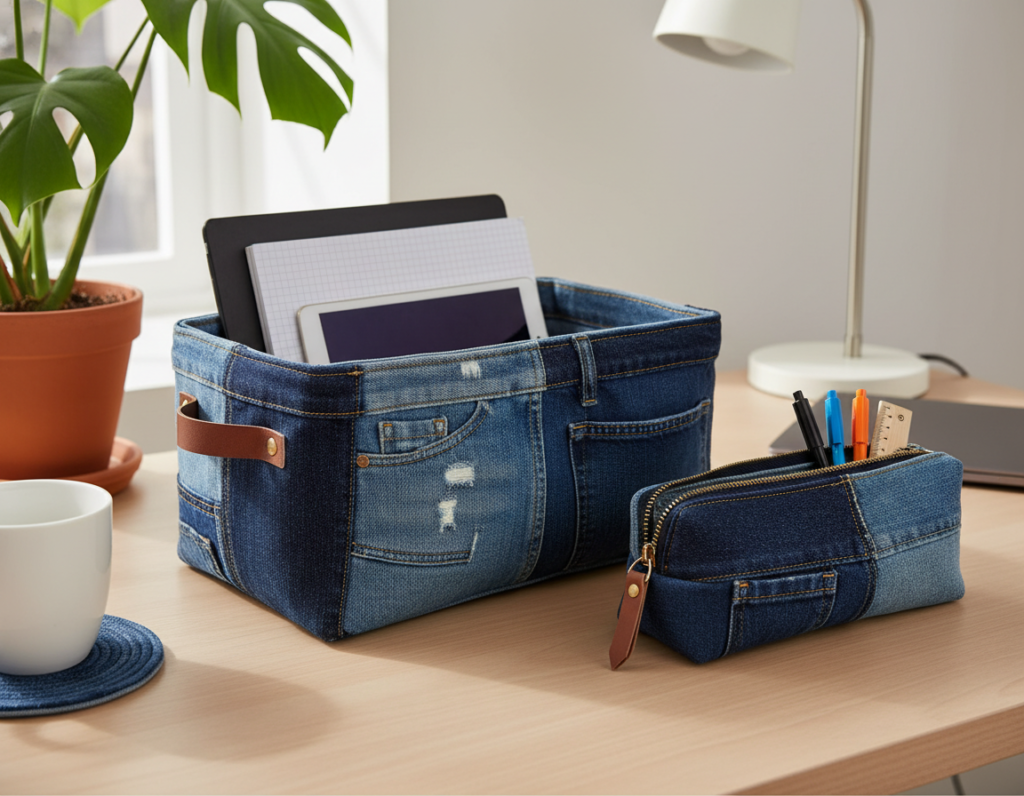
Denim scraps also work for smaller items like pencil cases or storage bins. The heavy fabric holds shape well without additional structure. Combine different denim washes for interesting color variations in your finished pieces.
Unlock Advanced Denim Upcycling Techniques
Learn professional methods for transforming old jeans into stunning new items. Get access to specialized patterns and techniques that show you how to work with denim like a seasoned crafter.
Lightweight summer garments showcase fabric choices as much as sewing skills. Cotton and linen breathe naturally, keeping you cool in warm weather. Simple patterns let these fabrics shine without complex construction.
Sleeveless tops require minimal fabric and few pattern pieces. Two rectangles sewn at the shoulders and sides create a basic tank top. Add binding to armholes and neckline for clean finished edges that won’t fray.
Easy Summer Skirt Variations
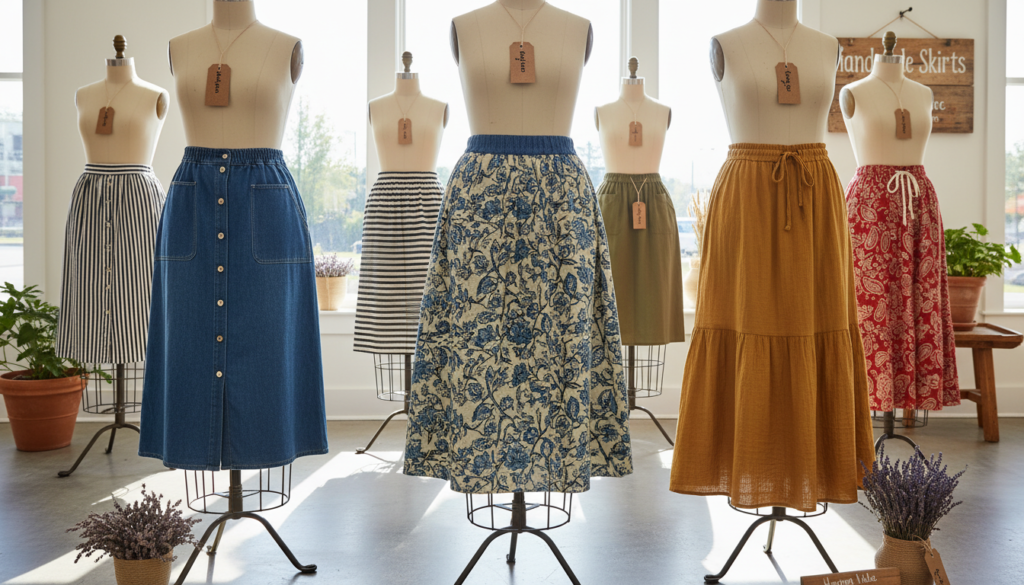
Flowing maxi skirts offer comfort and style for summer activities. The long length provides sun protection while remaining cool and breathable. Elastic waistbands adjust to your comfort throughout the day without restriction.
Pair handmade tops with simple skirts for complete summer outfits. The satisfaction of wearing entirely self-made clothing motivates continued sewing project exploration. Each completed garment expands your handmade wardrobe while building valuable skills.
Beginner Quilt Projects Using Fabric Scraps
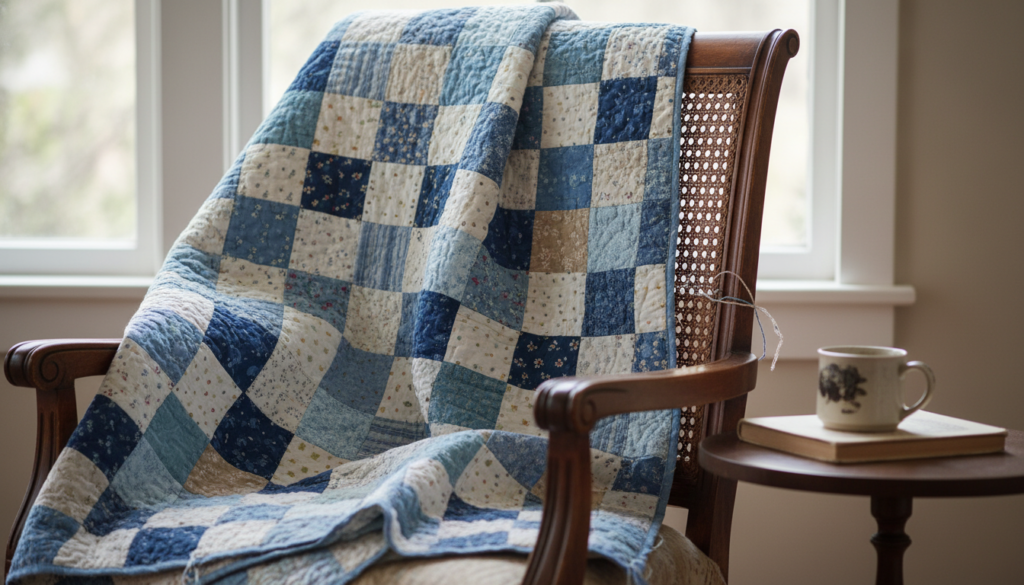
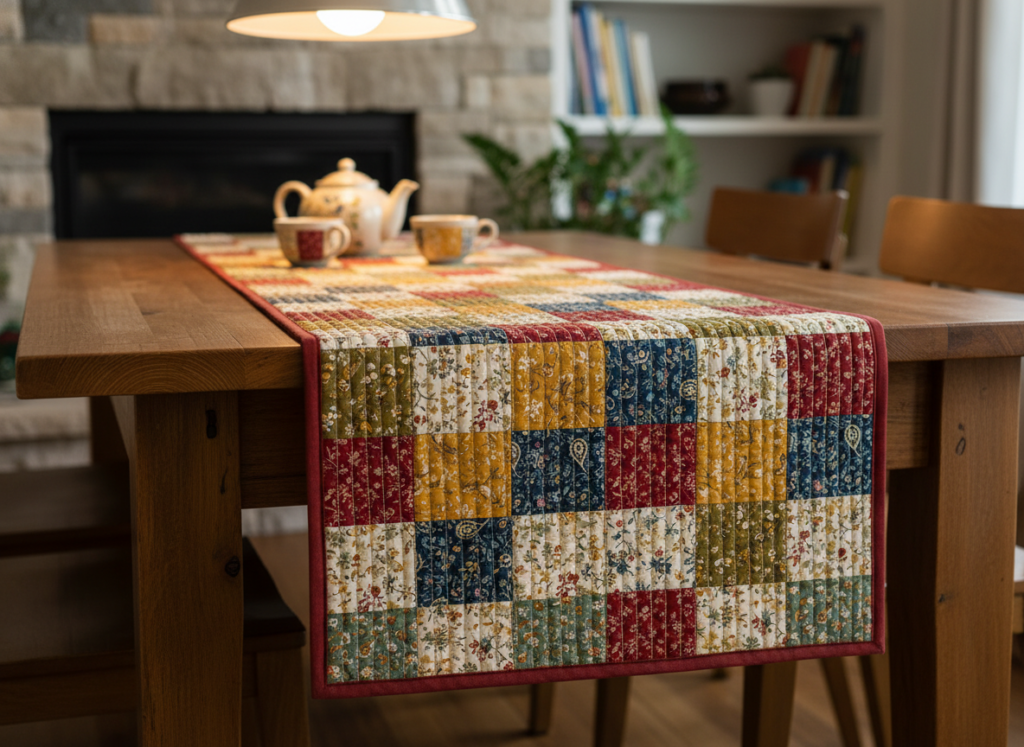
Small quilt projects utilize fabric pieces left from other sewing work. Quilted items range from table runners to wall hangings, each teaching valuable piecing techniques. These projects introduce you to working with multiple fabric layers.
Start with a basic patchwork design using equal-sized squares. Arrange fabric pieces in pleasing color combinations before sewing. Press seams flat after each step to maintain accuracy in your finished quilt top.
Layer your pieced top with batting and backing fabric. Pin all three layers together to prevent shifting during quilting. Simple straight-line quilting provides structure while remaining achievable for new quilters. The finished piece demonstrates your ability to complete more complex sewing projects successfully.
Fabric Storage Solutions for Organization
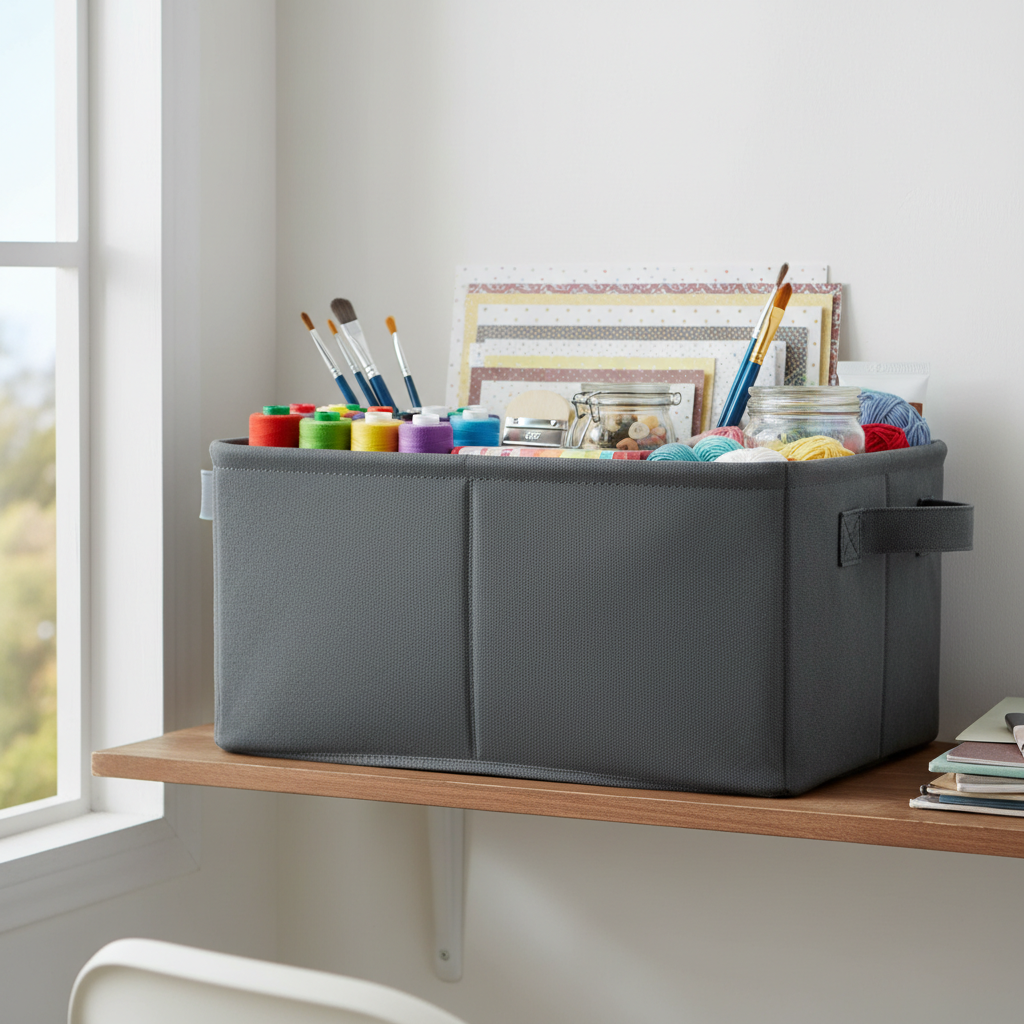
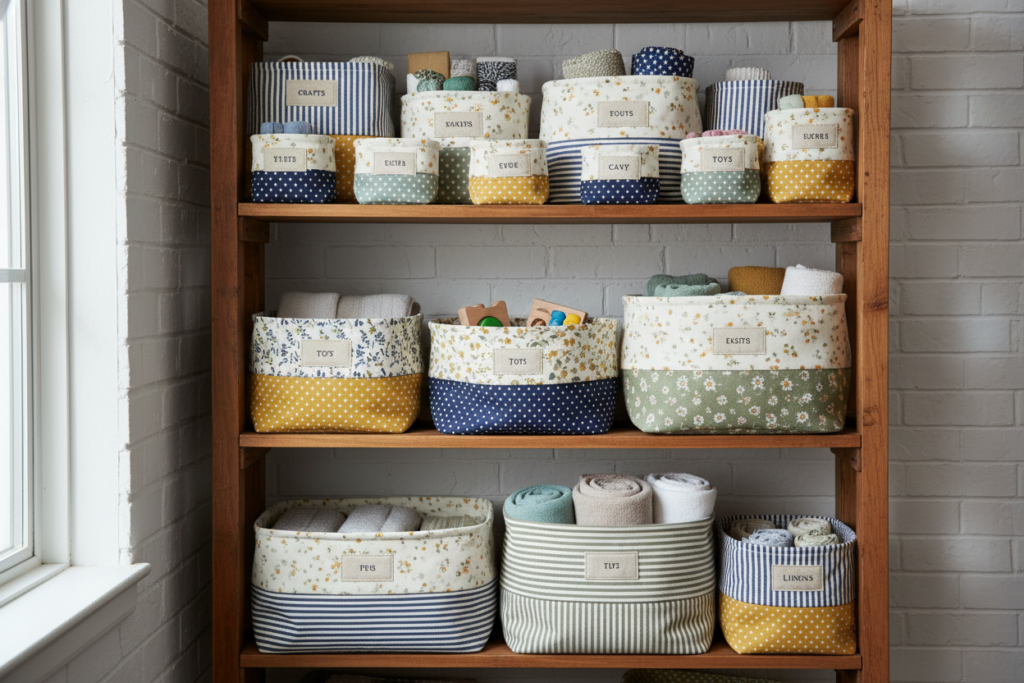
Fabric bins and baskets organize while providing sewing practice. These structured projects teach you to work with interfacing and create stable shapes. Storage items serve practical purposes in any room of your home.
Cut fabric and interfacing to identical dimensions for bin sides and bottom. Iron interfacing to fabric following manufacturer directions. This stiffening adds structure that helps bins maintain shape when filled with items.
Sew sides together and attach the bottom piece to create your basic bin structure. Add handles using fabric strips reinforced with extra stitching. Turn right side out and press for crisp edges that look professionally finished.
Hanging Storage Options
Wall-mounted fabric organizers maximize vertical space while showcasing your sewing skills. Multiple pockets hold supplies, accessories, or small items. These projects combine functionality with decorative appeal in any room.
Finding and Using Free Sewing Patterns Effectively
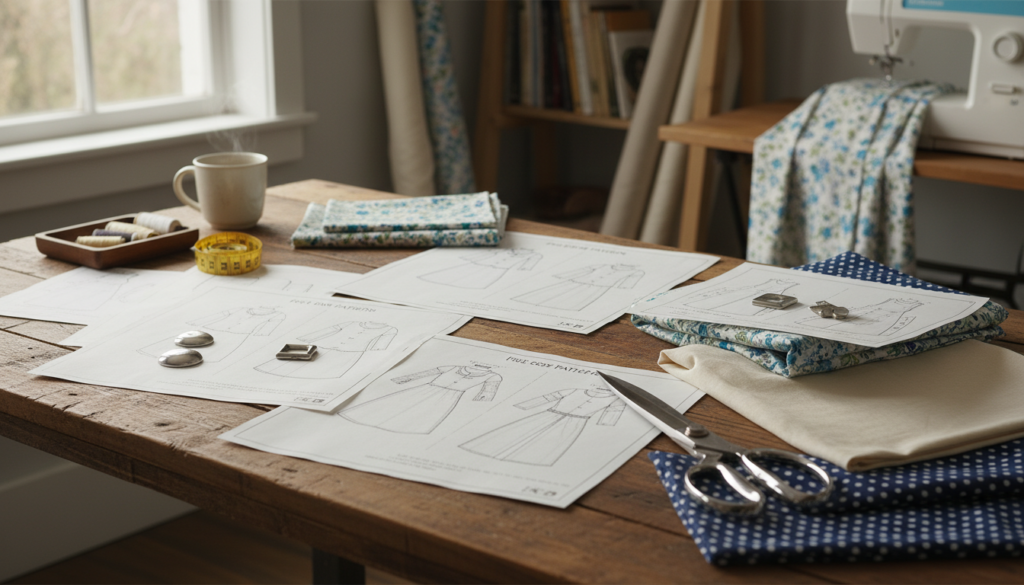
Free sewing patterns provide endless project inspiration without additional cost. Many designers share basic patterns that teach fundamental techniques. Understanding how to read and modify these patterns expands your creative possibilities significantly.
Print patterns at the correct scale to ensure accurate sizing. Many free patterns include measurement guides to verify proper printing. Compare pattern measurements to your own body or desired finished dimensions before cutting fabric.
Make test versions using inexpensive fabric to check fit and construction. This practice run reveals any adjustments needed before using precious materials. The test garment becomes a pattern template for future projects in the same style.
Access Premium Patterns and Comprehensive Tutorials
While free patterns offer a great start, premium resources provide professional-grade patterns with detailed instructions, video tutorials, and ongoing support. Invest in your sewing education with resources designed to accelerate your progress.
Building Your Sewing Skills Through Consistent Practice
Each completed project strengthens your sewing foundation and builds confidence. Start with simple items that provide quick satisfaction. Gradually increase complexity as your skills develop through hands-on experience.
The journey from beginner to confident sewer happens one stitch at a time. Embrace mistakes as learning opportunities that improve your technique. Your handmade wardrobe and home decor reflect personal style while demonstrating practical skills that last a lifetime.
Keep exploring new patterns and techniques that challenge your abilities. The sewing community offers endless inspiration and support for crafters at every level. Your creative possibilities expand with each new skill you master through dedicated practice and experimentation.