Starting your sewing journey feels exciting and overwhelming at the same time. You might own a sewing machine that’s been sitting in your closet. Or maybe you just got one as a gift. The good news is that learning to sew doesn’t require years of practice or expensive tools.
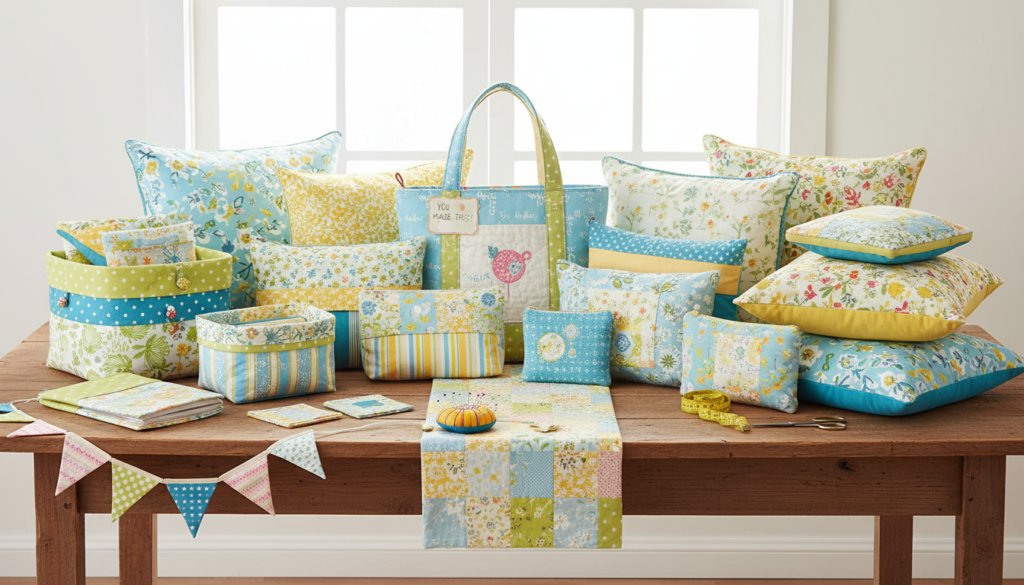
This collection features 18 super easy sewing projects for beginners that you can complete in under an hour. Each project builds your confidence with simple techniques. You’ll create practical items for your home, thoughtful gifts for friends, and accessories you’ll actually use.
These beginner sewing projects use basic stitches and minimal fabric. Many include free sewing patterns to make your first attempts successful. Whether you want to make bags, home decor, or gifts, there’s a project here to help you learn to sew with confidence.
Ready to Master Sewing?
Access hundreds of beginner-friendly patterns and step-by-step video tutorials. Join thousands who started their sewing journey with confidence.
Bag projects are perfect for beginners because they’re forgiving and useful. These sewing projects teach you fundamental skills like sewing straight seams and adding closures. You’ll use these handmade bags every day, making them rewarding first projects.
Simple Drawstring Bag
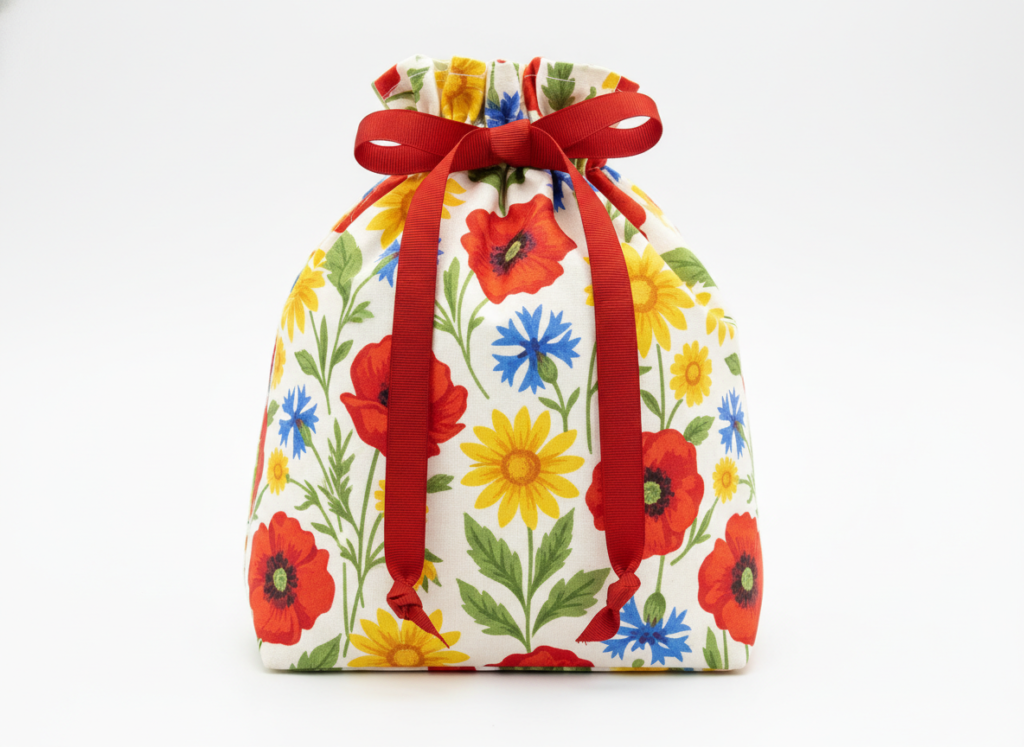
A drawstring bag serves as the perfect starter project. This simple design requires only two fabric pieces and basic straight stitches. The project takes about 30 minutes from start to finish.
Use cotton fabric for your first drawstring bag. Cut two rectangles of equal size. Sew the sides together, leaving space at the top for the drawstring channel. Thread ribbon or cord through the casing, and you’re done.
This great project teaches you how to sew straight seams and create a channel. Make several in different sizes for various uses. Small ones work as gift bags. Larger versions hold gym clothes or library books.
Basic Tote Bag
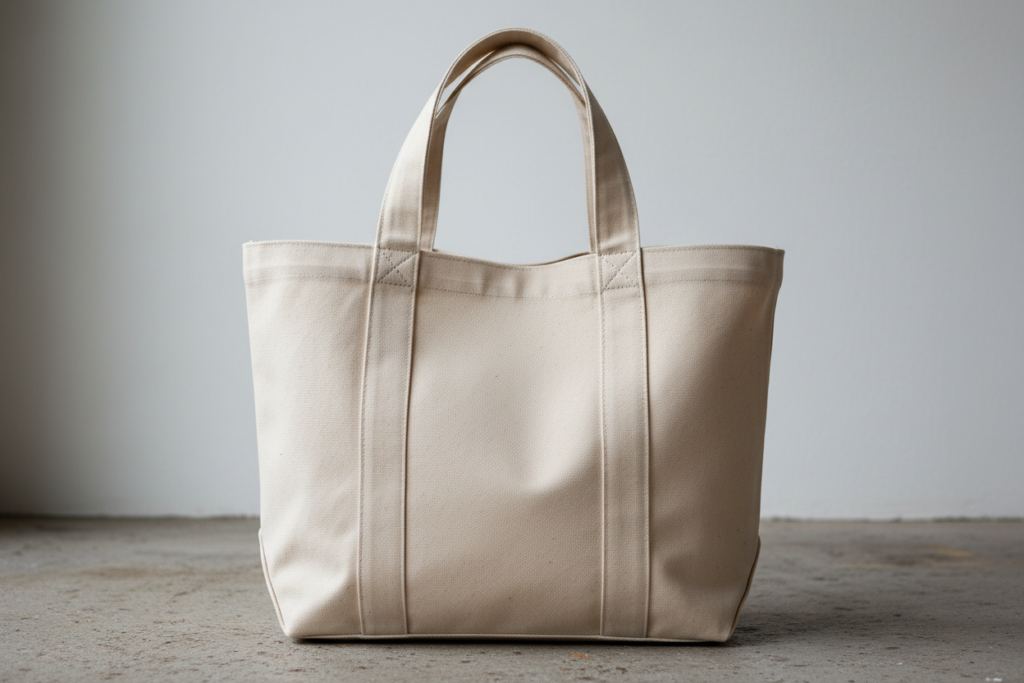
The tote bag ranks among the most practical beginner sewing projects. This versatile bag works for groceries, books, or beach trips. The simple rectangular design requires minimal pattern work.
Choose medium-weight fabric like canvas or denim for durability. Cut your fabric pieces and handles according to a free sewing pattern. Sew the sides and bottom, then attach the handles securely. Reinforce the handle attachment points with extra stitching.
This sewing project builds your confidence with your sewing machine. You’ll practice straight seams and learn proper handle attachment. Make tote bags as great gifts for friends and family.
Zippered Pouch
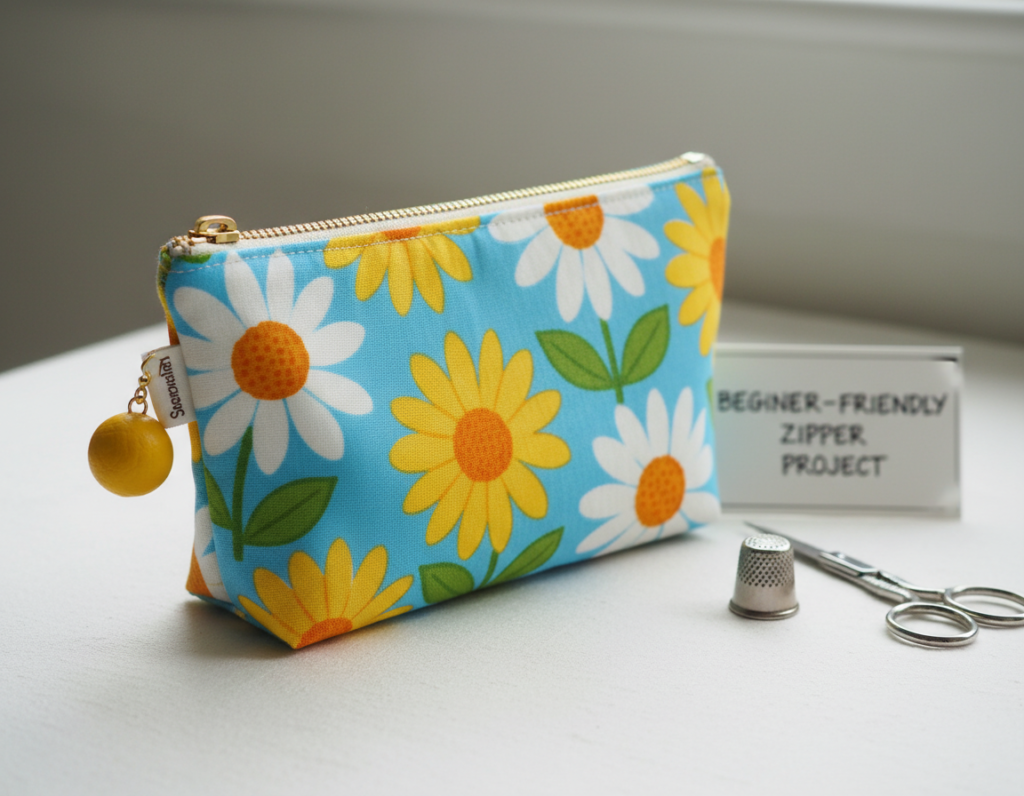
Adding a zipper might seem scary, but this project makes it simple. A zippered pouch works perfectly for makeup, pencils, or travel toiletries. This great project introduces you to zipper installation without overwhelming complexity.
Start with a basic pouch pattern and a standard zipper. Pin the zipper carefully between your fabric layers. Use your sewing machine’s zipper foot for precise stitching. The key is taking your time with the pinning process.
Once you master this technique, you’ll find countless uses. Small pouches make great gifts. Larger versions organize your purse or diaper bag. The skills you learn here translate to many other sewing projects.
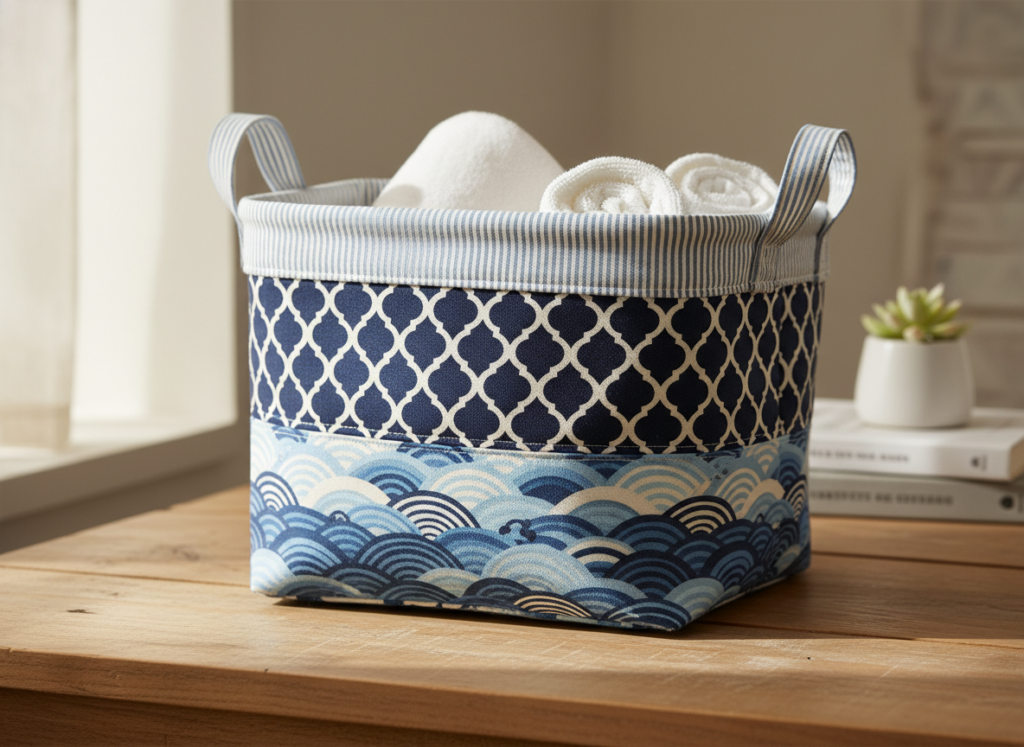
Fabric baskets organize any space while showcasing your sewing skills. These structured containers hold toys, craft supplies, or bathroom essentials. The project teaches you how to work with interfacing for added stability.
Choose coordinating fabrics for the exterior and lining. Add fusible interfacing to give your basket structure. Sew the pieces together, creating a box shape. Fold down the top edge for a finished look.
This beginner sewing project introduces working with multiple fabric layers. You’ll learn how interfacing transforms floppy fabric into something sturdy. Make baskets in various sizes for different storage needs around your home.
Home Decor and Accessories
Transform your living space with handmade decor items. These sewing projects for beginners create functional pieces that add personality to any room. Each project uses scrap fabric efficiently while teaching valuable sewing skills.
Throw Pillow Cover
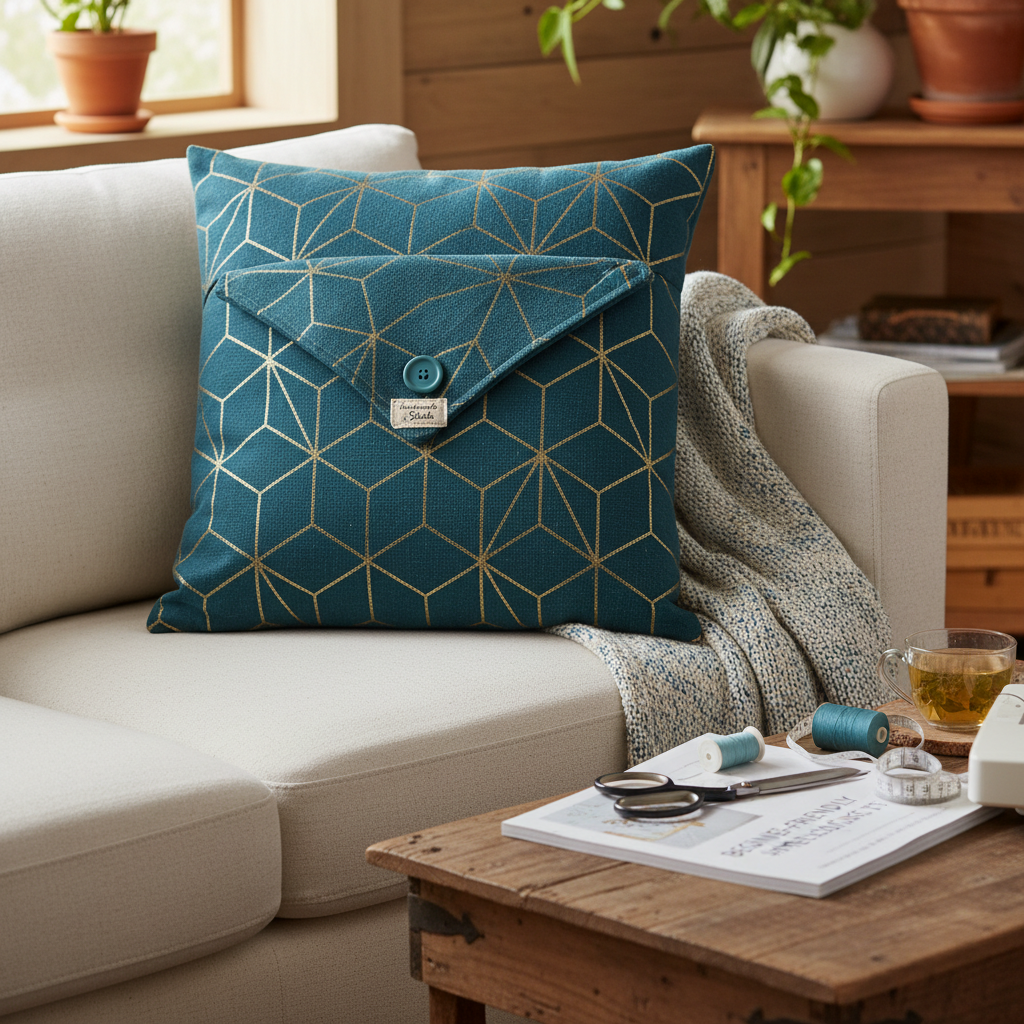
Pillow covers update your decor without the expense of new pillows. This envelope-style cover requires no zipper, making it ideal for beginners. The project takes less than an hour and uses less than a yard of fabric.
Measure your pillow insert and cut fabric accordingly. Create an envelope back by overlapping two fabric pieces. Sew around the perimeter, turn right side out, and insert your pillow. Change covers seasonally to refresh your space.
These make great gifts for housewarmings or holidays. Choose fabrics that match the recipient’s decor style. Stack several covers in coordinating patterns for a designer look.
Table Runner
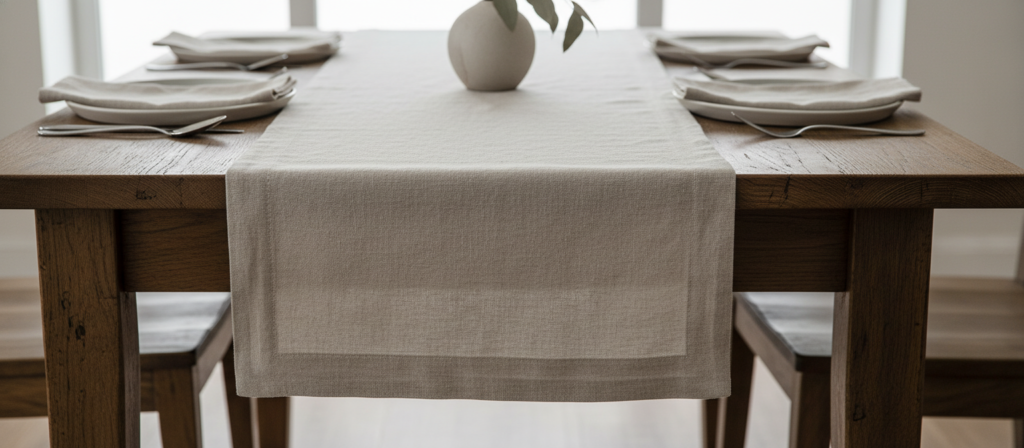
A table runner adds elegance to your dining space. This rectangular project practices your straight stitching and corner techniques. The simple design looks impressive but requires only basic sewing skills.
Select fabric appropriate for your table length. Cut your rectangle, adding seam allowance on all sides. Hem the edges with either a simple folded hem or mitered corners for a polished finish.
This great way to use beautiful fabric showcases your fabric choices. Make seasonal runners for holidays or special occasions. The project helps you practice precise measuring and neat finishing techniques.
Fabric Coasters
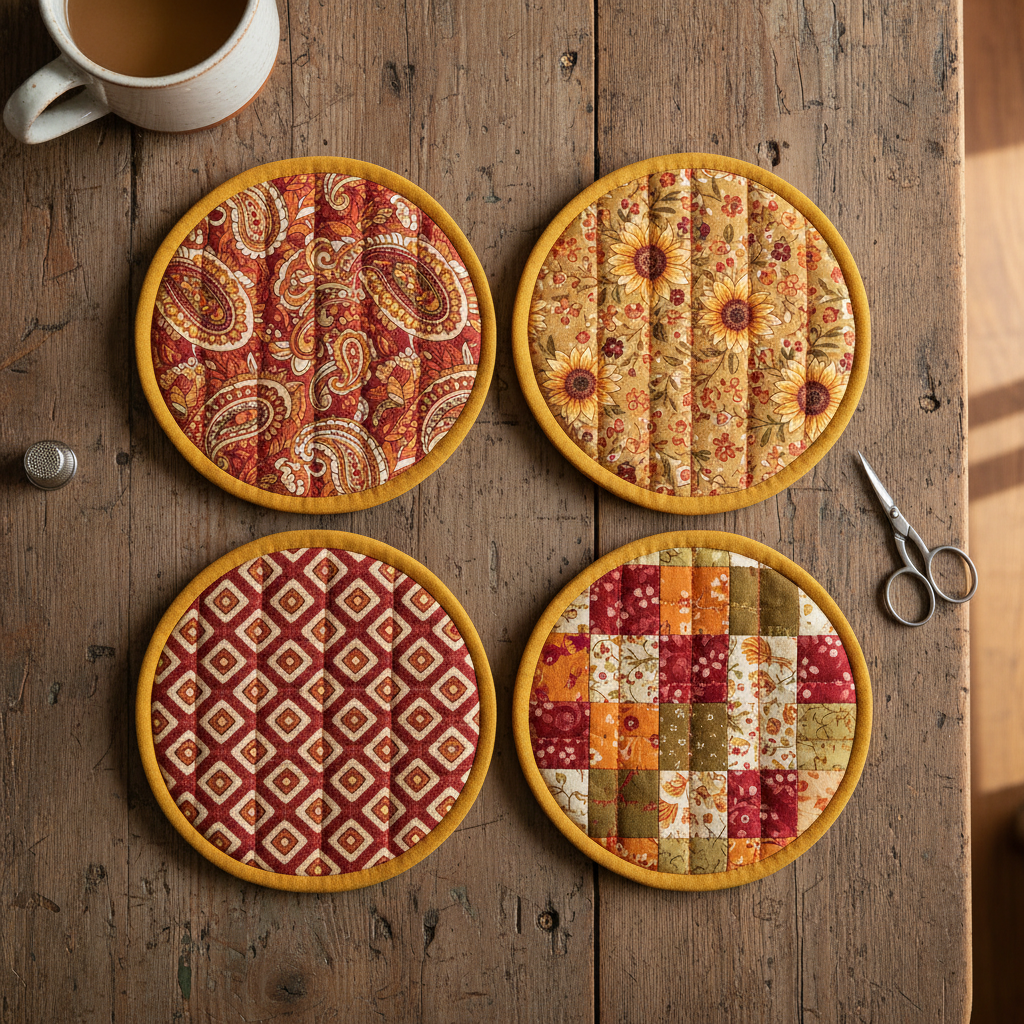
Coasters protect your furniture while adding colorful accents. This project introduces basic quilting techniques on a small scale. Make a set in an afternoon using fabric scraps from other projects.
Layer fabric with batting for absorbency and structure. Quilt simple lines or patterns through all layers. Bind the edges for a professional finish. These mini projects build skills for larger quilting endeavors.
Coaster sets make thoughtful housewarming gifts. Package four coordinating coasters together. The small size means you can experiment with bold fabrics and patterns without much fabric investment.
Create Beautiful Home Decor
Transform your space with professional sewing patterns for pillows, curtains, and more. Get instant access to home decor projects with detailed instructions.
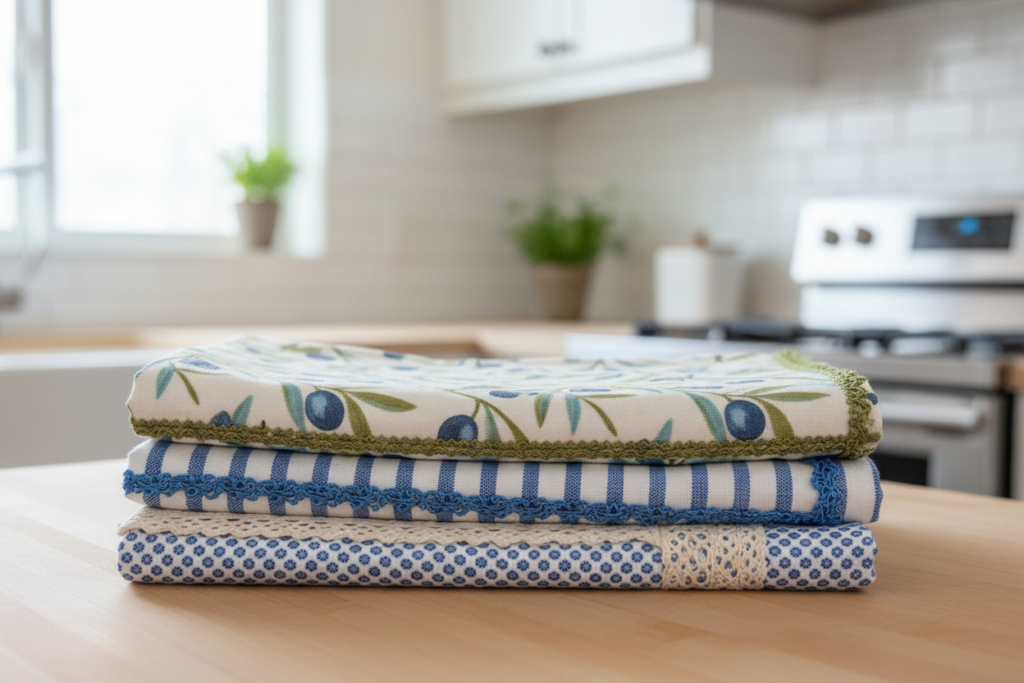
Kitchen towels combine practicality with personality. This straightforward project lets you practice hemming techniques. Add decorative trim for extra flair without complex construction.
Use absorbent cotton or linen fabric. Cut rectangles to your preferred towel size. Hem all edges with a narrow double-fold hem. Add rickrack or decorative ribbon along one edge for visual interest.
These towels work as great gifts when paired with homemade treats. Make sets in coordinating fabrics for a cohesive kitchen look. The simple construction means you can complete several towels in one sewing session.
Wearable Accessories and Fashion Items
Create accessories that showcase your personal style. These beginner sewing projects introduce garment construction basics without the complexity of fitted clothes. Each project builds skills you’ll use for more advanced clothing projects later.
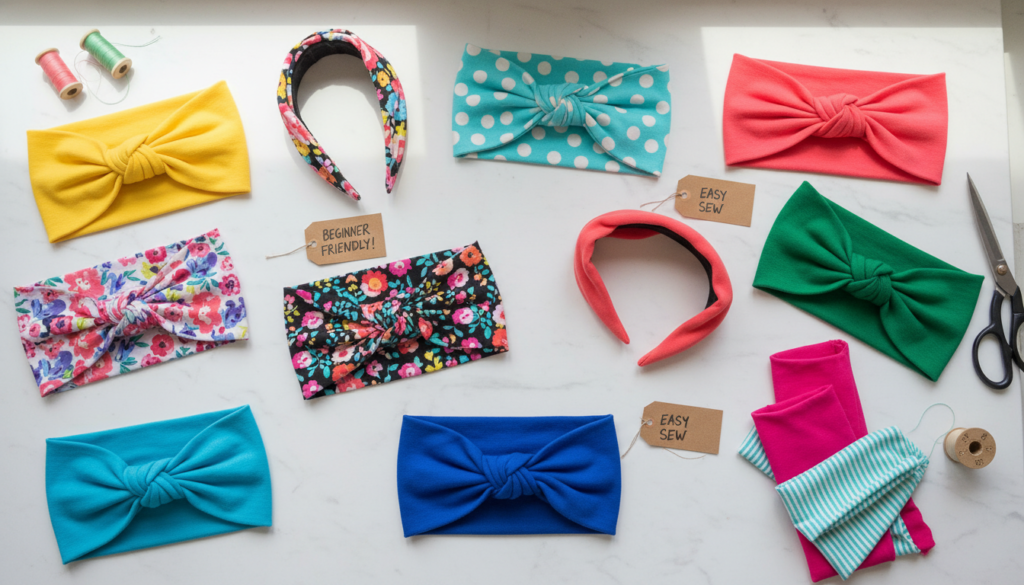
Simple Headband
Headbands use minimal fabric and time while creating a cute accessory. This project teaches you how to work with narrow fabric pieces. Make several in different fabrics to match various outfits.
Cut a long strip of fabric and fold it lengthwise. Sew the long edge and turn right side out. Attach elastic at the ends or create a tie closure. The simple construction takes less than 15 minutes.
Kids love these personalized accessories. Make headbands as party favors or gifts. Experiment with different widths and closure styles as you gain confidence.
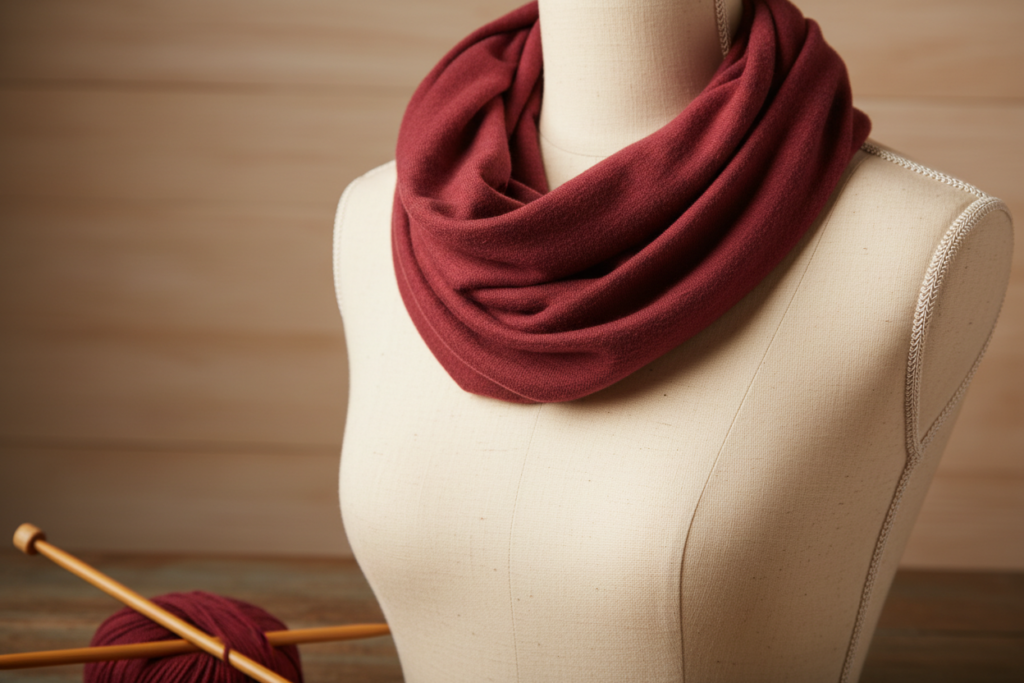
Infinity Scarf
An infinity scarf adds warmth and style to any outfit. This beginner-friendly project works with knit or woven fabrics. The continuous loop design requires only one seam, making it perfect for practicing your straight stitching.
Choose a lightweight fabric that drapes well. Cut a long rectangle, sew the short ends together to create a loop, then sew the long edge. Turn right side out through a small opening. Hand-stitch the opening closed.
This great way to learn about fabric behavior introduces you to different textile types. Knit fabrics require different handling than woven ones. Make scarves as gifts for friends and family.
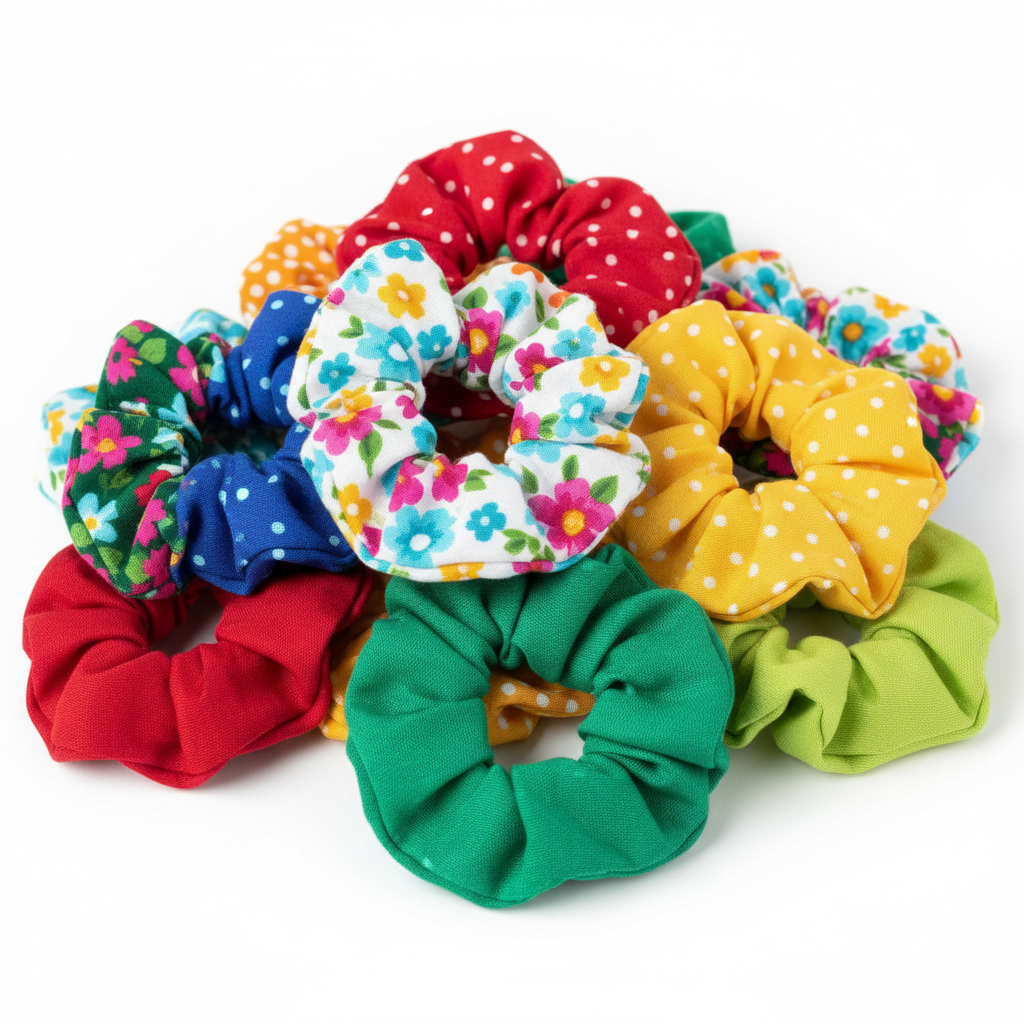
Scrunchie
Scrunchies made a comeback and offer a perfect scrap fabric project. These hair accessories use small fabric pieces and elastic. The gathered design forgives minor sewing mistakes.
Cut a fabric strip and fold it lengthwise with right sides together. Sew along the long edge, creating a tube. Thread elastic through the tube using a safety pin. Overlap the elastic ends and sew securely. Close the fabric tube ends.
This project teaches you how to create fabric tubes and work with elastic. Make scrunchies in various fabrics to coordinate with different outfits. These make great gifts for teens and adults alike.
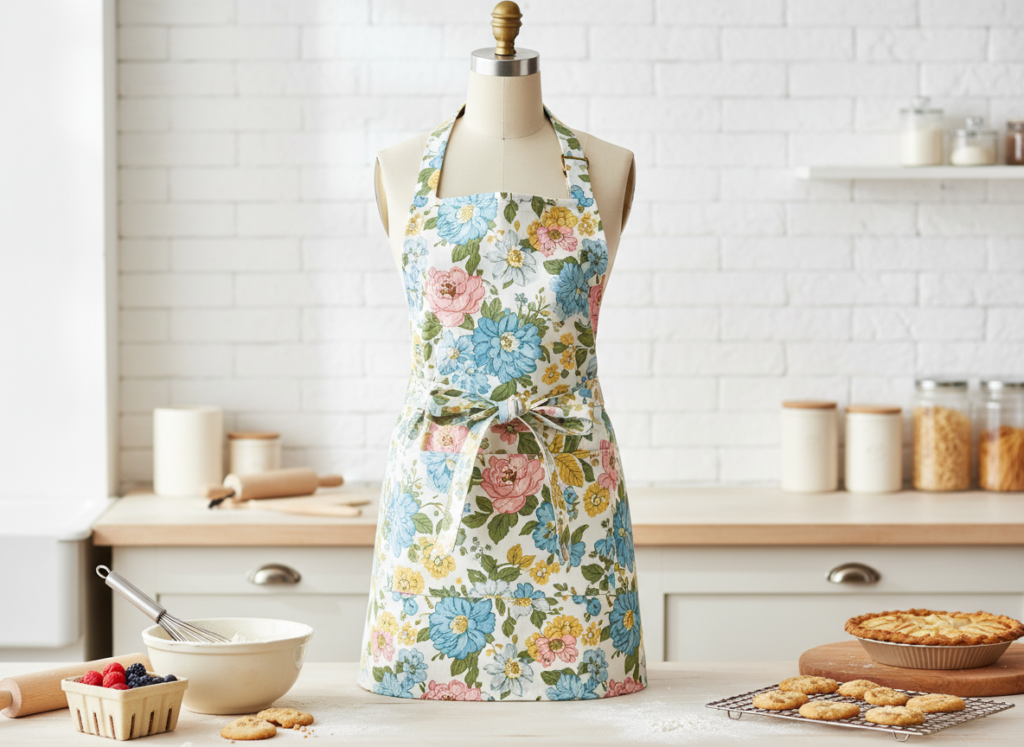
An apron protects your clothes while cooking or crafting. This rectangular design with ties requires no complicated pattern pieces. Add pockets for extra functionality and practice.
Cut a large rectangle for the body and smaller pieces for ties and pockets. Hem the edges, attach the pocket, then add the ties at appropriate positions. The boxy style fits most sizes comfortably.
Aprons make thoughtful gifts for cooking enthusiasts. Choose fun fabrics that reflect the recipient’s personality. This project builds skills for more complex garment construction in the future.
Practical Organizers and Storage Solutions
Keep your life organized with handmade storage solutions. These sewing projects combine functionality with creativity. Each item helps declutter while practicing important sewing techniques.
Pencil Case
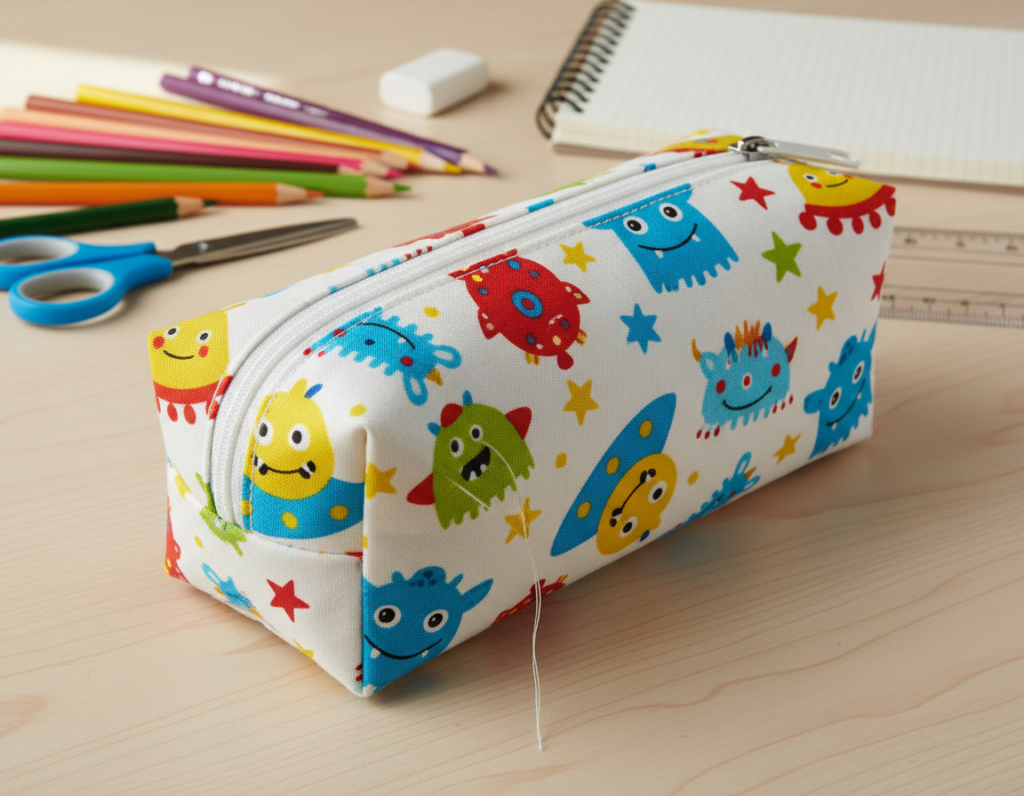
A pencil case organizes school or office supplies in style. This project builds on zipper skills with a more structured design. The rectangular shape with a flat bottom provides ample storage space.
Use sturdy fabric or add interfacing for structure. Install the zipper first, then construct the case body. Sew the corners to create a boxy bottom. This technique applies to many bag and pouch projects.
Kids love personalized pencil cases for school. Make them as great gifts with the recipient’s favorite fabrics. The project teaches precision in zipper installation and corner construction.
Phone Case
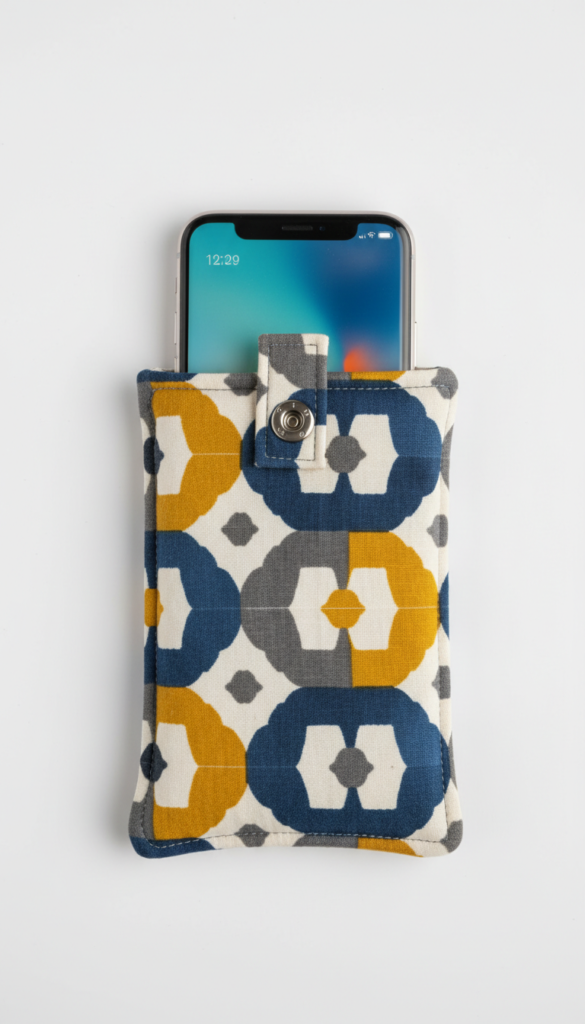
Protect your phone with a custom fabric case. This small project introduces working with padding and closures. The fitted design teaches precise measuring and cutting.
Measure your phone carefully and add seam allowances. Layer fabric with thin batting for protection. Add a snap or Velcro closure at the opening. The compact size makes this a quick project with immediate use.
These cases prevent scratches and add personality to your device. Use fun fabrics or repurpose favorite clothing items. Make extras as thoughtful gifts for tech-loving friends.
Charging Station Organizer
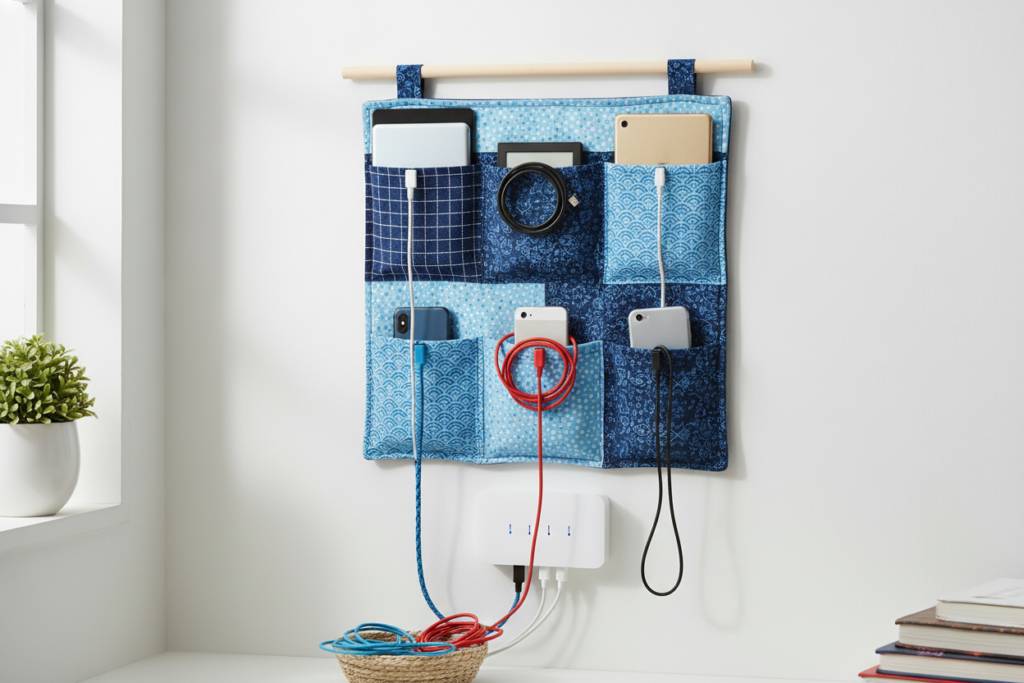
Corral charging cords and devices with a wall-hanging organizer. This project combines multiple pockets with a hanging loop. Practice precise pocket placement and topstitching.
Cut a backing piece and several pocket pieces in various sizes. Attach pockets to the backing, creating compartments for devices and cords. Add a hanging loop at the top. This organizational tool keeps your charging area tidy.
These organizers work great in bedrooms, offices, or kitchens. Choose durable fabric that wipes clean easily. The multi-pocket construction teaches valuable skills for more complex projects.
Organize Your Life with Sewing
Create professional organizers and storage solutions for every room. Get patterns for baskets, bins, and hanging organizers with video tutorials.
Create special items for the little ones in your life. These beginner sewing projects make thoughtful gifts for baby showers and birthdays. Each project introduces techniques useful for children’s items and toys.
Baby Burp Cloths
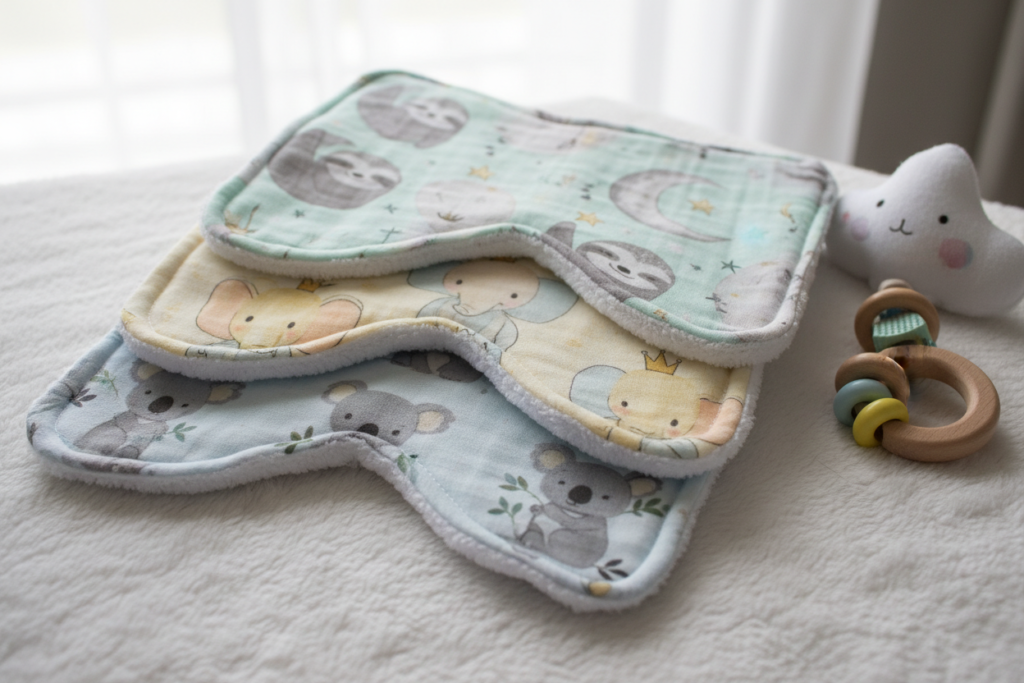
Burp cloths are essential for new parents and simple to sew. This layered project teaches working with absorbent fabrics. The contoured shape fits comfortably over the shoulder.
Layer cotton fabric with terry cloth or flannel for absorbency. Cut a gentle curve for the shoulder-fitting shape. Sew around the perimeter, leaving an opening for turning. Topstitch around the edge for a professional finish.
Make sets of three to six as baby shower gifts. Mix patterns with solid coordinating fabrics. These practical items get used daily, making them appreciated gifts that showcase your sewing skills.
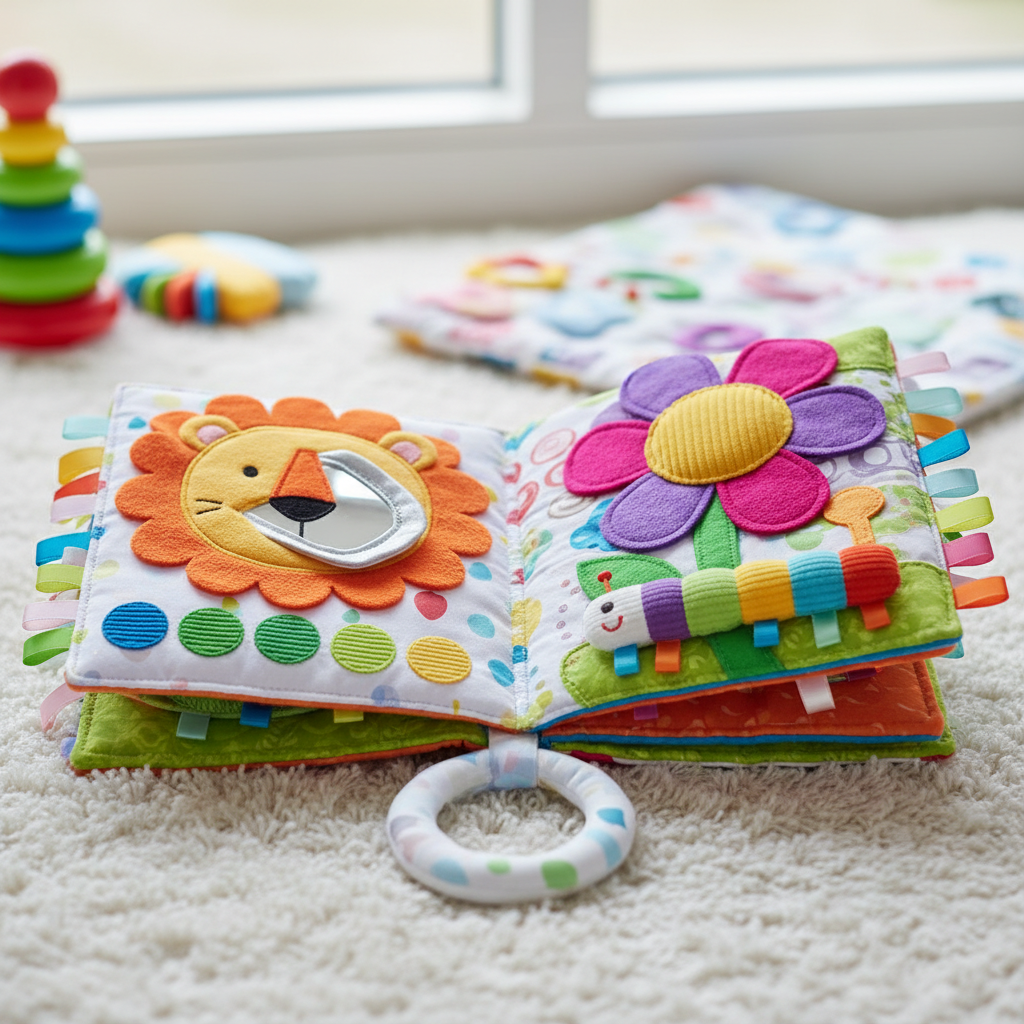
Fabric Book for Babies
Soft fabric books entertain babies while introducing textures. This project combines multiple fabric types and simple shapes. Add crinkly material inside pages for auditory stimulation.
Cut fabric squares for pages. Add simple appliqued shapes or contrasting fabric pieces. Insert crinkly material between fabric layers. Bind pages together with ribbon or sewn binding. This creative project results in a cherished toy.
These books make unique baby gifts that stand out from store-bought items. Use bright, contrasting fabrics to stimulate visual development. The project teaches applique basics and binding techniques.
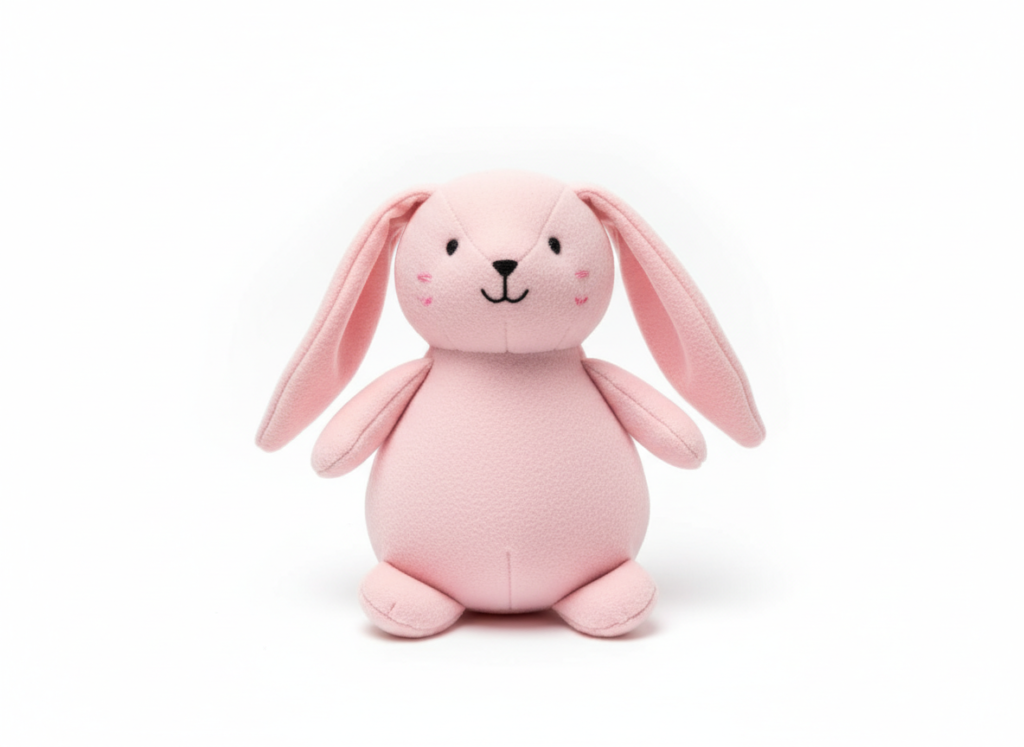
Simple Stuffed Animal
Creating a stuffed animal introduces three-dimensional sewing. Choose a simple pattern with minimal pieces. This project teaches cutting accuracy and turning techniques.
Select soft fleece or minky fabric that’s forgiving for beginners. Cut pattern pieces carefully, marking important points. Sew pieces together, leaving an opening for turning and stuffing. Turn right side out, stuff firmly, and close the opening by hand.
These toys become treasured keepsakes. Personalize with embroidered names or features. Start with basic shapes before attempting complex animal designs. The skills learned here apply to many toy-making projects.
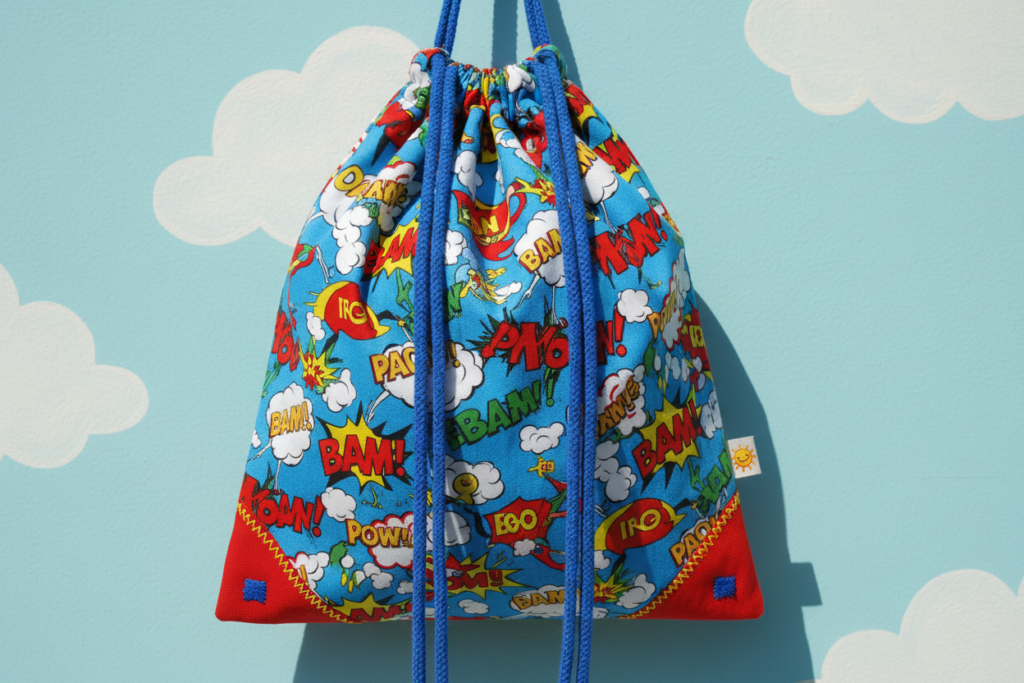
Drawstring Backpack for Kids
Kids love personalized backpacks for school or activities. This drawstring design requires basic skills but creates a functional bag. Reinforce stress points for durability.
Cut a large rectangle of sturdy fabric. Create the drawstring channel and cord loops. Sew the sides, thread the cords, and your bag is complete. Let kids choose their fabric for a project they’ll be proud to use.
These bags work for gym class, sleepovers, or library trips. The simple construction adapts to various sizes. This great project teaches children that handmade items have special value.
Need a last-minute gift? These super easy sewing projects come together quickly. Each makes a great gift that recipients will actually use. Stock up on fabric during sales so you’re always ready to create something special.
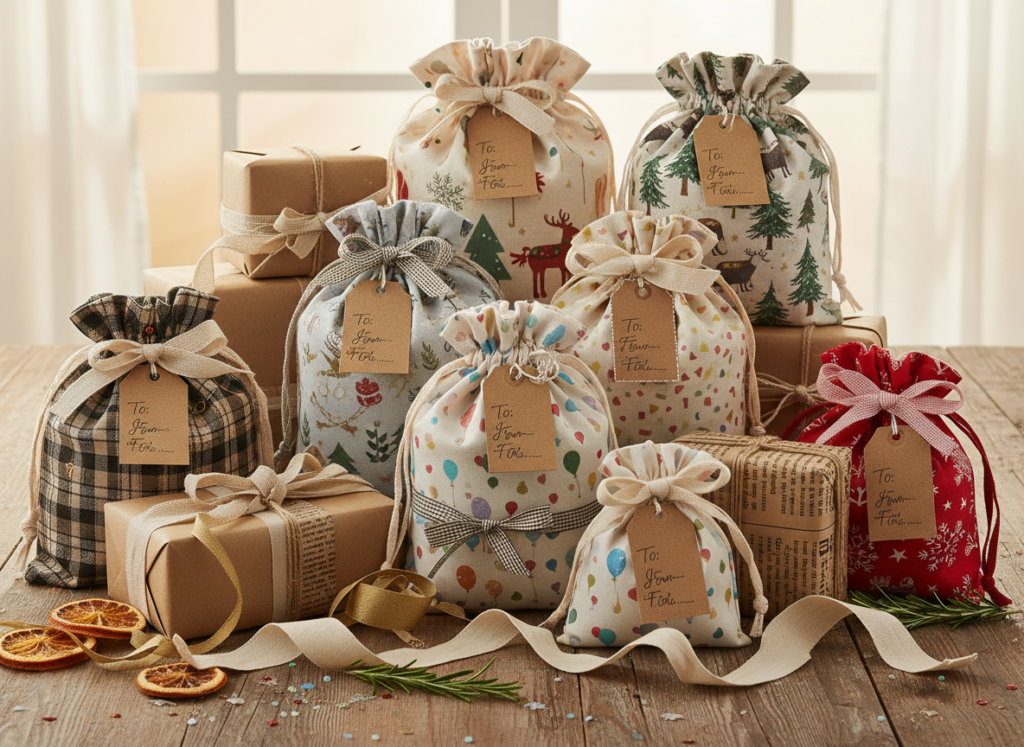
Reusable Gift Bags
Replace disposable wrapping paper with reusable fabric bags. This eco-friendly option works for any occasion. Make various sizes for different gift types.
Construct these like basic drawstring bags with decorative fabric choices. Use holiday prints for seasonal gifts or neutral fabrics for year-round use. Add a gift tag, and your present is wrapped beautifully.
Recipients appreciate both the gift and the bag. These bags get reused for years, spreading your handmade touch. Make several during one sewing session to keep on hand for unexpected gift-giving occasions.
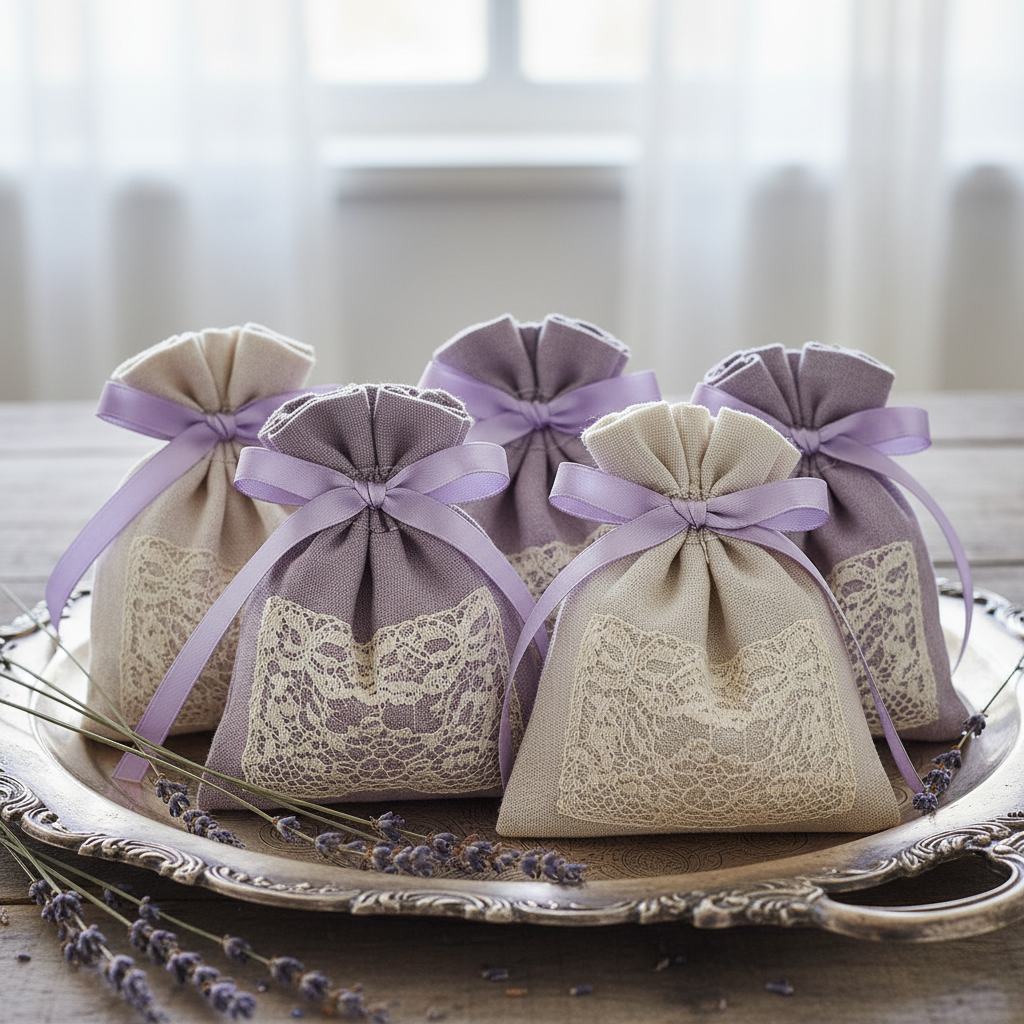
Lavender Sachets
Sachets filled with lavender make fragrant gifts for drawers or closets. These small projects use fabric scraps and basic hand-sewing or machine stitching. The quick construction yields elegant results.
Cut small rectangles or squares of fabric. Sew three sides, fill with dried lavender, and close the fourth side. Add decorative ribbon or lace for extra charm. These sachets freshen linens naturally.
Make sets of three sachets as hostess gifts. Choose pretty fabrics that complement home decor. The soothing scent makes these gifts both beautiful and functional.
Fabric Bookmark
Book lovers appreciate handmade bookmarks. This tiny project uses minimal fabric and time. Layer fabrics or add embellishments for personalized touches.
Cut a bookmark-sized rectangle. Layer with interfacing for stiffness if desired. Finish edges with binding or turned seams. Add a ribbon tail for extra flair. These make great gifts paired with books.
Experiment with different shapes and decorations. Use special fabrics or add embroidery. The small scale lets you try new techniques with minimal material investment. Make bookmarks as thoughtful additions to birthday cards.
Essential Sewing Tips and Techniques for Beginners
Success with sewing projects depends on mastering a few key techniques. These tips help beginners avoid common mistakes and build confidence. Take time to learn these fundamentals, and your projects will look more professional.
Choosing the Right Fabric
Fabric selection affects your project’s success significantly. Cotton fabrics work best for most beginner sewing projects. They’re easy to handle, don’t stretch, and press well. Medium-weight cotton provides enough body without being difficult to sew.
Avoid slippery fabrics like satin or stretchy knits for your first projects. These challenging materials require special techniques. Stick with woven cotton in prints or solids. Visit fabric stores to feel different options before buying.
Many free sewing patterns specify suitable fabric types. Follow these recommendations closely. The right fabric makes sewing easier and produces better results. Save challenging fabrics for when your sewing skills advance.
Using Your Sewing Machine Effectively
Understanding your sewing machine improves every project. Read your machine’s manual thoroughly. Learn how to thread it properly, adjust tension, and change needle types. Practice on scrap fabric before starting projects.
Maintain your machine by cleaning it regularly. Remove lint from the bobbin area after each project. Use the correct needle size for your fabric weight. Sharp needles prevent skipped stitches and fabric damage.
Start projects slowly to gain control. Speed comes with practice. Keep your machine’s instruction manual nearby for reference. When problems occur, rethread the machine completely before troubleshooting further.
Measuring and Cutting Accurately
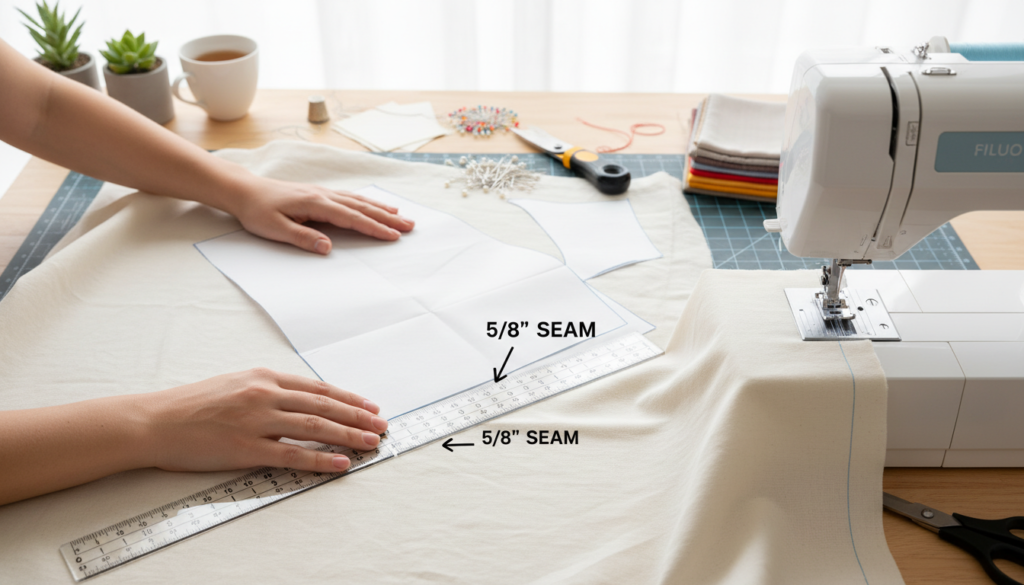
Precise cutting determines your project’s final appearance. Measure twice before cutting fabric. Use a rotary cutter and mat for straight cuts. Mark fabric with tailor’s chalk or fabric markers that wash out easily.
Press fabric before cutting to remove wrinkles. Wrinkled fabric leads to inaccurate measurements. Follow pattern grain lines carefully. Proper grain placement ensures your project hangs or fits correctly.
Invest in good cutting tools. Sharp scissors or a rotary cutter make clean cuts. Dull tools create ragged edges that are harder to sew. Mark seam allowances clearly to maintain consistency throughout your project.
Master Professional Sewing Techniques
Learn expert tips and tricks from professional seamstresses. Access video tutorials covering everything from basic stitches to advanced techniques.
Pressing your work as you sew creates professional results. Press seams after sewing each one. This step sets stitches and makes subsequent steps easier. Use a hot iron appropriate for your fabric type.
Press seams open or to one side as your pattern directs. Pressing differs from ironing—lift and press rather than sliding the iron. Steam helps set fabric but can distort some materials. Test on scraps first.
Keep your ironing board near your sewing machine. Making pressing convenient ensures you do it consistently. This habit transforms beginner sewing projects into polished finished items. Proper pressing rivals expert construction techniques in importance.
Building Your Sewing Skills Progressively
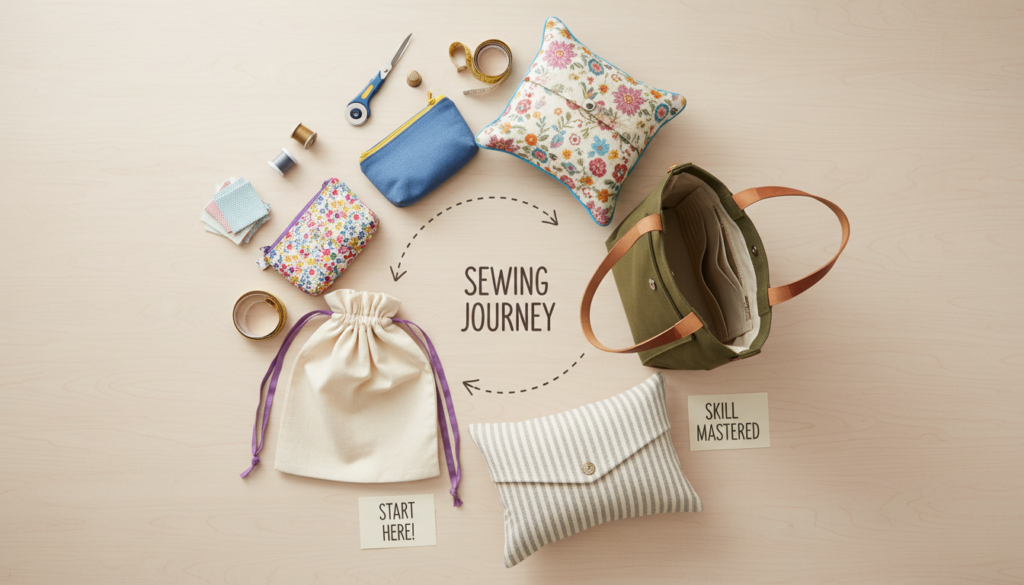
Developing sewing skills happens gradually through practice. Start with super easy sewing projects for beginners and progress to more complex items. Each project teaches new techniques that build on previous skills. This approach builds confidence while expanding your capabilities.
Start with Straight Seams
Projects with mostly straight seams suit absolute beginners perfectly. These sewing projects let you focus on machine control without complicated curves. Simple drawstring bags, table runners, and napkins fit this category.
Practice sewing straight lines on scrap fabric first. Mark lines and follow them without fabric. This builds muscle memory for guiding fabric smoothly. Once straight stitching feels natural, move to actual projects.
These basic projects create useful items while building fundamental skills. Success with simple projects motivates continued learning. The confidence gained from completing straight-seam projects prepares you for more challenging techniques.
Add Curves and Corners
Once straight sewing feels comfortable, introduce gentle curves and corners. Projects like rounded pouches or curved apron edges teach these skills. Practice stopping with the needle down to pivot at corners.
Go slowly around curves, guiding fabric carefully. Small, gradual adjustments maintain smooth curve lines. Clip curved seam allowances to reduce bulk. These techniques prevent puckering in finished projects.
Corner construction requires precision. Sew to the corner point, leave the needle down, lift the presser foot, pivot the fabric, lower the foot, and continue sewing. This technique creates crisp corners in bags, placemats, and other projects.
Learn Zipper Installation
Zippers intimidate many beginners, but they’re not difficult with practice. Start with a simple zippered pouch before attempting clothing zippers. Use your machine’s zipper foot for precise stitching close to zipper teeth.
Pin zippers carefully before sewing. Take your time with this step. Proper pinning prevents shifting during stitching. Baste zippers in place by hand if machine pinning feels awkward initially.
Once you master basic zipper insertion, many project possibilities open. Zippered bags, cushion covers, and garments become accessible. This skill significantly expands your sewing repertoire and project options.
Explore Different Fabric Types
Start with cotton but gradually experiment with other fabrics. Linen, denim, and canvas each behave differently. Understanding various fabric characteristics makes you a more versatile sewist.
Try knit fabrics once you’re comfortable with wovens. Knits stretch, requiring different handling techniques. Use a ballpoint needle and stretch stitches. Start with stable knits before attempting jersey or ribbing.
Each fabric type teaches valuable lessons about needle selection, stitch tension, and handling. This knowledge helps you choose appropriate fabrics for projects. Fabric understanding prevents frustration and project failures.
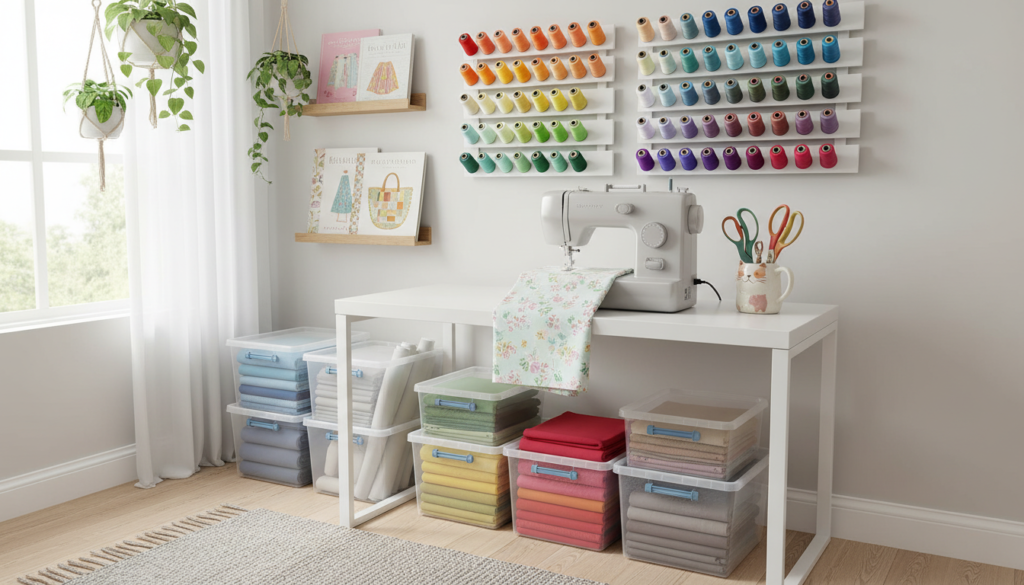
An organized sewing space makes projects more enjoyable. You don’t need a dedicated room—just a functional area with good lighting. Thoughtful organization keeps supplies accessible and projects moving smoothly.
Essential Supplies for Beginners
Basic sewing supplies don’t require huge investments. Start with quality scissors, pins, measuring tape, and seam ripper. A basic sewing machine handles most beginner projects. Add supplies gradually as your skills and project complexity increase.
Keep thread in basic colors—white, black, and a few neutrals cover most needs. Add colors as specific projects require them. Store thread organized by color for easy access. Invest in good quality pins that won’t rust or dull.
Free sewing patterns available online reduce supply costs significantly. Print patterns at home or save them digitally. Build a pattern library organized by project type. This organization helps you find perfect patterns for future projects quickly.
Fabric Storage Solutions
Organize fabric by type or color for easy selection. Clear bins let you see contents without opening them. Fold fabric neatly, keeping like weights together. Label bins clearly if they’re not transparent.
Save fabric scraps for small projects like coasters or scrunchies. Store scraps separately from larger pieces. Organize scraps by size—small pieces for appliques, medium for bags, larger ones for backing or linings.
Rotate fabric stashes seasonally if space is limited. Store off-season fabrics in labeled bins. Keep current project fabrics easily accessible. Good storage prevents fabric from wrinkling, fading, or developing musty odors.
Creating an Efficient Workflow
Set up your space for efficient movement between cutting, sewing, and pressing. Position your ironing board near your sewing machine. Keep frequently used tools within arm’s reach. This arrangement reduces time wasted searching for supplies.
Dedicate specific areas for different tasks. Cut fabric in one spot, sew in another, and press in a third. Even in small spaces, this mental organization improves efficiency. Clean your workspace between projects to start fresh each time.
Keep a project notebook to track ideas, measurements, and lessons learned. Note successful free sewing patterns and fabric combinations. Document any modifications you make. This record becomes valuable as you take on more projects.
Start Your Sewing Journey Today
These 18 super easy sewing projects for beginners provide the perfect starting point for your creative journey. Each project builds specific skills while creating functional items. You don’t need years of experience to make beautiful, useful things.
Start with projects that excite you most. Choose fabrics you love. Don’t worry about perfection—every sewist makes mistakes while learning. Each project teaches valuable lessons that improve your next creation.
The sewing community welcomes beginners enthusiastically. Share your projects on social media to connect with other sewists. Ask questions when you’re stuck. Experienced sewers remember being beginners and happily offer guidance.
As your confidence grows, tackle more ambitious projects. These beginner sewing projects form a foundation for endless creative possibilities. Soon you’ll design modifications and create your own patterns. The skills you develop open doors to garment sewing, quilting, and home decor projects.
Gather your supplies, choose your first project, and start creating. Your handmade items will bring joy to your life and make thoughtful gifts for others. The time you invest learning to sew pays dividends in creativity, stress relief, and practical skills. Every expert sewist started exactly where you are now—with their first simple project and the courage to begin.
Your Complete Sewing Education Awaits
Stop searching for scattered tutorials and get everything in one place. Access hundreds of beginner-friendly patterns, video lessons, and expert guidance. Join thousands of beginners who transformed their sewing skills with our comprehensive program.