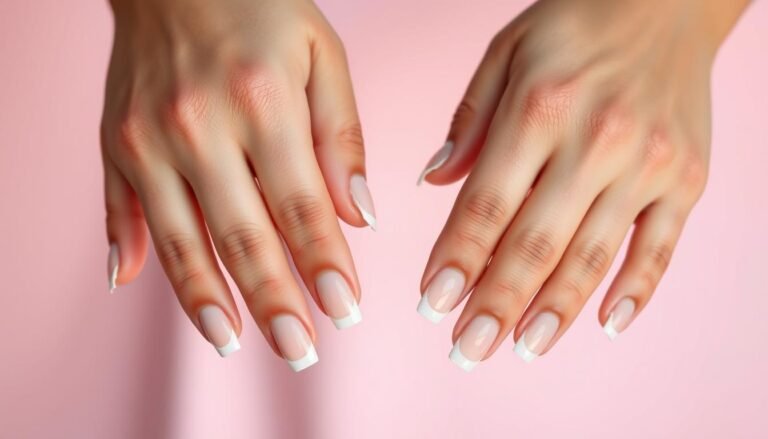
Your skin feels tight and uncomfortable. You notice flaky patches appearing throughout the day. No matter what you try, that persistent dryness just will not go away. If this sounds familiar, you are not alone in your struggle.
This Website contains affiliate links. That means I may earn a small commission if you purchase through my links, at no extra cost to you.
Dry skin affects millions of people every single day. The right moisturizer can transform your skin from rough and irritated to smooth and comfortable. But finding that perfect product feels overwhelming when faced with endless options.
This comprehensive guide will walk you through everything you need to know about choosing and using a moisturizer for dry skin. You will discover the science behind skin hydration, learn which ingredients actually work, and understand how to build an effective routine.
Whether you deal with occasional dryness or chronic skin issues, this article provides the knowledge you need to make informed decisions about your skin care. Let us explore how you can finally achieve the healthy, comfortable skin you deserve.
Transform Your Dry Skin Starting Today
Discover a complete system designed specifically for dry, sensitive skin. This comprehensive solution addresses every aspect of skin hydration with proven ingredients and expert-formulated products that work together to restore your skin barrier and lock in lasting moisture.
Dry skin develops when your skin barrier loses its ability to retain moisture effectively. This protective barrier consists of skin cells held together by essential lipids. When this barrier breaks down, water escapes more rapidly than your skin can replace it.
Several factors contribute to skin barrier damage and increased water loss. Environmental conditions play a significant role in how your skin behaves. Cold weather, low humidity, and harsh winds strip moisture from your skin surface.
Indoor heating systems create an especially challenging environment during winter months. These systems reduce air moisture levels dramatically. Your skin responds by losing water at an accelerated rate.
Hot showers feel wonderful but actually harm your skin barrier. Extended exposure to hot water removes natural oils that protect your skin. These oils, called sebum, form a crucial part of your moisture retention system.
External Factors Affecting Skin Moisture
Climate conditions and seasonal changes that reduce ambient humidity
Indoor heating and air conditioning systems depleting moisture from air
Excessive bathing or showering with hot water temperatures
Harsh soaps and cleansers stripping away protective oils
Environmental pollutants damaging the skin barrier structure
UV radiation breaking down collagen and elastin fibers
Internal factors also influence your skin hydration levels significantly. Age naturally reduces your skin’s ability to produce sebum and retain water. Genetic factors determine your baseline skin type and moisture retention capacity.
Certain medical conditions affect skin hydration as well. Eczema, psoriasis, and thyroid disorders commonly cause dry skin symptoms. Medications including diuretics and retinoids can increase skin dryness as a side effect.
Nutritional deficiencies impact skin health more than most people realize. Insufficient intake of essential fatty acids, vitamin E, and water leaves skin vulnerable to dehydration. Your skin reflects your overall health status and dietary habits.
The Skin Barrier and Its Critical Functions
Your skin barrier serves as the first line of defense against external threats. This remarkable structure, also called the stratum corneum, consists of dead skin cells embedded in a matrix of lipids. Think of it like a brick wall where cells are bricks and lipids are mortar.
This barrier performs several essential functions simultaneously. It prevents excessive water loss from deeper skin layers. It blocks harmful bacteria, allergens, and irritants from entering your body. It also helps maintain proper skin pH levels.
When your skin barrier functions properly, your skin feels smooth and comfortable. A healthy barrier keeps skin feeling soft throughout the day. It also helps your skin look plump and radiant rather than dull and lifeless.
Barrier damage manifests in recognizable ways that signal problems. You might notice increased sensitivity to products that never bothered you before. Your skin may develop rough, flaky patches that refuse to heal. Redness and irritation become more frequent occurrences.
Key Point: A compromised skin barrier loses moisture up to 75% faster than healthy skin. Repairing this barrier should be your primary focus when treating dry skin conditions.
The lipid layer within your barrier contains three crucial components. Ceramides make up about 50% of these barrier lipids. Cholesterol comprises roughly 25% of the lipid content. Fatty acids account for the remaining 25% of these essential oils.
Each component plays a specific role in barrier function and moisture retention. Ceramides bind water molecules and hold skin cells together. Cholesterol provides flexibility and helps repair damage. Fatty acids create a waterproof seal that prevents moisture escape.
The Science Behind Effective Skin Hydration
Understanding how moisturizers work helps you choose products more effectively. Skin hydration involves two distinct but related processes. Hydration means increasing water content within skin cells. Moisturization refers to preventing water loss from the skin surface.
The most effective moisturizers address both aspects of skin hydration simultaneously. They deliver water to your skin while creating a protective barrier. This dual approach produces better results than targeting only one aspect.
Three main categories of ingredients work together in quality moisturizing products. Each category serves a specific function in the hydration process. Understanding these categories helps you read product labels more intelligently.
Humectants: Drawing Moisture Into Your Skin
Humectants attract and bind water molecules from the surrounding environment. These ingredients draw moisture from the air into your skin. In low humidity conditions, they can even pull water from deeper skin layers to the surface.
Hyaluronic acid stands out as one of the most powerful humectants available. This molecule holds up to 1000 times its weight in water. It occurs naturally in your skin but decreases with age and environmental damage.
Glycerin works as another highly effective humectant ingredient in many formulations. This ingredient has been used in skin care for over a century. Studies consistently demonstrate its ability to improve skin hydration and barrier function.
Other valuable humectants include propylene glycol, sorbitol, and urea. Each brings unique benefits to moisturizing formulations. Urea also provides gentle exfoliation that removes flaky skin buildup.
Hyaluronic acid offering superior water-binding capacity and plumping effects
Glycerin providing reliable hydration with a proven safety profile
Propylene glycol enhancing penetration of other beneficial ingredients
Sorbitol delivering gentle hydration suitable for sensitive skin types
Urea combining hydration with mild exfoliation properties
Sodium PCA matching natural moisturizing factor components in skin
Repair Your Skin Barrier with Professional-Grade Formula
Experience the power of advanced barrier repair technology. This dermatologist-developed formula combines optimal ratios of ceramides, cholesterol, and essential fatty acids to rebuild your skin’s protective barrier and restore lasting hydration from within.
Emollients: Smoothing and Softening Your Skin Surface
Emollients fill the spaces between skin cells to create a smoother texture. These ingredients soften rough, flaky areas almost immediately upon application. They make your skin feel silky and comfortable to touch.
Plant oils serve as excellent emollient ingredients in natural formulations. Jojoba oil closely resembles human sebum in chemical structure. This similarity allows it to absorb quickly without leaving heavy residue.
Squalane represents another outstanding emollient for dry skin care. Derived from olives or sugarcane, this ingredient mimics natural skin lipids. It penetrates deeply without clogging pores or causing breakouts.
Shea butter provides rich emollient properties for extremely dry skin conditions. This natural ingredient contains vitamins A and E along with fatty acids. It works particularly well for rough areas like elbows and knees.
Dimethicone and other silicones create a silky texture in many commercial products. These synthetic emollients spread easily across skin surfaces. They provide immediate smoothing effects that many people find appealing.
Occlusives: Sealing Moisture Inside Your Skin
Occlusives create a physical barrier on your skin surface that prevents water evaporation. These ingredients form a protective seal over your skin. They represent the most effective category for preventing moisture loss.
Petrolatum remains the gold standard occlusive ingredient used in dermatology. Studies show it prevents up to 99% of water evaporation from skin. Despite its heavy texture, properly refined petrolatum is non-comedogenic and hypoallergenic.
Mineral oil provides similar occlusive benefits with a lighter feel than petrolatum. This ingredient has been unfairly criticized despite extensive safety testing. Cosmetic-grade mineral oil is pure, stable, and highly effective for dry skin.
Natural waxes like beeswax and candelilla wax offer plant-based occlusive options. These ingredients provide moderate barrier protection with a more natural origin story. They work well in balms and heavy cream formulations.
Lanolin, derived from sheep’s wool, combines occlusive and emollient properties beautifully. This ingredient closely resembles human skin lipids in composition. It can cause allergic reactions in some individuals, so patch testing is recommended.
Product Formulation Insight: The most effective moisturizers contain ingredients from all three categories. This comprehensive approach addresses hydration from multiple angles simultaneously for superior results.
Essential Ingredients to Look for in Your Moisturizer for Dry Skin
Certain ingredients have proven track records for treating dry skin effectively. Clinical research supports their benefits across multiple studies. Learning to recognize these ingredients helps you make smarter product choices.
Ceramides deserve top priority when selecting a moisturizer for dry skin treatment. These lipid molecules make up a significant portion of your natural skin barrier. Topical ceramide application helps restore barrier function and reduce water loss.
Look for products containing ceramides 1, 3, and 6-II specifically. These three ceramides match the types found naturally in human skin. Research shows this combination effectively repairs compromised barrier function.
Niacinamide: The Multitasking Vitamin for Skin Health
Niacinamide, also known as vitamin B3, offers multiple benefits for dry skin conditions. This ingredient increases ceramide production within your skin naturally. It also reduces inflammation and improves barrier function simultaneously.
Studies demonstrate that niacinamide reduces transepidermal water loss significantly. Products containing 2-5% concentration show measurable improvements in skin hydration. Higher concentrations do not necessarily produce better results.
This vitamin also addresses other common skin concerns beyond dryness alone. It helps reduce the appearance of fine lines and wrinkles. Niacinamide can minimize pore visibility and even out skin tone over time.
The ingredient works well with most other skin care actives without causing conflicts. You can safely combine niacinamide with retinol, vitamin C, and acids. This compatibility makes it easy to incorporate into existing routines.
Hyaluronic Acid: Superior Hydration from Within
Hyaluronic acid deserves its reputation as a hydration powerhouse ingredient. This molecule exists naturally in your skin but depletes with age. Topical application helps restore youthful moisture levels effectively.
Different molecular weights of hyaluronic acid penetrate to different skin depths. Low molecular weight versions penetrate deeper into the epidermis. High molecular weight versions remain on the surface for immediate plumping effects.
The best products contain multiple molecular weights for comprehensive hydration. This approach targets different skin layers simultaneously. You experience both immediate and long-lasting moisture benefits.
Apply hyaluronic acid to damp skin for maximum effectiveness. The ingredient pulls moisture from your damp skin into the cells. Follow with an occlusive moisturizer to seal that hydration inside your skin.
Peptides: Building Blocks for Skin Repair
Peptides are short chains of amino acids that signal your skin to perform specific functions. These ingredients can stimulate collagen production and repair processes. Different peptides serve different purposes in skin care formulations.
Matrixyl peptides specifically target collagen and elastin production in aging skin. These ingredients help improve skin texture and reduce fine lines. They work synergistically with moisturizing ingredients for comprehensive benefits.
Copper peptides promote wound healing and skin regeneration processes naturally. These ingredients also possess antioxidant properties that protect against damage. They can cause slight tingling upon application in some individuals.
Signal peptides communicate with skin cells to increase production of beneficial compounds. These sophisticated ingredients essentially tell your skin to behave more youthfully. Research continues to reveal new peptide applications in skin care.
Key Ingredients Checklist for Dry Skin Moisturizers
Ceramides (especially ceramides 1, 3, and 6-II) for barrier repair
Niacinamide at 2-5% concentration for multiple skin benefits
Hyaluronic acid in multiple molecular weights for deep hydration
Peptides for collagen stimulation and skin repair signaling
Glycerin as a reliable, proven humectant ingredient
Squalane for lightweight emollient properties and quick absorption
Antioxidants like vitamin E to protect against environmental damage
Occlusives such as dimethicone or petrolatum to seal moisture
Intensive Ceramide Treatment for Severely Dry Skin
Give your skin the concentrated ceramide therapy it desperately needs. This advanced formula delivers clinical-strength ceramides, niacinamide, and peptides in a luxurious cream that penetrates deeply to repair even the most compromised skin barrier and restore comfort within days.
Antioxidants protect your skin from free radical damage caused by environmental stressors. These ingredients prevent the breakdown of collagen and elastin fibers. They also help calm inflammation that contributes to barrier dysfunction.
Vitamin E works as one of the most important lipid-soluble antioxidants in skin. This nutrient protects cell membranes from oxidative damage. It also enhances the effectiveness of other antioxidants like vitamin C.
Vitamin C provides powerful antioxidant protection while brightening skin tone. This ingredient stimulates collagen synthesis and fades discoloration. However, it can be unstable and irritating in high concentrations.
Green tea extract contains polyphenols with anti-inflammatory and antioxidant properties. This natural ingredient soothes irritated skin while protecting against damage. It works particularly well for sensitive, reactive skin types.
Resveratrol, found in grapes and berries, shows promise for skin protection and repair. This antioxidant activates longevity genes within skin cells. Early research suggests it may help slow visible signs of aging.
Different Types of Moisturizers and When to Use Each
Moisturizers come in several different formats with varying textures and weights. Each format contains different ratios of water to oil content. Understanding these differences helps you choose the right product for your specific needs.
The primary moisturizer categories include lotions, creams, ointments, and gels. Each category serves different purposes and skin requirements. Your climate, skin severity, and personal preferences should guide your selection.
Lotions: Lightweight Daily Hydration
Lotions contain the highest water content of all moisturizer formats. They feel light and absorb quickly into skin without residue. This format works well for mild dryness or combination skin types.
The thin consistency makes lotions ideal for daytime use under makeup. They provide adequate moisture without feeling heavy or greasy. You can reapply throughout the day without product buildup.
However, lotions may not provide sufficient moisture for severely dry skin conditions. The high water content evaporates quickly in dry environments. You might need to reapply more frequently than with heavier formulations.
Look for lotions with humectants and lightweight emollients for best results. Ingredients like glycerin and squalane work well in lotion formats. Avoid lotions with high alcohol content that can increase dryness.
Creams: Balanced Moisture for Most Skin Types
Creams strike a balance between water and oil content for versatile use. They feel richer than lotions but absorb reasonably well into skin. This format suits most dry skin conditions effectively.
The thicker consistency provides better barrier protection than lighter lotions offer. Creams last longer on your skin before requiring reapplication. They work well for both morning and evening routines.
Many people find creams provide the ideal texture and weight for daily use. They feel substantial enough to address dryness without excessive heaviness. Quality creams absorb within a few minutes of application.
Facial moisturizer creams often contain additional beneficial ingredients beyond basic moisturization. Anti-aging compounds, antioxidants, and brightening agents appear commonly in cream formulations. These additions make creams efficient multi-tasking products.
Ointments: Maximum Protection for Severe Dryness
Ointments contain the least water and most oil of any moisturizer format. They create the strongest barrier against moisture loss. This heavy-duty format works best for extremely dry or damaged skin.
The thick, greasy texture makes ointments impractical for daytime use for most people. They do not absorb fully and leave visible shine on skin. However, they provide unmatched moisture retention overnight.
Apply ointments to problem areas before bed for intensive overnight treatment. Focus on extremely dry patches, cracked heels, or damaged cuticles. Wake up to noticeably softer, more comfortable skin.
Petrolatum-based ointments remain the most effective option for barrier protection. They prevent nearly all water evaporation from treated areas. People with very oily skin should use ointments sparingly to avoid breakouts.
Gels: Oil-Free Options for Combination Skin
Gel moisturizers contain primarily water with gelling agents for consistency. They feel refreshingly cool and lightweight on application. This format suits people who dislike traditional cream textures.
Oil-free gel formulations work well for combination skin with dry and oily areas. They provide hydration without adding shine to oily zones. However, gels may not suffice for truly dry skin needs.
Look for gels with hyaluronic acid and glycerin for better hydration power. Some newer gel-cream hybrids combine gel lightness with cream moisture. These innovative textures appeal to people seeking the best of both formats.
Gels work particularly well in hot, humid climates where heavy creams feel uncomfortable. They also suit younger skin that produces adequate natural oils. Mature or very dry skin typically requires richer formulations than gels provide.
Choosing the Right Moisturizer Format
Format
Water Content
Best For
When to Use
Lotion
Highest (70-80%)
Mild dryness, body skin
Daytime, under makeup
Cream
Moderate (50-70%)
Most dry skin types
Morning and evening
Ointment
Lowest (0-20%)
Severe dryness, problem areas
Nighttime, targeted treatment
Gel
High (80-90%)
Combination skin, oily areas
Daytime, warm weather
Advanced Hydration Boost System
Experience multi-format moisture therapy designed for maximum results. This complete system includes a lightweight day formula, intensive night treatment, and targeted repair serum that work synergistically to hydrate your skin around the clock and address dryness from every angle.
Proper Application Techniques for Maximum Moisturizer Benefits
How you apply your moisturizer matters as much as which product you choose. Proper application technique maximizes product effectiveness and absorption. Simple adjustments to your routine can dramatically improve results.
The timing of moisturizer application significantly impacts its effectiveness. Your skin absorbs products most efficiently within three minutes after cleansing. This window, when skin remains slightly damp, allows better ingredient penetration.
The Three-Minute Rule for Optimal Absorption
Immediately after washing your face or showering, your skin is primed for moisturization. The damp surface helps humectant ingredients pull more water into your skin. Your pores remain open, allowing better ingredient penetration.
Set a timer if necessary to ensure you apply moisturizer within this crucial window. Keep your moisturizer within arm’s reach of your sink or shower. Make this timing a non-negotiable part of your skin care routine.
If your skin feels tight before you can apply moisturizer, spray it with thermal water first. This rehydrates the surface and recreates that optimal damp state. Even plain water from a spray bottle works effectively.
Never let your skin air-dry completely before applying products. That tight, dry feeling indicates excessive water evaporation. Once you reach that point, you have missed the optimal application window.
Layering Products in the Correct Order
The order in which you apply multiple products affects their absorption and effectiveness. The general rule suggests applying products from thinnest to thickest consistency. This allows each layer to penetrate before sealing with heavier products.
Start with water-based serums immediately after cleansing on damp skin. These lightweight treatments penetrate deepest into your epidermis. Wait 30-60 seconds for the serum to absorb before continuing.
Apply your facial moisturizer cream after serums but before sunscreen during daytime. Gently press the cream into skin rather than rubbing vigorously. Pressing encourages absorption without pulling or stretching delicate facial skin.
Eye cream should go on before face moisturizer due to its lighter consistency. Tap eye cream gently around the orbital bone using your ring finger. This finger applies the least pressure, preventing damage to thin eye-area skin.
Finish daytime routines with broad-spectrum sunscreen as your final step. Allow your moisturizer two to three minutes to absorb first. Some moisturizers include SPF, eliminating the need for separate sunscreen application.
Morning Skincare Routine Order
Cleanser to remove overnight oil and debris
Toner to balance pH and prep skin
Treatment serum for targeted concerns
Eye cream for delicate under-eye area
Face moisturizer for hydration and protection
Sunscreen as final step for UV defense
Evening Skincare Routine Order
Oil cleanser to dissolve makeup and sunscreen
Water-based cleanser for thorough cleansing
Toner to rebalance and refresh skin
Treatment products like retinol or acids
Hydrating serum for moisture boost
Rich night cream to repair overnight
Amount and Coverage for Different Body Areas
Using the correct amount of product ensures adequate coverage without waste. The face requires less moisturizer than most people think. A pea-sized amount typically suffices for your entire face.
For neck and chest areas, use an additional pea-sized amount. These areas show aging signs prominently and deserve dedicated attention. Apply with upward and outward motions to avoid pulling skin downward.
Body skin requires more generous application due to larger surface area. Use approximately a teaspoon of lotion for each arm. Apply a tablespoon to each leg for adequate coverage.
Focus extra attention on naturally dry areas like elbows, knees, and feet. These areas benefit from thicker cream or ointment formulations. Apply immediately after bathing while skin remains damp for best results.
Hands deserve special moisturizing care due to frequent washing and environmental exposure. Keep hand cream readily available and reapply after each hand washing. Consider using cotton gloves overnight with heavy cream for intensive repair.
Massage Techniques That Boost Circulation
Incorporating gentle massage during moisturizer application provides additional skin benefits. Massage improves blood circulation, bringing nutrients and oxygen to skin cells. It also promotes lymphatic drainage that reduces puffiness.
Use gentle upward and outward motions when applying facial products. Start at your chin and work upward toward your forehead. This direction works with your natural facial contours rather than against them.
Spend extra time on tension-prone areas like your jaw and temples. Small circular motions help release muscle tightness that contributes to wrinkles. This feels relaxing while improving product absorption simultaneously.
For body application, use long, sweeping strokes in the direction of your heart. This supports healthy circulation and lymphatic flow. The massage aspect transforms moisturizing from a chore into a self-care ritual.
Complete Night Renewal Skincare System
Transform your skin while you sleep with this comprehensive overnight repair system. Featuring time-released active ingredients, barrier-rebuilding ceramides, and collagen-boosting peptides, this luxurious night treatment maximizes your skin’s natural repair cycle for visible morning results.
Common Moisturizing Mistakes That Make Dry Skin Worse
Many well-intentioned skin care habits actually worsen dry skin conditions. Understanding and avoiding these common mistakes can dramatically improve your results. Small changes often produce surprisingly significant improvements.
Over-Cleansing and Hot Water Damage
Washing your face too frequently strips away protective natural oils unnecessarily. Most people only need to cleanse twice daily at most. Over-cleansing compromises your skin barrier and triggers increased oil production.
Hot water feels wonderful but damages your skin barrier severely. High temperatures melt away lipids that hold moisture in your skin. This explains why your skin feels tight after hot showers.
Use lukewarm water for cleansing your face and body instead. The temperature should feel neutral, neither hot nor cold. This protects your skin barrier while still cleaning effectively.
Limit shower time to ten minutes or less to minimize water exposure. Prolonged water contact, even at appropriate temperatures, eventually compromises your barrier. Consider using a shower timer to track your duration.
Choose gentle, cream-based cleansers over harsh soaps and foaming formulas. Look for fragrance-free products with a pH close to your skin’s natural level. Ingredients like ceramides in your cleanser provide moisture even during the cleansing process.
Skipping Moisturizer Because of Oily Patches
People with combination skin often skip moisturizer on oily areas entirely. This mistake actually worsens the problem by triggering compensatory oil production. Dehydrated skin produces more sebum attempting to protect itself.
Use appropriate moisturizer formats for different facial zones instead of skipping completely. Apply lightweight gel or lotion to oily T-zone areas. Use richer cream on dry cheeks and around the eyes.
Even oily skin needs adequate hydration to function properly. Well-hydrated skin actually produces less excess oil over time. Choose oil-free, non-comedogenic products if you worry about clogged pores.
The tight, uncomfortable feeling some people interpret as “clean” actually signals barrier damage. Your skin should never feel tight after cleansing. If it does, you need a gentler cleanser and immediate moisturizer application.
Using Products with Irritating Ingredients
Fragrance in skin care products serves no functional purpose beyond pleasant scent. However, fragrance represents one of the most common causes of skin irritation. Both synthetic and natural fragrances can trigger sensitivity reactions.
Essential oils, despite their natural origin, frequently cause irritation in dry, sensitive skin. Popular oils like peppermint, citrus, and cinnamon are particularly problematic. Their volatile compounds can damage your already compromised barrier.
Alcohol denat (denatured alcohol) dries out skin significantly when used in high concentrations. This ingredient appears commonly in toners and some moisturizers. Fatty alcohols like cetyl and stearyl alcohol are different and actually beneficial.
Check ingredient lists and avoid formulations with fragrance listed high up. Products labeled “fragrance-free” are safer than those labeled “unscented,” which may contain masking fragrances. When your barrier is compromised, simplicity serves you better than complex formulations.
Neglecting Sunscreen Protection
UV radiation damages your skin barrier and accelerates moisture loss. Many people skip sunscreen during winter months or on cloudy days. However, UV rays penetrate clouds and cause damage year-round.
Unprotected sun exposure breaks down collagen and elastin that give skin structure. This damage manifests as premature aging, wrinkles, and increased dryness. Daily sunscreen use qualifies as the single most effective anti-aging strategy available.
Look for moisturizers with built-in broad-spectrum SPF 30 or higher for convenience. Mineral sunscreens with zinc oxide or titanium dioxide cause less irritation than chemical filters. Apply sunscreen as the final step in your morning routine.
Reapply sunscreen every two hours when outdoors, even over makeup if necessary. Powder sunscreens make midday reapplication more convenient. Remember that windows do not block all UV rays, so protection matters even indoors.
Not Adjusting Your Routine with Seasons
Your skin’s needs change dramatically with seasonal shifts in temperature and humidity. The moisturizer that worked perfectly in summer may prove insufficient in winter. Failing to adjust your routine leads to persistent dryness despite product use.
Winter requires richer, more occlusive formulations to combat dry indoor heating. Switch from lotion to cream or from cream to ointment for problem areas. Consider adding a facial oil layer under your moisturizer for extra protection.
Summer often allows lighter formulations that feel more comfortable in heat and humidity. You may be able to use gel instead of cream, or lotion instead of heavier formulas. However, do not reduce moisturizer use entirely just because weather feels humid.
Pay attention to how your skin behaves and adjust accordingly. Increased flaking signals the need for richer moisturization. Unexpected breakouts might indicate your current product has become too heavy. Your skin provides constant feedback if you listen carefully.
Critical Reminder: If you experience severe dryness, cracking, bleeding, or infection signs, consult a dermatologist. These symptoms may indicate conditions like eczema or psoriasis requiring medical treatment beyond moisturizer use alone.
Mistakes to Avoid for Healthy Skin Barrier
Over-cleansing that strips protective natural oils from skin surface
Using hot water that melts away lipid barrier components
Skipping moisturizer on combination skin oily zones
Choosing products with fragrance or irritating essential oils
Using harsh foaming cleansers with high sulfate content
Neglecting daily sunscreen application regardless of weather
Applying moisturizer to completely dry skin instead of damp
Failing to adjust products with seasonal climate changes
Exfoliating too frequently, damaging the skin barrier
Using abrasive scrubs on already compromised, dry skin
Gentle Sensitive Skin Recovery Formula
Rescue irritated, reactive skin with this dermatologist-approved gentle formula. Free from fragrances, essential oils, and common irritants, this soothing cream rebuilds your damaged barrier with pharmaceutical-grade ingredients while calming redness and sensitivity immediately upon application.
Lifestyle Factors That Impact Your Skin Moisture Levels
External skin care products work more effectively when supported by healthy lifestyle habits. Your daily choices significantly impact your skin’s ability to maintain moisture. Addressing these factors creates a foundation for better skin health.
Hydration from Within: Drinking Enough Water
Internal hydration affects your skin’s moisture levels, though perhaps not as dramatically as many believe. Drinking adequate water supports overall body function including skin health. Severe dehydration definitely manifests in your skin appearance.
Aim for approximately eight glasses of water daily as a general guideline. Individual needs vary based on activity level, climate, and body size. Monitor your urine color as a hydration indicator – pale yellow suggests adequate hydration.
Increase water intake during exercise, hot weather, or air travel when you lose more fluids. Coffee and alcohol have mild diuretic effects that increase water needs. Balance these beverages with additional water consumption.
Remember that topical moisturizers remain essential regardless of water intake. Drinking water alone cannot fix a compromised skin barrier. Think of hydration as one component of comprehensive skin health, not a complete solution.
Nutrition for Healthy Skin Barrier Function
Your diet provides the raw materials your skin needs for repair and maintenance. Essential fatty acids play a particularly crucial role in barrier function. These fats become incorporated into cell membranes and barrier lipids.
Omega-3 fatty acids from fish, flax seeds, and walnuts reduce inflammation throughout your body. This anti-inflammatory effect extends to your skin, helping calm reactive, dry skin. Aim for fatty fish consumption two to three times weekly.
Vitamin E works as a potent antioxidant that protects cell membranes from damage. This fat-soluble vitamin appears abundantly in nuts, seeds, and vegetable oils. It works synergistically with vitamin C for enhanced antioxidant protection.
Zinc supports wound healing and anti-inflammatory responses in skin tissue. This mineral appears in oysters, beef, pumpkin seeds, and legumes. Even mild zinc deficiency can manifest as dry, flaky skin and slow healing.
Vitamin A supports healthy skin cell turnover and barrier function. Get this nutrient from both animal sources like liver and plant sources like sweet potatoes. However, excessive vitamin A supplementation can cause dry skin paradoxically.
Skin-Supporting Nutrients and Food Sources
Omega-3 fatty acids from salmon, sardines, mackerel, and flax seeds
Vitamin E from almonds, sunflower seeds, spinach, and avocados
Vitamin C from citrus fruits, bell peppers, strawberries, and broccoli
Zinc from oysters, beef, pumpkin seeds, and chickpeas
Vitamin A from sweet potatoes, carrots, liver, and leafy greens
Biotin from eggs, salmon, avocado, and nuts
Environmental Controls for Better Skin Health
Indoor environment significantly impacts skin moisture levels during winter months. Central heating dramatically reduces relative humidity in your home. This dry air pulls moisture from your skin constantly.
Use a humidifier to add moisture back into your indoor air. Aim for 40-50% relative humidity for optimal comfort and skin health. Place humidifiers in rooms where you spend the most time, especially your bedroom.
Clean your humidifier regularly according to manufacturer instructions to prevent mold and bacteria growth. Use distilled water rather than tap water to avoid mineral buildup. Replace filters as recommended for optimal performance.
Protect your skin from harsh outdoor weather conditions with appropriate clothing. Wear gloves in cold weather to protect your hands from wind damage. Use a scarf to cover your face during extreme cold or wind.
Limit exposure to chlorinated pools which strip oils from your skin. Rinse immediately after swimming and apply moisturizer while skin remains damp. Consider applying a thin layer of oil before swimming as a protective barrier.
Sleep Quality and Skin Repair
Your skin undergoes significant repair and regeneration during sleep hours. Growth hormone secretion peaks during deep sleep stages. This hormone stimulates cell regeneration and collagen production.
Insufficient sleep disrupts these repair processes and shows in your skin. Studies demonstrate that poor sleep quality correlates with increased signs of skin aging. Chronic sleep deprivation also impairs barrier function and moisture retention.
Aim for seven to nine hours of quality sleep nightly for optimal skin health. Establish a consistent sleep schedule going to bed and waking at similar times. Create a dark, cool, quiet bedroom environment conducive to deep sleep.
Consider using a silk or satin pillowcase to reduce friction on your facial skin. Cotton pillowcases can absorb moisture from your skin and hair overnight. The smoother surface of silk causes less pulling and creasing.
Apply your richest moisturizer or facial oil before bed to support overnight repair. Night formulations often contain higher concentrations of active ingredients. Your skin absorbs these effectively while you sleep without sunlight degradation concerns.
Managing Stress for Healthier Skin
Chronic stress triggers inflammatory responses throughout your body including your skin. Stress hormones like cortisol can impair barrier function and decrease lipid production. This manifests as increased dryness, sensitivity, and breakouts.
Stress also disrupts sleep quality, creating a compounding negative effect on skin health. It may lead to picking or touching your face unconsciously. These behaviors introduce bacteria and cause irritation.
Incorporate stress management techniques into your daily routine for better overall health. Regular exercise reduces stress while improving circulation that benefits skin. Even brief walks provide mental and physical benefits.
Practice mindfulness meditation, deep breathing, or yoga to manage stress effectively. These techniques demonstrably reduce cortisol levels in studies. Start with just five minutes daily and gradually increase duration.
Ensure you take time for activities you enjoy beyond work obligations. Social connections, hobbies, and recreation all contribute to stress reduction. Your skin reflects your overall wellbeing, making self-care essential rather than indulgent.
Special Considerations for Different Skin Concerns
Certain skin conditions require modified approaches to moisturization beyond standard dry skin care. Understanding these special considerations helps you address specific concerns more effectively. Personalized approaches yield better results than one-size-fits-all recommendations.
Eczema and Atopic Dermatitis Management
Eczema represents a chronic inflammatory condition characterized by extreme dryness, itching, and redness. The skin barrier in eczema functions abnormally, allowing increased water loss and allergen penetration. This creates a cycle of inflammation and barrier damage.
People with eczema require very gentle, fragrance-free products without potential irritants. Look specifically for products labeled as suitable for eczema or atopic dermatitis. The National Eczema Association seal indicates suitable products.
Apply moisturizer multiple times daily, not just morning and evening. Eczema skin loses moisture rapidly and requires frequent reapplication. Keep smaller containers of moisturizer easily accessible throughout your home.
Consider prescription treatments if over-the-counter moisturizers prove insufficient. Topical corticosteroids reduce inflammation during flare-ups. Newer prescription medications like topical calcineurin inhibitors offer steroid alternatives for sensitive areas.
Identify and avoid triggers that worsen your eczema symptoms. Common triggers include certain fabrics, soaps, stress, and food allergens. Keep a symptom journal to identify your personal trigger patterns.
Aging Skin and Decreased Natural Moisture Production
Skin naturally produces less sebum as you age, particularly after menopause. This reduction contributes significantly to age-related dryness. Decreased cell turnover also allows dead cells to accumulate, creating rough texture.
Mature skin benefits from richer moisturizer formulations than younger skin typically needs. Look for products specifically designed for mature or aging skin. These often contain anti-aging ingredients alongside moisturizing components.
Retinol and retinoids improve cell turnover while stimulating collagen production. However, these ingredients can cause dryness and irritation initially. Start with low concentrations and always follow with rich moisturizer.
Peptides in moisturizers signal your skin to increase collagen and elastin production. These ingredients work well for mature skin without the irritation potential of retinoids. Look for products containing matrixyl peptides specifically.
Do not neglect your neck, chest, and hands in your moisturizing routine. These areas show aging prominently but often receive less attention than faces. Use the same quality products on these areas for consistent results.
Acne-Prone Skin That Still Feels Dry
Many acne treatments cause significant dryness as a side effect of their effectiveness. Benzoyl peroxide, salicylic acid, and retinoids all have drying properties. However, skipping moisturizer worsens acne by triggering compensatory oil production.
Choose oil-free, non-comedogenic moisturizers specifically formulated for acne-prone skin. These products hydrate without clogging pores or contributing to breakouts. Gel formulations often work well for this skin type.
Niacinamide benefits acne-prone skin by reducing inflammation and regulating oil production. This ingredient also strengthens the barrier and improves hydration. Look for products with 4-5% niacinamide concentration.
Apply moisturizer after acne treatments to reduce drying effects and support barrier health. Wait a few minutes after applying treatment products before moisturizing. This allows active ingredients to penetrate before sealing with moisturizer.
Be patient as your skin adjusts to new acne treatments. Initial dryness often improves after a few weeks of consistent use. Contact your dermatologist if excessive dryness or irritation persists beyond this adjustment period.
Sensitive Skin Requiring Extra Gentle Care
Sensitive skin reacts easily to products, weather changes, and environmental factors. This reactivity often accompanies compromised barrier function and dryness. The key to managing sensitive skin involves simplifying your routine and avoiding triggers.
Choose products with minimal ingredients and no known irritants. Fragrance, essential oils, and certain preservatives commonly trigger reactions. The fewer ingredients, the easier it becomes to identify any problematic components.
Patch test new products before applying to your entire face. Apply a small amount to your inner forearm or behind your ear. Wait 24-48 hours to check for any reaction before using on your face.
Centella asiatica (cica) and colloidal oatmeal soothe sensitive, reactive skin effectively. These calming ingredients reduce redness and discomfort. Many products now feature these ingredients specifically for sensitive skin.
Avoid physical exfoliants and harsh chemical exfoliants if you have sensitive skin. These can damage your already compromised barrier further. Gentle enzymatic exfoliants used sparingly provide a safer alternative when needed.
Ingredients to Seek and Avoid for Different Concerns
Skin Concern
Beneficial Ingredients
Ingredients to Avoid
Eczema
Colloidal oatmeal, ceramides, petrolatum
Fragrance, essential oils, preservatives like parabens
Aging Skin
Retinol, peptides, hyaluronic acid, vitamin C
Harsh alcohols, aggressive exfoliants
Acne-Prone
Niacinamide, hyaluronic acid, ceramides
Heavy oils, comedogenic ingredients, thick butters
An effective skin care routine extends beyond just applying moisturizer once daily. A comprehensive approach addresses cleansing, treatment, and protection steps. Each component works synergistically to maintain optimal skin hydration and health.
Morning Routine for Day-Long Protection
Your morning routine should focus on gentle cleansing, hydration, and sun protection. These steps prepare your skin to face environmental stressors throughout the day. The routine should take five to ten minutes maximum.
Start by splashing your face with lukewarm water or using a gentle cleanser. Morning cleansing removes overnight oil accumulation and product residue. You do not need harsh cleansing in the morning since skin is relatively clean.
Apply a hydrating toner or essence if desired, though this step remains optional. These products add an extra hydration layer and can help other products absorb better. Pat gently onto damp skin using your palms.
Next, apply any treatment serums targeting specific concerns like vitamin C for brightness. Use the three-minute window after cleansing for optimal absorption. One or two serums maximum prevents overwhelming your skin.
Follow with your facial moisturizer cream appropriate for daytime use. Choose a lighter texture for morning if you prefer or if your climate is warm. Gently press the product into your skin rather than rubbing vigorously.
Finish with broad-spectrum sunscreen as your final and most important step. Use at least SPF 30 and apply the recommended amount of about a nickel-sized portion. Wait a few minutes before applying makeup if desired.
Essential Morning Steps
Gentle cleanse with lukewarm water or mild cleanser
Apply hydrating toner to damp skin if desired
Use treatment serums for specific concerns
Apply daytime moisturizer while skin is damp
Finish with broad-spectrum SPF 30 or higher
Optional Morning Additions
Antioxidant serum like vitamin C for protection
Eye cream for targeted under-eye care
Facial mist throughout day for hydration refresh
Lip balm with SPF for sun protection
Setting spray over makeup with skincare benefits
Evening Routine for Overnight Repair
Evening routines focus on thorough cleansing, active treatment, and intensive moisture repair. Nighttime allows you to use richer products without worrying about shine or makeup application. Your skin repairs itself most actively while you sleep.
Begin with oil cleansing if you wear sunscreen or makeup during the day. Oil-based cleansers dissolve these products effectively without stripping your skin. Massage gently for 30-60 seconds before rinsing with lukewarm water.
Follow with a water-based cleanser for thorough cleaning in a double cleansing method. This second cleanse removes any remaining residue and oil-based cleanser. Your skin should feel clean but not tight or squeaky.
Apply toner or essence to rebalance skin pH and prep for treatment products. Pat gently onto still-damp skin for better absorption. This step feels refreshing and adds a hydration layer.
Use prescription treatments like retinoids if recommended by your dermatologist at this point. Apply to completely dry skin to minimize irritation potential. Wait 20-30 minutes before applying other products if using strong prescription retinoids.
Apply targeted serums addressing specific concerns like hyperpigmentation or fine lines. Evening allows for active ingredients that may increase sun sensitivity. Retinol, AHAs, and BHAs work effectively overnight without sun exposure concerns.
Use a richer night cream or moisturizing cream as your final step. Night formulations typically contain higher concentrations of active ingredients. You can also layer a facial oil over your moisturizer for extra nourishment.
Weekly Treatments to Boost Hydration
Incorporate special treatments one to three times weekly for enhanced hydration beyond daily care. These treatments provide intensive moisture and address specific concerns. They boost your regular routine results significantly.
Hydrating sheet masks deliver concentrated essence to your skin for 15-20 minutes. These single-use masks provide an immediate plumping effect and hydration surge. Use after cleansing and before your regular moisturizer.
Gentle exfoliation once or twice weekly removes dead skin buildup that blocks moisture absorption. Choose enzymatic or mild acid exfoliants over harsh physical scrubs. Exfoliate in the evening and follow with rich moisturizer immediately.
Overnight masks or sleeping packs create an occlusive seal for intensive repair. These thick formulations lock in all your treatment products underneath. Wake up to noticeably softer, more hydrated skin.
Consider professional treatments like hydrafacials or oxygen facials periodically. These treatments deeply hydrate while addressing other concerns simultaneously. Discuss options with a licensed esthetician or dermatologist.
Adjusting Your Routine for Travel and Climate Changes
Travel disrupts your normal routine and exposes skin to different climates and conditions. Airplane cabins feature extremely low humidity that dehydrates skin rapidly. Prepare your skin before travel and maintain protection during your trip.
Drink extra water before, during, and after flights to combat dehydration. Apply a rich moisturizer or facial oil before boarding planes. Bring a hydrating mist to refresh your skin during long flights.
Pack travel sizes of your essential products to maintain your routine away from home. Decant favorite products into travel containers if needed. Consistency matters more than product quantity when traveling.
Research the climate of your destination and adjust your products accordingly. Bring richer moisturizers for cold, dry climates or lighter formulations for tropical humidity. Your skin may need a few days to adjust to significant climate changes.
Protect your skin barrier before traveling to polluted cities with antioxidant serums. Air pollution accelerates skin aging and causes inflammation. Prep your skin’s defenses before exposure rather than repairing damage afterward.
Taking Control of Your Dry Skin Journey
Managing dry skin effectively requires understanding the science behind moisture and making informed product choices. You now possess the knowledge to select appropriate moisturizers based on ingredients and formulation. This understanding empowers you to take control of your skin health.
Remember that consistency matters more than perfection in skin care routines. Missing occasional applications will not derail your progress. However, regular daily care produces the cumulative benefits that transform skin over time.
Your skin will respond positively to the care and attention you provide. Changes may appear gradually rather than overnight. Give new routines at least four to six weeks before evaluating their effectiveness fully.
Pay attention to how your skin responds to different products and conditions. Your skin provides constant feedback about its needs. Learning to read these signals helps you adjust your approach appropriately.
Do not hesitate to consult a dermatologist if over-the-counter products prove insufficient. Professional guidance helps identify underlying conditions requiring medical treatment. Sometimes dry skin symptoms indicate health issues beyond simple barrier dysfunction.
Build your routine gradually rather than overwhelming your skin with many new products simultaneously. Start with basic cleansing and moisturizing before adding treatments. This approach helps you identify which products actually benefit your skin.
Invest in quality products that contain proven beneficial ingredients rather than marketing hype. Read ingredient lists carefully and look for components discussed in this guide. Your skin deserves formulations based on science rather than trends.
Share your knowledge with others struggling with dry skin concerns. Understanding the fundamentals of skin hydration helps friends and family make better choices too. Educated consumers drive the beauty industry toward better, more effective products.
Complete Skincare Transformation System
Ready to experience truly transformative results? This comprehensive skincare system combines everything you’ve learned in this guide into one complete solution. Featuring clinical-strength active ingredients, barrier-repairing ceramides, and cutting-edge moisture technology, this system addresses every aspect of dry skin to deliver the healthy, comfortable, radiant skin you’ve been searching for. Join thousands who have already transformed their skin.
Remember that healthy skin reflects overall wellness and self-care practices. Adequate sleep, proper nutrition, stress management, and hydration all contribute to skin health. External products work best when supported by internal health.
Your journey to comfortable, hydrated skin begins with the first step you take today. Whether that means purchasing a new moisturizer, adjusting your cleansing routine, or simply drinking more water, every positive change matters. Your skin will thank you for the attention and care.
Embrace the process of discovering what works uniquely for your skin. Everyone’s skin differs, requiring personalized approaches for best results. Trust yourself to learn and adapt as you gain experience with different products and techniques.
The information provided in this comprehensive guide gives you a solid foundation for addressing dry skin effectively. Apply these principles consistently and adjust based on your skin’s feedback. With patience and proper care, you can achieve the comfortable, healthy skin you deserve.