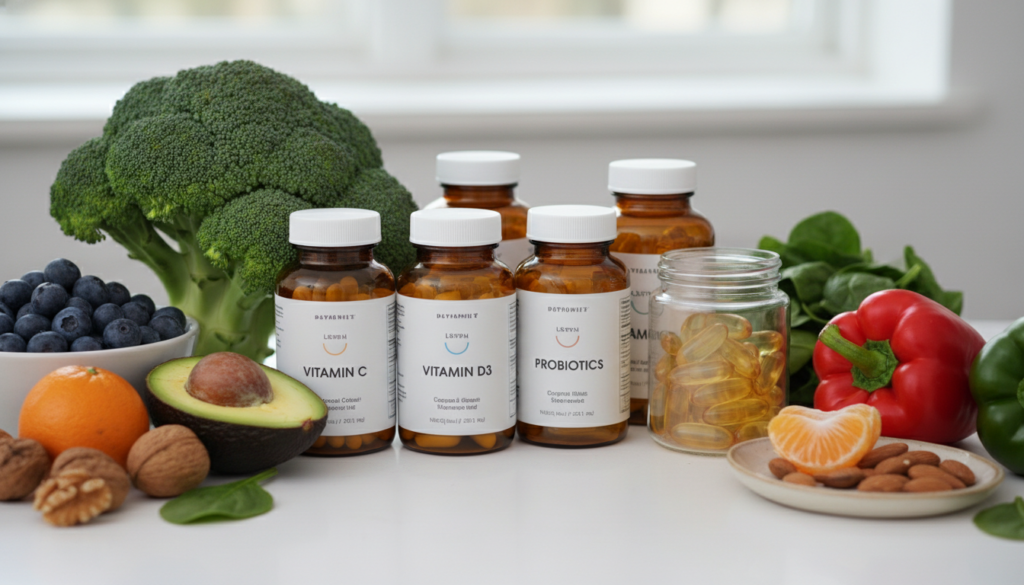
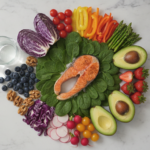
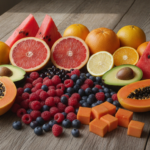
Your skin reflects what you put into your body. While skincare products play a role in skin health, the foods you eat create the foundation for a clear, glowing complexion. Research shows that certain nutrients can help protect skin from damage, reduce inflammation, and support collagen production.
The connection between diet and skin conditions like acne has been studied extensively. Scientists now understand that foods rich in antioxidants, omega-3 fatty acids, and specific vitamins can improve skin texture and appearance. Your body needs these nutrients to repair skin cells and maintain elasticity.
This guide explores twenty-three powerful foods that support clear skin. You’ll discover which nutrients matter most for skin health and learn practical ways to incorporate these foods into your daily meals. Whether you’re dealing with acne, premature aging, or simply want healthier skin, the right dietary choices can make a meaningful difference.
Omega-3 Fatty Acids: Essential Fats for Healthy Skin
Omega-3 fatty acids are crucial components for maintaining skin health. These essential fats help protect skin from inflammation and environmental damage. Your body cannot produce omega-3 fatty acids on its own, making dietary sources necessary.
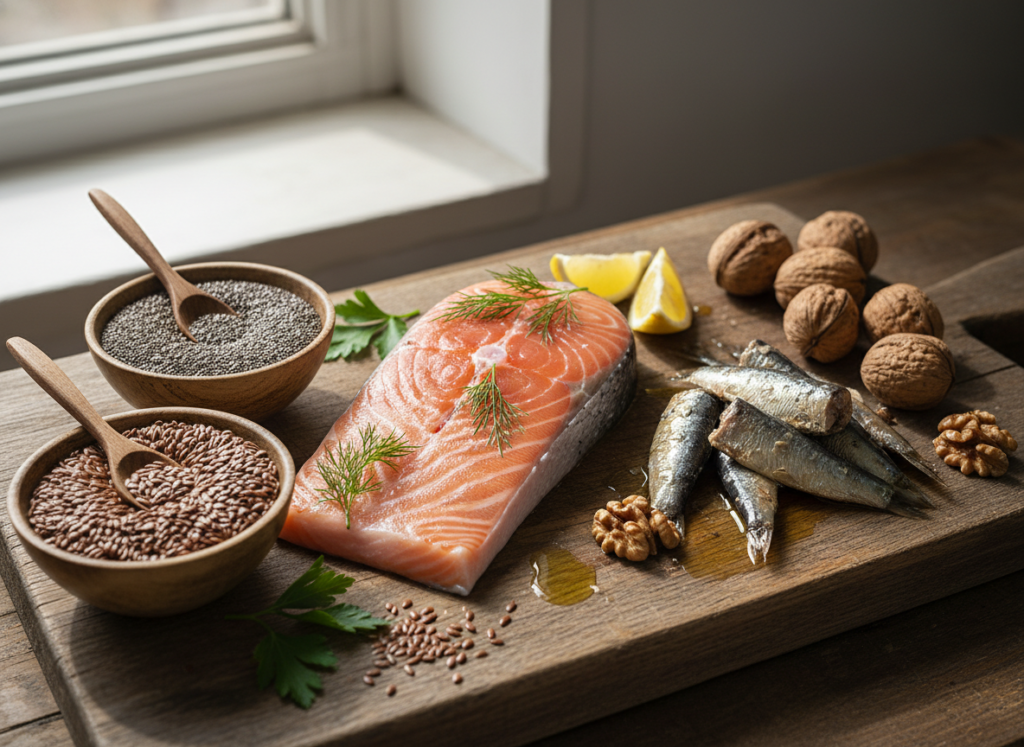
Fatty fish like salmon, mackerel, and sardines provide the highest concentrations of omega-3 fatty acids. Studies indicate that regular consumption of these fish can reduce skin inflammation and help protect skin against sun damage. The anti-inflammatory properties of omega-3 fatty acids may also help manage conditions like acne and eczema.
Best Sources of Omega-3s
Wild-caught salmon delivers high levels of EPA and DHA
Mackerel provides concentrated omega-3 fatty acids with minimal mercury
Sardines offer affordability and sustainability alongside omega-3s
Herring contains oils that help protect skin from oxidative stress
Anchovies pack omega-3s in small, versatile servings
Plant-based sources also provide omega-3 fatty acids, though in different forms. Walnuts, chia seeds, and flaxseeds contain ALA, which your body converts to EPA and DHA. While this conversion is less efficient than getting omega-3s directly from fish, these plant sources still contribute to skin health.
How Omega-3s Improve Skin
The fatty acids work at the cellular level to strengthen skin barriers. They help skin retain moisture and maintain elasticity. Research shows that omega-3 fatty acids can reduce sensitivity to UV radiation, though they don’t replace sunscreen.
People who consume adequate omega-3 fatty acids often notice improved skin texture. The anti-inflammatory effects can reduce redness and irritation. These fats also support the production of compounds that regulate oil production in skin.
Support Your Skin’s Omega-3 Needs
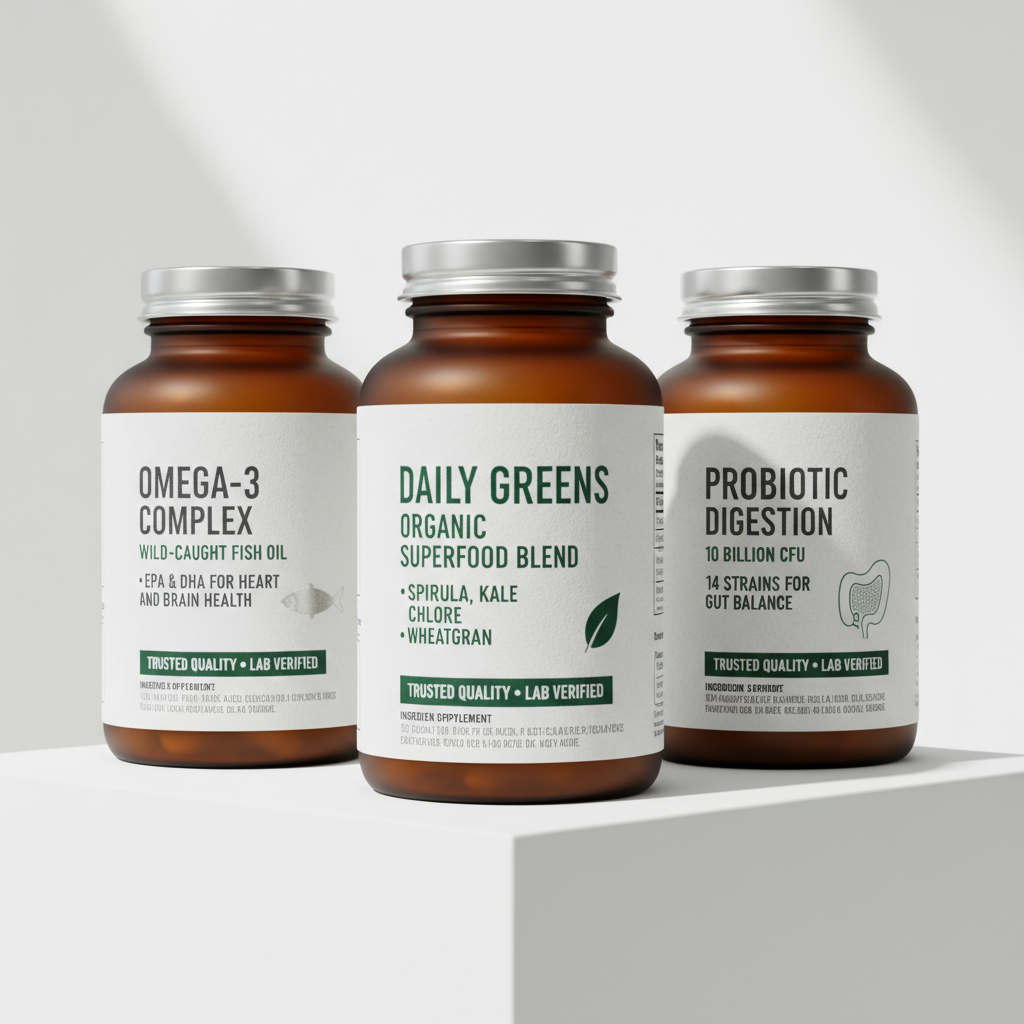
Getting enough omega-3 fatty acids from diet alone can be challenging. Many people find that a high-quality supplement helps them maintain optimal levels for clear, healthy skin. This comprehensive omega-3 formula is specifically designed to support skin health from within.
Vitamins play critical roles in maintaining skin health and preventing damage. Different vitamins serve unique functions, from supporting collagen production to protecting against oxidative stress. A diet rich in various vitamins creates optimal conditions for clear skin.
Vitamin C for Collagen and Protection
Vitamin C stands out as one of the most important nutrients for skin. This antioxidant supports collagen production, which maintains skin firmness and reduces signs of aging. Collagen gives your skin structure and helps it stay smooth.
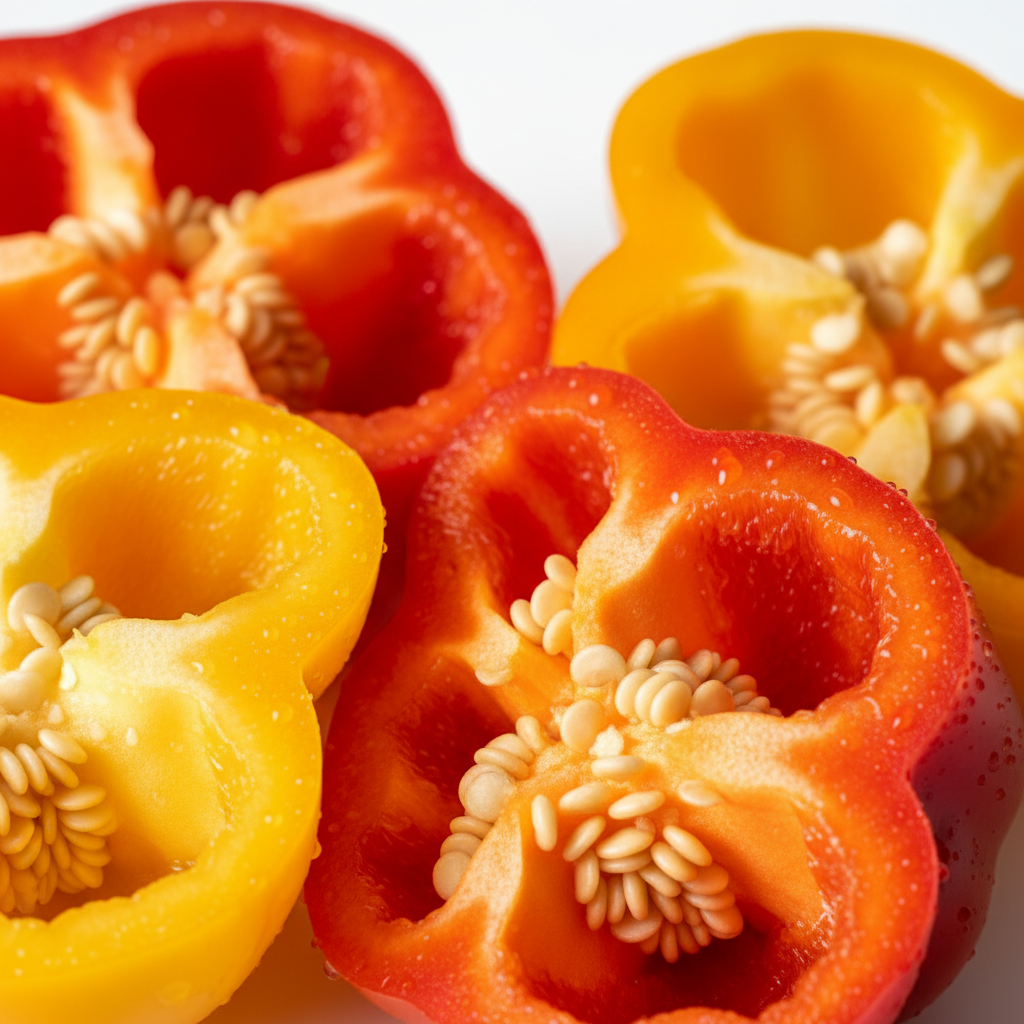
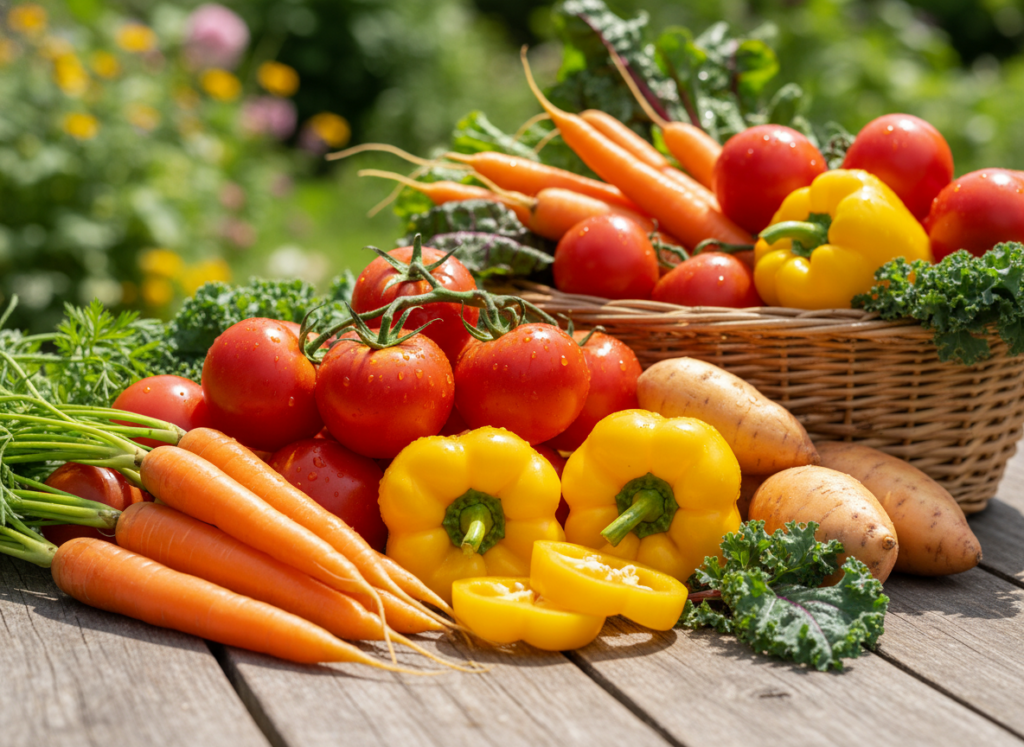
Bell peppers contain exceptionally high levels of vitamin C. Red bell peppers have more vitamin C than oranges. Yellow and orange bell peppers also provide substantial amounts. These colorful vegetables help protect skin from sun damage and support healing.
Red bell peppers deliver 190mg of vitamin C per cup
Strawberries provide vitamin C and skin-protecting antioxidants
Kiwi fruit offers concentrated vitamin C in small servings
Citrus fruits like oranges and grapefruit supply steady vitamin C
Broccoli combines vitamin C with other skin-supporting compounds
Vitamin A for Skin Renewal
Vitamin A promotes healthy skin cell production and turnover. This vitamin helps prevent clogged pores and supports the skin’s natural repair processes. Both retinol from animal sources and beta-carotene from plants contribute to vitamin A intake.
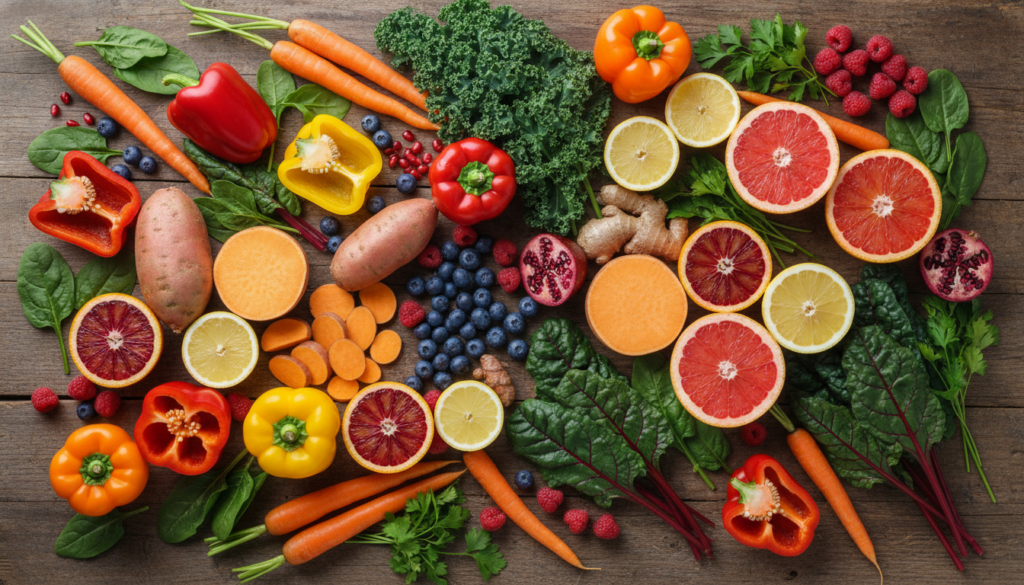
Sweet potatoes stand out as an excellent source of beta-carotene. Your body converts this compound to vitamin A. Carrots, spinach, and kale also provide high levels. These foods support skin renewal and may help reduce acne.
Vitamin E for Skin Protection
Vitamin E acts as a powerful antioxidant that protects skin cells from damage. This vitamin works alongside vitamin C to defend against premature aging. Foods rich in vitamin E help maintain skin’s protective barrier.
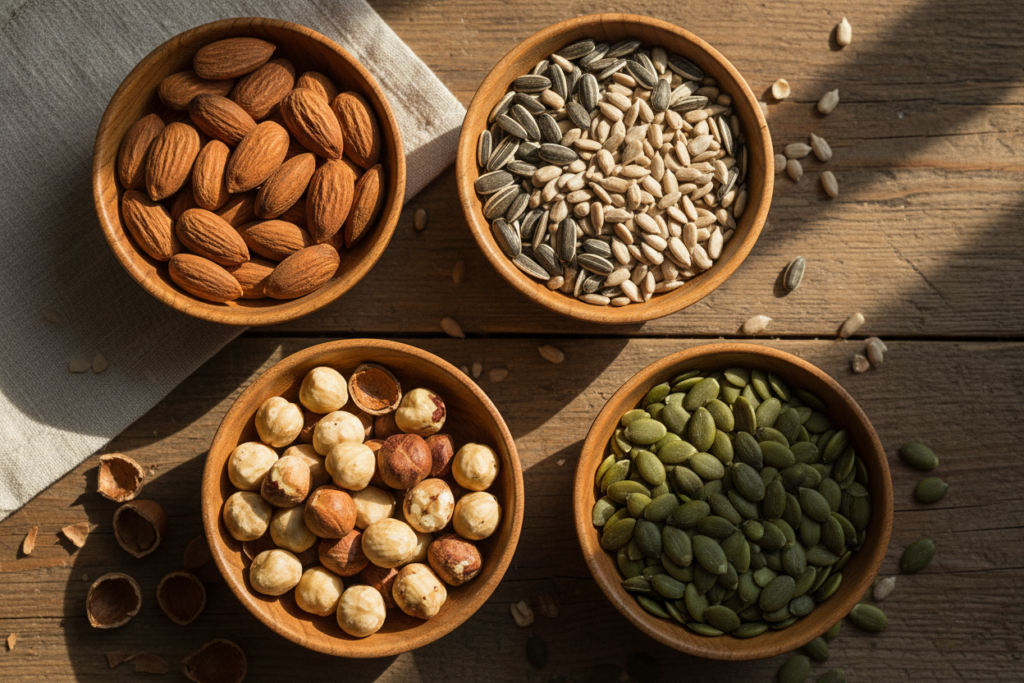
Almonds, sunflower seeds, and hazelnuts deliver substantial vitamin E. These nuts and seeds also provide healthy fats that support nutrient absorption. Avocados combine vitamin E with beneficial oils for comprehensive skin support.
Complete Vitamin Formula for Radiant Skin
While whole foods provide excellent nutrition, ensuring you get optimal levels of all skin-supporting vitamins can be complex. A comprehensive multivitamin formulated for skin health delivers the right balance of vitamins C, A, E, and other nutrients your skin needs daily.
Antioxidants help protect skin from free radical damage caused by pollution, UV exposure, and stress. These compounds neutralize harmful molecules that accelerate aging and damage skin cells. Foods high in antioxidants provide internal protection that complements topical skincare.
Berries for Skin Defense
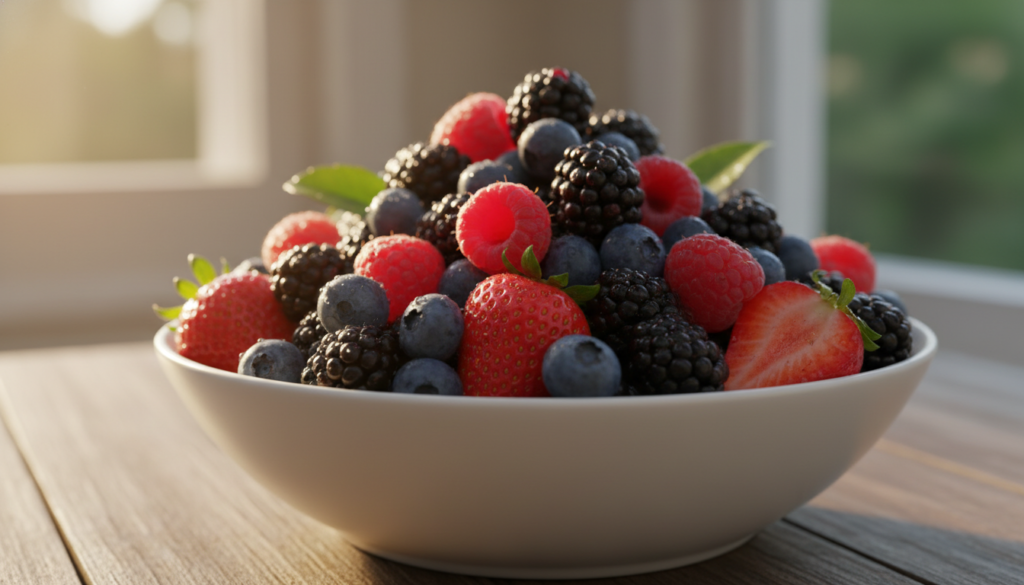
Berries rank among the most powerful antioxidant foods available. Blueberries contain anthocyanins that help protect skin from oxidative stress. Strawberries provide antioxidants alongside vitamin C for dual skin benefits.
Research indicates that regular berry consumption may reduce signs of premature aging. The antioxidants in berries help protect skin elasticity and support collagen structures. Raspberries and blackberries also deliver fiber that supports overall health.
Blueberries provide concentrated anthocyanins and vitamin C
Strawberries offer antioxidants that help protect skin cells
Raspberries contain ellagic acid that may reduce wrinkles
Blackberries deliver vitamins and minerals alongside antioxidants
Acai berries pack exceptional antioxidant density
Dark Chocolate for Skin Health
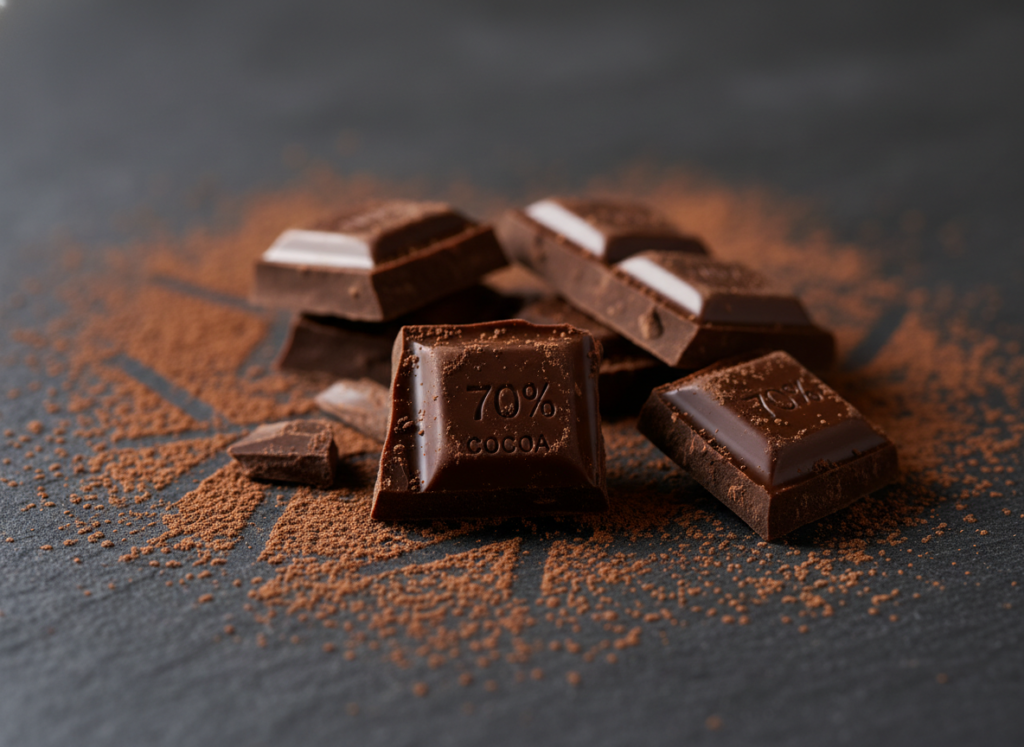
Dark chocolate with high cocoa content contains flavonols that improve skin texture. These antioxidants help protect skin from sun damage and increase blood flow to skin tissue. The key is choosing chocolate with at least seventy percent cocoa.
Studies show that consuming high-flavanol cocoa can improve skin hydration and thickness. The antioxidants in dark chocolate may also reduce skin roughness. Moderate consumption provides benefits without excessive sugar or calories.
Green Tea Benefits
Green tea contains powerful antioxidants called catechins that help protect skin. Regular green tea consumption may reduce redness and inflammation. The polyphenols in green tea also support skin elasticity and hydration.
Both drinking green tea and applying it topically can benefit skin. The antioxidants help protect against UV damage and may slow signs of aging. Green tea also contains compounds that can help reduce acne inflammation.
Antioxidant Protection from Within
Maximizing your antioxidant intake supports your skin’s natural defenses against environmental stressors. This specialized antioxidant program combines potent plant extracts with proven skin-supporting compounds to help you achieve a clearer, more youthful complexion.
Proper hydration is essential for maintaining healthy skin. Water helps flush toxins from your body and keeps skin cells plump and functional. Dehydrated skin appears dull and emphasizes fine lines.
While drinking water is important, eating water-rich foods contributes significantly to overall hydration. These foods provide water along with vitamins, minerals, and other beneficial compounds. The combination supports both skin health and general wellness.
Water-Rich Vegetables
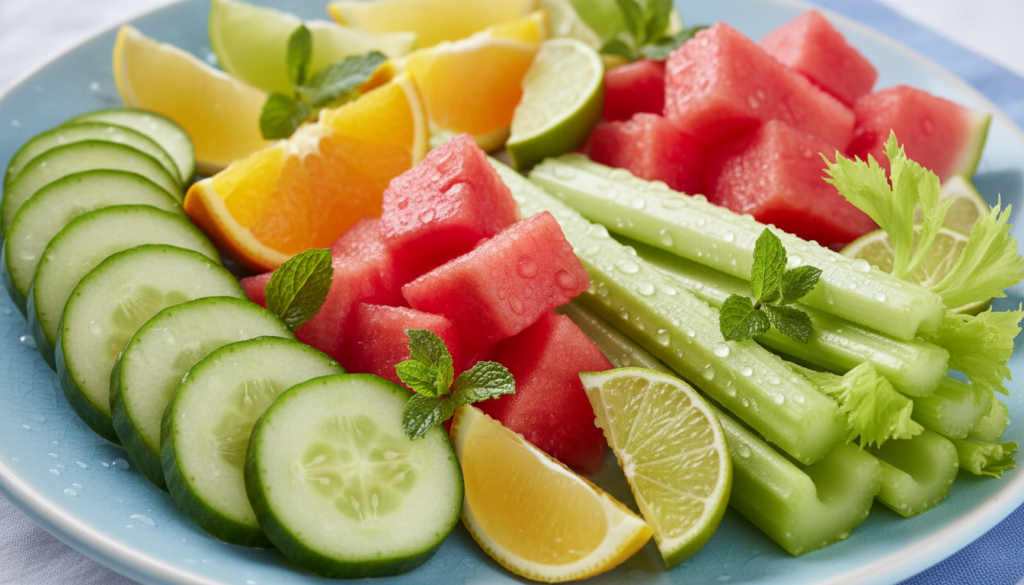
Cucumbers contain about ninety-five percent water, making them exceptional for hydration. They also provide silica, a compound that supports skin elasticity. Celery offers similar water content along with vitamins and minerals.
Lettuce varieties like iceberg and romaine provide substantial water content. Zucchini delivers hydration along with vitamin C and other nutrients. These vegetables are easy to incorporate into salads and meals.
Cucumbers offer maximum water content and skin-supporting silica
Celery provides hydration with added vitamins and minerals
Lettuce varieties contribute to daily water intake
Zucchini combines water with vitamin C for skin benefits
Tomatoes deliver water plus lycopene for skin protection
Hydrating Fruits
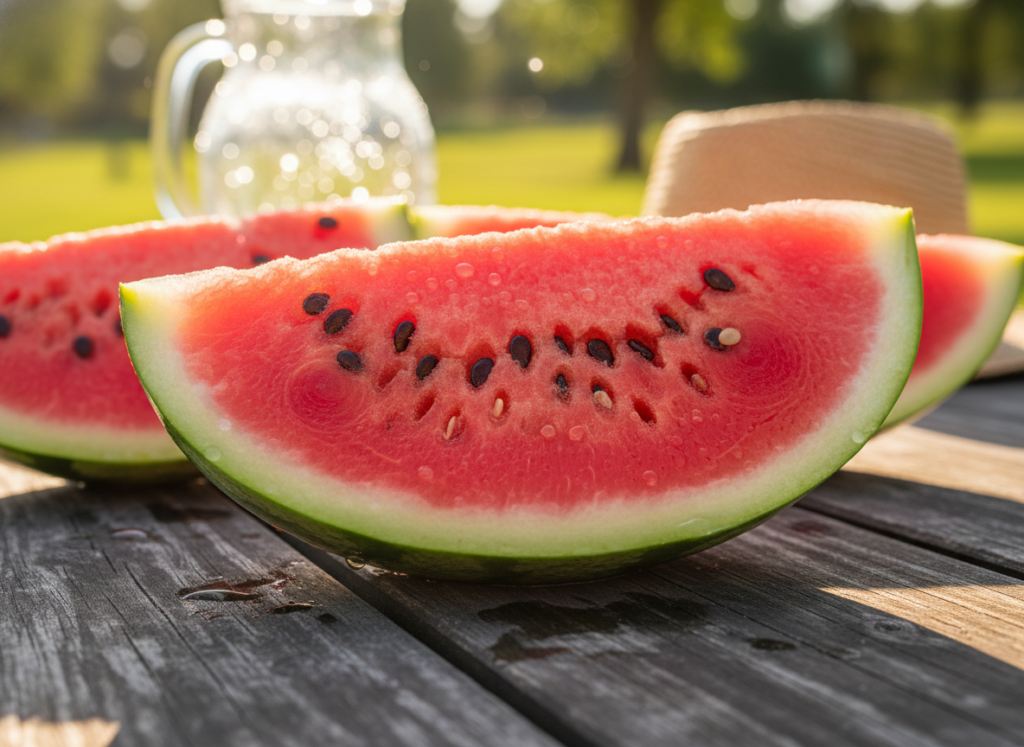
Watermelon lives up to its name with over ninety percent water content. This fruit also contains lycopene, an antioxidant that may help protect skin from sun damage. Strawberries provide hydration along with vitamin C.
Oranges and grapefruits offer both water and vitamin C. Their high water content supports skin hydration while vitamins promote collagen production. Cantaloupe provides beta-carotene alongside substantial water content.
Many people find that incorporating hydration-supporting supplements helps them maintain optimal moisture levels when diet alone isn’t sufficient. These products work alongside water-rich foods to support skin from the inside out.
Healthy Fats for Supple, Moisturized Skin
Healthy fats are crucial for maintaining skin’s moisture barrier and elasticity. These fats help your body absorb fat-soluble vitamins that support skin health. Without adequate healthy fats, skin can become dry and prone to irritation.
Avocados for Skin Nourishment
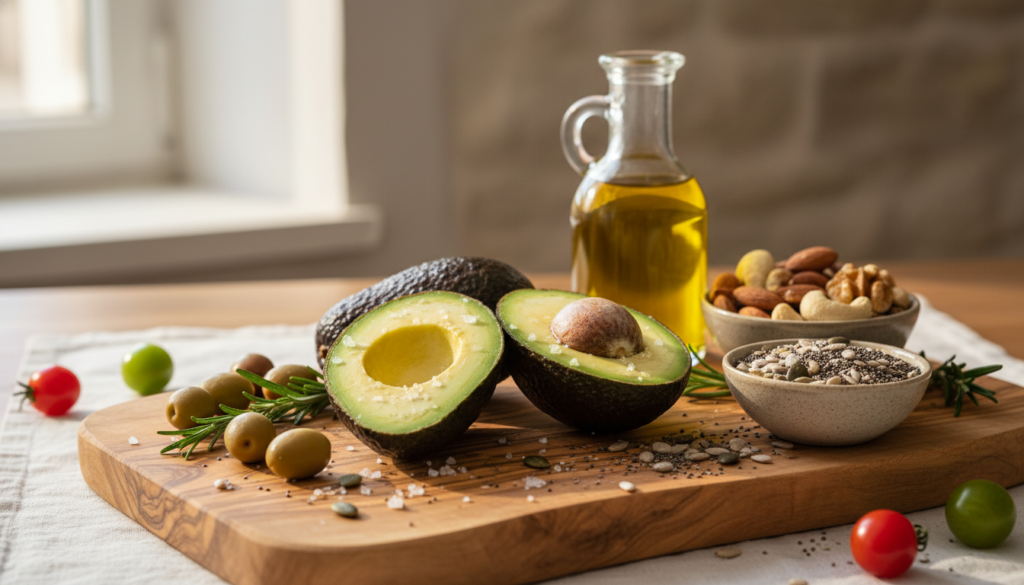
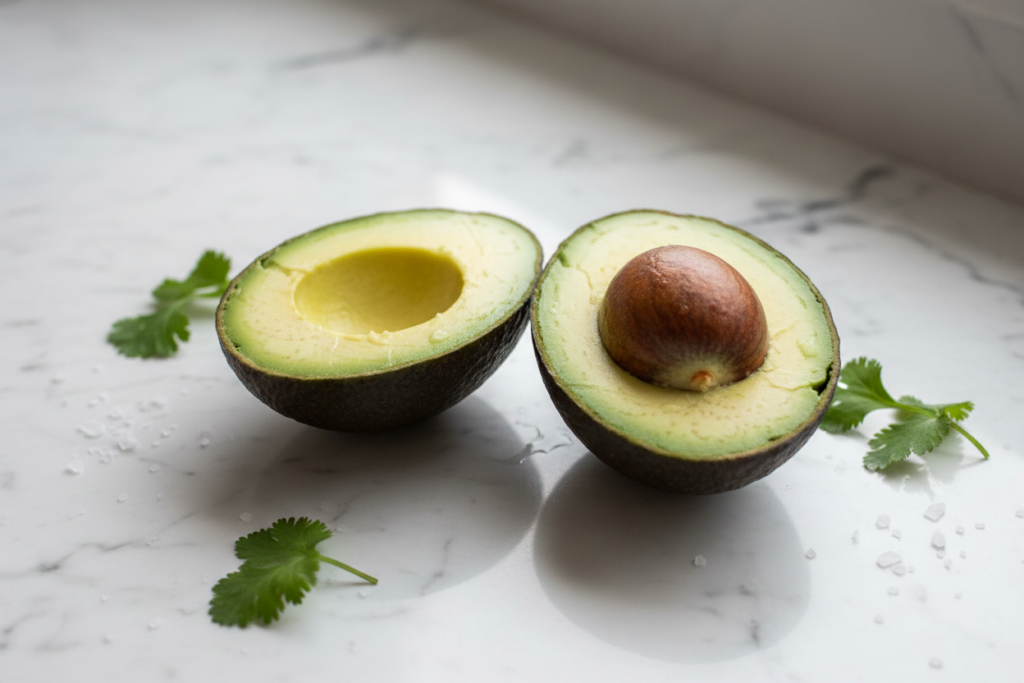
Avocados contain monounsaturated fats that help keep skin flexible and moisturized. They provide vitamin E and vitamin C, creating a powerful combination for skin protection. The fats in avocados help your body absorb other nutrients from foods.
Research suggests that avocado consumption may improve skin elasticity and reduce signs of aging. The combination of fats and antioxidants provides comprehensive skin support. Avocados are versatile and easy to include in various meals.
Nuts and Seeds
Walnuts provide both omega-3 fatty acids and vitamin E for skin protection. Almonds deliver vitamin E and healthy fats that support skin barrier function. Sunflower seeds offer vitamin E along with selenium and zinc.
Walnuts combine omega-3s with minerals for comprehensive support
Almonds provide vitamin E and skin-protecting compounds
Sunflower seeds deliver selenium that helps protect skin
Chia seeds offer omega-3s in plant-based form
Flaxseeds provide lignans that may support skin health
Olive Oil Benefits
Extra virgin olive oil contains monounsaturated fats and antioxidants that benefit skin. The polyphenols in olive oil have anti-inflammatory properties. Using olive oil in cooking helps you absorb fat-soluble vitamins from vegetables.
Studies indicate that olive oil consumption is associated with lower signs of photoaging. The Mediterranean diet, rich in olive oil, correlates with healthier skin. Both consuming and applying olive oil can support skin health.
Foods That Can Harm Skin Health
Certain foods can trigger skin problems or worsen existing conditions. Understanding which foods to limit helps you make better choices for clear skin. The impact varies among individuals, but common patterns emerge from research.
Refined Carbohydrates and Sugar
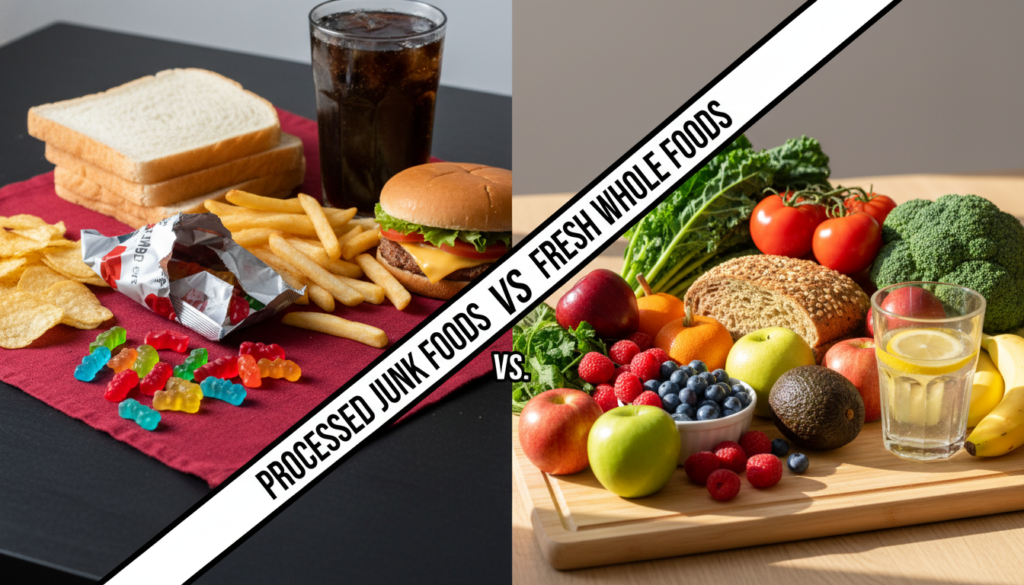
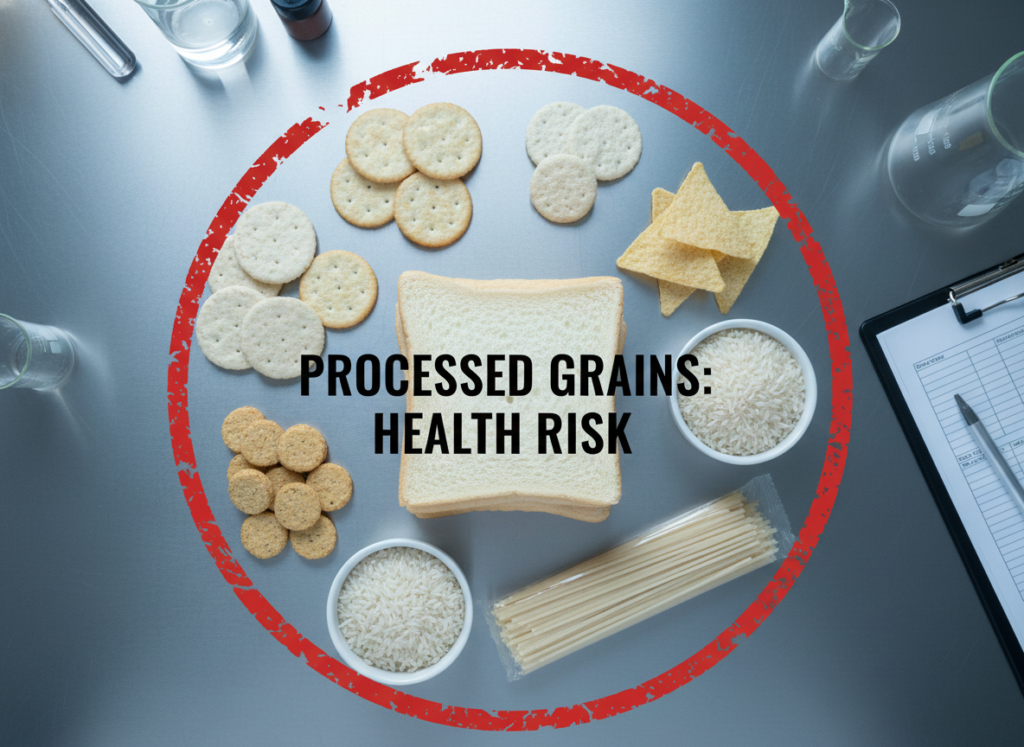
White bread, pastries, and sugary snacks cause rapid spikes in blood sugar. These spikes trigger inflammation throughout the body, including in skin tissue. High-glycemic foods may increase acne severity and accelerate aging.
Refined carbohydrates lack the fiber found in whole grains. This absence means faster digestion and higher blood sugar responses. The resulting inflammation can manifest as breakouts, redness, or other skin issues.
White bread raises blood sugar rapidly and promotes inflammation
Sugary desserts trigger insulin spikes that affect skin
Candy and soda provide empty calories without skin benefits
Processed cereals often contain high sugar and low nutrients
Pastries combine refined flour with unhealthy fats
Dairy Products
Some people experience acne flare-ups related to dairy consumption. Milk contains hormones that may stimulate oil production in skin. The relationship between dairy and acne varies significantly among individuals.
Skim milk appears more strongly linked to acne than whole milk in some studies. The processing and hormone content may contribute to skin problems. If you suspect dairy affects your skin, try eliminating it temporarily to observe changes.
Processed and Fried Foods
Foods high in trans fats and processed oils can promote inflammation. French fries, chips, and similar foods contain compounds that may accelerate aging. The oils used in frying can oxidize and create harmful substances.
Processed meats contain preservatives and high sodium levels that can affect skin. These foods lack the nutrients that support healthy skin. Choosing whole, unprocessed foods provides better nutrition for clear skin.
Transform Your Diet for Clearer Skin
Breaking free from skin-damaging foods requires knowledge and support. This comprehensive diet transformation guide provides meal plans, recipes, and strategies to eliminate problematic foods while introducing skin-supporting alternatives. Many users report noticeable improvements in skin clarity within weeks.
Zinc plays essential roles in skin health and wound healing. This mineral helps regulate oil production and supports immune function in skin. Adequate zinc intake may reduce acne severity and promote faster healing.
Top Zinc Sources
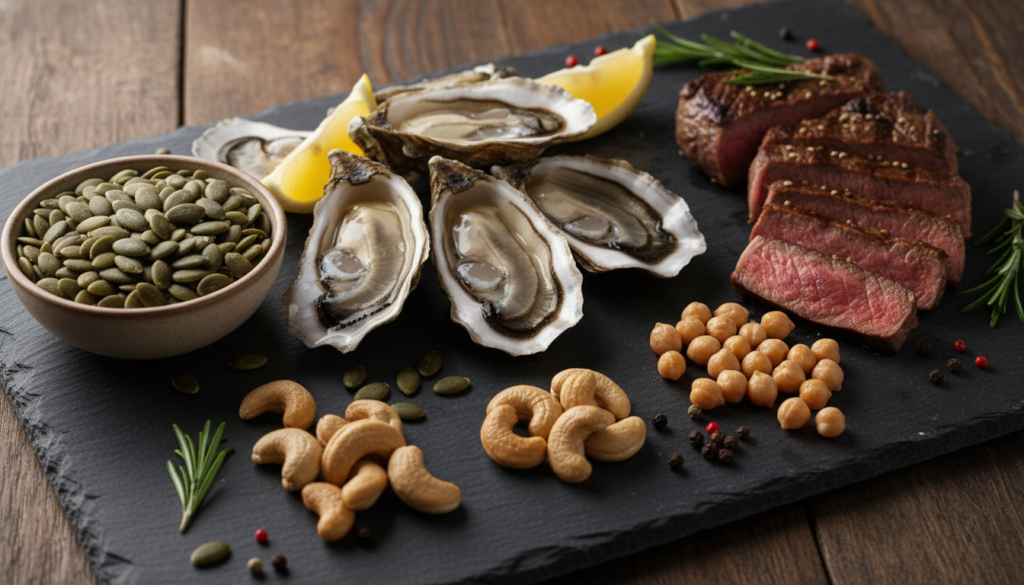
Oysters contain more zinc per serving than any other food. These shellfish provide exceptional mineral density along with protein. Beef and lamb offer substantial zinc in easily absorbed forms.
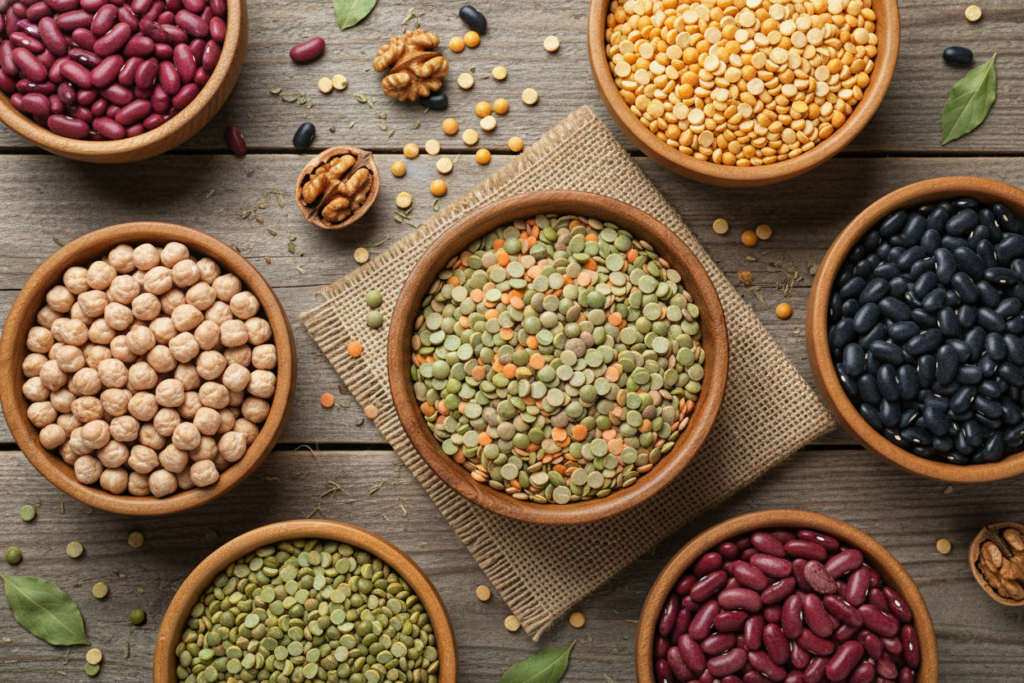
Pumpkin seeds deliver plant-based zinc along with healthy fats. Chickpeas and lentils provide zinc for vegetarian diets. Cashews offer zinc along with other minerals that support skin health.
Oysters provide exceptional zinc density for skin support
Beef delivers easily absorbed zinc and protein
Pumpkin seeds offer plant-based zinc and vitamin E
Chickpeas combine zinc with fiber and protein
Cashews provide zinc along with healthy fats
How Zinc Supports Skin
Zinc helps reduce inflammation and regulate sebum production. The mineral supports skin’s healing processes and may reduce acne lesions. Zinc also has antioxidant properties that help protect skin cells from damage.
Studies show that people with acne often have lower zinc levels than those with clear skin. Supplementing zinc may improve acne in some individuals. Getting adequate zinc through diet provides a foundation for clear skin.
Protein: Building Blocks for Healthy Skin
Protein provides amino acids that your body uses to build and repair skin tissue. Collagen and elastin, the proteins that give skin structure, require adequate protein intake. Without sufficient protein, skin cannot maintain its firmness and elasticity.
Animal Protein Sources
Fish provides protein along with omega-3 fatty acids for dual skin benefits. Salmon offers complete protein plus nutrients that help protect skin. Chicken and turkey deliver lean protein without excessive fat.
Eggs contain all essential amino acids your body needs for skin repair. The protein in eggs is highly bioavailable, meaning your body can use it efficiently. Eggs also provide vitamins A and E for additional skin support.
Plant-Based Protein Options
Legumes like lentils and beans provide protein along with fiber and minerals. Quinoa offers complete protein with all essential amino acids. Tofu and tempeh deliver soy protein that some studies link to improved skin elasticity.
Lentils provide protein plus zinc and iron for skin
Chickpeas deliver protein and skin-supporting minerals
Quinoa offers complete protein in grain form
Tofu provides soy protein that may benefit skin elasticity
Hemp seeds combine protein with omega-3 fatty acids
Adequate protein intake supports collagen production and skin repair. The amino acids from protein help maintain skin firmness. Combining protein sources throughout the day ensures you get all necessary amino acids.
Additional Nutrients That Support Skin Health
Beyond the major vitamins and minerals, several other nutrients contribute to healthy skin. These compounds work together to protect, repair, and maintain skin tissue. A varied diet ensures you receive these beneficial nutrients.
Selenium for Protection
Selenium acts as an antioxidant that helps protect skin from damage. This mineral supports glutathione production, a powerful antioxidant in your body. Brazil nuts provide exceptional selenium density, with just two nuts meeting daily needs.
Studies suggest selenium may help protect against skin cancer and reduce inflammation. The mineral works with vitamin E to enhance antioxidant protection. Fish, eggs, and whole grains also provide selenium.
Polyphenols from Plants
Polyphenols are plant compounds with antioxidant and anti-inflammatory properties. These substances help protect skin from UV damage and premature aging. Green tea, dark chocolate, and berries contain high polyphenol levels.
Red wine and grapes contain resveratrol, a polyphenol linked to skin benefits. Moderate consumption may support skin health, though excessive alcohol can harm skin. Tea provides polyphenols without alcohol’s negative effects.
Carotenoids for Skin Color
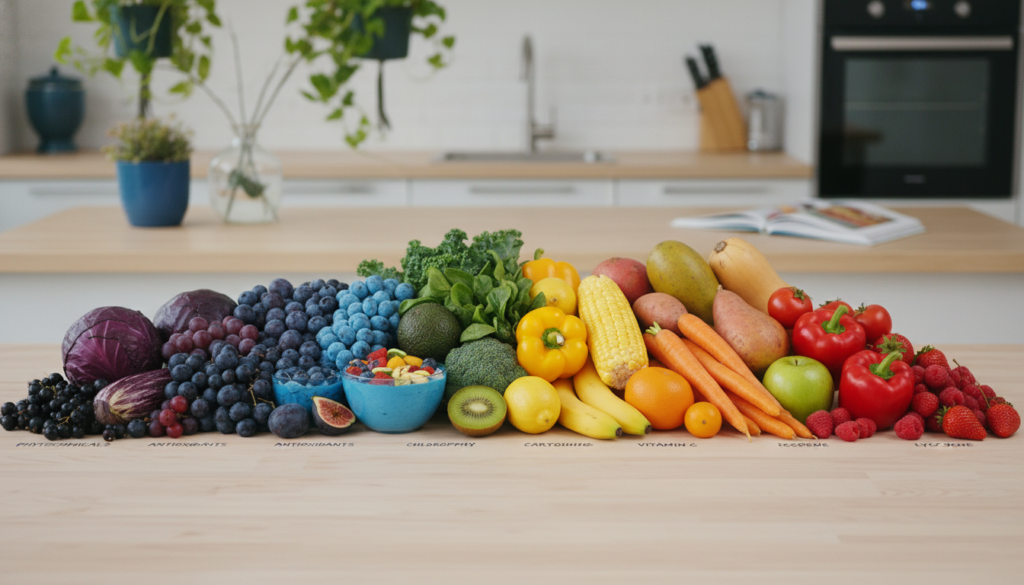
Carotenoids are pigments that give foods their red, orange, and yellow colors. These compounds accumulate in skin and may improve skin tone. Beta-carotene from carrots and lycopene from tomatoes are well-studied carotenoids.
Research indicates that carotenoid-rich diets may provide mild protection against sun damage. The compounds also act as antioxidants that help protect skin cells. Eating a variety of colorful vegetables ensures adequate carotenoid intake.
Complete Skin Nutrition System
This all-in-one nutritional system combines omega-3s, vitamins, minerals, and antioxidants specifically formulated to support clear, healthy skin. Users report visible improvements in skin texture and clarity.
Complete spectrum of skin-supporting nutrients
High bioavailability formulations
Backed by dermatological research
No artificial additives or fillers
Skin Clarity Enhancement Program
A comprehensive program combining targeted supplementation with dietary guidance. Includes personalized meal plans and recipes designed to maximize nutrient absorption for optimal skin health.
Step-by-step implementation guides
Customizable meal planning tools
Evidence-based supplement protocols
Ongoing support and resources
Creating a Skin-Healthy Meal Plan
Building meals around skin-supporting foods doesn’t require complicated recipes or expensive ingredients. Simple planning ensures you consume a variety of nutrients throughout the day. Consistency matters more than perfection when it comes to diet and skin health.
Breakfast Ideas
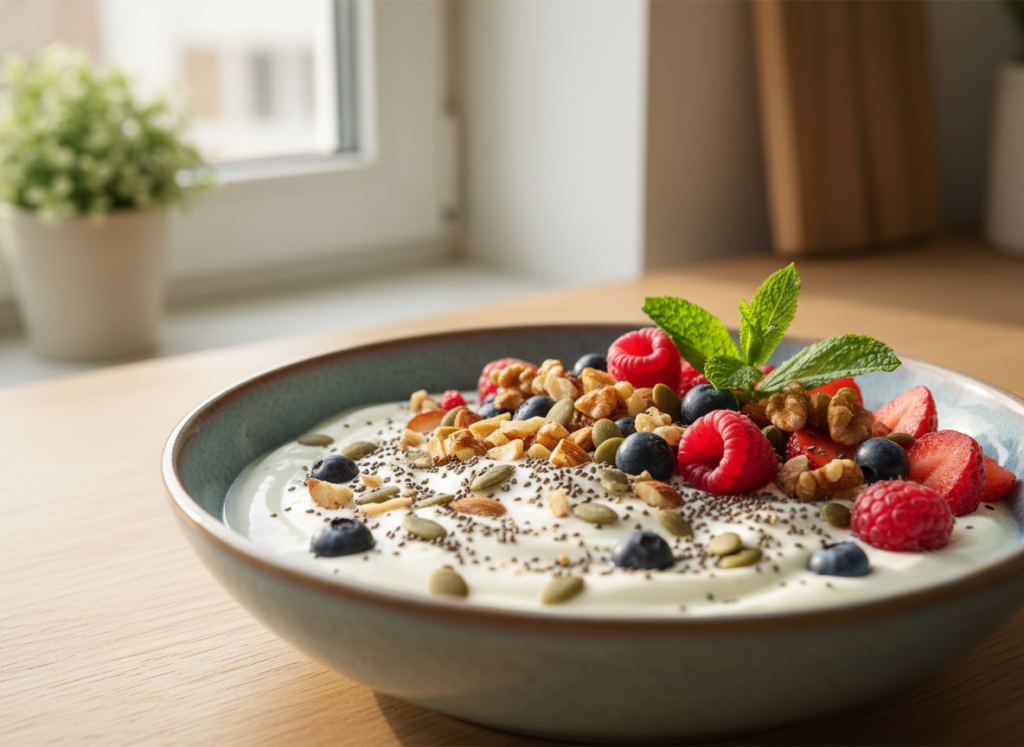
Start your day with foods that provide lasting energy and skin nutrients. Greek yogurt topped with berries and walnuts delivers protein, antioxidants, and omega-3 fatty acids. This combination supports skin throughout the morning.
Scrambled eggs with spinach and tomatoes provide protein, vitamins, and lycopene. Avocado toast on whole grain bread offers healthy fats along with fiber. Green tea alongside breakfast provides additional antioxidants.
Lunch Options
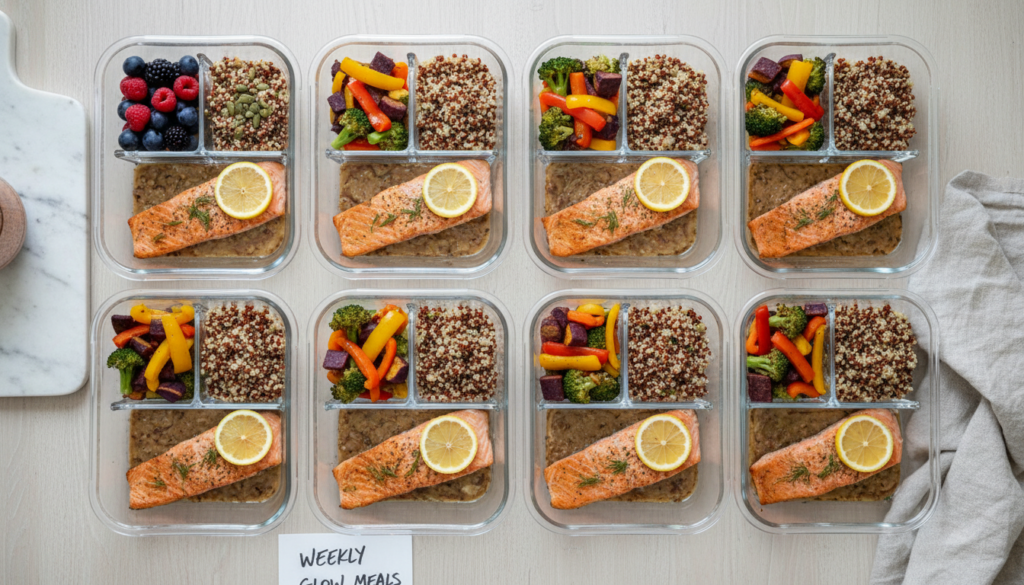
Salmon salad with mixed greens provides omega-3 fatty acids and various vitamins. Add bell peppers, carrots, and cucumber for vitamin C and hydration. Dress with olive oil for additional healthy fats.
Quinoa bowls with roasted vegetables and chickpeas offer complete protein and minerals. Top with avocado for healthy fats and vitamin E. This combination delivers comprehensive nutrition for skin health.
Dinner Combinations
Grilled fish with sweet potato and broccoli creates a nutrient-dense dinner. This meal provides omega-3s, beta-carotene, and vitamin C. The combination supports multiple aspects of skin health.
Chicken stir-fry with colorful vegetables over brown rice delivers protein and antioxidants. Include bell peppers, carrots, and snap peas for variety. Use minimal oil and focus on the natural flavors of ingredients.
Snack Strategies
Raw almonds provide vitamin E and healthy fats between meals
Sliced bell peppers with hummus offer vitamin C and protein
Fresh berries deliver antioxidants in a convenient form
Dark chocolate squares provide polyphenols when cravings strike
Green tea offers hydration and antioxidants throughout the day
Lifestyle Factors That Complement Diet
Diet forms the foundation of clear skin, but other lifestyle factors significantly impact results. Sleep, stress management, and exercise all influence skin health. Addressing these areas creates synergy with dietary improvements.
Sleep and Skin Repair
Your skin repairs and regenerates during sleep. Inadequate sleep disrupts these processes and can lead to dull, tired-looking skin. Aim for seven to nine hours of quality sleep each night.
During deep sleep, your body increases growth hormone production. This hormone stimulates cell reproduction and skin regeneration. Poor sleep also elevates cortisol, which can increase inflammation and affect skin conditions.
Stress Management
Chronic stress triggers inflammatory responses throughout your body. This inflammation can manifest as acne breakouts, redness, or other skin issues. Stress also affects hormones that influence oil production.
Incorporating stress reduction techniques supports skin health. Meditation, deep breathing, and regular exercise help manage stress levels. Even brief daily practices can make noticeable differences.
Exercise Benefits
Regular physical activity increases blood flow to skin tissue. This improved circulation delivers oxygen and nutrients while removing waste products. Exercise also helps regulate hormones that affect skin.
Sweating during exercise helps clear pores, though you should cleanse skin afterward. Physical activity reduces stress and improves sleep quality. These combined effects support the skin benefits you gain from a healthy diet.
Sun Protection
While diet provides internal protection, sun damage remains a major cause of premature aging. Use sunscreen daily to help protect skin from UV radiation. Antioxidant-rich foods complement but don’t replace sun protection.
Seek shade during peak sun hours and wear protective clothing. The combination of dietary antioxidants and external protection provides comprehensive defense against sun damage. Both approaches work better together than either alone.
When to Consider Supplements for Skin Health
Whole foods should form the foundation of your approach to clear skin. However, supplements can fill nutritional gaps when diet alone falls short. Certain situations make supplementation particularly beneficial.
Identifying Nutritional Gaps
Some nutrients are difficult to obtain in adequate amounts through diet. Omega-3 fatty acids require regular fish consumption that many people don’t maintain. Vitamin D production depends on sun exposure, which varies by location and season.
Vegetarian and vegan diets may lack certain nutrients found primarily in animal products. Zinc and vitamin B12 can be challenging to obtain from plant sources alone. Quality supplements help ensure adequate intake.
Choosing Quality Supplements
Not all supplements offer equal quality or effectiveness. Look for products tested by third-party organizations for purity and potency. Check for bioavailable forms of nutrients that your body can actually use.
Third-party testing ensures purity and label accuracy
Bioavailable forms improve nutrient absorption
Transparent ingredient lists without proprietary blends
Manufacturing standards following GMP guidelines
Evidence-based dosing for optimal effectiveness
Common Skin Supplements
Fish oil provides concentrated omega-3 fatty acids for those who don’t eat fish regularly. The EPA and DHA in fish oil support skin inflammation reduction. Quality matters significantly with fish oil supplements.
Vitamin D supplementation benefits people with limited sun exposure. This vitamin supports immune function in skin tissue. Many dermatologists recommend vitamin D for overall skin health.
Collagen supplements have gained popularity for skin benefits. While research continues, some studies suggest they may improve skin elasticity and hydration. The body can break down and use collagen peptides from supplements.
Working with Healthcare Providers
Consult healthcare professionals before starting new supplements. They can identify deficiencies through blood tests and recommend appropriate dosages. Some supplements interact with medications or health conditions.
Regular monitoring ensures supplements remain effective and safe. Dosages may need adjustment based on dietary changes or health status. Professional guidance optimizes your supplement strategy.
Your Path to Clearer Skin Through Nutrition
Achieving clear skin through diet requires patience and consistency. Most people notice initial improvements within four to six weeks of dietary changes. Significant transformations often take three to six months as skin cells renew.
Focus on incorporating more skin-supporting foods rather than obsessing over elimination. Add fatty fish, colorful vegetables, and antioxidant-rich fruits to your regular meals. These positive additions naturally crowd out less beneficial options.
Remember that individual responses vary based on genetics, existing conditions, and overall health. What works exceptionally well for one person may produce modest results for another. Pay attention to how your skin responds to dietary changes.
Combining nutrient-dense foods with adequate sleep, stress management, and sun protection creates the best environment for clear skin. No single food or supplement works miracles, but the cumulative effect of healthy choices produces meaningful results.
Start with small, sustainable changes rather than dramatic overhauls. Replace one processed snack with fresh fruit. Add an extra serving of vegetables to dinner. These incremental improvements build momentum toward lasting dietary habits.
Your skin reflects your overall health and the care you provide through nutrition. By consistently choosing foods rich in omega-3 fatty acids, vitamins, antioxidants, and other beneficial compounds, you support your skin’s natural ability to repair, protect, and maintain itself. The journey to clearer skin begins with the next meal you eat.