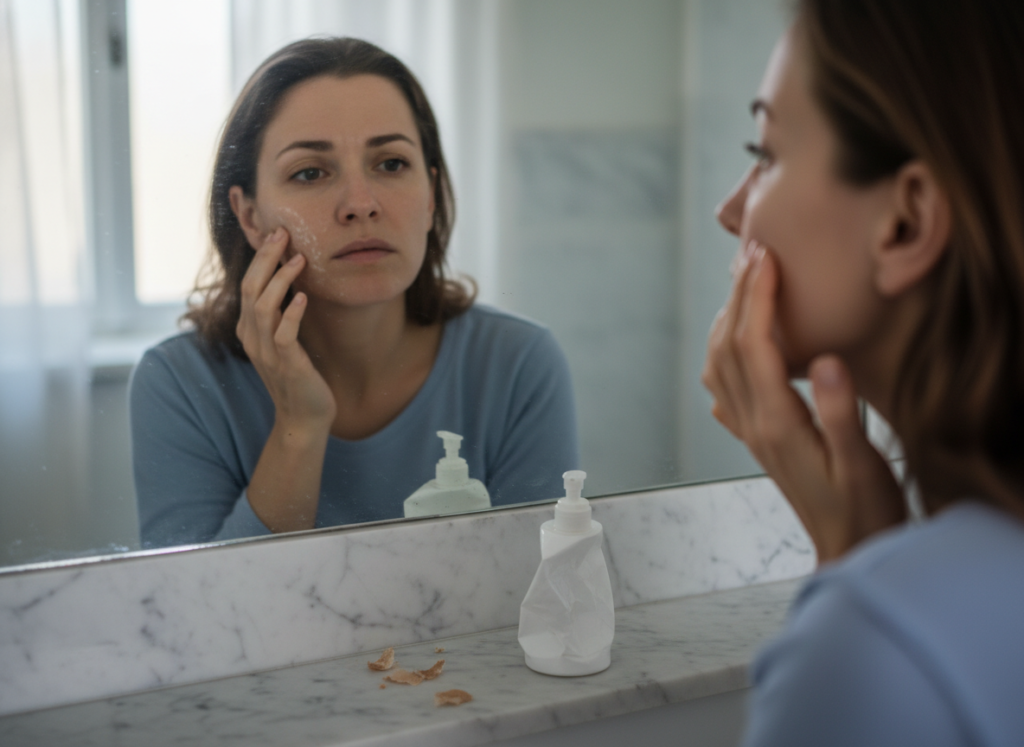
Waking up to tight, flaky skin can feel frustrating. Your face feels uncomfortable, and makeup doesn’t apply smoothly. You’ve tried countless products, but nothing seems to provide lasting relief. The truth is, dry skin requires a specific approach that goes beyond simply slathering on any moisturizer.
Understanding how to care for dry skin properly transforms not just your appearance but also your comfort. When you follow a targeted routine dry skin responds beautifully, revealing the soft, supple texture underneath.
This comprehensive guide walks you through everything needed to build an effective dry skin care routine. You’ll discover which ingredients actually work, how to layer products correctly, and which common mistakes to avoid.
Understanding What Causes Dry Skin and Why It Matters
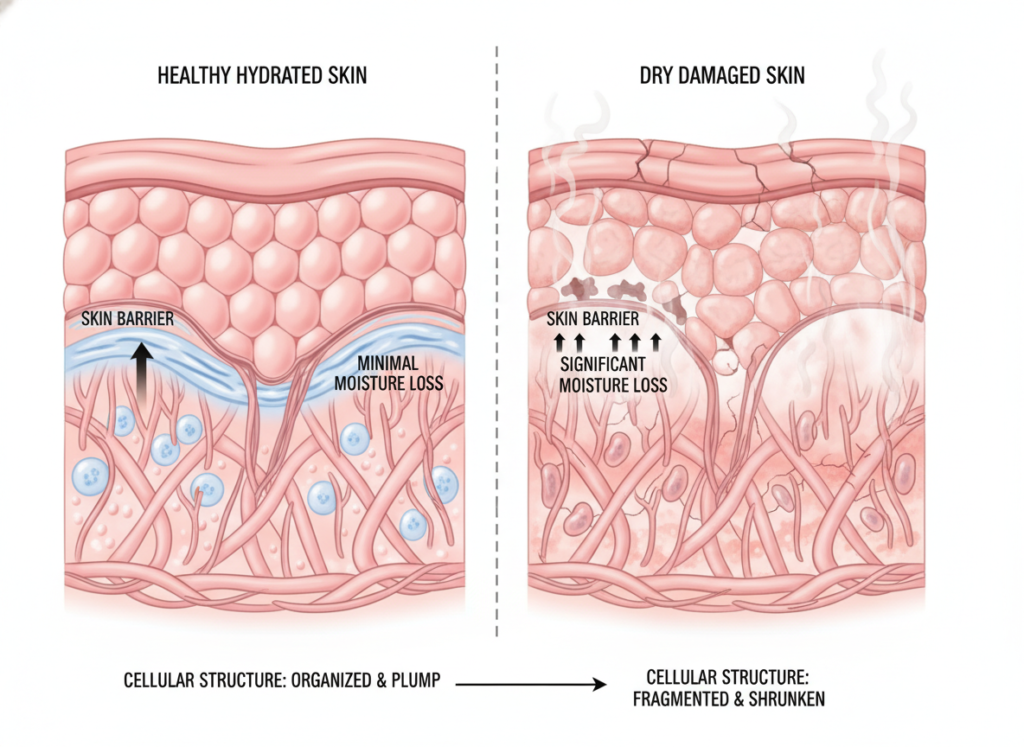
Dry skin happens when your skin barrier can’t retain enough moisture. This protective barrier keeps water in and irritants out. When it weakens, moisture evaporates rapidly.
Several factors compromise your skin natural oils. Cold weather strips moisture from your face. Hot showers dissolve protective lipids. Harsh cleansers remove beneficial oils along with dirt.
Your skin needs specific support to function properly. Without adequate hydration, it becomes vulnerable to environmental damage. Fine lines appear more pronounced. Texture feels rough instead of smooth.
Environmental Triggers
External factors that deplete skin moisture and damage protective barriers daily:
Low humidity levels during winter months
Excessive sun exposure without protection
Air conditioning and indoor heating systems
Wind exposure that accelerates moisture loss
Lifestyle Factors
Daily habits and choices that directly impact your skin’s hydration status:
Insufficient water consumption throughout day
Hot showers that strip natural oils
Using harsh soaps and cleansers regularly
Not moisturizing immediately after cleansing
Internal Factors
Biological and health-related causes affecting moisture retention from within:
Natural aging process reducing oil production
Hormonal changes affecting skin function
Certain medications with drying side effects
Underlying health conditions impacting skin
Product-Related Issues
Common skincare mistakes that worsen dryness instead of improving it:
Alcohol-based products that dehydrate skin
Over-exfoliating with aggressive scrubs
Skipping sunscreen allowing UV damage
Using products with irritating fragrances
Transform Your Dry Skin Starting Today
Discover the complete science-backed system specifically designed to restore your skin’s natural moisture barrier and eliminate persistent dryness permanently.
Building Your Perfect Morning Dry Skin Care Routine
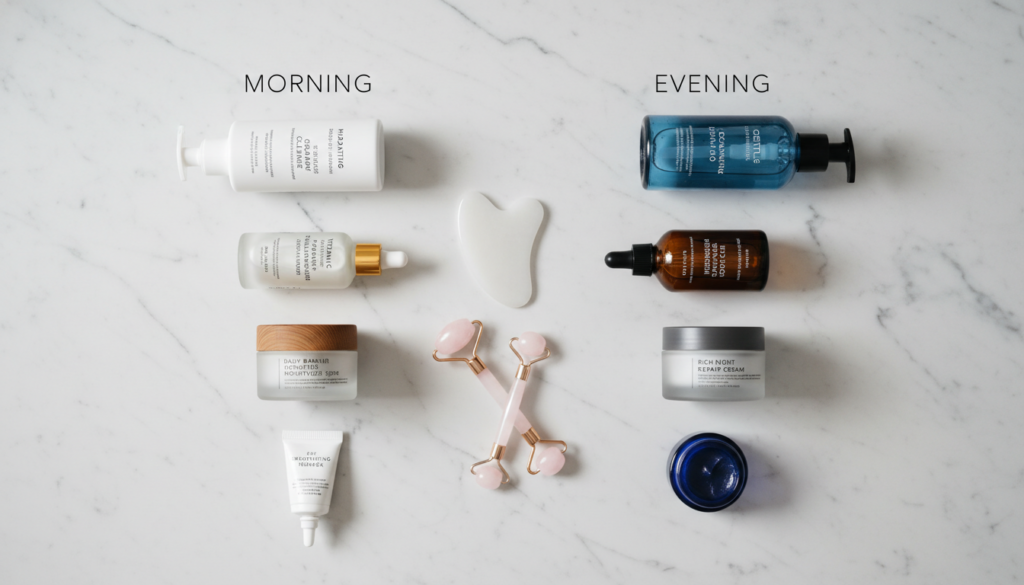
Your morning routine sets the foundation for all-day hydration. Starting with gentle cleansing preserves your skin natural oils while removing overnight buildup.
The first step involves using a cream-based or oil-based cleanser. These formulas clean effectively without stripping away moisture. Water alone doesn’t remove oil-soluble impurities that accumulate on your face overnight.
After cleansing, your skin remains slightly damp. This is the perfect moment to layer hydrating products. Each step builds upon the previous one, creating multiple moisture barriers.
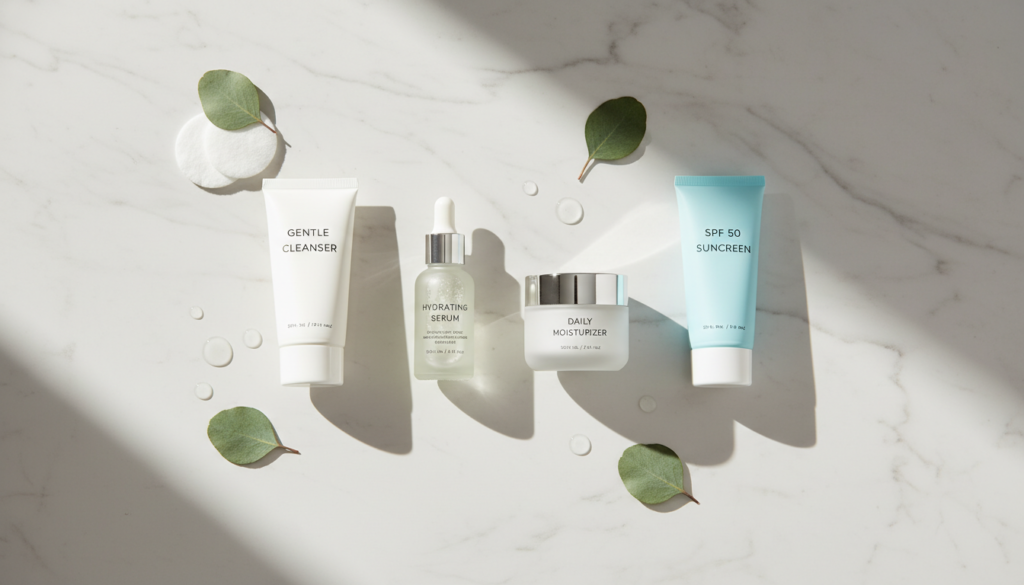
Step One: Gentle Cleansing
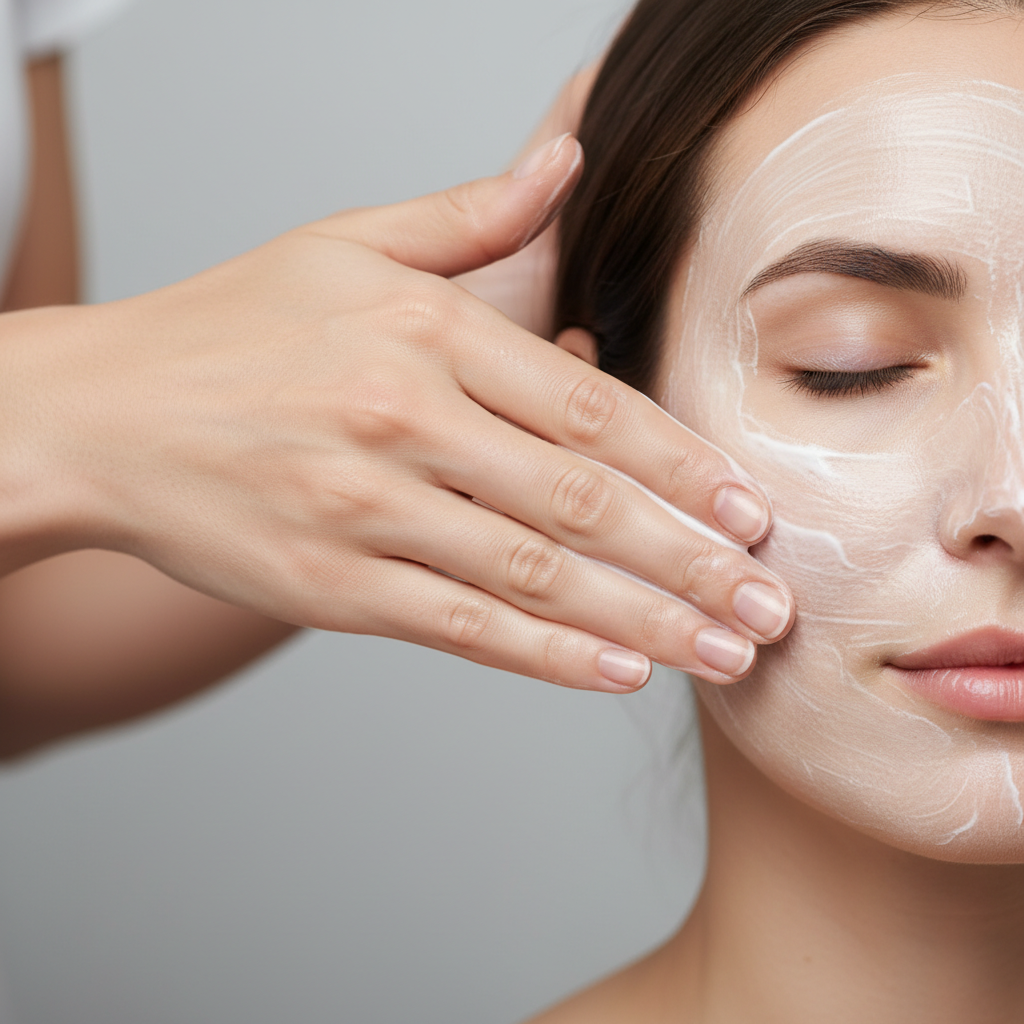
Choose a cream or milk cleanser that removes impurities without foam. Foam often indicates harsh surfactants that strip natural oils. Massage gently for 30 seconds, then rinse with lukewarm water.
Look for cleansers containing glycerin or ceramides. These ingredients help maintain moisture during the cleansing process. Avoid products with sulfates or strong fragrances that irritate dry skin.
Step Two: Hydrating Serum
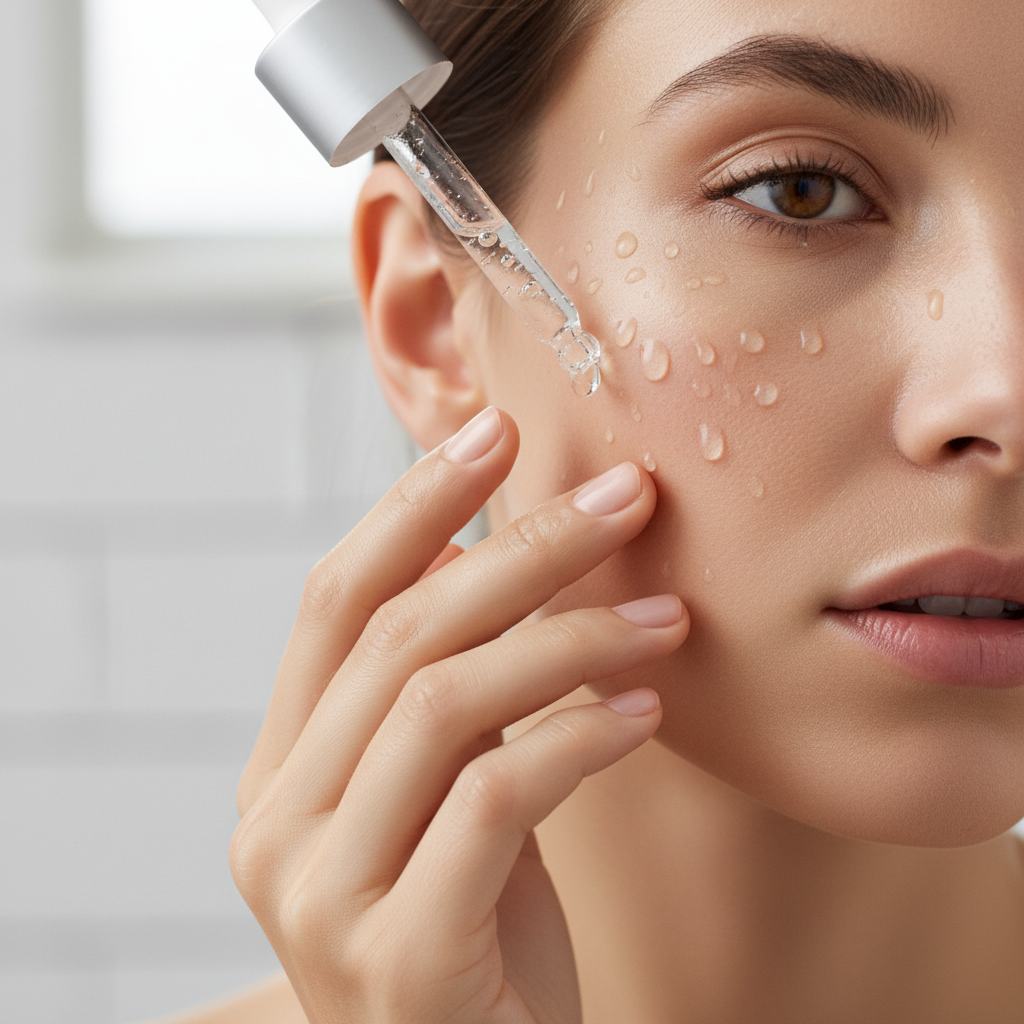
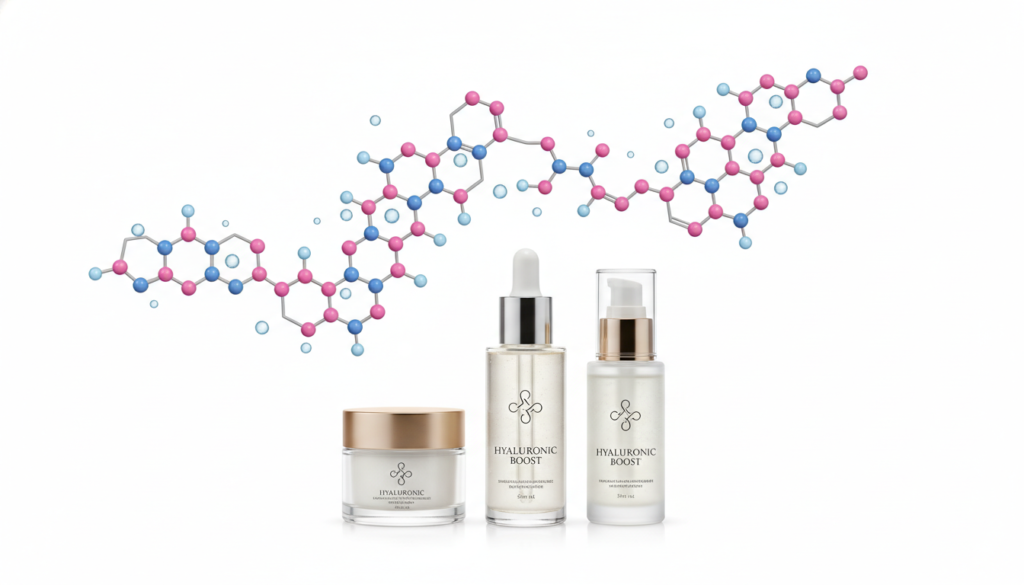
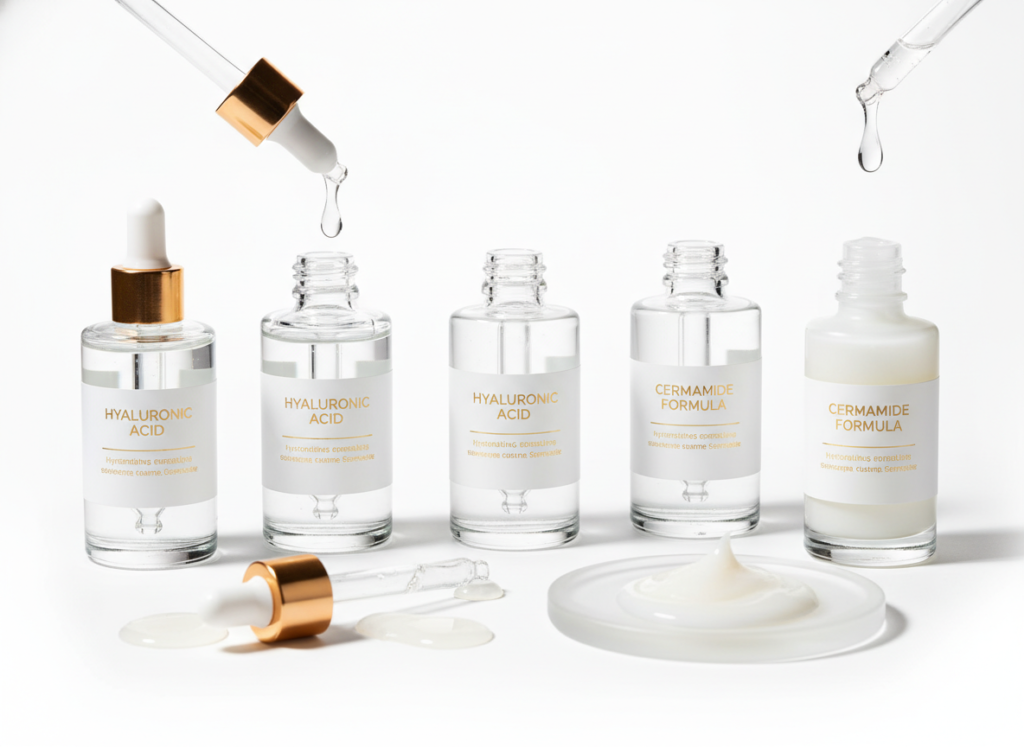
Apply hyaluronic acid serum to damp skin immediately after cleansing. This powerful ingredient attracts water molecules from the air, pulling moisture into your skin. One molecule holds up to 1000 times its weight in water.
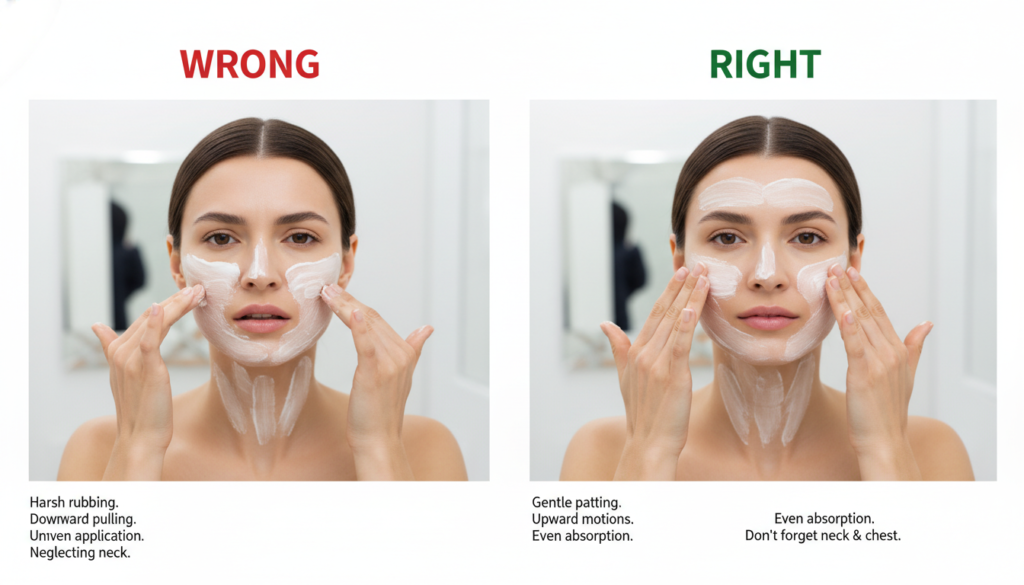
Pat the serum gently across your face and neck. Don’t rub vigorously, as this can irritate sensitive dry skin. The product absorbs within seconds when applied to slightly wet skin.
Step Three: Rich Moisturizer
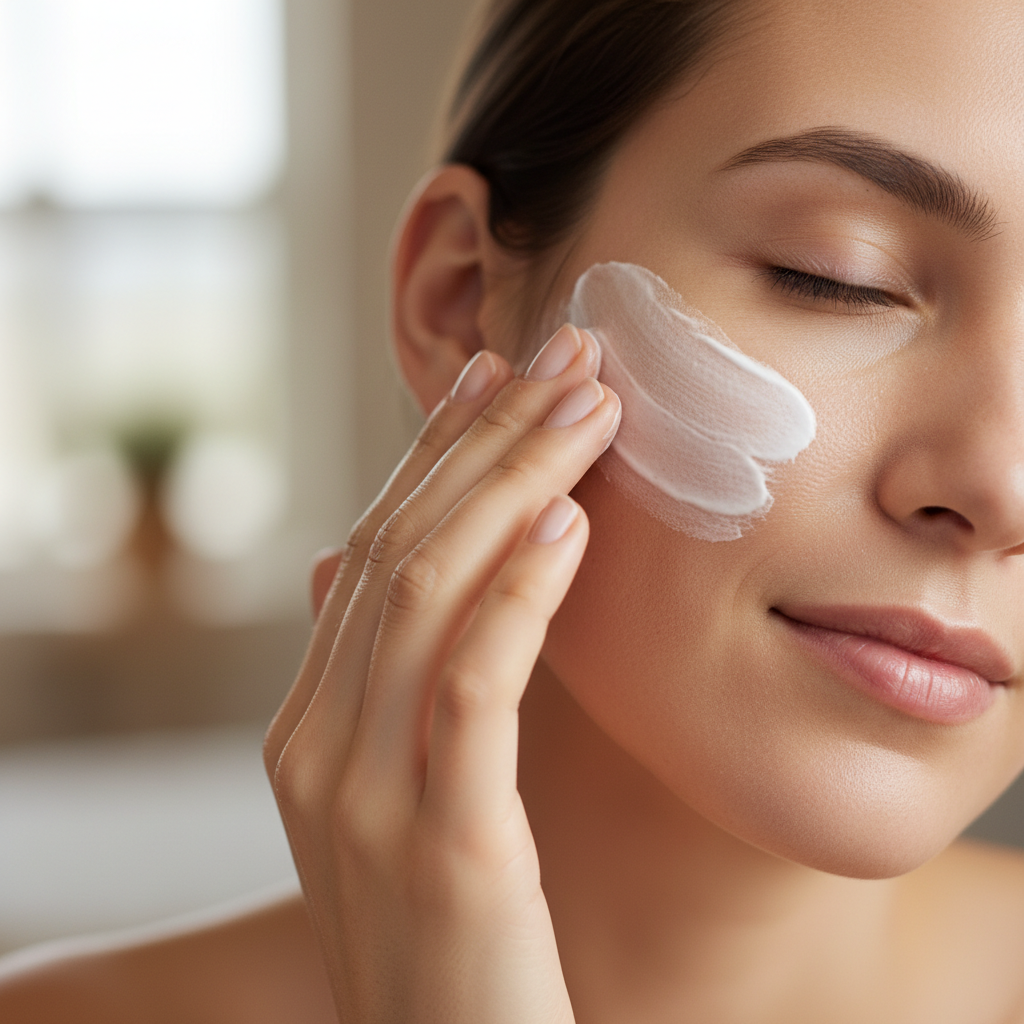
Layer a cream moisturizer over your serum while skin remains damp. This helps lock moisture into your skin barrier. Choose formulas containing ceramides, fatty acids, or shea butter for maximum benefit.
The moisturizer creates a protective seal that prevents water loss throughout the day. Apply enough product to cover your entire face without leaving a greasy residue. Wait two minutes before moving to the final step.
Pro Tip: The Damp Skin Secret
Always apply serums and moisturizers to damp skin, not completely dry skin. This technique, called “moisture sandwiching,” traps water between product layers. Your skin can absorb up to 10 times more hydration this way compared to applying products to dry skin face surfaces.
Step Four: Sunscreen Protection
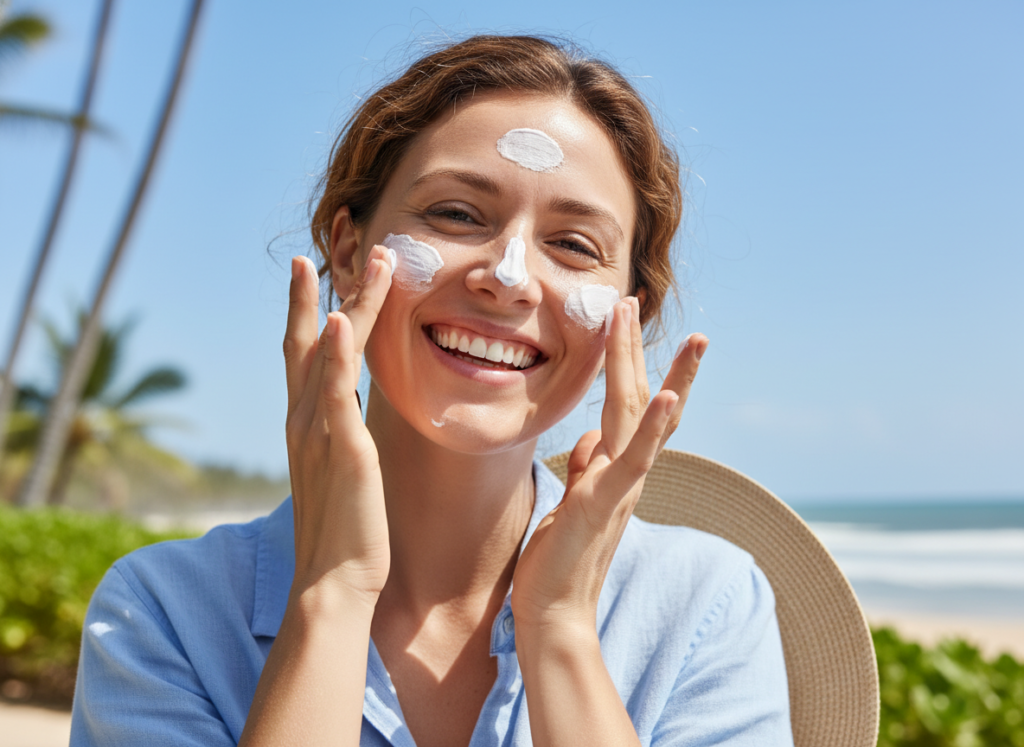
Sunscreen serves as your final morning step. UV rays damage your skin barrier and accelerate moisture loss. Even on cloudy days, protection remains essential.
Choose a mineral sunscreen with moisturizing ingredients. Zinc oxide or titanium dioxide formulas often work better for dry skin than chemical alternatives. Look for added hyaluronic acid or glycerin in your sunscreen formula.
Apply a quarter teaspoon to your face and neck. This amount provides adequate coverage without feeling heavy. Reapply every two hours when spending time outdoors.
Essential Ingredients That Actually Work for Dry Skin
Not all skincare ingredients deliver the same results. Understanding which components benefit dry skin helps you choose effective products. The right ingredients strengthen your skin barrier while providing lasting hydration.
Ingredients work through different mechanisms. Some attract water to your skin. Others prevent moisture from escaping. The most effective routine combines multiple ingredient types for comprehensive support.
4.8
Overall Ingredient Effectiveness
Hyaluronic Acid
4.8/5
Ceramides
4.7/5
Glycerin
4.6/5
Niacinamide
4.5/5
Squalane
4.4/5
Humectants: Water-Attracting Powerhouses
Humectants draw water from the environment into your skin. Hyaluronic acid stands as the most effective humectant available. This ingredient naturally occurs in your body but depletes with age.
Glycerin works similarly, attracting moisture to your skin surface. Products with 5-10% glycerin provide excellent hydration without greasiness. This ingredient also helps other products penetrate more effectively.
Sodium PCA represents another powerful humectant. Your skin naturally produces this component. Adding it topically boosts your moisture retention capacity significantly.
Emollients: Smoothing and Softening Agents
Emollients fill gaps between skin cells, creating a smooth surface. These ingredients help lock moisture into your skin barrier. They also improve the appearance of dry, flaky patches.
Squalane mimics your skin natural oils perfectly. This lightweight oil absorbs quickly without clogging pores. It provides lasting moisture without feeling heavy on your face.
Shea butter offers rich emollient properties. It contains vitamins A and E that nourish dry skin. This ingredient works best in evening products or intensive treatments.
Occlusives: Moisture-Sealing Protectors
Occlusives create a physical barrier on your skin surface. This layer prevents water from evaporating. They work best when applied as your final skincare step.
Petrolatum remains the most effective occlusive ingredient. Studies show it reduces water loss by up to 98%. Many people avoid it unfairly, believing it clogs pores, but non-comedogenic formulas exist.
Dimethicone provides a lighter alternative. This silicone creates a breathable barrier. It feels comfortable under makeup and doesn’t leave greasy residue.
Barrier-Repairing Ingredients
Ceramides rebuild your damaged skin barrier. These lipid molecules naturally exist in healthy skin. Topical application replenishes depleted stores, strengthening your protective layer.
Niacinamide supports barrier function from multiple angles. This form of vitamin B3 increases ceramide production. It also reduces inflammation and improves moisture retention.
Fatty acids like linoleic acid and oleic acid nourish your skin barrier. These components work synergistically with ceramides. Together they restore optimal barrier function.
Ingredient
Function
Best Product Type
Ideal Concentration
Hyaluronic Acid
Attracts and holds moisture
Serum
0.5-2%
Glycerin
Humectant and skin softener
Moisturizer
5-10%
Ceramides
Repairs barrier function
Cream or lotion
1-5%
Niacinamide
Increases ceramide production
Serum or moisturizer
2-5%
Squalane
Emollient and antioxidant
Facial oil or cream
1-10%
Nighttime Routine for Deep Moisture Repair
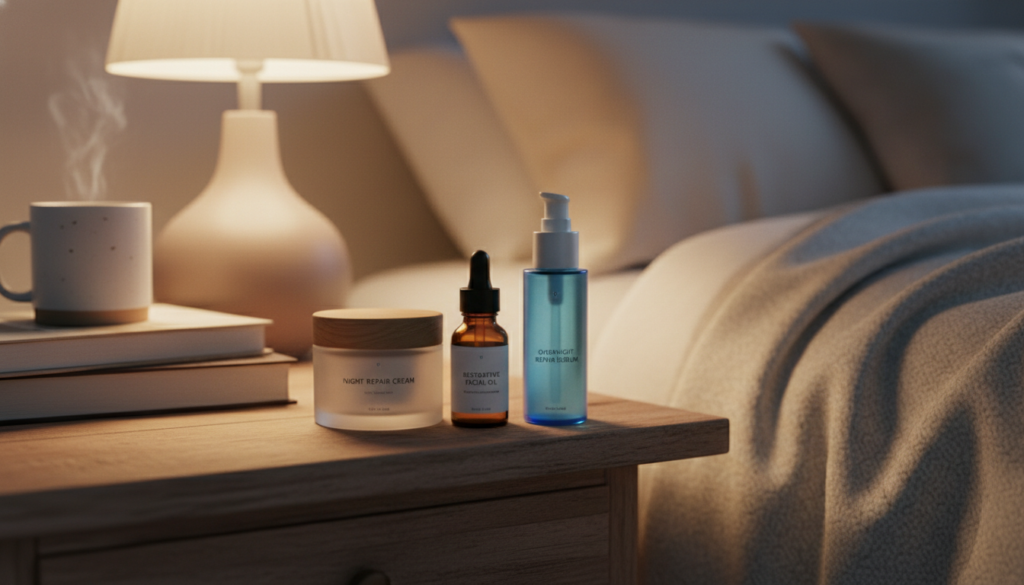
Your evening routine focuses on intensive repair. While you sleep, your skin enters recovery mode. Cell turnover increases, and products penetrate more deeply.
Nighttime offers the opportunity to use richer products. You don’t need to worry about makeup application or sun exposure. This allows for maximum hydration without cosmetic concerns.
The evening routine typically involves more steps than morning care. Each additional layer provides extra moisture and repair benefits. Your skin wakes up softer, smoother, and more comfortable.
Remove Makeup Thoroughly: Start with an oil-based cleanser or cleansing balm. These formulas dissolve makeup, sunscreen, and accumulated oils without harsh rubbing. Massage gently for one minute to break down all products completely.
Second Cleanse: Follow with your regular cream cleanser. This double-cleansing method ensures complete removal of impurities. Clean skin absorbs subsequent products much more effectively than skin with residue.
Apply Treatment Serum: Use a hydrating or repair-focused serum on damp skin. Consider products containing hyaluronic acid combined with peptides or vitamins. These ingredients work overnight to strengthen your skin barrier.
Layer Your Moisturizer: Apply a richer night cream than your morning moisturizer. Look for ingredients like shea butter, ceramides, or squalane. These provide intensive overnight moisture without feeling heavy during sleep.
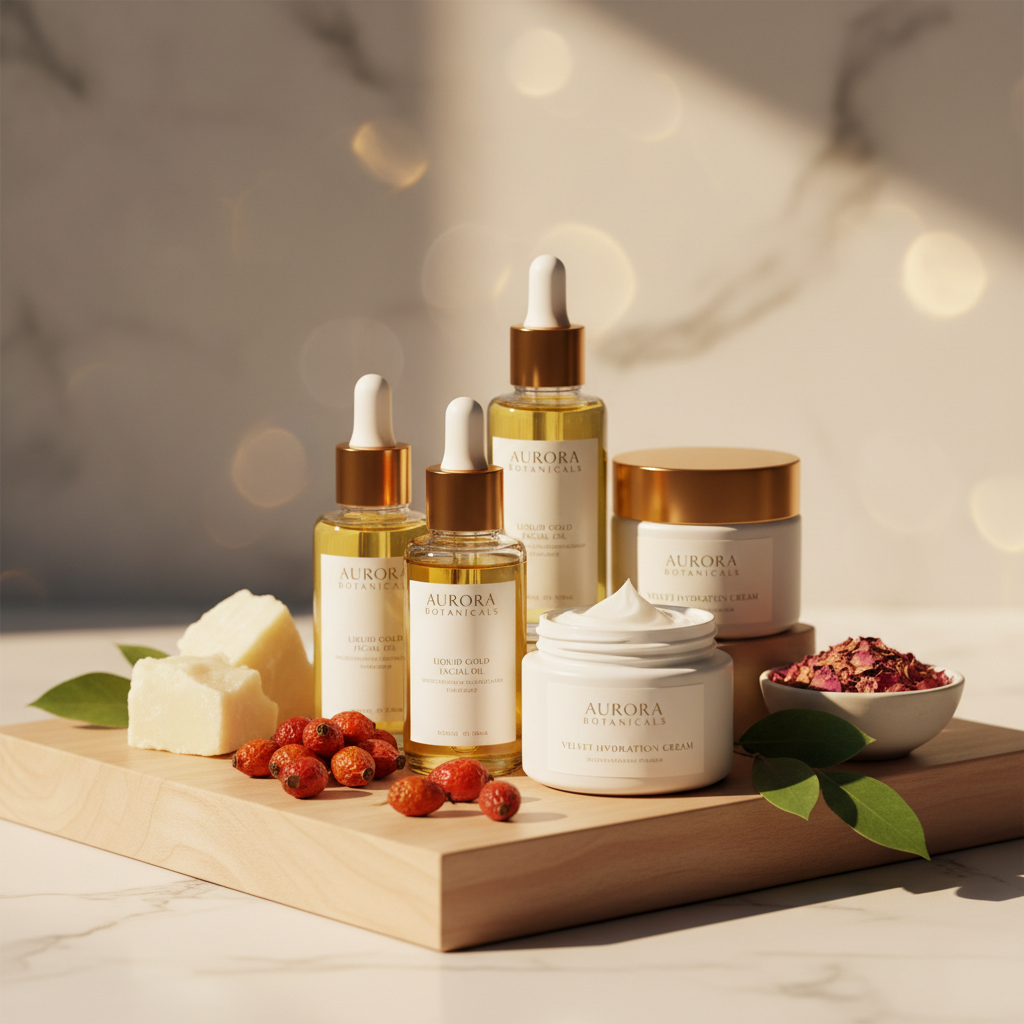
Add Facial Oil: Pat a few drops of facial oil over your moisturizer. This creates an occlusive layer that locks everything underneath. Rosehip, argan, or marula oils work beautifully for dry skin.
Treat Your Eye Area: Gently tap eye cream around the orbital bone. This delicate area shows dryness quickly. Use products specifically formulated for the thin skin around your eyes.
Weekly Intensive Treatments
Supplementing your daily routine with weekly treatments accelerates improvement. These concentrated products provide extra support when your skin needs additional care.
Overnight masks deliver intensive hydration. Apply a thick layer before bed once or twice weekly. These products contain higher concentrations of active ingredients than regular moisturizers.
Sheet masks offer a convenient treatment option. Choose masks saturated with hyaluronic acid, glycerin, or ceramides. Use them for 15-20 minutes before applying your regular evening routine.
Unlock Your Overnight Skin Transformation
Access the proven overnight repair system that works while you sleep to eliminate dryness and restore your skin’s natural radiance by morning.
Choosing the right products makes the difference between temporary relief and lasting results. Each product category serves a specific purpose in your routine dry skin regimen.
Quality matters more than quantity. Five effective products outperform twenty mediocre ones. Focus on formulas with proven ingredients at appropriate concentrations.
Cleansers That Protect Your Moisture
The cleanser sets the tone for your entire routine. Harsh cleansers damage your skin barrier, undoing the benefits of expensive serums and moisturizers. Gentle formulas clean effectively while preserving protective oils.
Cream cleansers work exceptionally well for dry skin. They contain moisturizing ingredients that don’t strip away natural lipids. Avoid foaming cleansers unless specifically formulated for sensitive, dry skin types.
Micellar water offers an alternative for morning cleansing. These gentle formulas remove overnight buildup without requiring water. They work particularly well during winter when extra moisture preservation matters most.
Serums for Targeted Hydration
Serums deliver concentrated active ingredients directly to your skin. Their lightweight texture allows deep penetration. This makes them essential for addressing specific dry skin concerns.
Hyaluronic acid serums should contain multiple molecular weights. Different sizes penetrate various skin layers. This provides comprehensive hydration from surface to deep tissue.
Vitamin B5 serums enhance moisture retention. Also called panthenol, this ingredient attracts water while soothing irritation. It works synergistically with hyaluronic acid for amplified benefits.
Moisturizers That Lock Everything In
Your moisturizer serves as the cornerstone of any dry skin care routine. This product should contain a blend of humectants, emollients, and occlusives for complete moisture support.
Cream formulas generally work better than lotions for dry skin. They contain higher oil content and richer emollients. Look for products in jars rather than pump bottles, as these typically indicate thicker consistency.
Ingredients matter significantly in moisturizers. Prioritize products containing ceramides, fatty acids, and cholesterol. This lipid combination mimics your skin natural barrier composition.
Specialized Treatments and Boosters
Treatment products address specific concerns beyond basic hydration. Facial oils provide additional barrier support. They seal in water-based products while delivering beneficial fatty acids.
Sleeping masks offer intensive overnight treatment. These thick formulas create an occlusive layer that prevents transepidermal water loss. Use them 2-3 times weekly for significant improvement.
Eye creams target the delicate periorbital area. This thin skin shows dryness and aging signs first. Specialized formulas contain gentle ingredients appropriate for sensitive regions.
Skincare products alone cannot completely resolve dry skin. Your daily habits significantly impact your skin’s moisture levels. Small lifestyle adjustments amplify the effects of your topical routine.
Internal hydration supports external moisture. Your skin receives water from your bloodstream before topical products. This makes whole-body hydration essential for healthy skin.
Hydration from Within
Drinking adequate water supports your skin’s moisture balance. While water alone won’t cure dry skin, dehydration definitely worsens it. Aim for eight glasses daily as a baseline.
Herbal teas count toward your fluid intake. Green tea provides additional antioxidant benefits. Avoid excessive caffeine and alcohol, as both promote dehydration.
Foods high in water content supplement your fluid intake. Cucumbers, watermelon, and citrus fruits provide hydration plus valuable vitamins. These support your skin from multiple angles.
Nutrition for Skin Barrier Health
Essential fatty acids strengthen your skin barrier. Omega-3 fatty acids reduce inflammation while improving lipid composition. Include salmon, walnuts, or flaxseeds in your diet regularly.
Vitamin E protects your skin natural oils from oxidation. This antioxidant also reduces moisture loss. Find it in almonds, sunflower seeds, and avocados.
Vitamin A supports healthy skin cell production. It helps maintain proper barrier function. Sweet potatoes, carrots, and leafy greens provide excellent sources.
Environmental Protection Strategies
Your environment constantly affects your skin moisture. Indoor heating during winter dramatically reduces humidity. This accelerates moisture evaporation from your face.
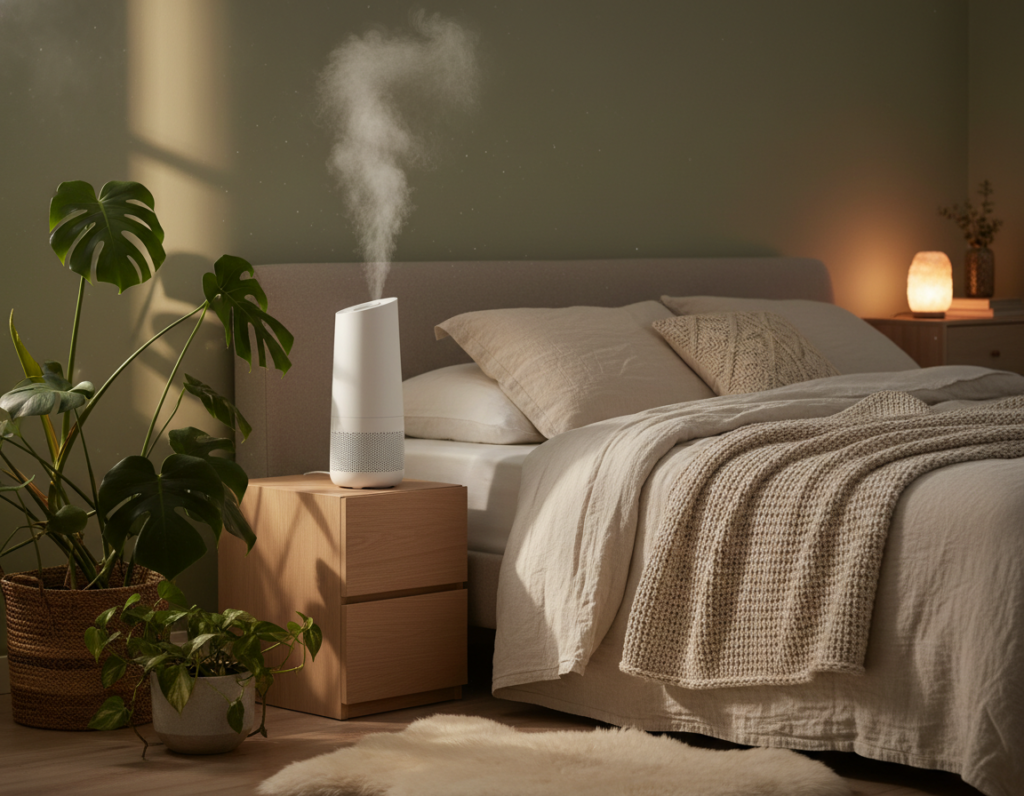
Using a humidifier counteracts dry indoor air. Place one in your bedroom for overnight moisture support. Aim for 40-60% humidity for optimal comfort.
Protecting your face from wind and extreme temperatures prevents moisture loss. Wear scarves or face masks during cold weather. Apply extra moisturizer before going outside.
Sleep Quality and Skin Repair
Quality sleep directly impacts skin health. Your body performs most cellular repair during deep sleep stages. Insufficient sleep compromises your skin barrier function.
Sleeping on silk or satin pillowcases reduces moisture absorption. Cotton pillowcases draw moisture from your face throughout the night. This simple switch preserves your skincare products’ benefits.
Maintaining consistent sleep schedules optimizes repair processes. Your body follows circadian rhythms that regulate skin functions. Regular sleep patterns support these natural cycles.
Habits That Help Dry Skin
Drinking 8-10 glasses of water daily
Using a bedroom humidifier at night
Taking lukewarm showers instead of hot
Eating omega-3 rich foods regularly
Applying moisturizer within 3 minutes after washing
Getting 7-9 hours of quality sleep
Using gentle, fragrance-free products
Protecting skin from extreme weather
Habits That Worsen Dry Skin
Taking long, hot showers or baths
Skipping moisturizer after cleansing
Over-exfoliating with harsh scrubs
Using alcohol-based toners
Excessive caffeine and alcohol consumption
Smoking cigarettes
Using harsh, scented soaps
Not wearing sunscreen daily
Complete Inside-Out Hydration System
Discover the holistic approach that combines optimal nutrition, lifestyle modifications, and targeted supplementation to eliminate dry skin permanently from the inside out.
Even well-intentioned skincare routines can worsen dry skin. Understanding common pitfalls helps you avoid setbacks. Small mistakes compound over time, undermining your efforts.
Many popular skincare trends don’t suit dry skin. What works for oily or combination skin often damages delicate moisture barriers. Recognizing inappropriate practices protects your progress.
Over-Exfoliation Damage
Excessive exfoliation strips away your protective barrier. While removing dead skin cells seems logical, aggressive scrubbing causes more harm than good. Your skin barrier needs those surface cells for protection.
Physical scrubs with rough particles create micro-tears. These invisible injuries compromise your skin’s defense system. Chemical exfoliants used too frequently produce similar damage.
Limit exfoliation to once weekly for dry skin. Choose gentle enzymatic exfoliants or low-percentage acid products. Your skin should feel smooth after exfoliating, never raw or tight.
Hot Water and Long Showers
Hot water feels comforting but devastates dry skin. High temperatures dissolve your skin natural oils rapidly. This strips away the lipids that prevent moisture evaporation.
Long showers compound the problem. Extended water exposure swells skin cells, creating gaps when they shrink afterward. These openings allow moisture to escape more easily.
Keep showers under 10 minutes using lukewarm water. Pat skin gently afterward rather than rubbing vigorously. Apply moisturizer immediately while skin remains slightly damp.
Using Harsh or Inappropriate Products
Foaming cleansers often contain sulfates that strip natural oils. These surfactants clean too effectively for dry skin. Your skin barrier needs certain oils for proper function.
Alcohol-based toners remove moisture instead of adding it. While these products feel refreshing, they dry your face significantly. Check ingredient lists carefully before purchasing toners.
Fragranced products frequently irritate sensitive dry skin. Perfumes and essential oils can trigger inflammation. This weakens your barrier further, creating a cycle of worsening dryness.
Inconsistent Routine Application
Skipping your routine undermines progress. Skin barrier repair requires consistent care over weeks. Missing even a few days can reverse improvements.
Applying products in wrong order reduces effectiveness. Water-based serums should go on before oil-based moisturizers. Reverse order prevents proper absorption.
Using too little product fails to provide adequate coverage. Your face and neck need sufficient moisturizer for complete protection. Don’t skimp on quantities with quality products.
Neglecting Sun Protection
UV damage accelerates moisture loss and barrier breakdown. Sun exposure causes invisible damage even on cloudy days. This cumulative harm worsens dry skin over time.
Many people skip sunscreen during winter or indoors. UVA rays penetrate windows and clouds year-round. Consistent protection prevents ongoing barrier damage.
Chemical sunscreens can irritate dry skin. Mineral formulas with zinc oxide or titanium dioxide typically work better. Look for moisturizing sunscreen formulas that serve dual purposes.
Should I exfoliate my dry skin regularly?
Exfoliate dry skin no more than once weekly using gentle methods. Choose enzymatic exfoliants or low-concentration lactic acid instead of harsh scrubs. Over-exfoliation damages your skin barrier, worsening dryness and sensitivity. Focus on hydration rather than frequent exfoliation.
Can I use the same products in summer and winter?
Winter typically requires richer products due to lower humidity and indoor heating. You might switch to lighter textures during humid summer months. However, maintain your core routine of gentle cleansing, hydrating serum, and moisturizer year-round, adjusting product weights as needed.
How long before I see improvement in my dry skin?
Most people notice initial improvement within 1-2 weeks of consistent routine. Significant barrier repair takes 4-6 weeks of dedicated care. Long-term improvement requires maintaining your routine indefinitely. Dry skin is manageable but usually represents an ongoing condition rather than temporary issue.
Is expensive skincare better for dry skin?
Price doesn’t always indicate effectiveness. Many affordable products contain excellent ingredients at appropriate concentrations. Focus on ingredient quality rather than brand prestige. A $15 cream with ceramides and hyaluronic acid often outperforms a $150 product with inferior formulation.
Adjusting Your Routine for Different Seasons
Your skin’s needs change with environmental conditions. Winter demands more intensive moisture support. Summer might allow lighter formulations while maintaining hydration focus.
Adapting your routine prevents seasonal dryness flare-ups. Proactive adjustments work better than reactive problem-solving. Anticipate changing needs rather than waiting for discomfort.
Winter Protection Strategies
Cold air holds less moisture than warm air. Outdoor humidity drops significantly during winter months. Indoor heating further reduces environmental moisture levels.
Layer richer products during winter. Add facial oil over your regular moisturizer. Consider switching to thicker cream formulations for this season.
Increase humidifier use during heating season. Target 45-50% indoor humidity for optimal skin comfort. Place humidifiers in rooms where you spend most time.
Summer Modifications
Higher humidity helps dry skin during summer. You might reduce product weight while maintaining hydration focus. Switch from heavy creams to lighter lotions if comfortable.
Increase sunscreen diligence during longer days. UV exposure damages your skin barrier year-round but intensifies during summer. Reapply every two hours during extended outdoor activities.
After swimming, rinse immediately and reapply products. Chlorine and salt water strip natural oils aggressively. Don’t wait until you get home to restore moisture.
Transition Season Care
Spring and fall require gradual routine adjustments. Don’t switch all products simultaneously. Transition one product at a time while monitoring your skin response.
Pay attention to your skin’s feedback signals. Tightness indicates need for richer products. Excess oiliness suggests lighter formulations. Your skin communicates its needs clearly.
Maintain consistent core steps regardless of season. Always cleanse gently, apply hydrating serum, and seal with appropriate moisturizer. Adjust product textures rather than abandoning proven steps.
Advanced Solutions for Persistent Dry Skin
Some dry skin resists standard home care. Professional treatments provide intensive support when regular routines prove insufficient. These advanced options address severe dryness comprehensively.
Consulting a dermatologist helps identify underlying causes. Sometimes persistent dryness indicates medical conditions requiring specific treatment. Professional evaluation ensures appropriate intervention.
Professional Treatment Options
Hydrafacial treatments deeply infuse hydrating serums. These professional procedures cleanse and moisturize simultaneously. Results last several weeks with regular maintenance.
Medical-grade moisturizers contain higher active ingredient concentrations. Dermatologists prescribe these for severe cases. They work more powerfully than over-the-counter alternatives.
LED light therapy stimulates collagen production while reducing inflammation. Regular sessions improve barrier function over time. Many dermatology offices offer this non-invasive treatment.
Prescription Solutions
Severe dry skin sometimes requires prescription intervention. Topical medications address underlying inflammation or barrier dysfunction. Your dermatologist determines appropriate treatment based on assessment.
Prescription moisturizers often contain unique ingredient combinations. These medical formulations target specific barrier deficiencies. They complement but don’t replace good basic skincare habits.
Certain oral medications improve skin hydration from within. Essential fatty acid supplements support barrier function systemically. Discuss supplementation options with your healthcare provider.
When to Seek Professional Help
Persistent dryness despite consistent routine warrants professional evaluation. If your skin doesn’t improve after 6-8 weeks of proper care, consult a dermatologist.
Severe symptoms like cracking, bleeding, or intense itching require medical attention. These signs indicate compromised barrier function needing professional treatment.
Sudden-onset dryness might signal underlying health issues. Thyroid problems, nutritional deficiencies, or autoimmune conditions can manifest as skin dryness. Comprehensive evaluation identifies root causes.
Your Complete Dry Skin Transformation Awaits
Access the comprehensive system combining proven skincare protocols, nutritional guidance, and lifestyle optimization strategies that have helped thousands eliminate persistent dry skin permanently.
Creating an effective dry skin care routine requires understanding, consistency, and patience. Your skin barrier didn’t become compromised overnight, and repair takes dedicated time.
The strategies outlined in this guide provide a comprehensive framework. Start with the basics: gentle cleansing, hydrating serums, and protective moisturizers. Add advanced techniques as your skin improves and you understand your specific needs better.
Remember that everyone’s skin responds differently. What works perfectly for others might need adjustment for you. Pay attention to your skin’s feedback and modify accordingly.
Consistency matters more than perfection. Following your routine 90% of the time produces better results than perfect application for two weeks followed by abandonment. Make your routine sustainable and realistic for your lifestyle.
Your commitment to proper dry skin care pays dividends beyond appearance. Comfortable skin improves confidence and quality of life. The investment in appropriate products and consistent habits returns significant value.
Start today with one small change. Choose a gentle cleanser or add a hydrating serum. Build your routine gradually, allowing your skin to adjust. Within weeks, you’ll notice transformation that motivates continued dedication to healthy skin practices.