Your skin tells a story. Maybe it is a story of late nights and stress. Perhaps it shows the effects of harsh weather or hormonal changes. Whatever chapter you are in right now, you want clear skin fast. You are tired of covering breakouts with makeup. You want to look in the mirror and feel confident.
The good news is that clear skin is not just for people with perfect genes. With the right approach, you can see real improvements in days, not months. This guide shares proven tips that actually work. No miracle promises or complicated routines that nobody can follow.
You will learn exactly what your skin needs. From the products that make a difference to the habits that transform your complexion. These are the same strategies that help thousands of people achieve the clear skin they have always wanted. Ready to start your journey to clearer, healthier skin?
Understanding Your Skin and What It Needs
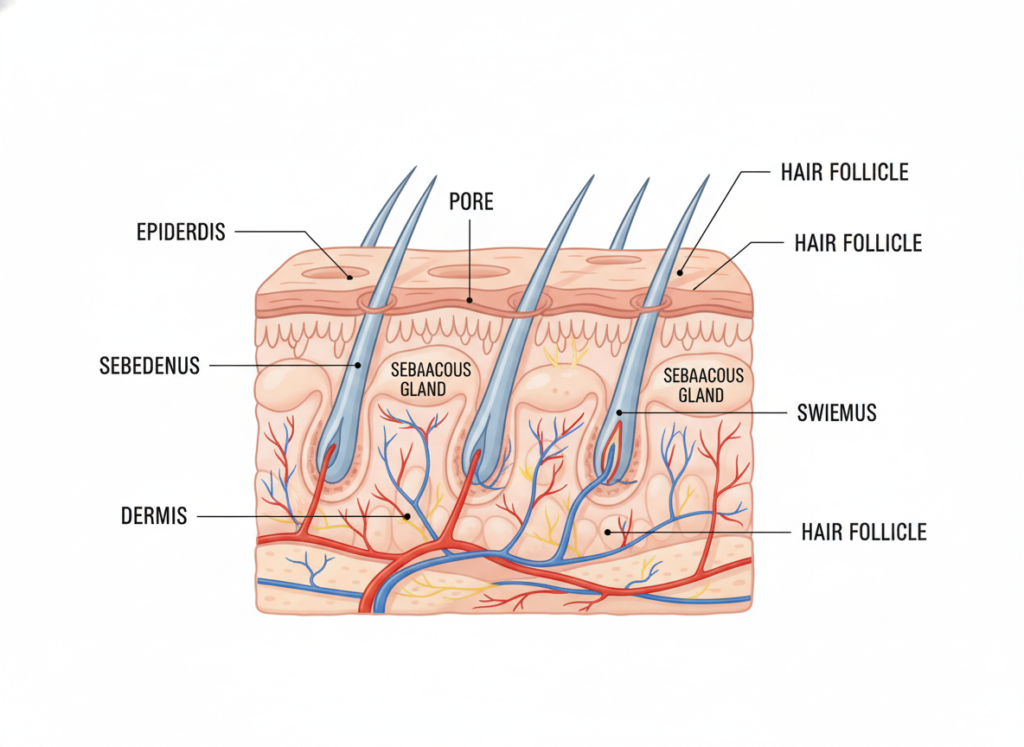
Your skin is the largest organ in your body. It works hard every day to protect you from bacteria, pollution, and environmental damage. When you understand how skin functions, you make better choices for skin care. This knowledge helps you avoid products that cause irritation and find solutions that actually work.
The outer layer of your skin sheds dead cells constantly. New skin cells form underneath and push to the surface. This process takes about 28 days in healthy skin. When this natural cycle gets disrupted, dead skin cells can clog pores. That is when you see breakouts, dull texture, and uneven tone.
Your skin type determines what products will help you most. Oily skin produces excess sebum that can lead to clogged pores and acne. Dry skin lacks moisture and may feel tight or flaky. Combination skin shows both oily and dry areas, usually with an oily T-zone. Sensitive skin reacts easily to products and ingredients. Understanding your type is the first step to clear skin.
How Skin Type Affects Your Routine
People with oily skin often think they should skip moisturizer. This is wrong. When you strip oil from your face, your skin produces even more oil to compensate. The key is using the right kind of moisturizer. Light, oil-free formulas work best for oily skin types.
Dry skin needs extra moisture throughout the day. Look for products with hyaluronic acid and ceramides. These ingredients help skin retain water. Without proper moisture, dry skin can crack and become more prone to irritation. This creates an entry point for bacteria that cause breakouts.
Your skin may also change with seasons, stress, or hormones. What works in summer might not work in winter. Pay attention to how your skin feels and looks. Adjust your routine when needed. This flexibility helps you keep skin clear year-round.
Discover Your Personalized Clear Skin Solution
Stop guessing what your skin needs. Get a customized approach that targets your specific skin concerns and delivers visible results fast.
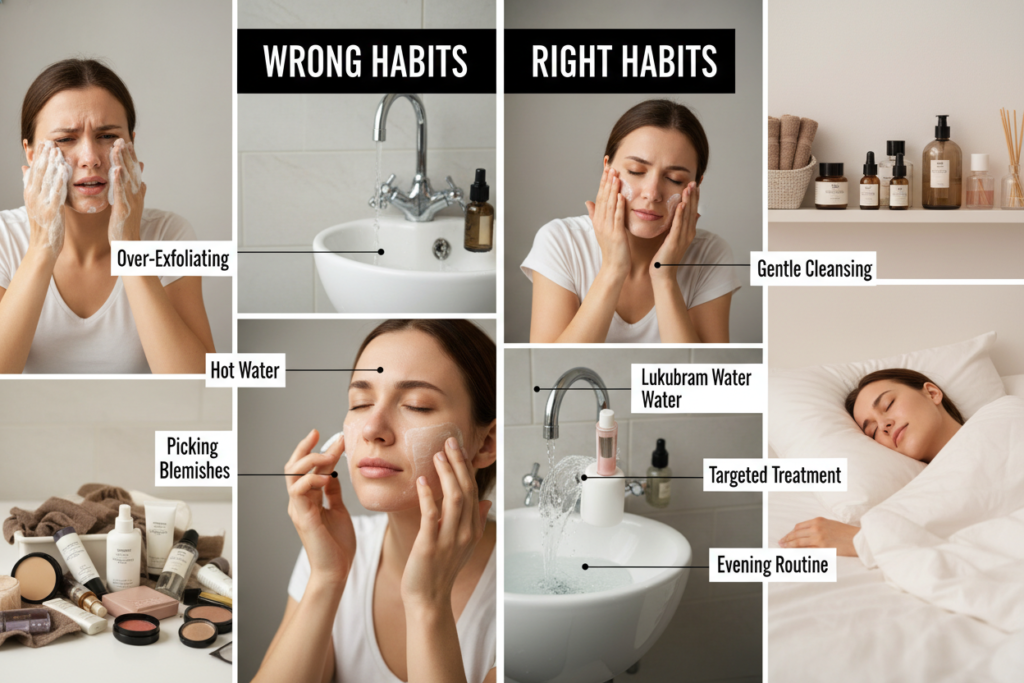
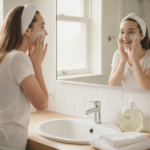
Cleansing is the foundation of clear skin. It removes dirt, oil, makeup, and pollution that accumulate on your face throughout the day. But washing your face wrong can do more harm than good. Many people scrub too hard or use harsh products that strip away natural oils. This damages the skin barrier and leads to more breakouts.
A gentle cleanser should be your go-to product morning and night. Look for formulas that clean without leaving your skin feeling tight or dry. The best cleanser for clear skin removes impurities while maintaining your skin’s natural pH balance. This keeps the protective barrier intact and prevents irritation.
Morning and Evening Cleansing Tips
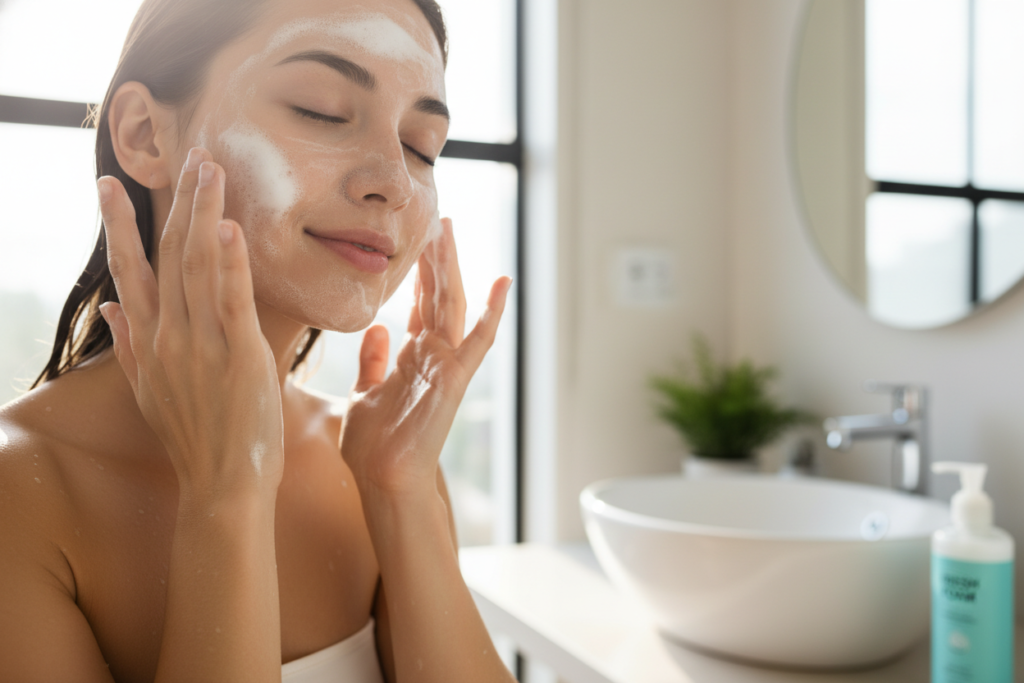
Wash your face twice a day. Once in the morning to remove oil and sweat from overnight. Once at night to remove makeup, sunscreen, and the day’s accumulation. Use lukewarm water, never hot. Hot water strips natural oils and can cause inflammation. Cold water does not effectively remove oil and product buildup.
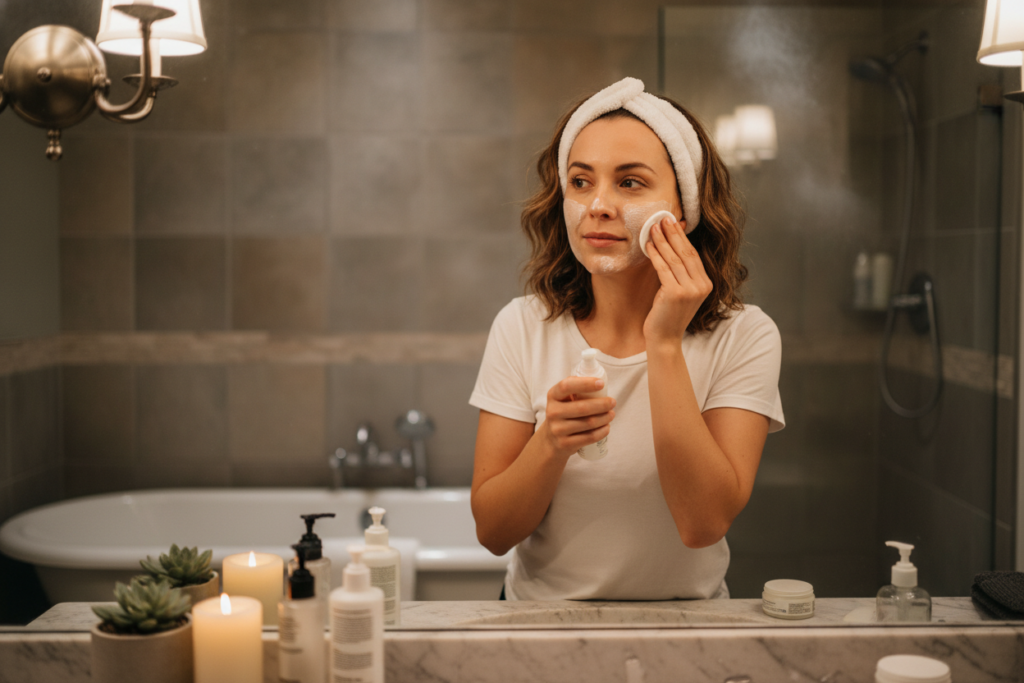
Apply cleanser to damp skin and massage gently for 60 seconds. This gives the product time to break down oil and dirt. Use circular motions with your fingertips. Never scrub or use washcloths that can irritate skin. Rinse thoroughly and pat dry with a clean towel. Leaving residue on your face can clog pores.
Best Cleansing Practices
Wash your face twice daily without exception
Use gentle, pH-balanced cleansers only
Massage for a full 60 seconds minimum
Rinse with lukewarm water completely
Pat skin dry instead of rubbing
Clean your hands before touching your face
Cleansing Mistakes to Avoid
Using hot water that damages skin
Scrubbing too hard with rough tools
Skipping cleansing when tired or busy
Using bar soap on your face
Sharing towels that harbor bacteria
Forgetting to remove all makeup first
The products you choose matter as much as your technique. Avoid cleansers with sulfates, which create lots of foam but strip skin. Skip products with alcohol, fragrance, or harsh exfoliants for daily use. Your cleanser should feel gentle and soothing, not stinging or burning.
Not all skin care ingredients are created equal. Some deliver dramatic results while others do nothing at all. When you know which ingredients actually work, you can choose products that help you achieve clear skin fast. These proven ingredients target different skin concerns and work together to improve your complexion.
Acne-Fighting Powerhouses
Salicylic acid penetrates deep into pores to dissolve oil and dead skin cells. This beta hydroxy acid is oil-soluble, which means it can cut through sebum that clogs pores. Products with 2% salicylic acid work well for most people with acne. Use it once daily to start, then increase if your skin tolerates it well.
Benzoyl peroxide kills acne-causing bacteria and reduces inflammation. It works quickly to clear existing breakouts and prevent new ones. Start with a 2.5% formula to minimize irritation. Higher concentrations are not more effective and may damage your skin barrier. Apply benzoyl peroxide as a spot treatment or all-over acne treatment.
Niacinamide, also called vitamin B3, reduces inflammation and regulates oil production. This ingredient helps minimize the appearance of pores and even out skin tone. It also strengthens the skin barrier, making it less reactive. Niacinamide works well with other ingredients and rarely causes irritation. Look for products with 5-10% niacinamide for best results.
Ingredients for Hydration and Healing
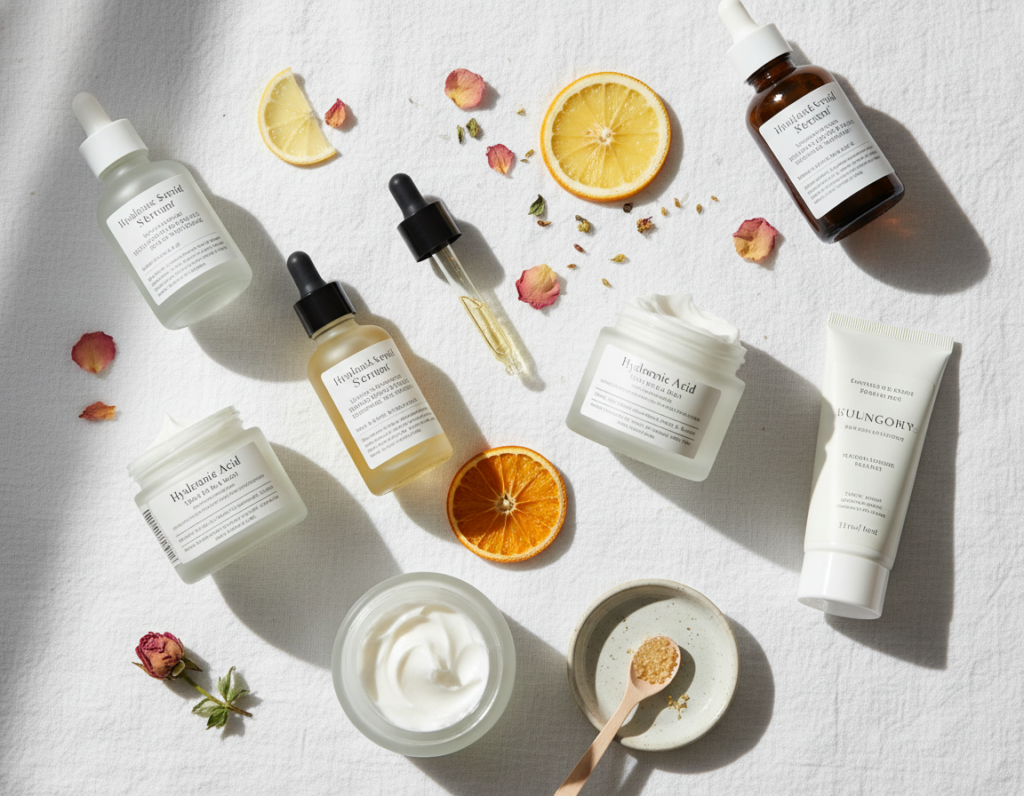
Hyaluronic acid holds up to 1000 times its weight in water. This hydrating ingredient plumps skin cells and improves moisture retention. Well-hydrated skin heals faster and looks clearer. Apply hyaluronic acid to damp skin, then seal it in with moisturizer. This helps your skin maintain moisture throughout the day.
Ceramides are natural lipids that form your skin barrier. When this barrier is damaged, skin becomes dry, irritated, and prone to breakouts. Products with ceramides help repair and strengthen this protective layer. Healthy barrier function is essential for clear skin that stays clear.
Access Proven Ingredient Formulations
Get products formulated with the exact ingredient combinations that dermatologists recommend for fast, lasting clear skin results.
Retinoids are vitamin A derivatives that speed up cell turnover. They help skin shed dead cells faster, preventing them from clogging pores. Retinoids also boost collagen production and fade dark spots left by old breakouts. Start with an over-the-counter retinol product and use it 2-3 times per week initially.
Your skin needs time to adjust to retinoids. Begin slowly to avoid irritation, peeling, or redness. Apply retinol at night since it makes skin more sensitive to sun. Always wear sunscreen during the day when using retinoid products. With consistent use, retinoids deliver some of the most dramatic improvements in skin texture and clarity.
Your Morning Routine for Clear Skin
What you do each morning sets the stage for healthy skin all day. A good morning routine protects your face from environmental damage and keeps it looking fresh. The key is consistency. When you follow the same steps every day, your skin responds with improved clarity and resilience.
Start with your gentle cleanser to remove overnight oil and sweat. Even though you cleaned your face before bed, your skin produces sebum while you sleep. This natural oil can mix with bacteria and cause breakouts if not removed. Cleansing also prepares your skin to absorb the products you apply next.
Layering Products in the Right Order
After cleansing, apply products from thinnest to thickest consistency. This ensures each product can penetrate properly. Start with any treatment serums that target specific concerns. A vitamin C serum brightens skin and provides antioxidant protection. Niacinamide serum reduces inflammation and controls oil production throughout the day.
Next comes moisturizer. Even oily skin needs moisture in the morning. Choose a lightweight, oil-free formula if your skin tends to get greasy. The right moisturizer keeps skin hydrated without clogging pores. Look for ingredients like hyaluronic acid that attract moisture to skin cells.
Step 1: Cleanse
Use your gentle cleanser with lukewarm water. Massage for 60 seconds, rinse thoroughly, and pat dry. This removes overnight oil buildup.
Step 2: Treat
Apply treatment serums to address specific concerns. Let each product absorb for 30 seconds before adding the next layer.
Step 3: Moisturize
Lock in hydration with an appropriate moisturizer for your skin type. This creates a protective barrier for the day ahead.
Step 4: Protect
Finish with broad-spectrum sunscreen SPF 30 or higher. This prevents sun damage that causes premature aging and dark spots.
The Sunscreen Step You Cannot Skip
Sunscreen is the most important product you can wear. Sun damage causes dark spots, premature aging, and increases acne scarring. UV rays also trigger inflammation that can worsen existing breakouts. Many people with acne skip sunscreen because they fear it will clog their pores.
Modern sunscreens are formulated for all skin types. Look for oil-free, non-comedogenic formulas labeled for facial use. Mineral sunscreens with zinc oxide work well for sensitive or acne-prone skin. Chemical sunscreens absorb into skin and may feel lighter. Choose SPF 30 or higher and reapply every two hours if you are outside.
Apply sunscreen as the last step in your morning routine. Use about a nickel-sized amount for your face. Do not forget your neck, ears, and any other exposed areas. Wear sunscreen every single day, even when it is cloudy or you are staying indoors. UV rays penetrate windows and clouds. This daily protection keeps your skin clear and prevents future damage.
Evening Care to Repair and Renew Skin
Your evening routine is when skin does its most intensive repair work. While you sleep, cell turnover increases and skin rebuilds itself. The products you use at night support this natural renewal process. A proper evening routine helps you wake up with clearer, healthier skin each morning.
Start by removing all makeup and sunscreen. Use a makeup remover or cleansing oil first if you wear heavy makeup. This breaks down stubborn products that regular cleanser might miss. Then follow with your gentle cleanser to remove any remaining residue. Double cleansing ensures your skin is truly clean before bed.
Treatments That Work While You Sleep
Night is the best time for active ingredients that make skin sensitive to sun. Retinol, alpha hydroxy acids, and other exfoliating ingredients work most effectively overnight. Your skin is in repair mode, making it more receptive to these powerful treatments. Apply them after cleansing and before moisturizer.
A few nights per week, use an exfoliating treatment with glycolic acid or lactic acid. These alpha hydroxy acids dissolve the bonds between dead skin cells, helping them shed naturally. This prevents clogged pores and reveals fresh, smooth skin underneath. Start with once weekly use and increase gradually as your skin adjusts.
If you use retinol, apply it on alternating nights from acid exfoliants. Using both on the same night can cause excessive irritation. Retinol boosts cell turnover and helps clear existing breakouts while preventing new ones. It also improves skin texture and fades marks left by old acne. Be patient with retinol. Results take several weeks but are worth the wait.
Moisture While You Sleep
Night cream or sleeping mask gives your skin intensive hydration overnight. These products are typically richer than day moisturizers. They work with your skin’s natural repair processes to strengthen the moisture barrier. Look for ingredients like peptides, ceramides, and antioxidants that support skin health.
Apply moisturizer to slightly damp skin for better absorption. This seals in the water and helps active ingredients penetrate deeper. Use enough product to cover your entire face and neck but not so much that it feels heavy or greasy. Your skin should feel comfortable, not suffocated.
Keep skin care simple at night. Too many products can overwhelm your skin and cause irritation. Stick to cleanser, one or two treatments, and moisturizer. This straightforward approach delivers results without complication. Give products time to work before adding new ones to your routine.
Targeting Stubborn Acne and Breakouts
Acne happens when pores get clogged with oil, dead skin cells, and bacteria. Hormones, stress, diet, and genetics all play a role. Different types of acne require different treatment approaches. Understanding what type of breakouts you have helps you choose the most effective solutions.
Blackheads and whiteheads are non-inflammatory acne. They form when pores get clogged but do not become infected. Blackheads stay open at the surface and oxidize, turning dark. Whiteheads are closed and appear as small white bumps. Salicylic acid works well for these types of breakouts because it penetrates into pores.
Fighting Inflammatory Acne
Papules, pustules, nodules, and cysts are inflammatory acne. These breakouts are red, swollen, and often painful. They occur when bacteria infect clogged pores, triggering an immune response. Inflammatory acne requires stronger treatment than blackheads and whiteheads. Benzoyl peroxide kills the bacteria that cause this type of acne.
Spot treatments let you target individual breakouts without treating your entire face. Apply benzoyl peroxide directly to pimples once or twice daily. Be careful not to overuse it, as this can dry out and irritate skin. For larger areas with multiple breakouts, use a thin layer over the affected region.
Fast-Acting Acne Solution
Stop fighting stubborn breakouts alone. Get the comprehensive acne-clearing system that targets all types of blemishes and delivers visible results in days.
Never pick at your skin or try to pop pimples. This pushes bacteria deeper into skin and causes more inflammation. Picking also damages tissue and leads to scarring that can last for months or years. If a pimple has a visible white head, you can carefully extract it with clean tools and proper technique. But when in doubt, leave it alone.
Use a warm compress to help breakouts come to a head naturally. Hold a clean, warm washcloth on the affected area for a few minutes. This increases circulation and helps draw out impurities. Do this two or three times daily until the breakout resolves. Patience prevents scarring and helps skin heal properly.
Some acne requires professional treatment. If over-the-counter products do not help after 6-8 weeks, see a dermatologist. Persistent cystic acne often needs prescription medication to clear. A dermatologist can also provide treatments like chemical peels or laser therapy that speed healing and reduce scarring. Do not wait until acne gets severe. Early intervention prevents long-term damage.
Lifestyle Habits That Impact Your Skin
What you do outside your skin care routine affects your complexion just as much as the products you use. Diet, sleep, stress, and daily habits all influence skin health. Making positive lifestyle changes can dramatically improve your results and help you get clear skin fast.
Diet and Hydration for Clear Skin
What you eat shows up on your face. High-glycemic foods like white bread, sugary snacks, and processed foods spike blood sugar. This triggers inflammation and increases oil production. Studies show that people who eat low-glycemic diets have fewer breakouts. Choose whole grains, lean proteins, vegetables, and healthy fats for better skin.
Dairy products may worsen acne in some people. Milk contains hormones that can trigger breakouts. If you notice your skin getting worse after consuming dairy, try eliminating it for a few weeks. See if your skin improves. Everyone responds differently, so pay attention to your own patterns.
Drink plenty of water throughout the day. Hydrated skin functions better and heals faster. Water helps flush toxins from your body and keeps skin cells plump. Aim for eight glasses daily, more if you exercise or live in a hot climate. Your skin needs moisture from the inside out to stay clear and healthy.
Sleep and Stress Management
Lack of sleep increases stress hormones that trigger oil production and inflammation. When you are sleep-deprived, your body produces more cortisol. This hormone makes skin more reactive and prone to breakouts. Aim for 7-9 hours of quality sleep each night. Your skin does most of its repair work while you sleep.
Stress directly impacts skin health. High stress levels worsen existing breakouts and slow healing. Find healthy ways to manage stress like exercise, meditation, or time with friends. Even a few minutes of deep breathing can help reduce cortisol levels. Taking care of your mental health supports clear skin.
Exercise benefits skin by increasing blood flow and reducing stress. Sweat also helps clear out pores, though you should cleanse your face promptly after working out. Wear breathable fabrics and tie back hair to keep it off your face. Shower soon after exercise to prevent sweat and bacteria from clogging pores.
Habits That Harm Your Skin
Touching your face transfers bacteria from your hands to your skin. This leads to breakouts and infections. Keep your hands away from your face throughout the day. Clean your phone screen regularly since it touches your face and harbors bacteria. Change pillowcases twice weekly to prevent overnight bacteria transfer.
Smoking restricts blood flow to skin and depletes oxygen. This slows healing and makes breakouts last longer. Smoking also breaks down collagen, leading to premature aging and dull skin. If you smoke, quitting is one of the best things you can do for clear skin and overall health.
Choosing the Right Products for Your Skin
The skin care market is overwhelming. Thousands of products promise clear skin, but not all deliver results. Learning to read labels and understand what makes a product effective helps you make smart choices. Quality matters more than quantity when building your routine.
What to Look for on Labels
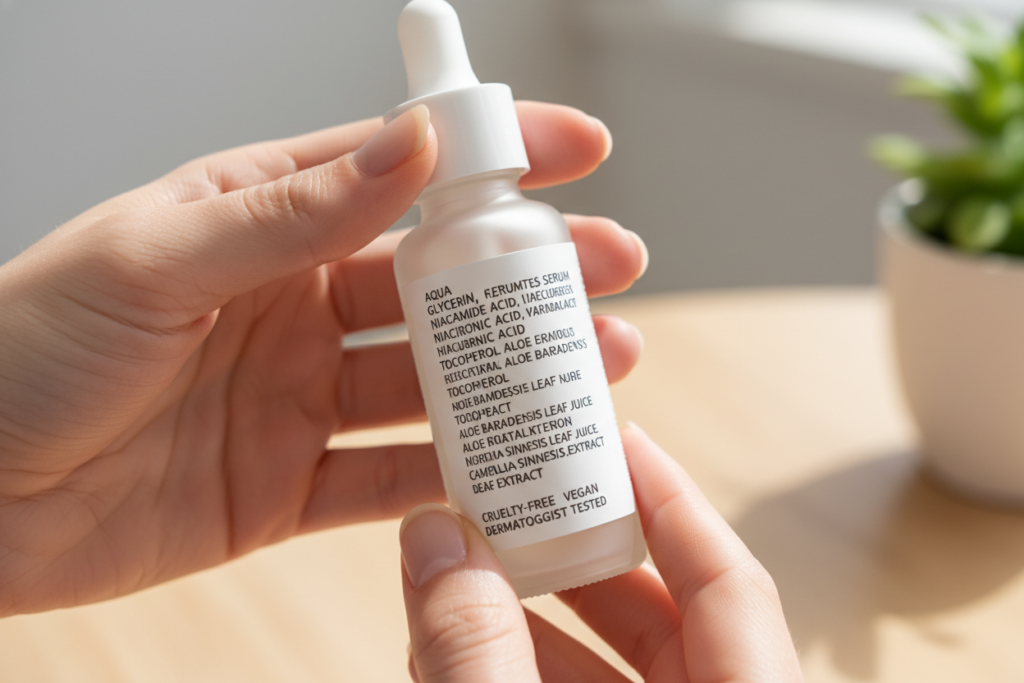
Ingredients are listed in order of concentration. The first five ingredients make up the bulk of the product. Active ingredients should appear near the top of the list to be effective. If acne-fighting ingredients are listed last, the product probably does not contain enough to make a difference.
Look for products labeled non-comedogenic. This means they will not clog pores. Oil-free formulas work well for oily and acne-prone skin. Fragrance-free products reduce the risk of irritation. Avoid products with alcohol high on the ingredient list, as this can dry and irritate skin.
Concentration matters with active ingredients. A product with 2% salicylic acid is effective. One with only 0.5% probably will not deliver results. Check concentrations of key ingredients to make sure you are getting therapeutic amounts. Higher concentrations are not always better, though. Some ingredients work best at specific percentages.
Building Your Product Collection
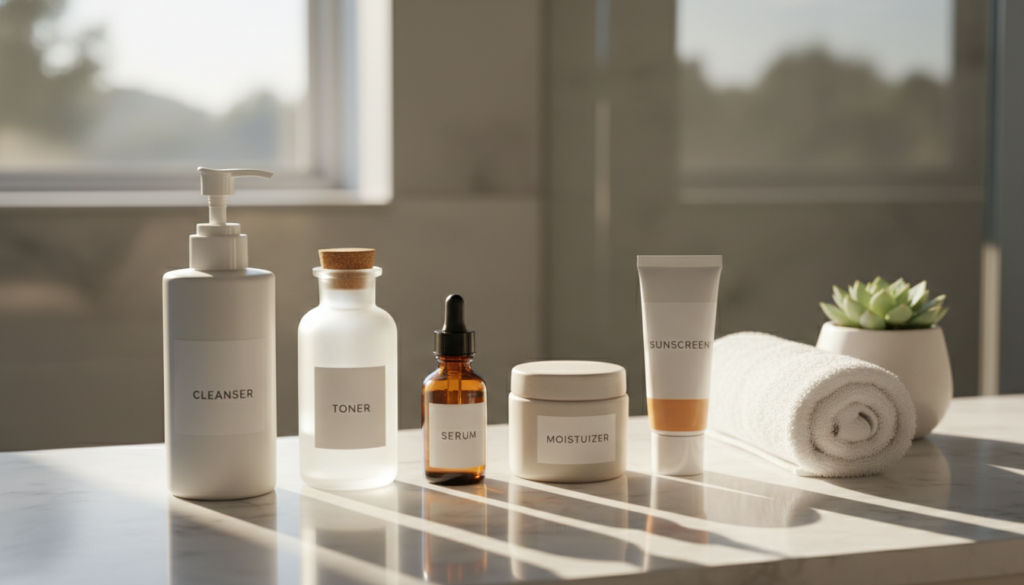
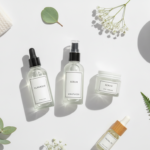
You need only a few basic products to maintain clear skin. A gentle cleanser, treatment product with active ingredients, moisturizer, and sunscreen form the foundation. Start here before adding extras like serums or masks. Master the basics first, then build upon them as needed.
Add new products one at a time. Wait at least two weeks before introducing another new item. This lets you see how your skin responds and identify any problems. If you add multiple products at once and get irritation, you will not know which one caused it. Patience in building your routine prevents wasted money and frustration.
Avoid buying products just because they are trending. What works for someone else may not work for you. Your skin type, concerns, and sensitivity are unique. Focus on proven ingredients that target your specific issues. Quality products from reputable brands are worth the investment when they deliver real results.
Advanced Tips for Faster Results
Once you have mastered the basics, these advanced strategies can accelerate your progress toward clear skin. These tips go beyond standard advice to optimize your routine and maximize results. They work best when combined with consistent daily care and healthy habits.
Chemical Exfoliation for Faster Turnover
Chemical exfoliants work deeper than physical scrubs. Alpha hydroxy acids like glycolic and lactic acid dissolve the bonds between dead skin cells. This encourages faster turnover without the irritation of scrubbing. Use an AHA toner or serum 2-3 times weekly for dramatically smoother skin.
Beta hydroxy acid, specifically salicylic acid, is oil-soluble. It penetrates into pores to clear out sebum and prevent clogs. People with oily or acne-prone skin benefit most from BHA products. Use salicylic acid daily as a cleanser or leave-on treatment. This keeps pores clear and prevents new breakouts from forming.
Do not over-exfoliate. More is not better with chemical exfoliants. Too much exfoliation damages your skin barrier and causes sensitivity. If your skin feels tight, looks red, or peels excessively, reduce frequency. Let your skin guide you to the right exfoliation schedule for your needs.
Targeted Treatments and Tools
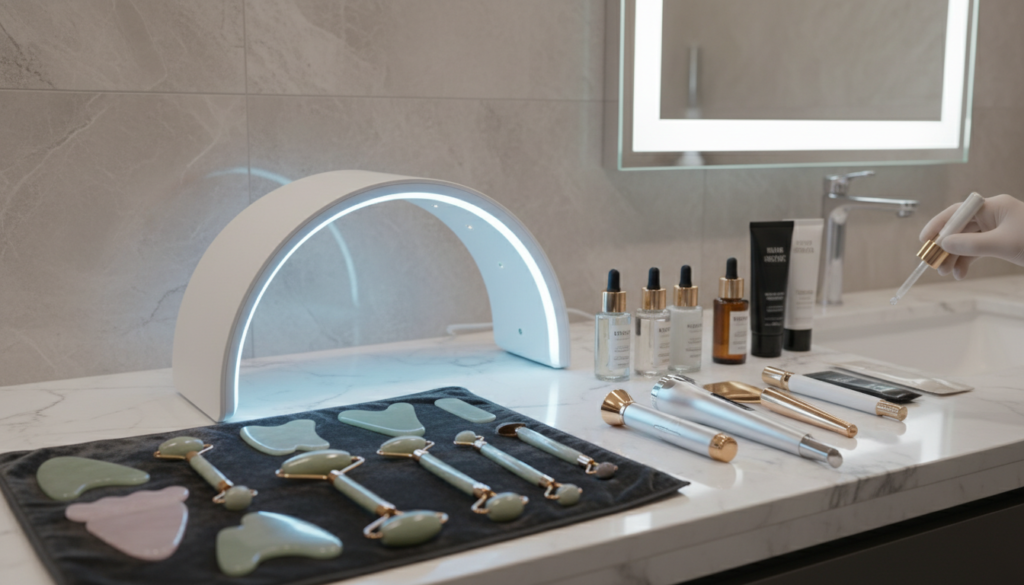
Face masks provide intensive treatment once or twice weekly. Clay masks absorb excess oil and draw out impurities from pores. Use them after cleansing and before your regular routine. Leave on for 10-15 minutes, then rinse thoroughly. Your skin should feel clean but not stripped or tight.
Sheet masks deliver concentrated serums that hydrate and treat specific concerns. Look for masks with niacinamide, hyaluronic acid, or other beneficial ingredients. Use them as a weekly boost to your regular routine. The extra hydration helps skin cells function better and heal faster.
Professional-Grade Clear Skin System
Take your results to the next level with advanced treatments used by skincare professionals. See dramatic improvement in texture, tone, and clarity.
The most important tip is consistency. Products need time to work. Most active ingredients require 6-12 weeks to show full results. Stick with your routine even when you do not see immediate changes. Your skin is working beneath the surface before improvements become visible.
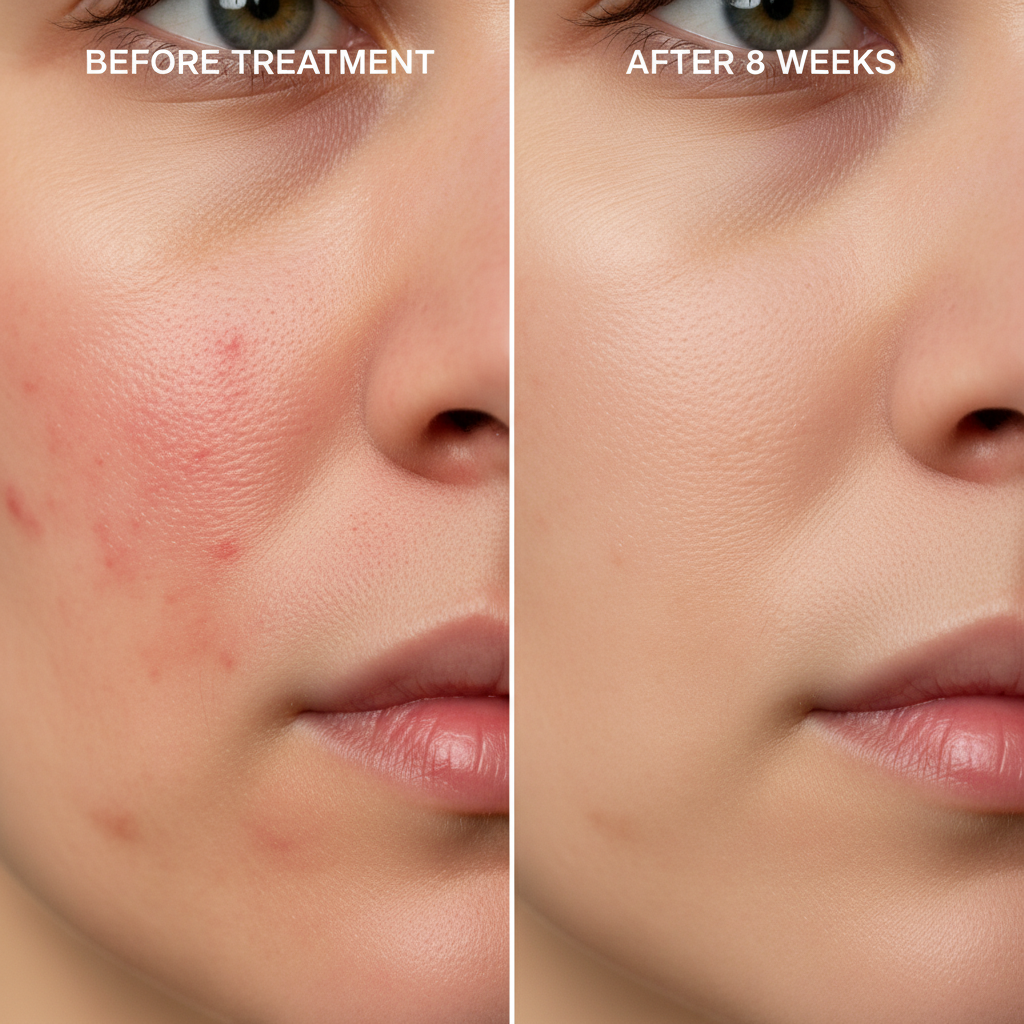
Take photos to track your progress. It is hard to notice gradual improvements when you see your face every day. Weekly photos let you compare where you started to where you are now. This visual evidence motivates you to keep going when progress feels slow.
Be patient with your skin. Clear skin is a journey, not a destination. Some days will be better than others. Occasional breakouts do not mean your routine is not working. Focus on the overall trend rather than day-to-day fluctuations. Trust the process and give your skin time to respond.
Your Complete Clear Skin Routine
Now you understand the individual steps and ingredients. Here is how to put everything together into a complete routine that delivers clear skin fast. This schedule balances effectiveness with simplicity. You can maintain it long-term without feeling overwhelmed.
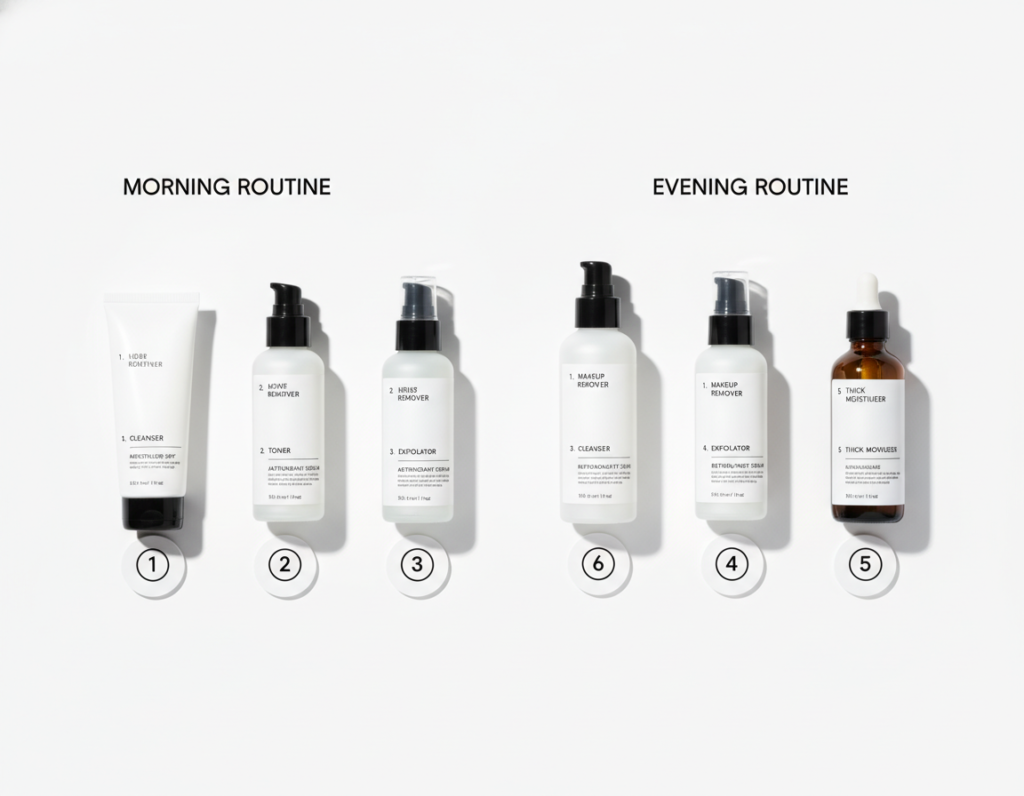
Your Daily Morning Steps
Cleanse with gentle, pH-balanced cleanser using lukewarm water
Apply vitamin C or niacinamide serum to damp skin
Use lightweight, oil-free moisturizer appropriate for your skin type
Finish with broad-spectrum SPF 30 or higher sunscreen
Wait 15 minutes before applying makeup if desired
This morning routine takes about 5 minutes. It protects your skin from environmental damage all day. The antioxidants in your serum fight free radicals from pollution and sun exposure. Moisturizer keeps skin hydrated and comfortable. Sunscreen prevents the damage that causes dark spots and premature aging.
Your Essential Evening Steps
Remove makeup with cleansing oil or micellar water
Wash face with your gentle cleanser and lukewarm water
Apply treatment product – alternating retinol and acid exfoliant on different nights
Wait 20-30 minutes for treatment to absorb fully
Apply rich night cream or sleeping mask to lock in moisture
Use spot treatment on any active breakouts
Evening care takes 10-15 minutes including wait time. This gives your skin the active ingredients it needs to renew itself overnight. The longer wait time after treatment products ensures they penetrate properly before you add moisturizer. Your skin repairs most effectively during sleep, so night treatment is crucial.
Weekly Intensive Treatments
Add these treatments once or twice weekly for enhanced results. Clay mask on Monday to deep clean pores. Gentle exfoliating scrub on Wednesday to remove dead skin cells. Hydrating sheet mask on Friday to boost moisture. These extras complement your daily routine without overwhelming your skin.
Clean your makeup brushes weekly to prevent bacteria buildup. Dirty brushes transfer bacteria to your face every time you use them. Wash them with gentle soap and warm water, then let them dry completely. This simple step prevents unnecessary breakouts from contaminated tools.
Weekly Maintenance Tasks
Use clay mask once for deep pore cleansing
Apply hydrating sheet mask for moisture boost
Clean all makeup brushes and sponges thoroughly
Change pillowcases at least twice per week
Take progress photos in good lighting
Review and adjust routine based on results
Monthly Routine Assessment
Evaluate if products are still working effectively
Check expiration dates on all skincare items
Assess if skin type has changed seasonally
Consider if any new concerns need addressing
Replace products that no longer serve you
Celebrate improvements and progress made
This routine structure gives your skin everything it needs. The key is following it consistently every single day. Missing days here and there slows your progress. Set reminders if needed until skin care becomes an automatic habit. Your future self will thank you for the commitment.
Even with good intentions, many people make mistakes that sabotage their progress. These errors keep skin from improving despite consistent care. Avoiding these pitfalls helps you achieve clear skin faster and maintain results long-term.
Using Too Many Products at Once
More products do not equal better results. Using too many active ingredients at the same time irritates skin and damages the moisture barrier. This leads to redness, peeling, and more breakouts. Stick to 4-6 products total. Each one should serve a specific purpose in your routine.
Introducing multiple new products simultaneously makes it impossible to know what is working or causing problems. When you see improvement, you will not know which product to credit. If irritation occurs, you will not know which product to eliminate. Add only one new product every two weeks. This methodical approach saves time and money.
Expecting Overnight Results
Skin care requires patience. Most products need at least 6-8 weeks to show visible results. Your skin cells take time to respond to new ingredients. The deepest layers of skin take even longer to renew. People who give up too soon never see the benefits their products could provide.
Some improvements happen quickly. Better hydration shows within days. Reduced inflammation may occur within a week. But clearing acne, fading dark spots, and improving texture take longer. Trust the process and give each product adequate time before deciding if it works. Consistency over weeks and months creates lasting transformation.
Skipping Sunscreen Daily
Sunscreen is non-negotiable for clear skin. UV damage causes dark spots, increases inflammation, and slows healing. It also makes acne scars worse and more permanent. Even on cloudy days or when you stay indoors, UV rays reach your skin. Skipping sunscreen undermines all your other skin care efforts.
Many acne treatments make skin more sun-sensitive. Retinoids, acid exfoliants, and benzoyl peroxide increase your risk of sun damage. Without sunscreen, these treatments can actually make your skin worse. Wear sunscreen every morning, 365 days a year. This single habit protects your investment in skin care and prevents future damage.
Not Adjusting for Seasons and Changes
Your skin needs different care in winter versus summer. Cold weather dries skin and may require richer moisturizers. Hot, humid weather increases oil production and may need lighter products. Pay attention to how your skin feels and adjust accordingly. Flexibility prevents problems before they start.
Hormonal changes also affect skin. Women may need different care during certain times of their cycle. Stress periods may require extra soothing products. Life changes like moving to a new climate or starting new medication can impact skin. Be willing to modify your routine as your needs change. What works today may need adjustment tomorrow.
When to Seek Professional Help
Sometimes over-the-counter products are not enough. Severe or persistent acne requires professional treatment. Knowing when to see a dermatologist prevents unnecessary scarring and wasted time. Do not struggle alone if your skin is not responding to home care.
Signs You Need a Dermatologist
See a dermatologist if over-the-counter products do not improve your skin after 8-12 weeks of consistent use. Severe cystic acne that is painful and deep requires prescription medication. Scarring from acne needs professional treatment like chemical peels or laser therapy. The sooner you address severe acne, the better your long-term results.
Sudden changes in your skin may indicate an underlying health issue. Rapid onset of severe acne, especially in adults, can signal hormonal problems. Persistent rashes, unusual sensitivity, or reactions to products warrant professional evaluation. A dermatologist can diagnose conditions that over-the-counter treatments cannot address.
If your skin care routine causes persistent irritation, redness, or worsening breakouts, get professional guidance. You may be using the wrong products for your skin type. A dermatologist can assess your specific needs and recommend appropriate treatments. They can also prescribe stronger medications when necessary.
Professional Treatment Options
Prescription retinoids like tretinoin are stronger than over-the-counter versions. They clear acne more effectively and improve skin texture faster. Your dermatologist will guide you on proper use to minimize irritation. These powerful treatments deliver dramatic results for stubborn skin concerns.
Oral medications may be necessary for severe acne. Antibiotics reduce bacteria and inflammation. Hormonal treatments like birth control pills help women with hormonal acne. Isotretinoin is reserved for severe, scarring acne that does not respond to other treatments. These medications require medical supervision but can be life-changing for severe cases.
In-office procedures complement home care for faster results. Chemical peels exfoliate deeply to clear clogged pores and fade dark spots. Laser treatments target acne bacteria and reduce scarring. Extractions remove stubborn blackheads and whiteheads safely. Your dermatologist can create a treatment plan combining professional procedures with home care.
Your Path to Clear Skin Starts Today
Clear skin is within your reach. You now have the knowledge to make smart choices about products and routines. You understand which ingredients work and how to use them effectively. Most importantly, you know that consistency and patience create lasting results.
Start with the basics. A gentle cleanser, treatment product with proven ingredients, moisturizer, and sunscreen form your foundation. Master these four essentials before adding extras. Give each product time to work. Track your progress with photos so you can see improvements as they happen.
Remember that clear skin is a journey. Some days will be better than others. Occasional breakouts do not mean failure. Focus on the overall trend rather than day-to-day changes. Celebrate small improvements. Notice when your skin feels smoother, looks brighter, or heals faster. These signs show your routine is working.
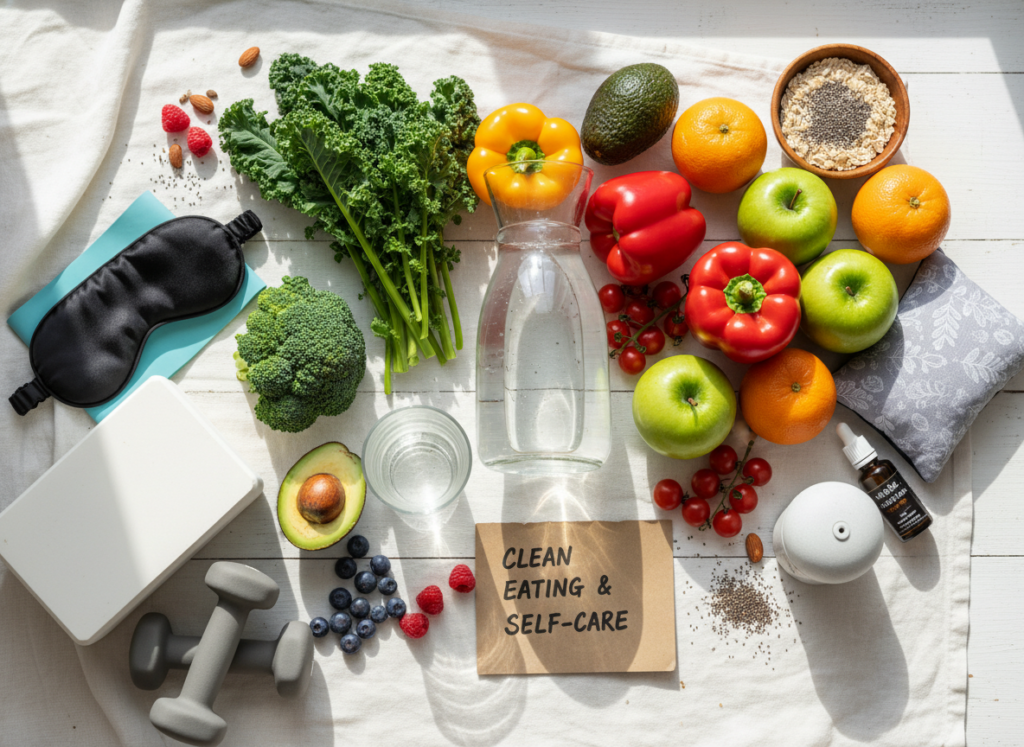
Take care of your whole self, not just your face. Sleep enough, manage stress, eat nutritious foods, and drink plenty of water. Your skin reflects your overall health. When you take care of your body, it shows in your complexion. Clear skin comes from inside and outside efforts working together.
The methods in this guide work. They are based on scientific research and proven results. Thousands of people have achieved clear skin using these same strategies. Now it is your turn. Start today with one small change. Tomorrow, add another. Build momentum gradually until clear skin care becomes automatic.
Your skin has incredible healing power. Give it the right tools and time to work. Be patient with the process and kind to yourself along the way. Clear, healthy skin is not about perfection. It is about consistent care, smart choices, and believing you deserve to feel confident in your own skin. You have everything you need to succeed. Your clear skin journey begins now.