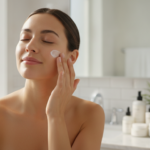
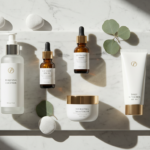
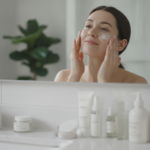
Starting a basic skin care routine doesn’t have to feel overwhelming. Your skin is your body’s largest organ, and it deserves attention just like any other part of your health. Whether you’re dealing with dry skin, oily skin, or sensitive skin, establishing a simple routine can transform how your skin looks and feels.
This Website contains affiliate links. That means I may earn a small commission if you purchase through my links, at no extra cost to you.
Most people make skincare more complicated than it needs to be. The truth is, you don’t need dozens of products or a drawer full of creams and serums. A basic routine with just a few quality products can deliver remarkable results when you stay consistent.
This guide breaks down everything you need to know about creating your perfect basic skin care routine. You’ll discover which products actually matter, how to use them correctly, and how to customize your approach based on your unique skin type.
Ready to Transform Your Skin?
Discover the complete skincare system designed specifically for beginners. No complicated steps, no guesswork—just clear, healthy skin in weeks.
Why a Basic Skin Care Routine Matters for Your Health
Your skin faces daily challenges that most people never think about. Pollution, UV rays from the sun, dirt, and even the natural oils your face produces can damage your skin barrier over time. Without proper care, these factors accelerate aging and cause common problems like breakouts, dryness, and uneven tone.
A consistent routine helps protect skin from environmental damage while supporting its natural renewal process. Your skin replaces itself approximately every 28 days. When you support this process with the right products, you give new skin cells the best chance to look healthy and radiant.
Research shows that people who maintain a basic skin care routine experience fewer breakouts, reduced signs of aging, and improved skin texture. The benefits extend beyond appearance. Healthy skin functions better as a barrier against bacteria and maintains proper moisture levels throughout the day.
Short-Term Benefits
Cleaner pores and fewer breakouts
Improved moisture balance
Smoother skin texture
More even skin tone
Reduced oiliness or dryness
Long-Term Benefits
Reduced signs of aging
Stronger skin barrier
Better protection from sun damage
Fewer fine lines and wrinkles
Overall healthier complexion
The key to seeing these benefits lies in consistency. Your skin responds best to regular care rather than occasional treatments. Even five minutes each morning and night can make a significant difference in how your skin looks and feels over time.
Understanding Your Skin Type Before Starting Your Routine
Knowing your skin type is the foundation of any effective basic skin care routine. Using products designed for oily skin when you have dry skin can worsen your concerns. The same applies in reverse. Taking a few minutes to identify your type saves money and frustration.
Most people fall into one of four categories: normal, dry, oily, or combination skin. Sensitive skin is also common and can occur alongside any of these types. Your skin type can change with seasons, age, and hormonal shifts, so reassessing periodically makes sense.
Simple Skin Type Test
Wash your face with a gentle cleanser and pat dry. Wait one hour without applying any products. Then examine your skin in good lighting.
Normal Skin Characteristics
Normal skin shows balance across all areas of your face. You won’t see excessive shine or dry patches. Pores appear small to medium-sized, and your skin feels comfortable throughout the day. This skin type rarely experiences breakouts or sensitivity.
People with normal skin have the most flexibility in product selection. Most formulas work well without causing issues. Your main goal is maintaining this healthy balance while protecting against future damage.
Dry Skin Characteristics
Dry skin often feels tight, especially after cleansing. You might notice flaking or rough patches, particularly on cheeks and around the mouth. Fine lines may appear more prominent due to lack of moisture. Your skin might feel uncomfortable in cold weather or air-conditioned rooms.
This skin type needs extra hydration and moisture-locking ingredients. Products with hyaluronic acid help attract water to skin cells. Rich creams with natural oils create a protective barrier that prevents moisture loss throughout the day and night.
Oily Skin Characteristics
Oily skin produces excess sebum, leading to visible shine within hours of cleansing. Your pores appear larger, especially across the nose and forehead. You’re more prone to breakouts and may struggle with makeup sliding off during the day.
People with oily skin benefit from lightweight, oil-free products. Ingredients like salicylic acid help keep pores clear without stripping skin. The goal isn’t to eliminate all oils—your skin needs some natural oils to stay healthy. Balance is key.
Combination Skin Characteristics
Combination skin displays different characteristics in different areas. Your T-zone (forehead, nose, and chin) tends toward oiliness while cheeks remain normal or dry. This skin type is actually the most common, though many people don’t realize they have it.
Managing combination skin requires a balanced approach. You might need different products for different face areas, or you can choose formulas designed for combination skin. Most basic skin care products work well if they’re not too heavy or too stripping.
Sensitive Skin Characteristics
Sensitive skin reacts easily to products, weather changes, or stress. You might experience redness, itching, or burning sensations when trying new products. Your skin may feel irritated by fragrances or certain ingredients that others tolerate well.
This skin type needs gentle, fragrance-free products with minimal ingredients. Patch testing new products before full application prevents reactions. Look for formulas labeled for sensitive skin and introduce one new product at a time to identify any triggers.
Your Essential Morning Skin Care Routine Steps
Your morning routine prepares your skin for the day ahead. This is when you protect skin from environmental damage, including harmful UV rays from the sun. A good morning routine takes just five minutes but provides benefits that last all day.
The order you apply products matters more than many people realize. Each step builds on the previous one, creating layers of protection and nourishment. Following the correct sequence ensures each product can work effectively.
Step 1: Gentle Morning Cleanse
Start every morning by washing your face with a gentle cleanser. This removes oils that accumulated overnight along with any dirt or product residue. Your skin produces natural oils while you sleep, and removing excess helps other products absorb better.
Choose a cleanser based on your skin type. Those with dry skin should use creamy, hydrating formulas. Oily skin responds well to gel cleansers with salicylic acid. Sensitive skin needs fragrance-free options with minimal ingredients. Always use lukewarm water—hot water strips natural oils, while cold water doesn’t effectively remove dirt.
Massage the cleanser gently in circular motions for 30 to 60 seconds. Pay attention to areas where dirt and oils accumulate, like around your nose and along your hairline. Rinse thoroughly and pat your face dry with a clean towel. Rubbing can irritate skin and damage its texture over time.
Why Morning Cleansing Matters
Even though you cleanse at night, your skin works hard while you sleep. Dead skin cells, natural oils, and bacteria accumulate on your face throughout the night. Morning cleansing creates a fresh canvas for your skin care products and ensures better absorption of beneficial ingredients like hyaluronic acid and vitamin C.
Step 2: Apply Toner (Optional but Beneficial)
Toner balances your skin’s pH after cleansing and prepares it to absorb serums and creams more effectively. Modern toners are nothing like the harsh, alcohol-based formulas from years past. Today’s options provide hydration and deliver beneficial ingredients directly to your skin.
For dry skin, look for hydrating toners with ingredients like hyaluronic acid. These help draw moisture into your skin and create a dewy base for your routine. Oily skin benefits from toners containing salicylic acid or witch hazel, which help minimize pores and control excess oil production.
Apply toner by patting it onto your skin with clean hands or sweeping it across your face with a cotton pad. Let it absorb for a few seconds before moving to the next step. This brief waiting time allows the toner to penetrate properly and enhances the effectiveness of products you apply afterward.
Step 3: Moisturizer with SPF Protection
Moisturizer is essential for every skin type, even oily skin. It helps maintain your skin barrier and prevents moisture loss throughout the day. Choose a formula appropriate for your skin—lightweight lotions for oily skin, richer creams for dry skin.
The most important part of your morning routine is sun protection. UV damage causes premature aging, dark spots, and increases skin cancer risk. Using a moisturizer with SPF 30 or higher protects skin while hydrating it. This combination product simplifies your routine without compromising protection.
Apply moisturizer to your entire face and neck using upward motions. Don’t forget often-missed areas like your ears and the back of your neck if they’re exposed. Sunscreen needs about 15 minutes to activate, so apply it before you get dressed or put on makeup.
Complete Daytime Protection
Get comprehensive morning protection that hydrates, nourishes, and shields your skin from sun damage. The perfect all-in-one solution for busy mornings.
As you become comfortable with your basic routine, consider adding an antioxidant serum between toner and moisturizer. Vitamin C serums are particularly effective in the morning because they boost your sun protection and help even out skin tone over time.
Serums contain concentrated ingredients that target specific concerns. They have a lighter texture than creams, allowing them to penetrate deeply into your skin. A few drops applied to damp skin provides powerful benefits without adding extra time to your routine.
Always apply serums before moisturizer. The thin consistency absorbs quickly, and layering your thicker moisturizer on top seals in the serum’s benefits. Give each product about 30 seconds to absorb before applying the next one for best results.
Your Essential Night Skin Care Routine Steps
Your nighttime routine differs from morning care in important ways. At night, you remove the day’s accumulation of dirt, makeup, and pollution. This is also when your skin repairs itself most actively, making it the perfect time to use treatment products.
Night routines can be slightly more elaborate than morning ones because you’re not rushing to get ready for the day. This is your opportunity to give your skin extra attention and use richer products that might feel too heavy during daytime hours.
Step 1: Remove Makeup and Sunscreen
If you wear makeup or sunscreen, start with a dedicated makeup remover or cleansing oil. Regular face wash often can’t remove these products completely, especially waterproof formulas. Leaving residue on your skin can clog pores and prevent your night cream from working effectively.
Cleansing oils and balms break down makeup and sunscreen without harsh scrubbing. Massage the product onto dry skin, then add water to emulsify it. This process lifts away even stubborn products while being gentle on your skin. Sensitive skin types particularly benefit from this method.
This first cleansing step prepares your skin for the deeper clean that follows. Some people skip this step if they don’t wear makeup, but remember that sunscreen and environmental pollutants also need thorough removal for optimal skin health.
Step 2: Deep Cleanse Your Face
After removing makeup, cleanse again with your regular facial cleanser. This double cleansing process ensures your skin is completely clean. The first cleanse removes surface-level products while the second cleanse actually cleans your skin itself.
Use the same technique as your morning cleanse—gentle circular motions with lukewarm water for about 60 seconds. Pay extra attention to areas where makeup or sunscreen tends to accumulate, like around your nose and along your hairline. Thorough cleansing at night prevents breakouts and allows treatment products to work more effectively.
The Double Cleanse Method
Double cleansing originated in Korea and has become popular worldwide for good reason. This two-step cleansing process ensures truly clean skin without over-stripping. The oil-based first cleanse removes oil-based products, while the water-based second cleanse addresses water-based impurities and sweat. This method works for all skin types when you choose appropriate products.
Step 3: Apply Treatment Products
Nighttime is ideal for treatment products because your skin isn’t exposed to sun or environmental stress. Ingredients like retinol work best at night since they can increase sun sensitivity. If you use any targeted treatments for concerns like dark spots or fine lines, apply them after cleansing and before your night cream.
Treatments containing acid (like salicylic acid or glycolic acid) help with texture issues and breakouts. These ingredients work by gently exfoliating dead skin cells and clearing pores. Start slowly with these products—use them just once or twice per week initially to see how your skin responds.
Retinol deserves special mention as one of the most effective anti-aging ingredients available. It increases cell turnover and boosts collagen production. However, it can irritate sensitive skin, so introduce it gradually. Begin with a low concentration once or twice weekly, then increase frequency as your skin builds tolerance.
Step 4: Night Cream or Sleeping Mask
Finish your routine with a nourishing night cream. These formulas are typically richer than day creams because they focus on repair rather than protection. Night creams often contain ingredients that support your skin’s natural renewal process while you sleep.
For dry skin, look for thick creams with ingredients like ceramides or natural oils. These create a protective barrier that locks in moisture overnight. Oily skin types can use lighter night creams or even gel-based options that hydrate without feeling heavy.
Apply your night cream generously to your face and neck. Use upward and outward motions to encourage circulation. Don’t forget your neck—this area shows aging just like your face but often gets neglected in skin care routines. The skin on your neck is actually more delicate and needs consistent care.
Overnight Skin Transformation
Maximize your skin’s natural repair process with advanced night treatment formulas. Wake up to visibly smoother, more radiant skin every morning.
Customizing Your Basic Skin Care Routine for Specific Concerns
Once you’ve established your basic routine, you can address specific skin concerns with targeted additions. The key is adding one product at a time and giving it several weeks to show results. Your skin needs time to adjust and respond to new ingredients.
Addressing Acne and Breakouts
Acne-prone skin benefits most from ingredients that keep pores clear and reduce inflammation. Salicylic acid penetrates into pores to dissolve oil and dead skin cells that cause blockages. Use it in your cleanser or as a targeted treatment on problem areas.
Benzoyl peroxide kills acne-causing bacteria but can be drying, so start with lower concentrations. Tea tree oil offers a natural alternative with antibacterial properties. Whatever treatment you choose, consistency matters more than strength. Gentle, regular use prevents breakouts better than harsh, sporadic treatments.
Remember that picking or squeezing blemishes damages skin and can lead to scarring. Keep your hands off your face except when cleansing. Change your pillowcase regularly and clean items that touch your face, like phones and glasses, to reduce bacteria exposure.
Managing Dry, Flaky Skin
Dry skin needs extra hydration and ingredients that repair the moisture barrier. Hyaluronic acid is a powerhouse ingredient that can hold up to 1,000 times its weight in water. Apply it to damp skin so it can draw that moisture into your cells.
Layer a facial oil over your moisturizer at night for extra nourishment. Natural oils like jojoba, rosehip, or squalane mimic your skin’s own sebum and help seal in moisture. Despite what you might think, adding oil doesn’t make skin more oily—it actually helps balance oil production.
Avoid long, hot showers which strip natural oils from your skin. Use a humidifier in dry environments, especially during winter months. Drink plenty of water throughout the day, as hydration starts from within. External products work better when your body is properly hydrated internally.
Controlling Excess Oil and Shine
Oily skin produces excess sebum, but stripping all oils makes the problem worse. Your skin compensates by producing even more oil when it feels dry. The goal is balance, not elimination of all natural oils.
Use lightweight, oil-free moisturizers labeled “non-comedogenic,” meaning they won’t clog pores. Gel-based formulas absorb quickly and provide hydration without heaviness. Niacinamide is an excellent ingredient for oily skin as it regulates sebum production and minimizes pore appearance.
Blotting papers throughout the day help manage shine without disrupting your routine or adding more product. Clay masks once or twice weekly can absorb excess oil and deep clean pores. Always follow with moisturizer—even oily skin needs hydration to stay healthy and balanced.
Reducing Signs of Aging
The best anti-aging strategy is prevention through daily SPF use. Sun damage causes up to 90% of visible aging signs. If you do nothing else, wear sunscreen every single day to protect skin from UV rays.
Retinol remains the gold standard for anti-aging treatment. It speeds up cell turnover, stimulates collagen production, and reduces fine lines over time. Start with a low concentration and use it just twice weekly initially. Gradually increase frequency as your skin adjusts to avoid irritation.
Vitamin C serums brighten skin and protect against free radical damage during the day. Peptides in your night cream support collagen production. Hyaluronic acid plumps skin and makes fine lines less noticeable. These ingredients work together synergistically when layered properly in your routine.
Target Your Specific Skin Concerns
Stop struggling with one-size-fits-all solutions. Get personalized treatments designed for your unique skin challenges and see real results.
Sensitive skin requires a simplified approach with minimal ingredients. Fragrance, even from natural sources, can trigger reactions. Look for products specifically formulated for sensitive skin with soothing ingredients like chamomile, aloe, or centella asiatica.
Introduce new products one at a time, waiting at least two weeks before adding another. This way, if you experience a reaction, you’ll know exactly which product caused it. Patch test new products on your inner arm for 24 hours before applying to your face.
Avoid physical scrubs which can irritate delicate skin. If you want exfoliation benefits, choose gentle chemical exfoliants like lactic acid, which is less irritating than other acids. Always follow exfoliation with extra hydration to support your skin barrier.
Common Skin Care Routine Mistakes to Avoid
Even people committed to skin care sometimes make mistakes that undermine their efforts. Avoiding these common errors helps you get better results from the time and money you invest in your routine.
Using Too Many Products at Once
More products don’t equal better results. Layering too many active ingredients can irritate your skin and damage its protective barrier. A simple routine with a few effective products outperforms complicated regimens with dozens of items.
Your skin can only absorb so much at one time. Overloading it wastes product and money while potentially causing sensitivity. Start with the basics—cleanser, moisturizer, and sunscreen. Add one treatment product at a time only if you have specific concerns that need addressing.
Product Overload Warning Signs
If your skin feels irritated, looks red, or seems worse despite your extensive routine, you might be using too many products. Scale back to basics for a week and let your skin barrier recover before slowly reintroducing one product at a time.
Skipping Sunscreen
This is the biggest mistake you can make in skin care. UV damage accumulates over your lifetime, leading to premature aging, dark spots, and increased cancer risk. Cloudy days still expose you to harmful rays, and UV penetrates through windows.
Wearing sunscreen every day—even indoors if you sit near windows—provides the single most effective anti-aging benefit available. Apply SPF 30 or higher as the last step in your morning routine. Reapply every two hours if you’re spending extended time outside or sweating.
Many people use too little sunscreen to get full protection. You need about a quarter teaspoon for your face and another quarter teaspoon for your neck. This amount seems like a lot, but it’s necessary for the SPF rating to match what’s on the bottle.
Over-Cleansing or Under-Cleansing
Both extremes cause problems. Washing your face too frequently or with harsh products strips natural oils and damages your moisture barrier. Your skin responds by producing more oil, creating a vicious cycle. Stick to cleansing twice daily—morning and night—with a gentle formula.
Under-cleansing leaves dirt, makeup, and oil on your skin, leading to clogged pores and breakouts. If you skip your nighttime cleanse, all the pollution and product buildup from the day sits on your skin for eight more hours. Make evening cleansing non-negotiable, even when you’re tired.
Expecting Instant Results
Skin care requires patience. Your skin’s natural renewal cycle takes about 28 days, meaning you won’t see real results from new products for at least a month. Most dermatologists recommend trying a product for three months before deciding if it works.
Constantly switching products because you don’t see immediate results prevents your skin from benefiting from any single routine. Choose quality products appropriate for your skin type, then commit to using them consistently. Track your progress with photos rather than relying on memory or daily mirror checks.
Ignoring Your Neck and Chest
These areas show aging just like your face but often get neglected. The skin on your neck is thinner and has fewer oil glands, making it more prone to wrinkles and sagging. Extend every product you use on your face down to your neck and chest.
This includes sunscreen, which is especially important for these areas. Sun damage on your chest and neck is often more severe than on your face because people forget to protect these areas. Include them in both your morning and night routines for consistent results.
Not Adjusting for Seasons or Life Changes
Your skin’s needs change with seasons, age, hormones, and lifestyle factors. What worked perfectly in summer might leave your skin dry and tight in winter. Pay attention to how your skin feels and adjust your routine accordingly.
You might need a richer moisturizer in cold weather or a lighter one in humidity. Hormonal changes during pregnancy, menopause, or monthly cycles can affect your skin’s oil production and sensitivity. Flexibility in your routine ensures your skin gets what it needs year-round.
Key Skin Care Ingredients and Their Benefits
Understanding ingredients helps you choose products that actually work for your concerns. You don’t need to memorize complicated chemical names, but knowing a few key ingredients empowers you to make better purchasing decisions.
Hyaluronic Acid for Hydration
Despite its name, hyaluronic acid isn’t harsh or exfoliating. It’s a humectant that draws moisture into your skin like a magnet. This ingredient occurs naturally in your body but decreases with age. Adding it to your routine helps maintain plump, hydrated skin at any age.
Apply hyaluronic acid to damp skin for maximum benefit. It pulls moisture from the environment and from deeper skin layers to hydrate surface cells. Use it under your moisturizer to boost hydration without adding heaviness. All skin types benefit from this versatile ingredient.
Retinol for Anti-Aging and Texture
Retinol, a vitamin A derivative, is one of the most researched and proven anti-aging ingredients. It speeds up cell turnover, stimulates collagen production, and improves skin texture. Regular use reduces fine lines, evens skin tone, and minimizes pore appearance.
Start slowly with retinol since it can cause irritation initially. Use a pea-sized amount twice weekly for the first month, then gradually increase frequency. Always use sunscreen during the day when using retinol, as it increases sun sensitivity. The results are worth the careful introduction process.
Vitamin C for Brightening
Vitamin C is a powerful antioxidant that protects skin from free radical damage while brightening your complexion. It helps fade dark spots, evens skin tone, and boosts collagen production. Morning application works best since vitamin C enhances your sunscreen’s protective effects.
Look for stable forms like L-ascorbic acid or newer derivatives that are less likely to oxidize. Store vitamin C products in cool, dark places to maintain potency. If your serum turns brown or orange, it has oxidized and lost effectiveness—time to replace it.
Niacinamide for Multiple Benefits
Niacinamide (vitamin B3) is a multitasking ingredient that works for virtually all skin types. It regulates oil production, minimizes pore appearance, reduces inflammation, and strengthens your skin barrier. This makes it ideal for both oily and dry skin concerns.
You can use niacinamide morning and night without the sensitivity concerns of some other active ingredients. It plays well with most other ingredients, making it easy to incorporate into any routine. Look for concentrations between 5% and 10% for optimal results without irritation.
Salicylic Acid for Clearer Pores
This beta hydroxy acid (BHA) penetrates into pores to dissolve oil and dead skin cells. It’s particularly effective for oily skin, acne-prone skin, and anyone struggling with blackheads. Salicylic acid also has anti-inflammatory properties that calm redness and irritation.
Use salicylic acid in your cleanser for daily benefits or as a leave-on treatment for targeted action. Start with lower concentrations (0.5% to 2%) to see how your skin responds. Unlike some acids, it’s oil-soluble, allowing it to work deep in pores rather than just on the surface.
Ceramides for Barrier Protection
Ceramides are lipids that occur naturally in your skin’s outer layer, helping maintain its protective barrier. They prevent moisture loss and keep irritants out. Products containing ceramides help repair damaged skin barriers and are especially beneficial for dry or sensitive skin.
Look for moisturizers with ceramides if you have compromised skin from over-exfoliation, harsh products, or environmental damage. These ingredients help restore your skin’s natural defenses, improving its ability to retain moisture and resist sensitivity over time.
How to Build Your Perfect Basic Skin Care Routine
Creating your ideal routine doesn’t happen overnight. Follow this step-by-step process to build a sustainable routine that delivers results without overwhelming your skin or your schedule.
Start With These Basics
Gentle cleanser suited to your skin type
Simple moisturizer with no fragrance
Broad-spectrum SPF 30 or higher
Patience to let your skin adjust
Add These Next (If Needed)
Hydrating toner for extra moisture
Targeted treatment for specific concerns
Separate night cream richer than day moisturizer
Eye cream for delicate under-eye area
Consider These Eventually
Vitamin C serum for brightening
Retinol for anti-aging benefits
Chemical exfoliant once or twice weekly
Face oil for extra nourishment
Week 1-2: Establish the Foundation
Start with just three products: cleanser, moisturizer, and sunscreen. Use these consistently for two weeks to establish a baseline. This period lets you see how your skin responds to a simple routine before adding complexity.
Cleanse morning and night. Apply moisturizer while your skin is still slightly damp. Use sunscreen every morning as your final step. That’s it. This simple routine might be all you need if your skin responds well.
Week 3-4: Assess and Adjust
After two weeks, evaluate your skin. Has it improved? Does it feel comfortable? Are you experiencing any irritation or dryness? This assessment helps you decide if you need to adjust products or add targeted treatments.
If your skin feels tight or dry, switch to a more hydrating cleanser or richer moisturizer. If you’re experiencing breakouts, ensure your products are non-comedogenic and consider a cleanser with salicylic acid. Make one change at a time so you can identify what works.
Month 2: Add One Treatment Product
If you have specific concerns like dark spots, fine lines, or persistent breakouts, add one targeted treatment. Introduce it slowly—start with twice weekly application and gradually increase to daily use if your skin tolerates it well.
Common first additions include vitamin C serum for brightening, retinol for anti-aging, or niacinamide for pore refinement. Choose based on your primary concern. Give this new product at least a month to show results before deciding if it works for you.
Month 3 and Beyond: Maintain and Refine
After three months, you should have a clear routine that works for your skin. Continue this regimen consistently. Resist the urge to constantly add new products just because they’re trendy or on sale. A consistent, simple routine outperforms frequent changes.
Make seasonal adjustments as needed. You might switch to a lighter moisturizer in summer or add a facial oil in winter. Pay attention to how your skin feels and looks, adjusting your routine to support its changing needs throughout the year.
The 3-Month Rule
Dermatologists recommend using a product consistently for at least three months before deciding if it works. This timeframe accounts for your skin’s natural renewal cycle and gives ingredients time to show their full effects. Track progress with photos taken in consistent lighting to see real changes.
Lifestyle Factors That Impact Your Skin Care Routine
Products alone can’t give you perfect skin. Your lifestyle choices significantly impact how your skin looks and feels. These factors work together with your external skin care routine to create overall skin health.
Hydration and Nutrition
Water intake affects your skin’s moisture levels from the inside out. Aim for eight glasses daily, more if you’re active or live in a dry climate. Well-hydrated skin looks plumper and more radiant than dehydrated skin, regardless of your external skin care products.
Your diet directly impacts skin health. Foods rich in omega-3 fatty acids, antioxidants, and vitamins support skin barrier function and reduce inflammation. Leafy greens, fatty fish, nuts, and colorful fruits provide nutrients that complement your topical routine.
Limit sugar and processed foods which can trigger inflammation and breakouts. Dairy affects some people’s skin negatively, though this varies individually. If you struggle with persistent skin issues despite a good routine, consider keeping a food journal to identify potential dietary triggers.
Sleep Quality and Stress Management
Your skin repairs itself primarily during sleep. Poor sleep quality or insufficient sleep duration interferes with this renewal process, leading to dull complexion, dark circles, and accelerated aging. Aim for seven to nine hours of quality sleep nightly for optimal skin health.
Chronic stress triggers inflammation throughout your body, including your skin. It can worsen conditions like acne, eczema, and rosacea. Stress management techniques like meditation, exercise, or hobbies help maintain both mental and skin health.
Establish a calming bedtime routine that includes your skin care regimen. This signals your body that it’s time to wind down. Sleep on a clean pillowcase (change it every few days) and consider a silk pillowcase which creates less friction against your skin than cotton.
Exercise and Circulation
Regular exercise increases blood flow, delivering oxygen and nutrients to skin cells while carrying away waste products. This natural cleansing process gives skin a healthy glow. Exercise also reduces stress hormones that can trigger breakouts and other skin issues.
Always remove makeup before exercising to prevent clogged pores from sweat mixing with cosmetics. Cleanse your face immediately after working out to remove sweat and bacteria. Keep a gentle cleanser and clean towel in your gym bag for post-workout care.
Avoiding Harmful Habits
Smoking dramatically accelerates skin aging by reducing blood flow and damaging collagen and elastin. It causes premature wrinkles, especially around the mouth and eyes. If you smoke, quitting is the single best thing you can do for your skin’s appearance and health.
Excessive alcohol dehydrates skin and dilates blood vessels, potentially causing redness and broken capillaries over time. If you drink alcohol, moderate your intake and increase water consumption to counteract its dehydrating effects on your skin.
Touching your face throughout the day transfers bacteria and oil from your hands to your skin. This habit contributes to breakouts and irritation. Be conscious of face-touching and keep your hands away except during your cleansing routine.
Budget-Friendly Tips for an Effective Basic Skin Care Routine
Effective skin care doesn’t require expensive products. Many affordable options contain the same active ingredients as luxury brands. Smart shopping and prioritizing key products help you maintain healthy skin without breaking your budget.
Invest in These Essential Products
Spend your budget on three key items: a good cleanser, effective sunscreen, and quality moisturizer. These form the foundation of any routine. You can save money on extras, but these basics deserve your investment since you use them daily.
Sunscreen is particularly worth spending on since you need to apply it generously and reapply throughout the day. A sunscreen you like using is more valuable than a cheaper one you’ll skip. The same applies to your cleanser—find one that feels good and works well for your skin type.
Where You Can Save Money
Drugstore brands often offer excellent active ingredient concentrations at fraction of luxury prices. The Ordinary, CeraVe, and Neutrogena provide clinically effective formulas without premium packaging costs. Read ingredient lists rather than relying on brand names or price tags.
You don’t need separate eye cream if you’re on a budget. Your regular moisturizer works fine around your eyes if you apply it gently. Similarly, your face sunscreen can extend to your neck and chest rather than buying separate formulas for these areas.
Making Products Last Longer
Use the right amount of each product—more doesn’t mean better results. A pea-sized amount of moisturizer covers your entire face. A quarter teaspoon of sunscreen is necessary for protection, but using more than that wastes product without added benefit.
Store products properly to extend their shelf life. Keep them away from heat and direct sunlight. Close lids tightly after use. These simple habits prevent oxidation and contamination, helping your products remain effective until the last drop.
DIY and Natural Alternatives
Some natural ingredients work well for basic skin care needs. Honey makes an effective, gentle cleanser with antibacterial properties. Oatmeal soothes sensitive skin. Coconut oil can work as a makeup remover, though it’s comedogenic and may cause breakouts for some people.
However, be cautious with DIY treatments. Some popular natural ingredients like lemon juice or baking soda can seriously damage your skin despite their popularity online. Stick to proven gentle options or invest in affordable, properly formulated products instead.
Sample and Travel Sizes
Buy travel sizes or ask for samples when trying new products, especially expensive ones. This lets you test how your skin responds before committing to full-size purchases. Many brands offer discovery sets that include multiple products at lower prices.
Join loyalty programs at stores where you buy skin care. Points accumulate for discounts on future purchases. Sign up for email lists to receive sale notifications and special offers. Strategic shopping during sales events can significantly reduce your annual skin care costs.
Adjusting Your Basic Skin Care Routine Through Seasons
Your skin’s needs change with weather and environmental conditions. A routine that works perfectly in summer might leave your skin dry and uncomfortable in winter. Learning to adjust your products seasonally ensures year-round skin health.
Winter Skin Care Adjustments
Cold air and indoor heating strip moisture from skin, making winter the most challenging season for many people. Switch to a cream cleanser if you normally use gel formulas. Cream cleansers clean effectively while adding moisture rather than stripping it away.
Layer a facial oil over your night cream for extra protection against moisture loss. During the day, use a richer moisturizer under your sunscreen. Yes, you still need sunscreen in winter—UV rays penetrate clouds and reflect off snow, potentially causing more damage than summer sun.
Consider adding a humidifier to your bedroom. This adds moisture to dry indoor air, helping your skin retain hydration overnight. Drink extra water since heating systems can dehydrate you. These environmental adjustments support your topical skin care efforts.
Summer Skin Care Adjustments
Heat and humidity increase oil production for many people. Switch to lighter, gel-based moisturizers that hydrate without feeling heavy. If your skin gets very oily, you might only need moisturizer at night during peak summer months.
Increase your sunscreen application and reapplication frequency. Sweat and water exposure require more frequent reapplication—every 80 minutes when swimming or sweating heavily. Keep sunscreen in your bag and make reapplication a habit during outdoor activities.
You might add a lightweight toner with ingredients like witch hazel or tea tree oil to help control excess oil and minimize pores. Blotting papers throughout the day manage shine without adding more product. Cleanse morning and night to remove sweat and sunscreen buildup.
Spring and Fall Transition Periods
Transitional seasons require flexibility as weather fluctuates. You might need your heavier winter moisturizer on cool days and lighter summer formula on warm days. Keep both options available and choose based on how your skin feels each morning.
Spring often brings increased pollen and allergens that can irritate sensitive skin. If you notice more redness or sensitivity, simplify your routine temporarily and focus on gentle, soothing products. Fall brings temperature drops that signal a gradual shift back to richer formulas.
Pay attention to your skin rather than following a strict calendar. Some years summer heat arrives early, while other years winter cold lingers. Let your skin’s needs guide your product choices rather than arbitrary dates.
Smart Shopping Guide for Basic Skin Care Products
Walking into a store or browsing online skin care can feel overwhelming with thousands of options. These shopping strategies help you choose effective products without getting lost in marketing claims and pretty packaging.
Reading Ingredient Lists
Ingredients are listed in descending order by concentration. The first five ingredients make up the majority of any product. If you’re looking for hyaluronic acid benefits, it should appear near the beginning of the list, not at the end.
Watch for “active” ingredients that address your specific concerns. For acne, look for salicylic acid or benzoyl peroxide. For anti-aging, seek retinol or peptides. For hydration, hyaluronic acid and glycerin should appear prominently. Marketing claims matter less than actual ingredient content.
Avoid products with alcohol high on the ingredient list (except fatty alcohols like cetyl or stearyl alcohol, which are actually moisturizing). Fragrance, whether synthetic or natural, can irritate sensitive skin. If you have reactive skin, choose fragrance-free formulas.
Understanding Product Labels
Terms like “dermatologist-tested” or “clinically proven” sound impressive but aren’t regulated. Any product can claim testing without specifying the study size or results. Look for specific claims with supporting data when possible.
“Non-comedogenic” means the product is formulated to not clog pores. This matters most if you’re prone to breakouts. “Hypoallergenic” suggests lower allergy risk but isn’t a guarantee. “Fragrance-free” is more reliable than “unscented,” which can still contain masking fragrances.
SPF ratings are regulated and reliable. SPF 30 blocks about 97% of UVB rays, while SPF 50 blocks about 98%. Higher numbers offer minimal additional protection. Choose SPF 30 minimum and focus on applying enough product and reapplying regularly.
Patch Testing New Products
Before applying any new product to your entire face, patch test it on a small area. Apply a small amount to your inner arm or behind your ear for 24 to 48 hours. If you experience no redness, itching, or irritation, it’s likely safe for your face.
This step is especially important for people with sensitive skin or when trying products with active ingredients like retinol or acids. A few days of patience prevents a face full of irritation and the frustration of wasting money on products you can’t use.
When to Splurge vs. Save
Splurge on sunscreen you’ll actually wear. An expensive sunscreen you apply daily beats a cheap one that sits unused. The same applies to your cleanser—invest in one that feels good and works for your skin type since you use it twice daily.
Save on trendy extras and products with long ingredient lists full of exotic botanicals. These add cost without necessarily improving effectiveness. Basic formulas with proven active ingredients often outperform expensive products with impressive marketing but weak formulations.
When to Seek Professional Help for Your Skin Care Routine
Sometimes a basic skin care routine isn’t enough to address your concerns. Knowing when to consult a dermatologist saves time, money, and prevents potentially damaging self-treatment attempts.
Signs You Need a Dermatologist
Persistent acne that doesn’t improve with over-the-counter treatments after three months warrants professional attention. Prescription medications like topical retinoids or oral antibiotics may be necessary for severe or cystic breakouts.
Sudden changes in your skin, including new moles, changes to existing moles, or unusual patches that don’t heal, require immediate professional evaluation. These could indicate serious health concerns that need prompt diagnosis and treatment.
Chronic skin conditions like eczema, psoriasis, or rosacea benefit from professional management. While basic care helps, these conditions often need prescription treatments and expert monitoring for optimal control. Don’t struggle unnecessarily when help is available.
What to Expect from a Dermatology Visit
A dermatologist will examine your skin and ask about your current routine, products, and concerns. Be honest about what you’ve tried and how your skin responded. Bring a list of products you’re currently using, including all active ingredients.
They may perform a full skin check, examining your entire body for any concerning spots. This is routine preventive care, especially important if you have a history of sun exposure or family history of skin cancer.
The dermatologist might prescribe specific treatments or recommend particular over-the-counter products. Follow their guidance carefully and give prescribed treatments adequate time to work. Most prescription treatments need several weeks to show results.
Esthetician Services vs. Dermatology
Estheticians provide valuable services like professional facials, extractions, and skin care guidance. They can help maintain healthy skin and address cosmetic concerns. However, they cannot diagnose skin conditions or prescribe medication.
For medical concerns, rashes, persistent acne, or suspicious spots, see a dermatologist. For professional skin maintenance, product recommendations, and cosmetic treatments, an esthetician offers excellent support. Many people benefit from both professionals for comprehensive skin health.
Maintaining Consistency in Your Basic Skin Care Routine
The most perfect basic skin care routine fails if you don’t use it consistently. These strategies help you stick with your routine even when life gets busy or motivation wanes.
Creating Sustainable Habits
Keep your routine simple enough to maintain every single day. A ten-step routine you follow twice a week delivers worse results than a three-step routine you never skip. Consistency beats complexity in skin care.
Link your skin care to existing habits. Clean your face right after brushing your teeth. Apply your night cream as part of your bedtime routine. These connections make skin care automatic rather than something you have to remember separately.
Prep your products the night before if you struggle with morning routines. Set out everything you need so there’s no decision-making when you’re tired or rushed. Remove barriers that make skipping your routine easier than following it.
Staying Motivated Long-Term
Take monthly photos in consistent lighting to track your progress. Daily mirror checks don’t show gradual improvements that become obvious over weeks and months. Photos provide motivation when you feel like your routine isn’t working.
Focus on how your skin feels rather than just how it looks. Notice when your skin feels more comfortable, when breakouts decrease in frequency or severity, or when texture improves. These subtle changes happen before dramatic visual improvements.
Celebrate small wins. Your skin didn’t get oily by noon today? That’s progress. No new breakouts this week? Success. Acknowledging improvements, however minor, reinforces your commitment to consistent care.
Troubleshooting Routine Disruptions
Travel disrupts routines, but it doesn’t have to derail your skin care. Transfer products into travel-sized containers or buy travel versions of your essentials. Pack your skin care in your carry-on so you can maintain your routine even during long flights or delays.
When sick or extremely tired, do a abbreviated routine rather than skipping entirely. At minimum, cleanse your face and apply moisturizer. This takes two minutes but maintains the habit and prevents your skin from suffering during stressful periods.
If you miss a day or two, don’t spiral into giving up completely. Just resume your routine at the next opportunity. Skin care isn’t all-or-nothing. Consistency over months and years matters far more than perfect daily adherence.
Start Your Transformation Today
Stop wondering and start seeing real results. Get the complete system that makes achieving healthy, glowing skin simple and sustainable for beginners and beyond.
Starting a basic skin care routine marks the beginning of a lifelong commitment to your skin health. The simple steps outlined in this guide provide everything you need to maintain healthy, comfortable skin regardless of your age or current skin condition.
Remember that consistency matters more than perfection. Your skin responds to regular care, not occasional intensive treatments. Even five minutes morning and night creates remarkable improvements when maintained over weeks and months.
Every person’s skin is unique. What works for others might not work for you, and that’s okay. Pay attention to how your skin feels and looks. Adjust your routine based on your skin’s responses rather than following trends or recommendations that don’t suit your needs.
The investment you make in your skin today pays dividends for years to come. Healthy skin isn’t just about appearance—it’s about maintaining your body’s largest organ in optimal condition. Start simple, stay consistent, and watch your skin transform.
Your perfect basic skin care routine is the one you’ll actually use every day. Begin with the essentials, add targeted treatments if needed, and give your skin the consistent care it deserves. The results will speak for themselves.