Natural Hair Growth Tips for Stronger, Healthier Hair
Growing longer hair is not only about making new strands appear. It is also about keeping the hair you already have. A healthy scalp, gentle handling, enough protein, and steady care can help hair reach its full length.
This beginner-friendly guide explains practical Natural Hair Growth Tips for different hair types. You will learn how to care for the scalp, reduce breakage, choose products, and know when hair loss needs professional help.
Save this guide before building your next hair-care routine. Small habits often matter more than a dramatic product change.
How Hair Growth Works
Hair growth starts inside the follicle. Each strand moves through a growth phase, a short transition phase, and a resting phase. The length of these phases differs among people and can change with age, health, hormones, and genetics.
Scalp hair commonly grows slowly over time, so visible change may take months. A product cannot usually create overnight growth. The more realistic goal is to support the scalp, reduce damage, and protect new length.
Growth is not the same as length
Your follicles may produce hair at a normal rate while breakage prevents length from showing.
Growth begins below the skin.
Length retention happens above the skin.
Heat and tension can remove progress.
Gentle care helps preserve the ends.
What to track
Use simple observations instead of daily measurements. Compare photos after several months under similar lighting.
Scalp comfort
Shedding changes
Breakage at the ends
Softness and manageability
Start With Scalp Care
A comfortable scalp creates a better foundation for hair care. Cleanse away sweat, styling residue, and excess oil without scrubbing harshly. A scalp that feels tight, sore, very itchy, or inflamed needs attention rather than more products.
Use your fingertips, not your nails, when washing. Move in small circles for a few minutes. This gentle massage can distribute cleanser and may improve the feeling of circulation, but it is not a guaranteed treatment for hair loss.
A simple scalp routine
Wet the scalp and hair with lukewarm water.
Apply shampoo to the scalp rather than coating the full length.
Massage with the pads of your fingers for one to two minutes.
Rinse fully and condition the lengths.
Pat dry with a soft towel or cotton shirt.
Scalp massage may help hair-care consistency because it makes washing feel intentional. Avoid forceful rubbing, which can irritate the skin.
Build a calmer routine
If you are unsure where to begin, explore a simple care option and compare it with your current routine before adding several new products.
Clean hair is not unhealthy hair. Washing helps remove buildup that can make the scalp uncomfortable and the roots heavy. The best schedule depends on your scalp, activity level, hair type, and styling habits.
Some people need to shampoo several times each week. Others prefer less frequent washing. Instead of copying someone else’s schedule, watch for odor, flakes, itching, excess oil, or product buildup.
Shampoo and conditioner habits
Choose a shampoo that leaves the scalp clean but not painfully tight.
Use conditioner on the mid-lengths and ends.
Detangle from the ends upward with a wide-tooth comb.
Rinse well, especially after using oils or heavy stylers.
Clarify occasionally if regular products leave a film.
Cleanse
Focus the shampoo on the scalp. Let the rinse move through the ends.
Condition
Slip makes detangling easier and can help reduce mechanical breakage.
Detangle
Work in sections and pause when the comb meets resistance.
Use Moisture and Hair Oils With Care
Dry-feeling hair is more likely to snap during styling. Moisturizing products can improve softness and manageability, while hair oils can help reduce friction or seal in a feeling of moisture. Oil does not replace water-based conditioning.
Try a small amount first. Heavy oil can create buildup, attract dirt, or make washing harder. Essential oils should not be applied directly to the scalp without proper dilution, and some people may develop irritation.
A practical moisture order
Apply water or a water-based leave-in product.
Add a cream if your hair needs more softness.
Use a small amount of oil on the ends if helpful.
Adjust the amount based on your hair’s response.
Different hair types respond differently to oils. Test one product at a time so you can identify what supports your hair and what causes buildup.
Compare a moisture-first approach
Choose a routine that fits your wash schedule and hair type. A focused plan is easier to follow than a shelf full of oils.
Protective styles can reduce daily manipulation, but they are not automatically protective. Braids, twists, wigs, extensions, and buns should feel comfortable from the first day. Pain, bumps, headaches, or a tight pulling feeling are warning signs.
Alternate styles and give the scalp breaks. Keep added hair lightweight when possible. Avoid placing tension in the same area every week, since repeated pulling can contribute to traction-related loss.
Protective styling checklist
Ask for a loose, comfortable installation.
Keep edges free from constant tension.
Clean the scalp according to the style’s needs.
Moisturize without saturating the roots.
Remove the style if pain or inflammation begins.
Reduce Breakage During Daily Care
Breakage is one of the most common reasons people think their hair is not growing. The root may be producing new strands while the ends split, tangle, and break away. Reducing friction and rough handling can help hair stay on the head longer.
Sleep on satin or silk to reduce friction.
Use a soft towel or cotton shirt after washing.
Detangle in small sections.
Limit repeated brushing of dry, fragile ends.
Trim damaged ends when they keep splitting.
Use heat protection before blow-drying or pressing.
Handle the hair as if it is delicate fabric. Slow detangling often prevents more loss than a stronger product can repair.
Support Hair Growth With Nutrition
Hair is made largely of protein, so a balanced diet matters. Meals that include protein, vegetables, fruit, whole grains, and healthy fats provide nutrients that support the body and scalp hair.
Iron, vitamin D, zinc, and other nutrients may matter when a person has a deficiency. A supplement is not automatically better than food. Taking high doses without guidance can cause side effects and may even contribute to hair loss.
Build a balanced plate
Protein
Include beans, eggs, fish, poultry, tofu, yogurt, or other suitable choices.
Supports keratin production
Helps maintain body tissue
Fits many dietary patterns
Healthy fats
Avocado, nuts, seeds, olive oil, and fatty fish provide useful fatty acids.
Supports overall wellness
Adds energy to meals
Provides fatty acids
Colorful plants
Fruits and vegetables add fiber and nutrients that support general health.
Creates meal variety
Supports a balanced diet
Helps improve food quality
Be Careful With Supplements and Hair Loss Claims
Many products promise to stimulate hair growth quickly. A supplement may help hair when it corrects a documented deficiency, but it cannot solve every cause of thinning hair or shedding. Product labels also vary in dose and quality.
Talk with a qualified clinician before starting a supplement, especially if you are pregnant, taking medication, or managing a health condition. Ask whether blood tests or a medical review are appropriate.
Important: Sudden hair loss, bald patches, scalp pain, scaling, or rapid thinning deserves professional assessment. Do not delay care while trying several home treatments.
Make an informed product decision
Use product information as a starting point, not a diagnosis. Compare ingredients, directions, safety notes, and realistic expectations before purchasing.
Stress can affect the body, and some people notice increased shedding after illness, major stress, weight change, or hormonal shifts. Hair loss may appear weeks or months after a trigger, which can make the cause hard to identify.
Regular sleep, enough food, movement, and stress support cannot guarantee hair grow results, but they benefit the whole body. Avoid crash diets and extreme restriction, which may reduce the nutrients available for normal hair cycles.
Adjust the Routine to Your Hair Type
There is no single best routine for every head of hair. Fine hair may become weighed down by rich oils. Dense curls may need more conditioning and careful sectioning. Coily hair may benefit from low-manipulation styling and regular moisture checks.
Porosity, density, curl pattern, climate, and chemical processing can change what works. Treat online advice as a testable idea. Introduce one change, use it consistently for several wash days, and observe the result.
If hair feels dry
Use a richer conditioner.
Reduce harsh cleansing.
Protect the ends.
Check for excessive heat.
If hair feels oily
Cleanse the scalp more regularly.
Use less product at the roots.
Choose lighter leave-in care.
Rinse oils thoroughly.
If hair keeps breaking
Reduce tension and friction.
Detangle more slowly.
Trim persistent split ends.
Review heat and chemical use.
What to Know About Scalp Massage and Oils
Scalp massage is a low-cost habit that can make cleansing more thorough and relaxing. Use light pressure for a few minutes. Stop if the scalp becomes sore, scratched, or inflamed.
Hair oils can reduce friction and add shine, but shine is not proof of new growth. Castor oil, rosemary oil, coconut oil, and other oils are discussed widely online, yet evidence, formulation, and tolerance differ. Patch-test topical products and avoid the eyes.
Use a simple testing method
Choose one oil or treatment.
Apply a small amount to a limited area.
Wait and watch for itching, redness, or bumps.
Use a small quantity if your skin tolerates it.
Stop when irritation appears.
More oil is not more effective. A light application is easier to wash and less likely to create buildup.
A Simple Weekly Hair Growth Plan
Consistency turns good advice into a routine. This plan is flexible. Change the timing to suit your scalp and lifestyle.
Wash day: Cleanse the scalp, condition the lengths, and detangle gently.
After washing: Apply leave-in care and protect the ends.
During the week: Refresh only when needed instead of layering products every day.
At night: Use a satin bonnet, scarf, or pillowcase to reduce friction.
Once weekly: Check for dryness, buildup, tension, and new breakage.
Every few months: Compare photos and adjust one part of the routine.
Wash day
Keep the process gentle, focused, and easy to repeat.
Between washes
Protect the hair from friction and unnecessary handling.
Track progress
Look for trends over months, not changes from one day to the next.
When to See a Dermatologist
Home care is suitable for routine maintenance, but persistent hair loss may have a medical cause. A dermatologist can examine the scalp, review your history, and recommend testing or treatment when appropriate.
Seek professional advice for sudden shedding, smooth bald patches, severe itching, scaling, scalp pain, pus-filled bumps, or thinning that progresses quickly. Early evaluation may help identify causes before more follicles are affected.
The American Academy of Dermatology recommends discussing concerning hair loss with a board-certified dermatologist. Bring a list of medicines, supplements, recent illnesses, diet changes, and styling practices.
What the Top SERP Pages Teach About CTAs
GoodRx: trust before action
GoodRx’s article is primarily informational, with a consumer-health audience seeking options for natural remedies and hair loss concerns. The reader is usually cold or early warm. Educational explanations, safety context, and treatment comparisons reduce anxiety before a possible click.
The effective CTA pattern is a native pathway from a problem to a next step. Product or treatment references work best after the article explains limits, risks, and who may benefit. The tone is practical and credibility-led, not urgent.
Healthline: authority and research support
Healthline primarily informs B2C readers who may be worried about thinning hair or searching for ways to regrow hair naturally. These visitors are often cold prospects. They need clear explanations and may not yet know whether they need a product, a lifestyle change, or medical care.
Its strongest conversion asset is trust. CTAs are secondary and should not overpower the editorial answer. For a competing article, use helpful internal-style prompts, safety reminders, and a clear distinction between general care and treatment for diagnosed hair loss.
Kérastase: education connected to product discovery
Kérastase targets B2C readers who are closer to a purchase decision. The page educates through tips, then connects relevant concerns with branded product categories. This is a warmer audience with a higher level of product familiarity.
The lesson is not to copy a sales page. It is to match the offer to the reader’s concern. A moisturizer CTA belongs after moisture advice. A scalp-care CTA belongs after scalp guidance. This relevance improves click quality.
Page model
Primary goal
Audience
CTA pattern
Desired action
GoodRx
Inform
Cold to warm B2C
Trust-led treatment pathway
Explore an option
Healthline
Inform
Cold B2C
Editorial guidance
Continue research
Kérastase
Sell and inform
Warm B2C
Native product discovery
View products
Best CTA Placement for This Article
A CTA is useful here, but it should support the reader’s journey. The first button can appear after the introduction to the routine, when the reader understands that scalp care and length retention are connected.
Additional buttons should follow sections about moisture, supplements, or routine planning. These are natural decision points. Avoid placing a purchase prompt beside urgent medical warnings, because that can reduce trust.
Choose your next practical step
Start with one change you can repeat for several weeks. If you want a guided option, review the ingredients, directions, and safety information before deciding.
“Explore a gentle scalp-care option” fits an early research stage.
“Review a moisture-first routine” connects with dry or fragile hair.
“Compare ingredients and directions” reduces purchase anxiety.
“Find a routine that fits your hair type” feels personal without overpromising.
“Start with one simple step” supports beginners.
Make the Article Useful for Pinterest Readers
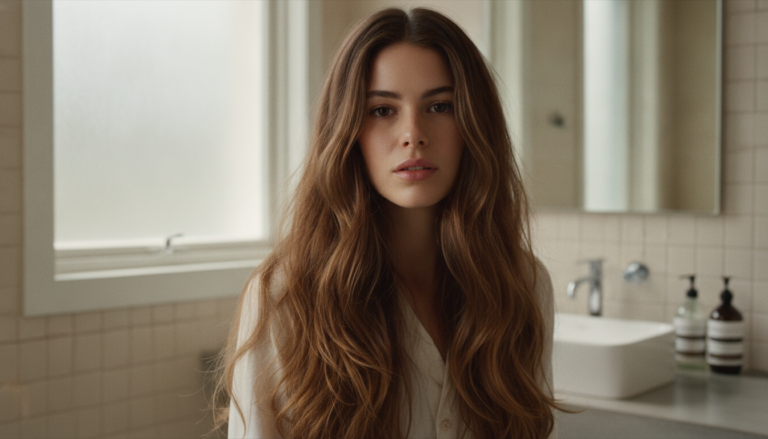
Pinterest visitors often scan before they commit. Use a strong visual near the opening, short sections, clear lists, and practical routine language. The page should answer the search quickly while giving readers reasons to continue.
Image descriptions should show real actions: washing, detangling, protective styling, nutrition, and scalp care. Do not place text or text-overlay on images. Keep the visual style consistent so the page feels trustworthy rather than crowded.
Encourage saves in the body with useful language such as “save this weekly checklist.” Keep the request connected to value. A reader is more likely to save a complete routine than a generic sales message.
Build a Routine You Can Maintain
The most useful Natural Hair Growth Tips are usually simple: keep the scalp comfortable, wash gently, condition regularly, protect the ends, limit tension, eat a balanced diet, and watch for signs of medical hair loss. Hair growth is gradual, and results may take months.
Choose one or two habits first. Track comfort, shedding, breakage, and manageability. If a product causes irritation or a treatment makes a promise that sounds too good to be true, pause and reassess.
Save this guide for your next wash day, share it with someone building a healthier routine, and use the relevant product link only after checking the offer and deciding whether it fits your needs.
Take the next gentle step
A consistent routine can help you care for your scalp and protect the length you grow. Review an option, start slowly, and keep your expectations realistic.