Achieving healthy, glowing skin doesn’t require complicated ten-step regimens or expensive treatments. The secret lies in understanding your specific skin concerns and building a consistent routine tailored to your needs. Whether you’re struggling with persistent breakouts, uneven skin texture, or simply want to maintain a healthy complexion, the right approach can transform your skin in weeks.
Many people feel overwhelmed by conflicting advice and endless product options. You might wonder which ingredients actually work, how often to cleanse, or whether you need specialized treatments. The good news is that creating an effective routine is simpler than you think.
This comprehensive guide breaks down everything you need to know about establishing a clear skin routine that delivers real results. You’ll discover the essential steps, understand which ingredients target your concerns, and learn how to adapt your care based on your skin’s unique characteristics.
Understanding Your Skin and Common Concerns
Your skin is your body’s largest organ and serves as a protective barrier against environmental stressors. Understanding how it functions helps you make better choices about care and treatment. The skin constantly renews itself, shedding dead cells and producing new ones in a cycle that takes approximately twenty-eight days.
Several factors influence skin health. Genetics play a significant role in determining whether you’re prone to acne, dryness, or sensitivity. Hormonal fluctuations affect oil production and can trigger breakouts. Environmental elements like pollution, sun exposure, and climate impact your skin barrier function daily.
Acne develops when pores become clogged with excess oil, dead skin cells, and bacteria. This process creates an environment where inflammation thrives. Acne-prone skin requires special attention to prevent breakouts while maintaining balance. Harsh treatments can strip natural moisture and trigger increased oil production, creating a frustrating cycle.
The skin barrier is crucial for maintaining hydration and protecting against irritants. When compromised, you may experience increased sensitivity, dryness, and vulnerability to breakouts. Supporting this barrier through appropriate care helps keep skin healthy and resilient.
Common Skin Concerns
Different issues require targeted approaches for optimal results.
Active acne breakouts and persistent pimples
Uneven skin texture and rough patches
Hyperpigmentation and dark spots
Enlarged pores and blackheads
Excessive oiliness or dryness
Skin Barrier Functions
Your protective barrier performs essential roles every day.
Recognize indicators that your routine is working effectively.
Smooth, even texture without roughness
Balanced moisture without excess oil
Minimal breakouts or inflammation
Natural radiance and healthy glow
Quick healing from minor blemishes
Essential Foundation: The Basic Three-Step Routine
Every effective clear skin routine builds on three fundamental steps: cleansing, moisturizing, and sun protection. These core elements work together to maintain healthy skin regardless of your specific concerns. Mastering these basics creates the foundation for any additional treatments or targeted products.
Cleansing removes dirt, excess oil, and impurities that accumulate throughout the day. A gentle cleanser works without stripping your skin barrier or causing irritation. For most people, cleansing twice daily provides optimal results. Morning cleansing removes overnight oil production, while evening cleansing eliminates makeup, sunscreen, and environmental pollutants.
Moisturizing maintains your skin barrier and prevents moisture loss. Even acne-prone skin needs adequate hydration to function properly. When skin becomes dehydrated, it may overproduce oil to compensate, potentially worsening breakouts. Choosing the right moisturizer for your skin type ensures balanced hydration without clogging pores.
Sun protection prevents premature aging and protects against harmful UV damage that can worsen hyperpigmentation. A broad-spectrum sunscreen with SPF thirty or higher should be applied every morning, regardless of weather conditions. UV rays penetrate clouds and windows, making daily protection essential for maintaining clear, healthy skin.
Pro Tip: Consistency matters more than using numerous products. Sticking with your basic three-step routine every day produces better results than elaborate routines performed inconsistently. Give new products at least four weeks to show results before making changes.
Morning Routine: Starting Your Day Right
Your morning routine prepares your skin to face daily environmental stressors. This routine focuses on protection and light hydration rather than intensive treatment. Starting your day with proper care sets the stage for healthy skin throughout the day.
Step One: Gentle Morning Cleanse
Begin with lukewarm water and a gentle cleanser formulated for your skin type. Those with dry skin may prefer a creamy, hydrating formula. People with acne-prone skin benefit from cleansers containing salicylic acid or benzoyl peroxide. Apply the cleanser to damp skin using circular motions, focusing on areas prone to congestion.
Rinse thoroughly with cool water to close pores and pat dry with a clean towel. Avoid rubbing, which can irritate skin and disrupt the protective barrier. The entire cleansing process should take about sixty seconds to ensure thorough removal of overnight oil and dead skin cells.
Step Two: Targeted Treatment Serum
After cleansing, apply any treatment serums while skin is still slightly damp. This helps with absorption and maximizes ingredient effectiveness. Vitamin C serums brighten skin tone and provide antioxidant protection against free radical damage from pollution and UV exposure.
Hyaluronic acid is a hydrating ingredient that attracts moisture to the skin surface. This powerful humectant can hold up to one thousand times its weight in water, making it ideal for maintaining plump, hydrated skin throughout the day. Apply two to three drops and gently press into skin.
Niacinamide helps regulate oil production, minimize pores, and reduce inflammation. This versatile ingredient suits most skin types and works well in morning routines. Allow serums to absorb for thirty to sixty seconds before moving to the next step.
Step Three: Lightweight Moisturizer
Choose a moisturizer appropriate for daytime wear. Gel-based formulas work well for oily or combination skin, while those with dry skin benefit from richer creams containing ceramides. These lipid molecules strengthen the skin barrier and prevent moisture loss throughout the day.
Apply moisturizer to face and neck using upward strokes. This technique supports natural facial contours and ensures even coverage. Pay special attention to areas prone to dryness like the cheeks and around the nose.
Step Four: Broad-Spectrum Sunscreen
Sunscreen is the most critical step for preventing premature aging and protecting skin health. Apply a broad-spectrum sunscreen with at least SPF thirty as your final morning step. Use approximately a nickel-sized amount for your face and a shot glass amount for face and neck combined.
Allow sunscreen to absorb for at least fifteen minutes before applying makeup or going outside. Reapply every two hours when spending extended time outdoors or after swimming or sweating. Mineral sunscreens containing zinc oxide or titanium dioxide provide immediate protection and work well for sensitive skin.
Remember: The order matters. Apply products from thinnest to thickest consistency, allowing each layer to absorb before adding the next. This ensures maximum effectiveness and prevents pilling or reduced efficacy.
Transform Your Morning Routine with Expert-Approved Solutions
Discover a scientifically formulated system designed by board-certified dermatologists to give you clear, radiant skin. This comprehensive morning routine solution addresses acne-prone skin while protecting and nourishing your skin barrier. Start your journey to healthier skin with proven ingredients and step-by-step guidance.
Your evening routine focuses on deep cleansing, treatment, and overnight repair. Night time is when skin undergoes its most intensive regeneration processes. Supporting these natural renewal mechanisms helps improve skin texture, reduce acne, and address specific skin concerns more effectively.
Step One: Double Cleansing Method
The double cleansing method ensures thorough removal of makeup, sunscreen, and accumulated impurities. Start with an oil-based cleanser or micellar water to dissolve makeup and oil-based products. This first cleanse breaks down stubborn substances that water-based cleansers cannot remove alone.
Follow with your regular gentle cleanser to remove any remaining residue and cleanse the skin surface. This second cleanse ensures completely clean skin ready to absorb treatment products. Take time to massage the cleanser gently, which improves circulation and promotes lymphatic drainage.
Step Two: Exfoliation (Two to Three Times Weekly)
Exfoliation removes dead skin cells that can clog pores and contribute to breakouts. Chemical exfoliants containing salicylic acid or glycolic acid work more gently than physical scrubs. Salicylic acid penetrates pores to dissolve oil and debris, making it particularly effective for acne-prone skin.
Apply exfoliating products to clean, dry skin. Start with once or twice weekly and gradually increase frequency as your skin builds tolerance. Over-exfoliating can damage the skin barrier and increase sensitivity, so moderation is key. Always follow exfoliation with adequate moisture to keep skin balanced.
Step Three: Treatment Products and Actives
Evening is the optimal time for potent treatment ingredients. Retinol stimulates cell turnover, reduces acne, and improves skin texture over time. This vitamin A derivative is one of the most researched and effective anti-aging and acne-fighting ingredients available.
Start with a low concentration retinol product and use it two to three times per week initially. Apply a pea-sized amount to face, avoiding the eye area. Gradually increase frequency as your skin adapts. Some initial purging or mild irritation is normal as skin adjusts to retinol.
Niacinamide can be layered with retinol to minimize irritation and enhance benefits. This ingredient helps strengthen the skin barrier while retinol works to improve cell turnover. Wait a few minutes between applying different treatment products to allow proper absorption.
Step Four: Hydrating Night Moisturizer
Night moisturizers are typically richer than daytime formulas. They provide intensive hydration and support skin repair processes that peak during sleep. Look for ingredients like hyaluronic acid, ceramides, and peptides that work synergistically to restore and protect skin.
Apply night cream generously to face and neck. The neck area is often neglected but shows signs of aging quickly. Massage using upward motions to promote absorption and support facial contours. Allow the moisturizer to fully absorb before going to bed to prevent transfer to pillowcases.
Optional: Targeted Spot Treatments
For active breakouts, apply spot treatments containing benzoyl peroxide or salicylic acid directly to blemishes. These concentrated treatments reduce inflammation and speed healing. Use a clean cotton swab or finger to apply product only to affected areas.
Wait until spot treatments dry completely before applying other products over them. This prevents dilution and ensures maximum effectiveness. Limit spot treatments to affected areas only to avoid unnecessary drying of surrounding healthy skin.
Important Note: Never combine retinol with other active ingredients like benzoyl peroxide or vitamin C in the same routine, as this can cause irritation. Alternate nights or use actives at different times of day for best results.
Complete Nighttime Transformation System
Unlock your skin’s overnight repair potential with a board-certified dermatologist-recommended evening routine. This comprehensive system includes targeted treatments with retinol, hyaluronic acid, and barrier-supporting ceramides designed specifically for acne-prone skin. Experience visible improvements in skin texture and clarity within weeks.
Intensive Acne Treatment Protocol
Combat stubborn breakouts with a scientifically proven treatment protocol that combines salicylic acid, niacinamide, and skin barrier protection. Developed for those struggling with persistent acne, this system addresses root causes while preventing future breakouts. Get the clear skin you deserve with expert-formulated solutions.
Power Ingredients That Transform Skin
Understanding active ingredients helps you make informed decisions about products and treatments. Different ingredients target specific skin concerns through distinct mechanisms. Building knowledge about what works and why empowers you to customize your routine effectively.
Hyaluronic Acid for Deep Hydration
Hyaluronic acid is a naturally occurring substance in skin that maintains moisture and plumpness. As we age, natural levels decline, leading to dehydration and fine lines. Topical hyaluronic acid replenishes this moisture-binding molecule, helping skin retain hydration throughout the day and night.
This ingredient works best when applied to damp skin and sealed with moisturizer. It draws moisture from the environment and deeper skin layers to the surface. Using hyaluronic acid consistently improves skin texture, reduces the appearance of fine lines, and creates a healthy, hydrated glow.
Multiple molecular weights of hyaluronic acid provide layered hydration. Smaller molecules penetrate deeper, while larger molecules create a moisture barrier at the surface. Look for products containing different weights for comprehensive hydration benefits.
Salicylic Acid for Acne and Pores
Salicylic acid is a beta hydroxy acid that penetrates oil to clear clogged pores from within. This ingredient is particularly effective for acne-prone skin because it dissolves the debris that causes blackheads and breakouts. Regular use helps prevent new acne formation while addressing existing blemishes.
Start with concentrations between zero point five and two percent. Higher concentrations aren’t necessarily more effective and may cause irritation. Salicylic acid also has anti-inflammatory properties that reduce redness and swelling associated with acne breakouts.
This ingredient helps improve skin texture by promoting gentle exfoliation. Dead skin cells are removed more efficiently, revealing smoother, clearer skin beneath. Consistent use over several weeks produces noticeable improvements in overall skin clarity and tone.
Retinol for Cell Turnover
Retinol accelerates cell turnover, bringing fresh, healthy cells to the surface more quickly. This process improves skin texture, reduces acne, and minimizes the appearance of fine lines and hyperpigmentation. Retinol is considered the gold standard ingredient for comprehensive skin improvement.
Initial adjustment period may include mild flaking or sensitivity. This is normal as skin adapts to increased cell turnover. Using retinol consistently over three to six months produces significant improvements in multiple skin concerns simultaneously.
Always use retinol at night and follow with sunscreen during the day. This ingredient increases sun sensitivity, making protection essential. Combine retinol with hydrating ingredients like hyaluronic acid to minimize potential dryness and maximize benefits.
Niacinamide for Multiple Benefits
Niacinamide, also known as vitamin B3, addresses numerous skin concerns simultaneously. This versatile ingredient regulates oil production, reduces inflammation, minimizes pore appearance, and strengthens the skin barrier. Its multi-functional nature makes it valuable for most skin types and concerns.
Niacinamide works well with other ingredients and rarely causes irritation. It can be used both morning and night for continuous benefits. Concentrations between five and ten percent provide optimal results without increasing irritation risk.
This ingredient also helps fade hyperpigmentation and even skin tone. It inhibits melanin transfer to skin cells, gradually reducing dark spots and acne scars. Regular use over several months produces visible improvements in overall skin clarity and uniformity.
Ceramides for Barrier Protection
Ceramides are lipid molecules that form a protective layer in skin. They prevent moisture loss and protect against environmental irritants. When the skin barrier is compromised, ceramide levels decline, leading to dehydration, sensitivity, and increased vulnerability to breakouts.
Topical ceramides replenish what skin loses naturally over time. Products containing ceramides help restore barrier function, improving skin’s ability to retain moisture and resist irritation. This makes them particularly beneficial for those with dry skin or compromised barriers from acne treatments.
Look for products containing a ceramide complex with multiple types. Ceramides one, three, and six work synergistically to provide comprehensive barrier support. Combining ceramides with other moisturizing ingredients enhances overall hydration and protection.
Ingredient
Primary Benefit
Best For
When to Use
Hyaluronic Acid
Deep hydration and moisture retention
All skin types, especially dry skin
Morning and night
Salicylic Acid
Pore clearing and acne prevention
Acne-prone skin, oily skin
Evening or as directed
Retinol
Cell turnover and texture improvement
Aging concerns, acne, texture issues
Night only
Niacinamide
Oil control and barrier support
All skin types, especially acne-prone skin
Morning and night
Ceramides
Barrier protection and moisture retention
Dry skin, sensitive skin, compromised barriers
Morning and night
Vitamin C
Brightening and antioxidant protection
Dull skin, hyperpigmentation
Morning preferred
Master the Science of Clear Skin with Expert Ingredient Education
Get access to comprehensive training on how active ingredients work together to transform acne-prone skin. This board-certified dermatologist-created program teaches you to build customized routines using hyaluronic acid, retinol, and barrier-supporting ceramides. Stop guessing and start seeing real results with science-backed formulations.
No single routine works perfectly for everyone. Your specific skin type and concerns require personalized adjustments to achieve optimal results. Understanding your skin’s unique characteristics allows you to select products and techniques that address your individual needs effectively.
Routine Adjustments for Oily Skin
Oily skin produces excess sebum, often leading to shine, enlarged pores, and increased acne risk. Focus on lightweight, oil-free formulations that won’t add heaviness. Gel-based cleansers and moisturizers work well, providing necessary hydration without contributing to excess oil.
Include salicylic acid treatments to keep pores clear and control oil production. Use clay masks once or twice weekly to absorb excess oil and refine pores. However, avoid over-cleansing or using harsh products, which can trigger increased oil production as skin tries to compensate.
Mattifying ingredients like niacinamide help regulate sebum production over time. Consistent use gradually balances oil levels rather than simply absorbing surface oil. Patience is essential as skin adjusts to a more balanced state over several weeks.
Routine Adjustments for Dry Skin
Dry skin lacks sufficient natural oils and struggles to retain moisture. This condition can cause flaking, tightness, and increased sensitivity. Choose cream-based cleansers that cleanse gently without stripping natural oils. Avoid foaming cleansers, which can be too harsh for already depleted moisture levels.
Layer hydrating products for maximum moisture retention. Start with hyaluronic acid serum on damp skin, follow with a hydrating essence, and seal with a rich moisturizer containing ceramides. This layering technique creates multiple levels of hydration that work together to improve skin barrier function.
Consider adding a facial oil as the final step at night. Oils create an occlusive barrier that prevents moisture loss while you sleep. Look for non-comedogenic oils like squalane or rosehip that provide benefits without clogging pores.
Routine Adjustments for Combination Skin
Combination skin features both oily and dry areas, typically with an oily t-zone and drier cheeks. This skin type requires balanced care that addresses both concerns without exacerbating either. Using different products on different zones can provide targeted treatment.
Use a gentle cleanser that works for the entire face. Apply lighter moisturizer to oily areas and richer formulas to dry patches. This zoned approach ensures each area receives appropriate care. Gel moisturizers work well for the t-zone, while cream formulas benefit drier cheek areas.
Incorporate treatments strategically based on zone needs. Use salicylic acid on oily, breakout-prone areas while applying hydrating serums to drier regions. This customized approach prevents over-treating some areas while under-treating others.
Routine Adjustments for Sensitive Skin
Sensitive skin reacts easily to products, environmental factors, and active ingredients. Redness, stinging, and irritation occur more frequently. Prioritize gentle, fragrance-free formulations with minimal ingredients to reduce reaction risk.
Introduce new products slowly, one at a time, waiting at least two weeks between additions. This approach helps identify potential irritants before they cause significant problems. Patch test new products on a small area before applying to the entire face.
Avoid common irritants like fragrances, essential oils, and high concentrations of active ingredients. Look for soothing ingredients like centella asiatica, colloidal oatmeal, and allantoin. These calming agents reduce inflammation and support the skin barrier without causing additional sensitivity.
Benefits of Customized Routines
Addresses specific skin concerns more effectively
Reduces waste on products that don’t work for you
Minimizes irritation from inappropriate products
Provides faster, more noticeable results
Adapts as your skin changes over time
Challenges of Customization
Requires experimentation to find what works
May need to adjust products seasonally
Can be initially more expensive trying different options
Many well-intentioned efforts to improve skin actually create new problems. Understanding common mistakes helps you avoid setbacks and maintain consistent progress toward your clear skin goals. Small adjustments in technique and approach often produce significant improvements in results.
Over-Cleansing and Stripping Skin
Washing your face too frequently or using harsh cleansers damages the skin barrier. This disruption leads to increased sensitivity, dryness, and paradoxically, more oil production as skin tries to compensate. Cleansing twice daily is sufficient for most people.
Choose a gentle cleanser appropriate for your skin type. The product should remove dirt and oil without leaving skin feeling tight or stripped. If your face feels squeaky clean, your cleanser may be too harsh. Skin should feel comfortable and balanced after cleansing.
Hot water also strips natural oils and can worsen irritation. Use lukewarm water for cleansing and finish with cool water to help close pores. Pat skin dry gently rather than rubbing, which can cause friction damage to the delicate skin barrier.
Using Too Many Products at Once
Product layering has its limits. Using too many actives simultaneously increases irritation risk without providing additional benefits. More products don’t equal better results. In fact, excessive layering can overwhelm skin and prevent individual ingredients from working effectively.
Start with basics and add treatments gradually. Allow four to six weeks to assess each new product before adding another. This methodical approach helps identify what actually works for your skin and prevents confusion about which products produce results.
Limit active ingredients to one or two in your routine initially. Combining multiple acids, retinoids, and other potent treatments often causes more harm than good. Build tolerance over time before increasing product complexity.
Skipping Sunscreen
Many acne treatments increase sun sensitivity, making protection essential. UV damage worsens hyperpigmentation, causes premature aging, and can trigger inflammation that exacerbates breakouts. Broad-spectrum sunscreen with at least SPF thirty should be non-negotiable in any routine.
Apply sunscreen every morning regardless of weather or plans to go outside. UV rays penetrate windows and clouds, causing cumulative damage even during brief exposures. Reapplication throughout the day maintains consistent protection, especially during extended outdoor time.
Modern sunscreens no longer leave white casts or feel heavy. Lightweight, cosmetically elegant formulations make daily wear pleasant. Some moisturizers include SPF, though using a dedicated sunscreen ensures adequate protection levels.
Picking and Touching Your Face
Touching your face transfers bacteria from hands to skin, increasing infection risk and spreading existing breakouts. Picking at acne damages tissue, increases inflammation, and significantly raises the likelihood of scarring. These habits undermine even the best skincare routine.
Keep hands away from your face throughout the day. If you must touch your face, wash hands thoroughly first. For active breakouts, use targeted spot treatments rather than picking. Hydrocolloid patches can extract impurities while protecting blemishes from touching.
Be mindful of other items that contact your face. Change pillowcases regularly, clean phone screens frequently, and avoid resting your face on hands. These simple hygiene habits significantly reduce bacteria transfer and breakout triggers.
Expecting Overnight Results
Skin improvement takes time. The natural cell turnover cycle requires approximately twenty-eight days, meaning visible changes typically appear after four to six weeks of consistent product use. Switching products too quickly prevents you from accurately assessing effectiveness.
Commit to a routine for at least eight weeks before making major changes. Document progress with photos taken in consistent lighting to track subtle improvements you might miss in daily mirror checks. Progress often happens gradually rather than dramatically.
Some initial worsening may occur as skin adjusts to new products, especially with active ingredients like retinol or acids. This purging phase typically lasts two to four weeks. Distinguish between purging and genuine adverse reactions that require product discontinuation.
Healthy Routine Habits
Cleansing twice daily with gentle products
Waiting four to six weeks to assess new products
Applying sunscreen every single morning
Using one or two active ingredients initially
Keeping hands away from face throughout day
Taking progress photos to track improvements
Adjusting routine based on skin response
Damaging Routine Mistakes
Washing face more than twice daily
Changing products every few days
Skipping sunscreen on cloudy days
Layering multiple active ingredients immediately
Picking at breakouts or touching face frequently
Expecting results within first few days
Continuing products that cause genuine irritation
Lifestyle Factors That Support Clear Skin
Skincare products work best when supported by healthy lifestyle choices. What you eat, how you sleep, and how you manage stress all significantly impact skin health. A holistic approach combining external care with internal wellness produces superior results compared to products alone.
Nutrition and Hydration
Your diet directly affects skin health. Foods high in refined sugars and processed carbohydrates can trigger inflammation and worsen acne. These foods cause insulin spikes that increase oil production and create an environment conducive to breakouts.
Focus on whole foods rich in antioxidants, omega-three fatty acids, and vitamins. Leafy greens, berries, fatty fish, and nuts provide nutrients that support skin health from within. These foods reduce inflammation, support collagen production, and provide building blocks for healthy cell formation.
Adequate water intake maintains skin hydration and supports toxin elimination. Aim for eight glasses daily, adjusting based on activity level and climate. Well-hydrated skin appears plumper, maintains better barrier function, and heals more efficiently from breakouts and irritation.
Quality Sleep
Sleep is when skin undergoes its most intensive repair processes. Growth hormone production peaks during deep sleep, driving cell regeneration and collagen synthesis. Insufficient sleep disrupts these processes, leading to slower healing, increased inflammation, and accelerated aging.
Aim for seven to nine hours of quality sleep nightly. Establish a consistent sleep schedule to regulate your body’s circadian rhythm. This consistency optimizes natural repair processes and helps maintain hormonal balance that affects skin health.
Your sleep position and pillowcase material also matter. Sleeping on your back prevents facial compression that can contribute to wrinkles. Silk or satin pillowcases reduce friction and moisture absorption compared to cotton, helping skin stay hydrated overnight.
Stress Management
Chronic stress elevates cortisol levels, which triggers increased oil production and inflammation. This hormonal response often manifests as breakouts, especially around the jawline and chin. Managing stress is therefore crucial for maintaining clear skin.
Incorporate stress-reduction practices into your daily routine. Exercise, meditation, deep breathing, and adequate downtime all help regulate cortisol levels. Even fifteen minutes of intentional stress management daily can positively impact skin health over time.
Notice patterns between stress and breakouts. Many people experience flare-ups during particularly stressful periods. Recognizing this connection helps you proactively manage skin during high-stress times with adjusted care and extra attention to stress reduction.
Exercise and Circulation
Regular exercise improves circulation, delivering oxygen and nutrients to skin cells while removing waste products. This increased blood flow gives skin a healthy glow and supports optimal functioning of all skin processes, including healing and regeneration.
Moderate exercise reduces stress and helps regulate hormones that affect skin. However, always cleanse face promptly after workouts to remove sweat and bacteria that can clog pores. This post-exercise cleansing prevents workout-related breakouts while maintaining the benefits of improved circulation.
Be mindful of hygiene around exercise. Avoid touching your face during workouts, use clean towels, and wash exercise equipment regularly. These simple habits prevent bacteria transfer that could undermine your clear skin efforts.
Holistic Approach: Combining excellent skincare with healthy lifestyle choices produces synergistic effects. Products work more effectively when skin is well-nourished, adequately rested, and functioning optimally from internal wellness support.
Complete Wellness Program for Clear Skin from Inside Out
Transform your skin through a comprehensive approach that addresses both external care and internal wellness. This board-certified dermatologist-designed program combines optimal skincare routines with nutrition guidance, stress management techniques, and lifestyle strategies specifically tailored for acne-prone skin. Achieve lasting clear skin by addressing root causes, not just symptoms.
Skin needs change throughout the year as weather conditions fluctuate. Temperature, humidity levels, and sun intensity all affect how your skin behaves. Adapting your routine seasonally ensures skin receives appropriate care regardless of external conditions.
Winter Skincare Adjustments
Cold temperatures and low humidity strip moisture from skin. Indoor heating further depletes hydration, often causing increased dryness, flaking, and sensitivity even in typically oily skin types. Winter requires enhanced moisture retention strategies.
Switch to cream-based cleansers that cleanse gently without stripping. Layer hydrating products more heavily, adding facial oils or occlusives like petrolatum-based products as final steps. These create barriers that prevent moisture loss in harsh winter conditions.
Don’t neglect sunscreen despite less intense sun. Snow reflects UV rays, actually increasing exposure. Continue daily sun protection throughout winter, though you may prefer richer, more moisturizing sunscreen formulations during this season.
Summer Skincare Adjustments
Heat and humidity increase oil production and sweat, often leading to clogged pores and breakouts. Sun exposure intensifies, making protection even more critical. Summer routines should emphasize oil control while maintaining adequate hydration.
Use lightweight, gel-based formulations that won’t feel heavy in heat. Switch to oil-free moisturizers and mattifying products containing niacinamide. These control shine while maintaining necessary hydration for healthy skin barrier function.
Increase sunscreen application frequency and quantity. Sweating and water exposure reduce effectiveness, requiring more frequent reapplication. Consider water-resistant formulas rated for eighty minutes for extended outdoor activities or swimming.
Spring and Fall Transitions
Transitional seasons often confuse skin as conditions shift. You may experience temporary breakouts or sensitivity as skin adjusts. These periods are ideal for reassessing your routine and making gradual changes before more extreme seasonal weather arrives.
Adjust product weights gradually rather than switching everything at once. This prevents shocking skin with sudden changes. Start incorporating lighter or heavier products based on upcoming season while monitoring how skin responds to these adjustments.
Use these transitional periods to introduce new active ingredients or treatments. Moderate temperatures and humidity create ideal conditions for starting retinol or acids without additional stress from extreme weather on skin barrier.
Hot weather requires oil control with maintained hydration.
Lightweight gel cleansers and moisturizers
Oil-free, mattifying formulations
Frequent sunscreen reapplication
Increased cleansing after sweating
Water-resistant sun protection products
Spring Transition Focus
Gradually lighten routine as weather warms.
Slowly introduce lighter product textures
Increase exfoliation frequency gradually
Begin incorporating vitamin C serums
Transition to lighter sunscreen formulas
Monitor pollen allergies affecting skin
Fall Transition Focus
Prepare skin for upcoming cold dry weather.
Gradually add richer moisturizing products
Introduce or increase retinol treatments
Begin repairing summer sun damage
Add hydrating essences or serums
Prepare skin barrier for winter stress
When to Consider Professional Treatments
Sometimes at-home care needs professional support to achieve desired results. Certain skin concerns respond better to in-office treatments performed by board-certified dermatologists or licensed aestheticians. Knowing when to seek professional help prevents frustration and potential skin damage from inadequate home treatment.
Signs You Need Professional Help
Persistent acne that doesn’t respond to over-the-counter treatments after three months warrants professional evaluation. Severe cystic acne, nodular breakouts, or acne causing significant scarring requires prescription treatments that work more powerfully than available retail options.
Sudden skin changes, widespread rashes, or severe reactions to products indicate potential underlying conditions. A board-certified dermatologist can diagnose issues like rosacea, eczema, or allergic reactions that require specific medical treatment beyond standard skincare.
Hyperpigmentation or scarring from previous acne may need professional treatments like chemical peels, laser therapy, or microneedling. These procedures work deeper than topical products, producing more dramatic improvements in skin texture and tone.
Common Professional Treatments
Chemical peels use concentrated acids to exfoliate deeply, improving skin texture, reducing acne, and evening tone. Professional-strength peels penetrate beyond what home products achieve. Multiple sessions spaced weeks apart produce progressive improvements.
Prescription retinoids like tretinoin work more powerfully than over-the-counter retinol. These medications significantly accelerate cell turnover, treat stubborn acne, and reverse sun damage more effectively than retail alternatives. A dermatologist prescribes appropriate strength based on your skin’s needs and tolerance.
Laser treatments target specific concerns like acne scars, hyperpigmentation, or active breakouts. Different laser types address different issues. Fractional lasers resurface skin and improve texture, while blue light therapy kills acne-causing bacteria.
Combining Professional and Home Care
Professional treatments work best when combined with consistent home care. Your at-home routine prepares skin for treatments and maintains results between sessions. Following your dermatologist’s recommendations for products and techniques maximizes treatment effectiveness.
Protect skin carefully after professional procedures. Treatments often increase sensitivity, making gentle products and diligent sun protection essential. Your routine may need temporary adjustments during recovery periods following more intensive procedures.
Regular follow-ups with your dermatologist help track progress and adjust treatment plans. Skin evolves over time, and what works initially may need modification. Professional monitoring ensures you’re always using the most effective approach for your current skin condition.
Finding the Right Professional: Choose board-certified dermatologists for medical skin concerns. For aesthetic treatments, select licensed professionals with extensive experience and positive reviews. Don’t hesitate to ask about credentials, experience with your specific concern, and expected outcomes.
The skincare market overwhelms with options ranging from budget to luxury prices. Understanding how to evaluate products helps you invest wisely in formulations that deliver results. Price doesn’t always correlate with effectiveness. Smart selection focuses on ingredients, formulation quality, and compatibility with your specific needs.
Reading and Understanding Ingredient Lists
Ingredients appear in descending order by concentration. The first five to seven ingredients comprise the majority of the product. Active ingredients should appear high on the list to ensure effective concentrations. Products listing beneficial ingredients last likely contain insufficient amounts to produce results.
Look for products that clearly list active ingredient concentrations. Reputable brands specify percentages of key ingredients like retinol, vitamin C, or acids. This transparency helps you compare products accurately and choose formulations with proven effective concentrations.
Avoid products with unnecessary irritants like fragrance, essential oils, or alcohol high on the ingredient list. These additives provide no skin benefit and increase sensitivity risk, especially for acne-prone skin or compromised barriers.
Identifying Quality Formulations
Quality products use stable ingredient forms that remain effective until use. Vitamin C, for example, degrades rapidly in unstable formulations. L-ascorbic acid in opaque, airtight packaging maintains potency, while products in clear jars quickly oxidize and lose effectiveness.
Packaging affects product integrity. Airless pumps protect ingredients from air and light exposure. Tubes provide better protection than jars, which expose products to air and bacteria from fingers with every use. Consider packaging when evaluating overall product quality.
Research brands’ reputations and testing protocols. Companies conducting clinical trials and publishing results demonstrate commitment to efficacy. Third-party testing and certifications provide additional quality assurance beyond marketing claims.
Budget-Friendly Versus Luxury Options
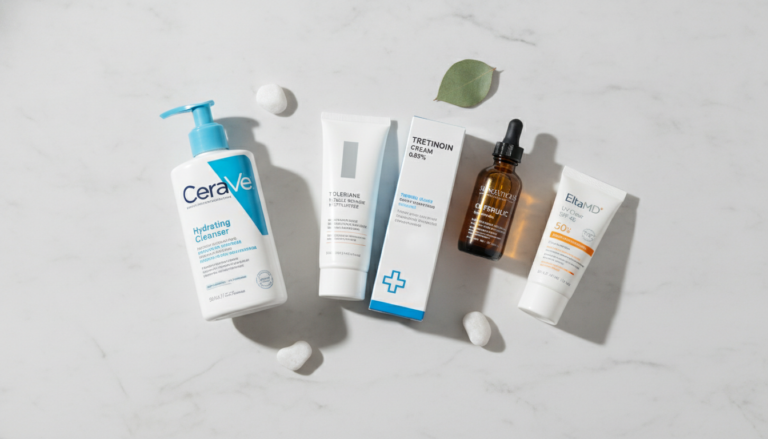
Many drugstore brands offer excellent formulations at affordable prices. CeraVe, La Roche-Posay, and The Ordinary provide effective products with quality ingredients at accessible price points. These brands often focus on essential formulations without expensive packaging or marketing.
Luxury brands may invest more in elegant textures, sophisticated fragrances, and premium packaging. Sometimes this enhances user experience enough to justify higher costs through consistent use. However, the fundamental active ingredients often match those in less expensive alternatives.
Prioritize spending on products where quality matters most. Invest in effective serums with stable active ingredients and quality sunscreen. Basic cleansers and moisturizers often perform well across price ranges, making budget-friendly options perfectly adequate.
Patch Testing New Products
Always patch test new products before full-face application. Apply a small amount to your inner arm or behind your ear for forty-eight hours. This reveals potential allergic reactions or sensitivities before affecting your entire face.
Even after successful patch testing, introduce products gradually. Start with every other night for active ingredients, slowly building to daily use as skin adjusts. This cautious approach minimizes irritation risk and helps identify any products causing problems.
Keep notes about products you try. Document ingredients, how skin responds, and whether you notice improvements. This personal database helps you identify patterns in what works for your unique skin and avoid repeating past mistakes.
Product Category
Key Ingredients to Seek
Ingredients to Avoid
Estimated Price Range
Gentle Cleanser
Glycerin, ceramides, gentle surfactants
Sulfates, fragrance, harsh scrubbing particles
Ten to thirty dollars
Vitamin C Serum
L-ascorbic acid ten to twenty percent, ferulic acid
Clear packaging, jar containers, fragrance
Fifteen to eighty dollars
Retinol Treatment
Retinol zero point one to one percent, stabilizers
Fragrance, essential oils, jar packaging
Twenty to sixty dollars
Moisturizer
Hyaluronic acid, ceramides, niacinamide
Heavy fragrances, comedogenic oils, irritants
Twelve to fifty dollars
Sunscreen
Zinc oxide, titanium dioxide, or chemical filters
Low SPF, missing UVA protection, fragrance
Ten to forty dollars
Tracking Progress and Adjusting Your Routine
Monitoring your skin’s response helps you identify what works and what needs adjustment. Progress photos, journaling, and careful observation create objective records of improvements that might otherwise go unnoticed. This documentation guides informed decisions about continuing, modifying, or discontinuing products and practices.
Taking Effective Progress Photos
Photograph your skin weekly using consistent lighting, angles, and distance. Natural indirect light works best, avoiding harsh shadows or excessive brightness. Take photos from the same location at the same time of day to maintain consistency.
Capture multiple angles including front view and both sides. Include close-ups of problem areas you’re specifically targeting. Bare skin without makeup reveals true condition better than photos with coverage that hides details.
Compare photos monthly rather than daily. Daily changes are too subtle to notice, leading to discouragement. Monthly comparisons reveal gradual improvements clearly, providing motivation to continue consistent care.
Maintaining a Skincare Journal
Record products used, any changes to your routine, dietary variations, stress levels, and menstrual cycle phases. These factors all influence skin condition. Documentation helps identify patterns connecting specific triggers to breakouts or improvements.
Note both positive and negative reactions to products. Include details about texture, absorption, how skin feels hours after application, and any changes noticed over days and weeks. This detailed information helps you make informed choices about repurchasing or discontinuing products.
Track external factors like weather changes, travel, illness, or medication changes. These variables affect skin independently of your routine. Understanding their impact prevents incorrectly attributing changes to skincare products.
Knowing When to Adjust
If a product causes persistent irritation, redness, or worsening breakouts beyond an initial adjustment period, discontinue use. True adverse reactions differ from temporary purging. Purging occurs only with products increasing cell turnover and should improve within four weeks.
Products showing no improvement after eight to twelve weeks likely aren’t working for your skin. While patience is important, indefinite waiting wastes time and money. Use your documentation to make objective assessments rather than relying on memory or marketing promises.
Skin changes over time due to aging, hormones, and environmental factors. Routines that worked previously may need adjustment. Annual reassessment ensures your approach continues meeting your skin’s evolving needs.
Celebrating Improvements
Acknowledge progress, even small improvements. Fewer breakouts, faster healing, improved texture, or reduced inflammation all represent success. Recognizing these victories maintains motivation during the ongoing journey toward clear skin.
Share your experience with others struggling with similar concerns. Your documentation and insights can help someone else navigate their clear skin journey. Teaching others reinforces your own knowledge and commitment to maintaining healthy skin.
Remember that perfect skin doesn’t exist. Everyone experiences occasional breakouts or variations in skin condition. A successful routine minimizes problems and helps skin recover quickly rather than eliminating all issues permanently.
How long until I see results from a new clear skin routine?
Most people notice initial improvements within four to six weeks as the skin completes one full cell turnover cycle. Significant changes typically become apparent after eight to twelve weeks of consistent use. Some products like retinol may take three to six months to show full benefits. Patience and consistency are essential for achieving lasting results.
Can I use multiple active ingredients in my routine?
Yes, but introduce them gradually and use them strategically. Start with one active ingredient for several weeks before adding another. Some combinations work well together, like niacinamide with hyaluronic acid. Others should be separated, using retinol at night and vitamin C in the morning. Avoid combining multiple acids or retinoids simultaneously to prevent irritation.
Why is my acne getting worse after starting a new routine?
Initial worsening, called purging, is normal with products that increase cell turnover like retinol or acids. Purging typically lasts two to four weeks and affects only areas where you normally break out. If new breakouts appear in unusual areas or persist beyond four weeks, you may be experiencing an adverse reaction requiring product discontinuation.
Do I really need sunscreen if I work indoors?
Absolutely. UVA rays penetrate windows and cause cumulative damage even from brief outdoor exposures during your commute or lunch break. Many acne treatments increase sun sensitivity, making protection essential. Broad-spectrum sunscreen prevents premature aging and hyperpigmentation that can worsen acne scarring visibility. Make it a non-negotiable daily step.
Should I exfoliate every day for clearer skin?
No. Over-exfoliation damages the skin barrier, leading to increased sensitivity, inflammation, and potentially more breakouts. Most people benefit from exfoliating two to three times weekly. Chemical exfoliants with salicylic acid or glycolic acid work more gently than physical scrubs. Start slowly and increase frequency only if skin tolerates it well without irritation.
Can diet really affect my skin’s clarity?
Yes, diet significantly impacts skin health. High-glycemic foods and dairy may trigger inflammation and worsen acne in some people. Diets rich in antioxidants, omega-three fatty acids, and whole foods support skin health from within. However, diet alone rarely solves acne. Combine proper nutrition with an effective skincare routine for best results.
Your Journey to Clear, Healthy Skin Starts Now
Building a clear skin routine requires understanding your unique skin needs, selecting appropriate products, and maintaining consistency over time. The fundamentals remain simple: cleanse gently, treat specifically, moisturize adequately, and protect diligently. These core principles work regardless of your specific skin type or concerns.
Remember that achieving clear skin is a journey rather than a destination. Skin changes throughout life due to hormones, aging, environment, and lifestyle factors. What works today may need adjustment tomorrow. Staying informed, tracking progress, and remaining flexible in your approach ensures long-term success.
Patience and consistency produce better results than constantly changing products or expecting overnight transformations. Give your routine adequate time to work, typically eight to twelve weeks minimum. Document your progress objectively through photos and journaling rather than relying on daily mirror assessments that miss gradual improvements.
Don’t hesitate to seek professional help when needed. Board-certified dermatologists provide expert guidance for stubborn concerns that don’t respond to over-the-counter care. Combining professional treatments with solid home care routines maximizes results and addresses issues comprehensively.
Your clear skin routine should enhance your life, not complicate it. Start with basics, add complexity gradually, and focus on sustainable practices you can maintain long-term. Consistency with a simple routine outperforms sporadic adherence to elaborate regimens every time.
Celebrate every improvement along your journey. Reduced breakout frequency, faster healing, improved texture, or simply feeling more confident in your skin all represent meaningful progress. Clear skin is achievable with the right knowledge, products, and commitment to consistent care.
Take control of your skin health today. Start with the fundamentals outlined in this guide, adjust based on your specific needs, and maintain patience as your skin transforms. The investment in understanding and caring for your skin pays dividends in confidence, health, and lasting results.