How to Get Glowing Skin Naturally: 9 Simple Methods
Your skin reflects your inner health and daily care habits. Achieving a natural glow doesn’t require expensive treatments or harsh chemicals.
The journey to radiant skin begins with understanding what your body needs. Simple changes in your skincare routine and lifestyle can create dramatic results.
This guide reveals proven methods that work with your body’s natural processes. You’ll discover practical tips that fit seamlessly into your day.
Ready to Transform Your Skin?
Discover the complete natural skincare system that thousands have used to achieve radiant, glowing skin without expensive treatments or harsh chemicals.
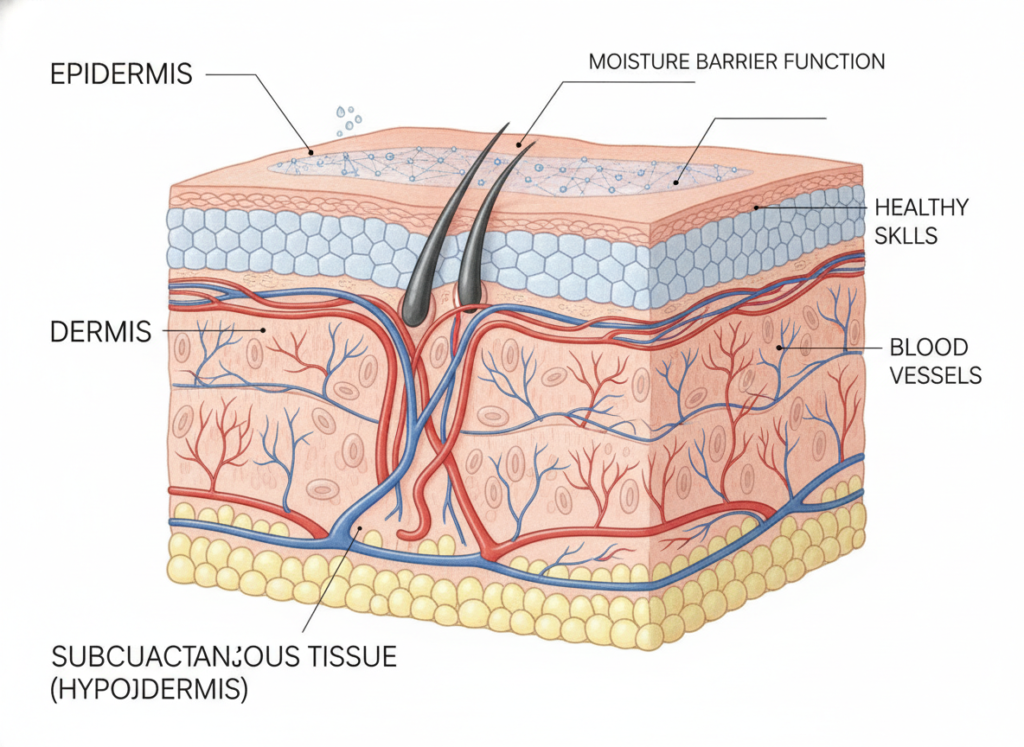
Your skin is your body’s largest organ. It constantly renews itself through a complex process of cell turnover.
The appearance of your complexion depends on several factors. Blood circulation brings nutrients and oxygen to skin cells.
Healthy skin maintains proper moisture balance. The natural barrier protects against environmental damage while allowing your glow to shine through.
What Creates Radiant Skin
Proper hydration supporting cell function
Adequate blood circulation delivering nutrients
Balanced oil production maintaining moisture
Regular cell renewal removing dead skin
Protection from oxidative stress
What Dims Your Complexion
Dehydration reducing skin plumpness
Poor sleep disrupting repair processes
Stress increasing inflammation
Environmental pollution causing damage
Inadequate nutrition depleting resources
Understanding these fundamentals helps you make informed choices. Your skin responds positively when you support its natural functions.
The Foundation: Proper Hydration
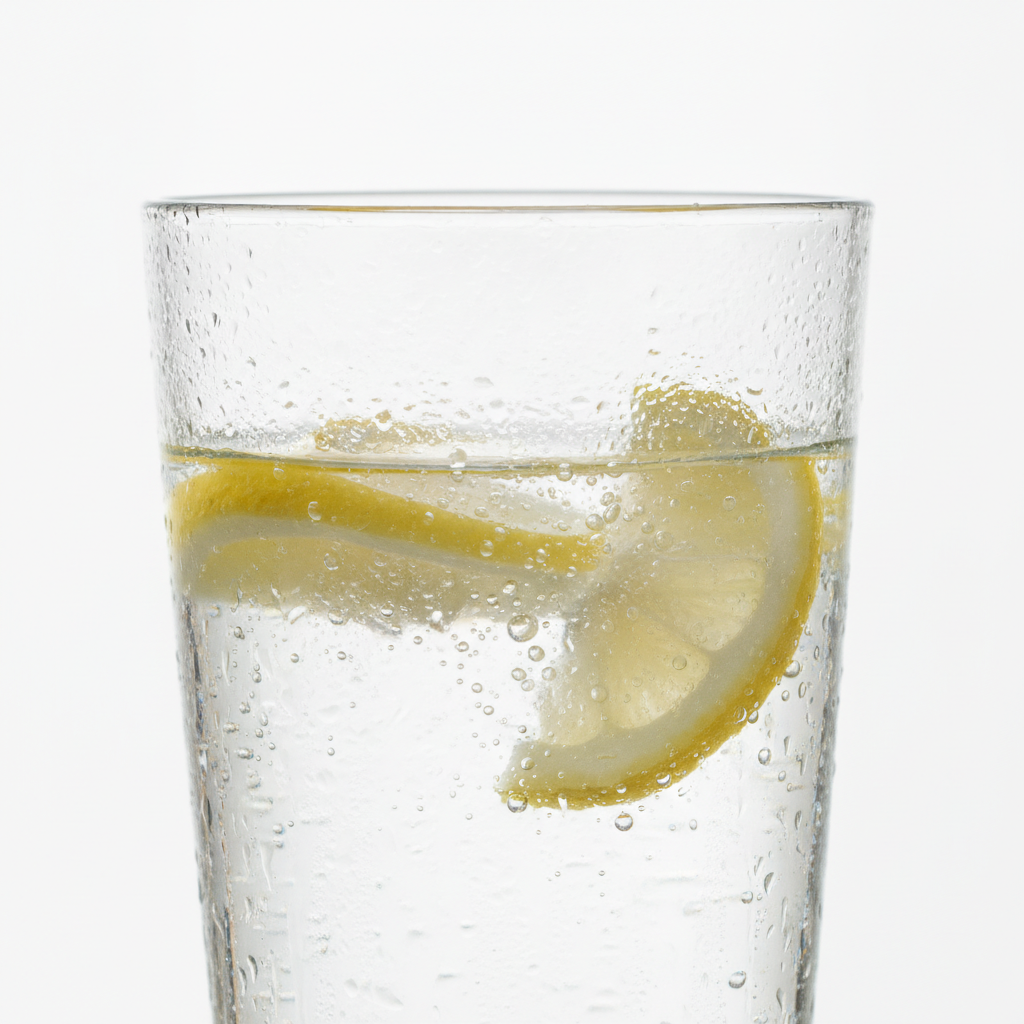
Water serves as the foundation for glowing skin. Every cell in your body requires adequate hydration to function optimally.
Drinking sufficient water throughout the day supports your skin from within. This helps maintain elasticity and flushes out toxins.
Daily Water Intake Guidelines
Most experts recommend eight glasses of water daily. However, your individual needs may vary based on activity level and climate.
Your body loses moisture through breathing, sweating, and other processes. Replacing this water maintains healthy skin function.
Quick Tip: Start each day with a glass of water before breakfast. This jump-starts hydration and supports your body’s natural detoxification.
Hydrating Foods for Your Skin
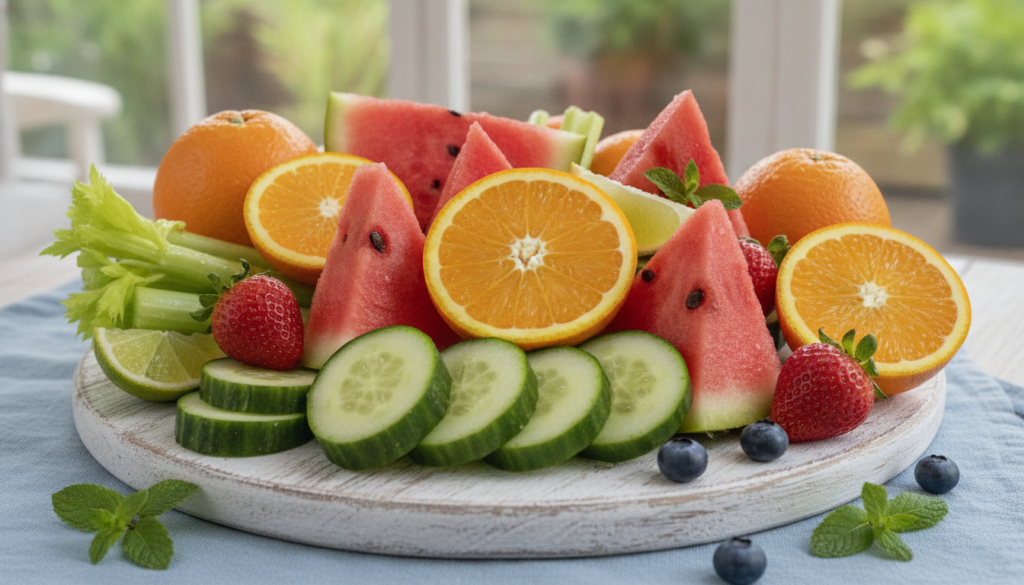
Water-rich foods supplement your hydration efforts. These ingredients provide both moisture and essential nutrients.
Cucumbers containing 96% water content
Watermelon providing vitamins and moisture
Oranges offering vitamin C and hydration
Strawberries combining antioxidants with water
Celery delivering minerals and moisture
Tomatoes packed with lycopene and water
External Hydration Methods
Topical hydration complements internal water intake. Your skincare routine should include moisture-retaining products.
Apply moisturizer to damp skin after cleansing. This locks in moisture and creates a protective barrier.
Consider using a humidifier in dry environments. This adds moisture to the air your skin breathes.
Hydration Routine Timeline
Follow this schedule for optimal skin hydration throughout your day.
Morning: Glass of water upon waking
Mid-morning: Water or herbal tea
Lunch: Water with meal plus hydrating foods
Afternoon: Fresh fruit or vegetable snack
Evening: Water before dinner
Night: Light hydration before bed
Nutrition That Enhances Your Natural Glow
Your diet directly impacts your skin’s appearance. The nutrients you consume become the building blocks for healthy cells.
Certain vitamins and minerals play crucial roles in skin health. These ingredients support collagen production and protect against damage.
Essential Nutrients for Radiant Skin
Vitamin C supports collagen synthesis and brightens your complexion. Find it in citrus fruits, bell peppers, and leafy greens.
Vitamin E protects skin from oxidative stress. Nuts, seeds, and avocados provide excellent sources.
Omega-3 fatty acids reduce inflammation and maintain skin moisture. Fatty fish, walnuts, and flaxseeds offer these beneficial fats.
Antioxidant-Rich Foods
Blueberries fighting free radicals
Dark chocolate with flavonoids
Green tea providing catechins
Spinach packed with vitamins
Protein Sources
Wild-caught fish with omega-3s
Grass-fed meat for amino acids
Eggs providing complete protein
Legumes offering plant protein
Healthy Fats
Avocados with vitamin E
Olive oil for moisture
Nuts providing minerals
Seeds offering nutrients
Foods to Limit or Avoid
Some foods can negatively impact your skin’s appearance. Sugar causes inflammation and accelerates aging.
Processed foods often lack nutrients your skin needs. They may contain additives that trigger inflammation or breakouts.
Excessive dairy consumption affects some people’s complexion. Monitor your skin’s response to different foods.
Struggling to Plan Skin-Healthy Meals?
Get access to customized nutrition plans designed specifically for radiant skin. Discover meal ideas, recipes, and shopping lists that make healthy eating simple.
Sleep provides essential time for skin regeneration. Your body produces new collagen during deep sleep stages.
Quality sleep reduces stress hormones that can damage your complexion. Adequate rest prevents dark circles and puffiness.
Optimal Sleep Duration
Most adults need seven to nine hours of sleep nightly. Consistent sleep schedules support your body’s natural rhythms.
Going to bed at the same time each night helps regulate hormone production. This consistency benefits your skin’s repair processes.
Creating the Perfect Sleep Environment
Your bedroom environment affects sleep quality. Keep the room cool, dark, and quiet for optimal rest.
Maintain temperature between 60-67 degrees
Use blackout curtains to block light
Remove electronic devices from bedroom
Choose comfortable, breathable bedding
Consider a silk pillowcase to reduce friction
Pre-Sleep Skincare Routine
Nighttime offers the perfect opportunity for intensive skin care. Your skin absorbs products more effectively during sleep.
Cleanse thoroughly to remove the day’s buildup. Apply night treatments that work while you rest.
Night Routine Essentials: Gentle cleanser, hydrating toner, night serum, rich moisturizer. This combination supports your skin’s overnight repair process.
Avoid caffeine and heavy meals before bedtime. These can disrupt sleep quality and affect your skin’s recovery.
Evening Wind-Down Routine
Establish these habits for better sleep and healthier skin.
Stop screen time one hour before bed
Take a warm bath to relax muscles
Complete your nighttime skincare routine
Practice gentle stretching or meditation
Read a book to calm your mind
Maintain a consistent bedtime
Powerful Natural Ingredients for Your Skin
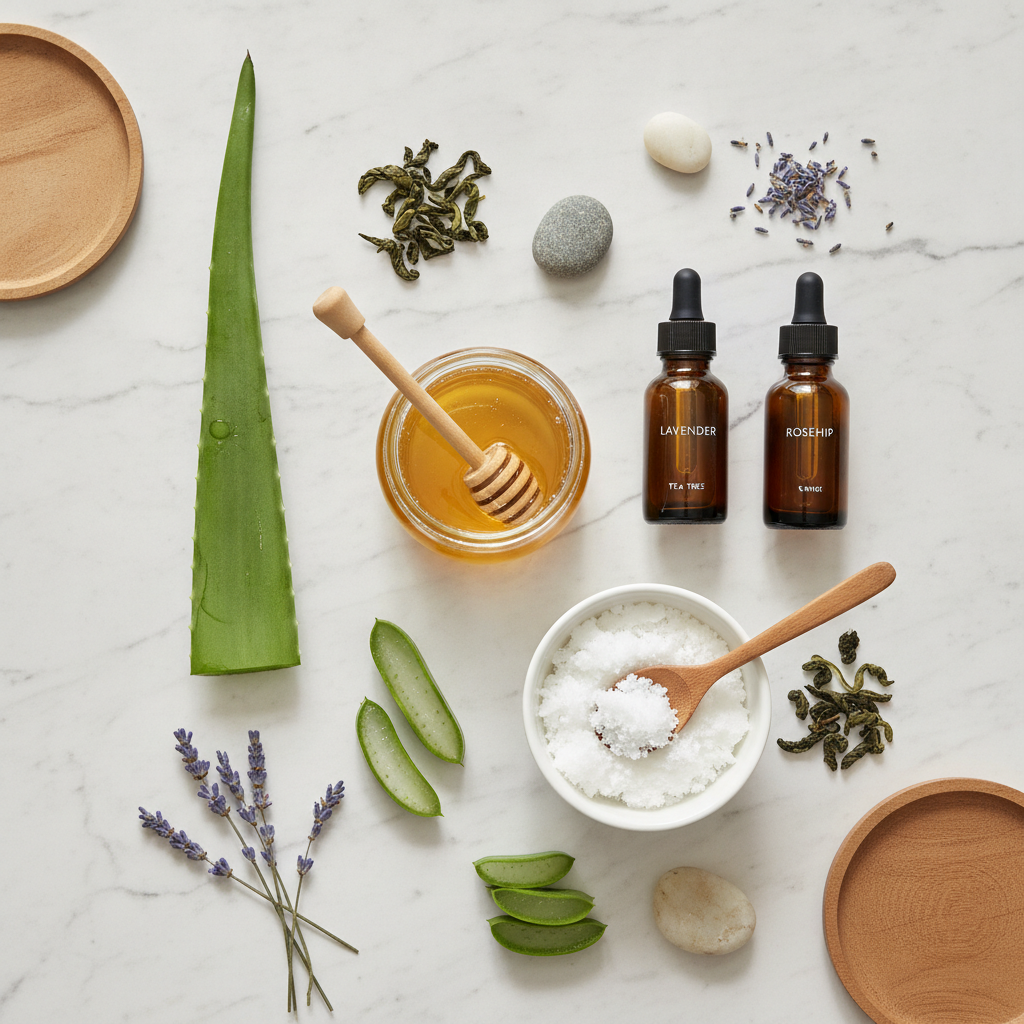
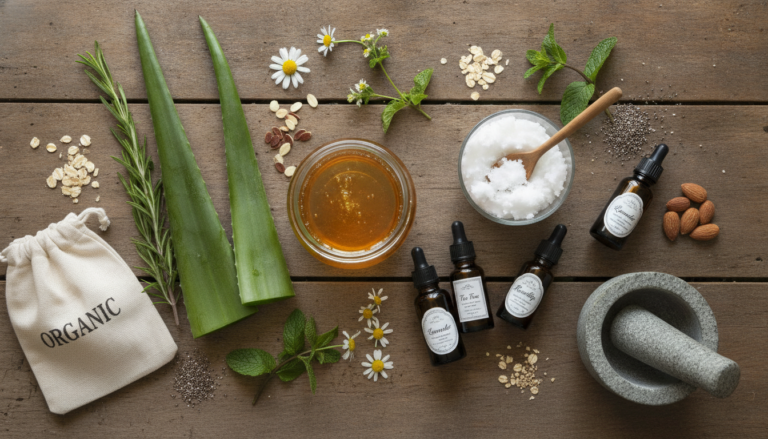
Nature provides incredible ingredients for skin care. These natural remedies have been used for centuries across cultures.
Understanding how to use natural ingredients safely maximizes their benefits. Always patch test new ingredients before full application.
Honey: Nature’s Humectant
Raw honey draws moisture into your skin naturally. It also contains antibacterial properties that help prevent breakouts.
Apply a thin layer of raw honey as a mask. Leave it on for 15-20 minutes before rinsing with warm water.
Aloe Vera: Soothing and Healing
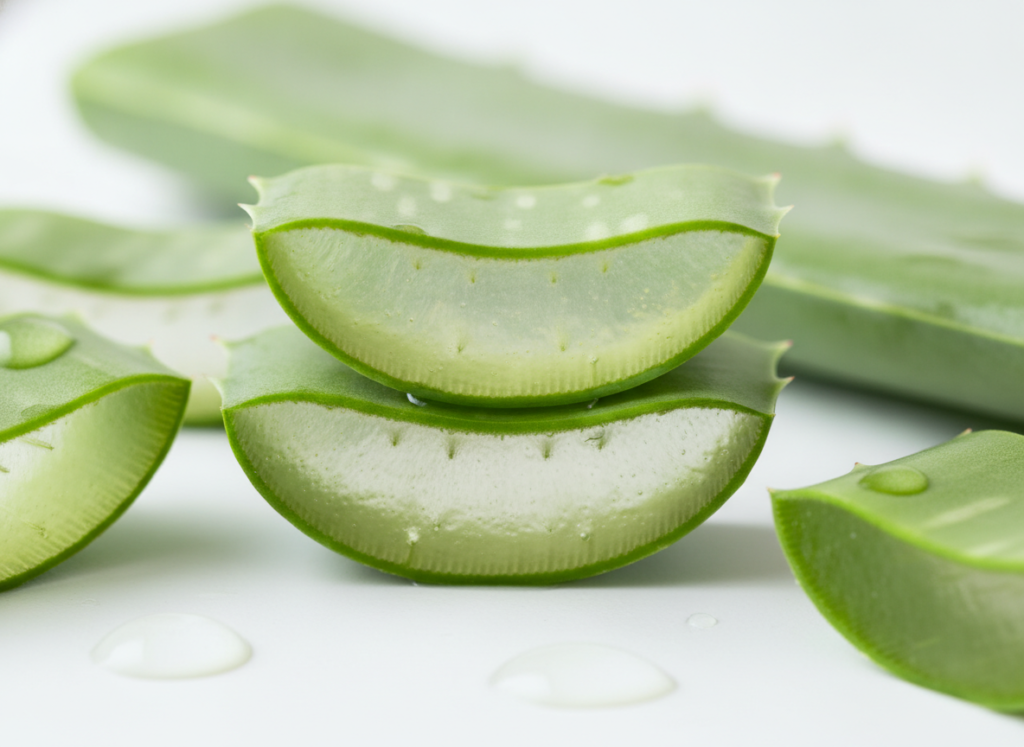
Aloe vera gel reduces inflammation and promotes healing. It provides lightweight hydration without clogging pores.
Extract fresh gel from the plant or use pure bottled aloe. Apply directly to clean skin and allow it to absorb.
Coconut Oil: Deep Moisturization
Virgin coconut oil penetrates deeply to nourish skin. It contains fatty acids that strengthen your skin’s barrier.
Use coconut oil as a nighttime moisturizer. A small amount goes a long way for most skin types.
Green Tea: Antioxidant Protection
Green tea provides powerful antioxidants called polyphenols. These protect your skin from environmental damage.
Brew strong green tea and let it cool. Use it as a toner or add it to face masks.
Vitamin-Rich Ingredients
Rosehip oil for vitamin A
Lemon juice for vitamin C
Avocado for vitamin E
Carrot for beta-carotene
Exfoliating Ingredients
Oatmeal for gentle scrubbing
Sugar for texture improvement
Coffee grounds for circulation
Papaya for enzyme exfoliation
Brightening Ingredients
Turmeric reducing dark spots
Yogurt with lactic acid
Cucumber cooling and lightening
Tomato for even tone
Creating Simple Face Masks
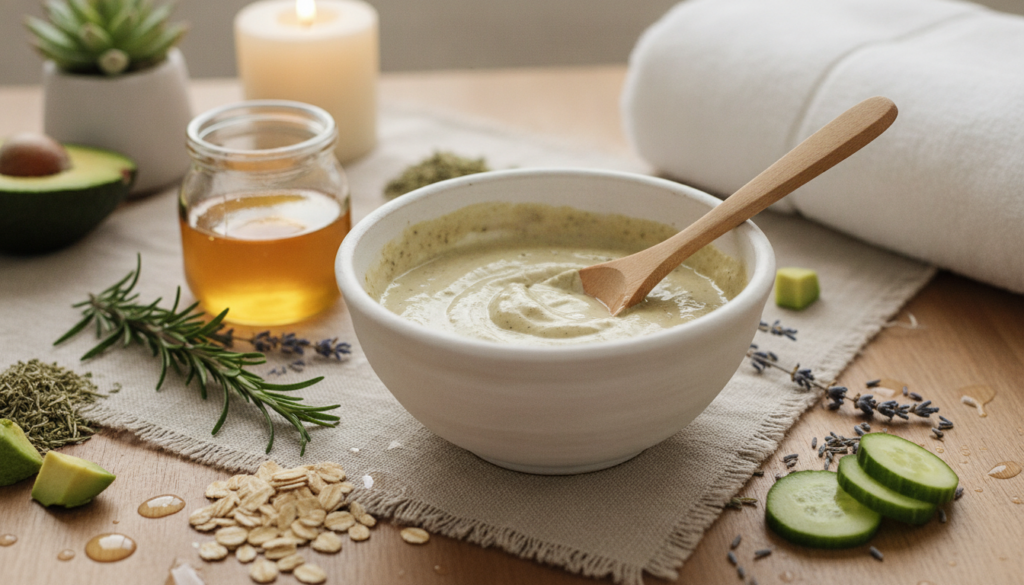
Combine natural ingredients to create effective masks at home. These treatments provide targeted care for specific concerns.
Brightening Turmeric Mask
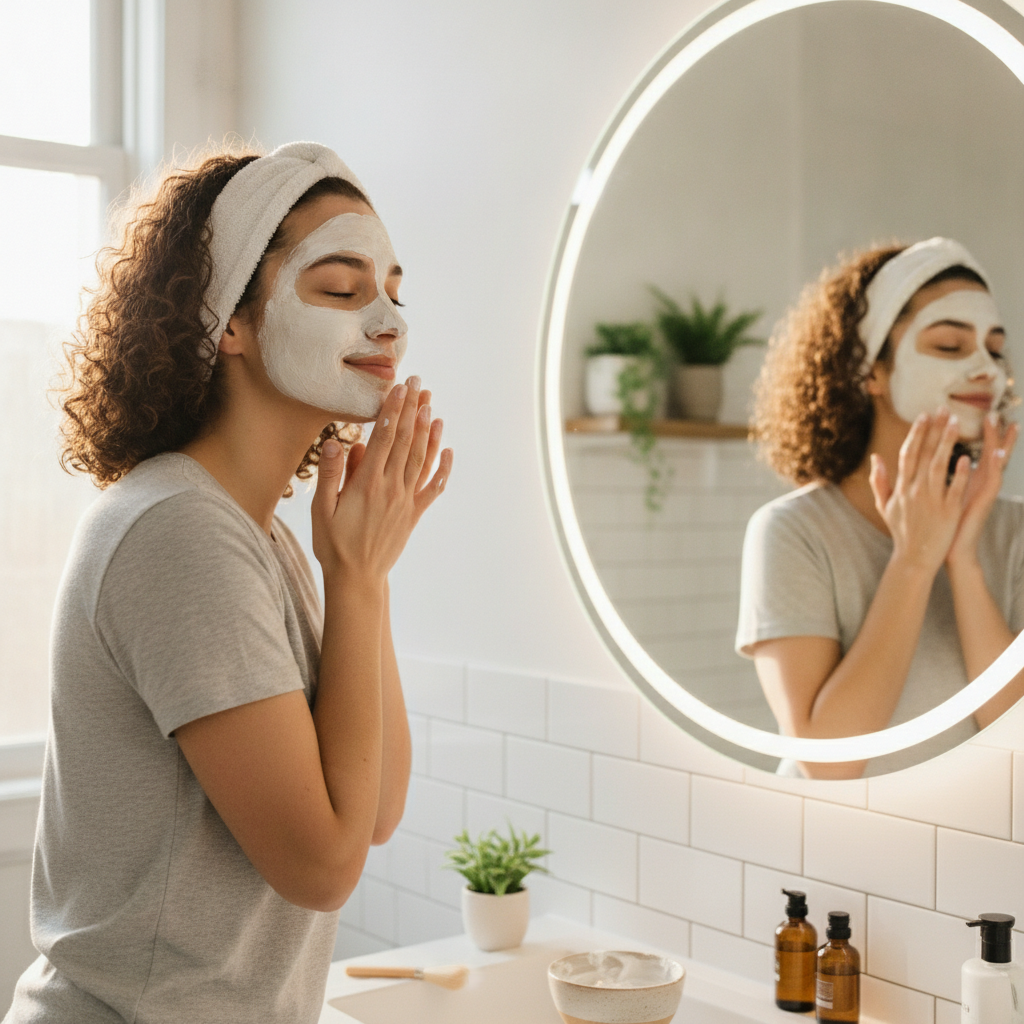
Mix one teaspoon turmeric powder with two tablespoons yogurt and one teaspoon honey. Apply to clean face for 15 minutes. Rinse with warm water and pat dry.
Hydrating Avocado Mask
Mash half a ripe avocado with one tablespoon honey and one teaspoon olive oil. Spread on face for 20 minutes. This nourishes dry skin beautifully.
Exfoliating Oatmeal Mask
Blend two tablespoons ground oatmeal with one tablespoon yogurt and one teaspoon honey. Gently massage onto skin in circular motions. Leave for 10 minutes before rinsing.
Want Professional-Grade Natural Formulations?
Learn how to create advanced natural skincare products at home with professional techniques. Get recipes, measurements, and expert guidance for powerful results.
Physical activity boosts blood flow to your skin. This increased circulation delivers oxygen and nutrients to cells.
Regular exercise also helps flush out toxins through sweat. This natural detoxification process improves your complexion.
Best Exercises for Skin Health
Cardiovascular exercises increase heart rate and blood flow. Running, cycling, and swimming all benefit your skin.
Yoga combines movement with stress reduction. Certain poses specifically improve facial circulation.
Brisk walking for 30 minutes daily
Jogging or running three times weekly
Swimming for full-body circulation
Yoga including inversions like downward dog
Dancing for enjoyable cardio activity
Cycling outdoors or on stationary bike
Post-Workout Skin Care
Cleanse your face promptly after exercising. Sweat combined with bacteria can lead to breakouts if left on skin.
Rinse with cool water to close pores after your workout. Apply a light moisturizer to replenish moisture lost through sweating.
Exercise Tip: Always remove makeup before working out. Clean pores allow proper sweating and prevent clogged pores during exercise.
Facial Exercises for Tone
Targeted facial exercises can improve muscle tone. These movements may help maintain firmness and reduce fine lines.
Smile widely while pressing fingertips on cheeks
Raise eyebrows high and hold for five seconds
Puff cheeks with air and move side to side
Make an “O” shape with mouth and hold
Gently massage jawline from chin to ears
Press tongue to roof of mouth for neck toning
Perform these exercises for five minutes daily. Consistency matters more than intensity for facial toning.
Managing Stress for Clearer Skin
Stress triggers hormonal changes that affect your skin. Cortisol increases oil production and inflammation.
Chronic stress can worsen existing skin conditions. Acne, eczema, and redness often flare during stressful periods.
Effective Stress Reduction Techniques
Meditation calms your mind and reduces stress hormones. Even five minutes daily can make a difference.
Deep breathing exercises activate your relaxation response. Practice breathing slowly through your nose and out through your mouth.
Daily meditation practice for calmness
Deep breathing exercises for relaxation
Regular walks in nature
Journaling to process emotions
Listening to calming music
Spending time with loved ones
The Mind-Skin Connection
Your mental state directly influences skin health. Positive emotions can actually improve your complexion.
Laughter reduces stress hormones and increases circulation. Finding joy daily benefits both mind and skin.
Adequate relaxation time allows your body to repair. Schedule regular breaks from work and responsibilities.
Stress-Skin Cycle: Stress increases cortisol → Cortisol triggers oil and inflammation → Skin problems develop → Problems cause more stress. Breaking this cycle requires consistent stress management.
Creating a Calming Routine
Establish rituals that signal relaxation to your body. These habits train your nervous system to unwind.
Evening routines particularly help transition from day stress. Dim lights, gentle music, and calm activities prepare you for rest.
Set a regular wind-down time each evening
Turn off notifications and screens
Practice gentle stretching or yoga
Take a warm bath with essential oils
Write in a gratitude journal
Read something uplifting or entertaining
Building Your Natural Skincare Routine
Consistency creates results in skin care. A simple routine followed daily outperforms complicated treatments used sporadically.
Your skincare routine should match your skin type. Understanding your specific needs helps you choose appropriate products and ingredients.
Morning Skincare Steps
Start each day by cleansing gently. Morning cleansing removes oil and debris accumulated overnight.
Apply products from thinnest to thickest consistency. This ensures proper absorption of each layer.
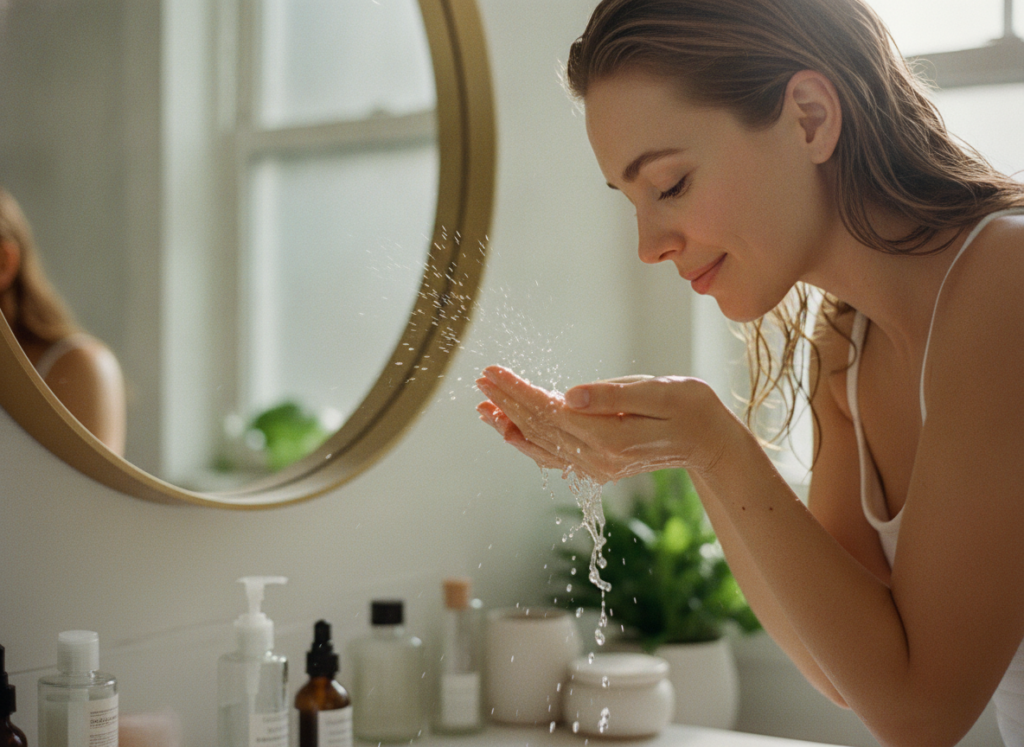
Splash face with cool water or gentle cleanser
Apply alcohol-free toner to balance pH
Use vitamin C serum for brightness
Apply eye cream to delicate area
Moisturize with lightweight day cream
Finish with broad-spectrum sunscreen
Evening Skincare Steps
Nighttime care focuses on repair and regeneration. Your skin absorbs treatments more effectively during sleep.
Remove all makeup and sunscreen thoroughly. Double cleansing ensures complete removal of the day’s buildup.
Remove makeup with oil-based cleanser
Wash face with gentle water-based cleanser
Apply hydrating toner or essence
Use targeted treatments like retinol or acids
Apply eye cream gently around eyes
Seal with rich night moisturizer or facial oil
Weekly Treatments
Supplement your daily routine with weekly intensive care. These treatments address specific concerns more deeply.
Exfoliate 2-3 times weekly to remove dead cells
Apply face masks for targeted treatment
Use facial oil massage for circulation
Steam face to open pores before masks
Try overnight sleeping masks weekly
Adapting to Skin Changes
Your skin’s needs change with seasons and life stages. Pay attention to how your skin responds.
Adjust your routine when you notice changes. Winter may require richer moisturizers while summer needs lighter formulations.
For sensitive skin, introduce new products one at a time. This helps identify any ingredients that cause reactions.
Caution: Never use harsh scrubs or over-exfoliate. This damages your skin’s protective barrier and can increase sensitivity, redness, and breakouts.
Natural Product Selection
Choose skincare products with minimal ingredients. Natural doesn’t always mean better, but many plant ingredients offer genuine benefits.
Look for products without synthetic fragrances. These often irritate sensitive skin unnecessarily.
Research ingredients before purchasing. Understanding what you put on your skin empowers better choices.
Beneficial Natural Ingredients
Hyaluronic acid for moisture retention
Niacinamide for tone improvement
Ceramides for barrier repair
Peptides for firmness support
Vitamin C for brightness
Retinol for cell turnover
Ingredients to Avoid
Sulfates causing dryness
Artificial fragrances irritating skin
Parabens with hormone concerns
Alcohol drying skin barrier
Mineral oil potentially clogging pores
Synthetic dyes serving no purpose
Complete Natural Skincare System
Building the perfect routine requires knowledge, quality ingredients, and consistency. Get a comprehensive system that takes the guesswork out of natural skincare.
Step-by-step morning and night routines
Product recommendations for your skin type
Natural ingredient combinations that work
Troubleshooting common skin concerns
Seasonal adjustment guidelines
Additional Lifestyle Factors for Radiant Skin
Many daily habits impact your skin beyond obvious care routines. Small changes in lifestyle choices accumulate into visible results.
Your environment plays a role in skin health. Pollution, climate, and indoor air quality all affect your complexion.
Sun Protection Essentials
Sun damage accumulates over time. Daily sun protection prevents premature aging and dark circles.
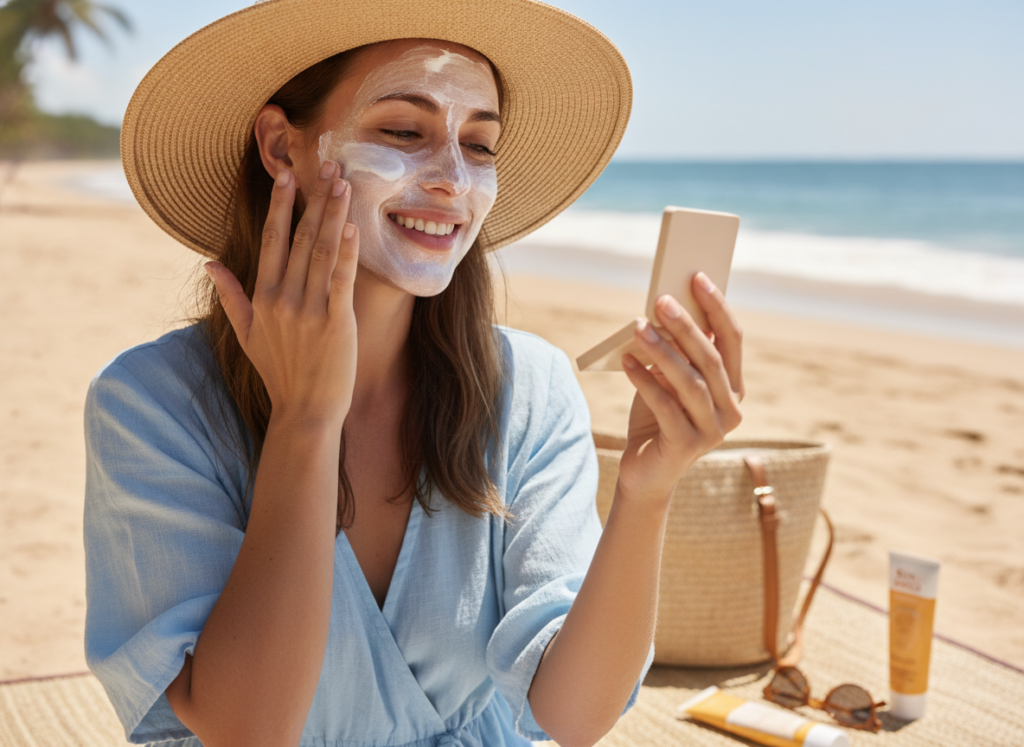
Wear broad-spectrum sunscreen every day. Even cloudy days expose your skin to UV rays.
Reapply sunscreen every two hours when outdoors. Seek shade during peak sun hours between 10 AM and 4 PM.
Avoiding Harmful Habits
Smoking severely damages skin by restricting blood flow. It accelerates aging and causes dullness.
Excessive alcohol dehydrates your body and skin. It also dilates blood vessels, causing redness.
Touching your face transfers bacteria from hands. This habit can cause breakouts and irritation.
Quit smoking for improved circulation
Limit alcohol to occasional moderate consumption
Avoid touching face throughout the day
Clean phone screens regularly
Change pillowcases twice weekly
Wash makeup brushes frequently
Indoor Air Quality
Dry indoor air depletes skin moisture. Use a humidifier to maintain adequate humidity levels.
Indoor pollutants can irritate sensitive skin. Keep living spaces clean and well-ventilated.
Consider adding air-purifying plants to your home. They naturally filter air while adding humidity.
Temperature Considerations
Hot water strips natural oils from your skin. Use lukewarm water for cleansing instead.
Finish showers with a cold water rinse. This tightens pores and boosts circulation.
Cold water also reduces inflammation and puffiness. Splash your face with cold water in the morning to wake up your complexion.
Clothing and Fabric Choices
Natural fabrics allow your skin to breathe. Cotton and linen prevent irritation better than synthetic materials.
Silk pillowcases reduce friction on facial skin. This prevents sleep lines and helps maintain moisture.
Wash bedding in fragrance-free detergent. Harsh chemicals in laundry products can irritate sensitive skin.
Your Journey to Naturally Glowing Skin
Achieving radiant skin naturally requires patience and consistency. The methods outlined in this guide work together synergistically.
Start by implementing one or two changes at a time. Gradual adjustments create sustainable habits that last.
Remember that everyone’s skin responds differently. What works perfectly for others may need adjustment for your unique needs.
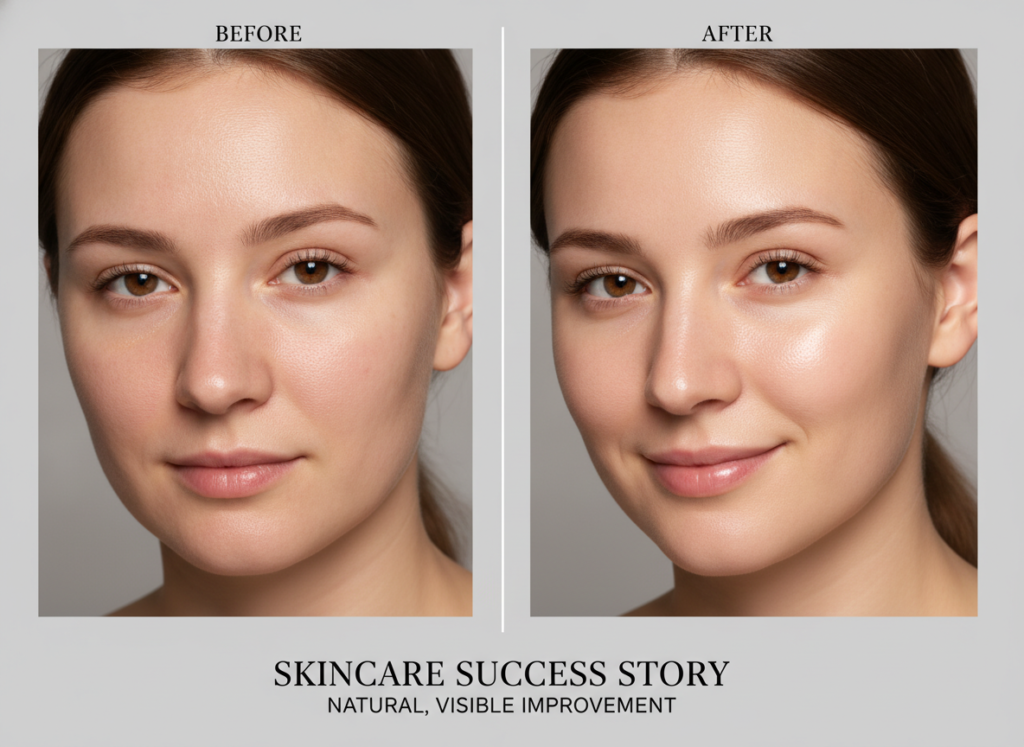
Track your progress through photos taken in consistent lighting. This helps you notice subtle improvements over time.
Your skin reflects your overall health and care. By nourishing your body inside and out, you create the foundation for lasting beauty.
Final Reminder: Natural skincare is a journey, not a destination. Celebrate small improvements and stay committed to your routine for the best long-term results.
The path to get glowing skin naturally combines hydration, nutrition, sleep, stress management, and proper care. Each element supports the others.
Your commitment to these natural methods will reward you with healthy, radiant skin. Begin today with the practices that resonate most with you.
Consistency in your skincare routine creates compound benefits over time. The small daily actions you take now build your future complexion.
Share your journey with others who pursue natural beauty. Supporting each other creates accountability and inspiration.
Your naturally glowing skin awaits. Take the first step today toward the radiant complexion you deserve.