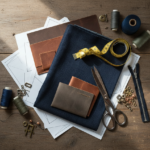
Sewing isn’t just a practical skill. It’s a gateway to creating personalized items that reflect your style and solve everyday problems. Men who pick up needle and thread discover a rewarding hobby that saves money and builds confidence.
This Website contains affiliate links. That means I may earn a small commission if you purchase through my links, at no extra cost to you.
Starting with beginner sewing projects for men opens doors to countless possibilities. You’ll make useful items instead of buying them. Each completed project teaches new techniques while producing something you’ll actually use.
This guide walks through accessible sewing projects designed specifically for beginners. You’ll find patterns that don’t require advanced skills but still deliver impressive results. Whether you want to repair clothes or craft unique gifts, these projects provide the perfect starting point.
Learning to sew provides immediate practical benefits. You gain independence from tailors and repair shops. Small fixes become quick tasks you handle yourself.
The skill also unlocks creative potential. Men who sew design custom gear for hobbies like camping or cycling. You make exactly what you need instead of settling for generic products.
Sewing builds problem-solving abilities. Each project presents challenges that require spatial thinking and precision. These skills transfer to other areas of life.
Cost Savings
Making your own items costs significantly less than buying finished products. Fabric and materials represent a fraction of retail prices.
Repair clothes instead of replacing them
Create custom items for specific needs
Make gifts that feel personal and meaningful
Avoid expensive alteration services
Self-Reliance
Sewing knowledge means you handle wardrobe emergencies without outside help. Buttons, hems, and tears become minor inconveniences.
Fix garments on your own schedule
Customize items to your exact preferences
Maintain outdoor and work gear independently
Develop patience and attention to detail
Creative Expression
Sewing lets you bring ideas to life through fabric. You design solutions that match your lifestyle perfectly.
Choose colors and patterns you prefer
Build items for niche hobbies
Experiment with different materials and techniques
Develop a unique personal style
Stress Relief
Working with fabric provides a meditative quality. Focusing on stitches and patterns quiets mental noise.
Engage in productive relaxation
See tangible results from your effort
Build confidence through skill development
Create a calming routine in busy schedules
Many men avoid sewing because they view it as complicated. The truth is that beginner projects use simple techniques. You’ll master basics quickly when starting with the right patterns.
Essential Tools and Supplies for Beginner Sewing
Starting your sewing journey requires basic tools. You don’t need expensive equipment to create quality projects. A modest investment in key supplies sets you up for success.
Basic Sewing Machine Requirements
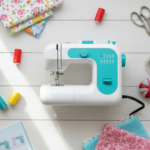
A reliable sewing machine forms the foundation of most projects. Modern machines designed for beginners offer straightforward controls and consistent stitching.
Look for models with adjustable stitch length and a few basic stitch options. Straight stitch and zigzag stitch handle the majority of beginner work. Automatic needle threaders save time and frustration.
Speed control helps you maintain accuracy as you learn. Start slowly to build muscle memory. Confidence with the machine grows naturally through practice.
Hand Tools and Notions
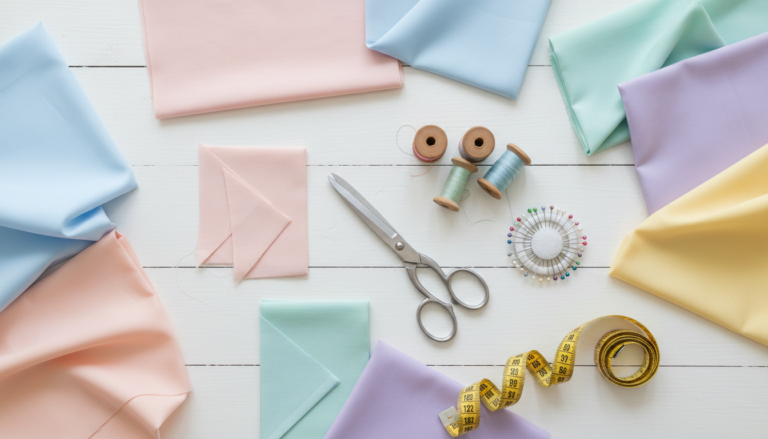
Quality cutting tools make a significant difference. Fabric scissors stay sharp and cut cleanly through multiple layers. Keep them dedicated to fabric only.
Sharp fabric scissors for accurate cutting
Measuring tape for taking dimensions
Pins and pin cushion for holding fabric pieces
Seam ripper for fixing mistakes easily
Hand sewing needles for finishing details
Marking tools like chalk or washable pens
Iron and ironing board for pressing seams
These tools support every project. Investing in quality versions means they’ll last for years. Cheap scissors dull quickly and create frustration.
Fabric Selection for Beginners
Cotton fabric works wonderfully for learning. It’s forgiving, easy to handle, and available in countless patterns. Medium-weight cotton provides structure without being difficult to sew.
Avoid slippery fabrics like satin or stretchy materials initially. These require more experience to control. Start with woven cotton and canvas for best results.
Fabric scraps prove useful for practice. Many fabric stores sell remnants at reduced prices. These pieces let you test techniques without wasting expensive material.
Ready to Master Essential Sewing Techniques?
Get comprehensive guidance on setting up your workspace, choosing the right tools, and building fundamental skills. Learn time-tested methods that professional sewers use every day.
Fundamental Sewing Techniques Every Beginner Needs
Mastering a few core techniques unlocks most beginner sewing patterns. These skills form the building blocks for countless projects. Practice each method until it feels natural.
Straight Stitching
The straight stitch handles seams in nearly every project. Keep fabric edges aligned as you guide material through the machine. Consistent seam allowances create professional-looking results.
Start and finish seams with backstitching. Sew forward a few stitches, reverse, then continue forward. This prevents seams from unraveling during use.
Practice on fabric scraps before starting real projects. Sewing straight lines takes coordination between hands and foot pedal. The skill develops quickly with repetition.
Pressing and Ironing
Pressing seams flat transforms the look of finished projects. Iron seams open after sewing to reduce bulk. This step takes seconds but dramatically improves appearance.
Press fabric before cutting patterns. Wrinkles cause inaccurate measurements and uneven pieces. A hot iron ensures fabric lies completely flat.
Think of pressing as part of the construction process, not an optional finishing step. Professional sewers press continuously throughout projects. It’s the difference between homemade and handmade quality.
Reading and Following Patterns
Sewing patterns provide blueprints for projects. They include measurements, cutting layouts, and assembly instructions. Understanding pattern symbols saves time and prevents errors.
Free sewing patterns online offer great ways to practice pattern reading. Start with simple designs that have fewer pieces. Complexity increases as your skills grow.
Read all instructions before cutting fabric
Transfer pattern markings to fabric accurately
Cut pieces with appropriate seam allowances
Follow assembly order as written in pattern
Check measurements against your needs
Pattern instructions sometimes use abbreviations. RS means right side of fabric. WS indicates wrong side. Learning these terms makes instructions clearer.
Simple Bags and Pouches: Perfect Beginner Sewing Projects
Bag projects teach essential skills while creating useful items. These beginner sewing projects combine straight seams with practical design. You’ll use finished bags daily.
Drawstring Bag
A drawstring bag makes an excellent first project. The pattern requires basic rectangular pieces and simple seaming. You’ll practice sewing straight lines and creating channels for cords.
Choose sturdy cotton or canvas fabric. Cut two rectangles of equal size. The dimensions depend on your intended use. A bag measuring twelve inches by fifteen inches works well for general storage.
Sew the sides together, leaving the top open. Create a channel near the top by folding and stitching fabric. Thread cord through the channel to complete the bag sewing pattern.
This beginner sewing project typically takes less than an hour. You’ll make several once you understand the process. They work perfectly as gift bags or storage solutions.
Zipper Pouch
Adding a zipper sounds intimidating but proves surprisingly simple. A zipper pouch sewing pattern introduces you to this valuable skill. The finished pouch stores small items securely.
Start with a simple rectangular design. Pin the zipper between two fabric pieces with right sides together. Sew along the zipper tape using your machine’s zipper foot.
The zipper foot attachment lets you stitch close to zipper teeth. Most beginner sewing machines include this foot. Practice on scrap fabric before working on your project.
Choose a zipper slightly longer than fabric width
Pin carefully to align fabric edges evenly
Sew slowly to maintain straight lines
Trim zipper ends after completing pouch
Turn right side out through zipper opening
Zipper pouches make great gifts. Men appreciate practical items they can use for travel or organization. Make several in different sizes for various purposes.
Tote Bag
A basic tote bag combines multiple techniques. This beginner sewing project uses rectangular pieces and handles. The result is a sturdy bag for groceries or everyday carry.
Cut two large rectangles for the bag body. Add two smaller rectangles for handles. Heavy cotton or canvas works best for durability. Interface handles for extra strength.
Sew handles to bag pieces first. Then join the front and back together. Box corners at the bottom create a flat base that helps the bag stand upright.
This easy sewing project builds confidence. You’ll see how simple shapes become functional items. The skills translate directly to more complex bag patterns.
Transform Simple Fabrics Into Professional Projects
Discover expert techniques for bag construction, zipper installation, and finishing touches that make your projects look store-bought. Step-by-step video guidance shows every detail.
Small accessory projects perfect your skills while making items you’ll actually use. These beginner sewing projects require less fabric and time. They’re ideal for practicing new techniques.
Key Fob
A fabric key fob takes minutes to complete. This tiny project introduces interfacing and hardware installation. You’ll make a professional-looking accessory from fabric scraps.
Cut a strip of fabric about six inches long and three inches wide. Add fusible interfacing to provide structure. Fold the fabric lengthwise and sew along the edge.
Turn the tube right side out using a safety pin or turning tool. Thread a key ring through one end. Fold the other end and sew it closed. The entire beginner sewing project uses minimal materials.
Eyeglass Case
Protecting eyewear becomes simple with a custom case. This sewing project uses soft fabric lined with padding. The pattern consists of two rectangles sewn together.
Measure your glasses to determine the right size. Add seam allowances to the measurements. Layer outer fabric, batting, and lining fabric. Sew around three sides, leaving the top open.
Turn the case right side out. Press edges flat. Top-stitch around the opening for a finished look. Add a closure like Velcro or a snap if desired.
Wallet or Cardholder
A simple wallet holds cards and cash without bulk. This beginner sewing pattern uses heavyweight fabric or thin leather. The design includes pockets for organization.
Cut rectangles for the outer shell and pocket pieces. Sew pockets to the inner lining. Join the outer and inner pieces together. Fold the wallet and add topstitching to define the fold line.
This project teaches precision. Pockets must align correctly for cards to fit properly. Take time measuring and pinning before sewing.
Use heavy-duty thread for durability
Reinforce stress points with extra stitching
Choose fabrics that resist wear and tear
Press seams thoroughly for crisp edges
Test pocket sizes with actual cards
These accessories make excellent gifts. Men appreciate handmade items designed for their specific needs. You can customize sizes and features easily.
Sewing organizational items improves your space while building skills. These beginner sewing projects solve real problems in your home or workshop. Functional design meets creative expression.
Tool Roll
A fabric tool roll keeps items organized and portable. This sewing project works for artists, mechanics, or anyone with small tools. The pattern includes individual pockets that secure items.
Cut a large rectangle of durable canvas. Create pockets by sewing vertical lines at regular intervals. Add ties to secure the roll when closed. Reinforce stress points with bar tacks.
This easy sewing project customizes to your specific tools. Measure items before determining pocket spacing. Different width pockets accommodate various tool sizes.
Storage Bins
Fabric storage bins organize shelves and closets. These containers use stiff interfacing to maintain shape. The beginner sewing pattern creates rectangular boxes in any size.
Cut fabric pieces for sides, bottom, and lining. Interface all pieces for structure. Sew corners to create box shape. The bins fold flat when empty for easy storage.
Handles make bins portable. Attach fabric loops to opposite sides before assembling the container. These simple additions greatly increase functionality.
Apron
A work apron protects clothes during messy tasks. This beginner sewing project introduces garment construction basics. The pattern uses simple shapes with functional pockets.
Start with a large rectangle for the bib and body. Add pocket pieces at the front. Sew straps for the neck and waist from matching fabric. Reinforce all stress points with backstitching.
Choose wipeable fabrics like canvas or denim. These materials withstand repeated washing and heavy use. An apron becomes a go-to item in the workshop or kitchen.
Add multiple pockets for tools and supplies
Make straps adjustable for comfortable fit
Use contrasting thread for visible topstitching
Reinforce pocket openings to prevent tearing
Select fabrics appropriate for intended use
These projects demonstrate how sewing solves everyday challenges. You create exactly what you need instead of searching stores for imperfect solutions. The satisfaction of using handmade items never fades.
Build Confidence With Proven Project Plans
Access detailed tutorials for dozens of practical projects. Each lesson includes material lists, cutting diagrams, and troubleshooting tips. Learn at your own pace with lifetime access.
Creating custom outdoor gear combines practicality with adventure. These beginner sewing projects use durable materials suited for rough conditions. You’ll make items specifically designed for your activities.
Stuff Sack
A lightweight stuff sack compresses clothes and sleeping bags for travel. This sewing project uses ripstop nylon or similar technical fabric. The drawstring closure keeps contents secure.
Cut cylindrical pieces from waterproof fabric. Sew the sides together using a straight stitch. Create a channel at the top for cord. Add a bottom piece to complete the bag.
Make multiple sacks in different sizes. Color-code them for easy identification while camping. These bags weigh almost nothing but organize gear efficiently.
Water Bottle Holder
A fabric bottle holder attaches to belts or backpacks. This beginner sewing project keeps hydration accessible during outdoor activities. The pattern adjusts to fit various bottle sizes.
Measure your bottle to determine dimensions. Cut fabric with enough height to support the bottle. Add a loop for attaching to gear. Consider drainage grommets at the bottom.
Insulated versions use foam or batting between fabric layers. This addition keeps drinks cold longer. The extra step makes minimal difference in construction difficulty.
Hammock Underquilt Protector
A simple fabric sleeve protects expensive sleeping insulation. This easy sewing project extends the life of outdoor gear. Two long rectangles sewn together create the protective layer.
Choose lightweight but durable material. Sew three sides together leaving one end open. Add ties or elastic to secure around gear. The investment in materials pays for itself quickly.
Camp Kitchen Roll
A utensil roll organizes cooking tools for camping. This sewing pattern resembles the tool roll but uses lighter fabric. Individual pockets keep items separated and clean.
Plan pocket sizes based on your cooking tools. Include slots for utensils, a can opener, and spices. Wipeable fabric inside makes cleanup simple after trips.
Use quick-drying fabrics for outdoor items
Reinforce seams for heavy-duty use
Add reflective tape for visibility at night
Consider waterproof materials for protection
Make replaceable components when possible
These projects save money compared to retail outdoor gear. Commercial versions often cost significantly more than materials. You also get custom sizing and features.
Handmade gifts carry personal meaning that store-bought items lack. These beginner sewing projects create memorable presents for occasions throughout the year. Recipients appreciate the time and thought involved.
Bow Tie
A fabric bow tie makes a great way to practice precise sewing. This project requires careful cutting and pressing. The result is a stylish accessory suitable for formal events.
Find a free sewing pattern online for bow tie dimensions. Cut fabric and interfacing according to pattern pieces. The construction involves multiple folds and precise topstitching.
Practice with cotton fabrics before attempting silk or other delicate materials. Cotton forgives mistakes better and holds creases during construction. You’ll refine technique with each bow tie.
Neck Cooler
A cooling neck wrap provides relief during summer heat. This beginner sewing project creates a tube filled with polymer crystals. When soaked in water, crystals swell and stay cool for hours.
Cut a long rectangle from cotton fabric. Sew it into a tube and divide into sections with channel stitching. Fill each section with water-absorbing crystals before closing the final end.
These work wonderfully for outdoor workers, athletes, or anyone spending time in heat. The simple construction makes them ideal beginner gifts. Make several to keep on hand.
Book Cover
A fabric book cover protects paperbacks and journals. This sewing project adjusts to fit different book sizes. The pattern uses pockets that slip over front and back covers.
Measure the book to determine fabric size. Cut one large piece for the cover and two smaller pieces for pockets. Sew pockets to the main piece at both ends.
Add a ribbon bookmark by sewing it into the top seam. Consider padding the cover with batting for extra protection. The finished cover slides on and off easily.
Pet Accessories
Simple pet bandanas or toy bags make great gifts for animal lovers. These beginner sewing projects use small amounts of fabric. The patterns adapt to different pet sizes.
A basic bandana requires only a triangle of fabric with finished edges. Add snaps or ties for secure fastening. The entire project takes less than thirty minutes.
Choose washable fabrics for practical gifts
Personalize items with recipient’s favorite colors
Add small details like labels or monograms
Package finished items thoughtfully
Include care instructions with fabric gifts
Handmade gifts demonstrate effort and consideration. The time invested shows you care about the recipient. Even simple projects carry emotional value beyond their function.
Create Impressive Gifts That People Actually Want
Learn to make professional-quality gifts that impress friends and family. Detailed instructions ensure perfect results every time. Build a reputation as the person who makes amazing handmade presents.
Repairing and modifying clothes extends wardrobe life significantly. These practical skills save money while reducing waste. Learning basic alterations means favorite items last years longer.
Hemming Pants
Shortening pants represents one of the most useful beginner sewing skills. This alteration requires measuring, cutting, and stitching a new hem. The technique applies to jeans, dress pants, and casual wear.
Mark the desired length while wearing the pants. Add extra fabric for the hem allowance. Cut evenly across both legs. Fold the hem and press it flat before sewing.
Original hems can be preserved by using a blind hem stitch. This technique hides stitches on the outside of the garment. Practice on old pants before working on good clothes.
Replacing Buttons
Sewing buttons securely prevents future losses. This simple repair takes minutes but extends garment life. Keep spare buttons from new clothes for eventual replacements.
Thread a needle and knot the end. Sew through button holes and fabric multiple times. Create a thread shank between button and fabric for easier buttoning. Secure with several wraps and a knot.
Patching Worn Areas
Patches reinforce weak fabric or cover holes. This repair method works particularly well on work clothes and jeans. The patch can match the garment or provide decorative contrast.
Cut patch fabric larger than the damaged area. Pin it over the hole from inside or outside. Sew around all edges using straight or zigzag stitch. The reinforcement prevents further damage.
Adding Elastic to Waistbands
Replacing worn elastic restores fit to favorite pants or shorts. This modification requires opening the waistband, removing old elastic, and inserting new. The repair breathes new life into comfortable clothes.
Open a small section of the waistband seam. Attach a safety pin to new elastic and thread it through the casing. Overlap elastic ends and sew them securely. Close the opening with hand stitching.
Match thread color to garment for invisible repairs
Test techniques on scrap fabric first
Keep basic sewing supplies readily available
Address small issues before they become large problems
Learn one new repair technique each month
Repair skills build confidence in sewing abilities. Each successful fix reinforces fundamental techniques. You’ll find yourself tackling increasingly complex alterations.
Every beginner encounters obstacles while learning to sew. Understanding common problems and their solutions prevents frustration. Most issues have simple fixes once you know what to look for.
Thread Tension Problems
Incorrect tension creates loose or tight stitches. The top and bottom threads should lock together in the middle of fabric layers. Visible loops indicate tension needs adjustment.
Start by checking that thread feeds freely from the spool. Ensure thread passes through all guides correctly. Small tension adjustments make big differences. Test on scrap fabric after each change.
Skipped Stitches
When the machine skips stitches, check the needle first. Dull or bent needles fail to pierce fabric properly. Replace needles regularly, especially when changing fabric types.
Wrong needle size also causes skipped stitches. Heavy fabrics need larger needles. Delicate materials require fine needles. Match needle size to fabric weight for best results.
Improper threading leads to skipping too. Rethread both top and bottom completely. Make sure the presser foot is raised while threading the top.
Puckered Seams
Fabric puckering creates wavy, uneven seams. This often results from pulling fabric through the machine. Let the feed dogs move material at their own pace.
Reduce presser foot pressure on lightweight fabrics
Use appropriate thread weight for your material
Press seams immediately after sewing
Adjust stitch length for fabric thickness
Guide fabric gently without pulling or pushing
Stitch length affects puckering too. Shorter stitches work better on curves and details. Longer stitches suit straight seams in medium-weight fabrics.
Cutting Inaccuracies
Poorly cut pieces cause assembly problems. Sharp scissors make clean cuts through multiple fabric layers. Dull blades shift material and create jagged edges.
Pin patterns securely before cutting. Use enough pins to prevent shifting. Cut with long, smooth strokes rather than short snips. Rotary cutters and mats provide the most accurate cuts.
Most beginner frustrations stem from rushing. Take time to understand your machine. Read the manual and practice basic techniques. Skills improve dramatically with patient repetition.
Avoid Common Mistakes With Expert Guidance
Get troubleshooting help for every challenge beginners face. Video demonstrations show solutions to problems you’ll encounter. Save hours of frustration with proven fixes.
Systematic skill development leads to consistent improvement. Starting with beginner sewing projects builds a strong foundation. Each new technique expands what you can create.
Start Simple and Build Complexity
Begin with projects using straight seams and basic shapes. Master these fundamentals before attempting curves or intricate details. Success with simple projects builds confidence for harder challenges.
Repeat similar projects in different sizes or fabrics. This repetition solidifies skills without boredom. Make three pouches instead of one. Each version improves on the previous attempt.
Learn One New Technique Per Project
Focus on adding a single new skill to each project. If you know straight seams, try adding a zipper next. Then learn to install grommets or work with elastic.
This approach prevents overwhelm. Projects remain achievable while still challenging. You’ll accumulate techniques faster than expected.
Keep notes about what works and what doesn’t. Document settings for different fabrics. Record which needles work best for various materials. This reference saves time on future projects.
Join a Sewing Community
Connecting with other sewers accelerates learning. Online forums and local groups share tips and encouragement. Seeing others’ projects inspires new ideas.
Share your work to get constructive feedback
Ask questions when stuck on techniques
Learn from others’ mistakes and successes
Participate in sewing challenges for motivation
Find accountability partners with similar goals
Many communities organize swaps or challenges. These events provide deadlines and inspiration. Working alongside others makes sewing more enjoyable.
Invest in Quality Resources
Good instruction makes a significant difference in learning speed. Free tutorials help, but comprehensive courses provide structure. Organized lessons build skills logically.
Video demonstrations show details that written instructions miss. Seeing techniques in action clarifies confusing steps. Pause and replay sections as needed until concepts click.
Pattern libraries expand project possibilities. Access to hundreds of patterns means you’ll never run out of ideas. Professional patterns include detailed instructions that teach as you sew.
Beginning sewing opens doors to practical skills and creative satisfaction. The projects in this guide provide a solid starting point. Each one teaches fundamental techniques while producing useful items.
You don’t need expensive equipment or extensive experience. Basic tools and beginner sewing patterns get you started immediately. Simple projects build confidence quickly.
The key to success lies in starting. Pick one project that excites you. Gather the necessary materials and dedicate an afternoon to completing it. That first finished item proves you can do this.
Progress happens through consistent practice. Make sewing a regular activity rather than an occasional hobby. Even thirty minutes twice weekly compounds into significant skill development.
Remember that every expert started as a beginner. Mistakes teach as much as successes. Each project improves your abilities and expands what you can create.
The sewing skills you develop serve you for life. You’ll repair clothes, create custom gear, and make thoughtful gifts. These abilities provide independence and creative fulfillment.
Ready to Master Sewing From Beginning to Advanced?
Transform from complete beginner to confident creator with comprehensive step-by-step guidance. Access hundreds of patterns, video tutorials, and expert support. Start building skills that last a lifetime.
Your first project awaits. Choose something simple that excites you. Gather your materials and start creating. The satisfaction of finishing handmade items never gets old.
Beginner sewing projects for men offer endless possibilities. From practical accessories to outdoor gear, you’ll make items tailored to your exact needs. Each completed project proves your growing capabilities.
Start today. Your future self will thank you for developing these valuable skills.