Teaching kids to sew opens up a world of creativity and practical skills. Beginner sewing projects easy for kids help children develop fine motor skills while creating something they can be proud of. The key is starting with simple projects that build confidence.
Many parents wonder where to begin when introducing sewing to children. The good news is that you don’t need fancy equipment or advanced skills. With basic supplies and the right projects, kids can start learning sewing in no time.
This guide walks you through fun and achievable sewing projects perfect for beginners. Each project includes clear instructions and helpful tips to make the learning process smooth and enjoyable.
Ready to Start Your Child’s Sewing Journey?
Get access to complete sewing guides, printable patterns, and step-by-step video tutorials designed specifically for teaching kids.
Getting Started with Beginner Sewing Projects Easy for Kids
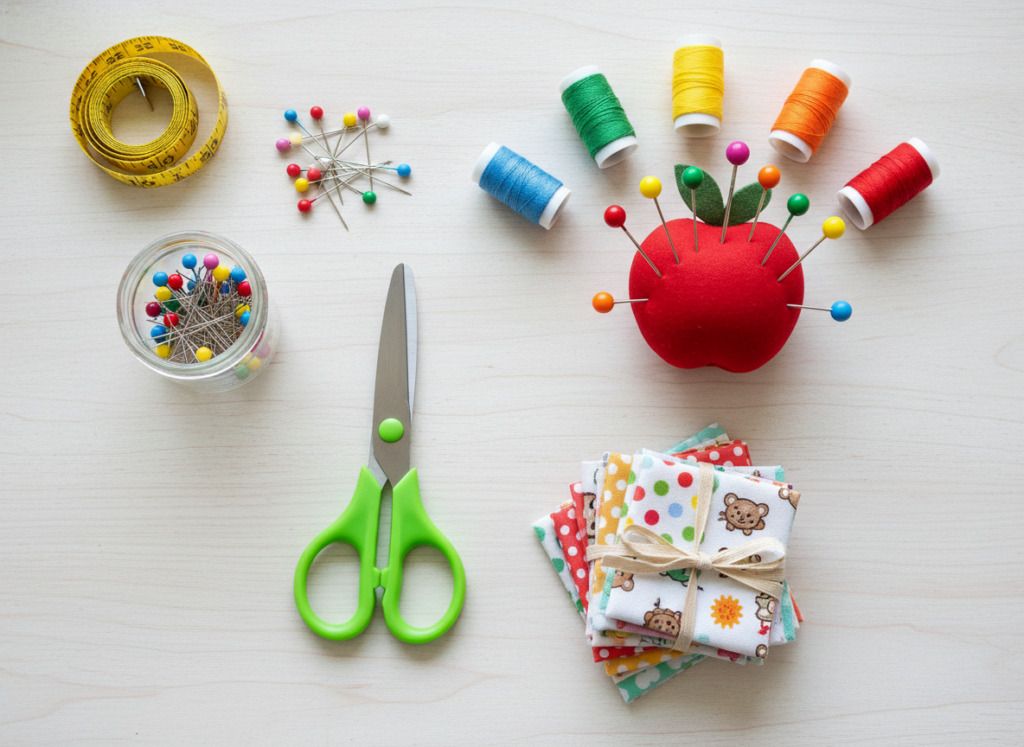
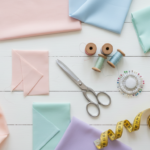
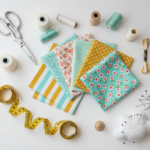
Before diving into projects, gather the right supplies. Kids need child-safe tools that are easy to handle. A good starting kit includes fabric scissors, large-eye needles, thread, pins, and soft fabric.
Choose fabrics that are easy to work with. Cotton fabric works best for beginner sewing projects. It doesn’t slip or stretch much, making it easier for small hands to control. Felt is another great choice because it doesn’t fray.
Essential Supplies for Kids’ Sewing Projects
Child-safe fabric scissors with rounded tips
Large-eye needles for easier threading
Cotton thread in various colors
Straight pins with large heads
Cotton or felt fabric pieces
Fabric markers for tracing patterns
Measuring tape or ruler
Pincushion to store pins safely
Safety comes first when teaching kids to sew. Always supervise young children when they’re using needles and scissors. Teach them to keep pins in a pincushion and to pass scissors handle-first.
Choosing the Right Sewing Machine
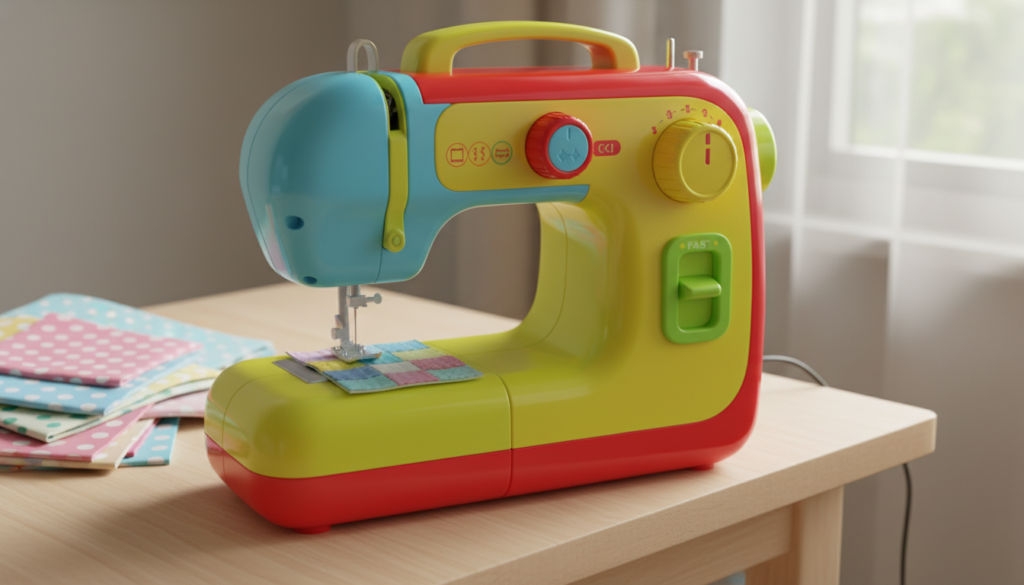
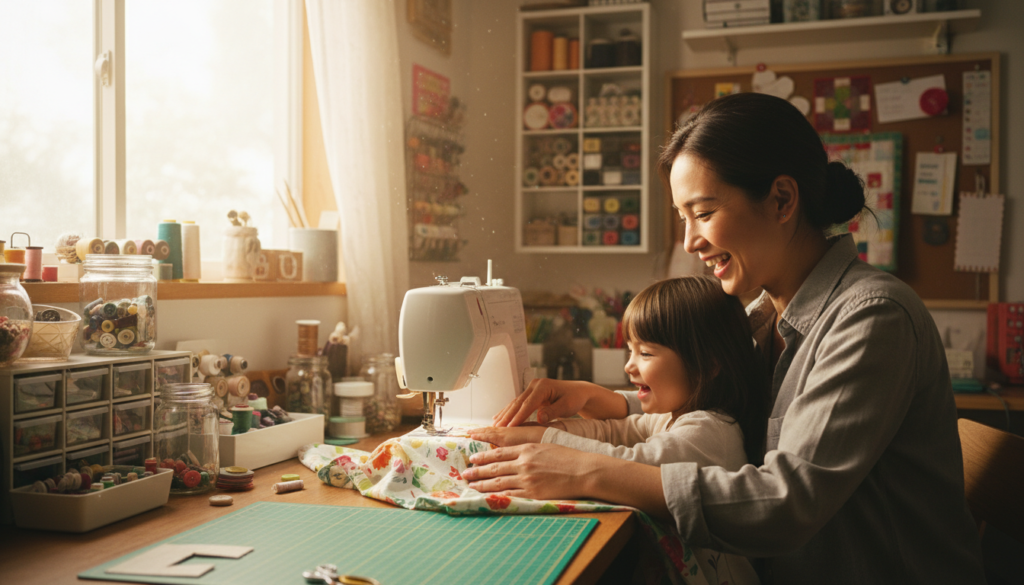
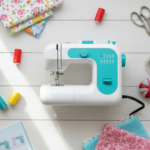
While hand sewing is a great starting point, many kids enjoy using a sewing machine. Choose a machine with basic features and safety guards. Look for models with adjustable speed control so kids can sew slowly as they learn.
The presser foot should be easy to raise and lower. A machine with a free arm makes it easier to sew small projects like pouches and bags. Some machines designed for kids come with finger guards for extra safety.
Start with straight lines before moving to more complex stitches. Practice on scrap fabric helps kids get comfortable with the machine. This practice time builds confidence for actual projects.
Simple Hand Sewing Projects for Beginners
Hand sewing projects are perfect for kids just learning sew. These projects teach basic stitches without requiring a sewing machine. Kids can work at their own pace and really understand how stitches work.
Felt Bookmarks
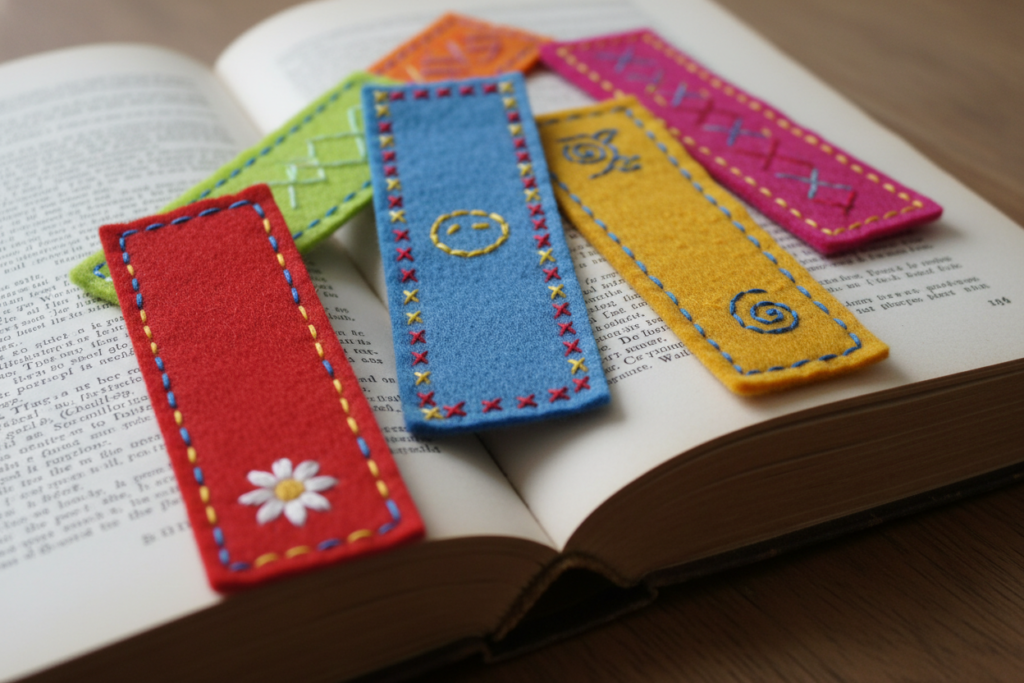
Felt bookmarks make a great first project. Cut felt into rectangles about two inches wide and six inches long. Kids can practice running stitch along the edges to create a border.
Add decorations like buttons or embroidered initials. This project teaches straight line sewing and introduces the concept of decorative stitching. The finished bookmark makes a great gift for family members.
Materials needed include felt pieces, embroidery thread, a large needle, and optional buttons or beads. The entire project takes about thirty minutes, perfect for a child’s attention span.
Simple Fabric Pouches
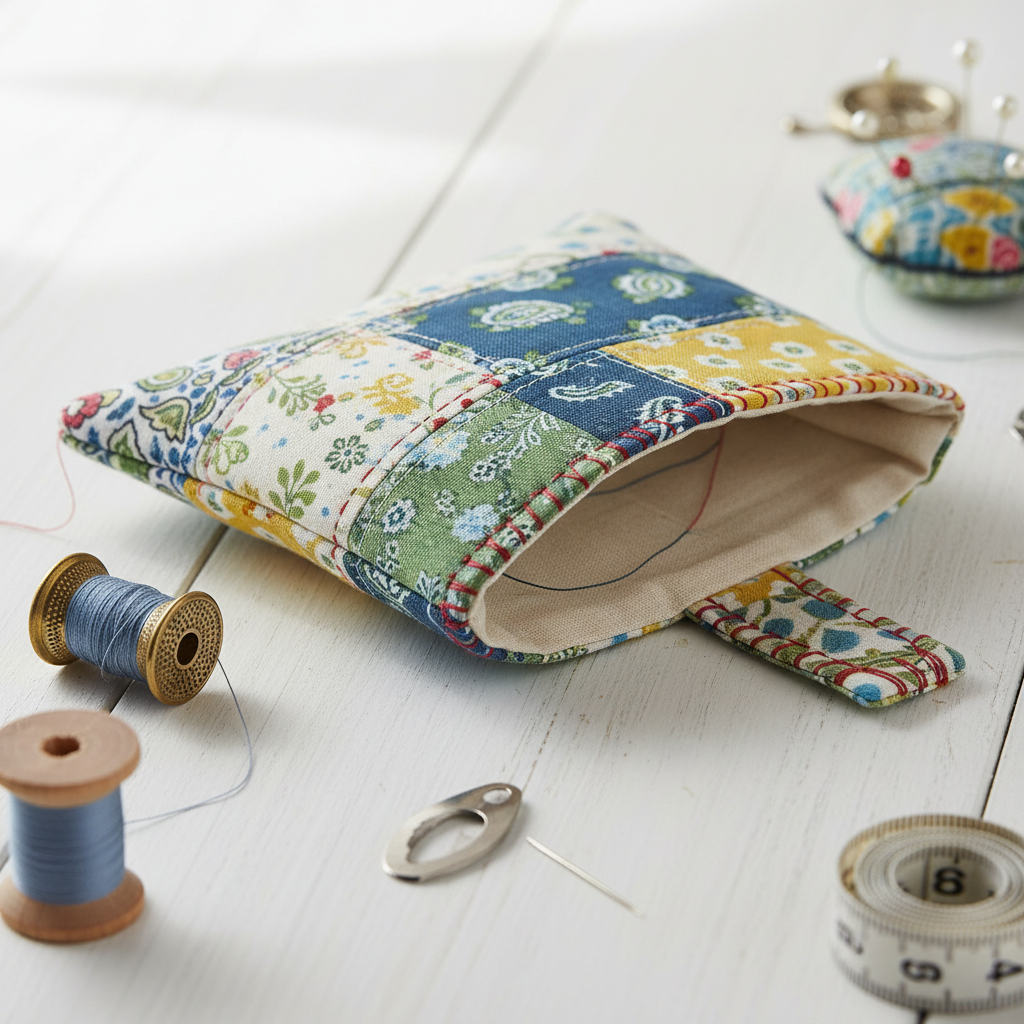
Fabric pouches teach kids how to sew two pieces of fabric together. Cut two rectangles of cotton fabric the same size. Pin them together with the pretty sides facing each other.
Sew around three sides using a running stitch, leaving one short side open. Turn the pouch right-side out, and you have a simple bag. Kids can use these pouches to store small treasures or art supplies.
This project introduces the concept of seam allowance and turning fabric right-side out. These skills form the foundation for more advanced sewing projects later.
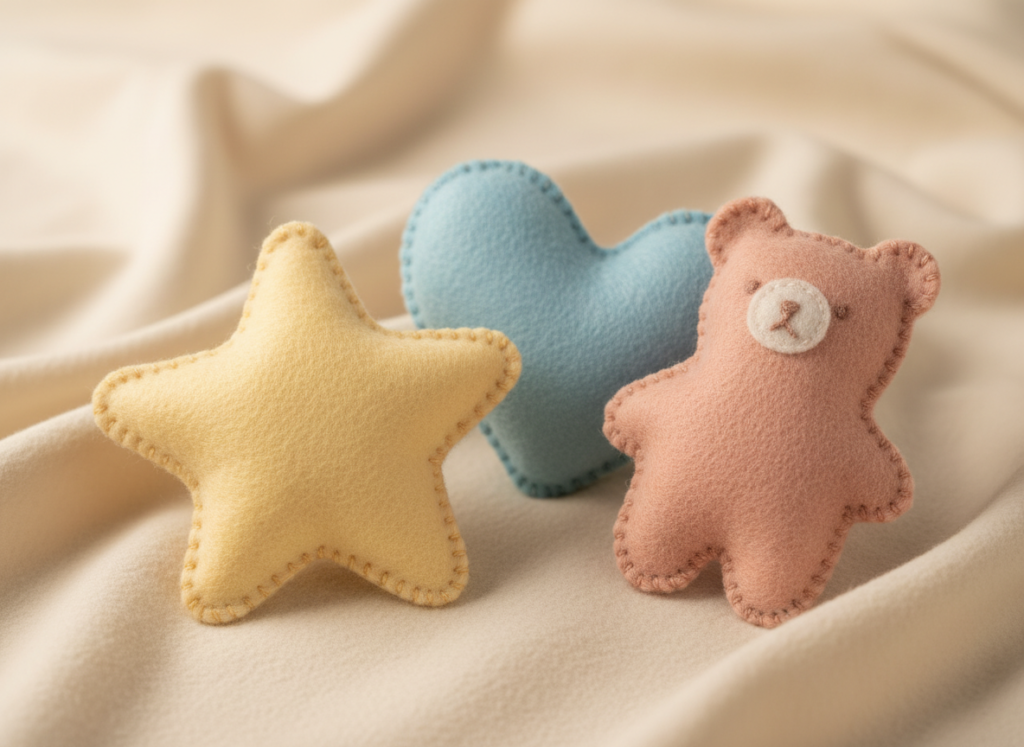
Cut two identical shapes from felt – hearts, stars, or simple animals work well. Pin the shapes together and sew around the edge using whipstitch, leaving a small opening.
Stuff the shape lightly with cotton filling or fabric scraps. Sew the opening closed. This project teaches kids how to create three-dimensional objects from flat fabric.
Children love seeing their creations come to life. These stuffed shapes make great gift items or decorations for their rooms. The project combines multiple sewing skills in one fun activity.
Easy Sewing Projects Using a Machine
Once kids are comfortable with hand sewing, they can try easy sewing projects on a machine. Start with projects that use mostly straight lines. This helps them learn how to control the machine.
Simple Drawstring Bag
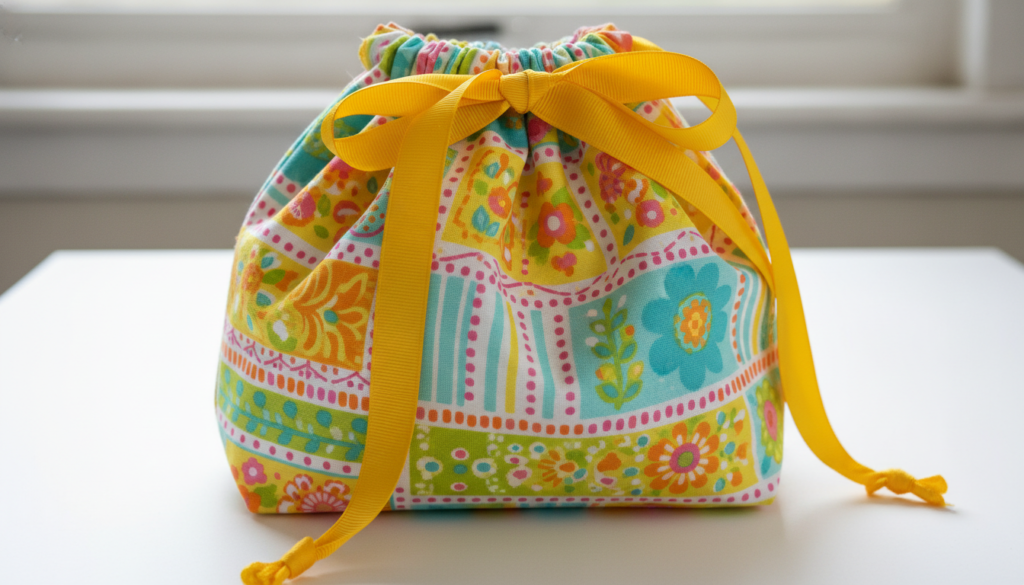
A drawstring bag is one of the best beginner sewing projects for machine sewing. Cut a rectangle of fabric, fold it in half, and sew up both sides. Leave space at the top for the drawstring channel.
Fold down the top edge to create a channel. Sew around the channel, then thread a ribbon or cord through it. This project teaches straight line sewing and how to create functional openings in fabric.
Kids can customize their drawstring bag with different fabrics and decorations. These bags are perfect for storing toys, art supplies, or using as gift bags. The project usually takes about an hour to complete.
Pillowcase with French Seam
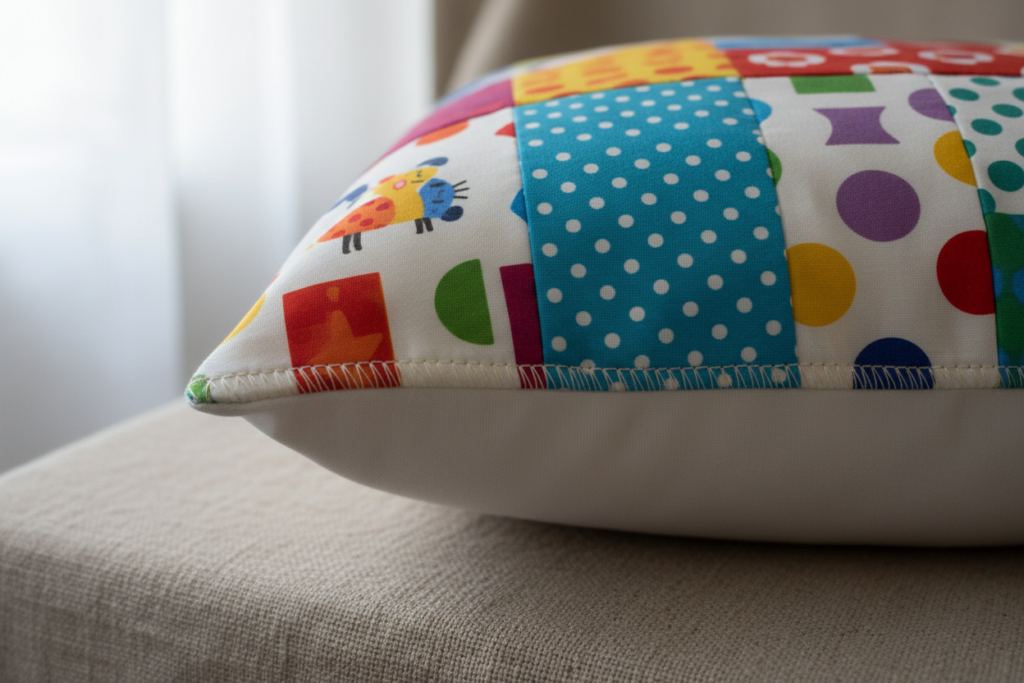
Making a pillowcase teaches kids how to sew longer seams. Cut fabric to the right size, fold it in half lengthwise, and sew the long side and one short side.
This project introduces French seams, which hide raw edges inside. First sew with wrong sides together, trim the seam, then sew again with right sides together. The result looks professional and lasts longer.
Kids feel proud using a pillowcase they made themselves. This makes a great gift for siblings or grandparents too. The skills learned transfer to many other sewing projects.
Want Step-by-Step Video Tutorials?
Watch detailed video demonstrations of each project, plus get printable patterns and expert sewing tips for teaching kids.
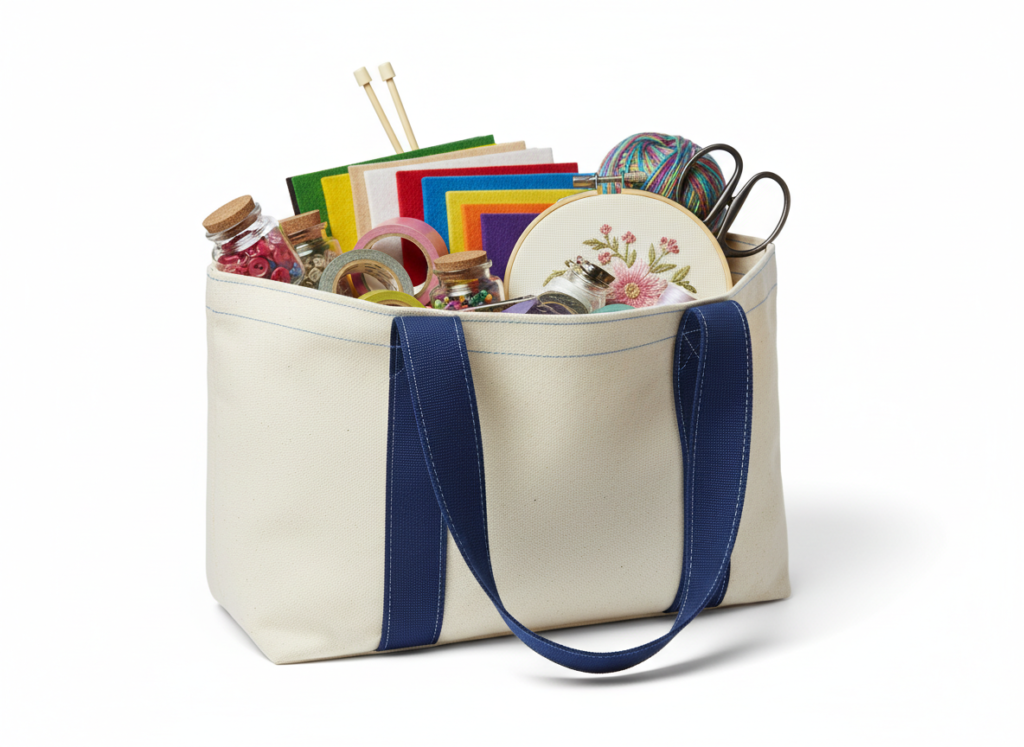
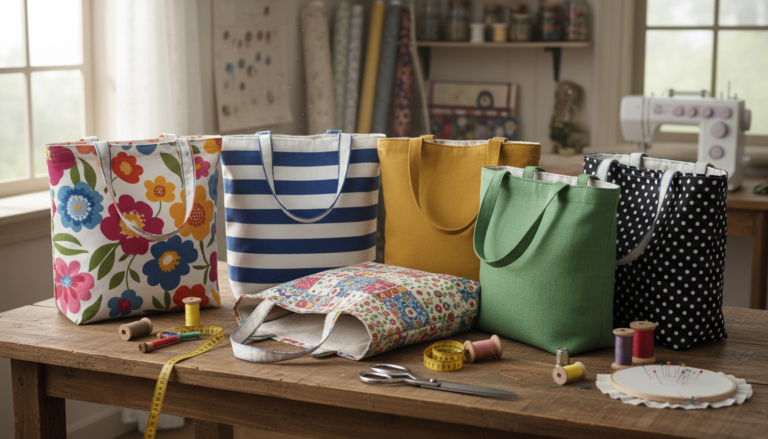
A basic tote bag teaches how to attach handles and create a bag with structure. Cut two rectangles for the body and two strips for handles. Sew the handles to the top of each rectangle first.
Place the rectangles right sides together and sew around three sides. Turn right side out, and you have a functional tote bag. This project builds on skills from the drawstring bag but adds handle attachment.
Kids can use their tote bag for carrying books, groceries, or craft supplies. The project reinforces the importance of strong seams since the bag will be used frequently. It takes about two hours to complete.
Fun Beginner Sewing Projects for Kids’ Clothes
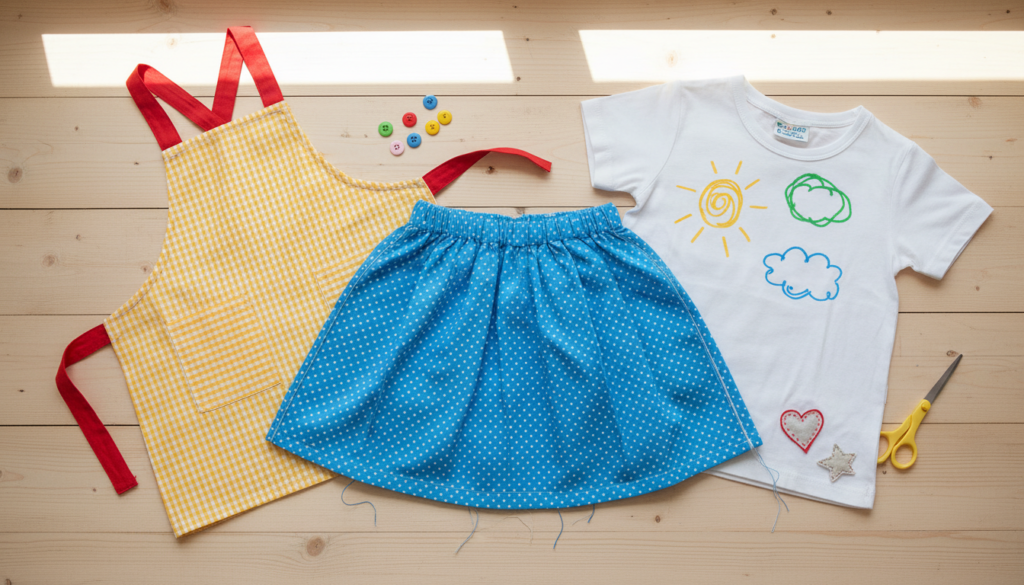
Simple clothing items make exciting projects for kids ready for a challenge. Start with items that don’t require perfect fit, like scarves or elastic-waist skirts.
No-Sew Fleece Scarf
Cut two pieces of fleece the same size. Layer them together and cut fringe along all four edges. Tie the fringes together in knots. This introduces the concept of fabric layers without requiring actual stitching.
Kids can make these scarves in their favorite colors. The project takes minimal time but creates something wearable. It’s a great confidence builder before moving to sewn clothing.
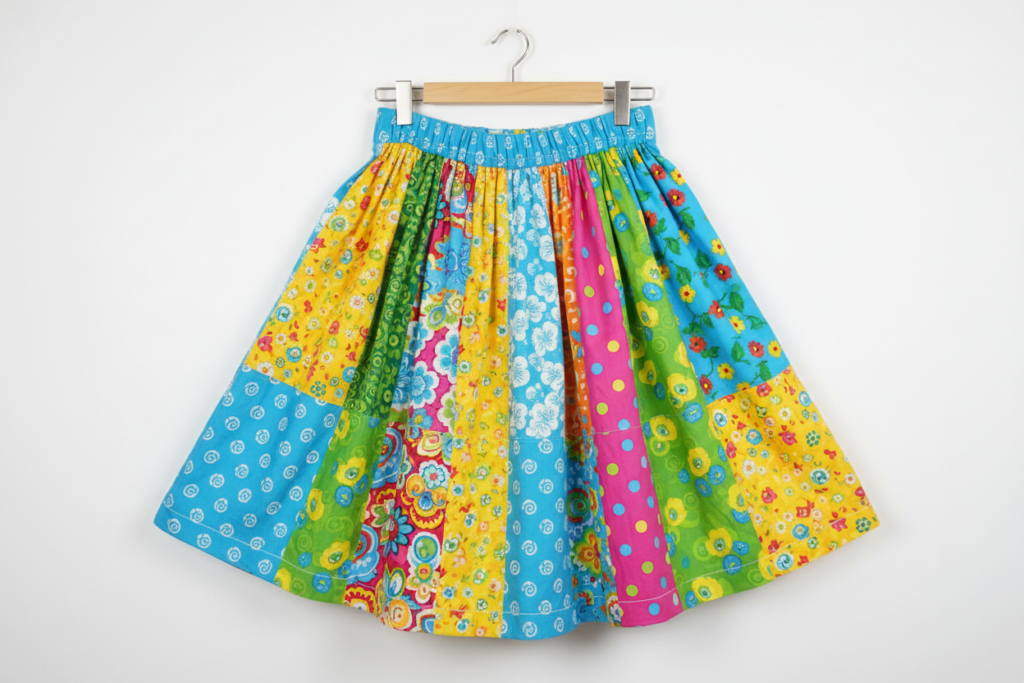
Simple Elastic Waist Skirt
Measure around the child’s waist and add seam allowance. Cut a rectangle of fabric twice the waist measurement. Sew the short sides together to create a tube.
Fold down the top edge to create a casing for elastic. Sew around the casing, leaving a small opening. Thread elastic through, sew the ends together, and close the opening. Hem the bottom edge.
This project teaches gathering fabric with elastic, creating a casing, and hemming. The skirt is wearable and practical. Kids love making clothes they can actually wear.
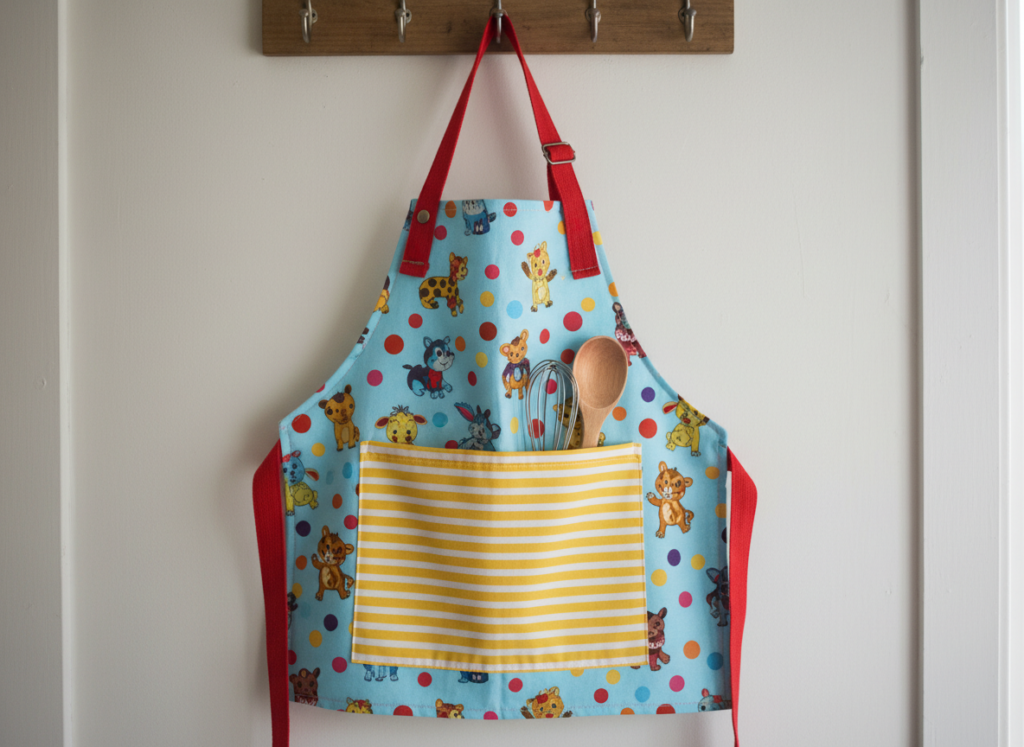
Simple Apron
An apron protects clothes during art projects or cooking. Cut a large rectangle for the body and attach ribbon or fabric strips for ties. Add a pocket on the front for extra practice.
This project combines several skills: hemming edges, attaching ties, and creating a pocket. The finished apron has real-world use, making it especially satisfying.
Kids can personalize their aprons with decorations or their names. This project makes a great gift and teaches practical sewing skills.
Seasonal Easy Sewing Projects for Kids
Seasonal projects add variety and keep kids excited about sewing. These projects connect sewing to holidays and special occasions.
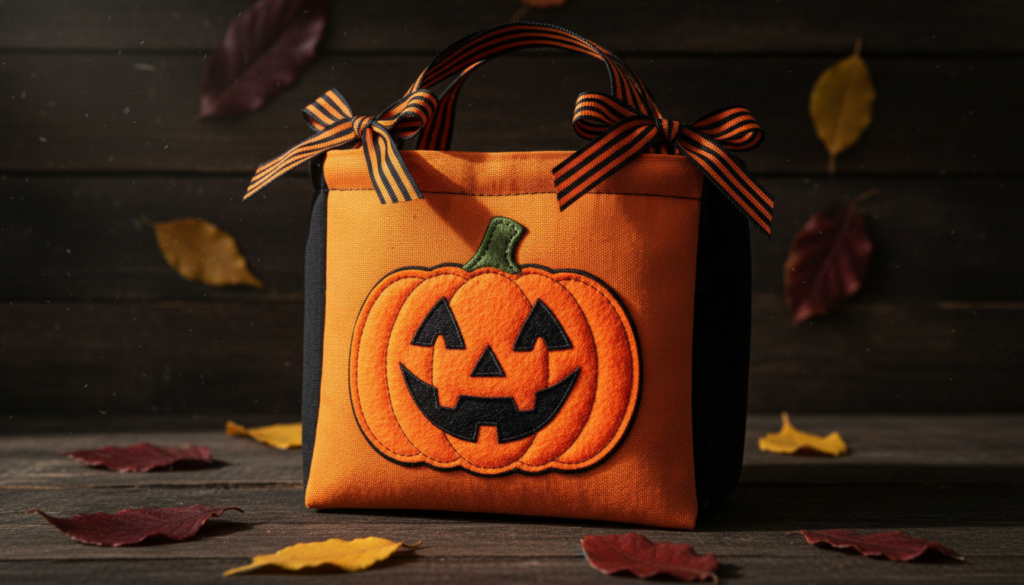
Halloween Trick-or-Treat Bag
Create a special bag for Halloween candy using orange and black fabric. Follow the basic tote bag pattern but add Halloween decorations. Felt shapes like pumpkins or ghosts can be hand-sewn onto the bag.
This seasonal project motivates kids because they’ll use it soon. The decorating portion allows for creativity and personalization. It combines both machine and hand sewing skills.
Holiday Gift Bags
Reusable fabric gift bags are eco-friendly and useful. Use the drawstring bag pattern with festive fabrics. Kids can make these as gifts or use them for wrapping presents.
Making gift bags teaches that handmade items have value. The bags can be used year after year. This project is perfect for practicing the same pattern with different fabrics.
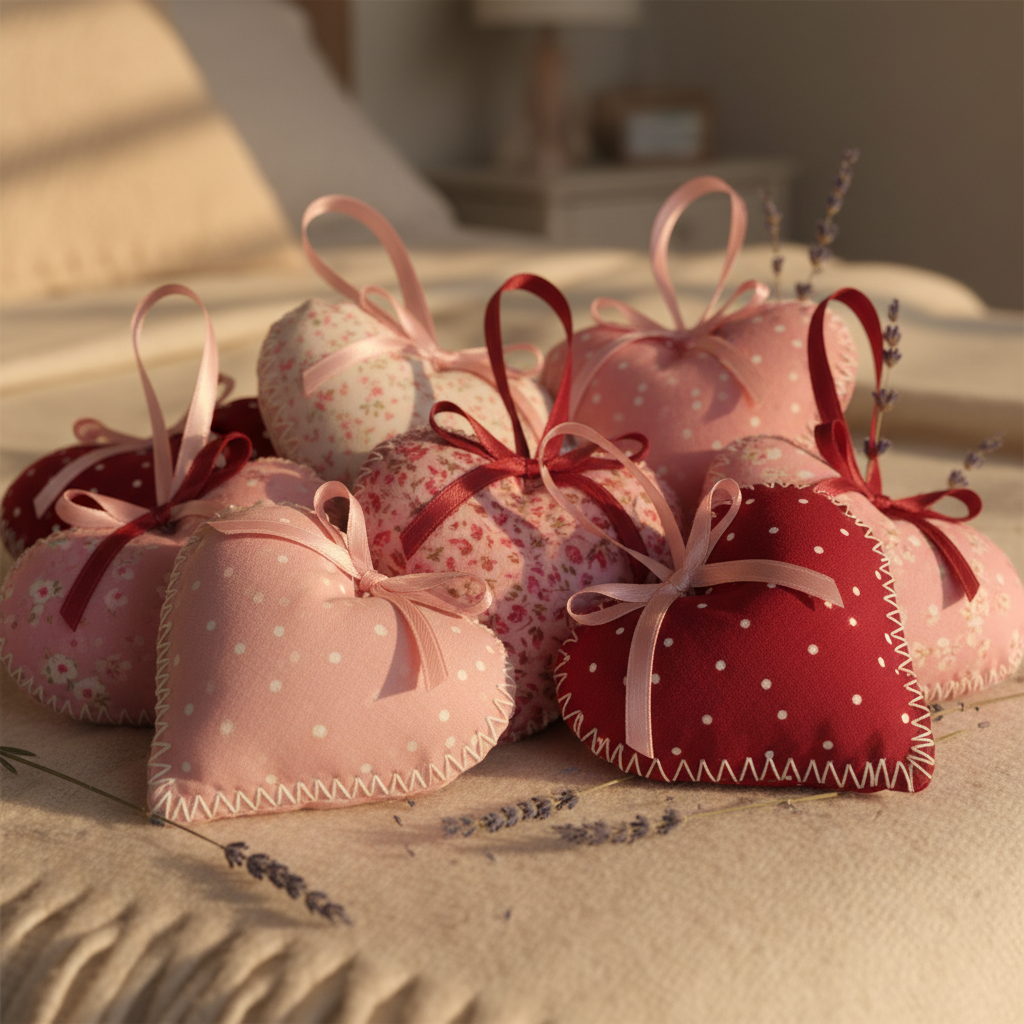
Valentine Heart Sachets
Cut heart shapes from fabric, sew them together leaving an opening, and fill with lavender or cotton. These sachets make great gift items for Valentine’s Day.
Kids practice curved sewing and creating small, detailed items. The finished sachets smell wonderful and look beautiful. This project works well for hand sewing or machine sewing.
Success in teaching kids to sew depends on patience and the right approach. Start with projects that match their skill level. Building confidence matters more than perfection.
Start with Simple Straight Lines
Before starting projects, let kids practice sewing straight lines on scrap fabric. Draw lines with fabric markers and have them follow the lines. This builds muscle memory and control.
Practice time prevents frustration during actual projects. Kids learn how much pressure to apply and how to guide fabric. These fundamental skills make every project easier.
Use Contrasting Thread for Learning
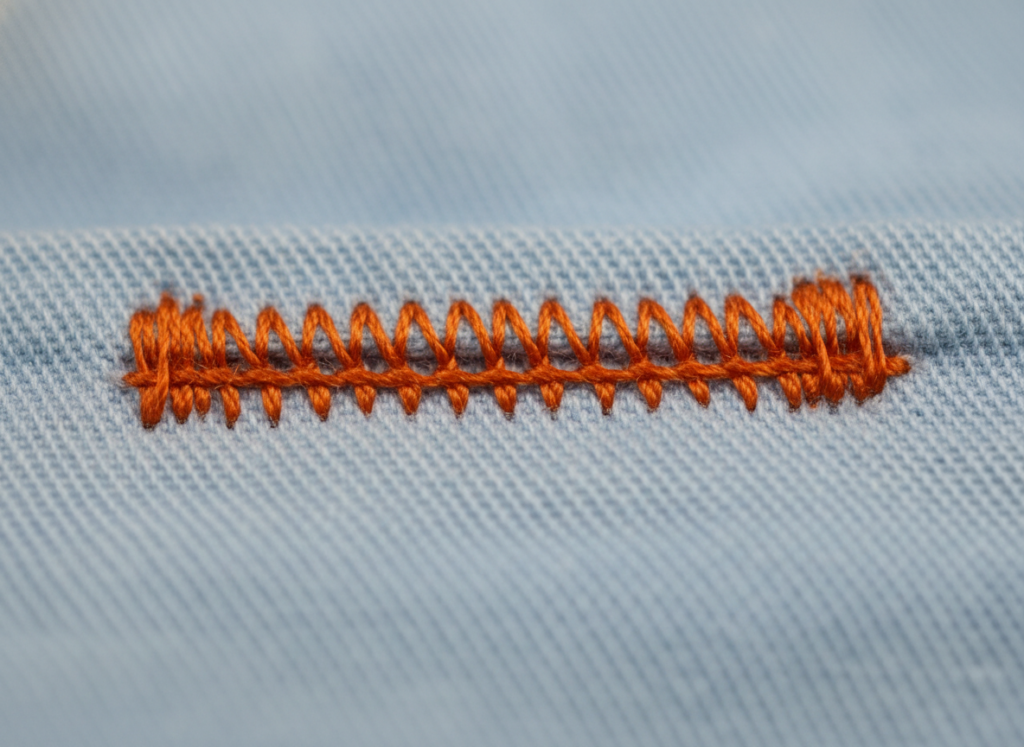
When kids first learn to sew, use thread that contrasts with the fabric. This makes stitches visible so they can see what they’re doing. It also makes it easier to find and fix mistakes.
Once they’re comfortable, they can switch to matching thread for a more polished look. The visible stitches help them understand how sewing works.
Encourage Creativity and Personal Style
Let kids choose their own fabrics and decorations. Personal investment in projects increases motivation. They’re more likely to finish and be proud of items they designed themselves.
Creativity makes sewing fun rather than just a skill to learn. Kids develop their own style and learn to make design decisions. This builds confidence beyond just technical skills.
Create a Dedicated Sewing Space
Set up a specific area for sewing projects. Keep supplies organized and easily accessible. A dedicated space makes it easier to start projects and signals that sewing time is special.
Good lighting is essential for seeing stitches clearly. A comfortable chair at the right height prevents fatigue. Organization helps kids learn to care for their tools and materials.
Celebrate Every Finished Project
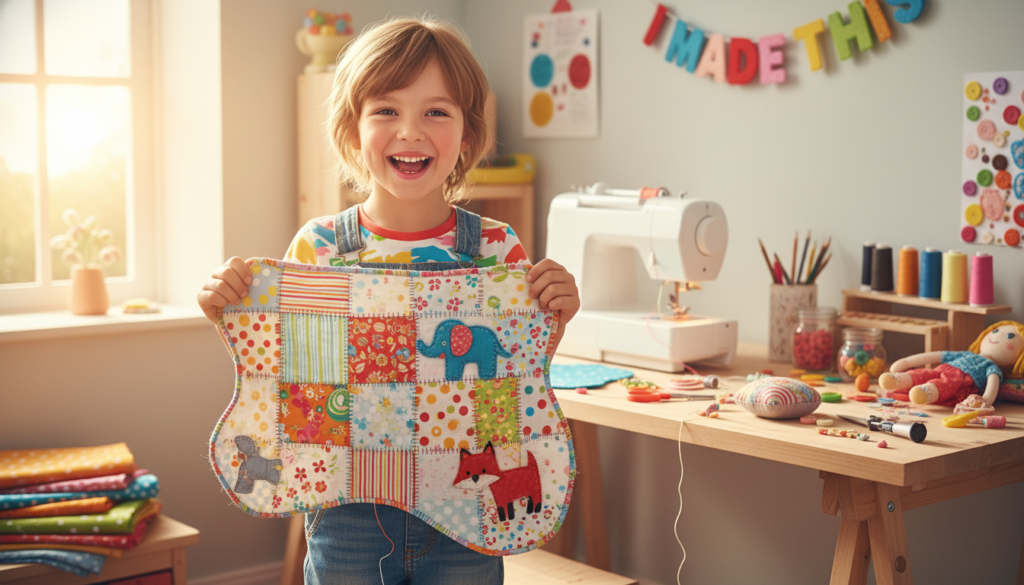
Display finished projects where family members can see them. Take photos of kids with their creations. Recognition and praise encourage continued learning and effort.
Even imperfect projects deserve celebration. The learning process matters more than perfect results. Each project builds skills for the next one.
Common Beginner Sewing Mistakes and How to Fix Them
Everyone makes mistakes when learning to sew. Understanding common problems helps kids troubleshoot and learn faster. Mistakes are part of the learning process.
Thread Tangling Under Fabric
When using a sewing machine, thread sometimes tangles underneath. This usually happens because the bobbin isn’t threaded correctly or the top thread tension is wrong.
Stop the machine and remove the fabric carefully. Rethread both the bobbin and top thread, checking that thread goes through all the guides. Test on scrap fabric before continuing the project.
Uneven Stitches
Uneven hand stitches are normal for beginners. Practicing consistent spacing helps. Use fabric markers to mark where each stitch should go until the spacing becomes natural.
For machine sewing, uneven stitches might mean the fabric is being pulled or pushed. Let the machine feed the fabric at its own pace. The presser foot holds fabric in place.
Forgetting to Backstitch
Backstitching at the beginning and end of seams prevents them from unraveling. Many beginners forget this step. Remind kids to reverse for a few stitches at both ends.
This small step makes projects last much longer. It’s especially important for items that will be used frequently, like bags or clothes. Building this habit early saves frustration later.
Master Sewing Techniques with Expert Guidance
Access comprehensive troubleshooting guides, technique videos, and expert tips to help your child overcome common sewing challenges and build lasting skills.
Once kids master basic projects, they’re ready for slightly more challenging items. These projects introduce new techniques while building on existing skills.
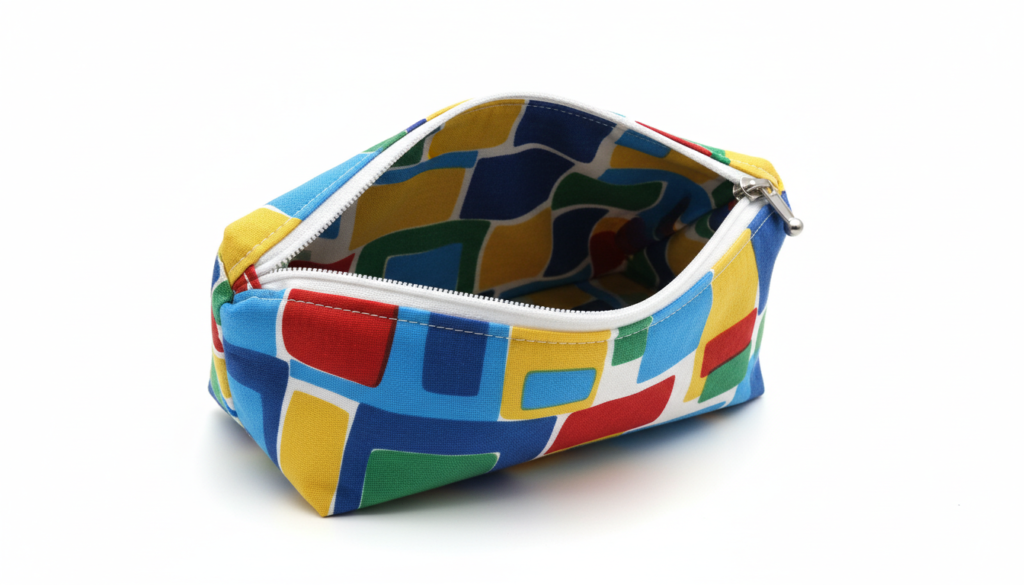
Zipper Pouch
Adding a zipper elevates a simple pouch to something more professional. Start with a longer zipper than needed – it’s easier to work with. Pin the zipper face-down on the right side of fabric.
Sew along the zipper tape using a zipper foot on the machine. This specialized presser foot allows sewing close to zipper teeth. Flip the fabric and press. Repeat on the other side.
Finish the pouch by sewing the sides. A zipper pouch makes a great gift and teaches an important new skill. Kids feel accomplished mastering zipper installation.
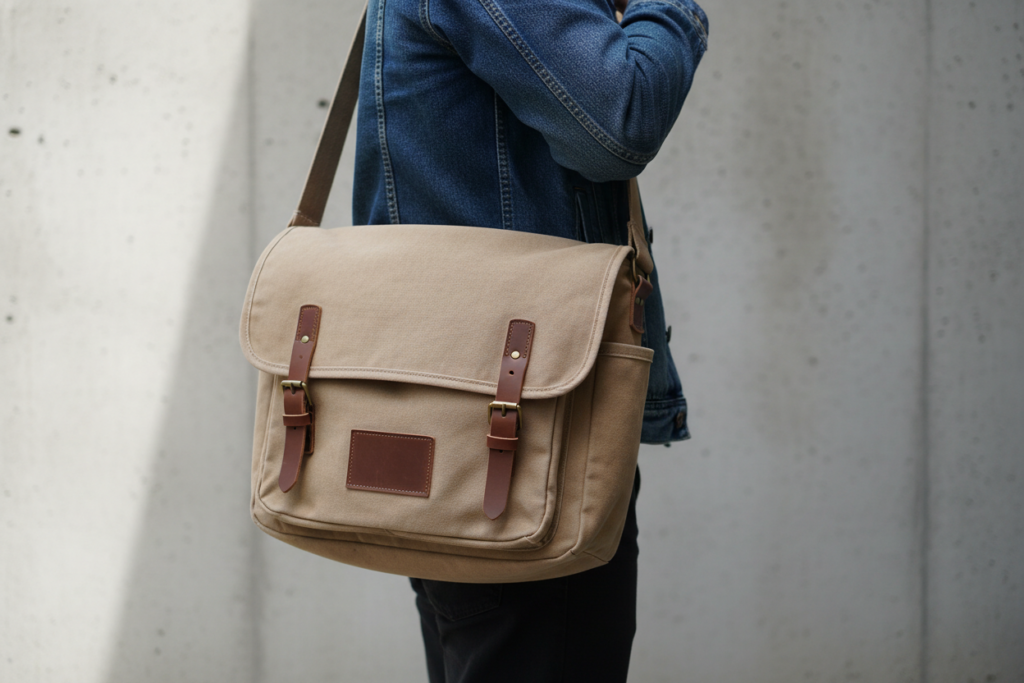
Messenger Bag
A messenger bag combines multiple techniques: bag construction, flap creation, and strap attachment. This project takes more time but results in a highly functional item.
Cut pieces for the bag body, flap, and strap. Sew the body like a tote bag. Attach the flap to the back piece before sewing sides together. Add the strap last.
Kids can use their messenger bag for school or activities. The project demonstrates how individual skills combine to create complex items. It’s a great way to practice everything learned so far.
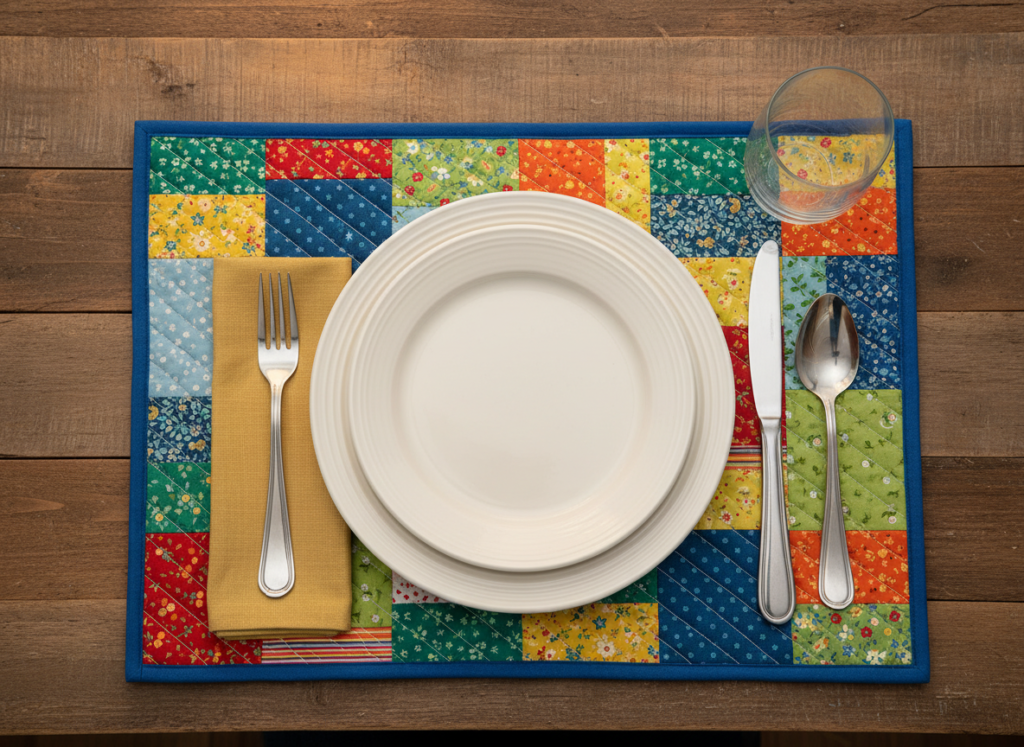
Quilted Placemat
Simple patchwork introduces quilting basics. Cut fabric into squares, arrange in a pattern, and sew them together. Add batting and backing, then quilt through all layers.
Quilting teaches precision in cutting and sewing. Seams must match up for squares to align correctly. Binding the edges provides another new skill to master.
Placemats are practical items that get regular use. Kids see their work every day at mealtimes. The project opens the door to larger quilting projects.
Free Sewing Patterns and Resources
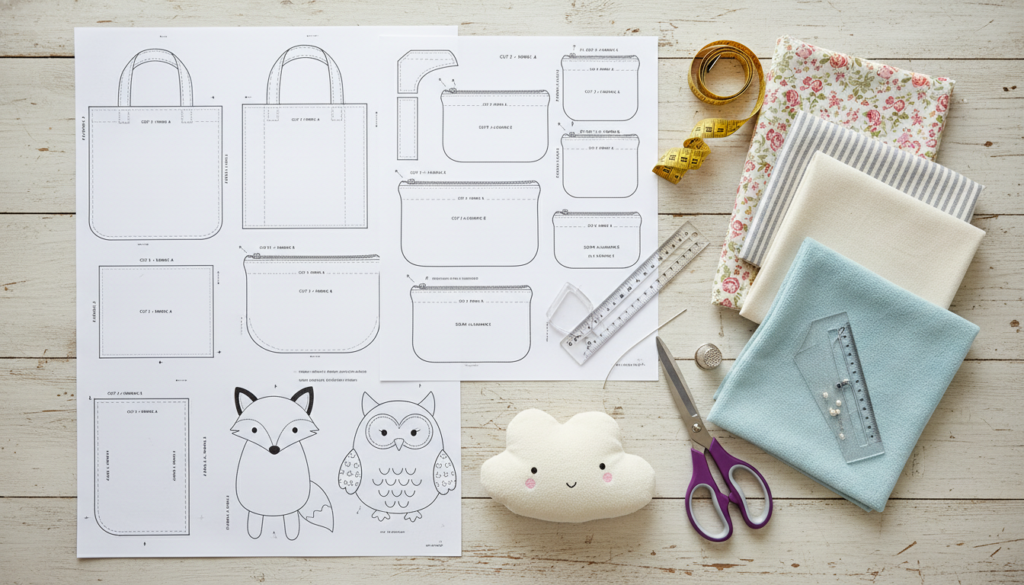
Many websites offer free sewing patterns perfect for kids. These patterns include measurements and instructions. Downloading free patterns lets kids try new projects without buying expensive pattern books.
Print patterns on regular paper. Some patterns need to be taped together from multiple pages. Kids can help with this assembly, learning to read pattern markings and instructions.
Where to Find Free Patterns
Craft blogs specializing in beginner projects
Fabric manufacturer websites with project ideas
YouTube channels teaching basic sewing skills
Pinterest boards curated for kids’ sewing
Library books with patterns you can trace
Sewing community forums sharing projects
Free sewing resources make the hobby accessible to everyone. Kids can explore different project types without financial commitment. This encourages experimentation and learning.
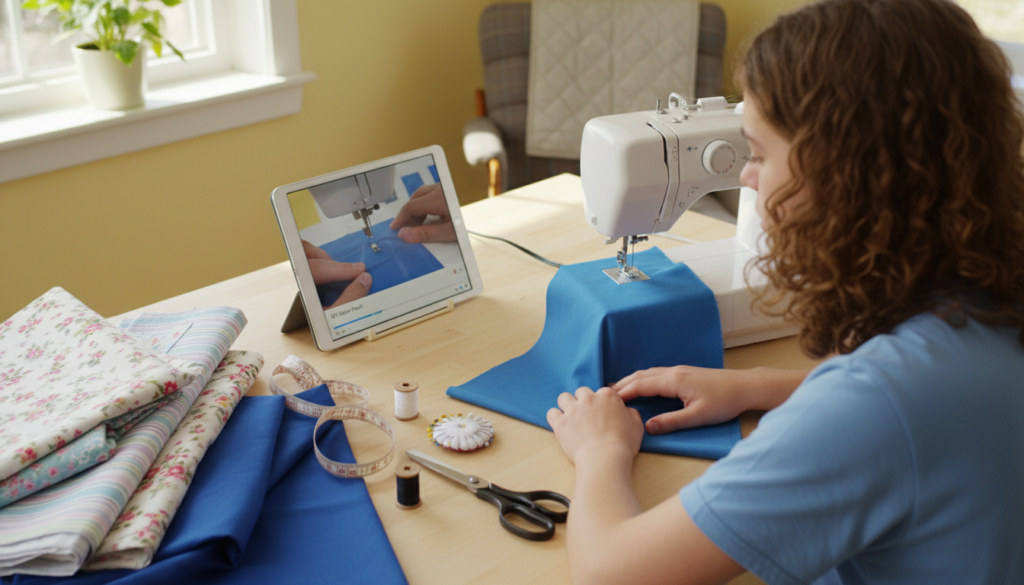
Video tutorials show techniques in action. Kids can pause and replay sections they don’t understand. Visual learning helps when written instructions seem confusing.
Look for videos specifically made for beginners. Slower-paced tutorials with clear explanations work best. Some channels focus entirely on teaching kids to sew.
Watching videos together lets parents learn alongside children. You can discuss techniques and pause to try them. This shared learning time strengthens skills and bonds.
Building Sewing Skills Over Time
Sewing skills develop gradually with practice and patience. Each project should build on previous ones. Kids gain confidence as they master new techniques.
Set Realistic Expectations
Young children have shorter attention spans. Choose projects that fit their concentration abilities. A thirty-minute project works better than a three-hour commitment.
First projects won’t be perfect. That’s completely normal and expected. Focus on learning rather than achieving professional results. Skills improve with each attempt.
Track Progress with a Project Journal
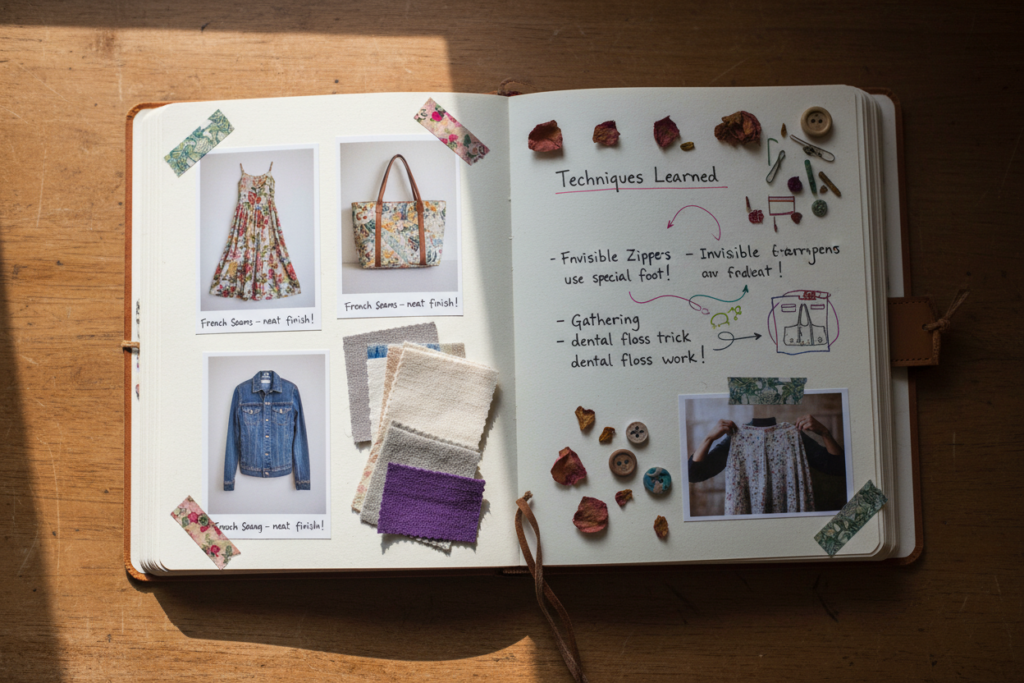
Keep photos of completed projects in a journal or scrapbook. Write notes about what was learned or challenging. Looking back shows how much skills have improved.
This documentation motivates kids to keep learning. They can see their progress visually. The journal becomes a source of pride and accomplishment.
Join Sewing Communities
Many communities offer kids’ sewing classes or clubs. Learning with peers adds a social element. Kids share ideas and encourage each other.
Online communities also provide support and inspiration. Parents can connect with others teaching their children to sew. Sharing challenges and successes helps everyone learn.
Starting the Sewing Journey
Beginner sewing projects easy for kids provide valuable learning experiences beyond just making things. Children develop patience, problem-solving skills, and creativity. These abilities serve them throughout life.
Start with simple projects that guarantee success. Build complexity gradually as confidence grows. Every stitch contributes to developing fine motor skills and hand-eye coordination.
The projects in this guide offer a roadmap for teaching kids to sew. From basic hand stitching to using a sewing machine, each step prepares them for the next level. Remember that the journey matters more than perfection.
Sewing together creates special memories and quality time. Kids treasure items they make themselves. These handmade creations often become cherished keepsakes.
Whether making a simple felt bookmark or tackling a messenger bag, each project builds skills and confidence. Get started today with one beginner-friendly project and watch creativity unfold.
Transform Your Child’s Sewing Skills Today
Get instant access to complete sewing guides, video tutorials, printable patterns, and expert support. Everything you need to make teaching kids to sew easy and fun.