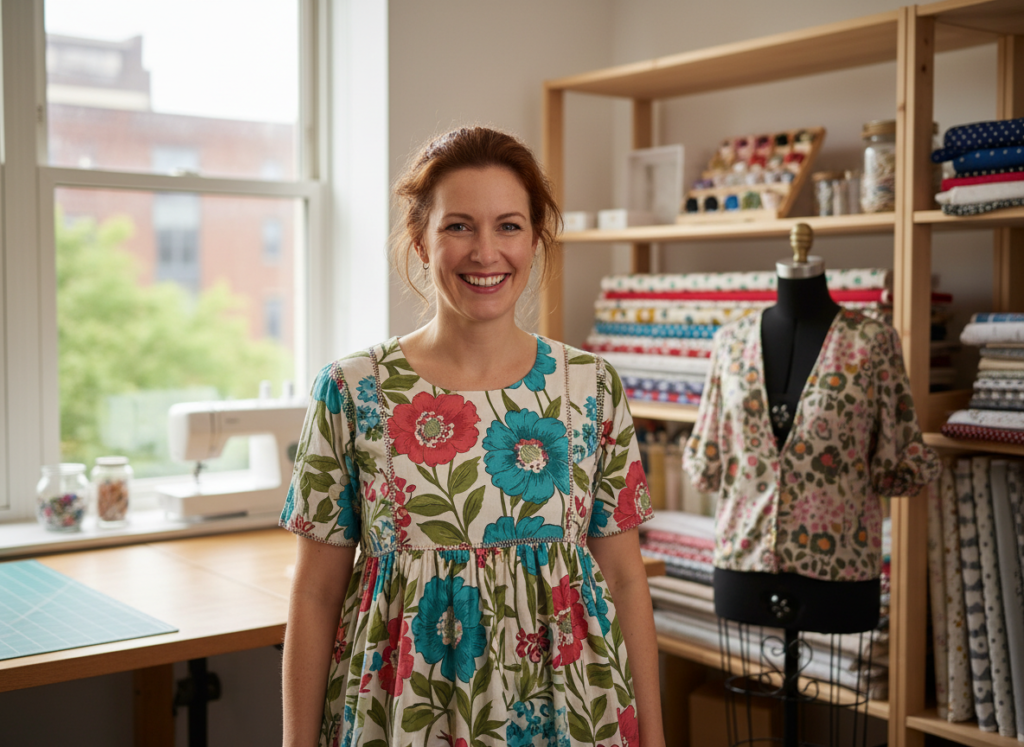
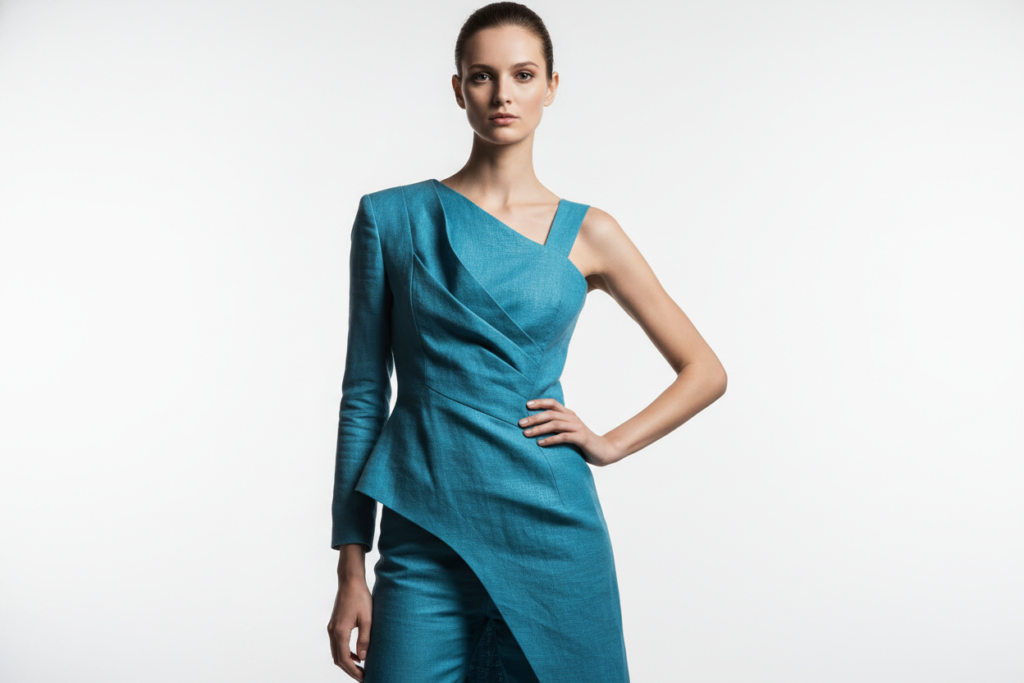
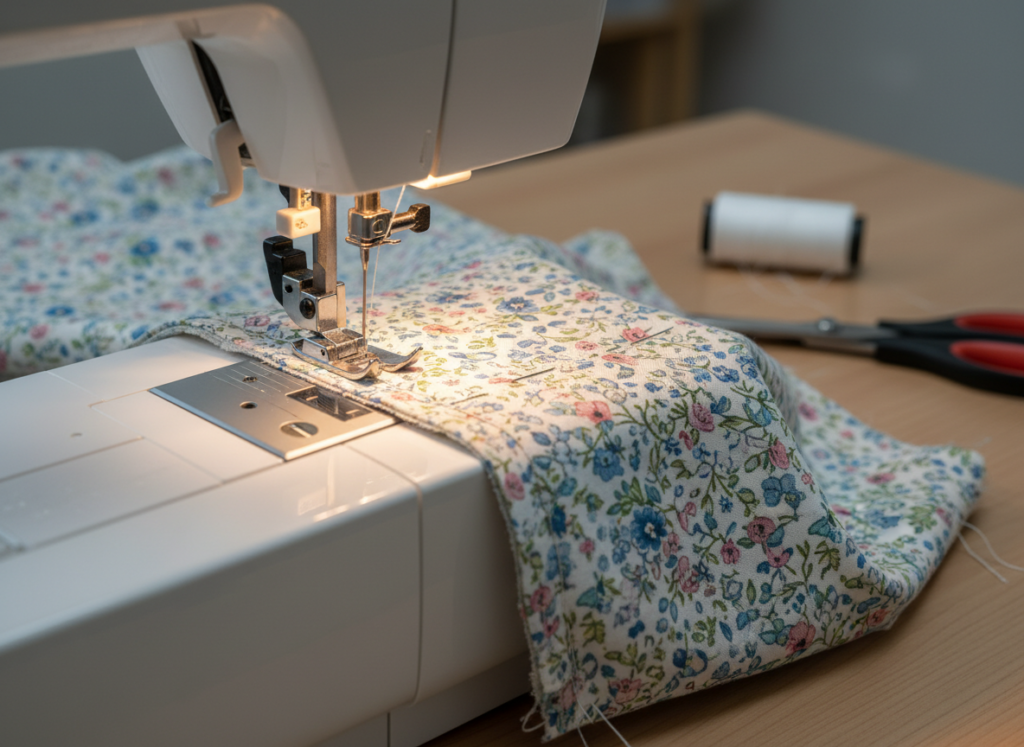
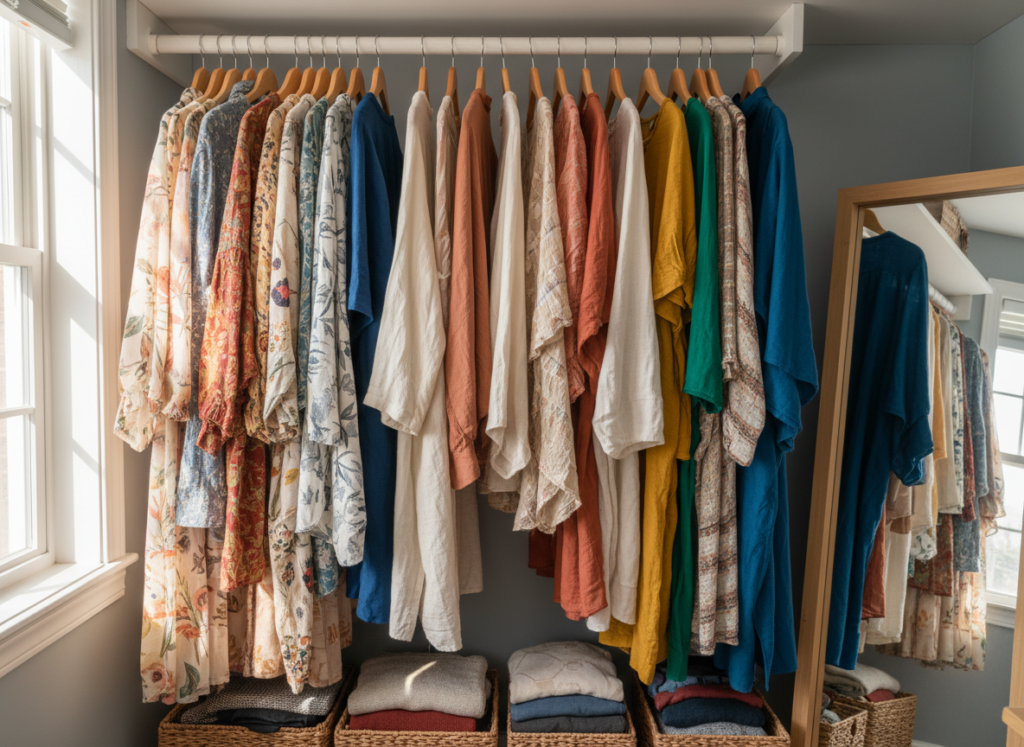
Creating your own clothing brings joy that no store-bought item can match. The satisfaction of wearing a top you sewed yourself combines creativity with practicality. Free sewing patterns tops offer an incredible opportunity to build a custom wardrobe without breaking your budget.
Whether you’re just starting your sewing journey or looking to expand your handmade collection, this guide provides everything you need. You’ll discover patterns for every season, skill level, and style preference. From breezy summer tops to elegant wrap styles, these free patterns transform simple fabric into wearable art.
The best part? You don’t need expensive pattern purchases to create beautiful garments. These carefully curated free sewing patterns give beginners looking to learn and experienced sewers alike access to professional-quality designs. Let’s explore the wonderful world of DIY top making together.
Ready to Master Professional Sewing Techniques?
While free patterns are fantastic, learning expert techniques takes your sewing to the next level. Discover comprehensive guides that teach you professional fitting, fabric selection, and finishing methods that make your handmade tops look store-bought.
Making your own tops offers benefits that extend far beyond saving money. You gain complete control over fabric choice, fit, and style details. Store-bought clothing rarely fits perfectly, but custom-sewn tops match your exact measurements.
The environmental impact matters too. Fast fashion creates enormous waste, while sewing your own clothes promotes sustainability. You choose quality fabrics that last years instead of months. Each top you create reduces demand for mass-produced garments.
Creative expression flourishes when you sew. Mix patterns, adjust neckline styles, change sleeve lengths, or add unique details. Your wardrobe becomes truly one-of-a-kind. No one else will show up wearing the same outfit.
Financial Benefits
Free patterns eliminate pattern costs
Fabric choices fit any budget
One pattern creates multiple variations
Skills improve with each project
Repairs and alterations become easy
Personal Advantages
Perfect fit for your body type
Unique style expression
Therapeutic creative activity
Builds valuable life skills
Sustainable fashion choices
Starting with free sewing patterns tops removes financial barriers to learning. You invest time and fabric without worrying about expensive pattern purchases. This approach encourages experimentation and skill development.
Starting your sewing journey requires patterns that build confidence rather than frustration. These beginner-friendly options teach fundamental techniques while creating wearable results. Each pattern introduces essential skills without overwhelming complexity.
Basic Tank Top Pattern
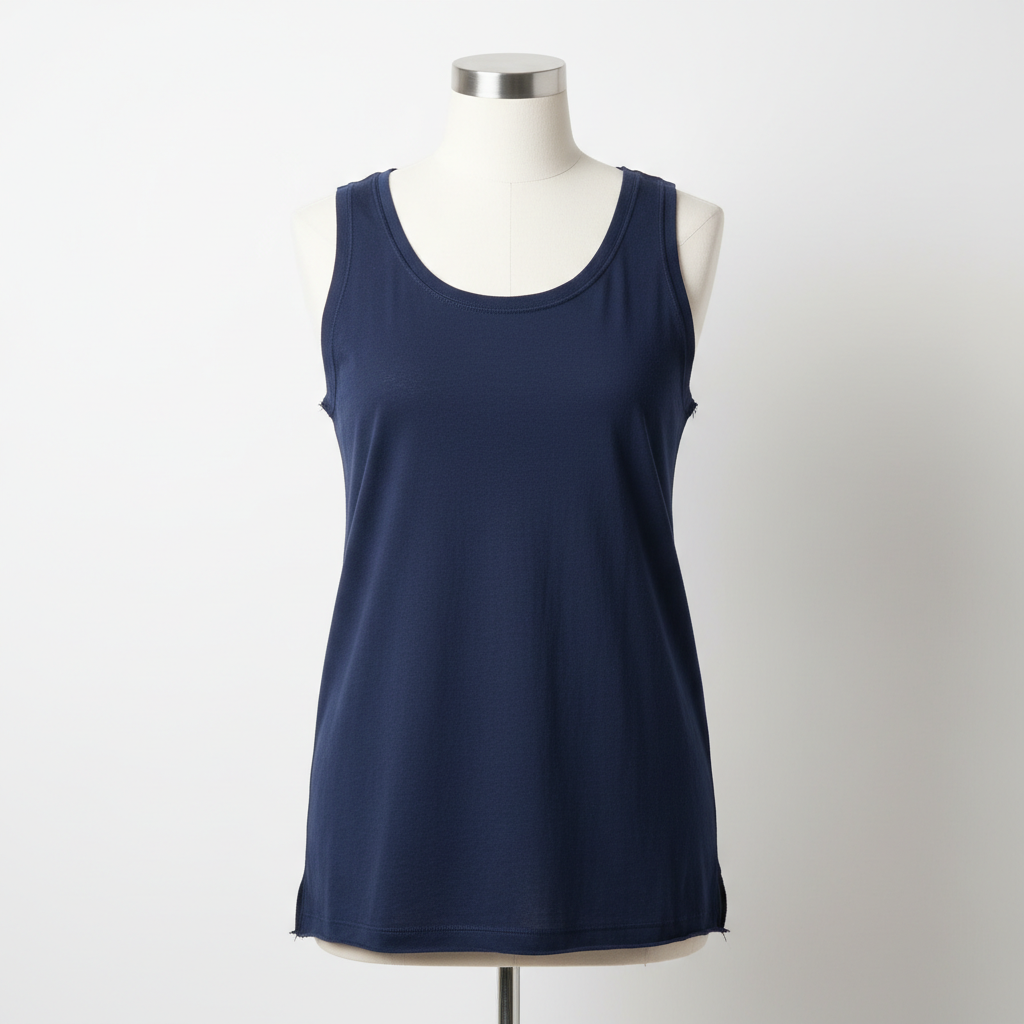
Tank tops make perfect first projects for beginners looking to master basic construction. Simple shapes with minimal pieces teach you how to cut fabric, sew straight seams, and finish edges. This foundation supports all future sewing projects.
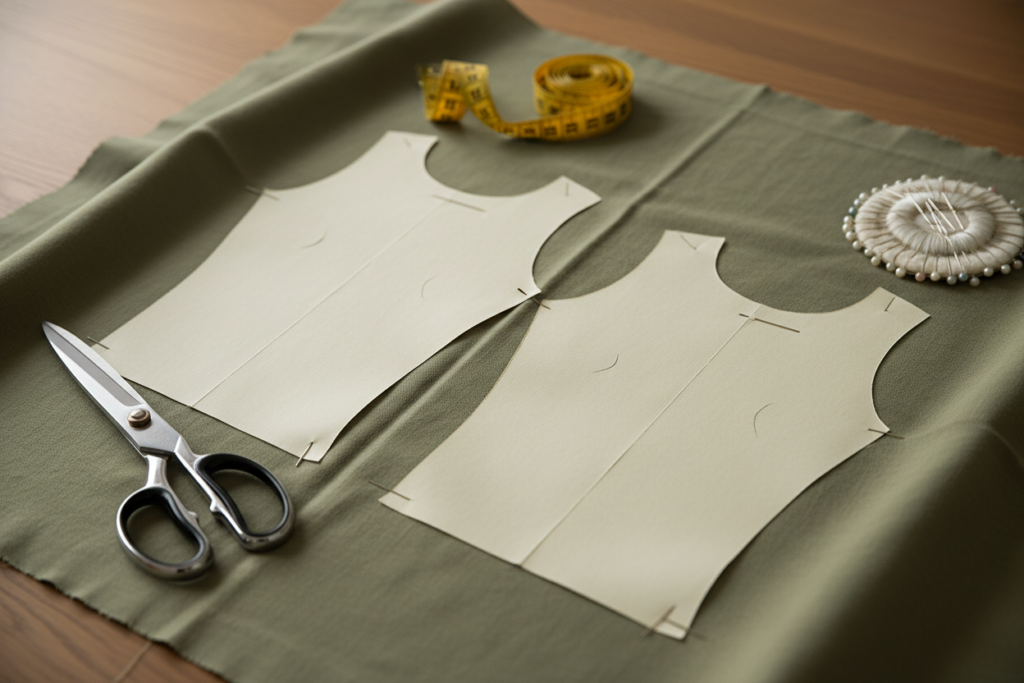
The construction involves just two main pattern pieces – front and back. You’ll practice sewing shoulder seams, side seams, and finishing armholes and neckline. Most patterns use knit fabrics that forgive minor mistakes and don’t require zippers or buttons.
Simple T-Shirt Pattern
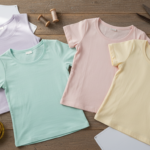
T-shirt patterns introduce set-in sleeves while maintaining beginner-friendly construction. You’ll learn how sleeves attach to the body and practice working with stretchy knit fabrics. The skills you develop here apply to countless future projects.
Choose patterns with clear instructions and minimal pattern pieces. Look for designs that use basic neckline finishes rather than complicated bindings. Sleeve styles should be straightforward without gathered caps or complex shapes.
Easy Tunic Top
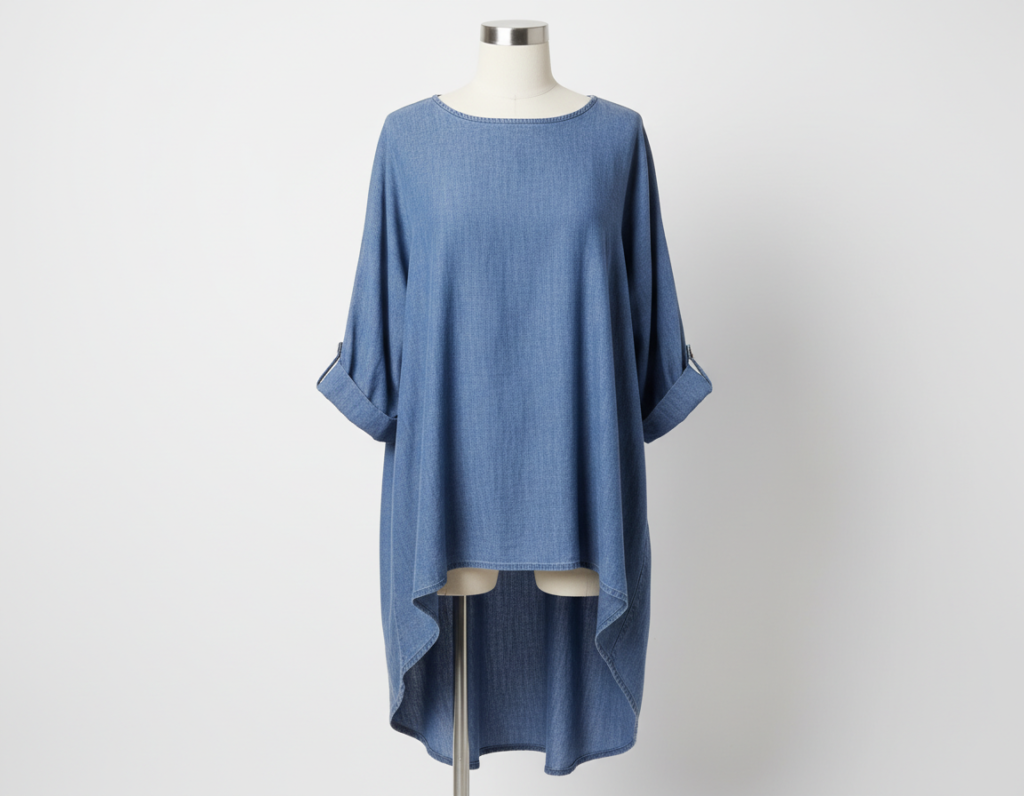
Tunic-length tops offer forgiving fits perfect for learning. The longer length provides more fabric to work with while the loose style doesn’t require precise fitting. Many tunic patterns feature simple rectangular shapes that beginners can handle confidently.
These patterns often include optional details like pockets or tie fronts you can add as skills improve. Start with the basic version, then experiment with customization options. This progression builds skills naturally.
Transform Beginner Patterns Into Perfect Fits
Ready to move beyond basic construction? Learn professional fitting techniques that make simple patterns look custom-made. Master dart placement, shoulder adjustments, and neckline modifications that create flattering, comfortable tops every time.
Wrap tops rank among the most flattering styles for all body types. The adjustable tie front creates a customizable fit that adapts to your shape. These designs work equally well for casual wear and dressier occasions.
The wrap construction offers built-in style without complicated techniques. Most wrap top patterns feature simple rectangular or slightly shaped pieces. The magic happens in how the front panels cross and tie, creating visual interest and feminine details.
Classic Tie Front Wrap Top
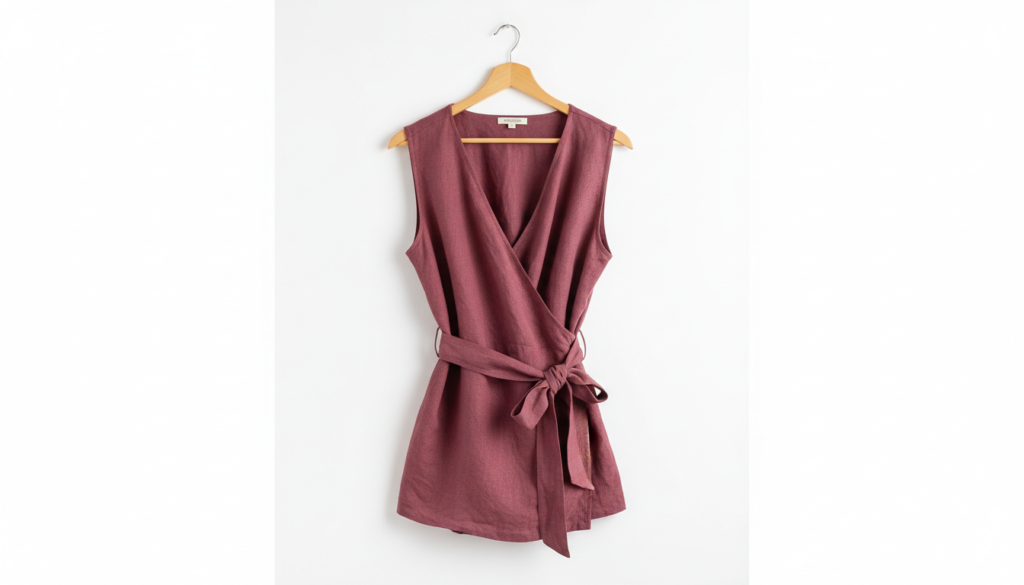
Traditional wrap tops with tie front closures remain timeless wardrobe staples. The design typically includes side ties that wrap around the waist and tie at the back or side. This style emphasizes the waist while providing comfort and adjustability.
Pattern pieces usually include a back panel, two front panels, and ties. Some versions add sleeves while others remain sleeveless. The neckline often features a flattering V-shape created by the wrap. Choose lightweight to medium-weight fabrics that drape well.
Ballet Wrap Top Pattern
Ballet-inspired wrap tops bring dance studio elegance to everyday wear. These cropped styles typically hit at the natural waist with long ties that wrap completely around. The fitted silhouette works beautifully with high-waist bottoms.
Construction focuses on achieving a snug but comfortable fit through the body. Many patterns include elasticated back panels for stretch and comfort. The front wrap and ties create adjustability while maintaining a sleek appearance. Expert fitting techniques help you adjust the pattern for your proportions perfectly.
Kimono-Style Wrap Top
Kimono wrap tops feature wide, dramatic sleeves and relaxed fit. The looser construction makes them excellent beginner projects while delivering sophisticated style. These tops work wonderfully in flowing fabrics like rayon or lightweight cotton.
Pattern construction uses simple rectangular sleeve pieces attached to front and back body pieces. The minimal shaping and straight seams make assembly straightforward. Tie closures can be narrow fabric ties or wider self-fabric bands depending on the design.
Breezy Summer Top Free Sewing Patterns
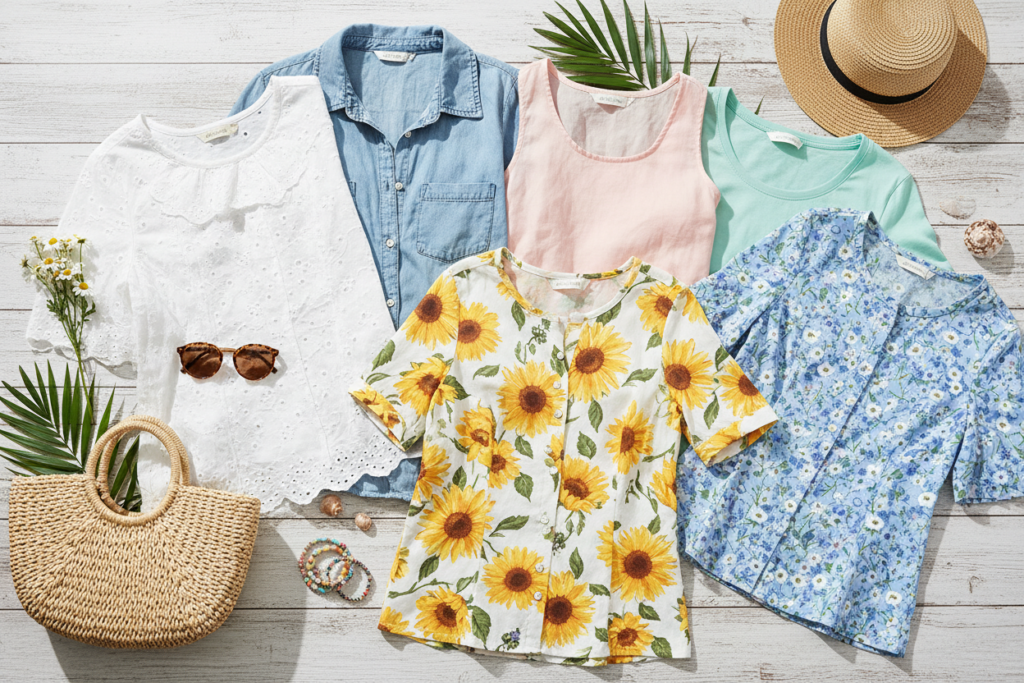
Summer sewing focuses on lightweight fabrics and breathable designs. Free sewing patterns for summer tops emphasize comfort while maintaining style. These patterns work perfectly for building a warm-weather wardrobe on a budget.
Look for designs featuring sleeveless options, short sleeves, or flutter sleeves that keep you cool. Neckline variations like scoops, V-necks, and boat necks provide different styling options. Many summer patterns include optional details like ruffle trims or tie straps.
Sleeveless Summer Blouse
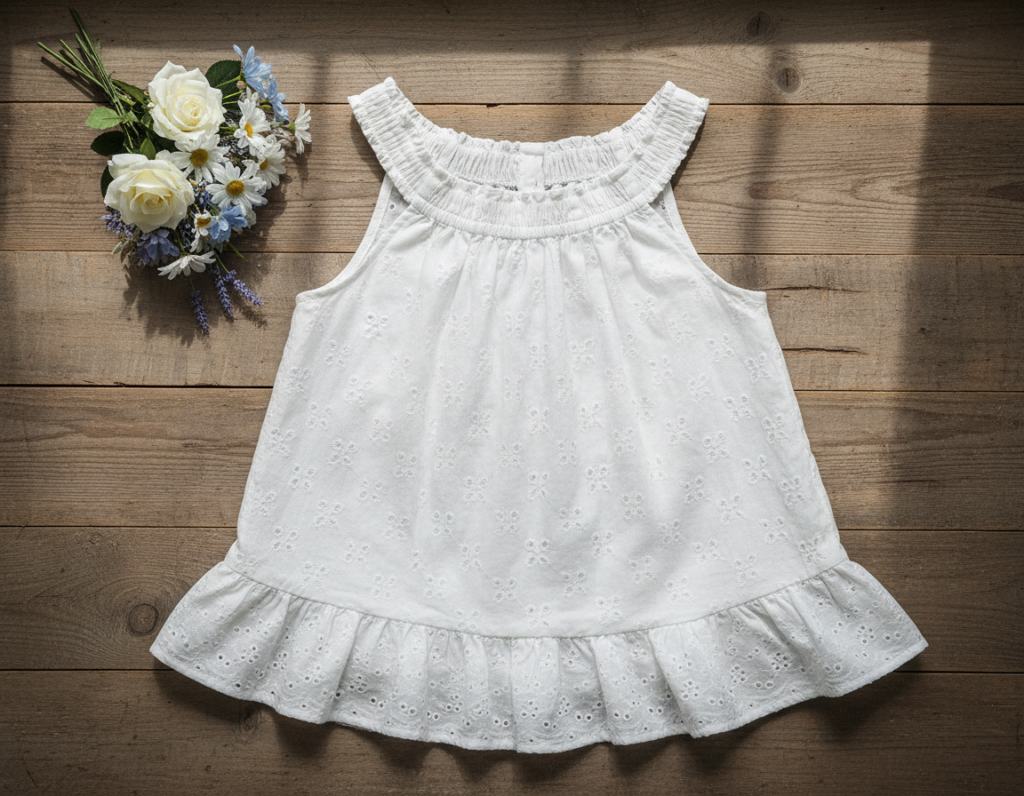
Sleeveless blouses offer maximum breathability for hot weather. These patterns typically feature armhole finishes like bias binding, facing, or self-fabric bands. The construction teaches important finishing techniques while creating versatile wardrobe pieces.
Choose patterns with interesting neckline details to add visual appeal. Options include gathered necklines, keyhole openings, or button-back closures. The back details create interest while keeping the front simple and flattering. Pair with any bottom for effortless summer style.
Off-Shoulder Summer Top
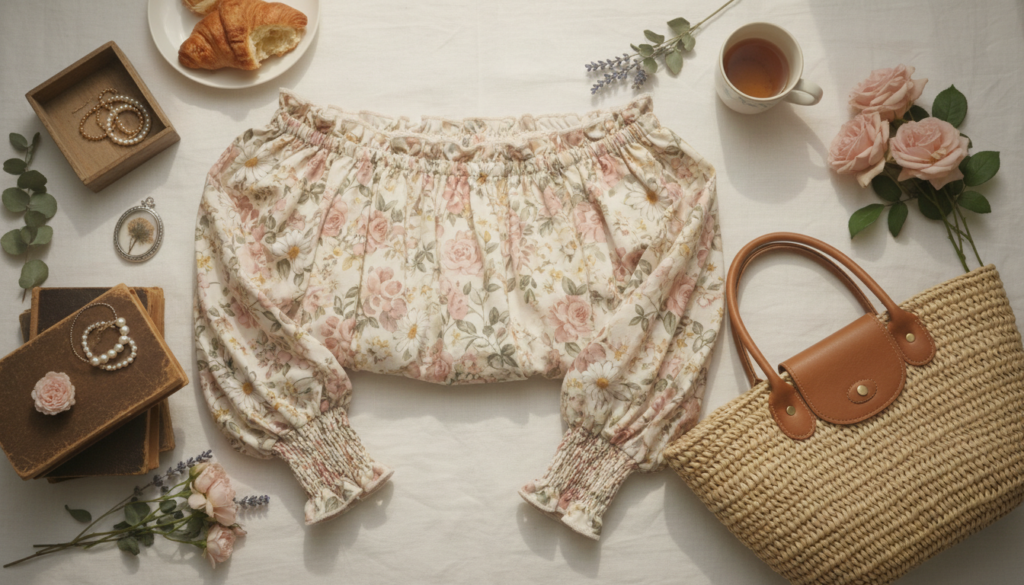
Off-shoulder designs bring vacation vibes to any outfit. The elasticated neckline sits below the shoulders, creating a relaxed, romantic look. Most patterns feature simple construction with the elasticated waist or hem creating shape.
These tops work beautifully in lightweight cotton, linen, or cotton lawn fabrics. The elasticated neckline requires measuring carefully to ensure it stays in place without being too tight. Many designs include optional sleeves that can be short, three-quarter length, or long.
Tie-Strap Camisole Pattern
Camisole tops with adjustable tie straps solve fit challenges while looking adorable. The shoulder ties allow you to customize strap length for perfect fit. These patterns work wonderfully for learning bias-cut construction and working with delicate fabrics.
Look for patterns that include bust darts or princess seams for better shaping. The fitted design requires more precision than loose styles but creates polished results. Layer under jackets or wear alone in warm weather for versatile styling options.
Create a Complete Summer Wardrobe
Build an entire seasonal wardrobe with confidence. Learn how to select the perfect fabrics for summer tops, master lightweight fabric handling, and create professional finishes that make your handmade pieces look couture. Get step-by-step guidance for every style.
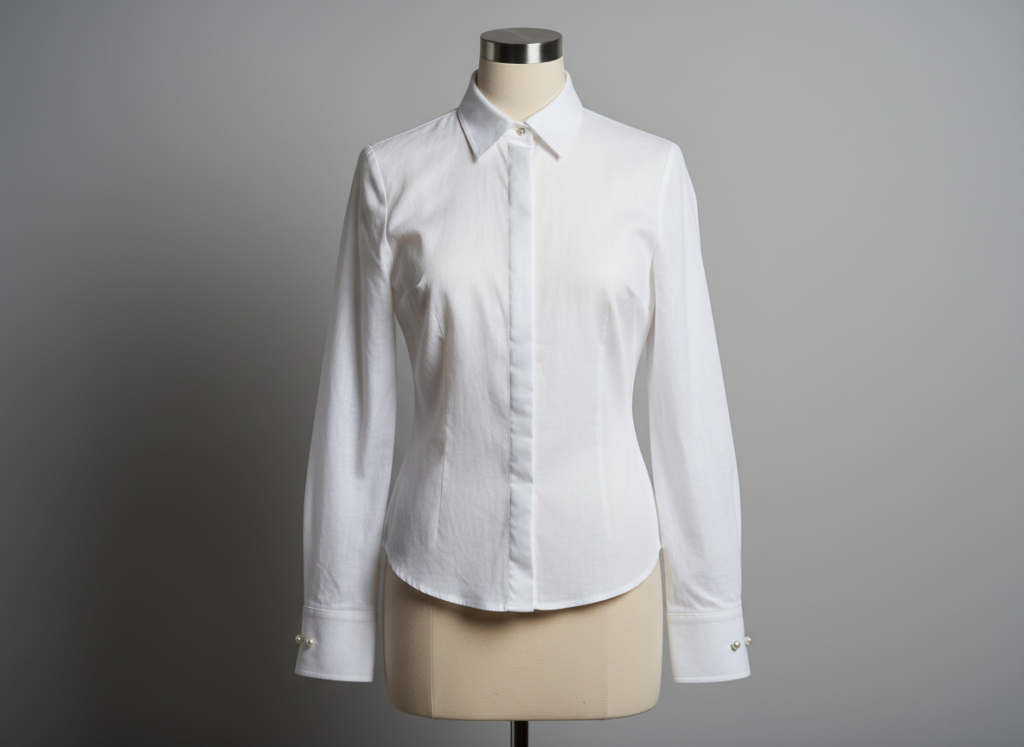
Blouse sewing patterns offer more structure and detail than casual tops. These designs introduce techniques like collars, button plackets, and sleeve cuffs. While slightly more complex, blouse patterns create professional pieces suitable for work or special occasions.
Free blouse sewing patterns range from simple pullover styles to fully tailored button-front designs. Start with easier versions featuring elastic necklines or simple collars before progressing to complex construction. Each project builds skills that serve you throughout your sewing life.
Peter Pan Collar Blouse
Peter Pan collar blouses bring sweet, vintage charm to modern wardrobes. The rounded collar adds a feminine touch to otherwise simple designs. This pattern teaches collar construction, a fundamental skill for many garment types.
Most patterns feature a basic bodice with set-in sleeves and a back button closure or zipper. The collar attaches to the neckline using facing techniques. Choose lightweight cotton, cotton lawn, or linen for the body. Use the same fabric or contrast fabric for the collar to create different looks.
Peasant-Style Blouse Pattern
Peasant blouses feature gathered or elasticated necklines that can be worn on or off the shoulder. The relaxed fit forgives fitting challenges while the gathered details add visual interest. These patterns work wonderfully in both solid and printed fabrics.
Construction typically includes elasticated channels at the neckline and sleeve hems. Some versions add ruffle details at the neckline, sleeves, or hem for extra romance. The loose silhouette makes these blouses perfect for layering or wearing alone in warm weather.
Peplum Blouse Pattern
Peplum blouses feature a flared ruffle or extension at the waist that creates a flattering silhouette. The fitted bodice transitions to the peplum, emphasizing the waist while adding volume at the hips. This style suits many body types beautifully.
Pattern construction includes a fitted upper section with darts or princess seams for shaping. The peplum attaches at the natural waist or slightly above. Length and fullness vary by pattern, from subtle to dramatic. Choose medium-weight woven fabrics that hold the peplum shape without being too stiff.
Unique Top Sewing Pattern Styles to Try
Beyond classic styles, free patterns offer opportunities to create truly unique pieces. These special designs let you express creativity while developing advanced sewing skills. Each pattern introduces new techniques and construction methods.
Ruffle-Front Top Pattern
Ruffle details transform simple tops into statement pieces. Vertical ruffle fronts create visual interest and movement. These designs teach you how to gather fabric evenly and attach ruffles for professional results.
Construction varies from single center-front ruffles to multiple cascading tiers. Some patterns feature ruffle sleeves instead of or in addition to body ruffles. Choose lightweight fabrics that gather beautifully. Cotton lawn, rayon challis, and silk work wonderfully for dramatic ruffle effects.
The gathered details require patience but create impressive results. Mark ruffle attachment points carefully. Use long basting stitches to create even gathers before permanently attaching ruffles. Press carefully to avoid flattening the dimensional details.
High-Low Hem Top Pattern
High-low hems add modern edge to basic top patterns. The front hem hits at hip level while the back extends longer, creating visual interest and flattering proportions. This style works especially well for casual tops and tunics.
Pattern pieces include shaped hemlines rather than straight cuts. Pay attention to side seam matching to ensure the hem curves smoothly. The longer back provides modest coverage while the shorter front maintains a balanced silhouette. Experiment with different length variations to find your favorite proportion.
Cold Shoulder Top Pattern
Cold shoulder designs feature cutouts at the shoulders while maintaining sleeve coverage. This trendy style offers a fresh take on basic tops. The shoulder openings can be small peekaboo details or larger dramatic cutouts depending on the pattern.
Construction requires careful measurement and stabilization of the shoulder openings. Many patterns use facing or binding to finish the cutout edges cleanly. The combination of coverage and skin creates an interesting visual balance perfect for transitional weather.
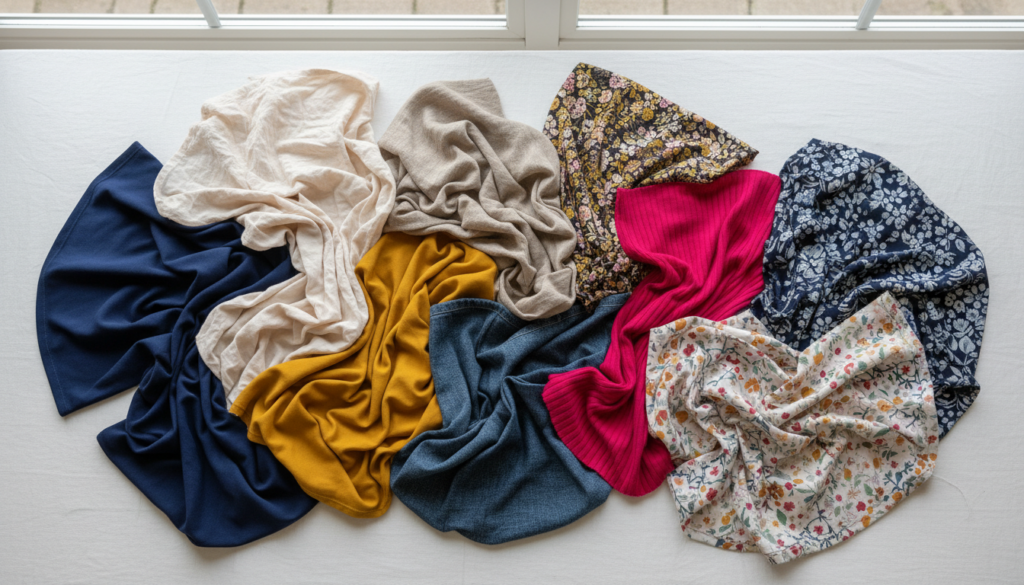
Fabric choice dramatically impacts your finished top’s appearance and wearability. Understanding different fabric types helps you select materials that work with your pattern and skill level. The right fabric makes construction easier and results more professional.
Woven Fabrics for Structured Tops
Woven fabrics create crisp, tailored looks perfect for blouses and structured tops. Cotton, linen, and cotton lawn remain popular choices for their breathability and ease of care. These fabrics don’t stretch, requiring proper fitting and closures like buttons or zippers.
Lightweight wovens work best for gathered or draped styles. Medium-weight options suit tailored blouses and button-front designs. Consider the fabric weight recommended in your pattern instructions. Too-heavy fabric creates bulk, while too-light fabric may not provide enough structure.
Knit Fabrics for Comfortable Tops
Knit fabrics stretch, making them forgiving for beginners and comfortable for everyday wear. Jersey, interlock, and French terry offer different weights and stretch percentages. Always check your pattern’s recommended stretch percentage before purchasing knit fabrics.
The stretch direction matters when cutting knit patterns. Most tops use the greatest stretch going around the body horizontally. Mark the stretch direction on your pattern pieces before cutting. Use ballpoint or stretch needles in your machine to prevent skipped stitches.
Recommended Fabrics for Beginners
Cotton quilting cotton for structure
Cotton jersey for knit tops
Linen for casual summer styles
Cotton lawn for lightweight blouses
Chambray for versatile options
Fabrics to Avoid as Beginner
Slippery satins and silks
Very stretchy performance knits
Delicate laces or sheers
Heavy upholstery-weight fabrics
Directional prints requiring matching
Specialty Fabrics for Unique Effects
Once you master basic construction, experiment with specialty fabrics. Eyelet cotton adds romantic details. Chambray creates casual sophistication. Double gauze offers lightweight comfort perfect for summer. Each fabric type introduces new handling techniques.
Pre-wash all fabrics before cutting to prevent shrinkage in finished garments. Press fabrics smooth before pattern layout. Take time to understand how each fabric behaves. Some require special needles, thread types, or pressing techniques for best results.
Essential Tips for Successful Top Construction
Success in sewing comes from understanding techniques beyond basic stitching. These tips help you achieve professional results with any top sewing pattern. Apply these methods consistently to see dramatic improvement in your finished garments.
Proper Pressing Techniques
Pressing makes the difference between homemade and handmade. Press seams after sewing and before crossing with another seam. Use appropriate heat settings for your fabric type. Steam helps set seams in woven fabrics but can distort some knits.
Press seams flat as sewn first, then press them open or to one side as the pattern directs. Use a pressing cloth for delicate fabrics to prevent shine or scorching. Keep your iron clean to avoid transferring marks to your fabric.
Seam Finishing Methods
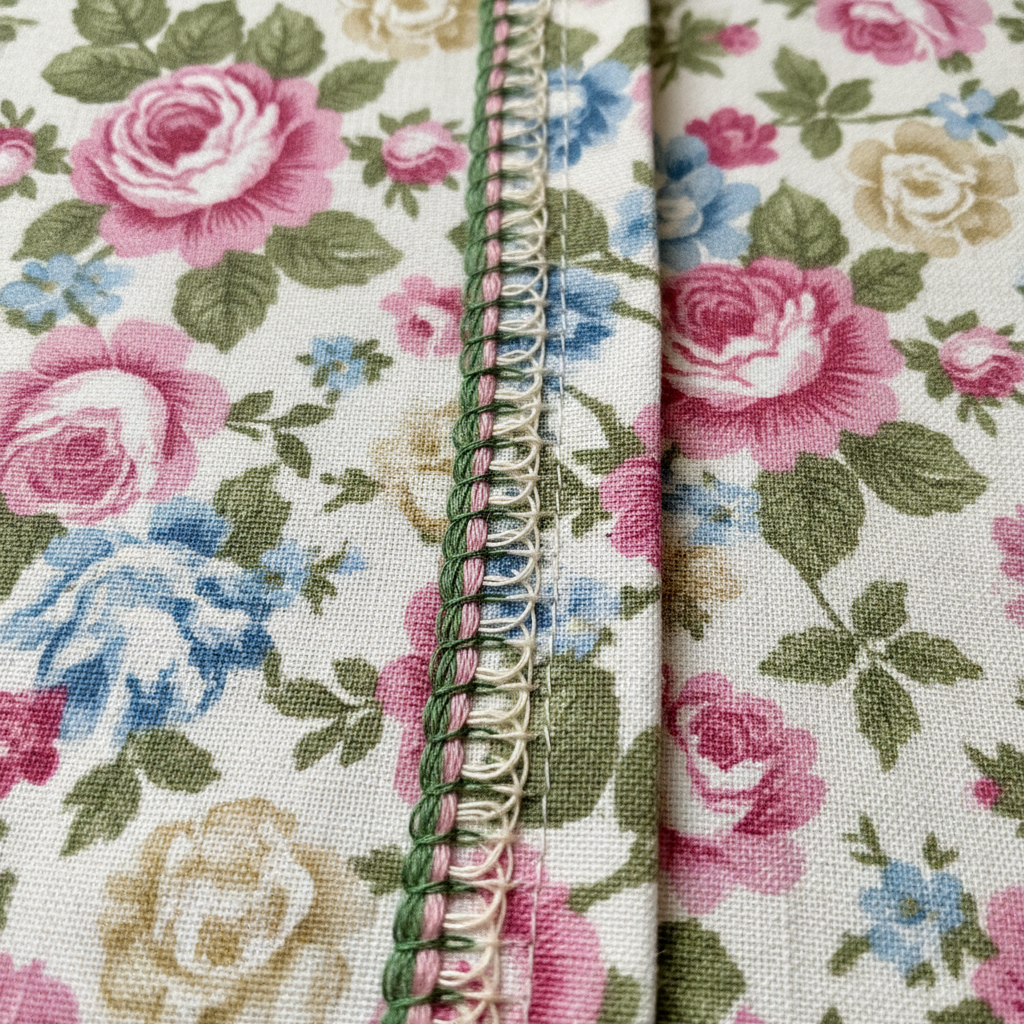
Finishing seam allowances prevents fraying and extends garment life. Options include serging, zigzag stitching, pinking, or binding edges. The method you choose depends on fabric type and available equipment.
For woven fabrics that fray easily, finish edges before or immediately after sewing seams. Knit fabrics typically don’t require edge finishing but serging creates a professional look. French seams work beautifully for lightweight wovens, enclosing raw edges completely.
Achieving Perfect Fit
Taking accurate measurements ensures better fit from the start. Measure over appropriate undergarments wearing the same foundation you’ll wear with the finished top. Compare your measurements to the pattern size chart, choosing the size closest to your largest measurement.
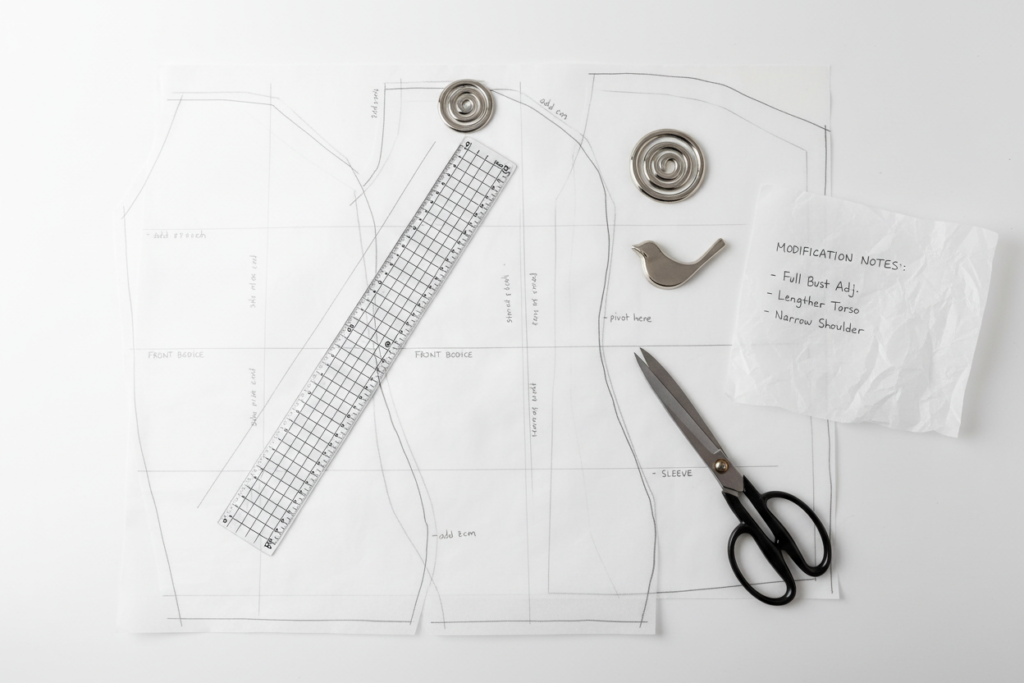
Make a muslin or test garment from inexpensive fabric first for complex patterns. This practice garment reveals fitting issues before cutting good fabric. Mark necessary adjustments on the muslin, then transfer changes to your pattern pieces.
Common adjustments include lengthening or shortening at designated lengthen-shorten lines, adding width through side seams, or adjusting shoulder width. Small changes make significant differences in comfort and appearance. Take time to fit properly for the best results.
Neckline and Armhole Finishing
Clean neckline and armhole finishes elevate homemade tops to professional quality. Methods include facings, bias bindings, or self-fabric bands. Each technique suits different style and fabric combinations.
Facings work well for woven fabrics and structured designs. Interface facings for stability and crisp edges. Understitch facings to prevent them from rolling to the garment’s right side. Press thoroughly for flat, professional finishes.
Bias binding creates decorative edges while finishing raw edges. Stretch bias binding around curves smoothly. Stitch carefully to catch both binding edges in one pass. This technique works beautifully for both woven and knit fabrics.
Simple Pattern Modifications for Custom Styles
One pattern can create multiple unique tops through simple modifications. Learning basic pattern alteration opens endless creative possibilities. Start with small changes and build confidence before attempting major modifications.
Changing Sleeve Lengths
Sleeve length modifications rank among the easiest pattern changes. Shorten sleeves by folding out excess length at the lengthen-shorten line marked on most patterns. Lengthen by cutting the pattern at this line and spreading the pieces, adding paper to fill the gap.
Maintain the original sleeve cap shape when adjusting length. Changes happen in the straight section below the cap curve. Add or remove the same amount from both sleeve pieces if your pattern includes separate upper and under sleeves.
Adjusting Necklines
Neckline shape dramatically changes a top’s appearance. Lower necklines by drawing a new cutting line parallel to the original. Raise necklines by adding to the pattern piece. Remember to adjust facings or bindings to match neckline changes.
Change neckline shapes from crew to V-neck by drawing a new center-front line angling down from the shoulder seam. Scoop necklines become boat necks by extending the curve toward the shoulders. Test modifications on scrap fabric first.
Adding Length or Width
Lengthen tops by adding to the bottom hem edge. Draw a new hemline parallel to the original at your desired length. For cropped tops, shorten by measuring up from the original hem and drawing a new cutting line.
Add width by slashing the pattern vertically from hem to shoulder, spreading the pieces, and adding paper. Maintain original proportions by spreading multiple vertical lines equally. This method works for adding ease without changing the overall design.
Common Top Sewing Challenges and Solutions
Every sewer encounters challenges regardless of experience level. Understanding common issues and their solutions prevents frustration. Most problems have simple fixes that become second nature with practice.
Gaping Necklines
Necklines that gap or pull away from the body indicate fitting issues. This problem often occurs when shoulders are too wide or the neckline is too large. Reduce neckline width by taking in shoulder seams slightly or adding a dart at the center back.
For immediate fixes, add small safety pins at strategic points to pull excess fabric to the inside. For permanent solutions, adjust the pattern by narrowing the neckline opening. Interface necklines in knit fabrics to prevent stretching during wear.
Twisted Side Seams
Side seams that twist toward the front or back result from uneven tension during sewing or grain-line issues. Ensure pattern pieces are cut on the correct grain before sewing. Pin carefully, matching notches exactly.
Distribute ease evenly when sewing seams with slight differences in length between front and back pieces. Use more pins in problem areas. Sew slowly, keeping fabric aligned as it moves under the presser foot. Press seams immediately to set stitches in the correct position.
Sleeves That Pull or Bind
Tight or uncomfortable sleeves often indicate insufficient ease or incorrect sleeve cap height. Ensure you’ve cut the correct pattern size for your upper arm measurement. Some patterns run small in sleeve width.
Add ease by splitting the sleeve pattern vertically and spreading to add width. Maintain the original sleeve cap shape to ensure proper fit in the armhole. Test fit before permanently stitching sleeves into the armhole.
Where to Find More Free Sewing Patterns Tops
The internet offers abundant free sewing patterns tops from generous designers and sewing communities. Many blogs, pattern companies, and fabric retailers share free patterns to support the sewing community. Building your pattern library costs nothing but time spent searching.
Sewing Blogs and Magazines
Sewing blogs regularly release free patterns as tutorials or gifts to readers. Peppermint Magazine shares seasonal patterns featuring modern designs. Many independent designers offer simplified versions of their paid patterns free to introduce their style.
Blog patterns often include detailed photo tutorials showing each construction step. This format helps beginners visualize techniques more easily than text instructions alone. Bookmark favorite blogs and check regularly for new releases.
Fabric Retailer Free Patterns
Fabric companies like Mood Fabrics create free patterns to inspire fabric purchases. These patterns showcase their fabric collections while providing value to customers. The designs typically range from simple to intermediate complexity with clear instructions.
Retailer patterns often suggest specific fabric types and amounts from their inventory. Use these recommendations as guidelines even when purchasing fabric elsewhere. The suggested fabrics demonstrate what works well with each design.
Pattern Company Promotions
Established pattern companies occasionally offer free patterns as promotions. These professional-grade patterns include full-size pattern sheets and comprehensive instructions. Sign up for pattern company newsletters to receive notifications about free pattern releases.
Free promotional patterns introduce new sewers to the company’s style and pattern format. Quality matches their paid patterns, making these releases valuable additions to your collection. Download promptly as free offers often expire after limited time periods.
Start Your Top Sewing Journey Today
Creating your own tops transforms your relationship with clothing. Each garment you sew builds skills while adding unique pieces to your wardrobe. Free sewing patterns tops remove financial barriers, making this creative journey accessible to everyone.
Start with simple patterns matching your current skill level. Progress naturally to more complex designs as confidence grows. Remember that every expert sewer started exactly where you are now. Mistakes teach valuable lessons that improve future projects.
The sewing community welcomes beginners enthusiastically. Online forums, social media groups, and local sewing circles provide support and inspiration. Share your projects, ask questions, and celebrate progress with others who understand the creative process.
Gather your supplies, choose a pattern that excites you, and begin. Your first handmade top might not be perfect, but it represents the beginning of a rewarding creative practice. Each stitch brings you closer to the wardrobe you envision.
Take Your Sewing Skills to Professional Level
You’ve discovered amazing free patterns – now master the techniques that make them shine. Get comprehensive guidance on advanced fitting, professional finishing, fabric selection secrets, and designer techniques. Transform your sewing from hobby to art with expert instruction designed specifically for home sewers ready to level up.
The journey from beginner to confident sewer happens one project at a time. Embrace the learning process and enjoy creating wearable art. Your handmade wardrobe awaits, limited only by imagination and the time you invest in this fulfilling craft.