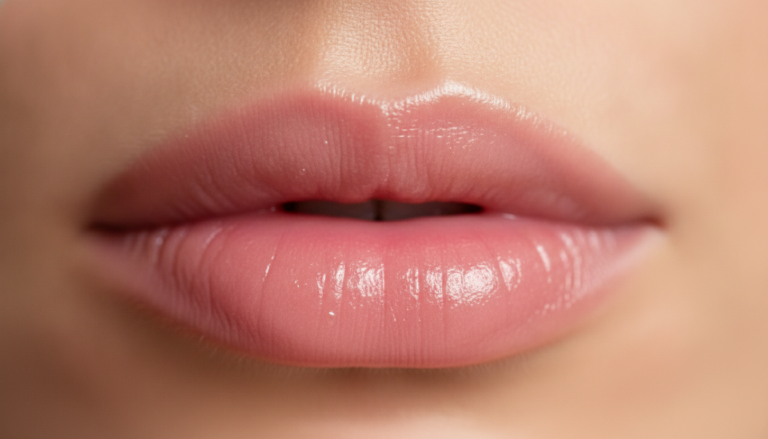
Your teenage years bring exciting changes. Your body transforms in amazing ways. But these changes also affect your skin in ways you might not expect.
Hormones surge through your body during puberty. This surge triggers increased oil production in your pores. The result? Acne breakouts, shiny skin, and frustrating blemishes that seem to appear overnight.
You are not alone in this journey. Every teen experiences skin challenges at some point. The good news is that establishing a proper skincare routine now creates habits that benefit you for life.
This guide walks you through everything you need to know about teen skin. You will discover simple routines that work. You will learn which products actually help and which ones waste your money. Most importantly, you will understand how to care for your unique skin type.
Start Your Clear Skin Journey Today
Discover the complete teenage skincare system trusted by dermatologists. This comprehensive guide shows you exactly what products to use, when to use them, and how to build habits that create lasting results for your teen skin.
Teen skin differs significantly from adult skin. Hormonal changes during adolescence trigger your sebaceous glands to produce more oil. This excess production serves a biological purpose, but it often leads to clogged pores and acne.
Your skin cells turn over faster during your teenage years. Dead skin cells accumulate on the surface more quickly. When these cells mix with excess oil, they create the perfect environment for bacteria to thrive.
Understanding these changes helps you choose the right products. Your skin needs gentle care that addresses oil production without stripping away essential moisture. Balance becomes the key to maintaining healthy teen skin.
The Hormone Factor
Androgens represent the primary hormones responsible for teenage skin changes. These hormones increase during puberty in both boys and girls. They stimulate your oil glands to produce more sebum than necessary.
This overproduction creates several challenges. Your pores expand to accommodate the extra oil. Bacteria multiply in the oily environment. Inflammation develops when your immune system fights these bacteria.
The cycle continues unless you intervene with proper care. A consistent skincare routine helps regulate oil production. The right products support your skin’s natural balance without causing additional irritation.
Common Teen Skin Types
Most teenagers fall into one of four categories. Oily skin produces excess sebum throughout the day. Combination skin shows oiliness in the T-zone while other areas remain normal. Dry skin lacks sufficient oil production and feels tight. Sensitive skin reacts easily to products and environmental factors.
Your skin type determines which products work best for you. Oily skin benefits from lightweight, oil-free formulas. Combination skin requires targeted treatment in different zones. Dry skin needs rich, hydrating products. Sensitive skin demands gentle, fragrance-free options.
Building Your Basic Skincare Routine
A solid skincare routine consists of three essential steps. Cleansing removes dirt, oil, and bacteria from your face. Treating addresses specific concerns like acne or excess oil. Moisturizing keeps your skin hydrated and balanced.
Consistency matters more than complexity. Performing these three steps twice per day yields better results than using ten products sporadically. Morning and evening routines protect your skin throughout the day and repair it overnight.
Step One: Cleansing Your Face
Washing your face removes accumulated oil and dead skin cells. Choose a gentle cleanser designed for your skin type. Harsh soaps strip away natural oils and trigger your glands to produce even more oil.
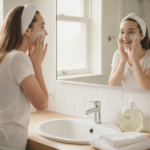
Wet your face with lukewarm water first. Hot water damages your skin barrier. Apply a small amount of cleanser to your fingertips. Massage it onto your face in circular motions for 30 seconds.
Rinse thoroughly with cool water. Pat your face dry with a clean towel. Never scrub harshly or use rough washcloths. Gentle treatment prevents irritation and inflammation.
Wash your face twice per day maximum. Over-cleansing strips your skin and causes rebound oil production. Morning and night provide sufficient cleansing for most teens.
The Perfect Cleanser System
This dermatologist-approved cleansing system removes oil and bacteria without stripping your skin. Formulated specifically for teen skin, it balances oil production while keeping your face fresh every day.
Step Two: Treating Problem Areas
Acne treatment products target bacteria and reduce inflammation. Look for ingredients like benzoyl peroxide or salicylic acid. These compounds penetrate your pores and eliminate acne-causing bacteria.
Start with lower concentrations to test your skin’s tolerance. A 2.5% benzoyl peroxide formula works as effectively as higher strengths with less irritation. Apply treatment only to affected areas, not your entire face.
Wait a few minutes after cleansing before applying treatment. This pause allows your skin to dry completely. Wet skin absorbs products too quickly and may experience increased irritation.
Give treatments time to work. Most acne products require four to six weeks to show visible results. Patience prevents the temptation to try multiple products simultaneously.
Step Three: Moisturizing Properly
Every skin type needs moisture, even oily skin. Skipping moisturizer signals your glands to produce more oil. The right moisturizer maintains your skin’s natural barrier and prevents dehydration.
Choose oil-free, non-comedogenic formulas for oily skin. These products hydrate without clogging your pores. Gel-based moisturizers absorb quickly and feel lightweight on your face.
Apply moisturizer while your skin remains slightly damp. This technique locks in hydration more effectively. Use gentle upward strokes to spread the product evenly across your face and neck.
Morning moisturizers should contain SPF protection. Sun damage accumulates over time and accelerates aging. Daily sun protection prevents future skin problems and maintains an even complexion.
Managing Teenage Acne Effectively
Acne affects nearly 85% of teenagers at some point. Understanding the causes helps you fight breakouts more effectively. Four factors contribute to acne development: excess oil production, clogged pores, bacteria, and inflammation.
Pimples form when dead skin cells and oil combine inside your pores. This mixture creates a plug that traps bacteria underneath. Your immune system responds to the bacteria, causing redness and swelling.
Types of Acne Blemishes
Blackheads appear as small dark spots on your skin. These open comedones contain oxidized oil and dead skin cells. Whiteheads form when pores close over the trapped debris. These closed comedones appear as small white bumps.
Papules represent inflamed blemishes without pus. These red bumps feel tender to the touch. Pustules contain visible pus and appear as white centers surrounded by red inflammation.
Nodules develop deeper in the skin and feel firm under the surface. Cysts represent the most severe acne type. These large, painful lumps contain pus and can cause scarring.
Mild to moderate acne responds well to over-the-counter treatments. Severe acne requires professional dermatological care. Never hesitate to seek expert help if your acne causes pain or scarring.
Effective Acne Treatment Ingredients
Benzoyl peroxide kills bacteria and reduces inflammation. It works quickly but may cause dryness initially. Start with a 2.5% concentration and increase gradually if needed.
Salicylic acid dissolves the oil and dead skin cells clogging your pores. This beta hydroxy acid penetrates deep into pores. Use it for blackheads and whiteheads.
Retinoids increase cell turnover and prevent clogged pores. These vitamin A derivatives require a prescription in stronger forms. Over-the-counter retinol provides gentler results for teen skin.
Niacinamide reduces inflammation and regulates oil production. This vitamin B3 derivative works well for sensitive skin. It causes minimal irritation while delivering impressive results.
Clear Acne Fast With Proven Solutions
Stop struggling with stubborn breakouts. This complete acne treatment system combines powerful ingredients that target bacteria, reduce inflammation, and prevent future breakouts. Thousands of teens have achieved clear skin using this dermatologist-recommended approach.
Never pick, squeeze, or pop your pimples. This habit pushes bacteria deeper into your skin. It also increases inflammation and raises the risk of permanent scarring.
Avoid touching your face throughout the day. Your hands carry bacteria and oil that transfer to your skin. This constant contact introduces new bacteria to your pores.
Stop using harsh scrubs or exfoliants on active acne. These products irritate inflamed skin and spread bacteria. Gentle care promotes faster healing than aggressive scrubbing.
Do not layer multiple acne treatments simultaneously. This approach dries out your skin and causes severe irritation. Stick to one treatment at a time for at least six weeks.
Controlling Oily Skin Throughout the Day
Oily skin produces excess sebum that makes your face look shiny. This condition feels frustrating but serves an important purpose. Oil protects your skin from environmental damage and keeps it hydrated.
The challenge lies in managing oil production without completely eliminating it. Stripping all oil from your face triggers rebound production. Your glands compensate by creating even more oil than before.
Why Your Skin Gets Oily
Genetics play a significant role in oil production levels. If your parents had oily skin, you likely inherited this trait. Hormonal fluctuations during puberty amplify this genetic predisposition.
Environmental factors also contribute to oiliness. Hot, humid weather increases sebum production. Stress raises cortisol levels, which stimulates oil glands. Poor diet choices may worsen the condition.
Using the wrong products makes oily skin worse. Heavy, oil-based moisturizers clog your pores. Harsh cleansers strip your skin and trigger excess production. Finding the right balance takes experimentation.
Best Practices for Oily Skin
Use a gel-based or foaming cleanser twice per day. These formulas remove excess oil without over-drying. Look for labels that say “oil-free” or “for oily skin.”
Apply a lightweight, water-based moisturizer every day. Your oily skin still needs hydration to function properly. Skipping this step causes your glands to overproduce oil.
Keep blotting papers in your bag for midday touch-ups. These papers absorb excess oil without disturbing your skincare routine. Press gently on shiny areas rather than rubbing.
Wash your pillowcase at least once per week. Oil and bacteria accumulate on fabric during sleep. Clean bedding prevents transferring this buildup back to your face.
Oil Control Tips
These simple habits help regulate your skin’s oil production naturally throughout the day.
Cleanse twice daily with lukewarm water
Choose non-comedogenic makeup and skincare
Use blotting papers instead of washing
Apply clay masks once per week
Drink plenty of water every day
Products to Avoid
Stay away from these items that can make your oily skin condition significantly worse.
Heavy, oil-based moisturizers and creams
Alcohol-based toners that strip skin
Thick, creamy makeup foundations
Harsh physical scrubs with rough particles
Products containing mineral oil or petroleum
Lifestyle Adjustments
Your daily habits impact oil production more than you realize.
Manage stress through exercise or meditation
Get seven to nine hours of sleep
Limit dairy and high-glycemic foods
Keep hands away from your face
Stay hydrated with water, not sugary drinks
When to See a Dermatologist
Professional help becomes necessary when home care is not working effectively.
Excessive oil despite proper routine
Acne that does not improve in two months
Painful cystic acne development
Scarring from previous breakouts
Skin conditions affecting self-esteem
Master Your Oily Skin Control
Say goodbye to constant shine and enlarged pores. This specialized oil control system balances your skin’s natural production without causing dryness. Get the matte, smooth complexion you have been wanting.
Hydration differs from moisture, though both matter for healthy skin. Hydration refers to water content in your skin cells. Moisture relates to the oil and lipids that prevent water loss.
Your skin needs both water and oil to function optimally. Dehydrated skin looks dull and feels tight. It may produce excess oil trying to compensate for water loss.
Signs of Dehydrated Skin
Dryness and flakiness indicate insufficient hydration. Your skin may feel tight after washing. Fine lines appear more prominent when skin lacks water.
Increased sensitivity suggests a compromised skin barrier. Dehydrated skin reacts more strongly to products. Redness and irritation develop more easily.
Dark circles under your eyes darken when you are dehydrated. Your skin loses its natural plumpness and elasticity. These signs indicate your body needs more water.
Hydrating From Inside and Out
Drink at least eight glasses of water per day. This amount supports your skin’s hydration needs. More water may be necessary during exercise or hot weather.
Eat water-rich foods like cucumbers, watermelon, and oranges. These foods contribute to your overall hydration. They also provide vitamins that support skin health.
Use a hydrating serum before your moisturizer. Serums contain concentrated ingredients that penetrate deeply. Hyaluronic acid attracts and holds water in your skin.
Apply moisturizer to damp skin for maximum absorption. This technique traps water in your skin cells. Your face should feel soft and supple, not greasy.
Best Ingredients for Hydration
Hyaluronic acid holds up to 1000 times its weight in water. This powerful humectant draws moisture from the air. It plumps your skin and reduces the appearance of fine lines.
Glycerin attracts water to your skin’s surface. This ingredient appears in many moisturizers. It provides lightweight hydration without feeling heavy.
Ceramides strengthen your skin’s natural barrier. These lipids prevent water loss throughout the day. They help your skin retain the hydration you provide.
Niacinamide improves your skin’s ability to retain moisture. This versatile ingredient also reduces inflammation. It works well for all skin types, including sensitive skin.
Ultimate Hydration System
Transform dry, dull skin into a radiant, healthy complexion. This complete hydration system delivers deep moisture that lasts all day while strengthening your skin’s natural protective barrier.
Protecting Your Skin From Sun Damage
Sun protection represents the most important anti-aging step you can take. UV rays damage your skin cells and accelerate aging. This damage accumulates over your lifetime, starting in your teenage years.
Many teens skip sunscreen because they do not see immediate effects. Sun damage remains invisible for years before appearing as wrinkles and dark spots. Protection now prevents problems decades later.
Understanding UV Radiation
Two types of UV rays affect your skin differently. UVA rays penetrate deep into your skin and cause premature aging. They remain constant throughout the year, even on cloudy days.
UVB rays cause sunburn and directly damage your skin’s surface. These rays vary in intensity based on season and time of day. Both types contribute to skin cancer risk.
Your skin produces melanin to protect against UV damage. This pigment darkens your skin, creating a tan. However, any tan indicates skin damage has already occurred.
Choosing the Right Sunscreen
Select a broad-spectrum sunscreen with SPF 30 or higher. Broad-spectrum formulas protect against both UVA and UVB rays. SPF 30 blocks approximately 97% of UVB radiation.
Physical sunscreens contain zinc oxide or titanium dioxide. These minerals sit on your skin’s surface and reflect UV rays. They work immediately upon application.
Chemical sunscreens absorb UV radiation and convert it to heat. These formulas feel lighter on your skin. They require 20 minutes to become effective after application.
Choose a formula designed for facial skin. Body sunscreens may feel too heavy for your face. Look for oil-free options if you have oily or acne-prone skin.
How to Apply Sunscreen Correctly
Use approximately one ounce for your entire body. For your face alone, apply about a nickel-sized amount. Most people use far less than necessary for adequate protection.
Apply sunscreen 15 to 30 minutes before sun exposure. This timing allows the product to bind to your skin. Reapply every two hours when spending time outdoors.
Reapply immediately after swimming or sweating heavily. Water-resistant formulas last 40 to 80 minutes in water. No sunscreen remains completely waterproof.
Do not forget often-missed areas like your ears, neck, and hands. These spots receive significant sun exposure. Apply sunscreen every day, even when it is cloudy.
Benefits of Daily SPF
Prevents premature aging and wrinkles
Reduces skin cancer risk significantly
Prevents dark spots and hyperpigmentation
Maintains even skin tone and texture
Protects against environmental damage
Helps acne treatments work more effectively
Common SPF Mistakes
Applying too little product for coverage
Skipping sunscreen on cloudy days
Forgetting to reapply throughout day
Missing ears, neck, and other areas
Using expired sunscreen products
Relying only on makeup SPF
Shield Your Skin With Perfect Sun Protection
Get lightweight, non-greasy sunscreen lotion SPF protection designed specifically for teen skin. This advanced formula prevents sun damage while feeling invisible on your face. Protect your skin today for beautiful skin tomorrow.
Learning what not to do proves just as important as knowing the right steps. Many teens unknowingly sabotage their skincare efforts. Avoiding these common mistakes accelerates your progress toward clear skin.
Over-Washing Your Face
Washing your face too frequently strips away natural oils. Your skin responds by producing even more oil. This cycle worsens acne and oiliness instead of improving it.
Stick to cleansing twice per day maximum. Morning and evening washes provide sufficient cleaning. Additional washing throughout the day disrupts your skin’s natural balance.
Using Too Many Products at Once
Starting multiple new products simultaneously makes identifying what works impossible. If you experience a reaction, you cannot determine which product caused it. Your skin also becomes overwhelmed by too many active ingredients.
Introduce one new product at a time. Wait two weeks before adding another item. This patient approach reveals what truly benefits your skin.
Skipping Moisturizer
Many teens with oily skin skip moisturizer entirely. This mistake triggers your skin to produce more oil. Every skin type needs hydration to function properly.
Choose an oil-free, lightweight moisturizer for oily skin. Gel formulas absorb quickly without leaving residue. Your skin will balance its oil production over time.
Picking and Popping Pimples
Squeezing pimples pushes bacteria deeper into your skin. This action increases inflammation and prolongs healing time. Picking also creates permanent scars that last long after acne clears.
Use spot treatments instead of your fingers. Apply benzoyl peroxide or salicylic acid directly to blemishes. Cover the area with a small bandage if needed to prevent touching.
Using Dirty Makeup Brushes and Towels
Bacteria accumulate on makeup brushes, towels, and pillowcases. Reusing these items transfers bacteria back to your face. This contamination causes new breakouts and infections.
Wash your face towel after every use. Clean makeup brushes at least once per week. Change your pillowcase twice weekly to prevent bacterial buildup.
Expecting Overnight Results
Skincare products require consistent use over several weeks. Most treatments need four to six weeks to show visible improvement. Impatience leads to product hopping that prevents progress.
Take photos to track your progress accurately. Your perception changes daily, making improvement hard to notice. Comparing photos from week to week shows real results.
Important reminder: Consistency beats perfection in skincare. Following a simple routine every day produces better results than using expensive products sporadically. Your skin responds to regular care, not occasional intensive treatments.
How Diet and Lifestyle Impact Your Skin
Your skincare routine represents only part of the equation. What you eat, how much you sleep, and your stress levels all affect your skin. Internal health manifests externally on your face.
Foods That Help Your Skin
Omega-3 fatty acids reduce inflammation throughout your body. Find these healthy fats in salmon, walnuts, and flaxseeds. They help calm acne and support your skin’s barrier function.
Antioxidant-rich foods protect your skin from damage. Berries, dark leafy greens, and colorful vegetables contain powerful antioxidants. These compounds neutralize free radicals that age your skin.
Vitamin C supports collagen production and brightens your complexion. Citrus fruits, bell peppers, and strawberries provide abundant vitamin C. This nutrient helps your skin heal and stay firm.
Zinc fights bacteria and reduces inflammation. Pumpkin seeds, chickpeas, and lean meat contain high zinc levels. This mineral particularly benefits acne-prone skin.
Foods That May Worsen Acne
High-glycemic foods spike your blood sugar quickly. White bread, sugary snacks, and soda fall into this category. These spikes trigger hormonal changes that increase oil production.
Dairy products may contribute to acne in some people. Milk contains hormones that can stimulate your oil glands. Try reducing dairy intake for a month to see if your skin improves.
Excessive salt leads to water retention and puffiness. Processed foods often contain hidden salt. Choose fresh, whole foods whenever possible for clearer skin.
The Importance of Sleep
Your skin repairs itself during sleep. Cell regeneration peaks between 11 PM and midnight. Missing these crucial hours disrupts this natural healing process.
Aim for seven to nine hours of sleep every night. Consistent sleep schedules support your skin’s circadian rhythm. Your complexion appears brighter and clearer with adequate rest.
Poor sleep increases cortisol levels in your body. This stress hormone triggers inflammation and oil production. Quality sleep helps regulate these hormones naturally.
Managing Stress for Better Skin
Stress hormones directly impact your skin’s condition. Cortisol increases oil production and weakens your immune system. This combination creates perfect conditions for breakouts.
Find healthy stress-relief methods that work for you. Exercise, meditation, or creative hobbies all reduce stress effectively. Even ten minutes of daily relaxation benefits your skin.
Deep breathing exercises calm your nervous system immediately. Practice breathing in for four counts and out for six counts. This simple technique lowers cortisol levels quickly.
Exercise and Skin Health
Physical activity increases blood flow to your skin. This circulation delivers oxygen and nutrients to skin cells. Exercise also helps flush out toxins through sweat.
Always cleanse your face after working out. Sweat and bacteria sitting on your skin clog pores. Shower within 30 minutes of finishing exercise.
Wash your hair regularly if you exercise frequently. Hair oil and sweat drip onto your face during workouts. This transfer can trigger forehead and hairline breakouts.
Building Healthy Skincare Habits That Last
Consistency transforms skincare from a chore into a healthy habit. Establishing routines during your teenage years creates patterns that benefit you for life. These habits become automatic with practice and patience.
Creating Your Morning Routine
Morning skincare prepares your face for the day ahead. Start by splashing your face with lukewarm water. This gentle wake-up removes oil that accumulated overnight.
Apply your cleanser in circular motions for 30 seconds. Rinse thoroughly and pat dry with a clean towel. Move quickly to the next step while your skin remains slightly damp.
Apply any acne treatment to problem areas only. Wait two minutes for absorption. Follow with a lightweight moisturizer containing SPF 30 or higher.
Your entire morning routine should take five minutes maximum. Keep it simple to maintain consistency. Complicated routines become abandoned routines.
Establishing Your Evening Routine
Nighttime skincare removes the day’s buildup and supports repair. Wash your face as soon as possible after arriving home. This prevents makeup and oil from sitting on your skin for hours.
Use your cleanser for a full 60 seconds in the evening. Your face accumulates more debris during the day. Extra cleansing time ensures thorough removal.
Apply treatments after cleansing on completely dry skin. Your skin absorbs products better when dry. Wait three to five minutes between treatment and moisturizer.
Use a slightly richer moisturizer at night if needed. Your skin repairs itself during sleep. Providing extra hydration supports this natural process.
Tracking Your Progress
Take photos in the same lighting every week. Use natural light near a window for consistency. These photos reveal improvements your mirror might miss.
Keep a simple skincare journal or use your phone’s notes. Record which products you use and how your skin responds. This information helps identify what works best.
Celebrate small victories along the way. Notice when your skin feels smoother or a pimple heals faster. These positive reinforcements strengthen your commitment to consistent care.
Adjusting Your Routine Seasonally
Your skin’s needs change with weather and seasons. Winter air dries out your skin more than summer humidity. Hot weather increases oil production and sweating.
Switch to a lighter moisturizer in summer months. Add a hydrating serum in winter for extra moisture. These small adjustments keep your skin balanced year-round.
Increase sunscreen application during summer activities. Apply body sunscreen along with your facial protection. Sun exposure affects all exposed skin, not just your face.
Most teenage skin concerns improve with consistent home care. However, certain situations require professional medical attention. Recognizing when to seek help prevents long-term damage and scarring.
Signs You Need Professional Help
Severe acne that does not respond to over-the-counter treatments needs dermatological care. Cystic acne, nodules, or widespread breakouts require prescription medication. These conditions can cause permanent scarring without proper treatment.
Painful acne that affects your daily life deserves medical attention. You should not have to suffer through constant discomfort. Dermatologists can provide relief quickly with appropriate treatments.
Skin conditions that impact your mental health require professional support. Acne and other skin issues can affect self-esteem significantly. Your dermatologist can address both physical and emotional aspects of skin concerns.
What to Expect at Your First Visit
Your dermatologist will examine your skin thoroughly. They may ask about your current routine and products. Be honest about everything you have tried previously.
Bring a list of all skincare products you currently use. Include supplements and medications as well. Some products and medications interact or affect skin conditions.
Prepare questions before your appointment. Write them down so you do not forget during the visit. Ask about treatment timelines and potential side effects.
Common Dermatological Treatments
Prescription retinoids offer stronger acne-fighting power than over-the-counter options. These medications increase cell turnover and prevent clogged pores. Results typically appear within three months of consistent use.
Oral antibiotics reduce acne-causing bacteria from the inside out. Dermatologists prescribe these for moderate to severe inflammatory acne. Treatment usually lasts three to six months.
Hormonal treatments help some teenage girls with persistent acne. Birth control pills regulate hormones that trigger breakouts. This option requires discussion with both dermatologist and primary care doctor.
Chemical peels performed in-office remove dead skin cells and unclog pores. These professional treatments provide deeper exfoliation than home products. Multiple sessions achieve the best results.
Insurance coverage tip: Many insurance plans cover dermatology visits for acne treatment. Check your coverage before scheduling. Some plans require a referral from your primary care physician first.
Understanding Skincare Product Ingredients
Reading ingredient labels helps you choose effective products. Understanding what ingredients do empowers better purchasing decisions. Not all products deliver what their marketing promises.
Active Ingredients to Look For
Salicylic acid penetrates oil-filled pores and dissolves buildup. This beta hydroxy acid works especially well for blackheads and whiteheads. Look for concentrations between 0.5% and 2% for daily use.
Benzoyl peroxide kills acne-causing bacteria effectively. It also reduces inflammation and excess oil. Start with 2.5% concentration to minimize irritation.
Niacinamide calms inflammation and regulates oil production. This versatile ingredient suits all skin types, including sensitive skin. Concentrations of 2% to 5% provide noticeable benefits.
Alpha hydroxy acids gently exfoliate the skin’s surface. Glycolic and lactic acid remove dead skin cells effectively. Use these at night and always wear sunscreen during the day.
Ingredients to Avoid
Alcohol-based ingredients dry out your skin excessively. Denatured alcohol, SD alcohol, and isopropyl alcohol strip natural oils. These ingredients appear near the beginning of ingredient lists.
Synthetic fragrances often irritate sensitive skin. Products listing “parfum” or “fragrance” may contain dozens of unlisted chemicals. Choose fragrance-free options when possible.
Harsh sulfates create excessive foam but strip your skin. Sodium lauryl sulfate and sodium laureth sulfate remove too much natural oil. Gentler cleansing agents work just as effectively.
Reading Labels Correctly
Ingredients appear in descending order by concentration. The first five ingredients make up the majority of the product. Focus on these key components when evaluating products.
Active ingredients must be listed with their concentrations. Check that effective amounts are present. Marketing claims mean nothing without proper ingredient levels.
Expiration dates matter for skincare products. Active ingredients lose effectiveness over time. Replace products after 12 months or according to package instructions.
Balancing Makeup and Skincare
Makeup does not have to sabotage your skincare efforts. Choosing the right products and techniques protects your skin. Clean application habits prevent clogged pores and breakouts.
Choosing Skin-Friendly Makeup
Non-comedogenic makeup will not clog your pores. Look for this label on all face products. Foundation, concealer, and powder should all be non-comedogenic.
Oil-free formulas work best for acne-prone skin. These products provide coverage without adding excess oil. Lightweight tinted moisturizers often suffice for teenage skin.
Mineral makeup provides natural coverage with fewer irritants. These products contain zinc oxide and titanium dioxide. They offer sun protection along with light coverage.
Replace makeup products regularly to prevent bacterial growth. Liquid products last three to six months. Powder products remain safe for up to two years.
Proper Makeup Application
Always start with clean skin and moisturizer. Allow your skincare to absorb for five minutes before applying makeup. This separation prevents products from pilling.
Use clean brushes and sponges for application. Dirty tools spread bacteria across your face. Wash brushes weekly with gentle soap and warm water.
Apply makeup with a light hand for natural results. Heavy coverage clogs pores and looks unnatural. Build coverage gradually where needed instead of applying thick layers.
Removing Makeup Completely
Never sleep in your makeup under any circumstances. Overnight makeup clogs pores and prevents skin repair. Keep makeup remover wipes by your bed for emergency removal.
Use micellar cleansing water as a first cleansing step. This gentle solution dissolves makeup without harsh rubbing. Follow with your regular cleanser for thorough cleaning.
Pay special attention to your eye area when removing makeup. Waterproof mascara requires oil-based removers. Gently press remover onto lashes instead of rubbing harshly.
Double cleanse on days you wear heavy makeup. This two-step process ensures complete removal. Your second cleanse should produce more foam than the first.
Caring for Sensitive Teen Skin
Sensitive skin reacts easily to products and environmental factors. Redness, itching, and burning indicate sensitivity. This skin type requires extra gentle care and careful product selection.
Identifying Sensitive Skin
Your skin may sting or burn when applying certain products. Redness develops quickly from minor irritants. Your face feels tight and uncomfortable after washing.
Weather changes trigger reactions in sensitive skin. Cold wind causes redness and dryness. Hot weather leads to flushing and irritation.
Certain ingredients consistently cause problems for you. Fragrances, dyes, and harsh chemicals top the sensitivity list. Your skin may also react to natural ingredients like essential oils.
Building a Gentle Routine
Choose fragrance-free products labeled for sensitive skin. These formulas contain fewer potential irritants. Simple ingredient lists reduce the chances of reactions.
Introduce new products one at a time slowly. Wait two weeks between additions to identify any triggers. Patch test new products on your inner arm first.
Use lukewarm water instead of hot water when cleansing. Hot water damages your skin barrier and increases sensitivity. Pat your face dry instead of rubbing vigorously.
Apply products to damp skin for better absorption and less irritation. This technique helps products spread more easily. Your skin requires less rubbing and manipulation.
Soothing Sensitive Skin
Calming ingredients reduce redness and discomfort. Centella asiatica soothes inflammation naturally. Colloidal oatmeal relieves itching and irritation.
Ceramides strengthen your compromised skin barrier. These lipids occur naturally in healthy skin. Supplementing them through skincare repairs damage and prevents sensitivity.
Aloe vera provides instant cooling relief for irritated skin. Pure aloe gel calms redness and inflammation. Keep it refrigerated for extra soothing benefits.
Avoid active ingredients like retinoids and strong acids initially. Your sensitive skin may not tolerate these powerful compounds. Build tolerance slowly with gentle alternatives first.
Allergy alert: Persistent redness, swelling, or hives indicate an allergic reaction, not just sensitivity. Stop using the product immediately and consult a dermatologist if symptoms do not improve within 24 hours.
Quick Daily Tips for Clear Skin
Small daily actions compound into significant results over time. These simple tips fit easily into your existing routine. Consistency with basic habits prevents most skin problems.
Morning Habits
Drink a glass of water immediately after waking up
Cleanse your face with lukewarm water
Apply moisturizer to damp skin for better absorption
Never skip sunscreen, even on cloudy days
Eat a breakfast with protein and healthy fats
Take any prescribed medications or supplements
Throughout the Day
Keep hands away from your face completely
Drink water regularly throughout the day
Use blotting papers instead of washing face repeatedly
Clean your phone screen with antibacterial wipes
Reapply sunscreen every two hours outdoors
Choose water over sugary drinks and soda
Evening Habits
Remove makeup as soon as you get home
Cleanse thoroughly for a full 60 seconds
Apply treatments to completely dry skin
Use a richer moisturizer at night if needed
Change into a clean pillowcase twice weekly
Wind down without screens 30 minutes before bed
Weekly Maintenance
Wash all face towels and washcloths
Clean makeup brushes with gentle soap
Change pillowcases at least twice per week
Apply a clay mask if you have oily skin
Take progress photos in consistent lighting
Review what worked well and adjust routine
Lifestyle Choices That Support Clear Skin
Exercise for at least 30 minutes most days of the week. Physical activity improves circulation and reduces stress. Always shower immediately after working out.
Manage stress through healthy outlets like sports or hobbies. Chronic stress wreaks havoc on your hormones and skin. Find relaxation techniques that work for your lifestyle.
Get seven to nine hours of sleep every night consistently. Your skin repairs itself during deep sleep. Establish a regular bedtime routine for better sleep quality.
Limit processed foods and added sugars in your diet. These foods spike blood sugar and trigger inflammation. Choose whole foods like fruits, vegetables, and lean proteins instead.
Your Journey to Clear, Healthy Skin Starts Now
You now have the knowledge to care for your teen skin effectively. Understanding your skin type, choosing appropriate products, and maintaining consistency create the foundation for clear skin. These habits established now benefit you for decades to come.
Remember that perfect skin does not exist for anyone. Every teen experiences occasional breakouts and skin challenges. Progress matters more than perfection in your skincare journey.
Start with the basics and build gradually. A simple routine performed consistently outperforms complicated regimens used sporadically. Give products time to work before trying something new.
Listen to your skin and adjust your routine as needed. What works in summer may not work in winter. Your needs change as you grow and your hormones fluctuate.
Seek professional help when home care is not enough. Dermatologists provide solutions for stubborn skin concerns. Do not suffer unnecessarily when effective treatments exist.
Your teenage years bring many changes and challenges. Taking control of your skin care empowers you during this transitional time. Clear skin boosts confidence and helps you feel your best every day.
The journey to healthy skin requires patience and dedication. Results do not appear overnight, but they do appear with consistent effort. Trust the process and keep moving forward.
Final reminder: Your worth extends far beyond your skin’s appearance. While caring for your skin promotes health and confidence, remember that everyone’s skin tells a unique story. Be kind to yourself throughout this journey.