Have you ever looked at your drawer full of plain tees and wished they had more personality? The good news is that you can transform boring shirts into stylish pieces with just a few cuts. This sewing easy diy neck Tshirt cuting guide will show you exactly how to do it.
You don’t need fancy equipment or years of experience. With the right techniques and a bit of confidence, you can create custom necklines that rival store-bought designs. Let’s start this creative journey together.
Ready to Master T-Shirt Transformations?
Discover professional techniques that make every cut count. Learn dozens of neckline styles and never run out of creative ideas.
Before you make your first cut, you need the right tools. Having quality supplies makes a huge difference in your results. Don’t worry, you probably have most of these at home already.
Must-Have Cutting Supplies
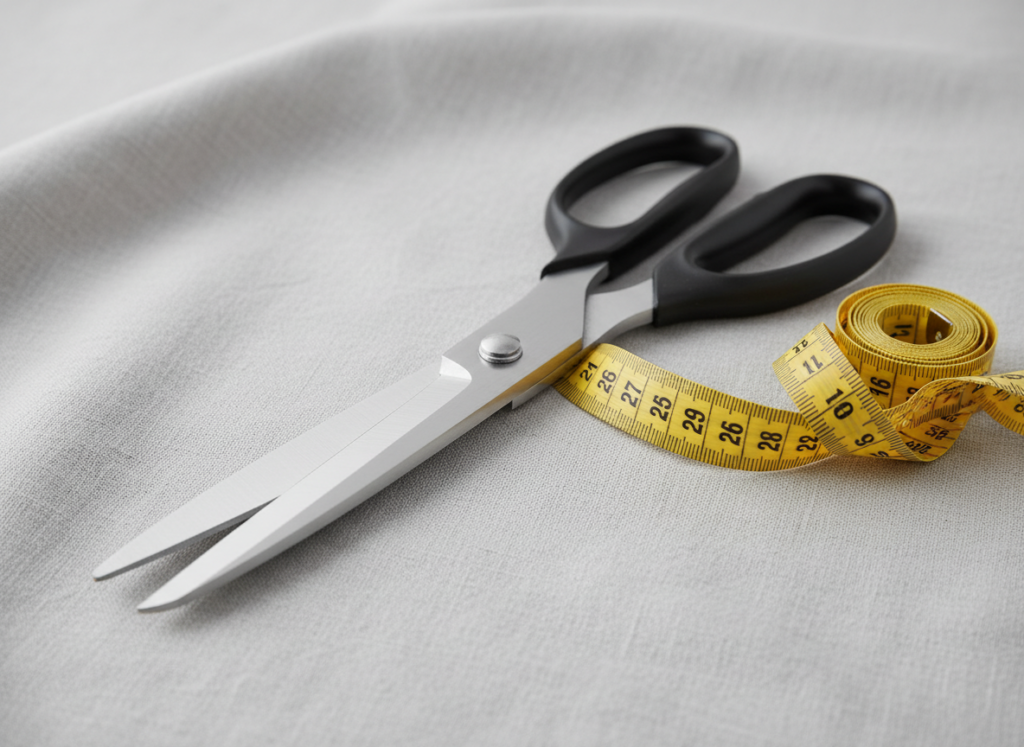
Sharp fabric scissors are your best friend. Dull scissors create jagged edges and make the fabric bunch up. Invest in a good pair, and your cuts will be clean every time.
Fabric scissors (never use them on paper)
Measuring tape for accurate measurements
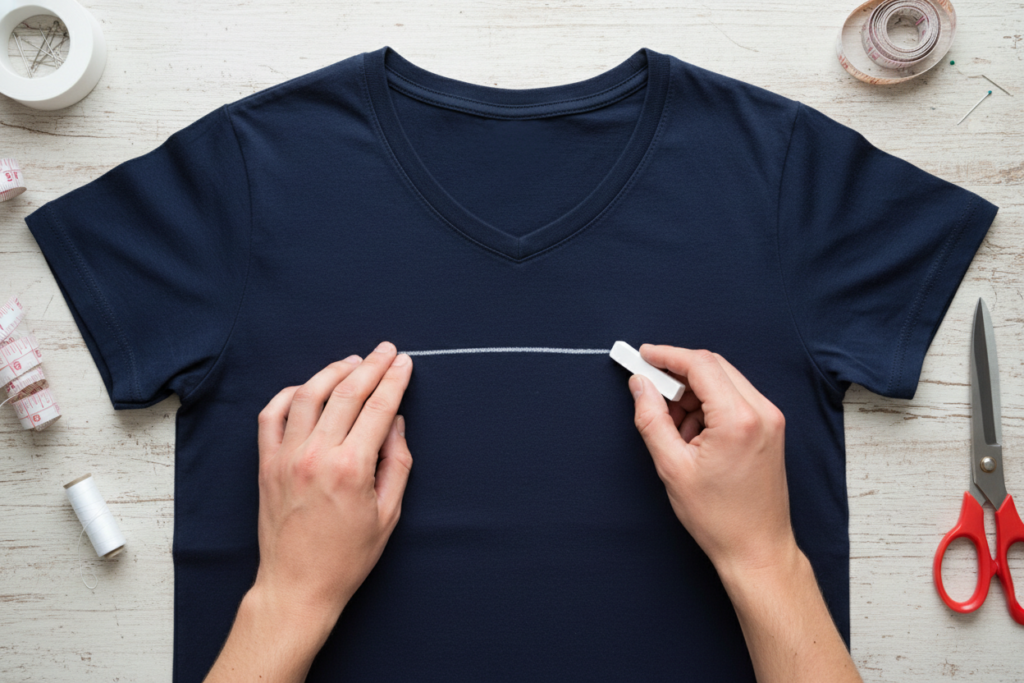
Tailor’s chalk or fabric marker
Straight pins to hold fabric in place
Ruler or straight edge for clean line marking
Optional But Helpful Items
These tools aren’t required, but they make the process easier. A rotary cutter gives you incredibly smooth edges. Clear rulers help you see the fabric underneath as you mark your line.
The v-neck is perfect for beginners. It’s forgiving, flattering, and works on almost any shirt. You’ll master this technique quickly.
Preparing Your Shirt
Start with a clean, wrinkle-free tee. Lay it flat on your work surface. Make sure both sides are perfectly aligned. Any unevenness now will show up in your final cut.
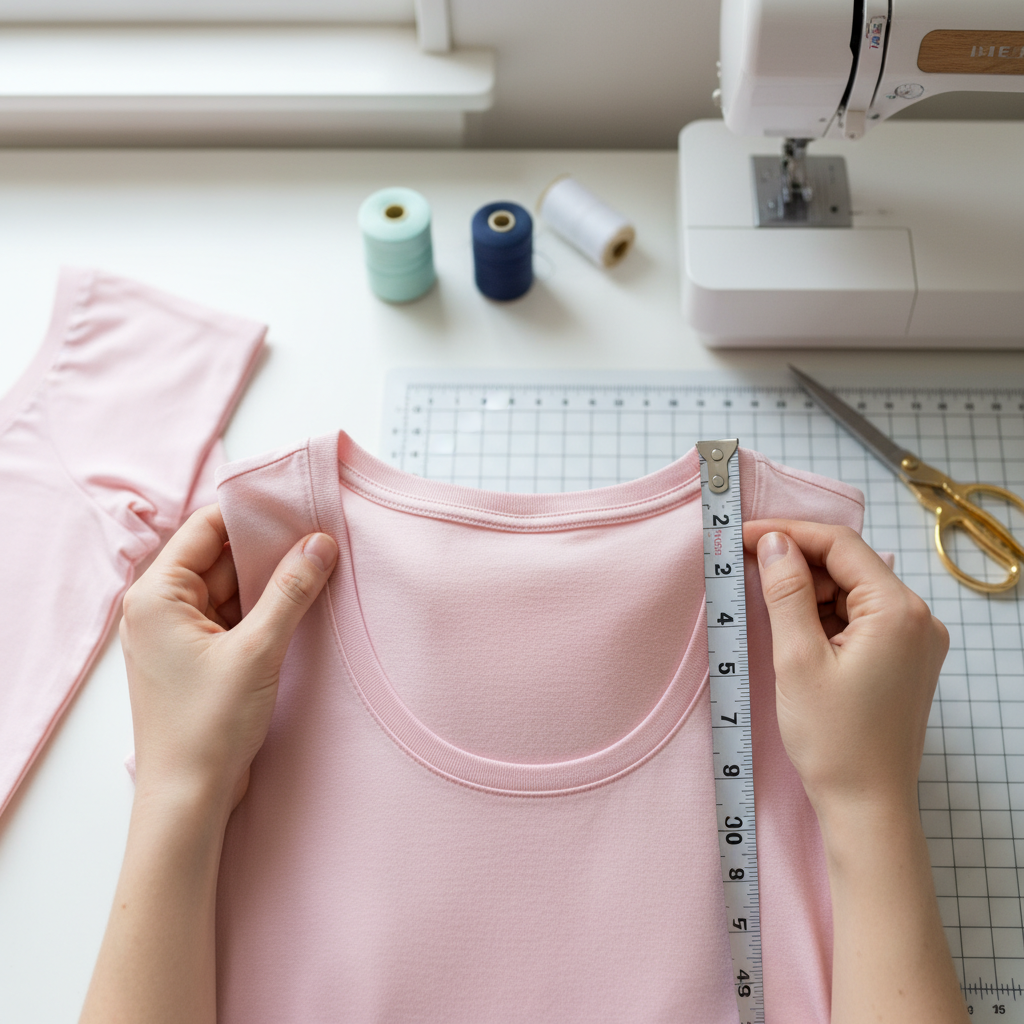
Find the center front of your neckline. Measure down from the collar to where you want your v-neck to end. Most people choose between two to four inches below the original crew neck. Mark this point with chalk.
Step-by-Step Cutting Process
Fold your shirt in half lengthwise. The fold line should run right down the middle. This ensures both sides of your v-neck match perfectly.
Mark your desired depth at the center front
Draw a gentle curve from the shoulder seam to your center point
Pin through both layers to keep fabric from shifting
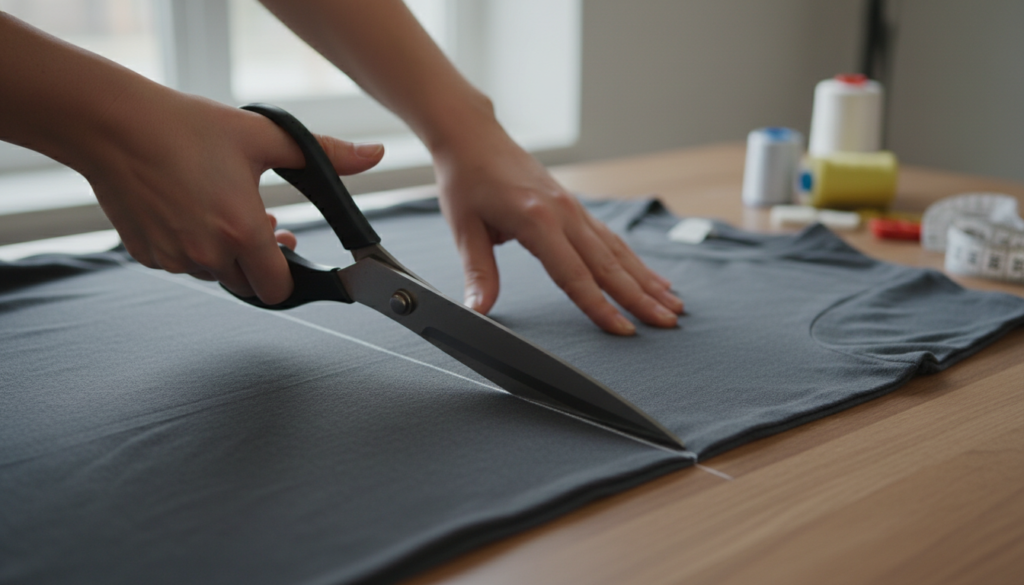
Cut slowly along your marked line
Unfold and check your symmetry
Take your time with each cut. Rushing leads to mistakes. If you cut too much, you can’t add fabric back.
Want to Learn 20+ Neckline Styles?
From basic v-necks to advanced asymmetrical designs, master every technique with step-by-step video tutorials and printable patterns.
Raw edges can curl or fray. You have several options to finish them. The easiest way is to simply let cotton jersey curl naturally for a casual look.
For a cleaner finish, fold the edge under by a quarter inch. Pin it in place. Sew close to the folded edge using a stretch stitch. This takes more time but looks very professional.
Some people prefer to add bias tape around the neckline. This creates a nice finished edge and adds a pop of color. Use technologies like a walking foot on your sewing machine to keep the tape smooth.
Transforming a Crew Neck into a Scoop
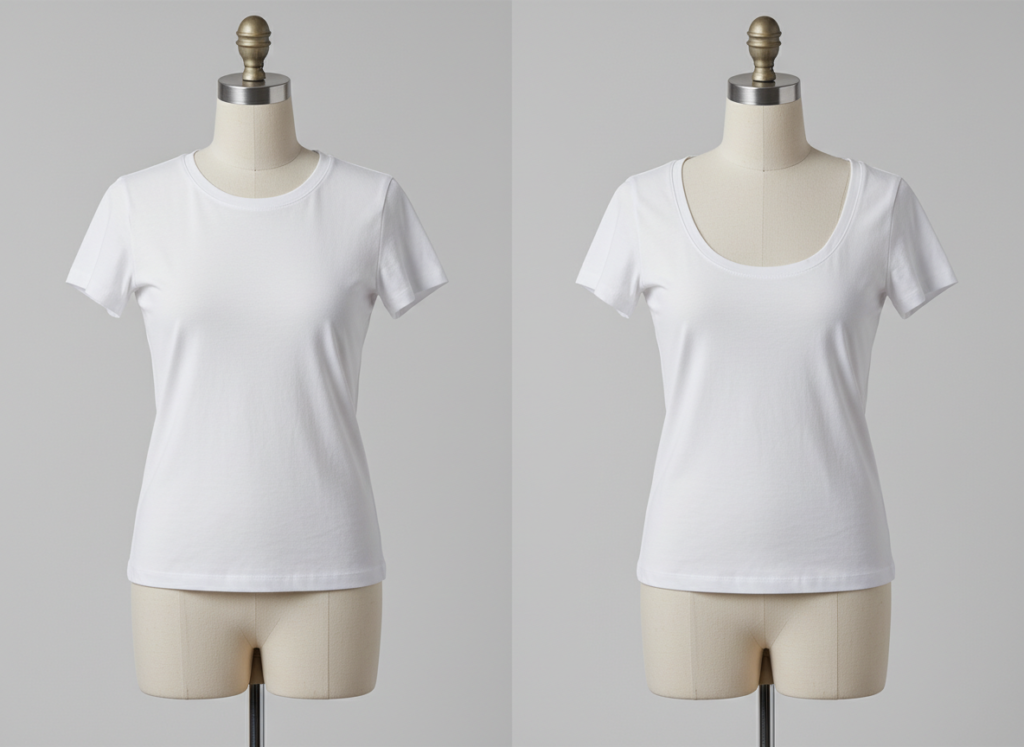
The scoop neck is flattering on everyone. It opens up your collar area without being too revealing. This style works great for both casual tees and workout shirts.
Planning Your Scoop
Decide how deep you want the scoop. A shallow scoop sits just below your collarbones. A deeper scoop shows more skin. Consider the shirt’s original neckline when planning.
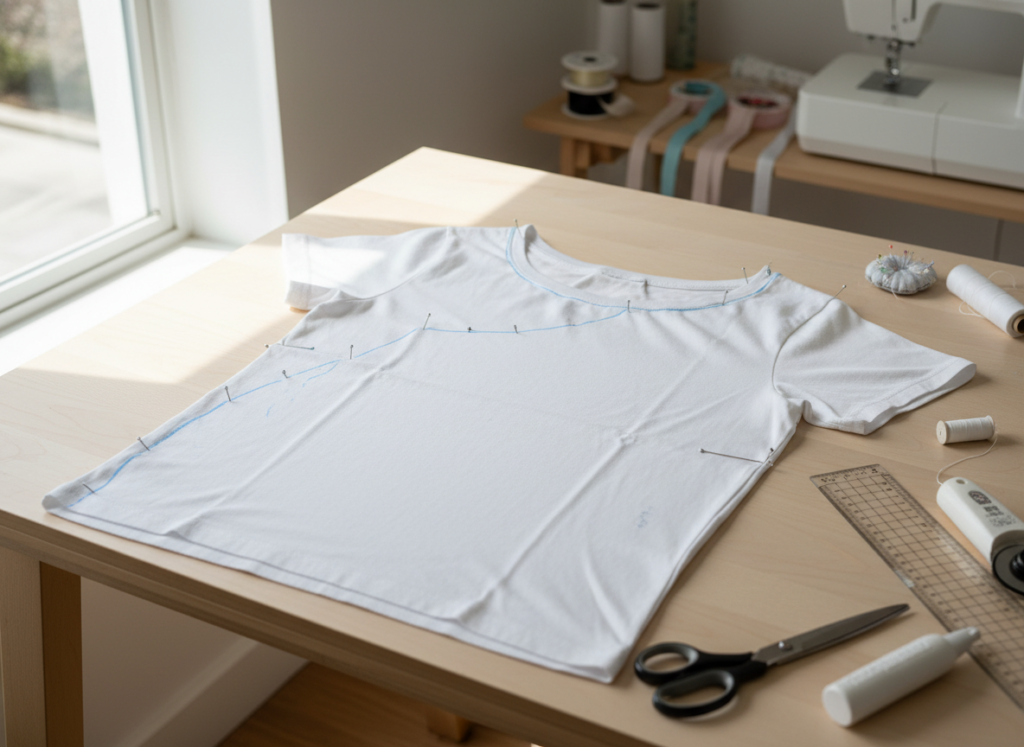
The width matters too. Some scoops are narrow and stay close to the neck. Others stretch wider toward the shoulder. Try on the shirt and mark your preferred shape with pins before cutting.
Cutting Technique
Unlike the v-neck, you’ll cut the front and back separately. Start with the front side. Draw a gentle curved line from one shoulder seam to the other.
Mark the deepest part at center front
Create a smooth curve connecting both sides
Cut just the front layer first
Try on the shirt to check the fit
Adjust the back neckline if needed
The back can be cut higher than the front. Most people prefer a more modest back. Leave at least an inch of the original crew neck on the back piece.
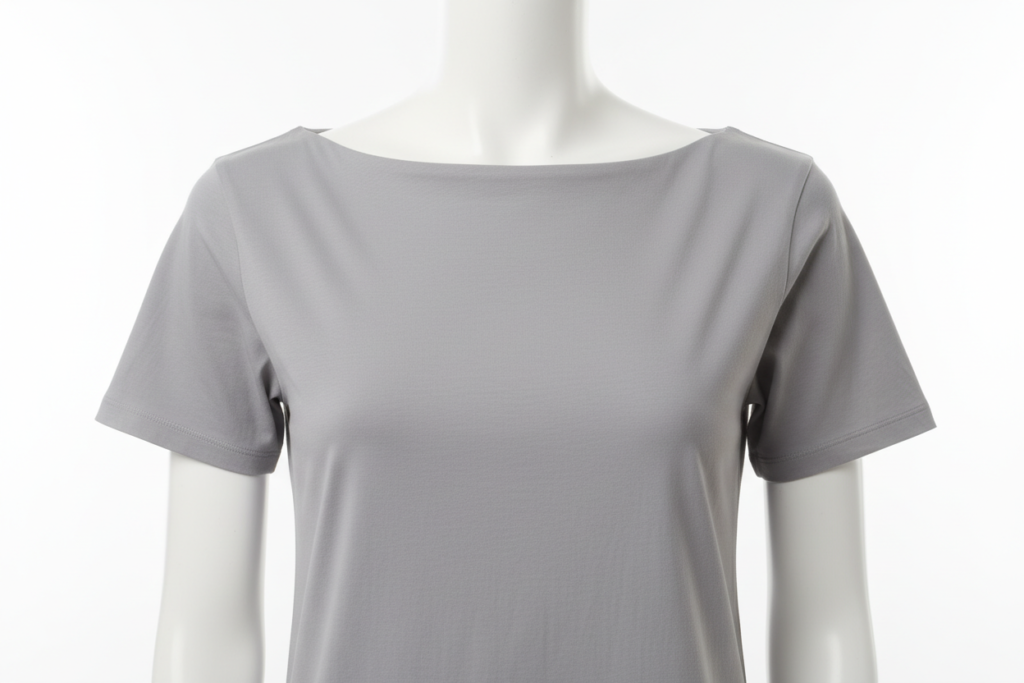
A boat neck creates an elegant, sophisticated look. This wide neckline runs straight across from shoulder to shoulder. It’s perfect for showing off your collarbones.
Measuring for the Perfect Boat Neck
The key to a good boat neck is getting the width right. Too narrow looks awkward. Too wide and the shirt might slip off your shoulder during the day.
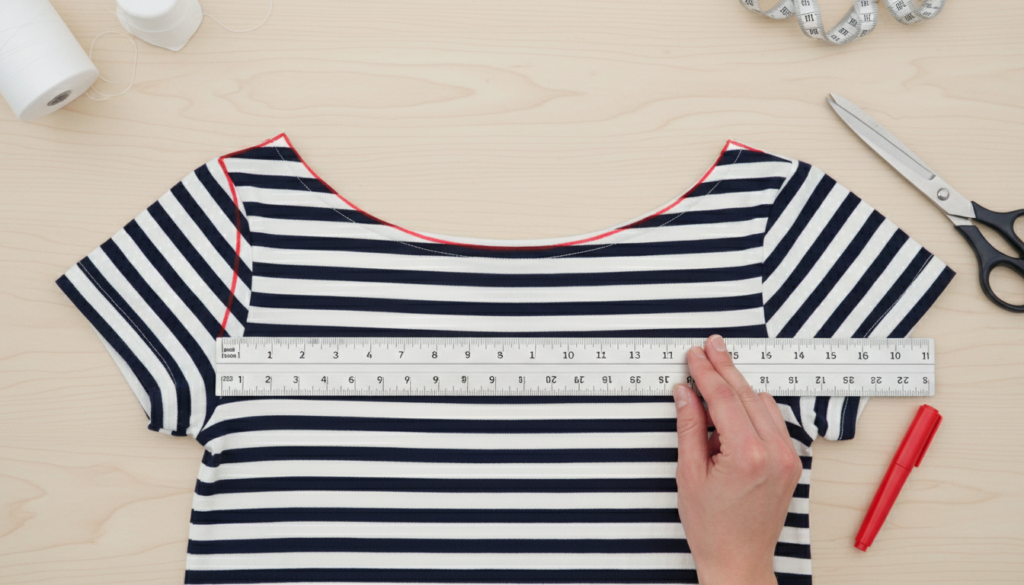
Measure from the edge of one shoulder seam to the other. Most boat necks stop about one inch before each seam. This keeps the shirt secure on your body.
Creating the Neckline
Fold your shirt in half vertically. Mark a straight line across from one side to the other. The line should be parallel to the bottom hem.
Keep the front and back necklines at the same height for a true boat neck. Some variations have a slightly lower front, but traditional boat necks are even all around.
Mark your shoulder points on both sides
Draw a straight line connecting them
Measure the depth from the original collar
Cut through both layers at once
Unfold and check for evenness
Preventing Shoulder Slippage
Wide necklines can slide off your shoulder. Add a small piece of elastic to the inside seam to prevent this. Sew it along the back shoulder line. This creates gentle tension that keeps the neckline in place.
Another option is to add a decorative button tab on each shoulder. This serves both form and function. The tab looks stylish while keeping your neckline secure.
Perfect Every Neckline Style
Stop guessing and start creating with confidence. Get instant access to professional patterns, troubleshooting tips, and advanced finishing techniques.
Off-shoulder styles are fun and flirty. They work great for warmer weather. This look requires a bit more planning than other neckline styles.
Planning the Shoulder Line
Decide which shoulder you want to expose. Most people choose their less dominant side. Mark where you want the neckline to sit on your upper arm.
The other side stays higher, usually near your collarbone. This asymmetrical look creates visual interest. Make sure the lower side is secure enough to stay in place.
Cutting and Securing
Cut the lower shoulder line first. Remove the entire sleeve seam on that side. The fabric should drape smoothly over your shoulder.
You’ll need to secure the upper edge to prevent it from sliding down. Add a small elastic band inside the neckline. Stitch it along the top edge to create gentle gathering.
Small details make the difference between amateur and professional-looking cuts. These tips come from years of experience and will save you from common mistakes.
Test on Old Shirts First
Don’t practice on your favorite tee. Grab old shirts from the back of your closet. Make mistakes on clothes you don’t care about. This builds confidence before you tackle nicer pieces.
Each fabric behaves differently. Cotton jersey stretches and curls. Blended fabrics hold their shape better. Test your technique on similar fabric to your final piece.
The Power of Pressing
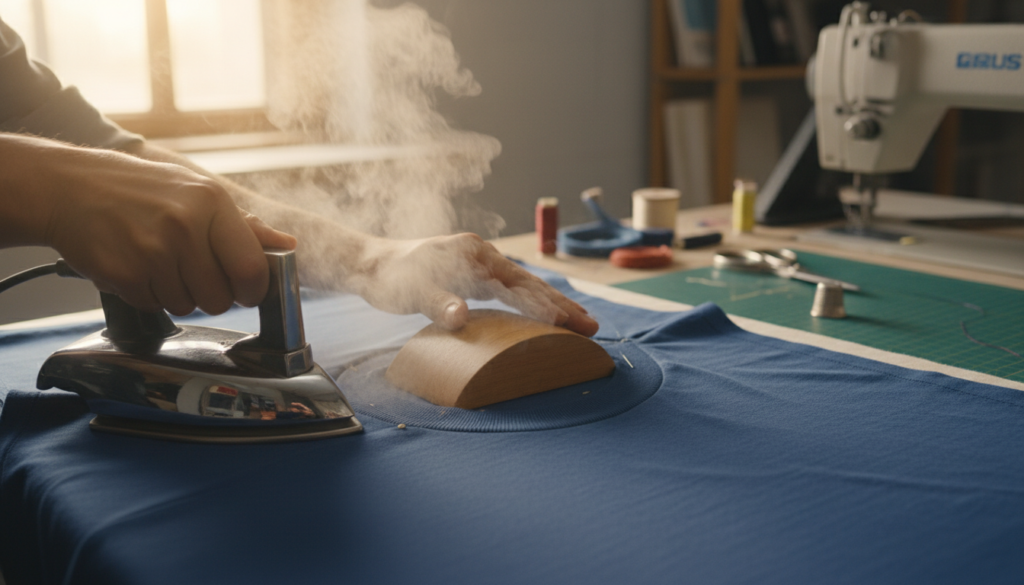
Heat sets fabric beautifully. After cutting, press your neckline with an iron. The heat helps the edge settle into its new shape. Steam works especially well on cotton tees.
If you’re adding a sewn finish, press the seam flat after stitching. This makes it look professional and store-bought. Never skip this step if you want quality results.
Dealing with Mistakes
Cut too much? Don’t panic. You have options. Add decorative trim to the edge to make it look intentional. Or embrace it as a unique design element.
Uneven cuts can be fixed. Re-mark the line and trim a bit more from the higher side. Sometimes you need to go slightly deeper than planned to achieve symmetry.
Always cut less than you think you need
You can always trim more but can’t add fabric back
Use sharp scissors to prevent fabric damage
Pin generously to prevent shifting during cutting
Take breaks to maintain steady hands
Working with Different Fabrics
Thin fabric requires extra care. It’s more prone to stretching as you cut. Place tissue paper under the fabric for stability. Cut through both layers together.
Thick sweatshirt material needs sharp scissors or a rotary cutter. The bulk makes it harder to fold precisely. Cut front and back separately for better control.
Stretch fabrics can be tricky. They distort as you handle them. Let the piece hang for a few minutes after cutting. The fabric will settle into its natural shape.
Once you’ve mastered basic cuts, take your creativity further. Combine techniques for unique looks. Add embellishments to make your shirts truly one-of-a-kind.
Adding Decorative Elements
Lace trim transforms a simple neckline into something special. Sew it along the edge after cutting. Choose a color that complements your shirt.
Studded necklines add edge to plain tees. Apply fabric glue and press studs along the neckline. This works especially well on darker colored shirts.
Braided edges create texture. Cut thin strips from scrap fabric. Braid them together and sew around your neckline. This bohemian look is perfect for summer tees.
Combining Multiple Techniques
Try a deep v-neck with an off-shoulder element on one side. This asymmetrical look is very trendy. It requires careful planning but creates stunning results.
Cut a boat neck, then add small slits at each shoulder. Thread ribbon through the slits and tie in bows. This sweet detail elevates a simple cut.
Layer different colored shirts for peek-a-boo effects
Cut the back lower than the front for drama
Add grommets and lace-up details
Create cutout patterns along the neckline
Use fabric paint to highlight the new edge
Start Your T-Shirt Transformation Journey
You now have all the information you need for sewing easy diy neck Tshirt cuting projects. These techniques open up endless possibilities for refreshing your wardrobe. Every shirt in your drawer has potential.
Start with one simple technique. Master it completely before moving to the next. Build your skills gradually. Soon you’ll be creating custom pieces that look professionally made.
Remember to use quality tools, take your time, and practice on old shirts first. These simple guidelines prevent frustration and help you achieve beautiful results from your very first project.
Ready to Become a T-Shirt Transformation Expert?
Join thousands who’ve transformed their wardrobes with professional sewing techniques. Get instant access to video tutorials, downloadable patterns, and expert support for every project.
Your creative journey starts today. Pick up those scissors and transform your first shirt. You’ll be amazed at what you can create with just a few simple cuts and a bit of confidence.