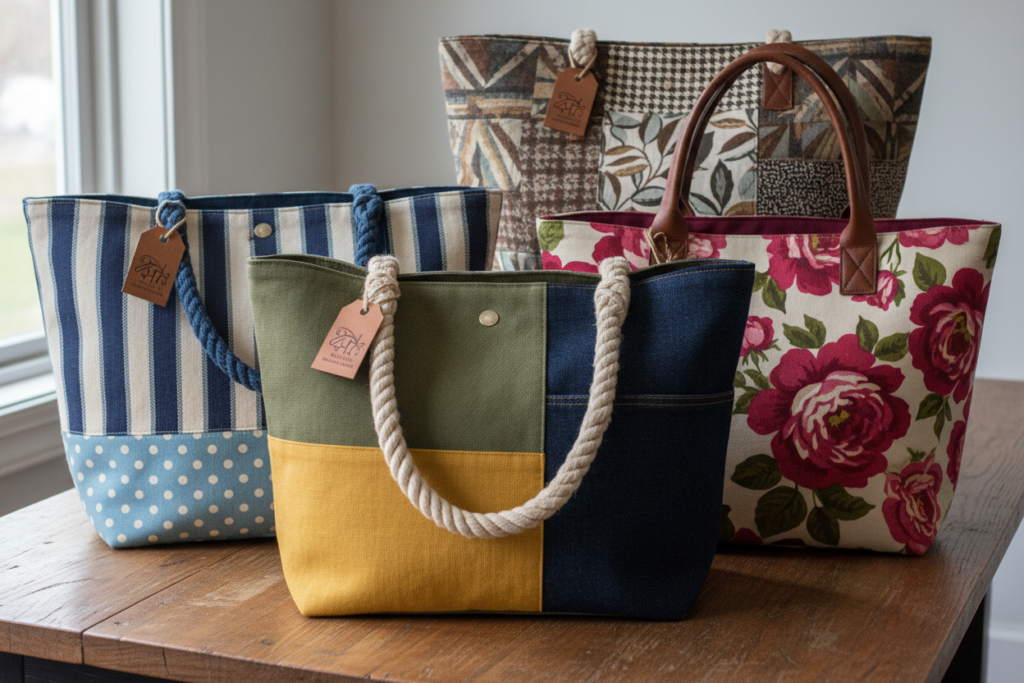
Creating your own tote bag opens a world of creative possibilities. This sewing easy diy bag tutorial transforms beginners into confident makers. You’ll discover simple techniques that produce professional results.
Whether you need a grocery carrier or a stylish accessory, handmade bags serve multiple purposes. The skills you gain here apply to countless future projects. Let’s start your sewing journey today.
Ready to Master More Than Just Basics?
While this tutorial covers everything you need for your first bag, serious sewers discover hundreds of professional patterns and techniques that take projects from simple to stunning.
Gathering the right supplies ensures smooth project completion. Quality materials make sewing easier for beginners. You don’t need expensive items to create beautiful bags.
Fabric Selection Guide
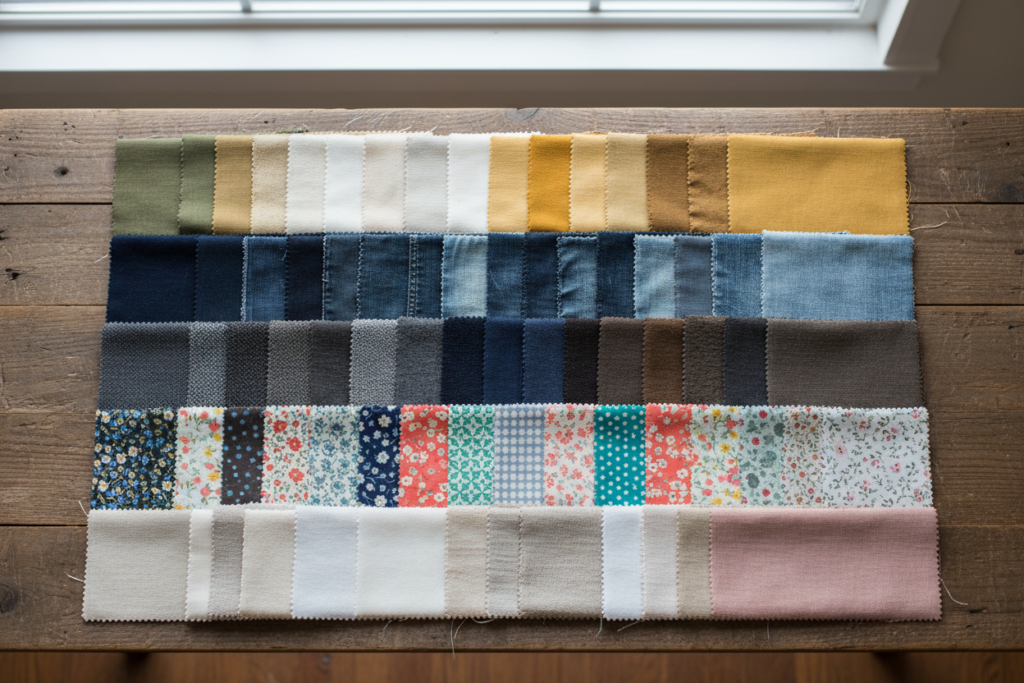
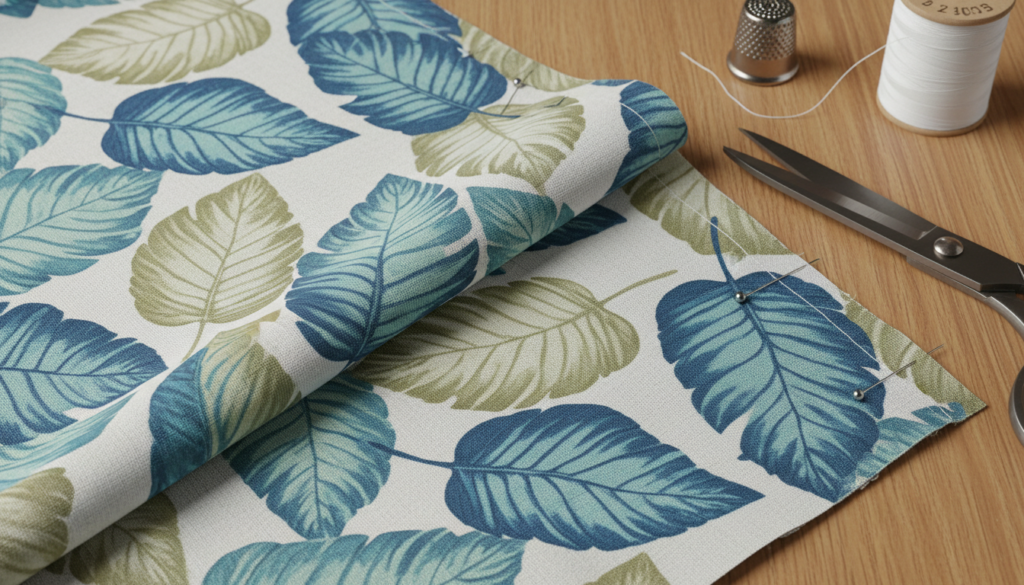
The fabric choice determines your bag’s durability and appearance. Canvas works perfectly for beginners because it handles easily. Cotton provides softer drape while maintaining structure.
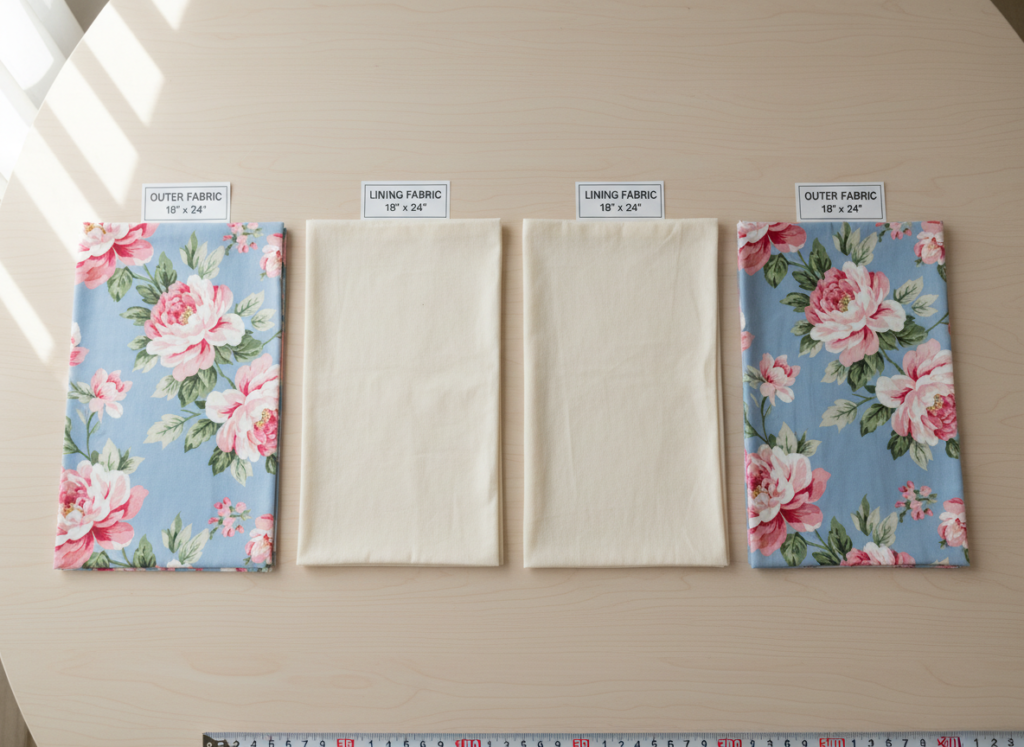
You’ll need 1/2 yard of outer fabric and 1/2 yard of lining fabric. Medium-weight fabrics work best for tote bags. Consider mixing and matching fabrics for unique designs.
Cotton canvas offers excellent durability and easy handling
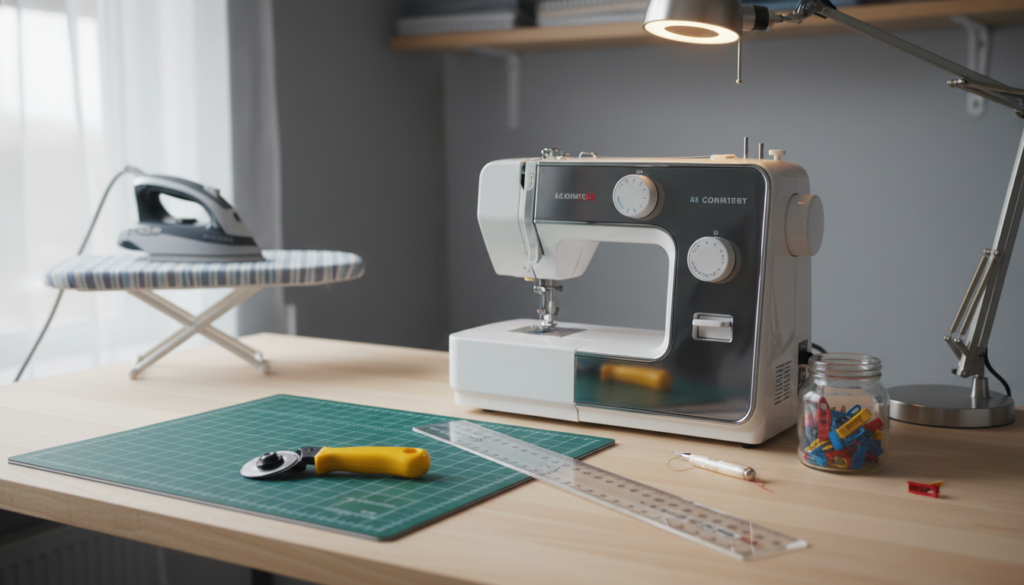
Basic sewing equipment makes this project accessible. A sewing machine simplifies construction significantly. Hand sewing works but requires more time.
Must-Have Items
Sewing machine or needle for hand stitching
Thread matching your fabric colors
Fabric scissors or rotary cutter
Measuring tape and ruler
Straight pins or fabric clips
Iron and ironing board
Optional But Helpful
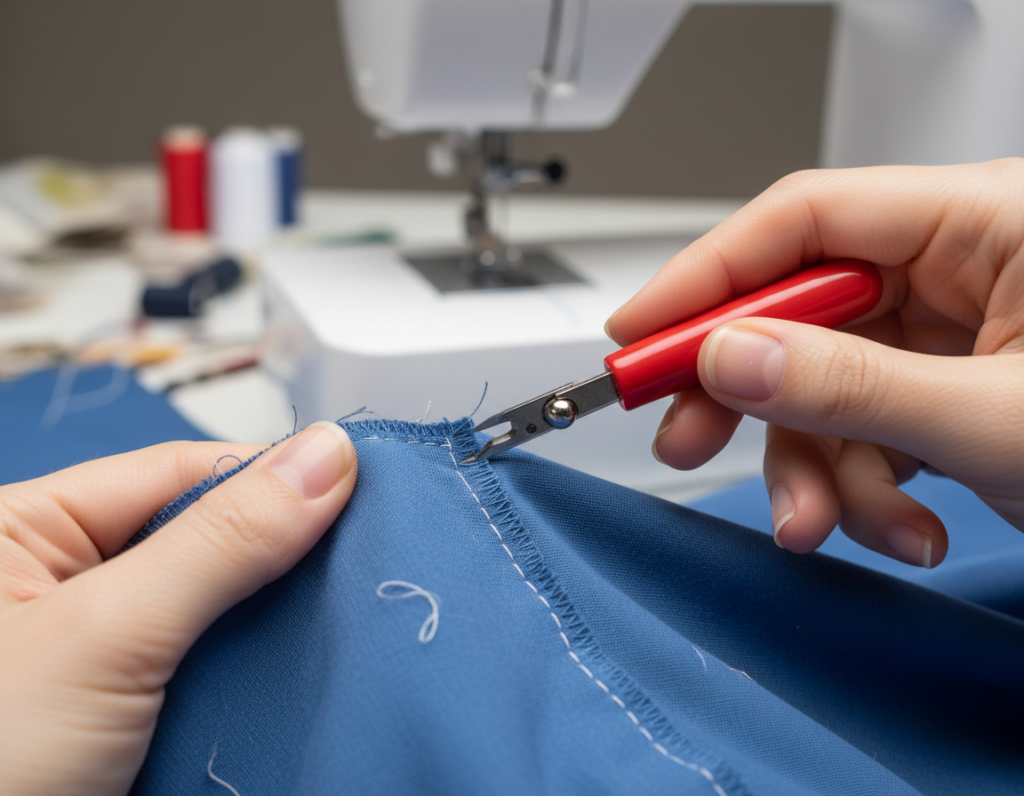
Seam ripper for fixing mistakes
Fabric marker or chalk
Point turner for crisp corners
Pinking shears to prevent fraying
Want Premium Patterns and Professional Techniques?
This basic tote teaches fundamental skills, but there’s so much more to explore. Access hundreds of designer bag patterns, advanced construction methods, and expert tips that transform your sewing.
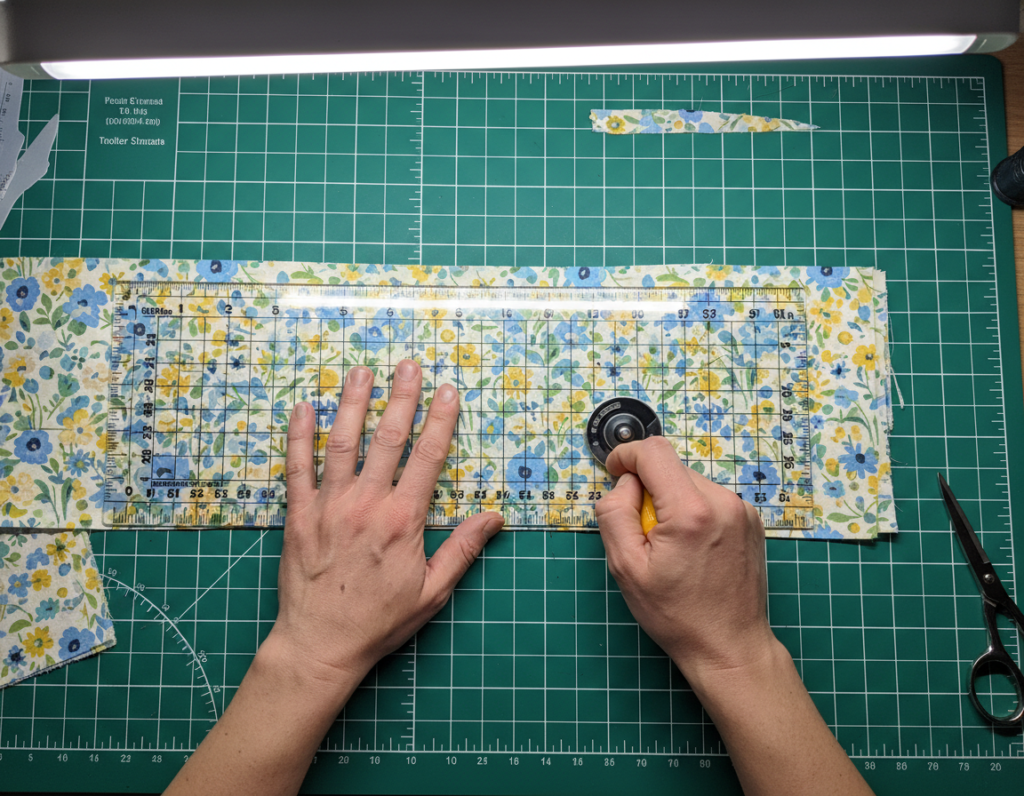
Accurate cutting creates professional results. Taking time here prevents problems later. Precise measurements ensure all pieces fit together perfectly.
Fabric Measurements
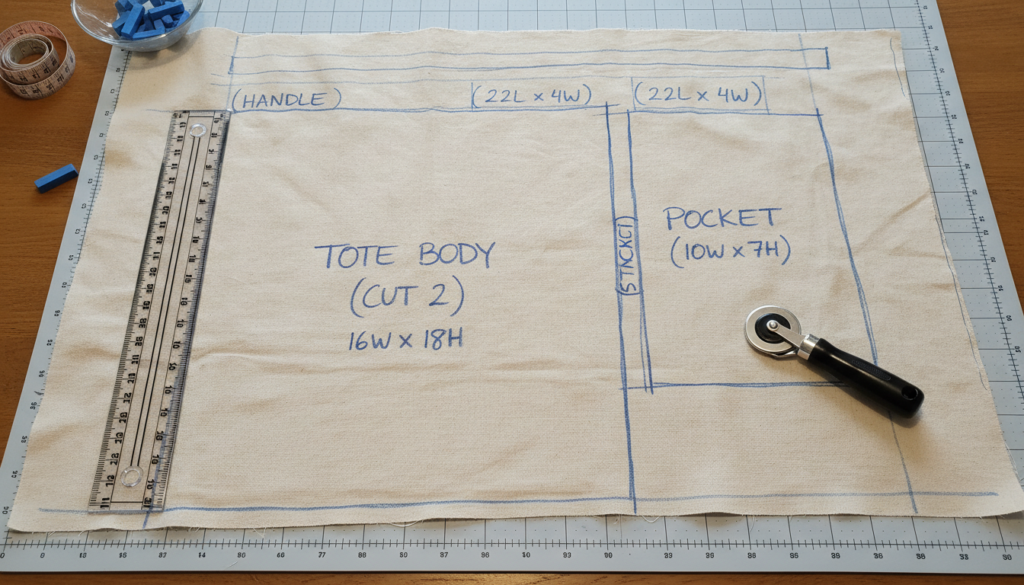
Cut two pieces from outer fabric measuring 15 inches by 18 inches. Cut two identical pieces from lining fabric. These dimensions create a medium-sized tote bag.
For straps, cut two strips measuring 4 inches wide by 24 inches long. Use your outer fabric for matching straps. Adjust strap length based on personal preference.
Outer Bag Pieces
Cut two rectangles 15″ × 18″ from main fabric
Cut two strap pieces 4″ × 24″ from main fabric
Mark right side of fabric if pattern is directional
Lining Pieces
Cut two rectangles 15″ × 18″ from lining fabric
Ensure all corners are square
Keep pieces organized and labeled
Pre-Sewing Preparation
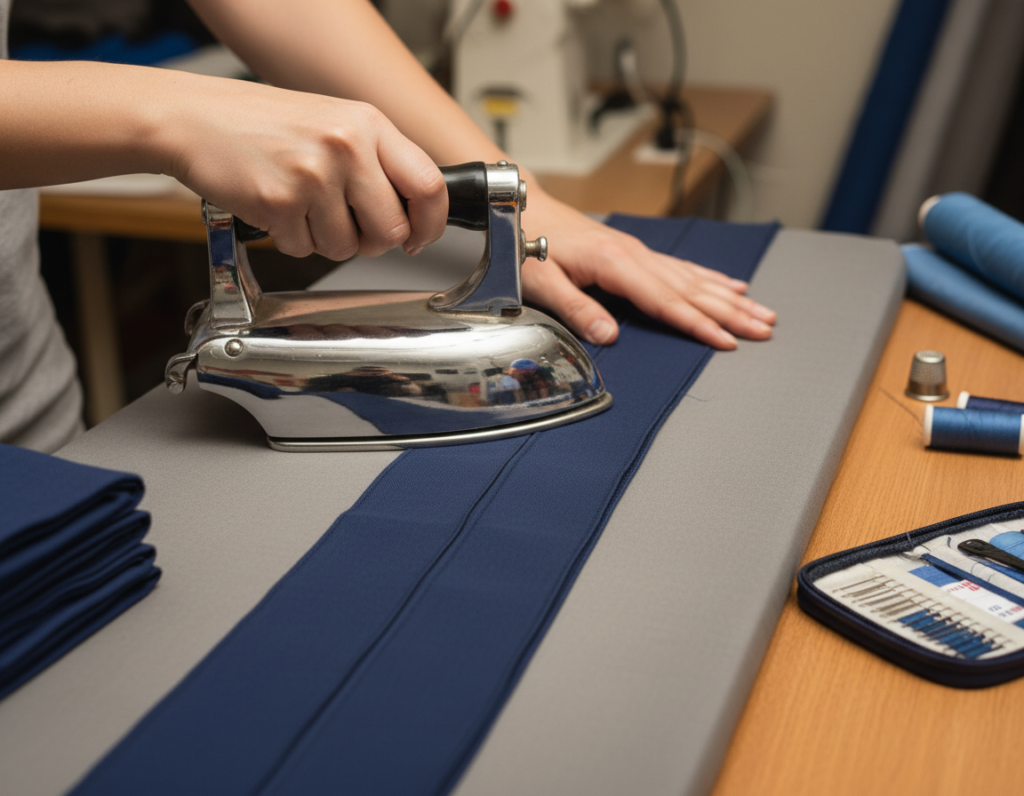
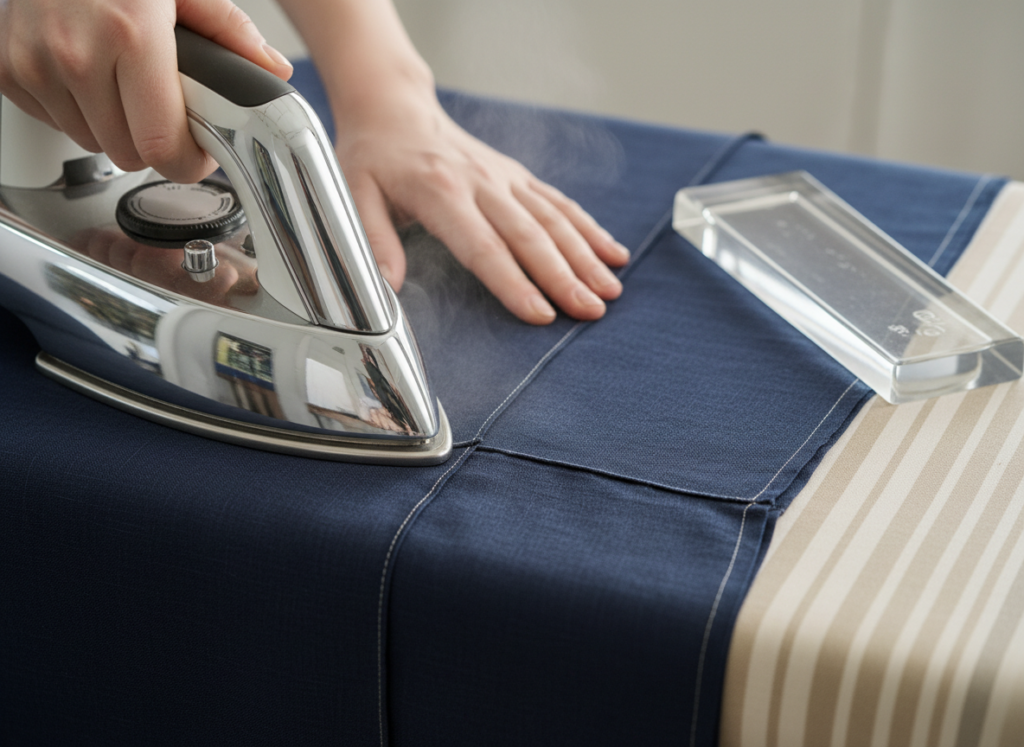
Press all fabric pieces before starting. This removes wrinkles and creases. Flat fabric feeds through your sewing machine smoothly.
Consider finishing raw edges if your fabric frays easily. Pinking shears create decorative edges that resist fraying. Alternatively, use a serger or zigzag stitch along edges.
Creating Strong and Stylish Straps
Well-made straps support weight comfortably. This method creates professional-looking handles. Your tote bag needs durable straps for daily use.
Strap Assembly Steps
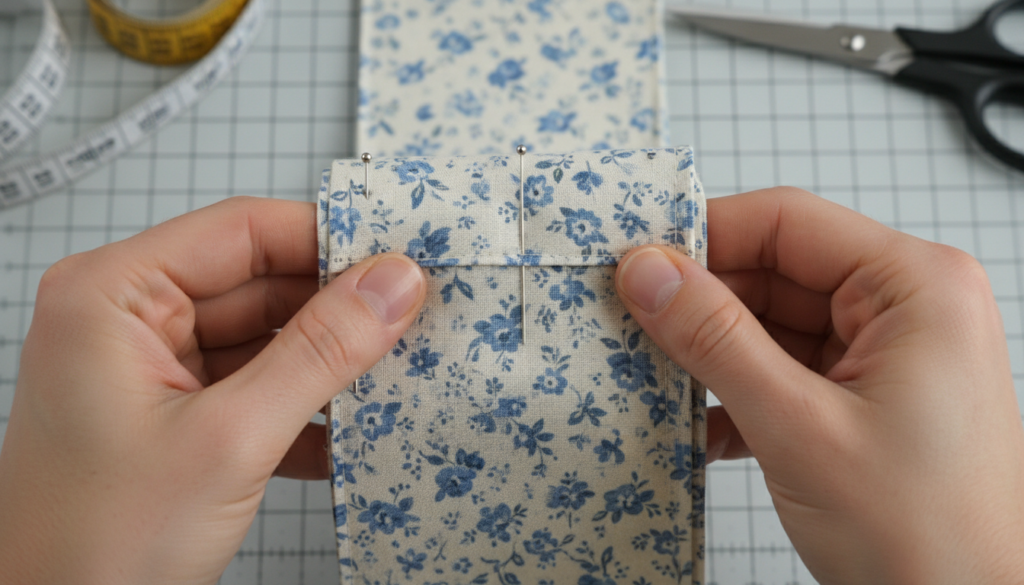
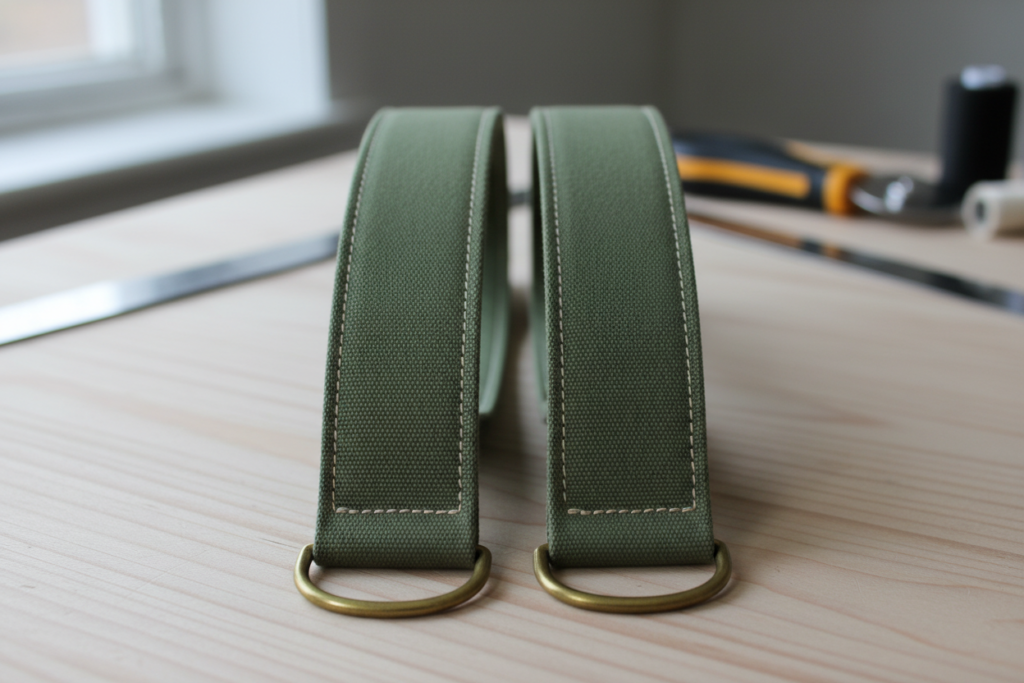
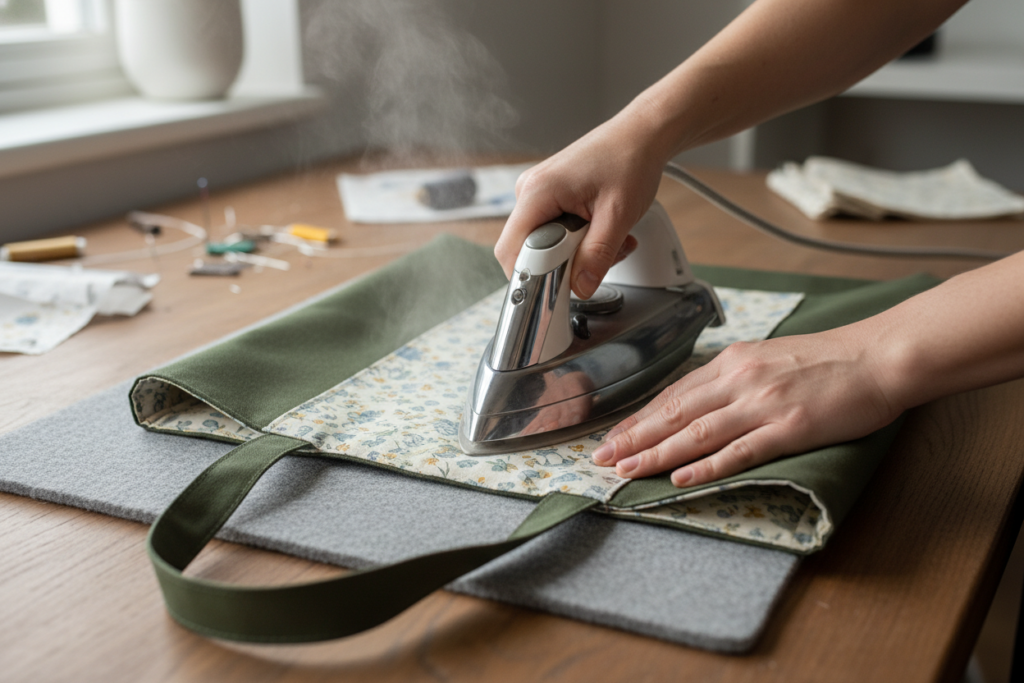
Take your first strap piece and fold it lengthwise. Place wrong sides together so the fold creates a center line. Press this fold firmly with your iron.
Open the fabric strip and fold each long edge toward the center crease. The raw edges should meet at the center fold line. Press these new folds to set them.
Fold the strap in half lengthwise, wrong sides together
Press to create a center fold line
Open fabric and fold each edge to center
Fold in half again along original center line
Press all folds firmly for crisp edges
Pin or clip the folded strap to secure
Stitching Your Straps
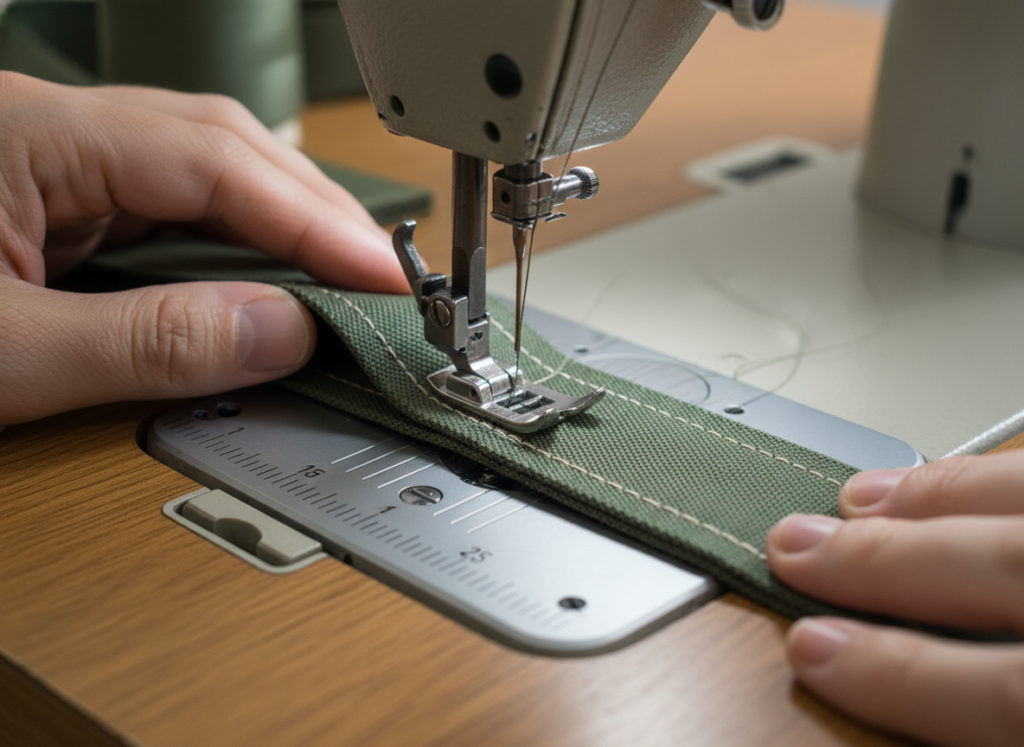
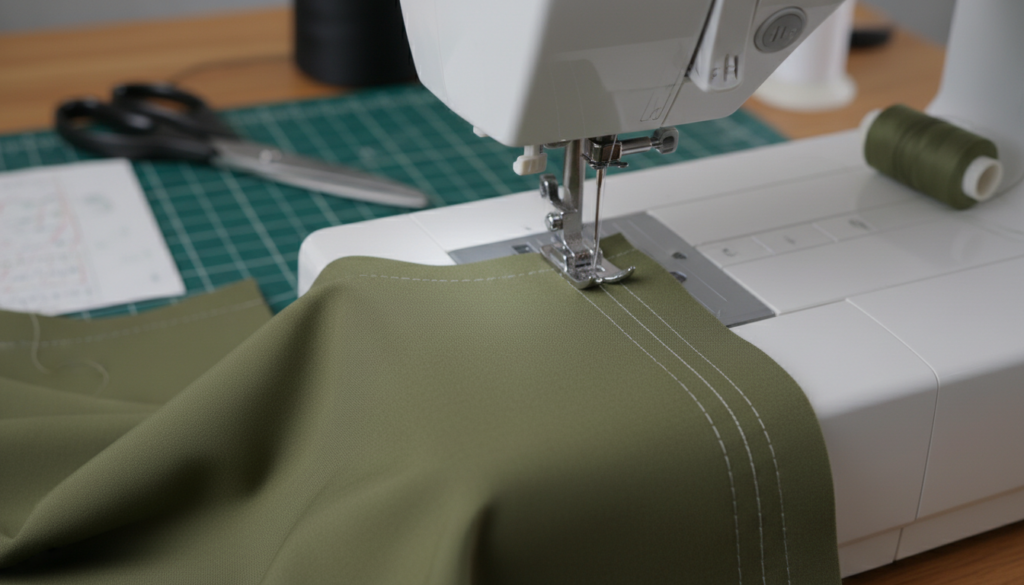
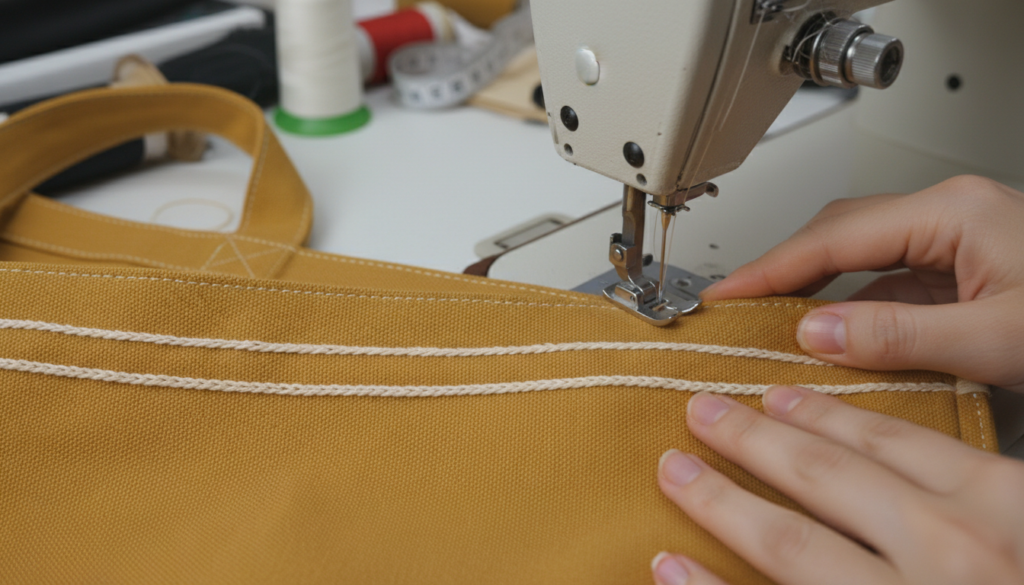
Top stitch along both long edges of each strap. Keep your stitching line about 1/4 inch from the edge. This creates sturdy, professional-looking straps.
Backstitch at the beginning and end for security. The straps need strength to carry heavy items. Repeat this process for the second strap.
Assembling the Outer Bag Body
Building the bag exterior comes next. This sewing easy diy bag tutorial makes construction straightforward. You’ll see your tote bag taking shape quickly.
Joining Side Seams
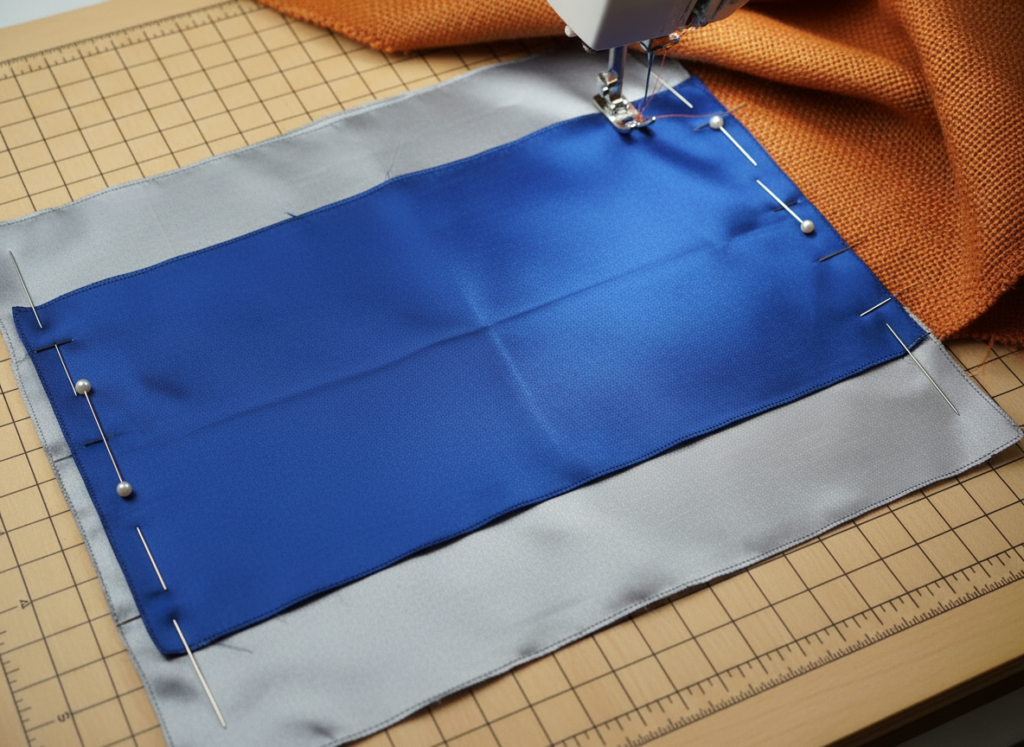
Place your two outer fabric pieces with right sides together. Align all edges carefully before pinning. Pin along both side edges and the bottom edge.
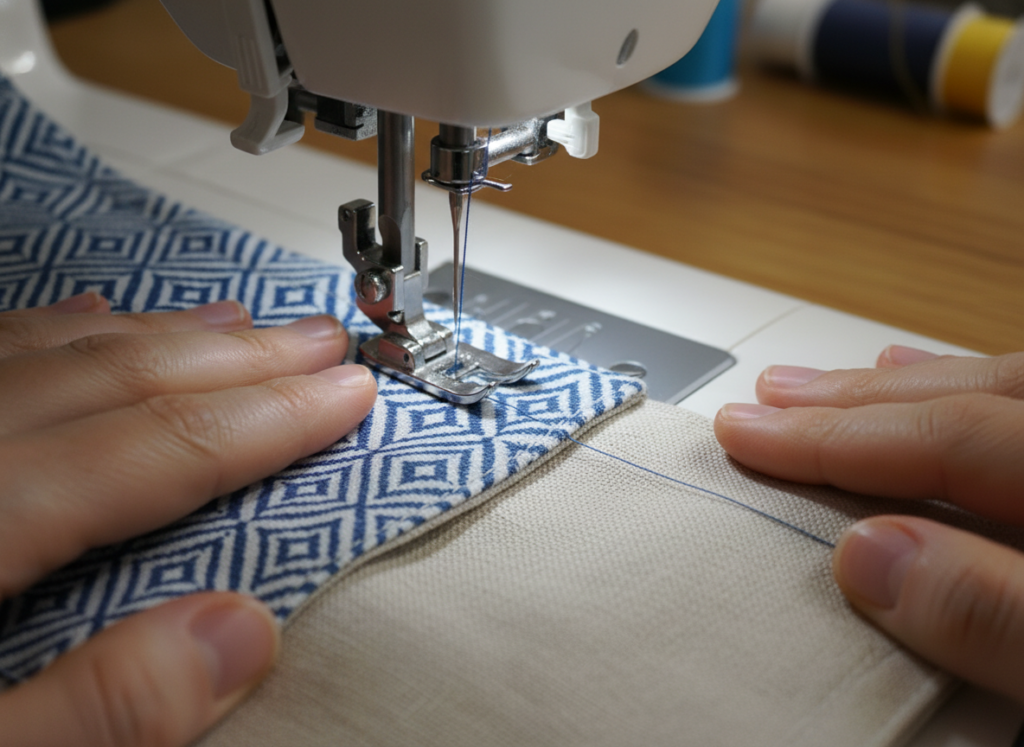
Sew along both sides and the bottom using a 1/2 inch seam allowance. Leave the top edge completely open. Backstitch at the start and finish of each seam.
Align outer fabric pieces with right sides together
Pin sides and bottom, leaving top open
Sew with 1/2 inch seam allowance
Backstitch at beginning and end
Remove pins as you sew
Creating Bottom Corners
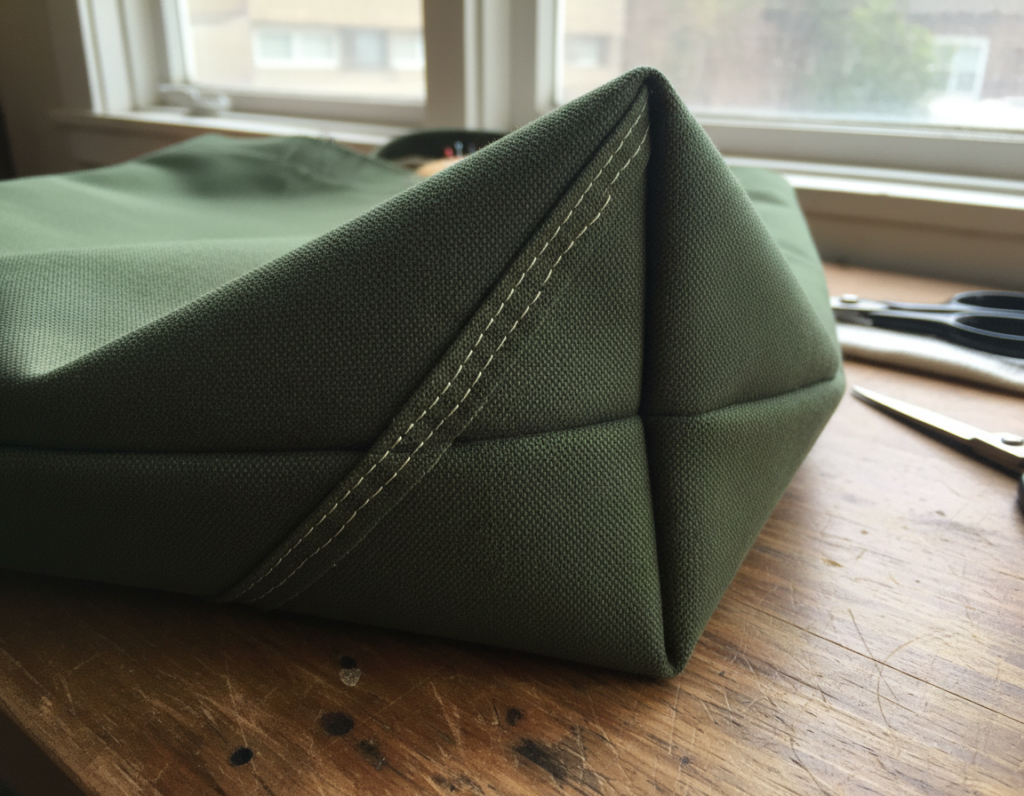
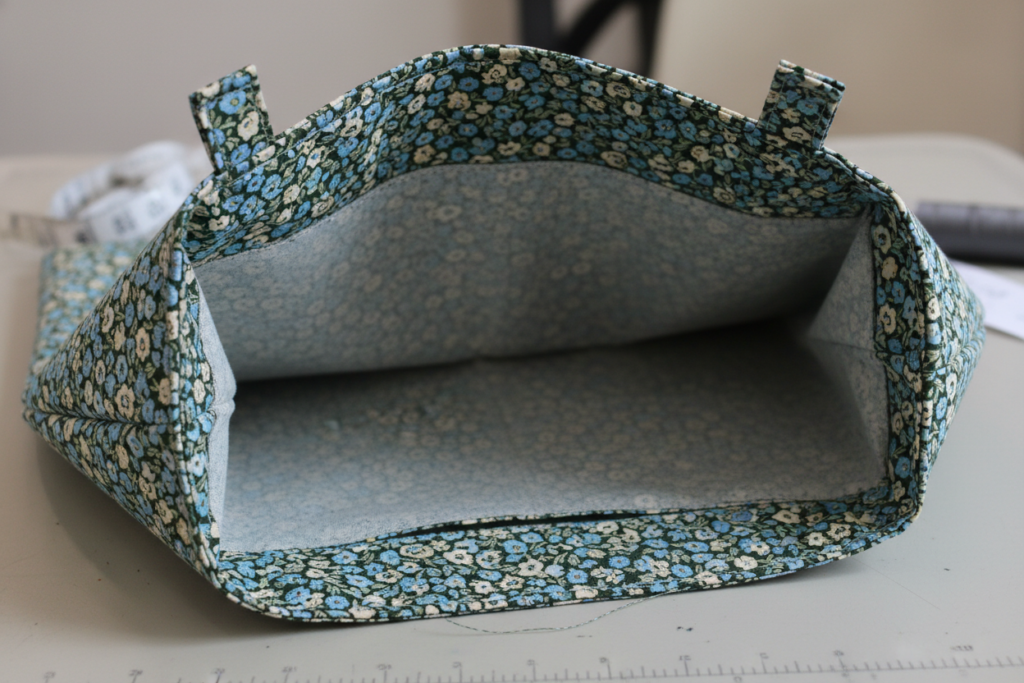
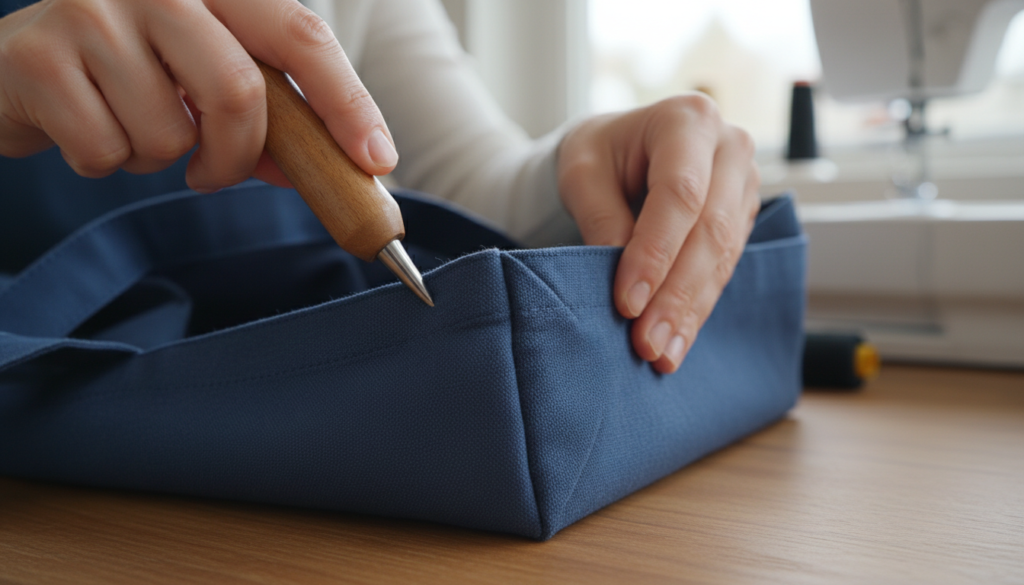
Boxed corners give your bag dimension and stability. This technique transforms a flat bag into one with depth. Your tote bag will stand upright when finished.
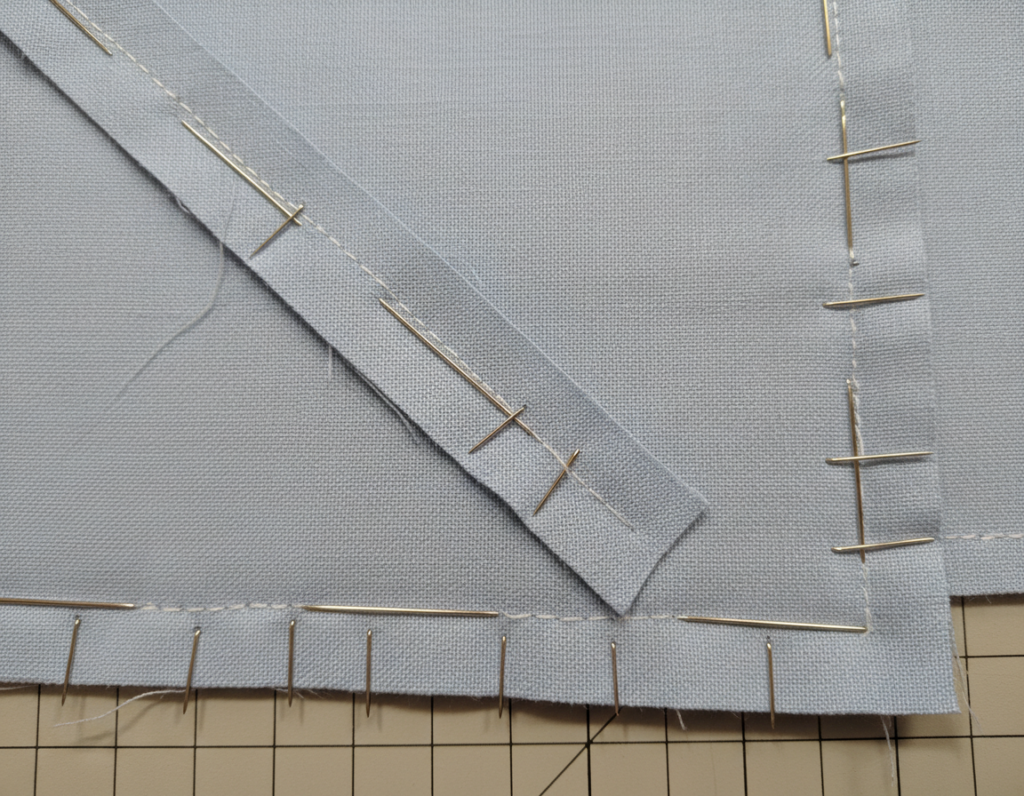
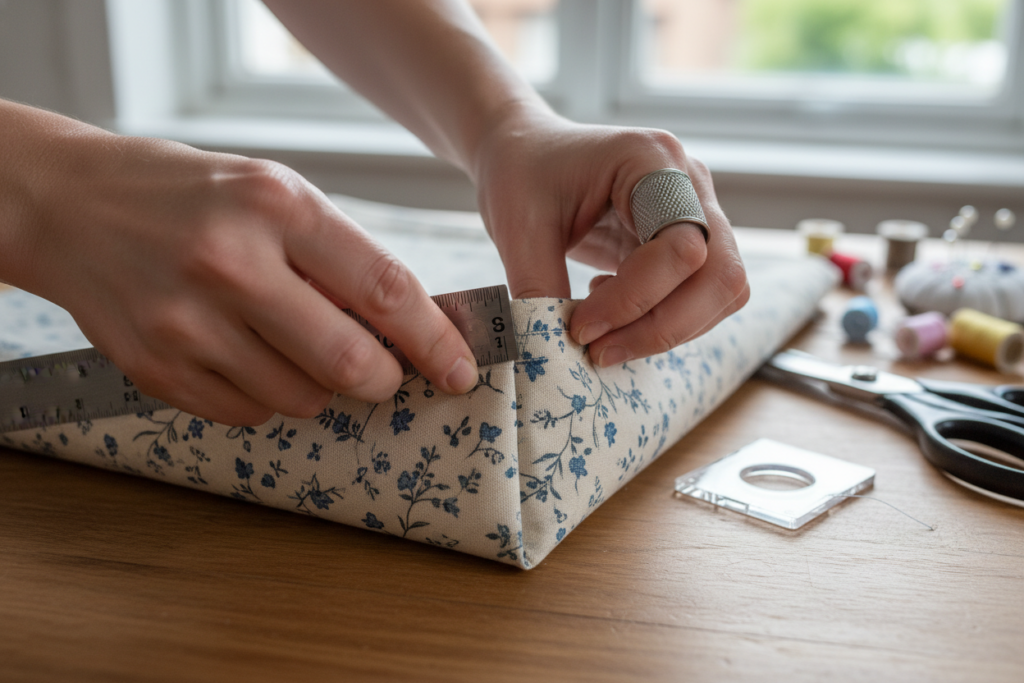
At each bottom corner, pull the side seam and bottom seam apart. Align these seams so they create a straight line. The corner forms a triangle shape.
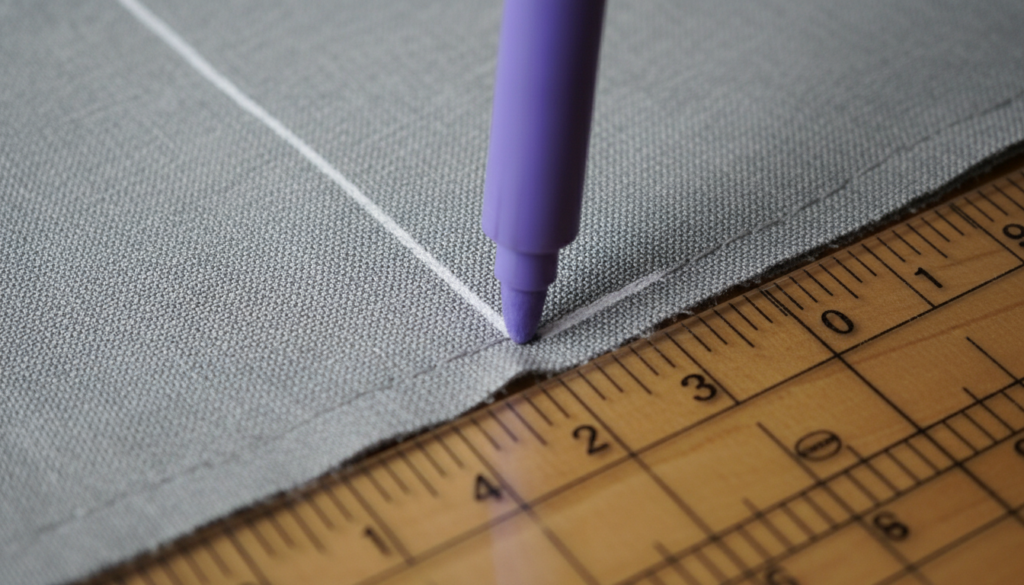
Measure 2 inches from the point along this seam line. Draw a line perpendicular to the seam at this point. This line should measure about 4 inches across.
Sew along this marked line to create the boxed corner. Backstitch for security. Trim excess fabric about 1/2 inch from your stitching line. Repeat for the second corner.
You’re Doing Great! Ready for Even More Projects?
You’ve mastered the foundation of bag making. Imagine creating lined pouches, zippered bags, and designer-quality totes with professional finishing techniques. Expand your skills with comprehensive patterns and video tutorials.
The lining protects your bag’s interior and adds polish. Follow the same process used for the outer bag. Your tote bag gains professional finish with proper lining.
Lining Construction Steps
Place lining pieces with right sides together. Pin along both sides and the bottom edge. Use the same 1/2 inch seam allowance throughout.
Sew the sides and bottom of your lining. Create boxed corners exactly as you did for the outer bag. This ensures the lining fits perfectly inside.
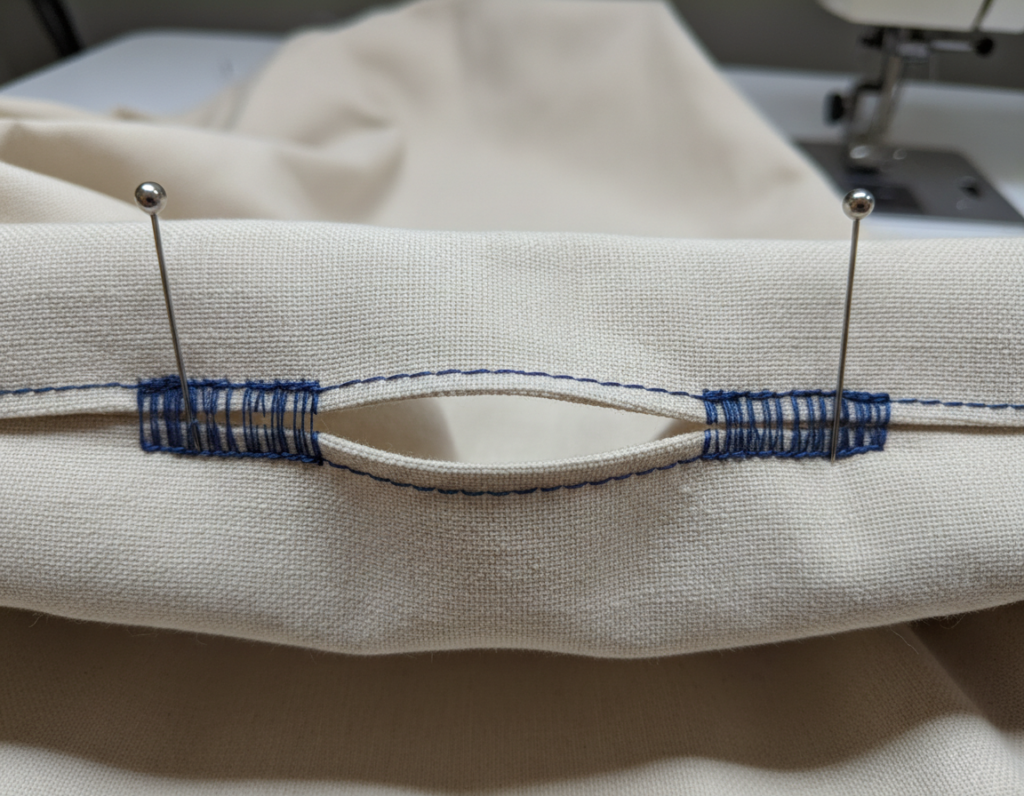
Here’s the important difference: leave a 4-inch opening along the bottom seam. This opening allows you to turn the entire bag right side out later. Mark this opening clearly before sewing.
Sew lining with right sides together using 1/2 inch seam
Create matching boxed corners on lining
Leave 4-inch opening in bottom seam for turning
Backstitch securely at opening edges
Press seams open for flat finish
Positioning and Securing Bag Straps
Proper strap placement ensures comfort and balance. Measuring carefully prevents uneven handles. This step requires precision for best results.
Marking Strap Positions
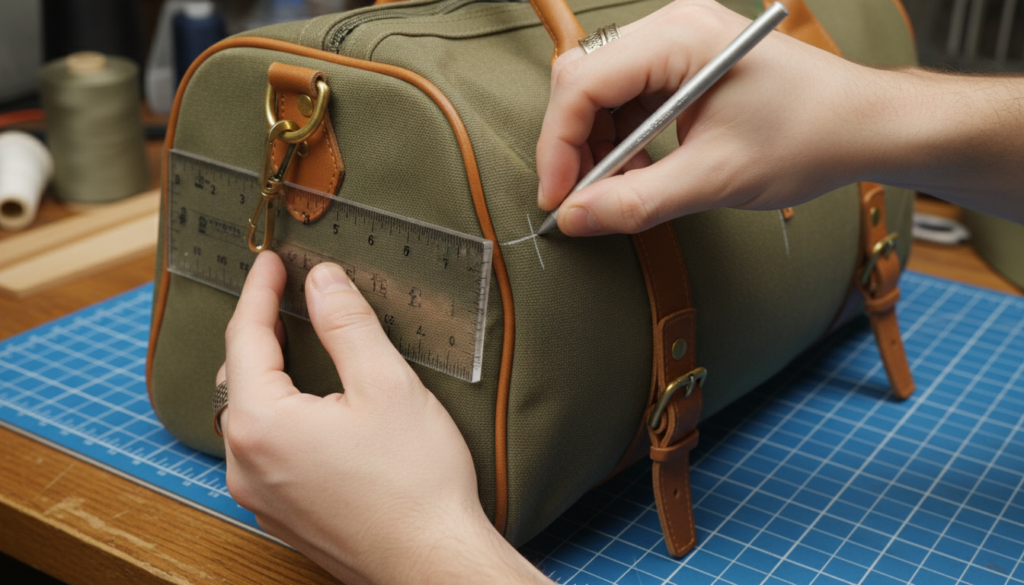
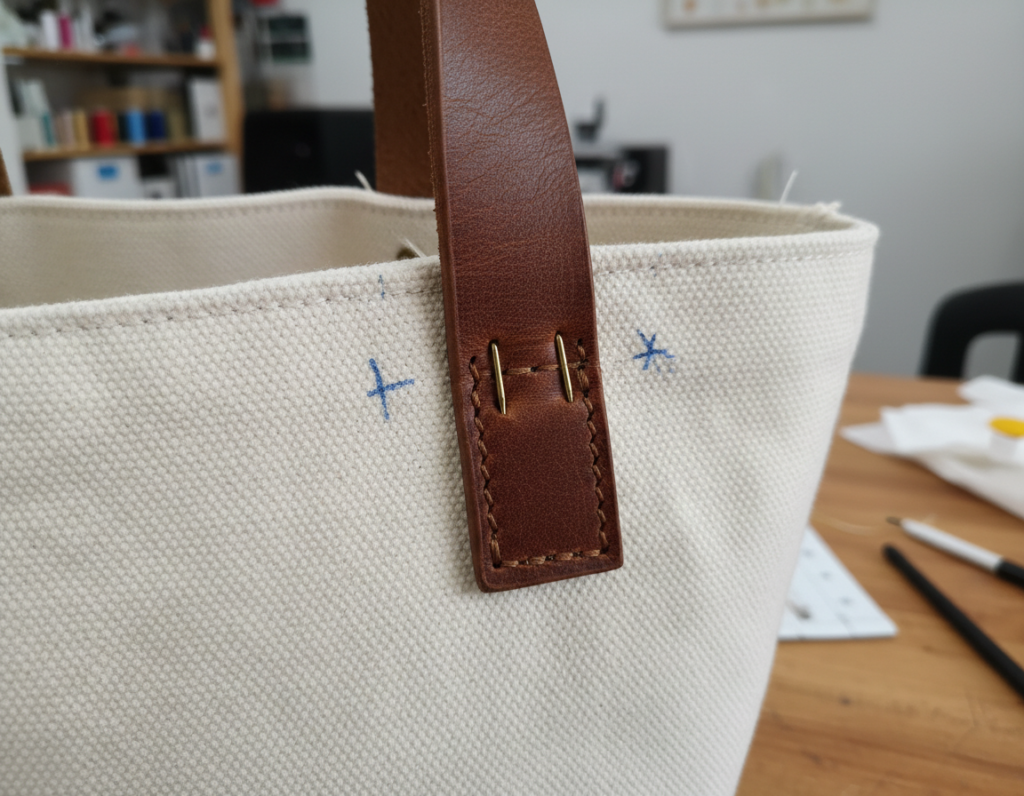
Turn your outer bag right side out. Measure and mark strap positions along the top edge. Place marks 4 inches from each side seam on both front and back.
Position strap ends at these marks with raw edges aligned. The straps should point down into the bag when pinned. Pin securely at each strap end.
Measure 4 inches from each side seam
Mark strap placement on front and back
Align strap raw edges with bag top edge
Point straps down into bag interior
Pin securely in place
Baste straps within seam allowance if desired
Securing Straps Temporarily
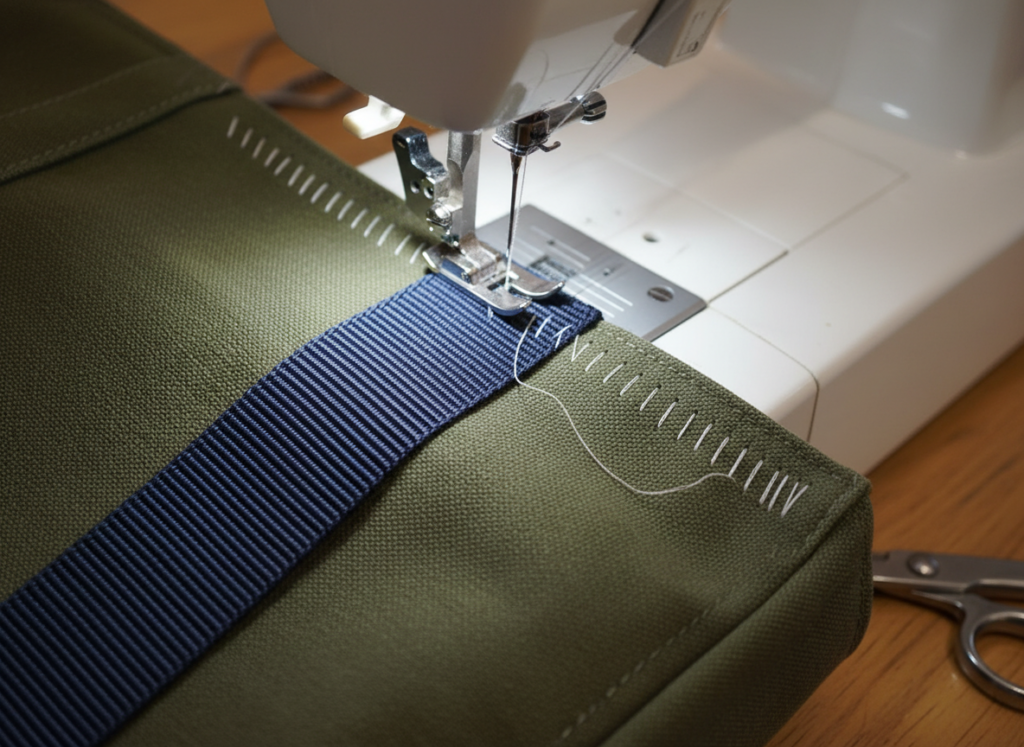
Baste the straps in place using a 1/4 inch seam allowance. This temporary stitching holds straps during final assembly. Remove these basting stitches later or leave them hidden in the seam.
Joining Outer Bag and Lining Together
This crucial step brings everything together. You’re combining the outer fabric and lining now. The bag transforms into its final form here.
Aligning Bag and Lining
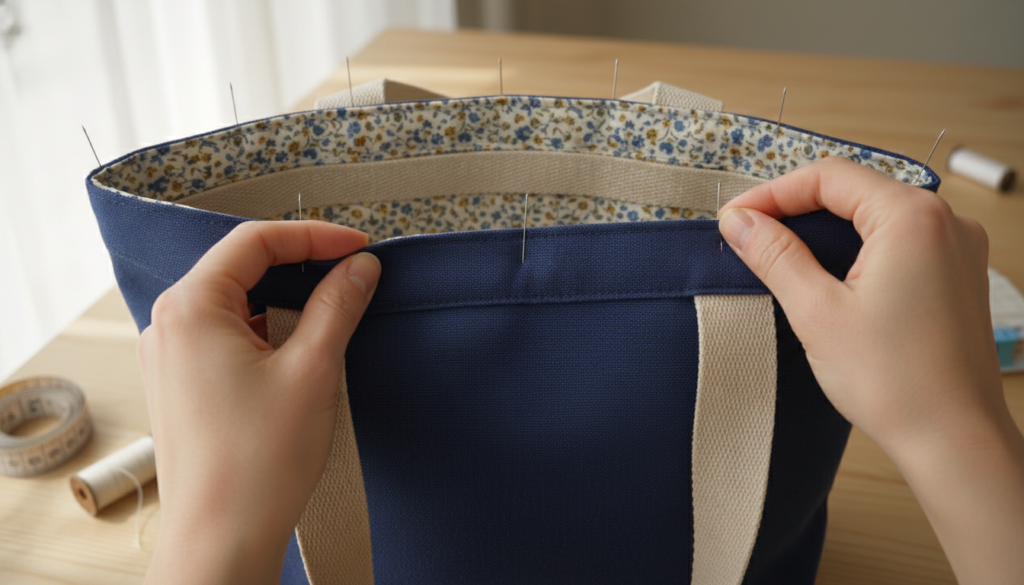
Keep the outer bag right side out. Keep the lining wrong side out. Slip the outer bag inside the lining bag. Right sides should face together.
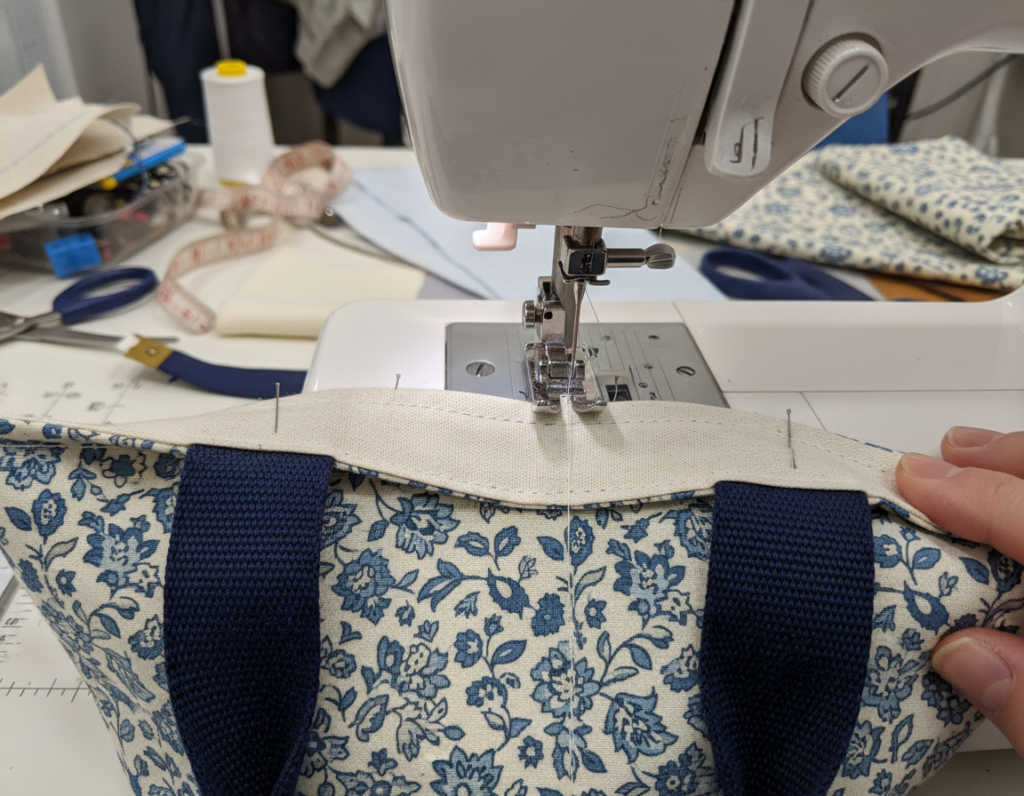
Align the top raw edges all around the opening. Match the side seams carefully for even results. The straps sit sandwiched between the outer bag and lining layers.
Pin completely around the top edge. Take your time with alignment here. This seam shows on the finished bag, so accuracy matters.
Sewing the Top Seam
Sew around the entire top edge using a 1/2 inch seam allowance. Go slowly over the thick strap areas. Backstitch at the beginning and end for strength.
Remove pins as you approach them. Check that you’re catching both layers throughout. The straps get permanently secured in this seam.
Turning and Final Finishing Touches
The exciting reveal happens now. Your bag emerges in its finished form. Careful turning prevents damage to seams and corners.
Turning Process
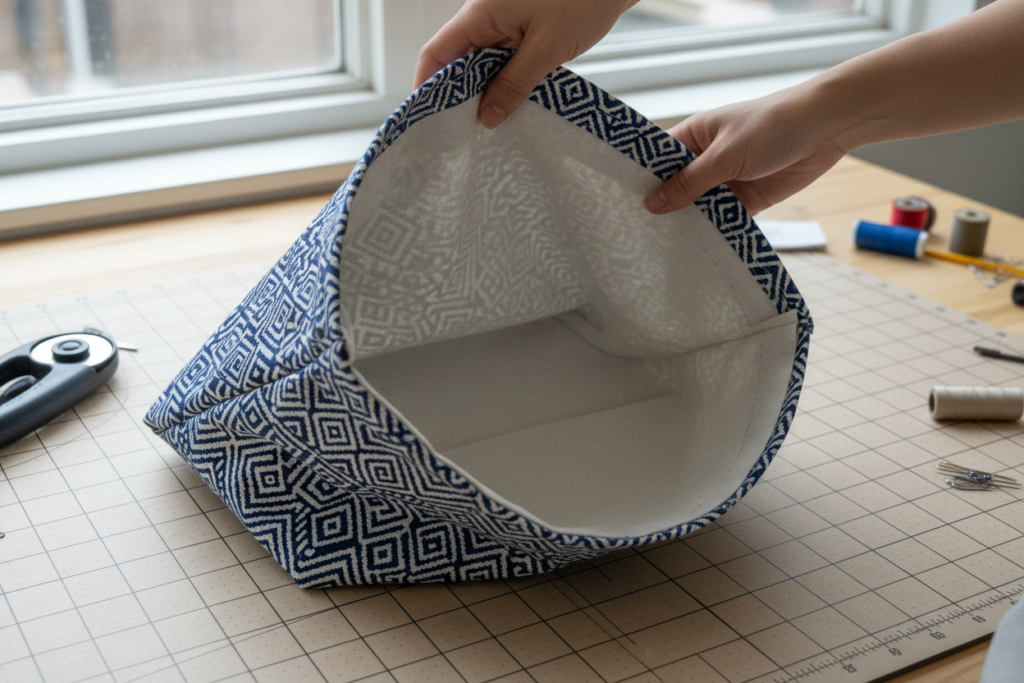
Reach through the opening in the lining bottom. Grasp the outer bag and pull it through this gap. The entire bag turns right side out through this opening.
Work slowly and gently at corners. Use a point turner to push out corners fully. The bag gradually reveals its finished appearance.
Closing the Lining Opening
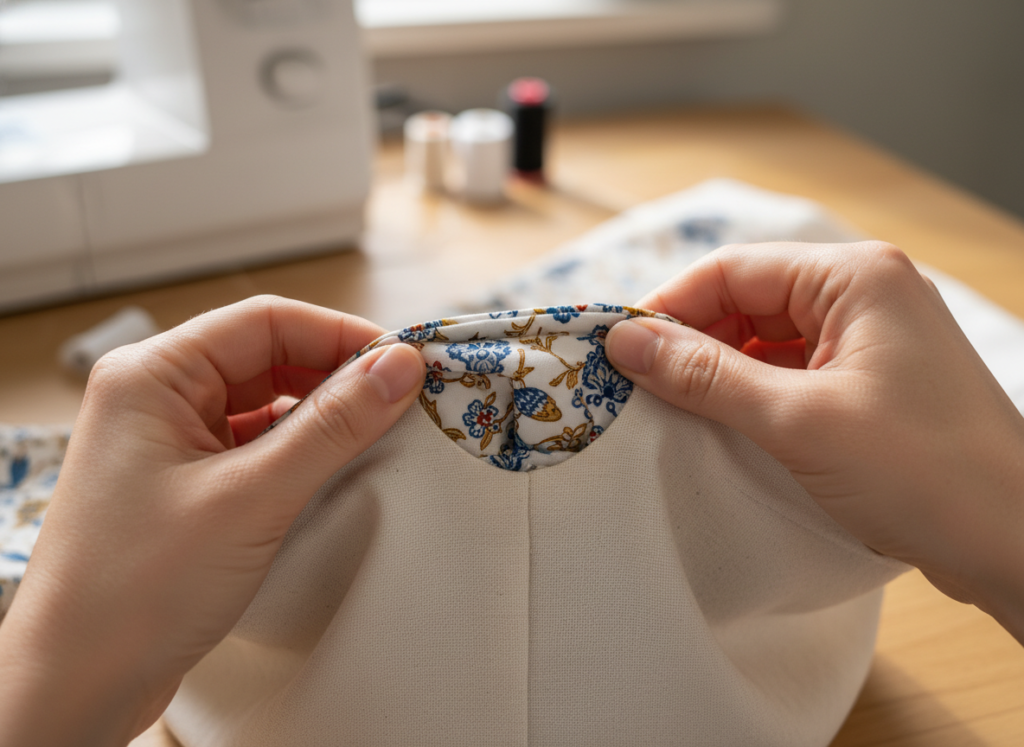
Push the lining inside the bag. Locate the opening in the lining bottom. Fold the raw edges inward along the seam line.
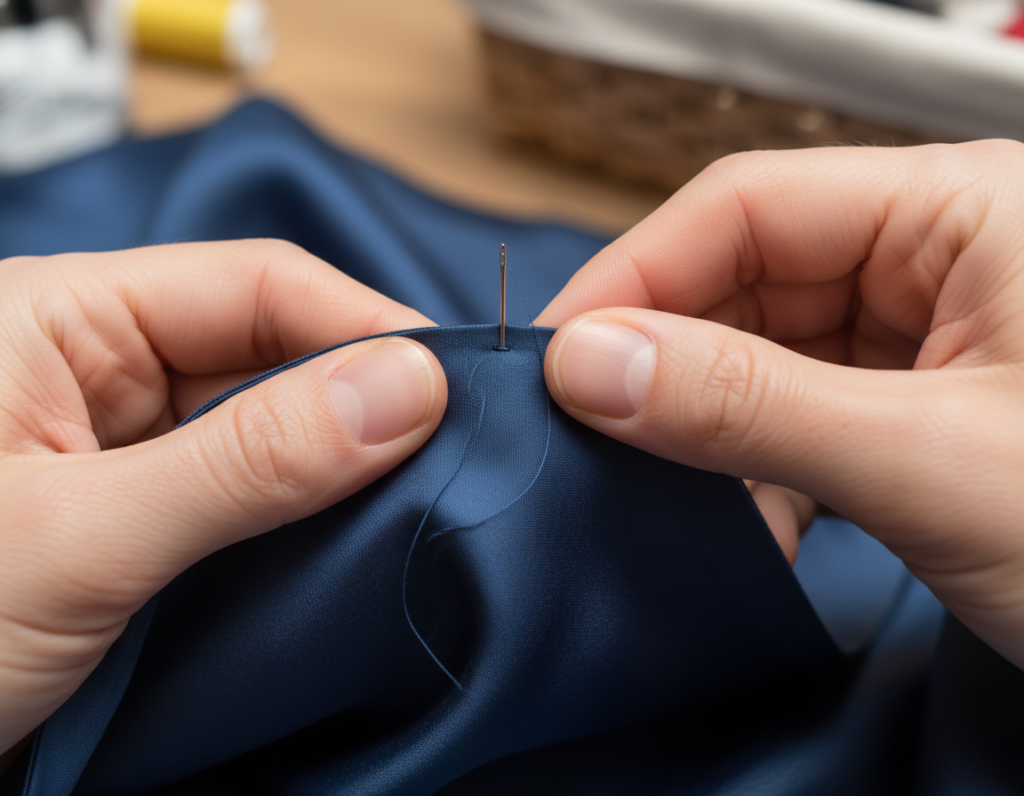
Hand stitch this opening closed using a slip stitch or ladder stitch. Alternatively, machine stitch close to the folded edge. Either method works perfectly fine.
Final Pressing
Press the top edge of your bag carefully. Roll the seam slightly toward the lining side. This prevents lining from showing on the bag exterior.
Top stitch around the bag opening if desired. This adds professional detail and keeps the lining in place. Stitch about 1/4 inch from the top edge all around.
Creative Variations for Your Tote Bags
This basic pattern adapts to countless variations. Personalize your tote bag to match your style. Small changes create dramatically different results.
Size Adjustments
Modify dimensions to create different bag sizes. Larger bags work great for beach trips or groceries. Smaller versions make perfect lunch bags or gift bags.
Size Options
Small: 12″ × 14″ for lunch or small items
Medium: 15″ × 18″ (this tutorial size)
Large: 18″ × 20″ for groceries or beach
Extra-large: 20″ × 24″ for travel or storage
Strap Variations
Shorter straps for hand-carrying
Longer straps for shoulder bags
Wider straps for comfort with heavy loads
Adjustable straps using hardware
Adding Pockets and Details
Interior pockets keep small items organized. Sew a patch pocket to the lining before assembly. Position pockets at comfortable reaching height.
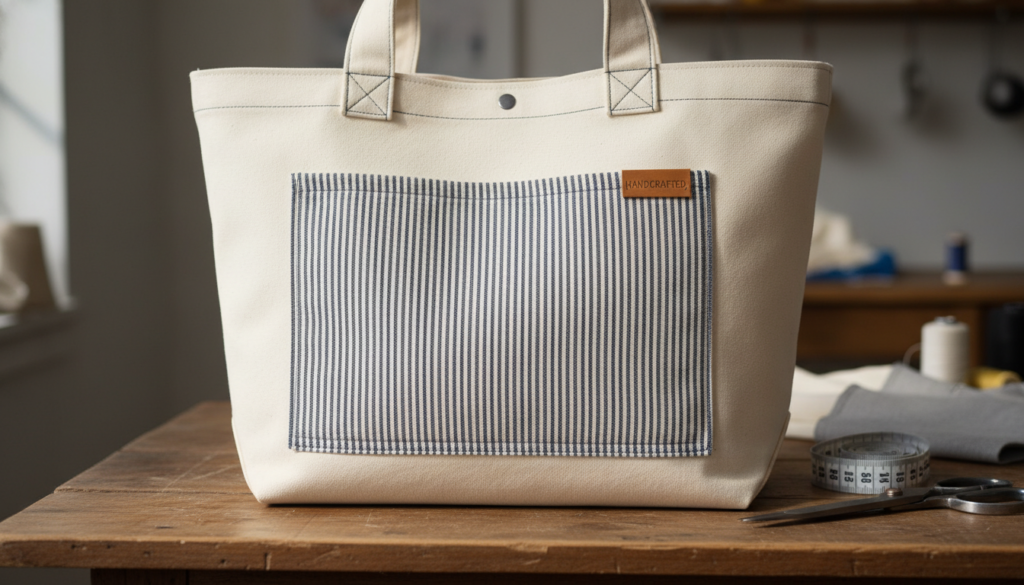
Exterior pockets add convenience and style. Attach them to the outer fabric pieces before sewing the bag together. Consider adding magnetic snaps or buttons for closure.
Embellishment Ideas
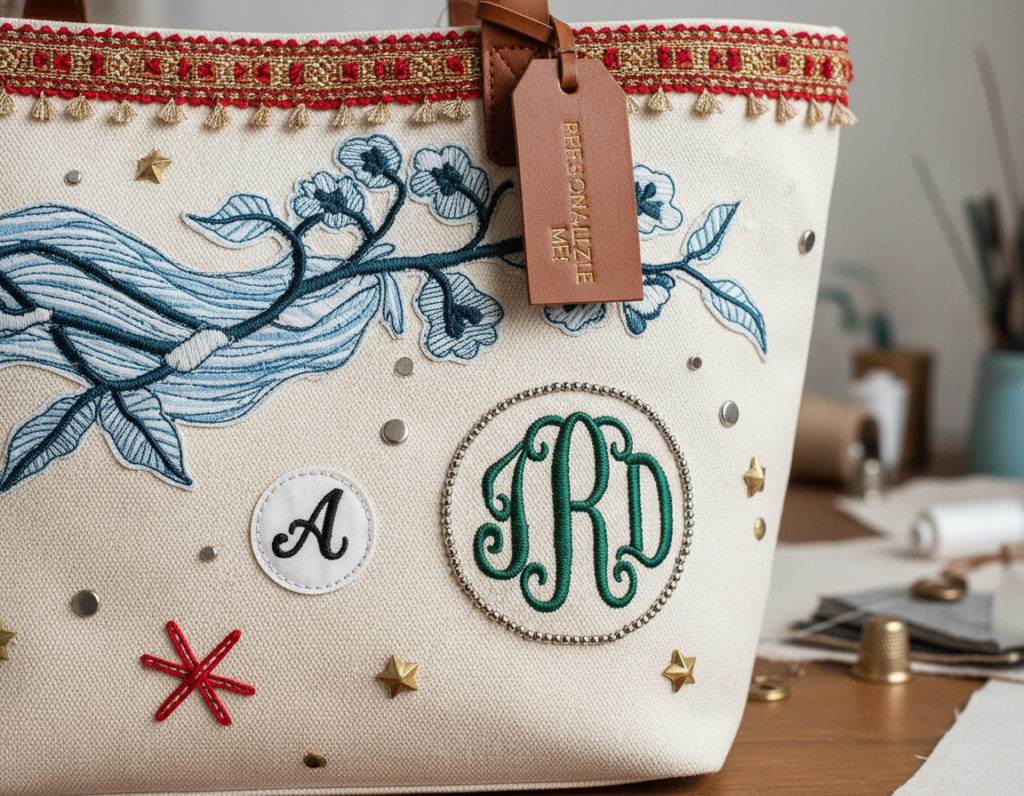
Add fabric appliqués or iron-on designs
Incorporate decorative trim along the top edge
Embroider monograms or patterns
Use contrasting topstitching thread
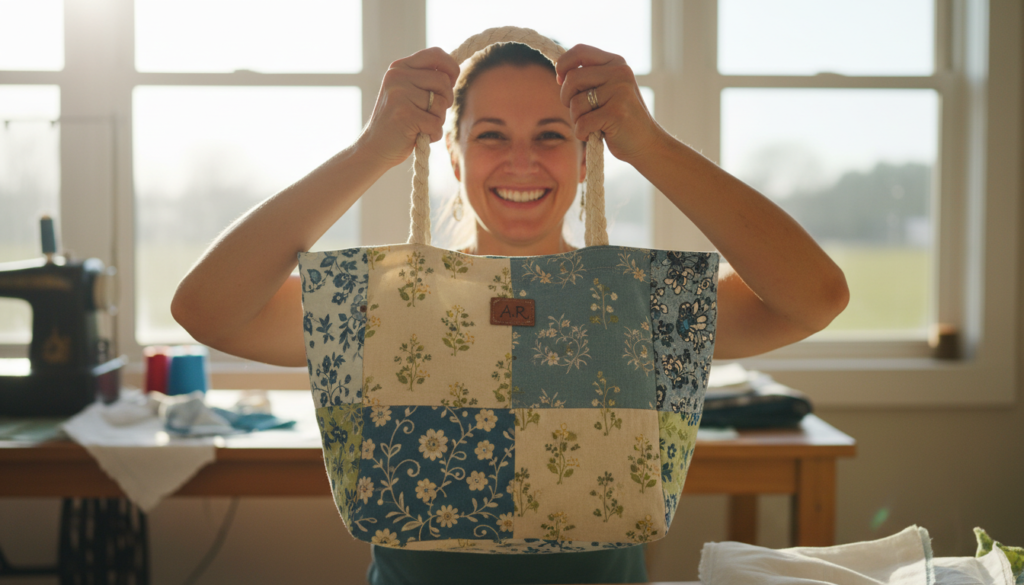
Mix and match fabrics for patchwork style
Add ribbon or fabric ties for decorative closure
Congratulations on Completing Your First Tote Bag!
You’ve mastered essential bag-making skills. Now imagine creating professional zippered pouches, lined cosmetic bags, crossbody bags, and messenger bags with expert guidance. Take your newfound skills to the next level with comprehensive sewing courses.
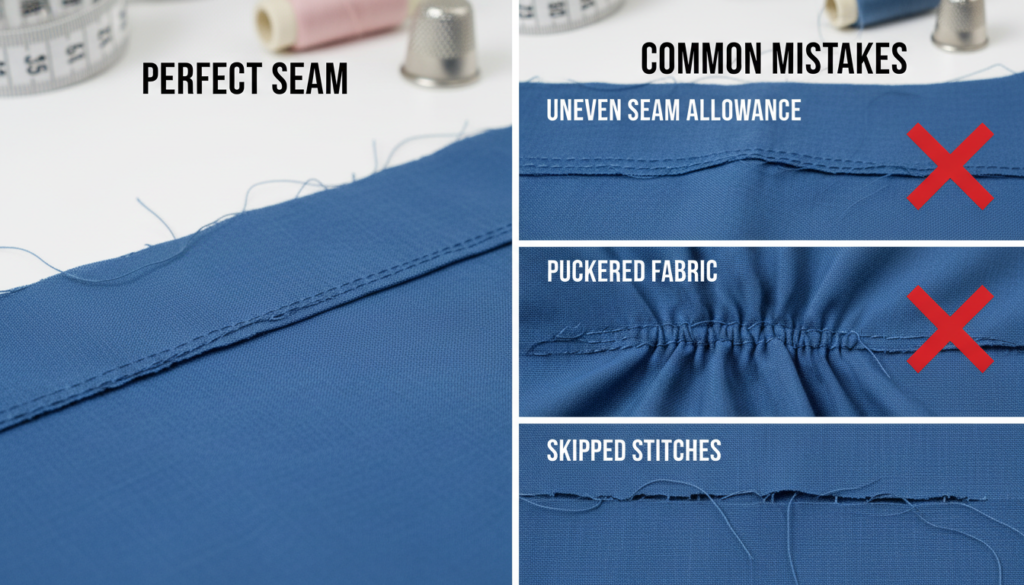
Every sewer encounters challenges along the way. These simple solutions fix most common problems. Don’t get discouraged by minor setbacks.
Seam and Stitching Issues
Problem Signs
Puckered or wavy seams
Uneven stitching lines
Thread tension problems
Skipped stitches in thick areas
Quick Fixes
Adjust thread tension settings
Use appropriate needle size for fabric
Slow down when sewing thick layers
Press seams as you go
Alignment and Fit Problems
Misaligned pieces happen even to experienced sewers. Careful pinning prevents most alignment issues. Take time to match seams and edges before stitching.
If your lining doesn’t fit the outer bag properly, check your seam allowances. Inconsistent seam width creates sizing problems. Use your seam guide for consistency.
Pin generously, especially at matching points
Measure seam allowances regularly
Press seams flat before crossing with another seam
Clip curves and corners to reduce bulk
Test fit pieces before final stitching
Strap Attachment Concerns
Loose or crooked straps compromise bag function. Reinforcement stitching adds security to strap attachment points. Sew a small rectangle with an X through it at each strap end for maximum strength.
Uneven strap placement makes bags hang awkwardly. Measure carefully from side seams when marking positions. Use the same measurements on both bag sides for symmetry.
Caring for Your Handmade Tote Bag
Proper care extends your tote bag’s lifespan significantly. Different fabrics require specific care methods. Understanding fabric properties protects your handmade project.
Washing and Cleaning
Most cotton and canvas tote bags tolerate machine washing. Use cold water and gentle cycle for best results. Turn bags inside out before washing to protect the exterior.
Air drying prevents shrinkage and maintains bag shape. Avoid high heat from dryers when possible. Hang bags to dry or lay flat on clean towels.
Spot clean minor stains promptly
Machine wash on gentle cycle in cold water
Air dry to prevent shrinking
Iron on appropriate heat setting for fabric type
Store bags folded or hanging to maintain shape
Storage Recommendations
Store tote bags in dry, clean locations. Avoid damp areas that encourage mildew growth. Fold bags neatly or hang them on hooks to prevent creasing.
Stuff bags with tissue paper if storing long-term. This helps maintain their shape during storage. Keep bags away from direct sunlight to prevent fading.
Your Sewing Journey Continues
You’ve completed this sewing easy diy bag tutorial successfully. The skills learned here apply to countless future projects. Each bag you create builds confidence and expertise.
This simple tote bag project opens doors to more advanced sewing. You understand fabric, seams, straps, and lining construction now. These fundamental techniques support all bag-making endeavors.
Keep practicing and experimenting with different fabrics and designs. Every project teaches new lessons and refines your skills. The sewing community welcomes makers at all levels.
Share your finished tote bags with friends and family. Handmade gifts carry special meaning and personal touch. Your creations bring joy to both maker and recipient.
Take Your Bag-Making Skills to Professional Level
You’ve proven you can create beautiful, functional bags. Now discover the techniques that separate hobbyists from experts. Access professional patterns, advanced construction methods, video tutorials, and a supportive community of passionate sewers ready to help you succeed.