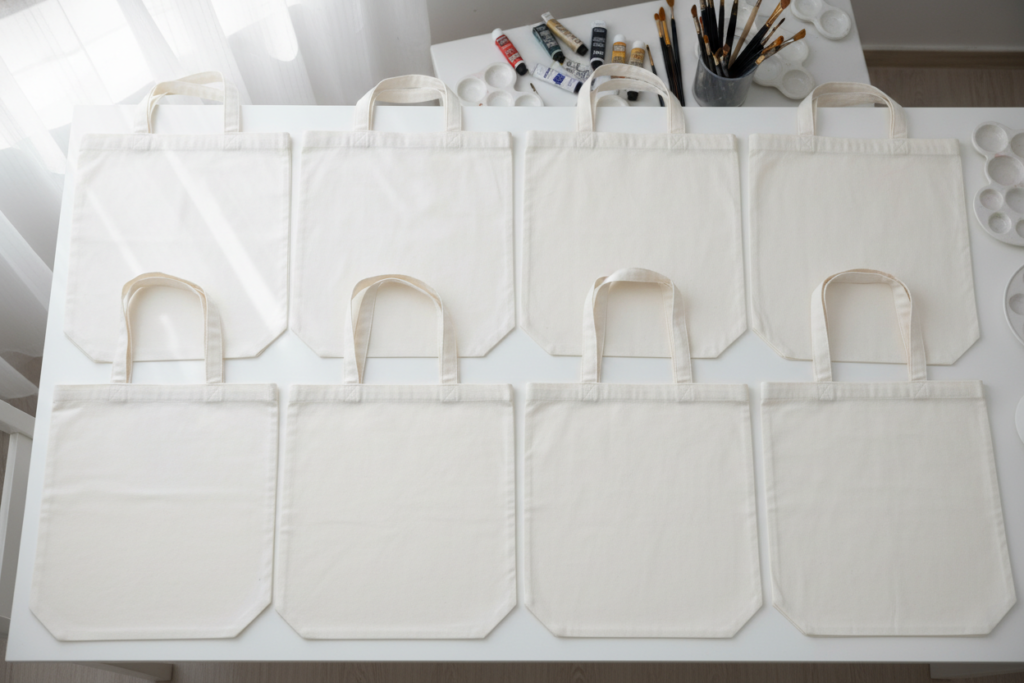
Creating your own painted bag combines the satisfaction of sewing with artistic expression. This craft allows you to design unique tote bags that reflect your personal style. Whether you’re making a gift for someone special or adding to your own collection, painted bags offer endless creative possibilities.
The beauty of this craft lies in its accessibility. You don’t need advanced sewing skills or expensive art supplies. With basic materials and simple techniques, anyone can create stunning results. This guide walks you through everything from choosing the right fabric to mastering painting ideas that make your bags stand out.
Your painted tote bag journey starts here. We’ll explore pattern selection, fabric preparation, and creative design approaches. Each technique builds on the last, helping you develop confidence with every project. Get access to professional patterns and expert guidance to accelerate your creative journey.
Getting Started with Essential Materials
Success with painted bags begins with selecting the right supplies. The materials you choose directly impact your final results. Quality supplies make the creative process smoother and more enjoyable.
Choosing the Right Fabric
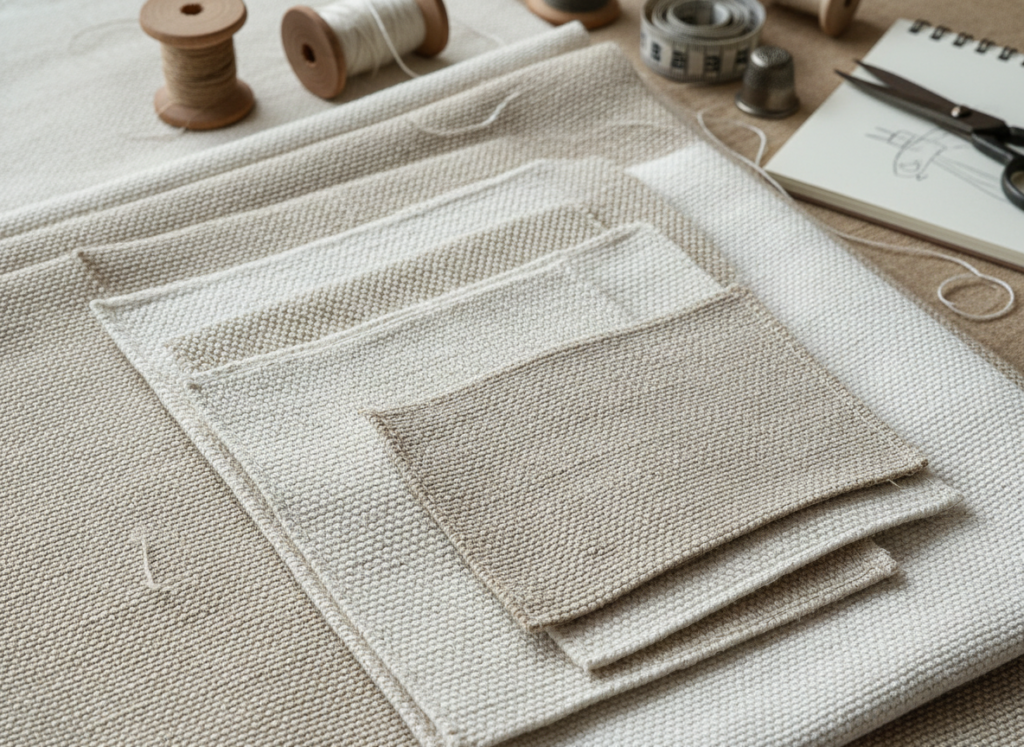
Canvas fabric works best for painted tote bags. This material provides a sturdy surface that holds paint exceptionally well. Cotton canvas tote bags offer the perfect combination of durability and paintability.
Natural fibers accept acrylic paints better than synthetic materials. Look for medium-weight canvas that’s thick enough to support designs without being too stiff. Pre-washed canvas helps prevent shrinkage after painting.
Essential Painting Supplies
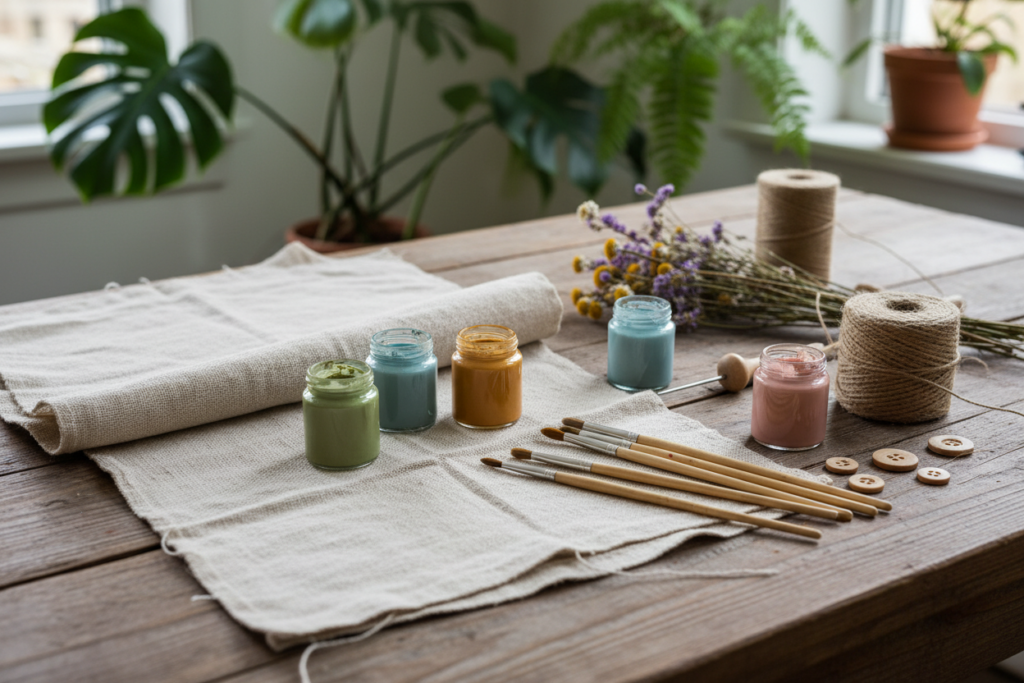
Acrylic paints are ideal for fabric painting projects. They dry quickly, remain flexible, and withstand regular use. Fabric medium mixed with acrylic paints creates a softer finish that moves with the bag.
Your basic supply list should include:
High-quality acrylic paints in your chosen paint colors
Assorted paintbrush sizes for different techniques
Fabric medium to improve paint flexibility
Stencils or painter’s tape for clean design edges
Cardboard or plastic to insert inside bags during painting
Water container and paper towels for cleanup
Basic Sewing Tools
Creating bags from scratch requires fundamental sewing equipment. A reliable sewing machine makes construction faster and more professional. However, simple tote bag designs can be hand-sewn if needed.
Keep these tools ready:
Sewing machine with straight stitch capability
Sharp fabric scissors for clean cuts
Measuring tape and ruler for accurate dimensions
Pins or clips to hold fabric in place
Thread matching your fabric color
Iron for pressing seams and fabric preparation
Ready to Create Professional-Looking Bags?
Access comprehensive bag patterns and step-by-step video tutorials that take the guesswork out of your projects. Get instant access to designs that look professionally made.
Starting with straightforward pattern designs builds your confidence. These beginner-friendly patterns require minimal sewing experience while delivering impressive results. Each pattern offers opportunities for creative painting.
Basic Tote Bag Construction
The classic tote represents the perfect starting point. This design uses rectangular fabric pieces and straight seams. You can complete a basic tote in under an hour once you understand the process.
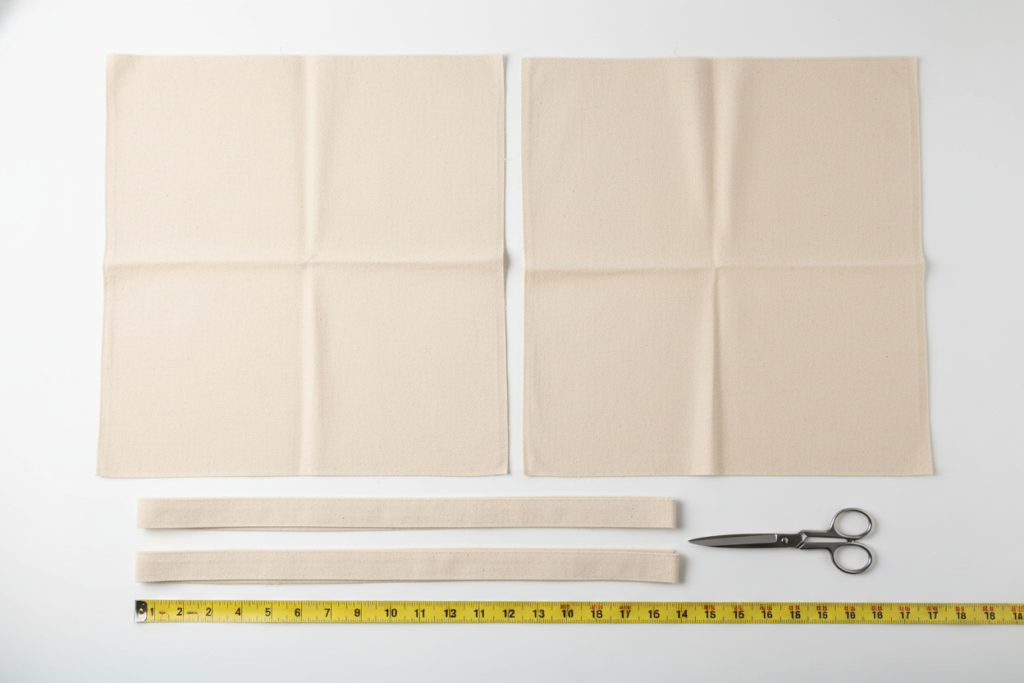
Cut two fabric rectangles measuring 15 by 18 inches for the bag body. Add two strips measuring 3 by 22 inches for handles. This size creates a practical everyday tote with comfortable carrying straps.
Place fabric rectangles with right sides together. Sew along three edges, leaving the top open. Turn the bag right side out and press seams flat. Attach handles by pinning them four inches from each side seam and stitching securely.
Market Bag Design
Market bags feature wider bottoms and slightly tapered sides. This design provides extra space for groceries or craft supplies. The structure offers more surface area for painting creative designs.
This pattern requires fabric pieces with subtle angles. Cut the bottom piece wider than the top opening. The tapering effect creates visual interest while maintaining functionality.
Drawstring Bag Variation
Drawstring bags offer a different aesthetic and function. These bags work wonderfully as gift bags or storage solutions. The closure mechanism adds practical value to your painted creation.
The pattern uses a rectangular piece folded in half. Add a casing at the top for the drawstring cord. This simple design allows maximum painting surface on the front panel.
Quick Pattern Tips
Always add seam allowances to measurements
Pre-wash fabric before cutting patterns
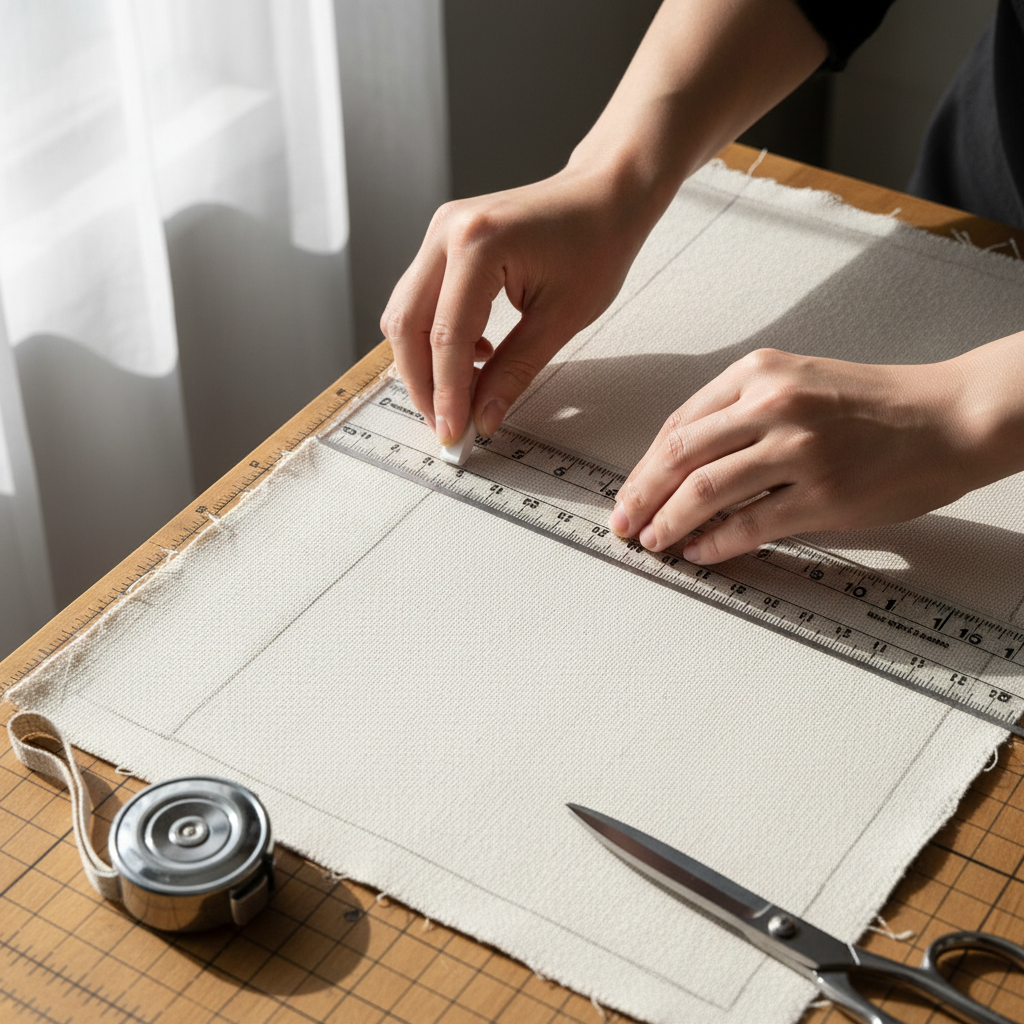
Mark fabric pieces clearly with chalk
Press seams as you go for cleaner results
Creative Bag Painting Ideas and Techniques
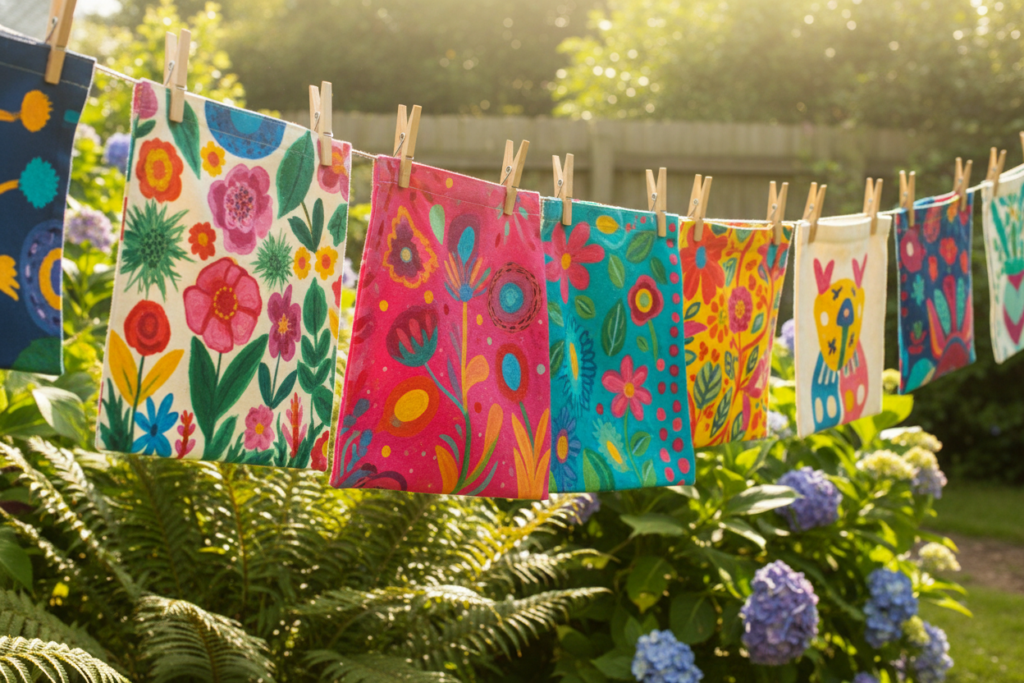
Painting transforms plain canvas bags into personalized art pieces. Various techniques create different effects and styles. Experimenting with these approaches helps you discover your preferred painting style.
Stencil Painting Method
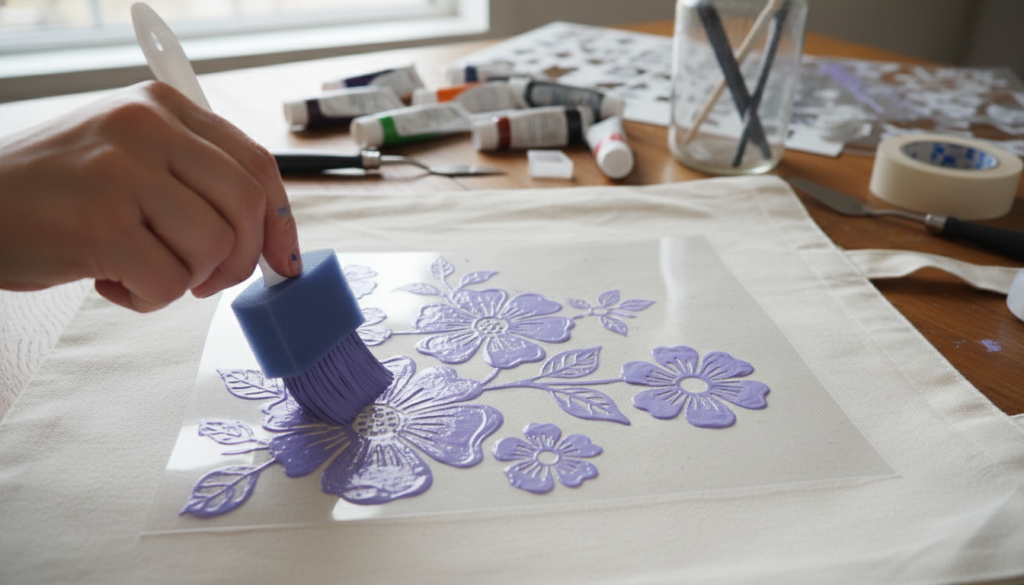
Stencils provide the easiest way to achieve professional-looking designs. This technique works perfectly for beginners who want clean, precise patterns. Pre-made stencils offer countless design options, from geometric shapes to nature motifs.
Place cardboard inside your tote to prevent paint from bleeding through. Position your stencil and secure it with painter’s tape. Apply paint using a sponge brush with dabbing motions rather than brushing strokes.
Let each color dry completely before adding additional layers. This prevents colors from mixing unintentionally. Remove the stencil carefully while paint is still slightly wet for the cleanest edges.
Freehand Painting Designs
Freehand painting allows complete creative freedom. This approach works well for abstract art, personalized messages, or unique illustrations. Sketch your design lightly with pencil before committing to paint.
Start with simple shapes and build complexity gradually. Dots, lines, and basic geometric forms create striking compositions. Layer colors to add depth and visual interest to your bag design.
Block Printing Technique
Block printing creates repeating patterns with handmade stamps. Carve simple designs into craft foam or linoleum blocks. This technique produces a handcrafted look that’s distinctly artistic.
Apply paint evenly to your carved block. Press firmly onto the canvas surface, being careful not to shift the block. Repeat the pattern across your tote for a cohesive design.
Geometric Patterns
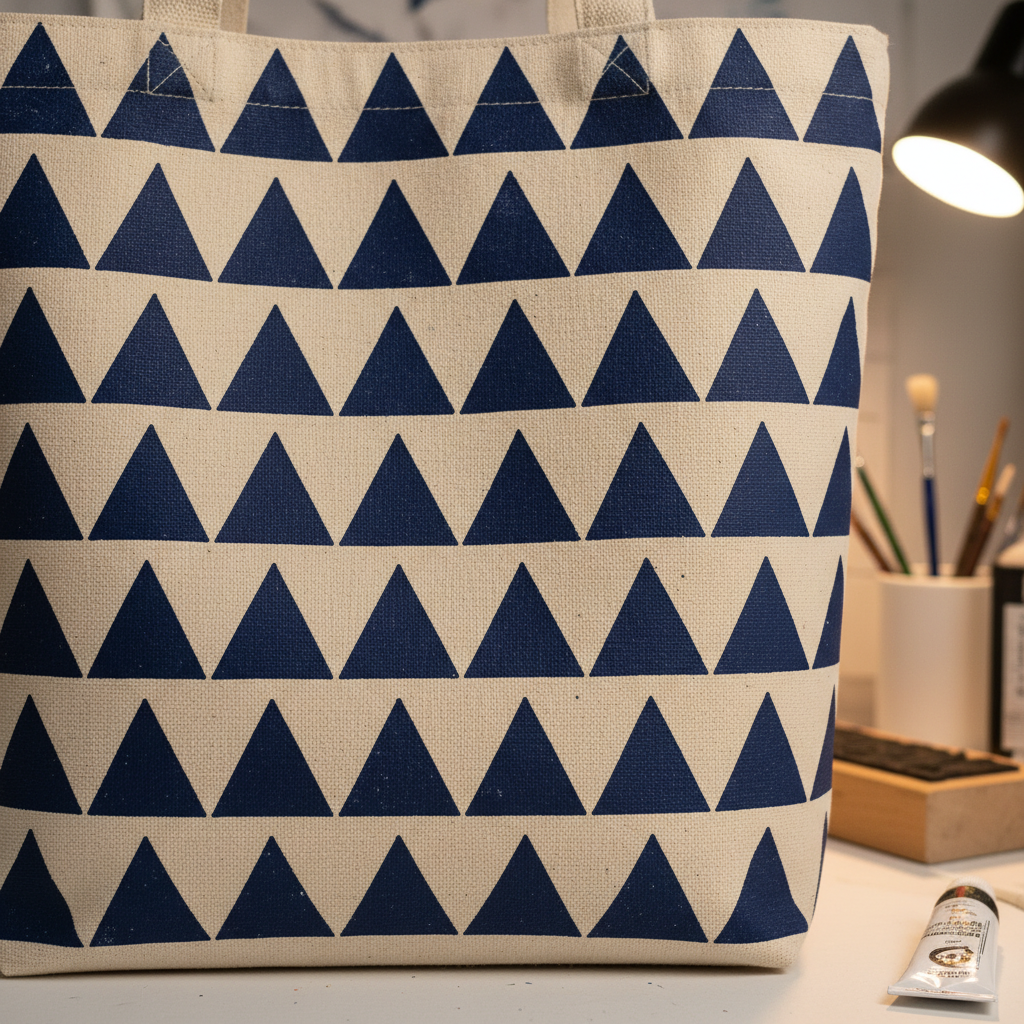
Clean lines and shapes create modern aesthetics. Use painter’s tape to achieve sharp edges. Triangles, circles, and squares combine beautifully for contemporary tote bag designs.
Nature-Inspired Art
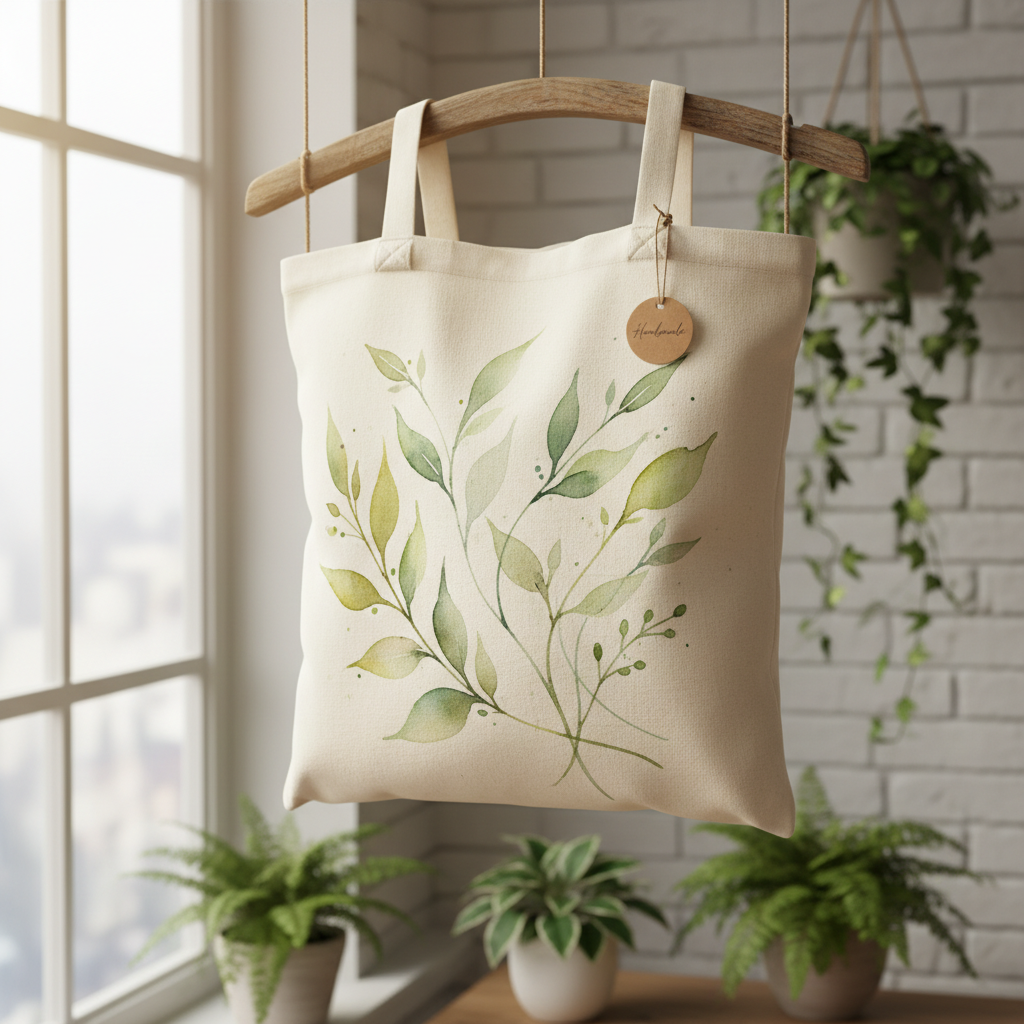
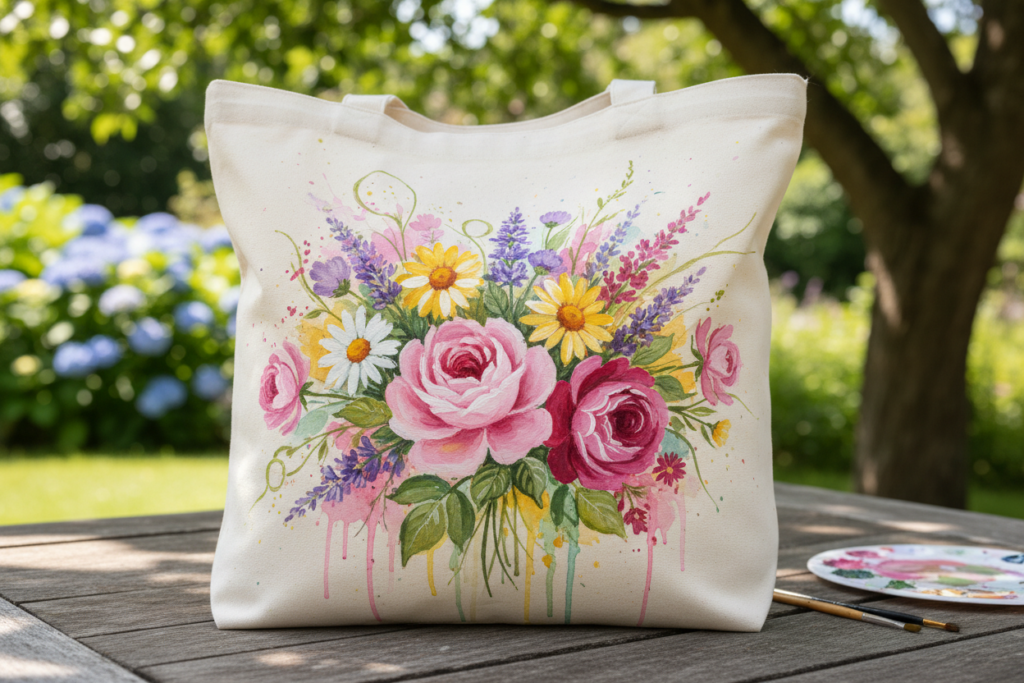
Botanical themes bring organic beauty to canvas tote bags. Paint leaves, flowers, or branches for a natural aesthetic. These designs work wonderfully for everyday use or special occasions.
Abstract Expressions
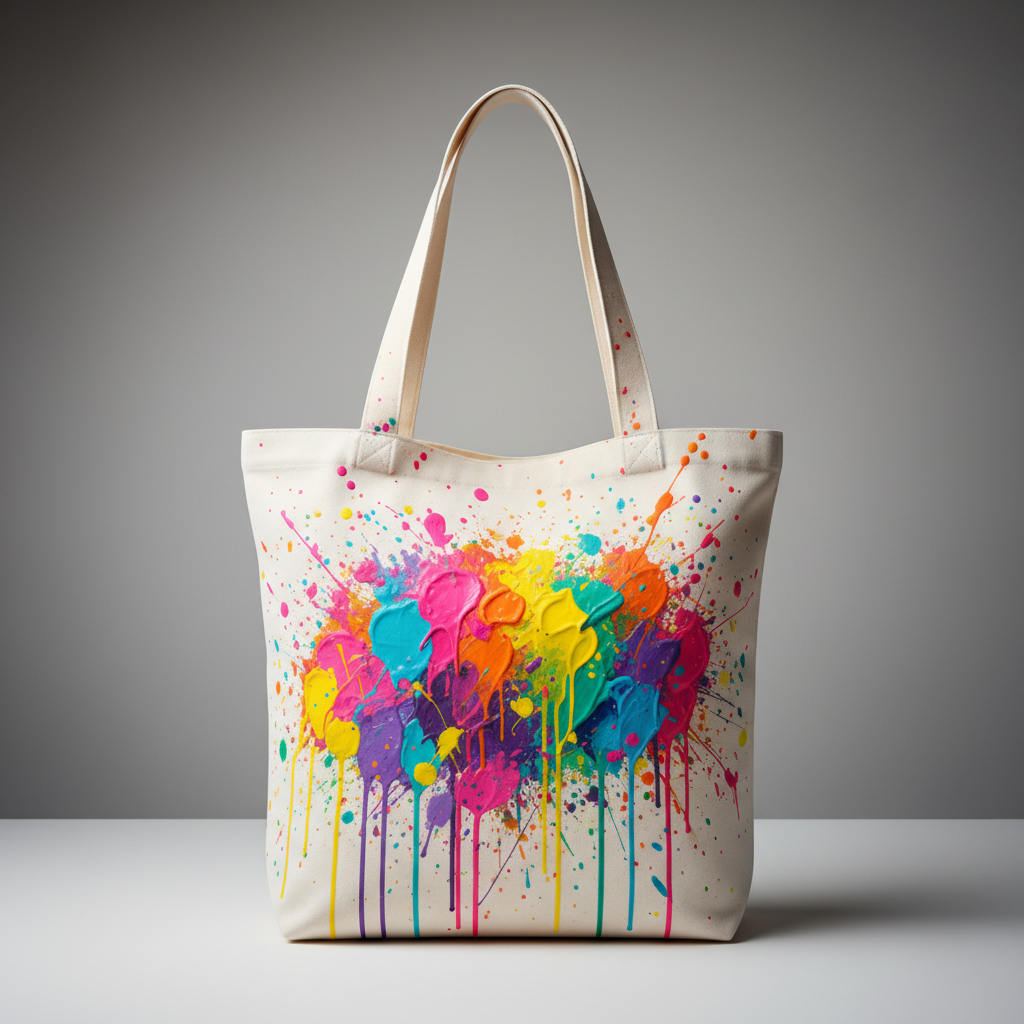
Abstract painting requires no artistic experience. Splatter, drip, or blend colors freely. This fun approach creates one-of-a-kind bags that express your creativity without rules.
Typography and Lettering
Words and phrases make powerful design statements. Hand-lettering adds personal meaning to your tote. Choose inspirational quotes, funny sayings, or meaningful words that resonate with you.
Practice lettering on paper before transferring to fabric. Use light pencil guidelines to keep text straight and evenly spaced. Paint carefully with a fine brush for crisp letters.
Selecting Perfect Paint Colors for Your Tote
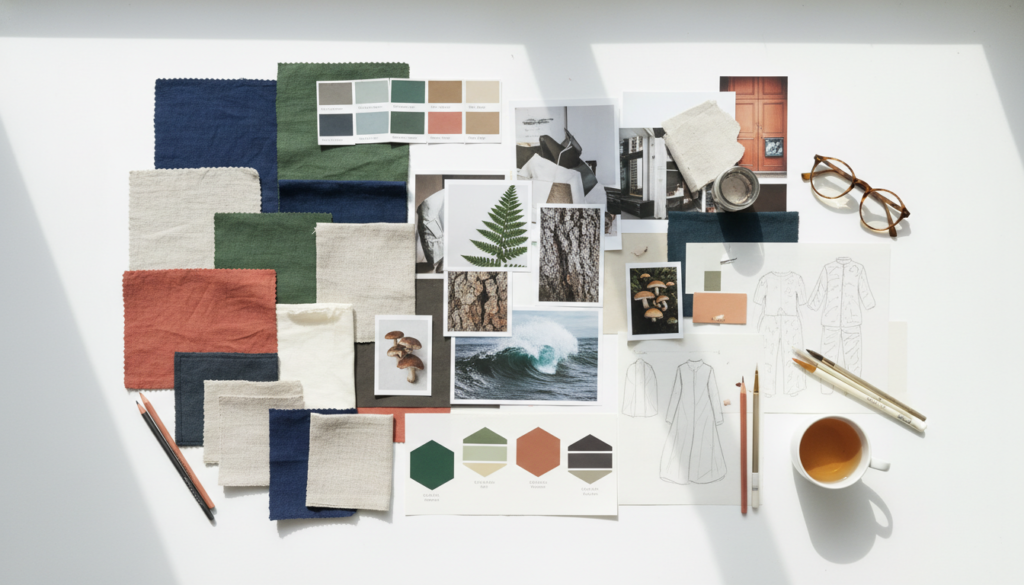
Color choices dramatically affect your bag’s final appearance. Understanding color theory helps create harmonious or contrasting combinations. The right paint colors make your design pop and complement various outfits.
Monochromatic Color Schemes
Using different shades of one color creates sophisticated elegance. This approach works especially well for minimalist designs. Vary lightness and darkness for depth without overwhelming the eye.
Navy and light blue combinations create calming coastal vibes. Shades of green evoke natural, earthy feelings. Monochromatic schemes ensure your tote bag design looks intentional and polished.
Complementary Color Pairings
Opposite colors on the color wheel create vibrant contrast. These combinations grab attention and create visual excitement. Use complementary pairs for bold, statement-making bags.
Purple and yellow provide energetic contrast. Orange and blue create striking visual interest. Balance these intense combinations by using one color dominantly and the other as an accent.
Neutral and Natural Tones
Earth tones and neutrals never go out of style. These colors work with any wardrobe and suit various occasions. Beige, brown, cream, and soft gray create timeless tote bag designs.
Add metallic gold or copper accents for subtle glamour. Black and white combinations deliver classic sophistication. Neutral palettes allow the bag’s texture and design to shine.
Warm Color Palettes
Red, orange, and yellow create energetic vibes
Coral and peach offer soft warmth
Terracotta and rust bring earthy richness
Warm tones suit autumn and summer designs
Cool Color Palettes
Blue, green, and purple evoke calm feelings
Teal and turquoise provide refreshing appeal
Lavender and mint create gentle aesthetics
Cool tones work beautifully for spring designs
Preparing Your Canvas Tote for Painting
Proper preparation ensures paint adheres correctly and lasts longer. Taking time with these steps prevents frustration later. Well-prepared surfaces accept paint more evenly and produce professional results.
Washing and Drying Fabric
Always pre-wash canvas bags before painting. This removes manufacturing residues that interfere with paint adhesion. Washing also pre-shrinks fabric, preventing distortion after your first laundering.
Use mild detergent without fabric softeners. Fabric softeners leave coatings that repel paint. Dry bags completely and press them smooth with a hot iron.
Creating a Protected Work Surface
Set up your workspace thoughtfully to avoid messes. Cover your table with plastic sheeting or newspaper. Good lighting helps you see details clearly while painting.
Insert cardboard inside each tote to create a firm painting surface. This prevents paint from seeping through to the other side. The barrier also keeps the bag flat and taut during painting.
Sketching Your Design
Planning your design beforehand saves time and materials. Use a light pencil to sketch directly on canvas. These guidelines help maintain proportion and placement during painting.
Take photos of your sketch for reference as you paint. This helps if you accidentally smudge pencil lines. You can always erase visible pencil marks after paint dries completely.
Step-by-Step Bag Painting Process
Following a systematic approach produces consistent results. These steps work for most painting techniques and design styles. Take your time with each phase for the best outcome.
Applying Base Layers
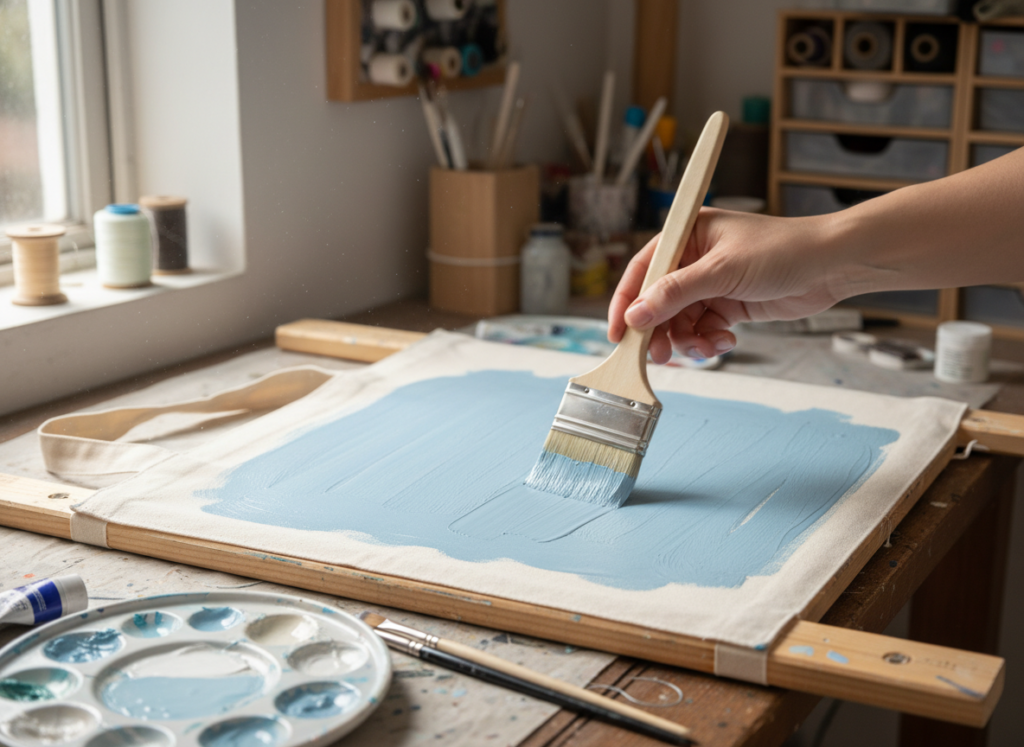
Start with lighter colors as your foundation. Base layers establish the overall color scheme and cover large areas. Apply paint in thin, even coats rather than one thick layer.
Let each coat dry completely before adding another. Rushing this step causes colors to muddy together. Patience during drying time pays off with vibrant, clear colors.
Adding Details and Accents
Details bring your design to life. Use smaller brushes for intricate elements and fine lines. Build complexity gradually, adding layers of detail as you go.
Wait for base colors to dry before adding details on top. This prevents accidental smearing and keeps colors crisp. Steady your hand by resting your wrist on the work surface.
Creating Texture and Dimension
Texture adds visual interest and depth to flat designs. Use different brush techniques to vary surface appearance. Stippling, dry brushing, and layering create dimensional effects.
Thick paint application creates raised texture. Thin washes produce transparent, watercolor-like effects. Experiment with various consistencies to discover different looks.
Want to Master Advanced Painting Techniques?
Learn professional tricks that make your painted bags look gallery-worthy. Access video tutorials showing exactly how to create stunning effects with simple tools.
Finishing touches elevate good designs to great ones. Add highlights with lighter shades to create dimension. Small accent dots or lines can unify disparate elements.
Step back frequently to view your work from a distance. This perspective reveals areas needing adjustment. Make final refinements when paint is completely dry.
Heat Setting and Finishing Your Painted Bag
Heat setting makes your painted design permanent and washable. This critical step ensures longevity and durability. Properly finished bags withstand regular use and cleaning.
Why Heat Setting Matters
Heat activates bonding properties in fabric paint. This process fuses paint molecules with fabric fibers. Without heat setting, designs may crack, peel, or fade quickly.
Most acrylic paints require heat setting for permanence. Check manufacturer instructions for specific temperature and time requirements. Different paint brands may have varying recommendations.
The Heat Setting Process
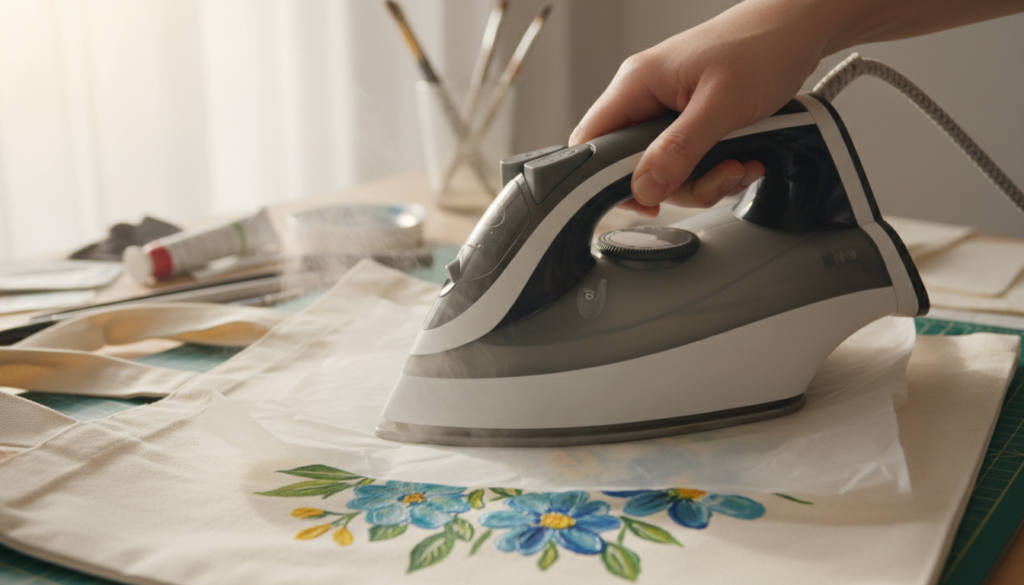
Wait until paint feels completely dry to touch. This typically takes 24 hours for thick applications. Place parchment paper or a thin cloth over your painted design to protect it.
Set your iron to the temperature appropriate for canvas fabric. Press firmly over each section for 30 seconds. Move systematically across the entire painted area without sliding the iron.
Alternative Setting Methods
Tumble drying offers another heat-setting option. Place your bag in the dryer on high heat for 30 minutes. This method works well for designs covering large areas.
Commercial heat presses provide the most consistent results. These tools apply even pressure and temperature. However, a regular household iron works perfectly well for most projects.
Testing Washability
Test a small corner of your design after heat setting. Gently rub with a damp cloth to check adhesion. Properly set paint should not transfer or smear.
Wait at least 72 hours before washing your finished bag. Hand washing in cold water preserves designs longer. Turn bags inside out before machine washing to protect painted surfaces.
Popular Tote Bag Painting Ideas to Try
Drawing inspiration from trending designs helps spark creativity. These popular ideas suit various skill levels and aesthetic preferences. Each concept offers room for personal interpretation and customization.
Minimalist Line Art
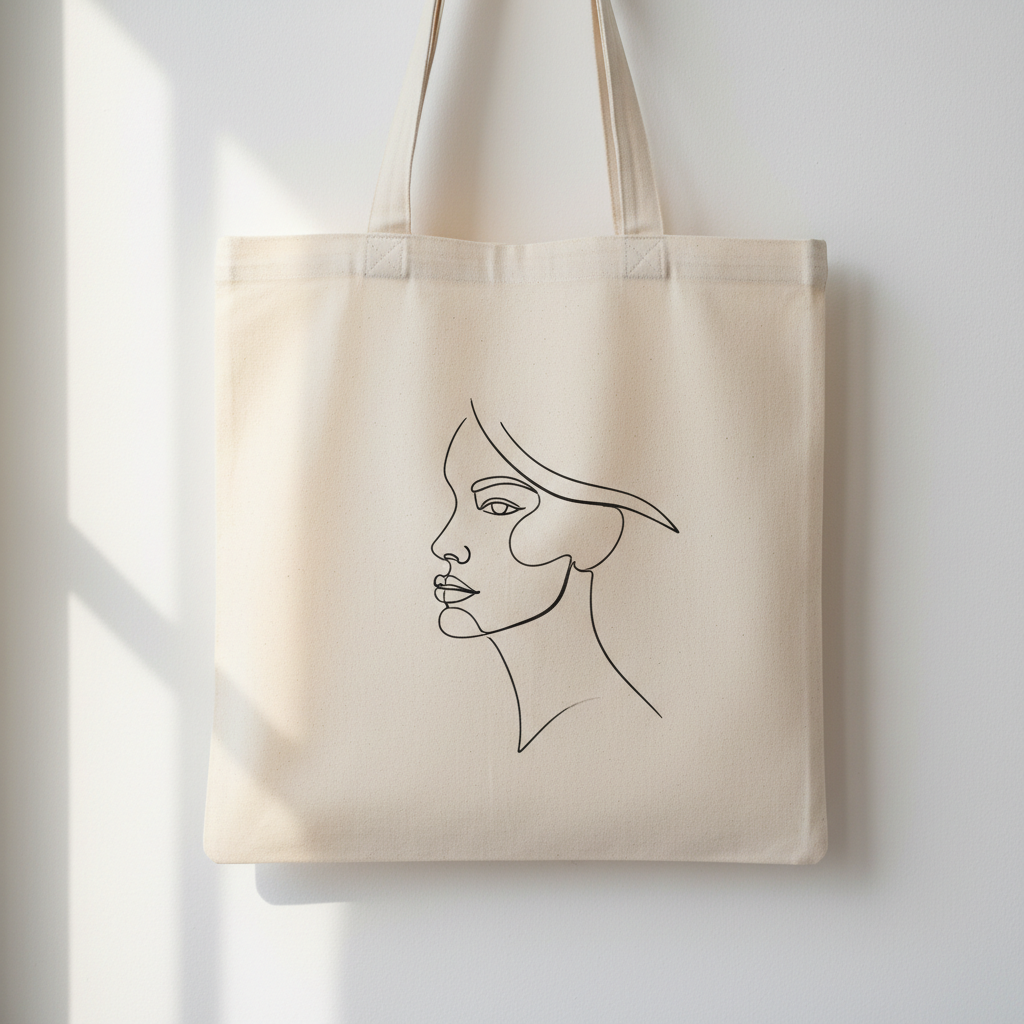
Simple line drawings create elegant, modern looks. Single-line faces, abstract shapes, or botanical outlines work beautifully. This style requires steady hands but minimal artistic experience.
Use fine-tipped brushes or fabric markers for precise lines. Black paint on natural canvas creates classic contrast. This timeless aesthetic suits any wardrobe or occasion.
Rainbow and Gradient Effects
Color gradients bring dynamic energy to plain bags. Blend colors smoothly from one to another for sunset effects. Rainbow patterns appeal to kids and adults alike.
Apply colors side by side while still wet. Blend where they meet using a clean, damp brush. This technique creates smooth transitions between hues.
Animal and Nature Motifs
Wildlife and nature themes never go out of style. Paint butterflies, birds, or woodland creatures for charming results. These designs make wonderful gift items for nature lovers.
Stencils simplify complex animal shapes for beginners. Freehand painting allows more personalized interpretations. Add simple backgrounds like grass or sky for complete scenes.
Floral Designs
Flowers offer endless variety and appeal. Paint realistic roses or abstract blooms. This classic idea suits spring, summer, or year-round use.
Scenic Landscapes
Miniature landscape paintings create artistic statement pieces. Try mountains, beaches, or cityscapes. These designs showcase your artistic abilities beautifully.
Inspirational Quotes
Meaningful words motivate and inspire. Hand-letter favorite phrases or song lyrics. Combine typography with small decorative elements for visual interest.
Holiday and Seasonal Themes
Seasonal designs keep your tote collection fresh throughout the year. Paint pumpkins for autumn or snowflakes for winter. Holiday-themed bags make thoughtful handmade gifts.
Create specific bags for different occasions. Beach themes work perfectly for summer totes. Back-to-school designs appeal to students and teachers.
Fun Tote Bag Painting Ideas for Kids
Children love creating personalized bags they can use daily. Kid-friendly projects build confidence and creativity. These activities provide quality time together while making functional art.
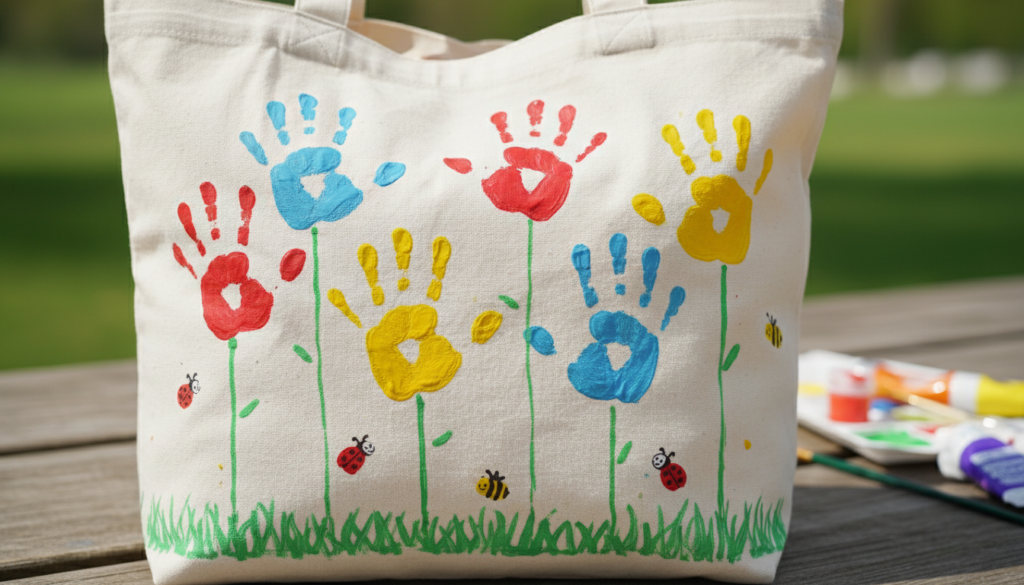
Handprint and Fingerprint Art
Hand and fingerprints create adorable keepsakes. Transform prints into animals, flowers, or abstract patterns. This technique requires no artistic skill, making it perfect for young kids.
Apply paint to little hands and press firmly on canvas. Add details like eyes, stems, or backgrounds after prints dry. These bags become treasured memories of childhood.
Splatter Paint Technique
Splatter painting releases creative energy in fun ways. Kids love the freedom and messiness of this approach. Protect your workspace thoroughly for this enthusiastic technique.
Thin paint slightly with water for better splattering. Flick loaded brushes toward the canvas from various distances. Layer different colors for dynamic, energetic results.
Stamp and Sponge Designs
Store-bought stamps or household items create repeating patterns. Try potato stamps, bubble wrap, or cookie cutters. This approach works well for younger children with shorter attention spans.
Pour paint into shallow dishes for easy dipping. Press stamps firmly and lift straight up. Repeat across the tote surface in organized rows or random placement.
Simple Shape Patterns
Circles, squares, and triangles arranged thoughtfully create appealing designs. Kids can plan their own layouts with these basic forms. Simple shapes build color recognition and pattern understanding.
Use painter’s tape to create crisp edges. Let children choose their own color combinations. This autonomy fosters creativity and decision-making skills.
Advanced Painting Techniques for Unique Results
Once you master basics, advanced techniques expand creative possibilities. These methods produce professional-looking results that stand out. Challenge yourself with more complex approaches as skills develop.
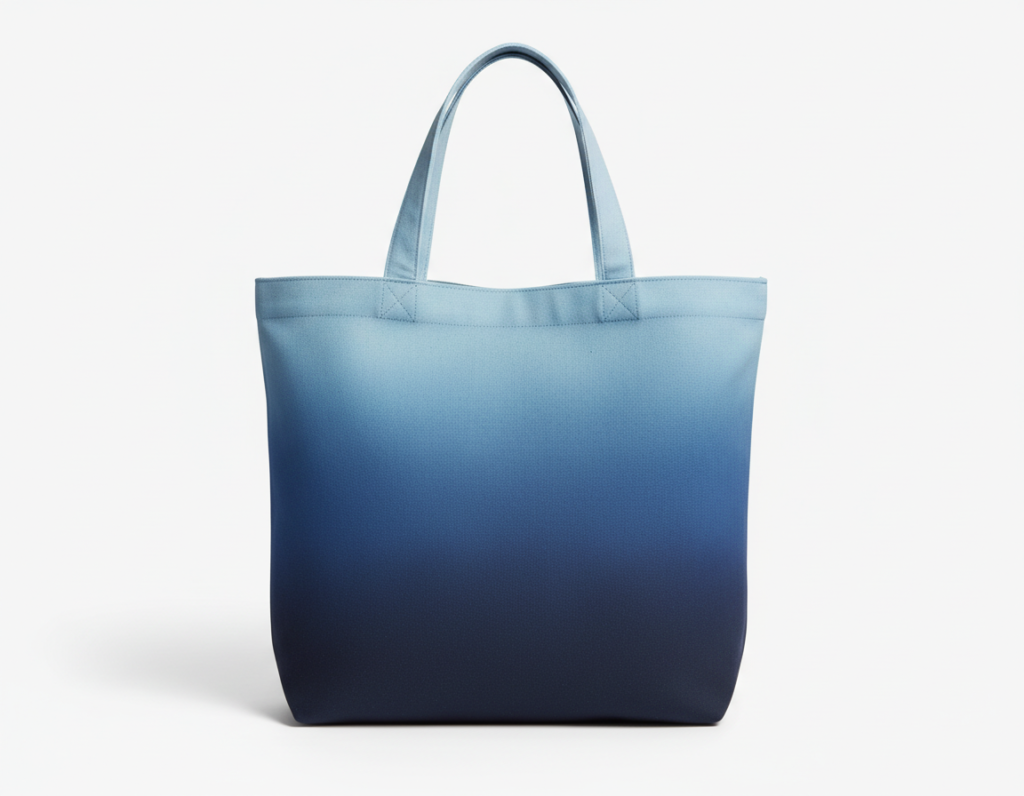
Ombre and Blend Effects
Ombre creates smooth color transitions from dark to light. This sophisticated technique adds depth and movement to designs. Practice blending on paper before tackling your bag.
Start with the darkest shade at one end. Gradually add white paint to lighten as you move across. Blend where shades meet while paint remains wet for seamless transitions.
Reverse Stenciling Method
Reverse stenciling creates negative space designs. Cover your stencil area and paint around it. Removing the stencil reveals unpainted shapes against colored backgrounds.
This technique works wonderfully for silhouettes. Try leaf shapes, geometric forms, or letter outlines. The contrast between painted and unpainted areas creates striking visual impact.
Layering and Collage Techniques
Building multiple transparent layers adds complexity and depth. Apply thin washes of color over dried base coats. Each layer contributes to the final composition’s richness.
Combine painting with fabric appliqué for mixed-media effects. Glue fabric scraps to your tote before painting around them. This approach creates textural variety and visual interest.
Marbling and Swirl Patterns
Marbled effects mimic natural stone patterns. Drop different paint colors onto wet surfaces and swirl gently. This unpredictable technique produces unique results every time.
Use a toothpick or thin stick to create swirls. Don’t over-mix or colors will muddy. Stop while distinct color variations remain visible for best effect.
Take Your Skills to the Next Level
Discover advanced techniques used by professional bag designers. Get step-by-step guidance for creating complex patterns that look expensive and custom-made.
Proper care extends the life of your painted creations. Following maintenance guidelines keeps designs vibrant and intact. Well-maintained bags continue looking fresh for years.
Washing Guidelines
Always turn painted bags inside out before washing. This protects designs from direct agitation and friction. Cold water preserves paint better than hot temperatures.
Use gentle cycle settings and mild detergent. Avoid bleach and harsh chemicals that damage paint. Hand washing provides the gentlest cleaning method for decorated bags.
Drying and Storage
Air drying prevents heat damage to painted surfaces. Hang bags in well-ventilated areas away from direct sunlight. Avoid tumble drying unless paint labels specifically allow it.
Store bags flat or hanging to prevent creases in painted areas. Keep them in cool, dry places away from extreme temperatures. Proper storage prevents cracking and fading over time.
Touch-Up and Repairs
Small areas of wear can be touched up easily. Keep leftover paint for future repairs. Apply thin coats to damaged spots and heat set again.
Address wear spots promptly before they spread. Regular inspection helps catch problems early. Minor touch-ups maintain your bag’s appearance between major uses.
Creating Painted Bags as Thoughtful Gifts
Handmade painted bags make memorable presents for any occasion. Personalization shows care and effort that store-bought items can’t match. Recipients appreciate the time and creativity invested in custom gifts.
Personalized Gift Bags
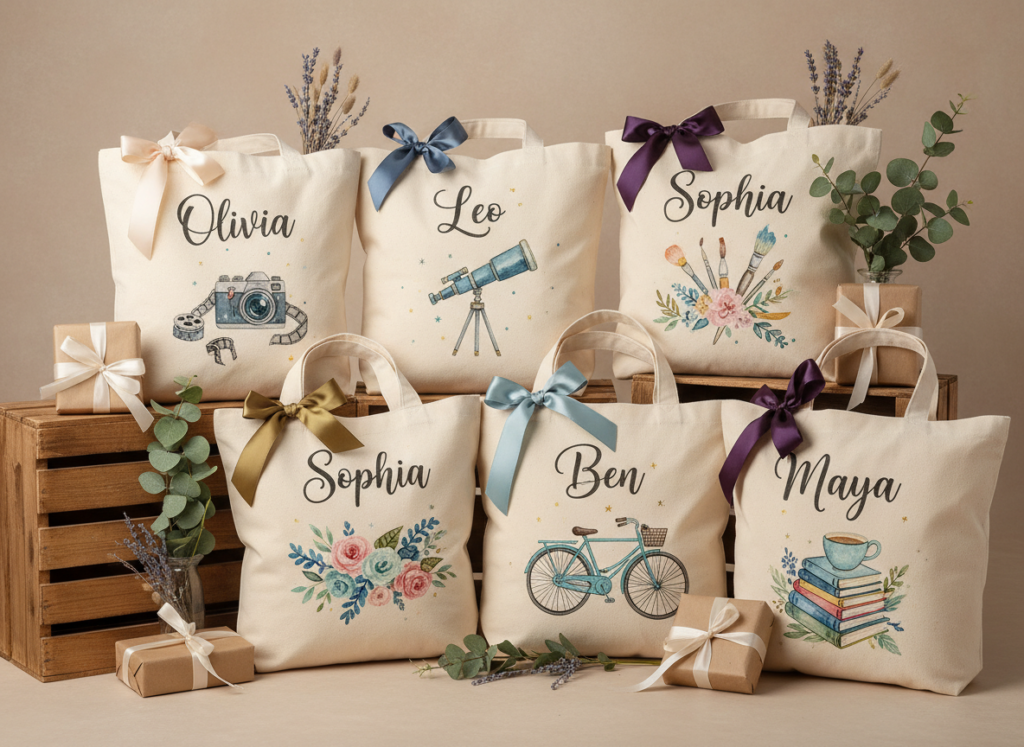
Add recipients’ names or initials for personal touches. Include favorite colors, hobbies, or interests in your design. These thoughtful details demonstrate how well you know the gift recipient.
Paint bags for specific uses based on recipient needs. Create library bags for book lovers or market bags for environmentally conscious friends. Function-specific designs increase usability and appreciation.
Holiday and Special Occasion Bags
Create themed bags for birthdays, weddings, or holidays. Paint designs matching celebration colors and motifs. These bags serve double duty as both wrapping and gift.
Fill painted bags with complementary small gifts inside. The reusable bag becomes part of the present. Recipients gain both the bag and its contents.
Teacher and Caregiver Appreciation
Show gratitude with custom painted bags for educators and caregivers. Include school colors, book themes, or appreciation messages. These practical gifts get regular use.
Coordinate with kids to add their handprints or messages. This collaboration makes gifts even more meaningful. Teachers treasure these heartfelt, handmade tokens of appreciation.
Wedding and Bridal Party Bags
Create matching bags for bridesmaids or wedding parties. Paint names and wedding dates for keepsakes. These bags work beautifully for holding gifts or use on wedding day.
Design bags in wedding colors for cohesive aesthetics. Add floral motifs or romantic themes. Personalized bags make thoughtful thank-you gifts for those supporting your special day.
Turning Your Craft into a Small Business
Painted bags offer potential income for skilled crafters. Many people seek unique, handmade accessories. Your creative talents could develop into a profitable side business or full-time venture.
Finding Your Niche
Identify specific styles or themes that set your work apart. Specialization helps you stand out in crowded markets. Focus on designs you enjoy creating and execute well.
Research current market trends while maintaining your authentic style. Popular searches reveal what customers want. Balance trend awareness with personal artistic vision for best results.
Pricing Your Creations
Calculate material costs, time investment, and desired profit margins. Don’t undervalue handmade work by pricing too low. Quality custom bags command premium prices compared to mass-produced alternatives.
Consider complexity when setting prices. Simple designs can be priced lower than intricate, time-intensive pieces. Offer various price points to appeal to different customer budgets.
Marketing and Sales Channels
Online platforms like Etsy provide ready audiences for handmade goods. Social media showcases your work to potential customers. High-quality photos attract attention and generate sales.
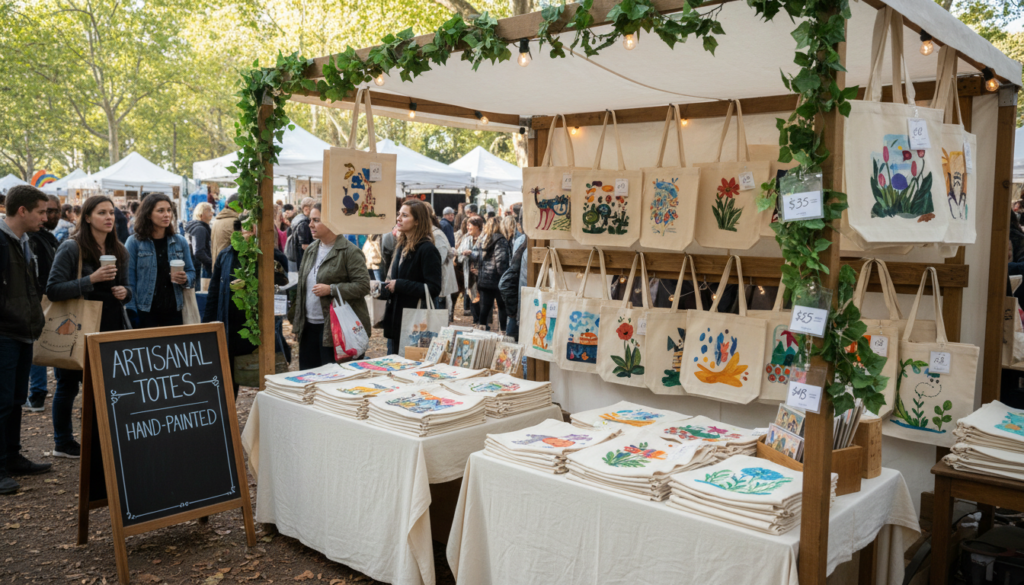
Local craft fairs and markets offer face-to-face selling opportunities. Customers appreciate seeing and touching products in person. These venues build local customer bases and provide immediate feedback.
Scaling Your Production
Develop efficient production processes as demand grows. Create assembly-line approaches for popular designs. Streamlining work flow increases output without sacrificing quality.
Consider offering custom orders alongside ready-made inventory. Personalization commands higher prices and creates customer connections. Balance custom work with producing stock items for immediate sale.
Ready to Start Your Bag-Making Business?
Learn proven strategies for creating and selling painted bags that customers love. Get business templates, pricing guides, and marketing tips designed specifically for craft entrepreneurs.
Even experienced crafters encounter challenges occasionally. Understanding common issues and their fixes saves frustration. These solutions help you troubleshoot problems quickly and continue creating.
Paint Bleeding Through Fabric
Bleeding occurs when paint soaks completely through canvas. This problem stems from paint that’s too thin or insufficient barriers. Always insert cardboard inside bags before painting.
Thicken paint consistency if bleeding persists. Add less water to acrylic paints. Apply thinner coats and allow complete drying between layers.
Cracking or Peeling Paint
Paint cracks when applied too thickly or not properly heat set. Thick layers lack flexibility needed for fabric movement. Mix fabric medium with acrylics to improve elasticity.
Always heat set designs according to manufacturer directions. Inadequate heat setting causes premature peeling. Allow painted bags to cure fully before first washing.
Prevention Strategies
Use proper fabric-specific paints or additives
Apply multiple thin layers instead of one thick coat
Allow adequate drying time between coats
Heat set thoroughly at correct temperatures
Avoid folding painted areas when storing
Quick Fixes
Touch up small cracks with matching paint
Re-heat set areas showing wear
Apply clear fabric sealer over designs
Hand wash bags instead of machine washing
Store bags flat to prevent new creases
Uneven or Blotchy Coverage
Streaky paint application creates unprofessional appearances. This issue often results from insufficient paint on brushes or improper technique. Load brushes adequately and apply paint in consistent strokes.
Some fabrics absorb paint unevenly due to weave variations. Apply primer or gesso to create uniform surfaces. Multiple thin coats build even coverage better than single heavy applications.
Colors Not Matching Expectations
Paint often dries darker or lighter than wet appearance suggests. Always test colors on fabric scraps first. This practice prevents disappointment with final results.
Fabric color affects paint appearance significantly. White or light fabrics show colors most accurately. Darker base fabrics require more coats and may alter paint hues.
Eco-Friendly Practices for Bag Making
Creating painted bags already supports sustainability by reducing single-use bag waste. Enhancing your eco-friendly approach makes this craft even more environmentally responsible. Small changes create positive environmental impact.
Choosing Sustainable Materials
Organic cotton canvas offers the most environmentally friendly option. This fabric grows without harmful pesticides or chemicals. Recycled canvas provides another sustainable choice.
Select non-toxic, water-based acrylic paints when possible. These formulas contain fewer harmful chemicals than solvent-based alternatives. Many brands now offer specifically eco-friendly paint lines.
Reducing Waste
Save fabric scraps for future projects or patches. Even small pieces serve purposes in mixed-media work. Minimizing waste reduces environmental footprint and saves money.
Use leftover paint for future touch-ups or small projects. Store mixed colors properly to prevent drying out. Careful planning reduces excess paint waste.
Repurposing and Upcycling
Transform old canvas bags or worn clothing into new painted projects. Upcycling gives new life to items otherwise destined for landfills. Cover stains or damage with creative painted designs.
Paint over previous designs when bags need refreshing. Canvas accepts multiple paint applications over time. This practice extends bag lifespan significantly.
Finding Endless Design Inspiration
Inspiration surrounds us constantly once we train ourselves to notice. Multiple sources fuel creativity and prevent artistic blocks. Developing systems for capturing ideas ensures you never run short of concepts.
Nature as Your Muse
The natural world provides infinite design possibilities. Observe leaf patterns, flower arrangements, and animal markings. Translate these organic forms into painted bag designs.
Take photos during walks or travels for later reference. Sky colors at different times of day inspire beautiful palettes. Natural textures suggest interesting painting techniques to try.
Art and Culture Exploration
Visit museums, galleries, and cultural events for visual stimulation. Historical art movements offer rich design vocabularies. Adapt classic artistic styles to modern bag painting.
Study different cultural patterns and symbolism. Geometric designs from various traditions create striking modern interpretations. Respectfully incorporating global influences expands your creative repertoire.
Digital Resources and Communities
Online platforms overflow with creative ideas and tutorials. Social media groups connect you with fellow bag painters worldwide. Sharing work and receiving feedback accelerates skill development.
Create digital folders organizing saved inspiration by theme or technique. Pin favorite designs for easy reference when planning projects. Building personal inspiration libraries sparks creativity on demand.
Everyday Life Observations
Pay attention to patterns in daily surroundings. Architecture, textiles, and product packaging all contain design elements. Train your eye to extract transferable concepts from ordinary objects.
Keep a small sketchbook for capturing spontaneous ideas. Quick sketches preserve concepts before they fade from memory. Review old sketches periodically for forgotten inspiration.
Start Your Bag Painting Journey Today
Creating painted bags combines practical sewing with artistic expression beautifully. This accessible craft welcomes all skill levels and ages. Every project builds confidence and expands creative abilities.
The techniques covered provide solid foundations for endless variations. Start with simple designs and progress toward complex techniques naturally. Your unique artistic voice develops through consistent practice and experimentation.
Remember that imperfections add character to handmade items. Embrace the learning process and celebrate small victories along the way. Each bag you create represents growth and creative expression.
Gather your supplies and choose your first design concept. The satisfaction of carrying something you made yourself motivates continued crafting. Your painted bag journey begins with that first brushstroke. Access comprehensive patterns and expert guidance to accelerate your success and create bags you’ll be proud to show off.
Transform Your Bag-Making Skills Forever
Stop struggling with trial and error. Get instant access to professional patterns, video tutorials, and design templates that guarantee beautiful results every single time. Join thousands of crafters creating stunning painted bags with confidence.