Could a few calm minutes on a yoga mat support your hair-care goals? Yoga cannot guarantee new hair growth, but it may help create better conditions for healthy hair. A regular yoga practice can lower stress, support blood circulation, and encourage overall well-being.
This guide shows how to practice yoga safely, what poses to try, and when hair loss needs professional care. Save this Pinterest-friendly routine for your next quiet morning.
Start With a Gentle Wellness Plan
If you want structure, explore a guided resource that can help you make regular practice easier.
Hair follicles need nutrients, oxygen, and a healthy body environment. Yoga does not directly control the hair cycle. However, it may support habits that are useful for hair and health.
Stress reduction and the nervous system
High stress can affect sleep, appetite, and daily care. For some people, major stress is followed by increased hair fall. Yoga, slow breathing, and mindful movement may help lower stress levels and calm the nervous system.
Stress relief is not a substitute for diagnosis. It is one supportive part of a wider hair-care plan.
Movement and blood flow
Gentle movement can warm the body and support blood flow. Inverted yoga poses may change how blood moves through the body for a short time, but they should not be presented as a proven way to force blood flow to the scalp or activate hair follicles.
Overall well-being
A consistent yoga practice may support sleep, flexibility, body awareness, and relaxation. These benefits can make it easier to follow healthy habits, eat balanced meals, and care for the scalp.
Important: Yoga may support wellness around hair growth concerns. It cannot guarantee regrowth or treat every cause of hair loss.
Yoga Poses for Hair Growth and Relaxation
Move slowly and keep the breath smooth. Stop if you feel pain, pressure, dizziness, or unusual discomfort. The goal is a steady yoga practice, not a difficult pose.
Adho mukha svanasana
Adho mukha svanasana, also called downward-facing dog, creates a gentle inverted shape. Start on your hands and knees. Lift your hips while keeping your spine long. Bend the knees if the lower back feels tight.
Hold for three to five breaths. This pose may support whole-body blood flow and body awareness, but it has not been proven to cause hair growth.
Standing forward fold
Standing forward fold is a simple way to release the back of the body. Stand with feet comfortable apart. Hinge from the hips and let your head relax. Keep the knees soft.
Do not pull the head down. Return to standing slowly, especially if you have low blood pressure or feel lightheaded.
Cat-cow movement
Cat-cow moves the spine with the breath. On hands and knees, inhale as the chest opens. Exhale as the back rounds. Repeat for six slow cycles.
This pose can prepare the body for a longer practice and may help reduce tension around the neck and shoulders.
Shoulder stand: an advanced option
A shoulder stand is not necessary for hair care. It can place pressure on the neck and should be avoided by many beginners. Do not try it without qualified instruction.
People with neck problems, high blood pressure, eye conditions, pregnancy, or balance concerns should ask a healthcare professional before practicing advanced inversions.
Breathing Exercises and a 10-Minute Routine
Breathing exercises are useful when stress is part of your hair-care concern. They can also make a short yoga practice feel easier. Sit comfortably and keep the breath natural. Never force a long breath hold.
Three-minute calm breathing
Sit with the spine comfortable and the shoulders loose.
Inhale gently through the nose for four counts.
Exhale slowly for four to six counts.
Continue for three minutes without strain.
Simple 10-minute sequence
One minute of quiet breathing.
Two minutes of cat-cow movement.
Two minutes of child’s pose or a supported rest.
Two minutes of adho mukha svanasana with bent knees.
One minute of standing forward fold.
Two minutes of seated relaxation.
Practice yoga three to five times per week if it feels comfortable. A short regular practice is more realistic than one demanding session. Keep a simple note of your stress, sleep, scalp comfort, and hair fall patterns.
Make Your Practice Easier to Follow
A guided plan may help you stay consistent without guessing which poses to do each day.
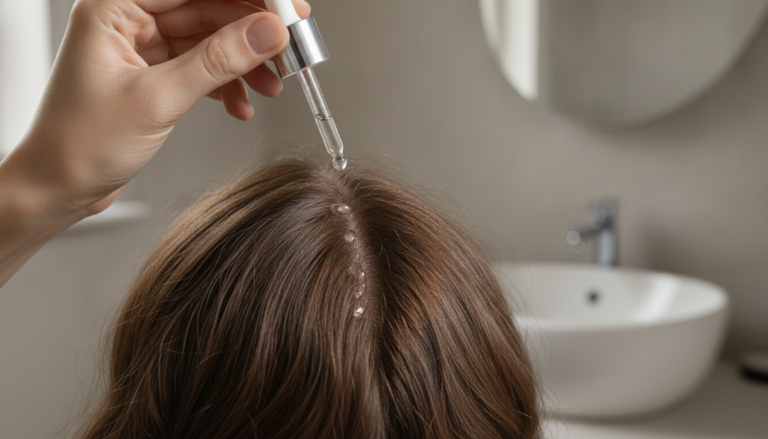
Yoga works best beside basic hair care. Wash the scalp according to its oil level and product use. Avoid harsh scratching, very tight hairstyles, and repeated high heat when possible.
Gentle scalp care
Use fingertips rather than nails when cleansing.
Rinse shampoo fully from the scalp.
Detangle hair gently from the ends upward.
Protect the scalp from excessive sun exposure.
Nutrition for hair follicles
Hair follicles need adequate energy and nutrients. Aim for regular meals with protein, vegetables, fruit, whole grains, and healthy fats. Iron, zinc, vitamin D, and protein can matter, but supplements should not be taken blindly.
A healthcare professional can recommend testing when diet, fatigue, or hair loss suggests a deficiency. More supplements do not always mean more hair growth.
Track changes with care
Take one photo each month in similar lighting. Daily checking can increase stress and make small changes seem larger. Remember that normal shedding varies from person to person.
Explore Supportive Hair-Care Options
Learn about additional hair-care choices, and compare them with guidance from a qualified professional.
Hair loss can have many causes. Genetics, hormonal changes, thyroid gland conditions, illness, medication, inflammation, and nutrient problems may all play a role. Yoga cannot identify or treat these causes on its own.
Contact a healthcare professional when:
Hair loss begins suddenly or becomes severe.
You see smooth patches or broken hairs.
The scalp is painful, red, swollen, or very itchy.
Hair fall continues for several months.
You also have fatigue, weight changes, or cycle changes.
Ask for an evaluation before starting supplements or strong treatments. A dermatologist can examine the scalp and discuss suitable options. A qualified yoga teacher can modify poses for your body and health history.
Do not practice a pose through pain. Avoid unsupported headstands and shoulder stand variations if you have neck, eye, heart, blood pressure, balance, or pregnancy-related concerns.
What the Ranking Pages Do Well With CTAs
The three sampled pages mainly target B2C readers at the awareness stage. They answer a direct health and beauty question before asking for action. This matches search intent because someone searching for yoga for hair growth usually wants poses, explanations, and reassurance first.
Page
Primary goal
Audience
CTA pattern
Dermalife
Inform and support hair-care discovery
B2C, cold to warm
Native product or care-related next step
Clinikally
Inform and introduce hair-care products
B2C, warm problem-aware readers
Educational copy paired with shopping actions
Art of Living
Inform and encourage yoga engagement
B2C, cold wellness seekers
Practice-led invitation and brand exploration
Common CTA patterns
Useful instructions appear before the commercial invitation.
CTAs use calm, encouraging language instead of pressure.
Readers are guided toward a routine, service, product, or broader wellness resource.
Long educational pages can support several relevant next steps.
How to compete more effectively
Make the action clearer than a generic “learn more” link. Explain what the reader receives and why it helps. Place the first CTA after a meaningful answer, not before it. Use separate buttons for guided yoga resources and hair-care discovery so the visitor can choose the path that fits the search intent.
Pinterest-Friendly CTA Plan for This Article
Pinterest visitors often save content for later. The page should make the routine easy to scan, remember, and revisit. Use descriptive image alt text, clear pose headings, concise steps, and calm visual prompts. Do not place text or text overlays on the images.
CTA placement map
Opening CTA
Use a soft invitation after the introduction. The reader is still cold, so promote guidance rather than a product claim.
Routine CTA
Place a stronger button after the 10-minute sequence. The visitor has received value and may want help with consistency.
Closing CTA
Offer a hair-care resource after the safety guidance. Keep expectations realistic and support informed choices.
Recommended button language
Explore the Guided Resource
See the Practice Guide
Learn More About Hair Care
Every CTA should answer a reader question: What is this, why should I click, and what will happen next?
Yoga for Hair Growth FAQs
Can yoga guarantee hair growth?
No. Yoga may support stress reduction, blood flow, relaxation, and overall health. It cannot guarantee regrowth or replace medical care.
Which yoga poses may support scalp wellness?
Gentle poses such as cat-cow, standing forward fold, and adho mukha svanasana can fit a wellness routine. Choose poses that feel safe and comfortable.
Does adho mukha svanasana increase blood flow to the head?
Adho mukha svanasana changes body position and may create a temporary sensation of blood flow toward the head. It has not been proven to activate hair follicles or cause hair growth.
How often should I practice yoga?
Try a comfortable routine for 10 minutes, three to five days each week. Regular practice matters more than forcing long sessions.
Can yoga reduce hair fall caused by stress?
Yoga may help manage stress levels, sleep, and relaxation. If hair fall continues or becomes severe, speak with a healthcare professional.
Should I try a shoulder stand for hair health?
No pose is required for hair care. Shoulder stand may stress the neck and is not suitable for everyone. Use qualified instruction and medical guidance when needed.
Build a Consistent, Realistic Hair-Wellness Routine
Yoga for Hair Growth is best viewed as supportive self-care. Adho mukha svanasana, breathing exercises, standing forward fold, and gentle mobility may help reduce stress and support blood flow. They cannot promise new hair or treat the medical causes of hair loss.
Start with 10 calm minutes. Pair your yoga practice with balanced nutrition, gentle scalp care, good sleep, and professional advice when hair loss is sudden, severe, or persistent. Small habits become more useful when you can repeat them safely.
Take the Next Gentle Step
Choose a guided wellness resource or explore supportive hair-care information while keeping your expectations realistic.