Want hair that looks fuller without chasing every trend? The best place to start is not a miracle claim. It is a simple plan that supports your scalp, protects your strands, and helps you spot signs of hair loss early.
This guide explains how to support healthy hair growth through nutrition, scalp care, gentle hair care, and smart styling. It also explains when a healthcare provider can help.
Healthy-looking hair is built through consistent habits. Changes usually take time because each strand follows a gradual hair growth cycle.
What “Thicker Hair” Really Means
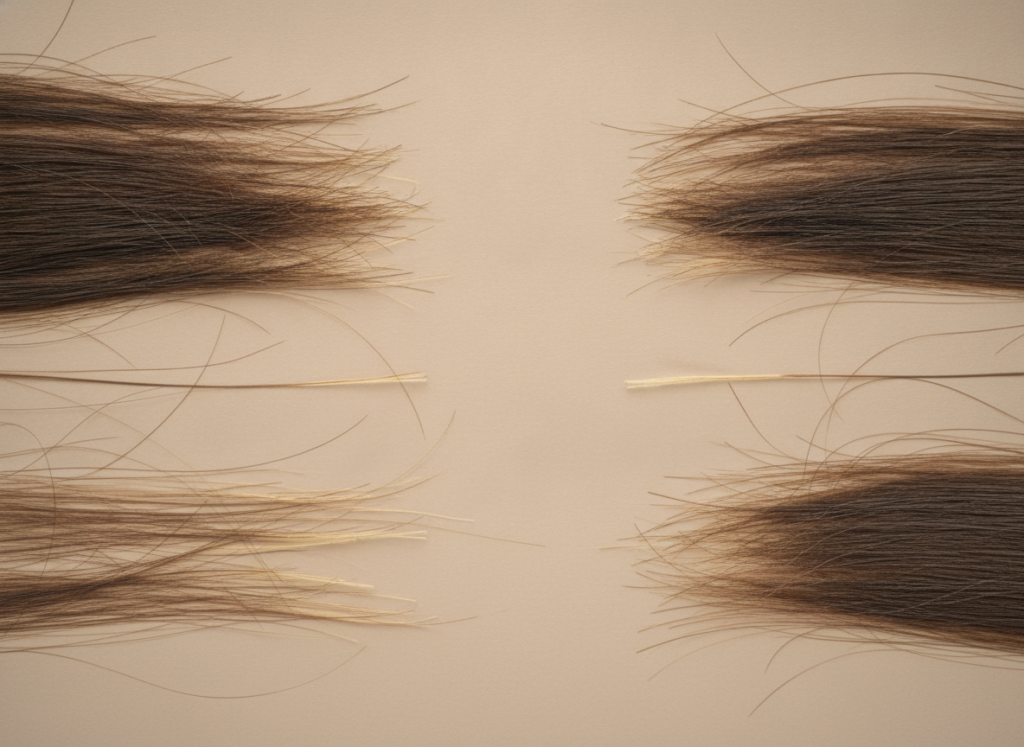
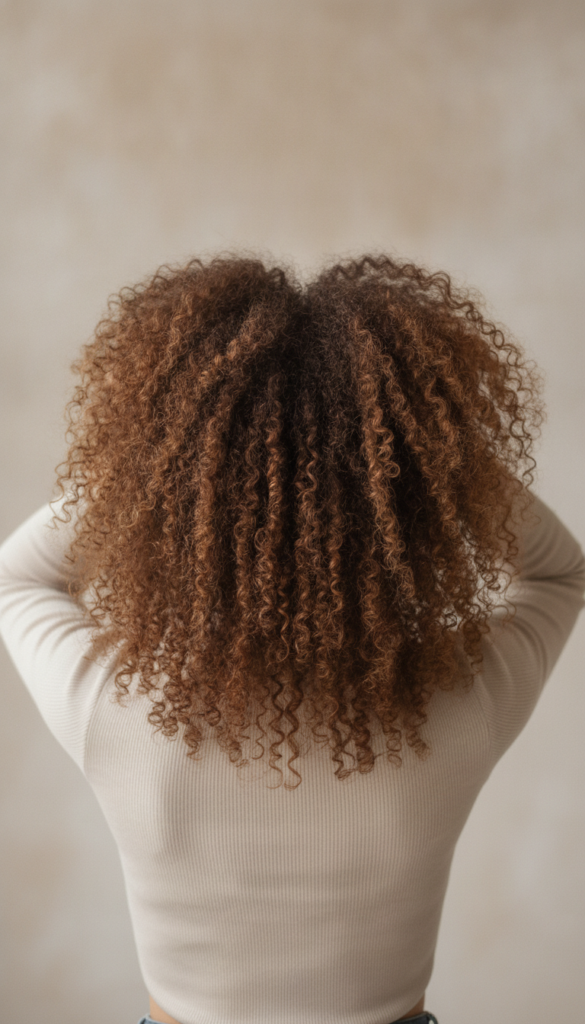
People use “thicker hair” to describe several different goals. They may want more strands across the scalp, a wider individual strand, or less breakage at the ends. These are not the same problem.
Hair density refers to how many follicles produce strands across the scalp. Hair thickness refers to the width of each strand. A styling change can make hair look fuller, but it cannot automatically create new hair follicles.
Hair loss can reduce density over time. Breakage can reduce the visible length and volume of otherwise healthy hair. Dryness can make strands look rough and uneven. Knowing the difference helps you choose a safer next step.
A fuller appearance may come from better care, less breakage, improved styling, or treatment of an underlying cause.
How the Hair Growth Cycle Affects Results
The hair growth cycle includes active growth, a transition period, and a resting phase. Every follicle moves through the cycle at its own pace. This is one reason hair growth does not change overnight.
During the active phase, a follicle produces a hair strand. The resting phase may end with normal shedding. A person can notice more hair in a brush without having permanent hair loss.
Sudden or ongoing changes deserve attention. A short timeline can help you track shedding, scalp symptoms, and changes in your hairline without checking the mirror many times each day.
Why consistency matters
Keep a simple monthly photo record in the same lighting.
Give gentle hair-care changes enough time to show whether they help.
Do not start several new products at once if you want to know what caused a reaction.
Ask for medical advice if the pattern is sudden, painful, or rapidly worsening.
The goal is not to force the growth cycle. The goal is to support hair health while allowing enough time to assess change.
Build a Balanced Diet for Healthy Hair Growth
Hair is not a separate part of the body. It depends on overall nutrition and normal body function. A balanced diet can support healthy hair growth, especially when it replaces restrictive eating patterns.
Include protein-rich foods such as eggs, beans, lentils, fish, poultry, tofu, or yogurt. Add vegetables, fruit, whole grains, nuts, and seeds. These foods provide a range of nutrients that support hair health.
Low intake of iron, zinc, vitamin D, or other nutrients may be linked with hair loss in some people. Do not assume a supplement is needed. A healthcare provider can discuss symptoms and testing.
Choose protein at regular meals.
Eat iron-rich foods with vitamin C sources when appropriate.
Avoid extreme calorie restriction.
Drink enough fluid for your personal needs.
Discuss high-dose supplements before taking them.
Review your next hair-care step
If you are comparing options for healthy hair growth, review the ingredients, directions, and safety information before choosing a product.
The scalp is living skin, and the condition of the scalp can affect comfort and hair care. A clean, calm scalp makes it easier to care for the hair that grows from the follicles.
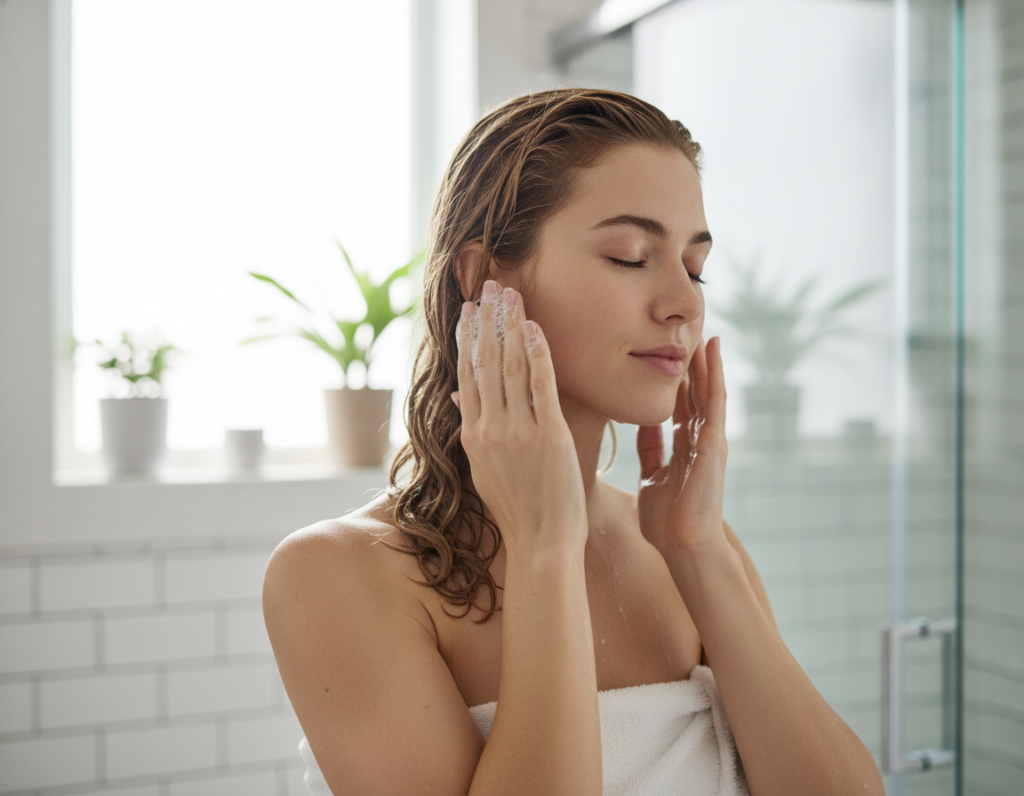
Wash often enough to remove oil, sweat, styling residue, and dry shampoo buildup. The right schedule depends on your scalp and hair type. Use your fingertips rather than scratching with your nails.
Gentle massage may feel relaxing and may support blood flow at the surface. It should not be painful or forceful. Massage cannot promise new follicles or guaranteed hair regrowth.
Use a gentle shampoo that suits your scalp.
Rinse thoroughly after washing.
Use conditioner on the lengths and ends if they feel dry.
Stop products that cause burning, swelling, or persistent itching.
Seek medical advice for sores, scaling, severe redness, or pain.
Scalp care should feel comfortable. More pressure, more products, or more frequent washing is not always better.
Improve Hair-Care Habits That Reduce Breakage
Breakage can make hair look thinner even when the follicles are still producing strands. Wet hair is often easier to stretch and damage, so handle it with care after washing.
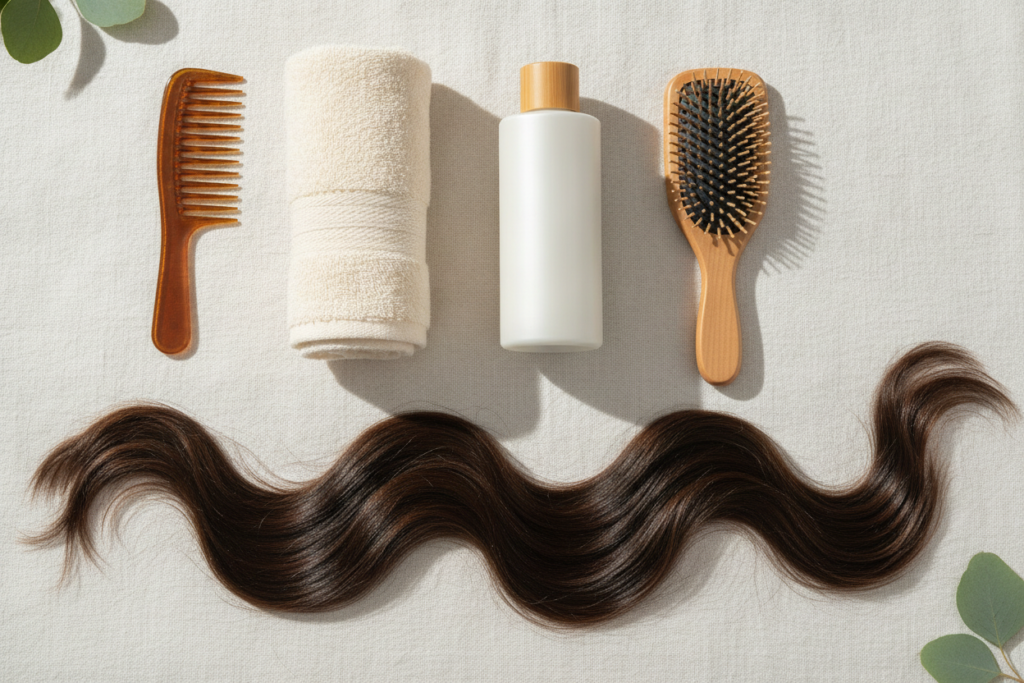
Use a wide-tooth comb and start at the ends. Work upward in small sections. Avoid pulling through knots. A soft towel or cotton shirt can reduce rough rubbing.
Keep tight styles for shorter periods. Repeated tension can stress the scalp and hair strands. Rotate styles and leave the roots comfortable.
Small changes with a useful payoff
Detangle from the ends toward the roots.
Use a satin or smooth pillowcase if friction is a concern.
Trim split ends when they travel up the strand.
Do not brush aggressively to spread oil.
Clean combs and brushes regularly.
Gentle handling does not change the growth cycle, but it can help preserve the length and thickness you already have.
Limit Heat and Chemical Damage
Heat styling can change the structure of hair and increase dryness. Frequent bleaching, relaxing, perming, or coloring may also leave strands prone to breakage.
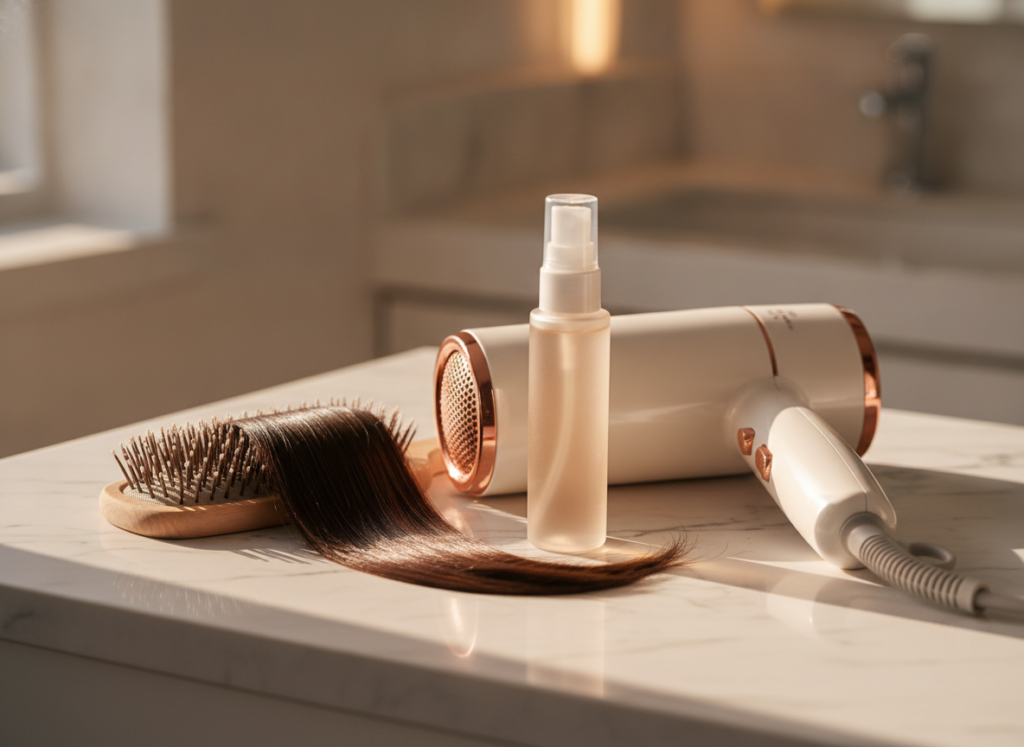
You do not need to stop every styling habit. Reduce the temperature, use heat protection, and give your hair rest days. Let hair dry partly before using a dryer, and keep the tool moving.
If hair feels rough, snaps easily, or shows many split ends, focus on protection before adding more styling products. Products can improve feel and appearance, but they do not repair a split end permanently.
Lower damage
Use lower heat when possible.
Apply a heat protectant as directed.
Space out chemical services.
Avoid overlapping chemical treatments.
Protect the ends
Condition the lengths.
Use loose styles at night.
Trim severe split ends.
Reduce rough towel drying.
Protective habits help keep hair strands intact, which can make hair look fuller over time.
Make Hair Look Fuller With Safer Styling Choices
Styling can create immediate visual volume while you work on long-term hair health. Choose lightweight products if heavy oils or creams weigh hair down.
Dry shampoo can add texture, but it should not replace regular washing. Apply a small amount at the roots, follow the label, and wash when buildup or irritation develops.
A shorter, layered cut may create the appearance of thicker hair. A stylist can suggest a shape that matches your texture and reduces stress on fragile areas.
Try a side part or gentle root lift.
Use light mousse or volumizing products.
Limit backcombing and rough teasing.
Keep dry shampoo use moderate.
Avoid styles that pull on a receding hairline.
Explore a simple routine
Want to compare a product-led approach with your current hair care? Review the details and decide whether it fits your routine.
A styling result is temporary, but it can be useful when it does not add excessive heat, tension, or breakage.
Understand Minoxidil and Other Hair-Growth Options
Minoxidil is a topical option used for certain types of hair loss. It may help some people maintain or improve hair growth, but results vary. It is not right for every cause of thinning.
Follow the product label and ask a healthcare provider or pharmacist about use, side effects, and interactions. Some people notice temporary shedding when starting. Irritation or unwanted hair growth can also occur.
Androgenetic alopecia, sometimes called pattern hair loss, can affect men and women. Male pattern hair loss may begin with a receding hairline or thinning at the crown. A clinician can help distinguish it from other forms of hair loss.
Do not use a hair-growth product on a damaged scalp without professional guidance. Stop and seek help if you develop a severe reaction, chest symptoms, dizziness, or other concerning effects.
A product decision is stronger when it matches the likely type of hair loss and includes realistic expectations.
Recognize Common Causes of Hair Loss and Thinning
Hair loss can have many causes. Genetics, hormones, illness, stress, medication, nutritional gaps, scalp conditions, and tight hairstyles may all play a role.
Androgenetic alopecia often follows a recognizable pattern. Other hair loss may be diffuse, sudden, patchy, or linked with inflammation. The pattern alone cannot confirm a diagnosis.
Recent illness, major stress, rapid weight change, or childbirth may precede temporary shedding. This type of loss may improve as the body recovers, but a professional assessment can still be useful.
Pattern
What you may notice
Helpful next step
Gradual pattern
Widening part, crown thinning, or receding hairline
Discuss pattern hair loss with a healthcare provider
Diffuse shedding
More hair across the entire scalp
Review recent stress, illness, diet, and medication
Patchy loss
Distinct round or uneven areas
Arrange medical advice promptly
Breakage
Short pieces, split ends, or rough lengths
Reduce damage and improve gentle hair care
A calm record of changes is more useful than daily worry. Take photos monthly rather than comparing different angles every day.
Know When to Seek Professional Medical Advice
Consider medical advice when hair loss is sudden, rapid, patchy, painful, or accompanied by itching, redness, sores, or scaling. A receding hairline or widening part that continues to change also deserves attention.
A healthcare provider may ask about family history, recent illness, stress, diet, medications, and styling habits. They may examine the scalp and suggest tests when appropriate.
Early guidance can be useful for androgenetic alopecia and other conditions. It can also prevent you from spending money on products that do not address the cause.
Bring a list of medications and supplements.
Note when shedding or thinning began.
Record scalp symptoms and recent health changes.
Share family history of male pattern or female pattern hair loss.
Ask what results and time frame are realistic.
Take a more informed next step
If you want to explore a hair-growth routine, review the product information first. A product page should support your questions, not pressure you to ignore professional care.
What the Ranking Pages Reveal About Effective CTAs
The listed pages appear to use different paths toward the same commercial opportunity: help readers understand hair growth, then introduce a relevant solution. Because the supplied HTML text is empty, the table below separates confirmed URL-level signals from recommendations that should be verified against the live pages.
Page
Primary goal
Audience
Likely offer
CTA lesson
Hims: thicker hair for men
Inform and sell
B2C men with warm interest in hair loss
Online service and hair-loss products
Connect advice with a clear next step for male pattern concerns
Éthique: thicker hair
Inform and support commerce
B2C readers researching hair care
Physical hair-care products
Use native product discovery after explaining the problem
Hims: science-backed hair growth
Inform and generate product interest
B2C readers with active hair-growth concerns
Online consultation and treatment options
Use credibility and education before conversion language
Format, placement, and tone to model
Commercial health publishers often place a visible action near the top, then repeat a softer action after the reader has learned more. This supports both cold visitors and warm prospects.
The best tone for this topic is calm and practical. A reader worried about hair loss may reject exaggerated claims. Buttons should explain the next action, while surrounding copy should clarify that results vary.
Use a separate CTA block when the offer needs context. Use an in-text link when the reader is simply ready to investigate. Avoid making every paragraph sound like a sales pitch.
Patterns worth using
Education before the offer
Clear benefit-led button copy
Native product placement
Repeated CTAs at decision points
Patterns to avoid
Guaranteed hair regrowth
Fear-based urgency
Unclear destination pages
Claims without safety context
Build a Simple Routine for Thicker-Looking Hair
A routine works best when it is easy to repeat. Start with a few changes instead of buying many products at once.
Assess the pattern. Note whether the issue looks like shedding, breakage, or gradual thinning.
Clean the scalp. Choose a washing schedule that manages oil and buildup without causing irritation.
Protect the strands. Reduce rough drying, tight styles, high heat, and overlapping chemical treatments.
Support nutrition. Eat a balanced diet with enough protein and avoid extreme restriction.
Track progress. Use monthly photos and record changes in comfort, shedding, and breakage.
Ask for help. Seek medical advice when the pattern is sudden, patchy, painful, or persistent.
Small habits can protect the appearance of hair while you learn whether a deeper cause needs attention.
CTA Recommendations for This Hair-Growth Article
This keyword calls for a two-stage conversion path. First, answer the reader’s question in plain language. Next, offer a relevant way to explore products or services. The reader should understand what the link does before clicking.
Education CTA
Use after nutrition or scalp care. This suits cold visitors who need more context before considering an offer.
Routine CTA
Use after hair-care and styling advice. This suits warm visitors who are comparing practical options.
Decision CTA
Use near the end for readers who have reviewed causes, safety points, and realistic expectations.
Frequently Asked Questions About Thicker Hair
Can I get thicker hair naturally?
You can support healthier-looking hair through balanced nutrition, gentle hair care, scalp care, and reduced damage. These habits may help preserve strands and improve appearance. They cannot guarantee new follicles or reverse every type of hair loss.
How long does hair growth take?
Hair changes take time because follicles follow a gradual growth cycle. Track progress over months rather than days. A healthcare provider can explain what time frame fits your symptoms and treatment plan.
Does cutting hair make it grow thicker?
Cutting removes damaged ends and can make the shape look fuller. It does not change the number of follicles or the rate of growth at the scalp.
Can minoxidil help hair loss?
Minoxidil may help some people with certain types of hair loss. Results vary, and it may not address every cause of thinning. Follow the label and ask a healthcare provider or pharmacist about safety.
When should I seek medical advice?
Seek medical advice for sudden, rapid, patchy, painful, or inflamed hair loss. Also ask for help when gradual thinning continues or affects your well-being.
The right answer depends on the cause. Good hair care supports the basics, while professional guidance helps with persistent or concerning changes.
Final Takeaway: Support Hair Health and Choose the Right Next Step
Learning how to grow thicker hair starts with realistic expectations. Protect your strands from breakage, care for your scalp, eat a balanced diet, and use styling tools thoughtfully.
Hair loss and hair thinning can have different causes, including androgenetic alopecia, illness, stress, medication, and nutritional problems. If the change is sudden, patchy, painful, or persistent, seek medical advice.
When you are ready to explore products, use a calm decision process. Review ingredients, directions, safety information, and the type of result the offer can reasonably support. Consistent care and informed choices are more useful than promises of instant hair regrowth.
Explore your next hair-care option
Review the available information, compare it with your needs, and choose a next step that fits your routine and expectations.