Want longer hair soon? The best plan is not a miracle promise. It is a steady routine that protects the scalp, limits breakage, and supports the body from within. These practical tips can help you make smarter choices while keeping expectations realistic.
1. Set Realistic Expectations for Hair Growth
Hair grow cycles vary from person to person. Genetics, age, hormones, health, and hair type all affect the visible result. A routine can support healthy hair growth, but it cannot rewrite your genetics or make hair grow overnight.
Many people focus on length when the real problem is breakage. New hair may grow from the scalp while the ends split or snap. In that case, the hair seems stuck at the same length.
Helpful mindset: Track less shedding, fewer broken ends, and better texture along with length. These signs may appear before a dramatic change in the mirror.
Hair follicles produce strands in repeating phases. The active phase is followed by a resting and shedding phase. A stressful event, illness, major diet change, or hormonal shift can affect that timing.
Start with a simple routine
If you want a practical place to begin, review routine ideas that focus on gentle care rather than instant claims.
Hair follicles sit inside the scalp. They receive blood, nutrients, and signals from the body. The strand itself is made mostly of keratin, so the visible length is not living tissue.
This is why trimming cannot make follicles produce hair faster. Trims can remove split ends and reduce the chance that damage travels upward. That may help you keep more length over time.
Products may improve softness, shine, or the feel of thickness. They do not all change follicle activity. Read claims with care, especially when a product promises fast results for every person.
Look for a clear ingredient list and directions.
Patch-test new scalp products when appropriate.
Stop use if burning, swelling, or a rash develops.
Give a routine enough time to judge it fairly.
3. Build a Gentle Hair-Care Routine
Good hair care protects the length you already have. Choose a shampoo that suits your scalp. A dry scalp may prefer a milder formula, while an oily scalp may need more frequent cleansing.
Apply shampoo mainly to the scalp. Let the rinse move through the lengths. Scrubbing the ends can create friction and damage.
Use conditioner on the mid-lengths and ends. A deep-conditioning treatment may help hair feel smoother, but it should match the hair’s needs. Fine hair can feel weighed down by rich products.
Detangle gently, starting at the ends.
Use a wide-tooth comb on damp hair.
Blot with a soft towel instead of rubbing.
Let hair dry partly before using heat.
Keep tight styles loose and varied.
Wash frequency is personal. Sweat, oil, styling products, and scalp conditions matter more than a fixed rule. Clean hair is not automatically damaged hair.
Make your routine easier to follow
Explore a simple care option, then compare the instructions with your current shampoo and condition routine.
A comfortable scalp gives you a better base for hair care. Excess oil, flakes, irritation, or buildup can make the scalp feel unhealthy. These signs may also point to a condition that needs targeted treatment.
Massage can feel relaxing and may help spread shampoo or oil. Use the pads of your fingers, not your nails. Avoid forceful rubbing, which can irritate sensitive skin.
Oil is not automatically helpful for every scalp. Heavy oils can worsen buildup for some people. Essential oils should not be placed on the scalp undiluted. A “natural” ingredient can still cause irritation or allergy.
Do not apply a new oil or treatment over broken skin. Stop if you notice pain, swelling, intense itching, or a spreading rash.
Keep brushes and combs clean.
Wash hats, pillowcases, and hair tools often.
Rinse styling products fully when needed.
Avoid scratching flakes from the scalp.
5. Reduce Breakage and Everyday Damage
Breakage is one of the biggest barriers to keeping length. Wet hair stretches more easily. Rough brushing, tight hairstyles, chemical processing, and frequent heat can weaken the outer layer.
Heat does not always need to be removed from your routine. Lower settings, shorter exposure, and heat protection can reduce damage. Keep the tool moving and avoid repeated passes over one area.
Protective styles can help when they are comfortable and not tight. Pain, headaches, bumps, or tenderness are warning signs. A style should not pull constantly on the same hair follicles.
Helpful habits
Use a heat protectant as directed.
Sleep with hair loosely secured.
Trim visibly split ends when needed.
Change the position of ponytails.
Habits to limit
High heat on soaking-wet hair.
Daily tight braids or extensions.
Rough towel drying.
Repeated chemical processing.
6. Support Hair Health With Food and Protein
Hair needs energy and nutrients to grow normally. A restrictive diet can affect the body and may contribute to shedding. Aim for regular meals with protein, vegetables, fruit, whole grains, and healthy fats.
Protein is important because hair is made from keratin. Include foods such as eggs, fish, poultry, beans, lentils, tofu, yogurt, or nuts according to your preferences.
Iron, zinc, vitamin D, and other nutrients also matter when a person is deficient. More is not always better. High-dose supplements can cause side effects and may interfere with medicines.
Add protein to breakfast or lunch.
Choose varied colors of produce.
Drink enough fluids for your daily needs.
Ask a clinician before taking high-dose supplements.
Review supplement choices carefully
Use this optional resource to explore product information. Check the label, follow directions, and speak with a healthcare professional if you have a health condition.
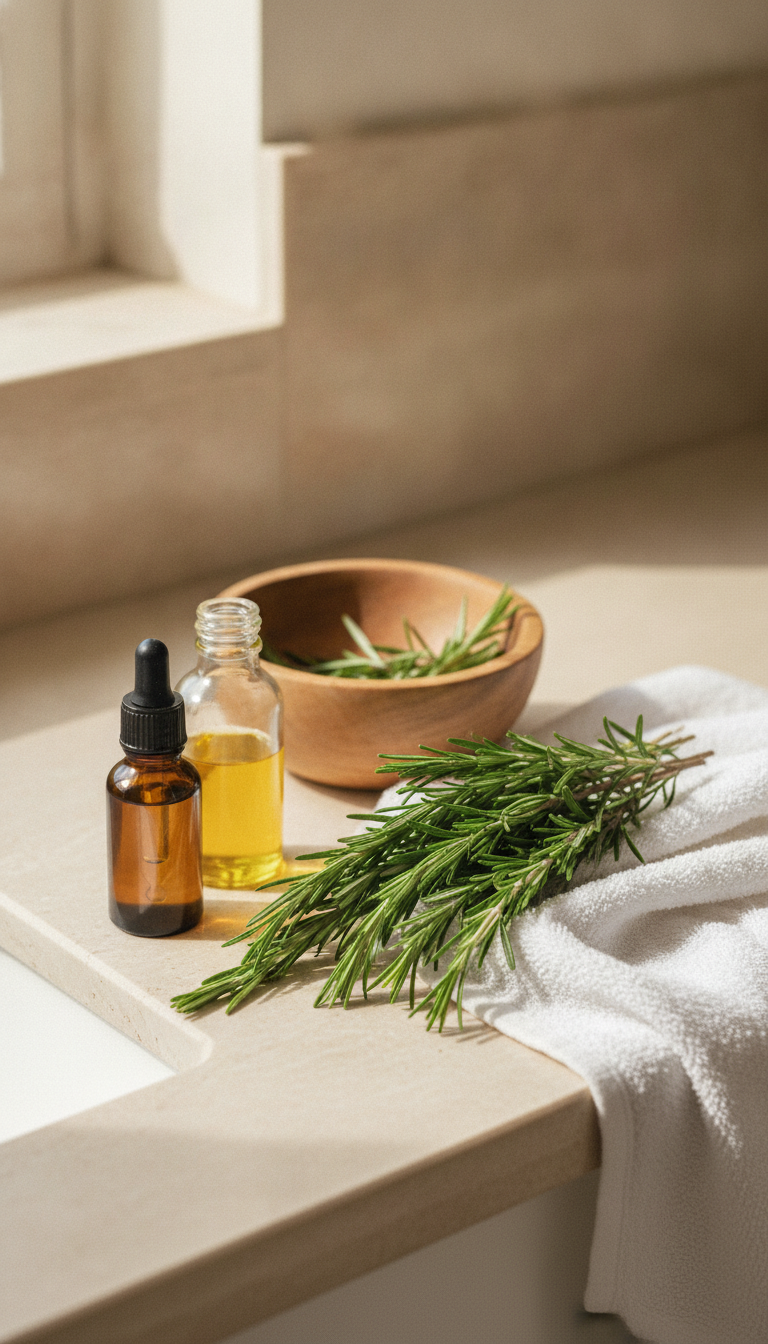
Many people search for oil because it is easy to use. Coconut, argan, jojoba, rosemary, and pumpkin seed oil appear often in hair-care routines. They may help condition the strand or reduce a dry feel, but conditioning is not the same as faster follicle growth.
Pumpkin seed oil is often discussed in hair research and product marketing. Evidence can differ by preparation, dose, and study design. Do not assume that a food oil and a concentrated supplement have the same effect.
Biotin is another common ingredient. A deficiency can affect hair, but deficiency is not the usual explanation for every concern. Biotin supplements can also affect some lab tests. Tell your healthcare team about supplements before blood work.
Option
Possible role
What to check
Hair oil
May soften hair and reduce a dry feel
Irritation, buildup, and ingredient quality
Supplement
May help when a documented deficiency exists
Dose, medicines, testing, and professional advice
Scalp treatment
May target a specific scalp concern
Diagnosis, directions, and expected timeline
Use treatments as directed. More product or more frequent application does not guarantee better growth. A dermatologist can help match a treatment to the cause of shedding.
8. Manage Stress, Sleep, and Whole-Body Health
Stress does not mean every episode of shedding is caused by stress. However, major physical or emotional strain can affect the hair cycle in some people. This type of shedding may appear weeks or months after the trigger.
Telogen effluvium is one term used for temporary shedding linked to a shift into the resting phase. Illness, surgery, rapid weight loss, severe stress, and other changes may play a part. A professional evaluation is needed to identify the cause.
Sleep, movement, and regular meals support general health. They are not instant hair growth treatments, but they can help the body manage daily demands.
Small daily actions
Keep a steady sleep schedule.
Take short movement breaks.
Eat before long periods of work.
Use a calming evening habit.
Track useful changes
Note major illness or diet changes.
Record new medicines or supplements.
Take monthly photos in similar light.
Write down scalp symptoms.
9. Know When to See a Dermatologist
Some hair concerns need more than a new shampoo or oil. Book a medical appointment if shedding is sudden, severe, patchy, or linked with scalp pain, redness, sores, or intense itching.
See a dermatologist if your part is widening, your hairline is changing, or thinning continues despite gentle care. Early assessment may help identify possible causes and suitable treatments.
Bring a list of medicines, supplements, recent illnesses, diet changes, family history, and hair practices. Photos taken over time can help show how the pattern has changed.
A dermatologist may examine the scalp, ask about the hair cycle, and decide whether testing or treatment is appropriate. Do not diagnose telogen effluvium, nutritional deficiency, or another condition from an online article alone.
Take the next step with more context
If you want to compare a routine with your personal goals, use the resource below as a starting point. It does not replace medical advice.
10. Follow a Simple Plan for Healthier Hair Growth
A practical plan is easier to follow than a long list of products. Start with the basics for four weeks. Keep the routine gentle, take notes, and change one major factor at a time.
Week one
Choose a suitable shampoo.
Add conditioner to the lengths.
Reduce rough towel drying.
Photograph the part in even light.
Week two
Review heat and tight styles.
Add protein to regular meals.
Clean brushes and pillowcases.
Note scalp discomfort or flakes.
Week three
Check product ingredients.
Patch-test a new topical product.
Keep oil use light and cautious.
Avoid adding several supplements.
Week four
Compare photos and breakage.
Keep what feels helpful.
Stop irritating treatments.
Contact a dermatologist for red flags.
The purpose is not to force quick hair growth. It is to create conditions that support the hair you have and help you keep more of its length. Results depend on the cause of shedding, health status, genetics, and consistency.
Choose your next practical step
Explore the options below only if they fit your routine, budget, and comfort level. Read all product directions before use.
There is no reliable way to make hair grow dramatically in a few days. Gentle care can help limit damage, while the normal hair cycle determines the pace of new growth.
Does trimming increase hair growth?
Trimming does not change follicle activity. It can remove split ends and help reduce breakage, which may make it easier to retain length.
Can oil help hair grow?
Some oils can condition the strand and make hair feel softer. Evidence for faster growth varies by ingredient and use. Patch-test products and avoid undiluted essential oils.
Should everyone take biotin?
No. Biotin is most useful when a deficiency is present or a professional recommends it. It can affect certain lab tests, so disclose its use before testing.
What is the best treatment for shedding?
The right treatment depends on the cause. Sudden, patchy, painful, or persistent shedding deserves evaluation by a dermatologist rather than trial and error with several products.
Final Takeaway for Healthier Hair Growth
The most useful hair growth tips are usually simple: care for the scalp, protect the lengths, eat enough protein and nutrients, manage avoidable damage, and seek expert help when changes are sudden or persistent.
Save this guide for your routine reset. Keep expectations realistic, review products carefully, and choose actions that support healthy hair growth over time.