Derma Roller for Hair Growth: A Safe, Practical Guide
Thinning hair can make every mirror check feel stressful. A derma roller may look simple, yet using tiny needles on the scalp requires care. This guide explains what microneedling may do, how to use a roller at home, and when professional advice matters.
What Is a Derma Roller?
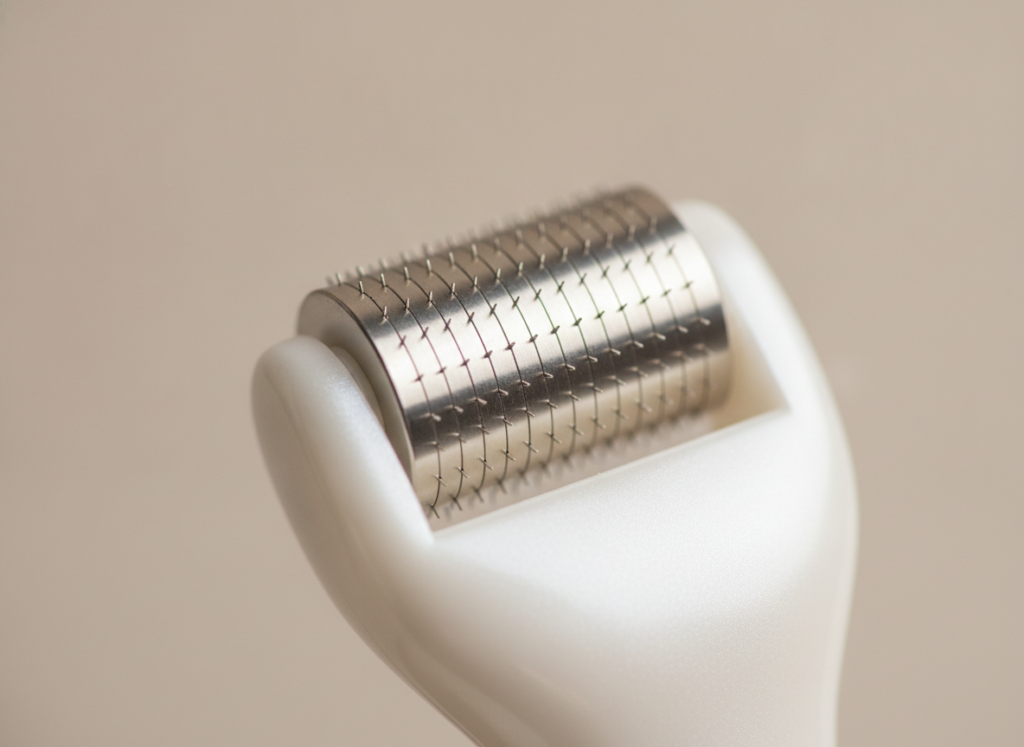
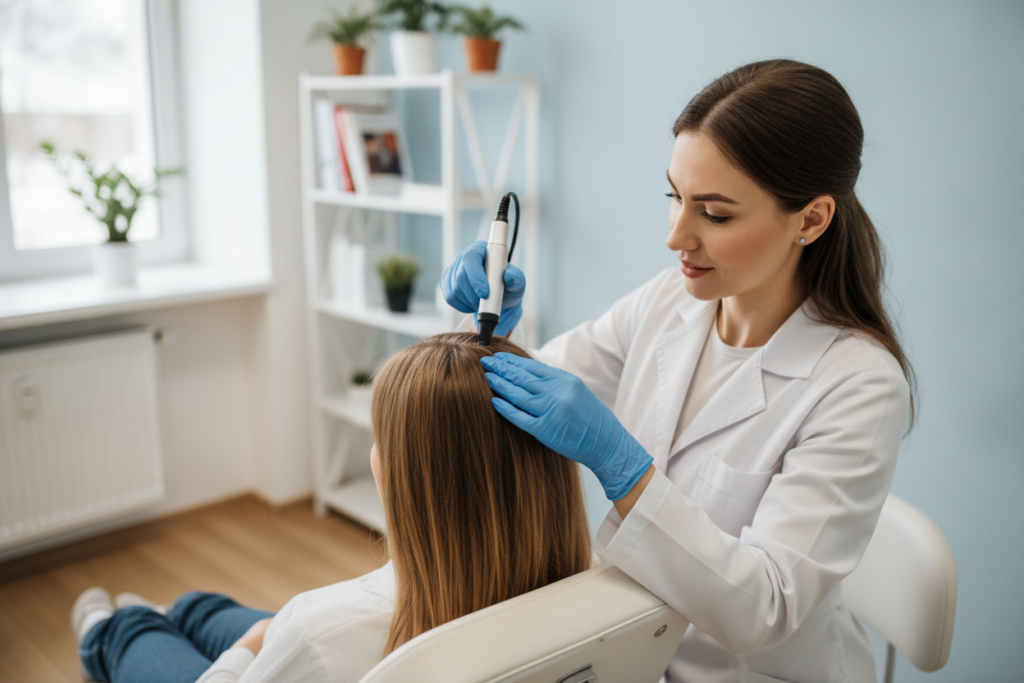
A derma roller is a handheld device with many small needles. When moved across the skin, it creates controlled micro-injuries. This process is called microneedling. In hair care, the target area is the scalp rather than the face.
The goal is not to scrape or deeply puncture the scalp. The goal is controlled contact with the skin. Some people explore this approach to support scalp care or help encourage hair growth. Evidence is still developing, and results can differ by person.
How Microneedling May Support Hair Growth
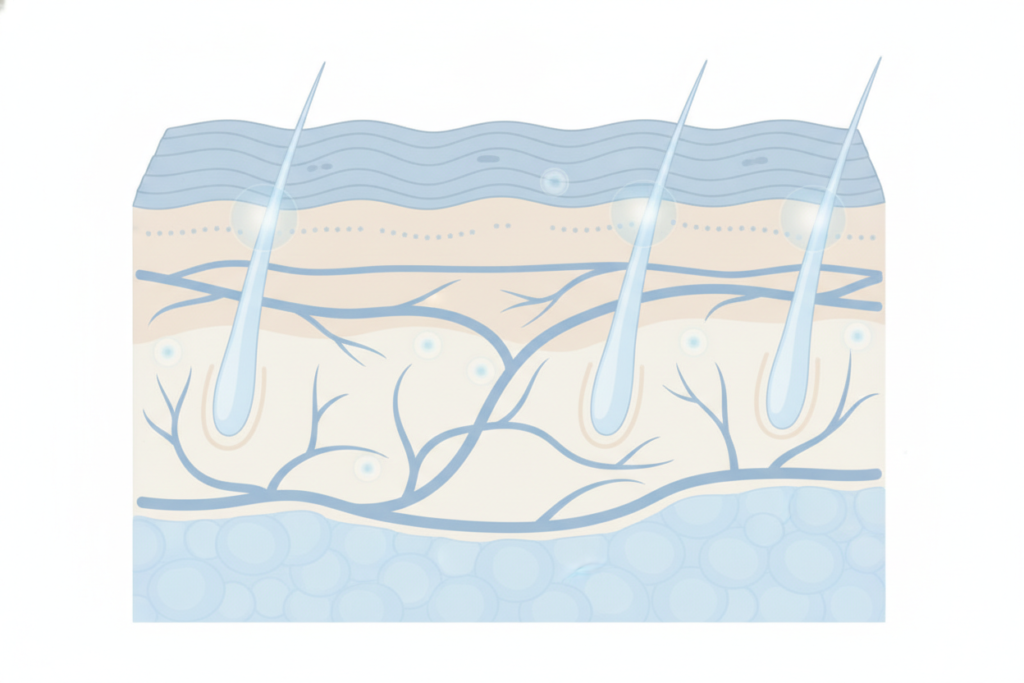
Microneedling may create a short-term skin response. That response can involve local blood flow and repair signals. It may also support collagen activity in the skin. These possible benefits do not mean that every type of hair loss will respond.
Some clinical research has examined microneedling alongside minoxidil. The results are promising in selected cases, but a roller is not a universal hair loss treatment. It should not replace a diagnosis, prescribed medications, or care from a dermatologist.
Who Might Consider a Scalp Roller?
People with early thinning may search for home treatments because they want an affordable routine. Others may be exploring options after learning about minoxidil, laser devices, or professional microneedling. The right choice depends on the cause of hair loss and the condition of the scalp.
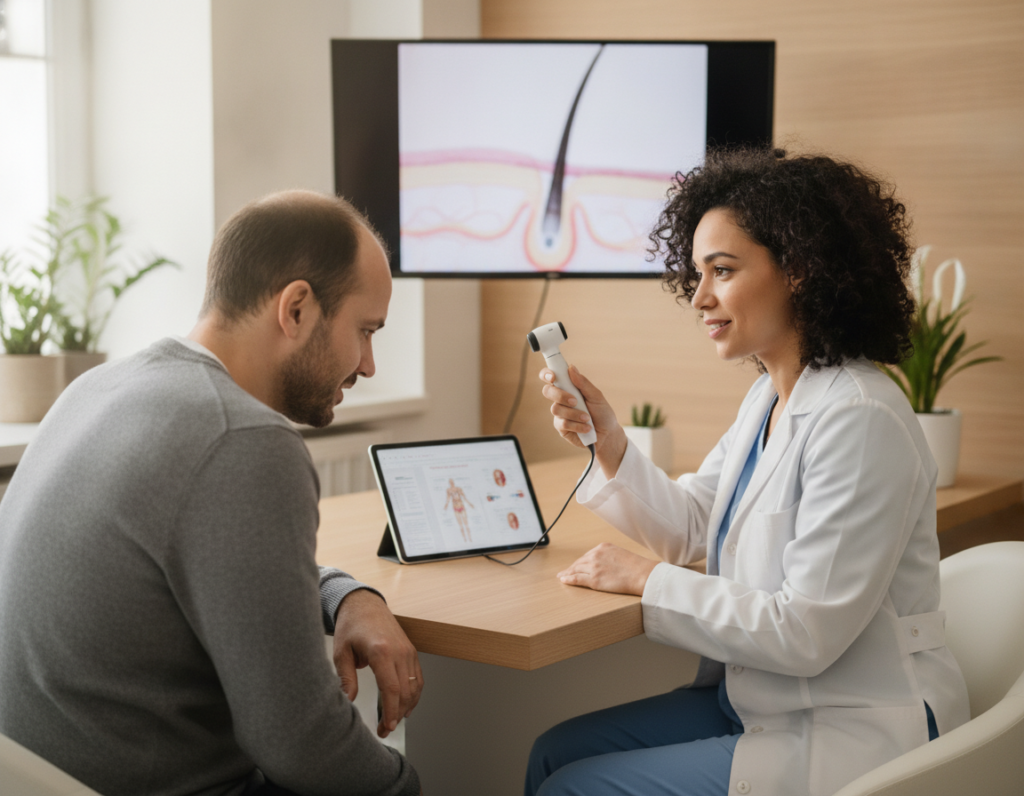
A dermatologist can check for patterns linked to genetics, inflammation, infection, hormones, nutrition, or medications. This step is important because treating the wrong condition can delay useful care.
Consider medical advice for sudden or patchy hair loss.
Ask about treatment interactions before combining products.
Do not roll over an irritated or infected scalp.
Choose a device from a reputable source with clear instructions.
Choosing Needle Length and Device Quality
Needle length affects how the device contacts the skin. Longer needles may increase discomfort, irritation, and the risk of injury. Beginners should not assume that a larger needle offers better hair growth.
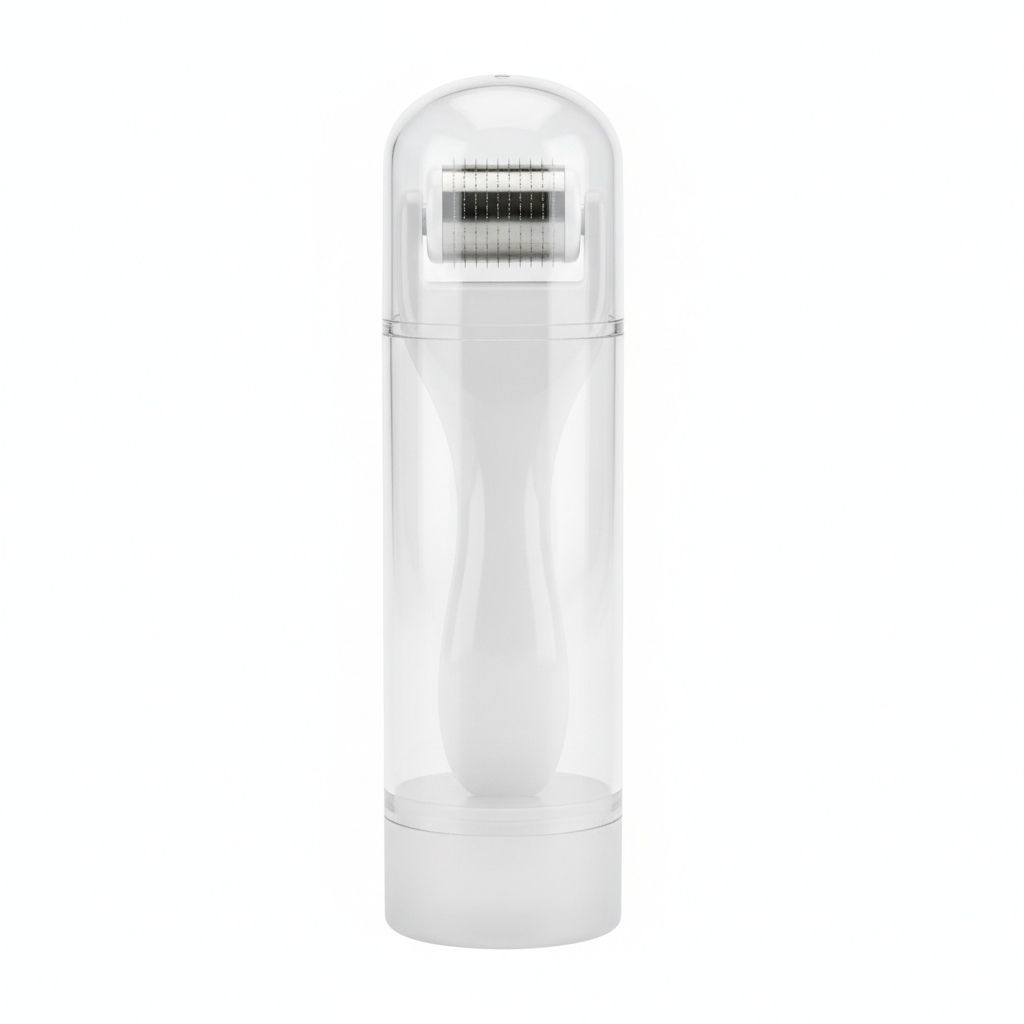
Look for a roller with secure construction, straight needles, a protective case, and clear cleaning instructions. Avoid damaged devices, loose parts, or products with vague materials and no care guidance.
Feature
What to look for
Why it matters
Needle length
A conservative option suited to home use
May reduce irritation and user error
Construction
Secure handle and even roller movement
Supports consistent contact
Cleaning
Clear manufacturer instructions
Helps limit contamination
Before Using a Derma Roller at Home
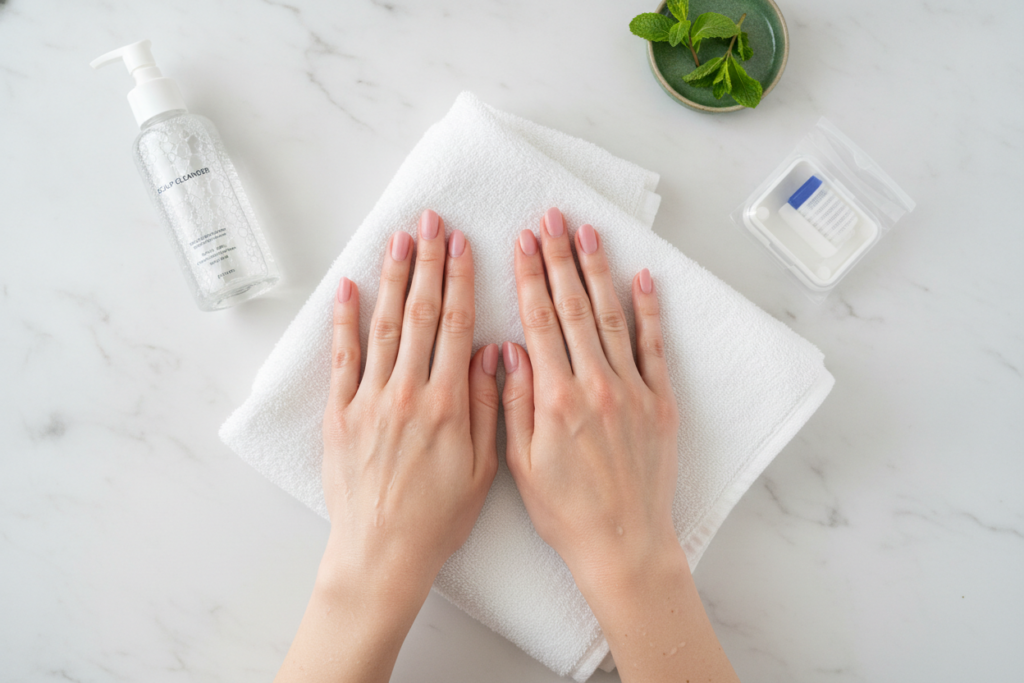
Wash your hands and cleanse the scalp gently. Let the hair and scalp dry. Tie back longer hair so the roller does not snag. Inspect the device before each use.
Do not apply a harsh product immediately before rolling. Avoid using the device after sunburn, chemical treatment, or vigorous scratching. If the scalp feels sore, wait until the skin is calm.
Affiliate disclosure: Some links in this guide may be affiliate links. We may earn a commission at no extra cost to you. Product availability, instructions, and claims should be checked on the seller’s page.
How to Use a Derma Roller Safely
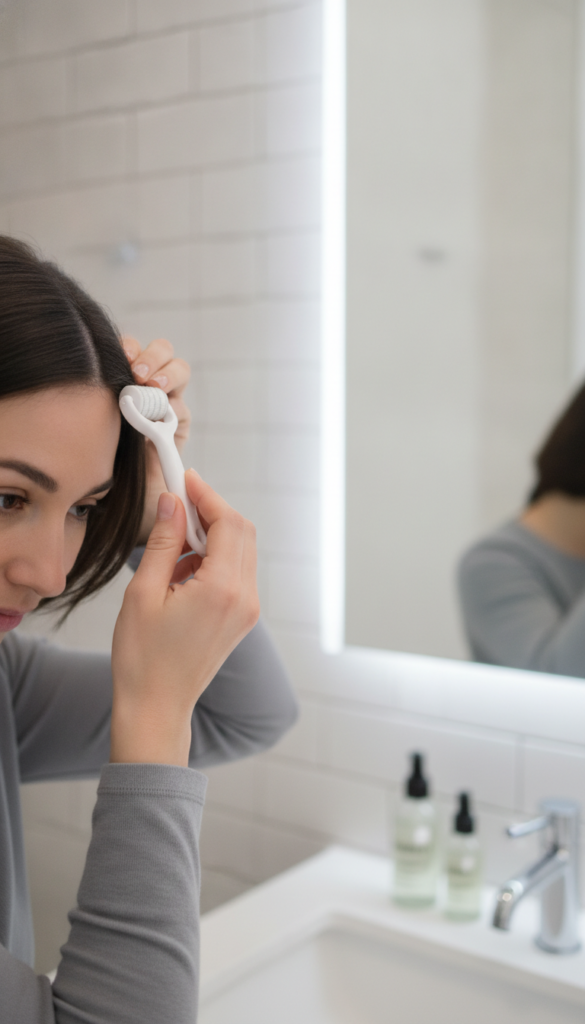
Separate the hair to expose a small section of scalp.
Place the roller lightly against the skin.
Move it in short, gentle passes without pressing down.
Lift the roller before changing direction.
Cover the planned area without repeated aggressive strokes.
Clean and store the device exactly as directed.
Do not share a roller. Do not use it on open skin, active rash, sores, or signs of infection. Stop if you notice sharp pain, unusual bleeding, swelling, or worsening redness.
Frequency, Aftercare, and Scalp Comfort
More frequent use is not automatically better. Follow the device instructions and allow the scalp time to recover. A week or more between sessions may be appropriate for some routines, but a healthcare expert should guide treatment when skin concerns exist.
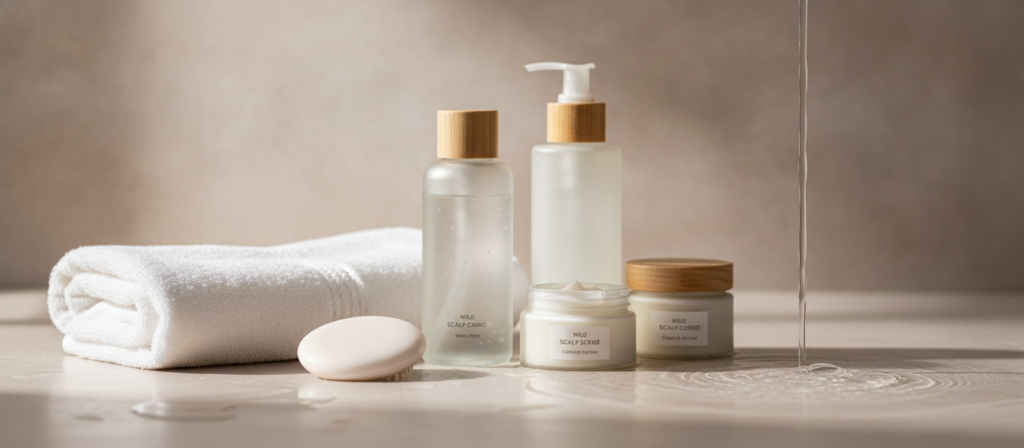
Aftercare should stay simple. Avoid picking, intense heat, harsh chemicals, and heavy fragrance while the scalp feels sensitive. Keep pillowcases, hats, brushes, and hands clean.
Do not apply minoxidil, serums, or other active ingredients immediately after microneedling unless a qualified professional tells you to do so. Increased skin absorption may raise irritation or medication concerns.
Can It Be Combined With Other Hair Loss Treatments?
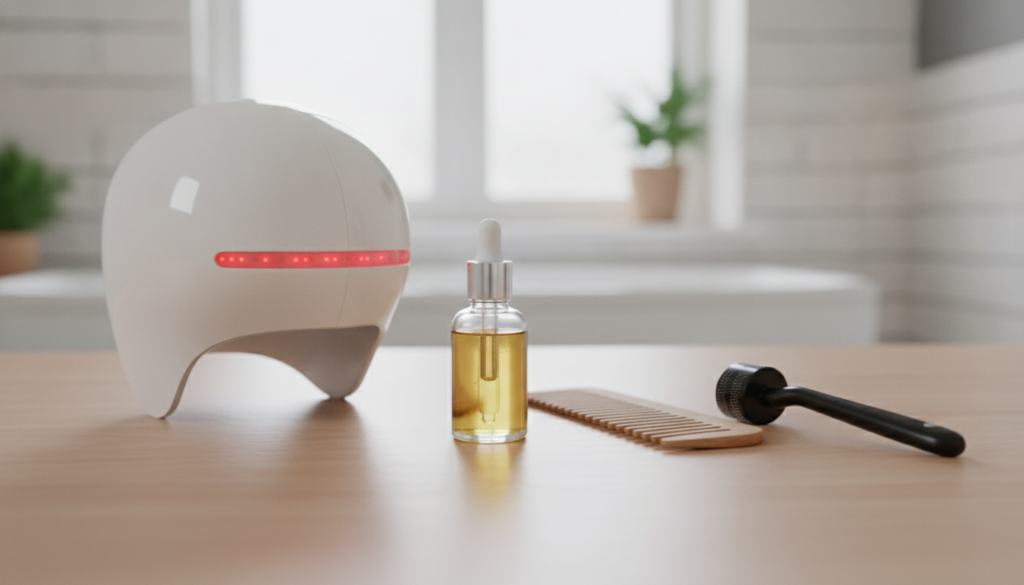
Some people ask about combining a roller with minoxidil, laser devices, or hair serums. The answer depends on the product ingredients, medications, skin barrier, and cause of hair loss. Combining treatments without advice can increase irritation.
Minoxidil is a medication, not just a cosmetic serum. Laser products vary in quality and suitability. Ask a dermatologist or pharmacist how to space treatments and which warning signs matter.
Review a Derma Roller for Hair Growth Before Buying
If you are comparing products, focus on construction, instructions, hygiene, and a realistic routine. A low price does not make a device suitable, and a premium label does not prove effectiveness.
Explore a home scalp-care option
Review the product details, usage guidance, and seller information before deciding whether it fits your needs.
Possible concerns include redness, tenderness, dryness, irritation, and infection. Using excessive pressure or a contaminated device may increase risk. People with certain skin conditions, blood disorders, healing problems, or medication concerns should seek expert advice first.
Stop using the roller if symptoms worsen. Contact a dermatologist for persistent pain, pus, spreading redness, fever, or unusual bleeding. Medical guidance is especially important for children, pregnant people, and anyone taking medications that affect bleeding or skin repair.
Realistic Hair Growth Expectations
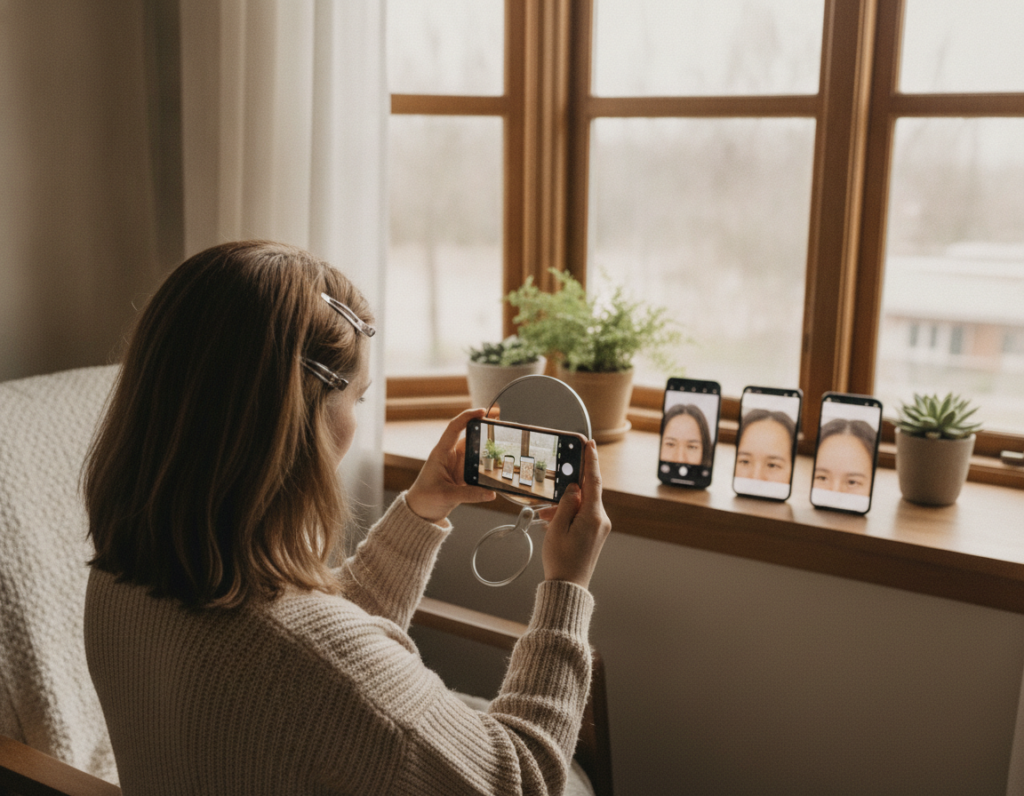
Hair grows slowly, so visible change is not likely after one session. A week or two is usually too soon to judge effectiveness. Take consistent photos in similar lighting if your clinician agrees, and avoid changing several products at once.
A roller may support a broader hair loss treatment plan, but it cannot address every cause. Genetics, hormones, inflammation, nutrition, and stress may all affect growth. Patience and diagnosis are more useful than dramatic promises.
Potential advantages
Can fit a simple home routine.
May support selected microneedling plans.
Often costs less than repeated office sessions.
Important limits
Results are not guaranteed.
Incorrect use can irritate the scalp.
It may not suit every type of loss.
Derma Roller for Hair Growth FAQs
Can a derma roller regrow hair?
It may support hair growth in some treatment plans, especially when guided by a professional. It is not a guaranteed cure for hair loss.
Is microneedling safe at home?
It may carry risks when performed at home. Hygiene, gentle technique, device quality, and scalp condition all matter.
What needle length should beginners use?
Choose a conservative length intended for home use and follow the manufacturer’s instructions. Ask a dermatologist if you are unsure.
Can I use serum after rolling?
Do not assume that every serum is safe after microneedling. Active ingredients may irritate freshly treated skin or absorb more quickly.
Choose Your Next Step With Care
A derma roller may be worth researching if you want to learn about microneedling and scalp care. Start with the cause of hair loss, review the device, and use a cautious routine. Professional guidance is the safest choice when symptoms are sudden, painful, or unclear.
Compare another hair-care option
Use this link to review product information before making a purchase. Check ingredients, instructions, seller details, and return terms.
The most effective CTA for this search is a calm product-review button supported by useful education. It respects cold visitors, answers objections, and gives warm readers a clear next action without overstating hair growth claims.