How to Grow Your Hair Faster Naturally: A Safe, Realistic Guide
Longer hair starts with a healthy scalp, steady nutrition, and less daily damage. No oil or home remedy can promise dramatic results overnight. This guide shows what may support normal hair growth, what can cause breakage, and when a doctor should check sudden changes.
A healthy routine focuses on the scalp, hair shaft, and overall body health.
What Hair Growth Really Means
Hair grows from living structures called hair follicles. Each follicle moves through a growth phase, a resting phase, and a shedding phase. The visible hair is the hair shaft, which is made of keratin and cannot repair itself like skin.
For many people, scalp hair grows about half an inch each month. Genetics, age, hormones, health, and season can affect that rate. A routine may help the body support normal growth, but it usually cannot change your genetic growth limit.
Why your hair may seem slow to grow
Breakage removes length at the ends.
Heat and chemical damage weaken the hair shaft.
A dry or irritated scalp can make care uncomfortable.
Low protein or other nutrient gaps may affect the hair cycle.
Stress, illness, or hormone changes may increase shedding.
Set a Realistic Hair Growth Timeline
Hair growth is measured in months, not days. Take a clear photo of your part and ends once each month under similar light. Weekly checking can make small changes hard to notice.
Look for fewer broken ends, easier detangling, and a calmer scalp before judging length. New hair may appear as short, fine strands, but these changes can be difficult to see at first.
Important: A natural treatment cannot guarantee faster hair growth. Its most useful role may be helping you protect the length you already grow.
Start with a simple routine
Choose a gentle hair-care option only after you understand your scalp and hair needs.
Your body needs enough energy and nutrients to maintain normal hair growth. A restrictive diet can make it harder to meet those needs. Aim for regular meals that include protein, colorful plants, healthy fats, and water.
Build meals around protein
Protein supplies amino acids used to make keratin. Include eggs, fish, poultry, tofu, beans, lentils, Greek yogurt, or another suitable source. People who avoid animal foods can combine plant sources across the day.
Choose a broad range of foods
Iron sources include beans, lentils, leafy greens, meat, and fortified foods.
Vitamin C foods can help the body absorb plant-based iron.
Healthy fats include avocado, nuts, seeds, and fatty fish.
Zinc sources include seafood, dairy, beans, meat, and seeds.
Water supports the body, though extra water alone will not speed growth.
Supplements are not automatically better. High doses of vitamin A, selenium, or other vitamins can cause problems. Biotin is popular, but it does not fix every cause of shedding and may interfere with some lab tests. Ask a healthcare professional before taking a supplement for hair.
A varied diet supports the body processes involved in healthy hair.
Care for Your Scalp Without Overdoing It
A clean, comfortable scalp creates a better setting for daily hair care. Wash often enough to remove sweat, oil, and product buildup. The right schedule depends on your scalp, texture, activity, and styling habits.
Use a gentle washing method
Apply shampoo mainly to the scalp, not the full length.
Use your fingertips instead of scratching with your nails.
Rinse well so residue does not remain near the follicles.
Apply conditioner to the mid-lengths and ends.
Stop using a product that causes burning, swelling, or a rash.
Dandruff, painful bumps, thick scale, and ongoing itching need more than a cosmetic fix. A healthcare professional can help identify dermatitis, infection, psoriasis, or another scalp problem.
Can Scalp Massage Support Hair Growth?
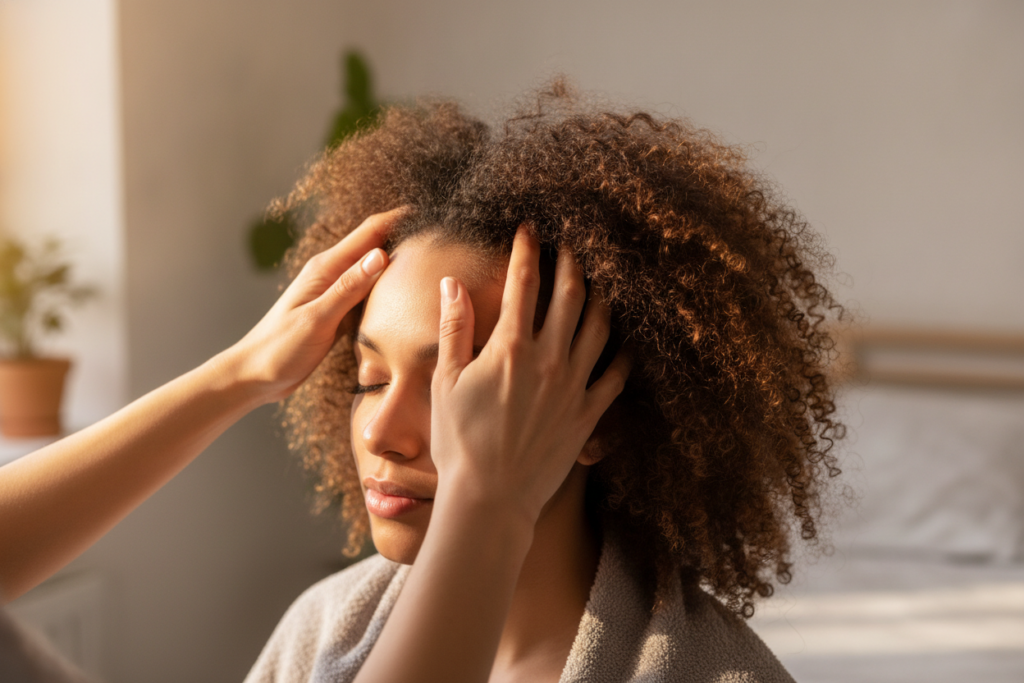
Gentle scalp massage may feel relaxing and can help you spend more time caring for the scalp. Some small research suggests that regular massage may affect scalp tissue or hair thickness, but it is not proof of a guaranteed growth boost.
Try a safe scalp massage
Use clean hands and short, trimmed nails.
Place your fingertips on the scalp rather than pulling the hair.
Move in small circles with light pressure for three to five minutes.
Cover the front, sides, crown, and back of the scalp.
Stop if you notice pain, redness, dizziness, or increased irritation.
Scalp massages should not feel forceful. Pulling, rubbing hard, or using heavy oil can create tangles and make breakage worse.
Gentle pressure is more appropriate than aggressive scalp massages.
Make scalp care easier to follow
Review a product option that fits a gentle routine, and check the ingredient list before use.
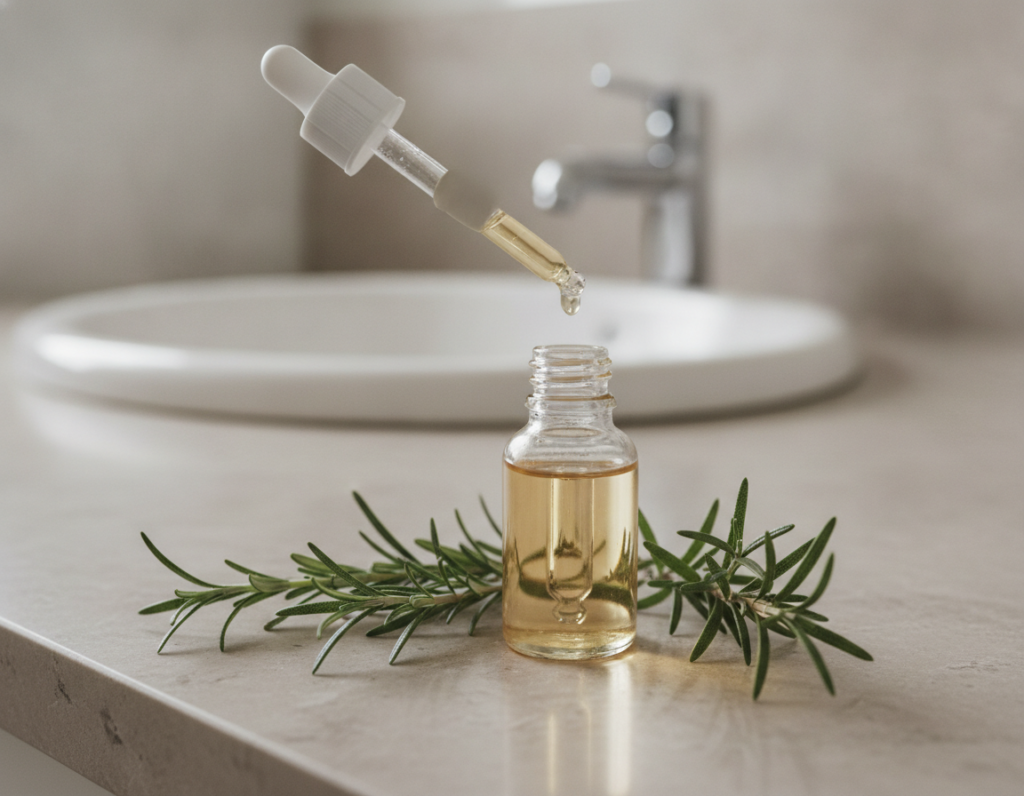
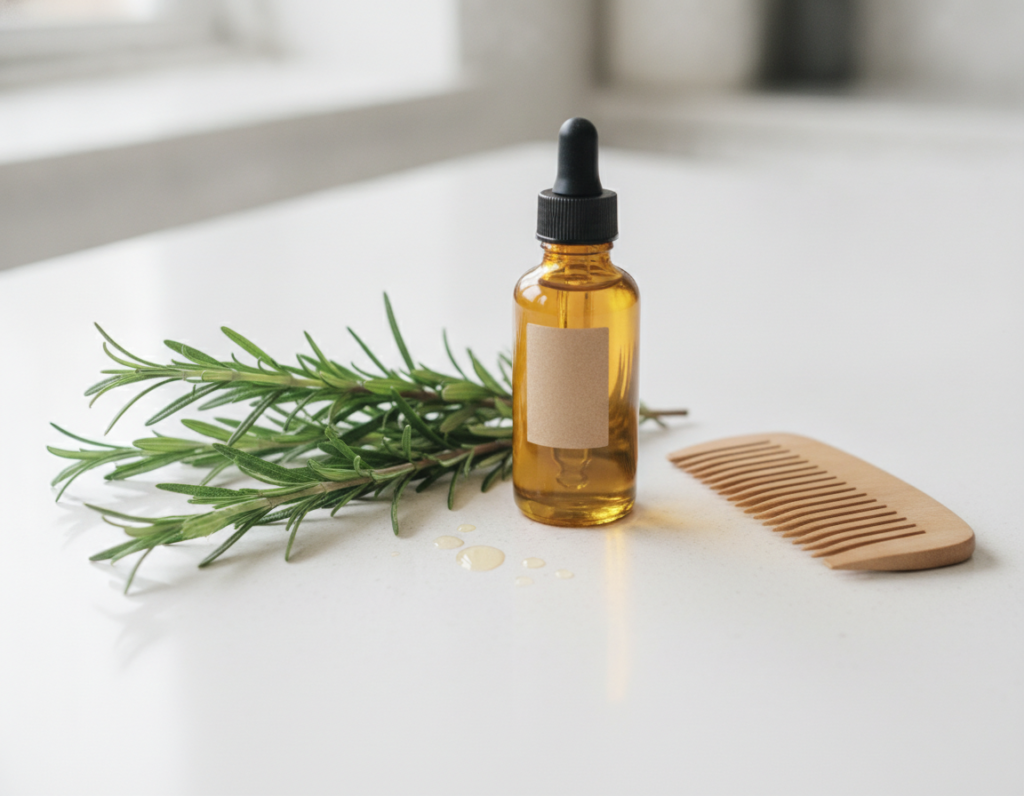
Rosemary oil is often discussed as a natural hair treatment. Limited research suggests it may be useful for some people, but the evidence is not strong enough to promise faster hair growth for everyone. Peppermint oil has even less human evidence for routine hair use.
Use oils with caution
Never apply undiluted essential oils directly to the scalp.
Use a properly diluted product and follow its label directions.
Patch test on a small area before wider use.
Keep oils away from the eyes, broken skin, and children.
Wash the product out if burning, swelling, or rash appears.
Essential oils can trigger contact dermatitis. More oil does not mean better results. People with sensitive skin, allergies, asthma, pregnancy concerns, or scalp disease should ask a clinician before trying rosemary oil or peppermint oil.
Essential oils require dilution, a patch test, and careful use.
Protect the Hair Shaft From Breakage
Many people think their hair does not grow when the real problem is breakage. The follicle may produce new hair, but damaged ends keep splitting before length becomes visible.
Change the habits that create damage
Use lower heat and keep hot tools moving.
Apply heat protection before blow-drying or styling.
Detangle from the ends upward with a wide-tooth comb.
Avoid tight styles that pull on the follicles.
Use a soft towel or cotton T-shirt to blot water.
Trim split ends when needed to prevent continued splitting.
Wet hair stretches more easily. Handle it slowly after washing. Satin or silk bedding may reduce friction for some hair types, but it cannot change the hair growth cycle.
Gentle detangling helps protect the hair shaft and preserve length.
Support Hair Health With Daily Lifestyle Habits
Sleep, stress, movement, and general health can affect the body and the hair cycle. These habits are not instant hair growth treatments, but they support the systems that keep the body working well.
Sleep
Keep a regular sleep schedule when possible. Rest helps the body manage repair and stress.
Stress care
Try walking, breathing exercises, journaling, or time outside. Ongoing stress may affect shedding in some people.
Movement
Regular activity supports overall health. It does not guarantee faster growth, but it can support well-being.
Do not blame yourself for every change in your hair. Illness, medication, childbirth, hormones, and inherited conditions can all play a part.
Healthy routines support the body as a whole.
What About Red Light Therapy and Hair Products?
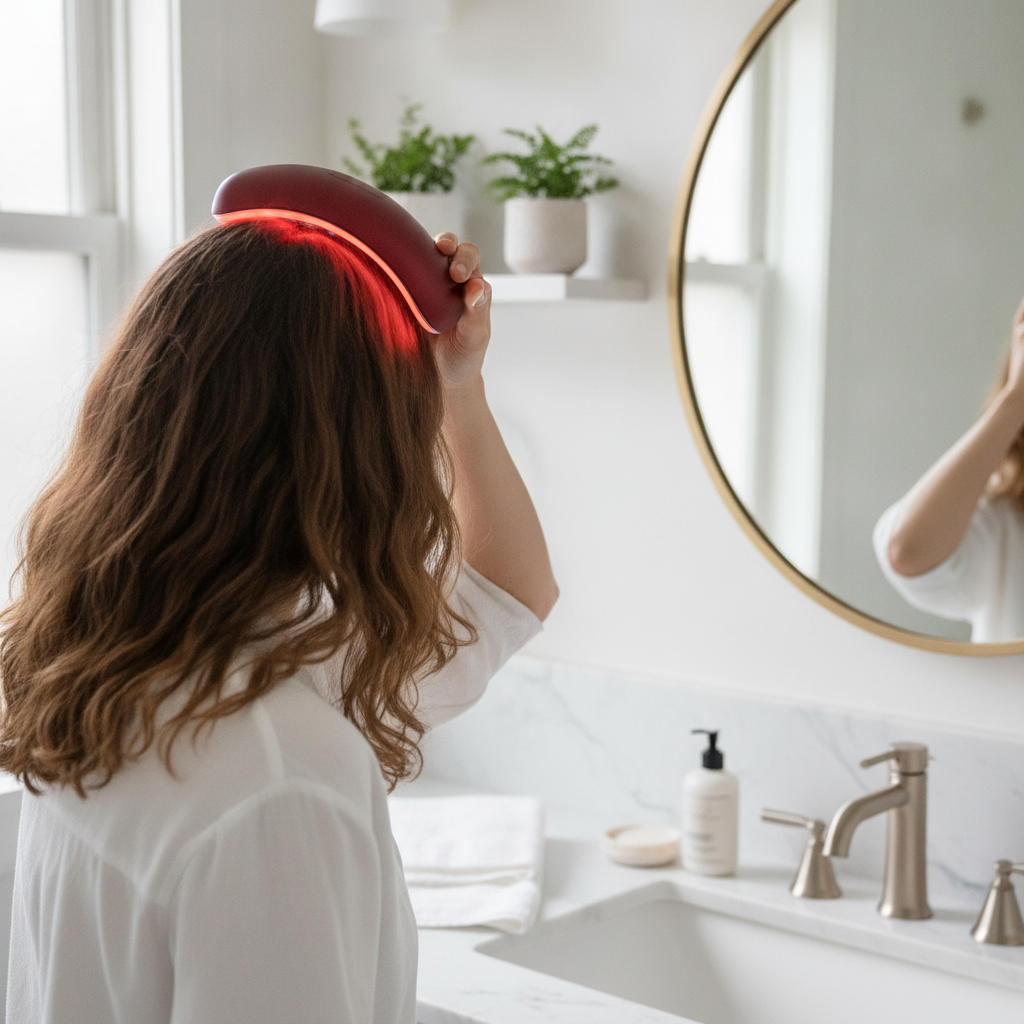
Red light therapy devices are marketed for hair growth and may help some people with certain types of hair loss. Results depend on the device, diagnosis, use schedule, and individual response. A device is not a substitute for finding the cause of shedding.
Look for clear instructions, realistic claims, eye-safety guidance, and a return policy. Be careful with products that promise new hair in a few days or claim to work for every person.
Use a simple product checklist
Does the product explain how to use it?
Are ingredients and warnings easy to find?
Does the claim match the available evidence?
Will it fit your scalp type and current routine?
Can you stop safely if irritation develops?
Red light therapy should be considered carefully and used as directed.
Compare your next hair-care step
Use a focused option rather than buying several products at once. Give your routine time and track changes.
More steps do not always produce better hair. A simple routine is easier to follow and makes it easier to notice what helps or irritates your scalp.
A short routine can be easier to use consistently.
When to See a Healthcare Professional
See a doctor or dermatologist if hair loss begins suddenly, appears in patches, or comes with pain, redness, scaling, sores, or severe itching. Seek advice if you notice a widening part, rapid thinning, or heavy shedding that continues.
A professional may ask about recent illness, stress, medications, family history, diet, hormones, and scalp symptoms. They may recommend an examination or tests when a nutrient, thyroid, hormone, or other medical cause is possible.
Do not delay care: A product may hide symptoms while an underlying condition continues. Professional advice is especially important for children, pregnancy-related concerns, and sudden changes.
Know when a product is not enough
If shedding is sudden or your scalp is painful, request professional guidance before starting a new treatment.
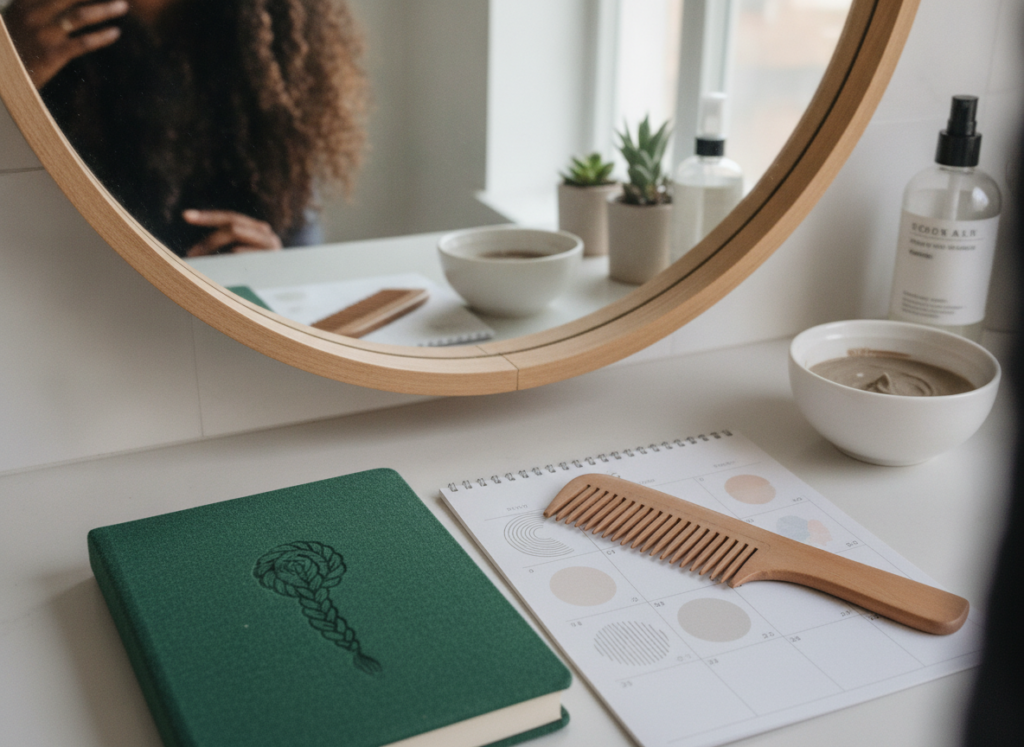
Use the first month to create consistency rather than chase instant results. Keep a short record of washing, styling, scalp comfort, shedding, and breakage.
Week one: Take a baseline photo, check your products, and remove any item that causes irritation.
Week two: Wash in a way that suits your scalp, condition the lengths, and reduce high heat.
Week three: Add gentle scalp massage for a few minutes if it feels comfortable.
Week four: Review your notes. Keep helpful habits and remove steps that create dryness or tension.
Continue for several months before judging visible length. Compare photos under the same light and angle. If shedding worsens, stop experimenting and ask a professional for advice.
Simple tracking helps separate real changes from day-to-day uncertainty.
FAQ About Natural Hair Growth
Can I make my hair grow much faster naturally?
There is no reliable home method that guarantees dramatically faster growth. Nutrition, scalp care, and gentle handling may support normal growth and help reduce breakage.
Does scalp massage grow new hair?
Scalp massage may feel relaxing and could support scalp care, but evidence for new hair is limited. Use light pressure and stop if the scalp becomes sore or irritated.
Is rosemary oil better than peppermint oil?
Neither oil is guaranteed to work. Rosemary oil has limited human research, while peppermint oil has less evidence for routine use. Both essential oils need safe dilution.
How long does hair growth take?
Scalp hair often grows around half an inch per month, though the rate varies. Judge progress over months, not a single week.
Should I take biotin for hair growth?
Biotin helps when a true deficiency exists, but supplements do not fix every cause of hair loss. Ask a healthcare professional before using high-dose vitamins.
Does red light therapy work for everyone?
No. Results vary by person, device, diagnosis, and use. Discuss ongoing thinning with a qualified professional before relying on a device.
Choose your next step with care
If your goal is a gentler routine, explore one relevant option and use it consistently according to its directions.
Final Takeaway: Protect Progress and Stay Consistent
The most practical answer to How to Grow Your Hair Faster Naturally is to support healthy follicles, protect the hair shaft, and address problems early. Eat enough protein and varied foods. Keep the scalp comfortable. Use gentle washing, careful detangling, and lower heat. Treat essential oils as optional products, not guaranteed solutions.
Expect gradual changes over months. A calm, consistent routine is more useful than a long list of trends. If shedding is sudden, patchy, painful, or persistent, choose professional care before trying another product.
Build a routine you can maintain
Start with one sensible change, track your response, and explore a relevant hair-care option only when it fits your needs.
Use vertical images for Pinterest saves and landscape images for supporting content. Keep every image clean and free of text or text overlay. Show real routines, natural textures, food, scalp care, and gentle tools rather than dramatic before-and-after claims.