How to Grow Long Hair: A Practical Guide to Stronger Length
Long hair does not come from one miracle product. It comes from steady growth at the scalp and less breakage along the length. The right routine can help your hair look fuller, smoother, and longer over time.
This guide explains how to grow hair long with simple care, scalp habits, food choices, protective styling, and realistic goals. You will also learn which common mistakes can quietly remove the length you worked hard to gain.
Healthy length depends on both new growth and careful length retention.
Want a simpler starting point?
Review a focused hair-care option after you learn the basics. Choose products that fit your scalp, texture, and routine.
Hair grows in cycles. A visible change usually takes months, not minutes. Many people notice roughly half an inch of growth per month, but the rate varies by genetics, age, health, hormones, and the active growth phase of each follicle.
That average is only part of the story. If your ends split or snap, your new growth may not show as extra length. This is why growing hair and keeping hair long are two different tasks.
Set a length goal you can measure
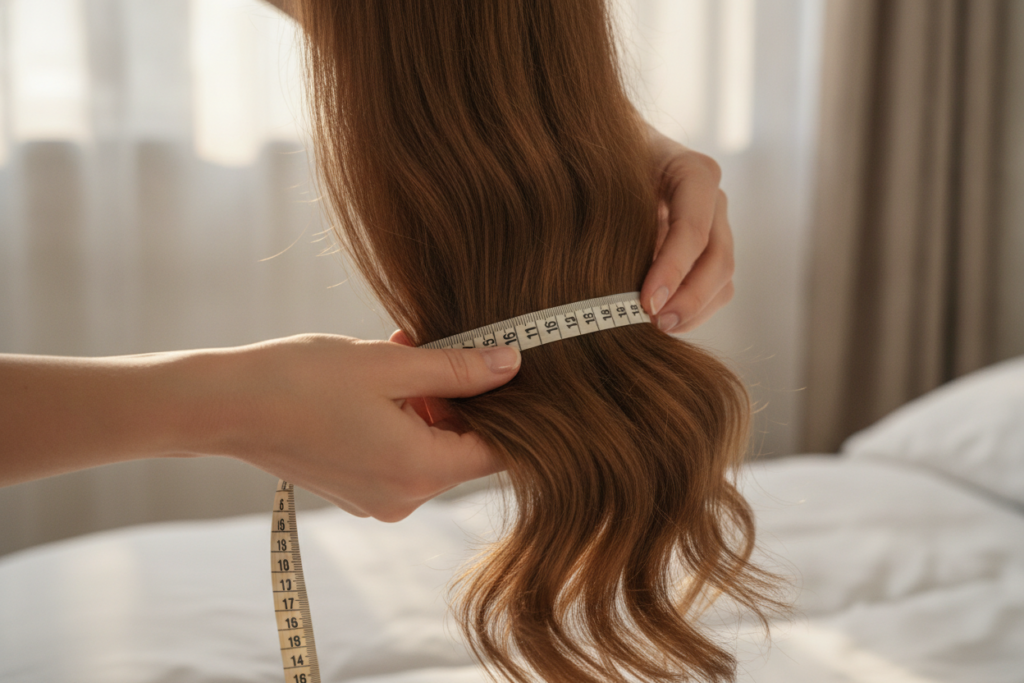
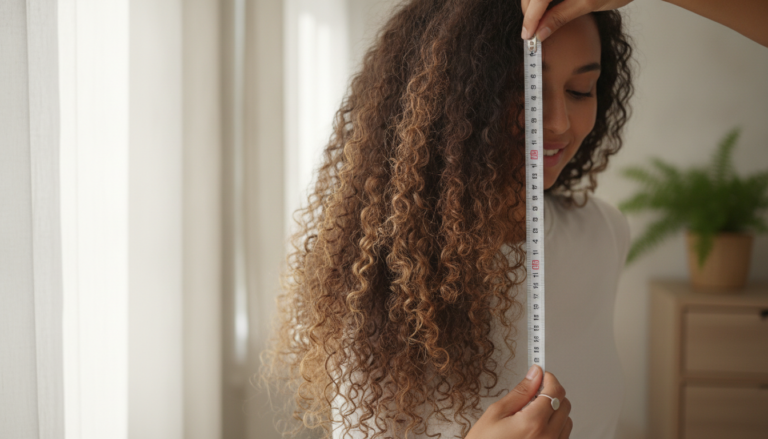
Choose one starting photo and take another photo every four weeks. Use the same light, angle, and hair state. Measuring every day can make normal changes look confusing.
Track scalp comfort and shedding, not only length.
Record how often you use heat or chemical services.
Note when your ends feel rough or tangled.
Review progress after three to six months.
Realistic expectation: A routine can support healthy hair growth and reduce avoidable breakage. It cannot safely promise a fixed number of inches for every person.
Monthly photos are more useful than daily checks.
Start by Checking Your Scalp and Hair Length
Before changing products, check what your hair needs now. Look at the scalp, roots, mid-lengths, and ends. The roots may be oily while the ends are dry. A single product may not suit every part of the hair.
Ask four simple questions
Does the scalp feel oily, tight, itchy, or comfortable after washing?
Does the hair tangle during washing or only when it is dry?
Do the ends show splits, white dots, roughness, or snapping?
Does the hair feel weak after coloring, relaxing, or heat styling?
Your answers can guide the routine. An oily scalp may need a more regular wash schedule. Dry hair may need gentler cleansing and more conditioner. A sensitive scalp may need fewer products and less fragrance.
Know when to seek professional help
Sudden shedding, bald patches, painful bumps, severe itching, or a fast change in density deserves medical attention. Hair care can support the outside of the hair, but it cannot diagnose an internal cause.
Build your routine around your needs
Explore a hair-care resource that helps you compare options instead of choosing based on a trend alone.
The scalp is the base of every strand. A clean, comfortable scalp creates a better environment for normal follicle function. Scalp care does not need to be harsh. Scrubbing too hard can cause irritation and make the routine harder to follow.
Use gentle scalp habits
Wash away sweat, excess oil, and styling residue.
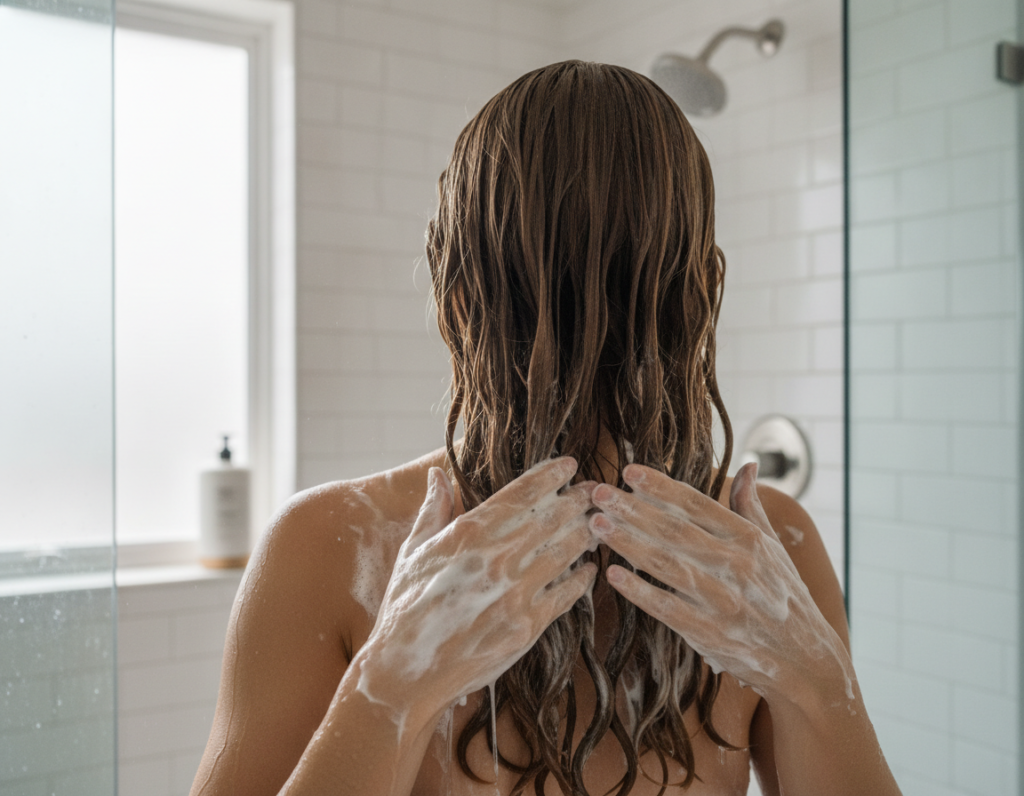
Massage shampoo with the pads of your fingers.
Avoid scratching with your nails.
Rinse well so residue does not remain at the roots.
Clean brushes and pillowcases on a regular schedule.
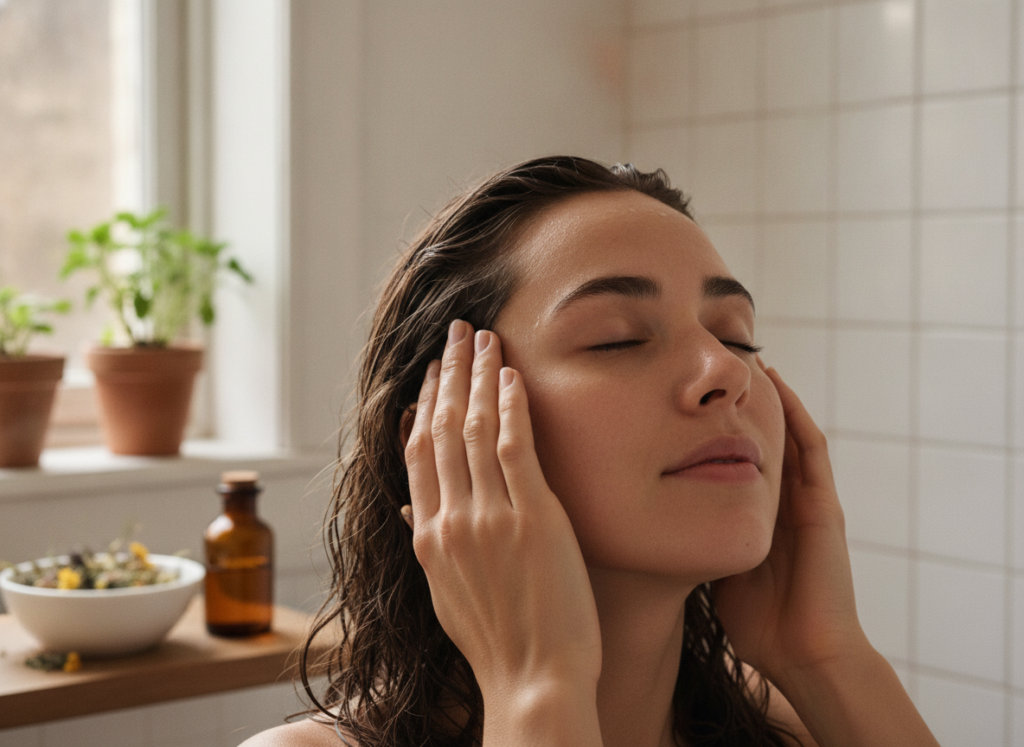
A short massage can feel relaxing and may encourage blood flow to the scalp. Use light pressure for two to five minutes. Massage should never cause pain, redness, or pulling.
Use fingertips and light pressure during a scalp massage.
Be careful with scalp oils
Oils can reduce friction and make a massage feel smoother. They are not a guaranteed way to make hair grow. Some oils may clog pores or irritate sensitive skin. Test a small area first and stop if the scalp reacts.
Build a Wash Routine That Protects Hair
There is no perfect number of wash days for everyone. Your schedule should match scalp oil, sweat, texture, styling products, and comfort. Washing too little can leave buildup. Washing too often with a harsh shampoo can make the length feel dry.
Make shampoo work at the scalp
Wet the hair fully before applying shampoo. Place the product on the scalp and massage gently. Let the foam move through the length as you rinse instead of rubbing the ends together.
A second shampoo may help after heavy oil or product use. It is not required every time. If your hair feels squeaky, rough, or tangled after washing, the routine may be too strong.
Use conditioner on the length
Apply conditioner from the mid-lengths to the ends. Let it sit for a few minutes while you finish your shower. Detangle with fingers or a wide-tooth comb while the hair is slippery.
Start at the ends and move upward.
Work in small sections if the hair is thick or curly.
Do not force a knot through a comb.
Rinse with water that feels comfortable, not very hot.
Conditioner helps reduce friction during detangling.
Use Conditioner and Detangle Without Breakage
Long hair has more time to face friction. Clothing, towels, pillows, and fingers can all create small areas of damage. Conditioner adds slip, which can make knots easier to release.
A low-tension detangling method
Apply conditioner and separate the hair into manageable parts.
Use your fingers to loosen large knots.
Hold the section above the knot to protect the root.
Start at the ends with a wide-tooth comb.
Move upward only after the lower section is clear.
Brushing wet hair is not always harmful, but the best method depends on texture and strength. Very wet, fragile hair may stretch. Curly hair may detangle better when damp and coated with conditioner.
Dry the hair with less friction
Do not twist wet hair tightly in a rough towel. Press out water with a soft towel or cotton shirt. Let the hair air-dry when possible, or use a dryer on a lower heat setting with steady movement.
Wet hair can be more fragile. Avoid pulling it into a tight ponytail while it is soaked.
Support Hair Growth With Food and Body Health
Hair is made from protein, so regular meals matter. A varied diet can provide protein, iron, zinc, healthy fats, and other nutrients that support the body. No single food can override poor sleep, illness, or a major deficiency.
Build balanced meals
Protein
Include eggs, fish, poultry, tofu, beans, lentils, yogurt, or another protein source that suits your diet.
Supports the structure of each strand.
Works best as part of regular meals.
Can be plant-based or animal-based.
Colorful plants
Fruit and vegetables add vitamins, minerals, fiber, and protective plant compounds to daily meals.
Choose several colors each week.
Add leafy greens when practical.
Include fruit instead of relying on pills.
Healthy fats
Nuts, seeds, avocado, and fish can add useful fats to a balanced eating pattern.
Use portions that fit your needs.
Drink enough water for general health.
Ask a clinician about special diets.
Do not start high-dose supplements just because a bottle promises fast hair growth. Too much of some nutrients can cause harm. If shedding changes suddenly, ask a health professional about testing before taking a supplement.
Balanced meals support the body while hair grows.
Choose Oils, Shampoo, and Products With Care
Products can improve how hair feels and behaves. A shampoo cleans the scalp. A conditioner reduces friction. A leave-in product can help with softness and styling. An oil may seal some moisture into the surface, but it does not replace water or conditioner.
Match products to the problem
Concern
Useful product focus
Care point
Oily roots
Light cleansing shampoo
Clean the scalp without rough scrubbing
Dry ends
Richer conditioner or leave-in
Apply mainly to the length
Tangling
Conditioner with slip
Detangle in sections from the ends
Heat damage
Heat protectant
Lower the temperature and limit repeats
Use oils as a comfort and styling step
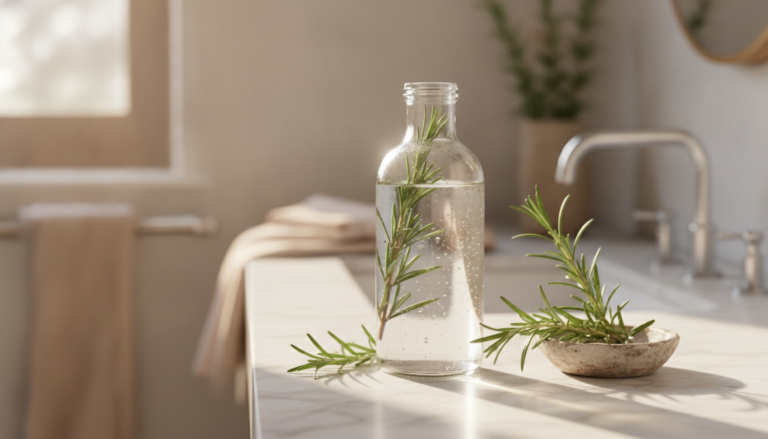
Use a small amount of oil on the ends when they feel rough. Too much oil can make hair heavy and may require extra shampoo. Coconut, argan, jojoba, and other oils behave differently on different textures, so start with a little.
Compare a focused hair-care option
If you want help choosing products for softness and length retention, review this option and decide whether it fits your routine.
Protective styles can reduce daily friction, but they are not automatically safe. A style that pulls at the edges can create breakage or soreness. The best style feels secure without feeling tight.
Lower-tension style ideas
Loose braids with covered ends.
A low, relaxed bun with a soft tie.
Large twists that do not pull the hairline.
A loose braid before sleep.
Hair tucked under a smooth, breathable covering.
Change the position of a ponytail so the same area does not carry tension every day. Remove clips slowly. If a style causes headache, bumps, tenderness, or a receding hairline, take it down.
Protect the ends
The oldest part of your hair is the most exposed. Keep ends moisturized, reduce rough fabric contact, and avoid repeatedly brushing the same area. A small amount of oil can reduce surface friction, but it cannot repair a split end.
A loose style can protect the ends without excessive tension.
Reduce Heat and Chemical Damage
Heat can change the structure of the hair and leave it weak, dry, or brittle. Color, bleach, relaxers, and repeated chemical services can also reduce strength. You do not have to stop every styling choice, but you can reduce the total stress.
Make styling gentler
Use heat only when it serves a clear purpose.
Apply a heat protectant before hot tools.
Use the lowest setting that gives a useful result.
Let hair dry before using a flat iron or curling tool.
Leave time between chemical services.
Ask a trained stylist about overlapping treatments.
Dry hair can look dull and feel rough, but adding more oil may not solve the problem. Check whether shampoo is too strong, the water is very hot, or heat is used too often.
Lower-damage choices
Air-drying when practical
Loose styling
Heat protectant
Regular conditioning
Common stressors
Daily high heat
Tight extensions
Frequent bleaching
Rough towel drying
Understand Trims, Split Ends, and Length Retention
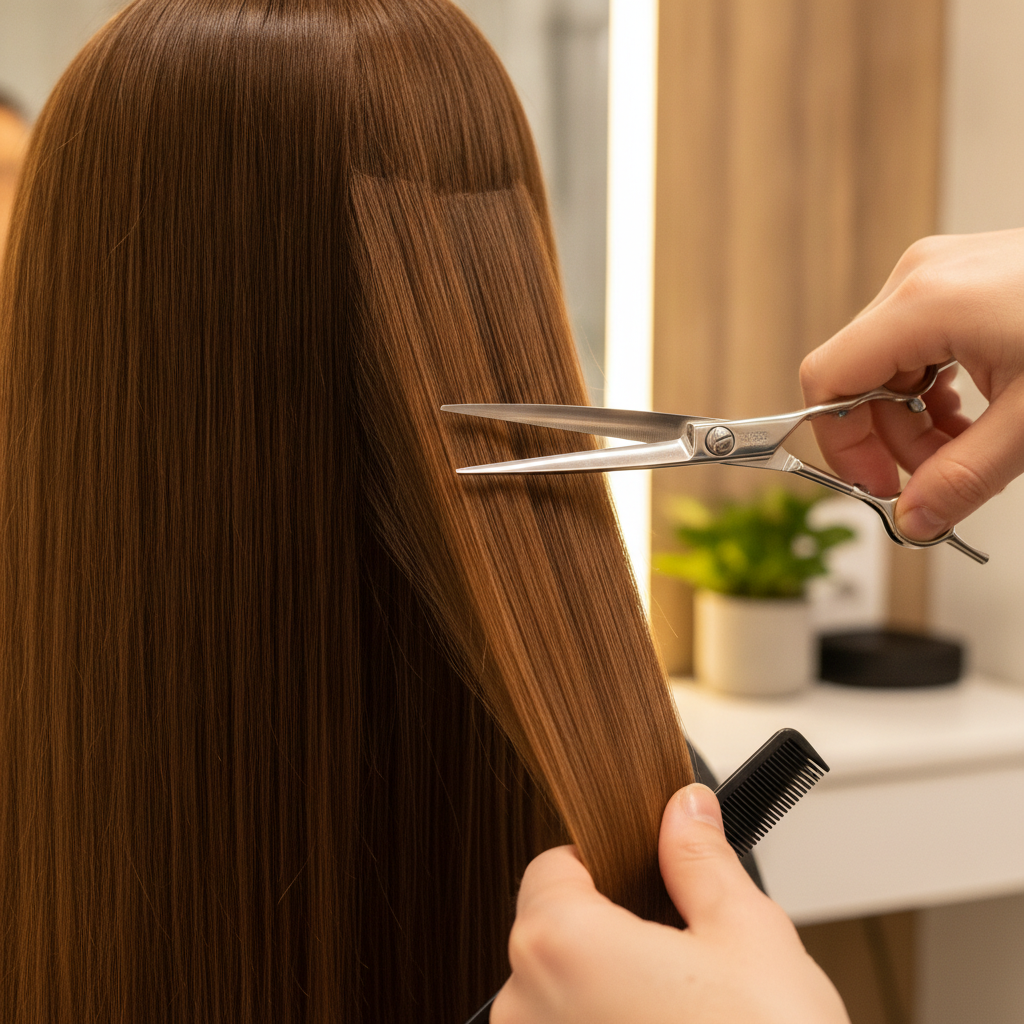
Trims do not make the follicle grow faster. They remove damaged ends that may split farther up the strand. A small trim can help hair look neater and reduce tangling, especially when the ends are thin or rough.
When a trim may help
The ends snag on clothing or fingers.
Splits are visible in several areas.
The ends look much thinner than the roots.
Brushing creates repeated knots at the bottom.
The right timing depends on your damage, texture, and styling habits. Some people need a small trim every few months. Others can wait longer with careful handling. Tell the stylist that length retention is your priority.
A small trim can remove damaged ends without removing a large amount of length.
Protect Hair During Sleep and Daily Life
Night care is easy to overlook. Hair can rub against cotton bedding, catch on buttons, or tangle under the body. A few small changes can reduce friction without adding much time.
Create a five-minute evening routine
Remove clips, pins, and tight ties carefully.
Use your fingers to separate large tangles.
Add a small amount of leave-in product if the ends feel dry.
Make a loose braid or low twist if that suits your texture.
Use a smooth pillowcase or a comfortable hair covering.
Do not sleep in a style that causes pressure or pulling. If your scalp feels sore in the morning, change the style. Comfort is a useful sign that the routine is not too aggressive.
Reduce daytime friction
Keep long hair away from rough backpack straps, coat zippers, and repeated seat-belt rubbing. Wear hair up loosely during windy or active days. Carry a wide-tooth comb rather than using force on a sudden knot.
A Simple Weekly Plan for Growing Hair
A good plan is easy to repeat. It should not require a shelf full of products or hours of styling. Adjust the schedule for your scalp, texture, and lifestyle.
Every wash day
Clean the scalp gently.
Condition the length.
Detangle from ends to roots.
Dry with low friction.
Once or twice each week
Check the ends for roughness.
Use a deeper conditioning step if needed.
Clean brushes and styling tools.
Review tight styles and heat use.
Every four weeks
Take a progress photo.
Check scalp comfort.
Compare shedding with your normal pattern.
Change one product only if needed.
A short, repeatable plan is easier to maintain than a complicated routine.
Make sure each step has a purpose. If a product or habit adds time without improving comfort, strength, or styling, it may not belong in your routine.
Common Mistakes That Stop Hair From Looking Long
Many people focus only on the roots. The ends often decide whether new growth becomes visible length. Small habits can create damage slowly, so the problem may not be obvious at first.
Mistake one: changing products too often
Switching shampoos every few days makes it hard to know what works. Try one reasonable routine for several weeks unless it causes irritation. Hair may feel different after a product change, but that does not always mean the product is harmful.
Mistake two: brushing through knots with force
Force can snap strands. Add conditioner or leave-in product, separate the knot, and work from the bottom. A few extra minutes can save a lot of length.
Mistake three: using oil as a replacement for care
Oil can improve shine and reduce friction. It cannot replace cleansing, conditioning, balanced meals, or gentle styling. Heavy oil buildup can also make the scalp feel uncomfortable.
Mistake four: wearing tight styles for too long
Constant tension can affect the hairline and make the scalp sore. Rotate styles and give the roots a break. Make sure you can move the style slightly without pain.
Mistake five: expecting overnight results
Hair growth takes time. A dramatic claim may encourage overuse of products or unsafe supplement choices. Look for steady changes in breakage, softness, and manageability.
What the Ranking Pages Suggest About Effective CTAs
The three supplied pages cover a personal hair-growth guide, a men’s long-hair guide, and a beauty publication article about faster growth. Their likely primary goal is to inform B2C readers. The page topics suggest different audience angles, but the shared search need is practical advice.
Editorial guide
The personal guide is likely strongest for readers seeking an experience-based routine. A native CTA should be gentle and placed after a useful lesson.
Goal: inform
Audience: cold to warm B2C
Best format: in-text resource link
Tone: personal and neutral
Men’s grooming guide
The men’s page likely aligns advice with a practical grooming journey. A CTA can focus on routine building, styling, or products that support length retention.
Goal: inform
Audience: cold B2C
Best format: separate product block
Tone: direct but helpful
Beauty publication
The beauty page likely attracts readers who want quicker, actionable tips. The content should answer the desire for speed while correcting unrealistic expectations.
Goal: inform with commercial potential
Audience: cold and warm B2C
Best format: product mention after advice
Tone: engaging and reassuring
CTA patterns to use on this page
Use a benefit-led heading instead of a generic “Click here” label.
Place the CTA after a complete section so it feels earned.
Use one action per block.
Match the link to the reader’s current concern.
Keep the first offer low pressure.
Repeat the strongest resource only after adding new context.
A purchase CTA is not necessary at the first sentence. The reader is usually researching. A helpful article can move that reader from cold interest to warm consideration by explaining what a product can and cannot do.
How to Know Whether Your Routine Is Working
Progress is more than a longer measurement. Look for fewer broken strands, easier detangling, smoother ends, and less need to cut damaged areas. These changes can show that your routine is helping you keep the growth you already produce.
Use a simple progress record
Time
What to check
What it may tell you
Week 1
Scalp comfort and product reaction
Whether the routine feels tolerable
Week 4
Tangling and dryness
Whether conditioning is enough
Month 3
Breakage and visible length
Whether length retention is improving
Month 6
Overall density and length pattern
Whether to continue or seek advice
If the scalp becomes painful or the shedding pattern changes sharply, stop experimenting and speak with a qualified professional. Hair care should feel supportive, not stressful.
Consistent photos can show gradual changes that are easy to miss day to day.
FAQ: Questions About Growing Hair Long
Can I make hair grow faster?
You may support normal hair growth by caring for your scalp, eating balanced meals, and reducing breakage. Growth speed is influenced by factors you cannot fully control, so avoid promises of instant results.
Does cutting hair make it grow faster?
No. A trim does not change the follicle or the growth rate. It can remove split ends and help you keep more of the length that grows from the scalp.
How often should I shampoo?
Wash when your scalp needs cleansing. Oil, sweat, texture, and styling products all affect the right schedule. The best routine leaves the scalp comfortable without making the length rough.
Are oils useful for hair?
Some oils can reduce friction, add shine, or make a massage easier. Use a small amount and patch-test first. Oils do not replace conditioner or guarantee new hair growth.
Should I take hair-growth supplements?
Only consider supplements with informed guidance, especially if you suspect a deficiency or take medication. High doses can be unsafe and may not help when no deficiency exists.
What is the best protective style?
The best style is comfortable, low tension, and easy to remove. A style that causes pain, bumps, or repeated pulling is not protective for your scalp or hairline.
Create Your Personal Long-Hair Routine
Start with the smallest routine you can repeat. Clean the scalp when needed, condition the length, detangle slowly, and protect the ends from friction. Add oils, masks, or styling products only when they solve a clear problem.
Your next seven days
Take one clear starting photo.
Check the scalp for comfort and buildup.
Choose a gentle shampoo and useful conditioner.
Practice detangling from the ends upward.
Wear one low-tension style.
Reduce one source of heat or friction.
Plan a balanced meal pattern you can maintain.
Ready to take the next step?
Explore a practical hair-care option, then compare it with your needs before adding anything to your routine. Consistency matters more than having lots of products.
Learning How to Grow Long Hair is mostly about patience and protection. Support the scalp, handle the length gently, eat in a balanced way, and give your routine enough time to show a change. When you reduce breakage, more of your natural growth can remain visible as healthy length.