Searching for How to Grow 4C Hair Fast often means you want longer, fuller natural hair without waiting forever. The good news is that a better routine can help you keep more of the growth your body already produces.
Type 4C hair does not need harsh treatments or unrealistic promises. It needs steady moisture, a calm scalp, gentle styling, and time. This guide shows how to reduce breakage while supporting healthy hair growth.
Set Realistic Expectations for 4C Hair Growth
Hair grows from follicles beneath the scalp. The visible length depends on how well the strands survive daily care. A person may have steady growth but see little change if the ends break at the same rate.
That is why length retention matters. A healthy plan does not force follicles to work faster. Instead, it helps protect new growth and reduce damage over time.
Important: No routine can guarantee instant growth. Track progress over several weeks or months, not from one day to the next.
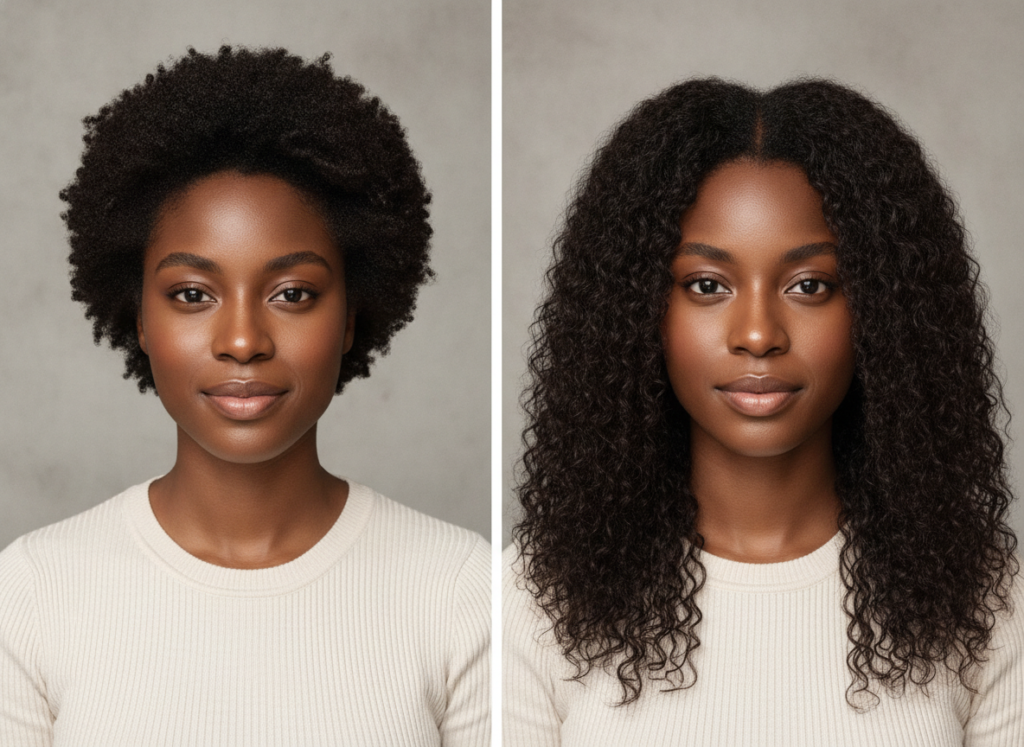
- Take a private length photo every four to eight weeks.
- Use the same lighting and hair position each time.
- Watch for less breakage, softer strands, and healthier ends.
- Change one major product or method at a time.
Start With a Clean, Comfortable Scalp
A healthy scalp creates a better environment for hair care. Sweat, buildup, flakes, and heavy products can make the scalp feel uncomfortable. Scratching can also damage the skin and nearby strands.
Wash based on your activity, product use, and scalp needs. Some people need weekly washing. Others may prefer every seven to fourteen days. The best schedule is one that cleans the scalp without leaving the hair brittle.

Use a Gentle Scalp Routine
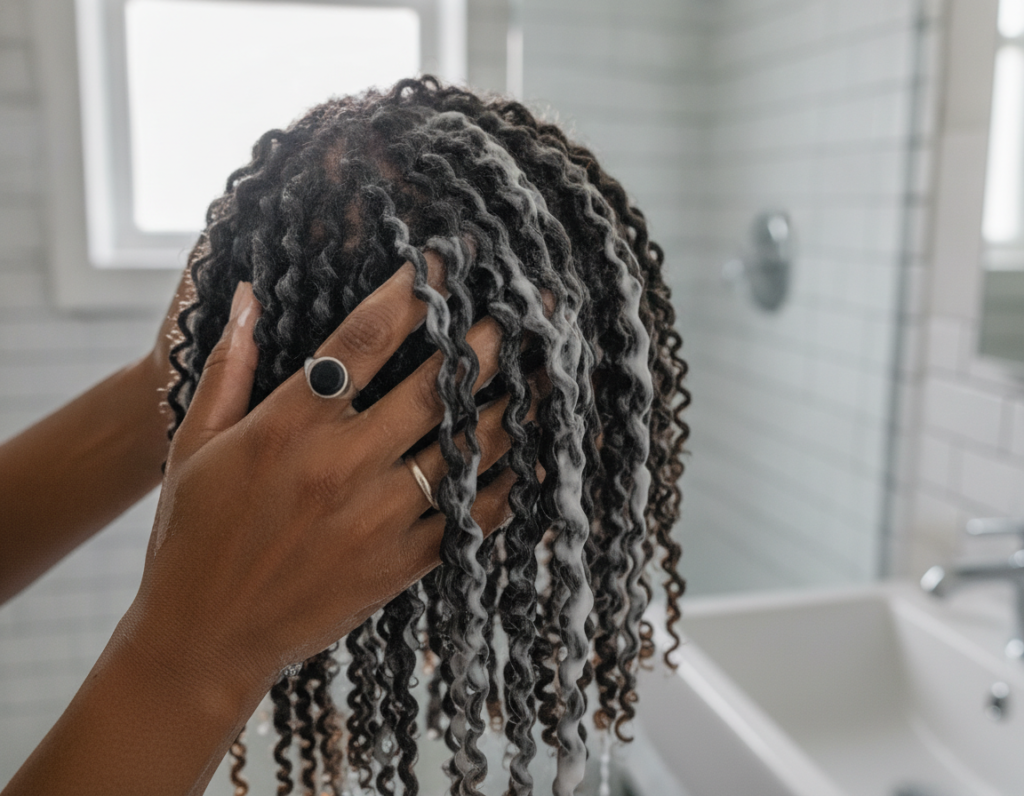
- Separate the hair into sections before washing.
- Apply cleanser to the scalp rather than roughing up the ends.
- Massage with the finger pads, not sharp nails.
- Rinse well so products do not sit on the skin.
- Dry with a soft towel or cotton T-shirt.
Oil can make the scalp feel less dry for some people, but oil does not replace water or cleansing. Heavy oil may also trap buildup. Use a small amount and stop if itching or irritation increases.
Build a More Consistent Hair-Care Routine
Explore an optional resource that may help you organize your natural hair care. Review the details before deciding whether it fits your needs. Results are not guaranteed.
Understand Hair Porosity Before Choosing Products
Hair porosity describes how easily the cuticle allows water and products to enter and leave the strand. Porosity is not the same as hair type. A person can have 4C hair with low porosity, high porosity, or mixed porosity.
Low porosity hair may resist water at first. High porosity hair may absorb water quickly but lose moisture just as fast. Damage, coloring, heat, and weather can affect porosity over time.
Signs of Different Porosity Patterns
- Low porosity: water may sit on the surface before soaking in.
- High porosity: strands may feel dry soon after moisturizing.
- Mixed porosity: roots and ends may respond in different ways.
- Damaged ends: the cuticle may feel rough, weak, or uneven.
Use observation instead of relying on a single glass-of-water test. Notice how your hair responds to water, conditioner, protein, and styling products during several wash days.
Create a Gentle Wash Day Method
A rushed wash day can cause more breakage than the cleanser itself. Tangled hair, rough rubbing, and hurried drying place stress on fragile strands.
Work in sections. Keep the hair wet while applying conditioner. Use enough slip to help your fingers or a wide-tooth tool move through the curls.
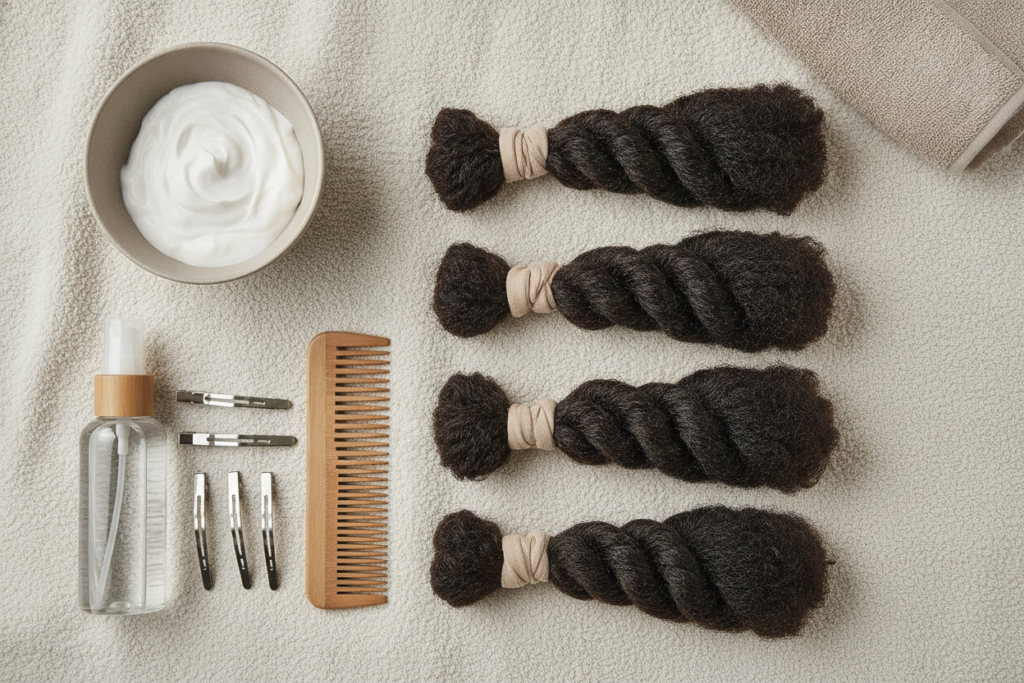
- Loosen large tangles with your fingers.
- Divide the hair into four to six sections.
- Clean the scalp with a gentle shampoo or cleanser.
- Apply conditioner from the middle of the hair toward the ends.
- Detangle slowly while the hair is wet and slippery.
- Rinse, moisturize, and dry without rough friction.
Do not leave a tangled wash day for weeks because you fear manipulation. A regular, gentle wash schedule can make each session easier and support scalp health.
Use Moisture and Sealing in the Right Order
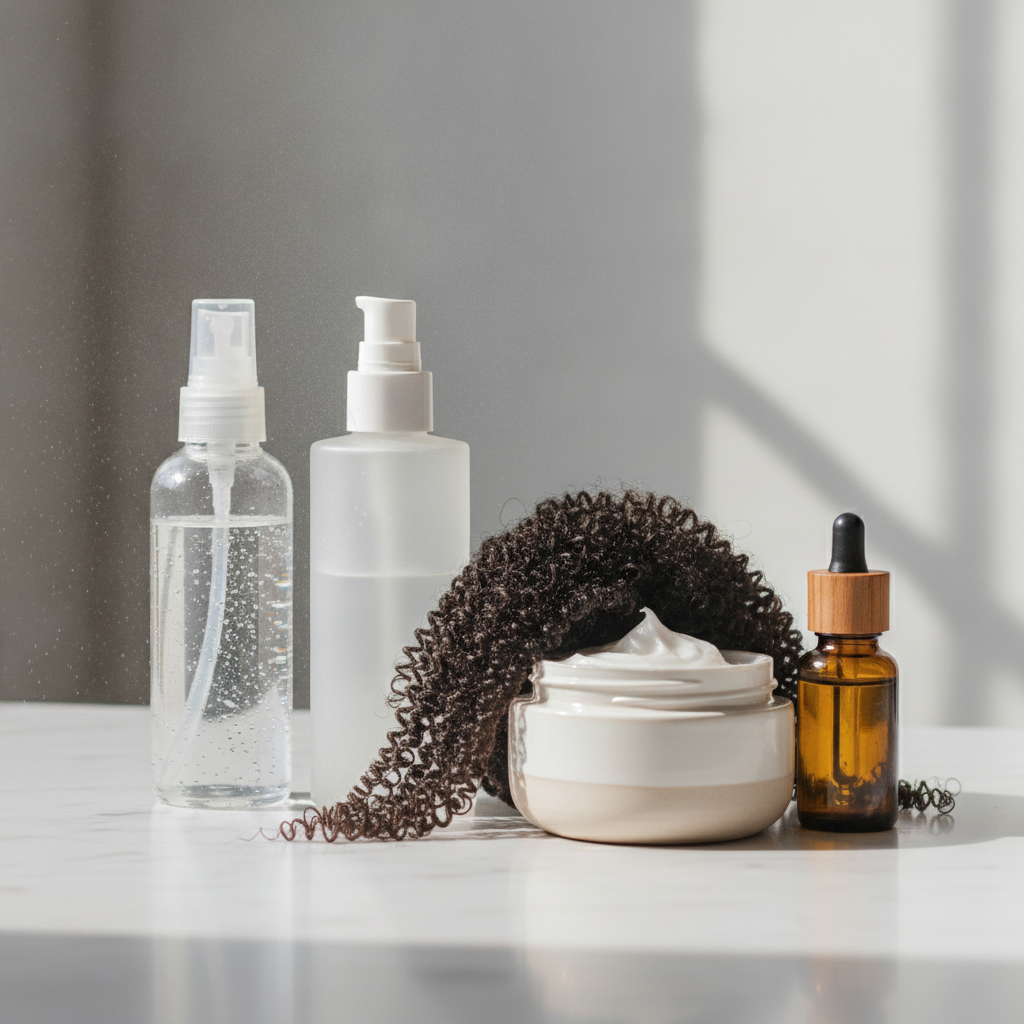
Moisture helps hair feel flexible. Flexible strands are less likely to snap during styling. Water is the main source of moisture, while leave-in conditioner, cream, and oil can help reduce water loss or improve softness.
A simple method is liquid, leave-in or cream, then a small amount of oil if your hair responds well to it. This is often called the LCO or LOC method. Neither method is automatically best for every hair type.
Adjust the Method for Your Porosity
- Low porosity hair may prefer light products and warm water.
- High porosity hair may need richer conditioner and careful sealing.
- High porosity strands may benefit from occasional protein treatments.
- Fine hair may become weighed down by too much cream or oil.
High porosity hair can lose moisture quickly, so pay attention to the ends. High porosity does not mean you need a heavy product every day. Too much layering can create buildup and make the hair dull.
Compare Options for a Moisture-Focused Routine
Use this link to review an optional hair-care offer. Check ingredients, directions, and suitability for your own hair porosity before purchasing.
Balance Protein, Conditioner, and Moisture
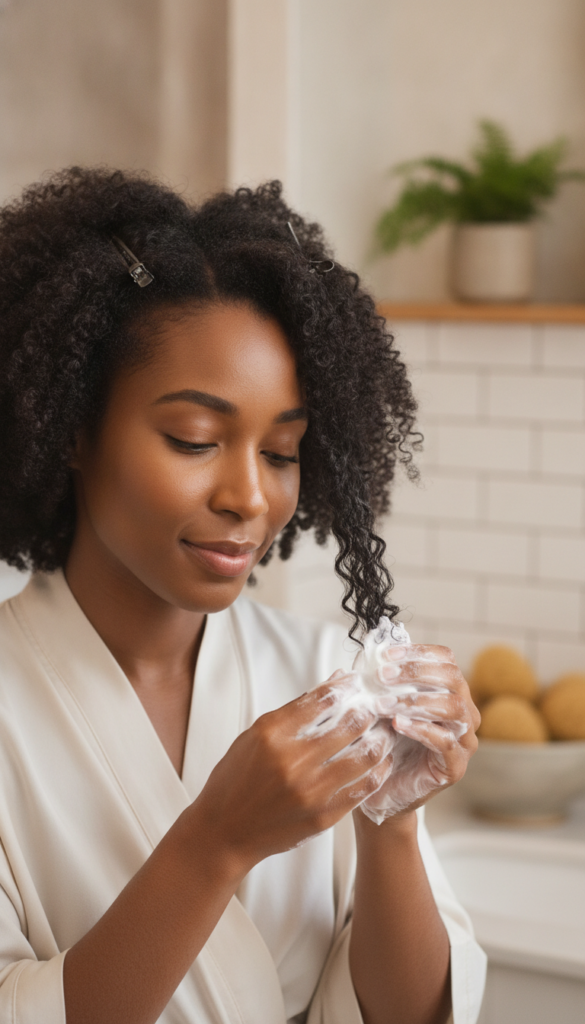
Hair needs both flexibility and strength. Conditioner supports softness and slip. Protein treatments can temporarily help some damaged strands feel stronger. Too much of either approach may create problems.
If hair feels stretchy, mushy, or weak when wet, a suitable protein treatment may help. If hair feels hard, rough, or straw-like after protein, pause it and return to moisturizing conditioner.
- Follow the product directions and timing.
- Do not use multiple protein treatments in the same week.
- Use conditioner after treatments when the instructions allow it.
- Observe how the strands feel after drying.
Hair products cannot repair a split end permanently. They can improve feel and reduce friction, but damaged ends may still need a trim.
Detangle Carefully to Reduce Breakage
Detangling is one of the biggest breakage risks for tightly coiled hair. Dry, rushed detangling can pull at the roots and snap the ends.
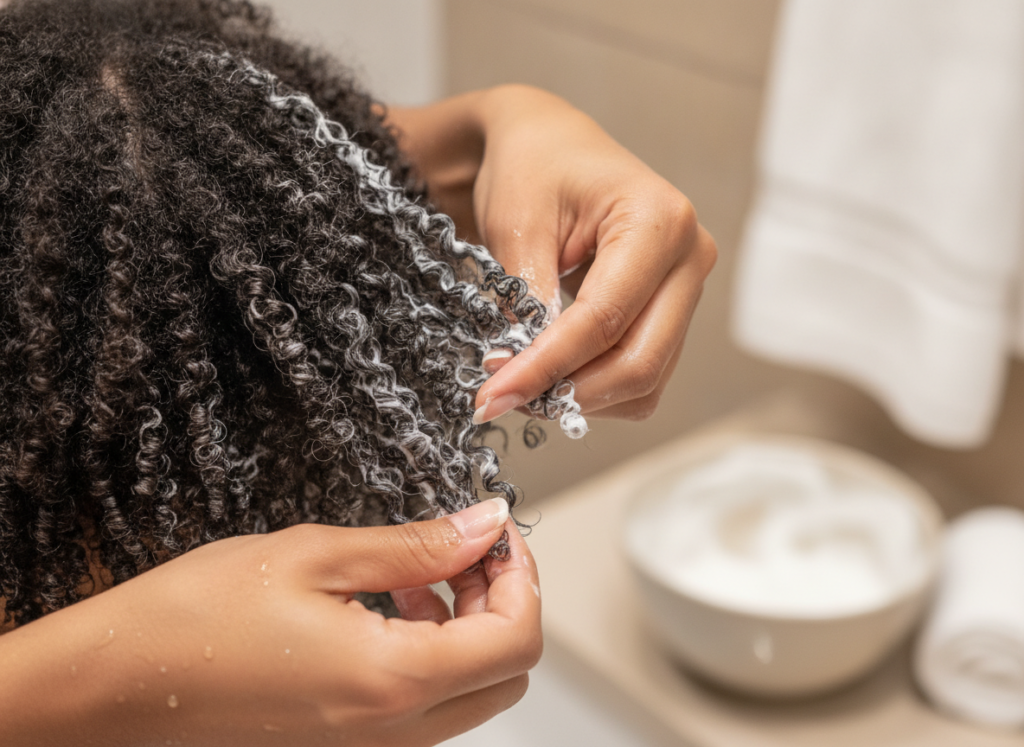
Start at the ends and move toward the roots. Use your fingers first, then a wide-tooth comb if needed. Keep the hair damp and coated with conditioner or a product that provides slip.
Make Detangling Easier
- Handle small sections instead of the whole head at once.
- Hold the section near the roots to reduce pulling.
- Remove shed hair slowly rather than ripping through knots.
- Keep completed sections in loose twists or braids.
- Clean tools often so buildup does not add friction.
Some shed hair is normal. A large increase in shedding, bald spots, or sudden loss is different and deserves professional attention.
Choose Low-Tension Protective Styles
Protective styles can help retain length by reducing daily handling. They do not make the follicles grow faster. A style works best when it protects the ends without pulling the hairline.
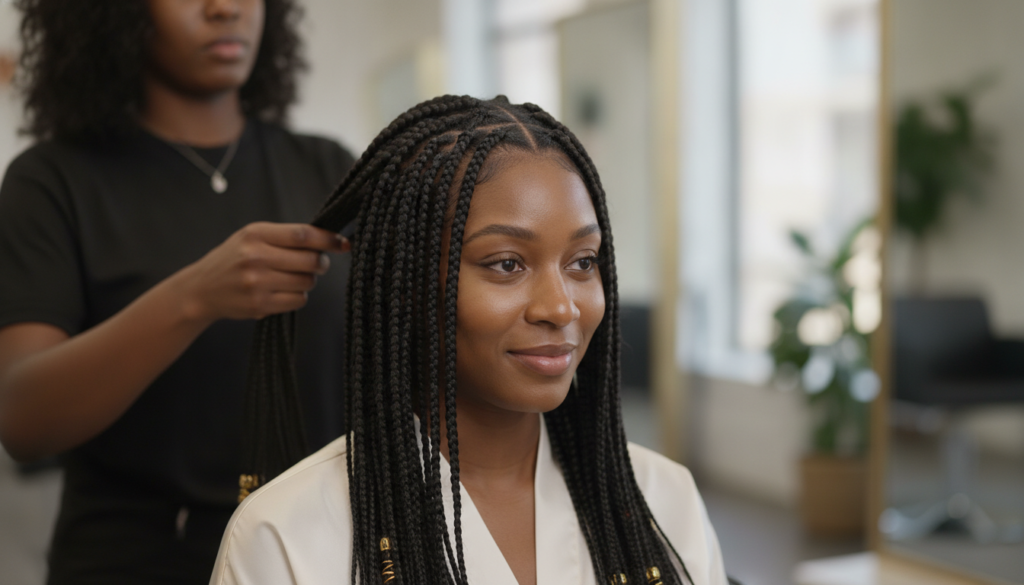
Loose twists, gentle braids, tucked ends, and simple updos may work well. The right style depends on density, strand thickness, scalp comfort, and how often you can maintain it.

- Tell the stylist that comfort and low tension are priorities.
- Avoid braids that cause pain, bumps, or headaches.
- Keep edges free from repeated tight brushing.
- Do not leave a style in longer than your scalp can tolerate.
- Remove the style gently and cleanse before reinstalling.
If a style hurts, it is too tight. Pain is not proof that a protective style is working.
Wear Braids and Twists Without Losing Length
Braids and twists can reduce manipulation, but installation and removal matter. Extensions may add weight. Added weight can stress the edges and follicles if the style is too tight or too heavy.
Check the Style Each Day
- Look for tenderness, bumps, or unusual scalp tightness.
- Keep the scalp clean according to your routine.
- Moisturize exposed natural hair lightly when needed.
- Protect the braids or twists at night.
- Take breaks between repeated extension styles.
Potential benefits
- Less daily manipulation.
- Ends can stay tucked away.
- Morning styling may take less time.
Possible drawbacks
- Too much tension can cause breakage.
- Heavy extensions may stress the hairline.
- Neglected cleansing can cause buildup.
Protect Your Hair at Night
Cotton pillowcases can create friction and absorb some of the moisture on the hair. A satin or silk bonnet, scarf, or pillowcase may help reduce rubbing while you sleep.
Night protection is simple, but it must not be tight. A snug bonnet that presses the edges every night may create a new source of tension.

- Use a clean bonnet or scarf.
- Keep the hair in loose twists if that reduces tangling.
- Choose a breathable fabric when possible.
- Wash the sleep accessory regularly.
- Replace it if the elastic feels tight or rough.
Manage Heat, Color, and Other Damage
Heat can make styling easier, but frequent high heat may weaken the cuticle. Chemical color, relaxers, and repeated tension can also affect the strands. Damage often shows first as roughness, split ends, or increased breakage.
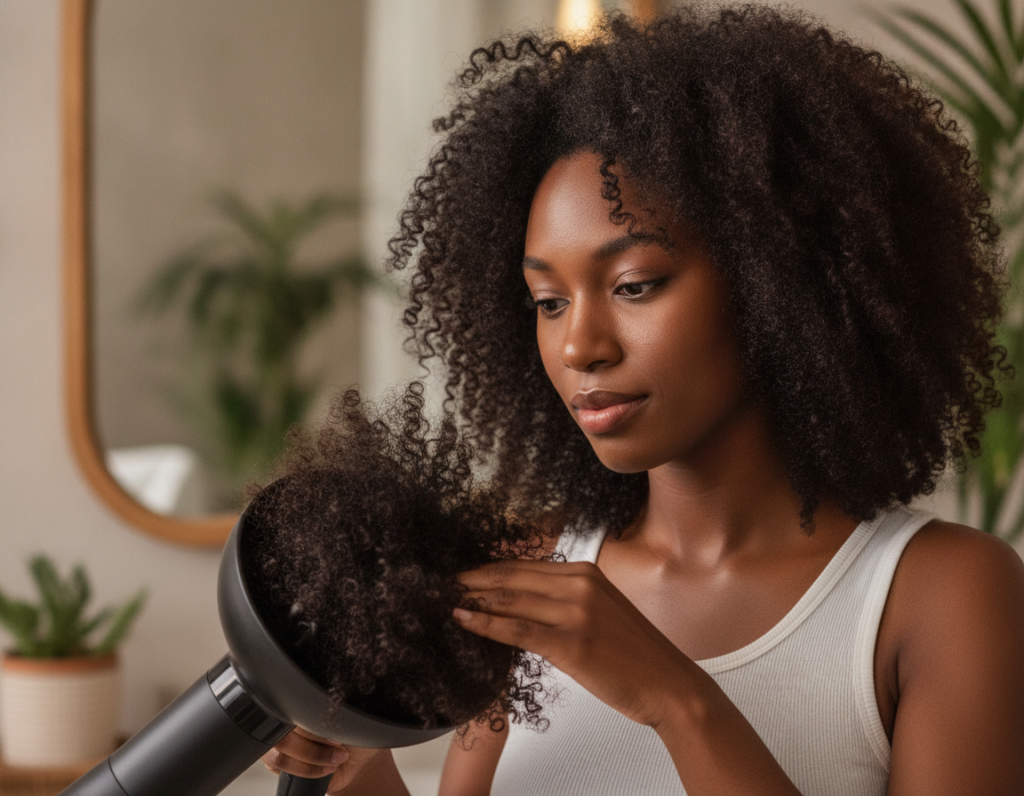
- Use the lowest effective heat setting.
- Apply heat protectant before hot tools.
- Do not press the same section repeatedly.
- Allow hair to dry fully before wrapping or styling.
- Alternate heat styles with low-manipulation options.
Heat-free styles may take more time, but they can reduce one source of damage. If hair feels fragile, simplify the routine for several weeks.
Support Hair Health With Balanced Nutrition
Hair is part of the body, so overall health matters. A balanced eating pattern supplies protein, vitamins, minerals, and water that support normal body functions.
Include foods such as beans, eggs, fish, poultry, tofu, leafy vegetables, fruit, whole grains, nuts, and seeds. Drink water according to your thirst and personal needs.

Supplements are not automatically helpful. A vitamin may be useful when a qualified professional identifies a deficiency, but excessive amounts can cause harm. Do not use supplements as a substitute for diagnosis or balanced meals.
Speak with a qualified healthcare professional before taking high-dose supplements, especially if you are pregnant, taking medication, or managing a health condition.
Trim Damaged Ends When Necessary
Trimming does not make hair grow faster from the scalp. It can remove splits and weak ends that may continue to travel upward. The goal is to protect the length that remains.
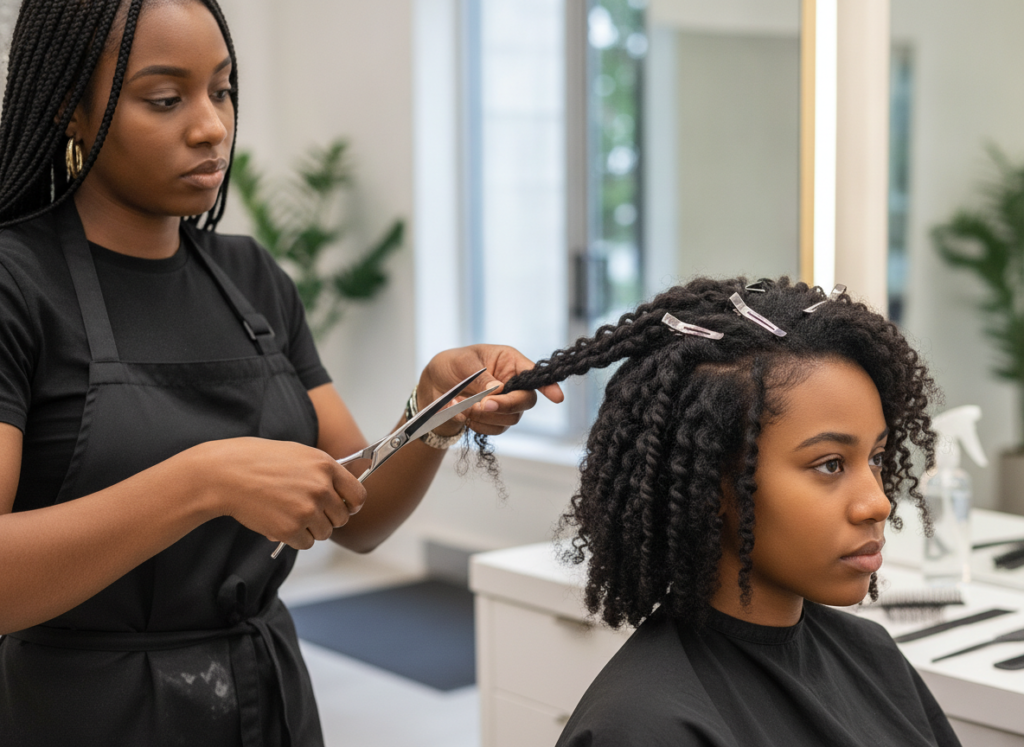
- Trim when ends stay tangled despite conditioning.
- Look for repeated splits, knots, and thin see-through ends.
- Use sharp, clean hair shears.
- Ask a trusted professional if you are unsure.
- Avoid trimming large amounts without identifying the cause.
Frequent trimming is not required for everyone. Your routine, damage history, and end condition should guide the timing.
Build a Simple Four-Week Routine
A routine becomes useful when it is easy to repeat. Start with fewer steps and add products only when you know why you need them.
- Week one: Clean the scalp, condition well, and note how the hair feels.
- Week two: Moisturize the ends and use a low-tension style.
- Week three: Check the hairline, scalp comfort, and signs of breakage.
- Week four: Review what worked before changing products.
On non-wash days, refresh only when needed. Too much water, cream, or oil can create buildup. If the hair feels soft and manageable, you may not need another product.
Find an Optional Natural Hair Resource
This is a product-resource link for readers who want to explore another approach to natural hair care. Read the page carefully and choose based on your own needs.
Common Mistakes That Slow Length Retention
Many people search for a miracle product when the real issue is repeated breakage. Small daily habits can have a larger effect than a new bottle.
- Changing products every few days before seeing how they work.
- Applying heavy oil instead of adding water and conditioner.
- Detangling dry hair with force.
- Keeping painful braids or twists installed.
- Brushing the edges tightly each morning.
- Using high heat without protection.
- Ignoring flakes, sores, pain, or sudden shedding.
- Taking a vitamin without checking whether it is needed.
Avoid chasing a faster result by doing more. A calm routine with fewer damaging steps can support better retention over time.
FAQ About How to Grow 4C Hair Fast
Can 4C hair grow faster with oil?
Oil can reduce friction and help some people seal moisture, but it does not guarantee faster follicle growth. Apply a small amount after water or a moisturizing product, and stop if the scalp becomes irritated.
How often should I wash natural hair?
There is no single schedule for every person. Many people wash every one to two weeks, but activity, scalp condition, products, and hair response should guide your routine.
Is high porosity hair damaged?
Not always. High porosity can be natural or related to damage. Hair that loses moisture quickly may need gentle handling, conditioner, careful sealing, and occasional protein based on its response.
Do protective styles make hair grow?
Protective styles do not directly speed up growth. They may help retain length by reducing daily manipulation when they are loose, clean, comfortable, and removed carefully.
When should I see a dermatologist?
Seek professional advice for persistent scalp problems, sudden hair loss, bald patches, severe itching, sores, or suspected nutritional deficiencies. A dermatologist can help identify the cause.

Keep Your Routine Gentle and Consistent
The most reliable answer to How to Grow 4C Hair Fast is to focus on healthy growth and length retention. Clean the scalp, moisturize with purpose, detangle slowly, protect the ends, and avoid styles that cause pain.
Give your routine time. Hair grows in cycles, and visible progress may take weeks or months. If breakage continues or your scalp changes, ask a qualified healthcare professional or dermatologist for guidance.
This article is educational and does not diagnose or treat hair or scalp conditions. Consult a qualified healthcare professional or dermatologist about persistent scalp problems, sudden hair loss, or suspected nutritional deficiencies.

Pinterest Image and Publishing Assets
Image concept: Use a vertical, text-free photograph of a Black woman with moisturized 4C curls or loose twists, surrounded by simple hair-care items such as a spray bottle, conditioner, satin bonnet, and wide-tooth comb. Keep the image natural and warm. Do not place words, labels, or text overlays on the image.
Pin title: How to Grow 4C Hair Fast: Healthy Length-Retention Tips
Pin description: Learn how to grow 4C hair fast with realistic tips for scalp care, moisture, porosity, gentle wash day habits, low-tension protective styles, night protection, balanced nutrition, and less breakage. Save this natural hair routine for your next wash day.