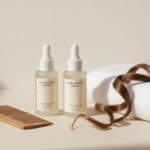
Onion juice for hair growth is a popular home remedy, but it is not a guaranteed cure for thinning hair. Learn how it may support scalp care, how to use onion juice, and when to stop or seek professional help.
Disclosure: Some links in this guide may be affiliate links. That means the publisher may earn a commission at no added cost to you. A product link does not prove that a product treats hair loss.
What Is Onion Juice and Why Do People Use It?
Onion juice is the liquid released when a raw onion is grated, blended, or pressed. People apply it to the scalp because onions contain sulfur compounds and plant antioxidants. These properties have led to interest in onion juice hair routines, especially among people with mild hair thinning or scalp concerns.
The idea is simple: apply a small amount of fresh juice to the scalp, leave it on for a short period, and wash the hair. Yet a simple routine is not the same as a proven treatment. Research on onion juice is limited, and one small study has often been discussed in connection with alopecia areata. That result does not prove that onion juice works for every type of hair loss.
What it may offer
A low-cost scalp care experiment.
Temporary cleansing support when followed by shampoo.
A routine that encourages gentle scalp attention.
What it cannot promise
Guaranteed hair regrowth.
A cure for genetic hair loss.
Reliable results for every scalp or hair type.
How Onion Juice May Support Hair and Scalp Health
Many claims about onion juice focus on blood flow, sulfur, and antimicrobial activity. A gentle scalp massage may increase temporary blood circulation at the skin surface. However, that short-term feeling of warmth does not confirm improved follicle function or lasting hair growth.
Onion juice also has compounds with possible antifungal properties. This may explain why some people use onion juice scalp treatments for dandruff or an oily scalp. Still, onion juice can irritate skin. A product designed for the scalp may be more predictable than raw kitchen ingredients.
Evidence note: Onion juice should be viewed as a complementary hair care practice, not a replacement for diagnosis or evidence-based treatment. Hair loss can have many causes, including genetics, stress, nutrition issues, medication, inflammation, and autoimmune conditions.
Possible Benefits of Onion Juice for Hair Growth
The possible benefits onion juice offers are modest and uncertain. Some users report that their scalp feels fresher or that their hair appears fuller after a period of consistent care. These observations may also result from reduced buildup, better styling, or normal changes in the hair cycle.
Scalp attention: Applying a treatment can encourage a regular wash and care routine.
Light surface cleansing: Fresh juice may help lift some oil before shampooing.
Massage: Gentle rubbing may support a relaxing routine and temporary blood flow.
Interest in roots: The process directs care to the scalp rather than only the hair lengths.
Low cost: The ingredients are easy to find in many kitchens.
These possible benefits do not establish that onion juice causes hair regrowth. If shedding is sudden, severe, patchy, or linked with scalp pain, speak with a dermatologist rather than relying on DIY treatments.
How to Make Onion Juice at Home
Make onion juice in small batches. Fresh juice has no preservative system, so storing it for a long time may increase contamination risk. Use clean tools and discard the mixture if its smell, color, or texture changes.
Choose one firm onion with no soft spots or visible mold.
Peel the onion and rinse it under cool running water.
Grate or blend the onion until it forms a wet pulp.
Place the pulp in a clean fine mesh strainer or cheesecloth.
Press the pulp over a small glass bowl to collect the juice.
Use the juice soon after preparation and clean the tools well.
Do not add lemon juice, essential oil, or undiluted vinegar to make the mixture stronger. Extra ingredients can increase dryness or irritation. If you choose to dilute the juice, use a small amount of clean water and make only what you need for one application.
How to Use Onion Juice on the Scalp
Start with a clean, dry, or slightly damp scalp. Part the hair in several places and apply a thin layer of onion juice scalp treatment with a cotton pad or clean fingertip. Avoid soaking the hair lengths because the odor can linger and the juice may leave the hair feeling dry.
Perform a patch test before the first full application.
Apply a small amount to the scalp, not the eyes or broken skin.
Massage gently for one or two minutes without scratching.
Leave it on for about 10 to 15 minutes at first.
Rinse thoroughly with cool or lukewarm water.
Wash with a mild shampoo and condition the lengths.
People with no reaction may choose to use onion juice once or twice weekly. More frequent use is not automatically better. Stop if the scalp becomes red, sore, swollen, very itchy, or unusually flaky.
Risks, Allergies, and Patch-Test Safety
Raw onion can sting the scalp and may trigger contact irritation or an allergy. Sensitive skin, eczema, psoriasis, open scratches, and recent chemical treatments can increase discomfort. The eyes are especially vulnerable to onion vapors and juice.
For a patch test, place a tiny amount of diluted juice on a small area behind the ear or on the inner arm. Leave it for a short period, rinse it, and observe the area for 24 hours. A patch test cannot predict every reaction, but it is a useful safety step.
Stop immediately if you notice burning, hives, swelling, blistering, breathing trouble, or intense redness. Seek urgent medical care for breathing trouble or swelling of the face, lips, or throat.
Keep onion juice away from the eyes and eyelids.
Do not apply it to a wound or infected skin.
Do not share an unpreserved mixture with another person.
Wash hands after applying the treatment.
Rinse well before sleeping on pillows.
How to Manage the Smell and Protect Healthy Hair
The smell is the most common objection to onion juice hair care. Raw onion odor can remain after one wash, especially on thick or porous hair. A mild shampoo may remove some odor without stripping the scalp.
Use a small amount of juice and apply it only to the scalp. Rinse well, then shampoo the roots and condition the mid-lengths. Avoid adding lemon juice directly to the scalp. Lemon can sting and may increase sun sensitivity for some people.
Helpful habits
Use fresh juice in a small quantity.
Rinse with lukewarm water.
Condition dry hair lengths.
Wash tools after every use.
Habits to avoid
Leaving juice on overnight at first.
Scrubbing the scalp with onion pulp.
Using it on irritated skin.
Mixing many strong ingredients.
Onion Juice, Hair Thinning, and Hair Regrowth Expectations
Hair thinning has many possible causes. Pattern hair loss, temporary shedding after stress, nutritional problems, hormonal changes, traction, scalp inflammation, and alopecia areata may look different and need different treatments. Onion juice cannot identify the cause.
Take baseline photos in the same light and part your hair in the same place. Look for trends over several weeks rather than judging the routine after one use. Hair grows slowly, and normal daily shedding can make short-term changes hard to interpret.
If you have smooth round patches, sudden hair loss, scalp scaling, pain, pus, or eyebrow loss, arrange a medical evaluation. A dermatologist can assess the hair roots and scalp health and discuss suitable treatments.
Set a realistic goal: Treat onion juice as an optional scalp-care experiment. Do not delay professional advice while waiting for hair regrowth.
A Simple Weekly Onion Juice Hair Routine
A low-irritation plan is more useful than an intense treatment. In the first week, patch test and use a small amount once. In the second week, repeat only if the scalp remained comfortable. Keep the rest of the hair care routine gentle.
Routine stage
Action
Safety check
Before use
Prepare fresh juice and separate the hair.
Check for cuts, rash, or active irritation.
First use
Patch test, then apply a thin layer.
Leave on for 10 to 15 minutes.
After use
Rinse, shampoo the scalp, and condition the lengths.
Watch for redness or itching.
Ongoing
Use once or twice weekly only if tolerated.
Stop if symptoms develop.
Do not combine onion juice with several new treatments at once. If a reaction appears, it will be harder to identify the cause. Keep a short record of the date, amount, contact time, and scalp response.
Common Questions About Onion Juice for Hair Growth
Can onion juice help hair growth?
It may support a simple scalp-care routine, but evidence is limited and it does not guarantee hair regrowth. Results may differ by the cause of hair loss.
How often can I use onion juice?
Begin once weekly after a patch test. If the scalp stays calm, some people may use it twice weekly. More use can increase dryness, smell, or irritation.
Can I leave onion juice on overnight?
Overnight use increases contact time and may increase irritation. Start with 10 to 15 minutes, then rinse and shampoo.
Is onion juice safe for dandruff?
It may not address the cause of dandruff and can irritate the scalp. Persistent flakes, redness, or itching deserve professional advice.
Can I use onion juice after coloring my hair?
Wait until the scalp has recovered from coloring or chemical treatments. Do not apply it to tender or irritated skin.
When should I see a dermatologist?
Seek advice for sudden shedding, patchy loss, scalp pain, inflammation, infection signs, or ongoing thinning that concerns you.
Pinterest Image Concepts for This Hair-Care Guide
Use clean, vertical photography with strong contrast and a clear visual subject. Do not add text or text-overlay to the image. Each image should support a nearby section rather than decorate the page without purpose.
Final Takeaway on Onion Juice for Hair Growth
Onion juice may be a low-cost addition to a careful hair care routine, but the evidence is limited. Use onion juice in a small amount, patch test first, avoid irritated skin, and wash it out well. Watch your scalp for changes and keep expectations realistic.
For ongoing hair thinning, patchy loss, or scalp symptoms, professional evaluation is the safer next step. A diagnosis can help match the treatment to the cause instead of relying on one home remedy.
Choose Your Next Hair-Care Step
If you want to compare additional hair-care ideas, review the option that best matches your routine. Always check ingredients, product directions, and suitability for sensitive skin before use.