How to Get Clear Skin: Complete Guide for Radiant Complexion
Clear skin isn’t just about genetics or luck. It’s about understanding your unique skin needs and creating habits that support your complexion from the inside out. Whether you’re dealing with occasional breakouts or persistent skin concerns, this comprehensive guide offers science-backed strategies to help you achieve the clear, radiant skin you deserve.
The journey to clear skin combines proper skincare techniques, lifestyle adjustments, and patience. You’ll discover actionable tips rooted in dermatological research that address the root causes of common skin issues.
Ready to transform your complexion? Let’s explore the essential steps that can help you get clear skin and maintain it for the long term.
Understanding Your Skin Type: The Foundation of Clear Skin
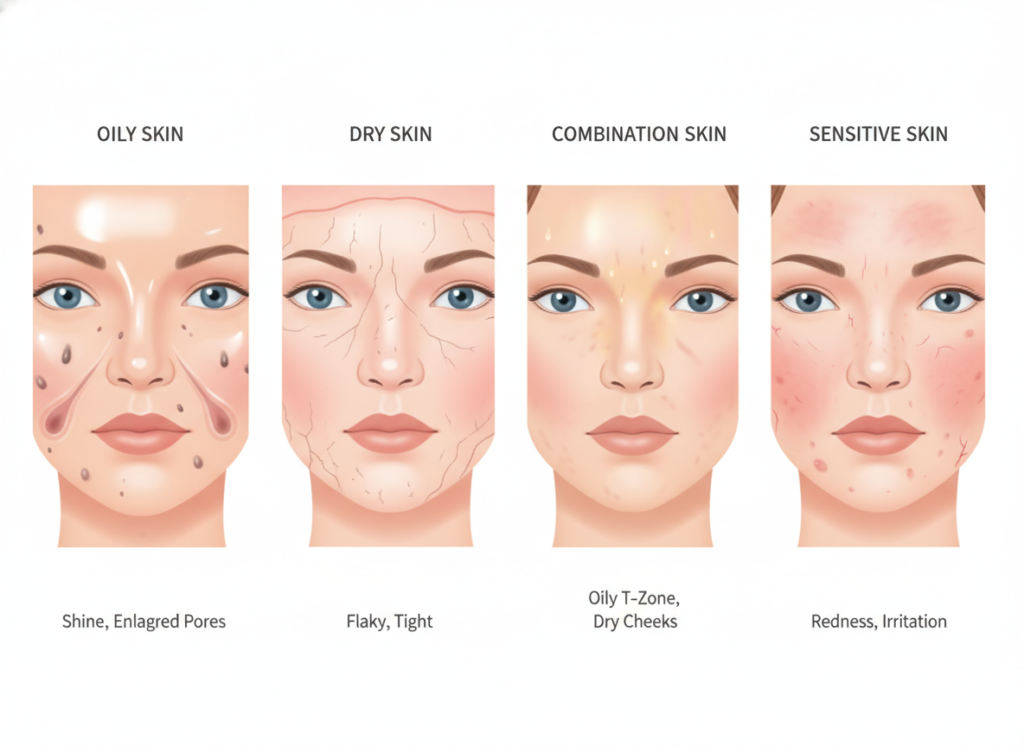
Before you can achieve clear skin, you need to identify your skin type. This knowledge shapes every skincare decision you’ll make moving forward. The American Academy of Dermatology recognizes several primary skin types, each requiring different approaches.
Identifying Oily Skin
Oily skin produces excess sebum throughout the day. You’ll notice a shiny appearance, especially across your forehead, nose, and chin. This skin type often has enlarged pores and is more prone to breakouts.
The advantage? Oily skin typically shows fewer early signs of aging. The natural oils provide built-in moisture that keeps skin supple longer than other types.
Recognizing Dry Skin Characteristics
Dry skin feels tight, especially after cleansing. You might experience flaking, rough patches, or a dull complexion. This type produces less natural oil and struggles to maintain adequate moisture levels.
People with dry skin need gentle, hydrating products. Harsh cleansers can strip away the limited oils your skin produces, making the problem worse.
Combination Skin Challenges
Combination skin shows characteristics of multiple types. Typically, your T-zone (forehead, nose, chin) appears oily while your cheeks remain normal or dry. This mixed nature requires a balanced approach to skincare.
You might need different products for different facial areas. The key is addressing each zone’s specific needs without over-treating or under-treating any part of your face.
Sensitive Skin Considerations
Sensitive skin reacts easily to products, environmental factors, or stress. You may experience redness, burning, stinging, or irritation from ingredients that don’t bother others. This skin type requires extra care in product selection.
The American Academy of Dermatology recommends patch testing new products before applying them to your entire face. This simple step prevents widespread reactions.
Discover Your Complete Skin Analysis
Get personalized recommendations based on your unique skin type and concerns. This comprehensive guide helps you understand exactly what your skin needs to achieve clarity and radiance.
Daily Cleansing Routine: The Cornerstone of Clear Skin
Proper cleansing forms the foundation of every effective skincare routine. The American Academy of Dermatology emphasizes that cleansing removes dirt, oil, and impurities that can clog pores and lead to breakouts. However, the method matters as much as the act itself.
Morning Cleansing Protocol
Your morning routine sets the tone for your skin throughout the day. Start by rinsing your face with lukewarm water. Hot water strips natural oils, while cold water doesn’t effectively remove overnight sebum buildup.
Apply a gentle cleanser appropriate for your skin type. A cream cleanser works well for dry skin, providing moisture without stripping. For oily skin, consider a gel-based formula that controls excess sebum production.
Massage the cleanser into your skin using upward circular motions for 60 seconds. This technique ensures thorough cleansing and promotes circulation. Rinse completely, ensuring no product residue remains.
Evening Cleansing Routine
Evening cleansing requires extra attention because you’re removing a full day’s accumulation of environmental pollutants, makeup, and excess oil. Double cleansing can be beneficial, especially if you wear makeup or sunscreen.
Start with an oil-based cleanser to break down makeup and sunscreen. Follow with your regular water-based cleanser to remove any remaining impurities. This two-step process ensures your skin is truly clean without over-cleansing.
The key is being thorough yet gentle. Aggressive scrubbing damages your skin barrier and can actually worsen breakouts. Let your products do the work while you provide gentle mechanical assistance.
Choosing the Right Cleanser
Cream cleansers suit dry and sensitive skin types. They cleanse without stripping natural oils, leaving skin soft and comfortable. Look for formulas with hydrating ingredients like hyaluronic acid or ceramides.
Gel cleansers work well for oily and combination skin. They remove excess sebum effectively while maintaining skin balance. Formulas containing salicylic acid can provide additional acne-fighting benefits.
Foam cleansers offer a middle ground but can be drying if they contain harsh sulfates. Choose sulfate-free options that clean effectively without stripping your skin’s protective barrier.
Access the Professional Cleansing System
Dermatologists recommend a specific cleansing approach that works for all skin types. This proven system takes the guesswork out of choosing products and techniques for optimal skin clarity.
Exfoliation removes dead skin cells that accumulate on your skin’s surface. These cells can clog pores, leading to breakouts and a dull complexion. Regular exfoliation promotes cell turnover and reveals the fresh, healthy skin beneath.
Chemical Exfoliation Benefits
Chemical exfoliants use acids to dissolve the bonds between dead skin cells. This method is often gentler and more effective than physical scrubs. The most common chemical exfoliants include alpha hydroxy acids (AHAs) and beta hydroxy acids (BHAs).
Glycolic acid, an AHA, works on the skin’s surface to improve texture and tone. It’s particularly effective for addressing sun damage and fine lines. Start with lower concentrations (5-8%) and gradually increase as your skin builds tolerance.
Salicylic acid, a BHA, penetrates into pores to clear out oil and debris. This makes it especially valuable for oily skin and acne-prone complexions. It also helps reduce inflammation and prevent future breakouts.
Physical Exfoliation Techniques
Physical exfoliants use small particles or tools to manually remove dead skin cells. While they can be effective, they require a gentle touch to avoid damaging your skin. Harsh scrubbing can cause micro-tears and irritation.
Choose products with small, round exfoliating particles rather than jagged ones. Natural options like jojoba beads or rice powder provide effective exfoliation without excessive abrasion. Avoid products with harsh ingredients like walnut shells or apricot kernels.
Limit physical exfoliation to 1-2 times per week for most skin types. Sensitive skin may need even less frequent exfoliation. Pay attention to how your skin responds and adjust accordingly.
Exfoliation Frequency Guidelines
Oily skin can typically handle exfoliation 2-3 times per week. This helps control excess sebum and prevents clogged pores. Chemical exfoliants work particularly well for this skin type.
Dry and sensitive skin types should exfoliate more gently and less frequently. Once per week may be sufficient. Focus on gentle chemical exfoliants rather than abrasive physical scrubs.
Combination skin may require different approaches for different facial zones. You might exfoliate your T-zone more frequently than your cheeks. Listen to your skin and adjust your routine as needed.
Get the Safe Exfoliation System
Proper exfoliation transforms your complexion without causing damage. Access the proven method that works for your specific skin type, recommended by skincare professionals worldwide.
Active ingredients are the workhorses of your skincare routine. These scientifically-proven compounds address specific skin concerns at a cellular level. Understanding which ingredients target your particular issues helps you build an effective routine.
Salicylic Acid for Acne-Prone Skin
Salicylic acid penetrates deep into pores to dissolve oil and debris. This BHA is oil-soluble, making it particularly effective for oily skin and acne treatment. It also has anti-inflammatory properties that reduce redness and swelling.
Products containing salicylic acid range from 0.5% to 2% concentration. Start with lower concentrations to assess your skin’s tolerance. You can use salicylic acid products in the morning, evening, or both, depending on your skin’s needs.
The American Academy of Dermatology recognizes salicylic acid as one of the most effective over-the-counter acne treatments. It works by preventing pores from becoming clogged while treating existing breakouts.
Retinoids for Cell Turnover
Retinoids, derivatives of vitamin A, accelerate cell turnover and prevent clogged pores. They’re among the most researched and proven ingredients for both acne and anti-aging benefits. Prescription-strength retinoids are more potent, but over-the-counter retinol can also deliver results.
Start with a low concentration of retinol (0.25% to 0.5%) and use it 2-3 times per week initially. Your skin needs time to build tolerance. Gradually increase frequency as your skin adapts.
Apply retinoids in the evening, as they can increase sun sensitivity. Always pair retinoid use with diligent sun protection during the day. This combination maximizes benefits while minimizing potential irritation.
Hyaluronic Acid for Hydration
Hyaluronic acid is a humectant that attracts and holds moisture in your skin. It can hold up to 1,000 times its weight in water, making it incredibly effective for hydration. Despite the name, it’s gentle and suitable for all skin types.
This ingredient doesn’t just benefit dry skin. Even oily skin needs adequate hydration. When skin lacks moisture, it can overproduce oil to compensate. Hyaluronic acid helps maintain optimal hydration levels without adding oil.
Apply hyaluronic acid to damp skin for best results. The ingredient works by drawing moisture from the environment and deeper skin layers to the surface. Follow with a moisturizer to seal in the hydration.
Niacinamide for Multiple Benefits
Niacinamide, also known as vitamin B3, offers versatile benefits for clear skin. It regulates oil production, reduces inflammation, and improves skin barrier function. This ingredient works well for most skin types and rarely causes irritation.
Research shows niacinamide can reduce the appearance of pores, even out skin tone, and strengthen your skin’s protective barrier. It plays well with other active ingredients, making it easy to incorporate into any routine.
Use products with 5-10% niacinamide concentration for optimal results. You can apply it morning and evening without concern for sun sensitivity. It’s one of the most versatile active ingredients available.
Find Your Perfect Active Ingredient Match
Navigate the world of active ingredients with expert guidance. This comprehensive resource helps you choose and combine the right ingredients for your specific skin concerns and goals.
Sun protection is essential for maintaining clear, healthy skin. UV exposure causes inflammation, hyperpigmentation, and premature aging. It can also worsen acne and interfere with your skin’s healing processes.
Why Daily SPF Matters
The American Academy of Dermatology recommends daily sunscreen use, regardless of weather or season. UV rays penetrate clouds and windows, affecting your skin even when you’re indoors or on overcast days.
Sun damage accumulates over time. Each unprotected exposure contributes to long-term skin concerns including dark spots, uneven tone, and texture issues. Daily sun protection prevents this cumulative damage.
Many active ingredients, including retinoids and acids, increase sun sensitivity. Without proper protection, these treatments can actually harm your skin rather than help it. Sun protection allows you to safely use effective active ingredients.
Choosing the Right Sunscreen
Look for broad-spectrum sunscreen with at least SPF 30. Broad-spectrum protection shields against both UVA rays (which cause aging) and UVB rays (which cause burning). Both types contribute to skin damage and cancer risk.
Chemical sunscreens absorb UV rays and convert them to heat. They typically feel lighter on skin and work well under makeup. Physical (mineral) sunscreens containing zinc oxide or titanium dioxide sit on the skin’s surface and reflect UV rays.
For oily or acne-prone skin, choose oil-free, non-comedogenic formulas. Many modern sunscreens are designed specifically for the face and won’t clog pores or cause breakouts.
Application and Reapplication
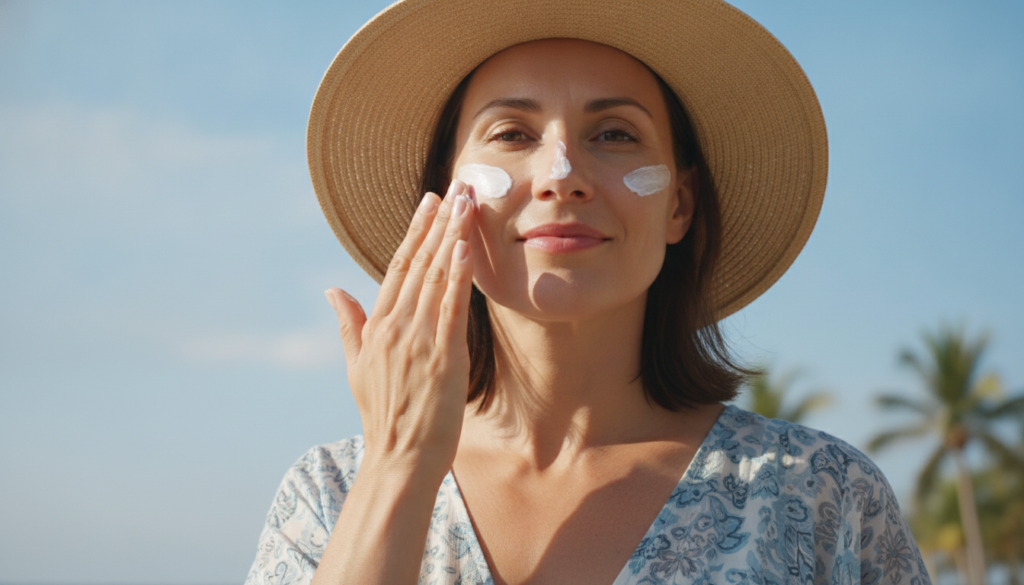
Apply sunscreen as the last step of your morning skincare routine. Use enough to cover your entire face and neck – about a nickel-sized amount. Don’t forget your ears, the back of your neck, and any other exposed areas.
Reapply every two hours if you’re spending extended time outdoors. If you’re sweating or swimming, reapply more frequently. Indoor workers may not need to reapply if they’re not near windows.
Let sunscreen absorb for at least 15 minutes before applying makeup. This ensures proper protection and prevents pilling. Some sunscreens double as primers, simplifying your morning routine.
Diet and Nutrition: Feeding Your Skin From Within
What you eat directly affects your skin’s appearance and health. Certain foods promote clear skin while others can trigger breakouts or inflammation. A balanced diet rich in specific nutrients supports your skin from the inside out.
Foods That Promote Clear Skin
Omega-3 fatty acids reduce inflammation and support skin barrier function. Find them in fatty fish like salmon, sardines, and mackerel. Plant sources include walnuts, flaxseeds, and chia seeds.
Antioxidant-rich foods protect your skin cells from damage. Berries, dark leafy greens, and colorful vegetables provide various antioxidants that support skin health. These nutrients help your skin repair and regenerate.
Probiotic foods support gut health, which increasingly appears connected to skin health. Yogurt, kefir, sauerkraut, and kimchi introduce beneficial bacteria that may reduce inflammation and improve skin appearance.
Foods to Limit for Better Skin
High-glycemic foods can spike blood sugar and trigger insulin release, potentially worsening acne. These include white bread, sugary snacks, and processed foods. Choose complex carbohydrates instead for more stable blood sugar levels.
Dairy products, particularly skim milk, show associations with acne in some research. The connection isn’t fully understood, but some people notice improvements when they reduce dairy consumption. Everyone’s skin responds differently.
Excessive sugar consumption can contribute to inflammation throughout your body, including your skin. It may also interfere with collagen production, affecting skin texture and appearance over time.
Hydration for Healthy Skin
Water supports every cellular function in your body, including those that keep your skin healthy. Adequate hydration helps flush toxins, deliver nutrients to skin cells, and maintain skin plumpness.
Aim for at least eight glasses of water daily, more if you’re active or live in a hot climate. Remember that caffeine and alcohol can be dehydrating. Balance these beverages with extra water intake.
Hydration works best when combined with moisturizers that seal moisture into your skin. Drinking water alone won’t necessarily make your skin more hydrated, but it supports overall skin function and health.
Unlock the Nutrition Plan for Radiant Skin
Discover exactly what to eat for clear, glowing skin. This evidence-based nutrition guide shows you how to support your skin health through strategic dietary choices and supplements.
Your daily habits significantly impact your skin’s health and appearance. Sleep, stress management, and exercise all play crucial roles in achieving and maintaining clear skin. Small lifestyle adjustments can yield substantial improvements.
The Sleep-Skin Connection
During sleep, your skin repairs damage from daily environmental stressors. Growth hormone levels peak during deep sleep, supporting tissue repair and cell regeneration. Insufficient sleep disrupts these processes.
Aim for seven to nine hours of quality sleep nightly. Poor sleep elevates cortisol levels, which can increase inflammation and oil production. This creates an environment where breakouts thrive.
Your sleeping position matters too. Sleeping on your face can transfer bacteria from your pillowcase to your skin. Consider silk or satin pillowcases, which create less friction and harbor fewer bacteria than cotton.
Stress Management for Clear Skin
Stress triggers hormonal changes that increase oil production and inflammation. Many people notice breakouts during high-stress periods. While you can’t eliminate all stress, you can develop better coping mechanisms.
Regular meditation, even just 10 minutes daily, can reduce stress hormones. Deep breathing exercises activate your parasympathetic nervous system, countering stress responses that affect your skin.
Physical activity also reduces stress while promoting circulation. Increased blood flow delivers oxygen and nutrients to your skin cells. Just remember to cleanse your face promptly after sweating.
Exercise Benefits for Skin
Regular exercise improves circulation, helping nourish skin cells and carry away cellular waste. This increased blood flow also helps your skin produce collagen, maintaining firmness and elasticity.
Sweating during exercise helps clear out pores, acting as a natural detoxification process. However, leaving sweat on your skin can clog pores. Cleanse your face as soon as possible after working out.
Exercise reduces stress and improves sleep quality, creating additional indirect benefits for your skin. Aim for at least 30 minutes of moderate activity most days of the week.
Avoiding Common Skin Mistakes
Touching your face transfers bacteria from your hands to your skin. This habit can introduce new breakouts and spread existing bacteria. Train yourself to keep your hands away from your face.
Changing your pillowcase regularly prevents bacteria buildup. Aim for at least once per week, more often if you’re acne-prone. This simple habit can make a noticeable difference.
Sharing makeup brushes or towels spreads bacteria. Keep your tools clean and personal. Wash makeup brushes weekly and use fresh towels for your face.
Join the Complete Clear Skin Program
Transform your skin with a comprehensive program that addresses skincare, nutrition, and lifestyle factors. Get step-by-step guidance from experts who understand the complete picture of skin health.
An effective skincare routine doesn’t need to be complicated. The key is consistency and using the right products in the correct order. Your routine should adapt to your skin’s changing needs throughout seasons and life stages.
Morning Routine Essentials
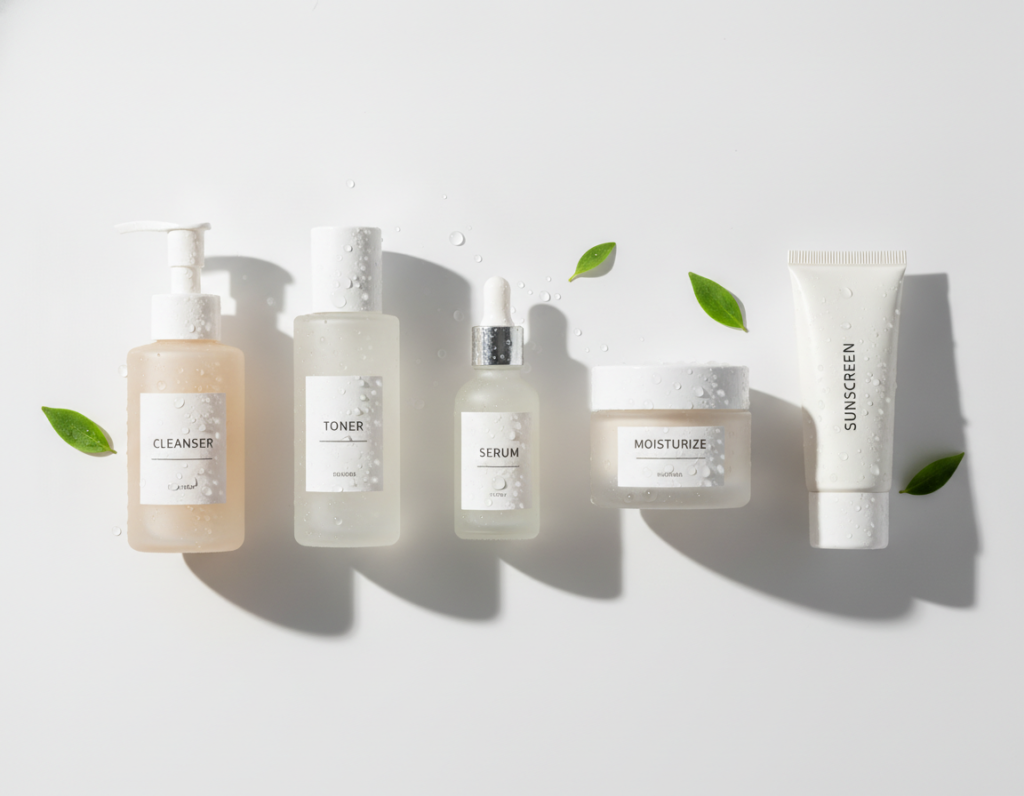
Start your morning with a gentle cleanser to remove overnight oil and prepare your skin for other products. Follow with a toner if it’s part of your routine, though this step is optional for many people.
Apply any treatment serums while your skin is still slightly damp. This helps them absorb more effectively. Common morning treatments include vitamin C serums or niacinamide.
Moisturizer comes next, sealing in the active ingredients and providing hydration. Choose a formula appropriate for your skin type. Finish with sunscreen as your final step before makeup.
Evening Routine Structure
Evening cleansing should be more thorough than morning cleansing. Remove makeup and sunscreen completely before applying your regular cleanser. The double-cleanse method works well here.
This is the ideal time for stronger active ingredients like retinoids or chemical exfoliants. Your skin repairs itself during sleep, making evening the perfect time for treatment products.
Follow active ingredients with a nourishing night cream or sleeping mask. Evening products can be richer than daytime formulas since you don’t need to worry about sun protection or makeup compatibility.
Weekly Treatments
Face masks provide concentrated treatment for specific concerns. Clay masks absorb excess oil and draw out impurities, making them ideal for oily and combination skin types.
Hydrating sheet masks or overnight masks boost moisture levels. These work well for all skin types, especially dry or dehydrated complexions. Use them 1-2 times weekly for best results.
Chemical peels and stronger exfoliating treatments should be used less frequently, perhaps weekly or bi-weekly. These intensive treatments accelerate cell turnover but can irritate if overused.
Adjusting Your Routine
Your skin’s needs change with seasons, stress levels, and hormonal fluctuations. Pay attention to how your skin responds and adjust products accordingly. What works in humid summer may not suit dry winter conditions.
If you’re introducing new active ingredients, add them one at a time. This allows you to identify what works and what doesn’t. Wait at least two weeks before adding another new product.
Less can often be more with skincare. If your routine becomes too complex or you’re using too many active ingredients, you may actually harm your skin barrier. Focus on quality and consistency over quantity.
Addressing Specific Skin Concerns
Different skin concerns require targeted approaches. Understanding the underlying causes helps you choose the most effective treatments. Many concerns can be addressed with proper care and patience.
Acne and Breakouts
Acne occurs when pores become clogged with oil, dead skin cells, and bacteria. Inflammation develops as your immune system responds to this buildup. The American Academy of Dermatology notes that acne affects people of all ages, not just teenagers.
Salicylic acid and benzoyl peroxide are the most effective over-the-counter treatments. Salicylic acid penetrates pores to clear debris, while benzoyl peroxide kills acne-causing bacteria. Use them consistently for best results.
Avoid picking or squeezing pimples, as this can lead to scarring and spread bacteria. If over-the-counter treatments aren’t effective after 6-8 weeks, consult a dermatologist for prescription options.
Hyperpigmentation and Dark Spots
Dark spots result from excess melanin production, often triggered by sun exposure, inflammation, or hormonal changes. Post-inflammatory hyperpigmentation commonly follows acne breakouts.
Ingredients like vitamin C, niacinamide, and alpha arbutin can help fade dark spots over time. These work by inhibiting melanin production or promoting cell turnover to reveal fresh skin.
Sun protection is crucial when treating hyperpigmentation. UV exposure darkens existing spots and creates new ones. Consistent SPF use prevents your treatment progress from being undone.
Texture and Rough Skin
Uneven texture often results from dead skin cell buildup or sun damage. Regular exfoliation helps smooth the skin’s surface by removing these accumulated cells and promoting renewal.
Glycolic acid effectively addresses texture issues by breaking down the bonds between dead skin cells. Start with lower concentrations and gradually increase as your skin builds tolerance.
Retinoids also improve texture by accelerating cell turnover and stimulating collagen production. Over time, consistent use can dramatically smooth and refine your complexion.
Redness and Sensitivity
Persistent redness can indicate sensitivity, rosacea, or barrier damage. Gentle products without fragrance or harsh ingredients help calm reactive skin. Look for soothing ingredients like centella asiatica or green tea extract.
Avoid common irritants including alcohol, fragrance, and harsh physical exfoliants. Your skin barrier needs support to function properly. Barrier-repairing ingredients like ceramides and fatty acids can help.
If redness persists or worsens despite gentle care, consult a dermatologist. Conditions like rosacea require specific treatment approaches beyond basic skincare.
When to Consider Professional Treatments
While home skincare can address many concerns, some situations benefit from professional intervention. Dermatologists offer treatments that go beyond what over-the-counter products can achieve. Knowing when to seek professional help ensures you get results.
Signs You Should See a Dermatologist
Persistent acne that doesn’t respond to over-the-counter treatments after 8-12 weeks warrants professional evaluation. A dermatologist can prescribe stronger topical treatments or oral medications that target acne more effectively.
Sudden changes in your skin, including new growths, changing moles, or unexplained rashes, require professional assessment. These could indicate conditions that need medical attention beyond cosmetic concerns.
Severe or cystic acne should be evaluated promptly to prevent scarring. The American Academy of Dermatology emphasizes early intervention for the best outcomes in acne treatment.
Professional Treatment Options
Chemical peels performed by professionals use higher concentrations of acids than home products. These treatments can address stubborn hyperpigmentation, texture issues, and acne scarring more aggressively than daily skincare.
Laser treatments target specific concerns like broken capillaries, deep hyperpigmentation, or acne scars. Different laser types address different issues, and a dermatologist can recommend the most appropriate option.
Microneedling stimulates collagen production and can improve acne scars, texture, and overall skin quality. Professional treatments penetrate deeper than at-home devices, yielding more dramatic results.
Prescription Skincare
Prescription retinoids like tretinoin are significantly more potent than over-the-counter retinol. They provide faster, more dramatic results for acne, texture, and anti-aging concerns. A dermatologist can determine the right strength for your skin.
Prescription antibiotics, either topical or oral, may be necessary for inflammatory acne. These work by reducing acne-causing bacteria and decreasing inflammation.
Hormonal treatments can be effective for women whose acne stems from hormonal imbalances. Birth control pills or spironolactone may be recommended in certain cases.
Maintaining Your Results Long-Term
Achieving clear skin is one thing; maintaining it requires ongoing commitment. The habits and routines that cleared your skin must continue for lasting results. Think of skincare as a lifestyle rather than a temporary fix.
Consistency Is Key
Your skin responds to consistent care over time, not sporadic intensive treatments. Daily adherence to your routine produces better results than occasional elaborate rituals. Even on busy or tired days, stick to at least a basic routine.
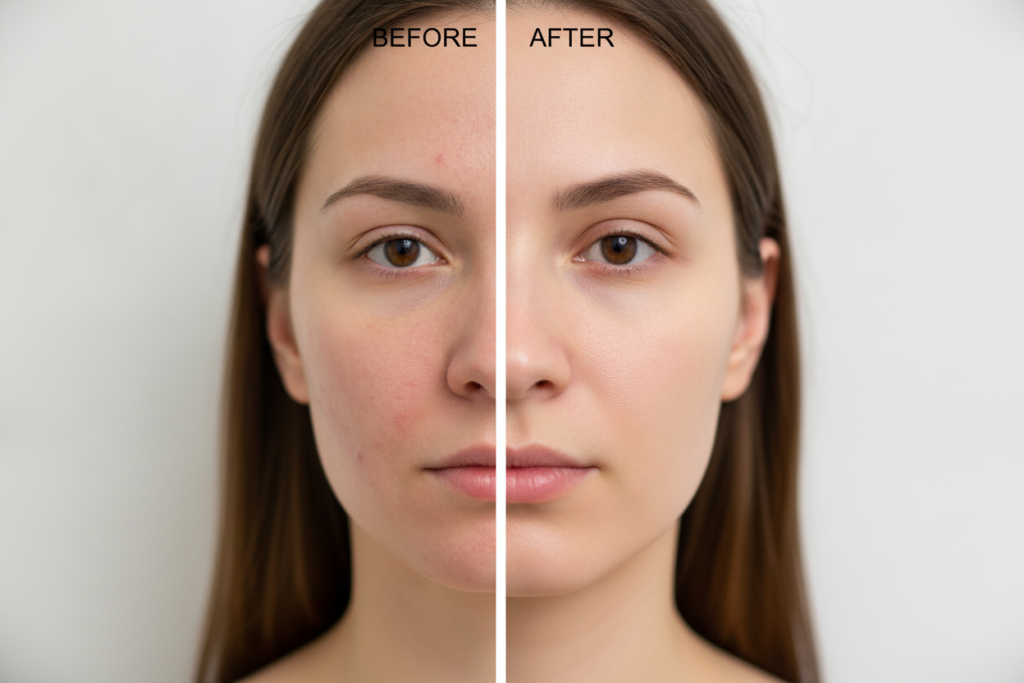
Results from most skincare changes take 4-6 weeks to become visible. Your skin cells turn over approximately every 28 days, so patience is essential. Don’t abandon products too quickly if you don’t see immediate changes.
Keep a skin journal to track products, routines, and results. This helps you identify what works and what doesn’t. Note any breakouts, improvements, or reactions to better understand your skin’s patterns.
Adapting to Changes
Your skin changes throughout your life due to aging, hormones, climate, and other factors. What worked in your twenties may not suit your skin in your forties. Be willing to adjust your routine as your skin’s needs evolve.
Seasonal adjustments often prove necessary. Winter may require richer moisturizers, while summer calls for lighter formulations. Pay attention to your skin’s feedback and modify products accordingly.
Hormonal fluctuations, whether from menstrual cycles, pregnancy, or menopause, affect your skin. You may need different products during these times. Flexibility in your approach prevents frustration.
Preventive Measures
Prevention is easier than correction. Daily sunscreen use prevents the majority of premature aging and many skin concerns. This single habit provides more anti-aging benefit than any other skincare step.
Maintain healthy lifestyle habits even after achieving clear skin. The diet, sleep, and stress management practices that helped clear your skin continue to support it long-term.
Regular dermatology check-ups, even when your skin looks good, help catch potential issues early. Annual skin checks can identify concerns before they become visible problems.
Start Your Clear Skin Journey Today
You’ve learned the essential strategies for achieving clear, radiant skin. Now it’s time to put this knowledge into action with a proven, comprehensive system that addresses all aspects of skin health.
Clear skin is achievable with the right knowledge, products, and commitment. The journey requires patience and consistency, but the results are worth the effort. You now have a comprehensive understanding of the factors that contribute to clear, healthy skin.
Remember that everyone’s skin is unique. What works for others may not work exactly the same way for you. Use this guide as a foundation, but pay attention to your skin’s individual responses and needs.
The path to clear skin combines proper cleansing, effective active ingredients, sun protection, healthy lifestyle habits, and patience. Each element works together to support your skin’s natural healing and renewal processes.
Start with small, manageable changes to your routine. Build habits gradually rather than overhauling everything at once. Sustainable changes create lasting results, while dramatic overnight transformations rarely last.
Your clear skin journey begins today. Take the first step by implementing even one strategy from this guide. Progress happens one day at a time, one good choice at a time. Your skin has remarkable healing abilities when given the right support.