Learning How to Grow Natural Hair is less about finding one miracle product and more about protecting every inch you already grow. A calm scalp, gentle handling, steady moisture, and time can change your routine.
Natural hair may seem slow to grow when the ends break as quickly as the roots add length. This guide explains how to care for the scalp, reduce damage, and build habits that help your hair look fuller and retain more length.
A simple routine can make healthy hair care feel easier to repeat.
What Helps Hair Grow and Retain Length?
Hair grows from small structures called hair follicles. Each follicle follows a growth cycle. The active stage can last for years, while resting and shedding stages are normal parts of the process.
Most people cannot make hair grow several inches overnight. A better goal is to support the body, protect the scalp, and prevent avoidable breakage. When fewer strands snap, new growth becomes easier to notice.
Length retention is the key idea. Your roots may be growing even when your overall length looks unchanged. Split ends, rough detangling, tight styles, and repeated heat can remove that progress.
Keep this in mind: Hair health is measured by more than length. Comfort, strength, fullness, and a balanced scalp matter too.
Growth and retention are different
Growth happens at the follicle. Retention happens along the strand. You cannot fully control the natural growth cycle, but you can improve the way you handle hair from the scalp to the ends.
Start with a gentle routine
If you are comparing hair-care options, look for a routine that supports moisture and careful handling rather than instant promises.
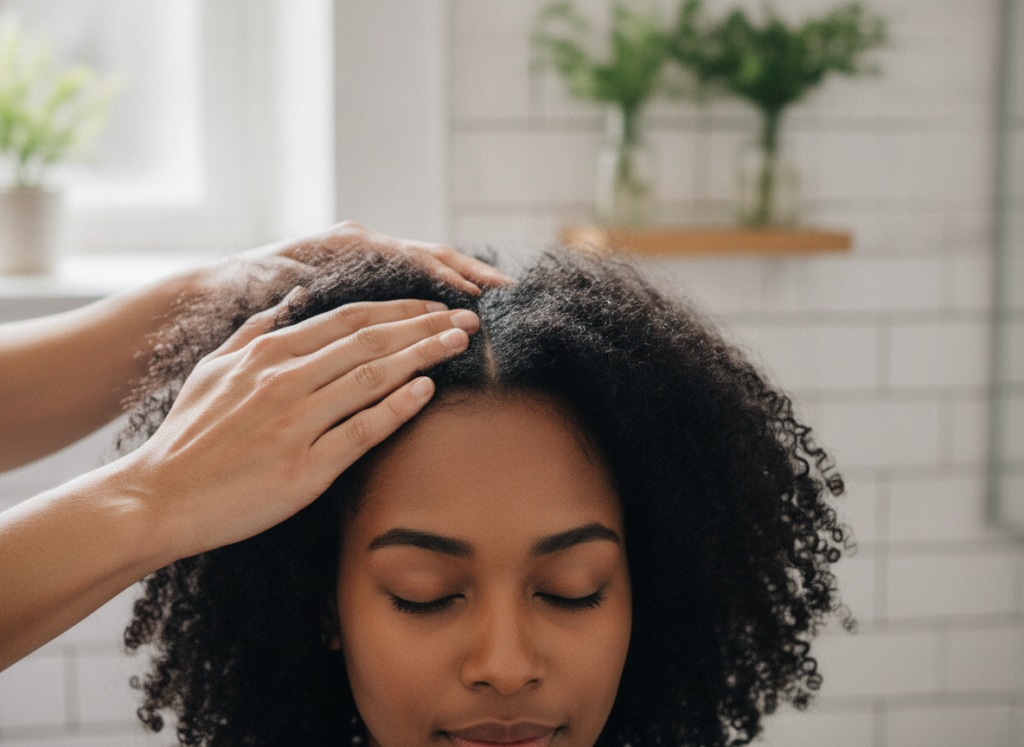
The scalp is the base of your routine. Sweat, product residue, oil, and flakes can collect near the roots. A clean, comfortable scalp gives you a better place to maintain healthy hair.
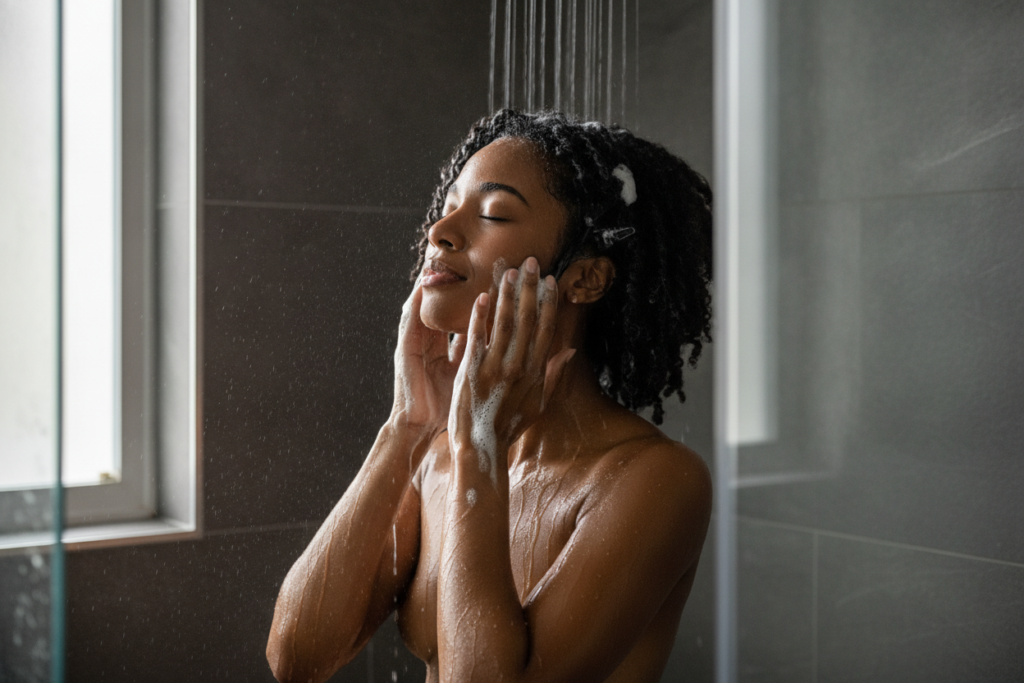
Use your fingertips to massage shampoo into the scalp. Avoid scratching with your nails. A gentle massage may help spread cleanser and loosen buildup without rough friction.
Choose a wash schedule based on your scalp and lifestyle. Someone who exercises often may need more frequent cleansing than someone with a dry scalp. Your goal is comfort, not a fixed number of wash days.
Use fingertips, not nails, when cleansing or massaging the scalp.
Use oil with a clear purpose
Oil can reduce friction and help seal moisture for some people. It does not replace water, conditioner, or a balanced diet. A small amount is often enough, since heavy oil can make the scalp feel coated.
Patch-test new products on a small area. Stop using a product if you notice burning, swelling, severe itching, or a rash. Persistent scalp changes deserve advice from a qualified health professional.
Massage gently for a few minutes during wash day.
Cleanse buildup before adding more oil.
Keep heavy oils away from areas that become irritated.
Track whether a product improves comfort or causes residue.
Cleanse Gently Without Drying the Strands
Shampoo removes sweat, dirt, oil, and styling products. A harsh wash can leave hair feeling rough, but skipping cleansing for too long may create buildup. The best balance depends on your scalp, products, and daily activity.
Before shampoo, separate hair into sections if that makes handling easier. Let water flow through the strands. Apply shampoo mainly to the scalp, then allow the lather to move down the length as you rinse.
Follow with conditioner. Curly and coily hair often benefits from slip because slippery strands are easier to separate. Give extra attention to the ends, where older hair has faced more friction and time.
Sectioning can make wash day more controlled and less stressful.
Make wash day easier
Divide the hair into four to eight loose sections.
Wet each section fully before adding shampoo.
Clean the scalp with small, gentle motions.
Condition before detangling if the product gives enough slip.
Rinse well and dry with low friction.
Do not judge a shampoo only by how much it lathers. A good product should leave the scalp clean without making the hair feel stripped. If your hair feels brittle after every wash, review the cleanser, water temperature, and handling pressure.
Moisturize the Hair and Protect the Ends
Moisture helps strands bend instead of snap. Water-based leave-in products, conditioners, and a gentle sealing step can support a softer feel. Your hair may need a light routine, while another person may need richer products.
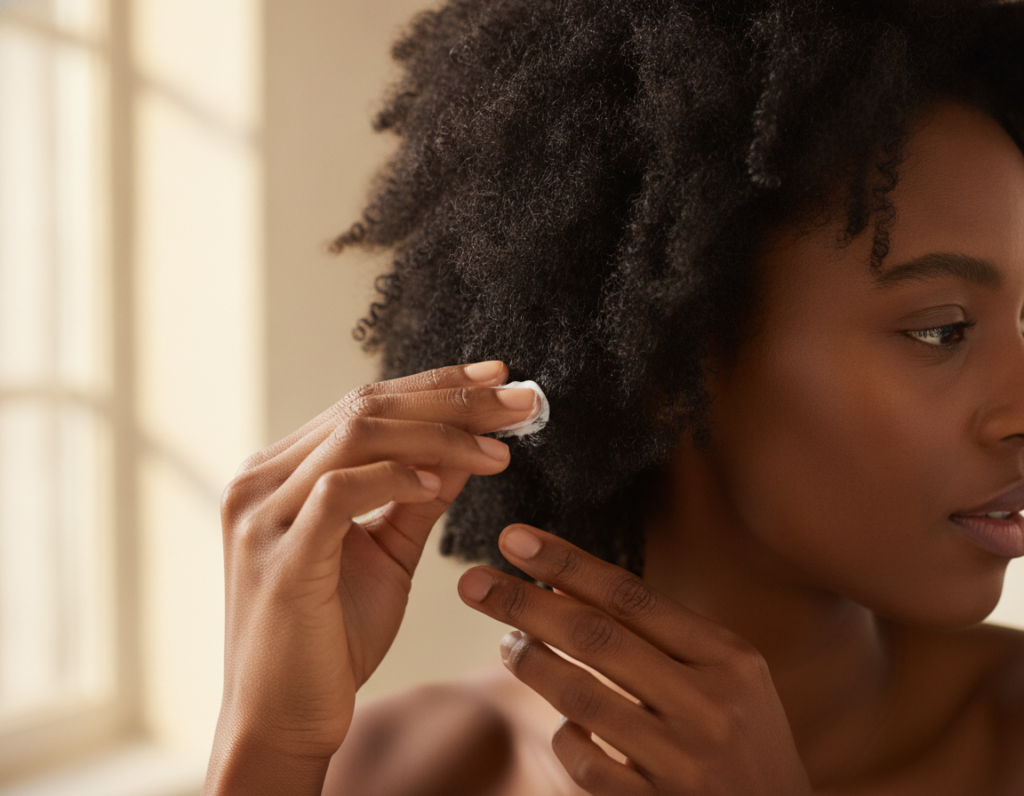
Apply products in small amounts. Start with damp hair, smooth the product through each section, and watch how your strands respond over the next day. Too much product can cause buildup and make hair difficult to cleanse.
The ends need special care because they are the oldest part of the strand. They rub against clothing, pillows, collars, and hands. Keep them tucked away when practical, and trim damaged ends when they continue to split.
Focus product on the length and ends when those areas feel dry.
Try the moisture, oil, and cream method carefully
Some people use water or leave-in conditioner first, followed by a cream and a small amount of oil. This blend can help reduce dryness for certain hair types. It is not a rule for everyone.
Test one change at a time. If the hair feels greasy, dull, or coated, use less product or simplify the routine. Healthy hair does not need a large collection of products.
Find a moisture-focused option
A focused product choice may be useful when dryness makes styling and detangling harder. Review the ingredients and choose what fits your hair needs.
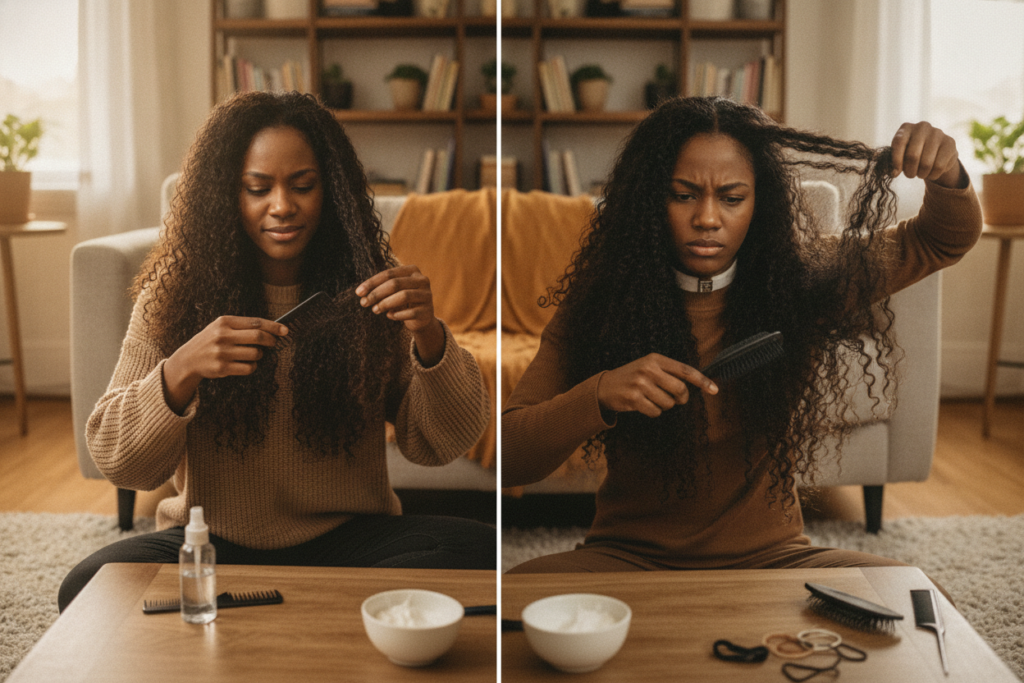
Detangling can be one of the biggest sources of daily damage. Rushing through dry, tangled hair may pull at the roots and snap weak strands. Give yourself enough time to work in sections.
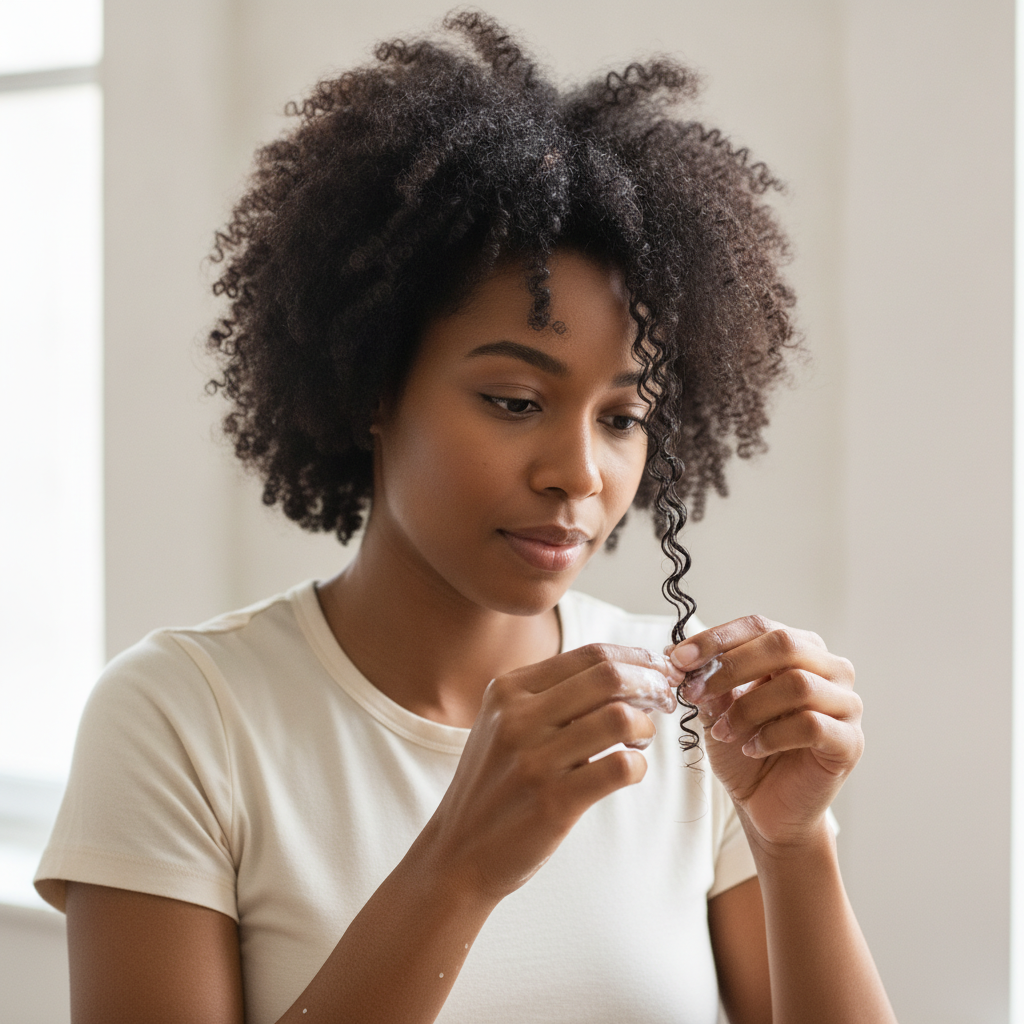
Start at the ends and move upward. Hold the hair above the area you are working on to reduce tension near the scalp. Use fingers first when a knot is large, then use a wide-tooth comb if needed.
Finger detangling can help you feel knots before a comb reaches them.
A low-tension detangling step
Separate hair into manageable sections.
Add conditioner or a suitable detangling product.
Loosen large knots with your fingers.
Work from ends toward the roots.
Rinse or style without rough towel rubbing.
Some people prefer detangling while hair is wet and conditioned. Others prefer slightly damp hair. Choose the method that creates the least snapping for your strands and scalp.
Use Protective Styles Without Creating Tension
Protective styling can reduce daily manipulation and shield the ends. Braids, twists, buns, and tucked styles may support length retention when they are installed and removed gently.
A style should not cause pain, headaches, bumps, or strong pulling around the hairline. Tight styles can weaken follicles over time. Loosen or remove any style that creates discomfort.
A protective style should feel secure, not painful or tight.
Protect the hairline and scalp
Avoid adding heavy extensions to fragile areas. Give the scalp breaks between styles. Keep the hair clean enough for your routine, and moisturize the exposed length when it feels dry.
At night, use a satin or silk accessory if it works for you. A smooth surface can reduce friction compared with rough cotton. Keep scarves and bonnets secure but not tight.
Choose a style that allows comfortable movement.
Keep tension low around the edges.
Limit long wear if the scalp becomes itchy or tender.
Remove extensions slowly instead of pulling through knots.
Reduce Heat, Friction, and Everyday Damage
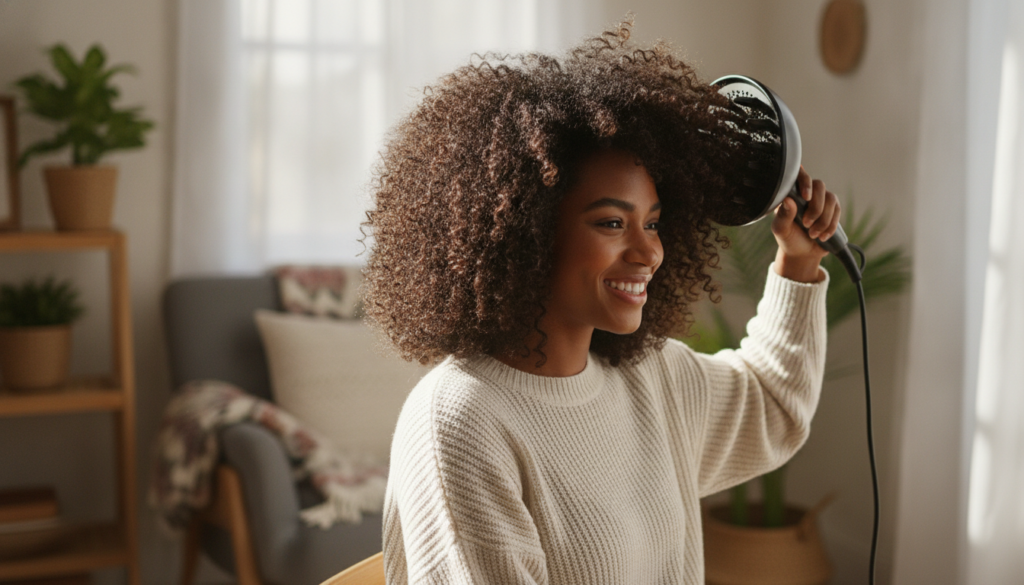
Heat can change the feel and strength of hair when used too often or at high temperatures. If you use a blow dryer, flat iron, or curling tool, use heat protection and the lowest setting that gives a useful result.
Let hair dry fully before sleeping if possible. Avoid repeated brushing over the same area. Handle wet strands with care because they can stretch and break more easily.
Low heat and controlled sections can help reduce avoidable damage.
Watch for signs of breakage
Short pieces on clothing, uneven ends, and many snapped strands may point to breakage. Shedding is different: a shed strand usually has a small white bulb at one end. Both can happen, but a sudden change deserves attention.
Keep a simple note of what you change. If breakage increases after a new product, style, or tool, pause that change and return to gentler habits for a few weeks.
Seek professional advice for sudden hair loss, bald patches, scalp pain, severe flaking, or ongoing thinning. A product cannot diagnose the cause.
Make your routine easier to follow
If you want help comparing routine products, explore an option that fits gentle styling and length retention. Keep your expectations realistic.
Hair is made from protein, so a balanced diet matters. Your body also uses iron, zinc, vitamins, and other nutrients for normal functions that can affect the hair growth cycle.
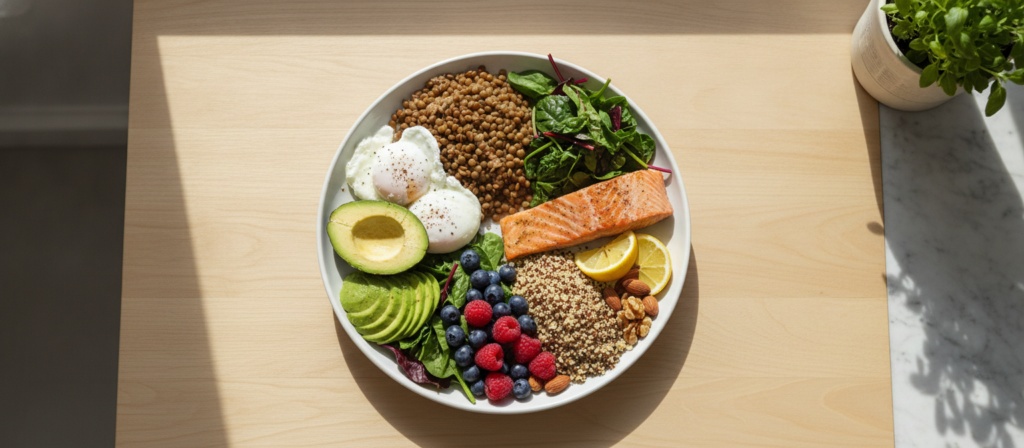
Build meals with protein foods, colorful produce, whole grains, and healthy fats. Foods such as beans, eggs, fish, poultry, lentils, leafy greens, nuts, seeds, and fruit can add useful nutrients to a varied diet.
A varied diet can support the body while hair follows its normal cycle.
Be careful with vitamins and biotin
Biotin and other vitamins are often marketed to people who want hair growth. Supplements may help when a confirmed deficiency exists, but more is not always better. High doses can cause problems and may affect some lab tests.
Iron deserves special care. Low iron can be linked with hair concerns in some people, but taking iron without guidance is not a safe shortcut. Ask a health professional whether testing makes sense before starting a supplement.
Sleep, stress, and hydration also support general health. They do not guarantee faster growth, yet they can help the body function well. Focus on habits you can repeat rather than extreme plans.
Create a Weekly Natural Hair Routine
A routine works best when it is simple enough to repeat. Start with a few core steps: cleanse the scalp, condition the strands, detangle gently, moisturize as needed, and protect the ends.
Use a calendar or note on your phone. Record wash days, styles, products, scalp comfort, and breakage. This makes it easier to see what helps instead of changing everything at once.
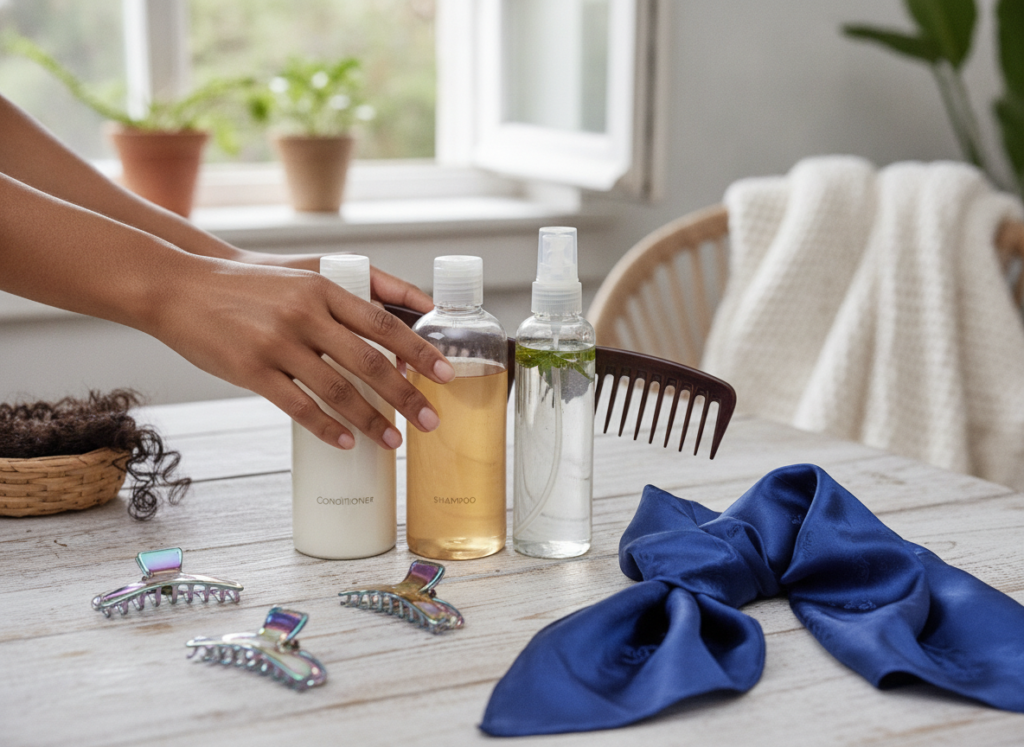
A small set of useful tools is easier to manage than an overloaded shelf.
A practical routine plan
Wash day
Clean the scalp, condition the length, detangle with slip, and dry with low friction.
Section first
Use gentle pressure
Protect the ends
Midweek care
Refresh only when needed. Add a small amount of moisture instead of layering many products.
Check dryness
Reduce handling
Watch the scalp
Night care
Use a comfortable satin or silk covering and choose a loose style that limits rubbing.
Keep tension low
Protect loose ends
Rest the hairline
There is no universal number of wash days. Your scalp, climate, exercise, hair density, and styling choices all matter. Adjust the plan when your hair or scalp gives you useful feedback.
Choose Hair Products by Need, Not Hype
Product labels can make hair care confusing. Start with the problem you want to solve. A gentle shampoo may address buildup. A conditioner may improve slip. A leave-in may support softness. A light oil may reduce friction for some strands.
Do not buy several new products at the same time. If your hair changes, you will not know which product caused the result. Add one product, use it consistently, and observe the hair for a few weeks.
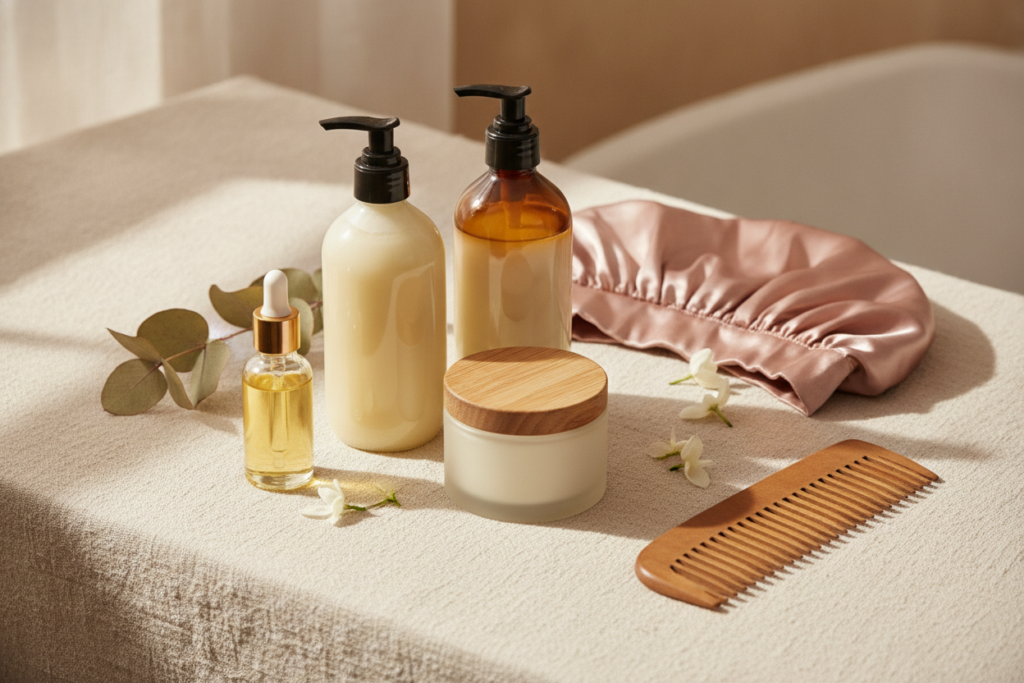
Choose products that solve a clear problem in your current routine.
Questions to ask before buying
Does my scalp need cleansing or soothing?
Does my hair need more slip for detangling?
Are my ends dry, rough, or splitting?
Will this product add another layer of buildup?
Can I use it consistently within my budget?
Remember that products cannot change your genetics or remove every cause of hair loss. Their role is to make care easier, reduce friction, and support the condition of the strands you already have.
Understand the Hair Growth Timeline
Hair grows on its own schedule. The rate can vary between people and may change with age, genetics, health, hormones, medication, and stress. That is why one person may see length quickly while another needs more time.
Take photos every four to eight weeks under similar lighting. Avoid daily checking. Daily comparisons can hide small changes and make a normal growth cycle feel discouraging.
Consistent photos make gradual changes easier to notice.
What progress can look like
Progress may show as fewer broken strands, softer ends, easier detangling, fuller-looking hair, or improved scalp comfort. Length is only one measure. A routine that prevents damage can be working before a dramatic change appears.
Be cautious with claims that promise instant results. The safest approach is steady care, realistic expectations, and professional support when a concern persists.
Give a new routine enough time to evaluate it, unless you experience pain, irritation, or sudden shedding. Consistency matters more than chasing every trend.
Common Mistakes That Can Slow Length Retention
Many people try to make hair grow faster by adding more oil, washing less, or using strong products. These choices may not address the real issue. If breakage is the problem, more stimulation at the roots will not repair damaged ends.
Gentle handling is often more useful than adding another aggressive step.
Helpful habits
Condition before difficult detangling.
Keep tools clean and suitable.
Protect ends from repeated rubbing.
Change one product at a time.
Give tight styles a break.
Habits to rethink
Pulling through dry knots.
Using heat at the highest setting.
Ignoring scalp pain or sores.
Taking vitamins without guidance.
Leaving a tight style in too long.
Do not confuse shedding with breakage
Shedding is part of the normal cycle. Breakage happens when a strand snaps before completing its length. Both may appear in the shower, so look at the strand and notice whether the amount has changed sharply.
If you see bald areas, sudden thinning, pain, or heavy shedding, contact a dermatologist or another qualified professional. Early evaluation can help identify the cause.
How to Grow Natural Hair: Frequently Asked Questions
Can I make hair grow faster?
You may support normal hair growth with balanced nutrition, scalp care, and gentle handling. However, no routine can guarantee that hair will grow faster than your body’s natural pattern. Focus on keeping the length you grow.
Which oil is best for hair growth?
There is no single best oil for every scalp or strand. Oil may reduce friction or help seal moisture, but it does not replace cleansing, conditioner, or medical care. Use a small amount and stop if irritation occurs.
How often should I wash natural hair?
Wash often enough to keep the scalp comfortable and free from excess buildup. The right schedule depends on sweat, products, climate, and dryness. Adjust the plan instead of following a rigid rule.
Do vitamins help hair grow?
Vitamins may help when a deficiency affects hair health. Biotin, iron, zinc, and other nutrients should not be taken in high doses without professional guidance. Food and testing are safer starting points.
How long does it take to see length?
Time varies by person. Compare photos every four to eight weeks, and track breakage as well as length. A slower change can still represent healthy progress.
Take the next simple step
Use the guidance in this article first. If you want to explore an optional hair-care resource, choose one that fits your scalp, styling habits, and budget.
To grow natural hair successfully, think beyond speed. Support the scalp, cleanse with care, moisturize the strands, detangle slowly, protect the ends, and limit tension, heat, and friction.
Eat a varied diet, treat supplements carefully, and give your growth cycle time. The most useful routine is one you can repeat without pain, stress, or constant product switching.
Healthy-looking length comes from steady care and realistic expectations.
Notice what your hair tells you. Softer ends, less breakage, and a comfortable scalp are meaningful signs of progress. If you experience sudden changes or persistent scalp concerns, seek qualified medical advice.