How to Get Clear Skin Naturally: 10 Proven Methods
Your skin is your body’s largest organ. It reflects your overall health and lifestyle choices. Many people struggle with skin issues like acne, uneven tone, and dullness. The good news is that achieving clear skin doesn’t require harsh chemicals or expensive treatments.
Natural methods work with your body’s own healing processes. They address the root causes of skin problems rather than just masking symptoms. This approach takes time but delivers lasting results.
Your journey to clear skin starts with understanding what your skin truly needs. Every skin type responds differently to various care methods. Learning these fundamentals will transform your complexion from the inside out.
Understanding Your Skin Type and Its Unique Needs
Knowing your skin type is the foundation of any effective skincare routine. Your skin type determines which products and methods will work best for you. It also helps you avoid ingredients that might cause irritation or breakouts.
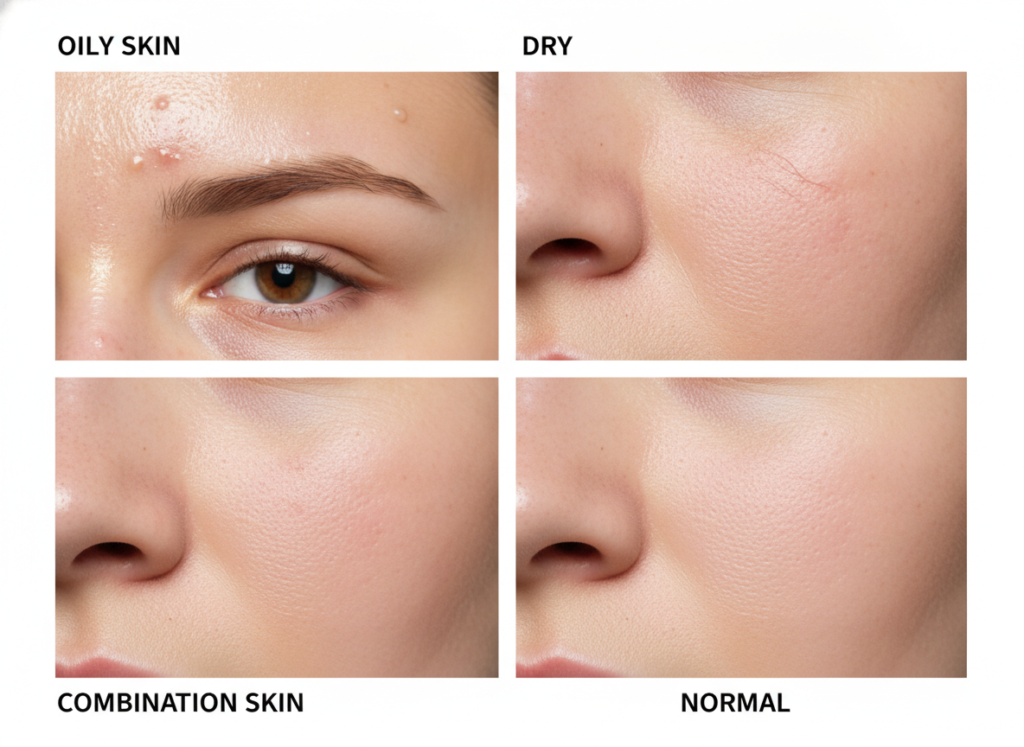
There are five main skin types. Oily skin produces excess sebum and appears shiny throughout the day. Dry skin feels tight and may show flaking. Combination skin has both oily and dry areas. Normal skin maintains good balance with minimal issues. Sensitive skin reacts easily to products and environmental factors.
Identifying Your Skin Type
The bare-face test helps determine your type. Wash your face with a gentle cleanser and pat dry. Wait one hour without applying any products. Then examine your skin in natural light.
Oily skin will show shine across the forehead, nose, and cheeks. Dry skin will feel tight and may look dull. Combination skin shows oil only in the T-zone while cheeks remain dry. Normal skin feels comfortable with no excess oil or tightness.
How Skin Type Affects Your Routine
Each skin type requires different care approaches. Oily skin benefits from lightweight products and regular exfoliation. Dry skin needs rich moisturizers and gentle cleansing. Combination skin requires targeted treatments for different face areas. Sensitive skin demands fragrance-free, minimal-ingredient products.
Your skin type can change with age, climate, and lifestyle factors. Reassess your type every few months. Adjust your routine as needed to maintain skin balance and achieve optimal results.
Oily Skin Characteristics
Oily skin produces excess sebum throughout the day and requires oil-control strategies.
Shiny appearance on face
Enlarged pores
Prone to acne breakouts
Makeup slides off easily
Dry Skin Characteristics
Dry skin lacks sufficient moisture and needs intensive hydration care.
Tight, uncomfortable feeling
Visible flaking or peeling
Rough texture
More visible fine lines
Combination Skin Characteristics
Combination skin shows different types in different zones requiring balanced care.
Oily T-zone area
Dry or normal cheeks
Multiple skin concerns
Requires zone-specific products
Sensitive Skin Characteristics
Sensitive skin reacts easily to triggers and needs gentle, minimal products.
Redness and irritation
Burning or stinging sensation
Reactions to new products
Environmental sensitivity
Building the Perfect Daily Cleansing Routine
Cleansing is the most important step in your skincare routine. It removes dirt, oil, and impurities that accumulate on your face throughout the day. Proper cleansing prevents clogged pores and allows other products to work effectively.
The key is finding the right balance. Over-cleansing strips your skin’s natural oils and triggers more oil production. Under-cleansing leaves pore-clogging residue. Your cleanser should remove impurities without leaving your skin tight or dry.
Morning Cleansing Steps
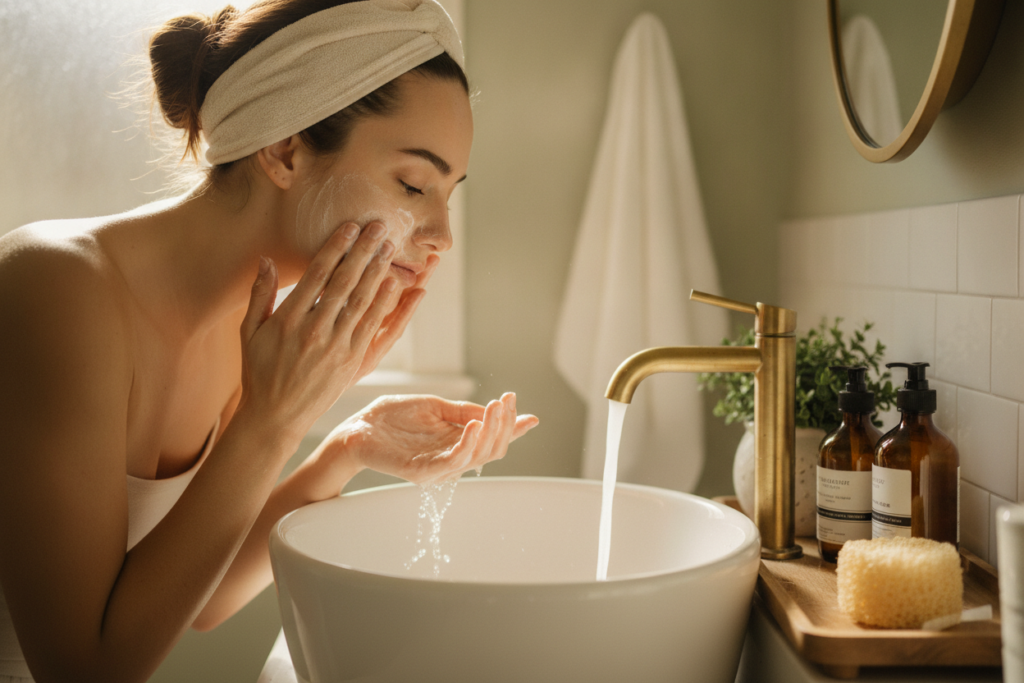
Your morning routine should be gentle. Your face only needs to remove oils produced during sleep. Use lukewarm water to splash your face. Apply a small amount of cleanser to damp skin.
Massage in circular motions for thirty to sixty seconds. Focus on areas where oil accumulates like the nose and forehead. Rinse thoroughly with cool water. Pat your face dry with a clean towel using gentle pressure.
Evening Deep Cleansing
Night cleansing requires more attention. Your face collects makeup, sunscreen, pollution, and sweat during the day. Use the double cleansing method for thorough removal.
Start with an oil-based cleanser to dissolve makeup and sunscreen. Massage it onto dry skin for one minute. Add water to emulsify and rinse. Follow with a water-based cleanser to remove remaining impurities and excess oil.
Transform Your Skin with a Complete Natural Cleansing System
Discover a proven step-by-step program that teaches you exactly how to cleanse, nourish, and protect your skin using gentle, natural methods. Get clear skin faster with expert guidance.
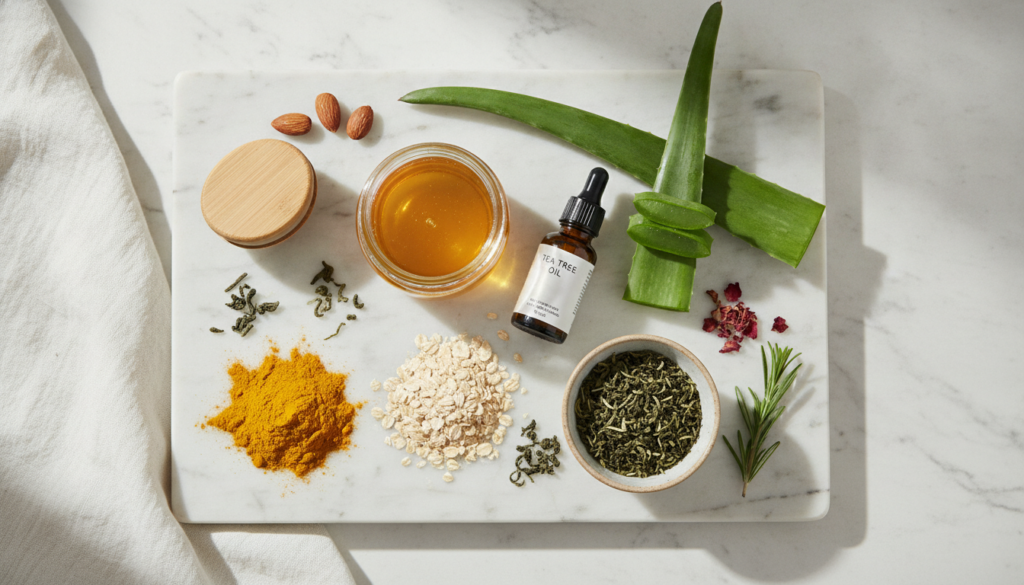
Natural cleansers work gently without harsh sulfates. Honey works as an antibacterial cleanser for all skin types. Oatmeal soothes sensitive skin while gently exfoliating. Aloe vera cleanses without stripping natural moisture.
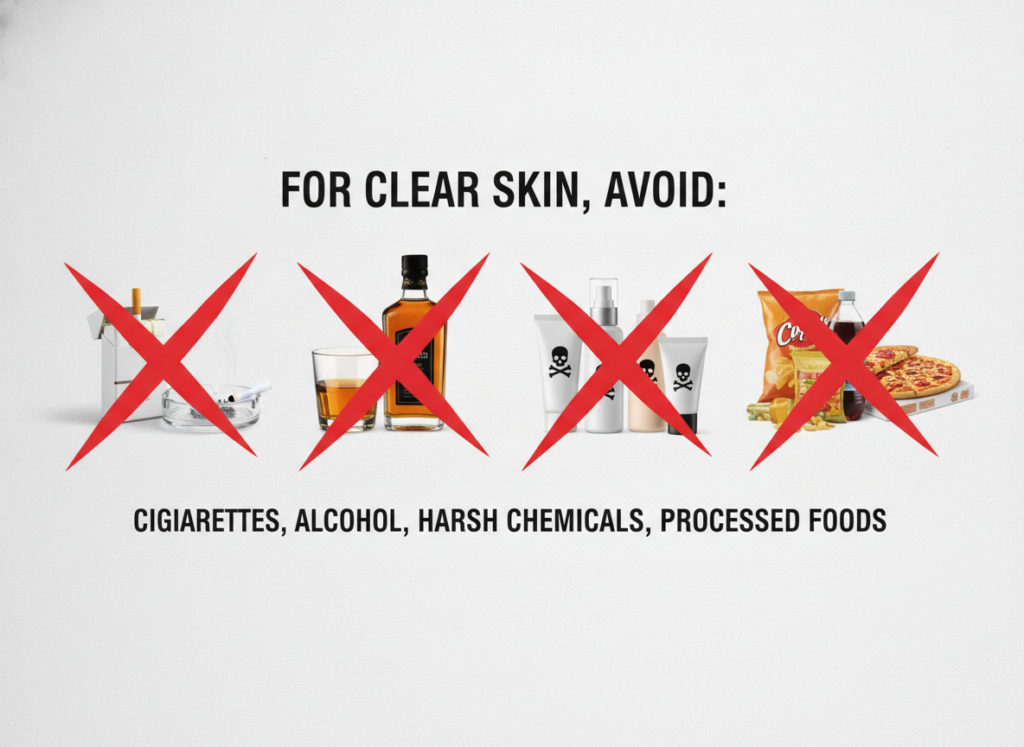
Avoid cleansers with sodium lauryl sulfate or synthetic fragrances. These ingredients irritate skin and disrupt its natural balance. Read ingredient lists carefully before purchasing any care products.
Effective Natural Cleansers
Raw honey for antibacterial properties
Colloidal oatmeal for gentle care
Aloe vera gel for soothing
Coconut oil for oil cleansing
Green tea for antioxidants
Ingredients to Avoid
Sodium lauryl sulfate strips natural oils
Synthetic fragrances cause irritation
Alcohol dries out skin
Parabens disrupt hormone balance
Microbeads harm environment and skin
The Power of Hydration for Clear Skin
Water is essential for maintaining healthy skin cells and clear complexion. Your skin is approximately sixty-four percent water. Proper hydration supports all cellular functions including toxin removal and nutrient delivery.
Dehydrated skin appears dull, shows more wrinkles, and heals slower. It also produces more oil to compensate for lack of moisture. This excess oil can clog pores and lead to breakouts.
Daily Water Requirements
Most adults need eight to ten glasses of water per day. This amount increases with exercise, hot weather, and caffeine consumption. Your body loses water through breathing, sweating, and normal metabolic processes.
Start your day with a glass of water before breakfast. This jumpstarts hydration after hours of sleep. Keep a water bottle with you throughout the day. Set reminders on your phone if you forget to drink regularly.
Signs of Proper Hydration
Well-hydrated skin appears plump and smooth. It bounces back quickly when pinched. Your complexion looks radiant with even tone. Fine lines become less noticeable when skin cells are properly hydrated.
Check your urine color to monitor hydration levels. Pale yellow indicates good hydration. Dark yellow suggests you need more water. Increase your intake gradually throughout the day rather than drinking large amounts at once.
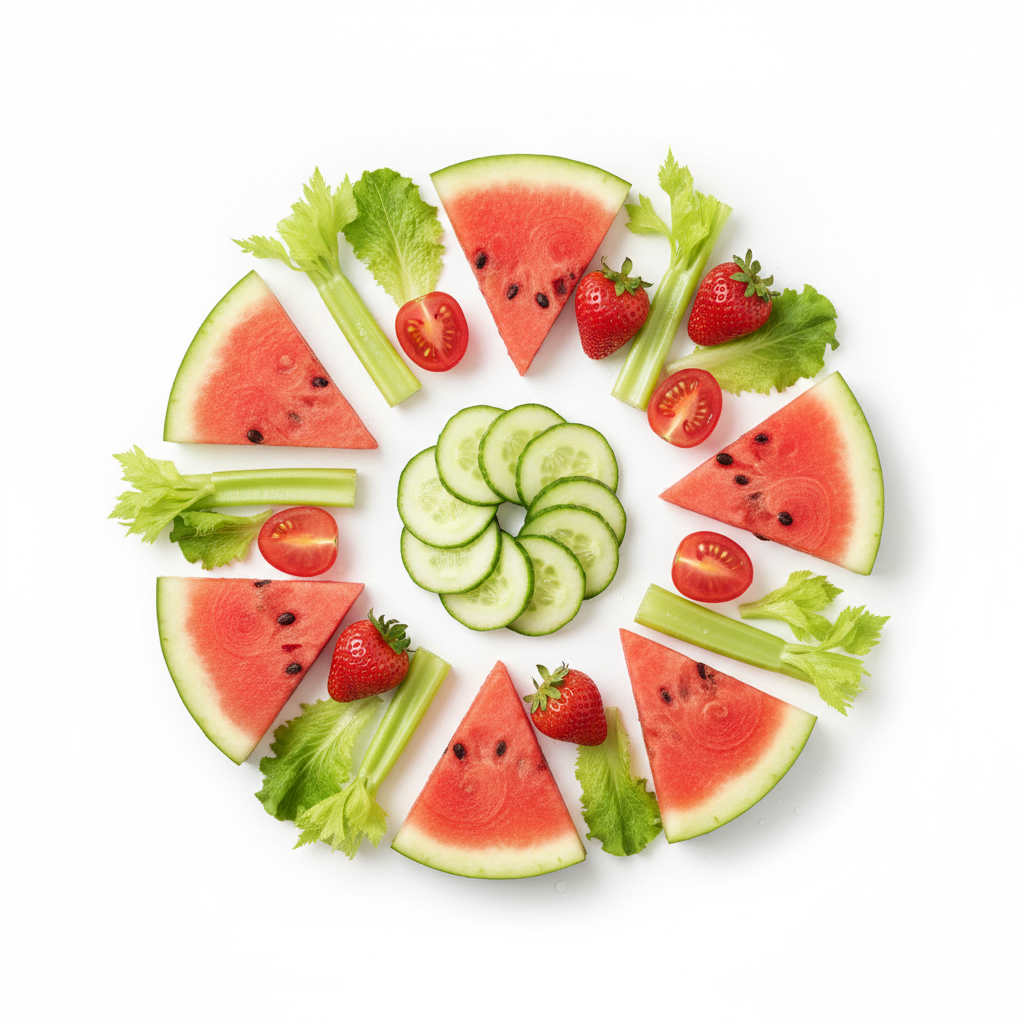
Foods with high water content supplement your fluid intake. Cucumbers contain ninety-six percent water plus silica for skin elasticity. Watermelon provides hydration along with vitamins A and C. Strawberries offer water and antioxidants that protect skin cells.
Celery hydrates while delivering minerals that support skin health. Tomatoes contain lycopene that protects against sun damage. Lettuce varieties add water and fiber to your diet. Include these foods daily to maintain optimal skin hydration from within.
Hydration-Boosting Habits
Drink water immediately upon waking
Have a glass before each meal
Set hourly hydration reminders
Eat water-rich fruits and vegetables
Limit dehydrating caffeine and alcohol
Track daily water intake
Eating Your Way to Clear Skin: The Best Foods for Healthy Complexion
Your diet directly impacts your skin’s appearance and health. The nutrients you consume become the building blocks for new skin cells. Poor nutrition leads to inflammation, breakouts, and premature aging.
A clear skin diet emphasizes whole foods rich in vitamins, minerals, and antioxidants. These nutrients fight free radicals, reduce inflammation, and support collagen production. They also help balance hormones that affect oil production and acne.
Essential Nutrients for Skin Health
Vitamin A promotes cell turnover and prevents clogged pores. Find it in sweet potatoes, carrots, and leafy greens. Vitamin C supports collagen production and brightens skin tone. Citrus fruits, bell peppers, and strawberries provide abundant vitamin C.
Vitamin E protects against oxidative damage and supports skin repair. Nuts, seeds, and avocados deliver this powerful antioxidant. Zinc reduces inflammation and regulates oil production. Pumpkin seeds, chickpeas, and lean meats offer good zinc sources.
Omega-3 Fatty Acids
Omega-3 fatty acids reduce inflammation throughout your body. They strengthen skin cell membranes and improve moisture retention. These healthy fats also help regulate oil production and prevent acne.
Fatty fish like salmon and mackerel provide the best omega-3 sources. Walnuts and flaxseeds offer plant-based alternatives. Chia seeds deliver omega-3s plus fiber for digestive health. Aim for two to three servings of omega-3 rich foods per week.
Nourish Your Skin from Within with Essential Nutrients
Get a comprehensive guide to the exact foods, supplements, and nutrition strategies that support clear, glowing skin naturally. Learn how to eat for radiant complexion.
High-glycemic foods spike blood sugar and trigger inflammation. White bread, pastries, and sugary snacks fall into this category. They increase insulin levels which stimulate oil production and worsen acne.
Dairy products may trigger breakouts in some people. Milk contains hormones that affect your skin’s oil glands. Try eliminating dairy for one month to see if your skin improves. Replace it with plant-based alternatives like almond or oat milk.
Processed foods contain additives and preservatives that stress your body. They lack the nutrients needed for healthy skin repair. Focus on whole, unprocessed foods whenever possible for best skin results.
Food Category
Best Choices
Skin Benefits
Serving Frequency
Proteins
Salmon, eggs, lean poultry, legumes
Collagen production, cell repair
Daily
Vegetables
Leafy greens, bell peppers, carrots
Antioxidants, vitamins A and C
Multiple servings daily
Fruits
Berries, citrus, papaya, kiwi
Vitamin C, antioxidants, hydration
2-3 servings daily
Healthy Fats
Avocado, nuts, seeds, olive oil
Moisture retention, anti-inflammatory
Daily in moderation
Whole Grains
Quinoa, brown rice, oats
Fiber, B vitamins, steady energy
2-3 servings daily
Beauty Sleep: How Rest Transforms Your Skin
Sleep is when your body performs most of its repair work. During deep sleep, your skin cells regenerate faster than during waking hours. Growth hormones peak at night and stimulate collagen production.
Lack of quality sleep shows immediately on your face. Dark circles, puffiness, and dull complexion all result from insufficient rest. Chronic sleep deprivation accelerates aging and worsens skin conditions like acne and eczema.
The Skin Repair Cycle During Sleep
Your body enters repair mode about two hours after falling asleep. Blood flow to skin increases, delivering oxygen and nutrients to cells. Damaged cells get repaired and toxins are flushed out through increased circulation.
Collagen production ramps up during deep sleep stages. This protein keeps skin firm and prevents sagging. Melatonin acts as an antioxidant, protecting skin cells from damage. All these processes require seven to nine hours of uninterrupted sleep.
Creating the Perfect Sleep Environment
Your bedroom should promote restful sleep. Keep the temperature between sixty and sixty-seven degrees Fahrenheit. Use blackout curtains to block all light sources. Even small amounts of light disrupt your circadian rhythm.
Invest in a silk or satin pillowcase to reduce friction on your face. Cotton pillowcases absorb moisture and can irritate skin. Change your pillowcase twice per week to prevent bacterial buildup that causes breakouts.
Optimize Your Sleep for Maximum Skin Benefits
Quality sleep is crucial for skin cell regeneration and repair. Support your body’s natural overnight renewal process with the right tools and strategies for deep, restorative rest.
Pre-Sleep Skincare Routine
Your night routine prepares skin for overnight repair. Cleanse thoroughly to remove all makeup, sunscreen, and daily grime. Apply treatments like retinol or vitamin C serum while skin is still slightly damp.
Use a richer moisturizer at night than during the day. Nighttime is ideal for heavier products that might feel greasy during waking hours. Your skin absorbs these deeply while you sleep without interference from sun exposure or makeup application.
Finish dinner at least three hours before bed
Dim lights one hour before sleep time
Avoid screens thirty minutes before bed
Keep bedroom cool and completely dark
Maintain consistent sleep and wake times
Practice relaxation techniques if needed
Use silk pillowcase to protect skin
Managing Stress to Prevent Skin Problems
Stress directly impacts your skin through multiple pathways. When stressed, your body releases cortisol and other hormones. These increase oil production, trigger inflammation, and slow healing processes.
Chronic stress disrupts your skin’s protective barrier. This makes it more vulnerable to irritants and allergens. Stress also reduces blood flow to your skin, depriving cells of oxygen and nutrients they need.
How Stress Affects Different Skin Conditions
Acne worsens significantly during stressful periods. Cortisol triggers sebaceous glands to produce excess oil. This oil combines with dead skin cells to clog pores. Stress also increases inflammation around existing breakouts.
Eczema and psoriasis flare up when stress levels rise. Your immune system becomes overactive under stress. This triggers inflammatory responses that manifest as skin redness, itching, and rashes.
Effective Stress-Reduction Techniques
Regular exercise reduces stress hormones and promotes endorphin release. Aim for thirty minutes of moderate activity most days. Walking, swimming, or yoga all provide excellent stress relief while boosting circulation to your skin.
Meditation and deep breathing calm your nervous system. Just ten minutes daily can lower cortisol levels significantly. Practice mindfulness by focusing on your breath and letting thoughts pass without judgment.
Adequate social connection reduces stress naturally. Spend quality time with friends and family. Share your concerns with trusted people rather than keeping worries bottled up inside.
Stress-Reducing Activities
Regular physical exercise
Meditation and mindfulness practice
Spending time in nature
Creative hobbies and activities
Quality time with loved ones
Adequate sleep and rest
Stress-Inducing Habits
Excessive caffeine consumption
Poor sleep schedule
Constant social media checking
Overcommitting to obligations
Neglecting self-care routines
Isolation from support systems
Mind-Body Connection for Skin Health
Your thoughts and emotions influence physical health including your skin. Negative self-talk and anxiety create stress responses in your body. Practice positive affirmations and self-compassion to reduce this internal stress.
Keep a journal to process emotions and identify stress triggers. Writing helps release anxious thoughts and gain perspective. Track patterns between stressful events and skin flare-ups to understand your unique triggers.
Natural Sun Protection for Long-Term Skin Health
Sun exposure is the leading cause of premature skin aging. Ultraviolet rays damage skin cells and break down collagen. They also trigger dark spots, uneven tone, and increase skin cancer risk.
Protection doesn’t mean avoiding sun completely. Your body needs sunlight for vitamin D production. The goal is smart sun exposure that provides benefits without causing damage.
Understanding UV Radiation
UVA rays penetrate deep into skin and cause aging. They remain constant year-round and pass through clouds and glass. UVB rays affect the surface layer and cause sunburn. Their intensity varies by season and time of day.
Both types damage DNA in skin cells. This damage accumulates over time even if you don’t see immediate effects. Protection from both UVA and UVB rays is essential for maintaining clear, healthy skin.
Natural Sun Protection Strategies
Seek shade during peak sun hours between ten in the morning and four in the afternoon. UV rays are strongest during this window. Plan outdoor activities for early morning or late afternoon when possible.
Wear protective clothing as your first line of defense. Long sleeves, wide-brimmed hats, and sunglasses block harmful rays. Look for clothing with UPF ratings for guaranteed protection level.
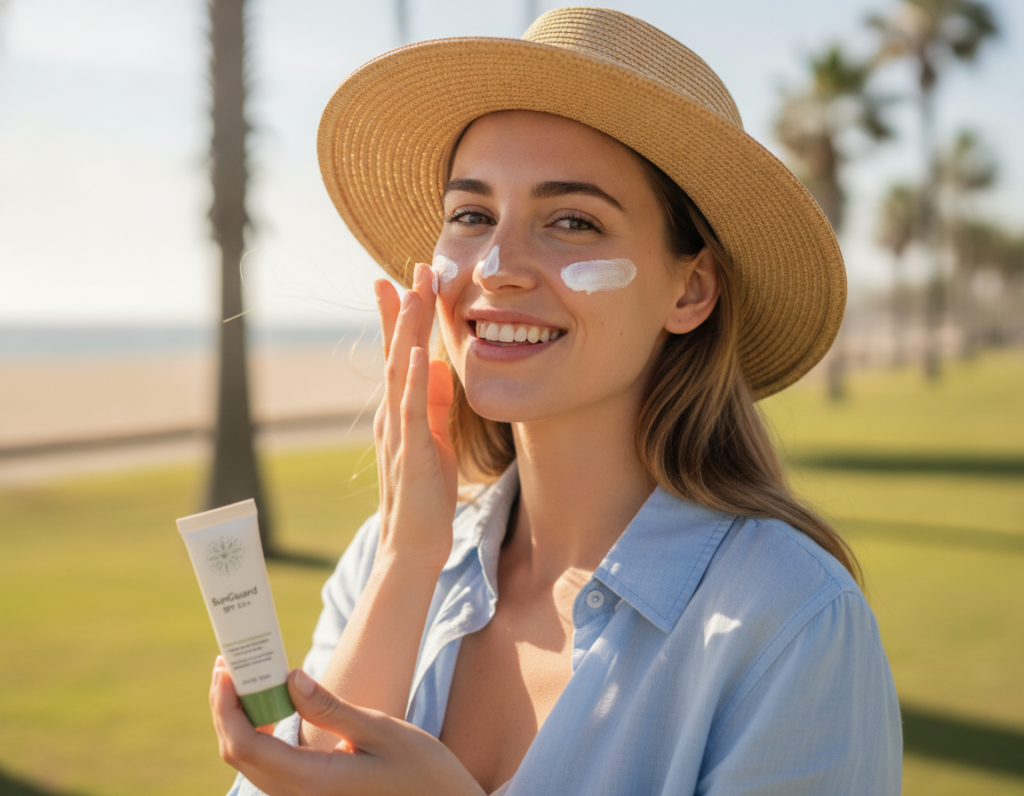
Mineral sunscreens use zinc oxide or titanium dioxide. These ingredients sit on skin’s surface and physically block UV rays. They work immediately upon application and don’t contain hormone-disrupting chemicals.
Apply sunscreen twenty minutes before sun exposure. Use enough to cover all exposed skin generously. Most people apply too little sunscreen to get full protection. Reapply every two hours and after swimming or sweating.
Look for broad-spectrum formulas that protect against both UVA and UVB rays. Choose SPF thirty or higher for daily use. Natural formulas should be free from oxybenzone, octinoxate, and synthetic fragrances.
Sun Protection Quick Tips
Apply sunscreen daily even on cloudy days. UV rays penetrate clouds and cause damage year-round. Make sun protection a non-negotiable part of your morning skincare routine for consistent results.
Powerful Natural Ingredients for Clear Skin
Nature provides powerful ingredients that address various skin concerns. These natural remedies work gently without harsh side effects. They offer antioxidants, antibacterial properties, and nutrients that support skin health.
Understanding how different ingredients work helps you choose the right ones for your skin type and concerns. Natural doesn’t always mean gentle, so proper use is important to avoid irritation.
Antibacterial Natural Ingredients
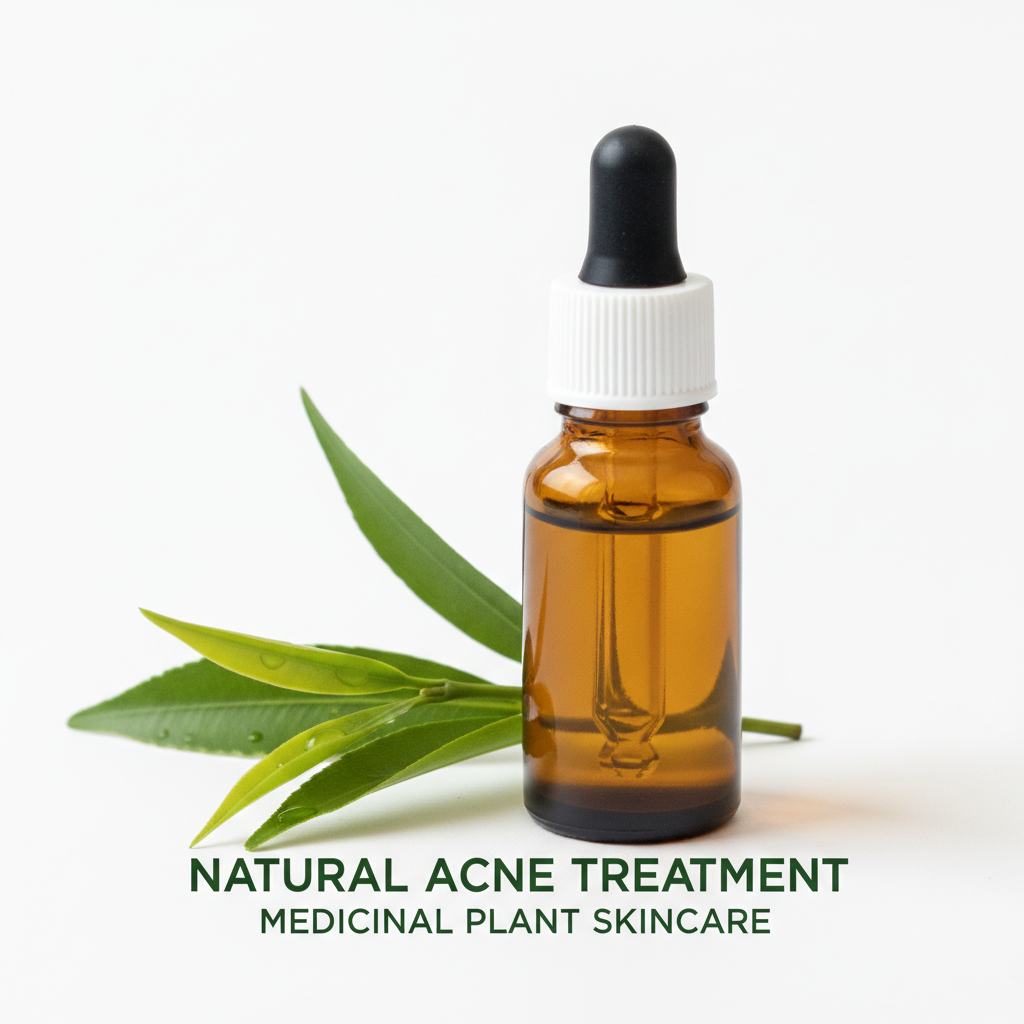
Tea tree oil fights acne-causing bacteria effectively. It has anti-inflammatory properties that reduce redness and swelling. Dilute it with a carrier oil before applying to skin. Never use pure tea tree oil directly on your face.
Honey acts as a natural antibacterial and humectant. It draws moisture into skin while fighting infection. Manuka honey offers the strongest antibacterial properties. Use it as a face mask or spot treatment for blemishes.
Anti-Inflammatory Ingredients
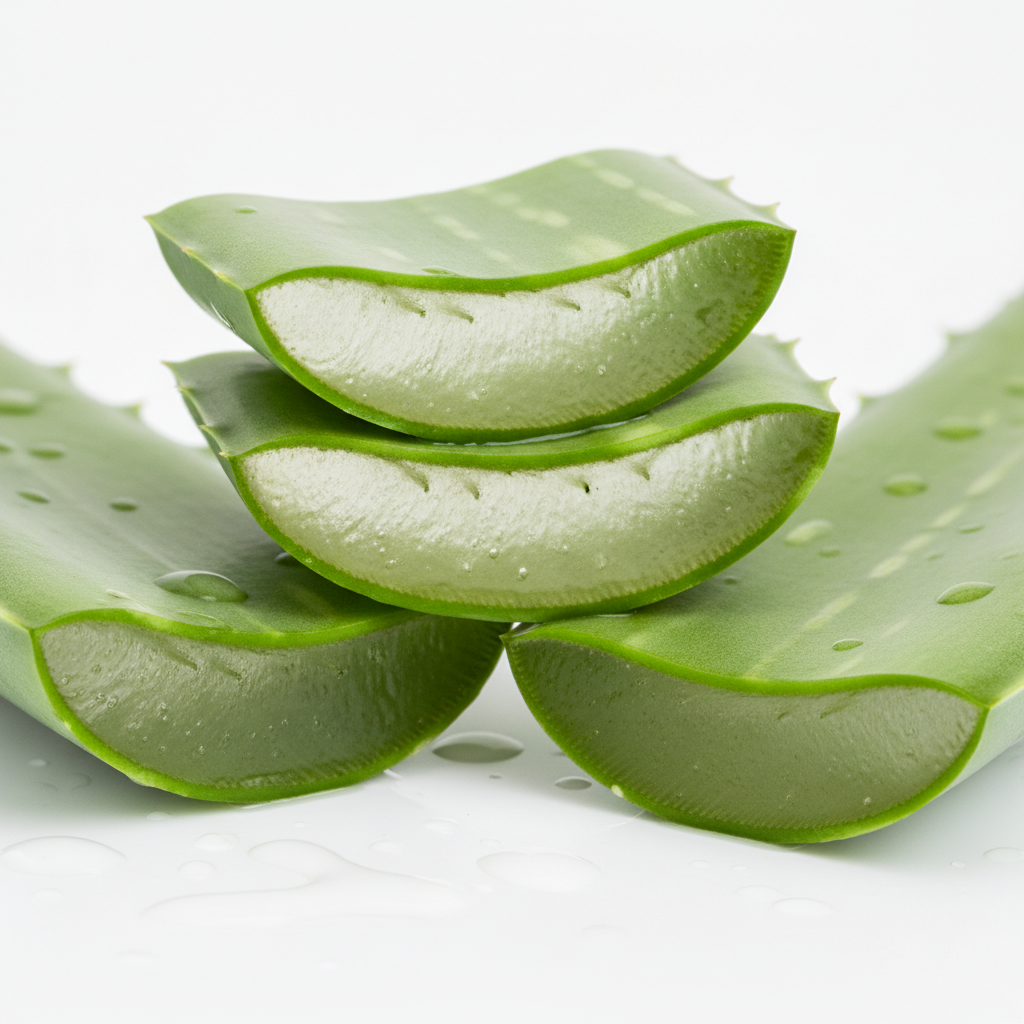
Aloe vera soothes irritated skin and reduces inflammation. It contains vitamins and minerals that promote healing. Apply fresh aloe gel directly from the plant for best results. Store-bought gels should have minimal added ingredients.
Green tea provides powerful antioxidants called catechins. These reduce inflammation and protect against sun damage. Brew strong green tea and use it as a toner. You can also apply cooled tea bags directly to inflamed areas.
Turmeric contains curcumin, a compound with strong anti-inflammatory effects. It brightens skin tone and reduces acne scarring. Mix turmeric powder with honey or yogurt for a healing face mask. Be aware it may temporarily stain lighter skin tones.
Tea Tree Oil Treatment
Powerful antibacterial properties fight acne-causing bacteria and reduce inflammation for clearer skin naturally.
Dilute before application
Spot treat blemishes
Use two to three times weekly
Aloe Vera Gel
Soothes irritation, provides deep hydration, and promotes healing with vitamins and minerals for balanced skin.
Use fresh gel when possible
Apply morning and night
Safe for all skin types
Green Tea Extract
Rich in antioxidants that protect against damage, reduce inflammation, and improve overall skin tone and texture.
Brew and use as toner
Apply cooled tea bags
Drink for internal benefits
Exfoliating Natural Ingredients
Oatmeal provides gentle physical exfoliation while soothing skin. Grind oats into fine powder and mix with water. Use this paste once or twice weekly to remove dead skin cells without irritation.
Lactic acid from yogurt offers chemical exfoliation. It gently dissolves the bonds between dead skin cells. Apply plain yogurt as a mask for ten to fifteen minutes. Rinse thoroughly and moisturize afterward.
Skin-Brightening Ingredients
Vitamin C brightens complexion and fades dark spots. Look for stable forms like ascorbic acid in serums. Apply vitamin C in the morning before sunscreen. It also boosts collagen production for firmer skin.
Licorice root extract reduces hyperpigmentation naturally. It inhibits melanin production without harsh bleaching. This ingredient works slowly but safely to even out skin tone over several weeks of consistent use.
Exercise: Boosting Blood Flow for Radiant Skin
Regular physical activity benefits your skin in multiple ways. Exercise increases blood flow, delivering oxygen and nutrients to skin cells. It also helps flush cellular debris and free radicals from your body.
When you exercise, your blood vessels dilate and circulation improves. This enhanced blood flow nourishes skin cells and carries away waste products. The result is a healthy glow that appears during and after workouts.
How Exercise Improves Skin Health
Sweating during exercise opens pores and releases trapped dirt and oil. This natural cleansing process helps prevent breakouts when followed by proper post-workout care. Sweat also contains antimicrobial peptides that fight acne-causing bacteria.
Physical activity reduces stress hormones like cortisol. Lower stress levels mean less inflammation and fewer stress-related breakouts. Exercise also promotes better sleep quality, giving your skin more time for overnight repair.
Best Types of Exercise for Skin
Cardiovascular exercise provides the biggest circulation boost. Activities like running, cycling, and swimming increase heart rate significantly. Aim for at least thirty minutes of moderate cardio most days of the week.
Yoga combines physical activity with stress reduction. Inverted poses like downward dog increase blood flow to your face. Regular yoga practice reduces cortisol levels and promotes overall balance in your body.
Strength training builds muscle and boosts metabolism. This increased metabolic rate enhances nutrient delivery to skin cells. Include resistance exercises two to three times per week for comprehensive health benefits.
Post-Workout Skin Care
Always cleanse your face immediately after exercising. Sweat mixed with bacteria and oil can clog pores if left on skin. Use a gentle cleanser and lukewarm water to remove impurities without stripping natural moisture.
Shower within thirty minutes of finishing your workout. This prevents sweat from sitting on your body and causing breakouts. Use a mild body wash and avoid extremely hot water that can dry out skin.
Rehydrate both internally and externally after exercise. Drink plenty of water to replace fluids lost through sweat. Apply a lightweight moisturizer to damp skin to lock in hydration. This post-workout routine maximizes exercise benefits for your complexion.
Exercise Frequency for Clear Skin
Consistency matters more than intensity. Moderate exercise five days per week provides better skin benefits than occasional intense workouts. Find activities you enjoy to maintain long-term commitment to regular physical activity.
Identifying and Avoiding Common Skin Irritants
Many everyday products contain ingredients that irritate skin and cause problems. These irritants disrupt your skin’s protective barrier. Once damaged, your skin becomes more vulnerable to bacteria, allergens, and moisture loss.
Identifying your personal triggers takes time and attention. What irritates one person may not affect another. Keep track of products you use and any reactions you experience.
Common Chemical Irritants
Synthetic fragrances rank among the most common skin irritants. They contain dozens of undisclosed chemicals that can trigger reactions. Choose fragrance-free products to minimize irritation risk. Natural essential oils also cause sensitivity in some people.
Sodium lauryl sulfate creates foam in cleansers but strips skin of natural oils. This harsh detergent disrupts your skin’s pH balance. Look for sulfate-free alternatives that clean effectively without damaging your skin barrier.
Alcohol appears in many toners and astringents. It provides a temporary tightening sensation but dries skin significantly. Repeated use leads to increased oil production as skin tries to compensate. Choose alcohol-free formulas that hydrate while toning.
Environmental Irritants
Pollution deposits particles on your skin throughout the day. These particles clog pores and create free radicals that damage cells. Cleanse thoroughly at night to remove all environmental buildup. Consider using an antioxidant serum for extra protection.
Hard water contains minerals that leave residue on skin. This film clogs pores and prevents products from absorbing properly. Install a shower filter to remove minerals. Finish cleansing with filtered or distilled water when possible.
Lifestyle Irritants
Touching your face transfers bacteria from your hands to your skin. This habit also spreads oil and dirt across your complexion. Make conscious effort to keep hands away from your face throughout the day.
Dirty phone screens harbor bacteria that transfer to your face during calls. Clean your phone daily with alcohol wipes. Use speakerphone or headphones when possible to minimize face contact.
Old makeup brushes and sponges accumulate bacteria, oil, and product buildup. This contamination causes breakouts when you apply makeup. Wash brushes weekly with gentle soap. Replace sponges monthly for optimal hygiene.
Irritant-Free Product Checklist
Fragrance-free formulations
No sulfates or harsh detergents
Alcohol-free toners and treatments
Hypoallergenic certified products
Non-comedogenic moisturizers
Mineral-based sunscreens
Natural, simple ingredients
Daily Irritant-Avoidance Habits
Keep hands away from face
Clean phone screen daily
Wash makeup brushes weekly
Use clean towels and pillowcases
Remove makeup before sleep
Patch test new products first
Read all ingredient labels
Building Your Complete Natural Skincare Routine
A consistent skincare routine is essential for maintaining clear skin. Your routine should address your specific skin type and concerns. It should also remain simple enough that you’ll actually follow it daily.
Building an effective routine takes time and experimentation. Start with basic steps and add targeted treatments as needed. Give each new product at least four weeks before judging its effectiveness.
Morning Routine Steps
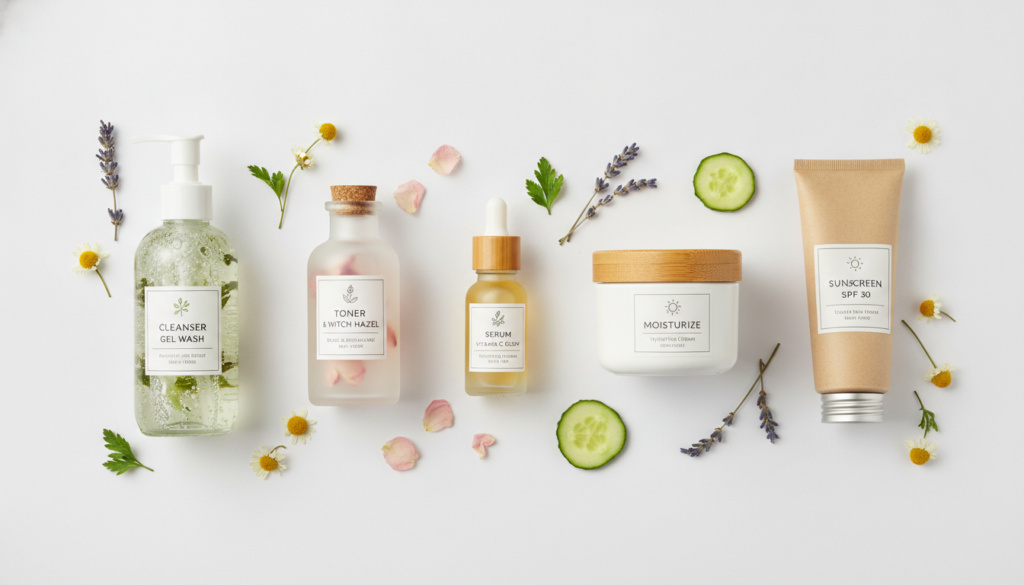
Begin with a gentle cleanser appropriate for your skin type. Oily skin needs gel or foaming cleansers. Dry skin benefits from cream or oil-based formulas. Massage cleanser onto damp skin for one minute then rinse thoroughly.
Apply toner to balance pH and prepare skin for other products. Use a hydrating toner for dry skin or clarifying formula for oily skin. Pat toner into skin with clean hands or a cotton pad.
Serums deliver concentrated active ingredients deep into skin. Vitamin C serum brightens and protects in the morning. Hyaluronic acid provides intense hydration for all skin types. Wait one minute for serum to absorb before the next step.
Moisturize to seal in previous products and hydrate skin. Choose lightweight lotions for oily skin and richer creams for dry skin. Apply while skin is still slightly damp for better absorption.
Finish with broad-spectrum sunscreen of SPF thirty or higher. This step is non-negotiable for preventing sun damage. Reapply every two hours if spending extended time outdoors.
Evening Routine Steps
Double cleanse at night to remove all makeup and daily buildup. Start with oil-based cleanser, then follow with water-based formula. This ensures completely clean skin ready for treatment products.
Exfoliate two to three times per week after cleansing. Choose chemical exfoliants like AHAs or BHAs over harsh scrubs. These dissolve dead skin cells without causing micro-tears in skin.
Apply treatment products for specific concerns. Retinol addresses fine lines and acne. Niacinamide minimizes pores and evens tone. Use treatments on clean, dry skin before moisturizer.
Night cream should be richer than day moisturizer. Your skin loses more moisture at night and can handle heavier formulas. Look for ingredients like ceramides and peptides for overnight repair.
Master Your Perfect Natural Skincare Routine
Get step-by-step guidance on building a customized routine for your skin type. Learn exactly which products to use, when to apply them, and how to combine ingredients for maximum results.
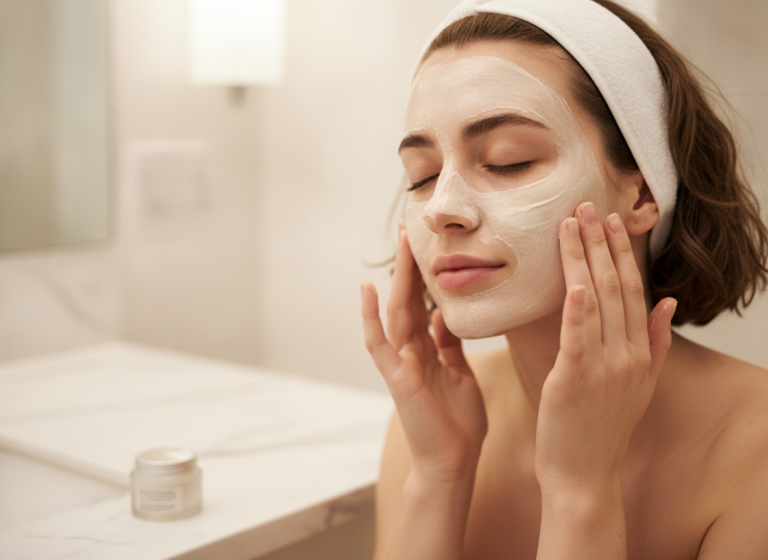
Face masks provide intensive treatment once or twice weekly. Clay masks draw out impurities from oily skin. Hydrating masks replenish moisture in dry skin. Apply after cleansing and leave on for recommended time.
Facial massage improves circulation and lymphatic drainage. Use gentle upward strokes to promote lifting. Spend five minutes massaging face, neck, and jawline. This reduces puffiness and enhances product absorption.
Routine Step
Morning
Evening
Key Purpose
Cleanse
Gentle cleanser
Double cleanse
Remove impurities and oil
Tone
Hydrating toner
Balancing toner
Restore pH balance
Treat
Vitamin C serum
Retinol or active treatment
Target specific concerns
Moisturize
Lightweight lotion
Rich night cream
Hydrate and protect barrier
Protect
SPF 30+ sunscreen
Not needed
Prevent sun damage
Monitoring Your Clear Skin Journey
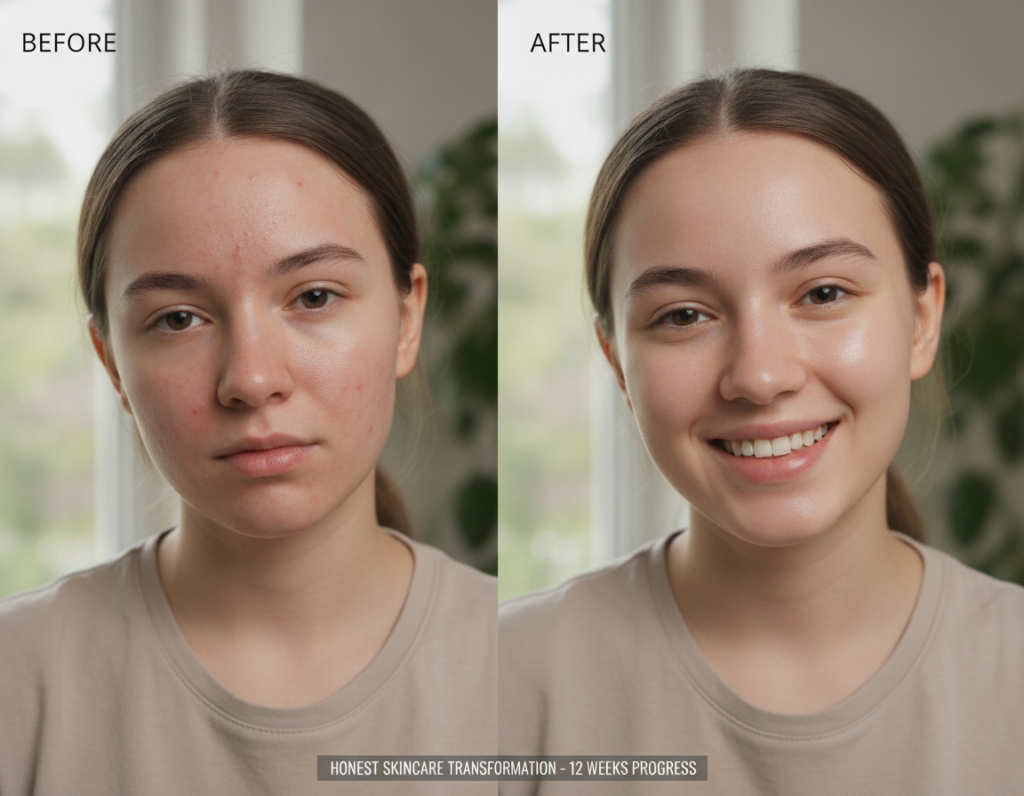
Tracking your progress helps you identify what works for your skin. It also keeps you motivated during the journey to clear skin. Take photos and notes regularly to document changes over time.
Skin improvements happen gradually. You might not notice daily changes, but monthly comparisons reveal significant progress. Consistent documentation shows patterns and helps you adjust your routine effectively.
Creating Your Tracking System
Take photos in the same lighting conditions each week. Natural daylight provides the most accurate representation. Photograph your face from front and both sides without makeup. Store these in a dedicated folder organized by date.
Keep a skin journal to record daily observations. Note any new products you try and their effects. Track breakouts, irritation, or improvements. Record external factors like stress levels, diet changes, and sleep quality.
What to Monitor
Track the frequency and severity of breakouts. Count active blemishes each week. Note their locations and how long they take to heal. This data reveals whether your routine effectively prevents new acne.
Monitor skin texture changes over time. Roughness, bumps, and dry patches should gradually improve. Increased smoothness indicates your routine is working. Changes in texture often appear before visible clearing.
Pay attention to skin tone evenness. Dark spots and redness should fade with consistent care. Take note of any new hyperpigmentation. This helps you identify triggers that cause discoloration.
Adjusting Your Routine Based on Results
Give new products at least four weeks before making judgments. Skin cells turnover approximately every twenty-eight days. You need this full cycle to see accurate results from most treatments.
If you experience persistent irritation, simplify your routine immediately. Remove all new products and return to basic cleansing and moisturizing. Add products back one at a time to identify the culprit.
When progress stalls, reassess your entire routine and lifestyle. Skin adapts to products over time and may need new formulations. Consider whether stress, diet, or other factors have changed recently.
4.7
Average Clear Skin Success Rate
Consistency Impact
4.8/5
Diet Changes Effectiveness
4.4/5
Natural Ingredients Results
4.5/5
Lifestyle Modifications
4.6/5
Long-Term Maintenance
4.7/5
Common Mistakes That Prevent Clear Skin
Many people unknowingly sabotage their clear skin efforts with common mistakes. These errors can negate all your other positive habits. Identifying and correcting them accelerates your progress significantly.
Understanding why certain practices harm your skin helps you avoid them. Some mistakes seem helpful but actually worsen skin problems. Learn what not to do as you work toward clear skin.
Over-Cleansing and Over-Exfoliating
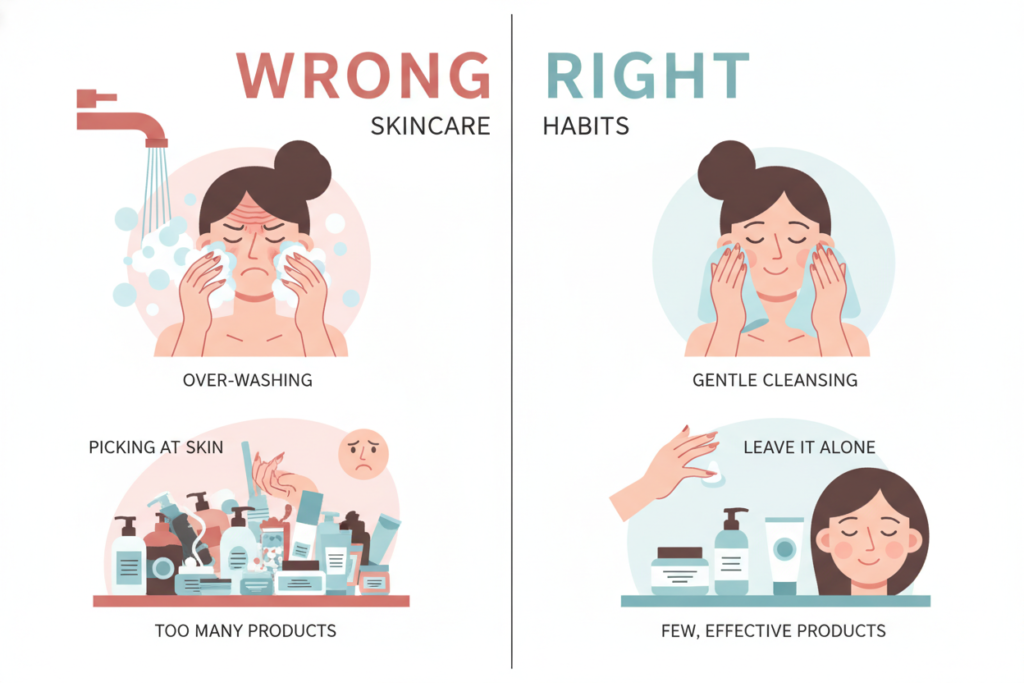
Washing your face too frequently strips natural oils your skin needs. This triggers increased oil production to compensate. Stick to cleansing twice daily unless you have specific reasons for more frequent washing.
Excessive exfoliation damages your skin’s protective barrier. It causes redness, sensitivity, and increased breakouts. Limit exfoliation to two or three times per week maximum. Let your skin recover between sessions.
Using Too Many Products
Layering numerous products overwhelms your skin. Active ingredients can interact negatively when combined improperly. Start with a simple routine of four to five products. Add new items one at a time with proper intervals.
Switching products too frequently prevents you from seeing results. Your skin needs time to adjust to new formulations. Commit to products for at least one month before making changes. Patience is essential for clear skin success.
Picking and Touching Your Face
Picking at blemishes introduces bacteria and causes scarring. It also spreads infection to surrounding areas. Keep your hands away from your face completely. If you must extract a blemish, use proper tools and technique.
Constantly touching your face transfers oil, dirt, and bacteria from your hands. This habit contributes to clogged pores and breakouts. Become aware of face-touching tendencies and consciously stop yourself.
Neglecting Consistency
Inconsistent routines prevent your skin from adapting and improving. Skipping steps or days disrupts progress. Make your skincare routine as automatic as brushing your teeth. Set reminders if needed until it becomes habit.
Ignoring sunscreen undoes all other skincare efforts. UV damage causes most visible skin aging and many pigmentation issues. Never skip sun protection regardless of weather or season.
How long does it take to see clear skin results naturally?
Most people notice improvements within four to six weeks of consistent natural skincare. Significant clearing typically requires two to three months. Your skin’s cell turnover cycle is twenty-eight days, so you need at least one full cycle to see changes. Severe acne or deep scarring may take longer to resolve. Patience and consistency are crucial for natural methods to work effectively.
Can diet really affect my skin’s appearance?
Yes, diet significantly impacts skin health and appearance. Foods high in sugar and processed ingredients trigger inflammation and worsen acne. Nutrient-rich whole foods provide vitamins and minerals skin cells need for repair. Omega-3 fatty acids reduce inflammation throughout your body including your skin. Hydrating foods supplement water intake for better skin moisture. Dairy products may trigger breakouts in sensitive individuals. Track your diet and skin changes to identify personal trigger foods.
Is it necessary to use different products for morning and night?
Different products for morning and evening optimize skin benefits. Morning routines focus on protection from environmental damage with antioxidants and sunscreen. Evening routines emphasize repair with richer moisturizers and active treatments. Some ingredients like retinol break down in sunlight and only work at night. Your skin has different needs during the day versus overnight repair cycle. However, a simple consistent routine works better than an elaborate one you skip frequently.
Are natural skincare methods as effective as prescription treatments?
Natural methods effectively treat mild to moderate skin concerns. They work more gradually than prescription medications but with fewer side effects. Severe acne or certain skin conditions may require medical intervention. Natural approaches excel at prevention and long-term maintenance. Many prescription ingredients were originally derived from natural sources. Combining natural methods with professional guidance when needed provides optimal results. Always consult a dermatologist for persistent or severe skin problems.
Your Clear Skin Journey Starts Today
Achieving clear skin naturally requires commitment to multiple healthy habits. No single product or method creates perfect skin overnight. The combination of proper cleansing, good nutrition, adequate sleep, stress management, and sun protection delivers lasting results.
Your skin reflects your overall health and lifestyle choices. Treat your body well through balanced diet, regular exercise, and sufficient rest. These foundations support clear skin from within. External skincare routines work best when your internal health is optimized.
Start with small, sustainable changes rather than overhauling everything at once. Add one new healthy habit each week. Build your routine gradually until good skin care becomes automatic. Consistency matters more than perfection in your clear skin journey.
Track your progress through photos and journaling. Celebrate small improvements along the way. Clear skin is a journey, not a destination. The habits you build now will serve your complexion for life.
Remember that everyone’s skin is unique. What works for others may not work identically for you. Pay attention to how your skin responds to different methods. Adjust your approach based on your individual results and skin type needs.
Be patient with yourself and your skin. Natural methods take time to show full effects. The results are worth the wait because they address root causes rather than just symptoms. Your commitment to natural clear skin methods will reward you with healthy, radiant complexion that lasts.
“Clear skin is not just about what you put on your face. It’s about what you put in your body, how you manage stress, and the daily habits you maintain. True beauty comes from treating your whole self with care and respect.”