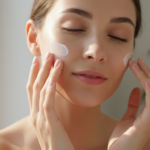
Your skin feels tight after washing. Flakes appear no matter how much moisturizer you apply. You see fine lines that seem more pronounced each morning. These frustrations define life with dry skin.
This Website contains affiliate links. That means I may earn a small commission if you purchase through my links, at no extra cost to you.
The good news is that persistent dryness responds remarkably well to the right approach. This comprehensive guide reveals the exact dry skin care routine that transforms parched, uncomfortable skin into a hydrated, glowing complexion.
You will discover the science behind effective hydration. You will learn which ingredients actually work and which waste your money. Most importantly, you will get a step-by-step routine dry skin needs to stay comfortable and healthy all day long.
Understanding What Causes Dry Skin
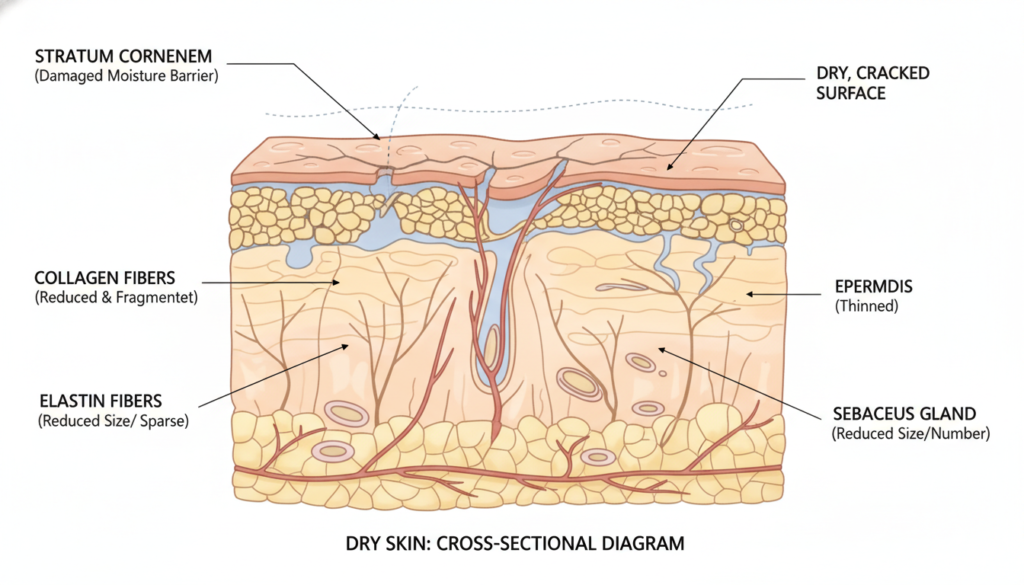
Dry skin develops when your skin barrier cannot retain adequate moisture. This protective barrier consists of skin cells held together by natural oils and lipids. When this barrier weakens, water escapes rapidly from your skin.
Several factors compromise your skin natural moisture retention. Environmental conditions like low humidity and cold weather strip moisture from your face. Hot showers dissolve the oils that help lock moisture into your skin. Harsh cleansers damage the delicate barrier that keeps skin hydrated.
Your skin also produces fewer natural oils as you age. This reduction makes mature skin more prone to dryness. Certain ingredients in skincare products can further dehydrate already dry skin by disrupting the moisture barrier.
Transform Your Dry Skin Starting Today
Discover the scientifically-proven system that repairs your moisture barrier and restores lasting hydration to even the driest skin. Get the complete solution dermatologists recommend.
The Essential Ingredients Your Dry Skin Needs
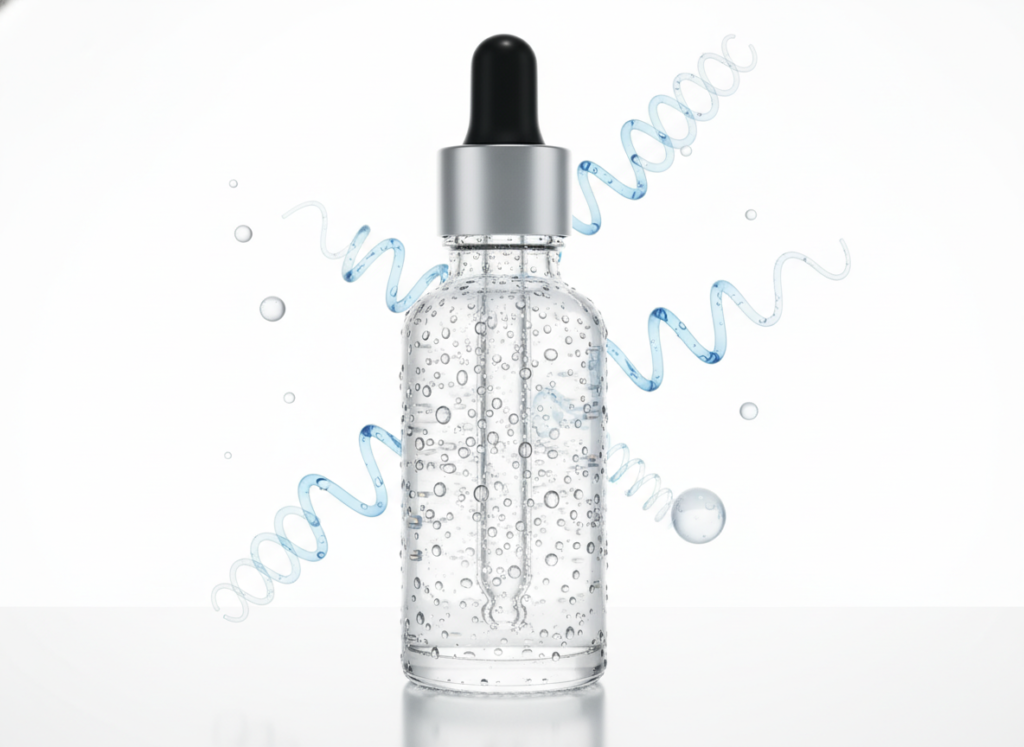
Effective hydration requires specific ingredients that work together to restore and maintain moisture. Understanding these components helps you choose products that actually deliver results for routine dry skin needs.
Hyaluronic Acid: The Moisture Magnet
Hyaluronic acid holds up to 1000 times its weight in water. This powerful humectant draws moisture from the environment into your skin. It plumps skin cells and reduces the appearance of fine lines caused by dehydration.
Products containing hyaluronic acid work best when applied to damp skin. The molecule binds to water on your skin face and pulls it deep into the layers below. This ingredient appears in serums, moisturizers, and cleansers designed for dry skin.
Ceramides: Barrier Repair Specialists
Ceramides are lipids that naturally exist in your skin barrier. They fill the spaces between skin cells like mortar between bricks. When ceramide levels drop, your barrier cannot lock moisture effectively.
Skincare products with ceramides replenish what your skin loses. They strengthen the barrier that prevents water loss. This ingredient is essential for long-term improvement in chronic dry skin conditions.
Glycerin: The Proven Hydrator
Glycerin has been used in skincare for over a century because it works. This humectant attracts moisture to your skin and helps maintain hydration throughout the day. It also supports the skin natural barrier function.
Quality moisturizers list glycerin among their first few ingredients. This placement indicates a concentration high enough to provide meaningful hydration benefits. Glycerin works synergistically with other hydrating ingredients for enhanced results.
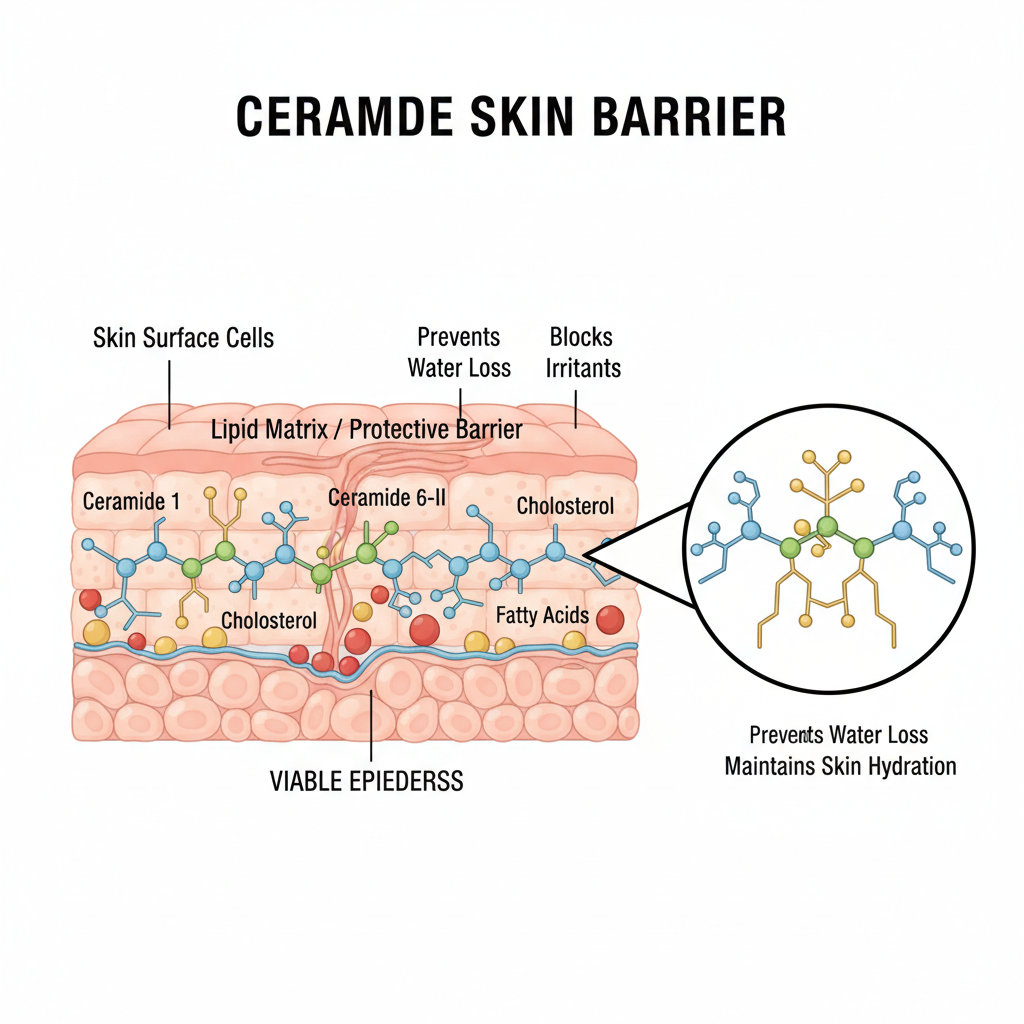
Barrier-Strengthening Ingredients
- Ceramides rebuild protective skin structure
- Fatty acids nourish and seal moisture
- Cholesterol supports barrier lipid balance
- Niacinamide reduces water loss
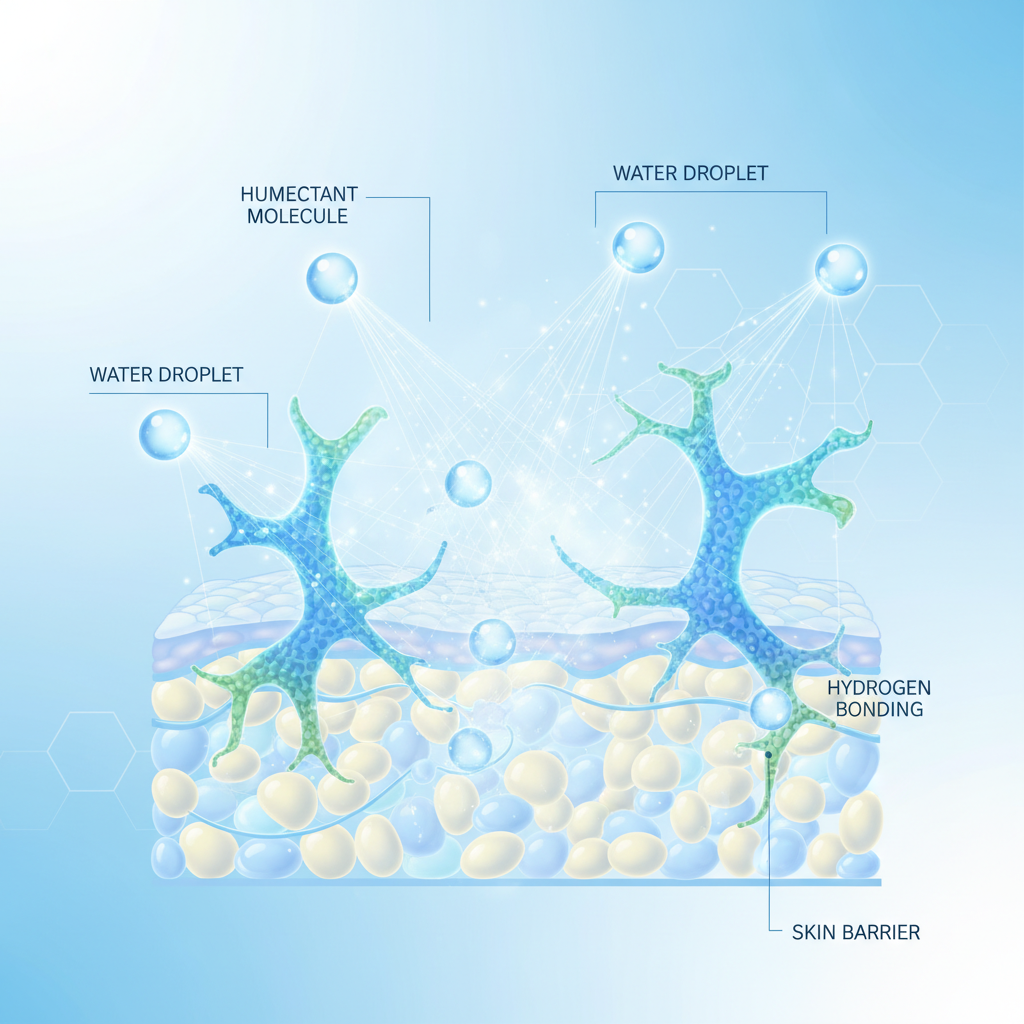
Moisture-Attracting Ingredients
- Hyaluronic acid binds massive amounts of water
- Glycerin draws environmental moisture in
- Sodium PCA mimics skin natural hydrators
- Aloe vera provides soothing hydration
Your Morning Dry Skin Care Routine
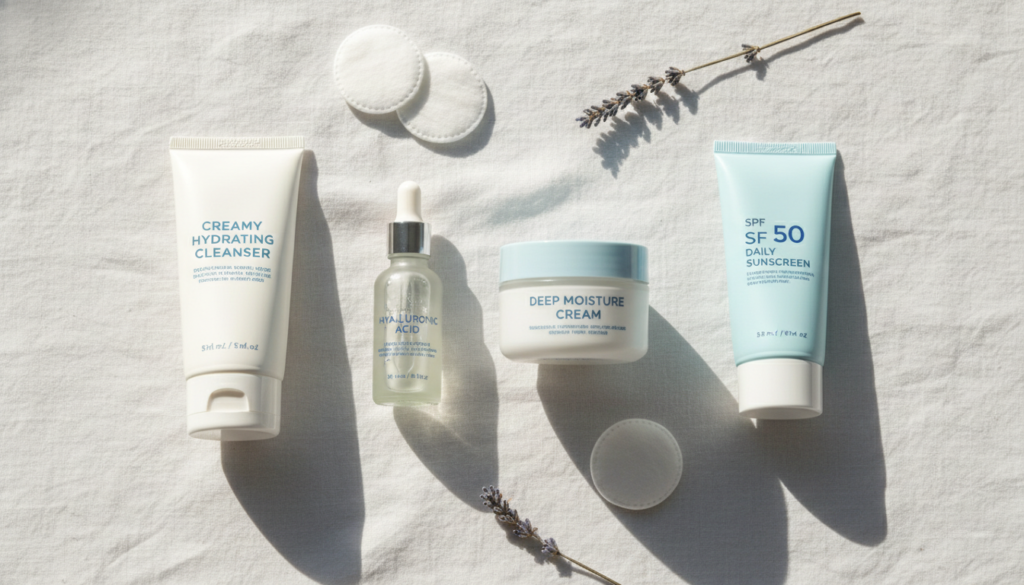
A morning routine dry skin requires should protect against environmental moisture loss while providing lasting hydration. Each step builds upon the previous one to create a shield against dryness throughout your day.
Step One: Gentle Cleansing
Start with a creamy, hydrating cleanser that removes nighttime products without stripping natural oils. Avoid foaming cleansers that contain harsh surfactants. These products disrupt your skin barrier and trigger increased dryness.
Use lukewarm water rather than hot water when cleansing. High temperatures dissolve the oils that help lock moisture into your skin. Pat your face gently with a soft towel instead of rubbing, leaving skin slightly damp.
Get Your Morning Hydration Boost
This advanced morning treatment delivers instant moisture that lasts all day. Formulated specifically for dry skin, it combines multiple forms of hyaluronic acid with barrier-repairing ceramides. Your skin will feel comfortable from morning until night.
Step Two: Hydrating Toner or Essence
Apply a hydrating toner or essence to damp skin immediately after cleansing. These products contain humectants that bind water to your skin face. They prepare your skin to absorb subsequent treatments more effectively.
Look for alcohol-free formulas with ingredients like hyaluronic acid or glycerin. Pat the product gently into your skin rather than wiping with a cotton pad. This application method preserves moisture and enhances absorption.
Step Three: Targeted Serum
Serums deliver concentrated ingredients deep into your skin. For dry skin, choose formulas with hyaluronic acid, niacinamide, or peptides. These ingredients address specific concerns like fine lines, uneven texture, and moisture retention.
Apply serum while your skin remains slightly damp from the previous step. This timing allows humectants to work more effectively. Press the product gently into your skin using your fingertips rather than rubbing vigorously.
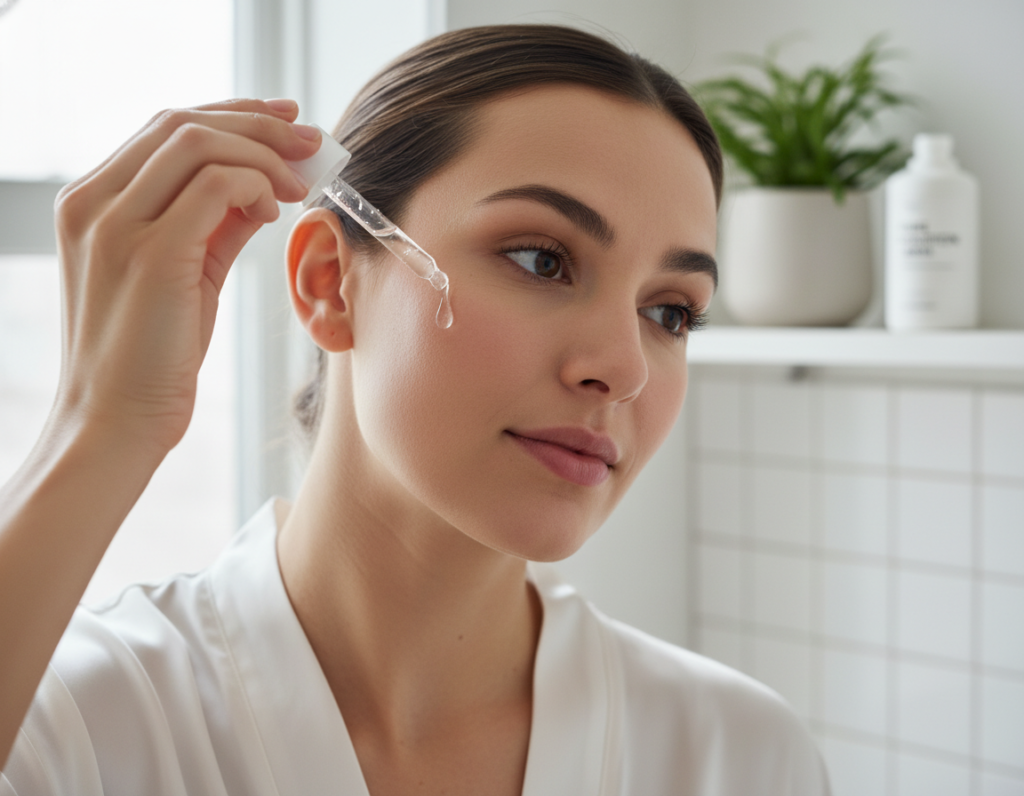
Step Four: Rich Moisturizer
Your moisturizer creates a protective layer that seals in all previous products. Choose a formula with both humectants and occlusives. Humectants attract moisture while occlusives prevent its escape.
Ingredients like shea butter, squalane, and ceramides make excellent choices for dry skin. Apply moisturizer generously to your entire face and neck. Don’t forget areas that often become extra dry like around your nose and mouth.
Step Five: Sunscreen Protection
Sunscreen is non-negotiable in any morning skincare routine. UV damage weakens your skin barrier and accelerates moisture loss. Choose a mineral or chemical sunscreen with at least SPF 30.
Modern sunscreens formulated for dry skin include hydrating ingredients. Look for products containing hyaluronic acid or glycerin. These formulas protect without causing the tight, dry feeling some sunscreens create.
Your Evening Dry Skin Care Routine
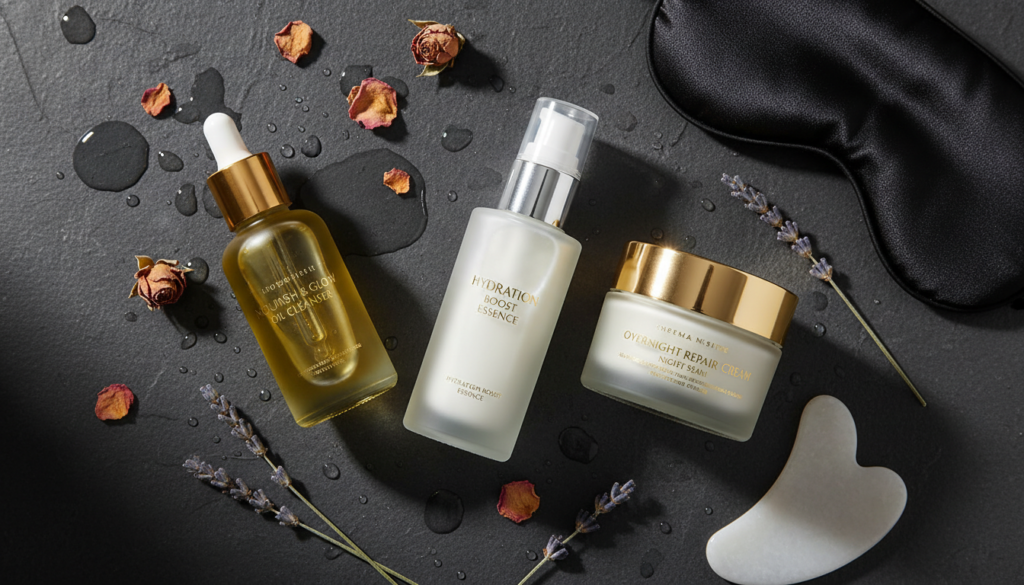
Evening routines focus on repair and deep hydration. Your skin regenerates most actively during night hours. This timing makes evening the perfect opportunity to use richer treatments that restore moisture and strengthen your barrier.
First Step: Remove Makeup and Sunscreen
Begin with an oil-based cleanser or cleansing balm if you wear makeup or sunscreen. Oil dissolves these products without harsh scrubbing. Massage the cleanser gently over dry skin, then rinse with lukewarm water.
This first cleanse removes surface buildup so your second cleanser can work effectively. Oil cleansers also provide beneficial fatty acids that nourish dry skin. They leave your skin clean but not stripped.
The Gentle Cleansing Secret
Stop stripping your skin with harsh cleansers that damage your moisture barrier. This revolutionary cleansing system removes everything your skin doesn’t need while preserving the natural oils it does. Experience the difference gentle yet effective cleansing makes.
Second Step: Water-Based Cleanser
Follow with a gentle, cream-based cleanser that removes remaining impurities. This double cleansing method ensures thorough cleaning without over-stripping. Your skin should feel clean and soft, never tight or squeaky.
Products containing ingredients like ceramides or glycerin provide extra moisture during cleansing. Rinse thoroughly but gently. Leave your skin slightly damp to maximize the effectiveness of products you apply next.
Third Step: Treatment Products
Evening is ideal for treatments that support skin repair and hydration. Apply any prescription treatments first, followed by hydrating serums. Products with hyaluronic acid, peptides, or growth factors work excellently at night.
If you use retinol or other active ingredients, apply them carefully to dry skin. These products can increase sensitivity and dryness. Start slowly and always follow with a rich moisturizer to minimize irritation.
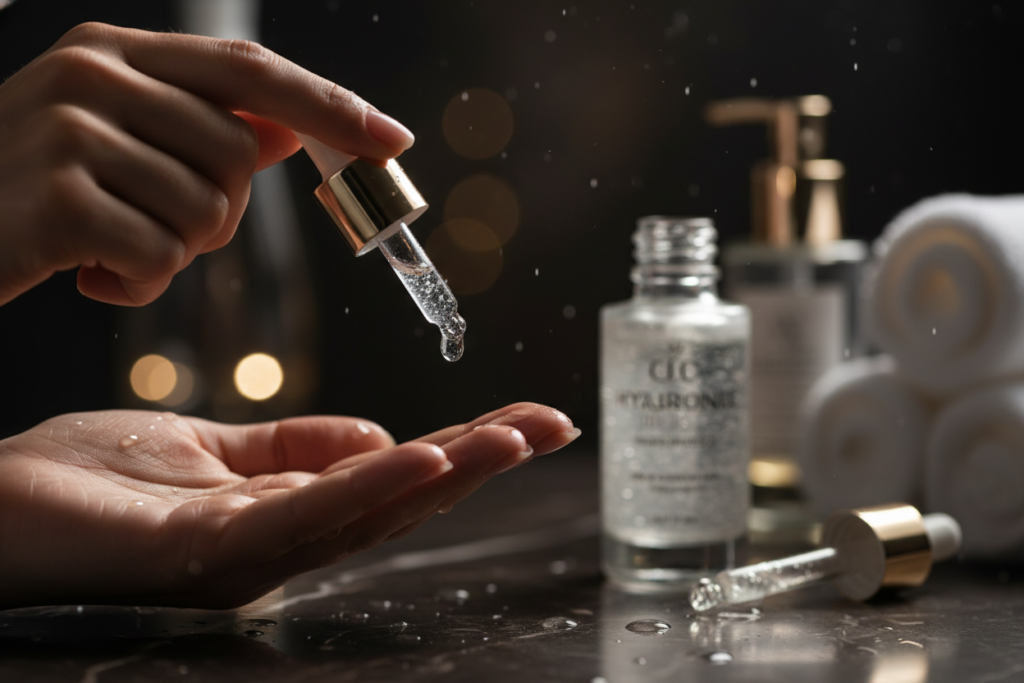
Supercharge Your Overnight Repair
Your skin repairs itself while you sleep, but only if it has the right nutrients. This intensive overnight treatment floods your skin with moisture-binding hyaluronic acid and barrier-rebuilding ceramides. Wake up to noticeably softer, more hydrated skin.
Fourth Step: Eye Cream
The skin around your eyes is thinner and dries out more quickly than other areas. A dedicated eye cream provides targeted hydration to this delicate zone. Look for formulas with hyaluronic acid, peptides, and caffeine.
Apply eye cream by gently patting it around your orbital bone. Never pull or tug at this sensitive area. Use your ring finger for application as it naturally applies the least pressure.
Fifth Step: Night Moisturizer
Your night cream should be richer than your morning moisturizer. Nighttime formulas often contain higher concentrations of nourishing ingredients. They work without concern for makeup application or sunscreen layering.
Ingredients like squalane, shea butter, and plant oils provide deep nourishment for dry skin. These occlusives create a protective seal that prevents overnight moisture loss. Apply generously for maximum benefit.
Optional Step: Facial Oil
For extremely dry skin, add a facial oil as your final step. Oils lock in all previous layers while providing additional fatty acids your skin barrier needs. Choose lightweight oils like squalane or jojoba that absorb well.
Press a few drops between your palms and pat gently over your moisturizer. This technique seals everything in without heavy residue. Your skin will feel nourished without greasiness.
Weekly Treatments for Extra Hydration

Supplement your daily routine with weekly treatments that provide intensive moisture boosts. These concentrated interventions help maintain optimal hydration levels and address specific dry skin concerns.
Hydrating Masks
Use a deeply hydrating mask one to three times per week. Sheet masks soaked in essence deliver concentrated hyaluronic acid and other humectants. Cream masks with ceramides and oils provide barrier-repairing benefits.
Apply masks after cleansing and toning but before serum and moisturizer. Leave them on for the recommended time, typically ten to twenty minutes. Follow immediately with your regular routine to seal in the hydration boost.
Gentle Exfoliation
Dry skin accumulates dead cells that prevent moisture absorption. Gentle exfoliation once weekly removes this buildup without irritation. Choose chemical exfoliants like lactic acid or PHA rather than harsh scrubs.
Chemical exfoliants dissolve the bonds between dead skin cells without physical abrasion. This method proves much gentler for dry skin than scrubbing. Always follow exfoliation with extra hydration to support skin barrier recovery.
Revolutionary Barrier Repair System
Most moisturizers only sit on your skin surface. This breakthrough formula actually rebuilds your damaged moisture barrier from within. It combines three types of ceramides with cholesterol and fatty acids in the exact ratio your skin needs. Real repair, not just temporary relief.
Overnight Sleeping Masks
Sleeping masks provide intense overnight hydration. These thick, occlusive formulas seal moisture into your skin throughout the night. They work especially well during winter months when indoor heating depletes skin moisture.
Apply sleeping masks as the final step in your evening routine. The occlusive ingredients prevent water evaporation while you sleep. You’ll wake with plumper, more hydrated skin that feels comfortable immediately.
Lifestyle Changes That Support Hydration

Your skincare products work more effectively when supported by hydration-friendly habits. Simple lifestyle adjustments can dramatically improve how your skin retains moisture throughout each day.
Increase Your Water Intake
Drinking adequate water supports overall hydration from within. While topical products deliver moisture directly to skin, internal hydration provides the water your skin cells need to function optimally. Aim for eight glasses daily as a baseline.
Water helps transport nutrients to your skin and flush out toxins that can compromise barrier function. Notice how your skin looks plumper and more radiant when you stay consistently hydrated. This internal moisture complements your external routine.
Use a Humidifier
Indoor heating and air conditioning create extremely dry environments. A humidifier adds moisture back into the air your skin contacts constantly. This simple device can significantly reduce moisture loss from your face throughout day and night.
Place a humidifier in your bedroom for overnight benefit. Your skin loses moisture during sleep, and dry air accelerates this process. Maintaining forty to sixty percent humidity helps your skin natural barrier function properly.
Modify Your Shower Routine
Hot showers feel wonderful but devastate dry skin. High water temperatures strip away the natural oils that help lock moisture in your skin. Switch to lukewarm water and limit shower time to ten minutes or less.
Apply body moisturizer immediately after showering while your skin remains damp. This timing traps water against your skin before it can evaporate. Pat skin gently rather than rubbing vigorously with your towel.
Hydration-Boosting Habits
- Drink water consistently throughout the day
- Run a humidifier in dry environments
- Eat foods rich in omega-3 fatty acids
- Avoid excessive alcohol consumption
- Protect skin from harsh weather conditions
Habits That Damage Dry Skin
- Taking long, hot showers or baths
- Using harsh, foaming cleansers daily
- Spending time in very dry environments
- Neglecting to moisturize after cleansing
- Over-exfoliating sensitive dry skin
How to Choose Products for Your Dry Skin
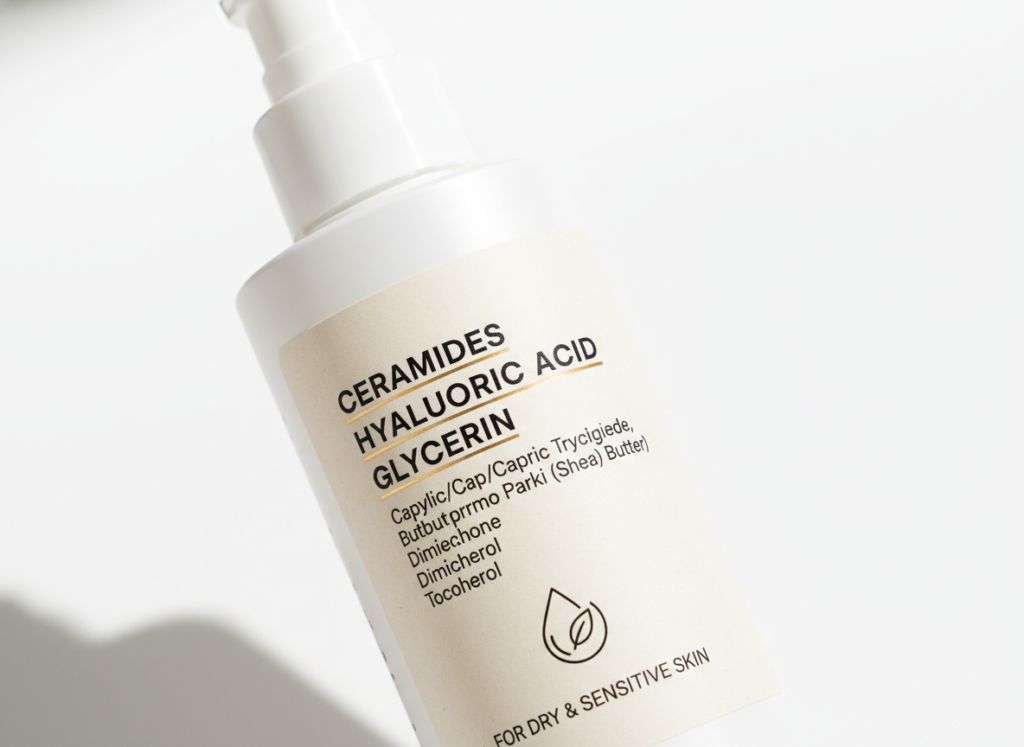
Selecting effective products requires understanding which ingredients benefit dry skin and which cause further damage. Smart product choices make the difference between temporary relief and lasting improvement.
Essential Product Features
Look for products labeled as suitable for dry or sensitive skin. These formulations typically avoid harsh sulfates and alcohols that strip moisture. They contain higher concentrations of humectants and emollients that attract and seal in hydration.
Check ingredient lists for beneficial components like hyaluronic acid, ceramides, glycerin, and niacinamide. Products listing these ingredients within the first five components contain meaningful concentrations. Avoid products with high alcohol content or strong fragrances.
Cleanser Selection
Cream, milk, or oil cleansers work best for dry skin. These formulas clean effectively without stripping natural oils. Avoid gel or foaming cleansers unless specifically formulated for dry skin types.
Your cleanser should leave skin feeling soft and comfortable, never tight or squeaky. That stripped feeling indicates your cleanser is too harsh. Switch to a gentler formula that maintains your skin natural barrier while removing dirt and makeup.
Moisturizer Criteria
Effective moisturizers for dry skin contain both humectants and occlusives. Humectants like hyaluronic acid and glycerin draw water into your skin. Occlusives like shea butter and ceramides prevent that water from escaping.
Day moisturizers should feel comfortable under sunscreen and makeup. Night creams can be richer and more emollient since you don’t need to layer other products over them. Both should provide lasting comfort without pilling or greasiness.
Stop Guessing About Products
Tired of wasting money on products that don’t work? This comprehensive guide reveals exactly which ingredients your dry skin needs and which ones make it worse. You’ll learn to decode product labels and build a routine that actually delivers results, not just promises.
Ingredients to Avoid
Certain ingredients commonly found in skincare products can worsen dry skin. Avoid products containing high concentrations of denatured alcohol, which severely dries skin. Harsh sulfates like sodium lauryl sulfate strip protective oils.
Strong fragrances and essential oils can irritate already-compromised dry skin. Physical exfoliants with rough particles may damage your delicate barrier. Choose fragrance-free, gentle formulations whenever possible for your face and body.
Adjusting Your Routine for Seasonal Changes

Dry skin often worsens during certain seasons. Your routine should adapt to environmental changes that affect moisture levels. Seasonal adjustments ensure your skin stays hydrated year-round regardless of weather conditions.
Winter Skincare Adjustments
Cold temperatures and indoor heating create the perfect storm for dry skin. Winter air holds less moisture, while heating systems actively remove humidity from indoor environments. Your skin loses moisture rapidly under these conditions.
Switch to richer cleansers and heavier moisturizers during winter months. Add a facial oil to your routine for extra protection. Increase humidifier usage to combat dry indoor air. Apply moisturizer more frequently, especially before going outdoors.
Summer Skincare Modifications
Summer humidity can actually benefit dry skin by providing environmental moisture for humectants to attract. However, air conditioning and sun exposure still threaten your hydration levels. Balance lighter textures with adequate protection.
You might use lighter moisturizers during summer but should never skip this step entirely. Ensure your sunscreen contains hydrating ingredients like hyaluronic acid or glycerin. Reapply throughout the day as sun exposure increases moisture loss.
Transition Season Strategies
Spring and fall require flexibility as temperatures and humidity fluctuate. Keep both light and rich moisturizer options available. Assess your skin daily and choose products based on current conditions rather than calendar dates.
Your skin may need heavier hydration on windy spring days or during early fall when heating systems restart. Pay attention to how your skin feels and adjust your routine accordingly. This responsive approach prevents both dryness and excessive heaviness.
Common Dry Skin Care Mistakes to Avoid
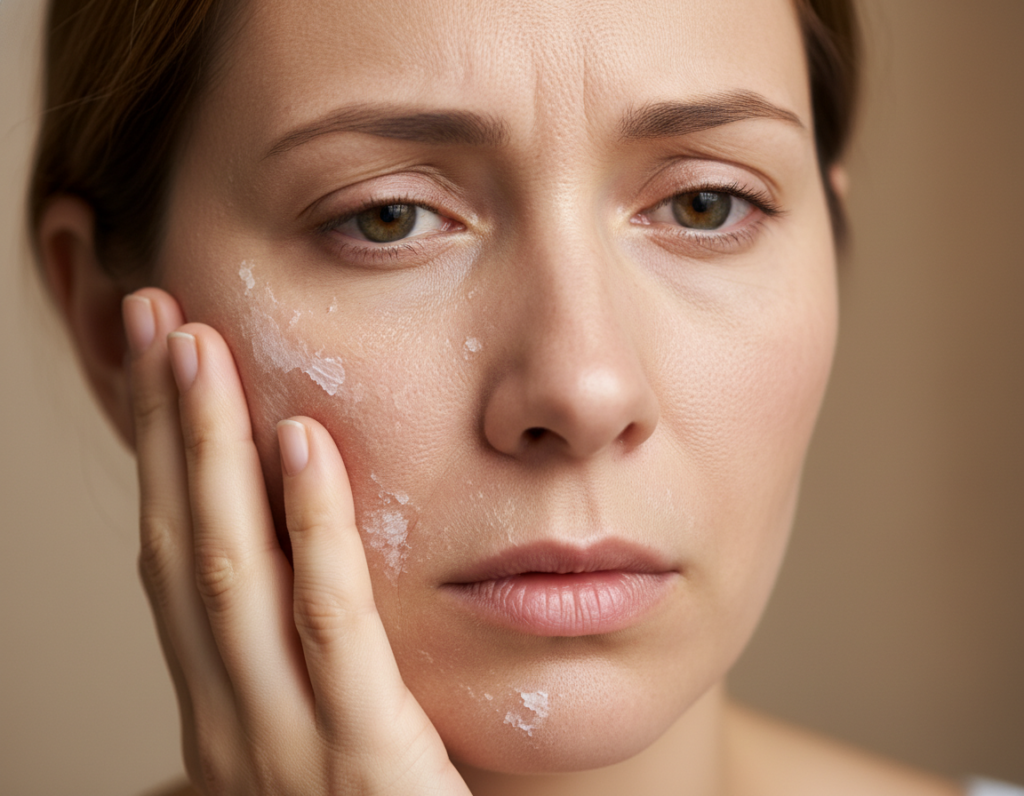
Well-intentioned skincare habits can actually worsen dry skin. Understanding these common mistakes helps you avoid practices that undermine your hydration efforts and damage your moisture barrier.
Over-Cleansing Your Face
Washing your face too frequently strips away protective oils faster than your skin can replace them. Most people with dry skin need to cleanse thoroughly only once daily, in the evening. Morning cleansing can be just a water rinse or gentle micellar water wipe.
Using harsh cleansers compounds this problem. Your cleanser should clean effectively without leaving your skin feeling tight or squeaky. That stripped sensation indicates barrier damage that will worsen your dryness over time.
Skipping Sunscreen
Many people with dry skin avoid sunscreen because they fear additional dryness. This mistake allows UV damage that actually weakens your moisture barrier. Modern sunscreens formulated for dry skin provide protection without uncomfortable dryness.
UV exposure breaks down collagen and damages the cells that maintain your skin barrier. This damage accelerates moisture loss and worsens dryness over time. Daily sunscreen is essential for maintaining healthy, hydrated skin regardless of skin type.
Using Products in Wrong Order
Product layering order affects how well each one works. Apply products from thinnest to thickest consistency. Water-based serums go before oil-based treatments. Moisturizer seals everything underneath.
Applying heavy cream before lightweight serum prevents the serum from penetrating your skin. The cream creates a barrier the serum cannot cross. This mistake wastes product and prevents you from getting full benefits from your routine.
Hydration-Boosting Practices
- Applying products to damp skin for better absorption
- Using lukewarm water instead of hot for cleansing
- Moisturizing immediately after washing your face
- Layering products thinnest to thickest
- Using humidifier to add moisture to dry air
- Choosing fragrance-free gentle formulations
Dryness-Causing Mistakes
- Cleansing with harsh foaming products twice daily
- Taking long hot showers that strip skin oils
- Waiting too long after cleansing to moisturize
- Over-exfoliating already compromised dry skin
- Skipping moisturizer because skin feels oily
- Using alcohol-based toners that dry skin further
Ignoring Your Neck and Hands
Your face often gets all the attention while your neck and hands suffer from neglect. These areas have thinner skin that dries out even more quickly than facial skin. They also show aging signs prominently when dehydrated.
Extend your facial skincare routine to your neck and chest. Apply hand cream multiple times daily, especially after washing. These simple additions prevent the crepey texture and premature aging that result from chronic dehydration.
When to Consult a Dermatologist

Most dry skin improves with proper skincare routine adjustments. However, certain symptoms indicate underlying conditions that require professional medical evaluation and treatment beyond what products alone can address.
Signs You Need Professional Help
Severe dryness that doesn’t improve after four to six weeks of consistent routine dry skin care may signal conditions like eczema or psoriasis. Persistent itching that interferes with sleep or daily activities requires medical attention.
Cracking or bleeding skin indicates significant barrier damage that may need prescription treatments. Skin that becomes infected or develops oozing areas requires immediate professional care. Don’t attempt to treat these conditions solely with over-the-counter products.
Conditions That Mimic Simple Dryness
Several medical conditions present as dry skin but require specific treatments. Eczema causes inflammation along with dryness. Psoriasis creates thick, scaly patches that regular moisturizers cannot resolve. Thyroid disorders can cause widespread skin dryness.
A dermatologist can diagnose these conditions and prescribe appropriate treatments. Prescription moisturizers contain higher concentrations of active ingredients than over-the-counter options. Medicated creams target specific inflammatory processes that cause persistent dryness.
What to Expect from Dermatology Visits
Your dermatologist will examine your skin and ask about your current routine. Be prepared to discuss all products you use and any triggers you’ve noticed. The doctor may recommend patch testing to identify allergens contributing to your dryness.
Treatment plans often combine prescription products with refined skincare routines. Your dermatologist might suggest specific ingredient combinations or application techniques. Follow these recommendations carefully for best results and improved skin comfort.
Building Your Perfect Dry Skin Care Routine

Transforming dry skin into comfortable, hydrated skin requires consistency and the right approach. Your routine should include gentle cleansing, multiple layers of hydration, and protective moisturizing morning and night.
Focus on products containing proven ingredients like hyaluronic acid, ceramides, and glycerin. These components work together to attract moisture to your skin and prevent its loss throughout the day. Layer them properly for maximum effectiveness.
Remember that lifestyle factors significantly impact your skin moisture levels. Drink adequate water, use a humidifier in dry environments, and protect your skin from harsh weather conditions. These simple habits enhance what your products can accomplish.
Your dry skin care routine will evolve as you discover which products and techniques work best for your unique needs. Pay attention to how your skin responds and adjust accordingly. Seasonal changes may require modifications to maintain optimal hydration year-round.
Get Your Complete Dry Skin Solution Today
Stop struggling with dry, uncomfortable skin. This comprehensive system gives you everything you need to transform your complexion. You’ll get the exact routine, product recommendations, and expert guidance that delivers real, lasting results. Your journey to hydrated, glowing skin starts now.
Patience proves essential when addressing chronic dry skin. Your skin barrier needs time to repair and strengthen. Consistent application of the right products will show noticeable improvement within two to four weeks.
Beautiful, healthy skin is achievable even if you’ve struggled with dryness for years. The strategies outlined in this guide provide a proven framework for lasting hydration. Implement these steps and watch your skin transform from uncomfortable and flaky to smooth, comfortable, and radiant.